Jump to ratings and reviews
Rate this book

The Missing Word: A Novel

Rate this book
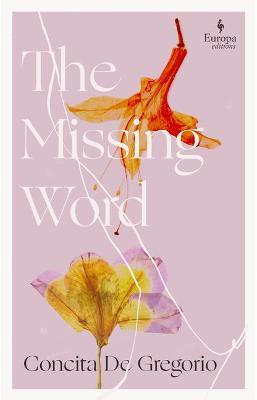
Irina's life with her husband and her twin daughters is orderly. An Italian living in Switzerland, she works as a lawyer. One day, something breaks. The marriage ends without apparent trauma, but on a weekend seemingly like any other, the girls' father takes Alessia and Livia away with him. They disappear. A few days later the man takes his own life. Of the girls, there is no trace.


Concita De Gregorio takes the unadorned, terrible facts of this true story and embodies the protagonist's voice. In a narrative that is fast and urgent, she unravels these traumatic events to tell the story of a mother bereft of her children - a state for which there is no word.

An urgently told psychological thriller and the fierce portrait of a woman in all her frailty and courage, The Missing Word delves deep into Irina's thoughts and memories as she grasps at the shreds of truth and, piece by piece, stitches her life back together.

118 pages, Kindle Edition

First published June 3, 2015

Loading...
Loading...

About the author

Concita De Gregorio

58 books108 followers
Nata a Pisa nel 1963, da madre spagnola (di Barcellona) e padre toscano, è cresciuta a Livorno. In questa città studia al Liceo Classico Niccolini Guerrazzi; successivamente consegue la laurea all'Università di Pisa in Scienze Politiche. Frattanto inizia la professione nelle radio e TV locali toscane, entrando a Il Tirreno nel 1985, dove, per otto anni, lavora nelle redazioni di Piombino, Livorno, Lucca e Pistoia.
Nel 1990 approda a la Repubblica, dove si è occupata di cronaca e politica interna.
Nel luglio 2008 è al centro di una curiosa polemica. La rivista Prima Comunicazione rende note le anticipazioni di una sua intervista in cui ammette di aver accettato la proposta del neo editore de l'Unità, Renato Soru, di diventare direttrice del quotidiano fondato da Antonio Gramsci; nella stessa intervista Concita De Gregorio espone le linee guida della sua direzione. La notizia suscita clamore in redazione: il comitato di redazione protesta contro la via dell'«annuncio del cambio di direttore attraverso intervista». Il 22 agosto 2008 viene ufficializzata la nomina a direttrice de l'Unità, carica che ha ricoperto fino al 7 luglio 2011,quando ritorna a la Repubblica.
È sposata con il giornalista Alessandro Cecioni, ed è madre di quattro figli maschi.

Ratings & Reviews

What do you think?
Rate this book

Friends & Following

Create a free account to discover what your friends think of this book!

Community Reviews

5 stars
514 (29%)
4 stars
702 (40%)
3 stars
406 (23%)
2 stars
102 (5%)
1 star
29 (1%)
Displaying 1 - 30 of 208 reviews
Profile Image for Orsodimondo.
2,544 reviews2,574 followers
December 5, 2023
UN POSTO VUOTO


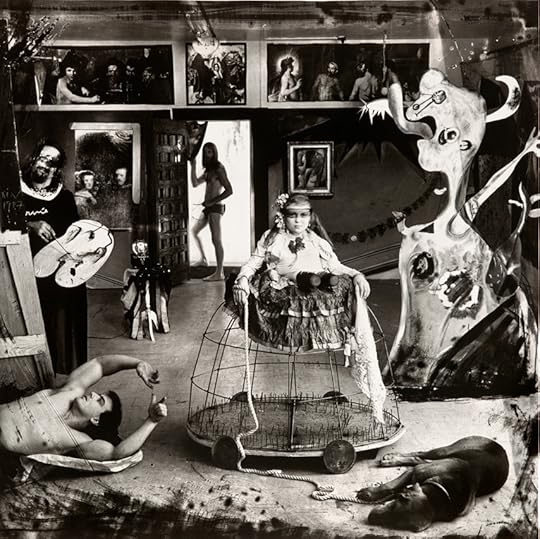
Diego Velázquez: Las meninas (particolare), 1656 circa.

Classico caso di cronaca adatto alla trasmissione di RAI 3 “Chi l’ha visto?”, che infatti se ne è ampiamente interessata, andandoci a nozze come ogni volta che scompare qualcuno senza ritorno.
Il fatto risale a una decina d’anni fa, undici per la precisione: Irina vuole separarsi da Mathias con il quale ha avuto due figlie, gemelle eterozigote, che hanno cinque anni.
La coppia vive separata da qualche mese. La casa di famiglia è rimasta a lui.
Lui è svizzero tedesco, lei italiana, vivono a un passo da Losanna.
Lei è un avvocata di prestigio, e come lui lavora per una multinazionale, la Phillip Morris, ma lo stipendio di lei è ben più alto di quello di lui.
Dopo qualche mese di separazione, con le bimbe che si alternano come di prassi tra casa della madre – il nucleo principale – e quella del padre, un weekend che le bimbe sono con lui, Mathias sparisce. Dopo cinque giorni viene ritrovato suicida a Cerignola in Puglia: si è steso sui binari della stazione e ha atteso che il treno lo devastasse.
Le due piccole, invece, sono letteralmente sparite, di loro non si sa più nulla, i corpi non vengono mai ritrovati.


Pablo Picasso: Las meninas, da Velázquez (1957).

Mathias compie un percorso assurdo nella sua fuga: in auto da Losanna raggiunge Marsiglia, s’imbarca su un traghetto per la Corsica, la attraversa, ne prende un altro per tornare in Francia e da lì attraversare l’Italia fino alla Puglia.
Le bimbe non si sa se siano salite sul traghetto o meno: il padre aveva comprato i biglietti anche per loro, ma di loro non si sa più nulla, nessuno le ha viste, nessuna telecamera le ha riprese.

La Svizzera esce dalla vicenda faccenda una pessima figura: razzista, cialtrona – le indagini rimangono sulla carta, nessuno indaga davvero, o perché è evidente che non c’è nulla da indagare, o perché c’è da fare una rogatoria da cantone a cantone e un trattato di pace per la Palestina sarebbe più agile e snello, intanto nella casa di Mathias nessuno cerca, fa rilievi, tutti entrano ed escono come una mandria in libertà – la suocera è un concentrato di razzismo e anaffettività.
Mathias era psicorigido: nel corso del tempo si è rivelato ossessivo, maniacale. Psicorigido, appunto.


Sara Munari: Las meninas, 1987.

Irina invece è un magnifico ritratto di donna. O meglio, più del ritratto credo che a essere magnifica sia proprio lei: non molla mai, continua a cercare, continua a convivere con l’assenza. Ma intanto si ricostruisce una vita e un amore, cambia lavoro – ora vive a Granada in Spagna e si occupa di cartoni animati – fonda in Svizzera un’associazione che si chiama Missing Children ed è chiaro l’intento.

Da quanto ho capito è stato Irina stessa a contattare De Gregorio e chiederle di occuparsi della sua vicenda, di scrivere la sua storia. Il potere taumaturgico della scrittura, delle parole. Ho l’impressione che se avesse affrontato il compito da sola, il risultato sarebbe stato migliore: perché, a me pare che gli interventi di De Gregorio per “abbellire” il racconto, la ricerca di lirismo, il suo sforzo di fare letteratura, siano alquanto zoppicanti.


Salvador Dalì: Las meninas, 1960
848 reviews124 followers
January 30, 2022
This is one of those books where it may be better not to know exactly what it is about, because the subject matter is so horrible that you probably wouldn’t pick it up. I am very glad I did though, because it is a wise, respectful exploration of grief in a very clear and accessible way. I don’t recall a book of a mere 120 pages having such an emotional impact on me.

It tells the true story of Irina Lucidi, whose two 6-year old daughters were taken away by her husband and presumably killed in 2011. He left her a note saying only that they didn’t suffer and that she would never see them again. Apparently the case is well-known in Italy, but I had never heard of it.

The book consists of letters and other writings of the mother. I am not sure how closely Concita de Gregorio has stuck to the original writings, but what we read is of an extremely clear, lucid and logical prose, which I found very convincing and is for me the strongest point of the novel. Irina is clearly a very intelligent and rational woman and it is quite incredible how she has managed to deal with her loss.

She clearly has some scores to settle as well, in this case with the Swiss police and also with her German-speaking family in law, both of whom she has felt discriminated by for being Italian and for being a woman, whereas her ex-husband is Swiss and German speaking. The 'innocent' stereotyping of Southern-Europeans by Northern-Europeans (they are dumb, lazy and unproductive, make a mess and cannot organise) is not only an interesting and underexposed theme, but also – I find – a real problem in an integrating Europe.
Profile Image for Fabia Consorti.
86 reviews41 followers
April 26, 2018
Doloroso e bellissimo.
"Sono una madre, lo sarò sempre. Senza figli ma madre. Non servono figli per essere madri."
Profile Image for Martina ⭐.
190 reviews55 followers
November 10, 2024
La sofferenza, la determinazione, la continuazione. Tutto questo vive ed affligge Irina, una donna ed una mamma che si ritrova a dover affrontare un innaturale tormento: Cosa ne è stato delle sue due figlie? Sono ancora vive?
Una storia piena di emozioni trasmesse al lettore con delicatezza, nonostante vengano comunque veicolate la gravosità e l'angoscia del "non poter trovare pace" e "non poter sapere". Sentimenti e situazioni che travolgono il lettore come un'onda.
Profile Image for Sarah.
1,256 reviews34 followers
March 19, 2022
3.5 rounded up

I requested a copy of this on a whim, not knowing a whole lot about the plot (but that Europa Editions often publish books that intrigue/appeal to me!) - and as other reviewers have said, if I had known exactly what the book was about I might've been a bit more leery of it. Concita De Gregorio has written a book which has been described as being In Cold Blood-esque, taking a real-life crime and presenting it in a form where (to me, anyway -- I did try to corroborate this through articles online but there is very little in English about the crime, so apologies if this is incorrect) it is unclear how much of the narrative is based on fact and what may be slightly embellished or fictionalised.

The crime is so heinous as to be almost unimaginable: a father, recently separated from his wife, has his daughters for the weekend as per their agreement. During this time he disappears, travelling abroad where he ultimately ends his own life. Except that he takes their two six year-old daughters with him, who have not been seen or heard from since. His ex receives a letter from him shortly after saying she will never see him again. The book told from her perspective, through a combination of letters to those close to her or involved in investigating the case as well as lists and more biographical chapters about their relationship.

I found this to be a moving portrait of a mother who has lost her children - there is actually even a segment on the fact that many languages don't have a specific word for this situation, like we have words such as orphan, widow etc. - and a well-handled insight into her psyche. The insight into Swiss society was illuminating, too (the mother was accused of driving her husband to the crime). I'm curious as to whether everything in the book was entirely factual, but I guess it ultimately doesn't really matter as this was a compelling read regardless, and one which will linger in my mind for some time.

Thank you Netgalley and Europa Editions for the advance copy, which was provided in exchange for an honest review.
Profile Image for Irene ➰.
969 reviews89 followers
July 5, 2017
3.5/5 ~ ITA mini-review

Siccome il contenuto non è giudicabile, darò invece un giudizio sul come è stato scelto si scrivere questo breve libretto.

Il formato dell'essere tutto scritto sotto forma di lettere è interessante e visto l'argomento la lettura viene resa più "leggera", fatemi passare il termine.
Sinceramente mi aspettavo un lettura totalmente diversa, visto il messaggio che vuole lasciare il libro scritto sul retro.
Si ha una vaga idea di quello che è successo e se non si conosce la storia ci si trova un po' in confusione anche se il libro lascia comunque intendere.

Per me è stata una lettura interessante e usata per distaccare dal mio genere, leggendo su fatti di uno certo spessore realmente accaduti, mi sono messa alla prova.
Devo dire che però se anche fa riflettere, resta comunque un po' "buttato lì". Il messaggio fa un po' fatica a passare.
Profile Image for Jill.
Author 2 books2,159 followers
February 28, 2022
The missing word. Parents who lose children. Who don’t murder them, but lose them. What are they called, how do you say it, who is someone whose child has died?”

There are no words for a woman who loses her twin six-year-old daughters – Alessia and Livia. Not in English, in German, in French, in Italian, or in Spanish.

The very concept of a woman whose estranged husband takes the girls, on a weekend not unlike any other, and takes his own life. Of the twins, there is not a space. They vanish into thin air. Most likely, they are dead. But without closure, there’s always the possibility they are not.

Anyone expecting a wrenching story of a woman who can barely control her emotions will find something quite different here. Irina is a survivor. Obviously bereft for her daughters – her whole life is transformed – she has the courage to say “yes” to life. Based on the true story of Irina Lucidi, who was married to a Swiss husband, the case received much publicity in Italy (but not here in the United States).

Particularly frustrating is the way the case is handled – or should I say, mishandled – Swiss authorities who carry biases against southern Europeans and women in general. Much of this book is in the form of letters to various authorities (one of them in particular lays out all the ways that the investigation was bungled or caught up in ridiculous red tape) or letters to people who were kind to her in the past (a younger brother, a dear friend).

Irina’s conscious choice to move on with a new and healthy love is inspiring. One of the saddest lines is her new love’s insistence that their new home contain a room for the girls in the event that they return. While Irina pragmatically knows her daughters are very likely dead, that gesture is very comforting to her.

Both the mother (who launched Missing Children Switzerland) and the author have turned a personal tragedy into a work of hope. My rating: 4.5. My thanks to Europa Editions for enabling me to be an advance reader in exchange for an honest review.
Profile Image for Chiara Santamaria.
Author 5 books1,256 followers
January 11, 2020
Ascoltato su Audible •
Questo libro è un regalo. Un dono immenso, forse non da tutti compreso. È una narrazione del lutto che sovverte tutto ciò che crediamo di conoscere, e dà un punto di vista nuovo e ribelle su ciò che si dovrebbe sentire, fare, ma soprattutto su quanto bisognerebbe abbandonarsi alla sofferenza e all’annullamento di sé dopo la morte di persone amate.
E non parliamo di persone qualsiasi, parliamo del lutto più doloroso, insensato e assurdo di tutti. La perdita per antonomasia. Quella dei figli.
La storia è quella di Irina Lucidi, la donna che ha perso le sue due gemelline di sei anni che sono state rapite e presumibilmente uccise dal padre. Dico presumibilmente perché quest’uomo, suicida pochi giorni dopo il rapimento, ha voluto intenzionalmente lasciarla nel dolore eterno non concedendole nemmeno di conoscere la fine delle figlie, mai più ritrovate.
È una Matrioska di sofferenza questa storia, uno dentro l’altra fino a un centro indistruttibile di dolore, eppure credetemi se vi dico che Irina è la prova e finalmente la voce di ciò che tutti forse vorremmo sentire: sopravvivere si può e si deve, ma soprattutto ESSERE FELICI e tornare ad amare dopo una tragedia simile si può e si deve.
Si deve per sé stessi e non è una negazione del dolore o del bene voluto a chi abbiamo perso ma una necessità inalienabile per chi ancora respira ed esiste nel mondo.
Un nuovo capitolo dopo una tragedia immane che comunque resta ma che é un mostro che si deve imparare a domare.
Io ringrazio dal profondo sia Concita De Gregorio che Irina Lucidi per questo libro, così potente, così rivoluzionario nella sua umiltà.
Leggetelo
Profile Image for Atul_reads .
190 reviews12 followers
April 7, 2022
“The only thing that's more painful than not having your loved ones near you is not knowing where your loved ones are. Not even having their bodies so that you can imagine them walking somewhere else.” –The Missing Word

The Missing Word is a heart-aching read. A tribute to all mothers out there who in their silence still weeping for their missing child and hoping for the day when they got to see them and hold them in their arms once again.

It broke me reading about Irina when she poured out all her heart and tell her story. All the backlash and criticism she receives. In a way, the world expects that a woman should close her heart and for all, continue to grieve and not deserved happiness of all sorts. Our community also condemn that if a mother is working and unable to take care of her child due to work, her love for them is less.
She is trying so much to survive, to soothe her heart and trying to be loved again. Why can't we just be supportive and understanding?

There are all sorts of things she faces in trying to find her children in the county that's not her own, with little assistance. I'm glad she found the bravery to tell the world her story. May her story be of help.

Thank you so much to NetGalley and EuropaEditions for the eARC.
Profile Image for Simona.
998 reviews235 followers
November 6, 2015
Cosa si può dire di un libro che non ha lasciato emozioni?
"Mi sa che fuori è primavera" è un racconto di dolore, del dolore di una madre che ha perso la ragione per cui vivere e che tenta, per quanto possibile, di sopravvivere a questa mancanza.
122 pagine scritte in modo disarticolato, sfilacciato, disorganizzato che non lasciano spazio a emozioni, sensazioni.
La primavera, per quanto mi riguarda, non è ancora sbocciata, e per la fioritura, forse è meglio attendere tempi maggiormente prosperi.
Profile Image for Bagus.
511 reviews104 followers
January 15, 2023
Words have the ability to capture reality, to describe a situation as it happened. As a child, I used to wonder what if authors already tried all combinations of words and sentences to write books. Would there be a day when all those combinations are tried and we no longer have the ability to describe them? But language, as happens, is fluid. Some languages disappeared over time with their users (languages did go extinct), while some languages obtain new lexicons over time (see how we normalise the word “selfie” to describe a situation in which a person taking picture of oneself) or similar lexicons which obtain new meanings (the words “install” and “application” now have heavy usages in relations to information technology). Yet not all situations in life have words to describe them. One of which is the grieving of a mother who loses her children due to unforeseen circumstances.

The Missing Word by Concita De Gregorio is one such novella that is able to capture intense emotions in only 131 pages. It follows the life of Irina Lucidi, whose twin daughters, Alessia and Livia, disappeared without any trace following her divorce from the twin’s father, Mathias Schepp. Mathias picked up his daughters to spend a weekend with them, and later along with the twins left their home in Switzerland for a holiday in Corsica, France. The body of Mathias was later found in Italy, without his daughters, where the authorities presumed him of committing suicide.

The fate of Alessia and Livia remained unknown since 30 January 2011, about which Irina’s grieving became the dominant subject of the story. Each chapter could consist of different forms. Sometimes they are letters, either from Irina or from people who corresponded with her. Sometimes they also consist of first-person narrative from Irina’s point of view. They establish facts, rationalising Irina’s grief which found no outlets. Yet the grieving remains, there is no lexicon to describe the situation in which a mother lost her daughters in Italian, German, and other languages that she spoke.

Up until the last page of the story, it took me a while to digest and establish that the story is based on a real story taking place in Switzerland. Following the disappearance of her daughters, Irina founded an organisation called Missing Children Switzerland, which is still running up until now. I find this story a moving tale of a mother losing her children (and by extension, of people who couldn’t get any closure from their grieving for family members whose fates are uncertain). It’s also a story about recovering from a traumatic experience, to look at it in hindsight as a way to regain one’s life purpose, instead of seeing oneself as a victim of circumstances.
Profile Image for Sally68.
298 reviews32 followers
July 21, 2018
Non mi sento di commentare ne il libro ne il bisogno di questa madre di parlare di quanto le è accaduto. Diventa per me difficile, anche il solo pensare che possa accadere, non so come Irina abbia potuto sopportare.
Questa vicenda negli anni non mi ha mai abbandonata, piu volte, senza apparente motivo, mi sono ritrovata a pensare a Alessia e a Livia, a cosa sia successo, a che fine abbiano fatto. Come piú volte ho voluto leggere questo libro ma poi lo accantonavo, sapendo che non sarebbe stata una lettura facile. Per quanto doloroso possa essere quanto descritto dopo aver finito il libro non puoi che ammirare questa donna, che ha saputo continuare a vivere, dando alle sue figlie il giusto posto, il posto che meritano. Accanto a lei! Perche Irina resterà sempre una madre.
Frasi:
" Livia restava sempre intera, integra. Con una rigidità verticale, interna, non saprei come dire. Era sempre lei. Alessia invece te la spalmavi addosso, diventava un calco del mio corpo. Diventava me."

"Cosi, come un fatto semplice. Come una possibilità. Non torneranno, nonna, lo so. Ma non potrei vivere senza sapere che nella mia casa c'è un posto per loro. Il posto che le aspetta, se dovessero bussare e chiedere: il nostro letto, mamma, in questa casa dov'è."
Profile Image for Lightblue.
775 reviews33 followers
January 4, 2016
Come si fa a dare un voto ad un libro che parla del dolore di una madre che non sa che fine hanno fatto le due figlie di 6 anni? Si può davvero giudicare la forza, la tenacia e l’ardore di una donna che decide di continuare a vivere quando il primo impulso sarebbe quello di lasciarsi morire per il dolore?

Irina Lucidi è una donna che mi rimarrà nel cuore, perché è ostinata, determinata, coltissima. Racconta la sua storia con una delicatezza e un amore infinito, con il cuore lacerato ma con la forza di chi non si arrende e non si fa piegare dal dolore, perché se c’è anche una sola possibilità su cento che Alessia e Livia siano vive, lei deve far di tutto per continuare a cercarle.

E nonostante tutto, la vita va avanti, l’amore può tornare e dopo l’inverno più freddo e buio arriva comunque la primavera.
http://noi2magazine.com/2015/12/18/la...
Profile Image for Elena Tamborrino.
201 reviews13 followers
May 13, 2016
Assegno sempre il massimo delle stelline ai libri che mi trasmettono forti emozioni, che mi coinvolgono sentimentalmente. Il giudizio letterario viene in un momento successivo, in casi del genere. Ma un libro deve saper fare questo, prenderti. Che lo debba fare nella forma più bella e corretta lo do per scontato, vorrei non doverne discutere. Su questo libro non c'è da discutere, il contenitore è adeguato a un contenuto duro e bello, lucido e straziante, assoluto.
Profile Image for Chris.
656 reviews197 followers
June 4, 2022
3,5
Based on a true story of a man (recently divorced) who kidnaps his twin daughters and then commits suicide. The daughters are never to be found.
This was well written in short, diverse chapters (letters, talks, and also two pov’s: the mother and the author). I felt that the fragmentary style worked better in the beginning than the end though. A sad, horrible and powerful book.
Thank you Ingram and Edelweiss for the ARC.
Profile Image for Isabella Pedrazzi.
24 reviews
August 14, 2026
Un breve romanzo, forse piu un diario, una raccolta di pensieri ed emozioni.
Una terrificante storia vera.
Molto ben scritto.
Profile Image for abby ¡!.
13 reviews1 follower
April 30, 2025
No tengo palabras. Me lo encontré en la biblioteca y simplemente me llamó la atención el título, pero para nada me esperaba algo tan brutal. Pelos de punta en todo momento, una forma de narrar increíble, humana, como caminar sobre los pensamientos de alguien. Es precioso y me encantaría haber podido subrayar todas y cada una de sus páginas
Profile Image for leggere.con.leggerezza.
152 reviews88 followers
January 21, 2021
Non fatevi ingannare dal titolo o dai colori tenui e  delicati della copertina.

Le due rose appassite erano un indizio che non avevo tenuto conto.
Probabilmente rappresentano Livia e Alessia Sheepp.

Sicuramente vi ricordate di loro. Sono le due gemelline svizzere di sei anni rapite dal padre Mathias Sheepp che dopo un lungo viaggio tra la Corsica fino in Puglia, si suicidò  lanciandosi sotto un treno. Prima di morire lasciò una lettera alla moglie, e tanti tanti dubbi.  " Le ho uccise, non hanno sofferto"
Le bambine come saprete sono attualmente scomparse.

Missing Children Switzerland è la fondazione creata dalla madre  Irina Lucidi.
Leggendo questo libro potreste sostenere questa fondazione focalizzata sulla scomparsa dei bambini .
Vi prego di andare a vedere il sito.
È un atto doveroso nei confronti di queste
famiglie.
Lo sapevate che Ogni 2 minuti, sul territorio europeo un bambino viene dichiarato scomparso.
I numeri che vengono riportati fanno accaponare la pelle
www.missingchildren.ch

Parliamo del libro. Doloroso certamente,  un punto allo stomaco, ma una lettura importantissima.

Concita de Gregorio ci scrive un romanzo epistolare che ha le sembianze di un thriller psicologico. 
Se lo inizierete sarà impossibile non concluderlo nel giro di poche ore. La tensione è altissima e putruppo posso garantire dolore e pianti.

È vero però che è tra queste pagine troverete dolore ma sono intrise anche  amore profondo, di vita.  Ma in particolar modo l'unica cosa, la più importante per  Irina e alla quale mai si abbandonerà : La SPERANZA.

Tuttavia è un libro che bisogna assolutamente leggere e penso che possa essere di grande aiuto a molte donne che confondono varie forme di malattie psichiche  travestite da amore.

È un libro introspettivo , emozionale, emotivo.

Sono allibita, incredula ed emotivamente fragile in questo momento.

Assolutamente imperdibile

Mi sento solo di concludere con una citazione presa dal testo

✒ Sono una madre, lo sarò sempre. Senza figli ma madre. Non servono figli per essere madri.
.
Profile Image for Alessia.
53 reviews7 followers
September 9, 2019
Delicatamente struggente. Si, come camminare leggeri sui carboni ardenti. Una storia vera, tragica, raccontata con l’umiltà delle parole sapientemente utilizzate.
Profile Image for Stella Sottani.
22 reviews
June 6, 2019
Storia dura ma profonda, rappresenta a pieno l’arrovellarsi caratteristico del pensiero femminile... il libro è cosparso di dubbi e domande.
Una madre a cui vengono sottratte le figlie non può fare che interrogarsi sui mille perché e cercare di dare un senso a tutto lo svolgersi della situazione, sulla quale non ha il minimo controllo, anche se cerca di ottenerlo ad ogni modo..
Se vogliamo si contrappongono due figure: il marito, da un lato, la moglie dall’altro e le figlie nel mezzo. Fisicamente in balia del padre, in quanto con lui, ma emotivamente in balia della madre che tenta ad ogni modo di mantenerne vivo il ricordo..
I dubbi e le domande della madre non trovano né risposte, né tantomeno comprensione, il che la lascia spaesata ancora di più. È come se la protagonista vivesse in un inverno senza tempo, quando all’improvviso raggiunge quella consapevolezza e accettazione che la portano in una primavera di rinascita.
Il finale è aperto, quindi lascia libero spazio alla fantasia del lettore, che però (a parer mio) se ben immerso nella storia, non sa dare una risposta “razionale”, bensì più scontata, come a dire “si sa che va a finire così”.
Profile Image for Devin Redmond.
1,187 reviews
June 15, 2023
4.5 / 5 stars

My mom will go to the library and just pick a book off the shelf that looks good to her. I never do this. I want to have read about it or talked to someone about it. Just think about how many good books I’ve missed because of this quirk. (never mind, don’t go down that rabbit hole)
I DID IT YESTERDAY, THOUGH! I picked up 𝘛𝘩𝘦 𝘔𝘪𝘴𝘴𝘪𝘯𝘨 𝘞𝘰𝘳𝘥 solely because of the beautiful cover. And my friend works for Europa Editions so that always makes me notice books from the publisher- they all have a similar feel/look. The author is Concita De Gregorio, and it’s translated by Clarissa Botsford.
The story, told through letters and what feel like journal entries, is about a woman whose husband kidnapped his own twin daughters, killed himself, and the daughters were never seen again. Gregorio took this actual true story and imagined how the woman/mom/wife was able to continue living afterwards. The book does not focus on the husband or kidnapping, though there are parts, and it does allude to the botched investigation. It’s a story of both death and living a life with a gaping hole in your whole being.

Profile Image for emily.
756 reviews603 followers
September 16, 2026
‘Dearest—There’s no such thing as coincidences, you always used to say with a laugh when—I told you—how amazed I was at the numbers, names, and places that have recurred over the course of my life—All these years. Well, there may be no such thing as coincidences, but there’s also no such thing as time, right? It’s an invention, a unit of measurement that has been selected from millions of possible ones. You would always laugh when I said: I’ll never forget—I won’t be able to.’

I like whales (an understatement). There are whales (mentioned in this one). Rounded off to a five (if anything, it’s also stylistically fucking brilliant (or at least it’s the kind of tone/texture that I find to be fucking wonderful).

‘Still today, immigrants stick together—I can’t stop thinking about this woman—my nameless great-grandmother, in the sanatorium—locked her up in order to eradicate her presence—Then my mind races to the other side of the ocean to Domenica, an Italo-American forced to move to a country that was not hers—Everything else—pales in comparison against my need to know whether by chance the time we’re living in does not follow a linear path but exists, rather, in an ever-present contemporaneity, where everything is in the here and now, a time frame where what has taken place, takes place, and will take place co-exist.’

‘—we are blind and cannot see, and in order to save ourselves, we forget, we think we are the only thing that is present and important but we are actually no more than the produce of a tree that brings forth throughout the seasons the same and different leaves, the same and different fruit. We bear the marks of the lightning bolt that struck us before we were born, we complete and replicate the design of the women and men who came before us.’

‘Everything is elementary now, completely clear. What we need to do is understand our place in history. These words—there are already too many—My great-grandmother’s name is a secret you keep and that I live in my flesh. We can pretend to choose the right thing, or surrender to the forces that give birth to us and erase us and then bring us back to life. If we don’t do it, you and I, I’m sure our children will weave the threads of this pattern together. I respect the directives of your office. Whatever you decide to do—after listening to this story—will be what was supposed to be, and therefore, whatever happens, I thank you.’

‘I don’t mind anything, Nonna. I really don’t mind anything any longer. Everything feels like a surprise and a gift. When I hear people around me who get upset about trivial little things I think, watch out, let the sleeping dragon lie: it may wake up one day. If I’m overtired, or overwhelmed by the missing voices and faces, then I simply don’t notice what’s going on around me. So, no, I don’t mind anything, ever.’

‘I don’t know anyone who still writes by hand in ink. I wouldn’t know how to. And with those gothic letters they taught you at school when you were little. Altdeutsche Schrift! It’s heartbreaking to imagine how long it must take you to write a letter like that, the tools you must need—the thought of that moves me—I used to spend hours guessing what you had written, to whom. I would conjure up people I didn’t know, people from your life not mine, people you used to write to for hours in silence. Who were you writing to, Nonna?’

‘I know, I told you I’d talk about it when I saw you, but too much time has passed and I feel like new memories are pushing the old ones back, I’m scared that when we meet, I’ll have so many things to tell you that I won’t be able to find the right words for each and every one of them. Words sometimes create a flood, other times they dry up. Or they come too late and are no longer useful to express what they wanted to say. Words are precise mechanisms. In your language, in the language we shared when I was a child, they are perfect interlocking building blocks. But words have their own rhythm, it’s vital to find them at the right time.’

‘There’s no trace of hypocrisy, pretense, or theatrics in the way you are with me inside my story. It is what it is. It is this, the whole thing. It’s as if there were no before or after for you. As if I’ve always been me, in your eyes: me laughing and crying, me and no one else. By the same token, you are still Paola. Identical. If I had to explain what a friend is, I’d say this. A friend is a person for whom nothing changes even when everything has changed. Yes, book the tickets for the concert. Then, if at the last minute we don’t want to go, we can go to the box office and give them to a couple of kids we like the look of, like we did that time in Geneva.’

‘The other thing I wanted to tell you—what is certain is that I’ve never been in love with someone who wasn’t already in love with me: as if that was a necessary precondition, I’m thinking now. A prerequisite. Never unrequited love, ever. When I listen to my friends’ travails, when I read Russian novels and watch American films, I always stop and think: me, in that state, never. Do you remember—senior year? That punk—the school rebel? You didn’t like him at all. But he chose me, out of all the other girls, and I let him choose me. Do you remember—He was so intelligent—we went to the film forum almost every evening—Do you remember Hal, the Irish guy? He was active in politics, he wrote—traveled. All the girls loved him, I don’t know why he chose me. He was a bit boring in domestic life, just so you know: very different to how he looked on the outside. We split up one Sunday morning, when we were still in bed and he was reading a biography of Stalin—He always did what I wanted in the end. He was pretty docile.’

‘Okay,—There’s no such thing as coincidences. You’re right, comme d’habitude. There are desires—passions that carry us along and bind us, designated or invisible routes we follow, tangles—You can be nostalgic about people, not categories. Your Nonna, her and her alone, not grandmothers in general—Absence is a constant presence: it challenges you—hand-to-hand combat—There isn’t a thing, or a person, that can replace someone’s absence. Only dreams—alive and scented—voices, in dreams. I’m delighted when I dream about them.’

‘What does todo cuadra mean? I asked them in slow English. Everything adds up. Todo cuadra—means that in the end everything ends up in its place—He says it even when it doesn’t seem to have anything to do with the conversation, but in the end it always does. Todo cuadra. Our letters—I could be just Irina in them, I went back to being Irina and nothing else. I told him about the things I saw, described places, my thoughts, we recommended music and books to read to one another. We never said a thing about the facts. He never asked me. That, Nonna, was when I felt as though life might belong to me again one day. Because, as you know, it hasn’t belonged to me for many years, I haven’t been myself for many years.’

‘And I’m not as beautiful as you were at twenty, when you must have looked like a cloud of lilacs—I’m not as tall as you—I can’t tie my hair up in that bun which, seen from behind, looked like a volcano of whipped cream—Let’s make a pact, do you want to share a secret with me? You’re a wonder of life, Nonna. Ich liebe dich. Te quiero con locura.’

‘I love other people’s children, I have fun with them, they make me laugh and I fall in love with them—There’s something in me of the Irish dancer who left her children behind to emigrate to America. There’s something in me of the American mother whose daughter—was stolen. The distant root of a growing plant. A plant that grows inside me, my roots. My middle name is M—after all. Tell me again about your hunches, about the coincidences—Are we all destined to repeat other lives? Is the task we have been assigned in life to take just one step, perhaps in a circle, or maybe backwards, though it may feel like we’re moving forwards?’

‘We can get away from the place others have allocated to us. Other people are not our destiny. Is that what you mean? You also say—Because there’s no such thing as time. Because violence, love, desire, needs, silence, and words get mixed up. They blend together. Always, almost always. Because you can live without. Seriously, you can. Live with absence. Coexist with it. Because anything can happen to anyone. To you, to me, to anyone. Can we really not predict it, see it, know it? Really?’

‘I look at you, I listen to you, and the light in everything changes. You are the rock of absence. You are its presence. Meanwhile, you smile and talk to me about love. A new love, another love. You describe it. It doesn’t take anything away from the rest. On the contrary: it touches you, it holds you, it accompanies you, it takes the pack off your shoulders when it’s too heavy to walk any further—Searching, traveling, seeing, trying to understand—This is the only thing we can do. Not stopping ourselves, not suppressing our desire, ever. Another step. One meter further. Forgetting and remembering. Letting things out and then bringing them back into your heart.’

‘This is what you say, before putting your things in a bag and setting off again. ‘Love does not forget you, even when you ignore it. It comes back and knocks. If you don’t answer, it will bring you down. You need to harbour a little fear, but most of all you need to show it how brave you are. You need to be there when it calls. You need to be there and take care of it. Only when you let it go freely, will you see it return.’ The mind forgets. The heart does not.’

‘Natalia Reveulta, the woman who loved Fidel Castro before he became Fidel, when she was twenty, in the only interview she ever gave: “It took me my whole life to relocate him from my heart to my mind.” Such a short journey, such a long time. And anyway, something can slip your mind. Once you’ve learned it by heart, though, it never will.’

‘And that enormous elephant right there in the middle. That everyone pretends not to see. They circle around it in a sad do-si-do, dancing from one armchair to another without ever bumping into it, they don’t touch it, they don’t name it, they don’t look up. Even you and I are unable to exchange glances when we’re around the elephant, because our eyes are mirrors reflecting the other’s pain, amplifying it, and the pain grows and grows until it is the only thing left in the room.’

‘I know, their silence is born of the best of intentions. Looking back, I think that in this story everyone has always behaved with the best intentions: even when their actions were incomprehensible and vicious, their intention at the time was always to make things better. Isn’t that awful? It’s incredible how much pain we can inflict, convinced we’re acting for the best. Do you see what I’m saying, Nonna? You always know everything even when you don’t, you hold everything together, even things that are not meant to be held together. There’s no need to explain things to you.’

‘I sometimes think that the fact that I was habituated to violence as an ordinary thing between people—as a way of expressing bonds of love—made it harder for me to recognise abuse as an adult. I’m always dreaming about water, fish, whales. Mostly whales.’

‘I don’t have the strength to deal with other people’s pain. I’ll take my elephant with me—sometimes it turns into a whale in the ocean. I’m leaving for Patagonia—We’re going whale watching. Trekking, climbing to the top of the mountains, walking deep into the woods, sitting at the ocean shore all make me feel happy. Minuscule and at peace—I’ll introduce him to you one day, I’d love to. You’ll like him. He has eyes that laugh and big hands. He can create silence when it’s needed, then he chooses his words, picks them out, and stitches them together like embroidery.’

‘Did I tell you his job is to make cartoons for kids? Did I tell you what he did when I rejected him at first? He gave me an incredible gift—I want to see your—smile while I describe the scene—I’ve been feeling so guilty about being happy again, Nonna. It’s as if everyone has been saying—how can you leave what happened to you behind—fall asleep—How can you still be alive, in short, and still want to be in this world? Shame on you. It’s as if they are saying that I’m dead, too, and that it’s outrageous of me to rebel.’

‘But I’m alive, Nonna, pain on its own doesn’t kill you and I’m still alive. Hence, I have to live, because as long as I’m here, the memory of those who are no longer with us lives on. The memory, alive—in my thoughts. To forget, Nonna. You’ve walked for a century and you know that nothing is ever forgotten. Every minute of our being revolves around something that no longer exists so that something else can take place. We need fear in order to be brave. Absence is the true measure of presence. The gauge of its value and power.’

‘I love you, Nonna—I think of our secrets,—I think of you as my home, my family. Everything was still to come, back then. And yet, much must still happen now. You’re still there, I’m still here. I’ll be back with pictures of whales to show you, I’ll tell you about the sounds they make, because whales sing, you know? I’m so sorry not to be with you for Christmas but I’m happy to be able to promise you I’ll be happy. Even when I cry, which of course I will, as I do every holiday—I’d like you to feel my joy. To try and stroke the pink elephant when everyone else snubs it, I’d like you to whisper in its ear—We’ll lead it away from that place, we’ll set it free, we’ll go and see it every day but it will never be held captive again. Tell it that, Nonna. I love you. Merry Christmas.’
Profile Image for Francesca.
131 reviews1 follower
April 23, 2020
Uno dei fatti di cronaca tra i più agghiaccianti avvenuti in Italia negli ultimi anni.
Un padre separato che, approfittando di un week-end con le sue figlie di 6 anni, le rapisce e dà il via a quella che sembra la trama di un thriller all’americana: scientificamente dissemina tracce che portano inevitabilmente a strade senza uscita; per cinque giorni si muove tra la Svizzera, la Francia e l’Italia, in traghetto e in auto. Nessuno sa se, e fino a quando, le bambine fossero con lui. Dopo cinque giorni di fuga parcheggia l’auto alla stazione di Cerignola, porta con sé il GPS per non lasciare alcuna traccia dei suoi spostamenti e si lascia travolgere da un treno.
Dietro di sé, in macchina, lascia solo un biglietto indirizzato alla moglie: “Le bambine riposano in pace, non hanno sofferto. Non le rivedrai mai più”.
Ma la realtà può essere peggiore di qualsiasi thriller o noir: nei romanzi c’è sempre un brillante detective che, anche con metodi poco ortodossi, alla fine risolve il caso. Di queste bambine invece non si sa più nulla: presumibilmente sono morte, ma dove sono? Gettate in mare di notte, dal ponte di uno dei traghetti che fa la spola tra Marsiglia e la Corsica? Sepolte in un bosco? O forse sono ancora vive, come dice un testimone che giura di averle viste all’aeroporto di Lione?
La voce narrante è quella di Irina Lucidi, madre delle gemelle e principale vittima della tragedia, che ripercorre gli ultimi 20 anni della sua vita, dall’incontro con il futuro marito Mathias, alla scoperta della gravidanza, ai primi anni di matrimonio a cui segue una separazione apparentemente amichevole.
Irina racconta delle nevrosi di Mathias, ingegnere svizzero tedesco, e della sua ossessione per le regole, che piano piano diventano ordini: la loro casa tappezzata di post-it con regole apparentemente insignificanti (non solo come vestire le bambine ma anche in quale ordine fare indossare loro i vestiti, come riempire le tazze della colazione, come caricare la lavastoviglie) che prima la fanno sorridere, poi la inquietano e infine la spaventano, fino a convincere la donna a rivolgersi prima a una terapista di coppia e poi a un centro antiviolenza per donne.
La decisione di separarsi diviene inevitabile ma sia Irina che Mathias sono decisi a renderla meno complicata possibile, per il bene delle bambine. Nulla lascia pensare che Mathias stia progettando un finale così straziante e punitivo per la madre delle sue figlie.
Il libro è stato scritto dopo quattro anni dalla conclusione, se così si può definire, della vicenda. Concita De Gregorio ha rielaborato i colloqui avuti con Irina dando vita al suo memoir, in cui si mescola la cronaca di quei giorni con la vita di Irina “dopo”: la creazione in Svizzera di una Fondazione a favore dei genitori di bambini scomparsi, per dare ad altre madri e altri padri nella sua condizione il sostegno che non ha avuto lei, e un nuovo amore.
Dietro una terribile storia di morte si nasconde una grande storia di vita e di coraggio. Da queste pagine si percepisce l’immensa forza di Irina, che nonostante l’uomo di cui si fidava di più le abbia strappato nel modo più crudele possibile il suo bene più prezioso, non si abbandona alla disperazione ma si adopera per dare una speranza agli altri genitori che, dopo di lei, dovessero trovarsi in una situazione analoga.
In questo libro Irina non inveisce contro la burocrazia Svizzera e i possibili errori degli inquirenti, non si rifugia in vane illusioni. Pur nella disperazione manda un messaggio di fiducia e determinazione, trasferito su carta con grande sensibilità dalla De Gregorio.
Un libro che si legge tutto d’un fiato, con le lacrime che bagnano il viso.
Profile Image for Kristen Barenthaler.
Author 81 books11 followers
April 5, 2023
I found this book too confusing and grammatically incorrect to the point where I couldn't focus or understand what was happening. There's barely any storyline to keep readers engaged. I was completely unprepared for the ending, not in a good way (because it's a twist or happily ever after), but in the way that I didn't know it was the end of the book because it just stopped.
Profile Image for stefania gloss.
Author 2 books11 followers
December 2, 2015
Appena arrivata sulle Alpi, ho voluto appropriarmi del posto. Così mi recai alla cerimonia di apertura dell'Unitre per esplorare, incontrare, sapere. Qui ho scoperto con gioia che avrei potuto cogliere l'opportunità di farmi conoscere in quanto dedita alle problematiche femministe, presenziando una Lectio Magistralis (vedi mio blog: acca t t p, pastoristefaniagloss punto blogspot punto it/2015/10/artemisia-gentileschi punto html) su Artemisia Gentileschi, Lectio che si è svolta il 27 di novembre 2015 sui temi della RESILIENZA, che è anche contenuto nel saggio CORPI RIBELLI .

E' stata seguita con curiosità e slancio dagli intervenuti, di cui uno persino da Torino, certo Piero Salciccia, tanto da richiederne un prosieguo con storie di altre donne resilienti.

Al termine, un regalo da parte della presidenza Unitre: un romanzo sulla Resilienza, scritto da Concita De Gregorio, inviata di politica, cultura ed editorialista per vent'anni in La REPUBBLICA, direttora per pochi anni de L'UNITA'.

Mai regalo fu più appropriato. Non è una storia. E' una storia saggio. O storia saggia. Scusate il bisticcio di parole. E' della filosofia della perdita. La De Gregorio sembra raccogliere la testimonianza di una donna italiana sposata ad uno incegnere sfizzero (da leggere proprio così, come l'ho scritto), da cui nacquero due gemelle. Sembra, perché in realtà non è una storia. All'età di 6 anni, mamma e papà decidono di lasciarsi. Serenamente, senza intoppi. In apparenza. Ma in sostanza, un giorno il papà sparisce assieme alle figlie. Dopo qualche giorno, il papà si suicida. Nulla più si sa delle piccole. La mamma, donna in carriera, sconnessa dal tessuto sociale sfizzero, è criticata.

Vi è un intero capitolo in cui si coglie la sostanza poetica della prosa. E' la lettera della madre ad un fratello, certo Vittorio, lontano nel tempo e nello spazio, in cui gli racconta il ricordo di un anello sempre desiderato ma mai pervenutole in dono dagli amati uomini. Finalmente, un uomo glielo dona. Ed è il suo nuovo amore che la condurrà fuori dalla sua malattia di perdita.

La donna non solo vorrebbe i corpicini delle figlie perdute, da abbracciare seppur nella morte, ma dalla scrittrice cui confida il proprio dolore secco, si aspetta una parola che la identifichi come madre che ha perso figli.
Vi è un altro capitolo intero in cui si coglie la perfezione millimetrica della De Gregorio nella ricerca di questa parola. Che non esiste.

Per essere felici non ci vuole tanto. Per essere felici non ci vuole quasi niente. Niente, comunque, che non sia già dentro di noi.

Questo si legge ad un certo punto. Quando cioè la madre raggiunge la rassegnazione della perdita. Si direbbe una massima buddista.

Consigliato a chi ha perso un figlio per morte, come la mia amica Loredana Mengo. A chi l'ha perso non solo nella morte, ma anche nella vita. A chi teme che la poesia sparisca nella prosa. Consigliato ai filologi della parola. A chi sa stupirsi ancora. E non è cosa comune.
Profile Image for La mia.
360 reviews33 followers
January 7, 2016
Mi è piaciuta l’architettura, non lineare, articolata, multidimensionale. Mi è piaciuta la tensione drammatica di alcuni capitoli, in particolare le lettere in cui la protagonista si rivolge a chi ha il potere di fare qualcosa, e chiede che qualcosa sia fatto, oppure garbatamente sollecita ciò che non è stato fatto, oppure ancora ringrazia per ciò che si potrà fare. Sola contro il resto del mondo, e il tono resta quello di una richiesta educata, ferma, pronta a comprendere le altrui ragioni, come se vi fossero ragioni più vitali della sua. Mi è mancato un po’ più di spessore (anche banalmente in numero di pagine…). Un po’ più di materia. Non per voyerismo o morbosità. Ma per comprendere meglio il dolore, la fatica, l’angoscia. A pagina 94 un accenno: “Alla fine di quello stesso anno sono partita. Dieci mesi dopo. Dieci mesi di droghe: sonniferi calmanti antidepressivi sedativi. Un tempo senza giorno e senza notte, tempo di ovatta.” Dieci mesi di angoscia condensati in due righe. Non mi basta. Non mi spiega. Non mi racconta. Forse una voluta omissione? Non so. Mi sembra di avere letto mezza storia.
Profile Image for ZOE.
354 reviews8 followers
July 31, 2017
Osannato da tutti, questo romanzo. A me non è piaciuto, la figura di Irina è troppo "vittima" degli Svizzeri brutti e cattivi (ma non è anche questo un luogo comune?) e di se stessa, lo stile è irritante, la storia raccontata da una parte sola della barricata. A un certo punto l'ho mollato, perché mi aveva fatto arrabbiare, per cui non so se alla fine diventa una meraviglia.
Profile Image for Franz B. .
427 reviews19 followers
April 13, 2018
Così poche pagine e così tanti contenuti. È questo che mi ha fatto decidere di dare 5* e non solo 4.
Lo stile di scrittura mi è piaciuto moltissimo e non mi sarei stupita di trovare così tanto dentro ad un libro di 300 o più pagine.
Un potente e interessante concentrato che mi sento di consigliare a tutti.
Profile Image for Dona Ter.
Author 30 books118 followers
December 28, 2021
Precioso, por la forma de narrar los sentimientos.
Desgarrador, todos tenemos demasiado presente el caso de Ana y Olivia, las niñas de Tenerife.
Profile Image for Juan Guillermo Fridkin.
163 reviews6 followers
June 24, 2022
#PareceQueFueraEsPrimavera de #ConcitaDeGregorio

Tre men da novela basada en un hecho real de inicios de 2011.

Irina Lucidi es una abogada italiana que vive en Suiza. Se casa con Mathias Schepp que era un compañero en la multinacional para que la trabajaban.

Tuvieron 2 hijas gemelas, Alessia y Livia, luego se separaron.

En fines de Enero de 2011 Mathias se llevó a Alessia y Livia para pasar unas vaciones juntos los 3. Las niñas tenían en ese entonces 6 años. A los días de comenzar ese viaje el padre se suicida en las vías de un tren en Italia y le dejó una nota a su exmujer en la que le decía "Las niñas no han sufrido, jamás volverás a verlas".

En efecto, nunca se supo más nada de las hijas de Irina y Mathias.

La novela no relata lo que pasó, sino más bien lo que Irina siente y en cómo lucha para sobrevivir a la terrible historia.

Hiper recomendable.

«No es verdad que el olvido no existe. La cabeza selecciona, archiva constantemente y descarta mucho. Deja espacio, compacta. A lo mejor no elimina del todo pero comprime en un formato ilegible. Aunque te esfuerces no encuentras la clave, ya no puedes descifrarlo».

«El amor se multiplica, no se divide».

«El luto en ausencia del cuerpo es una hemorragia misteriosa e imparable. He visto a madres buscar a sus hijos durante treinta años, en Argentina. También he visto a abuelas reencontrar a sus nietos desaparecidos después de cuarenta, y es un espectáculo que no se puede explicar».

«Cuando oigo decir "mi mujer", "mi hijo", me siento siempre incómoda. También Mathias lo hacía. Hay algo de embustero y de ligeramente violento en ese "mi". Como una imperceptible vejación. Un robo de identidad. Nadie es de nadie, pienso. En cambio todos, si queremos, somos de cada uno».

«Cada día hay miles de personas que pierden a un hijo. Accidentes enfermedades drogas guerras. Cada minuto. Y, entonces, me pregunto: ¿por qué nuestras lenguas han suprimido la palabra para decirlo? Eras viuda si has perdido a tu marido. Eres huérfana si has perdido a uno de tus progenitores o a ambos. Pero yo, nosotras, ¿qué somos? Dirás: qué importa tener una palabra. Importa. Porque tener un nombre es tener un sitio, una casa hecha de pensamientos ya pensados».

#MisLecturas2022 #LiteraturaItaliana #LiteraturaEuropea #LeoYRecomiendo #Bookstagram @recomiendoleer #RecomiendoLeer #LeoNovelas #MeGustaLeer #LibrosRecomendados #LeoYComparto #Books #BookWorm #SamsungS21Ultra @repost.literario #MeEncantaLeer
Displaying 1 - 30 of 208 reviews