

What do you think?

Leo Stanhope #1
Das Haus in der Half Moon Street
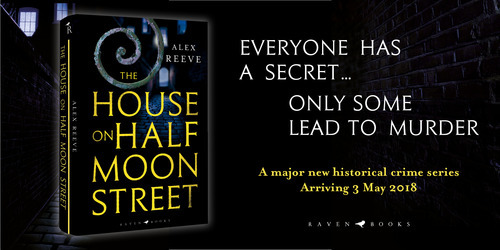
London 1880. Leo Stanhope, Assistent der Gerichtsmedizin, macht eine merkwürdige Entdeckung: In der Jackentasche eines angeblich in der Themse ertrunkenen Mannes findet er eine Ale-Flasche, in deren Etikett das Wort »Mercy« eingeritzt ist.
Kurz darauf landet eine zweite Leiche aus der Themse auf seinem Tisch, und ihr Anblick wirft Leos Leben gewaltsam aus der Bahn: Es ist Maria, seine große Liebe. Und sie wurde ermordet. Bald fällt der Verdacht auf ihn, und so macht er sich selbst auf die Jagd nach dem Mörder. Doch dabei droht sein lange gehütetes Geheimnis ans Licht zu kommen - und das könnte ihn nicht nur die Freiheit, sondern sogar das Leben kosten.
Kurz darauf landet eine zweite Leiche aus der Themse auf seinem Tisch, und ihr Anblick wirft Leos Leben gewaltsam aus der Bahn: Es ist Maria, seine große Liebe. Und sie wurde ermordet. Bald fällt der Verdacht auf ihn, und so macht er sich selbst auf die Jagd nach dem Mörder. Doch dabei droht sein lange gehütetes Geheimnis ans Licht zu kommen - und das könnte ihn nicht nur die Freiheit, sondern sogar das Leben kosten.
416 pages, Paperback
First published May 3, 2018
About the author
Alex Reeve
9 books64 followersAlex Reeve was born in Twickenham and now lives in Marlow, Buckinghamshire with his wife and two sons. Having done many jobs, including working in a pub and teaching English as a foreign language in Paris, he is now a University lecturer and is working intermittently on a PhD. His debut novel The House on Half Moon Street, the first in a Victorian crime series featuring Leo Stanhope, will be published by Bloomsbury in 2018. Leo was born when Alex came across an article about transgender people in Victorian England, and he was amazed to see how little had changed.
Ratings & Reviews
Friends & Following
Create a free account to discover what your friends think of this book!
Community Reviews
Displaying 1 - 30 of 299 reviews

October 10, 2022
Mr Leo Stanhope, assistant to a London coroner, visits the delightful Maria once a week, where they can escape the real together. Thing is, Leo has a huge secret, one that if revealed would see him expelled from polite Victorian society and possibly committed to an asylum or even imprisoned! When Leo is arrested for the murder of someone close to him, his heart already broken by their death, he swears, if he can somehow get free he will investigate the murder... and thus a legend is born, a Victorian amateur detective series!

Reeve doesn't shy away from Stanhope's reality writing the book in his first person, so we truly are in his head and how he truly irrevocably sees himself. Likewise get a warts and warts of his existence in Victorian London and its loneliness but also the strength and determination of character to live his best live. As ever in quality reads like this strong supporting cast and a top drawer murder(s) mystery. Can't get enough of Leo. Very strong Four Star, 9 out of 12.
2022 read
Reeve doesn't shy away from Stanhope's reality writing the book in his first person, so we truly are in his head and how he truly irrevocably sees himself. Likewise get a warts and warts of his existence in Victorian London and its loneliness but also the strength and determination of character to live his best live. As ever in quality reads like this strong supporting cast and a top drawer murder(s) mystery. Can't get enough of Leo. Very strong Four Star, 9 out of 12.
2022 read

April 3, 2018
This is a thought provoking historical crime drama with Leo Stanhope, a transgender coroner's assistant, set in Victorian London. Born Charlotte Pritchard, he has 2 siblings, and feels an absolute conviction he is a man, cruelly made to live within the body of a woman, he leaves home at 15 years old, unable to live a lie any longer. He is estranged from his family and only connects with his sister, Jane, although she is not happy to see him. It begins with the arrival of the drowned body of Jack Flowers, a man deemed to be drunk who accidentally fell into the Thames. Leo is a frequent visitor to the brothel on Half Moon Street, to see the love of his life, Maria Milanes, who appears to reciprocate his feelings despite being a prostitute. Leo is horrified, shocked and griefstricken when Maria's dead body arrives at the coroner's office. He vows to find out how she died, unaware of where this will lead him and the danger it will place him in.
It does not take long for Leo to grasp that he barely knew Maria, a woman born Maria Mills into highly impoverished circumstances, which shapes her into a person who will do whatever it takes to survive. Her funeral gives Leo an opportunity to see and meet others from her life, including the brothel owner, James Bentinck, a man who claims family connections with the powerful Bentinck family and his bookkeeper, Miss Nancy Gainsford. Before long, Leo is arrested as the main suspect for Maria's murder by the police, but they are forced to release him after behind the scenes pressure is put on them. Leo encounters midwife and abortionist Madame Moreau, looks into other clients of Maria, feels betrayed, begins to glimpse the covert and depraved trade in human trafficking, and the misery and horror that it entails. As he begins to get closer to Rosie Flowers, pie maker extraordinaire, he begins to discern that there is a connection between Maria and Jack Flowers death. Leo is to be tested to the limits, whilst endeavouring to avoid being discovered as transgender, determined to discover the truth behind Maria's death.
Reeve writes a compelling piece of historical fiction, outlining the risks women have to endure and the powerless and precarious positions they face in Victorian London and creates a mesmerising central character in Leo. Reeve gives a psychological portrayal of the vulnerable Leo, having to live with the risks and dangers of being transgender in unenlightened times, it is scarcely much easier in today's world. Very few people know the real Leo, and he is forced to reinforce a self protective barrier between himself and the world. I should warn readers that they may find the brutality, abuse and rape outlined in the novel too much for them. One of my favourite parts of the novel is the growing close relationship between the strong and indomitable Rosie and Leo. A fantastic read which I recommend highly. Many thanks to Bloomsbury for an ARC.
It does not take long for Leo to grasp that he barely knew Maria, a woman born Maria Mills into highly impoverished circumstances, which shapes her into a person who will do whatever it takes to survive. Her funeral gives Leo an opportunity to see and meet others from her life, including the brothel owner, James Bentinck, a man who claims family connections with the powerful Bentinck family and his bookkeeper, Miss Nancy Gainsford. Before long, Leo is arrested as the main suspect for Maria's murder by the police, but they are forced to release him after behind the scenes pressure is put on them. Leo encounters midwife and abortionist Madame Moreau, looks into other clients of Maria, feels betrayed, begins to glimpse the covert and depraved trade in human trafficking, and the misery and horror that it entails. As he begins to get closer to Rosie Flowers, pie maker extraordinaire, he begins to discern that there is a connection between Maria and Jack Flowers death. Leo is to be tested to the limits, whilst endeavouring to avoid being discovered as transgender, determined to discover the truth behind Maria's death.
Reeve writes a compelling piece of historical fiction, outlining the risks women have to endure and the powerless and precarious positions they face in Victorian London and creates a mesmerising central character in Leo. Reeve gives a psychological portrayal of the vulnerable Leo, having to live with the risks and dangers of being transgender in unenlightened times, it is scarcely much easier in today's world. Very few people know the real Leo, and he is forced to reinforce a self protective barrier between himself and the world. I should warn readers that they may find the brutality, abuse and rape outlined in the novel too much for them. One of my favourite parts of the novel is the growing close relationship between the strong and indomitable Rosie and Leo. A fantastic read which I recommend highly. Many thanks to Bloomsbury for an ARC.

May 4, 2018
We blunder about in the worlds we make for ourselves. Who can ever truly understand what's going on in someone else's head?
The story of The House on Half Moon Street is set in London in the 1880-s.
Leo Stanhope is an assistant coroner who is in love with Maria, a prostitute in Half Moon Street brothel.
But one day his hopes of him and Maria starting a new life together shatter irretrievably, when he sees the lifeless body of his beloved on the cold slab of the mortuary.
Leo is devastated and at the same time determined to find the culprit. But along the way he realizes everybody has secrets and they would do anything to keep them hidden.
Would he be able to uncover the truth and at the same time prevent his own secret being known?
This well-written debut novel was a gripping, uniquely emotional and enjoyable read with some unpredictable twists and turns.
The story of The House on Half Moon Street is set in London in the 1880-s.
Leo Stanhope is an assistant coroner who is in love with Maria, a prostitute in Half Moon Street brothel.
But one day his hopes of him and Maria starting a new life together shatter irretrievably, when he sees the lifeless body of his beloved on the cold slab of the mortuary.
Leo is devastated and at the same time determined to find the culprit. But along the way he realizes everybody has secrets and they would do anything to keep them hidden.
Would he be able to uncover the truth and at the same time prevent his own secret being known?
This well-written debut novel was a gripping, uniquely emotional and enjoyable read with some unpredictable twists and turns.

July 14, 2018
This review contains spoilers and a mention of rape
A surgeon’s assistant in the morgue, Leo’s life is turned on its head when the woman he loves is murdered. Determined to find her killer while keeping his identity a secret, he ventures into a world of lying, cheating, and whoring.
I did not find this mystery compelling, nor were the characters particularly memorable. Leo seems to have very few personality traits, and there’s not enough dialogue or character development to care about the characters. Leos’ driving motivation to uncover the killer is what pushes the plot, but what little there is feels flimsy at best. I don’t care about his feelings for Maria, because I (the audience) knows that as a sex worker she makes her money being whatever men want her to be.
The writing had its moments of humour, but it felt weak. Written in first person, it told too much and showed very little. I felt as though every piece of information was being spoon fed to me, while also learning nothing at all. While it was easy to read it was by no means a page-turner, and at times I found myself unable to follow Leo’s train of thought. There were no glaring mistakes. It simply felt mediocre and dragged on and on, only to have every last little thread painfully explained right at the very end.
I initially bought this book because I was excited to see someone like myself represented in its pages, but upon reading I found such a disconnect between my identity and the character of Leo that I struggled to finish the book. Leo feels like a caricature of a transgender man, and one written for cisgender audiences. There are constant comparisons made between being transgender and being afflicted – Leo’s binder is referred to as a cilice, a garment designed for penance. This intrinsically links being transgender with Sin.
Too often did Leo refer to himself as something less than a man. A “cockless man”, lacking “the very parts of a man that make him a man.” Roughly halfway through the book he mentions ‘discovering’ a transgender woman, whom he proceeds to misgender during the entire passage where he discusses her, while at the same time reinforcing the misguided notion that being transgender is some sort of affliction – “It was the first time I had met anyone with my affliction, or indeed known that such a person could exist.”
I find it difficult to feel sorry for Leo, considering his naivety regarding Maria and her profession. While I don’t agree with the constant belittling and disrespect of sex workers (“I’m not condemning them, it’s what they do. They deceive for a living. They whore with their mouths as well you know.” – Jacob), for a man as educated as Leo to be so easily swayed feels cheap. Even as he learns that Maria lied to him, that she was putting on an act as was her job, he still insists that they were in love. “…it was only her body I had to share[…]It was me she loved.”
His relationships with the supporting characters are meagre at best; at times I forgot who he was speaking to. Characters who could have had a much stronger role were passed over. Jacob, a potential father figure. Rosie Flowers, an unlikely ally. Madame Moreau, who could have been one of the more sympathetic characters upon discovering Leo’s identity – instead she condescendingly explains to him what he ‘is.’
The book’s climax culminates in a scene where Leo and Rosie Flowers are held captive. Desperately watching as the ‘antagonist’ is about to rape her, Leo offers himself up on a silver platter, and after their escape contemplates suicide. Instead he leaves, visits Madam Moreau who once again insists that he is not really a man, that underneath his ‘disguise’ he is a woman.
I did not dislike the book. It was an easy read, and I didn’t need to pay much attention to it, but the plot was slow, and the mystery doesn’t feel genuine. I found it hard to care; Maria was not a major character and her connection to Leo – while emotional – wasn’t compelling enough. This book was a messy inclusion of a transgender character’s struggles – something no cis person could ever hope to understand – and Leo’s story is in no way indicative of the diverse trans narrative. People who don’t know us want to think our lives are ruled by misery; this is not true, and to devote an entire novel to it when you yourself aren’t trans is disingenuous.
In all, an unremarkable novel, written entirely for the cisgender gaze.
A surgeon’s assistant in the morgue, Leo’s life is turned on its head when the woman he loves is murdered. Determined to find her killer while keeping his identity a secret, he ventures into a world of lying, cheating, and whoring.
I did not find this mystery compelling, nor were the characters particularly memorable. Leo seems to have very few personality traits, and there’s not enough dialogue or character development to care about the characters. Leos’ driving motivation to uncover the killer is what pushes the plot, but what little there is feels flimsy at best. I don’t care about his feelings for Maria, because I (the audience) knows that as a sex worker she makes her money being whatever men want her to be.
The writing had its moments of humour, but it felt weak. Written in first person, it told too much and showed very little. I felt as though every piece of information was being spoon fed to me, while also learning nothing at all. While it was easy to read it was by no means a page-turner, and at times I found myself unable to follow Leo’s train of thought. There were no glaring mistakes. It simply felt mediocre and dragged on and on, only to have every last little thread painfully explained right at the very end.
I initially bought this book because I was excited to see someone like myself represented in its pages, but upon reading I found such a disconnect between my identity and the character of Leo that I struggled to finish the book. Leo feels like a caricature of a transgender man, and one written for cisgender audiences. There are constant comparisons made between being transgender and being afflicted – Leo’s binder is referred to as a cilice, a garment designed for penance. This intrinsically links being transgender with Sin.
Too often did Leo refer to himself as something less than a man. A “cockless man”, lacking “the very parts of a man that make him a man.” Roughly halfway through the book he mentions ‘discovering’ a transgender woman, whom he proceeds to misgender during the entire passage where he discusses her, while at the same time reinforcing the misguided notion that being transgender is some sort of affliction – “It was the first time I had met anyone with my affliction, or indeed known that such a person could exist.”
I find it difficult to feel sorry for Leo, considering his naivety regarding Maria and her profession. While I don’t agree with the constant belittling and disrespect of sex workers (“I’m not condemning them, it’s what they do. They deceive for a living. They whore with their mouths as well you know.” – Jacob), for a man as educated as Leo to be so easily swayed feels cheap. Even as he learns that Maria lied to him, that she was putting on an act as was her job, he still insists that they were in love. “…it was only her body I had to share[…]It was me she loved.”
His relationships with the supporting characters are meagre at best; at times I forgot who he was speaking to. Characters who could have had a much stronger role were passed over. Jacob, a potential father figure. Rosie Flowers, an unlikely ally. Madame Moreau, who could have been one of the more sympathetic characters upon discovering Leo’s identity – instead she condescendingly explains to him what he ‘is.’
The book’s climax culminates in a scene where Leo and Rosie Flowers are held captive. Desperately watching as the ‘antagonist’ is about to rape her, Leo offers himself up on a silver platter, and after their escape contemplates suicide. Instead he leaves, visits Madam Moreau who once again insists that he is not really a man, that underneath his ‘disguise’ he is a woman.
I did not dislike the book. It was an easy read, and I didn’t need to pay much attention to it, but the plot was slow, and the mystery doesn’t feel genuine. I found it hard to care; Maria was not a major character and her connection to Leo – while emotional – wasn’t compelling enough. This book was a messy inclusion of a transgender character’s struggles – something no cis person could ever hope to understand – and Leo’s story is in no way indicative of the diverse trans narrative. People who don’t know us want to think our lives are ruled by misery; this is not true, and to devote an entire novel to it when you yourself aren’t trans is disingenuous.
In all, an unremarkable novel, written entirely for the cisgender gaze.

Read
February 4, 2019Really not sure how I felt about this. It's a well written Victorian murder mystery with a trans man who works in a hospital morgue investigating the death of his prostitute lover. The period feel is really well done as is the sense of a Victorian world we don't often see, with the gender and sexual variety people so often believe wasn't invented till the last thirty years (though extremely white for 1880s London). It's a good mystery, very cleverly plotted. And it would be great to have a trans detective recurring MC, especially since his identity isn't central to the murder plot.
However, the MC is put through the wringer in a way that's exceptionally grim even for noir detective novels. It's standard for genre to have the MC beaten up, drugged, becoming an addict, threatened, hated etc but this all comes in one book with bonus heapings of transphobia, rejection, misgendering, and--spoiler for major triggers . The author also ladles on the misogyny of the Victorian world with a heavy hand.
There are moments of great warmth, and Leo is a strong, deeply sympathetic, well-imagined, and determined character, so it seems the author isn't incapable of imagining a happy trans Victorian. I could imagine this becoming a really good, enjoyable series if he laid off the trans pain and let Leo get on with his life and murder-solving. But I won't be reccing this one.
However, the MC is put through the wringer in a way that's exceptionally grim even for noir detective novels. It's standard for genre to have the MC beaten up, drugged, becoming an addict, threatened, hated etc but this all comes in one book with bonus heapings of transphobia, rejection, misgendering, and--spoiler for major triggers . The author also ladles on the misogyny of the Victorian world with a heavy hand.
There are moments of great warmth, and Leo is a strong, deeply sympathetic, well-imagined, and determined character, so it seems the author isn't incapable of imagining a happy trans Victorian. I could imagine this becoming a really good, enjoyable series if he laid off the trans pain and let Leo get on with his life and murder-solving. But I won't be reccing this one.

January 24, 2019
This was so atmospheric and creepy and before I even realized it was already midnight and I was half finished, thinking what the hell am I reading. I've read a lot of crime fiction but this is something absolutely mind-blowingly different. Just when you think there isn't anything original - I guess some publishers still manage to find such a thing.
Alex Reeve is a fabulous writer to follow!
Thank you Bloomsbury Publishing and Raven Books for the chance to read this in exchange for my honest review.
Alex Reeve is a fabulous writer to follow!
Thank you Bloomsbury Publishing and Raven Books for the chance to read this in exchange for my honest review.

May 2, 2020
I had some. High hopes for this book. I thought the synopsis sounded interesting and the blurb compared it to Sarah Waters books, which I've always enjoyed. A trans man solving crimes in Victorian London sounds like a blast. I love crime, love LGBT rep, love Victorian period pieces. So of course I was going to dig this book.
Nah, man. Nah. Nope. This book was hot fucking garbage. Not because of the plot or the writing. Those were fine, although it sure wasn't a Sarah Waters mystery, her plots tend to grab you in a way this one didn't, at least for me. It was hot fucking grabage because of the way the author treated the protagonist. Reeve sends Leo through the wringer and despite the assertion in the author's bio that he was writing a book about a trans man because it leant some kind of extra zing that was otherwise missing, he doesn't treat his protagonist like any author would treat a cis man protagonist.
"Hey though," you might say, "this book is intentionally dark! You can't criticize a book about the murder of a prostitute in 1880s London for having its protagonist suffer too much!" The thing about that is that there aren't so many books about trans men, and even fewer period pieces about trans men. Trans people suffer and die disproportionately in media already, truly, no one needs another book full of trans suffering, and this book is full of it. Moreover, it's ENTIRELY possible to have a trans protagonist suffer in ways that are less (or not at all!) tied into his transness.
+++ Spoilers +++
Leo is brutally raped in this book. The scene is graphic and gratuitious. Aftewards he has to visit an abortion clinic. He contemplates suicide and recalls a previous suicide attempt. His sister is overtly cruel to him. He dresses as a woman in order to meet a witness for the mystery he's trying to solve, and goes under his deadname to do it. Those are just some of the more horrible things the author puts the character through. Again, yeah, I get it. It's supposed to be dark. Sure. But an author, especially a cis man, taking on the challenge of portraying a trans protagonist in a respectful way, has a responsibility to treat the protagonist in a way that doesn't, I don't know, further the oppression of trans people and recall so many of the ways that trans men can and do suffer in real life in the year 2020. I don't really think Reeve made any attempt to do that.
Even then, even if all these horrible things happening to Leo were integral to the plot, which I don't really buy, it's still so unnecessary to have him refer to his binding material as a "cilice", in tribute to the garments worn by pentitents specifically to make them suffer. Why include this detail?
You know what I would have liked to read? This exact book, but with a protagonist who gets home and takes off his binding material, cleans it, and hangs it up without going on some internal monologue about how he deserves to suffer. This book, but when someone comes around asking for someone under his deadname, he pays someone to impersonate him. This book, but having Leo escape being brutally RAPED (see: the Handmaiden, another LGBT period piece that manages, somehow, to escape this horrible trope of AFAB LGBT people always always always being sexually assaulted. And that was directed by a straight cis man!)
Like many of the gender affirming things Leo does in this book, binding doesn't have to be emotionally charged! It's just something trans people do! Yeah, it was probably harder to be trans in the Victorian period than I can possibly imagine. That doesn't mean Reeve had to make a list titled "horrible things that probably happened to trans men in the 1880s" and try and tick off every single box.
+++ SPOILERS END +++
If you're trans or LGBT in any way really, I cannot give enough of an anti-recommendation for this book. Don't buy it, don't read it. The world deserves a neat Victorian mystery taking place in London's criminal underbelly, starring a trans man. But not like this.
Nah, man. Nah. Nope. This book was hot fucking garbage. Not because of the plot or the writing. Those were fine, although it sure wasn't a Sarah Waters mystery, her plots tend to grab you in a way this one didn't, at least for me. It was hot fucking grabage because of the way the author treated the protagonist. Reeve sends Leo through the wringer and despite the assertion in the author's bio that he was writing a book about a trans man because it leant some kind of extra zing that was otherwise missing, he doesn't treat his protagonist like any author would treat a cis man protagonist.
"Hey though," you might say, "this book is intentionally dark! You can't criticize a book about the murder of a prostitute in 1880s London for having its protagonist suffer too much!" The thing about that is that there aren't so many books about trans men, and even fewer period pieces about trans men. Trans people suffer and die disproportionately in media already, truly, no one needs another book full of trans suffering, and this book is full of it. Moreover, it's ENTIRELY possible to have a trans protagonist suffer in ways that are less (or not at all!) tied into his transness.
+++ Spoilers +++
Leo is brutally raped in this book. The scene is graphic and gratuitious. Aftewards he has to visit an abortion clinic. He contemplates suicide and recalls a previous suicide attempt. His sister is overtly cruel to him. He dresses as a woman in order to meet a witness for the mystery he's trying to solve, and goes under his deadname to do it. Those are just some of the more horrible things the author puts the character through. Again, yeah, I get it. It's supposed to be dark. Sure. But an author, especially a cis man, taking on the challenge of portraying a trans protagonist in a respectful way, has a responsibility to treat the protagonist in a way that doesn't, I don't know, further the oppression of trans people and recall so many of the ways that trans men can and do suffer in real life in the year 2020. I don't really think Reeve made any attempt to do that.
Even then, even if all these horrible things happening to Leo were integral to the plot, which I don't really buy, it's still so unnecessary to have him refer to his binding material as a "cilice", in tribute to the garments worn by pentitents specifically to make them suffer. Why include this detail?
You know what I would have liked to read? This exact book, but with a protagonist who gets home and takes off his binding material, cleans it, and hangs it up without going on some internal monologue about how he deserves to suffer. This book, but when someone comes around asking for someone under his deadname, he pays someone to impersonate him. This book, but having Leo escape being brutally RAPED (see: the Handmaiden, another LGBT period piece that manages, somehow, to escape this horrible trope of AFAB LGBT people always always always being sexually assaulted. And that was directed by a straight cis man!)
Like many of the gender affirming things Leo does in this book, binding doesn't have to be emotionally charged! It's just something trans people do! Yeah, it was probably harder to be trans in the Victorian period than I can possibly imagine. That doesn't mean Reeve had to make a list titled "horrible things that probably happened to trans men in the 1880s" and try and tick off every single box.
+++ SPOILERS END +++
If you're trans or LGBT in any way really, I cannot give enough of an anti-recommendation for this book. Don't buy it, don't read it. The world deserves a neat Victorian mystery taking place in London's criminal underbelly, starring a trans man. But not like this.

January 10, 2022
To see more reviews check out MI Book Reviews.
A wonderful reader of this blog emailed in and said they were looking to read this book. I took it as a “Isaiah, read this book too”. So I managed to get my hands on a copy of it.
I am skeptical of any cis author who has a trans lead character. I have been burned over and over again when it comes to this. Reeve actually said that he sought out trans people to help him tell a real story and went so far to sound like he would do a great job:
“so I gave myself a rule: this wouldn’t be a novel about being trans, it would be a novel about a man who happened to be trans.” (quote from the above linked article)
So I started to think that this book wouldn’t be a dumpster fire.
Reeves does not seem to understand that he literally made a trans character whose number one trait was being trans. He didn’t happen to be trans. He WAS trans. Leo IS trans. That is his whole thing. He is constantly talking about being trans. He is constantly thinking about his packer, sorry, “fake cock”. He constantly talks about his binder which is just bandages that cut him to pieces. Leo has been binding for a decade, you would think that he would have figured out a way to bind that caused less bleeding or he would have managed to build up calluses so he didn’t bleed. There was even a scene that explains how he liked having sex, spoiler it is a leather strap-on, which had no real relevancy on the plot at all. He really has no personality outside of being trans.
The characters that find out about him (since he really isn’t all that careful despite death being the result of being outed) tend to misgender him and constantly threaten to out him. Leo continues to hang out with these people. There is even a hint at a romance plot with one of the characters that calls him a woman. There is just constant “Leo is not a real man” commentary both from Leo and from everyone around him. Don’t worry, it get worse. Leo outs himself at one point to save someone else. He outs himself by saying he is really a woman and that the man should rape him instead. Then Leo is convinced he is pregnant and gets a douche that is supposed to act as an abortion.
Don’t worry, it can get worse. There is constant judgment on the sex worker characters. They are then deemed to be the only people who could ever love Leo, since remember Leo is not a real man. And even then, most of the sex workers wouldn’t pay attention to him. Since the book places sex workers at the very bottom of society, it is yet another way to show that being trans makes you scum since even the very worst people couldn’t love Leo.
It gets even worse. You should just assume at this point. Leo has to cross dress at one point. So he has to buy a wig and appear female in public. There are so many instances where Leo’s birth name comes up, it is literally in the description of the book, which really should have been my first hint that this would be a dumpster fire. There is just so much that makes me upset that this book exists and has so many great reviews as being a great representation of trans people. I am a trans man and this book is one of the worst I have read when it comes to trans representation. It was just a terrible cliche written by a cis person who has no idea what being trans is like so tells this story that it is all a disguise and a constant torture to be trans.
Wait, there is more! Leo explains at one point how he thinks that someone is into women based on how she reacted to his genitalia. Not that she was put off by him being a man, but that she liked to touch him. Ick, also I have literally only heard this nonsense from cis people who claim to have found their bisexuality after being with me because they don’t see me as male. Leo also refers to himself as being a virgin since he hadn’t been penetrated. What nonsense is this? He has had sex repeatedly, he had sex during the course of the book, but is a virgin? Nope. Done.
I haven’t even touched the plot of the murder mystery, because the murder mystery is such a secondary plot to Leo being trans that it didn’t feel like it actually mattered.
A wonderful reader of this blog emailed in and said they were looking to read this book. I took it as a “Isaiah, read this book too”. So I managed to get my hands on a copy of it.
I am skeptical of any cis author who has a trans lead character. I have been burned over and over again when it comes to this. Reeve actually said that he sought out trans people to help him tell a real story and went so far to sound like he would do a great job:
“so I gave myself a rule: this wouldn’t be a novel about being trans, it would be a novel about a man who happened to be trans.” (quote from the above linked article)
So I started to think that this book wouldn’t be a dumpster fire.
Reeves does not seem to understand that he literally made a trans character whose number one trait was being trans. He didn’t happen to be trans. He WAS trans. Leo IS trans. That is his whole thing. He is constantly talking about being trans. He is constantly thinking about his packer, sorry, “fake cock”. He constantly talks about his binder which is just bandages that cut him to pieces. Leo has been binding for a decade, you would think that he would have figured out a way to bind that caused less bleeding or he would have managed to build up calluses so he didn’t bleed. There was even a scene that explains how he liked having sex, spoiler it is a leather strap-on, which had no real relevancy on the plot at all. He really has no personality outside of being trans.
The characters that find out about him (since he really isn’t all that careful despite death being the result of being outed) tend to misgender him and constantly threaten to out him. Leo continues to hang out with these people. There is even a hint at a romance plot with one of the characters that calls him a woman. There is just constant “Leo is not a real man” commentary both from Leo and from everyone around him. Don’t worry, it get worse. Leo outs himself at one point to save someone else. He outs himself by saying he is really a woman and that the man should rape him instead. Then Leo is convinced he is pregnant and gets a douche that is supposed to act as an abortion.
Don’t worry, it can get worse. There is constant judgment on the sex worker characters. They are then deemed to be the only people who could ever love Leo, since remember Leo is not a real man. And even then, most of the sex workers wouldn’t pay attention to him. Since the book places sex workers at the very bottom of society, it is yet another way to show that being trans makes you scum since even the very worst people couldn’t love Leo.
It gets even worse. You should just assume at this point. Leo has to cross dress at one point. So he has to buy a wig and appear female in public. There are so many instances where Leo’s birth name comes up, it is literally in the description of the book, which really should have been my first hint that this would be a dumpster fire. There is just so much that makes me upset that this book exists and has so many great reviews as being a great representation of trans people. I am a trans man and this book is one of the worst I have read when it comes to trans representation. It was just a terrible cliche written by a cis person who has no idea what being trans is like so tells this story that it is all a disguise and a constant torture to be trans.
Wait, there is more! Leo explains at one point how he thinks that someone is into women based on how she reacted to his genitalia. Not that she was put off by him being a man, but that she liked to touch him. Ick, also I have literally only heard this nonsense from cis people who claim to have found their bisexuality after being with me because they don’t see me as male. Leo also refers to himself as being a virgin since he hadn’t been penetrated. What nonsense is this? He has had sex repeatedly, he had sex during the course of the book, but is a virgin? Nope. Done.
I haven’t even touched the plot of the murder mystery, because the murder mystery is such a secondary plot to Leo being trans that it didn’t feel like it actually mattered.

October 28, 2021
Content Notes für Buch und Besprechung: transfeindliche Inhalt (Deadnaming, Othering, gewalt gegen trans Personen), Vergewaltigung, Mord, Blut, Klassismus, SWERF
Für Buch UND Rezension
Wo fange ich an?
Ich mag historische Krimis und "das Haus in der Half Moon Street" passt genau in mein Beuteschema, aber am Ende war es ein mittelmäßiger Kriminalfall.
Gut, da wir jetzt aus dem Weg haben, was ich mir von dem Buch erhofft hatte und dass es beim Kriminalfall schon nicht geliefert hat, reden wir über die echten Probleme von dem Buch und darüber, warum ich niemand empfehlen kann, es zu lesen.
Das Buch ist transfeindlich bis ins Mark und ich bin einfach nur sprachlos, was in diesem Buch alles passiert ist. Ich wiederhole die CN hier noch einmal, weil ich über Inhalte des Buches reden und es teilweise auch zitieren werde.
Die Hauptfigur Leo Stanhope ist ein trans Mann. Das wird sofort klar gemacht. Leider hat Alex Stanhope als cis Mann eben für cis Leser*innen geschrieben und seine Darstellung eines trans Mannes ist einfach nur schlimm.
Von Beginn an ist das Buch schrecklich auf Genitalien, vorallem auf "die Rute" fixiert. Andauernd betont Leo, dass er ohne "Rute" nur ein halber/kein echter Mann ist, und damit zeigt Alex Reeve von Anfang an, dass er überhaupt nichts verstanden hat.
Und es geht einfach immer so weiter, Leo nennt seinen Binder "den Bußgürtel" damit rückt Alex Reeve das Abbinden der Brüste in Richtung einer "Sünde", was keinen Sinn ergibt, weil Leo, geprägt von seinem Pastorenvater, alles religiöse strikt ablehnt.
Andauernd wird Leos Deadname genannt, und wieder zeigt der Autor, dass er nichts verstanden hat. Er hat Leos Name und seinen Deadname extra so gewählt, dass er auf Leos Kosten einen billigen "Tits"-Joke machen kann, der auf Deutsch nicht einmal ordentlich funktionert. Absolut unterirdisch.
Und jetzt kommen wir zu der Szene, die mich wirklich aus der Haut hat fahren lassen.
Gegen Ende des Buchs, werden Leo und Rosie entführt und Rosie soll vergewaltigt werden. Da bietet sich Leo an ihrer statt an. Zwangsoutet sich als trans Mann und dass er AFAB ist und wird vergewaltigt. Das ist das absolut ekelhafteste, was ich dieses Jahr gelesen habe. Mr. Reeve shame on you
Ich habe ein Interview von Alex Reeve gelesen, dass er dieses Buch geschrieben hat, nachdem er herausgefunden hat, dass trans Personen Anfeindungen ausgesetzt sind. In wie fern dieses Buch, das vor Othering, transfeindlichen Inhalten, zwangsouting und Deadnaming nur so strotzt, trans Personen repräsentieren soll ... ich weiß es nicht. Es ist einfach eine Schande.
Der trans Protagonist kommt einem wie ein billiger Fetisch vor, den man von allen Seiten und vorallem von der sexuellen Seite aus betrachten will. Und ich habe keine Worte dafür wie sehr mich das alles anekelt.
Für Buch UND Rezension
Wo fange ich an?
Ich mag historische Krimis und "das Haus in der Half Moon Street" passt genau in mein Beuteschema, aber am Ende war es ein mittelmäßiger Kriminalfall.
Gut, da wir jetzt aus dem Weg haben, was ich mir von dem Buch erhofft hatte und dass es beim Kriminalfall schon nicht geliefert hat, reden wir über die echten Probleme von dem Buch und darüber, warum ich niemand empfehlen kann, es zu lesen.
Das Buch ist transfeindlich bis ins Mark und ich bin einfach nur sprachlos, was in diesem Buch alles passiert ist. Ich wiederhole die CN hier noch einmal, weil ich über Inhalte des Buches reden und es teilweise auch zitieren werde.
Die Hauptfigur Leo Stanhope ist ein trans Mann. Das wird sofort klar gemacht. Leider hat Alex Stanhope als cis Mann eben für cis Leser*innen geschrieben und seine Darstellung eines trans Mannes ist einfach nur schlimm.
Von Beginn an ist das Buch schrecklich auf Genitalien, vorallem auf "die Rute" fixiert. Andauernd betont Leo, dass er ohne "Rute" nur ein halber/kein echter Mann ist, und damit zeigt Alex Reeve von Anfang an, dass er überhaupt nichts verstanden hat.
Und es geht einfach immer so weiter, Leo nennt seinen Binder "den Bußgürtel" damit rückt Alex Reeve das Abbinden der Brüste in Richtung einer "Sünde", was keinen Sinn ergibt, weil Leo, geprägt von seinem Pastorenvater, alles religiöse strikt ablehnt.
Andauernd wird Leos Deadname genannt, und wieder zeigt der Autor, dass er nichts verstanden hat. Er hat Leos Name und seinen Deadname extra so gewählt, dass er auf Leos Kosten einen billigen "Tits"-Joke machen kann, der auf Deutsch nicht einmal ordentlich funktionert. Absolut unterirdisch.
Und jetzt kommen wir zu der Szene, die mich wirklich aus der Haut hat fahren lassen.
Gegen Ende des Buchs, werden Leo und Rosie entführt und Rosie soll vergewaltigt werden. Da bietet sich Leo an ihrer statt an. Zwangsoutet sich als trans Mann und dass er AFAB ist und wird vergewaltigt. Das ist das absolut ekelhafteste, was ich dieses Jahr gelesen habe. Mr. Reeve shame on you
Ich habe ein Interview von Alex Reeve gelesen, dass er dieses Buch geschrieben hat, nachdem er herausgefunden hat, dass trans Personen Anfeindungen ausgesetzt sind. In wie fern dieses Buch, das vor Othering, transfeindlichen Inhalten, zwangsouting und Deadnaming nur so strotzt, trans Personen repräsentieren soll ... ich weiß es nicht. Es ist einfach eine Schande.
Der trans Protagonist kommt einem wie ein billiger Fetisch vor, den man von allen Seiten und vorallem von der sexuellen Seite aus betrachten will. Und ich habe keine Worte dafür wie sehr mich das alles anekelt.
This entire review has been hidden because of spoilers.

May 3, 2018
The main reason I wanted to read this novel was the protagonist, Leo, a man that was born in a woman's body. I mean how often do you encounter a transgender protagonist in historical fiction: not that often. I have read books where a woman dresses like a man to achieve an objective, but never a transgender person. As a whole, I thought this was a good mystery that held my attention, plenty of twists and turns. I had not expected the moments of violence, themes of abuse, child prostitution etc. in this book but that is my bad, when it says gritty on the tin, you can expect gritty within. At times, I wondered if the pacing could have not been tightened a little bit, but overall, I thought this was a great novel. I would really love to hear from some transgender people how they felt represented in this book.

April 23, 2018
The House On Half Moon Street was an atmospheric and emotive read – which is all about, really, it’s central character Leo, transgender, living in a time where the only way to live the truth is by living a lie…
Alex Reeve captures the sense of a gritty, Victorian London with a real literary flair and Leo is highly engaging and deeply layered. Misogyny abounds, even within Leo himself, I was fascinated by his journey and seeing his internal thoughts and struggles really made this novel for me.
The mystery element is well plotted, if rather secondary to the character drama and scene setting – the author uses Leo to explore the realities and vagaries of this period of history – especially with relation to the place of women in society, their limitations and realities – it is all highly thought provoking and often very hard hitting. The writing is beautiful, harsh occasionally and not afraid to tackle controversy – it all made for an addictive and immersive read.
Overall The House On Half Moon Street promises much – I’m happy to hear it is only the start for Leo as this is a premise that could run and run, so much more to explore within its themes and setting – this was an excellent start and I shall certainly be following along.
Recommended.
Alex Reeve captures the sense of a gritty, Victorian London with a real literary flair and Leo is highly engaging and deeply layered. Misogyny abounds, even within Leo himself, I was fascinated by his journey and seeing his internal thoughts and struggles really made this novel for me.
The mystery element is well plotted, if rather secondary to the character drama and scene setting – the author uses Leo to explore the realities and vagaries of this period of history – especially with relation to the place of women in society, their limitations and realities – it is all highly thought provoking and often very hard hitting. The writing is beautiful, harsh occasionally and not afraid to tackle controversy – it all made for an addictive and immersive read.
Overall The House On Half Moon Street promises much – I’m happy to hear it is only the start for Leo as this is a premise that could run and run, so much more to explore within its themes and setting – this was an excellent start and I shall certainly be following along.
Recommended.

April 22, 2019
I'm on a real kick for mysteries with a Victorian setting at the moment and this book fit the bill perfectly. It was a good mystery with a wonderful cast of characters. Leo was kind-hearted, loyal and brave and Rosie is just fantastic. I hope that she returns in future installments of this series.
Whilst the book was a fun and capery read, there were some really dark moments that I did not expect and which elevated it above similar books in this genre.
I cannot speak for the trans community and always prefer to hear 'own voices' stories when marginalised communities are represented in fiction. However, I found the topic of Leo's gender identity to be sensitively handled for the most part and liked that it was central to his character and not just used sporadically for plot purposes. Trans people have existed throughout history and I think it is important to tell their stories.
I really enjoyed this book and I look forward to reading more from this series.
Whilst the book was a fun and capery read, there were some really dark moments that I did not expect and which elevated it above similar books in this genre.
I cannot speak for the trans community and always prefer to hear 'own voices' stories when marginalised communities are represented in fiction. However, I found the topic of Leo's gender identity to be sensitively handled for the most part and liked that it was central to his character and not just used sporadically for plot purposes. Trans people have existed throughout history and I think it is important to tell their stories.
I really enjoyed this book and I look forward to reading more from this series.

February 19, 2019
5*
Historical novel set in 1880's LONDON
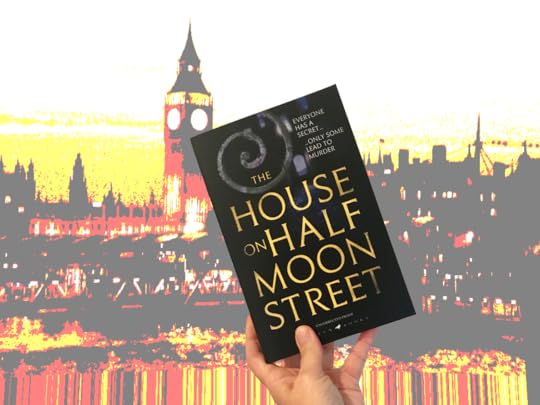
It is a miserably cold January day in 1880 and the body of a young man, pulled out of the Thames, is laid out on the coroner’s table. Leo Stanhope, our first-person narrator, assists the coroner in his investigation into the cause of death. It is fair to say that Leo’s mind is not totally on the job in hand; he has a secret – one that, if revealed, might see him confined in a mental institution or even sent to the gallows. For Leo was born Charlotte, the daughter of a respectable cleric. Since his earliest days, Leo knew he was meant to be male and, at fifteen, unable to tolerate his life as Charlotte any longer, he runs away to London, where he binds his breasts, dons male attire and begins his life as Leo. Only a couple of people know Leo’s secret, the main one being Maria, a young prostitute, whom Leo loves. Leo plans a future for them together, but his hopes are dashed when the next body to turn up on the coroner’s table is that of Maria, who seems to have been brutally murdered. Things get even more desperate when Leo becomes the chief suspect and, in constant fear of his secret being uncovered, he sets about discovering the truth about Maria’s death and finds that he actually knows nothing about her life.
Now, if you’re looking for a read to cheer you up in these dark, end of winter days, then I’d spar wide of this one, for cheery it certainly isn’t. If you think of a novel in terms of colour, The House on Half Moon Street would be uniformly grey and black with the odd splash of scarlet blood. And Reeve doesn’t spare his readers any of the gruesome details of Leo’s life: graphic descriptions of the sex Leo and Maria share, including the use of prosthetics; a grim account of a back-street abortion; and the details of Leo’s landlord gleefully practising his amateur dentistry, which will remain with me for longer than I’d like.
Grim it may be, but The House on Half Moon Street is a superb novel on many levels. Undoubtedly meticulously researched, it gives the reader an absolutely enthralling portrayal of life in 1880’s London, particularly as lived by the poorest members of society. Then, at the core of the novel, and what ultimately makes it so exceptional, is the vulnerable but hugely fearless narrator/hero Leo, whose transgender issues seem to be still so disturbingly familiar today. Other characters too are intriguing – I loved Leo’s sidekick, the gutsy-and-so-inappropriately-named, Rosie Flowers. And last, but by no means least, this is just a brilliant, carefully plotted thriller that keeps the reader guessing right to the end.
The House on Half Moon Streetis an outstanding debut novel, first in a book-a-year historical series, and I’m glad to think that I can soon reconnect with Leo (hopefully aided by Rosie) and discover what the next instalment of his life will bring.
Historical novel set in 1880's LONDON
It is a miserably cold January day in 1880 and the body of a young man, pulled out of the Thames, is laid out on the coroner’s table. Leo Stanhope, our first-person narrator, assists the coroner in his investigation into the cause of death. It is fair to say that Leo’s mind is not totally on the job in hand; he has a secret – one that, if revealed, might see him confined in a mental institution or even sent to the gallows. For Leo was born Charlotte, the daughter of a respectable cleric. Since his earliest days, Leo knew he was meant to be male and, at fifteen, unable to tolerate his life as Charlotte any longer, he runs away to London, where he binds his breasts, dons male attire and begins his life as Leo. Only a couple of people know Leo’s secret, the main one being Maria, a young prostitute, whom Leo loves. Leo plans a future for them together, but his hopes are dashed when the next body to turn up on the coroner’s table is that of Maria, who seems to have been brutally murdered. Things get even more desperate when Leo becomes the chief suspect and, in constant fear of his secret being uncovered, he sets about discovering the truth about Maria’s death and finds that he actually knows nothing about her life.
Now, if you’re looking for a read to cheer you up in these dark, end of winter days, then I’d spar wide of this one, for cheery it certainly isn’t. If you think of a novel in terms of colour, The House on Half Moon Street would be uniformly grey and black with the odd splash of scarlet blood. And Reeve doesn’t spare his readers any of the gruesome details of Leo’s life: graphic descriptions of the sex Leo and Maria share, including the use of prosthetics; a grim account of a back-street abortion; and the details of Leo’s landlord gleefully practising his amateur dentistry, which will remain with me for longer than I’d like.
Grim it may be, but The House on Half Moon Street is a superb novel on many levels. Undoubtedly meticulously researched, it gives the reader an absolutely enthralling portrayal of life in 1880’s London, particularly as lived by the poorest members of society. Then, at the core of the novel, and what ultimately makes it so exceptional, is the vulnerable but hugely fearless narrator/hero Leo, whose transgender issues seem to be still so disturbingly familiar today. Other characters too are intriguing – I loved Leo’s sidekick, the gutsy-and-so-inappropriately-named, Rosie Flowers. And last, but by no means least, this is just a brilliant, carefully plotted thriller that keeps the reader guessing right to the end.
The House on Half Moon Streetis an outstanding debut novel, first in a book-a-year historical series, and I’m glad to think that I can soon reconnect with Leo (hopefully aided by Rosie) and discover what the next instalment of his life will bring.

March 3, 2019
2.5 stars. Very slow in pace and was not compelling to read. I didn't care about the characters and the plot was weak.

February 27, 2018
First of all, I'd like to thank Netgalley and the publisher for providing me with an ARC of this book in exchange for an honest review.
The House on Half Moon Street has three fundamental sides to it: it's a crime novel, a historical novel, and a character study of its protagonist Leo all in one. This shouldn't feel revolutionary - after all, this combination isn't exactly unheard-of - but the fact that Leo is a transgender man means that the exploration of his character and identity is inextricably linked to the realities of living as a transgender individual, which is something that is, unfortunately, still quite rare in contemporary literary fiction, let alone crime OR historical fiction, much less any other novels which fit into both of those genres. It's so wonderful to see how much more diverse modern literature is becoming, and the variety of voices that are finally able to be heard because of it.
As a crime novel, The House on Half Moon Street constructs an undeniably dark, gritty vision of 1880s London. At first I was quite concerned by how misogynistic the world it depicts is, but as always, there is a world of difference between a misogynistic setting and a misogynistic narrative, and while the novel does use a few tropes I wish it didn't - specifically, the main character's love interest is fridged, and there's a scene involving sexual assault - on the whole, the novel usually steers clear of the latter. I actually found it very interesting how Leo initially harboured some misogynistic convictions of his own, which were challenged and changed over the course of the novel, and it made him a much more interesting, nuanced character. Plus, the supporting cast was absolutely packed with incredible, complex women - Rosie! Constance! Madame Moreau! Lilya! Mrs Brafton! Jane! Audrey! Nancy! - all of whom had their own stories to tell, and the novel was greatly enriched by their presence.
The mystery at the core of the novel is also well crafted - I was able to figure out some aspects of it before they were revealed, which always tickles my ego nicely, but not all of it, and it was very satisfying when the last pieces of the puzzle clicked into place. I would say that the pacing could have been a little sharper in the middle, when there are a few overly repetitive internal monologues as Leo tries to work out what's going on, but all in all it was a great effort for a debut author, and I thought that there was a nice balance of plot and character development throughout.
Finally, Leo himself is a wonderful protagonist with a very compelling narrative voice - I can't wait to see what other adventures he gets into in the future!
The House on Half Moon Street has three fundamental sides to it: it's a crime novel, a historical novel, and a character study of its protagonist Leo all in one. This shouldn't feel revolutionary - after all, this combination isn't exactly unheard-of - but the fact that Leo is a transgender man means that the exploration of his character and identity is inextricably linked to the realities of living as a transgender individual, which is something that is, unfortunately, still quite rare in contemporary literary fiction, let alone crime OR historical fiction, much less any other novels which fit into both of those genres. It's so wonderful to see how much more diverse modern literature is becoming, and the variety of voices that are finally able to be heard because of it.
As a crime novel, The House on Half Moon Street constructs an undeniably dark, gritty vision of 1880s London. At first I was quite concerned by how misogynistic the world it depicts is, but as always, there is a world of difference between a misogynistic setting and a misogynistic narrative, and while the novel does use a few tropes I wish it didn't - specifically, the main character's love interest is fridged, and there's a scene involving sexual assault - on the whole, the novel usually steers clear of the latter. I actually found it very interesting how Leo initially harboured some misogynistic convictions of his own, which were challenged and changed over the course of the novel, and it made him a much more interesting, nuanced character. Plus, the supporting cast was absolutely packed with incredible, complex women - Rosie! Constance! Madame Moreau! Lilya! Mrs Brafton! Jane! Audrey! Nancy! - all of whom had their own stories to tell, and the novel was greatly enriched by their presence.
The mystery at the core of the novel is also well crafted - I was able to figure out some aspects of it before they were revealed, which always tickles my ego nicely, but not all of it, and it was very satisfying when the last pieces of the puzzle clicked into place. I would say that the pacing could have been a little sharper in the middle, when there are a few overly repetitive internal monologues as Leo tries to work out what's going on, but all in all it was a great effort for a debut author, and I thought that there was a nice balance of plot and character development throughout.
Finally, Leo himself is a wonderful protagonist with a very compelling narrative voice - I can't wait to see what other adventures he gets into in the future!

November 6, 2021
Historische Krimis sind schon was besonderes, oder?
Das dachte ich mir auch bei dem Auftakt in die neue Krimireihe von Alex Reeve. Wir begeben uns in düstere London am Ende des 19. Jahrhunderts. Dort lernen wir Leo kennen, welcher Assistent eines Gerichtsmediziner ist. Eines Tages landet auf seinem Tisch ein Mann, welcher in seiner Tasche eine Flasche mir der Gravierung "Mercy" hatte. Kurze Zeit später landet auf dem Tisch seine große Liebe Maria. Er ist erschüttert, da zudem der Verdacht auf ihn fällt. Aus diesem Grund entscheidet sich Leo dazu in beiden Fällen zu ermitteln und merkt, dass es gefährlich für ihn wird... Ein Kampf zwischen Leben und Tod.
Mit "Das Haus der Half-moon Street" schöpft der Autor einen sehr interessanten historischen Kriminalroman, welcher Schwächen sowie Stärken aufweist. In das Buch bin ich gut eingestiegen. Besonders durch die Ich-Perspektive konnte ich zu dem Protagonisten eine gute Bindung aufbauen. Hier finde ich, dass dadurch das allgemeine Geschehen aus der Sicht von Leo erzählt worden ist, ist es viel intensiver erzählt worden - als würde man auf einen Er/Sie Erzähler zurückgreifen. Toll! Es war zudem möglich, dass man die Emotionen von Leo am eigenen Leib erfahren konnte.
Ein bisschen negativ empfand ich die Darstellung des Settings. Ich hatte die Düsterheit des dunklen Londons nicht so gespürt. Mir fehlten die detaillierten Beschreibungen der Gassen, der Schauplätze etc. und natürlich war die Noir Atmosphäre nicht so präsent, wie ich es erwartet habe. Deswegen habe ich die Handlung auch nicht so richtig "gespürt". Dies fand ich schade, da das Setting so ein enormes Potenzial mit sich gebracht hat. So muss ich auch ehrlich sagen, dass mich der Plot nicht so richtig gecatcht hat. Hier fehlten mir die genialen Wendungen sowie die damit verbundene Spannung! Schade! Aber dies ist nicht schlimm. Ich gehe davon aus, dass der kommende Band, welcher im Mai erscheint, dies mit sich bringt. Darauf freue ich mich schon sehr!
Fazit: Der Auftakt in die neue Reihe gelang dem Autor trotz Kritik besonders anhand der Charaktergestaltung gut. Auch wenn noch viel Potential in der Setting-Darstellung sowie der Spannungskurve vorliegt, schaue ich schon positiv auf den kommenden Band. Ich bewerte das Buch mit 3 Sternen.
Das dachte ich mir auch bei dem Auftakt in die neue Krimireihe von Alex Reeve. Wir begeben uns in düstere London am Ende des 19. Jahrhunderts. Dort lernen wir Leo kennen, welcher Assistent eines Gerichtsmediziner ist. Eines Tages landet auf seinem Tisch ein Mann, welcher in seiner Tasche eine Flasche mir der Gravierung "Mercy" hatte. Kurze Zeit später landet auf dem Tisch seine große Liebe Maria. Er ist erschüttert, da zudem der Verdacht auf ihn fällt. Aus diesem Grund entscheidet sich Leo dazu in beiden Fällen zu ermitteln und merkt, dass es gefährlich für ihn wird... Ein Kampf zwischen Leben und Tod.
Mit "Das Haus der Half-moon Street" schöpft der Autor einen sehr interessanten historischen Kriminalroman, welcher Schwächen sowie Stärken aufweist. In das Buch bin ich gut eingestiegen. Besonders durch die Ich-Perspektive konnte ich zu dem Protagonisten eine gute Bindung aufbauen. Hier finde ich, dass dadurch das allgemeine Geschehen aus der Sicht von Leo erzählt worden ist, ist es viel intensiver erzählt worden - als würde man auf einen Er/Sie Erzähler zurückgreifen. Toll! Es war zudem möglich, dass man die Emotionen von Leo am eigenen Leib erfahren konnte.
Ein bisschen negativ empfand ich die Darstellung des Settings. Ich hatte die Düsterheit des dunklen Londons nicht so gespürt. Mir fehlten die detaillierten Beschreibungen der Gassen, der Schauplätze etc. und natürlich war die Noir Atmosphäre nicht so präsent, wie ich es erwartet habe. Deswegen habe ich die Handlung auch nicht so richtig "gespürt". Dies fand ich schade, da das Setting so ein enormes Potenzial mit sich gebracht hat. So muss ich auch ehrlich sagen, dass mich der Plot nicht so richtig gecatcht hat. Hier fehlten mir die genialen Wendungen sowie die damit verbundene Spannung! Schade! Aber dies ist nicht schlimm. Ich gehe davon aus, dass der kommende Band, welcher im Mai erscheint, dies mit sich bringt. Darauf freue ich mich schon sehr!
Fazit: Der Auftakt in die neue Reihe gelang dem Autor trotz Kritik besonders anhand der Charaktergestaltung gut. Auch wenn noch viel Potential in der Setting-Darstellung sowie der Spannungskurve vorliegt, schaue ich schon positiv auf den kommenden Band. Ich bewerte das Buch mit 3 Sternen.

April 18, 2018
Really enjoyable and at times quite intense portrayal of life in London in the 1880s for poor women and for those who challenge Victorian conceptions of sexuality and gender identity. Leo is a wonderful hero with the weight of the world on his shoulders. I'm really pleased to hear that we will see more of him. Review to follow shortly on For Winter Nights.

June 24, 2026
Disappointing read plenty of plots and sub plots but Leo came across as weak and not developed enough to be believable.
January 3, 2019
I would like to thank Netgalley and Raven Books for a review copy of The House on Half Moon Street, the first novel to feature Leo Stanhope, set in Victorian London.
Leo is happy, in love with Maria and working in the mortuary at Westminster Infirmary, but all is not as it seems because Leo has secrets. He was born Charlotte and is estranged from his family due to his lifestyle choices and Maria is a prostitute whom he pays. When Maria turns up dead in the mortuary Leo becomes obsessed with finding out who killed her.
I enjoyed The House on Half Moon Street which is a very assured debut with interesting period detail and some excellent twists in a well thought out plot. The novel is told from Leo’s point of view in the first person and it is a warts and all type of narrative, dealing not only with his investigation and emotions but with the physical difficulties of being a man in a woman’s body. I personally felt that this latter subject was belaboured in the early part of the novel at the expense of the investigation and it put me off a bit but I stuck with it and can see the relevance of it in light of later plot developments when the investigation and action heat up. Gender issues aside, the author paints a vivid picture of Victorian society and does not shy away from its harshness.
I like the plot which is absorbing as Leo struggles to understand what happened to Maria. The more he investigates the more puzzles he uncovers, not least Maria’s true nature, and the more suspects and motives. The resolution is ingenious and unexpected and seems to wholly suit the rest of the novel where nothing is as it seems.
The idea of making Leo transgender is audacious but probably not without historical precedent as it seems logical that some women would have at least disguised themselves as men to escape the confines of Victorian society and embark on a career. He is a well drawn character, fully convinced that he is a man in the wrong physical body, smart and resourceful but sometimes weighed down by his situation.
I’m glad I read the novel as it is so different but I’m not sure that I would read more if it was more of the same. I do not, however, have any hesitation in recommending The House on Half Moon Street as a good read.
Leo is happy, in love with Maria and working in the mortuary at Westminster Infirmary, but all is not as it seems because Leo has secrets. He was born Charlotte and is estranged from his family due to his lifestyle choices and Maria is a prostitute whom he pays. When Maria turns up dead in the mortuary Leo becomes obsessed with finding out who killed her.
I enjoyed The House on Half Moon Street which is a very assured debut with interesting period detail and some excellent twists in a well thought out plot. The novel is told from Leo’s point of view in the first person and it is a warts and all type of narrative, dealing not only with his investigation and emotions but with the physical difficulties of being a man in a woman’s body. I personally felt that this latter subject was belaboured in the early part of the novel at the expense of the investigation and it put me off a bit but I stuck with it and can see the relevance of it in light of later plot developments when the investigation and action heat up. Gender issues aside, the author paints a vivid picture of Victorian society and does not shy away from its harshness.
I like the plot which is absorbing as Leo struggles to understand what happened to Maria. The more he investigates the more puzzles he uncovers, not least Maria’s true nature, and the more suspects and motives. The resolution is ingenious and unexpected and seems to wholly suit the rest of the novel where nothing is as it seems.
The idea of making Leo transgender is audacious but probably not without historical precedent as it seems logical that some women would have at least disguised themselves as men to escape the confines of Victorian society and embark on a career. He is a well drawn character, fully convinced that he is a man in the wrong physical body, smart and resourceful but sometimes weighed down by his situation.
I’m glad I read the novel as it is so different but I’m not sure that I would read more if it was more of the same. I do not, however, have any hesitation in recommending The House on Half Moon Street as a good read.

March 14, 2018
This is a unique spin on historical fiction! The main character is transgender which I’d never come across before in this type of novel and it was a very unique way of telling a story. The entire novel felt different and more dangerous as the world certainly was back then - for transgender people it must have been unimaginable!
There is a fair bit of sexual intrigue and misogynistic detail in the book which I didn’t always like - a bit too much of anything gets a bit repetitive - but on the whole, it was a unique story to tell.
Leo’s transgender identity makes for an intriguing novel. I don’t begin to understand the hopes, fears of someone like this and in the 1880s, this raises the tension and awkwardness in society. I got to like him and as a character, he’s someone I would definitely like to know more about.
With all this, there’s very much a good plot and great character development and the novel carries itself along with ease.
There is a fair bit of sexual intrigue and misogynistic detail in the book which I didn’t always like - a bit too much of anything gets a bit repetitive - but on the whole, it was a unique story to tell.
Leo’s transgender identity makes for an intriguing novel. I don’t begin to understand the hopes, fears of someone like this and in the 1880s, this raises the tension and awkwardness in society. I got to like him and as a character, he’s someone I would definitely like to know more about.
With all this, there’s very much a good plot and great character development and the novel carries itself along with ease.

November 17, 2021
Ein Mordfall im viktorianischen London? Count me in! Nachdem mich Cover und Klappentext begeistert haben war klar, dass ich dieses Buch lesen muss:
London 1880. Leo Stanhope, Assistent der Gerichtsmedizin, macht eine merkwürdige Entdeckung: In der Jackentasche eines angeblich in der Themse ertrunkenen Mannes findet er eine Flasche, in deren Etikett das Wort »Mercy« eingeritzt ist. Kurz darauf landet eine zweite Leiche aus der Themse auf seinem Tisch, und ihr Anblick wirft Leos Leben gewaltsam aus der Bahn: Es ist Maria, seine große Liebe. Und sie wurde ermordet. Bald fällt der Verdacht auf ihn, und so macht er sich selbst auf die Jagd nach dem Mörder. Doch dabei droht sein lange gehütetes Geheimnis ans Licht zu kommen - und das könnte ihn nicht nur die Freiheit, sondern sogar das Leben kosten.
Zuerst möchte ich sagen, dass ich Leos Geheimnis in dieser Review spoilern werde, um meine Meinung besser zum Ausdruck zu bringen. Leos Geheimnis wird schon sehr früh im Buch bekannt gegeben, wer sich dennoch nicht spoilern lassen möchte, sollte jetzt aufhören zu lesen!
Das viktorianische London ist eines meiner liebsten Settings und der Autor hat hier wunderbar recherchiert, um ein realistisches Setting der damaligen Zeit zu erschaffen. Gekonnt zeichnet er ein Abbild der viktorianischen Gesellschaft und die Rolle von Mann und Frau darin. Alex Reeve hat sich hier eine interessante Zeit für seinen Protagonisten Leo Stanhope ausgesucht, denn Leo ist transgender, er wurde weiblich geboren, fühlt sich aber seit je her männlich.
Leo Stanhope war mir von den ersten Seiten an sympathisch, er ist intelligenter als er die meisten wissen lässt und hat das Herz am rechten Fleck. Er versucht, um jeden Preis sein Geheimnis zu bewahren, da er weiß, dass die Wahrheit sein Ende sein könnte. Er weiß genau, was er möchte und steht auch dazu, fühlt sich aber dennoch zerrissen, da er nicht offen zu sich selbst stehen kann. Ich konnte mich gut in Leo hineinversetzten und fand seine Darstellung für die damalige Zeit sehr realistisch. Dennoch wurde der transgender Aspekt der Geschichte zu stark in den Focus gerückt und vieles hat sich leider wiederholt. Dadurch bleiben andere Charaktere bedauerlicherweise etwas blass. Rosie, die Witwe des Ermordeten, hat mir aber auch echt gut gefallen, besonders im Zusammenspiel mit Leo konnte sie mich begeistern.
Der Schreibstil von Alex Reeve ist flüssig und einfach gehalten so dass man gut durch die Seiten kommt. Leider hat die Geschichte in der ersten Hälfte etwas geschwächelt und konnte mich dann erst in der zweiten Hälfte richtig packen. Auch, wenn ich nicht die typische dunkel Londoner Atmosphäre bekommen habe, die ich erwartet habe, hat das hier erschaffene Setting einen ganz eigenen Flair, der mir auch gut gefallen hat. Die Auflösung des Mordfalls bleibt auch lange nicht erkennbar, da die Geschichte sich zum Ende hin immer wieder dreht und wendet und dadurch die Spannung aufrechterhält. Alex Reeve hält sich nicht mit Gewalt zurück, Frauen haben es in dieser Zeit nicht leicht, was er sehr gut darstellt, aber die Vergewaltigungsszene war schon recht hart!
Das Haus in der Half Moon Street war für mich ein solider Start in die Reihe. Leo Stanhope ist ein sehr interessanter Charakter, der noch jede Menge Potenzial hat und ich bin schon sehr gespannt darauf, was uns in den weiteren Fällen erwartet. Ich freu mich schon sehr, wenn am 02.05.22 Mord in der Rose Street erscheint.
3,5 von 5 Sternen
London 1880. Leo Stanhope, Assistent der Gerichtsmedizin, macht eine merkwürdige Entdeckung: In der Jackentasche eines angeblich in der Themse ertrunkenen Mannes findet er eine Flasche, in deren Etikett das Wort »Mercy« eingeritzt ist. Kurz darauf landet eine zweite Leiche aus der Themse auf seinem Tisch, und ihr Anblick wirft Leos Leben gewaltsam aus der Bahn: Es ist Maria, seine große Liebe. Und sie wurde ermordet. Bald fällt der Verdacht auf ihn, und so macht er sich selbst auf die Jagd nach dem Mörder. Doch dabei droht sein lange gehütetes Geheimnis ans Licht zu kommen - und das könnte ihn nicht nur die Freiheit, sondern sogar das Leben kosten.
Zuerst möchte ich sagen, dass ich Leos Geheimnis in dieser Review spoilern werde, um meine Meinung besser zum Ausdruck zu bringen. Leos Geheimnis wird schon sehr früh im Buch bekannt gegeben, wer sich dennoch nicht spoilern lassen möchte, sollte jetzt aufhören zu lesen!
Das viktorianische London ist eines meiner liebsten Settings und der Autor hat hier wunderbar recherchiert, um ein realistisches Setting der damaligen Zeit zu erschaffen. Gekonnt zeichnet er ein Abbild der viktorianischen Gesellschaft und die Rolle von Mann und Frau darin. Alex Reeve hat sich hier eine interessante Zeit für seinen Protagonisten Leo Stanhope ausgesucht, denn Leo ist transgender, er wurde weiblich geboren, fühlt sich aber seit je her männlich.
Leo Stanhope war mir von den ersten Seiten an sympathisch, er ist intelligenter als er die meisten wissen lässt und hat das Herz am rechten Fleck. Er versucht, um jeden Preis sein Geheimnis zu bewahren, da er weiß, dass die Wahrheit sein Ende sein könnte. Er weiß genau, was er möchte und steht auch dazu, fühlt sich aber dennoch zerrissen, da er nicht offen zu sich selbst stehen kann. Ich konnte mich gut in Leo hineinversetzten und fand seine Darstellung für die damalige Zeit sehr realistisch. Dennoch wurde der transgender Aspekt der Geschichte zu stark in den Focus gerückt und vieles hat sich leider wiederholt. Dadurch bleiben andere Charaktere bedauerlicherweise etwas blass. Rosie, die Witwe des Ermordeten, hat mir aber auch echt gut gefallen, besonders im Zusammenspiel mit Leo konnte sie mich begeistern.
Der Schreibstil von Alex Reeve ist flüssig und einfach gehalten so dass man gut durch die Seiten kommt. Leider hat die Geschichte in der ersten Hälfte etwas geschwächelt und konnte mich dann erst in der zweiten Hälfte richtig packen. Auch, wenn ich nicht die typische dunkel Londoner Atmosphäre bekommen habe, die ich erwartet habe, hat das hier erschaffene Setting einen ganz eigenen Flair, der mir auch gut gefallen hat. Die Auflösung des Mordfalls bleibt auch lange nicht erkennbar, da die Geschichte sich zum Ende hin immer wieder dreht und wendet und dadurch die Spannung aufrechterhält. Alex Reeve hält sich nicht mit Gewalt zurück, Frauen haben es in dieser Zeit nicht leicht, was er sehr gut darstellt, aber die Vergewaltigungsszene war schon recht hart!
Das Haus in der Half Moon Street war für mich ein solider Start in die Reihe. Leo Stanhope ist ein sehr interessanter Charakter, der noch jede Menge Potenzial hat und ich bin schon sehr gespannt darauf, was uns in den weiteren Fällen erwartet. Ich freu mich schon sehr, wenn am 02.05.22 Mord in der Rose Street erscheint.
3,5 von 5 Sternen

April 1, 2021
so according to the author, this book "wouldn’t be a novel about being trans, it would be a novel about a man who happened to be trans", which is quite an interesting little window into his capacity for self-awareness because this is almost entirely a novel about being trans and how hard and sad the author thinks it is
the mc's relationship with his gf is full of explanations of how they possibly manage to have sex what with him being trans. his descriptions of his workdays involve how he hides being trans. his relationship with his closest friend always circles around to him being trans. female side characters clock and reject him, because he's trans. his disgusted family have rejected him, because he's trans. there is one single mention of him briefly meeting another trans person, who is hospitalised and sent to an asylum for being trans
he advances the plot by cross-dressing, pretending to be a woman, and flirting with a man, because he's trans. his dark plot moment is him being raped, because he's trans. we then get an abortion scene, because he's trans. the mc finally cracks the case by remembering about how his dead gf used to be okay with touching him sexually, and so realises that she was into women, because he's trans
the one single aspect of his life that doesn't somehow fucking hinge on him being trans is his relationship with his landlord and the landlord's daughter, which is admittedly very cute. that's maybe 10% of the book. ymmv on the cute:excruciatingly shitty exchange rate here but it didn't really shift the scales for me
oh but the author got one single trans woman to read it, so, hey, everything's clearly fine. what more could you ask of an author? like, to talk to two whole trans people? absurd.
i picked this book up because i was like "oh a trans man solving crimes? why haven't i heard of this one before?" and hey past self you now have your answer
you know the affirmation to act like you have the self-confidence of a mediocre white guy? this author, specifically, is that mediocre white guy.
the mc's relationship with his gf is full of explanations of how they possibly manage to have sex what with him being trans. his descriptions of his workdays involve how he hides being trans. his relationship with his closest friend always circles around to him being trans. female side characters clock and reject him, because he's trans. his disgusted family have rejected him, because he's trans. there is one single mention of him briefly meeting another trans person, who is hospitalised and sent to an asylum for being trans
he advances the plot by cross-dressing, pretending to be a woman, and flirting with a man, because he's trans. his dark plot moment is him being raped, because he's trans. we then get an abortion scene, because he's trans. the mc finally cracks the case by remembering about how his dead gf used to be okay with touching him sexually, and so realises that she was into women, because he's trans
the one single aspect of his life that doesn't somehow fucking hinge on him being trans is his relationship with his landlord and the landlord's daughter, which is admittedly very cute. that's maybe 10% of the book. ymmv on the cute:excruciatingly shitty exchange rate here but it didn't really shift the scales for me
oh but the author got one single trans woman to read it, so, hey, everything's clearly fine. what more could you ask of an author? like, to talk to two whole trans people? absurd.
i picked this book up because i was like "oh a trans man solving crimes? why haven't i heard of this one before?" and hey past self you now have your answer
you know the affirmation to act like you have the self-confidence of a mediocre white guy? this author, specifically, is that mediocre white guy.
This entire review has been hidden because of spoilers.

May 10, 2018
I've always loved historical crime thrillers, since I get bored with detective efforts relying on modern forensics. Where's some good old-fashioned detective work? Alex Reeve's The House on Half Moon Street runs with this concept, made more interesting by the fact our intrepid hero, Leo Stanhope, doesn't work for the police. He starts out as a coroner's assistant, investigating a crime dear to his heart. He's also a fascinating study in that he's actually a woman. He's not simply dressing up as a man to access more interesting opportunities in Victorian London; Leo is completely transgender, so it's interesting to see an issue like this explored in fiction. In places, I did struggle to care about who the murderer was, since the victim is mostly presented through the eyes of our hero, but I read the last quarter in one go, so intent was I on discovering the truth!
December 27, 2018
A fascinating debut novel, based on an interesting premise. The main protagonist, Leo Stanhope, is a transgender mortuary assistant whose prostitute girlfriend shows up as a body on the mortuary slab. Stanhope makes it his mission to find out who killed her and why.
Absorbing rather than gripping, the book's strength is its evocative descriptions of the seedier side of Victorian London and the difficulties of being transgender in those times. An eccentric cast of wily suspects make this a good read for those who like character-led mysteries. For fans of Sarah Waters, Cath Staincliffe or anyone who enjoys a good crime novel. I look forward to hearing more about Leo Stanhope's adventures in Alex Reeve's next book in the series.
Absorbing rather than gripping, the book's strength is its evocative descriptions of the seedier side of Victorian London and the difficulties of being transgender in those times. An eccentric cast of wily suspects make this a good read for those who like character-led mysteries. For fans of Sarah Waters, Cath Staincliffe or anyone who enjoys a good crime novel. I look forward to hearing more about Leo Stanhope's adventures in Alex Reeve's next book in the series.

August 25, 2018
This is a highly entertaining and thought provoking debut from Alex Reeve. Set in London in 1880, it features Leo, a young man embroiled in a murder mystery when his lover is found washed up on the shores of the Thames. The thing that sets this book apart from many other historical mysteries is that Leo wasn't born a man; he was a woman called Charlotte. For over 15 years he has lived as Leo, living in fear of being discovered and treated as unnatural by society. Much as many transgendered people do today. Of course 140+ years ago there was no hormone therapy, no plastic surgery, no therapy or support groups to help, so Leo has to make do with strapping his breasts down under tight fabric, losing weight to hide is feminine curves and sewing a false penis into his undergarments. There are a few who know his secret, but no one truly understands or accepts it, even though the are a couple who are more understanding than others. The murder of Maria, Leo's prostitute lover, and I've if the only people who really understood Leo fire who he is, shakes him to his very core and sets him on a path to the risk of discovery and at the mercy of some truly disturbing and disgusting people. I loved this book. So much so that I devoured it in just under two days. I felt fully immersed and transported back to Victorian London, a both familiar as yet unfamiliar place. Alex has clearly taken a lot of time to research the period and it really felt, as much as it can do to someone born nearly a hundred years later, to be very authentic. As for the story itself, it keeps you guessing right up till the end, with plenty of wrong footing and red herrings along the way. It is a little slow paced at times, but it still has that one me chapter quality that demands that you keep on reading well beyond your bedtime. The characters are well drawn, especially Leo, and I really hope we get to see more of them in future books. I don't really have anything to compare this book too as I don't usually read historical fiction, but the only other books i feel these compare to in my experience are the wonderful Sally Lockhart books by Philip Pullman. Although they take place over a longer timespan, the first two books also evoke that grimy, dank Victorian London feel, and like Alex's Leo, a man struggling to find his place in a world where he isn't wanted, so Pullman's Sally also struggles to establish herself in a world where women should 'know their place' and be seen and not heard.
I found The House On Half Moon Street to be an excellent debut novel and the start of a series featuring a quite unique character and is one I can't wait to read more of.
I found The House On Half Moon Street to be an excellent debut novel and the start of a series featuring a quite unique character and is one I can't wait to read more of.

January 16, 2019
I must admit that when I started reading this book I didn’t think it was going to be one I was going to enjoy, and I did initially struggle to get into the story. But I did find Alex Reeve’s writing to be wonderfully immersive and as I got to know the characters, especially our protagonist, Leo Stanhope more, I wanted to read on to find out what happened. You may feel the same as I did when I started reading, but please do stick with it as it does become very enjoyable.
Alex Reeve writes Victorian London really well. I could picture the expanding metropolis and the hive and buzz of the city clearly in my mind, and Alex brought his setting to life. Leo Stanhope is an intriguing character, Leo was originally born Charlotte, the daughter of a vicar, but has since decided to live the rest of her life as a man. In these times, this would have been an incredibly difficult thing to do, and if you were caught by the authorities, the penalties were severe. You can see that this is something that Alex has impeccably researched.
There is a very good mystery here as well, which kept me reading on. Leo works as a surgeon and performs autopsies on dead bodies. One morning he is greeted with a shock when the body he finds himself examining is that of his lover, Maria, and he knows she has been murdered, grief-stricken he sets out to try and find out who killed her, but soon he becomes the prime suspect in the eyes of the police.
The House on Half Moon Street is a brave debut that I’m sure will spark many different thoughts amongst readers. It would make a perfect book group read as it is quite different to what is out there in crime fiction at the moment. Once I got into the story, I thoroughly enjoyed it, and I was rooting for Leo to find out who killed Maria. I also found the plot unpredictable and I could never be sure how everything was going to unfold in the end. I will definitely be reading Alex’s next book.
Alex Reeve writes Victorian London really well. I could picture the expanding metropolis and the hive and buzz of the city clearly in my mind, and Alex brought his setting to life. Leo Stanhope is an intriguing character, Leo was originally born Charlotte, the daughter of a vicar, but has since decided to live the rest of her life as a man. In these times, this would have been an incredibly difficult thing to do, and if you were caught by the authorities, the penalties were severe. You can see that this is something that Alex has impeccably researched.
There is a very good mystery here as well, which kept me reading on. Leo works as a surgeon and performs autopsies on dead bodies. One morning he is greeted with a shock when the body he finds himself examining is that of his lover, Maria, and he knows she has been murdered, grief-stricken he sets out to try and find out who killed her, but soon he becomes the prime suspect in the eyes of the police.
The House on Half Moon Street is a brave debut that I’m sure will spark many different thoughts amongst readers. It would make a perfect book group read as it is quite different to what is out there in crime fiction at the moment. Once I got into the story, I thoroughly enjoyed it, and I was rooting for Leo to find out who killed Maria. I also found the plot unpredictable and I could never be sure how everything was going to unfold in the end. I will definitely be reading Alex’s next book.

May 3, 2018
Set in the 1800s in London, debut author Alex Reeve transports the reader through main character Leo (born Charlotte), a woman in the disguise of a man. Naive and vulnerable, Leo falls in love with a prostitute, Maria, with whom Leo has had a two-year relationship, meeting every fortnight at the brothel on Halfmoon Street, where she works. When Maria fails to show up for their first official date away from the brothel, and her body shows up at the morgue, Leo is accused of her murder. What follows is his journey to discover why and by whom Maria was killed.
Leo is as charming as he is witty and spends his days working at the mortuary under the watchful eye of his pugnacious boss, playing chess at a gentleman’s club and engaging in witty banters with the precocious daughter of his landlord. He is immensely likeable and garners the reader's sympathy from the get-go, as do a few other characters, in sharp contrast to the villains in this tale.
The author skillfully takes readers into the environment of the period, painting a frightening picture of the world and life inhabited by Leo. This book gets a five-star rating not simply because of the engrossing story, but also for the admirable way in which it is told, from the descriptions of characters and places to the turn of phrase employed by this author. I'll be on the lookout for further books by Alex Reeve, as should any reader who appreciates good, gripping storytelling.
Leo is as charming as he is witty and spends his days working at the mortuary under the watchful eye of his pugnacious boss, playing chess at a gentleman’s club and engaging in witty banters with the precocious daughter of his landlord. He is immensely likeable and garners the reader's sympathy from the get-go, as do a few other characters, in sharp contrast to the villains in this tale.
The author skillfully takes readers into the environment of the period, painting a frightening picture of the world and life inhabited by Leo. This book gets a five-star rating not simply because of the engrossing story, but also for the admirable way in which it is told, from the descriptions of characters and places to the turn of phrase employed by this author. I'll be on the lookout for further books by Alex Reeve, as should any reader who appreciates good, gripping storytelling.

February 3, 2019
I love a sad crime book. No easy answers or happy endings here. Also the protagonist is a trans man (and it doesn’t feel like tokenism, the issues he would face and struggle with are explored). Looking forward to the next in the series.

July 11, 2018
'The truth is like clay: you mould it to what you want, and then it hardens.’
Set in London during the 1880s, this novel is a blend of historical and crime fiction with an intriguing protagonist. Leo Stanhope works as an assistant to a London coroner. Leo is a frequent visitor to a brothel on Half Moon Street and has fallen in love with Maria Milanes who works there. Maria seems to reciprocate his feelings, and Leo would like to take their relationship further. But Leo has a secret. He was born Charlotte Pritchard. Believing himself male, and unable to live as a female, he fled his home when aged 15. Leo has two siblings, and while he has had limited contact with his sister Jane, she is not happy to see him. Maria and Jane are two of the very few people who know Leo’s secret.
Leo’s precarious world is turned upside down the day Maria’s body is delivered to the coroner’s office. Leo is devastated and is determined to find out how (and why) Maria died. Leo’s investigations take him into dangerous territory: he finds that he did not know Maria as well as he thought he did. Can Leo find out what happened to Maria while keeping his own secrets?
This novel takes the reader into a shadowy depraved world of human trafficking. There’s a link between Maria’s death and an earlier death, originally thought to be an accidental drowning. Leo is in danger at every step, both of exposure as being transgender as well as of physical harm. Especially after he is arrested as a suspect in Maria’s murder.
Some readers may find the abuse and brutality depicted overwhelming. While I didn’t enjoy it, it served to underline the very real risks Leo was taking. I found this novel very difficult to put down once I started reading it. I wanted to know whether Leo would succeed, and I wanted to know who killed Maria and why.
Jennifer Cameron-Smith
Set in London during the 1880s, this novel is a blend of historical and crime fiction with an intriguing protagonist. Leo Stanhope works as an assistant to a London coroner. Leo is a frequent visitor to a brothel on Half Moon Street and has fallen in love with Maria Milanes who works there. Maria seems to reciprocate his feelings, and Leo would like to take their relationship further. But Leo has a secret. He was born Charlotte Pritchard. Believing himself male, and unable to live as a female, he fled his home when aged 15. Leo has two siblings, and while he has had limited contact with his sister Jane, she is not happy to see him. Maria and Jane are two of the very few people who know Leo’s secret.
Leo’s precarious world is turned upside down the day Maria’s body is delivered to the coroner’s office. Leo is devastated and is determined to find out how (and why) Maria died. Leo’s investigations take him into dangerous territory: he finds that he did not know Maria as well as he thought he did. Can Leo find out what happened to Maria while keeping his own secrets?
This novel takes the reader into a shadowy depraved world of human trafficking. There’s a link between Maria’s death and an earlier death, originally thought to be an accidental drowning. Leo is in danger at every step, both of exposure as being transgender as well as of physical harm. Especially after he is arrested as a suspect in Maria’s murder.
Some readers may find the abuse and brutality depicted overwhelming. While I didn’t enjoy it, it served to underline the very real risks Leo was taking. I found this novel very difficult to put down once I started reading it. I wanted to know whether Leo would succeed, and I wanted to know who killed Maria and why.
Jennifer Cameron-Smith
Displaying 1 - 30 of 299 reviews