

What do you think?

My Friend Anna: The True Story of a Fake Heiress
Sex and the City meets Bad Blood and Catch Me If You Can in the astonishing true story of Anna Delvey, a young con artist posing as an heiress in New York City—as told by the former Vanity Fair photo editor and friend of Delvey’s, who was scammed out of more than $62,000 and is featured as a character in the Netflix series Inventing Anna.
Rachel DeLoache Williams’s new friend Anna Delvey, a self-proclaimed German heiress, was worldly and ambitious. She was also generous—picking up the tab for lavish dinners at Le Coucou, infrared sauna sessions at HigherDOSE, drinks at the 11 Howard Library bar, and regular workout sessions with a celebrity personal trainer.
When Anna proposed an all-expenses-paid trip to Marrakech at the five-star La Mamounia hotel, Rachel jumped at the chance. But when Anna’s credit cards mysteriously stopped working, the dream vacation quickly took a dark turn. Anna asked Rachel to begin fronting costs—first for flights, then meals and shopping, and, finally, for their $7,500-per-night private villa. Before Rachel knew it, more than $62,000 had been charged to her credit cards. Anna swore she would reimburse Rachel the moment they returned to New York.
Back in Manhattan, the repayment never materialized, and a shocking pattern of deception emerged. Rachel learned that Anna had left a trail of deceit—and unpaid bills—wherever she’d been. Mortified, Rachel contacted the district attorney, and in a stunning turn of events, found herself helping to bring down one of the city’s most notorious con artists.
With breathless pacing and in-depth reporting from the person who experienced it firsthand, My Friend Anna is an unforgettable true story of “glamour, greed, lust for power” (The New York Times), and female friendship.
Rachel DeLoache Williams’s new friend Anna Delvey, a self-proclaimed German heiress, was worldly and ambitious. She was also generous—picking up the tab for lavish dinners at Le Coucou, infrared sauna sessions at HigherDOSE, drinks at the 11 Howard Library bar, and regular workout sessions with a celebrity personal trainer.
When Anna proposed an all-expenses-paid trip to Marrakech at the five-star La Mamounia hotel, Rachel jumped at the chance. But when Anna’s credit cards mysteriously stopped working, the dream vacation quickly took a dark turn. Anna asked Rachel to begin fronting costs—first for flights, then meals and shopping, and, finally, for their $7,500-per-night private villa. Before Rachel knew it, more than $62,000 had been charged to her credit cards. Anna swore she would reimburse Rachel the moment they returned to New York.
Back in Manhattan, the repayment never materialized, and a shocking pattern of deception emerged. Rachel learned that Anna had left a trail of deceit—and unpaid bills—wherever she’d been. Mortified, Rachel contacted the district attorney, and in a stunning turn of events, found herself helping to bring down one of the city’s most notorious con artists.
With breathless pacing and in-depth reporting from the person who experienced it firsthand, My Friend Anna is an unforgettable true story of “glamour, greed, lust for power” (The New York Times), and female friendship.
290 pages, Paperback
First published July 23, 2019
About the author
Rachel DeLoache Williams
2 books196 followersRachel DeLoache Williams was born and raised in Knoxville, Tennessee, and is a graduate of Kenyon College. In 2010, she moved to New York City and landed her dream job in the photo department of Vanity Fair magazine, where she helped produce photo shoots, and worked with the magazine’s leading photographers and iconic subjects.
My Friend Anna, a memoir of her friendship and experiences with Anna Delvey, is her first book.
My Friend Anna, a memoir of her friendship and experiences with Anna Delvey, is her first book.
Ratings & Reviews
Friends & Following
Create a free account to discover what your friends think of this book!
Community Reviews
Displaying 1 - 30 of 3,851 reviews

July 29, 2019
I struggled between two and three stars for this book. It was a really hard read, for reasons I'll outline, but at the end of the day, the juiciness of it tips it over into a three-star. A fast, easy read for summer, at least, even though it genuinely stressed me out and sort of disgusted me.
I found myself having an incredibly hard time with the narrator. It was, to put it mildly, extremely difficult to have a lot of sympathy for her. And this may be because I, too, lived my twenties in NYC, with vague connections to celebrities and the mega-rich, and that makes me give a lot of side-eye to her behavior. But, more than her behavior, it's her painting of the events that make me think she's learned literally nothing from this experience.
Her descriptions of Anna are rooted in her comparisons between her and herself. Anna is mean, nasty sociopathic, cares about material things, about looking cool and being "seen." Ms. Williams stays friends with her because she is just so patient with her, she was raised right, she cares about the right things, you see, and she just cares about her so much that she puts up with her behavior. However, it's a cop-out. She describes what a brat Anna is from the start: actually calling people "peasants," behaving so rudely to Uber and Lyft drivers that it becomes 50/50 as to whether or not they'll actually pick her up. She's quick to describe how much Anna drinks, and even, when Anna acts strangely at a party, uses the phrase, "I was raised to . . .," immediately constructing herself, in the mind of the reader, as wholesome and innocent.
And so there it is: You put up with her behavior because you're so kind, yet . . . you were okay aligning yourself with someone who so blatantly wasn't that way? There's more to the story than this. It's extremely, extremely easy to see that she liked hanging around with Anna because Anna was (she thought) rich. A Cool Girl. That's it. That's the story. And honestly? To admit that would be totally fine. We all go through that, wanting to be awesome and popular. But I found it incredibly distasteful that she gleefully describes what a shitty person Anna is, and then how she would just NEVER act like that, and meanwhile . . . she's your BFF? Come on. It's so transparent! If she was such an awful person, any person with morals or ethics would not be hanging out with her. I find it telling that she just skims over the part where the other people in her friend group with her and Anna fell away - there were no conversations? You didn't ask anybody why they wouldn't come hang out with you and Anna any more? Literally no one in that friend group was like, "Eh, she's not really that nice, I don't like hanging out with her"? I find that hard to believe. What I think is more likely is that plenty of people did not like Anna, Ms. Williams herself was very aware that she was NOT a good person, but made the decision to ignore her instincts (and, honestly, her actual friends) in order to indulge in spa visits and personal training with celebrity workout instructors. She frequently alludes to Anna having no friends, and being lonely, but uses that fact as a reason for her feeling bad for her, as opposed to a tip-off that she ignored. Yes, so again, she didn't hang out with her because was loaded and ate at THE places and went to THE spas, it's cause Anna was so lonely she felt bad for her. Got it.
Again, if she would just admit how driven she was by her own insecurity and vanity, I honestly wouldn't think anything of it. That's a totally normal, human thing way to behave. But the lengths to which she goes to paint herself as The Perfect Victim made me extremely uncomfortable and actually sort of upset. Because the truth is: the author herself makes sure you know exactly which restaurants she was going to, which spas, and what she was wearing (and how her taste was better than Anna's; when Anna tries to give her a thousands of dollars worth of clothes from Morocco, Williams sniffs that she didn't like any of them). Every single celebrity she had even the slightest bit of contact with for work (Vanity Fair photo assistant) warrants a mention, even though they have absolutely zero to do with anything. I'm a huge Annie Leibovitz fan, but I didn't need to know her entire schedule for the period during which the events of this book take place. Williams herself claims to not care about these things, but there it is in black and white: endless descriptions of "fancy" stuff that has zero to do with the story. It was totally eye-roll inducing. (Just as a side note to those writing about upper-crust NYC: literally nobody outside of Manhattan has heard of the places you're mentioning, and most likely the majority of Manhattanites don't know them either.)
It is actually worrisome to me how little self-awareness she shows when it comes to dealing with the financial mess she got herself into (allowing use of and signing for $70,000 worth of charges because she thought Anna would pay her back). Each time she calls AmEx to look at her case again, a paragraph surrounds the incident detailing how unfair it is, and WHY CAN'T THEY SEE? Honey, all they see is that you charged money and signed for it. That's literally it. There's such a stink of privilege, I could barely read straight.
The truth of the matter is this: if the author had been an average person who charged a crap-ton of money (or even a little bit of money) onto her credit cards because her friend said she'd pay them back, she would've wound up in civil court with legal bills - and if the friend had been broke, as Anna was, she wouldn't have seen a dime. And let's face it: truly average people literally can't afford to do what she did. Williams wants to paint her doing so as her being nice, when it isn't about being nice or accommodating, it's about literally having the privilege to slap down a credit card - and not wanting trouble/stress on your luxurious Moroccan vacation. And I resent her presentation of The Incident as a display of compassion as opposed to one of total privilege. This privilege included the fact that she was lucky enough to work at a major magazine and have major connections that led her to the D.A.'s office. She was even lucky that Anna's crimes were so huge and sweeping that it took her to the federal level of charges; otherwise, I highly doubt AmEx would have waived the money. I have a strong feeling that, having been made aware that their client was entangled with a major news story and had connections to a huge media outlet like Condé Nast, they had, ahem, motivations to just forget the whole thing.
The author never goes into how in the world she still had a job after handing over her corporate credit card and charging $16,000 onto it. How is that possible?! Again, the level of privilege made me wince. She doesn't mention getting called into HR, having to explain herself, nothing. How is that possible? The average person would have been thrown out immediately. You just can't do that! Then again, Vanity Fair was the first to publish her stories regarding her relationship to the Hashtag Fake Heiress, so that might be a clue. There isn't a word of gratitude about it either. She frequently mentions emotional support from friends and family, but seems to have zero perception of how, just due to her status in life, she got off in a way that very few people would. It's actually the exact same privilege that put her in Anna's sights to start with.
Near the end of the book, Williams continues to bemoan, mainly, 1.) people making joke tshirts that say "Free Anna" and "I can wire you $30,000" (LMAO!!!!!), and 2.) Anna being found not guilty of the charges in Williams' circumstances. It's just . . . how can you be so clueless? This story is a story of someone of privilege being taken advantage of because she was so desperate to remain in privilege. It's about someone with nothing fooling the wealthiest of people - those who break the rules every fucking day and get away with it to spend their summers on yachts while some people don't have health insurance - and living a life of luxury without spending a cent. Yes, people find that funny. People find it amusing that you willingly had your credit cards charged $70,000 - that you were in position that you could even HAVE THAT AMOUNT CHARGED and WAIT to be paid back!
To solidify my suspicions about her status before and after the whole debacle, her friend mentions how Williams could sublet her apartment and move in with her, saving her tons of money, and while Williams describes how lovely that is, it doesn't seem like she does it. In fact, she doesn't mention any sort of thoughts regarding how in the hell she would pay all of this money back, should her statement not be cleared. It makes me feel weird: did she get an agent fast enough to know this would all be taken care of after her book deal? Or was that the one thing she was genuinely naive about? She discusses how much she cries and frets, but never does that include, "I'm going to have to move back to Tennessee and live with my parents/I'm going to have to get a second job/I'm going to have to move out of Manhattan to Jersey and have seven roommates," like literally all of the thoughts a person would have. It actually, I think, would have helped her image, that she was actually having to do things she didn't want to because of her mistake.
She describes finding an agent with the same wide-eyed innocent posing she uses throughout the book: why, she HAD to! These people just keep calling her! What else could she do? She was completely indignant when the defense lawyer pointed out her HBO and book deals, as well as how happy she was to, like, NOT pay for things for the majority of her friendship with this woman. My knowledge of law consists primarily of whatever constitutional law statutes were cited by Sam Seaborn on "The West Wing" and I can tell you that absolutely, that is not only the FIRST thing that they would go after, but that the public at large are going to be snickering a bit. If nobody told her that, she hasn't surrounded herself with the right people.
That doesn't mean it isn't traumatic and stressful. That doesn't mean that I'm glad she's depressed or upset. Quite the contrary. But again: self-awareness. It seems like Williams has little to no acknowledgement of how she comes off and as a result, this book may honestly do her no favors in the future - except, of course, in the circles she cares about most. After all, when she confronted Anna with two others at her side - one who had never even met Anna before - the result was the new person paying for Anna to stay at a nearby fancy hotel because she had nowhere to go. Imagine that: in this universe of the uber-rich, you sit in on a person confronting another for stiffing her for $70,000 . . . but, poor her, she has no place to go, but of course, you must be so stressed stealing all of that money, better make sure I book you for a place with a spa! Mind-blowing. All of that, I DO feel sorry about. I feel sorry for her that she hasn't gleaned any kind of wisdom out of this whatsoever, that she can't see the absurdity and patent unfairness that colors every single letter in every single word of her story.
Finally, aside from contriving an image of herself that only a middle schooler would fall for, the writing itself is . . . bad. Like, very bad. Near the end, she goes to Café Gitane with her brother and upon looking at the menu and realizing the food is French-Moroccan, takes it as a sign that she would finally tell her him what happened with Anna. Good God. Even I've been to Café Gitane - more than once (there's my I-Lived-in-Mahattan brag!). YOU KNEW THE FOOD WAS FRENCH-MOROCCAN BEFORE YOU SAT DOWN, THAT'S WHAT THEY'RE KNOWN FOR, COME ON THAT DID NOT HAPPEN THAT WAY. Ugh. It's that, times every paragraph.
Overall, I think an editor really should've steered this book into another direction. A simple pass through a rough first draft should've been indication enough that the tone was all wrong. The best parts were the pages, at the end, when Anna's overall dealings were laid out in detail, with zero perspective from the author. It's truly astounding, and I hope a crime journalist at some point writes a book that is a bit more objective and focuses more on that.
I found myself having an incredibly hard time with the narrator. It was, to put it mildly, extremely difficult to have a lot of sympathy for her. And this may be because I, too, lived my twenties in NYC, with vague connections to celebrities and the mega-rich, and that makes me give a lot of side-eye to her behavior. But, more than her behavior, it's her painting of the events that make me think she's learned literally nothing from this experience.
Her descriptions of Anna are rooted in her comparisons between her and herself. Anna is mean, nasty sociopathic, cares about material things, about looking cool and being "seen." Ms. Williams stays friends with her because she is just so patient with her, she was raised right, she cares about the right things, you see, and she just cares about her so much that she puts up with her behavior. However, it's a cop-out. She describes what a brat Anna is from the start: actually calling people "peasants," behaving so rudely to Uber and Lyft drivers that it becomes 50/50 as to whether or not they'll actually pick her up. She's quick to describe how much Anna drinks, and even, when Anna acts strangely at a party, uses the phrase, "I was raised to . . .," immediately constructing herself, in the mind of the reader, as wholesome and innocent.
And so there it is: You put up with her behavior because you're so kind, yet . . . you were okay aligning yourself with someone who so blatantly wasn't that way? There's more to the story than this. It's extremely, extremely easy to see that she liked hanging around with Anna because Anna was (she thought) rich. A Cool Girl. That's it. That's the story. And honestly? To admit that would be totally fine. We all go through that, wanting to be awesome and popular. But I found it incredibly distasteful that she gleefully describes what a shitty person Anna is, and then how she would just NEVER act like that, and meanwhile . . . she's your BFF? Come on. It's so transparent! If she was such an awful person, any person with morals or ethics would not be hanging out with her. I find it telling that she just skims over the part where the other people in her friend group with her and Anna fell away - there were no conversations? You didn't ask anybody why they wouldn't come hang out with you and Anna any more? Literally no one in that friend group was like, "Eh, she's not really that nice, I don't like hanging out with her"? I find that hard to believe. What I think is more likely is that plenty of people did not like Anna, Ms. Williams herself was very aware that she was NOT a good person, but made the decision to ignore her instincts (and, honestly, her actual friends) in order to indulge in spa visits and personal training with celebrity workout instructors. She frequently alludes to Anna having no friends, and being lonely, but uses that fact as a reason for her feeling bad for her, as opposed to a tip-off that she ignored. Yes, so again, she didn't hang out with her because was loaded and ate at THE places and went to THE spas, it's cause Anna was so lonely she felt bad for her. Got it.
Again, if she would just admit how driven she was by her own insecurity and vanity, I honestly wouldn't think anything of it. That's a totally normal, human thing way to behave. But the lengths to which she goes to paint herself as The Perfect Victim made me extremely uncomfortable and actually sort of upset. Because the truth is: the author herself makes sure you know exactly which restaurants she was going to, which spas, and what she was wearing (and how her taste was better than Anna's; when Anna tries to give her a thousands of dollars worth of clothes from Morocco, Williams sniffs that she didn't like any of them). Every single celebrity she had even the slightest bit of contact with for work (Vanity Fair photo assistant) warrants a mention, even though they have absolutely zero to do with anything. I'm a huge Annie Leibovitz fan, but I didn't need to know her entire schedule for the period during which the events of this book take place. Williams herself claims to not care about these things, but there it is in black and white: endless descriptions of "fancy" stuff that has zero to do with the story. It was totally eye-roll inducing. (Just as a side note to those writing about upper-crust NYC: literally nobody outside of Manhattan has heard of the places you're mentioning, and most likely the majority of Manhattanites don't know them either.)
It is actually worrisome to me how little self-awareness she shows when it comes to dealing with the financial mess she got herself into (allowing use of and signing for $70,000 worth of charges because she thought Anna would pay her back). Each time she calls AmEx to look at her case again, a paragraph surrounds the incident detailing how unfair it is, and WHY CAN'T THEY SEE? Honey, all they see is that you charged money and signed for it. That's literally it. There's such a stink of privilege, I could barely read straight.
The truth of the matter is this: if the author had been an average person who charged a crap-ton of money (or even a little bit of money) onto her credit cards because her friend said she'd pay them back, she would've wound up in civil court with legal bills - and if the friend had been broke, as Anna was, she wouldn't have seen a dime. And let's face it: truly average people literally can't afford to do what she did. Williams wants to paint her doing so as her being nice, when it isn't about being nice or accommodating, it's about literally having the privilege to slap down a credit card - and not wanting trouble/stress on your luxurious Moroccan vacation. And I resent her presentation of The Incident as a display of compassion as opposed to one of total privilege. This privilege included the fact that she was lucky enough to work at a major magazine and have major connections that led her to the D.A.'s office. She was even lucky that Anna's crimes were so huge and sweeping that it took her to the federal level of charges; otherwise, I highly doubt AmEx would have waived the money. I have a strong feeling that, having been made aware that their client was entangled with a major news story and had connections to a huge media outlet like Condé Nast, they had, ahem, motivations to just forget the whole thing.
The author never goes into how in the world she still had a job after handing over her corporate credit card and charging $16,000 onto it. How is that possible?! Again, the level of privilege made me wince. She doesn't mention getting called into HR, having to explain herself, nothing. How is that possible? The average person would have been thrown out immediately. You just can't do that! Then again, Vanity Fair was the first to publish her stories regarding her relationship to the Hashtag Fake Heiress, so that might be a clue. There isn't a word of gratitude about it either. She frequently mentions emotional support from friends and family, but seems to have zero perception of how, just due to her status in life, she got off in a way that very few people would. It's actually the exact same privilege that put her in Anna's sights to start with.
Near the end of the book, Williams continues to bemoan, mainly, 1.) people making joke tshirts that say "Free Anna" and "I can wire you $30,000" (LMAO!!!!!), and 2.) Anna being found not guilty of the charges in Williams' circumstances. It's just . . . how can you be so clueless? This story is a story of someone of privilege being taken advantage of because she was so desperate to remain in privilege. It's about someone with nothing fooling the wealthiest of people - those who break the rules every fucking day and get away with it to spend their summers on yachts while some people don't have health insurance - and living a life of luxury without spending a cent. Yes, people find that funny. People find it amusing that you willingly had your credit cards charged $70,000 - that you were in position that you could even HAVE THAT AMOUNT CHARGED and WAIT to be paid back!
To solidify my suspicions about her status before and after the whole debacle, her friend mentions how Williams could sublet her apartment and move in with her, saving her tons of money, and while Williams describes how lovely that is, it doesn't seem like she does it. In fact, she doesn't mention any sort of thoughts regarding how in the hell she would pay all of this money back, should her statement not be cleared. It makes me feel weird: did she get an agent fast enough to know this would all be taken care of after her book deal? Or was that the one thing she was genuinely naive about? She discusses how much she cries and frets, but never does that include, "I'm going to have to move back to Tennessee and live with my parents/I'm going to have to get a second job/I'm going to have to move out of Manhattan to Jersey and have seven roommates," like literally all of the thoughts a person would have. It actually, I think, would have helped her image, that she was actually having to do things she didn't want to because of her mistake.
She describes finding an agent with the same wide-eyed innocent posing she uses throughout the book: why, she HAD to! These people just keep calling her! What else could she do? She was completely indignant when the defense lawyer pointed out her HBO and book deals, as well as how happy she was to, like, NOT pay for things for the majority of her friendship with this woman. My knowledge of law consists primarily of whatever constitutional law statutes were cited by Sam Seaborn on "The West Wing" and I can tell you that absolutely, that is not only the FIRST thing that they would go after, but that the public at large are going to be snickering a bit. If nobody told her that, she hasn't surrounded herself with the right people.
That doesn't mean it isn't traumatic and stressful. That doesn't mean that I'm glad she's depressed or upset. Quite the contrary. But again: self-awareness. It seems like Williams has little to no acknowledgement of how she comes off and as a result, this book may honestly do her no favors in the future - except, of course, in the circles she cares about most. After all, when she confronted Anna with two others at her side - one who had never even met Anna before - the result was the new person paying for Anna to stay at a nearby fancy hotel because she had nowhere to go. Imagine that: in this universe of the uber-rich, you sit in on a person confronting another for stiffing her for $70,000 . . . but, poor her, she has no place to go, but of course, you must be so stressed stealing all of that money, better make sure I book you for a place with a spa! Mind-blowing. All of that, I DO feel sorry about. I feel sorry for her that she hasn't gleaned any kind of wisdom out of this whatsoever, that she can't see the absurdity and patent unfairness that colors every single letter in every single word of her story.
Finally, aside from contriving an image of herself that only a middle schooler would fall for, the writing itself is . . . bad. Like, very bad. Near the end, she goes to Café Gitane with her brother and upon looking at the menu and realizing the food is French-Moroccan, takes it as a sign that she would finally tell her him what happened with Anna. Good God. Even I've been to Café Gitane - more than once (there's my I-Lived-in-Mahattan brag!). YOU KNEW THE FOOD WAS FRENCH-MOROCCAN BEFORE YOU SAT DOWN, THAT'S WHAT THEY'RE KNOWN FOR, COME ON THAT DID NOT HAPPEN THAT WAY. Ugh. It's that, times every paragraph.
Overall, I think an editor really should've steered this book into another direction. A simple pass through a rough first draft should've been indication enough that the tone was all wrong. The best parts were the pages, at the end, when Anna's overall dealings were laid out in detail, with zero perspective from the author. It's truly astounding, and I hope a crime journalist at some point writes a book that is a bit more objective and focuses more on that.

October 24, 2021
Update Once a scammer, always a scammer? Or maybe a real con artist? Anna Sorokin aka Anna Delvey has now written, in the third person, of what a wonderful life she has had and selling NFTs (the whole business of which looks like a scam to me, but then I'm not enamoured of digital cryptocurrencies which seem to me to be a complicated form of Ponzi schemes). Her eponymously entitled website, theannadelveyDOTworld has two words as a headline - hit them and it's 'give us yer money' in return for.... nothing. Once a scammer...
__________
Review It is said a picture is worth a thousand words. The author is a photographer. 'nuff said.
Notes on reading This the story of a scam artist and the author, a photographer. Anna Sorokin lives the life of a trust fund babe - on other people's credit cards. When the story came out I thought there must have been some red flags, but no, everyone who was involved says there wasn't one. I kind of wonder if this is cognitive dissonace or Sorokin was such a good actress no one suspected anything.
Sorokin scammed the author out of nearly $70,000 and says to an interviewer when asked about it, 'there are 50, 100 cameras on me, I can't cry on demand' which shows you where her concerns lie. After she had been indicted for fraud and theft etc, but before she went to court, she had sold her story to Netflix. She served 4 years in prison. Since NY law doesn't allow criminals to profit from their crimes via books, videos etc, the money has to go to the many victims first. But that isn't part of the book, sadly.
https://abcnews.go.com/US/fake-heires...
There was a long story about how Anna and friend wanted the author, all three drunk, to go for a midnight dip in a pool and she didn't want to. What is either entertaining or revelatory about that? Endless little scenes, texting and phone conversations drawn out, strange use of language as though the book was fiction. Instead of (yet another) 'I said', it is 'I cried out'. No one does that.
It is obvious that Anna is a psychopath. She has no interest in any kind of relationship outside of having a single best friend for company. My ex-next door neighbour who was a psychopath The Sociopath Next Door and was the same as Anna in that respect. . She grooms people, paying out small amounts, to lull them into friendship and then rips them off for huge amounts. She opens an account in one bank, then writes cheques to another just-opened bank account and withdraws the money immediately before they can find out that there wasn't any money, it just was on the computer. She has no emotions good or ill for anyone else at all. Her own father thinks she has a bad character and he didn't know the half of it at that time.
The author does not have an endearing personality in her own book. She comes across as a bit of a freeloader and likes anything that smacks of luxury or status when it's free. I wanted to shake her and say, "How many more excuses are you going to accept, you know Anna is a liar, she's never going to pay you back. Why does it take someone else to finally point you in the way of the police?" It was an exasperating read. 2.5 stars rounded down.
__________
Review It is said a picture is worth a thousand words. The author is a photographer. 'nuff said.
Notes on reading This the story of a scam artist and the author, a photographer. Anna Sorokin lives the life of a trust fund babe - on other people's credit cards. When the story came out I thought there must have been some red flags, but no, everyone who was involved says there wasn't one. I kind of wonder if this is cognitive dissonace or Sorokin was such a good actress no one suspected anything.
Sorokin scammed the author out of nearly $70,000 and says to an interviewer when asked about it, 'there are 50, 100 cameras on me, I can't cry on demand' which shows you where her concerns lie. After she had been indicted for fraud and theft etc, but before she went to court, she had sold her story to Netflix. She served 4 years in prison. Since NY law doesn't allow criminals to profit from their crimes via books, videos etc, the money has to go to the many victims first. But that isn't part of the book, sadly.
https://abcnews.go.com/US/fake-heires...
There was a long story about how Anna and friend wanted the author, all three drunk, to go for a midnight dip in a pool and she didn't want to. What is either entertaining or revelatory about that? Endless little scenes, texting and phone conversations drawn out, strange use of language as though the book was fiction. Instead of (yet another) 'I said', it is 'I cried out'. No one does that.
It is obvious that Anna is a psychopath. She has no interest in any kind of relationship outside of having a single best friend for company. My ex-next door neighbour who was a psychopath The Sociopath Next Door and was the same as Anna in that respect. . She grooms people, paying out small amounts, to lull them into friendship and then rips them off for huge amounts. She opens an account in one bank, then writes cheques to another just-opened bank account and withdraws the money immediately before they can find out that there wasn't any money, it just was on the computer. She has no emotions good or ill for anyone else at all. Her own father thinks she has a bad character and he didn't know the half of it at that time.
The author does not have an endearing personality in her own book. She comes across as a bit of a freeloader and likes anything that smacks of luxury or status when it's free. I wanted to shake her and say, "How many more excuses are you going to accept, you know Anna is a liar, she's never going to pay you back. Why does it take someone else to finally point you in the way of the police?" It was an exasperating read. 2.5 stars rounded down.

May 11, 2022
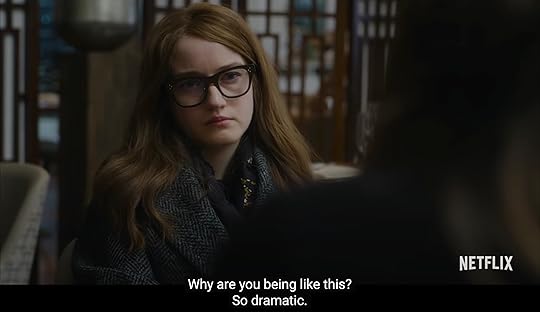
Anna Delvey (Anna Sorokin) is a name that needs no introduction. She is a con artist who fooled the New York elite by posing herself as an heiress. Rachel DeLoache Williams is the author of this book. She was Delvey's friend and was scammed out for more than $62,000 by her. She mentions what all she had to suffer due to her friendship with Anna.
What I learned from this book
1) Is exclusivity a trap?
Exclusivity is a term that many people crave during this 21st century. There are a lot of merits to it, especially if you are from the higher tier of your society. Ms. Williams discusses its problems and the other side of it.
“Select patrons-only—it’s a funny idea. Why is exclusivity appealing? We all want to be included. We crave validation, from friends and from strangers. If you'd said that to me then, I'd have been defensive."
2) Humans of New York
Why are the people so much obsessed with New York City? It is just another city which is a little bigger compared to others. This was my feeling when I first decided to go to New York.
The moment I hopped onto a yellow cab from JFK airport, I felt a different vibe from the city, which I felt nowhere else in the world. The people, the culture, the buildings, the libraries, the bookstores, and everything was unique. It is impossible not to love this city when you visit NYC for the first time. Books like Humans of New York will increase your love for this city.
When you start to live in NYC, you will have to face several problems. It starts from the basics, like over-the-top rental rates, even if you just want to get a small studio apartment. The straightforward nature of New York people might appear rude to you. You will have to also face a few con artists like Anna Sorokin. The author is trying to discuss this aspect of NYC life in this book.
"New York attracts such a wild range of people: artists and bankers, immigrants and transients, old money and new money, people waiting to be discovered and others who never want to be found. Everyone here has a story to tell—some more elaborate than others. But without exception the people have texture, and texture is character, and character is fascinating."
3) What should you do if your best friend is a sociopath?
This is a very complicated question that the author could not answer at a critical juncture in her life. It is one of the main reasons she landed up in all these troubles.
There are a variety of features that a sociopath shows in their life. If you see any red flags like gaslighting, mirroring, grandiosity, etc., you should try to consult a mental health professional to diagnose your friend's condition. You will also require professional help and counseling as the sociopaths gaslighting and manipulation might have intensely hurt your mental health.
It is imperative to diagnose which type of personality disorder your friend has as the management part is different for each disorder. There is also a possibility that your friend has multiple personality disorders simultaneously.
“Anna had no place here. She had no lasting friendships that I had ever seen. She was too insensitive, antisocial, and detached by nature. She would have needed me as a conduit, as someone people could relate to. My acceptance of her would have encouraged others to do the same. Now I understood."
"I read the headlines—Fake Heiress Anna Sorokin Says She Takes Being Branded a 'Sociopath' as a Compliment… Says Her Prison Sentence Was 'a Huge Waste of Time'… Sets Her Sights on Influencerdom with a New Vlog Series. I understood the implications of this sort of coverage, the glamorization of criminality, and wondered who would speak up."
4) How can we fail forward?
The author is trying to say the principle of failing forward. She mentions how to bounce back from all the troubles we face in our life.
The most important thing that we should be careful about is not to fall into the regret-feedback loop. The intention of the author was pure. But how convincing the author sounded in executing it by describing the setbacks she had to suffer from Anna is debatable.
“Regret is an unproductive emotion. What's done is done. All any of us can do is choose how to react in each moment—informed by the past, we decide how to move forward. I don't have regrets, but I can see how this happened. And there is something to be learned from that."
My favourite three lines from this book
“Just because something is legal doesn’t mean it’s right.”
"If you asked Anna about her politics, she would tell you that she was decidedly nonpolitical. Politics had little to do with power, she professed. Money was the world's true governing force."
“In times of trauma, life unfolds in a chiaroscuro of peaks and valleys. You feel the highs and lows with amplified intensity.”
What could have been better?
After this book was released, one of the main discussions was not about Anna but regarding the author. Was the author an empath who fell into the hands of a person with multiple personality disorders due to her empathy towards her? Was the author a social climber who tried to use her friendship to befriend a rich (who appeared to be at that time) lady to enjoy the luxurious life and social parties and now playing the victim card when she came to know that Anna was a con artist? This is a difficult question to answer as points are pointing to both in this book, and we need a more profound discussion for the same. The author should have been more punctilious while writing this book to avoid this doubt that crept up in the reader’s minds.
But I think our focus should be on Anna and not the author. How she penetrated the crème de la crème of the NYC elite to easily scam them to make them look like a bunch of nincompoops is a matter that should be deeply explored.
Rating
3/5 It is scary to read about people like Anna Delvey who have zero percent empathy. Books like this show why we should be careful when selecting our friends.

August 18, 2019
My Friend Anna by Rachel DeLoache Williams is a 2019 Gallery Books publication.
Several weeks ago, this book popped up on my radar by way of Book Riot. I seem to be on a true crime kick lately, so I checked the book out from the cloud library. Although it hardly lives up to the gushing hype, the story still left me shaking my head, not so much in disbelief that someone would fall for such a scam, but at the unconscionable behavior of people who deliberately set out to con someone.
In this case, I think Anna cased out the group of people in Rachel’s orbit and picked her out of the lineup to be her target. She read Rachel like a book, I’m sorry to say. While some may have the urge to roll their eyes at Rachel’s gullibility, the sad truth is, anyone, at any given time, in a multitude of ways can fall prey to a con or a scam. The best and the brightest amongst us have been victims of clever con artist, so it is important to avoid victim blaming.
That said, I will admit I found Rachel’s personality to be superficial and couldn’t help but notice she had absolutely no problem riding on Anna’s coattails while she was paying all the bills. Just saying. I think her friendship with the ‘German heiress’ was heady and up until the moment things went awry, she was enjoying all the perks handed to her.
I also think Rachel was desperate to hold on to that friendship, even though I think deep down she knew she’d been taken for a ride. She just didn’t want to admit she’d been played- which, of course, is understandable. Still, she allowed things to drag on entirely too long, and most of us would have thrown in the towel and threatened legal action long before Rachel finally caved.

But, enough of my psychobabble analysis. The book is a very quick read and Rachel stays on topic, only detailing the time in her life when she was involved with Anna. Watching Anna operate is infuriating. She was quite convincing, especially if one took her at face value, never questioning her story. It seems Rachel wasn’t the only one to believe Anna’s story.
What Rachel went through was nerve wracking and horrendous. She was the victim of a crime and eventually, she brought the fake heiress down. Good on her.
Rachel seems to have gotten herself sorted out and her life is back on track. She claims she got woke, and changed her way of thinking. Sadly, we all learn that lesson in life at some point, and Rachel is hardly unique it that.
This experience may have helped Rachel mature a bit without leaving her completely cynical. She still strikes me as a person who has some growing up to do and is perhaps a bit defensive. I’m not sure is she grew much stronger, as she did downplay her own egotism while writing this book, but she did find the courage to address her naivete and chagrin. Writing this book was probably cathartic for that bruised ego.
Still, I’m happy Rachel realizes she has a lot to be thankful for, and I’m glad she exposed a grifter and stopped her from taking advantage of other people. While I didn’t find Rachel to be a sympathetic ‘character’, if you will, she did help to bring down a criminal- and she works for my favorite magazine- Vanity Fair- so there is that.
To be clear, despite having said more about Rachel in this review than Anna, Anna is the real bad person in all this, and we should not forget that. I’m glad she is behind bars and we do have Rachel to thank for that.
3 stars
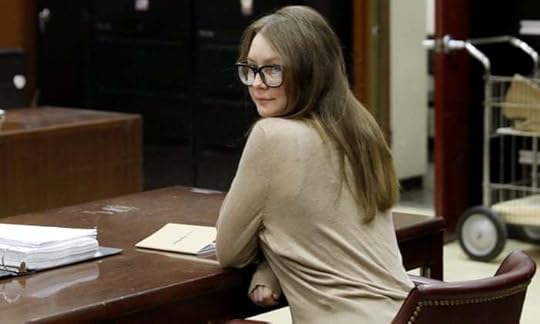
Several weeks ago, this book popped up on my radar by way of Book Riot. I seem to be on a true crime kick lately, so I checked the book out from the cloud library. Although it hardly lives up to the gushing hype, the story still left me shaking my head, not so much in disbelief that someone would fall for such a scam, but at the unconscionable behavior of people who deliberately set out to con someone.
In this case, I think Anna cased out the group of people in Rachel’s orbit and picked her out of the lineup to be her target. She read Rachel like a book, I’m sorry to say. While some may have the urge to roll their eyes at Rachel’s gullibility, the sad truth is, anyone, at any given time, in a multitude of ways can fall prey to a con or a scam. The best and the brightest amongst us have been victims of clever con artist, so it is important to avoid victim blaming.
That said, I will admit I found Rachel’s personality to be superficial and couldn’t help but notice she had absolutely no problem riding on Anna’s coattails while she was paying all the bills. Just saying. I think her friendship with the ‘German heiress’ was heady and up until the moment things went awry, she was enjoying all the perks handed to her.
I also think Rachel was desperate to hold on to that friendship, even though I think deep down she knew she’d been taken for a ride. She just didn’t want to admit she’d been played- which, of course, is understandable. Still, she allowed things to drag on entirely too long, and most of us would have thrown in the towel and threatened legal action long before Rachel finally caved.
But, enough of my psychobabble analysis. The book is a very quick read and Rachel stays on topic, only detailing the time in her life when she was involved with Anna. Watching Anna operate is infuriating. She was quite convincing, especially if one took her at face value, never questioning her story. It seems Rachel wasn’t the only one to believe Anna’s story.
What Rachel went through was nerve wracking and horrendous. She was the victim of a crime and eventually, she brought the fake heiress down. Good on her.
Rachel seems to have gotten herself sorted out and her life is back on track. She claims she got woke, and changed her way of thinking. Sadly, we all learn that lesson in life at some point, and Rachel is hardly unique it that.
This experience may have helped Rachel mature a bit without leaving her completely cynical. She still strikes me as a person who has some growing up to do and is perhaps a bit defensive. I’m not sure is she grew much stronger, as she did downplay her own egotism while writing this book, but she did find the courage to address her naivete and chagrin. Writing this book was probably cathartic for that bruised ego.
Still, I’m happy Rachel realizes she has a lot to be thankful for, and I’m glad she exposed a grifter and stopped her from taking advantage of other people. While I didn’t find Rachel to be a sympathetic ‘character’, if you will, she did help to bring down a criminal- and she works for my favorite magazine- Vanity Fair- so there is that.
To be clear, despite having said more about Rachel in this review than Anna, Anna is the real bad person in all this, and we should not forget that. I’m glad she is behind bars and we do have Rachel to thank for that.
3 stars

August 15, 2019
The real mystery here is how someone managed to keep her job assisting with photoshoots at VF and get a book deal after being scammed by an obvious con artist (Anna is supposed to come across as malevolent but she mostly seems like someone who acted like she had money and rode that wave until she couldn't.) Rachel's story is a lot of padding wrapped around the few months she spent with Anna living it up until Anna couldn't hide her lack of funds and Rachel was shocked (shocked, I tell you!) that Anna would lie to her. That's it, that's the book.
Now, let's discuss this amazing vacation home I just found in Bermuda. It's located in a gem of a neighborhood, The Triangle, but I am willing to take offers because I found an even better place in Atlantis (underwater views!) so I might be willing to sell or rent (monthly only, pls) if the price is right...
Now, let's discuss this amazing vacation home I just found in Bermuda. It's located in a gem of a neighborhood, The Triangle, but I am willing to take offers because I found an even better place in Atlantis (underwater views!) so I might be willing to sell or rent (monthly only, pls) if the price is right...

July 30, 2019
That a person can go through all of this and still be so shallow and vain is incredible - in a bad way. I couldn't enjoy any of this because Williams is so busy trying appear like a saint. People are calling Anna a bad person, but jeez, did Williams learn anything at all from this? I doubt it. It's actually pretty sad how insecure Williams is.
August 23, 2019
“If Anna was the hero, where did that leave me?”
This book can pretty much be summed up in this one quote. Rachel Williams is one of the few people who could actually make me glad she was scammed because she honestly deserved it. She wants so badly to be the star of this story, playing herself up as the victim and writing about how humble and home-grown she is, while completely ignoring the massive amount of privilege she has (she basically gets handed a job at Vanity Fair, but boasts this was due to her just randomly sending an email???? Come on. Just because she’s that gullible doesn’t mean her readers are.) But getting everything handed to Rachel wasn’t enough - she wanted to be seen as something more; which is why she was the perfect person for Anna Delvey to scam.
Rachel tries so hard to center this story around her. But the truth is: no one cares about Rachel Williams or what she went through. We’re here for the salacious, dramatic, glamorous gossip surrounding Anna Delvey and her ability to fraud and lie her way into the lives of the uber rich in Manhattan. There’s so much drivel here about Rachel’s life - relationship problems, dumb overly sentimental stories about her family, some convoluted friendship with her boss???, and endless celebrity and luxury brand name dropping - that my eyes hurt from how much I was rolling them. Anna is treated more of a side story in Rachel’s Very Tragic Woes for being dumb enough to put her credit card down and how unfair the world is for the first time not working out in her favor. She comes across entirely pathetic, irritating, and so painfully average. And that’s the reality of this sad excuse of a book - Rachel Williams is just a painfully average person who wanted desperately to be around someone fabulous and extravagantly wealthy like Anna was portraying herself to be. And the book never really delved into that - in fact Rachel does a fair bit of jumping around that desire and making so many excuses for her own behavior. She tries too hard to convince everyone what a Good Person TM she is, when her story would’ve been so much more relatable if she just admitted how she got drawn into the fantasy.
Not to mention, the writing here is plain bad. It reads like someone so clearly trying to sound like a good writer. It’s littered with bland, cliche metaphors and overly flowery descriptions of clothes and hotels. This book is crying out for an editor to clean it up.
Here’s hoping one of the many documentaries/series being made about Anna are more interesting than this.
This book can pretty much be summed up in this one quote. Rachel Williams is one of the few people who could actually make me glad she was scammed because she honestly deserved it. She wants so badly to be the star of this story, playing herself up as the victim and writing about how humble and home-grown she is, while completely ignoring the massive amount of privilege she has (she basically gets handed a job at Vanity Fair, but boasts this was due to her just randomly sending an email???? Come on. Just because she’s that gullible doesn’t mean her readers are.) But getting everything handed to Rachel wasn’t enough - she wanted to be seen as something more; which is why she was the perfect person for Anna Delvey to scam.
Rachel tries so hard to center this story around her. But the truth is: no one cares about Rachel Williams or what she went through. We’re here for the salacious, dramatic, glamorous gossip surrounding Anna Delvey and her ability to fraud and lie her way into the lives of the uber rich in Manhattan. There’s so much drivel here about Rachel’s life - relationship problems, dumb overly sentimental stories about her family, some convoluted friendship with her boss???, and endless celebrity and luxury brand name dropping - that my eyes hurt from how much I was rolling them. Anna is treated more of a side story in Rachel’s Very Tragic Woes for being dumb enough to put her credit card down and how unfair the world is for the first time not working out in her favor. She comes across entirely pathetic, irritating, and so painfully average. And that’s the reality of this sad excuse of a book - Rachel Williams is just a painfully average person who wanted desperately to be around someone fabulous and extravagantly wealthy like Anna was portraying herself to be. And the book never really delved into that - in fact Rachel does a fair bit of jumping around that desire and making so many excuses for her own behavior. She tries too hard to convince everyone what a Good Person TM she is, when her story would’ve been so much more relatable if she just admitted how she got drawn into the fantasy.
Not to mention, the writing here is plain bad. It reads like someone so clearly trying to sound like a good writer. It’s littered with bland, cliche metaphors and overly flowery descriptions of clothes and hotels. This book is crying out for an editor to clean it up.
Here’s hoping one of the many documentaries/series being made about Anna are more interesting than this.

August 21, 2019
A frustratingly empty tale of a naive and common-senseless person who, despite being in her late 20s, still doesn't know how credit cards work or how to Google "tips for traveling abroad." Nobody with a functioning head on their shoulders would ever be in danger of falling victim to this basic, predictable, and low-stakes "scam."
The real victims are all of us who actually bought the book. Suckers!
Oh, and if you mention Annie Liebovitz 21 times in one book, does she appear?
The real victims are all of us who actually bought the book. Suckers!
Oh, and if you mention Annie Liebovitz 21 times in one book, does she appear?
May 16, 2022
After watching Inventing Anna, I got a bit obsessed with researching the real story. Rachel was friends with Anna, so I was curious to hear what she had to say about how everything played out. I had mixed feelings on this story. It was very descriptive, with a lot of rambling and repetition. Rachel is understandably very defensive. The story was a bit boring, but also got quite tense at times. The end was the most interesting.
I enjoyed listening to this audiobook, but I did have a few issues with the story and writing. You can tell that Rachel is not a professional author. She is very descriptive about places in New York City that people would only know if they lived in Manhattan. The book all but skips over the main event which she briefly mentions in the beginning. In essence, Rachel willingly gives her credit cards to pay for the vacation, because she believes Anna will pay her back.
Rachel backtracks to explain her friendship with Anna. She describes how few people liked Anna, because she was judgmental, mean, and rude. Rachel stuck by Anna’s because she was the only one who understood her. Meanwhile, Anna is often harsh to Rachel, and Rachel hides her true feelings in order to fit in with Anna’s (aspiring) socialite status. Who would want to be friends with how Rachel describes Anna? Maybe at first Rachel really did enjoy Anna’s company, but it is likely that Anna paying for everything was a major selling point to being friends with her. Rachel seems like a smart woman, having landed a respectable job in her field. All the clues were there and Rachel ignored them.
Throughout the book, Rachel paints herself as the perfect victim. She definitely went through a distressing situation, but she does little to acknowledge her part in all of it. Rachel forgets to point out that she wanted to go on this lavish, all-expense-paid vacation. She also agreed to hand over both of her credit cards. It was definitely wrong for Anna to plan this trip knowing that she couldn’t pay for it and that Rachel would likely offer her cards. Anna may be the villain, but Rachel did make a mistake in going along with it and trusting Anna, knowing what she was like. In one way or another, they both used each other. I found it challenging to sympathize with the author as she doesn’t believe she did anything wrong. She seems mad that she isn’t the star of her story.
Overall, this was an interesting story to learn about. Rachel had a good point at the end, that we should be careful who we give our attention to. You can tell that Rachel is upset that Anna got off easy, but in a way, Rachel did too. She benefited immensely, going on the 70k vacation, having her credit cards paid off by the company, becoming famous, and landing a major book deal. After watching the show, it is still shocking that this all really happened. This book gave some good insight into the real story of Anna Delvey.
I enjoyed listening to this audiobook, but I did have a few issues with the story and writing. You can tell that Rachel is not a professional author. She is very descriptive about places in New York City that people would only know if they lived in Manhattan. The book all but skips over the main event which she briefly mentions in the beginning. In essence, Rachel willingly gives her credit cards to pay for the vacation, because she believes Anna will pay her back.
Rachel backtracks to explain her friendship with Anna. She describes how few people liked Anna, because she was judgmental, mean, and rude. Rachel stuck by Anna’s because she was the only one who understood her. Meanwhile, Anna is often harsh to Rachel, and Rachel hides her true feelings in order to fit in with Anna’s (aspiring) socialite status. Who would want to be friends with how Rachel describes Anna? Maybe at first Rachel really did enjoy Anna’s company, but it is likely that Anna paying for everything was a major selling point to being friends with her. Rachel seems like a smart woman, having landed a respectable job in her field. All the clues were there and Rachel ignored them.
Throughout the book, Rachel paints herself as the perfect victim. She definitely went through a distressing situation, but she does little to acknowledge her part in all of it. Rachel forgets to point out that she wanted to go on this lavish, all-expense-paid vacation. She also agreed to hand over both of her credit cards. It was definitely wrong for Anna to plan this trip knowing that she couldn’t pay for it and that Rachel would likely offer her cards. Anna may be the villain, but Rachel did make a mistake in going along with it and trusting Anna, knowing what she was like. In one way or another, they both used each other. I found it challenging to sympathize with the author as she doesn’t believe she did anything wrong. She seems mad that she isn’t the star of her story.
Overall, this was an interesting story to learn about. Rachel had a good point at the end, that we should be careful who we give our attention to. You can tell that Rachel is upset that Anna got off easy, but in a way, Rachel did too. She benefited immensely, going on the 70k vacation, having her credit cards paid off by the company, becoming famous, and landing a major book deal. After watching the show, it is still shocking that this all really happened. This book gave some good insight into the real story of Anna Delvey.

October 23, 2019
What a short, strange trip it's been.
Quick read, a little sad, a lot icky. Although I have not read the viral Vanity Fair article by Ms. Williams that launched this book, I have a feeling My Friend Anna is simply a more fleshed out version of the 2018 exposé, if the transcripts of endless texts can be considered flesh. Publication of this true crime narrative coincided with the title character's conviction of larceny and theft of services just this spring. But Anna Delvey née Sorokin was not convicted of the charge of defrauding Rachel Williams of $62,000 worth of expenses incurred on a trip to Morocco in 2017. That trip, and the fallout that ultimately led to Ms. Sorokin's capture and conviction, are the focus of My Friend Anna.
Curiously, if you try to read the Vanity Fair article online, you will be blocked by the paywall with this warning: Access is Everything. That essentially sums up this book. This is a tale of who has access to the coveted things of life (or whatever socialite or socialite wannabe Millennials covet) and who does not.
Although written with crisp pacing and attention to detail (i.e. name and place and label dropping), and an intensity that keeps the pages turning (note, a quick Google search will spoil the plot quicker than you can say "con artist") there's an unsurprising lack of reflection and self-awareness by the author. This story was published to coincide with current headlines, not as an examination of privilege. It is a recitation of events, but offers no insight into Anna as a narcissist or sociopath, or whatever ails her murky brain, or how and why Ms. Williams was so easily duped.
The author is a very sympathetic character in her own story. I felt her crushing anxiety as the AMEX bills came due while Anna's excuses as to why she was trying but failing to repay her friend achieved Kafkaesque proportions. The whole thing just made me sad and feeling in need of a scorching hot shower to wash the grasping tawdriness from my skin. Maybe in a few years Ms. Williams, clearly a gifted writer, will be able to offer a sequel of substance, when she's had time to reflect on how this friendship, and her own behavior, shaped the next chapters of her life.
Quick read, a little sad, a lot icky. Although I have not read the viral Vanity Fair article by Ms. Williams that launched this book, I have a feeling My Friend Anna is simply a more fleshed out version of the 2018 exposé, if the transcripts of endless texts can be considered flesh. Publication of this true crime narrative coincided with the title character's conviction of larceny and theft of services just this spring. But Anna Delvey née Sorokin was not convicted of the charge of defrauding Rachel Williams of $62,000 worth of expenses incurred on a trip to Morocco in 2017. That trip, and the fallout that ultimately led to Ms. Sorokin's capture and conviction, are the focus of My Friend Anna.
Curiously, if you try to read the Vanity Fair article online, you will be blocked by the paywall with this warning: Access is Everything. That essentially sums up this book. This is a tale of who has access to the coveted things of life (or whatever socialite or socialite wannabe Millennials covet) and who does not.
Although written with crisp pacing and attention to detail (i.e. name and place and label dropping), and an intensity that keeps the pages turning (note, a quick Google search will spoil the plot quicker than you can say "con artist") there's an unsurprising lack of reflection and self-awareness by the author. This story was published to coincide with current headlines, not as an examination of privilege. It is a recitation of events, but offers no insight into Anna as a narcissist or sociopath, or whatever ails her murky brain, or how and why Ms. Williams was so easily duped.
The author is a very sympathetic character in her own story. I felt her crushing anxiety as the AMEX bills came due while Anna's excuses as to why she was trying but failing to repay her friend achieved Kafkaesque proportions. The whole thing just made me sad and feeling in need of a scorching hot shower to wash the grasping tawdriness from my skin. Maybe in a few years Ms. Williams, clearly a gifted writer, will be able to offer a sequel of substance, when she's had time to reflect on how this friendship, and her own behavior, shaped the next chapters of her life.

September 21, 2022
Dear Diary: Heather told me she teaches people ‘real life.’ She said, real life sucks losers dry. You want to fuck with the eagles, you have to learn to fly. I said, so, you teach people how to spread their wings and fly? She said, yes. I said, you’re beautiful.
Heathers, 1988
Rachel DeLoache Williams was never supposed to be famous.
She went to a good school, got a good job in New York, and was on track to be one of the thousands of well-off, well connected people who get into fancy clubs and eat at nice restaurants, but otherwise stay anonymous. But unfortunately for Williams, she happened to cross paths with Anna Sorokin - a woman who was in the middle of a years-long plan to scam her way into the inner circle of New York's wealthy elite by passing herself off as a Russian heiress/socialite named Anna Delvey. Williams was pulled into Delvey's world of luxury and excess, and ultimately was scammed out of over $60,000 by a woman who she thought was her friend, but who'd actually been lying to her about everything from Day One.
After an introduction that basically boils down to Williams telling us that, if anything, she's guilty of being too nice, we're off to the races. And by that, I of course mean we are forced to sit through several chapters about Williams' life pre-Anna. I understand the impulse to give background information (and also establish how nice Williams is), but what Rachel DeLoache Williams cannot understand is that no one is reading this book to learn about her, and her descriptions of how she got her "dream job" (you inventory receipts from photo shoots, ma'am - let's chill out a little, okay?) at Vanity Fair and her advice on how to do well at your first grownup job does not really serve the story in any way. It also doesn't help that Williams' writing often sounds like a college application essay written by an academically accomplished, but not particularly talented, high school senior:
"New York attracts such a wild range of people: artists and bankers, immigrants and transients, old money and new money, people waiting to be discovered and others who never want to be found. Everyone here has a story to tell - some more elaborate than others. But without exception the people have texture, and texture is character, and character is fascinating."
The real meat of this story, and what we're all actually interesting in hearing about, is a fateful trip to Morocco, where Rachel accepts Anna's invitation to accompany her and a few other friends to an exclusive resort - only to reach the end of their trip and learn that Anna has not paid their bill. In a moment of panic and desperation (and subtle manipulation from Anna, who continued to insist that there was a temporary problem with her trust fund and she'd have access to the money again in a couple of days), Williams offered up her own credit card for the hotel to "hold", and then, when she realized that she didn't have enough to cover the exorbitant bill with her own funds, allowed the hotel to have her Vanity Fair corporate card. This would be the beginning of a years-long nightmare where Williams desperately tried to get Anna to pay her back, even as Anna's other scams were collapsing around her.
It's easy to judge Rachel DeLoache Williams and her choices. Every single person believes, in their heart of hearts, that they are too smart to be scammed. So it's easy, reading this book from the comfort of your own home, to roll your eyes at the red flags in Anna's behavior that Williams ignored, and to shout at the pages, "Rachel, do not believe Anna when she says you don't need to book a return flight in advance! Rachel, do not give them your corporate card! Rachel, do not sign that!" But it's easy for us to judge, because we already know how this story ends, and we know what was going on under the surface. Williams was in so deep that she didn't even think Anna was lying to her for the longest time - in fact, when she and some friends eventually confront Anna about the money, they still believe at this point that Anna is simply having issues with her parents, and has been cut off. The idea that everything has been a lie, down to Anna's name, has not even occurred to them - nobody even suggests that she doesn't have the money.
I have a lot of sympathy for Williams, first because she truly went through hell because of Delvey - I cannot imagine being on the hook for $60,000 that someone else owed - and also because Anna Delvey is now out of prison and everyone's kind of...cool with the fact that she stole all this money from people? What's worse, Anna is still stealing from Williams - Rachel DeLoache Williams was in talks with HBO to get her own miniseries telling her side of the story while Anna Delvey was developing her own miniseries with Netflix...and we know who won that. (God, and the Netflix version is not kind to Williams.)
The truth is that we all know someone like Rachel. They're nice, and they believe the best of people - not because they're more kind-hearted or generous of spirit than anyone else, but for the simple reason that nothing very bad has ever happened to them. They have spent their lives being treated reasonably well by most people, and life has overall been very kind to them, so they cannot imagine a scenario where this isn't the case.
At it's best, this book is Williams taking the power back from Anna Delvey and laying out, in exhaustive detail, exactly how far her scams and lies went, and the real human damage they caused.
Rachel DeLoache Williams is not a socialite or a real estate developer or a hedge fund manager with money to spare. She's just an ordinary person who let herself be taken in by a con artist, and it almost destroyed her life, and people will judge her and mock her because they want to believe that it could never happen to them.
Heathers, 1988
Rachel DeLoache Williams was never supposed to be famous.
She went to a good school, got a good job in New York, and was on track to be one of the thousands of well-off, well connected people who get into fancy clubs and eat at nice restaurants, but otherwise stay anonymous. But unfortunately for Williams, she happened to cross paths with Anna Sorokin - a woman who was in the middle of a years-long plan to scam her way into the inner circle of New York's wealthy elite by passing herself off as a Russian heiress/socialite named Anna Delvey. Williams was pulled into Delvey's world of luxury and excess, and ultimately was scammed out of over $60,000 by a woman who she thought was her friend, but who'd actually been lying to her about everything from Day One.
After an introduction that basically boils down to Williams telling us that, if anything, she's guilty of being too nice, we're off to the races. And by that, I of course mean we are forced to sit through several chapters about Williams' life pre-Anna. I understand the impulse to give background information (and also establish how nice Williams is), but what Rachel DeLoache Williams cannot understand is that no one is reading this book to learn about her, and her descriptions of how she got her "dream job" (you inventory receipts from photo shoots, ma'am - let's chill out a little, okay?) at Vanity Fair and her advice on how to do well at your first grownup job does not really serve the story in any way. It also doesn't help that Williams' writing often sounds like a college application essay written by an academically accomplished, but not particularly talented, high school senior:
"New York attracts such a wild range of people: artists and bankers, immigrants and transients, old money and new money, people waiting to be discovered and others who never want to be found. Everyone here has a story to tell - some more elaborate than others. But without exception the people have texture, and texture is character, and character is fascinating."
The real meat of this story, and what we're all actually interesting in hearing about, is a fateful trip to Morocco, where Rachel accepts Anna's invitation to accompany her and a few other friends to an exclusive resort - only to reach the end of their trip and learn that Anna has not paid their bill. In a moment of panic and desperation (and subtle manipulation from Anna, who continued to insist that there was a temporary problem with her trust fund and she'd have access to the money again in a couple of days), Williams offered up her own credit card for the hotel to "hold", and then, when she realized that she didn't have enough to cover the exorbitant bill with her own funds, allowed the hotel to have her Vanity Fair corporate card. This would be the beginning of a years-long nightmare where Williams desperately tried to get Anna to pay her back, even as Anna's other scams were collapsing around her.
It's easy to judge Rachel DeLoache Williams and her choices. Every single person believes, in their heart of hearts, that they are too smart to be scammed. So it's easy, reading this book from the comfort of your own home, to roll your eyes at the red flags in Anna's behavior that Williams ignored, and to shout at the pages, "Rachel, do not believe Anna when she says you don't need to book a return flight in advance! Rachel, do not give them your corporate card! Rachel, do not sign that!" But it's easy for us to judge, because we already know how this story ends, and we know what was going on under the surface. Williams was in so deep that she didn't even think Anna was lying to her for the longest time - in fact, when she and some friends eventually confront Anna about the money, they still believe at this point that Anna is simply having issues with her parents, and has been cut off. The idea that everything has been a lie, down to Anna's name, has not even occurred to them - nobody even suggests that she doesn't have the money.
I have a lot of sympathy for Williams, first because she truly went through hell because of Delvey - I cannot imagine being on the hook for $60,000 that someone else owed - and also because Anna Delvey is now out of prison and everyone's kind of...cool with the fact that she stole all this money from people? What's worse, Anna is still stealing from Williams - Rachel DeLoache Williams was in talks with HBO to get her own miniseries telling her side of the story while Anna Delvey was developing her own miniseries with Netflix...and we know who won that. (God, and the Netflix version is not kind to Williams.)
The truth is that we all know someone like Rachel. They're nice, and they believe the best of people - not because they're more kind-hearted or generous of spirit than anyone else, but for the simple reason that nothing very bad has ever happened to them. They have spent their lives being treated reasonably well by most people, and life has overall been very kind to them, so they cannot imagine a scenario where this isn't the case.
At it's best, this book is Williams taking the power back from Anna Delvey and laying out, in exhaustive detail, exactly how far her scams and lies went, and the real human damage they caused.
Rachel DeLoache Williams is not a socialite or a real estate developer or a hedge fund manager with money to spare. She's just an ordinary person who let herself be taken in by a con artist, and it almost destroyed her life, and people will judge her and mock her because they want to believe that it could never happen to them.

January 26, 2020
This was just kind of ....ummm meh for me...Not sure exactly why. Probably because I let some personal opinions take over- just as the author had predicted would happen with some readers.
Your new BFF is not only filthy rich and generous but she is powerful. Despite her very aloof demeanor, Anna travels in the circles of the rich and powerful in NYC. She always seems to be able to get into the best clubs, restaurants and hotels. She likes to be seen, yet it is not clear who Anna really is.
The waters are pretty murky around her family background and where Anna actually gets all her money. So one would think that a person employed by Vanity Fair - who does actually gets to attend some pretty impressive events herself would be onto Anna. I guess this further stresses how convincing Anna was.
I can see how Rachel ( the author) was fooled by Anna. I say this because Anna presented herself "just enough" to fool you. It is a bit of a mystery how Anna was able to connect with so many big name people, how she was able to get into places and how she did produce some large amounts of money on some occasions.
Even though this started out strong I began to feel a bit jaded about it. I began to think okay well even though the author was scammed, I still couldn't help but feel that it is not American Express or the hotels fault that she was scammed. I am not saying I didn't feel bad for her, because I did. What a nightmare it must have been for her. Although I did not think this entitled her to walk away from the money she been tricked into paying. Did she walk away? Guess you will have to read it to find out.
Despite my 3.5 stars I did still find it interesting and would recommend. I think you would really, really enjoy it if you are from NYC or travel in those circles because you would be able to recognize a lot of the places these two "friends" frequented.
Your new BFF is not only filthy rich and generous but she is powerful. Despite her very aloof demeanor, Anna travels in the circles of the rich and powerful in NYC. She always seems to be able to get into the best clubs, restaurants and hotels. She likes to be seen, yet it is not clear who Anna really is.
The waters are pretty murky around her family background and where Anna actually gets all her money. So one would think that a person employed by Vanity Fair - who does actually gets to attend some pretty impressive events herself would be onto Anna. I guess this further stresses how convincing Anna was.
I can see how Rachel ( the author) was fooled by Anna. I say this because Anna presented herself "just enough" to fool you. It is a bit of a mystery how Anna was able to connect with so many big name people, how she was able to get into places and how she did produce some large amounts of money on some occasions.
Even though this started out strong I began to feel a bit jaded about it. I began to think okay well even though the author was scammed, I still couldn't help but feel that it is not American Express or the hotels fault that she was scammed. I am not saying I didn't feel bad for her, because I did. What a nightmare it must have been for her. Although I did not think this entitled her to walk away from the money she been tricked into paying. Did she walk away? Guess you will have to read it to find out.
Despite my 3.5 stars I did still find it interesting and would recommend. I think you would really, really enjoy it if you are from NYC or travel in those circles because you would be able to recognize a lot of the places these two "friends" frequented.
June 23, 2019
I’ve been chewing on this book for a while. Not because I liked it, although I did like it, but because of its unbearable bleakness. Look, this book was always bound to be bleak despite the tawdry true-crime appeal of Anna Delvey. But I truly could not have anticipated a more demoralizing or dystopian portrait of youth in the big city in twenty-first century. Williams’ world is one where everyone is underpaid and overworked, to the point where people abruptly drop off the map, where dream jobs still leave you with double digits in your bank account and the appearance of scrappiness and humility matters far more than the possession of them. I mean, even before Anna begins paying for everything, Williams spends triple digits on single yoga classes and spa visits. I’m not so cruel as to judge her for her spending; as a young New Yorker, I spend my money on silly things all the time. But it’s a stark portrait of the specific kind of status-consciousness that people like Williams and myself wear like an affliction. We work in glamorous industries in a city rife with excesses of old and new money alike. Hot new brunch spots compete with old world glamour and have one thing in common: you aren’t the person who can access them. Maybe if you wore a Batsheva Hay dress and a Susan Alexandra handbag and Intentionally Blank mules. Maybe if you were thinner or had the hair lasered off your chin or purified your insides with $15 Sweetgreen salads or weekly infrared sessions. The prospect of an easy ticket to status (and not just normal status, but the status to like, wear sweatpants to Le Coucou and be let in anyway!) and a key to those closed-off places is intoxicating. In a setting like this, the question isn’t “how could anyone get fooled by Anna Delvey”, but rather “how could you not?”
July 26, 2019
Ms Williams was a parasite who leeched onto Anna for her money. Women like Ms Williams are called fake friends; she's only there for the money. Friendship is about sharing and splitting the bills. Bottom line: friendship is about 50:50. However in Ms Williams' case, it was only take, take, and take. I don't feel any sympathy for Ms Williams. Why should I? She knew what she was doing until it backfired. "Delvey is a feckless and disorganized small-timer, closer to a hipster grifter..."? Look who's calling the kettle black!

August 31, 2020
i love the part where she talks to a lawyer who's like "did you learn your lesson or are you going to pay for my child's tuition too?" and she's like omg he was soooo mean to me! like getting conned sucks but who on earth would put 60k spread out between their personal and work credit cards???? well rachel deloache williams would and did! at that point you... kind of deserve it????? like she willingly put all that on her card despite having $400 in her bank account?? BUT amex reversed it for her??? like.. i guess it pays being a dumbfuck moron, in the end she got a whole free luxury vacation lol. its just legit crazy to me that someone would write an entire book that reveals what a spineless idiot they are like whole passages about how impressed she is that anna.. asked for the aux in a uber? or like she's in tremendous debt because she fell "victim" to her but anna shows up on her doorstep and she's like i don't want u sleeping here but i am too tired to send you away. ????????? what??? the prosecutor butters her up telling her she has amazing instincts when it has clearly been proven over the entire duration of the book that she has maybe the worst instincts of anyone who has ever existed?? i almost love the total lack of self awareness but this was pretty brutal 2 read! lil miss rachel williams really needs to own up to the symbiotic grifter/griftee relationship. what a horrible book lol
September 2, 2019
Last year I read Bad Bloods: Secret and Lies in a Silicon Valley Start-Up and I could not get over how Elizabeth Holmes pulled off one of the biggest scams of the 21st century. This year I randomly heard a news story about a fake German Heiress who scammed a lot of people and committed fraud and I just had to have my fill of white women with white privilege scamming people.
My Friend Anna Is Rachel Williams' account of her "friendship" with Anna, the woman charged with being a fake German Heiresss and scamming a lot of people- including Rachel. I started this book Saturday evening and spent the entire night reading it- I wouldn't say it was addictive reading, I was more confused as to HOW Anna got away with so much and why Rachel let her.
I have a lot to talk about and it will be disjointed, so here are the things that stands out and why I didn't give the book a higher rating:
1. For some reason I have a problem with people under 30 writing a memoir like book- something about it just makes me go "mmmm have you even lived any life yet?" but I know I should judge.
2. This book lacks weight, there is almost no background and really groundbreaking information on Anna. If you are looking for "juicy" or mindless tidbits about Anna was and how she spent her time then by all means go ahead. The book doesn't tell of her motivations, how she got started, what her early family life was etc...
3. I felt Rachel's motivation in writing this book was to ride the publicity wave AND make a case for us to feel sorry that she got scammed. Let me say, it is horrible getting scammed and it is one of the worse feelings ever but when you look at the overall picture- Rachel benefitted so much from this scam *side eyes* Also, I feel like as a self aware individual living in New York you should have a healthy awareness for people who are looking to benefit/profit off you. I don't buy the story Rachel was trying to sell.
4. The title of the book My FRIEND Anna is a bit misleading because from what I read, I am not sure why Rachel thought she and Anna had a friendship. Everything about their relationships were so surface level, superficial and empty. Yes they seemed to have hang out a lot but seeing and being around someone a lot does not equate friendship- I thought this was common knowledge. Added to that, I don't think Rachel even liked Anna and vice verse... it was SOOO superficial.
5. Before Rachel got scammed by Anna she spent a healthy amount of time benefiting from the things Anna "treated" and foot the bills for. For example, Rachel would go to Anna's $300USD fitness classes on a regular basis, not to mention the dinner/drinks and other things they did together. Maybe its me, but I feel in a friendship you don't have one person picking up the bill most of the time.
6. I could not get over the fact that money got charged to Rachel's company credit card because Anna used it- approximately $16,000USD that wasn't work related and Rachel kept her job....
INSANE!!!
Overall, this is just white privilege at its best. You will not stop shaking your head.
My Friend Anna Is Rachel Williams' account of her "friendship" with Anna, the woman charged with being a fake German Heiresss and scamming a lot of people- including Rachel. I started this book Saturday evening and spent the entire night reading it- I wouldn't say it was addictive reading, I was more confused as to HOW Anna got away with so much and why Rachel let her.
I have a lot to talk about and it will be disjointed, so here are the things that stands out and why I didn't give the book a higher rating:
1. For some reason I have a problem with people under 30 writing a memoir like book- something about it just makes me go "mmmm have you even lived any life yet?" but I know I should judge.
2. This book lacks weight, there is almost no background and really groundbreaking information on Anna. If you are looking for "juicy" or mindless tidbits about Anna was and how she spent her time then by all means go ahead. The book doesn't tell of her motivations, how she got started, what her early family life was etc...
3. I felt Rachel's motivation in writing this book was to ride the publicity wave AND make a case for us to feel sorry that she got scammed. Let me say, it is horrible getting scammed and it is one of the worse feelings ever but when you look at the overall picture- Rachel benefitted so much from this scam *side eyes* Also, I feel like as a self aware individual living in New York you should have a healthy awareness for people who are looking to benefit/profit off you. I don't buy the story Rachel was trying to sell.
4. The title of the book My FRIEND Anna is a bit misleading because from what I read, I am not sure why Rachel thought she and Anna had a friendship. Everything about their relationships were so surface level, superficial and empty. Yes they seemed to have hang out a lot but seeing and being around someone a lot does not equate friendship- I thought this was common knowledge. Added to that, I don't think Rachel even liked Anna and vice verse... it was SOOO superficial.
5. Before Rachel got scammed by Anna she spent a healthy amount of time benefiting from the things Anna "treated" and foot the bills for. For example, Rachel would go to Anna's $300USD fitness classes on a regular basis, not to mention the dinner/drinks and other things they did together. Maybe its me, but I feel in a friendship you don't have one person picking up the bill most of the time.
6. I could not get over the fact that money got charged to Rachel's company credit card because Anna used it- approximately $16,000USD that wasn't work related and Rachel kept her job....
INSANE!!!
Overall, this is just white privilege at its best. You will not stop shaking your head.
November 13, 2019
I am completely shocked that My Friend Anna is a real story! This non-fiction book has been optioned for a Netflix show, produced by Shonda Rhimes. I read My Friend Anna in ONE SITTING folks, one sitting! That hasn't happened in forever. Read the synopsis and then jump in!
I can't fault Rachel DeLoache Williams on believing Anna Delvey (real name Anna Sorokin)'s lies, because if there's one thing about New York, it's that you meet a ton of rich people all the time. New York the city with the most billionaires in the world, so why would Rachel have any doubt that Anna isn't a trust fund baby? Especially after initially being wooed by her financially? I don't want to dive too much into the story, but if you are participating in #nonfictionnovember, I urge you to pick up My Friend Anna. I CAN'T WAIT FOR THE NETFLIX SHOW! I've been googling this story all morning!
I can't fault Rachel DeLoache Williams on believing Anna Delvey (real name Anna Sorokin)'s lies, because if there's one thing about New York, it's that you meet a ton of rich people all the time. New York the city with the most billionaires in the world, so why would Rachel have any doubt that Anna isn't a trust fund baby? Especially after initially being wooed by her financially? I don't want to dive too much into the story, but if you are participating in #nonfictionnovember, I urge you to pick up My Friend Anna. I CAN'T WAIT FOR THE NETFLIX SHOW! I've been googling this story all morning!

Read
July 2, 2022i am very intrigued by Anna Delvey, i watched her documentary on netflix “Inventing Anna” and i’m not gonna lie i think she’s a genius. people scream eat the rich and then when someone is doing just that there’s an issue? i think the way this book was written was good, it was like a fiction story almost. i’m not gonna lie i don’t feel bad for the author like you let anna spend your money and take over bills after she offered to pay because you have no backbone. how do you keep falling for anna’s con artist antics and then is confused and shocked when you find out she’s has no money all along??
You’re obviously rich as hell because you’re taking trips to morocco if not rich that privilege which the author stated in the books how her parents provided for her. plus she got a job at vanity fair just by sending an email which is the most privileged thing i’ve ever heard of. this whole book anna is made out to be a villain and the author is just so innocent and a victim of anna. like the author is literally a best seller because of anna. the author spends the entire novel trying to convince how she’s a saint when let’s be real here… all these girls are a hot ass mess. no one will ever care about anything else this author writes because nothing will be more interesting than Anna Delvey.
The author spent the entire book making herself seem like a main character and i’m sorry but she’s just not that girl. i don’t care about her relationships or the celebrity and luxury brand name dropping i don’t care about rachel whatever williams.
Anna Delvey you’re a real heiress to me
You’re obviously rich as hell because you’re taking trips to morocco if not rich that privilege which the author stated in the books how her parents provided for her. plus she got a job at vanity fair just by sending an email which is the most privileged thing i’ve ever heard of. this whole book anna is made out to be a villain and the author is just so innocent and a victim of anna. like the author is literally a best seller because of anna. the author spends the entire novel trying to convince how she’s a saint when let’s be real here… all these girls are a hot ass mess. no one will ever care about anything else this author writes because nothing will be more interesting than Anna Delvey.
The author spent the entire book making herself seem like a main character and i’m sorry but she’s just not that girl. i don’t care about her relationships or the celebrity and luxury brand name dropping i don’t care about rachel whatever williams.
Anna Delvey you’re a real heiress to me

May 1, 2022
The author is one of many, swindled, deceived, defrauded and grifted by character/persona Anna Delvey. After seeing the series Inventing Anna, I was interested in reading another perspective. This is true crime at it's finest. No dead bodies. None that we know of anyway. All the sociopaths involved in crimes seem to have power as the main motive. It is also fascinating, the masses seem to gravitate towards and elevate the perpetrator while mostly disregarding the victims. Hopefully one day we'll make progress in that regard. Borrowed the trade paperback from my local library's cooperative.
January 2, 2020
This is the type of story that is easy to judge if you don't delve into the details. A young woman stuck paying for an expensive vacation she took because she thought someone else was going to pay for it? Not exactly someone's grandmother being swindled out of her life's savings! But trust me when I say, the blurb cannot capture what Rachel went through. And the most interesting part of this is the power of trust and history. I couldn't put this book down!
Rachel DeLoache Williams begins the book at the time of the trip to Marrakesh and goes through the heart-pounding moment when she put her own credit cards down to cover the expenses her friend Anna Delvey assures her she can cover. These scenes had my heart racing, because Rachel describes that sick feeling that happens when you do something you know is a bad idea, but you have no other choice.
From there, the story actually goes back to the beginning when Rachel is working at Vanity Fair and meets Anna through a mutual friend. When I say you need to read the book to understand how Rachel fell victim to someone like Anna, this is the context you need. The headline makes Rachel sound opportunistic, but the story of Anna and Rachel's friendship will have you rethinking that assumption.
In fact, Rachel and Anna had built a friendship over time, and it was mutual at first. At the beginning, they both paid for things, though Anna had more money than Rachel. Overtime, Anna wanted to pay for them to do more expensive things and would cover the bill, but Rachel would also reciprocate in her own way. And as their trust built, I began to understand why Rachel second-guessed her own gut instincts that Anna was lying. This wasn't a casual friend, this was someone she spent most of her free time with for over a year.
The rest of the book documents what happened during and after the vacation, the financial implications of this amount of credit card debt, the slow realization the Anna wasn't the person she claimed to be, and ultimately how Rachel was able to help assist in the capture and conviction of Anna.
One thing I absolutely loved about this book was that it was grounded with primary source materials. As Rachel became more suspicious of Anna, she exported every communication they had, from texts to emails, phone time stamps, and logged all of the times they met in person. The texts are printed in full in the book, and it helped me understand not only why Rachel was conflicted over whether Anna was telling the truth or not, but also how committed of a liar and a fraud Anna was.
The communications about the payment went on for months and months, even including electronic wire transfer numbers, communications with Anna's family accountant, and continued back and forth about the payment. And peppered throughout this are the normal aspects of friendship. Anna doesn't disappear over this, and Rachel doesn't write her off.
Eventually, Rachel's efforts to reach out to Anna's parents through other friends of Anna reveals a troubling web of information that is part fact and part fiction. I was fascinated and appalled by Anna herself. Similar to Rachel (and many others defrauded by Anna), I found it hard to pinpoint how intentional her lies and fraud were. Did she go in with the plan to do this all along? Was it a fraud of circumstance? Does she regret it?
I'll let you form your own opinions on those questions. Personally, I think she did plan to defraud Rachel and I don't think she regrets it. Anna's pattern is to take advantage of people just like Rachel. She tests their loyalty and friendship, and then she does what she wants with no thought to the consequences for others. It resonated through the book for me that Rachel really had a hard time separating her friendship from Anna, even to the very end.
In fact the ending where Rachel helps the authorities locate Anna and ultimately capture her was so compelling. Even to the final moment where Rachel set Anna up for capture, I saw her struggle to follow through with the plan. I learned a lot about why people fall victim to these things. It's hard to have your guard up against someone you are close to. People like Anna take advantage of the goodness in others.
This is a fantastic book, and a must-read for those interested in the psychology of fraud.
Rachel DeLoache Williams begins the book at the time of the trip to Marrakesh and goes through the heart-pounding moment when she put her own credit cards down to cover the expenses her friend Anna Delvey assures her she can cover. These scenes had my heart racing, because Rachel describes that sick feeling that happens when you do something you know is a bad idea, but you have no other choice.
From there, the story actually goes back to the beginning when Rachel is working at Vanity Fair and meets Anna through a mutual friend. When I say you need to read the book to understand how Rachel fell victim to someone like Anna, this is the context you need. The headline makes Rachel sound opportunistic, but the story of Anna and Rachel's friendship will have you rethinking that assumption.
In fact, Rachel and Anna had built a friendship over time, and it was mutual at first. At the beginning, they both paid for things, though Anna had more money than Rachel. Overtime, Anna wanted to pay for them to do more expensive things and would cover the bill, but Rachel would also reciprocate in her own way. And as their trust built, I began to understand why Rachel second-guessed her own gut instincts that Anna was lying. This wasn't a casual friend, this was someone she spent most of her free time with for over a year.
The rest of the book documents what happened during and after the vacation, the financial implications of this amount of credit card debt, the slow realization the Anna wasn't the person she claimed to be, and ultimately how Rachel was able to help assist in the capture and conviction of Anna.
One thing I absolutely loved about this book was that it was grounded with primary source materials. As Rachel became more suspicious of Anna, she exported every communication they had, from texts to emails, phone time stamps, and logged all of the times they met in person. The texts are printed in full in the book, and it helped me understand not only why Rachel was conflicted over whether Anna was telling the truth or not, but also how committed of a liar and a fraud Anna was.
The communications about the payment went on for months and months, even including electronic wire transfer numbers, communications with Anna's family accountant, and continued back and forth about the payment. And peppered throughout this are the normal aspects of friendship. Anna doesn't disappear over this, and Rachel doesn't write her off.
Eventually, Rachel's efforts to reach out to Anna's parents through other friends of Anna reveals a troubling web of information that is part fact and part fiction. I was fascinated and appalled by Anna herself. Similar to Rachel (and many others defrauded by Anna), I found it hard to pinpoint how intentional her lies and fraud were. Did she go in with the plan to do this all along? Was it a fraud of circumstance? Does she regret it?
I'll let you form your own opinions on those questions. Personally, I think she did plan to defraud Rachel and I don't think she regrets it. Anna's pattern is to take advantage of people just like Rachel. She tests their loyalty and friendship, and then she does what she wants with no thought to the consequences for others. It resonated through the book for me that Rachel really had a hard time separating her friendship from Anna, even to the very end.
In fact the ending where Rachel helps the authorities locate Anna and ultimately capture her was so compelling. Even to the final moment where Rachel set Anna up for capture, I saw her struggle to follow through with the plan. I learned a lot about why people fall victim to these things. It's hard to have your guard up against someone you are close to. People like Anna take advantage of the goodness in others.
This is a fantastic book, and a must-read for those interested in the psychology of fraud.

June 11, 2019
This was everything I wanted it to be and more. Rachel took me on a JOURNEY. For those who didn't follow the Anna Delvey criminal case, here's the short version: Anna "Delvey" is a 28-year-old con artist who moved among the NYC fashion scene and was eventually convicted for fleecing hotels, banks, etc. out of over 200K, plus another attempted 1MM. Along the way she conned her friend, Rachel, into paying 70K that she didn't have for an "all expenses paid" vacation to Marrakech. It ruined Rachel's life.
My Friend Anna is Rachel's side of the story, and it is completely engrossing. She had a modest job in the photography department at Vanity Fair when she met and was befriended by a mysterious German heiress. From there, the bond between the two friends quickly snowballed and become something other. I couldn't look away as Anna manipulated Rachel into making one bad decision after another. This story has it all--the luxury lifestyle, the fashion, the food, the personal trainers, the draaaaama. Exorbitant stays at exclusive Moroccan hotels and discreet California rehab centers. Cops and detectives and a manhunt.
I'll refrain from saying more because the details of book won't be revealed until publication day in late July, but I will say that this one could have gone either way, and I am SOOOO happy that Rachel has turned out to be a great storyteller and writer. This read was so damn satisfying. I have no doubt it will be one of the most talked-about books of the summer!
My Friend Anna is Rachel's side of the story, and it is completely engrossing. She had a modest job in the photography department at Vanity Fair when she met and was befriended by a mysterious German heiress. From there, the bond between the two friends quickly snowballed and become something other. I couldn't look away as Anna manipulated Rachel into making one bad decision after another. This story has it all--the luxury lifestyle, the fashion, the food, the personal trainers, the draaaaama. Exorbitant stays at exclusive Moroccan hotels and discreet California rehab centers. Cops and detectives and a manhunt.
I'll refrain from saying more because the details of book won't be revealed until publication day in late July, but I will say that this one could have gone either way, and I am SOOOO happy that Rachel has turned out to be a great storyteller and writer. This read was so damn satisfying. I have no doubt it will be one of the most talked-about books of the summer!

December 20, 2019
How fitting that I wandered into this book so soon after “Wild Game,” my other recent 1* review. Lots of similarities. Both books were like reading a 6th grader’s diary.
There was a voice in my head screaming, “Who cares?” (Oh wait, that voice is me).
I make these poor reading choices myself. No one forces me to read books like this. Admitting that I have this problem is the first step to developing better taste in trashy books.
There was a voice in my head screaming, “Who cares?” (Oh wait, that voice is me).
I make these poor reading choices myself. No one forces me to read books like this. Admitting that I have this problem is the first step to developing better taste in trashy books.

November 20, 2019
Holy heck this book stressed me out! As a self-proclaimed cheapa$$ I would NEVER hand over my credit card for $60K+ but I’m also not friends with ballers.
From the first page I was completed fascinated by the tale. I wanted to shake Rachel and scream “DON’T DO IT! As an outsider its easy to see the signs of manipulation but the reality is that we are all vulnerable in some way. Con artists just find their way through the cracks.
I’m happy that Rachel was able to make it through this horrible circumstance and learn to trust her gut. Our inner voices can be our best ally, we just need to learn to listen to them more often.
Like @jordys.book.club mentioned in his review, this story is a tad repetitive at times but nonetheless it’s a binge worthy and addictive insight into a world we all hope we are never caught up in. Thanks to Dennis @scaredstraightreads and Jordy for giving me the extra nudge to pick this one up. Shonda Rhimes is developing a Netflix series based on Anna and Lena Dunham is working on a separate project about Anna for HBO based on Rachel Williams account. You better believe I’ll be tuning in!
Juicy and shocking I give this captivating tale 4 ⭐️’s. Will you be picking it up?
From the first page I was completed fascinated by the tale. I wanted to shake Rachel and scream “DON’T DO IT! As an outsider its easy to see the signs of manipulation but the reality is that we are all vulnerable in some way. Con artists just find their way through the cracks.
I’m happy that Rachel was able to make it through this horrible circumstance and learn to trust her gut. Our inner voices can be our best ally, we just need to learn to listen to them more often.
Like @jordys.book.club mentioned in his review, this story is a tad repetitive at times but nonetheless it’s a binge worthy and addictive insight into a world we all hope we are never caught up in. Thanks to Dennis @scaredstraightreads and Jordy for giving me the extra nudge to pick this one up. Shonda Rhimes is developing a Netflix series based on Anna and Lena Dunham is working on a separate project about Anna for HBO based on Rachel Williams account. You better believe I’ll be tuning in!
Juicy and shocking I give this captivating tale 4 ⭐️’s. Will you be picking it up?

June 9, 2020
Rachel DeLoache Williams is literally the most uninteresting, unremarkable human being on Earth. Her descriptions would make Victor Hugo seem like a page-turner. She works at Vanity Fair (or VF, as she insists on calling it) and won’t stop bragging about it even though her job is… mostly scheduling photoshoots and submitting budgets (haha)? Just reading about it made my lose my will to live my a moment…So, despite working at an interesting place, she still gets the most boring job. And you just know she wants to be Anne Hathaway in The Devil Wears Prada, which is kind of sad.
But hey, we get the name of every celebrity she’s ever worked with or seen from afar! The namedropping on this book is astounding. It’s just, the person Franny Glass warned us about. Everyone around Rachel is infinitely more interesting than her, and she is aware of this. We get cameos from all sorts of celebrities, from Larry David to Anna Delvey – see what I did there? Yeah.
My friend Anna is a Basic Bitch Bible. Williams’ writing style could best be described as Sex and the City meets My Immortal. And, before she meets Anna, it is like someone paid a bot to write a chick flick novel. How can we have any sympathy for her when this is how she describes things:
We made a plan: I would finish my dinner, she would wrap up some of her Fashion Week coverage, and then, at eight p.m., we would meet at Black Market, a cocktail bar in Alphabet City. She arrived on schedule and got us a table. Because of a pit stop in my apartment (to drop off my workbag and change into boots with more of a heel), I walked in fifteen minutes late, full of apologies. The two of us were cheerful as we caught up over cocktails.
Did you fall asleep a little? Why is it relevant that you stopped at your apartment to change into similar but ultimately different footwear? Constantly we are given information that is neither pertinent nor interesting, and I have to assume it is because Rachel Williams assumes that we are automatically sympathetic towards her, when we’re really just there to read about Anna.
And we’re not the only ones she assumes care about her self-important predicaments: at one point in the book, after she’d already been scammed, she is stalking Anna on instagram (or what she calls “research”) when she comes across a post she feels is a subtle diss towards her:
Was Anna’s caption directed at me? I took a screenshot of the post and shared it with the DA’s office, if only to give them an indicator of Anna’s insensitivity.
She bothered an Assistant New York District Attorney because she thought Anna was… shading her online??? Did she think the ADA would feel for her and agree to talk about it over cocktails???? Imagine being the New York District Attorney and getting CC’d on this Real Housewives outtake? Rachel also pretty much thinks everything is directed at her, so the Instagram post probably didn’t have anything to do with it. After stalking Anna’s Spotify (who stalks someone’s Spotify? Literally not even Joe Goldberg), she decides Anna is trying to send her a message through the songs she is playing.
Rachel describes her and Anna’s first meeting as a “quintessential nice-to-meet-you-in-New-York conversation: hellos, exchange of niceties, how do you know X, what do you do for work?” How is that different from a nice-to-meet-you conversation anywhere else in the world?
“My Friend Anna” paints a picture of an extremely insecure young woman trying her best to hide her obvious provinciality (also, inherent dullness) by acting like she belongs– and that’s not Anna Delvey. Anna sniffed the desperation in Rachel, and took her in. Rachel is essentially pissed off because she thought she had been the one taking advantage of a friend here, and not the other way around. She didn’t care who vouched for Anna because Anna vouched for her. It made her feel like she belonged, if only as the Designated Leech. Some people are so boring they dream of being part of a celebrity’s entourage, even if they would die before admitting it. Of course she hates that Anna’s favourite movie is Mean Girls (and of course Anna was arrested on October 3rd).
Rachel soon wears out our patience. When considering Anna’s taste in men, she opines: “her apathy toward dating added to her mysteriousness. It seemed like she chose to be alone on purpose” – can you imagine? Enjoying to be alone with one’s own thoughts? Having spent some time with Williams’ thoughts, I can’t blame her for avoiding solitude.
The moment I, as a reader, could happily stop feeling the least bit sorry about her being scammed came relatively early in the book. It was the moment when all of her bullshit detectors should have gone off. From then on, it was on her: Anna introduces Rachel to her maybe ex-boyfriend Hunter, whose association in Rachel’s mind confirms Anna’s legitimacy since he had given a… wait for it: Ted Talk. About his idea. For an app. “Designed to foster a community of dreamers”. And what did Rachel think? Wow, he seems so smart and to know a little about everything, and he’s shaping the culture.
Ted Talks are to academia what Buzzfeed is to journalism. It is impossible to side with Rachel after this. She sounds like she’s only just moved to New York. Her descriptions of places are so needlessly accurate and full of wonder at how fancy they are. And then she proceeds to hide her obvious jealousy of Anna by talking about her “upbringing”. At every turn, she’s comparing herself to Anna, criticising her tastes, her manners, her clothes, and explaining why her own attitudes were more normal, appropriate, and descriptive of a nice young woman from Tennessee with a good upbringing. Stop trying to convince yourself you don’t resent your parents for moving to Tennessee, thereby depriving you of being a New-Yorker.
The number of times Rachel perfects the Art of the Self-Own during this book is too much to count. She constantly pats herself on the back for… living? She takes iPhone pictures of sushi, and is scared to have it due to how unfamiliar it is to her (she’d prefer a California roll). She spends pages and pages describing how “triggered” she was over a harmless prank. She talks about Plato’s cave. She volunteers the information that her dad was running for Congress. Her grandfather was an assistant director at the FBI – at one point, she reflects on how she would have made a fine investigator and, girl, it took you three months to find out your BFF was a con-artist AFTER she had already conned you.
At one point, Rachel is watching the solar eclipse with her family, and she goes: It was a welcome distraction for me. We didn’t have the special glasses you needed to look directly at the sun.
No, you didn’t. You really did not.
But a person in actual financial difficulty would not go about Manhattan eating at expensive cafes, refusing loans and the opportunity to sublet, going on a thousand vacations, and asking their doorman to look out for Anna. Even when she gets fired from “VF”, she’s fine. She doesn’t see her own privilege.
Which brings us to our final point: just how much money has Rachel DeLoache Williams made from this story? She sold the rights to HBO and got a book deal. Certainly that has more than covered the original amount owed by Anna – not to mention everything that Anna paid for during the course of their friendship. When Anna’s lawyer calls her out on it, she gets defensive:
“But this is entertainment. It worked out pretty well for you, didn’t it?”
“This is the most traumatic experience I’ve ever been through”
This is the most traumatic experience she’s ever been through – no wonder the jury found Anna Not Guilty as pertained to Rachel’s debt. Because it DID work out pretty well for her, and she is STILL benefitting from her friendship with Anna, making money off of telling Anna’s story. She should be thanking Anna Sorokin for making her marginally interesting, and allowing her to have an income even after she was fired from her boring-ass job:
It will be fine, she wrote back. Might be a storm of interest but will pass . . . just ride it out like a good wave in Montauk.
Now, is this book still worth reading? I had a good time. I’m looking forward to when Working Class Hero Anna Delvey herself writes a memoir, but this was a moderate amount of fun despite the narration. My Kindle tells me I have written “We have no choice but to stan” in three different passages, which suggests I might be overusing a meme. But here are the instances in which I had no choice but to stan:
Adherence to policies and procedures was (Anna’s) nemesis; she saw protocol enforcement as arbitrary.
The lawyer returned my call while I was at my desk in the office. As succinctly as possible, I explained my situation. Before I could even finish, he cut in, “Did you learn your lesson?”
“Excuse me?” I asked.
“Do you want to pay for my son’s medical school, too?”
Me: You come off like a fraud!!!!! I’m extremely panicked. I’m in trouble anna!!!!
Anna: How so?
Lol. What an icon. #FreeAnna
But hey, we get the name of every celebrity she’s ever worked with or seen from afar! The namedropping on this book is astounding. It’s just, the person Franny Glass warned us about. Everyone around Rachel is infinitely more interesting than her, and she is aware of this. We get cameos from all sorts of celebrities, from Larry David to Anna Delvey – see what I did there? Yeah.
My friend Anna is a Basic Bitch Bible. Williams’ writing style could best be described as Sex and the City meets My Immortal. And, before she meets Anna, it is like someone paid a bot to write a chick flick novel. How can we have any sympathy for her when this is how she describes things:
We made a plan: I would finish my dinner, she would wrap up some of her Fashion Week coverage, and then, at eight p.m., we would meet at Black Market, a cocktail bar in Alphabet City. She arrived on schedule and got us a table. Because of a pit stop in my apartment (to drop off my workbag and change into boots with more of a heel), I walked in fifteen minutes late, full of apologies. The two of us were cheerful as we caught up over cocktails.
Did you fall asleep a little? Why is it relevant that you stopped at your apartment to change into similar but ultimately different footwear? Constantly we are given information that is neither pertinent nor interesting, and I have to assume it is because Rachel Williams assumes that we are automatically sympathetic towards her, when we’re really just there to read about Anna.
And we’re not the only ones she assumes care about her self-important predicaments: at one point in the book, after she’d already been scammed, she is stalking Anna on instagram (or what she calls “research”) when she comes across a post she feels is a subtle diss towards her:
Was Anna’s caption directed at me? I took a screenshot of the post and shared it with the DA’s office, if only to give them an indicator of Anna’s insensitivity.
She bothered an Assistant New York District Attorney because she thought Anna was… shading her online??? Did she think the ADA would feel for her and agree to talk about it over cocktails???? Imagine being the New York District Attorney and getting CC’d on this Real Housewives outtake? Rachel also pretty much thinks everything is directed at her, so the Instagram post probably didn’t have anything to do with it. After stalking Anna’s Spotify (who stalks someone’s Spotify? Literally not even Joe Goldberg), she decides Anna is trying to send her a message through the songs she is playing.
Rachel describes her and Anna’s first meeting as a “quintessential nice-to-meet-you-in-New-York conversation: hellos, exchange of niceties, how do you know X, what do you do for work?” How is that different from a nice-to-meet-you conversation anywhere else in the world?
“My Friend Anna” paints a picture of an extremely insecure young woman trying her best to hide her obvious provinciality (also, inherent dullness) by acting like she belongs– and that’s not Anna Delvey. Anna sniffed the desperation in Rachel, and took her in. Rachel is essentially pissed off because she thought she had been the one taking advantage of a friend here, and not the other way around. She didn’t care who vouched for Anna because Anna vouched for her. It made her feel like she belonged, if only as the Designated Leech. Some people are so boring they dream of being part of a celebrity’s entourage, even if they would die before admitting it. Of course she hates that Anna’s favourite movie is Mean Girls (and of course Anna was arrested on October 3rd).
Rachel soon wears out our patience. When considering Anna’s taste in men, she opines: “her apathy toward dating added to her mysteriousness. It seemed like she chose to be alone on purpose” – can you imagine? Enjoying to be alone with one’s own thoughts? Having spent some time with Williams’ thoughts, I can’t blame her for avoiding solitude.
The moment I, as a reader, could happily stop feeling the least bit sorry about her being scammed came relatively early in the book. It was the moment when all of her bullshit detectors should have gone off. From then on, it was on her: Anna introduces Rachel to her maybe ex-boyfriend Hunter, whose association in Rachel’s mind confirms Anna’s legitimacy since he had given a… wait for it: Ted Talk. About his idea. For an app. “Designed to foster a community of dreamers”. And what did Rachel think? Wow, he seems so smart and to know a little about everything, and he’s shaping the culture.
Ted Talks are to academia what Buzzfeed is to journalism. It is impossible to side with Rachel after this. She sounds like she’s only just moved to New York. Her descriptions of places are so needlessly accurate and full of wonder at how fancy they are. And then she proceeds to hide her obvious jealousy of Anna by talking about her “upbringing”. At every turn, she’s comparing herself to Anna, criticising her tastes, her manners, her clothes, and explaining why her own attitudes were more normal, appropriate, and descriptive of a nice young woman from Tennessee with a good upbringing. Stop trying to convince yourself you don’t resent your parents for moving to Tennessee, thereby depriving you of being a New-Yorker.
The number of times Rachel perfects the Art of the Self-Own during this book is too much to count. She constantly pats herself on the back for… living? She takes iPhone pictures of sushi, and is scared to have it due to how unfamiliar it is to her (she’d prefer a California roll). She spends pages and pages describing how “triggered” she was over a harmless prank. She talks about Plato’s cave. She volunteers the information that her dad was running for Congress. Her grandfather was an assistant director at the FBI – at one point, she reflects on how she would have made a fine investigator and, girl, it took you three months to find out your BFF was a con-artist AFTER she had already conned you.
At one point, Rachel is watching the solar eclipse with her family, and she goes: It was a welcome distraction for me. We didn’t have the special glasses you needed to look directly at the sun.
No, you didn’t. You really did not.
But a person in actual financial difficulty would not go about Manhattan eating at expensive cafes, refusing loans and the opportunity to sublet, going on a thousand vacations, and asking their doorman to look out for Anna. Even when she gets fired from “VF”, she’s fine. She doesn’t see her own privilege.
Which brings us to our final point: just how much money has Rachel DeLoache Williams made from this story? She sold the rights to HBO and got a book deal. Certainly that has more than covered the original amount owed by Anna – not to mention everything that Anna paid for during the course of their friendship. When Anna’s lawyer calls her out on it, she gets defensive:
“But this is entertainment. It worked out pretty well for you, didn’t it?”
“This is the most traumatic experience I’ve ever been through”
This is the most traumatic experience she’s ever been through – no wonder the jury found Anna Not Guilty as pertained to Rachel’s debt. Because it DID work out pretty well for her, and she is STILL benefitting from her friendship with Anna, making money off of telling Anna’s story. She should be thanking Anna Sorokin for making her marginally interesting, and allowing her to have an income even after she was fired from her boring-ass job:
It will be fine, she wrote back. Might be a storm of interest but will pass . . . just ride it out like a good wave in Montauk.
Now, is this book still worth reading? I had a good time. I’m looking forward to when Working Class Hero Anna Delvey herself writes a memoir, but this was a moderate amount of fun despite the narration. My Kindle tells me I have written “We have no choice but to stan” in three different passages, which suggests I might be overusing a meme. But here are the instances in which I had no choice but to stan:
Adherence to policies and procedures was (Anna’s) nemesis; she saw protocol enforcement as arbitrary.
The lawyer returned my call while I was at my desk in the office. As succinctly as possible, I explained my situation. Before I could even finish, he cut in, “Did you learn your lesson?”
“Excuse me?” I asked.
“Do you want to pay for my son’s medical school, too?”
Me: You come off like a fraud!!!!! I’m extremely panicked. I’m in trouble anna!!!!
Anna: How so?
Lol. What an icon. #FreeAnna

December 10, 2019
This book was fantastic! Did not read like nonfiction whatsoever. Read it in about 24 hours! Can't believe this is actually true!!

January 18, 2020
Somewhere in the region of 2.5 to 3 stars, but I'm going to round it down to 2 stars, because having a very interesting subject for narrative, the actual narrative was desperately low quality.
A young, supposedly rich, girl, a con artist, a trickster, a manipulator, a sociopath... You good write an absolute rollercoaster but on this occasion, it was a slow wet ride on a rusty squicky sleigh...
Rachel and Anna were once friends... Or were they? I saw zero friendship. Just two girls who both attracted to the circles of rich and famous, parties and fancy holidays...
Only Anna turned out to be Avon artist who "done" Rachel for money.
I followed the news and trial when the story came out and expected the book to be much more than endless monotonous moaning about not getting money back and Anna's lame excuses, mostly transmitted via text messages. Like, really? Smiley faces??... In a book?... I'm sorry but I expected better. Much better.
Georges Barnier is my kinda illustrator, not frigging emojis!
Very little of Anna's personality, little insight into Anna's real life.
The writing very amateurish, bleak.
It was more of a chore rather than enjoyment to read this book.
A young, supposedly rich, girl, a con artist, a trickster, a manipulator, a sociopath... You good write an absolute rollercoaster but on this occasion, it was a slow wet ride on a rusty squicky sleigh...
Rachel and Anna were once friends... Or were they? I saw zero friendship. Just two girls who both attracted to the circles of rich and famous, parties and fancy holidays...
Only Anna turned out to be Avon artist who "done" Rachel for money.
I followed the news and trial when the story came out and expected the book to be much more than endless monotonous moaning about not getting money back and Anna's lame excuses, mostly transmitted via text messages. Like, really? Smiley faces??... In a book?... I'm sorry but I expected better. Much better.
Georges Barnier is my kinda illustrator, not frigging emojis!
Very little of Anna's personality, little insight into Anna's real life.
The writing very amateurish, bleak.
It was more of a chore rather than enjoyment to read this book.

July 23, 2021
DNFing because i do not know or want to know what it means if a restaurant’s vibe is “Provence meets Meatpacking.” Bonus points for the author being insufferably tone-deaf.

February 26, 2022
At first there was
Inventing Anna
, the Netflix TV series.
The trailer immediately caught my attention as I remembered reading an article a few years ago about a girl who tricked New York high society, and googling her at the time. I even remembered her name. :))) So I had to see the TV series.
The show was everything I hoped for. Well delivered drama with a satisfying enough ending. I felt for Anna, got angry with her, and felt happy she had been punished in some way (yes, my goody-two-shoes self needed Anna to be punished).
It was during the show, I learned about Rachel's book and was intrigued enough to read it. I had a bit of a hard time reading/finishing a book in the last few years because of real life and everything, and hopped this could get me back on track.
Oh, boy, was I right!
I savored Rachel's depiction of her time with Anna. Don't get me wrong. This is far from a memorable piece of literature. If that is what you're after, this is not for you. This is a fun (weird using the word "fun" for this read), quick read to get your mind off the regular hassle.
I knew the story, saw the TV series, and yet I still hopped Rachel would somehow wake up before it was too late. All the signs were there. And yet she fell for Anna. I disliked Rachel at some point as I found myself in her. I can be just as naïve and emphatic. I hate it. And there were moments in my life when I knew bad things were about to happen and did nothing out of fear or I don't know why. So, I get Rachel somehow. You want to believe, you do not wish to be proven wrong. I cannot begin to fathom what it would be like to be friends with someone who could have that much money, to feel validated by them in some capacity. I guess you would consider yourself lucky and wish to keep that person in your life.
Bottom line is I liked the book, and I hope HBO will do an adaptation based on it... even if Netflix beat them to it. I could do another Anna/Rachel show.
The trailer immediately caught my attention as I remembered reading an article a few years ago about a girl who tricked New York high society, and googling her at the time. I even remembered her name. :))) So I had to see the TV series.
The show was everything I hoped for. Well delivered drama with a satisfying enough ending. I felt for Anna, got angry with her, and felt happy she had been punished in some way (yes, my goody-two-shoes self needed Anna to be punished).
It was during the show, I learned about Rachel's book and was intrigued enough to read it. I had a bit of a hard time reading/finishing a book in the last few years because of real life and everything, and hopped this could get me back on track.
Oh, boy, was I right!
I savored Rachel's depiction of her time with Anna. Don't get me wrong. This is far from a memorable piece of literature. If that is what you're after, this is not for you. This is a fun (weird using the word "fun" for this read), quick read to get your mind off the regular hassle.
I knew the story, saw the TV series, and yet I still hopped Rachel would somehow wake up before it was too late. All the signs were there. And yet she fell for Anna. I disliked Rachel at some point as I found myself in her. I can be just as naïve and emphatic. I hate it. And there were moments in my life when I knew bad things were about to happen and did nothing out of fear or I don't know why. So, I get Rachel somehow. You want to believe, you do not wish to be proven wrong. I cannot begin to fathom what it would be like to be friends with someone who could have that much money, to feel validated by them in some capacity. I guess you would consider yourself lucky and wish to keep that person in your life.
Bottom line is I liked the book, and I hope HBO will do an adaptation based on it... even if Netflix beat them to it. I could do another Anna/Rachel show.

October 10, 2019
Thanks, I hated it! I’ve seen rave reviews all over the place and....did we read the same book?
I somehow managed to get this far in life without catching much wind of the Anna Delvey scandal when it first came about. For the uninitiated: “Anna Delvey” (really Anna Sorokin) was able to pose for years as a wealthy Russian-German oil heiress and scam everyone from international banks, luxury hotels, and the New York party scene out of hundreds of thousands of dollars because she was good at Instagram and forgery.
The memoir is told from the perspective of Rachel, one of Anna’s closest “friends” who ultimately was scammed out of $70,000 by Anna. I originally really empathized with Rachel — her people-pleaser, don’t-rock-the-boat nature reminded me of myself.
But I found it increasingly hard to sympathize with her. Rachel talks about how she was drawn to Anna, but also about how Anna called people peasants to their faces, was endlessly rude to waiters and Uber drivers, and unapologetically late to everything. If you’re the kind, polite person you think you are, how can you handle being around that - and associated with - that behavior over and over?
Rachel is obviously a wreck after being stuck with Anna’s $70k bill, and discusses how much sleep she’s lost and how she could barely get through her workday. But she also goes out to concerts with friends and out for cocktails. Rachel’s definition of “broke” is a kind of broke that won’t resonate with those who were not born into considerable privilege with family members ready with thousands of dollars of loans.
There’s also a weirdly large part of the book that’s devoted to her talking about wandering around France solo and taking in the beauty of little towns, and also some distracting name dropping of celebrities (Rachel worked as a photo editor for Vanity Fair). It felt like filler to pad out the book.
This is no Elizabeth Holmes story — it’s not even a Fyre Festival. It’s just the story of someone who took advantage of wealthy privileged people by creating an illusion that she too was wealthy and privileged — it’s just not that interesting. 🤷
I somehow managed to get this far in life without catching much wind of the Anna Delvey scandal when it first came about. For the uninitiated: “Anna Delvey” (really Anna Sorokin) was able to pose for years as a wealthy Russian-German oil heiress and scam everyone from international banks, luxury hotels, and the New York party scene out of hundreds of thousands of dollars because she was good at Instagram and forgery.
The memoir is told from the perspective of Rachel, one of Anna’s closest “friends” who ultimately was scammed out of $70,000 by Anna. I originally really empathized with Rachel — her people-pleaser, don’t-rock-the-boat nature reminded me of myself.
But I found it increasingly hard to sympathize with her. Rachel talks about how she was drawn to Anna, but also about how Anna called people peasants to their faces, was endlessly rude to waiters and Uber drivers, and unapologetically late to everything. If you’re the kind, polite person you think you are, how can you handle being around that - and associated with - that behavior over and over?
Rachel is obviously a wreck after being stuck with Anna’s $70k bill, and discusses how much sleep she’s lost and how she could barely get through her workday. But she also goes out to concerts with friends and out for cocktails. Rachel’s definition of “broke” is a kind of broke that won’t resonate with those who were not born into considerable privilege with family members ready with thousands of dollars of loans.
There’s also a weirdly large part of the book that’s devoted to her talking about wandering around France solo and taking in the beauty of little towns, and also some distracting name dropping of celebrities (Rachel worked as a photo editor for Vanity Fair). It felt like filler to pad out the book.
This is no Elizabeth Holmes story — it’s not even a Fyre Festival. It’s just the story of someone who took advantage of wealthy privileged people by creating an illusion that she too was wealthy and privileged — it’s just not that interesting. 🤷

February 6, 2022
this really should have just stayed a longform article. there's not enough to fill a book and the author comes off as out of touch, annoying, and repetitive, overdescribing irrelevant details and just endlessly reading texts that go in circles. the central con is interesting, but the story just gets dragged out so long and pointlessly. i understand how stressful this was mentally but what did she actually suffer? Williams took what, 3 or 4 vacations while owing money, let alone worrying about housing, food, etc? she barely seems fazed even when she's laid off!! she seems shocked and affronted by people making jokes about the case, but who does she think the audience is for this book? just overall a waste of time.
Displaying 1 - 30 of 3,851 reviews