In the turbulent sixties, the provocative French film journal Cahiers du Cinema was at its most influential and controversial. The first successes of the New Wave by major Cahiers contributors such as Jean-Luc Godard, Francois Truffaut, Jacques Rivette, Eric Rohmer, and Claude Chabrol focused international attention on the revitalization of French cinema and its relation to film criticism; and in the early 1960s the journal's laudatory critiques of popular American movies were attaining the greatest notoriety.
As the lively articles, interviews, and polemical discussions in this volume reveal, the 1960s saw the beginnings of significant new directions in filmmaking and film criticism changes in which the New Wave itself was a major factor. The auteur theory that the journal had championed in the 1950s began to be rethought and revalued. At the same time, along with a reassessment of American film, Cahiers began to embrace new, often oppositional forms of cinema and criticism, culminating in the political and aesthetic radicalism of the ensuing decade.
The selections, translated under the supervision of the British Film Institute, are annotated by Jim Hillier, and context is provided in his general introduction and part introductions. For an understanding of the important changes that took place in cinema and film criticism in the 1960s and beyond, this book is essential reading.
While the French New Wave is often written about as being infinite and indestructible (the famous "Godard forever!" cry), it's interesting here to detect a note of sadness in interviews with Truffaut, Rohmer and the man himself, that their movement has already been compromised. This book is a fascinating slice of history, intriguing to see how a much-lauded movement was written about while it was still going on. There's a brilliant essay on King Kong, of all films, which shows that those French critics weren't as pretentious as everyone thinks. Quite the contrary. Cahiers du Cinema championed genre directors like Hitchcock and Hawks who were written off in their own countries.
i held off reading this for 20 years, assuming it'd be all a bit post-modern/marxist/brechtian/disconnectedly theoretical. and indeed i was right, save the very start, the post May 68 stuff, and anything involving Rivette, of course.
از مقدمه كتاب: هنوز هم اين نظر، هر چند کمي با ابهام، کاملاً رايج است که نقد و نظريه فيلم به گونه اي که امروز ميشناسيم ــ و حتي فيلمسازي هم ــ تقريباً همه چيزِ خود را به نقد فيلم فرانسويها در دورهاي که از 1945 آغاز ميشود و به ويژه به دستاوردهاي مجله کايه دو سينما که از 1951 راه افتاد، مديون است. در اين ميان معمولاً به دو مرحله بهويژه مهم اشاره ميکنند: دوره کايه از دهه 1950 که فيلمهاي موج نو را مطرح کرد و به گسترش مباحثه انتقاديِ مهمي در انگليس و آمريکا در اواخر دهه 1950 و اوايل دهه 1960 ياري داد (در حقيقت، دورهاي از کايه که در اين جلد نخست از چهار جلدِ پيشبيني شده، مرور ميشود)؛ و دوره پس از 1968 که دوره تفصيل نظري و سياسي شدنِ کايه و متعاقباً نظريه و نقد فيلم در 1970است.
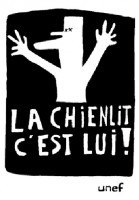
برای بخش «نقد برشتی سینما» هم که شده بایست این کتاب را مطالعه کرد. نیز برای فهمیدن کشمکش هایی که اوجش (و نمودش) در جشنواره کن ۱۹۶۸ و انقلاب می فرانسه و آنجایی بود که گدار در «مانیفست کایه» نوشت: پنجاه سال پس از انقلاب اکتبر. صنعت آمریکا در سراسر جهان بر سینما حاکم است. چندان چیز دیگری نیست که بر این وضعیت افزوده شود جز اینکه ما نیز در حد اندک خود باید دو سه ویتنام در دل امپراطوری هالیوود راه اندازیم و با مبارزه ی اقتصادی و هنری، به عبارت دیگر در دو جبهه، سینماهایی پدید آوریم که ملی، آزاد، برادرانه، رفیقانه و محصور در دوستی باشند.