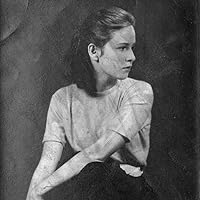
Skáldsagan Merking er margradda verk sem fjallar um afstöðu og pólaríseringu, fordóma og samkennd. Þjóðin er klofin í afstöðu sinni til samkenndarprófsins, byltingarkenndrar tækni sem spáð getur fyrir um andfélagslega hegðun; annar helmingurinn vill öruggara samfélag, hinn vill réttlátt samfélag. Aðalpersónur sögunnar hafa öll þurft að laga sig að nýjum siðferðisgrundvelli samfélagsins og fram undan er þjóðaratkvæðagreiðsla sem sker úr um hvort fólki verði gert skylt að gangast undir prófið.
Fríða Ísberg gat sér góðan orðstír fyrir ljóðabækurnar Slitförin og Leðurjakkaveður, og smásagnasafnið Kláða sem tilnefnt var til Bókmenntaverðlauna Norðurlandaráðs. Merking er fyrsta skáldsaga hennar.
Fríða Ísberg is an Icelandic author and poet based in Reykjavík. Her short story collection ITCH was nominated for The Nordic Council Literature Prize in 2020. Her debut novel THE MARK won The P.O. Enquist Award, The Icelandic Women’s Literature Prize for Fiction and was longlisted for the Dublin Literary Award 2025. Fríða was the 2021 recipient for The Optimist Award, handed by the President of Iceland to one national artist and her second novel, THE HIDDEN WOMAN, won the Icelandic Booksellers Choice Award in 2025. Her work has or is being translated to twenty five languages. Fríða lives in Reykjavík with her family.
“But empathy and compassion are as blinding as hate or fear or anger or love. Just as blinding as prejudice.”
How empathetic are you? Do you consider yourself to be an empathetic person? Does empathy really matter?
In a book that’s way too prescient for comfort, Fríða Ísberg will have you pondering on the value of these very questions. And will have you asking yourself how much power the government and other forms of bureaucracy should have in your life.
A referendum is about to take place in the Reykjavik of the not too distant future. People will have to decide what empathy means to them. As it will now be the deciding factor in where they can live, where they can work, what parts of the city they can visit. In fact, every aspect of their lives will be determined by the results of an empathy test. Which all adults eighteen years of age and over must take. Yearly. And which school students take an altered version of. A sensitivity assessment. After all, you can’t fail an empathy test. Or can you? And it’s for the greater good of all…
“..because that’s how societies work - they agree on the fundamentals but disagree about the details, or else they aren’t societies.”
Those who have passed the test will be free to live where and how they choose. Those who fail the test - or oppose it and choose not to take it - are “marked”. They are effectively prevented from entering certain parts of the city, applying for certain jobs, unable to apply for loans to buy somewhere to live. They’re even unable to enter buildings or stores if “marked”. You get the picture.
The book follows the lives of four very different characters in the leadup to the referendum. Those both for and against the referendum which will make the empathy test mandatory. There are great fors and against in this story, with neither being completely correct.
Friend turns against friend. Colleagues and families have opposing views. Husbands and wives cannot agree. For surely the test wouldn’t be abused by those in power, would it?
Psychology is used here as both a means to heal, yet alternately as a weapon.
“It isn’t fair to turn philosophical speculations into personal accusations.”
This is social engineering at its scariest. It sent chills down my spine reading it, as the long arm of the law seems to be getting longer. With all too recent events in the world with pro v anti vaxx, this will ask many questions about exactly who or why you trust such important questions to be decided by a faceless bureaucrat. It’s like the modern day equivalent of Orwell’s "1984".
The final paragraph is chilling: “ ‘ Have you taken the test before, Tristan?’ asks the guy. ‘No.’ ‘We’re going to play a few videos for you and you don’t have to do anything but watch them. Here is a button if you start feeling claustrophobic or if you need to take a break.’ ‘Okay.’ ‘Great,’’ say the guy and smiles at him. ‘Everything’s going to be just fine.’”
*** Winner of the Icelandic Women’s Prize For Fiction *** I’ve not heard of this award before (which is neither here nor here) as I’m still a newcomer to reading Icelandic fiction and Icelandic authors. But I can completely understand why this won. This book is a frightening observation of the direction the world could well be heading toward, as the haves and have nots filter through to more invasive parts of ourselves and society.
“When in reality, people are fragmented, with a million different traits, not just one. No one is just a sexuality or a skin colour or a disease.”
3.5/5 Mėgstu distopijas, o ši dar ir skambėjo itin intriguojančiai – persikeliame į visuomenę, kurioje norima įteisinti empatijos testą ir pagal tai skirstyti žmones į pažymėtuosius ir nepažymėtus. Dabartiniais laikais, kai psichologijos sveikata, terapija ir panašūs dalykai tapo aktualesni ir prieinamesni nei bet kada anksčiau, toks scenarijus net neatrodo taip toli atitrūkęs nuo realybės. Tik, žinoma, čia prisideda ir visuomenės atskirtis, nepažymėtųjų nustūmimas į užribius ir pačių paprasčiausių teisių jiems suvaržymas. O tada ir kyla klausimai, ar tikrai taip paprastai galime apskelbti žmogų neempatišku, ar kai kurie nesugebėtų tokiais apsimesti ir ar tas bandymas visus diagnozuoti, svaidytis terapijoje išgirstais terminais (dažnai net juos taikant neteisingai) ir įstatyti į kažkokius konkrečius rėmus kartais netampa žalingas.
Taigi, idėją autorė turėjo, mano manymu, labai perspektyvią, bet prie jos išpildymo darbo man šiek tiek trūko. Atrodė, kad pristačiusi savo sukurtą pasaulį ir visus veikėjus, ji taip ir nenuvedė jų kažkur toliau, nei jie buvo iki tol – taip, vyko veiksmas ir tam tikri pokyčiai, bet pati kertinė knygos idėja rodos liko nepakitusi, nepadarytos jokios išvados, tarsi neišsigryninta, ką šia empatijos testo metafora norėta pasakyti. Veikėjai ilgainiui ima kartoti tas pačias savo mintis, o tai tokios pakankmai trumpos apimties knygoje pradeda erzinti. Trūko man kažkokio didesnio virsmo, kažkokios įdomesnės pabaigos ar veikėjų priimtų sprendimų, nes į antrą knygos pusę pradėjau nuobodžiauti. Dar buvo sunku priprasti prie autorės stiliaus, bet čia jau skonio reikalas ir neabejoju, kad daug kas priekaištų neturės. Apskritai tikėjausi šiek tiek daugiau, bet labai nusivylusi nesu – visada įdomu atrasti naujų, originalių idėjų, ir džiaugiuosi, kad autorė savąja pasidalino, tik manau, kad šen bei ten ją patvarkius ji būtų turėjusi kur kas stipresnį romaną.
3.5 ⭐ Un futuro próximo en Reikiavik, la asociación Psicológica Islandesa ha creado una herramienta novedosa: Un test de empatía. Las personas que lo superan obtienen "La marca". Los "no marcados" tienen la maravillosa oportunidad de recibir ayuda terapéutica y medicación para corregir su trastorno (...¿Psicológico? ¿Moral?) en beneficio de una sociedad unida y pletórica de bienestar...
(...Naaá, en realidad, sufren una paulatina y desesperante exclusión)
Muy pronto, la población decidirá, en un referendum nacional, si la marca debe ser obligatoria para acceder a varios (otrora) derechos universales. Ahora va en serio.
Una sociedad distópica en la que, con o sin intención, la autora hace muy difícil no encontrar resabios de Orwell o de Huxley. La amenaza de papá Estado excesivamente "presente" en la vida de los individuos anuncia, para algunos, el riesgo inminente de un entorno totalitario. Mientras tanto, la población está cada vez más desbordada por la ausencia de pensamiento crítico y por el fanatismo. El binarismo de una prueba que indique inequívocamente la capacidad de vivir en sociedad basado en una premisa "aquí y ahora se debe pensar o actuar así", pone en serio riesgo a la minoría que se aleje de la ortodoxia imperante, pero al mismo tiempo parece brindar protección inmediata a la mayoría ¿Cuál debe ser la prioridad?
Una distopía con un indudable cuestionamiento moral y trasfondo no tan original, con personajes demasiado "seteados" para saber qué ocurrirá con ellos, pero que abren sus pensamientos más íntimos frente al lector. Nada del otro mundo (en realidad, muy propio de éste) pero que replantea debates interesantes.
In the near future, an "empathy test" has been devised, the purpose of which is to divide society into those who are empathetic, kind, and safe to be around, and those who are potentially dangerous and, thus, in need of support in order to improve. For now, the test is only mandatory for certain public servants, but an imminent referendum will determine whether or not it becomes mandatory for all citizens of Iceland.
We follow four protagonists in the lead up to that vote. Along with a teacher and a businesswoman, we also have the head of the team of psychologists who created the test and a member of a group who protest its mandatory rollout. Through their eyes, we see every possible side of this debate. In that sense, this is a fantastically nuanced novel that deeply explores human rights and laws.
Suspenseful, considerate, and wonderfully insightful, The Mark is a bold new entry into the world of speculative and political fiction.
"Hayatımdaki her ilişkinin kendi kahkahası var. Erkek kardeşim benden kendine has bir kahkaha çıkarabiliyor ve sen de bambaşka bir tür kahkaha attırıyorsun bana, senin baban da, iş arkadaşlarım da, dağcılık kulübü de öyle ve her kahkaha birbirinden farklı. Ancak bazen, arkadaşımı kaybettiğimde en hakiki kahkahamı da kaybettim gibi hissediyorum."
İskandinav edebiyatı genellikle üzmüyor, yine üzmedi. İzlandalı yazar Frida Isberg'in yakın gelecekte geçen distopik romanı "İşaret", enteresan sorular soran, iyi yazılmış bir roman. Sonu biraz havada kaldığı için beni biraz üzdü ama kendini iştahla okutmayı başardığı muhakkak.
Kişilerin duyarlılık seviyesini ölçme iddiasında bir yeni teknoloji mevzubahis; "empati testi". Kitaptaki psikologların savunduğuna göre bu testi geçemeyen, düşük bir duyarlılığa sahip kişiler "merhametsiz", dolayısıyla suç işlemeye daha eğilimliler. Bu testin herkes için zorunlu hale getirilmesiyle toplumdaki suç oranının düşeceğini iddia ediliyor ve bunu oylamak üzere gidilecek referandumdan önceki son birkaç haftada geçiyor olaylar. Halk ikiye bölünmüş durumda, bir taraf testin daha güvenli bir toplum yaratacağını savunurken, diğer taraf "zorunlu işaretleme"nin temel hakların ihlali olduğunu söylüyor.
Başta birbirinden ayrı gözüken ancak okudukça öyküleri birbirine bağlanan dört karakter üzerinden akıyor hikaye. "Güvenlik" nedir, nasıl tanımlanır? Onu sağlamak için ne kadar ileri gidilebilir? Şeffaflığın sınırları nerede başlar, nerede biter? Empati sahiden insanları kategorize etmek için yeterli bir ölçüt müdür? Ayrıcalıklı koşullara doğanlar ve zorlu hayat koşullarına sahip olanlar denk biçimde değerlendirilebilir mi? Hayatta kalmalarının tek yolu zorunlu bir hissizleşme olan insanlar, empati eksikliği nedeniyle potansiyel suçlu ilan edilebilir mi? "Toplumun iyiliği" için bireylerin haklarına nereye kadar müdahale edilebilir? Bence çok önemli sorular soruyor kitap ve çok doğru biçimde kafa karıştırıyor. Dediğim gibi başka bir sonu olmasını tercih ederdim ama bu haliyle de çok sevdim.
Şöyle bitireyim: "Ama güven bu değil! Güven doğası gereği belirsizliktir. Güven insanlara inanmaktır, emin olmak değil." Ne kadar doğru ya, ne kadar.
This dystopian near-future story could happen to us very soon, if it hasn't in fact begun to happen already. A test is developed that displays a person's empathy and no sooner has it been successfully tested than it is misused by "politicians". A very good and interesting read.
This was incredible. If you like Black Mirror you will love this book. The Icelandic Psychological Association has devised a test which can measure your level of empathy and predict who has the capacity to be anti-social. Once you pass the test you can choose to be ‘marked’ which means you get access to special schools, areas and living privileges. Those unmarked are increasingly being fired from their jobs, abandoned by friends and becoming victims of crime and discrimination.
In a months time the country will vote on whether to make the test and the marking mandatory for all citizens. The book follows 4 people, including the head of the pro-test campaign and the young man blackmailing him because he is sure that he is doomed to fail. There is also a teacher who is being stalked by her ex boyfriend and an unmarked woman who has been sexually harassed in the workplace and faces losing her job.
It was written so brilliantly and I was addicted to reading about the four main characters. They all had really different stories but each one was just as enthralling as the other. It was such a sinister book where everything just starts slowly falling apart in the society and it really makes you question the ‘what if’ and compare it to now. It’s an interesting comment on how we treat criminals and those that we call ‘psychopaths’ and the lengths we would go to to keep the wider society safe.
I liked how this was also a book about female endangerment and violence against women. The woman being stalked by her ex is in so much danger through the book but people rely on this strange technology to keep her safe and put their faith in the system rather than actually doing something active to help her. The woman who is losing her job also has to reckon with workplace misogyny and it’s interesting to see how the psychologists are so obsessed with using the test to find and stop the people they deem as being dangerous rather than looking at the people who are actively causing harm to the women in the book through their acts of violence. These men are ignored simply because they are in positions of power and have already passed the test. It makes us question if it’s ever right to put our blind faith in a system which tells us who is in the right and who is in the wrong.
Really recommend this book. It was so thought provoking and compulsively written, and I’ve not read a book which gave me such strong black mirror vibes before which I absolutely loved.
The following reviews have been shared by Text Publishing - publisher of The Mark:
‘The Mark is a compelling and deeply intelligent novel. Isberg’s portrayal of the darker elements of society is utterly engrossing, her writing lyrical and elegant, and her characterisations impeccable. While portraying Reykjavik from a unique perspective, The Mark engages the reader in the dynamics of identity, gender, age and class. Notions of vulnerability and belonging are beautifully rendered, while never disregarding the fear and hypocrisy that can shadow them. Ísberg has crafted a novel with razor-sharp insight and deliciously dark humour.’ Rijn Collins, author of Fed to Red Birds
‘It’s brilliant. This novel could be called “dystopian” but its themes are so tangible, the characters are so real, that wouldn’t be quite right. The desire to be safe and normal becomes authoritarian; the fear of those who are different becomes discrimination. This future Iceland is hopelessly divided, politically and ideologically, in the name of erasing conflict and dissent. The Mark questions what it means to live in an apartheid built on good intentions—or are they?’ Mariana Enriquez, author of Our Share of Night
'Ísberg has written a masterpiece of public conscience and consciousness...I feel I could pick up my phone right now and call any of [these characters]...The Mark is one of the most fascinating and ethically nourishing contemporary novels I’ve read in ages.’ Kaveh Akbar, author of Martyr
‘This whip-smart, brilliant novel crackles with tension and intelligence. It left me utterly in awe. Friða Ísberg is a creative powerhouse.’ Hannah Kent, author of Devotion
‘Fascinating for the complexity of its consideration of emotional forces and their effects on both individuals and the society they comprise—not just empathy but also trust, its more difficult corollary—their relationships with fear and a desire for security.’ Saturday Paper
‘Ísberg creates character-driven suspense with uncommon moral underpinnings. Rather than make a pat argument for either side of the ideological chasm, she explores the vast middle area in which people negotiate what kind of society they’d like to cultivate and inhabit.’ Big Issue
‘This searingly brilliant novel is alive to all the nuances in the debate…Fríða Ísberg, like George Orwell and Anthony Burgess before her, lets the dystopian ironies speak for themselves.’ Times Literary Supplement
‘[T]he novel exposes how preconceptions about empathy can be shaped, how they’re affected by social disadvantage and traumatic experience…’ Age, Fiction Pick of the Week
‘Translated fiction always makes it into our highlight reels for the year and The Mark…is no different. Tackling ethical dilemmas, trauma, injustice and full of fascinating characters, fans of Black Mirror or of Naomi Alderman’s work will love this atmospheric wonder.’ WellRead
‘Ísberg has written a dangerous book, one which dares to suggest we must navigate the middle ground between ardently held positions if we are to make society functional.’ Canberra Times
En un mundo cada vez más polarizado, en tiempos (que, como bien dice Fito) donde nadie escucha a nadie, en un mundo donde nadie conoce matices (o conscientemente deciden ignorarlas), donde pareciera solo existen polos diametralmente opuestos, este libro es una revelación absoluta.
Si realmente queremos cambios positivos en nuestras sociedades, tenemos que hacer espacio al debate civilizado — eso implica hacernos preguntas difíciles, entender que no hay respuestas sencillas a los problemas a los que nos enfrentamos actualmente; entender que está bien estar equivocado; entender que todos somos capaces de cambiar de opinión; entender que apoyar medidas en pro de la economía no nos convierte en extremistas de derecha, así como tampoco promover el estado de bienestar nos hace extremistas de izquierda (que, por cierto, el estado de bienestar fue instaurado por un conservador, Otto von Bismarck); entender que no estamos obligados a tener una opinión sobre absolutamente todo lo que ocurre en este mundo.
Es por eso que "La marca" me parece una maravilla de libro, porque apela precisamente a eso, a dejar la corrección política a un lado ("no hay nada más opresivo que las buenas intenciones de los demás" escribe Hernán Díaz para la edición en español); entender que es necesario que haya espacio para ofender (que no es lo mismo que faltar el respeto) y cuestionar constantemente nuestros sesgos.
Más allá de eso, si han visto series de TV escandinavas, sabrán muy bien que todas ellas cuentan con una atmósfera muy oscura y fría, reflejo del clima de estos países. La prosa de Fríða Ísberg en esta maravillosa novela transmite muy bien esa sensación, lo cual es admirable, ya que lo encuentro un recurso literario increíble al que no se le valora lo suficiente.
رواية ايسلندية، تدور أحداثها في المستقبل القريب حيث يُطور اختبار لقياس الـ Empathy، ونرى تأثير هذا على عدة شخصيات وكيف يستغل السياسيون الاختبار لمصالحهم الخاصة. الرواية ديستوبية، الخوف والقلق يغلب عليها، من شخصية الشاب الذي يخشى أن لا ينجح في الاختبار لذا يعيش حياته كخارج عن القانون ويحاول أن يرتبها بسرعة قبل أن يصبح الاختبار إلزاميًا، والأم التي تفشل في الاختبار أحيانًا وتنجح فيه أحيانًا أخرى وتريد تأمين شقة ليعيش معها كل أطفالها وتجاوز الصدمات وإساءة معاملة زوجها لها ولأطفالها، والمرأة التي لا تريد خوض الاختبار لأنها تعلم أنها لن تنجح- وربما تستمتع بالحياة كمعتلة اجتماعية، والمعلمة التي عاشت صدمة مؤخرًا وتخشى الرجل الذي يطاردها، ونرافق صانع القرار؛ الرجل الذي يقف خلف إقرار قانون الاختبار.
امم.. كانت قراءة سريعة لأنها أقرب للنوفيلا، أحب روايات الخيال العلمي الاسكندنافية لكن هذه كانت ضعيفة من نواح عديدة، شعرت أن هناك شيء ناقص-ربما توقعاتي كانت عالية، لأن الفكرة رائعة . ~ أخبرني صديق على تويتر أن الرواية قيد الترجمة إلى العربية.
I loved this. In a future version of Iceland, an empathy test has been created that tests a person’s ability to feel for others, to put themselves in other people’s shoes. It’s been found that there is a correlation between failing the empathy test and committing a crime or defaulting on a loan of exhibiting any other number of antisocial behaviors. What was once a voluntary tool then became a mandatory test for politicians and now the country, in the name of safety and mental health awareness, is voting on a referendum that will make the empathy test compulsory for every citizen.
Passing the test allows one to be “marked”, they can live in a marked neighborhood, live in a marked apartment building, enter a marked store—life and opportunities remain open to them as always. Failing, or refusing the test, bars access to all mentioned, but this rejection is framed in a—now-that-we-know-there-is-something-wrong-with-you-we-can-help-you. Free therapy, medications, and mental health resources are available to those who fail.
Through the perspectives of several different people, we understand the many sides of this test/vote and its effects. Well intentioned as they may be, we see the naïveté and foolhardy belief of those responsible for the test. We see from the perspective of a young man how this system only further ostracizes the most vulnerable in the community, despite claims of the opposite. From a young teacher, we see the benefits to a safer community that allows a woman to escape her stalker. Throw in a few more voices and an intermittent epistolary exchange between two otherwise unknown characters and we have a book that leans fully into the gray, the nuance, and highlights our increasing difficulty in having healthy debates that involve the exchange of actual information.
This book holds up a mirror to a lot of issues our society is facing or has faced, one can hear echoes of the individualism vs. collectivism debate that occurred around the COVID vaccines and see the increasing rates of antisocial behavior and loneliness, particularly in young men.
Þetta er talsvert áhugaverð saga, nægilega opin til þess að hægt er að lesa ýmislegt inn í hana. Í grunninn er hún um umræðuhefðina eins og hún virðist alltof oft vera núna, skotgrafir og læti. En þetta er líka um hina aldagömlu hefð mannkyns að jaðarsetja þá hópa sem ganga ekki alveg í takt við restina. Margt mjög áhugavert og vel skrifað, persónur margbrotnar og trúverðugar. Samt var eitthvað sem olli því að ég átti í erfiðleikum með að tengjast við þessa sögu. Er ekki alveg að átta mig á hvað það er.
Tänk att leva i ett polariserat samhälle där medborgarna är indelade i första och andra klass. Där grupper hålls åtskilda vad gäller geografiska områden, skolor, arbeten, vård etcetera. Där den ena gruppen tjänar mer pengar och har privilegier medan människor i den andra gruppen redan som barn misstänkliggörs och utses som syndabockar. Man hävdar att människor kan klättra i hierarkin genom att ta emot samhällets hjälp och arbeta hårt men det fungerar bara om man också har talang. *
Frída Ísbergs debutroman Märket handlar om psykologi som maktmedel. Här skildras ett dystopiskt framtida samhälle som alltför väl liknar vårt. Det är en av mig efterlängtad diskussion författaren för på ett intelligent och träffande sätt. Vi kastas in i berättelsen in media res och följer sedan fyra trovärdiga karaktärer var och en representanter för olika nivåer i samhället. Diegesens väv bär hela vägen och är präglad av komplexitet och realism. Ísberg håller stilen ren och den röda tråden spänd, hon svävar inte ut. Det är jäkligt snyggt gjort!
”Men nu har vi som grupp (vår flock, vårt samhälle) buntat ihop styrka med psykopati. Vissa mänskliga egenskaper som tidigare har kopplats till styrka, till exempel testosteron och aggression, är nu inte bara syndiga laster, utan rent av sjukdomssymptom. Vilket är detsamma som att säga att knivar är syndiga laster, sjukdomssymptom. Jo, visst kan knivar vara farliga, hur många har inte dött på grund av knivar? Ändå använder vi oss av knivar varje dag, i vartenda kök över hela världen.”
Att vara ”märkt” i Ísbergs värld innebär att man klarat det empatitest som är till för att skilja ut presumtiva brottslingar. Som ”omärkt” bör man genomgå terapi samt ta (vanebildande) medicin för att öka den empatiska förmågan. Ordet psykopat är ersatt med ”person med moralisk avvikelse”. Man har lektioner i emotionell kompetens vilket väl ska väga upp för det faktum att mänsklig kontakt ersatts av AI, digitalisering, hologram med mera.
”’Den här typen av våldsyttringar dyker inte upp från ingenstans’, säger han till en osynlig journalist. ’De här grabbarna har ingen röst i samhället. Det här är deras sätt att själva ta befäl och hämnas. Tyvärr. Det är ingen tillfällighet att hela landet har drabbats av en inbrottsvåg och att knarkhandeln slår nya rekord var och varannan dag. Samhället håller på att förverkliga den fara man säger sig vilja avvärja.’”
Idén om psykets hegemoni tycks råda, såväl på Island som i Sverige. Jag väntar på den backlash som det överdrivna psykologiserandet, terapeutandet, diagnostiserandet, medicinerandet och opererandet av barn och vuxna kommer att leda till. Att vi i allt högre grad lägger fokus på den psykiska statusen där vi också hittar felen och de påhittade lösningarna tror jag hör samman med högerpolitik, samhällsnormer och ”de stigande förväntningarnas missnöje” (som Tage Erlander sa och syftade på att när man får det bättre ökar ens förväntningar). Kerstin Ekman och Christian Rück har skrivit klokt om detta. Till viss del även Jesper Juul. Jag är rent lycklig över att Ísberg går i polemik med försöken att omvandla klassproblematik till psykologi.
Att läsa Märket är som att sakteligen dras upp på toppen i berg- och dalbanan. Det går sakta i början (lite rörigt med karaktärerna) men sen är det bara att njuta av åkturen. Det är en verkligt imponerande debutroman och jag ser fram emot hennes fortsatta författarskap.
* Det inledande stycket beskriver ett samhälle som inte sedan 70-talet har haft fler personer som levt med lägre ekonomisk standard än nu. Där hälsoinsatser snarare ökar än minskar de sociala klyftorna. Där friskoleexperimentet har spätt på skolsegregationen, dränerat kommunernas ekonomier och förflyttat hundratals miljoner i skattepengar menade för barnens utbildning till friskoleägare utomlands. Där det tredje största partiet föreslår att ADHD-testa alla barn i utsatta områden. Det samhället är vårt.
Me ha gustado mucho, es del tipo de distopía que disfruto: muy centrado en la parte sociológica. También me ha encantado el estilo de la autora y su forma de escribir. Está contado desde diferentes puntos de vista y cada uno de ellos tiene un estilo de narración diferente que transmite bien la personalidad y los sentimientos del personaje en cuestión.
Respecto al tema que trata me parece que da para debatir y pensar, para intentar imaginar cuál sería tu postura ante ello; no reinventa la rueda, pero creo que tiene su punto de frescura. Y como milenial que soy (como la autora, de hecho de la misma edad) lo he sentido muy generacional. De hecho, he sentido que conectaba de igual manera que con Nana Kwame Adjei-Brenyah, que ya no es solo que me gusten los libros, sino que me siento identificada, que si yo supiera escribir haría algo como esto.
Sabía que me iba a gustar y me alegro de no haberme equivocado. Muy recomendable.
thank you to the publisher for sending me a copy for early review !
this book was certainly interesting, and by the time i’d turned the last page i was desperate to find out what would happen. the weaving of all the storyline’s was so satisfying and i really enjoyed the way each character progressed - for better or for worse. i only wish the book was faster slightly? i think the beginning was a little slow and stopped me from picking it up to keep going. other than that i really enjoyed it :)
Mér fannst þessi mjög vel skrifuð, sérstaklega Tristan (heitir hann það ekki?? smá langt síðan ég las hana er bara sein með goodreads)!! Vá hvað hann var fallegur karakter og sagan hans raunveruleg þrátt fyrir að gerast í sci-fi framtíð. Hinar sögurnar náðu kannski ekki alveg upp á hans level en mér fannst þetta frumleg og skemmtileg bók, ekkert merkingar slander í mínu húsi takk
"Básicamente, la sociedad está intentando decidir si la probabilidad estadística de que una persona cometa un delito justifica la violación de su privacidad, si es legítimo alertar contra delincuentes en potencia; una pregunta imposible de responder".
¿Te imaginas que, para ser un miembro con plenos derechos en la sociedad, tengas que pasar un test de empatía obligatorio? Un test de cuyo resultado dependa que puedas acceder a ciertos empleos, actividades e incluso vivienda, y que marque el resto de tu vida para siempre. Un test que al principio era voluntario, después para cargos muy específicos, pero poco a poco va permeabilizando todas las capas de la sociedad. Esto es lo que se imagina Fríða Ísberg en una Islandia distópica, en el que la privacidad de los habitantes queda en un segundo plano a favor de una supuesta mayor seguridad. En el eterno debate, ya realizado en múltiples historias distópicas, de "libertad" contra "seguridad", "La marca" imagina ese mundo en el que se empieza a plantear darle prioridad a lo segundo. Así, ante un referéndum, la sociedad tendrá la opción de elegir aquello que cree que desea, en medio de una campaña política feroz y manifestaciones cada vez más enfurecidas por los derechos humanos.
Esta novela pone sobre la mesa una buena idea, aplicada en una realidad relativamente cercana. La narración es bastante particular, y aunque no llegué a conectar del todo con el estilo de la autora, sí que me gustaron mucho los cimientos sobre los que va construyendo su historia. Una historia que se nos va narrando a través de varios personajes, con distintas situaciones e ideas sobre la nueva ley que se presentará a votación. Sin siquiera estar aún implementada del todo, ya surgen los primeros conflictos al respecto: personas que están pasando por situaciones psicológicas difíciles que les impiden aprobar el test con normalidad a pesar de no ser estrictamente psicópatas, problemas de adicciones secundarios al uso de fármacos para supuestamente tratar a las personas suspensas, discriminación hacia los que se niegan a someterse al test... Todo ello va generando en la sociedad una crispación que se va incrementando a medida que la fecha del referéndum se acerca. Y desde los ojos de los distintos protagonistas, veremos como todo se va desarrollando.
Sin ser una de mis distopías favoritas, sí que me ha resultado una lectura tremendamente interesante, que genera debate y te intenta poner en distintas perspectivas. Yo tengo bastante claro lo que votaría en ese supuesto referéndum... ¿Pero y tú?
Unsettling, engaging, infuriating, interesting. Raises questions about individualism vs collectivism; science and society; whether the means justifies the end; whether the means will even achieve the end; whether the means might, ironically, prevent the desired end.
La Marca es un proceso distópico que no me extrañaría, pusieran en marcha durante los próximos años. Tan cercana y certera es su narrativa, que nos hace cuestionar si una acción en pos del Estado de bienestar es realmente válida, afectando a toda una sociedad, rompiendo amistades, socavando vidas.
Kort, men bra bok! Et veldig interessant tema. Det som trekker ned for min del er at det er litt mange personer, og at det hoppes mye frem og tilbake mellom disse, noe som gjorde det litt uoversiktlig for meg.
Vá Fríða er geggjuð!!! Þessi bók var svo ótrúlega skemmtilega skrifuð, fannst magnað hvað ritstíllinn breyttist mikið milli persóna, og hvernig hún notaði frásagnarformið til að byggja persónurnar og persónuleika þeirra. Sjúklega sniðugt concept en ég hefði viljað miklu meira. Þessi bók hefði mátt vera 500 bls mín vegna. Tek af hálfa stjörnu því mér fannst smá ruglingslegt hvað það voru margar persónur og missti stundum þráðinn því ég var alltaf í smá stund að fatta hver var hvað. Uppáhaldið mitt var Tristan. sagan hans náði mér svo rosalega vel, fann svo til með honum. Fannst einmitt skondið þegar ég hugsaði eftir lesturinn að ég fann mestu samkenndina með siðleysingjunum og minnstu samkenndina með merkta fólkinu. Hafþór fucking Laxnes hvað? Einhvern megin elskaði ég þetta allt saman bara. IYKYK.
Tók mig aðeins ár að klára þessa but i did it 🤝 Veit ekki alveg hvað mér finnst um hana, fíla dystópíu vibeið og ádeiluna en það er eitthvað sem ég fíla ekki. Finnst kúl hvernig Fríða breytir ritstílnum fyrir hvern karakter en ég fann enga tengingu við neina af þeim eða forvitni til að vita hvað gerist næst 🫣
Premisa: En Islandia se ha desarrollado una prueba para medir los niveles de empatía de las personas, y se está valorando si utilizarla como una herramienta a nivel global e instaurarla como obligatoria. Esto genera opiniones muy polarizadas y tiene consecuencias a nivel social y personal para los habitantes del país.
Opinión: La premisa de esta novela me voló totalmente la cabeza cuando la leí, y sentí una atracción irrefrenable hacia ella. El hecho de que una prueba supuestamente positiva pueda generar consecuencias éticamente cuestionables que afecten al día a día de los habitantes de un país me parece un planteamiento brillante.
Y efectivamente, el resultado es lo que me había imaginado. La utilización del bienestar de la salud mental como herramienta de segregación y control de la población podría ser algo totalmente factible, y en estas páginas puedes sentir el desconcierto, la inevitabilidad del futuro que dibuja y la indignación de que la raza humana sea tan tremendamente autodestructiva y nociva.
Cómo me gustan las historias que generan debate, que profundizan en situaciones límite y te hacen cerrar el libro y ponerte a pensar. Eso sí, quizá he echado algo de menos que se profundice más en el aspecto psicológico, que se explique un poco más cómo son las personas que no llegan a ser marcadas, en qué aspectos concretos se refleja esa falta de empatía. Quizá esto sea porque es un campo que conozco más al dedicarme a ello y mis ojos siempre van a dirigirse en esa dirección.
Pero a pesar de ello, creo que es un concepto muy potente y que las relaciones que es establecen entre los protagonistas de la novela reflejan adecuadamente las diferentes situaciones que se pueden generar en este distópico planteamiento. El ritmo que la autora imprime a la trama es el adecuado, lo suficientemente ágil para que quieras seguir pasando páginas pero no tan trepidante que no puedas asimilar la información que contiene.
Desde luego seguiré la pista a esta joven autora. No todos son capaces de escribir tan bien una historia tan original y con tantas connotaciones a diferentes niveles.
I really enjoyed reading this near future dystopian fiction. Translated from Icelandic, The Mark is a brilliantly unsettling read.
In Reykavik the community is divided by the use of the Empathy Test which measures a person's capacity for compassion and flags anti-social behaviour. Much of the community (politicians and public servants) have already taken the test and "marked" themselves. The remaining population are "unmarked" and as time goes on more and more places are closing off to those who avoid the test. The book starts as a national referendum on whether the test should be mandatory is looming.
The Mark takes the differing points of view of four separate characters who each have a different perspective on the test. As the tension rises more and more ethical dilemmas become apparent and public sentiment is divided.
This was a very compelling read. The possibility of this being a real situation not a dystopian future made for a very engaging book. You could really feel just how the community in its desire to be safe and to help its citizens could actually fall into an ideologically fraught and discriminatory situation. I also really enjoyed the different characters and how they eventually became connected. Definitely a very interesting book!
Thank you so much to @text_publishing for my #gifted copy.
Jól indult, de aztán mégse lett az igazi. Egy szoft sci-fi ötlet körbejárása: mi lenne, ha mindenkinek egyfajta empátiatesztnek kéne alávetnie magát, amiből kiderül, hogy biztonságos tagja-e a társadalomnak, vagy éppen hogy potenciális bűnöző alapanyag. Nem biztos, hogy pszichopata, de lehetne az... És mi van, ha már a bankok is ehhez kötik a hitelkonstrukciókat, ha nem szívesen látnak jelöletleneket bizonyos sarki boltokban, ha kirúgnak emiatt a munkahelyedről, ha már a gimiben bevezetik a tesztelést...? Bizony jó kérdések emberi jogokról, előítéletekről, esélyegyelő(tlen)ségről. Kár, hogy a szöveg sokszor szétesett, fókuszt vesztett, összegabalyodtak a párbeszédek (ki beszél éppen és kihez), szóval nem volt elég ügyesen megírva. Becsületből letoltam, de a közepe táján már nem annyira élveztem az olvasását.