

What do you think?

Invisible Empire: The Natural History of Viruses
Viruses are the world's most abundant life form, and now, when humanity is in the midst of a close encounter with their immense power, perhaps the most feared. But do we understand viruses? Possibly the most enigmatic of living things, they are sometimes not considered a life form at all. Everything about them is extreme, including the reactions they evoke. However, for every truism about viruses, the opposite is also often true. So complex and diverse is the world of viruses that it merits being labelled an empire unto itself. And whether we see them as alive or dead, as life-threatening or life-affirming, there is an ineluctable beauty, even a certain elegance, in the way viruses go about their lives-or so Pranay Lal tells us in Invisible The Natural History of Viruses.
This is a book that defies categorisation. It brings together science, history and great storytelling to paint a fascinating picture of viruses as a major actor, not just in human civilisation but also in the human body. With rare photographs, paintings, illustrations and anecdotes, it is a magnificent and an extremely relevant book for our times, when we are attempting to understand viruses and examining their role in the lives of humans.
This is a book that defies categorisation. It brings together science, history and great storytelling to paint a fascinating picture of viruses as a major actor, not just in human civilisation but also in the human body. With rare photographs, paintings, illustrations and anecdotes, it is a magnificent and an extremely relevant book for our times, when we are attempting to understand viruses and examining their role in the lives of humans.
500 pages, Hardcover
First published October 29, 2021
About the author
Pranay Lal
2 books42 followersPranay Lal is a biochemist who works in the spheres of public health and environment. His first book Indica: A Deep Natural History of the Indian Subcontinent won the 2017 Tata Lit Prize, the World Book Fair Award, among others, and was named by Mint Lounge as one of the fifty must-read books about India since Independence. You can reach him at invisible.empire@tutanota.com.
Ratings & Reviews
Friends & Following
Create a free account to discover what your friends think of this book!
Community Reviews
Displaying 1 - 23 of 23 reviews

1-awaiting-review-but-read
December 8, 2021Hat trick! Three 10-star books in a row, never happened before. Please note that this is not an ARC. Goodreads is a US site so although this book was published 30 Oct 2021 in India, US publication isn't until March 2022, and that is the only date that counts. *Sigh* I wish GR was a bit more global.
These are the other two 10 star books that are so far above fabulous, rave-worthy 5 star ones, I had to give them my own rating to distinguish them.
Immune: a Journey into the Mysterious System that Keeps You Alive
I Am Not Your Slave: A Memoir
Proper reviews rather than reading notes, to come on them all. I have learned so much.
These are the other two 10 star books that are so far above fabulous, rave-worthy 5 star ones, I had to give them my own rating to distinguish them.
Immune: a Journey into the Mysterious System that Keeps You Alive
I Am Not Your Slave: A Memoir
Proper reviews rather than reading notes, to come on them all. I have learned so much.
January 15, 2022
" There is an ineluctable beauty, even a certain elegance, in the way viruses go on about their lives."
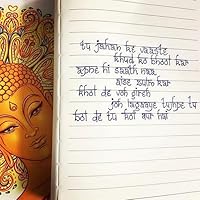
The cover artist of the book and I seem to agree that the above line from the book reverently sums up the magnificent existence of the organisms lingering over the ambiguous land of living and the non-living. It is likely that viruses are the most hated or more accurately, feared entities in the world right now and this book succeeds in a way to replace that fear with wonder. And also perhaps humility, at the realization that we know very little about the smallest and at the same time one of the most influential forms of life on the planet, or likely, the universe itself.
The title is genius, which evokes a sense of what is to come. Viruses are majestic and forms an empire onto themselves with their diversity in shapes, size and functions. I cannot comment on the validity of the content in the book, as I am no expert. Continuing on the premise that there are no major factual errors in the book, I thought it was meticulously researched and presented in a simple and engaging style. There are 14 chapters in all, focusing on a particular aspect of viruses such as its history, ecological or biological functions and future developments. Of the 14 chapters, I was especially interested in one titled "A Deep Control". It talks about how viruses affect the environment around us and how they may be utilized to combat climate change by global warming. The chapter describes how viruses in collusion with bacteria helps to reduce carbon and methane in the atmosphere. I was astounded by the chapters "The Virus is Us" and "Gut feeling" which describes how much we are indebted to viruses for our functioning and existence. "Zombies" was simultaneously amusing and terrifying, as it talked about viruses infecting the brain and the nervous system and altering, or rather, controlling behavior in living things. For the history enthusiasts, "A Spotty History of the Speckled Monster" and "How A Virus Saved a Giant" are real treats, explaining about smallpox and chestnut blight, one caused by the virus and the other prevented by it. "Enemy's Enemy" is another interesting chapter detailing the potential of phage therapy in combating bacterial infections.
The final chapter, "Quo Vadis", elegantly titled to mean "Where are we marching?", succinctly sums up the precarious nature of the interlinking between the various organisms and the threats to that balance. I was left with a mix of emotions, of wonder, of astonishment but above everything, a deep concern about the future.
However, I have serious complaints regarding some other aspects of the book. Although the cover page is exquisite ( in fact, that is what attracted me to pick the book up) and the illustrations also beautiful, many of the figure explanations were written in black background and almost grey font colours, with a really small font size. I couldn't read them at all. I an not sure if it is a fault with the copy I bought, but I wish I had read the book on an iPad, just for the illustrations.
But my greatest complaint, which almost made me leave the book midway, was some stray comments which desperately tried to link scientific facts with religious elements. I would've expected it from a non-scientific writer, but considering the fact that author is a scientist, this practice was irresponsible. For instance, the author makes a flimsy connection between chaalisas which are prayers with forty verses and the fact that cycles of epidemics occur after forty years. I haven't yet checked if the references he has given in the notes actually corroborate this fact in any form, but it seems like a stretch to me. I believe such mythical connections should be avoided in scientific literature as far as possible, as they can be misinterpreted and cause more damage than what they are worth.
There was also another small confusion regarding the mnemonic used for remembering the steps in taxonomy. "Dear King Philip Came From Granada Spain" doesn't seem to have a letter for Order.
But overall, it was a fascinating read. Over the course of reading, I read and watched YouTube videos on the biology lessons I last encountered in school- DNA, RNA, transcription, genes, genomes and the like, and I thoroughly enjoyed the journey. I was planning to read "I Contain Multitudes" and "Entangled Life" but by chance I stumbled upon Invisible Empire first and I believe I am onto a good start.
The cover artist of the book and I seem to agree that the above line from the book reverently sums up the magnificent existence of the organisms lingering over the ambiguous land of living and the non-living. It is likely that viruses are the most hated or more accurately, feared entities in the world right now and this book succeeds in a way to replace that fear with wonder. And also perhaps humility, at the realization that we know very little about the smallest and at the same time one of the most influential forms of life on the planet, or likely, the universe itself.
The title is genius, which evokes a sense of what is to come. Viruses are majestic and forms an empire onto themselves with their diversity in shapes, size and functions. I cannot comment on the validity of the content in the book, as I am no expert. Continuing on the premise that there are no major factual errors in the book, I thought it was meticulously researched and presented in a simple and engaging style. There are 14 chapters in all, focusing on a particular aspect of viruses such as its history, ecological or biological functions and future developments. Of the 14 chapters, I was especially interested in one titled "A Deep Control". It talks about how viruses affect the environment around us and how they may be utilized to combat climate change by global warming. The chapter describes how viruses in collusion with bacteria helps to reduce carbon and methane in the atmosphere. I was astounded by the chapters "The Virus is Us" and "Gut feeling" which describes how much we are indebted to viruses for our functioning and existence. "Zombies" was simultaneously amusing and terrifying, as it talked about viruses infecting the brain and the nervous system and altering, or rather, controlling behavior in living things. For the history enthusiasts, "A Spotty History of the Speckled Monster" and "How A Virus Saved a Giant" are real treats, explaining about smallpox and chestnut blight, one caused by the virus and the other prevented by it. "Enemy's Enemy" is another interesting chapter detailing the potential of phage therapy in combating bacterial infections.
The final chapter, "Quo Vadis", elegantly titled to mean "Where are we marching?", succinctly sums up the precarious nature of the interlinking between the various organisms and the threats to that balance. I was left with a mix of emotions, of wonder, of astonishment but above everything, a deep concern about the future.
However, I have serious complaints regarding some other aspects of the book. Although the cover page is exquisite ( in fact, that is what attracted me to pick the book up) and the illustrations also beautiful, many of the figure explanations were written in black background and almost grey font colours, with a really small font size. I couldn't read them at all. I an not sure if it is a fault with the copy I bought, but I wish I had read the book on an iPad, just for the illustrations.
But my greatest complaint, which almost made me leave the book midway, was some stray comments which desperately tried to link scientific facts with religious elements. I would've expected it from a non-scientific writer, but considering the fact that author is a scientist, this practice was irresponsible. For instance, the author makes a flimsy connection between chaalisas which are prayers with forty verses and the fact that cycles of epidemics occur after forty years. I haven't yet checked if the references he has given in the notes actually corroborate this fact in any form, but it seems like a stretch to me. I believe such mythical connections should be avoided in scientific literature as far as possible, as they can be misinterpreted and cause more damage than what they are worth.
There was also another small confusion regarding the mnemonic used for remembering the steps in taxonomy. "Dear King Philip Came From Granada Spain" doesn't seem to have a letter for Order.
But overall, it was a fascinating read. Over the course of reading, I read and watched YouTube videos on the biology lessons I last encountered in school- DNA, RNA, transcription, genes, genomes and the like, and I thoroughly enjoyed the journey. I was planning to read "I Contain Multitudes" and "Entangled Life" but by chance I stumbled upon Invisible Empire first and I believe I am onto a good start.

January 13, 2022
Really love Pranay Lal's writing. This book explores various aspects of how viruses affect the world inside and around us. Most books in last year or so on viruses are about the negative aspects, but this book is a good breather from that. You realise why viruses are so important for the ecosystems, human health and everything we deal with.
Also, The pictures are super cool!
Also, The pictures are super cool!
August 13, 2022
I wish our biology textbooks were written like this. Beautiful pictures, exciting stories and marvels of nature - they all left me spellbound!
January 29, 2022
বিশ্বজুড়ে করোনাভাইরাসের প্রভাবে জনমানসে ভাইরাস নিয়ে যে আগ্রহ তৈরী হয়েছে, সেই সাংস্কৃতিক আবহমণ্ডল বা জ়াঈটগাঈস্ট এই বই প্রকাশের একদম আদর্শ সময়! এই সপ্তাহে প্রায় গোগ্রাসে শেষ করলাম অণুজীবদের নিয়ে জৈবরসায়নবিদ্ প্রণয় লালের লেখা এই অনবদ্য সদ্য প্রকাশিত বইটি।
এই মহামারীতে ভাইরাসের সম্পর্কে যে নেতিবাচক দৃষ্টিভঙ্গী জনগণের মধ্যে রয়েছে এবং 'ভাইরাস' শব্দের সঙ্গে 'রোগ' প্রায় সমার্থক হয়ে গেছে, এর মধ্যে প্রণয় লাল জানাচ্ছেন যে,
If we continue to speak of microbes and viruses using the lexicon of war, then it is a war we have already lost. It is ironic that we are supposedly at war with this invisible force, which can cause disruption, but which also binds all life. Viruses are a part of us. We cannot eliminate them without making ourselves extinct.
ভাইরাস ও মানুষ পৃথিবীব্যাপী বিস্তৃত বাস্তুতন্ত্রের অঙ্গ এবং যুগ যুগ ধরে তাঁদের মধ্যে অম্ল-মধুর সম্পর্ক তৈরি হয়ে এসেছে। ফলে ভাইরাসের বিষয়ে সম্যক জ্ঞান'ই পারে মানব সভ্যতাকে অগ্রগামী করতে। ১১টি অধ্যায়ে লেখক ভাইরাসের ভাল-মন্দ বিভিন্ন দিক নিয়ে আলোচনা করেছেন, যেমন,
ডারউইনীয় বিবর্তনে ভাইরাসের গুরুত্বপূর্ণ ভূমিকা,
ব্যাক্টিরিয়াগত সংক্রমণ অ্যাণ্টিবায়োটিকের পরিবর্তে ফেজ ভাইরাসদের প্রয়োগের ভূমিকা,
বিশ্বব্যাপী উষ্ণায়ন ও জলবায়ুর পরিবর্তন রোধে ভাইরাসের সদর্থক ভূমিকা,
স্মলপক্সের ও প্লেগের নরমেধযজ্ঞের ইতিহাস,
চৈনিক দেবতা পান-চেন ও হিন্দুদেবী শীতলার উত্থান,
আমাদের উদরস্থ অণুজীবদের বাস্তুতন্ত্র,
ভাইরাসের মস্তিষ্কের নিয়ন্ত্রণের ক্ষমতা বিশেষত আরশোলা, পিঁপড়ে ও মানুষের ক্ষেত্রে ও জোম্বি অ্যাপোক্যালিপ্স-এর সম্ভাবনা,
গঙ্গাজলে ব্যাক্টিরিওফেজের উপস্থিতির আবিষ্কার, করোনাভাইরাসের মহামারী থেকে প্রাপ্ত শিক্ষা ইত্যাদি।
বইটা সম্পূর্ণ রঙিন, হার্ডকভার আর পাতার কোয়ালিটি দারুণ। তবে ওজনে সামান্য ভারী আর ফন্ট সাইজ একটু বড় হলে ভাল হত। প্রতিটা অধ্যায়ে মধ্যে বিষয় অনুযায়ী যোগ্য ছবি রয়েছে যেমন, দেশী-বিদেশী পেণ্টিং যাতে ভাইরাসের সাথে মনুষ্য সমাজের আন্তঃক্রিয়ায় নতুন নতুন আর্টের সৃষ্টি হয়েছে, রয়েছে ভাইরাস, ব্যাক্টিরিয়া ও তাঁদের সংক্রমণের ছবি।
এটা সকলের অবশ্যপাঠ্য বিশেষত যাদের জীববিজ্ঞানে আগ্রহ আছে। প্রণয় লালের লেখনী ইউভাল নোয়াহ্ হারারি, সিদ্ধার্থ মুখার্জি ইত্যাদি লেখকের সমতুল্য হয়েছে বললে অত্যুক্তি হবে না।
This book falls on the ideal cultural zeitgeist as SARS-COV-2 ravaging throughout the world. Biochemist Pranay Lal chronicles different viruses and their historical adventures in such a lucid manner in this freshly-released book that I have completed it within a week.
The pandemic caused mostly negative opinions about viruses and the word 'virus' has become synonymous with 'disease'. In this backdrop, Lal cautions us that
"..If we continue to speak of microbes and viruses using the lexicon of war, then it is a war we have already lost. It is ironic that we are supposedly at war with this invisible force, which can cause disruption, but which also binds all life. Viruses are a part of us. We cannot eliminate them without making ourselves extinct.."
Virus and Humans are part of the global ecological system and for million years they have been able to form a love-hate relationship. So, only holistic approach to virus will help human civilization to thrive and march on. In 11 chapters, Lal explored various exploits of virus, for example,
Role of viruses in the Darwinian evolution,
Application of bacteriophage as a replacement of antibiotics,
Postive role of virus to fight off climate change and global warming,
Macabre dance of smallpox and plague throughout history,
Cultural response to viruses through mythology, art, poetry etc.
The microbiome inside our gut and relationship with our brain,
The possibility of a Zombie apocalypse and details of viruses who can control neural activity in rats, cockroaches and humans,
The history of discovering bacteriophage in the river Ganga,
Lessons learnt from confrontation with coronavirus etc.
The book is completely colorful, is hardcover, and the quality of the pages are excellent. It's a bit heavy and the font size is small. Every chapter contains lots and lots of images, for example, paintings depicting society during past pandemics, images of viruses and bacterias and the infections they cause etc.
It's a must-read, specially for those who delight in reading books that combine natural and social sciences, like that of Siddhartha Mukherjee or Yuval Noah Harari.
Pages: 278
Publisher: Penguin/Viking
Publishing year: 2021
Printed price: ₹799
এই মহামারীতে ভাইরাসের সম্পর্কে যে নেতিবাচক দৃষ্টিভঙ্গী জনগণের মধ্যে রয়েছে এবং 'ভাইরাস' শব্দের সঙ্গে 'রোগ' প্রায় সমার্থক হয়ে গেছে, এর মধ্যে প্রণয় লাল জানাচ্ছেন যে,
If we continue to speak of microbes and viruses using the lexicon of war, then it is a war we have already lost. It is ironic that we are supposedly at war with this invisible force, which can cause disruption, but which also binds all life. Viruses are a part of us. We cannot eliminate them without making ourselves extinct.
ভাইরাস ও মানুষ পৃথিবীব্যাপী বিস্তৃত বাস্তুতন্ত্রের অঙ্গ এবং যুগ যুগ ধরে তাঁদের মধ্যে অম্ল-মধুর সম্পর্ক তৈরি হয়ে এসেছে। ফলে ভাইরাসের বিষয়ে সম্যক জ্ঞান'ই পারে মানব সভ্যতাকে অগ্রগামী করতে। ১১টি অধ্যায়ে লেখক ভাইরাসের ভাল-মন্দ বিভিন্ন দিক নিয়ে আলোচনা করেছেন, যেমন,
ডারউইনীয় বিবর্তনে ভাইরাসের গুরুত্বপূর্ণ ভূমিকা,
ব্যাক্টিরিয়াগত সংক্রমণ অ্যাণ্টিবায়োটিকের পরিবর্তে ফেজ ভাইরাসদের প্রয়োগের ভূমিকা,
বিশ্বব্যাপী উষ্ণায়ন ও জলবায়ুর পরিবর্তন রোধে ভাইরাসের সদর্থক ভূমিকা,
স্মলপক্সের ও প্লেগের নরমেধযজ্ঞের ইতিহাস,
চৈনিক দেবতা পান-চেন ও হিন্দুদেবী শীতলার উত্থান,
আমাদের উদরস্থ অণুজীবদের বাস্তুতন্ত্র,
ভাইরাসের মস্তিষ্কের নিয়ন্ত্রণের ক্ষমতা বিশেষত আরশোলা, পিঁপড়ে ও মানুষের ক্ষেত্রে ও জোম্বি অ্যাপোক্যালিপ্স-এর সম্ভাবনা,
গঙ্গাজলে ব্যাক্টিরিওফেজের উপস্থিতির আবিষ্কার, করোনাভাইরাসের মহামারী থেকে প্রাপ্ত শিক্ষা ইত্যাদি।
বইটা সম্পূর্ণ রঙিন, হার্ডকভার আর পাতার কোয়ালিটি দারুণ। তবে ওজনে সামান্য ভারী আর ফন্ট সাইজ একটু বড় হলে ভাল হত। প্রতিটা অধ্যায়ে মধ্যে বিষয় অনুযায়ী যোগ্য ছবি রয়েছে যেমন, দেশী-বিদেশী পেণ্টিং যাতে ভাইরাসের সাথে মনুষ্য সমাজের আন্তঃক্রিয়ায় নতুন নতুন আর্টের সৃষ্টি হয়েছে, রয়েছে ভাইরাস, ব্যাক্টিরিয়া ও তাঁদের সংক্রমণের ছবি।
এটা সকলের অবশ্যপাঠ্য বিশেষত যাদের জীববিজ্ঞানে আগ্রহ আছে। প্রণয় লালের লেখনী ইউভাল নোয়াহ্ হারারি, সিদ্ধার্থ মুখার্জি ইত্যাদি লেখকের সমতুল্য হয়েছে বললে অত্যুক্তি হবে না।
This book falls on the ideal cultural zeitgeist as SARS-COV-2 ravaging throughout the world. Biochemist Pranay Lal chronicles different viruses and their historical adventures in such a lucid manner in this freshly-released book that I have completed it within a week.
The pandemic caused mostly negative opinions about viruses and the word 'virus' has become synonymous with 'disease'. In this backdrop, Lal cautions us that
"..If we continue to speak of microbes and viruses using the lexicon of war, then it is a war we have already lost. It is ironic that we are supposedly at war with this invisible force, which can cause disruption, but which also binds all life. Viruses are a part of us. We cannot eliminate them without making ourselves extinct.."
Virus and Humans are part of the global ecological system and for million years they have been able to form a love-hate relationship. So, only holistic approach to virus will help human civilization to thrive and march on. In 11 chapters, Lal explored various exploits of virus, for example,
Role of viruses in the Darwinian evolution,
Application of bacteriophage as a replacement of antibiotics,
Postive role of virus to fight off climate change and global warming,
Macabre dance of smallpox and plague throughout history,
Cultural response to viruses through mythology, art, poetry etc.
The microbiome inside our gut and relationship with our brain,
The possibility of a Zombie apocalypse and details of viruses who can control neural activity in rats, cockroaches and humans,
The history of discovering bacteriophage in the river Ganga,
Lessons learnt from confrontation with coronavirus etc.
The book is completely colorful, is hardcover, and the quality of the pages are excellent. It's a bit heavy and the font size is small. Every chapter contains lots and lots of images, for example, paintings depicting society during past pandemics, images of viruses and bacterias and the infections they cause etc.
It's a must-read, specially for those who delight in reading books that combine natural and social sciences, like that of Siddhartha Mukherjee or Yuval Noah Harari.
Pages: 278
Publisher: Penguin/Viking
Publishing year: 2021
Printed price: ₹799

August 24, 2023
I am so disappointed by this book that I am at a loss how to express it properly. I haven't finished it - I stopped after 50-something pages. Not only it is a waste of time, I might have accidentally memorized a fact from this book, and that would be unfortunate.
The book is pretty. It is easy to read.
And there are so many mistakes that is unbelievable!
Several examples:
"This systematic study of a large number of viruses, the life forms they infect and their interrelated genomes, is called 'metagenomics'" - p.10.
Metagenomics is a study of genomes/nucleotide sequences isolated and analyzed from all the microorganisms from a certain niche or habitat.
"MGE, also called 'retrotransposons' or, more descriptively, 'jumping genes'" - p.38
Jumping genes is an alternative name for transposons, and that includes not only retrotransposons but also DNA transposons. and MGE? Mobile genetic elements are not only transposons but e.g. plasmids. And other elements.
Then there are some super weird notes about the evolution that in the case of viruses have no specific direction and viruses are not driven towards any goal... unlike all other organisms, apparently??????? (same page)
And then, p. 41, we can see this sentence:
"A few viruses that cause disease in humans have reached an evolutionary dead end, such as smallpox, polio and HIV".
I guess we can say that the eradication of smallpox is an evolutionary dead end. What about polio? And HIV?
Funnily enough, there is a note associated with this particular sentence. In the note, we read:
"On viruses reaching an evolutionary dead end, see Grubaugh, Nathan D. et al., 'We Shouldn't Worry When a Virus Mutates During Disease Outbreaks'. OK, I checked it. Here is the link if you are curious too: https://www.nature.com/articles/s4156...
And you might be curious because this article the author pointed to is on a completely different topic. Here are the final notes from it:
"It is time to reshape our conception of mutations. Mutations are not indicative of outlandish and devastating new viral characteristics. Instead, they can inform our understanding of emerging outbreaks. Any claims over the consequences of mutation demand careful experimental and epidemiological evidence."
Smallpox or polio are not even mentioned in this reference... as it is on a different topic.
These are just a few examples I bothered with. There is more.
Anyway, at that point, I gave up. I've read a few pages more, but I am utterly disappointed.
The book is pretty. It is easy to read.
And there are so many mistakes that is unbelievable!
Several examples:
"This systematic study of a large number of viruses, the life forms they infect and their interrelated genomes, is called 'metagenomics'" - p.10.
Metagenomics is a study of genomes/nucleotide sequences isolated and analyzed from all the microorganisms from a certain niche or habitat.
"MGE, also called 'retrotransposons' or, more descriptively, 'jumping genes'" - p.38
Jumping genes is an alternative name for transposons, and that includes not only retrotransposons but also DNA transposons. and MGE? Mobile genetic elements are not only transposons but e.g. plasmids. And other elements.
Then there are some super weird notes about the evolution that in the case of viruses have no specific direction and viruses are not driven towards any goal... unlike all other organisms, apparently??????? (same page)
And then, p. 41, we can see this sentence:
"A few viruses that cause disease in humans have reached an evolutionary dead end, such as smallpox, polio and HIV".
I guess we can say that the eradication of smallpox is an evolutionary dead end. What about polio? And HIV?
Funnily enough, there is a note associated with this particular sentence. In the note, we read:
"On viruses reaching an evolutionary dead end, see Grubaugh, Nathan D. et al., 'We Shouldn't Worry When a Virus Mutates During Disease Outbreaks'. OK, I checked it. Here is the link if you are curious too: https://www.nature.com/articles/s4156...
And you might be curious because this article the author pointed to is on a completely different topic. Here are the final notes from it:
"It is time to reshape our conception of mutations. Mutations are not indicative of outlandish and devastating new viral characteristics. Instead, they can inform our understanding of emerging outbreaks. Any claims over the consequences of mutation demand careful experimental and epidemiological evidence."
Smallpox or polio are not even mentioned in this reference... as it is on a different topic.
These are just a few examples I bothered with. There is more.
Anyway, at that point, I gave up. I've read a few pages more, but I am utterly disappointed.

February 23, 2023
A unique and fascinating book that delves into the world of microorganisms, exploring the complex and diverse ecosystems that exist beyond the naked eye. The book is organized into eight chapters, each highlighting a different aspect of this invisible empire and its relationship to the world around us.
Instead of villainizing the virus and cashing in on the pandemic, the book focuses on the role that microorganisms play in sustaining life on Earth, from producing oxygen to breaking down waste materials.
Mr Lal also highlights the fascinating ways microorganisms shape the physical world, from building coral reefs to creating geological formations while also employing the predatory tactics used by microorganisms to capture their prey, including the use of toxins and the formation of biofilms.
The book is accompanied by stunning images that bring the world of microorganisms to life, showcasing the diversity and complexity of these tiny creatures. However, I sometimes felt the use of complex biological names to be a bit overwhelming, and the author could have presented this information in a more accessible and exciting format.
Overall, this is a thought-provoking and informative book that highlights the important role that microorganisms play in shaping the world around us. With its unique subject matter and engaging writing style, it is reminiscent of Bill Bryson's books, which are known for their ability to make complex scientific topics accessible and interesting to a broad audience.
Side-Note: At one place, Mr Lal mentions,
"...sacred Hindu texts called chaalisas (or forty hymns) also commemorate cycles of epidemics that return every forty years, and their recitation is supposed to invoke gods and goddesses who will bestow protection against the disease. Superstition meets science meets SARS-CoV-2!"
The author has an impressive bibliography and the notes section runs across several pages, but still, I could not find any reference to this and have tried reaching the author to help provide any reference. Will update, if and when, I hear back on this or get any supporting evidence.
Instead of villainizing the virus and cashing in on the pandemic, the book focuses on the role that microorganisms play in sustaining life on Earth, from producing oxygen to breaking down waste materials.
Mr Lal also highlights the fascinating ways microorganisms shape the physical world, from building coral reefs to creating geological formations while also employing the predatory tactics used by microorganisms to capture their prey, including the use of toxins and the formation of biofilms.
The book is accompanied by stunning images that bring the world of microorganisms to life, showcasing the diversity and complexity of these tiny creatures. However, I sometimes felt the use of complex biological names to be a bit overwhelming, and the author could have presented this information in a more accessible and exciting format.
Overall, this is a thought-provoking and informative book that highlights the important role that microorganisms play in shaping the world around us. With its unique subject matter and engaging writing style, it is reminiscent of Bill Bryson's books, which are known for their ability to make complex scientific topics accessible and interesting to a broad audience.
Side-Note: At one place, Mr Lal mentions,
"...sacred Hindu texts called chaalisas (or forty hymns) also commemorate cycles of epidemics that return every forty years, and their recitation is supposed to invoke gods and goddesses who will bestow protection against the disease. Superstition meets science meets SARS-CoV-2!"
The author has an impressive bibliography and the notes section runs across several pages, but still, I could not find any reference to this and have tried reaching the author to help provide any reference. Will update, if and when, I hear back on this or get any supporting evidence.

February 10, 2022
I never though I will read a books on “Virus”, even if I start m I never expect to complete.
I am always hated science jargons …. from school days… but I made my efforts to know more about Virus. Last two years, discussion on virus is never-ending and pandemic has really brought out how little we know about the microbial world around us and
And year 2020 casted Black Swan effect which has really changed all our priorities and highlighted how difficult it is for human technology to keep up with the microbial world around us. And all the blame went to “Virus”.
Pranay Lal’s account on history of virus draws a fascinating picture of natural history of virus and their role in our life. As a layman in terms of science / history of virus, for me this book was very much informative and its an enjoyable read from the narration perspective author has done a brilliant job in weaving the history in an enjoyable format with pictures and photographs.
I am always hated science jargons …. from school days… but I made my efforts to know more about Virus. Last two years, discussion on virus is never-ending and pandemic has really brought out how little we know about the microbial world around us and
“It is not just viruses that we lack detailed knowledge about – we don’t know enough about particularly tiny life forms in general. Part of this problem arises from the fact that much of our knowledge about animals and plat species is dependent upon size. The bigger the life form, the more we know about it.”
And year 2020 casted Black Swan effect which has really changed all our priorities and highlighted how difficult it is for human technology to keep up with the microbial world around us. And all the blame went to “Virus”.
Pranay Lal’s account on history of virus draws a fascinating picture of natural history of virus and their role in our life. As a layman in terms of science / history of virus, for me this book was very much informative and its an enjoyable read from the narration perspective author has done a brilliant job in weaving the history in an enjoyable format with pictures and photographs.
“Virus are a part of us. We cannot eliminate them without making ourselves extinct. We must begin to abandon or unending campaigns and eradication programmes that deploy toxic technologies to control diseases. We need sanity on how we use antibiotics, synthetic chemicals and disinfectants, and we need to stop “over-medicalizing” our lives.”
May 1, 2024
I'm a biology student and enthusiast, and I had a tough time getting through this book. I agree with reviewers who think this was only written to capitalise on the current climate. I found the narration patchy and often disengaging.
The Emperor of All Maladies occupies prime position in my heart and my bookshelf, and I was sorely disappointed with this one in comparison. The pages that contain photographs against a black background accompanied by light grey descriptive text are absolutely cruel! How are you supposed to read it? I used a magnifying glass and still found everything hazy.
Not the best experience overall.
The Emperor of All Maladies occupies prime position in my heart and my bookshelf, and I was sorely disappointed with this one in comparison. The pages that contain photographs against a black background accompanied by light grey descriptive text are absolutely cruel! How are you supposed to read it? I used a magnifying glass and still found everything hazy.
Not the best experience overall.

January 4, 2022
A brilliant book - well written, detailed factual research and explanations supported by some wonderful images and illustrations.
Pranay Lal has done an outstanding job in showing microbes in a different light.. One that is essential to human survival and how viruses have been an integral part of evolution and way of life.
Very interesting... Especially in these times with a surging pandemic and widespread ignorance to scientific evidence and guidelines.
Pranay Lal has done an outstanding job in showing microbes in a different light.. One that is essential to human survival and how viruses have been an integral part of evolution and way of life.
Very interesting... Especially in these times with a surging pandemic and widespread ignorance to scientific evidence and guidelines.
This entire review has been hidden because of spoilers.
November 29, 2021
I loved Pranay's first book - Indica - and went into this book (Invisible Empire) also with high expectations. My expectations were met, and surpassed.
Pranay weaves together history and natural history to pant a biography of viruses, and the roles they have played (and continue to play as I write this in the midst of the COVID19 pandemic) in history.
Pranay weaves together history and natural history to pant a biography of viruses, and the roles they have played (and continue to play as I write this in the midst of the COVID19 pandemic) in history.

July 17, 2024
An easy-to-read book about a fascinating topic. Lal effectively weaves historical and cultural references into an otherwise dry topic, to create a dazzling concoction that is as informative as it is enjoyable.
This book will change the way you look at viruses, from dangerous miscreants to respectable co-habitants on Earth, with whom we enjoy a love-hate relationship.
This book will change the way you look at viruses, from dangerous miscreants to respectable co-habitants on Earth, with whom we enjoy a love-hate relationship.

August 26, 2024
Very well researched. It is one of those books which give you a lot of Aha moments. I loved how major historical events such as wars, economic collapses, etc have been linked to viruses and how our understanding of microbial world has always been a second behind their ability to evolve. Truly a humbling read.

December 3, 2024
This book is truly a "Paradigm Shift". It completely transformed my understanding of microbes, especially viruses. The structure of the book is so engaging that it allows you to grasp the historical context, and the tyranny people been though, while also highlighting how microbes save us every day. From an evolutionary perspective, they have been shaping us all along.

January 27, 2026
This is a good book overall. I really enjoyed a few chapters, which were well-written and insightful, and I gained a lot of new knowledge from them. Some chapters, however, felt less exciting to read, didn’t add much value for me personally.
Still, the book offers important perspectives and learning,
Still, the book offers important perspectives and learning,
September 9, 2022
A fantastic must read book. Holds a mirror to our attitude towards viruses. The writing is just amazing and keeps one engaged. Especially loved the chapters on the role viruses have had wrt tulips, chestnut trees and the zombie effects!
January 28, 2022
A very accessible book.
April 2, 2022
Good information on what all roles a virus plays in our lives. It appears to benefit us more rather than harming us.

September 30, 2022
Super interesting and engaging. I learned a lot. I'm only docking a star because I listened to the audiobook, and the narrator was especially awful.

January 3, 2024
Engaging, quick-paced science writing about the invisible, yet awe-inspiring canvas of the world (universe?) of viruses.

June 5, 2024
As his debut book Pranay for sure is leaving a mark, it sure worth my time.

August 31, 2024
Wonderful book that increased my fascination for the natural world!
Displaying 1 - 23 of 23 reviews