A Violent Life is the second of an unfinished trilogy of slum life by Pasolini, and I needed to understand this before picking it up again after I had put it down 16 years ago, after a friend in Rome gave it to me, without explanation, as a good book to read about the nature of Rome. The first time I started reading it, i was appalled by the vulgarity, the scatological vocabulary, the incessant and unremitting sordidness. But I had just visited the Eternal City, and was still basking in the wonders of Borromini and Michelangelo. A dozen years and thousands of miles later, the required distance was established, and I read.
Tomasso Puzzilli, the protagonist, is a product of the slums outside of Rome, Pietralata, named for the stone quarries there. He was surely a street urchin as a child, but now as a young adult, is a combination hustler and flaneur. He lives with his parents and three brothers in plumbing-less, floor-less, amenity-less squalor, depicted almost viciously by the remarkable prose, actively populated by references to shit, filth and stink. (And as a side-note, the translation of the Italian is interesting to consider, for the possibility that the original Italian words probably had/have slightly different meanings and connotations, but also in the phonetic transliteration of much of it. "Fa chrissake", "where the fuck're the others", etc., a device that is effective in conveying the tone and sociological level of conversations, but in English, it frequently sounds hollow, or artificial, or foreign. Part of this may be the fact that it was written over a half century ago, so much of the "smartass" jargon has changed. But compounded to this is the problem of effectively translating slang.)
Tomasso socializes with his buddies in the streets of Pietralata and Rome, drinking, smoking, robbing, hustling, returning home in the small hours of the night, waking up and starting over, with no remorse, no conscience, no hope. Tomasso eventually is distracted by a relationship (love? it may be, but that aspect is not described in great detail, and perhaps correctly so, as it would distract from the idea of the novel), then later by politics (and there too, in not too much detail, though becoming a communist was a much more common and unremarkable thing to do in Italy in the fifties and sixties than elsewhere and at other times.) He even takes a heroic turn at the end of the novel, selflessly rescuing a trapped woman from her hovel during one of the historically documented floods in Pietralata (it turns out she is a whore, of course, and their banter as he rescues her is consistent with the rest of the book in its swearing, cursing and general baseness). But tragically, he has become tubercular at that point, and the effort of wading through rushing water and mud is too much for him, and he succumbs to his disease in a death passage that is interestingly brief, matter of fact, and unromanticized.
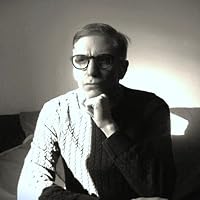
Much has been made of Pasolini's homosexuality, and it is said that the street hustler who murdered him in 1975 (running him over with a car several times in Ostia, a beach community west of Rome) was similar to Tomasso. Tomasso has even been described as a homosexual, though there is little evidence of this in the narrative. His hustling encounters are described from the mindset of the "subproletariat", with the terms "queen" and "faggot" used unapologetically, though effectively conveying the politics and mileu of the context. And his inability to have an erection in a romantic encounter with his girlfriend Irene I interpreted to be more a symptom of his illness than a lack of sexual interest.
More interesting perhaps is Pasolini's interest in this street subculture, the subproletariat, and the nuance between this and the proletariat proper. These are the truly disadvantaged: criminal, disenfranchised, without hope. He is said to have sided with the police in the street battles in the sixties, as they were the children of the working class, while the protesters were sons and daughters of a coddled, bourgeois/liberal establishment.
And perhaps most poignant of all in the narrative is the experience of the "underbelly" of Rome, especially when familiar street and piazza names come up as venues for late night gallavanting, whoring, hustling and crime. The same streets that contain treasures of art and history and architecture, with swirling baroque parapets and elaborate fountains, acting as backdrop to the too human foibles of the lowest of the city's inhabitants. In the end I think Pasolini is successful in this portrayal. The shockingly vulgar vocabulary/dialogue works, and the city is fleshed out to become more than the museum piece it is too often experienced as.