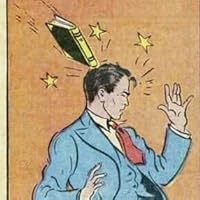
During the first fifty years of the American cinema, the act of going to the movies was a risky process, fraught with a number of possible physical and moral dangers. Film fires were rampant, claiming many lives, as were movie theatre robberies, which became particularly common during the Great Depression. Labor disputes provoked a large number of movie theatre bombings, while low-level criminals like murderers, molesters, and prostitutes plied their trades in the darkened auditoriums. That was all in addition to the spread of disease, both real (as in the case of influenza) and imagined ("movie eyestrain"). <br/><p>Audiences also confronted an array of perceived moral dangers. Blue Laws prohibited Sunday film screenings, though theatres ignored them in many areas, sometimes resulting in the arrests of entire audiences. Movie theatre lotteries became another problem, condemned by politicians and clergymen throughout America for being immoral gambling. <br/><p><i>The Perils of Moviegoing in America: 1896-1950</i> provides the first history of the many threats that faced film audiences, threats which claimed hundreds, if not thousands, of lives. </p>>
Gary D. Rhodes is Head of Film & Mass Media at the University of Central Florida. He is the author of Lugosi (1997), White Zombie: Anatomy of a Horror Film (2002), Emerald Illusions: The Irish in Early American Cinema (2012) and The Perils of Moviegoing in America (2012). Rhodes is also the writer-director of the documentary films Lugosi: Hollywood's Dracula (1997) and Banned in Oklahoma (2004). Currently he is at work on a history of the American horror film to 1915, as well as a biography of William Fox.
Ah! the good old days of bombs, stinkbombs, robberies, mashers and nitrate fire, legal entanglements. Read this ground-breaking, well-documented history, and the mere sound of a cellphone going off in a theatre will be music to your ears.
A little dry and repetitive at times, this is still a fascinating read that gives brilliantly researched insight into moviegoing - perilous or otherwise - in the early days of cinema. Sunday Laws and Bank Nights sit alongside more well known subjects (like murder and sex work) in this review of goings on in the cinema while the movie was going on.
Well-researched, informative, and seemingly accurate, nevertheless this isn't a book I found to be particularly gripping. It is at its most compelling in the sections the author labels as "case studies," as there he goes into some detail. Otherwise it just reads as a survey of incidents that fit the theme.
Should you feel cheated if you bought a took with over 100 pages of Endnotes? Absolutely not!!
This only means that you are reading something meticulously researched.
Rhodes' book is a fascinating read. Who knew the extent of such film going hazards and pitfalls like theater fires, gambling schemes, bombs scares, mashers, drug deals, Blue Laws, etc?