

What do you think?

I Embrace You with All My Revolutionary Fervor: Letters 1947-1967
The first-ever edition of Che Guevara's letters, the vast majority never-before published in English in any form.Ernesto Che Guevara was a voyager—and thus a letter writer—for his entire adult life. The letters collected in I Embrace You with All My Revolutionary Letters 1947-1967 range from letters home during his Motorcycle Diaries trip, to the long letter to Fidel after the success of the Cuban revolution in early 1959 (from which the book's title comes), from the most personal to the intensely political, revealing someone who not only thought deeply about everything he encountered, but for whom the process of social transformation was a constant companion from his youth until shortly before his death. His letters give us Che the son, the friend, the lover, the guerrilla fighter, the political leader, the philosopher, the poet. Che in these letters is often playful, funny, sometimes sarcastic, and deeply affectionate. His life was short, and these twenty years, from when he was 19 until days before his death, show it was also incredibly rich and full.As his daughter Aleida Guevara, also a doctor like her father, writes, "When you write a speech, you pay attention to the language, the punctuation and so on. But in a letter to a friend or a member of your family, you don't worry about those things. It is you speaking, in your authentic voice. That's what I like about these letters; they show who Che really was and how he thought. This is the true political testimony of my father."
386 pages, Kindle Edition
First published January 1, 2021
About the author
Ernesto Che Guevara
523 books2,330 followersErnesto "Che" Guevara, commonly known as El Che or simply Che, was a Marxist revolutionary, physician, author, intellectual, guerrilla leader, diplomat, and military theorist. A major figure of the Cuban Revolution, since his death Guevara's stylized visage has become an ubiquitous countercultural symbol and global icon within popular culture.
His belief in the necessity of world revolution to advance the interests of the poor prompted his involvement in Guatemala's social reforms under President Jacobo Arbenz, whose eventual CIA-assisted overthrow solidified Guevara's radical ideology. Later, while living in Mexico City, he met Raúl and Fidel Castro, joined their movement, and travelled to Cuba with the intention of overthrowing the U.S.-backed Batista regime. Guevara soon rose to prominence among the insurgents, was promoted to second-in-command, and played a pivotal role in the successful two year guerrilla campaign that topled the Cuban government.
After serving in a number of key roles in the new government, Guevara left Cuba in 1965 to foment revolution abroad, first unsuccessfully in Congo-Kinshasa and later in Bolivia, where he was captured by CIA-assisted Bolivian forces and executed.
Guevara remains both a revered and reviled historical figure, polarized in the collective imagination in a multitude of biographies, memoirs, essays, documentaries, songs, and films. Time magazine named him one of the 100 most influential people of the 20th century, while an Alberto Korda photograph of him entitled "Guerrillero Heroico," was declared "the most famous photograph in the world" by the Maryland Institute of Art.
His belief in the necessity of world revolution to advance the interests of the poor prompted his involvement in Guatemala's social reforms under President Jacobo Arbenz, whose eventual CIA-assisted overthrow solidified Guevara's radical ideology. Later, while living in Mexico City, he met Raúl and Fidel Castro, joined their movement, and travelled to Cuba with the intention of overthrowing the U.S.-backed Batista regime. Guevara soon rose to prominence among the insurgents, was promoted to second-in-command, and played a pivotal role in the successful two year guerrilla campaign that topled the Cuban government.
After serving in a number of key roles in the new government, Guevara left Cuba in 1965 to foment revolution abroad, first unsuccessfully in Congo-Kinshasa and later in Bolivia, where he was captured by CIA-assisted Bolivian forces and executed.
Guevara remains both a revered and reviled historical figure, polarized in the collective imagination in a multitude of biographies, memoirs, essays, documentaries, songs, and films. Time magazine named him one of the 100 most influential people of the 20th century, while an Alberto Korda photograph of him entitled "Guerrillero Heroico," was declared "the most famous photograph in the world" by the Maryland Institute of Art.
Ratings & Reviews
Friends & Following
Create a free account to discover what your friends think of this book!
Community Reviews
Displaying 1 - 30 of 44 reviews
May 13, 2023
A Revolutionary Embrace…
Preamble:
--Last year, I went through a stretch where I was bogged down with work and a mind-numbing data analysis course. Deflated, I resorted to biographies as “lighter” inspirational reads (rather than my top priority of geopolitical economy tomes).
--While I’m glad to be past that, 2 remarkable lives stood out:
1) This intimate collection of Che’s letters to family/comrades covering 20 tumultuous years (age 19 to his death age 39).
2) Frederick Douglass’ My Bondage and My Freedom.
Highlights:
1) Youth (1947-56):
--I can appreciate why 23-year-old (pre-“Che”) Ernesto’s memoir The Motorcycle Diaries: Notes on a Latin American Journey (covering 1952) is so popular, as it’s an accessible tale of a sheltered, idealistic student traveling to experience the material realities of poverty/oppression and becoming politicized. However, it barely scratches the surface of this collection.
--Only a couple years later, “Che” was born: experiencing the US’s coup of Guatemala’s fledging new democracy (on behalf of the United Fruit Company which Che calls “capitalist octopuses”, reminiscent of the “giant vampire squid” depiction of today’s Goldman Sachs) influenced not only Che but the world.
…The Jakarta Method: Washington's Anticommunist Crusade and the Mass Murder Program that Shaped Our World considers how Che learned from Guatemala’s (liberal) president Arbenz’s failure to not prepare and arm the people, as part of a growing recognition by decolonization projects. The other side of arming the people is the recognition of the conservative/reactionary tendency of the military (note: a major topic in the Indonesian genocide: The Killing Season: A History of the Indonesian Massacres, 1965-66). In Che’s words [emphases added]:
2) Guerilla War in Cuba (1956-59):
--In the previous review I wrote, I unpacked Vijay Prashad’s critique of the globalization of ideas, where theory comes from the Global North while the Global South is assumed to only provide guerilla manuals. Indeed, I got very little from this section compared to the others.
3) Leader of Revolutionary Government (1959-65):
--You could tell Che was swamped with responsibilities in this period by the many brief letters, heading industry/the National Bank/party politics/diplomacy. I did chuckle at several where Che directly refuses to grant favors.
--While there wasn’t further explanation, the letters were organized based on the revolutionary program:
-1959 “Year of Liberation”
-1960 “Year of the Agrarian Reform”
-1961 “Year of Education”
-1962 “Year of Planning”
-1963 “Year of Organization”
-1964 “Year of the Economy”
i) Marxist theory/application:
--Che breaks this into (1) Socialist period of transition, and (2) Communism.
--For (1), Che seems to start with the theory of Marx’s Critique of the Gotha Program and Lenin’s The State and Revolution before considering the major gaps in political economy theory (of the transition) applied to the USSR.
…Che considers the shifts in Lenin, and seems particularly critical of Lenin’s 1921 NEP (New Economic Policy) “state capitalism”, which Che describes as “pre-monopoly capitalism” adopting certain “old capitalist relations” while still limiting market competition/Marx’s law of value (like driving with the brakes on). This stalled technological automation (after the “brilliant successes” of the initial years’ “revolutionary spirit” wore off).
…Thus, the USSR lagged behind the technology of US’s (presumably) “monopoly capitalism”, which managed to fuse (i.e. “twin businesses”) its military with general production (i.e. military industrial complex); even though the military is not driven by the “norm of profitability” (driven instead by social survival):
--It seems the answers are found in Che’s analysis of (2) Communism, and we then move backwards to connect to (1) Socialist transition.
--Firstly, Che focuses on consciousness, on the “real essence” (rather than just the “form”) of the “communist human being”. How to get humans to identify with work without relying on individual material interests/“material disincentives”? How to build and sustain a participatory revolutionary culture, to find purpose and pleasure in the revolutionary work that needs to be done? I remember Vijay Prashad taking seriously Che’s ideas on “voluntary labour”:
-Vijay’s lectures: https://youtube.com/playlist?list=PLS...
-Struggle Makes Us Human: Learning from Movements for Socialism
…Same with identifying the political economy gaps on transition, Che repeats the need for research (which involves experiments; for roles of revolutionary intellectuals, see this review): does this involve more worker control in running production, to align incentives with managerial performance? Or well-placed cadres in centralized planning? Representation based on responsibilities/honour? How to negotiate worker antagonism with the revolutionary state?
…Thus, while the US rushed ahead with automation (need to read David F. Noble), USSR apparently had rigid constraints (annual plans limiting flexibility) and contradictory incentives (if automate then just expected to produce more). I always want to take a step back and consider why the USSR is forced into this perpetual economic growth treadmill with the US, when social needs have many other aspects: Less is More: How Degrowth Will Save the World.
…Finally, Che considers the relationship between the revolutionary Party and the revolutionary State. Once again, “more research should be done”.
...for rest of the review, see comments below ("ii) Cuba's application", "4) From Afar: Congo and Bolivia (1965-67)")...
Preamble:
--Last year, I went through a stretch where I was bogged down with work and a mind-numbing data analysis course. Deflated, I resorted to biographies as “lighter” inspirational reads (rather than my top priority of geopolitical economy tomes).
--While I’m glad to be past that, 2 remarkable lives stood out:
1) This intimate collection of Che’s letters to family/comrades covering 20 tumultuous years (age 19 to his death age 39).
2) Frederick Douglass’ My Bondage and My Freedom.
Highlights:
1) Youth (1947-56):
--I can appreciate why 23-year-old (pre-“Che”) Ernesto’s memoir The Motorcycle Diaries: Notes on a Latin American Journey (covering 1952) is so popular, as it’s an accessible tale of a sheltered, idealistic student traveling to experience the material realities of poverty/oppression and becoming politicized. However, it barely scratches the surface of this collection.
--Only a couple years later, “Che” was born: experiencing the US’s coup of Guatemala’s fledging new democracy (on behalf of the United Fruit Company which Che calls “capitalist octopuses”, reminiscent of the “giant vampire squid” depiction of today’s Goldman Sachs) influenced not only Che but the world.
…The Jakarta Method: Washington's Anticommunist Crusade and the Mass Murder Program that Shaped Our World considers how Che learned from Guatemala’s (liberal) president Arbenz’s failure to not prepare and arm the people, as part of a growing recognition by decolonization projects. The other side of arming the people is the recognition of the conservative/reactionary tendency of the military (note: a major topic in the Indonesian genocide: The Killing Season: A History of the Indonesian Massacres, 1965-66). In Che’s words [emphases added]:
Reality is knocking on many doors and the gunfire rewarding the most fervent devotees of the old regime is beginning to be heard. Treason continues to be the birthright of the army, and once again we have proof of the aphorism that the liquidation of the army is a fundamental principle of democracy (even if that aphorism doesn’t exist, I believe it to be true). […]--Interesting to note Che’s observations on Guatemala’s free speech and propaganda leading up to the coup [emphases added]:
[…] planes began to bomb the city. We were completely defenseless, without planes, antiaircraft guns, or shelters. There were some deaths, not many. But panic took hold, especially among the “brave and loyal army” of Guatemala. A US military mission met the president and threatened a bombing campaign that would reduce Guatemala to ruins, and then there was declaration of war from Nicaragua and Honduras, which the United States would have to join under the terms of its mutual-aid pacts. The military stood up and gave Árbenz an ultimatum.
Árbenz didn’t consider the fact that the city was full of reactionaries, and that the homes being destroyed would belong to them rather than the people, who have nothing and who were defending the government [a reminder to consider the class dimensions of protests and how they are covered by various media]. He didn’t consider that an armed people is invincible, despite the recent examples of Korea and Indochina. He could have armed the people, but he chose not to, and this is the result.
[…] there is no country as democratic as this one [Guatemala]; both extremes [of the political spectrum] and everyone in between say what they want without fear.--Such intense on-the-grounds recollections are interspersed with some delightful moments [bold emphases added]:
My personal viewpoint is that this will have to come to an end at some point, as United Fruit (a company that cultivates bananas but has piles of money) is able to spend a lot of cash on this type of propaganda. Each day, the opposition newspapers carry entire transcripts of speeches by democrats sent by the company or statements from the United States government, and the “stew” appears to be being concocted in conferences in Caracas, where the Yankees are pulling on all their strings to try to impose sanctions on Guatemala. It is true that all the governments have bowed before them […] the most fascist and anti-popular of the reactionary governments. Bolivia was an interesting country, but Guatemala is even more so because it has stood up to everyone, despite not having an ounce of economic independence and having had to endure armed insurrections of all types (President Arévalo had to overcome about forty of them), and without attacking freedom of expression in any way.
So I’ll now talk about la chamaca [the kid]. I am so happy with her; my communist soul is bursting with happiness because she looks just like Mao Tse Tung. You can already see the incipient receding hairline across the middle of her head, the kind-hearted eyes of a leader and a protuberant double chin. For now, she weighs less than the leader as she’s only 5 kilos, but give her time. She is far more spoilt than other children and eats like I used to eat, according to grandmother’s stories (her grandmother), sucking without breathing until the milk pours out her nose.
2) Guerilla War in Cuba (1956-59):
--In the previous review I wrote, I unpacked Vijay Prashad’s critique of the globalization of ideas, where theory comes from the Global North while the Global South is assumed to only provide guerilla manuals. Indeed, I got very little from this section compared to the others.
3) Leader of Revolutionary Government (1959-65):
--You could tell Che was swamped with responsibilities in this period by the many brief letters, heading industry/the National Bank/party politics/diplomacy. I did chuckle at several where Che directly refuses to grant favors.
--While there wasn’t further explanation, the letters were organized based on the revolutionary program:
-1959 “Year of Liberation”
-1960 “Year of the Agrarian Reform”
-1961 “Year of Education”
-1962 “Year of Planning”
-1963 “Year of Organization”
-1964 “Year of the Economy”
The people of the Revolution, beyond the different tactics that might exist at certain moments, are firmly united and no threat, no maliciousness, will be able to divide them in their struggle to achieve together the great goals of the Cuban people: Agrarian Reform, Tariff Reform, Fiscal Reform, which means the industrialization of the country and the resulting improvements in the people’s standard of living, national liberation and international dignity.--The final letter in this period is one dated March 1965 to Castro, shortly before Che left for the Congo; this letter deserves a book of its own with extensive contextual commentary as it’s difficult to follow along Che’s direct communication to Castro (diving into Marxist theory/application and Cuba’s application, with many leaps from point to point), so I can only provide highlights:
i) Marxist theory/application:
--Che breaks this into (1) Socialist period of transition, and (2) Communism.
--For (1), Che seems to start with the theory of Marx’s Critique of the Gotha Program and Lenin’s The State and Revolution before considering the major gaps in political economy theory (of the transition) applied to the USSR.
…Che considers the shifts in Lenin, and seems particularly critical of Lenin’s 1921 NEP (New Economic Policy) “state capitalism”, which Che describes as “pre-monopoly capitalism” adopting certain “old capitalist relations” while still limiting market competition/Marx’s law of value (like driving with the brakes on). This stalled technological automation (after the “brilliant successes” of the initial years’ “revolutionary spirit” wore off).
…Thus, the USSR lagged behind the technology of US’s (presumably) “monopoly capitalism”, which managed to fuse (i.e. “twin businesses”) its military with general production (i.e. military industrial complex); even though the military is not driven by the “norm of profitability” (driven instead by social survival):
[…] all the big advances obtained in the science of war are immediately passed on as technologies of peace, and consumer goods take truly gigantic steps forward in terms of quality. In the Soviet Union, however, this does not happen; these are two discrete compartments and the military scientific developments have little application to peace.--As you can see, it’s difficult to even critique when so many leaps are made without detailed context. To conclude the socialist period of transition, Che doesn’t seem to provide alternative directions to transcend (a) market competition or (b) military-industrial complex (hardly an appealing socialist option!).
These errors, excusable in Soviet society, the first to initiate this experiment [with socialism], were transplanted to much more developed, and quite different, societies, leading them down a dead end and provoking reactions from those other states. [Emphases added]
--It seems the answers are found in Che’s analysis of (2) Communism, and we then move backwards to connect to (1) Socialist transition.
--Firstly, Che focuses on consciousness, on the “real essence” (rather than just the “form”) of the “communist human being”. How to get humans to identify with work without relying on individual material interests/“material disincentives”? How to build and sustain a participatory revolutionary culture, to find purpose and pleasure in the revolutionary work that needs to be done? I remember Vijay Prashad taking seriously Che’s ideas on “voluntary labour”:
-Vijay’s lectures: https://youtube.com/playlist?list=PLS...
-Struggle Makes Us Human: Learning from Movements for Socialism
…Same with identifying the political economy gaps on transition, Che repeats the need for research (which involves experiments; for roles of revolutionary intellectuals, see this review): does this involve more worker control in running production, to align incentives with managerial performance? Or well-placed cadres in centralized planning? Representation based on responsibilities/honour? How to negotiate worker antagonism with the revolutionary state?
How to get the workers to participate? This is a question I haven’t been able to answer. I consider this as my greatest stumbling block and my greatest failure, and it’s one of the things we need to think about because it’s bound up with the problem of the Party and the State, with the relationship between the Party and the State.--Secondly, Che returns once again to technology (“communist material milieu”). I’m always reminded of just how little space Global South decolonization have to experiment (where failures are crucial learning experiences), while the rulers of global capitalism (British Empire, US imperialism) can routinely crash (City of London, Wall Street) and recover thanks to imperialism’s privileges. Che of course recognizes this:
Imperialism has not succumbed thanks to its capacity to extract profits and resources from dependent countries and by exporting conflicts and contradictions to them, due to its alliance with its working class against the rest of the dependent countries.…For a dive, see: Capital and Imperialism: Theory, History, and the Present.
…Thus, while the US rushed ahead with automation (need to read David F. Noble), USSR apparently had rigid constraints (annual plans limiting flexibility) and contradictory incentives (if automate then just expected to produce more). I always want to take a step back and consider why the USSR is forced into this perpetual economic growth treadmill with the US, when social needs have many other aspects: Less is More: How Degrowth Will Save the World.
…Finally, Che considers the relationship between the revolutionary Party and the revolutionary State. Once again, “more research should be done”.
...for rest of the review, see comments below ("ii) Cuba's application", "4) From Afar: Congo and Bolivia (1965-67)")...
June 25, 2022
“Not only am I not moderate, but I shall try never to be so. And if I ever see in myself that the sacred flame has become a timid little votive flicker, the least I can do is to vomit on my own shit.”

Read
July 18, 2024letters are such a beautiful mode of communication and it pains me that we have lost it to time and technology.
really beautiful collection of letters full of invaluabale insights into the mechanisms of revolution
really beautiful collection of letters full of invaluabale insights into the mechanisms of revolution

February 19, 2024
"A María Rosario Guevara
Compañera,
De verdad que no sé bien de qué parte de España es mi familia. Naturalmente, hace mucho que salieron de allí mis antepasados con una mano atrás y otra delante; y si yo no las conservo así, es por lo incómodo de la posición.
No creo que seamos parientes muy cercanos, pero si Ud. es capaz de temblar de indignación cada vez que se comete una injusticia en el mundo, somos compañeros, que es más importante.
Un saludo revolucionario de,
"Patria o Muerte. Venceremos"
Comandante Ernesto Che Guevara"
Compañera,
De verdad que no sé bien de qué parte de España es mi familia. Naturalmente, hace mucho que salieron de allí mis antepasados con una mano atrás y otra delante; y si yo no las conservo así, es por lo incómodo de la posición.
No creo que seamos parientes muy cercanos, pero si Ud. es capaz de temblar de indignación cada vez que se comete una injusticia en el mundo, somos compañeros, que es más importante.
Un saludo revolucionario de,
"Patria o Muerte. Venceremos"
Comandante Ernesto Che Guevara"
Read
April 7, 2022An anthology of the personal letters written by Che Guevara in the second 20 years of his life. Revolving between his teenage years to a firebrand revolutionary just before his killing. The letters are personal and powerful with a frank and zesty expression.
April 11, 2024
3.5*s
Overall this book gave me better insight into what was going on in Latin/South America in the 20th century while also expanding my knowledge of the Cuban Revolution. I knew going in that it was all letters but that type of reading does get old after a while. I also wish it contained more of Che’s philosophy/ideas. Still, it’s an informative look into one of history’s most misunderstood people.
Overall this book gave me better insight into what was going on in Latin/South America in the 20th century while also expanding my knowledge of the Cuban Revolution. I knew going in that it was all letters but that type of reading does get old after a while. I also wish it contained more of Che’s philosophy/ideas. Still, it’s an informative look into one of history’s most misunderstood people.

January 14, 2023
he signs the end of all his letters in a really cute way
July 12, 2026
Rentrer dans le cadre intime du Che est intéressant. On se rend compte à quel point, l'école simplifie à l'extrême pour faire rentrer les figures politiques/historiques dans des cases du " bon/héros" et du "mauvais/monstre".
Et le Che fait partie de ces personnes dont l'analyse manque cruellement de nuances dans les cours d'Histoire. Quand on commence à le lire, on fait face à une tout autre réalité des choses.
Je rajouterais aussi que la lecture occidentale rejette le multipartisme qu'avait Ernesto Guevara. Ce qui n'est pas occidental: pas bon/radical.
Il faut réellement apprendre à redécouvrir l'Histoire par soi-même. Sans en faire l'éloge (encore une fois, c'était un homme complexe et nuancé), Ernesto Guevara était profondément humain, sensible, cultivé. Mais je rajouterais aussi, qu'il a théorisé la violence révolutionnaire et ceux qui n'étaient pas en ligne avec son idéal en payaient le prix fort.
Dans ses lettres, on y découvre un homme attaché à ses enfants (l'amour porté pour ses filles !), pour l'éducation des femmes et un vrai soutien à ses amies femmes (dont Tita Infante, qu'il encourageait activement à finir ses études en médecine pour avoir son diplôme), ne voyait aucun inconvénient à ce que les femmes rejoignent la révolution... Je n'irai pas jusqu'à dire qu'il était "féministe" au sens moderne, mais pour l'époque, je trouve cette vision réellement progressiste, en rupture avec le machisme de la société, alors que lui-même était viriliste.
[À son épouse Aleida March]: "N'arrête pas d'étudier. Travaille beaucoup et rappelle-toi de moi de temps en temps."
[À ses enfants]: "Surtout, soyez toujours capables de ressentir au plus profond de vous toute injustice commise contre n'importe qui dans n'importe quel coin du monde. C'est la plus belle qualité d'un révolutionnaire."
[À sa fille Hilda Beatriz] : "Tu dois te bagarrer pour être dans les meilleures à l'école. Meilleure dans tous les sens du terme, tu sais ce que ça veut dire: étude et attitude révolutionnaire, c'est-à-dire, bonne conduite, sérieux, amour de la révolution, camaraderie, etc. Je n'étais pas comme ça quand j'avais ton âge, mais je vivais dans une société différente, où l'homme était l'ennemi de l'homme. Aujourd'hui, tu as le privilège de vivre dans une autre époque et il faut t'en montrer digne."
Et le Che fait partie de ces personnes dont l'analyse manque cruellement de nuances dans les cours d'Histoire. Quand on commence à le lire, on fait face à une tout autre réalité des choses.
Je rajouterais aussi que la lecture occidentale rejette le multipartisme qu'avait Ernesto Guevara. Ce qui n'est pas occidental: pas bon/radical.
Il faut réellement apprendre à redécouvrir l'Histoire par soi-même. Sans en faire l'éloge (encore une fois, c'était un homme complexe et nuancé), Ernesto Guevara était profondément humain, sensible, cultivé. Mais je rajouterais aussi, qu'il a théorisé la violence révolutionnaire et ceux qui n'étaient pas en ligne avec son idéal en payaient le prix fort.
Dans ses lettres, on y découvre un homme attaché à ses enfants (l'amour porté pour ses filles !), pour l'éducation des femmes et un vrai soutien à ses amies femmes (dont Tita Infante, qu'il encourageait activement à finir ses études en médecine pour avoir son diplôme), ne voyait aucun inconvénient à ce que les femmes rejoignent la révolution... Je n'irai pas jusqu'à dire qu'il était "féministe" au sens moderne, mais pour l'époque, je trouve cette vision réellement progressiste, en rupture avec le machisme de la société, alors que lui-même était viriliste.
[À son épouse Aleida March]: "N'arrête pas d'étudier. Travaille beaucoup et rappelle-toi de moi de temps en temps."
[À ses enfants]: "Surtout, soyez toujours capables de ressentir au plus profond de vous toute injustice commise contre n'importe qui dans n'importe quel coin du monde. C'est la plus belle qualité d'un révolutionnaire."
[À sa fille Hilda Beatriz] : "Tu dois te bagarrer pour être dans les meilleures à l'école. Meilleure dans tous les sens du terme, tu sais ce que ça veut dire: étude et attitude révolutionnaire, c'est-à-dire, bonne conduite, sérieux, amour de la révolution, camaraderie, etc. Je n'étais pas comme ça quand j'avais ton âge, mais je vivais dans une société différente, où l'homme était l'ennemi de l'homme. Aujourd'hui, tu as le privilège de vivre dans une autre époque et il faut t'en montrer digne."

Read
August 22, 2025Ich hätte mit ausführlicheren Kontext zu den Briefen gewünscht. Viele Briefe hätten zudem nicht unbedingt abgedruckt werden müssen. Der Leser kann sich denken wie sehr sich Che einen "kommunistischen Menschen" gewünscht hat, wenn er jedem privaten Bittsteller anrät ein guter Revolutionär zu sein. Dafür braucht es keine fünf Briefe mit schlussendlich ähnlicher Botschaft. Trotzdem zeigt die Sammlung ein vielleicht nicht neues, aber sehr menschliches Bild von Che. Er wird dadurch nicht weniger kontrovers, auch nicht zu einem besseren Menschen, aber seine nüchterne Selbstkritik und Analyse der Sowjetunion und der sozialistischen Wirtschaft machen ihn lesenswert.
July 28, 2026
hyper intéressant, on voit vrm le côté perso et les convictions
à évidemment prendre avec des pincettes, mais c’était cool de voir « l’inside » d’un perso historique
un peu long parfois mais vraiment très instructif
hasta la victoria, siempre mes camarades
à évidemment prendre avec des pincettes, mais c’était cool de voir « l’inside » d’un perso historique
un peu long parfois mais vraiment très instructif
hasta la victoria, siempre mes camarades
November 10, 2025
c’est impressionnant

September 27, 2026
بدأتُ قراءة رسائل إرنستو تشي غيفارا منذ أكثر من سنة، واستغرقت قراءتي لهذا الكتاب نحو سبعة أشهر، وأعتقد أنَّها من أمتع الرحلات التي خضتها مع كتاب وأكثرها أهمية في مسيرتي القرائية. تأتي خصوصية هذه التجربة من أسباب عدة؛ أولها أنَّني قرأتُ الكتاب باللغة الإسبانية، وهي لغتي الخامسة، وثانيها أنَّ أدب الرسائل يحتل مكانة خاصة في ذائقتي القرائية، لما يمنحني إياه من فرصة الاقتراب من الشخصيات بعيدًا عن الصور التي تصنعها كتب التاريخ والخطابات السياسية. أمّا السبب الثالث، فهو أنَّ صاحب هذه الرسائل هو الأرجنتيني ابن مدينة روزاريو، الثائر الحالم، مُحبّ المتة، إرنستو تشي غيفارا. ولعلَّ ما زاد من متعتي أنَّني تابعت خطواته منذ بدايات رحلته وحتى رسائل الوداع التي كتبها إلى عائلته وفيدل كاسترو، فشعرتُ أنَّني أرافقه في محطات حياته، وأتعرف إلى أفكاره ومخاوفه وعلاقاته، وأقترب تدريجيًا من الإنسان الذي يقف خلف الصورة المطبوعة على القمصان والملصقات.
أعتقد أنَّ فهم غيفارا حقًا يحتاج إلى قراءة متأنية لمسيرته، بعيدًا عن التعامل معه كبطل أسطوري منفصل عن ظروف عصره وتعقيداته، أو اختزاله في صورة جاهزة رسمتها الدعاية السياسية بشقيها. كيف تشكلت عقليته الثورية؟ وما الذي دفعه إلى مغادرة حياته العائلية والجامعية ليجوب بلدان أمريكا اللاتينية؟ هذان السؤالان رافقاني منذ الرسائل الأولى، ووجدتُ نفسي أعود إليهما كلَّما تقدمتُ في القراءة. ولهذا قاطعتُ قراءتي للكتاب بمشاهدة فيلم يوميات دراجة نارية، المقتبس من مذكرات رحلته المعروفة بالعربية بعنوان يوميات دراجة نارية، الصادرة عن دار ورد. ساعدتني مشاهدة الفيلم على الربط بين ما قرأته وما شاهدته، وعلى تخيل بعض المحطات التي مر بها الشاب الأرجنتيني خلال رحلته برفقة صديقه ألبرتو غرانادو عام 1952.
كان غيفارا طالبًا في الطب آنذاك، وقد أكمل دراسته وحصل على شهادته الطبية عام 1953. ومن خلال تنقله بين بلدان أمريكا اللاتينية، تعرف إلى ظروف العمال والمعدمين والسكان الأصليين، وشاهد تفاوتًا اجتماعيًا ترك أثرًا عميقًا في نظرته إلى العالم. تلك الرحلة تجاوزت حدود المغامرة الشبابية والرغبة في اكتشاف بلدان جديدة، إذ ساعدته على الانتقال من الاهتمام بالطب إلى التساؤل عن الأسباب الاجتماعية والسياسية التي تنتج الفقر والتهميش. ومع ذلك، فإنَّ اختزال تحوله الثوري في مشاهداته خلال الرحلة وحدها يغفل أثر قراءاته الفكرية وتجربته اللاحقة في غواتيمالا، فضلًا عن الظروف السياسية التي عاشها في أمريكا اللاتينية. وقد وجدتُ في الرسائل ما يساعد على فهم هذا المسار الطويل، إذ تكشف عن اهتمام سياسي وفكري بدأ يتشكل قبل انضمامه إلى الكفاح المسلح بسنوات.
وما لفتني في رسائل غيفارا أنَّه كان مثقفًا واسع الاهتمامات، شغوفًا بالقراءة والمعرفة، يحب الشعر الكلاسيكي والحديث، ويهتم بالفكر السياسي والتاريخ والأدب والقضايا العسكرية. ومن المثير للاهتمام أنَّ الرجل الذي سيكتب لاحقًا كتاب حرب العصابات ويشارك في معارك كبرى كان يحمل اهتمامًا عميقًا بالأدب والشعر، ويجد في المراسلات العائلية مساحة للتعبير عن أفكاره ومشاعره الشخصية. كما مارس الشطرنج والسباحة والتصوير، واهتم بالرغبي رغم إصابته بالربو المزمن الذي رافقه منذ الطفولة. أحببتُ هذه التفاصيل لأنَّها أعادت إليّ صورة شاب له هوايات واهتمامات وعلاقات، بعيدًا عن الصورة الجامدة التي اختزلته في رمز سياسي أو قائد عسكري. وتوضَّح إلي أنَّ الاقتراب من هذه الجوانب الشخصية يجعل فهم تجربته أكثر إنسانية، ويساعد على إدراك التناقضات التي رافقته طوال حياته، بين جسد يعاني مرضًا مزمنًا وإرادة تدفعه إلى خوض مغامرات شديدة الخطورة.
وتكشف رسائله إلى أمه وعمته وأبيه عن نقاشاته السياسية واهتمامه بالوضع في الأرجنتين، وعن محاولاته الدائمة لفهم ما يحدث حوله ومناقشته مع أقرب الناس إليه. تبدو لي هذه المراسلات أشبه بمساحة تتبلور فيها أفكاره تدريجيًا، إذ نتابع من خلالها اهتماماته قبل أن تتحول إلى مشروع ثوري متكامل. وقد أحببتُ أن أرى كيف كان يتحدث مع أفراد عائلته عن السياسة، وكيف امتزجت علاقاته الشخصية بأسئلته الفكرية، من دون أن يفقد قدرته على التعبير عن مشاعره واهتمامه بمن يحبهم. وأعتقد أنَّ هذه الناحية مهمة لفهم غيفارا، لأنَّ الثورة في حياته لم تظهر فجأة، وإنَّما جاءت نتيجة مسار طويل من التجارب والقراءات والتساؤلات، ومن احتكاكه بواقع اجتماعي وسياسي شديد التعقيد.
كانت غواتيمالا إحدى المحطات المفصلية في حياته. عاش هناك خلال حكم جاكوبو أربينز، وشهد الإطاحة بحكومته عام 1954 في انقلاب ارتبط بعملية نظمتها وكالة الاستخبارات المركزية الأمريكية. تركت هذه التجربة أثرًا واضحًا في قناعاته السياسية، وعززت لديه الاعتقاد بضرورة الانتقال من مراقبة الأحداث إلى المشاركة في العمل الثوري المنظم. وبعد مغادرته غواتيمالا، استقر في المكسيك، وهناك التقى فيدل كاسترو في يوليو 1955، بعد أن تعرف إلى راؤول كاسترو، شقيق فيدل الأصغر. كان الأخير قد أُفرِجَ عنه من السجن في كوبا، ووصل إلى المكسيك استعدادًا لاستئناف نشاطه السياسي. وقد تعرّف راؤول إلى غيفارا وعرّفه على شقيقه، لتبدأ بين الرجلين علاقة ستؤثر في تاريخ كوبا وفي مسار حياة غيفارا نفسه.
تتحدث الروايات التاريخية عن نقاش طويل جمع غيفارا بفيدل خلال لقائهما الأول، تناول الأوضاع السياسية في كوبا وإمكانات الثورة ضد نظام باتيستا. وأجد في هذه المرحلة نقطة تحول أساسية في حياته، فقد انتقل من مراقبة الأزمات الاجتماعية والسياسية إلى المشاركة المباشرة في محاولة تغيير النظام القائم. انضمَّ إلى حركة 26 يوليو، التي كانت تستعد للإطاحة بباتيستا، وشارك في الاستعدادات العسكرية بصفته طبيبًا ومقاتلًا. ومن هنا بدأت الشراكة التاريخية بينه وبين كاسترو، وهي علاقة تستحق القراءة بعيدًا عن التصورات المثالية التي قد تحيط بالشخصيتين. فقد جمعتهما قضية سياسية مشتركة، مع اختلافات في التجربة والأدوار والتصورات، ومن المهم فهم العلاقة بينهما ضمن سياقها التاريخي، بعيدًا عن تصوير فيدل بوصفه قائدًا لا يخطئ، أو غيفارا بوصفه تابعًا فقد استقلاله الفكري.
وتكشف رسائل غيفارا إلى كاسترو ورفاقه وعائلته خلال سنوات الثورة عن رجل شديد الارتباط بمشروعه السياسي، كتب من ساحات القتال في ظروف صعبة، وسط نقص الإمدادات وفقدان رفاقه وتزايد المخاطر. وقد رأيتُ في هذه الرسائل جانبًا من صلابته وإصراره على مواصلة القتال، حتى في أحلك الظروف. ومن أكثر ما أثار اهتمامي قدرته على الجمع بين الكتابة عن تفاصيل حياته اليومية وبين الحديث عن المعارك والمصاعب التي واجهها. ففي بعض الرسائل يظهر الطبيب الذي يتابع أحوال رفاقه، وفي أخرى يظهر المقاتل الذي يفكر في الخطوات العسكرية، وفي غيرها نرى الابن والصديق الذي يحاول الحفاظ على صلته بعائلته رغم المسافات والمخاطر. وهذا التعدد في صوته هو ما جعل القراءة بالنسبة إلي تجربة تتجاوز متابعة سيرة ثائر معروف.
ومع انتصار الثورة الكوبية في يناير 1959، دخل غيفارا مرحلة جديدة من حياته، وانتقل من قيادة المقاتلين إلى تحمل مسؤوليات سياسية واقتصادية. تولى رئاسة البنك الوطني الكوبي، ثم أصبح وزيرًا للصناعة، واضطلع بأدوار دبلوماسية ومهام دولية باسم الحكومة الكوبية. وتبدو لي هذه المرحلة مهمة لفهم الفارق بين حلم الثورة ومتطلبات بناء الدولة، فقد وجد نفسه أمام أسئلة تتعلق بالتصنيع والتخطيط الاقتصادي وتغيير العلاقات الاجتماعية، وهي قضايا تختلف بطبيعتها عن إدارة المعارك العسكرية. اهتمَّ غيفارا بالتصنيع وبناء اقتصاد مستقل، ودعا إلى تغيير العلاقات الاقتصادية والاجتماعية التي رأى أنها تنتج التفاوت والاستغلال. كما عُرف بزهده ومشاركته في العمل اليدوي إلى جانب العمال، وهي ممارسات ارتبطت بتصوره عن المسؤولية الثورية، وعن ضرورة أن يشارك المسؤولون في الأعباء التي يتحملها المجتمع. ولا شكَّ لدي أنَّ رسالة غيفارا إلى كاسترو التي شرح فيها مطولاً كل المشاكل الاقتصادية والتعليمية التي تعاني منها كوبا هي من أهم الوثائق الاقتصادية في التاريخ.
إلّا أنَّني أعتقد أنَّ الاقتراب من تجربته السياسية يقتضي النظر إلى جوانبها المختلفة. فقد عُرِفَ بصرامته تجاه خصوم الثورة، واضطلع بدور في المؤسسات الثورية التي شهدت محاكمات وإعدامات لمعارضين وأشخاص متهمين بارتكاب جرائم في عهد باتيستا أو بالتعاون معه. وقد أثارت هذه الممارسات خلافات تاريخية وأخلاقية حول حدود العدالة الثورية والعنف السياسي، وحول العلاقة بين حماية الثورة وحقوق المتهمين. وأجد أنَّ هذه المسائل تستحق اهتمامًا جادًا عند قراءة تجربته، إلى جانب زهده وتضحياته ومواقفه الأممية. فغيفارا شخصية تحمل جوانب متعددة، ومن الصعب فهمها عبر الاكتفاء بصورة الثائر المتفاني أو صورة المسؤول الصارم. وقد كان هذا التوتر بين الزهد الشخصي والصرامة السياسية من أكثر الجوانب التي دفعتني إلى التفكير خلال القراءة.
عام 1965، غادر غيفارا كوبا للمشاركة في تجارب ثورية خارجها، أولًا في الكونغو، ثم في بوليفيا، وتخلى عن مناصبه الرسمية والجنسية الكوبية التي مُنحت له. أرى في هذه الخطوة تعبيرًا عن تمسكه بفكرة الثورة الأممية، وعن رفضه حصر مشروعه في حدود دولة واحدة. فقد كان يرى أنَّ التضامن مع الشعوب المضطهدة مسؤولية تتجاوز الحدود الوطنية، وأنَّ نجاح الثورة الكوبية ينبغي أن يفتح الطريق أمام تجارب أخرى. وفي الوقت نفسه، كشفت تجربتاه في الكونغو وبوليفيا عن صعوبات نقل تجربة ثورية من مجتمع إلى آخر، وعن الفجوة بين التصورات السياسية والظروف المحلية. وأعتقد أنَّ هذه المرحلة تطرح أسئلة مهمة حول العلاقة بين الحلم الثوري وخصوصية المجتمعات التي يسعى إلى تغييرها، وحول حدود قدرة الفرد، مهما امتلك من إصرار، على إحداث تحول سياسي في ظروف شديدة التعقيد.
ومن أكثر التفاصيل التي أثارت اهتمامي في الكتاب زيارة غيفارا إلى دمشق، وما يرتبط بها من حديث عن زيارته لضريح صلاح الدين الأيوبي. شعرتُ بخصوصية هذه الإشارة، فأنا قارئ كُردي، وأجد في شخصية صلاح الدين مكانة تاريخية وثقافية خاصة. وقد منحتني هذه التفصيلة شعورًا بقرب جغرافي وثقافي من شخصية ارتبطت في ذهني بتاريخ أمريكا اللاتينية والثورات البعيدة عن عالمنا العربي. وأعتقد أنَّ هذه الزيارة تفتح بابًا للتأمل في اتساع اهتمامات غيفارا وعلاقته بتاريخ الشعوب ورموزها، مع ضرورة التمييز بين ما تثبته الرسائل المنشورة وما ترويه المصادر الثانوية عن محطات حياته. وقد أحببتُ أن أكتشف هذه الصلة خلال القراءة، لأنها أضافت إلى تجربتي الشخصية مع الكتاب جانبًا يتجاوز الاهتمام بالتاريخ السياسي لكوبا وأمريكا اللاتينية.
انتهت رحلتي مع الكتاب عند رسائل الوداع التي كتبها إلى فيدل كاسترو ووالديه وزوجته وأطفاله، وكانت هذه الصفحات من أكثر أجزاء الكتاب تأثيرًا في نفسي. أحسستُ وأنا أقرأها أنَّني أقترب من غيفارا على نحو مختلف، بعيدًا عن ساحات القتال والخطابات السياسية والصور التي ارتبطت باسمه. هنا يظهر الأب الذي يكتب لأطفاله، والابن الذي يخاطب والديه، والرفيق الذي يودع صديقه، والرجل الذي يدرك احتمال ألا يعود من رحلته. وقد وجدتُ في هذه الرسائل قدرًا كبيرًا من الصدق الإنساني، لأنَّها تكشف عن مشاعر رجل اختار طريقًا شديد الخطورة، مع إدراكه لما قد يترتب عليه من فراق وخسارة.
ومن أشهر ما ورد في رسالته إلى أطفاله وصيته بأن يكونوا قادرين دائمًا على الشعور بالظلم الذي يتعرض له أي إنسان في أي مكان من العالم، وأنَّ هذه من أجمل صفات الثوري. وقد ارتبطت هذه الوصية بمعنى التضامن الإنساني الذي ظلَّ حاضرًا في خطابه السياسي. وأعتقد أنَّ قوة هذه الكلمات تكمن في انتقالها من المجال السياسي إلى المجال الإنساني، فهي دعوة إلى الحساسية تجاه معاناة الآخرين، بصرف النظر عن انتماءاتهم أو أماكن عيشهم. وقد توقفتُ طويلًا عند هذه العبارة، لأنَّها تختصر جانبًا من تصور غيفارا للثورة كمسؤولية تجاه الآخرين، متجاوزةً حدود الانتماء الوطني أو المصلحة الشخصية. وبالنسبة إلي، كان وقعها أكثر تأثيرًا لأنَّها وردت في رسالة أب إلى أطفاله، لا في خطاب سياسي موجه إلى جمهور أو رفاق في السلاح.
وفي أكتوبر 1967، انتهت حياة غيفارا في بوليفيا. أسره الجيش البوليفي في 8 أكتوبر، بعد اشتباك مسلح في منطقة وادي يورو، وأُصيبَ في ساقه خلال المواجهة، ثم نُقل إلى مدرسة في قرية لا هيغيرا. وبعد صدور أمر بقتله، نُفذ الإعدام في اليوم التالي، الموافق 9 أكتوبر، على يد الرقيب البوليفي ماريو تيران. لذلك، فإنَّ وصف مقتله بأنَّه إعدام ميداني أدق من القول إنَّه مات متأثرًا بجراحه بعد المعركة، فقد كان أسيرًا عند تنفيذ الأمر. وقد عُرِضَ جثمانه للإعلام، ثم دُفن سرًا في قبر غير معلّم، قبل اكتشاف رفاته عام 1997. رحل غيفارا في التاسعة والثلاثين من عمره، تاركًا وراءه تجربة سياسية وعسكرية وفكرية شديدة التعقيد، وما زالت قراءتها تثير أسئلة عن الثورة والعنف والعدالة والتضامن.
لا شك أنَّ هذا الكتاب من الكتب التي تستحق القراءة المتأنية، خاصة لمن يريد الاقتراب من غيفارا بعيدًا عن الصور المختزلة التي أحاطت بشخصيته. وقد وجدتُ فيه طبيبًا وقارئًا وشاعرًا وثوريًا وأبًا، ورجلًا حمل أحلامًا كبيرة ودفع أثمانًا باهظة في سبيلها. أمّا بالنسبة إلي، فقد كانت هذه القراءة رحلة في أدب الرسائل وتاريخ أمريكا اللاتينية، وفي أسئلة العدالة والحرية والعنف والتضامن الإنساني. وقد أضافت القراءة بالإسبانية متعة خاصة إلى التجربة، لأنَّها أتاحت لي الاقتراب من كلمات غيفارا بلغتها الأصلية، ومتابعة صوته عبر سنوات طويلة من حياته.
أعتقد أنَّ أجمل ما خرجت به من هذه الرحلة هو أنَّ الأحلام السياسية تحتاج إلى معرفة عميقة بالعالم، وإلى استعداد لتحمل المسؤولية عن الخيارات التي نتخذها، مع إدراك أنَّ النوايا والتضحيات وحدها لا تكفي لفهم النتائج التاريخية والأخلاقية للأفعال. وقد جعلني الكتاب أفكر في المسافة بين الإنسان وصورته العامة، وفي الطريقة التي تختزل بها الذاكرة السياسية شخصيات معقدة في رموز وشعارات. وربما هذا ما يجعل أدب الرسائل قريبًا إلى قلبي؛ فهو يمنحنا فرصة الإصغاء إلى الأشخاص وهم يتحدثون عن أنفسهم وعن الآخرين، ويتيح لنا الاقتراب من تفاصيل قد تغيب عن كتب التاريخ والسير التقليدية. وباتفاقنا مع تجربة غيفارا أو اختلافنا معها، أعتقد أنَّ رسائله تظل مادة مهمة للقراءة والفهم والنقاش، وقد كانت هذه الأشهر السبعة من أكثر رحلاتي القرائية التي سأحتفظ بذكراها طويلًا.
أعتقد أنَّ فهم غيفارا حقًا يحتاج إلى قراءة متأنية لمسيرته، بعيدًا عن التعامل معه كبطل أسطوري منفصل عن ظروف عصره وتعقيداته، أو اختزاله في صورة جاهزة رسمتها الدعاية السياسية بشقيها. كيف تشكلت عقليته الثورية؟ وما الذي دفعه إلى مغادرة حياته العائلية والجامعية ليجوب بلدان أمريكا اللاتينية؟ هذان السؤالان رافقاني منذ الرسائل الأولى، ووجدتُ نفسي أعود إليهما كلَّما تقدمتُ في القراءة. ولهذا قاطعتُ قراءتي للكتاب بمشاهدة فيلم يوميات دراجة نارية، المقتبس من مذكرات رحلته المعروفة بالعربية بعنوان يوميات دراجة نارية، الصادرة عن دار ورد. ساعدتني مشاهدة الفيلم على الربط بين ما قرأته وما شاهدته، وعلى تخيل بعض المحطات التي مر بها الشاب الأرجنتيني خلال رحلته برفقة صديقه ألبرتو غرانادو عام 1952.
كان غيفارا طالبًا في الطب آنذاك، وقد أكمل دراسته وحصل على شهادته الطبية عام 1953. ومن خلال تنقله بين بلدان أمريكا اللاتينية، تعرف إلى ظروف العمال والمعدمين والسكان الأصليين، وشاهد تفاوتًا اجتماعيًا ترك أثرًا عميقًا في نظرته إلى العالم. تلك الرحلة تجاوزت حدود المغامرة الشبابية والرغبة في اكتشاف بلدان جديدة، إذ ساعدته على الانتقال من الاهتمام بالطب إلى التساؤل عن الأسباب الاجتماعية والسياسية التي تنتج الفقر والتهميش. ومع ذلك، فإنَّ اختزال تحوله الثوري في مشاهداته خلال الرحلة وحدها يغفل أثر قراءاته الفكرية وتجربته اللاحقة في غواتيمالا، فضلًا عن الظروف السياسية التي عاشها في أمريكا اللاتينية. وقد وجدتُ في الرسائل ما يساعد على فهم هذا المسار الطويل، إذ تكشف عن اهتمام سياسي وفكري بدأ يتشكل قبل انضمامه إلى الكفاح المسلح بسنوات.
وما لفتني في رسائل غيفارا أنَّه كان مثقفًا واسع الاهتمامات، شغوفًا بالقراءة والمعرفة، يحب الشعر الكلاسيكي والحديث، ويهتم بالفكر السياسي والتاريخ والأدب والقضايا العسكرية. ومن المثير للاهتمام أنَّ الرجل الذي سيكتب لاحقًا كتاب حرب العصابات ويشارك في معارك كبرى كان يحمل اهتمامًا عميقًا بالأدب والشعر، ويجد في المراسلات العائلية مساحة للتعبير عن أفكاره ومشاعره الشخصية. كما مارس الشطرنج والسباحة والتصوير، واهتم بالرغبي رغم إصابته بالربو المزمن الذي رافقه منذ الطفولة. أحببتُ هذه التفاصيل لأنَّها أعادت إليّ صورة شاب له هوايات واهتمامات وعلاقات، بعيدًا عن الصورة الجامدة التي اختزلته في رمز سياسي أو قائد عسكري. وتوضَّح إلي أنَّ الاقتراب من هذه الجوانب الشخصية يجعل فهم تجربته أكثر إنسانية، ويساعد على إدراك التناقضات التي رافقته طوال حياته، بين جسد يعاني مرضًا مزمنًا وإرادة تدفعه إلى خوض مغامرات شديدة الخطورة.
وتكشف رسائله إلى أمه وعمته وأبيه عن نقاشاته السياسية واهتمامه بالوضع في الأرجنتين، وعن محاولاته الدائمة لفهم ما يحدث حوله ومناقشته مع أقرب الناس إليه. تبدو لي هذه المراسلات أشبه بمساحة تتبلور فيها أفكاره تدريجيًا، إذ نتابع من خلالها اهتماماته قبل أن تتحول إلى مشروع ثوري متكامل. وقد أحببتُ أن أرى كيف كان يتحدث مع أفراد عائلته عن السياسة، وكيف امتزجت علاقاته الشخصية بأسئلته الفكرية، من دون أن يفقد قدرته على التعبير عن مشاعره واهتمامه بمن يحبهم. وأعتقد أنَّ هذه الناحية مهمة لفهم غيفارا، لأنَّ الثورة في حياته لم تظهر فجأة، وإنَّما جاءت نتيجة مسار طويل من التجارب والقراءات والتساؤلات، ومن احتكاكه بواقع اجتماعي وسياسي شديد التعقيد.
كانت غواتيمالا إحدى المحطات المفصلية في حياته. عاش هناك خلال حكم جاكوبو أربينز، وشهد الإطاحة بحكومته عام 1954 في انقلاب ارتبط بعملية نظمتها وكالة الاستخبارات المركزية الأمريكية. تركت هذه التجربة أثرًا واضحًا في قناعاته السياسية، وعززت لديه الاعتقاد بضرورة الانتقال من مراقبة الأحداث إلى المشاركة في العمل الثوري المنظم. وبعد مغادرته غواتيمالا، استقر في المكسيك، وهناك التقى فيدل كاسترو في يوليو 1955، بعد أن تعرف إلى راؤول كاسترو، شقيق فيدل الأصغر. كان الأخير قد أُفرِجَ عنه من السجن في كوبا، ووصل إلى المكسيك استعدادًا لاستئناف نشاطه السياسي. وقد تعرّف راؤول إلى غيفارا وعرّفه على شقيقه، لتبدأ بين الرجلين علاقة ستؤثر في تاريخ كوبا وفي مسار حياة غيفارا نفسه.
تتحدث الروايات التاريخية عن نقاش طويل جمع غيفارا بفيدل خلال لقائهما الأول، تناول الأوضاع السياسية في كوبا وإمكانات الثورة ضد نظام باتيستا. وأجد في هذه المرحلة نقطة تحول أساسية في حياته، فقد انتقل من مراقبة الأزمات الاجتماعية والسياسية إلى المشاركة المباشرة في محاولة تغيير النظام القائم. انضمَّ إلى حركة 26 يوليو، التي كانت تستعد للإطاحة بباتيستا، وشارك في الاستعدادات العسكرية بصفته طبيبًا ومقاتلًا. ومن هنا بدأت الشراكة التاريخية بينه وبين كاسترو، وهي علاقة تستحق القراءة بعيدًا عن التصورات المثالية التي قد تحيط بالشخصيتين. فقد جمعتهما قضية سياسية مشتركة، مع اختلافات في التجربة والأدوار والتصورات، ومن المهم فهم العلاقة بينهما ضمن سياقها التاريخي، بعيدًا عن تصوير فيدل بوصفه قائدًا لا يخطئ، أو غيفارا بوصفه تابعًا فقد استقلاله الفكري.
وتكشف رسائل غيفارا إلى كاسترو ورفاقه وعائلته خلال سنوات الثورة عن رجل شديد الارتباط بمشروعه السياسي، كتب من ساحات القتال في ظروف صعبة، وسط نقص الإمدادات وفقدان رفاقه وتزايد المخاطر. وقد رأيتُ في هذه الرسائل جانبًا من صلابته وإصراره على مواصلة القتال، حتى في أحلك الظروف. ومن أكثر ما أثار اهتمامي قدرته على الجمع بين الكتابة عن تفاصيل حياته اليومية وبين الحديث عن المعارك والمصاعب التي واجهها. ففي بعض الرسائل يظهر الطبيب الذي يتابع أحوال رفاقه، وفي أخرى يظهر المقاتل الذي يفكر في الخطوات العسكرية، وفي غيرها نرى الابن والصديق الذي يحاول الحفاظ على صلته بعائلته رغم المسافات والمخاطر. وهذا التعدد في صوته هو ما جعل القراءة بالنسبة إلي تجربة تتجاوز متابعة سيرة ثائر معروف.
ومع انتصار الثورة الكوبية في يناير 1959، دخل غيفارا مرحلة جديدة من حياته، وانتقل من قيادة المقاتلين إلى تحمل مسؤوليات سياسية واقتصادية. تولى رئاسة البنك الوطني الكوبي، ثم أصبح وزيرًا للصناعة، واضطلع بأدوار دبلوماسية ومهام دولية باسم الحكومة الكوبية. وتبدو لي هذه المرحلة مهمة لفهم الفارق بين حلم الثورة ومتطلبات بناء الدولة، فقد وجد نفسه أمام أسئلة تتعلق بالتصنيع والتخطيط الاقتصادي وتغيير العلاقات الاجتماعية، وهي قضايا تختلف بطبيعتها عن إدارة المعارك العسكرية. اهتمَّ غيفارا بالتصنيع وبناء اقتصاد مستقل، ودعا إلى تغيير العلاقات الاقتصادية والاجتماعية التي رأى أنها تنتج التفاوت والاستغلال. كما عُرف بزهده ومشاركته في العمل اليدوي إلى جانب العمال، وهي ممارسات ارتبطت بتصوره عن المسؤولية الثورية، وعن ضرورة أن يشارك المسؤولون في الأعباء التي يتحملها المجتمع. ولا شكَّ لدي أنَّ رسالة غيفارا إلى كاسترو التي شرح فيها مطولاً كل المشاكل الاقتصادية والتعليمية التي تعاني منها كوبا هي من أهم الوثائق الاقتصادية في التاريخ.
إلّا أنَّني أعتقد أنَّ الاقتراب من تجربته السياسية يقتضي النظر إلى جوانبها المختلفة. فقد عُرِفَ بصرامته تجاه خصوم الثورة، واضطلع بدور في المؤسسات الثورية التي شهدت محاكمات وإعدامات لمعارضين وأشخاص متهمين بارتكاب جرائم في عهد باتيستا أو بالتعاون معه. وقد أثارت هذه الممارسات خلافات تاريخية وأخلاقية حول حدود العدالة الثورية والعنف السياسي، وحول العلاقة بين حماية الثورة وحقوق المتهمين. وأجد أنَّ هذه المسائل تستحق اهتمامًا جادًا عند قراءة تجربته، إلى جانب زهده وتضحياته ومواقفه الأممية. فغيفارا شخصية تحمل جوانب متعددة، ومن الصعب فهمها عبر الاكتفاء بصورة الثائر المتفاني أو صورة المسؤول الصارم. وقد كان هذا التوتر بين الزهد الشخصي والصرامة السياسية من أكثر الجوانب التي دفعتني إلى التفكير خلال القراءة.
عام 1965، غادر غيفارا كوبا للمشاركة في تجارب ثورية خارجها، أولًا في الكونغو، ثم في بوليفيا، وتخلى عن مناصبه الرسمية والجنسية الكوبية التي مُنحت له. أرى في هذه الخطوة تعبيرًا عن تمسكه بفكرة الثورة الأممية، وعن رفضه حصر مشروعه في حدود دولة واحدة. فقد كان يرى أنَّ التضامن مع الشعوب المضطهدة مسؤولية تتجاوز الحدود الوطنية، وأنَّ نجاح الثورة الكوبية ينبغي أن يفتح الطريق أمام تجارب أخرى. وفي الوقت نفسه، كشفت تجربتاه في الكونغو وبوليفيا عن صعوبات نقل تجربة ثورية من مجتمع إلى آخر، وعن الفجوة بين التصورات السياسية والظروف المحلية. وأعتقد أنَّ هذه المرحلة تطرح أسئلة مهمة حول العلاقة بين الحلم الثوري وخصوصية المجتمعات التي يسعى إلى تغييرها، وحول حدود قدرة الفرد، مهما امتلك من إصرار، على إحداث تحول سياسي في ظروف شديدة التعقيد.
ومن أكثر التفاصيل التي أثارت اهتمامي في الكتاب زيارة غيفارا إلى دمشق، وما يرتبط بها من حديث عن زيارته لضريح صلاح الدين الأيوبي. شعرتُ بخصوصية هذه الإشارة، فأنا قارئ كُردي، وأجد في شخصية صلاح الدين مكانة تاريخية وثقافية خاصة. وقد منحتني هذه التفصيلة شعورًا بقرب جغرافي وثقافي من شخصية ارتبطت في ذهني بتاريخ أمريكا اللاتينية والثورات البعيدة عن عالمنا العربي. وأعتقد أنَّ هذه الزيارة تفتح بابًا للتأمل في اتساع اهتمامات غيفارا وعلاقته بتاريخ الشعوب ورموزها، مع ضرورة التمييز بين ما تثبته الرسائل المنشورة وما ترويه المصادر الثانوية عن محطات حياته. وقد أحببتُ أن أكتشف هذه الصلة خلال القراءة، لأنها أضافت إلى تجربتي الشخصية مع الكتاب جانبًا يتجاوز الاهتمام بالتاريخ السياسي لكوبا وأمريكا اللاتينية.
انتهت رحلتي مع الكتاب عند رسائل الوداع التي كتبها إلى فيدل كاسترو ووالديه وزوجته وأطفاله، وكانت هذه الصفحات من أكثر أجزاء الكتاب تأثيرًا في نفسي. أحسستُ وأنا أقرأها أنَّني أقترب من غيفارا على نحو مختلف، بعيدًا عن ساحات القتال والخطابات السياسية والصور التي ارتبطت باسمه. هنا يظهر الأب الذي يكتب لأطفاله، والابن الذي يخاطب والديه، والرفيق الذي يودع صديقه، والرجل الذي يدرك احتمال ألا يعود من رحلته. وقد وجدتُ في هذه الرسائل قدرًا كبيرًا من الصدق الإنساني، لأنَّها تكشف عن مشاعر رجل اختار طريقًا شديد الخطورة، مع إدراكه لما قد يترتب عليه من فراق وخسارة.
ومن أشهر ما ورد في رسالته إلى أطفاله وصيته بأن يكونوا قادرين دائمًا على الشعور بالظلم الذي يتعرض له أي إنسان في أي مكان من العالم، وأنَّ هذه من أجمل صفات الثوري. وقد ارتبطت هذه الوصية بمعنى التضامن الإنساني الذي ظلَّ حاضرًا في خطابه السياسي. وأعتقد أنَّ قوة هذه الكلمات تكمن في انتقالها من المجال السياسي إلى المجال الإنساني، فهي دعوة إلى الحساسية تجاه معاناة الآخرين، بصرف النظر عن انتماءاتهم أو أماكن عيشهم. وقد توقفتُ طويلًا عند هذه العبارة، لأنَّها تختصر جانبًا من تصور غيفارا للثورة كمسؤولية تجاه الآخرين، متجاوزةً حدود الانتماء الوطني أو المصلحة الشخصية. وبالنسبة إلي، كان وقعها أكثر تأثيرًا لأنَّها وردت في رسالة أب إلى أطفاله، لا في خطاب سياسي موجه إلى جمهور أو رفاق في السلاح.
وفي أكتوبر 1967، انتهت حياة غيفارا في بوليفيا. أسره الجيش البوليفي في 8 أكتوبر، بعد اشتباك مسلح في منطقة وادي يورو، وأُصيبَ في ساقه خلال المواجهة، ثم نُقل إلى مدرسة في قرية لا هيغيرا. وبعد صدور أمر بقتله، نُفذ الإعدام في اليوم التالي، الموافق 9 أكتوبر، على يد الرقيب البوليفي ماريو تيران. لذلك، فإنَّ وصف مقتله بأنَّه إعدام ميداني أدق من القول إنَّه مات متأثرًا بجراحه بعد المعركة، فقد كان أسيرًا عند تنفيذ الأمر. وقد عُرِضَ جثمانه للإعلام، ثم دُفن سرًا في قبر غير معلّم، قبل اكتشاف رفاته عام 1997. رحل غيفارا في التاسعة والثلاثين من عمره، تاركًا وراءه تجربة سياسية وعسكرية وفكرية شديدة التعقيد، وما زالت قراءتها تثير أسئلة عن الثورة والعنف والعدالة والتضامن.
لا شك أنَّ هذا الكتاب من الكتب التي تستحق القراءة المتأنية، خاصة لمن يريد الاقتراب من غيفارا بعيدًا عن الصور المختزلة التي أحاطت بشخصيته. وقد وجدتُ فيه طبيبًا وقارئًا وشاعرًا وثوريًا وأبًا، ورجلًا حمل أحلامًا كبيرة ودفع أثمانًا باهظة في سبيلها. أمّا بالنسبة إلي، فقد كانت هذه القراءة رحلة في أدب الرسائل وتاريخ أمريكا اللاتينية، وفي أسئلة العدالة والحرية والعنف والتضامن الإنساني. وقد أضافت القراءة بالإسبانية متعة خاصة إلى التجربة، لأنَّها أتاحت لي الاقتراب من كلمات غيفارا بلغتها الأصلية، ومتابعة صوته عبر سنوات طويلة من حياته.
أعتقد أنَّ أجمل ما خرجت به من هذه الرحلة هو أنَّ الأحلام السياسية تحتاج إلى معرفة عميقة بالعالم، وإلى استعداد لتحمل المسؤولية عن الخيارات التي نتخذها، مع إدراك أنَّ النوايا والتضحيات وحدها لا تكفي لفهم النتائج التاريخية والأخلاقية للأفعال. وقد جعلني الكتاب أفكر في المسافة بين الإنسان وصورته العامة، وفي الطريقة التي تختزل بها الذاكرة السياسية شخصيات معقدة في رموز وشعارات. وربما هذا ما يجعل أدب الرسائل قريبًا إلى قلبي؛ فهو يمنحنا فرصة الإصغاء إلى الأشخاص وهم يتحدثون عن أنفسهم وعن الآخرين، ويتيح لنا الاقتراب من تفاصيل قد تغيب عن كتب التاريخ والسير التقليدية. وباتفاقنا مع تجربة غيفارا أو اختلافنا معها، أعتقد أنَّ رسائله تظل مادة مهمة للقراءة والفهم والنقاش، وقد كانت هذه الأشهر السبعة من أكثر رحلاتي القرائية التي سأحتفظ بذكراها طويلًا.
June 1, 2025
3.5 stars

September 28, 2024
Of course I knew about Che Guevara, who doesn't ? This big revolution symbole, the legend, often depicted by the west as a heartless terrorist, that iconic picture, basically : the Che.
This book wasn't on my reading list, it wasn't recommended to me by anyone, it was suggested to me by a site while I was searching up other books, and I thought "huh, what a good title, why not read it ?". And oh boy, I wasn't ready for how much I would grow to love Che Guevara with each passing page. The huge affection and tenderness that transpires in every single letter (regardless of who it's addressed to) is so heartwarming. That man was well thought, funny, loving, fraternal, respectful, deeply kindhearted, fair and just, humble, hopeful, brave, raw... Finishing the book and remembering that he was murdered almost 57 years ago, his body only retrieved 30 years after that because it was hidden, is just so damn painful.
Ernesto Guevara was just your average man, it's so easy to picture him as a son, as a brother, as a husband, as a father, because he was that first, always. And he made that clear on several occasions, he didn't want to be treated any better than any other man. And I think that's why he's such a symbol : he's everyone. What's the difference between any person fighting for freedom who was killed, and Che Guevara ? None. There is none.
Che Guevara was one of the firsts to bring awareness to the treatment of Palestinians in Gaza, he fought for Guatemala, he fought for Cuba, he fought for the DRC, he fought for Bolivia. He wanted freedom for all, because no one's free until everyone is free, and he knew very well where that might lead him and he accepted that. This book is important because it puts light on the man behind the face, the man behind the guerillero, the man behind the story. And behind every fallen man there is thoughts, there is words, there is love, there is family, there is soul. We need to remember that. They aren't numbers.
Thank you, che. ❤️🩹
This book wasn't on my reading list, it wasn't recommended to me by anyone, it was suggested to me by a site while I was searching up other books, and I thought "huh, what a good title, why not read it ?". And oh boy, I wasn't ready for how much I would grow to love Che Guevara with each passing page. The huge affection and tenderness that transpires in every single letter (regardless of who it's addressed to) is so heartwarming. That man was well thought, funny, loving, fraternal, respectful, deeply kindhearted, fair and just, humble, hopeful, brave, raw... Finishing the book and remembering that he was murdered almost 57 years ago, his body only retrieved 30 years after that because it was hidden, is just so damn painful.
Ernesto Guevara was just your average man, it's so easy to picture him as a son, as a brother, as a husband, as a father, because he was that first, always. And he made that clear on several occasions, he didn't want to be treated any better than any other man. And I think that's why he's such a symbol : he's everyone. What's the difference between any person fighting for freedom who was killed, and Che Guevara ? None. There is none.
Che Guevara was one of the firsts to bring awareness to the treatment of Palestinians in Gaza, he fought for Guatemala, he fought for Cuba, he fought for the DRC, he fought for Bolivia. He wanted freedom for all, because no one's free until everyone is free, and he knew very well where that might lead him and he accepted that. This book is important because it puts light on the man behind the face, the man behind the guerillero, the man behind the story. And behind every fallen man there is thoughts, there is words, there is love, there is family, there is soul. We need to remember that. They aren't numbers.
Thank you, che. ❤️🩹

Read
August 31, 2023Scientist, traveller, revolutionary. That’s the portrait of Ernesto ‘Che’ Guevara that emerges from a new collection of his letters that uses material long guarded in Cuban archives. I Embrace You with All My Revolutionary Fervor: Letters 1947-1967 begins with Guevara as a 19-year-old in his native Argentina, spans his ventures across Latin America and in Congo, and ends months before his death in Bolivia. Guevara is a fine letter-writer and this collection highlights the maturity of his young mind. A research medic and a stringent social critic, he is a lively wit who describes himself as a ‘little wandering prophet who, in a loud voice, goes around announcing the coming of the final judgment day’.
The wandering prophet’s communist commitment gestated in his young adulthood, as he saw Latin America’s vast inequalities at close quarters during his motorcycle trip through South America in 1952 and his travels across Central America from 1953 to 1956. In Costa Rica, having witnessed the treatment of local workers by the US multinational company United Fruit, Guevara writes to his aunt: ‘I swore before a picture of the old and lately lamented compañero, Stalin, not to rest until I see these capitalist octopuses annihilated.’
Along with the strength of his ideology, the letters underscore his devotion to science. Guevara appears to have been close to the cutting edge of allergy medicine in Latin America. ‘I am certain’, he wrote in 1954, ‘that if I reach my truly creative phase at about 35, my exclusive, or at least main, concern will be nuclear physics, or genetics, or some other field that brings together the most interesting aspects of knowledge.’
Read the rest of the review at a href="https://www.historytoday.com/archive/....
Daniel Rey is a writer and critic based in New York.
The wandering prophet’s communist commitment gestated in his young adulthood, as he saw Latin America’s vast inequalities at close quarters during his motorcycle trip through South America in 1952 and his travels across Central America from 1953 to 1956. In Costa Rica, having witnessed the treatment of local workers by the US multinational company United Fruit, Guevara writes to his aunt: ‘I swore before a picture of the old and lately lamented compañero, Stalin, not to rest until I see these capitalist octopuses annihilated.’
Along with the strength of his ideology, the letters underscore his devotion to science. Guevara appears to have been close to the cutting edge of allergy medicine in Latin America. ‘I am certain’, he wrote in 1954, ‘that if I reach my truly creative phase at about 35, my exclusive, or at least main, concern will be nuclear physics, or genetics, or some other field that brings together the most interesting aspects of knowledge.’
Read the rest of the review at a href="https://www.historytoday.com/archive/....
Daniel Rey is a writer and critic based in New York.

February 26, 2025
This book is the best collection of Che's letters. Today, the most important part is the letters of the Great Debate (1962-1965), simply because some left publishers are afraid of being used to further undermine the left camp. This is an overreaction to the fruitful content and wisdom of Che's purist approach to Marxism. Moreover, the fatal splits caused by the Stalin-Trostky, Mao-Khrushchev, Mao-Deng disputes in the 20th century, which fatally damaged the left camp, are all overcome by socialism with Chinese characteristics. On the subject of what socialism is, how to deal with private interest and public interest in the motivation of work, the letters of the Great Debate provide a clue. However, it's better to publish a full account of the debate at that time.

February 19, 2022
Not essential, but a neat look into Che's character and what he was saying to those he was close with through different times of his life. I love how a guy who's known for documenting so much of his life still has people attempting to slander him and make up garbage.
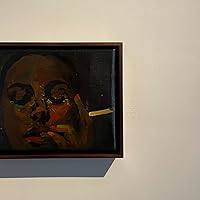
June 26, 2023
"above all, always be capable of feeling deeply any injustice committed against anyone, anywhere in the world. this is the most beautiful quality in a revolutionary"

June 30, 2023
Love u Che x
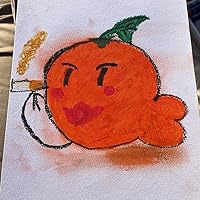
December 8, 2023
To read the mind of a person from beginning to end, what a crazy concept and privilege. From his youth up until the last moments, Che was an authentic, integrity filled man and above all humane.

September 10, 2025
Briefe aus den verschiedenen Lebensphasen Ches. Die frühen Jahre vor der Revolution in Kuba, in denen die Briefe noch die Suche nach dem Lebensweg aufzeigen und von den Erfahrungen in Lateinamerika berichten. Da schon der Umschlagpunkt, als Che den Imperialismus als wirkliche Praxis, als beobachtbares Ausbeutungs- und Unterdrückungsverhältnis erfährt und den Putsch in Guatemala miterlebt. Dann die Briefe aus der Zeit der Revolution in Kuba, die oft auch recht technisch sind. Die Briefe aus der Zeit als leitender revolutionärer Politiker in verschiedenen Postionen, in denen sich Che gegen Vereinnahmungen wehrt, die Revolution und ihre Probleme analysiert. Schließlich die letzten Briefe nach dem Aufbrauch zur erneuten Revolution in Afrika und Lateinamerika.
Man bekommt einen umfassenden Eindruck von Che als Menschen und als Revolutionär. Besonders hervorzuheben sind folgende Briefe:
- April 1960 an Ernest Sabato. Hier analysiert Che die Eigenheiten der kubanischen Revolution sehr offen und ehrlich.
- Februar 1964 an José Medero Mestre. Hier unternimmt er einen ersten Versuch, die Widersprüche der vorangegangenen Versuche im Aufbau der neuen Gesellschaft zu begreifen.
- März 1965 an Fidel. Das ist der wichtigste und längste Brief der Sammlung. Der wurde erst sehr spät veröffentlicht, trotz oder vielleicht gerade wegen seiner Bedeutung. Hier gibt Che eine umfassende Analyse der Probleme des Übergangs in Kuba. Dabei betont er seinen Fokus darauf, dass der neue, kommunistische Mensch geschaffen werden muss, was eben ein entsprechendes gesellschaftliches Milieu impliziert. Besonders spannend ist hier seine Analyse der Entwicklung der Sowjetunion und der tieferen Gründe für die Restauration des Kapitalismus dort (dahingehend hatte er keine Illusionen). Streitbar was die Kohärenz der Analyse angeht, aber zweifellos mit wichtigen Hinweisen, die man vertiefen muss. Auch sehr wichtig in diesem Brief ist die Analyse der Partei, ihrer Funktion und ihres Verhältnisses zum Staat.
- März 1965 an Armando Hart. Hier schreibt er nach dem erneuten Aufbruch. Er beschäftigt sich jetzt vertieft mit Philosophie, arbeitet sich an Hegel ab. Spannend: er entwirft einen Plan nicht nur zum umfassenden Verständnis der Philosophie und Gesellschaft, sondern als Forschungs- und Publikationsprogramm für Kuba. Nebenbei kritisiert er treffend, dass die sowjetischen Veröffentlichungen in der Regel gerade nicht das Denken beleben.
Wer hinter dem Mythos mehr von der wirklichen Person Ernest Guevara verstehen will, wer bestrebt ist, sein/ihr Verständnis des Kommunismus, der Komplexität wirklicher Revolutionen zu vertiefen, ist mit dem Buch sehr gut beraten. Mit- und weiterdenken, nicht nur lesen.
Man bekommt einen umfassenden Eindruck von Che als Menschen und als Revolutionär. Besonders hervorzuheben sind folgende Briefe:
- April 1960 an Ernest Sabato. Hier analysiert Che die Eigenheiten der kubanischen Revolution sehr offen und ehrlich.
- Februar 1964 an José Medero Mestre. Hier unternimmt er einen ersten Versuch, die Widersprüche der vorangegangenen Versuche im Aufbau der neuen Gesellschaft zu begreifen.
- März 1965 an Fidel. Das ist der wichtigste und längste Brief der Sammlung. Der wurde erst sehr spät veröffentlicht, trotz oder vielleicht gerade wegen seiner Bedeutung. Hier gibt Che eine umfassende Analyse der Probleme des Übergangs in Kuba. Dabei betont er seinen Fokus darauf, dass der neue, kommunistische Mensch geschaffen werden muss, was eben ein entsprechendes gesellschaftliches Milieu impliziert. Besonders spannend ist hier seine Analyse der Entwicklung der Sowjetunion und der tieferen Gründe für die Restauration des Kapitalismus dort (dahingehend hatte er keine Illusionen). Streitbar was die Kohärenz der Analyse angeht, aber zweifellos mit wichtigen Hinweisen, die man vertiefen muss. Auch sehr wichtig in diesem Brief ist die Analyse der Partei, ihrer Funktion und ihres Verhältnisses zum Staat.
- März 1965 an Armando Hart. Hier schreibt er nach dem erneuten Aufbruch. Er beschäftigt sich jetzt vertieft mit Philosophie, arbeitet sich an Hegel ab. Spannend: er entwirft einen Plan nicht nur zum umfassenden Verständnis der Philosophie und Gesellschaft, sondern als Forschungs- und Publikationsprogramm für Kuba. Nebenbei kritisiert er treffend, dass die sowjetischen Veröffentlichungen in der Regel gerade nicht das Denken beleben.
Wer hinter dem Mythos mehr von der wirklichen Person Ernest Guevara verstehen will, wer bestrebt ist, sein/ihr Verständnis des Kommunismus, der Komplexität wirklicher Revolutionen zu vertiefen, ist mit dem Buch sehr gut beraten. Mit- und weiterdenken, nicht nur lesen.

July 10, 2024
Een informatief boek, dat de lezer via brieven van en aan Che weer op een andere manier kennis laat maken met hem, zijn naasten en de revolutie. In het bijzonder de ontwikkeling van jonge student naar geharde strijder maakte indruk, alsmede zijn afscheidsbrieven en de opmerking dat hij wellicht te weinig uit het leven gehaald had. Zijn humor en gevatheid maakte het soms wat luchtiger, maar het beeld van een hardwerkende man die staat voor en bereid is alles te geven voor datgene waar hij in gelooft blijft onverminderd staan, los van de vraag of je het met hem of zijn ideologie eens bent. Mooi ook om te lezen hoe liefdevol hij is naar al zijn kinderen toe, ook zijn dochter uit zijn eerste huwelijk betrekt hij steevast in zijn brieven naar zijn tweede gezin.
Ik zou dit boek niet direct aanraden aan iemand die nog weinig weet van Che, de revolutie en wat zich in hoofdlijnen heeft afgespeeld van grofweg de Granma tot Bolivia. Hoewel het boek een nuttige tijdlijn bevat, is het verstandig eerst andere relevante boeken te lezen voor meer kennis van de achtergrond, gebeurtenissen en hoofdrolspelers.
Ik zou dit boek niet direct aanraden aan iemand die nog weinig weet van Che, de revolutie en wat zich in hoofdlijnen heeft afgespeeld van grofweg de Granma tot Bolivia. Hoewel het boek een nuttige tijdlijn bevat, is het verstandig eerst andere relevante boeken te lezen voor meer kennis van de achtergrond, gebeurtenissen en hoofdrolspelers.

December 26, 2024
Te abraza con todo fervor revolucionario: Epistolario de un tiempo 1947-1967" es una recopilación de cartas escritas por Ernesto "Che" Guevara a su familia, amigos y otros destinatarios, junto con algunas que él recibió. El libro no sigue una narrativa central o una "gran historia", sino que se centra en mostrar su manera de ver el mundo y su estilo para expresarse. Es un vistazo a su personalidad y pensamiento, literalmente un revolucionario de corazón.
Sin embargo, personalmente no lo encontré tan destacable como para recomendarlo ampliamente. Creo que deben existir otros libros que expliquen mejor lo que hizo y su impacto histórico. Este texto es más interesante para quienes ya están familiarizados con su figura y buscan profundizar en su lado más personal e íntimo, pero puede quedarse corto si buscas un análisis más completo o un relato histórico detallado.
Para entender mejor la obra del Che, quizás valga la pena explorar biografías más completas
Sin embargo, personalmente no lo encontré tan destacable como para recomendarlo ampliamente. Creo que deben existir otros libros que expliquen mejor lo que hizo y su impacto histórico. Este texto es más interesante para quienes ya están familiarizados con su figura y buscan profundizar en su lado más personal e íntimo, pero puede quedarse corto si buscas un análisis más completo o un relato histórico detallado.
Para entender mejor la obra del Che, quizás valga la pena explorar biografías más completas
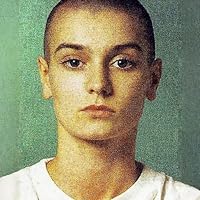
September 28, 2025
"When one contracts the kind of disease I have, it just keeps getting worse and is cured only in the grave."
In reading this collection of personal letters, you become acquainted with a man that was evidently larger than life, although he'd hate being described as such. Aside from being incredibly funny and charismatic that translates well even decades later (you will audibly laugh at many instances), Che communicates a deep longing for justice with every utterance, even in his early days. These letters will make you feel a twang of melancholy at the great mind and dedicated revolutionary that the world was deprived of too soon.
Rest in power to a brilliant writer and even better soldier.
Hasta la victoria siempre comandante.
In reading this collection of personal letters, you become acquainted with a man that was evidently larger than life, although he'd hate being described as such. Aside from being incredibly funny and charismatic that translates well even decades later (you will audibly laugh at many instances), Che communicates a deep longing for justice with every utterance, even in his early days. These letters will make you feel a twang of melancholy at the great mind and dedicated revolutionary that the world was deprived of too soon.
Rest in power to a brilliant writer and even better soldier.
Hasta la victoria siempre comandante.
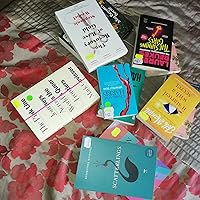
April 1, 2024
At the end of this book I was deeply moved. I could feel tears in my eyes. Reading these letters was a journey, a historical and political one, a cultural and personal, an emotional and intellectual experience. This book took me into the various dimensions that defined Che Guevara's life, bringing closer the details and the voice beyond the popular image and iconic voice he's long been famous for. To read his words to different people, one gets to see the different views that informed his own and the directions his views would lead him. This collection of letters, perfectly organised, helps organise the understanding around Che Guevara, giving the reader the context and a little background of where Che's famous words and quotes come from and what meaning they hold in the context of their origin and potentially other contexts, then and now. The greatest achievement of this offering is the beauty of the letters themselves, poetic, serious and deeply human, all at once. Che Guevara is shown to be a person of many roles and hats, but who was a human being despite and through it all. A human being who lived and died, for what he loved and believed in. This spirit of love is evident in these letters and now in the form of this book can be experienced and shared by all who engage with it. What a beautiful, interesting and inspiring experience this book was!

June 1, 2025
I found this collection of Che's letters pretty interesting. If this is your first book about Che, I don't imagine you would find it captivating as it doesn't much context to the bigger picture of Che's life, except for the footnotes you find here and there.
I enjoyed learning about Che on a more personal level. Before this book, I've only had the pleasure of learning about him and his escapades from a biographer. It was a refreshing change to read from the man himself and get a glimpse of who he was as a son, husband, and revolutionary.
I'm definitely eager to start reading other books written by him such as Guerilla Warfare or The Motorcycle Diaries.
I enjoyed learning about Che on a more personal level. Before this book, I've only had the pleasure of learning about him and his escapades from a biographer. It was a refreshing change to read from the man himself and get a glimpse of who he was as a son, husband, and revolutionary.
I'm definitely eager to start reading other books written by him such as Guerilla Warfare or The Motorcycle Diaries.
November 22, 2022
Letters are such a big part of my family (for both the personal and political) and so I knew I would like this book! What beautiful and insightful letters! Everything from being the revolutionary we know to his being a dutiful son to a husband to a loving father and caring friend is exhibited through these letters. Funny at times, sarcastic at others and firm but tender in other ways, these letters provides more of who Che was.

June 21, 2023
Che is THE definition of revolutionary morality, his selflessness and total dedication to the revolution is inspiring. Knowing how his story ends is absolutely heartbreaking but even more-so is reading his letters addressed to his closest, especially the later ones as he mentions how little of his own life he lived for his own satisfaction.
Is it possible for myself to reach a level of revolutionary morality comparable to Che's? Probably not. But his story has definitely inspired me to try.
Is it possible for myself to reach a level of revolutionary morality comparable to Che's? Probably not. But his story has definitely inspired me to try.

March 7, 2022
I picked this up from barnes and noble on a whim. I didn’t really know to what expect but I enjoyed it. Definitely interesting to read about Che’s life from the perspective of letters and see him more as a man rather than just a historical figure. I think I would have gotten more if I knew more about the Cuban revolution overall and who the key players were.

August 12, 2025
intéressant pour comprendre son caractère plein d'humilité, sa détermination, son humour, ses points de vue et son parcours.
j'aime le fait qu'à travers ces lettres, on passe du mythe qu'était le che (révolutionnaire, philanthrope, charismatique et de conviction) à un simple homme qui était un fils, un frère, un mari et un père.
"la patrie ou la mort,
nous vaicrons"
j'aime le fait qu'à travers ces lettres, on passe du mythe qu'était le che (révolutionnaire, philanthrope, charismatique et de conviction) à un simple homme qui était un fils, un frère, un mari et un père.
"la patrie ou la mort,
nous vaicrons"
Displaying 1 - 30 of 44 reviews