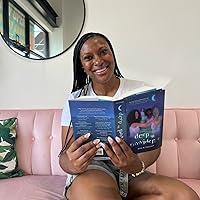
A thoughtful, down-to-earth, contemporary guide to help partners identify and address relationship-killing behavior patterns in their own lives.
Good people can be bad at relationships.
One night during his divorce, after one too many vodkas and a call with a phone-in-therapist who told him to “journal his feelings,” Matthew Fray started a blog. He needed to figure out how his ex-wife went from the eighteen-year-old college freshman who adored him to the angry woman who thought he was an asshole and left him. As he pieced together the story of his marriage and its end, Matthew began to realize a hard even though he was a decent guy, he was a bad husband.
As he shared raw, uncomfortable, and darkly humorous first-person stories about the lessons he’d learned from his failed marriage, a peculiar thing happened. Matthew started to gain a following. In January 2016 a post he wrote—“She Divorced Me Because I left the Dishes by the Sink”—went viral and was read over four million times.
Filtered through the lens of his own surprising, life-changing experience and his years of marriage counseling, This Is How Your Marriage Ends exposes the root problem of so many toxic relationships that go wrong. We simply haven’t been taught any of the necessary skills for developing emotional intelligence, Matthew explains. In fact, it is sometimes the assumption that we are acting on good intentions that causes us to alienate our partners and foment mistrust.
With the humorous, entertaining, and counterintuitive approach of The Subtle Art of Not Giving a F*ck, and the practical insights of The 5 Love Languages, This is How Your Marriage Ends provides powerful relationship advice to help readers identify relationship-killing behavior patterns in their own lives, and offers solutions to break free from the cycles of dysfunction and destruction. It is must-read for every partner no matter what stage–beginning, middle, or even end—of your relationship.
This brutally honest and unflinching guide reveals the invisible patterns that destroy
The ‘Good Guy’ Why a man who considers himself a decent person can still be a bad husband, and how a simple chore like leaving a dish by the sink can signal a massive betrayal of trust.Communication How to stop the cycle of invalidation—the #1 marriage killer—where conversations about small things become painful betrayals that erode safety and trust.Unseen Emotional The truth about the ‘invisible work’ in a partnership and why your wife doesn’t want to be your mother, your manager, or the one who always has to ask.Actionable Relationship Practical, counterintuitive skills to break free from destructive cycles, learn to truly listen, and show up as the partner your family deserves.
I got divorced in 2013 and thought I was going to die. And that's maybe a little dramatic, but it's true. I struggled with normal stuff like breathing. The way I felt every day of my life had been replaced by some suckier feeling. And everything I was certain of -- everything I was counting on happening tomorrow and the next day and next year all went up in smoke. So I went to work on figuring out what happened. Questions like "What did I do to contribute to this?" or "What could I have done differently to prevent this?" were routinely on my mind. So I drank too much one night and started writing about it on the internet.
And something magical happened. People "got" it. My story was their story. My dysfunctional relationship looked and sounded and felt like their dysfunctional relationships.
Eventually, the truth caught up to me and I understood: Good people can be bad at relationships. People with the best intentions in the world can still inadvertently harm their relationship partners.
And so began my journey to help people (and myself) show up more effectively in relationships in all of the subtle, nuanced ways that gone unchecked, lead to the slow erosion of trust and the end of our relationships. To play a tiny part in helping reduce all of the stuff that sucks about marriage and relationships, so that we can better enjoy all of the amazing and beautiful parts.
When I'm not doing this, I'm reading books, drinking whiskey, listening to music, playing chess, watching movies or football, hanging out with friends, enjoying sunshine, and other rad things.
I have really mixed feelings about this book, perhaps because it caused such mixed feelings about my life. I bought the book after stumbling upon the author's article, "She Divorced Me Because I Left Dishes By the Kitchen Sink." I have been on the other side of the dish argument for decades, now, and, impressed that he had given the matter enough thought to begin to see the problem, I was interested in what else he had to say.
The author, Matthew Fray, did a lot of soul searching after his divorce, and I'm sure he, his son, his ex-wife, and any future partners will benefit tremendously from that honesty and difficult emotional work. Fray has made tremendous progress in understanding many aspects of interpersonal dynamics that occur within long-term, committed relationships, but, despite coming incredibly close, I think he's still missing the most fundamental piece.
First, I have to say that seeing my understanding of my own situation laid out and acknowledged as valid by a man was shocking. To have the "Invalidation Triple Threat" described as an actual thing, with real consequences, made me feel less crazy. To hear him acknowledge, on page 210, that, "Male behavior is mostly responsible for the divorce crisis; thus, men are the key to solving it," was beyond refreshing. Fray points out that childcare falls disproportionately on wives, that putting your wife in the position of doing things for you that she also does for your children is NOT an aphrodisiac, and that needing to have your wife delegate basic, everyday "unseen" tasks to you in order for you to do them is not "sharing the load." Fray even comes to realize that, while, “There were almost no decisions my wife would make throughout the course of a day that didn’t take into account how those decisions would affect me or our son,” (p. 91) it was also true that, “I frequently made decisions in which my wife was not a factor in the math equation my brain used to decide something,” and, “It didn’t occur to me to ask my wife how she might feel about it or to spend any time considering it.” (p. 60) Clearly, this guy has figured some things out.
At the same time, despite mentioning the intrinsic value of individuals as a reason to respect their desires and try to understand their feelings, Fray still talks about the dishes by the kitchen sink as a "preference." He has lots of reasons why he likes to leave his glass there, but, since becoming enlightened, he now understands and respects his ex-wife's "preference" for maintaining an area she has cleaned and keeping it clutter-free. On page 55, he says about the dishes by the sink, "I could have avoided leaving evidence that I would always choose my feelings and preferences over hers." To me, this implies that his view hasn't really changed. If his wife professed not to care about the dishes, he would still leave them there; picking up is still just to appease her "preferences," and he's only doing it because he now appreciates that respecting her preferences (or at least appearing to) will keep him out of trouble.
Fray cited Eve Rodsky's book, Fair Play, to discuss the ideas of “The Mental Load,” “The Second Shift,” and “Emotional Labor,” but I think he may have missed what was, to me, the fundamental point of her book, which is the idea that, “All time is created equal.” As Rodsky theoretically explains to her husband on page 81, “Hey, we both have 24 hours in a day. The hours of my life are as valuable as yours and we both get to make choices about how we use or finite time.” When someone literally walks away from basic self care/maintenance/responsibility tasks, leaving dishes by the sink, jeans on the nightstand, or trash anywhere but a wastebasket, they are saying that completing that task isn’t worth their time. What, exactly does that imply about the value of the person whose time is spent picking up after not only themselves, but also after you and everyone else in the family? And what does it mean to deny them the choice of whether or not to to spend their time in that manner? People who “can't be bothered” by the trivial, meaningless tasks associated with cleaning up after themselves are essentially saying that they are “better than” those who will eventually do it for them. When you leave your dishes by the sink, and model that behavior for your children, you are saying that she is the least valuable person in the household. That’s why the dishes are important.
So, while I enjoyed this book and think it is completely worthwhile reading for men and women, I hesitate to hand it off to my husband because I think the missing points about time and value are fundamental to the discussion. Additionally, the book is repetitive and the salient points could have been made in a much shorter book. I’m not sure he has the patience to be told the same thing multiple times; he values his time too much. Finally, the “let it all hang out” tone and vocabulary wasn’t a great fit for me. Perhaps better for the male audience?
Really torn by this one. It was refreshing to read about relationships from a male perspective, and he does take ownership of his failure in marriage, but I was struggling with thinking about his wife and how she must feel now her useless husband is held up as some kind of marriage guru 🤔
(I received a free copy of this book from HarperOne with no expectation of me leaving a review.) Instead of reading this book, I recommend that you read a book by someone with training in working with couples (e.g., Gottman, Perel, any licensed marriage and family therapist, etc). The amount of sexism and misogyny in the book is incredibly uncomfortable. He seems to think that since he only "used to" believe these horribly sexist, misogynistic things about his ex-wife that it is OK to repeat them over and over again to demonstrate his point (literally dozens of times). In addition to acknowledging that empathy and perspective-taking are new skills for him (skills he may still struggle with), he tends to view relationships and people in very concrete, rigid, and all-or-nothing terms. For example, there is literally a chapter in which he clusters people into groups like: good men, bad men, good husbands, bad husbands, etc. All nuance is erased. And with relationships, it's all about nuance.
For cis heterosexual couples, the book is repetitive and basically boils down to “hey guys, you might be a great person but you need to actually honor your wife’s stated wishes or you might be a shitty husband!” Unbearably sad to think that taking your partner’s attempts to have an empathic and authentic relationship with you seriously is the entire basis of a book and unbearably sad to see so many women reviewing it enthusiastically and finally being “heard”. Unbearably sad to see reviews by men for whom these insights are an “aha” moment. Given the state of hetero relationships per the reviews, and my own sense of relief at having the obvious stated, it’s a necessary, albeit flawed, corrective in what remains a misogynistic world.
I sat down about a year ago and read this author’s divorce blog entries from beginning to end. When I heard he was working on finishing a book I had to get a hold of it. I will read this again and again to remind myself that it isn’t just me, there are other women feeling the same way I do, and at least one man on the planet has recognized what often goes wrong in marriages. It’s funny, serious, happy, sad, and very accurate and true. Read it then pass it to your husband!
I have been a fan of Matthew Fray's writing for several years now after I found his blog https://mustbethistalltoride.com. His blog has several articles titled " An Open Letter to Shitty Husbands" and I was intrigued because rarely do you read relationship articles written by a male with a sympathetic yet humorous voice.
I will open my review with an analogy. I enjoy ice fishing. If I went ice fishing one day and saw another person running towards me, waving frantically, telling me that the ice was dangerous and that I shouldn't go out I would likely heed his warning because it is in my best interest to do so. Matthew Fray is frantically waving and telling you in his new book that YOU are on thin ice (heed his warning shitty spouses). Matthew fell through the ice and he got divorced; it was an awful experience and he survived but he is warning others not to make the same unintentional mistakes that he did.
At the risk of being vulnerable , I can tell you that much of this book was uncomfortable to read because it is so damn relatable; cross out a few names, insert your own and away you go. All of us are guilty of the daily paper cuts, the micro aggressions that slowly whittle away the trust that nurtures connection in our marriages. Invalidation, fighting to be "right", misaligned priorities, inconsideration; these are the everyday habits that too many of us have that are slowly suffocating our closest relationships.
How many of you have confided in your spouse only to be told you are too sensitive or are overreacting? How many of us have heard "well I spoke with my friend about you and she says you are acting like a jerk" How many of us have asked our spouses to do something small and been told "I will get to it later" but yet the same spouse will bend over backwards for a friend or neighbour. How many of us have been told by their spouse that they aren't good at planning things but then we see them planning time to enjoy their own hobbies or events with their friends.
While Matthew writes this book from the point of view that many of these common habits are perpetrated by husbands, both sexes can benefit from reading his book. My only complaint is that like many couples who seek marriage counselling, the information will often be found and read "too little, too late". The ice is thin, cracked and what lies beneath is freezing cold.
I received a complimentary copy of this book from Harper Collins through NetGalley. Opinions expressed in this review are completely my own.
I'm honestly amazed at how incredibly accurate this book is, as far as my experiences have been over the past 22 years. It's almost as if Matthew Fray channeled my thoughts and emotions and then perfectly pinpointed the behaviors that have led me to feel so deeply hurt and trapped in a miserable, dysfunctional relationship that seems as if it will never get better. To have someone--especially a guy--so precisely verbalize these things gives me hope and also often left me in tears because it was so true. The author's willingness to be completely vulnerable and honest about the mistakes he made is a blessing to other couples who are struggling and trying to keep it together. I'm just shocked that he not only figured out his role in what led to his divorce, but that he has the humility to admit it. And while I could have done without the occasional F-bombs and similar fare (as well as all of chapter 9, which I skipped entirely because it was TMI, disgusting, and not at all applicable to my life or beliefs), I do highly recommend the rest of this book. It's full of truth and sage advice that many of us never realize and which absolutely can save marriages, IF applied. I did manage to get my spouse to start reading it, but whether or not it makes a difference remains to be seen.
This book is part memoir of how Matthew Fray was a "sh*tty husband" (his words), and part self-help book so that other couples don't let their marriage disintegrate the way his did.
I read one of Fray's viral blog posts, which intrigued me enough to pick up the book. I didn't know until after reading most of it that this book, is, in fact, mostly recycled material from his blog. After realizing that, the book's lack of structure made a little more sense to me. But because it's set up as a book and NOT a blog/journal, it can feel pretty disjointed and repetitive. It's also really written toward men/husbands, but doesn't present itself as such, so I had to get pretty far in before realizing I wasn't really the intended audience (more on that later, though).
But this book still really impacted me, much more than a typical "three-star" book would. I think that Fray's thesis that "good men can be bad spouses" and that it's the "little things" that lead to the demise of a relationship rather than the "big relationship crimes" (abuse, infidelity, etc.) are both sound and worth heeding. Matthew and his wife's relationship was "normal" and so he never realized how unhealthy it was or saw its end coming. Only after the divorce shattered him did he find the wherewithal to look back through the wreckage and discover what went wrong. And that, ultimately, his wife was right to leave him. And even that she never should have married him to begin with.
When I discussed this book in some depth with my husband (with whom I have no intention of ending the marriage), he said, "Lacey, do you know how RARE that is? For there to be a man who skated by believing all the typical BS about male-female relationships and then realized he was WRONG and spoke up about it?"
And it's precisely this rarity that makes this book and Fray's confessions so compelling. He started out like most recently divorced men, blaming the demise of his marriage on his wife making a "big deal" out of "trivial things." But in his aloneness, he did the soul-searching that led to his 180 or at least allowed him to talk a good talk. I believe in his sincerity in wanting to save other couples from his fate. The final chapter where he details the day his wife and son moved out is like a gut punch. It haunts me.
And yet, here's something else that haunts me: despite the fact that this book is mostly targeted toward men, whom our culture does not equip well with the skills needed to sustain a long-term intimate relationship, based on my perusal of Goodreads reviews, it seems like this is a book mostly read by women.
It's a book that validates women's experiences, and hearing a former husband validate their pain can certainly be healing and cathartic. It's a book that women WANT their husbands to read. It's a book that Fray WANTS their husbands to read. But how many men are actually reading this book? My own husband's more optimistic take was that, because men are not "supposed" to be interested in relationships, the men who read this book are probably doing so in secret. I hope he's right. Because the idea of a marriage-saving book for men that is only read by their suffering wives is really depressing to me.
I have read some reviews redirecting readers to "real" relationship experts such as John Gottman. While it's true that Matthew Fray doesn't have much besides his experience and his reflections and self-study in terms of accreditation, I still think this book fills an important gap in the relationship literature space. For one thing, I've read a lot of John Gottman. And while he's fantastic at telling you what four habits predict divorce (contempt, criticism, stonewalling, defensiveness), I don't remember much in the way of breaking free of those behavior patterns if you find yourself stuck in them. Fray spends a lot of time on defensiveness, arguably the most common and "innocuous" of the four horseman of the (divorce) apocalypse, and the one that I struggle with the most in my own relationship. And he offers some real, actionable advice for transforming defensive interactions into ones that create trust and safety.
Overall, it's a worthwhile book despite its lack of structure and it's at-times pigeon-holing of women/wives and men/husbands. (There's a good critique of that here.) I just hope it finds its audience, not just the spouses of its audience.
I think this is a really great and important read.
It’s interesting because I’m reading this at the same time that I’m reading bell hooks’ “the will to change” so my perspective on the whole thing is that a lot of what is spoken about that went wrong in the book is rooted in un-named patriarchy and toxic masculinity, BUT I respect the gentle yet firm and necessary way the author approaches his readers in trying to motivate change. As a woman I felt validated in a lot of what was written. I think the tone taken is a necessary one for men to pick up this book and read it and decide to change for the better. Do I think they will actually pick it up and read it without doing so at the behest of a desperate partner? Questionable. But I’m hopeful. I’m glad this book exists.
Every single person should read this book. It doesn’t matter if you’re married, engaged, in a relationship, or single. This book will teach you about how to actually maintain & help properly nurture any relationship you have with someone, with anyone you care about & love. What a fantastic book.
I was given a free copy in exchange for an honest review.
Matthew Fray went viral a few years ago with a blog post about how little things had -- um -- frayed his marriage until it broke. There were some big things too, but what it had come down to, he finally figured out, was that he had consistently not respected his wife's feelings. He had, without ever really meaning to, thoughtlessly ignored what she tried to communicate.
So this is a relationship book that is very definitely written to men. Fray writes with kind of a dude-bro voice, a very 'I'm just like you' attitude. This is not to say that there's nothing here for women to benefit from (I think I did), but really this is a guy writing to other guys, trying to give a different perspective.
Fray feels that most 'ordinary' breakups (sans abuse, etc.) come from a lack of relationship skills. These skills are practically never taught, and as a result we all crash around breaking things without meaning to. It's not that people are bad, or actively trying to make life difficult for their partners -- it's mostly cluelessness. For this reason, it's very important to a) seek out and learn these skills and b) pay attention and resist defensiveness when our partners tell us that they're hurting. Marriage is a team effort, and when your partner tries to tell you something is wrong, it's an attempt to improve the team, not an attack.
Fray's tone is casual and personal; he talks a lot about his own experiences and usually sounds like he's hanging out with the guys. He does tend to be a little repetitive, but I think that's a function of him trying to get the message through. It's a message that a lot of people are very resistant to hearing, and I think he gets a lot of pushback from the very ones he's trying hardest to reach -- the ones who are just like him.
The book covers a lot of ground, but I think the primary theme is that Fray eventually figured out where his actions had contributed to the result he'd never wanted -- his divorce. He spent a long time blaming everybody but himself, but he eventually realized that if he could see where he'd gone wrong, maybe he could ensure it wouldn't happen again. And he realized that he had spent a lot of his time ignoring and dismissing his wife's feelings and thoughts, and attacking her in defense when she told him she was in pain. He'd always reflexively put himself first, and he hadn't even known he was doing it, because he was so busy ignoring all the information that could have told him that.
Although it's a guy talking to guys, I do think I got quite a bit out of this book anyway. I can be reflexively dismissive too, so I need to pay attention to when I'm doing it, and quit it. The principles are general, through the voice is more specific. It's a very interesting read, and I think a worthwhile one for lots of people. Also me.
I wish I’d had this book 42 years ago when I married. Turns out we were much better prepared for the wedding than the marriage. But…babies come, family members get sick and/or die…life happens. Suddenly you find yourself married 42 years without the “safety and trust” you once had. Not sure how or when it occurred, guess it really is “the 10,000 paper cut bleed out”. Hoping my husband will read this book, as painful as it may be, and we can finish this journey called life together as friends, partners and lovers. If you find yourself keeping quiet simply because it’s easier, READ this book! It says all the things you may feel that you’ve been unable to identify because you truly are a good person married to a good person. We are ignorant, but good. Turns out goodness and intention aren’t enough. Love IS a choice-every single moment of every single day.
The first two thirds of this book: OUTSTANDING. The final chapters, especially chapter 9, crashed and burned for me, going into unnecessary territory, too personal, crudely handled. If I were to own or share a copy of this book, I would take a pair of scissors and literally cut out much of the final 80 pages. I might buy it and do that, because the first two thirds are worth owning and sharing.
I happened upon an article by Matthew Fray by accident. One article led to another and the next thing I knew, I was reading his whole blog archive and requesting his book from the library. He voices game-changing insights. I've been married 27 years and have never read anything that hit the nail on the head as squarely and truly as what Fray has to say about marriage and relationships.
You'd have to read what he has to say yourself to see why Fray believes his own marriage failed, and why most marriages are similar in that way of failing.
I could share all day the quotes and concepts that resonated with me personally. Instead, I'll share how Fray calls this out as a societal failing. A "divorce epidemic." And why what he has to say about relationships is so important. __________________________
"This is the story of how I came to understand the many ways that I emotionally neglected and abandoned my wife in our marriage .. And I wish this were my story and no one else's. But this is the story of marriage everywhere. Millions of people. Maybe billions. But it doesn't have to be."
"Everywhere on earth people voluntarily enter loving, monogamous relationships. The vast majority won't make it no matter how much they want to. We can do better."
"We are set up to fail in our most critical, foundational human relationships."
"How can it be that we have an entire education systems dedicated to teaching children and young adults important subject matter and skill building but we don't address interpersonal romantic relationships that affect virtually everyone?"
"Most people feeling extreme discontent in their most important relationships does not contribute positively to the world at large."
"One of the ways we can make this world a better place is by getting collectively serious about educating both ourselves and younger generations about the knowledge and skills we will need to excel in our human relationships. As parents, maybe we can prepare our children in ways we were not, to navigate the emotional minefield of adult relationships -particularly long-term romantic ones like marriage. And, societally, maybe we can spend more time thinking about and talking about how to arm our students in the education system with some of this knowledge and some of these skills."
"The state of human relationships, and the adverse effects on individuals living in them, is a global problem. One we ignore at our peril."
"No one explains any of this in school because our education officials evidently think that obtuse triangles, The Grapes of Wrath book reports, and pedantic lessons on the French and Indian War are more important than the informations young people require to participate effectively in functional adult relationships."
"NOTHING IN LIFE WILL AFFECT YOU AS MUCH AS YOUR CLOSEST RELATIONSHIPS"
"If there's one massive gap in our formal education - or major oversight in our prioritization - I'd say we are inadvertently failing our youth by not better attempting to educate them about relationships and arming them with skills required to navigate them effectively."
"We were not taught nor are we teaching our kids the truth, that nothing in life will affect us as profoundly as our closest interpersonal relationships - namely, marriage or a romantic relationship that looks and feels like a marriage."
"There's no shortage of studies linking good health to quality, connected relationships. With men, for example, marriage has been shown to actually help men live longer. And divorce is linked with all sorts of [crummy] things, like depression, heart disease, cancer, loneliness, etc."
Sited studies report that only the death of a spouse ranks higher as a life stressor than a divorce.
"Unfortunately, most of us never go to How to Be a Good Spouse University. We don't even attend How to Be a Good Spouse 101 in high school. Many of us don't learn the things relationships require to function effectively until it's too late or dangerously close to the brink."
"What is so dangerous about the world failing men is that we've created billions of very decent human beings who unknowingly walk around every day trying their honest best but are napalming their homes and closest relationships."
"Empathy- to see the world through someone else's lens -is a relational skill not all of us are taught during our formative years. We either figure it out or continue to hurt the people we love. Let's figure it out."
"I don't pretend to have the market cornered on marital wisdom and best practices. I'm still just some divorced asshole." Fray, who grew his blog into a new career as a relationship coach, states more than once that the end of his marriage was the worst thing that has happened to him. He estimates that 85% of men are like he was and don't know they are bad husbands. The joke is that his wife divorced him because he would always put his glass next to the dishwasher rather than in it, and while there may be some exaggeration there, there is also some truth to it.
What he realized is that the fights they enacted again and again were down to him not taking his wife into consideration when he made decisions, and so she didn't feel respected. In what he dubs the "Invalidation Triple Threat," spouses 1) contradict their partner's intellectual experience, 2) contradict their partner's emotional experience, and 3) defend their own actions. This doubling down only makes things worse.
Other sections go into communication skills and sex. The chapter that resonated most for me (it must have been alarming for my husband to see a book by this title on the coffee table!) was "She Feels Like Your Mom and Doesn't Want to..." about how any task that puts a wife in a mothering role will be an intimacy killer.
Lots here to ponder some more. I'll likely borrow it again.
More notable lines:
"When you choose to love someone, it becomes your pleasure to do things that enhance their lives and bring you closer together"
"When we are obstacles to our partners' pursuit of their own needs, or when we neglect to fulfill any needs that fall to us as their partners, we are complicit in their decisions to pursue those needs elsewhere." (though, NB, this does not excuse affairs)
This book has been marketed as a marriage self help book for men, so it might seems strange that I, a woman in a super strong marriage, would pick it up!
I knew this author from his viral blog post, which was brilliant, and I liked a lot of the rest of his blog, so I thought I would check it out. I was curious to know more about his story and insights. Plus, my marriage is obviously very important to me, and I love having any insight I can gather into the male mind so we can always be closer to the same page. (Believe- hubby is going to read this next!)
Ok, first of all YES IT IS REPETITIVE. I don’t know if he was just chopping and pasting pieces of blogs or filling space or if he really believes men need to hear the information twenty times before they get it (but what do I know? Maybe they do?), but it repeats itself so much.
However- if you, like me, find yourself halfway through and getting bored, wondering if you should put it down, I will say, the second half is much tighter and clearer. I think it’s worth sticking with it!
There are also some factual errors (ex: the percentage of Americans who identify as Christian is not nearly 83% or whatever he claims, at least not in decades…) and there is definitely a note of “I’m not a bad guy! I’m a great guy! I WAS a jerk but you can’t judge me for that because look how much I understand now! Did I mention I’m really a good guy??” Being from the Midwest myself, though, I think that’s a common affliction for guys this age. They reeeeeally want to be admired and thought of as good and moral at all costs.
I mean, the guy did a lot of work. It’s good stuff. But he still gets caught up in semantics, still says things like Luke Armstrong got caught doping and a bunch of people “decided they didn’t like him anymore,” instead of “he messed up and lost a lot of respect”- you know what I mean? And there’s a little whisper of “my wife’s feelings were still silly but I should have empathized anyway!”
BUT. Seriously, he’s right on the main points. He really is. And he does take care to stroke the male reader’s ego a LOT, which, while it can grind on my lady nerves, hopefully will make his necessary and actually very useful advice more palatable to the men who probably need it most. (A LOT of- you’re not a bad guy! You’re a really good guy, like I am! Society failed us! How could we know?)
I’m not sure he 100% grasps the idea of personal responsibility fully, but I AM 100% sure that if more men did what he suggests, a lot of marriages would be so much stronger, and a lot of women would feel (and BE) more respected, listened to, understood, etc.
Is it the most well written book I’ve ever read? No, but it is worth a read. Skim the parts that repeat themselves if necessary. Give it to your hubby. Discuss it. It gave me new ways of explaining how I feel when our relationship inevitably falls into one of the traps humans can’t help but stumble into. Not everyone will identify, unless you deal with pretty conventional gender norms, that’s also worth noting.
They should definitely hand these out to Midwestern men upon entering adulthood, though. Some good stuff.
I first came across this book in a library management support group I'm in on fb. Someone new to management was asking how to manage staff who were good at their jobs but difficult to work with because they'd been treated poorly by previous management. The advice giver suggested this book despite it being about romantic relationships. This book *does* have good advice that's applicable to all kinds of relationships. It deals in psychological safety, which is important in all aspects of life. I highly recommend this to anyone who's looking to become a better listener in any relationship.
But, not gonna lie - I read this for myself and my marriage. My husband also read it. This book is a game changer. Is it magic? No. Will reading it automatically save your relationship? Also, no. But this book is an honest look at the ways in which all of us are unprepared for long term romantic relationships. It's a brutally necessary discussion of what the work of marriage looks like. Fray tells hard truths, the one he keeps coming back to being: You can simultaneously be a good person and bad husband.
Yes, Fray does focus on the role of the husband. He talks about why in the book. If you're looking for both sides-ism, that's not what this book is and it isn't for you. Fray goes hard, but he does so from experience. If you're a husband, this book will make you uncomfortable and ask you to sit with that feel and work out why. As a wife, reading it has been cathartic. I'm not crazy, I'm not alone, and there is a path forward.
If you are married, thinking of marriage, or divorced and are able to create space for reflection and accountability, this book is for you! Matthew Fray uses his own divorce as a catalyst for illustrating how a marriage can end and what the readers should be aware of and consider in order to avoid patterns that often lead to divorce. In addition to his own experience, Matthew Fray incorporates stories from his clients, offering the reader relatability and a deeper context.
I enjoyed the levity of Matthew’s humor and the scientific research that validates his perspective. Not only will you learn how to have a successful marriage but also learn more of who you are, the characteristics that you have, and the thoughts that you perpetuate.
Save your money and your time. This book is full of mansplaining, lacks depth (which is a bit disconcerting given that Fray considers himself to be a life coach), and is incredibly redundant. If you don't believe me, read this excellent review in the Harvard Crimson. https://www.thecrimson.com/article/20...
I have been fascinated by the author's writing on why his marriage failed for a few years now. This book is more polished than his blog posts, so if you've read a couple of his posts there and find that they resonate, the book is a way to explore the ideas a bit more in-depth, in an organized fashion. I'm extremely curious to see how well it's picked up by its core target audience: married heterosexual men who want to stay married. It's kind of a "for men, by a man" mirror to How Not to Hate Your Husband After Kids, Fair Play: A Game-Changing Solution for When You Have Too Much to Do, and How to Improve Your Marriage Without Talking About It: Finding Love Beyond Words in the hopes that the target audience in question will feel less defensive and more open to the author's perspective from having been on the other side. Will people come to reading this book because their partners lay down an ultimatum of read it or divorce?
That said, I don't think married heterosexual men are the only people for whom this is suited for, since I am not one myself but still recognized some of these marriage-eroding behaviors in myself. I've come around to working on them via other methods, but I could certainly see recommending this book as a useful reading assignment that's part of pre-marital counseling. The core position that "you can be a good person who is currently bad at the skills for a healthy, happy, long-lasting romantic relationship, here's how to do better" isn't one you hear about that often in detail beyond "relationships are hard work."
The author also seems to be very honest in his reflections of where he failed and was a shitty partner, to the extent that I can't but agree with the chapter where he mused that it's a wonder his ex-wife married and had a child with him in the first place. However, it's impressive growth that he's undertaken since then, so you gotta give him credit for that.
===================== P46 Invalidation Trip Threat Response #1: My Wife's Thoughts Were Wrong Invalidation Trip Threat Response #2: My Wife's Feelings Were Wrong Invalidation Trip Threat Response #3: The Justifiable Defense
P49 My wife, over and over again, head me promise to hurt her again in the future. I thought I was intelligently sharing a different way to think about it so that my wife could adjust her silly feelings so she wouldn't be inconvenienced by them.
P70 "She says she wants all of these things from me, and then when I actually try to do them, she rejects me and treats me like her enemy! No one makes me feel as unappreciated and rejected as my wife can!" This is NOT rejection. This is the results of unmet needs further down the pyramid. Expensive gifts, flirty texts, and earnest efforts to contribute more around the house do not feel like thoughtful acts of love and intimacy when they are coming from the same person who triggers feelings of mistrust and a lack of safety."
P71 I figured I don't cheat, I don't physically abuse, I don't gamble away our living-expense money, I'm not an addict, and I'm not a threat to abandon her or our children. I'm trustworthy! But that is not the equation for Trust. The equation is: Safety + Belonging + Mattering = TRUST.
P96 One of the greatest lessons from divorce and adulthood has been the realization that unintentional pain and unintentional trust betrayals will end your relationship as surely as intentional ones will, only slower.
P164 How to Compose a Successful Critical Commentary 1. You should attempt to re-express your target's position so clearly, vividly, and fairly that your target says, "Thanks, I wish I'd thought of putting it that way." 2. You should list any points of agreement (especially if they are not matters of general or widespread agreement). 3. You should mention anything you have learned from your target. 4. Only then are you permitted to say so much as a word of rebuttal or criticism.
P165 The Peace Treaty: One of the tools [my stepsister] or my brother-in-law use when they feel their temperatures rising during an argument is to leverage their mutual love of music and endearing immaturity to signal a peace treaty to the other in the middle of the conversation. If they start to feel themselves getting angry and heading toward a blowup, it's not uncommon for one of them to say something like "Stop! Collaborate and listen," and if The Peace Treaty is working as intended, the other will respond, "Ice is back with a brand-new edition," singing the lyrics to Vanilla ICe's cheesy 1990 hit "Ice Ice Baby." I like to imagine that some dancing is involved. And for this longtime married couple, this type of exchange more often than not will lead to both of them laughing and making the very conscious decision to choose their marriage and one another over trying to score cheap debate or argument points in this particular conversation that us unlikely to matter even a tiny bit a day or week later. This is a connection ritual."
P205 I loved my wife. But I didn't RESPECT her individual experiences as being equally valid to mine. Things that were real and true--and often painful--for her didn't affect me...She tried every way she knew how to communicate to me that these issues she was bringing to my attention were important. Each and every time she tried, I made it clear to her how much I disagreed and how certain I was that I was correct...My wife HURT--deep down where the medicine can't fix it--because of things I said and did. And for more than a decade, when she came to me for help to make the hurt stop, I communicated to her that I thought she was mistaken--even wrong--to feel hurt. I believed her failure to take responsibility for her emotions was the primary problem in our marriage. I seriously said that to her.
P211 as long as men collectively believe that The Things You Must Do to Have Healthy Relationships are "girl things," then I think heterosexual marriage is doomed.
P214 the best sex advice I could ever offer a young person entering a long-term romantic relationships is this: Never put your girlfriend or wife in the position of having to do things for you that your mother did for you when you were growing up at home. Turns out, this is in no way an aphrodisiac.
I found this book very difficult to read, probably because of my own insecurities about whether I'm doing a good job in my own marriage. It sounds like after his divorce, the author did a lot of soul-searching and decided it really mattered what his wife thought, which...yay? But it is a good reminder to myself to invest in my own marriage.
I also have a pedantic problem with the idea that "no matter what your spouse thinks or wants, you should respect that" (found here and in the Fair Play book); what if it's really important to your husband that he not do any housework? I think there has to be some appeal to objective fairness. But I understand these books aren't targeted at people who are doing the majority of housework already...
Odds and ends: - Fray points out that the thought process "I'm not trying to hurt her; therefore, she shouldn't feel hurt" is common, but wrong! (see also: discussions of racism, misogyny, etc.) - Fray lists the "Invalidation Triple Threat", which are: thinking that your spouse's thoughts were wrong, or her feelings were wrong, or if you just understood what I did you would understand why what I did was fine. - The "just tell me what to do and I'll do it!" attitude that many men have forces their wives to act like their mother, which is not great!
The author’s heart is in the right place but I want to actively warn anybody whose relationship is not in a serious crisis off this book because I’m quite sure this can do a lot of damage. The book is very open about being an attempt to keep other people (well, men, this is extremely cis male-centric as the author is a cis male) from making the same mistakes that killed the author’s marriage, and that is certainly a noble goal.
The general message is basically “listen more to your spouse and act on equal footing”, which is good if rather obvious advice.
Problem is, the self-damning conclusions he comes to tend to be quite extreme, and so the man in a relationship trying to explain his perspective becomes total denial of the woman’s perspective (which it of course can be and I’ll believe the author’s claim that it was in his relationship, but the blanket statement is insane and extremely condescending).
And if I try to use the lessons here as counting for both parties in a marriage, my wife failing to take my plate to the sink when she is taking hers is suddenly not something to shrug about but a declaration of her not respecting me and and an act of ultimate selfishness.
And that seems a bit unhinged surely.
Again, definitely well meant but rather sexist and apparently promoting non-equal relationship dynamics.
I was surprised by how much I liked this book about a guy whose wife divorced him, and after getting over the anger and bitterness realized that he was almost entirely at fault and was able to look at inward and fix the problems. He’s now a life coach on relationships, and I think this entire book is very valuable for couples. Like usual, I saw my own behavior in his bad behavior. So that was eye-opening.
He talked about how he used to not have any empathy, and it wasn’t until he completely broke inside from the divorce that he was finally able to tap into empathy, and grow in ways he otherwise never would have. I guess that’s what it takes for some people.
He admitted to many shortcomings and faults that he wasn’t aware of throughout his marriage. Such as always thinking, his feelings and preferences were the correct ones and his wife’s were the wrong ones. (Me).
I really liked what he had to say about manliness and how toxic to marriage and kids much of the “manly” personas are. He must’ve really done some intense self work because most people don’t come to anything close to these conclusions after divorce. Of course, every divorce is for different reasons.
I hope he eventually finds a good woman to practice his newfound skills on.
Figured before I get married I should know what NOT to do to end my marriage, LOL! I came to this book from Fray’s viral article “She Left Me Because I Left Dishes By the Sink.” I recommend skipping the book and reading just the article. The writing was tedious, and his insistence that he’s just a good guy who didn’t know any better got old after a couple hundred pages. Some of the more interesting parts were examples he pulled from the couples he’s counseled.
Fray, a survivor of divorce, makes a lot of interesting points throughout the book. I felt like this was written with mostly men as the target audience. However, as a woman, a lot of this resonated with me, and I found myself reflecting on my own behaviors and highlighting lines and passages throughout. I must say, Chapter 8 was my favorite-- "She Feels Like Your Mom and Doesn't Want to..." The audiobook narration was engaging and easy to follow.
Rounding down to three stars only because the writing is repetitive. Fray’s story is compelling and his writing introspective, but I felt like I was listening to a podcast. I don’t read many self-help books, so this was an interesting experience for me. I’d caution you to temper your expectations—the book is true to the title: Fray doesn’t write about “This is how to save your marriage.” To his credit, he was unsuccessful in doing so and he stayed in his lane of advice-giving. I also genuinely think he seems to have had an introspective journey and is likely in a better place now to be able to write openly about the ways he invalidated and emotionally manipulated his spouse. I bet the writing process was cathartic for him.
For me, it felt unfulfilling because I wanted to read more solution-oriented ideas, rather than “here’s how you’re likely failing in your marriage, too.” That said, maybe it hurt because I needed to hear it? For a book in a self-help/marriage-help category, it felt grating to read on and on at length about the many ways he and his clients caused their marriages to fail (with some exceptions) and to project my own failures onto the book.
I think it’s a good book and I’ll recommend it with caveats: - fine to skim content at length - focus on his “Invalidation Triple Threat” ideas - focus on the Maslow’s Hierarchy of needs content - try to limit your own projections onto his examples
Overall, I would rate it 3.5/5. I have mixed feelings about this book, but the positives outweigh the negatives.
If I could summarize the message of this book in one sentence, it would be the Talmud quote that goes something like "We don't see things as they are, we see them as we are."
There are some great insights shared in this book by the author as he goes through the postmortem of his failed marriage. He conveys a lot of self-awareness about the past mistakes that he made that resulted in his divorce. Most would agree that there needs to be a sense of psychological safety and trust for a marriage to be healthy. However, we are also blind to our own biases and perspectives too.
I don't disagree that relationship skills aren't taught enough, but most experience will come from role models in your environment, so if you didn't learn healthy communication or conflict resolution in your formative years, you are likely to carry those behaviors into a relationship.
The book is objectively good, but it also VERY repetitive. I think it would have benefitted from discussing the communication differences between men and women. If you read this book, I would also recommend checking out " Women and Men in Conversation" by Deborah Tannen because she goes into the nuances between the different ways men and women communicate and why they do it.
I hate that this book exists. Let me explain. I hate that there needs to be a book like this to appeal to it’s main audience: insecure men Ill equipped to treat their wives like rational beings.
It soft pedals the same point again and again. It’s nothing new and said by people with far more authority, but here we get it from a regular white dude speaking in the language only regular white dudes speak.
The message: treat your spouse with respect
The church has undermined this message with the love and respect dichotomy for years. Time to back pedal a bit and recognize respect is a universal human relational need.
Invalidation is the key no-no. What is invalidation? Making someone feel less valid. Less human. Less respected. Basically, recognize your spouse is an equal human.
Ugh.
And let’s not forget that these men need to be reminded they are still good guys. With good intentions.
Because they can’t handle the straight dope that treating spouses like less than humans and devaluing them is a form of abuse. (Does that sound like a misunderstanding good guy to you? )
Can you tell this touched a nerve. I know this book is needed. I hate that it is.
How have we failed to raise men so this is the only way to get through to them?
Good people can be bad at relationships. Matthew Fray knows this first hand, after his article "She Divorced Me Because I left the Dishes by the Sink" went viral following his divorce. Now a relationship coach and blogger, Fray explains how good intentions can cause us to hurt our partners and shows how to break the cycle of dysfunction in your marriage.
This is How Your Marriage Ends spends most of the book repeating the same lesson over and over in as many ways as possible - by not having empathy, you unintentionally hurt your spouse and then invalidate their experience, breaking their trust and straining the relationship. Fray's book serves his target audience (good men who are bad husbands) well, beating them over the head with his central message. However, the constant repetition drove me crazy and Fray's sense of humor wasn't my style.
I received a complimentary copy of this book from Harper Collins through NetGalley. Opinions expressed in this review are completely my own.