

What do you think?

The Hard Life
Subtitled An Exegesis of Squalor, The Hard Life is a sober farce from a master of Irish comic fiction. Set in Dublin at the turn of the century, the novel does involve squalor illness, alcoholism, unemployment, bodily functions, crime, illicit sex but also investigates such diverse topics as Church history, tightrope walking, and the pressing need for public toilets for ladies. The Hard Life is straight-faced entertainment that conceals in laughter its own devious and wicked satire by one of the best known Irish writers of the 20th century."
179 pages, Paperback
First published January 1, 1961
About the author
Flann O'Brien
67 books844 followersPseudonym of
Brian Ó Nualláin
, also known as Brian O'Nolan.
His English novels appeared under the name of Flann O’Brien, while his great Irish novel and his newspaper column (which appeared from 1940 to 1966) were signed Myles na gCopaleen or Myles na Gopaleen – the second being a phonetic rendering of the first. One of twelve brothers and sisters, he was born in 1911 in Strabane, County Tyrone, into an Irish-speaking family. His father had learned Irish while a young man during the Gaelic revival the son was later to mock. O’Brien’s childhood has been described as happy, though somewhat insular, as the language spoken at home was not that spoken by their neighbours. The Irish language had long been in decline, and Strabane was not in an Irish-speaking part of the country. The family moved frequently during O’Brien’s childhood, finally settling in Dublin in 1925. Four years later O’Brien took up study in University College Dublin.
Flann O'Brien is considered a major figure in twentieth century Irish literature. Flann O'Brien novels have attracted a wide following for their bizarre humour and Modernist metafiction.
The café and shop of Cultúrlann McAdam Ó Fiaich (www.culturlann.ie), at the heart of the Belfast Gaeltacht Quarter, is named An Ceathrú Póilí ("The Fourth Policeman"), as a play-on-words of the title of O'Brien's book The Third Policeman.
His English novels appeared under the name of Flann O’Brien, while his great Irish novel and his newspaper column (which appeared from 1940 to 1966) were signed Myles na gCopaleen or Myles na Gopaleen – the second being a phonetic rendering of the first. One of twelve brothers and sisters, he was born in 1911 in Strabane, County Tyrone, into an Irish-speaking family. His father had learned Irish while a young man during the Gaelic revival the son was later to mock. O’Brien’s childhood has been described as happy, though somewhat insular, as the language spoken at home was not that spoken by their neighbours. The Irish language had long been in decline, and Strabane was not in an Irish-speaking part of the country. The family moved frequently during O’Brien’s childhood, finally settling in Dublin in 1925. Four years later O’Brien took up study in University College Dublin.
Flann O'Brien is considered a major figure in twentieth century Irish literature. Flann O'Brien novels have attracted a wide following for their bizarre humour and Modernist metafiction.
The café and shop of Cultúrlann McAdam Ó Fiaich (www.culturlann.ie), at the heart of the Belfast Gaeltacht Quarter, is named An Ceathrú Póilí ("The Fourth Policeman"), as a play-on-words of the title of O'Brien's book The Third Policeman.
Ratings & Reviews
Friends & Following
Create a free account to discover what your friends think of this book!
Community Reviews
Displaying 1 - 30 of 117 reviews

Read
September 5, 2016I have to admit to indulging in some blasphemous thoughts while reading The Hard Life.
I don't think anyone could really blame me given the amount of irreverence I've come across this summer while making my way through the works of Flann O'Brien and François Rabelais, both of whom enjoy satirising the religious practices of their day in outrageous fashion. And being an ambitious pair, they aim their jibes not just at the lowest ranks of the clergy or even at the middle ranking ones but also at the very top - the most recent books I’ve read by both authors have long digressions on the papacy. However, they take different approaches to their religious satire; while Rabelais is cleverly ambiguous, Flann O'Brien is more outspoken in his criticisms and seems determined to provoke every religious institution in the Ireland of the sixties. There was even a rumour that he tried to have the newly published Hard Life brought to the attention of the Censorship Board by writing to the papers under a pseudonym and complaining about the sacreligious content of the book. He clearly believed that in order to join the ranks of other leading Irish authors, he needed to have at least one book banned and The Hard Life was to be it.
I mentioned at the beginning of this review having had some blasphemous thoughts while reading the book. Those thoughts were not about religion so perhaps blasphemy isn’t quite the right term to use since it tends to be reserved for serious religious matters. Disrespectful might be better. Incidentally, disrespectful is a word that might be generally applied to our two irreverent authors, and which of them is the most disrespectful would make for a good debate. Some might rate Rabelais higher in terms of audacity, others might think Flann is the most audacious - and especially in this book where he spins a seriously slim yarn into a full-length novella. Of course there are no fixed rules about the length of a novella, and Flann was never famous for paying attention to rules in any case:
So we’ll set aside the issue of whether The Hard Life is a novella or simply a long short story, or even a couple of shorter stories cobbled together… But we’ve set that aside. I won't insist further on the ‘literary form’ into which this book doesn't slot.
Long or short, we're all used to stories having a beginning, a middle and an end. In At Swim-Two-Birds, Flann O'Brien decided that a book could easily have more than one beginning and he successfully demonstrated that theory. In The Third Policeman, it was the middle of the story he concentrated on, liberating it brilliantly from the beginning and the end. When he wrote The Hard Life, I suspect he may have been experimenting with the the notion of endings. It seemed to me that where this book was concerned, he opted to give it no ending at all - he just allowed it to fizzle out in a feeble sputter.
Perhaps O'Brien was challenging our sense of expectation, reminding us that the author doesn't have to obey all the conventions, that he can disregard the rules. I'd support him in that theory if the overall creativity of the book justified the experimentation, as I felt it did in his other novels. In the case of The Hard Life, and though it's difficult for me to admit it having been a confirmed Flann fan until now, I have to concede it didn't.
So I don't need to finish explaining those blasphemous thoughts I mentioned at the beginning...I think...
I don't think anyone could really blame me given the amount of irreverence I've come across this summer while making my way through the works of Flann O'Brien and François Rabelais, both of whom enjoy satirising the religious practices of their day in outrageous fashion. And being an ambitious pair, they aim their jibes not just at the lowest ranks of the clergy or even at the middle ranking ones but also at the very top - the most recent books I’ve read by both authors have long digressions on the papacy. However, they take different approaches to their religious satire; while Rabelais is cleverly ambiguous, Flann O'Brien is more outspoken in his criticisms and seems determined to provoke every religious institution in the Ireland of the sixties. There was even a rumour that he tried to have the newly published Hard Life brought to the attention of the Censorship Board by writing to the papers under a pseudonym and complaining about the sacreligious content of the book. He clearly believed that in order to join the ranks of other leading Irish authors, he needed to have at least one book banned and The Hard Life was to be it.
I mentioned at the beginning of this review having had some blasphemous thoughts while reading the book. Those thoughts were not about religion so perhaps blasphemy isn’t quite the right term to use since it tends to be reserved for serious religious matters. Disrespectful might be better. Incidentally, disrespectful is a word that might be generally applied to our two irreverent authors, and which of them is the most disrespectful would make for a good debate. Some might rate Rabelais higher in terms of audacity, others might think Flann is the most audacious - and especially in this book where he spins a seriously slim yarn into a full-length novella. Of course there are no fixed rules about the length of a novella, and Flann was never famous for paying attention to rules in any case:
So we’ll set aside the issue of whether The Hard Life is a novella or simply a long short story, or even a couple of shorter stories cobbled together… But we’ve set that aside. I won't insist further on the ‘literary form’ into which this book doesn't slot.
Long or short, we're all used to stories having a beginning, a middle and an end. In At Swim-Two-Birds, Flann O'Brien decided that a book could easily have more than one beginning and he successfully demonstrated that theory. In The Third Policeman, it was the middle of the story he concentrated on, liberating it brilliantly from the beginning and the end. When he wrote The Hard Life, I suspect he may have been experimenting with the the notion of endings. It seemed to me that where this book was concerned, he opted to give it no ending at all - he just allowed it to fizzle out in a feeble sputter.
Perhaps O'Brien was challenging our sense of expectation, reminding us that the author doesn't have to obey all the conventions, that he can disregard the rules. I'd support him in that theory if the overall creativity of the book justified the experimentation, as I felt it did in his other novels. In the case of The Hard Life, and though it's difficult for me to admit it having been a confirmed Flann fan until now, I have to concede it didn't.
So I don't need to finish explaining those blasphemous thoughts I mentioned at the beginning...I think...

March 13, 2014
Growing up in Dublin at the turn of the 19th and 20th centuries for sure was not the easiest thing . Joyce knew something about it too -see Portrait of the artist ... . Certain themes , to mention Irishness and Catholicism , are common here . Albeit , there where Joyce had thundered , O'Brien has just mocked .
Novel , starting in truly Dickensian way , very soon transforms into a grotesque satire launching an attack at all the Irish holiness. O’Brien’s Dubliners , in the haze of alcohol , waste the whole days on discussions about religion ( disputation about the Decalogue ! ), politics and the nation . But when only it’s getting too seriously , O'Brien winks at us , offering an absurd idea of correspondence course of everything or story about pitiful consequences of drinking a mysterious mixture .
Nothing more effectively disarms the temptation of heroism and martyrology than ..... physiology .

September 25, 2010
Flann's return to novels since The Third Policeman was no-noed. I've often wondered how many publishers turned down the manuscript: I get the impression if he'd had a thicker skin and shopped it around the country or abroad, we'd have a fatter body of work.
Well. Never mind. The Hard Life: An Exegesis of Squalor is dedicated to Graham Greene, responsible for At Swim-Two-Birds being printed (and, to an extent, Third Policeman being passed over). This novella is a humorous piece involving a scheming brother, a cleric, and the Pope.
It is so slight, it's easy to see O'Brien clawing his confidence back. The Dalkey Archive, his last book, was a masterpiece, so once again, we were cheated of greater works from this timeless satirist.
D'oh!
Well. Never mind. The Hard Life: An Exegesis of Squalor is dedicated to Graham Greene, responsible for At Swim-Two-Birds being printed (and, to an extent, Third Policeman being passed over). This novella is a humorous piece involving a scheming brother, a cleric, and the Pope.
It is so slight, it's easy to see O'Brien clawing his confidence back. The Dalkey Archive, his last book, was a masterpiece, so once again, we were cheated of greater works from this timeless satirist.
D'oh!

November 26, 2019
Ya ben kötü bir zamanda okudum ya da ne zaman okursam okuyayım sevmeyecektim, bilemiyorum.
Sevmedim.
Üzerinde çok fazla yazıp çizmek de istemiyorum; ama sevmedim.
Bir kitabı okuduktan sonra keyif almadığıma hükmetmişsem şu soruyu soruyorum kendime: Peki bu kitap bana bir şey kattı mı? Üzerinde düşenecek bir şey verdi mi bana?
Bu kitaptan keyif almadım, yukarıdaki sorulara da "hayır" yanıtını verdim.
Sevmedim.
Üzerinde çok fazla yazıp çizmek de istemiyorum; ama sevmedim.
Bir kitabı okuduktan sonra keyif almadığıma hükmetmişsem şu soruyu soruyorum kendime: Peki bu kitap bana bir şey kattı mı? Üzerinde düşenecek bir şey verdi mi bana?
Bu kitaptan keyif almadım, yukarıdaki sorulara da "hayır" yanıtını verdim.

Read
February 25, 2026"Çileyi başkası çekiyorsa, bayılıyorsunuz çileye. Aynı durum senin çatının altında olsaydı ne yapardın?"s.35
Annelerinin vefatıyla birlikte Dublin'de yaşayan üvey dayılarının yanına yerleşen iki yetim kardeşin hikayesi Zor Hayat. Büyüme hikayesi gibi görülse de ilk başta okudukça İrlanda toplumunun geçirdiği sosyo-ekonomik ve politik gelişmeleri de metinde görmek mümkün. Dayıları Collopy ilginc ve sorgulayan bir karakter. Özellikle Peder Fahrt ile olan Katolik kilisesini eleştirdiği bölüm metnin en ilgi çekici yeri. Bu bölümde katolik mezhebinin gelişimi, etki alanı gibi bilgileri de edinmek mümkün. Üvey dayı Collopy, belediye de çalışan kadınların haklarını koruyor ve bu konuda Peter Fahrt'ı da çekinmeden eleştiriyor. Öğretilen bütün kilise doktrinlerine kafa tutan bir karakter Collopy. Ailede tek sorgulayan Collopy değil, yetim çocukların büyüğü birader olarak adlandırılan kişi de hem aile hem de eğitim sistemini eleştiriyor ve kardeşinden ayrılıp, yayıncılık işine girip, kendi akademisini kuruyor. Küçük kardeş ise, üvey dayı ile yaşamaya devam ediyor. Bu birbirinden ilginç karakterlerin yolları bir yerde kesişiyor. Sağlam eleştirilerin olduğu bir kitap Zor Hayat. Yazarın grotesk ve mizahi bir dili var. Daha önce yazardan "Fakirlik Edebiyatı" adlı eserini okudum ama bu eseri daha iyi. Herkes sever mi bilemem ama ben sevdim . Okumak isteyenlere iyi okumalar dilerim.
Annelerinin vefatıyla birlikte Dublin'de yaşayan üvey dayılarının yanına yerleşen iki yetim kardeşin hikayesi Zor Hayat. Büyüme hikayesi gibi görülse de ilk başta okudukça İrlanda toplumunun geçirdiği sosyo-ekonomik ve politik gelişmeleri de metinde görmek mümkün. Dayıları Collopy ilginc ve sorgulayan bir karakter. Özellikle Peder Fahrt ile olan Katolik kilisesini eleştirdiği bölüm metnin en ilgi çekici yeri. Bu bölümde katolik mezhebinin gelişimi, etki alanı gibi bilgileri de edinmek mümkün. Üvey dayı Collopy, belediye de çalışan kadınların haklarını koruyor ve bu konuda Peter Fahrt'ı da çekinmeden eleştiriyor. Öğretilen bütün kilise doktrinlerine kafa tutan bir karakter Collopy. Ailede tek sorgulayan Collopy değil, yetim çocukların büyüğü birader olarak adlandırılan kişi de hem aile hem de eğitim sistemini eleştiriyor ve kardeşinden ayrılıp, yayıncılık işine girip, kendi akademisini kuruyor. Küçük kardeş ise, üvey dayı ile yaşamaya devam ediyor. Bu birbirinden ilginç karakterlerin yolları bir yerde kesişiyor. Sağlam eleştirilerin olduğu bir kitap Zor Hayat. Yazarın grotesk ve mizahi bir dili var. Daha önce yazardan "Fakirlik Edebiyatı" adlı eserini okudum ama bu eseri daha iyi. Herkes sever mi bilemem ama ben sevdim . Okumak isteyenlere iyi okumalar dilerim.

October 11, 2024
Brian O’Nolan was an Irish civil servant who wrote newspaper articles, novels and plays mainly under two pen names: Flann O’Brien, when writing in English, and Myles na gCopaleen in Gaelic. Despite his reputation as an important figure in Irish literature, he published only four novels before his death in 1966, one of which wasn’t translated to English until 1973. This was his fourth novel, published in 1961, and it’s a mildly funny reminiscence of growing up in Dublin at the turn of the 20th century, and the influence of the Catholic church on the story’s main characters. The narrator, Finbarr, the younger of two brothers sent to live with their half-uncle after their mother’s death, tells the story in hindsight, allowing the passage of time to add perspective around things he couldn’t have fully understood at the time. I found two chapters, consisting almost entirely of back-and-forth dialogue concerning Catholic history and dogma, to bog down the proceedings, but they are useful in setting up the final act, which plays out in, of all things, Latin. Without revealing the story’s wildly fantastic end, I found the concept funnier than the execution. I’ve now read all of O’Brien’s books, and though I think this is the weakest one, I’ve enjoyed all of them, and think that his sterling literary reputation is deserved.

February 6, 2014
If this is one of O'Brien's lesser books (as other reviews seem to say), then I am eager to read the rest of his work. I liked the brother's mail order scams. The revelation of the nature of the half-uncle's work with women was clever (and the one-sided transcript of his interview with the Pope was hilarious).
April 9, 2016
The problem with comparisons is that they innately position things as superior/inferior to other things. So the ‘reviewer’ is tasked with deciding which benchmarks they want to arbitrarily choose this time around to judge the merit of something (as if our opinions mean shit). Do you judge a given book against all books that you have ever read? Keep it internal and judge the author against their other works? By doing the latter, you run the risk of making a book seem insubstantial by proximity to relative greatness. The former requires a mindtrap memory that far exceeds my own. As such, I’m saying ‘fuck it’ and going back to stewing on the fact that I’m sunburned and sore (which may end up being the name of my autobiography).
The Hard Life is likely the least ‘substantial’ (by whose criteria, I’ll never know) of all the books published under the O’Brien name. That’s like saying it’s the worst cigarette in the pack: they’re all pretty goddamn scrumptious. Think of it as the straight-faced sister novel to The Poor Mouth; they’re both thematically concerned with deflating Irish nationalism, this time with an extra dose of piss-vinegar for the Catholic Church.
“The brother” is the real hero of the book, an early precursor to Gaddis’ J R Vansant. His moneymaking schemes, and his espousing of their greatness, are fantastic and canonical O’Brien:
“Every day you meet people going around with two heads. They are completely puzzled by life, they understand practically nothing and are certain of only one thing—that they are going to die. I am not going to go so far as to contradict them in that but I believe I can suggest to them a few good ways of filling up the interval.”
So here was the way I ranked if you need my frazzled reasoning to proceed and read one of the most celebrated and critically recognized authors of the 20th century: 3 stars against other O’Brien; 4 stars within the largesse of literature/fiction that I have read. Going with the 4 as I am God of all and sundry in the inconsequential tierra nueva of the self-fellating universe that is the GR review-o-sphere.
Back to the sunburn and being fanned by my Frond Boys.
The Hard Life is likely the least ‘substantial’ (by whose criteria, I’ll never know) of all the books published under the O’Brien name. That’s like saying it’s the worst cigarette in the pack: they’re all pretty goddamn scrumptious. Think of it as the straight-faced sister novel to The Poor Mouth; they’re both thematically concerned with deflating Irish nationalism, this time with an extra dose of piss-vinegar for the Catholic Church.
“The brother” is the real hero of the book, an early precursor to Gaddis’ J R Vansant. His moneymaking schemes, and his espousing of their greatness, are fantastic and canonical O’Brien:
“Every day you meet people going around with two heads. They are completely puzzled by life, they understand practically nothing and are certain of only one thing—that they are going to die. I am not going to go so far as to contradict them in that but I believe I can suggest to them a few good ways of filling up the interval.”
So here was the way I ranked if you need my frazzled reasoning to proceed and read one of the most celebrated and critically recognized authors of the 20th century: 3 stars against other O’Brien; 4 stars within the largesse of literature/fiction that I have read. Going with the 4 as I am God of all and sundry in the inconsequential tierra nueva of the self-fellating universe that is the GR review-o-sphere.
Back to the sunburn and being fanned by my Frond Boys.


April 13, 2021
El segundo libro que leo de Flann O’Brien, escritor irlandés que siempre sorprende y en este caso no me ha defraudado.
Una historia aparentemente cotidiana, como dos niños quedando huérfanos, son acogidos por un tío, que en apariencia es una persona convencional, con una hija llamada Anie de la cual no sabemos quién es su mamá, pues al parecer este tío llamado el Sr Collopy, se casó en segundas nupcias, y no tuvo más hijos.
La historia empieza a tener cosas increíbles, como el hecho de que uno de los dos huérfanos se vuelva visionario a los 16, enseñando mediante cursos por correspondencia a caminar sobre el alambre, teniendo muchos suscriptores, el Sr Collopy siempre charla en las tardes con un padre presbítero, y hablan de los asuntos polémicos como la religión, Inglaterra, y de un asunto enigmático que al parecer ha sido presentando varias veces por el Sr Collopy ante autoridades municipales y siempre ha sido rechazado, y aunque veladamente se habla de ello siempre, hasta en el momento cumbre de la historia, debo decir que nunca descubrí de que se trataba.
El mundo que construye este escritor es perfectamente lógico, en su absurdo, tiene una manera tan sencilla de darle fluidez a cuestiones disparatadas que aunque sabes que no tienen sentido, logran tenerlo en la historia, en ningún momento dudas de la veracidad de los hechos, y al final no sabes como armar el rompecabezas y esto te lleva a pensar y a querer releer el libro, para poder captar las segundas intenciones y tener por lo menos una teoría plausible de que esta ocurriendo.
Me admira, me asombra, me divierte, pero sobre todo me deja pensando.
Una historia aparentemente cotidiana, como dos niños quedando huérfanos, son acogidos por un tío, que en apariencia es una persona convencional, con una hija llamada Anie de la cual no sabemos quién es su mamá, pues al parecer este tío llamado el Sr Collopy, se casó en segundas nupcias, y no tuvo más hijos.
La historia empieza a tener cosas increíbles, como el hecho de que uno de los dos huérfanos se vuelva visionario a los 16, enseñando mediante cursos por correspondencia a caminar sobre el alambre, teniendo muchos suscriptores, el Sr Collopy siempre charla en las tardes con un padre presbítero, y hablan de los asuntos polémicos como la religión, Inglaterra, y de un asunto enigmático que al parecer ha sido presentando varias veces por el Sr Collopy ante autoridades municipales y siempre ha sido rechazado, y aunque veladamente se habla de ello siempre, hasta en el momento cumbre de la historia, debo decir que nunca descubrí de que se trataba.
El mundo que construye este escritor es perfectamente lógico, en su absurdo, tiene una manera tan sencilla de darle fluidez a cuestiones disparatadas que aunque sabes que no tienen sentido, logran tenerlo en la historia, en ningún momento dudas de la veracidad de los hechos, y al final no sabes como armar el rompecabezas y esto te lleva a pensar y a querer releer el libro, para poder captar las segundas intenciones y tener por lo menos una teoría plausible de que esta ocurriendo.
Me admira, me asombra, me divierte, pero sobre todo me deja pensando.
February 23, 2013
Orphans Manus and Finbarr are sent to live with their uncle Mr. Collopy. Collopy is obsessed with his secret scheme to have women's restrooms and toilets installed around early 20th century Dublin. His co-schemer is the German Jesuit Father Fahrt. Manus, in the meantime, begins ransacking scientific works and republishing them as his own under various pseudonyms and selling them to the gullible by mail-order (How to Tight-Rope Walk, Cultivating the Sours, Dentistry, etc.) Finbarr hates school, learns how to drink, and sad-sackily watches all these goings-on with barely more than a passing interest. A weirdly distant and insane novel, with a stellar ending.

September 16, 2025
A lesser O’Brien novel that still has its moments of deep humor and warmth.

November 17, 2024
Esegesi dello squallore: un unbildungroman nella cattolica Irlanda
L’opera di Flann O’Brien, scrittore alcolico irlandese ed esponente eccentrico del modernismo, ha accompagnato il mio immaginario letterario sin da quando lo scoprii nei primi anni ‘90, leggendo Il terzo poliziotto, nonostante il fatto che, avendo scritto pochi romanzi (fu soprattutto un giornalista), mi sia accostato alla sua opera solo saltuariamente: ancora al secolo scorso risale la lettura di Una pinta di inchiostro irlandese, e solo dopo una lunghissima pausa affrontai L’archivio di Dalkey. Con Vita dura aggiungo un altro gradino a questa corta scala, che si completerà – chissà se e quando – con La miseria in bocca, ultimo dei suoi romanzi ad apparire negli scaffali della mia libreria. Oltre a questi cinque romanzi e ad un sesto che lasciò incompiuto, di suo vi è poco altro: un paio di commedie, edite meritevolmente in italiano da Bonacci nel 1984 in un volume miracolosamente ancora disponibile; alcuni racconti, a suo tempo pubblicati anche in Italia; infine gli articoli densi di satira sociale e di costume scritti con lo pseudonimo di Myles na gCopaleen per la rubrica Cruiskeen Lawn che tenne sull’Irish Time dagli anni ‘40 alla morte, avvenuta nel 1966, dei quali un paio di selezioni sono state edite anche nel nostro Paese. Si suppone che egli sia stato anche l’autore, tra il 1946 e il 1952 con lo pseudonimo di Stephen Blakesley, di otto delle avventure del detective Sexton Blake, un personaggio della letteratura popolare inglese dalla lunga vita editoriale, e di altre opere, impiegando diversi altri nom de plume. Anche Flann O’Brian del resto era uno pseudonimo, essendo Brian O'Nolan il vero nome dello scrittore.
Vita dura, analogamente a L’archivio di Dalkey, appartiene all’ultima fase della vita di Flann O’Brien, essendo stato pubblicato nel 1961; questo dato si riflette sulla modalità espressiva utilizzata dall’autore, che appare molto più convenzionale di quella utilizzata nei due romanzi d’anteguerra, i già citati Una pinta di inchiostro irlandese, uscito nel 1939, e Il terzo poliziotto, la cui scrittura risale al 1939-40, pur essendo stato pubblicato, postumo, solo nel 1967, nei quali una prosa immaginifica, colloquiale e con improvvisi cambi di ritmo e tono richiama subito alla mente il grande mentore culturale di O’Brien, ovvero James Joyce.
Qui invece – soprattutto a mio avviso perché il modello cui attinge lo scrittore, sia pure con l’intento di stravolgerlo, è quello del romanzo di formazione di tradizione sette-ottocentesca - il ritmo della narrazione procede in un modo uniformemente scoppiettante, se così si può dire, affidato come è ad un narratore in prima persona che racconta la sua infanzia e prima giovinezza a Dublino.
Il ragazzo si chiama Finbarr, ed ha un fratello di cinque anni più anziano di lui, di nome Manus, anche se usualmente nel testo il narratore lo chiama il fratello. Si deve subito notare che i due ragazzi portano nomi tradizionali irlandesi: Finbarr fu infatti uno dei monaci che diffuse il cristianesimo in Irlanda nel VII secolo, venendo per questo santificato, mentre Manus (che pure deriva dal latino Magnus) è nome introdotto sull’Isola Verde nell’alto medioevo dai Norreni.
Le vicende narrate iniziano nel 1890, quando Finbarr ha cinque anni e, già orfano di padre, perde anche la madre. I due ragazzi, rimasti soli, vanno a vivere da Mr. Collopy, un ormai anziano fratellastro della loro madre. Rimasto da tempo vedovo, vive con una figlia, Annie, e Mrs Crotty, anch’essa vedova. Non si sa se i due siano effettivamente sposati, anche perché hanno l’abitudine di chiamarsi l’un l’altro utilizzando il cognome.
Mr Collopy passa le giornate su una vecchia poltrona, in un angolo della cucina seminterrata dell’appartamento dublinese in cui vive, sorseggiando whiskey da un recipiente che egli chiama la brocca e ingaggiando lunghe discussioni sulla società irlandese e sulla chiesa con un gesuita tedesco, padre Kurt Fahrt. Si verrà a sapere che Mr. Collopy è a capo di un comitato che si batte per dotare la città di orinatoi pubblici, soprattutto a beneficio delle donne, che secondo lui a causa dell’impossibilità di soddisfare i propri bisogni ”muoiono come le mosche per la strada”. Più volte si è recato in municipio e ha scritto molte lettere per sollecitare l’amministrazione cittadina a risolvere il problema, senza però ottenere nulla.
Sia Manus sia, poco tempo dopo, Finbarr vengono mandati a scuola, entrambi in istituti cattolici, anche se stranamente non nello stesso. Qui conosceranno l nozionismo e la noia dell’insegnamento ma soprattutto le punizioni corporali, impartite usando la correggia, ”un insieme di fibre [di pelle] intrecciate in modo da formare un aggeggio rigido e grosso quasi quanto una mazza, che rimaneva però flessibile quel tanto che basta a non rompere le ossa della mano”.
Giunto all’età di undici anni, un giorno mentre sta tornando dalla scuola Finbarr vede il fratello camminare per aria sopra il giardino di casa e rientrare in casa dalla finestra della camera. Stupefatto e credendo di trovarsi di fronte ad un fenomeno soprannaturale va dal fratello, che gli mostra una fune tesa tra la finestra e un vicino albero: sta imparando a fare il funambolo. Oltre alla fune ha acquistato una piccola e vecchia stampatrice, perché ha intenzione di vendere per corrispondenza in Inghilterra un manuale per imparare a camminare sulla fune, spacciandolo come scritto da Mr Latimer Dodds, trapezista e funambolo in pensione ed edito a cura del G.G.G., Ginnasio Ginnico Georama. In breve inizia a ricevere numerosi vaglia postali dai clienti. Manus amplia presto la sua attività imprenditoriale, vendendo come editi da fantomatici istituti, società e case editrici, che fanno sempre capo a lui, manuali e corsi sulle più svariate attività, il cui contenuto egli elabora da volumi che consulta nella biblioteca pubblica. In seguito abbandonerà la scuola, scontrandosi per questo con Mr Collopy, e si trasferirà con la sua attività a Londra, avendo successo successo. Mi pare opportuno riportare integralmente il passo con l’elenco dei corsi offerti dalla London University Academy, sulla cui carta intestata Finbarr riceve una lettera dal fratello, in quanto dà un’idea della comicità e della fantasia rabelaisiana dell’autore: ”Boxe, Lingue Straniere, Botanica, Pollicoltura, Giornalismo, Arte Decorativa, Archeologia, Nuoto, Oratoria, Dietetica, Cura della Pressione Sanguigna, Jujitsu, Scienze Politiche, Ipnotismo, Astronomia, Medicina Domestica, Lavori a Intaglio su Legno, Acrobazia e Funambolismo, Arte di Parlare in Pubblico, Musica, Prevenzione Dentale, Egittologia, Cure Dimagranti, Psichiatria, Ricerca Petrolifera, Ingegneria Ferroviaria, Rimedio Contro il Cancro, Cura della Calvizie, La Grande Cuisine, Bridge e Altri Giochi di Carte, Atletica Leggera, Prevenzione e Cura della Foruncolosi, Gestione di Lavanderia, Scacchi, Orticoltura, Pastorizia, Incisione ad Acquaforte e a Puntasecca, Produzione di Salsicce Nostrane, Capolavori dell’Antichità, Taumaturgia per Tutti; più altre materie di cui non riuscivo a comprendere esattamente il senso. A quale corpo di studi faceva riferimento, ad esempio, una materia intitolata Le Tre Palle? O Pampendarismo? O Coltivazione dell’Agresto?”
Oltre ai corsi, l’Academy vende anche pozioni medicinali, tra le quali si segnala l’Acqua Gravida, che avrà un ruolo non indifferente nel prosieguo delle vicende narrate, le quali raggiungono il loro acme quando Mr Collopy parte per Roma dove, grazie all’intraprendenza di Manus e alle aderenze di padre Fahrt, riuscirà ad essere ammesso in udienza privata da Papa Pio X, al quale esporrà il grande progetto della sua vita. L’udienza, raccontata dettagliatamente in una delle lettere a Finbarr del fratello, è un capolavoro di comicità, anche se nella traduzione in parte si perde l’effetto comico dato dal fatto che il pontefice si esprime in un misto di italiano e latino. Con le anticipazioni sulla trama ci si può fermare qui.
Come spesso capita nelle traduzioni italiane, anche in questa è stato omesso il sottotitolo, che recita An Exegesis of Squalor: lo squallore è infatti la cifra che domina il romanzo. È squallida la casa di Mr Collopy, è squallido il cibo che vi si mangia, è squallido lui, sia nell’aspetto, minuziosamente descritto in uno dei primi capitoli, sia nel comportamento, spaparanzato come sempre se ne sta sorseggiando whiskey; è squallido padre Fahrt, difensore d’ufficio delle atrocità commesse dalla chiesa cattolica, alle prese con una psoriasi che lo costringe a grattarsi continuamente e dedito al vizio della pipa; è squallida Annie, che finirà per divenire una prostituta, ed è squallido anche Manus, che di fatto costruirà le sue fortune economiche con l’imbroglio.
Mr Collopy e Manus, i due personaggi principali del romanzo, rappresentano anche, nelle loro sfaccettature caratteriali, il collegamento tra lo squallore individuale e quello sociale oggetto della denuncia di O’Brien. Il primo è il perfetto rappresentante della ristrettezza mentale irlandese già denunciata da James Joyce. È un tradizionalista il cui nazionalismo si esprime in ambiti marginali e di facciata: si congratula con i nipoti per i loro nomi irlandesi, e poco dopo afferma che gli unici sport degni di essere praticati sono quelli tradizionali irlandesi. È politicamente strabico, tanto che i problemi della sua terra e della sua città – non si dimentichi che il romanzo è ambientato prima della conquista dell’indipendenza – si riducono per lui alla necessità di realizzare gabinetti pubblici per donne. È anche ipocrita, in quanto il fatto di dichiararsi privatamente, conversando con padre Fahrt, molto critico nei confronti della chiesa non gli impedisce di mandare entrambi i nipoti in scuole confessionali. Inoltre è significativo della pruderie irlandese del tempo che per tutto il romanzo egli alluda con circonvoluzioni semantiche al fatto che oggetto della sua battaglia sia la necessità umana di urinare.
Quanto a Manus, è proprio il suo essere un imbroglione che gli consente di divenire un imprenditore di successo, tanto più di successo quanto più l’imbroglio assume forme industriali, come visto sopra. A differenza di Mr Collopy, Manus è squallido ma spregiudicato, ed ha compreso appieno sia lo spirito mercantile del tempo sia la psicologia della gente comune. Per inciso, quanti Manus ci circondano oggi, sotto forma di aziende che basano la propria fortuna sulla circonvenzione delle loro prede, ovvero noi, utilizzando pratiche perfettamente legali, anzi fatte oggetto di distinzione in un mondo tardocapitalistico che fa della mercificazione di ogni aspetto della vita e della competizione sfrenata i pilastri della propria essenza ultima?
In una esegesi dello squallore irlandese (ma non solo) non poteva sicuramente mancare una dura critica alla chiesa cattolica, che emerge soprattutto, come già accennato, nei lunghi colloqui tra Mr Collopy e padre Fahrt, intervallati da generosi sorsi di whiskey. Collopy in queste sedute si fa latore di riflessioni che attengono all’ipocrisia di religiosi che esaltano la sofferenza (degli altri), al rapporto della chiesa con la riforma luterana, agli orrori perpetrati dall’inquisizione spagnola e dai Domenicani, alla contraddittoria storia dei Gesuiti, alla dissolutezza di papi e vescovi dell’antichità (solo di quella?). Le risposte di padre Fahrt alle obiezioni del suo interlocutore in genere non sono tali, in quanto si basano semplicemente sull’affermazione che siano false in quanto la chiesa è ed è stata intrinsecamente sempre nel giusto. L’intento dissacratorio di O’Brien nei confronti della chiesa emerge di fatto sin dal nome che egli attribuisce al gesuita tedesco, e raggiunge il suo climax nella figura di papa Sarto, che O’Brien delinea come un vecchio scorbutico, incapace di ascoltare le pur bislacche ragioni di Mr Collopy. Relativamente al nome irriverente attribuito al gesuita tedesco, una nota a piè di pagina informa il lettore che O’Brien sperava in questo modo di suscitare l’attenzione della censura per il libro, in modo da aumentarne le vendite, cosa che non si verificò; nonostante ciò il romanzo ebbe un immediato ottimo successo commerciale e di critica. Oggi invece pare che la critica tenda ad essere piuttosto severa con Vita Dura, sottolineandone in particolare i difetti rispetto alla precedente produzione dell’autore e il fatto che la sua critica alla chiesa sarebbe stata già fuori tempo massimo nell’Irlanda degli anni ‘60.
Se su quest’ultimo punto non concordo, in quanto a mio avviso ancora oggi la chiesa esercita in molti paesi di area cattolica un’influenza politica e morale attorno alle quali è sempre bene discutere, ritengo che in parte si possano condividere le critiche relative alla prosa di O’Brien, che come detto è piuttosto convenzionale; credo però che tale aspetto debba essere contestualizzato.
Come accennato, per la sua esegesi lo scrittore irlandese utilizza l’involucro di un nobile filone letterario: il bildungroman, de-costruendolo attraverso le memorie di un bambino/ragazzo che si esprime al passato, scrivendo quindi quando ormai è presumibilmente adulto. Egli però narra recuperando il suo modo di vedere le cose mentre avvenivano, in particolare tutta la sua innocenza, il suo stupore e la conoscenza solo parziale del mondo degli adulti. Ciò è particolarmente evidente sin dalle primissime pagine, che narrano il suo modo di percepire la morte della madre, e tale impostazione rimane coerente per tutta la narrazione. Se Joyce e i suoi Dubliners possono aver ispirato le atmosfere lungo cui si muove il romanzo credo si possa dire che O’Brien si sia rifatto soprattutto Charles Dickens, citato in una delle ultime pagine e come del resto il titolo lascia intuire. Il combinato-disposto di un modello letterario ottocentesco e di una narrazione affidata ad una penna infantile non poteva che portare, a mio avviso, ad una prosa più convenzionale rispetto agli sperimentalismi linguistici d’anteguerra, che peraltro avrebbero potuto - questi sì - apparire fuori tempo massimo rispetto ad un panorama culturale ormai profondamente mutato. Del resto, a riprova di ciò, e forse di un intento più commerciale dei suoi ultimi romanzi, giunti dopo un ventennale silenzio dovuto anche alla mancata pubblicazione de Il terzo poliziotto, una prosa analogamente piana la si ritroverà nel successivo L’archivio di Dalkey.
Pur con i suoi limiti Vita dura rimane un romanzo graffiante e godibile, supportato dalla bella traduzione di Daniele Benati, cui si può forse addebitare solo l’aver reso con un approssimativo effettivamente il seemingly spesso usato dalla laconica Annie.
Il romanzo si chiude, caso forse unico nella storia della letteratura, con il protagonista che vomita nella toilette di un pub, perfetta sottolineatura del fatto che, completata l’esegesi dello squallore, al giovane Finbarr non resta che tentare di liberarsi delle sue scorie, avviandosi verso un futuro che il lettore non conoscerà, ma che verosimilmente non sarà molto diverso da quanto lo ha preceduto.
L’opera di Flann O’Brien, scrittore alcolico irlandese ed esponente eccentrico del modernismo, ha accompagnato il mio immaginario letterario sin da quando lo scoprii nei primi anni ‘90, leggendo Il terzo poliziotto, nonostante il fatto che, avendo scritto pochi romanzi (fu soprattutto un giornalista), mi sia accostato alla sua opera solo saltuariamente: ancora al secolo scorso risale la lettura di Una pinta di inchiostro irlandese, e solo dopo una lunghissima pausa affrontai L’archivio di Dalkey. Con Vita dura aggiungo un altro gradino a questa corta scala, che si completerà – chissà se e quando – con La miseria in bocca, ultimo dei suoi romanzi ad apparire negli scaffali della mia libreria. Oltre a questi cinque romanzi e ad un sesto che lasciò incompiuto, di suo vi è poco altro: un paio di commedie, edite meritevolmente in italiano da Bonacci nel 1984 in un volume miracolosamente ancora disponibile; alcuni racconti, a suo tempo pubblicati anche in Italia; infine gli articoli densi di satira sociale e di costume scritti con lo pseudonimo di Myles na gCopaleen per la rubrica Cruiskeen Lawn che tenne sull’Irish Time dagli anni ‘40 alla morte, avvenuta nel 1966, dei quali un paio di selezioni sono state edite anche nel nostro Paese. Si suppone che egli sia stato anche l’autore, tra il 1946 e il 1952 con lo pseudonimo di Stephen Blakesley, di otto delle avventure del detective Sexton Blake, un personaggio della letteratura popolare inglese dalla lunga vita editoriale, e di altre opere, impiegando diversi altri nom de plume. Anche Flann O’Brian del resto era uno pseudonimo, essendo Brian O'Nolan il vero nome dello scrittore.
Vita dura, analogamente a L’archivio di Dalkey, appartiene all’ultima fase della vita di Flann O’Brien, essendo stato pubblicato nel 1961; questo dato si riflette sulla modalità espressiva utilizzata dall’autore, che appare molto più convenzionale di quella utilizzata nei due romanzi d’anteguerra, i già citati Una pinta di inchiostro irlandese, uscito nel 1939, e Il terzo poliziotto, la cui scrittura risale al 1939-40, pur essendo stato pubblicato, postumo, solo nel 1967, nei quali una prosa immaginifica, colloquiale e con improvvisi cambi di ritmo e tono richiama subito alla mente il grande mentore culturale di O’Brien, ovvero James Joyce.
Qui invece – soprattutto a mio avviso perché il modello cui attinge lo scrittore, sia pure con l’intento di stravolgerlo, è quello del romanzo di formazione di tradizione sette-ottocentesca - il ritmo della narrazione procede in un modo uniformemente scoppiettante, se così si può dire, affidato come è ad un narratore in prima persona che racconta la sua infanzia e prima giovinezza a Dublino.
Il ragazzo si chiama Finbarr, ed ha un fratello di cinque anni più anziano di lui, di nome Manus, anche se usualmente nel testo il narratore lo chiama il fratello. Si deve subito notare che i due ragazzi portano nomi tradizionali irlandesi: Finbarr fu infatti uno dei monaci che diffuse il cristianesimo in Irlanda nel VII secolo, venendo per questo santificato, mentre Manus (che pure deriva dal latino Magnus) è nome introdotto sull’Isola Verde nell’alto medioevo dai Norreni.
Le vicende narrate iniziano nel 1890, quando Finbarr ha cinque anni e, già orfano di padre, perde anche la madre. I due ragazzi, rimasti soli, vanno a vivere da Mr. Collopy, un ormai anziano fratellastro della loro madre. Rimasto da tempo vedovo, vive con una figlia, Annie, e Mrs Crotty, anch’essa vedova. Non si sa se i due siano effettivamente sposati, anche perché hanno l’abitudine di chiamarsi l’un l’altro utilizzando il cognome.
Mr Collopy passa le giornate su una vecchia poltrona, in un angolo della cucina seminterrata dell’appartamento dublinese in cui vive, sorseggiando whiskey da un recipiente che egli chiama la brocca e ingaggiando lunghe discussioni sulla società irlandese e sulla chiesa con un gesuita tedesco, padre Kurt Fahrt. Si verrà a sapere che Mr. Collopy è a capo di un comitato che si batte per dotare la città di orinatoi pubblici, soprattutto a beneficio delle donne, che secondo lui a causa dell’impossibilità di soddisfare i propri bisogni ”muoiono come le mosche per la strada”. Più volte si è recato in municipio e ha scritto molte lettere per sollecitare l’amministrazione cittadina a risolvere il problema, senza però ottenere nulla.
Sia Manus sia, poco tempo dopo, Finbarr vengono mandati a scuola, entrambi in istituti cattolici, anche se stranamente non nello stesso. Qui conosceranno l nozionismo e la noia dell’insegnamento ma soprattutto le punizioni corporali, impartite usando la correggia, ”un insieme di fibre [di pelle] intrecciate in modo da formare un aggeggio rigido e grosso quasi quanto una mazza, che rimaneva però flessibile quel tanto che basta a non rompere le ossa della mano”.
Giunto all’età di undici anni, un giorno mentre sta tornando dalla scuola Finbarr vede il fratello camminare per aria sopra il giardino di casa e rientrare in casa dalla finestra della camera. Stupefatto e credendo di trovarsi di fronte ad un fenomeno soprannaturale va dal fratello, che gli mostra una fune tesa tra la finestra e un vicino albero: sta imparando a fare il funambolo. Oltre alla fune ha acquistato una piccola e vecchia stampatrice, perché ha intenzione di vendere per corrispondenza in Inghilterra un manuale per imparare a camminare sulla fune, spacciandolo come scritto da Mr Latimer Dodds, trapezista e funambolo in pensione ed edito a cura del G.G.G., Ginnasio Ginnico Georama. In breve inizia a ricevere numerosi vaglia postali dai clienti. Manus amplia presto la sua attività imprenditoriale, vendendo come editi da fantomatici istituti, società e case editrici, che fanno sempre capo a lui, manuali e corsi sulle più svariate attività, il cui contenuto egli elabora da volumi che consulta nella biblioteca pubblica. In seguito abbandonerà la scuola, scontrandosi per questo con Mr Collopy, e si trasferirà con la sua attività a Londra, avendo successo successo. Mi pare opportuno riportare integralmente il passo con l’elenco dei corsi offerti dalla London University Academy, sulla cui carta intestata Finbarr riceve una lettera dal fratello, in quanto dà un’idea della comicità e della fantasia rabelaisiana dell’autore: ”Boxe, Lingue Straniere, Botanica, Pollicoltura, Giornalismo, Arte Decorativa, Archeologia, Nuoto, Oratoria, Dietetica, Cura della Pressione Sanguigna, Jujitsu, Scienze Politiche, Ipnotismo, Astronomia, Medicina Domestica, Lavori a Intaglio su Legno, Acrobazia e Funambolismo, Arte di Parlare in Pubblico, Musica, Prevenzione Dentale, Egittologia, Cure Dimagranti, Psichiatria, Ricerca Petrolifera, Ingegneria Ferroviaria, Rimedio Contro il Cancro, Cura della Calvizie, La Grande Cuisine, Bridge e Altri Giochi di Carte, Atletica Leggera, Prevenzione e Cura della Foruncolosi, Gestione di Lavanderia, Scacchi, Orticoltura, Pastorizia, Incisione ad Acquaforte e a Puntasecca, Produzione di Salsicce Nostrane, Capolavori dell’Antichità, Taumaturgia per Tutti; più altre materie di cui non riuscivo a comprendere esattamente il senso. A quale corpo di studi faceva riferimento, ad esempio, una materia intitolata Le Tre Palle? O Pampendarismo? O Coltivazione dell’Agresto?”
Oltre ai corsi, l’Academy vende anche pozioni medicinali, tra le quali si segnala l’Acqua Gravida, che avrà un ruolo non indifferente nel prosieguo delle vicende narrate, le quali raggiungono il loro acme quando Mr Collopy parte per Roma dove, grazie all’intraprendenza di Manus e alle aderenze di padre Fahrt, riuscirà ad essere ammesso in udienza privata da Papa Pio X, al quale esporrà il grande progetto della sua vita. L’udienza, raccontata dettagliatamente in una delle lettere a Finbarr del fratello, è un capolavoro di comicità, anche se nella traduzione in parte si perde l’effetto comico dato dal fatto che il pontefice si esprime in un misto di italiano e latino. Con le anticipazioni sulla trama ci si può fermare qui.
Come spesso capita nelle traduzioni italiane, anche in questa è stato omesso il sottotitolo, che recita An Exegesis of Squalor: lo squallore è infatti la cifra che domina il romanzo. È squallida la casa di Mr Collopy, è squallido il cibo che vi si mangia, è squallido lui, sia nell’aspetto, minuziosamente descritto in uno dei primi capitoli, sia nel comportamento, spaparanzato come sempre se ne sta sorseggiando whiskey; è squallido padre Fahrt, difensore d’ufficio delle atrocità commesse dalla chiesa cattolica, alle prese con una psoriasi che lo costringe a grattarsi continuamente e dedito al vizio della pipa; è squallida Annie, che finirà per divenire una prostituta, ed è squallido anche Manus, che di fatto costruirà le sue fortune economiche con l’imbroglio.
Mr Collopy e Manus, i due personaggi principali del romanzo, rappresentano anche, nelle loro sfaccettature caratteriali, il collegamento tra lo squallore individuale e quello sociale oggetto della denuncia di O’Brien. Il primo è il perfetto rappresentante della ristrettezza mentale irlandese già denunciata da James Joyce. È un tradizionalista il cui nazionalismo si esprime in ambiti marginali e di facciata: si congratula con i nipoti per i loro nomi irlandesi, e poco dopo afferma che gli unici sport degni di essere praticati sono quelli tradizionali irlandesi. È politicamente strabico, tanto che i problemi della sua terra e della sua città – non si dimentichi che il romanzo è ambientato prima della conquista dell’indipendenza – si riducono per lui alla necessità di realizzare gabinetti pubblici per donne. È anche ipocrita, in quanto il fatto di dichiararsi privatamente, conversando con padre Fahrt, molto critico nei confronti della chiesa non gli impedisce di mandare entrambi i nipoti in scuole confessionali. Inoltre è significativo della pruderie irlandese del tempo che per tutto il romanzo egli alluda con circonvoluzioni semantiche al fatto che oggetto della sua battaglia sia la necessità umana di urinare.
Quanto a Manus, è proprio il suo essere un imbroglione che gli consente di divenire un imprenditore di successo, tanto più di successo quanto più l’imbroglio assume forme industriali, come visto sopra. A differenza di Mr Collopy, Manus è squallido ma spregiudicato, ed ha compreso appieno sia lo spirito mercantile del tempo sia la psicologia della gente comune. Per inciso, quanti Manus ci circondano oggi, sotto forma di aziende che basano la propria fortuna sulla circonvenzione delle loro prede, ovvero noi, utilizzando pratiche perfettamente legali, anzi fatte oggetto di distinzione in un mondo tardocapitalistico che fa della mercificazione di ogni aspetto della vita e della competizione sfrenata i pilastri della propria essenza ultima?
In una esegesi dello squallore irlandese (ma non solo) non poteva sicuramente mancare una dura critica alla chiesa cattolica, che emerge soprattutto, come già accennato, nei lunghi colloqui tra Mr Collopy e padre Fahrt, intervallati da generosi sorsi di whiskey. Collopy in queste sedute si fa latore di riflessioni che attengono all’ipocrisia di religiosi che esaltano la sofferenza (degli altri), al rapporto della chiesa con la riforma luterana, agli orrori perpetrati dall’inquisizione spagnola e dai Domenicani, alla contraddittoria storia dei Gesuiti, alla dissolutezza di papi e vescovi dell’antichità (solo di quella?). Le risposte di padre Fahrt alle obiezioni del suo interlocutore in genere non sono tali, in quanto si basano semplicemente sull’affermazione che siano false in quanto la chiesa è ed è stata intrinsecamente sempre nel giusto. L’intento dissacratorio di O’Brien nei confronti della chiesa emerge di fatto sin dal nome che egli attribuisce al gesuita tedesco, e raggiunge il suo climax nella figura di papa Sarto, che O’Brien delinea come un vecchio scorbutico, incapace di ascoltare le pur bislacche ragioni di Mr Collopy. Relativamente al nome irriverente attribuito al gesuita tedesco, una nota a piè di pagina informa il lettore che O’Brien sperava in questo modo di suscitare l’attenzione della censura per il libro, in modo da aumentarne le vendite, cosa che non si verificò; nonostante ciò il romanzo ebbe un immediato ottimo successo commerciale e di critica. Oggi invece pare che la critica tenda ad essere piuttosto severa con Vita Dura, sottolineandone in particolare i difetti rispetto alla precedente produzione dell’autore e il fatto che la sua critica alla chiesa sarebbe stata già fuori tempo massimo nell’Irlanda degli anni ‘60.
Se su quest’ultimo punto non concordo, in quanto a mio avviso ancora oggi la chiesa esercita in molti paesi di area cattolica un’influenza politica e morale attorno alle quali è sempre bene discutere, ritengo che in parte si possano condividere le critiche relative alla prosa di O’Brien, che come detto è piuttosto convenzionale; credo però che tale aspetto debba essere contestualizzato.
Come accennato, per la sua esegesi lo scrittore irlandese utilizza l’involucro di un nobile filone letterario: il bildungroman, de-costruendolo attraverso le memorie di un bambino/ragazzo che si esprime al passato, scrivendo quindi quando ormai è presumibilmente adulto. Egli però narra recuperando il suo modo di vedere le cose mentre avvenivano, in particolare tutta la sua innocenza, il suo stupore e la conoscenza solo parziale del mondo degli adulti. Ciò è particolarmente evidente sin dalle primissime pagine, che narrano il suo modo di percepire la morte della madre, e tale impostazione rimane coerente per tutta la narrazione. Se Joyce e i suoi Dubliners possono aver ispirato le atmosfere lungo cui si muove il romanzo credo si possa dire che O’Brien si sia rifatto soprattutto Charles Dickens, citato in una delle ultime pagine e come del resto il titolo lascia intuire. Il combinato-disposto di un modello letterario ottocentesco e di una narrazione affidata ad una penna infantile non poteva che portare, a mio avviso, ad una prosa più convenzionale rispetto agli sperimentalismi linguistici d’anteguerra, che peraltro avrebbero potuto - questi sì - apparire fuori tempo massimo rispetto ad un panorama culturale ormai profondamente mutato. Del resto, a riprova di ciò, e forse di un intento più commerciale dei suoi ultimi romanzi, giunti dopo un ventennale silenzio dovuto anche alla mancata pubblicazione de Il terzo poliziotto, una prosa analogamente piana la si ritroverà nel successivo L’archivio di Dalkey.
Pur con i suoi limiti Vita dura rimane un romanzo graffiante e godibile, supportato dalla bella traduzione di Daniele Benati, cui si può forse addebitare solo l’aver reso con un approssimativo effettivamente il seemingly spesso usato dalla laconica Annie.
Il romanzo si chiude, caso forse unico nella storia della letteratura, con il protagonista che vomita nella toilette di un pub, perfetta sottolineatura del fatto che, completata l’esegesi dello squallore, al giovane Finbarr non resta che tentare di liberarsi delle sue scorie, avviandosi verso un futuro che il lettore non conoscerà, ma che verosimilmente non sarà molto diverso da quanto lo ha preceduto.
March 24, 2007
The best irish author no one has ever heard of. It may seem at first another romantic vision of the wisdom of the Irish poor, turn on your irony detector when reading.

June 22, 2015
Every time I finish a Flann O'Brien book I become immediately depressed that I can't read it again for the first time. Very, very funny in all of the best ways.

March 4, 2022
Dublin’e gelmeden birkaç gün önce başlayıp kendime yol arkadaşı ettiğim bu kitabın yeri tabi ki ayrı olacak. Üslubu eğlenceli, dili basit bir İrlandalı yazarla daha tanışmış oldum. Başka kitaplarını da, mümkünse İngilizce okumayı planlıyorum.

September 6, 2016
In his article in The New Yorker marking the hundredth anniversary of the birth of Flann O’Brien, Mark O’Connell talks a little about all his works and then slips in…
The story’s a simple enough one:
Of course the book was designed to offend—the author hoped that his name for the Jesuit would be enough to “justify the thunderclap”—but on the whole it feels tame and, much to O’Brien’s disappointment, the book was not banned. On the whole I find myself struggling to say what the book is about. It’s not an especially hard read, the exchanges between Collopy and the priest aside (they can drag a bit), but I don’t know what the author expected me to take away from it. I feel like I’ve missed something. As fellow Goodreads reviewer Tom Bomp succinctly put it, “Feels like a shaggy dog story with a punchline that we're not privy to.” One for completists, I think.
The less said about “The Hard Life,” though, the better.…without explaining himself. An odd thing to say about a book that sold out in Dublin within two days, and reviewers, especially in England (Anthony Burgess amongst them), praised with gusto.
The story’s a simple enough one:
Two orphans, Finbarr and his brother Manus, are sent to live with their half-uncle, Mr Collopy, his second wife (who is always referred to as Mrs Crotty) and his daughter by his first marriage, Annie. They are fed, looked after and given an education so really there’s very little hard about their lives but then neither is there anything very interesting. Page after page, however, is devoted to (humorous if you know what they’re talking about) alcohol-fuelled exchanges between Collopy and his friend, the Jesuit priest Father Kurt Fahrt. Suddenly the two boys are grown, the intervening years clearly being unworthy of detailed description.On the whole not a lot happens in the book. Its humour is primarily linguistic and O’Brien delights in every sentence—from all accounts he thought his own book hilarious—but many of the Irishisms were lost on me (thullabawns, thooleramawns, looderamawns, pishrogues, crawthumpers, bookuls) and some of the sentences are a bit convoluted but no more so than Beckett or Joyce. It’s nowhere near as clever though as his better known books; the story is linear and mostly realistic.
Manus, the older of the two (whom Finbarr tends to refer to as “the brother”), discovers an entrepreneurial streak within himself and, with the help of a found printing press, has big plans for his future beginning with the production of a modest pamphlet teaching people how to walk the tightrope. Eventually he relocates to London…—An Irish address is no damned use. The British dislike and distrust it. They think all the able and honest people live in London.…and establishes the London University Academy offering a wide corpus of study includingBoxing, Foreign Languages, Botany, Poultry Farming, Journalism, Fretwork, Archaeology, Swimming, Elocution, Dietetics, Treatment of High Blood Pressure, Ju-Jutsu, Political Science, Hypnotism, Astronomy, Medicine in the Home, Woodwork, Acrobatics and Wire-Walking, Public Speaking, Music, Care of the Teeth, Egyptology, Slimming, Psychiatry, Oil Prospecting, Railway Engineering, A Cure for Cancer, Treatment of Baldness, La Grande Cuisine, Bridge and Card Games, Field Athletics, Prevention and Treatment of Boils, Laundry Management, Chess, The Vegetable Garden, Sheep Farming, Etching and Drypoint, Sausage Manufacture in the Home, The Ancient Classics, Thaumaturgy Explained…all in pamphlet or book form the information being culled from existing texts. Finbarr sees no good coming of this…—I have a terrible feeling that sooner or later the police will take a hand in that foundation.…but whilst waiting on the other shoe falling Manus makes quite a bit of money enough to be able to pay for Collopy to visit the Pope when a treatment for pyorrhoea alveolaris (outlined in one of the Academy’s leaflets) goes awry and he ends up putting on a huge amount of weight.
—Nonsense!
—I don’t know. I feel the ice is pretty thin, smart and all as you are.
—I haven’t put a foot wrong yet.
Of course the book was designed to offend—the author hoped that his name for the Jesuit would be enough to “justify the thunderclap”—but on the whole it feels tame and, much to O’Brien’s disappointment, the book was not banned. On the whole I find myself struggling to say what the book is about. It’s not an especially hard read, the exchanges between Collopy and the priest aside (they can drag a bit), but I don’t know what the author expected me to take away from it. I feel like I’ve missed something. As fellow Goodreads reviewer Tom Bomp succinctly put it, “Feels like a shaggy dog story with a punchline that we're not privy to.” One for completists, I think.
November 6, 2024
Probably Flann O'Brien's warmest book - the affection for his little clan of oddballs glows through the pages even as he pokes fun at them. There's a lot of the tone of At Swim-Two-Birds in the evocation of the barely-middle class Dublin home in which a pair of orphan brothers are brought up by their lugubrious elderly step-uncle and his enigmatic daughter, and their dismal days (borne with weary stoicism) having an education thrashed into them by the Jesuits. Elder brother Manus, a born huckster, nurtures a burgeoning mail-order education business and eventually scampers off to put his talents to better use in London; POV younger brother Finbarr tries, not very hard, to make sense of these schemes and of his guardian's passionate interest in the proper provision of public lavatories for ladies. The third act is a Manus-sponsored trip to Rome for an audience with His Holiness in the hope of a miraculous cure for old Mr Collopy's rheumatism, which has been exacerbated by "Gravid Water", a quack cure supplied by Manus. Ineffectual as medicine, it somehow causes the old chap to become unbelievably heavy, without apparently increasing in size - it's like something out of de Selby's notebooks, the savant we meet in The Third Policeman and The Dalkey Archive.
Flann O'Brien was many things, but I'm convinced that one of those things was a brilliant Science Fiction writer. Of course he'd never have called himself that. Some of the best Sci-Fi writers wouldn't have. Despite the dedication to Graham Greene (who was an avowed fan of Flann) and the subtitle "an exegesis of squalor", this is a light-hearted story, simple yet strange.
Flann O'Brien was many things, but I'm convinced that one of those things was a brilliant Science Fiction writer. Of course he'd never have called himself that. Some of the best Sci-Fi writers wouldn't have. Despite the dedication to Graham Greene (who was an avowed fan of Flann) and the subtitle "an exegesis of squalor", this is a light-hearted story, simple yet strange.

October 13, 2011
Desde el lapidario primer párrafo, ’La vida dura’ de Flann O’Brien te atrapa. Esta vez el escritor irlandés se aleja de esas novelas con excéntricos inventores y demás detalles fantásticos (aunque O’Brien desliza en cierto momento un elemento de este tipo), como ocurría en ‘El Tercer Policía’ y ‘Crónica de Dalkey’, para centrarse más en las costumbres sociales de un grupo de personajes, aparentemente absurdo. La narración transcurre de forma diáfana y brillante, mostrándonos lo absurdo de la condición humana.
Narrada en primera persona, Finbarr, el protagonista de ’La vida dura’, nos va contando algunos hechos de su inverosímil existencia. Tras la muerte de su madre, Finbarr y su hermano se trasladan a vivir a casa de la familia de su medio tío, el señor Collopy. A partir de aquí, vamos asistiendo a las diversas observaciones de Finbarr. Especialmente interesantes, son las conversaciones que mantienen, siempre en la cocina de la casa, el señor Collopy, típico y tópico irlandés, y Fahrt, un padre jesuita, que intenta mantener un tanto la cordura. La nota surrealista, delirante y humorística la pone el hermano de Finbarr, en busca siempre del mejor negocio. Y para ello se le ocurren ideas como cursos disparatados por correspondencia.
No es la mejor novela de Flann O’Brien, pero sí es una buena lectura.
Narrada en primera persona, Finbarr, el protagonista de ’La vida dura’, nos va contando algunos hechos de su inverosímil existencia. Tras la muerte de su madre, Finbarr y su hermano se trasladan a vivir a casa de la familia de su medio tío, el señor Collopy. A partir de aquí, vamos asistiendo a las diversas observaciones de Finbarr. Especialmente interesantes, son las conversaciones que mantienen, siempre en la cocina de la casa, el señor Collopy, típico y tópico irlandés, y Fahrt, un padre jesuita, que intenta mantener un tanto la cordura. La nota surrealista, delirante y humorística la pone el hermano de Finbarr, en busca siempre del mejor negocio. Y para ello se le ocurren ideas como cursos disparatados por correspondencia.
No es la mejor novela de Flann O’Brien, pero sí es una buena lectura.

September 29, 2008
Hilarious, as usual, but not at quite the insane level of greatness as The Third Policeman and At Swim-Two-Birds. What, you haven't read either of those yet? Go do it! (Start with 3rd P.)
As funny as The Hard Life is, it's more... familiar than those early works, which is a little tragic. AS2B didn't sell well, and 3rd P wasn't published until after his death. One can't help but wish 3rd P had been recognized for the genius work it was. What other mad gems might he have produced if he'd received more encouragement in it?
I suppose it must be difficult for those ahead of their time.
As funny as The Hard Life is, it's more... familiar than those early works, which is a little tragic. AS2B didn't sell well, and 3rd P wasn't published until after his death. One can't help but wish 3rd P had been recognized for the genius work it was. What other mad gems might he have produced if he'd received more encouragement in it?
I suppose it must be difficult for those ahead of their time.
June 5, 2021
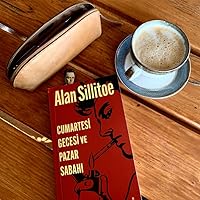
İki yetim Finbarr ve Manus ile Dublin’e yolculuğa çıkıyoruz. Yazardan okuduğum ikinci kitap oldu ve bunu daha çok sevdim. “Hiçbiri kısmen de olsa kurmaca olmayan” karakter sunuyor bize. İrlanda halkına, din ve devlete dair çok iyi tespitlerde bulunup yansıtmış. Dayıları Bay Collopy ve Peder Farth’ın konuşmalarını dinleyerek büyüyerek, sorgulayarak büyüyen Finbarr ve Birader Manus. Hem komik hem de bir o kadar da sarsıcıydı. Okuması benim için çok keyifliydi.

Read
December 23, 2016I miserably failed at finishing this book. It is from one of my all time favorite authors but I believe my unfamiliarity with old street Irish English was too much a burden to take while reading the book. I'll attempt to redo it in near future.

September 28, 2018
Geçtiğimiz yüzyılın en önemli hiciv yazarlarından O'Brien, Joyce'un uzattığı eli sımsıkı tutuyor. İki genç yetim Finbarr ve Manus'un hikâyesini İrlanda'nın Katolikliğine halel getirecek şekilde anlatıyor.

February 14, 2008
Relentlessly test-driven in the pubs of Slovenia, there is no better compliment for your third pint of Guinness than this. Even the Pope makes an appearance. How can you beat that?

March 17, 2017
3.5. Pretty good, but nowhere near the brilliance of The Third Policeman or The Dalkey Archive.


Read
February 15, 2021Only one more O'Brien book left for me. :( I suppose I'll simply need to reread them.

July 1, 2026
Reto lector 2026.
Junio: narrativa de humor.
Autor irlandés, desconocido para mí, pero considerado uno de los grandes escritores de su generación.
La novela es una mezcla de crítica social, picardía y humor, aunque yo no me he reído nada, reconozco que tiene un tono cómico. 😆
Dos hermanos son adoptados por un pariente lejano, bastante peculiar él, 😅 que se pasa los días tomando whisky, charlando con un cura y hablando sobre la vida y la religión.
De estas conversaciones, se lee entre líneas, la crítica tan mordaz que se hace a la iglesia, concretamente a los jesuitas y, de paso, a la Inquisición española, Vaticano y otros temas.
Es curioso que siempre tiren contra la Inquisición española (no la defiendo), en lugar de criticar la masacre de católicos irlandeses que ordenó Cromwell... Ahí lo dejo. 😈
Me ha parecido entretenido.😊
Elegido tarde y a ultima hora, pero leído a tiempo. 🙌🏻
Junio: narrativa de humor.
Autor irlandés, desconocido para mí, pero considerado uno de los grandes escritores de su generación.
La novela es una mezcla de crítica social, picardía y humor, aunque yo no me he reído nada, reconozco que tiene un tono cómico. 😆
Dos hermanos son adoptados por un pariente lejano, bastante peculiar él, 😅 que se pasa los días tomando whisky, charlando con un cura y hablando sobre la vida y la religión.
De estas conversaciones, se lee entre líneas, la crítica tan mordaz que se hace a la iglesia, concretamente a los jesuitas y, de paso, a la Inquisición española, Vaticano y otros temas.
Es curioso que siempre tiren contra la Inquisición española (no la defiendo), en lugar de criticar la masacre de católicos irlandeses que ordenó Cromwell... Ahí lo dejo. 😈
Me ha parecido entretenido.😊
Elegido tarde y a ultima hora, pero leído a tiempo. 🙌🏻
October 12, 2025
Perhaps it's time to pick up At Two-Swim-Birds again.

Read
March 13, 2023Another returned-to book. Short and bitter, Flann O'Brien adds imagination and humour to a tale of squalor and meanness. Often readers wonder which is the best title to start with or what their favourite work by an author is. With O'Brien there are so few novels, just grab the first one that comes along.
Displaying 1 - 30 of 117 reviews