

What do you think?

Огненная река
О Чонхи родилась в 1947 году в Сеуле.
Первая публикация в газете, рассказ "Женщина в магазине игрушек" (1968) был признан главным литературным дебютом 1968 года и удостоен престижной корейской премии "Чунган Ильбо". В течение следующего десятилетия О Чонхи активно публикуется в литературных журналах, оттачивая стиль короткой новеллы.
В 1977 году вышел в свет первый сборник её новелл "Огненная река". Сборник состоит из двенадцати новелл, в которых противостоят друг другу две стихии - успокаивающая, всё смывающая вода и разрушающий огонь. Жизнь - это река, в которой скрыто пламя - страсти, пороки и сжигающие всё на своём пути желания, которые зачастую ведут к чудовищным поступкам...
Первая публикация в газете, рассказ "Женщина в магазине игрушек" (1968) был признан главным литературным дебютом 1968 года и удостоен престижной корейской премии "Чунган Ильбо". В течение следующего десятилетия О Чонхи активно публикуется в литературных журналах, оттачивая стиль короткой новеллы.
В 1977 году вышел в свет первый сборник её новелл "Огненная река". Сборник состоит из двенадцати новелл, в которых противостоят друг другу две стихии - успокаивающая, всё смывающая вода и разрушающий огонь. Жизнь - это река, в которой скрыто пламя - страсти, пороки и сжигающие всё на своём пути желания, которые зачастую ведут к чудовищным поступкам...
224 pages, Hardcover
First published January 1, 1977
About the author
Oh Jung-hee
17 books32 followersOh Jung-Hee (born November 9, 1947) (Hangul: 오정희) is a South Korean writer.
Oh has captured both the Yi Sang Literary Award and the Dongin Literary Award, Korea's most prestigious prizes for short fiction, and her works have been translated into multiple foreign languages in Southeast Asia, Latin America and Europe.
(from Wikipedia)
Oh has captured both the Yi Sang Literary Award and the Dongin Literary Award, Korea's most prestigious prizes for short fiction, and her works have been translated into multiple foreign languages in Southeast Asia, Latin America and Europe.
(from Wikipedia)
Ratings & Reviews
Friends & Following
Create a free account to discover what your friends think of this book!
Community Reviews
Displaying 1 - 17 of 17 reviews

October 21, 2021
Yes. Time—through which silkworm larvae spin lovely raw silk out of mulberry leaves. Time—the formlessness that transforms floating dust and other objects the way a blotter soaks up ink. You can’t see it—you can only feel it. Time exists in the chill you feel when you grope for a light switch when it starts to get dark. It’s there in the whiff from the armpit of the man sitting across from you in the tearoom when he lifts his cup of lukewarm liquid after wearing you out with his chatter. The first disease whose name you can remember, the pleasant sensation you get from a slight fever, the secret pleasure you take from doing something bad, the first time you made love, the times you’ve kissed someone—they all sink into the swamp of time and dissolve, finally to reappear, skillfully woven back together, each with its own sound, color, tint. Thus rewoven, they look so different from how they first appeared.
Novelist 오정희 was born in 1947.
Her first collection 불의 강 (River of Fire) was published in 1977 including her debut story 왕구점 여인 translated here as The Toyshop Woman, which was begun when she was at high school and won of the 1968 중앙일보 annual award for aspiring writers. She went on to win both of the major South Korean literary awards, the 이상문학상 수상 in 1979 for 저녁의 게임 (‘Evening Game’) and the 동인문학상 수상 in 1982 for 동경 (translated as ‘Bronze Mirror’).
This selection of her stories, chosen by and translated by Bruce and Ju-Chan Fulton (who have done so much to bring Korean literature to the English speaking world), includes 4 of the 12 stories from 불의 강, three stories from the 1980s and two from the 1990s.
It has to be acknowledged up front that this isn’t really intended to be a “best of” collection from the author as several stories had been included in previous anthologies translated by the Fulton and they largely avoid duplication in this one, with only one of the 9 stories previously published in English in an academic journal.
For example each of the key award winning stories were previously published and absent here, The Bronze Mirror in In Land of Exile: Contemporary Korean Fiction, and Evening Game In Words of Farewell: Stories by Korean Women Writers. See https://londonkoreanlinks.net/authors...
Nevertheless the collection adds to the body of the author’s work and gives a good overview of her development across her career particularly when read alongside the translator’s afterword which puts the work in context.
For example there is the contrast from the intensely focused stories from the first collection, all told by an unnamed first person narrator, to the broader canvas of the later stories, such as Morning Star which features a reunion of college friends over a decade later, switching limited third person perspectives to show each characters situation as well as their differing perspectives of each other. Although throughout there is a psychological depth to the stories which aren’t afraid to explore the darker aspects of life.
The time spans of the stories also show the development of Korea over the period, from the legacy of the Korean War to the pro-democracy protests of the 1980s.
“My parents always told us to avoid big crowds. I’ve been wondering about that. You think there’s a fear of massacres somewhere in our collective unconscious? Or a large-scale loss of life—maybe that’s a better way to put it. Think about all we’ve experienced—the wars and such, situations nobody should have to go through—just because we were defenseless. And I’m not just talking past tense. One of these days we could all end up dead in a nuclear war.”
The Fultons do their usual excellent job, my usual bugbear of their preferred Romanization aside, although I did need a dictionary for a few folksy Americanisms (e.g. “taffy”? - still not quite sure what that translates as in English English). A sample passage of their prose:
After the pharmacist had left, Kwanhŭi realized he was drained. Lowering the bamboo blinds over the door, he pulled two chairs together and lay down. The metal chairs supported his back, yet he felt he was sinking endlessly into the ground. The fan had to work at capacity to circulate the turbid air, which was laden with the odors of camphor, naphthalene, the wild-sesame oil that gave wooden vessels a shine, the patina Kwanhŭi could manufacture by applying sulfur to an object. The cedar clothes chests, the large wooden basins, the mortars, the candlesticks appropriately rusty for their vintage, the incense burners, the dining trays, all these antiques sat weighted down with a thousand years of time. Kwanhŭi closed his eyes and breathed deeply, wishing everything would fade. But there remained his bewilderment, along with an elusive, stifling sensation, as if he’d become a spirit fated to wander underground, and finally the words whispered by the pharmacist, his body reduced to a diseased shell—My days are numbered. Vibrant, simmering sounds from outside assailed his ears—the whir of tires against pavement, the blaring of horns, the footsteps of passersby.
Tony of Tony’s Reading List, the blogosphere’s leading reviewer of K-Lit gives his verdict here:
https://tonysreadinglist.wordpress.co...
3.5 stars rounded up to 4 for appreciation of the author’s and translators’ importance.
Novelist 오정희 was born in 1947.
Her first collection 불의 강 (River of Fire) was published in 1977 including her debut story 왕구점 여인 translated here as The Toyshop Woman, which was begun when she was at high school and won of the 1968 중앙일보 annual award for aspiring writers. She went on to win both of the major South Korean literary awards, the 이상문학상 수상 in 1979 for 저녁의 게임 (‘Evening Game’) and the 동인문학상 수상 in 1982 for 동경 (translated as ‘Bronze Mirror’).
This selection of her stories, chosen by and translated by Bruce and Ju-Chan Fulton (who have done so much to bring Korean literature to the English speaking world), includes 4 of the 12 stories from 불의 강, three stories from the 1980s and two from the 1990s.
It has to be acknowledged up front that this isn’t really intended to be a “best of” collection from the author as several stories had been included in previous anthologies translated by the Fulton and they largely avoid duplication in this one, with only one of the 9 stories previously published in English in an academic journal.
For example each of the key award winning stories were previously published and absent here, The Bronze Mirror in In Land of Exile: Contemporary Korean Fiction, and Evening Game In Words of Farewell: Stories by Korean Women Writers. See https://londonkoreanlinks.net/authors...
Nevertheless the collection adds to the body of the author’s work and gives a good overview of her development across her career particularly when read alongside the translator’s afterword which puts the work in context.
For example there is the contrast from the intensely focused stories from the first collection, all told by an unnamed first person narrator, to the broader canvas of the later stories, such as Morning Star which features a reunion of college friends over a decade later, switching limited third person perspectives to show each characters situation as well as their differing perspectives of each other. Although throughout there is a psychological depth to the stories which aren’t afraid to explore the darker aspects of life.
The time spans of the stories also show the development of Korea over the period, from the legacy of the Korean War to the pro-democracy protests of the 1980s.
“My parents always told us to avoid big crowds. I’ve been wondering about that. You think there’s a fear of massacres somewhere in our collective unconscious? Or a large-scale loss of life—maybe that’s a better way to put it. Think about all we’ve experienced—the wars and such, situations nobody should have to go through—just because we were defenseless. And I’m not just talking past tense. One of these days we could all end up dead in a nuclear war.”
The Fultons do their usual excellent job, my usual bugbear of their preferred Romanization aside, although I did need a dictionary for a few folksy Americanisms (e.g. “taffy”? - still not quite sure what that translates as in English English). A sample passage of their prose:
After the pharmacist had left, Kwanhŭi realized he was drained. Lowering the bamboo blinds over the door, he pulled two chairs together and lay down. The metal chairs supported his back, yet he felt he was sinking endlessly into the ground. The fan had to work at capacity to circulate the turbid air, which was laden with the odors of camphor, naphthalene, the wild-sesame oil that gave wooden vessels a shine, the patina Kwanhŭi could manufacture by applying sulfur to an object. The cedar clothes chests, the large wooden basins, the mortars, the candlesticks appropriately rusty for their vintage, the incense burners, the dining trays, all these antiques sat weighted down with a thousand years of time. Kwanhŭi closed his eyes and breathed deeply, wishing everything would fade. But there remained his bewilderment, along with an elusive, stifling sensation, as if he’d become a spirit fated to wander underground, and finally the words whispered by the pharmacist, his body reduced to a diseased shell—My days are numbered. Vibrant, simmering sounds from outside assailed his ears—the whir of tires against pavement, the blaring of horns, the footsteps of passersby.
Tony of Tony’s Reading List, the blogosphere’s leading reviewer of K-Lit gives his verdict here:
https://tonysreadinglist.wordpress.co...
3.5 stars rounded up to 4 for appreciation of the author’s and translators’ importance.

September 16, 2023
‘Rio de fuego’ es el relato potentísimo que inicia este compendio y te deja claro que no vas a pasarlo bien leyendo estas historias cortas. No vas a llorar a lágrima viva, no son relatos tristes exactamente, pero si tienen el poder de incomodarte, de obligarte a pensar, de hacerte pasar el resto del día con un nudo en el estómago. Igual esto no os suena super apetecible, pero a mí me encanta que la literatura me haga sentir, me revuelva, que no sea siempre complaciente, que rompa en pedazos mi zona de confort. Me han encantado estos relatos sí, pero confieso que los fui espaciando, porque me dejaban como si un camión me hubiera pasado por encima.
La autora surcoreana O Jeonghui explora situaciones y psicologías oscuras y personajes que conviven con traumas o son llevados a extremos de desesperanza, precariedad o soledad, dando lugar a historias que se mueven en ese terreno de lo que te gustaría no saber que ha ocurrido. De forma cercana exploraremos miserias, escenas grotescas, angustiantes y desagradables dentro de la cotidianidad de sus protagonistas. O Jeonghui profundiza en lo que molesta, y eso lo hace de maravilla.
Los relatos aun siendo completamente independientes tienen puntos en común, cuentan con narradores homodiegéticos anónimos (con variedad de género, edad y contexto social) y empiezan de forma abrupta, sin introducciones, normalmente describiendo lo que ve el narrador, pero de una forma extrañamente ambigua, que consigue descolocar al lector, le hace sentir inseguro. Ese sentirse perdido en cada inicio genera una angustia grande, al tiempo que insta a seguir leyendo para comprender.
A pesar de este juego inicial, no penséis que son tramas complejas, más bien lo contrario, se relatan escenas cotidianas, dentro de casas en su mayoría, donde lo realmente importante sucede en el interior de los personajes, de una complejidad psicológica y emocional muy alta, cuyas vidas están en los márgenes de la sociedad conservadora de la Corea de posguerra; en ese espacio donde nadie se fija Jeongi pone el foco.
Es evidente que estos relatos tienen mucho de social, a través de la descripción del entorno vemos un país roto por la guerra y las consecuencias de todo lo vivido en las personas una vez acabado el conflicto. Pero lo que he disfrutado especialmente es el carácter íntimo de cada relato, la autora no busca representar una colectividad sino lo individual, historias pequeñas, con personajes que no encuentran la salida, que luchan principalmente contra sí mismos. Historias incómodas, pero no por ello menos reales. La autora te obliga a mirar cuando quieres cerrar los ojos.
Fascinada por el resultado tan emocional que la autora consigue con una prosa fría y precisa, con esa forma de usar los silencios, de insinuar sin decir explícitamente que los autores asiáticos hacen como nadie. Con excepciones eso sí, dado que los relatos fueron escritos en diferentes momentos, el estilo sufre variaciones, y encontramos escenas poéticas y muy simbólicas en algunos relatos (por ejemplo, en ‘Magnolias’) y en otros casos escenas que rozan terror partiendo de lo cotidiano.
Es enorme la variedad de temas que toca (trauma (amplio espectro), abort*, enfermedad, soledad, culpa, abandono, desesperación, obsesión, deseo sexual,…) y Jeonghui lo hace otorgando una enorme dignidad a todos sus personajes, sin ajusticiarlos, haciéndote reflexionar sobre qué lleva a alguien a determinadas situaciones.
Inquieta e incómoda pero despierta y fascinada me deja O Jeonghui. En tu mano queda decidir si estás en un buen momento para enfrentarte a esta lectura que sin duda te dejará mella. Yo miro este libro y me huele a humo, esa es la marca que ha dejado en mí.
La autora surcoreana O Jeonghui explora situaciones y psicologías oscuras y personajes que conviven con traumas o son llevados a extremos de desesperanza, precariedad o soledad, dando lugar a historias que se mueven en ese terreno de lo que te gustaría no saber que ha ocurrido. De forma cercana exploraremos miserias, escenas grotescas, angustiantes y desagradables dentro de la cotidianidad de sus protagonistas. O Jeonghui profundiza en lo que molesta, y eso lo hace de maravilla.
Los relatos aun siendo completamente independientes tienen puntos en común, cuentan con narradores homodiegéticos anónimos (con variedad de género, edad y contexto social) y empiezan de forma abrupta, sin introducciones, normalmente describiendo lo que ve el narrador, pero de una forma extrañamente ambigua, que consigue descolocar al lector, le hace sentir inseguro. Ese sentirse perdido en cada inicio genera una angustia grande, al tiempo que insta a seguir leyendo para comprender.
A pesar de este juego inicial, no penséis que son tramas complejas, más bien lo contrario, se relatan escenas cotidianas, dentro de casas en su mayoría, donde lo realmente importante sucede en el interior de los personajes, de una complejidad psicológica y emocional muy alta, cuyas vidas están en los márgenes de la sociedad conservadora de la Corea de posguerra; en ese espacio donde nadie se fija Jeongi pone el foco.
Es evidente que estos relatos tienen mucho de social, a través de la descripción del entorno vemos un país roto por la guerra y las consecuencias de todo lo vivido en las personas una vez acabado el conflicto. Pero lo que he disfrutado especialmente es el carácter íntimo de cada relato, la autora no busca representar una colectividad sino lo individual, historias pequeñas, con personajes que no encuentran la salida, que luchan principalmente contra sí mismos. Historias incómodas, pero no por ello menos reales. La autora te obliga a mirar cuando quieres cerrar los ojos.
Fascinada por el resultado tan emocional que la autora consigue con una prosa fría y precisa, con esa forma de usar los silencios, de insinuar sin decir explícitamente que los autores asiáticos hacen como nadie. Con excepciones eso sí, dado que los relatos fueron escritos en diferentes momentos, el estilo sufre variaciones, y encontramos escenas poéticas y muy simbólicas en algunos relatos (por ejemplo, en ‘Magnolias’) y en otros casos escenas que rozan terror partiendo de lo cotidiano.
Es enorme la variedad de temas que toca (trauma (amplio espectro), abort*, enfermedad, soledad, culpa, abandono, desesperación, obsesión, deseo sexual,…) y Jeonghui lo hace otorgando una enorme dignidad a todos sus personajes, sin ajusticiarlos, haciéndote reflexionar sobre qué lleva a alguien a determinadas situaciones.
Inquieta e incómoda pero despierta y fascinada me deja O Jeonghui. En tu mano queda decidir si estás en un buen momento para enfrentarte a esta lectura que sin duda te dejará mella. Yo miro este libro y me huele a humo, esa es la marca que ha dejado en mí.

May 1, 2013
Although she is one of the most revered figures in contemporary Korean literature, not much of O Chonghui's impressive oeuvre is available to an English-speaking audience. It is indeed a pleasure to have access to nine of her short stories in the collection River of Fire and Other Stories, translated by Bruce and Ju-Chan Fulton and published as a part of Columbia University Press's Weatherhead Books on Asia series in 2012.
River of Fire and Other Stories comprises nine short stories written over the span of several decades, ranging all the way from 1968 to 1994. All nine stories focus on the various quiet internal struggles of women trapped in domestic Korean life. Chonghui explores the consequent themes of abandonment, infertility, sexuality, and loneliness. Because the stories selected are from many different points of Chonghui's career, the reader is exposed to a tantalizing variety of styles, including both first and third person narratives as well as episodes of stream of consciousness.
The collection's earlier stories are particularly compact and full of surprises. The narrator of The Toyshop Woman is an adolescent girl dealing with the loss of her beloved brother while also struggling with her sexual identity. The manner in which the pivotal and unexpected facts of the narrator's history are revealed comes across as almost incidental, presented through dreams and memories. In this way, Chonghui does not trivialize the issues of sexuality and loss but rather puts them in a realistic context, reminding the reader of how the rest of the world goes on, oblivious to individual tragedies.
More importantly, this casualness is an apt representation of the narrator's disconnectedness, an unescapable isolation shared by so many other women imprisoned by the societal limits placed upon their gender. At the end of the story when the narrator realizes the permanence of her former lesbian lover's absence, she is faced with the frightening reality of her future:
"For a moment I felt liberated. But I also felt a loneliness that would never end. Soon I would shrink back inside my hard shell like a snail . . . My heart was drying up—how much longer before it crumbled?"
In this quietly tragic conclusion, Chonghui suggests that the narrator's return to heteronormativity will eventually destroy her. As this and the other stories in River of Fire prove, however, these women's lives are continually shaped by decisions over which they have little to no control.
The content of River of Fire and Other Stories provides a fascinating glimpse into Korean culture. Chonghui's matter-of-fact treatment of taboo subjects such as infidelity and alcoholism combats society's tendency to ignore these very real issues. The protagonists of Chonghui's stories all share a desire for identity and independence. Several of the characters display creative potential, but their artistics goals are never realized. In A Portrait of Magnolias, the main character is never able to paint the perfect magnolia despite innumerable attempts. In Lake P'aro, she is a failed writer who is terrified to even try to write again, becoming “complacent about literature, considering it a thing of beauty, something to savor.”
Chonghui also exposes the dichotomy of passivity juxtaposed against the urge to break free. One Spring Day depicts a desperate housewife's failed attempt to seduce her husband's friend. Rather than saying that the character was crying, Chonghui chooses: “In the mirror I saw myself begin silently to cry,” emphasizing a horrible detachment from the self.
Chonghui's stories are somehow both subtle and blatant. For example, in Lake P'aro, the protagonist gains the trust of a stray cat before trapping it in a sack, hanging the sack from a tree, and abandoning the animal to die. She periodically returns to check on the process of decomposition:
"The contents of the knapsack seemed to diminish even as the knapsack itself stretched out and grew tattered and its slate color faded. The reeking, rotting thing inside, no longer turning colors, no longer fat or long but a shapeless mess, was not the cat but rather herself, degenerating into depravity."
In this instance, Chonghui is practically spoon-feeding symbolism to the reader, ignoring that cardinal rule of creative writing to “show, not tell.” In a way, breaking this rule is revolutionary, not lazy. Because readers are used to having to provide their own analyses of text, the fact that Chonghui has already provided a certain amount of interpretation prompts the reader to search for an even deeper level of meaning.
Despite the obvious care behind the construction of Chonghui's thought-provoking stories, the translation by Bruce and Ju-Chan Fulton comes across as unfortunately stilted and stuffy at times. Dated phrases such as “shoot the breeze” stick out, disrupting Chonghui's otherwise smooth style. The Fultons' translation is adequate and clear, but it does not quite sparkle.
River of Fire and Other Stories comprises nine short stories written over the span of several decades, ranging all the way from 1968 to 1994. All nine stories focus on the various quiet internal struggles of women trapped in domestic Korean life. Chonghui explores the consequent themes of abandonment, infertility, sexuality, and loneliness. Because the stories selected are from many different points of Chonghui's career, the reader is exposed to a tantalizing variety of styles, including both first and third person narratives as well as episodes of stream of consciousness.
The collection's earlier stories are particularly compact and full of surprises. The narrator of The Toyshop Woman is an adolescent girl dealing with the loss of her beloved brother while also struggling with her sexual identity. The manner in which the pivotal and unexpected facts of the narrator's history are revealed comes across as almost incidental, presented through dreams and memories. In this way, Chonghui does not trivialize the issues of sexuality and loss but rather puts them in a realistic context, reminding the reader of how the rest of the world goes on, oblivious to individual tragedies.
More importantly, this casualness is an apt representation of the narrator's disconnectedness, an unescapable isolation shared by so many other women imprisoned by the societal limits placed upon their gender. At the end of the story when the narrator realizes the permanence of her former lesbian lover's absence, she is faced with the frightening reality of her future:
"For a moment I felt liberated. But I also felt a loneliness that would never end. Soon I would shrink back inside my hard shell like a snail . . . My heart was drying up—how much longer before it crumbled?"
In this quietly tragic conclusion, Chonghui suggests that the narrator's return to heteronormativity will eventually destroy her. As this and the other stories in River of Fire prove, however, these women's lives are continually shaped by decisions over which they have little to no control.
The content of River of Fire and Other Stories provides a fascinating glimpse into Korean culture. Chonghui's matter-of-fact treatment of taboo subjects such as infidelity and alcoholism combats society's tendency to ignore these very real issues. The protagonists of Chonghui's stories all share a desire for identity and independence. Several of the characters display creative potential, but their artistics goals are never realized. In A Portrait of Magnolias, the main character is never able to paint the perfect magnolia despite innumerable attempts. In Lake P'aro, she is a failed writer who is terrified to even try to write again, becoming “complacent about literature, considering it a thing of beauty, something to savor.”
Chonghui also exposes the dichotomy of passivity juxtaposed against the urge to break free. One Spring Day depicts a desperate housewife's failed attempt to seduce her husband's friend. Rather than saying that the character was crying, Chonghui chooses: “In the mirror I saw myself begin silently to cry,” emphasizing a horrible detachment from the self.
Chonghui's stories are somehow both subtle and blatant. For example, in Lake P'aro, the protagonist gains the trust of a stray cat before trapping it in a sack, hanging the sack from a tree, and abandoning the animal to die. She periodically returns to check on the process of decomposition:
"The contents of the knapsack seemed to diminish even as the knapsack itself stretched out and grew tattered and its slate color faded. The reeking, rotting thing inside, no longer turning colors, no longer fat or long but a shapeless mess, was not the cat but rather herself, degenerating into depravity."
In this instance, Chonghui is practically spoon-feeding symbolism to the reader, ignoring that cardinal rule of creative writing to “show, not tell.” In a way, breaking this rule is revolutionary, not lazy. Because readers are used to having to provide their own analyses of text, the fact that Chonghui has already provided a certain amount of interpretation prompts the reader to search for an even deeper level of meaning.
Despite the obvious care behind the construction of Chonghui's thought-provoking stories, the translation by Bruce and Ju-Chan Fulton comes across as unfortunately stilted and stuffy at times. Dated phrases such as “shoot the breeze” stick out, disrupting Chonghui's otherwise smooth style. The Fultons' translation is adequate and clear, but it does not quite sparkle.
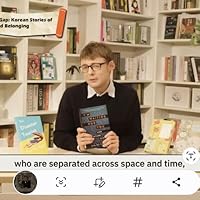
January 8, 2022
Watch my review on YouTube here - https://www.youtube.com/watch?v=3dFjI...
KBS Korea 24 @KBSKorea24
“For #KoreaBookClub this week, @barrypwelsh introduces us to a short story collection called 'River of Fire' (#불의강) by O Chonghui (Oh Jung-hee), one of Korea’s most influential female writers of the post-war generation. #KoreanLiterature #한국문학 #오정희 @ColumbiaUP”
#KBSWORLDRadio #KBS월드라디오 #Korea24 #코리아24 #책추천 #책스타그램 #북스타그램 #bookstagram #book #reading #KoreanLiterature #아시아출판사
19:10-20:00 KST, Mon-Fri on KBS WORLD Radio.
Download the KBS Kong / KBS WORLD Radio Mobile apps or subscribe to the Korea 24 podcast for your daily updates!
http://world.kbs.co.kr/service/progra...
KBS Korea 24 @KBSKorea24
“For #KoreaBookClub this week, @barrypwelsh introduces us to a short story collection called 'River of Fire' (#불의강) by O Chonghui (Oh Jung-hee), one of Korea’s most influential female writers of the post-war generation. #KoreanLiterature #한국문학 #오정희 @ColumbiaUP”
#KBSWORLDRadio #KBS월드라디오 #Korea24 #코리아24 #책추천 #책스타그램 #북스타그램 #bookstagram #book #reading #KoreanLiterature #아시아출판사
19:10-20:00 KST, Mon-Fri on KBS WORLD Radio.
Download the KBS Kong / KBS WORLD Radio Mobile apps or subscribe to the Korea 24 podcast for your daily updates!
http://world.kbs.co.kr/service/progra...
August 4, 2025
DNF 30%

July 19, 2017
River of Fire and Other Stories is a collection of nine short stories by Korean writer O Chonghui (also spelled Oh Jung-hee). This anthology was published in English in 2012, but the stories were written from the 1960s to the 1990s, so they vary in style and the protagonists range widely in age. Thematically, many of the stories deal with bored couples, or lonely women in unfulfilling, physically isolating relationships. Another theme of the collection is the relationship the female protagonists have with their mothers: inscrutable women who all seem to have been unable to escape the cruel cycle of childbirth. The writing style is subtle, and if you don’t pay careful attention the thrust of the stories will sneak past you without much warning. Because the stories start out quietly, it is easy to write them off as pedestrian, but they never settle into a predictable conclusion. Some of the character’s observations about marriage and the futility of following a readymade life are actually quite incendiary. A slow burning collection of contemporary short stories that leaves a greater impression the more you reflect on the stories.
This review was first published on my blog: http://buriedwomenwriters.com/2017/07...
This review was first published on my blog: http://buriedwomenwriters.com/2017/07...

June 14, 2020
made me want to write like o chônghûi also i loved the subtle sapphic
July 15, 2023
Los relatos de O Jeonghui son la foto de la desolación después de la tempestad.
No hay salvación en sus cuentos. La lectora es lanzada a escenarios en movimiento, en los que cuesta un poco instalarse. Hay una sensación profunda de voyeurismo lector en su propuesta. Una está ahí adentro, siendo testigo de la más profunda intimidad de los personajes que le hablan en primera persona, que exponen sus más hondas miserias. Y una se siente siendo parte de algo que no le pertenece y que a duras penas es capaz de desentrañar.
El uso del tiempo narrativo es una constante intromisión del pasado de los protagonistas. Arrojados sin piedad al centro de sus traumas, infectando un presente que no les da tregua. No hay a dónde escapar y sus finales dan buena cuenta de ello, volviendo a atrapar a los protagonistas en los bucles infinitos de sus desgracias.
Son todos relatos de los años '70 y '80 y sorprenden los temas que abordaba O.J. en el seno de una sociedad surcoreana muy conservadora.
Homos3xualidad, relaciones entre personas con grandes diferencias de edad, abOrtos, ideas su!cidas.
Locura, mu3rte, obsesión y perversión; vertebran a sus personajes como una línea continua de sus fantasmas, personales y colectivos. Dicen que O Jeonghui abrió una nueva manera de narrar los efectos de la gu3rra en la subjetividad. Y también de entender lo femenino en la literatura de su país.
A todo esto hay que sumarle que la autora no está falta de un lenguaje también muy lírico, construyendo metáforas e imágenes oníricas particularmente bellas en muchas ocasiones. Sobretodo sus inicios, resultan
pura poesía.
Me ha impactado su estilo a ratos muy sombrío y perturbador. Este libro va in crescendo sin que te des
ni cuenta.
No hay salvación en sus cuentos. La lectora es lanzada a escenarios en movimiento, en los que cuesta un poco instalarse. Hay una sensación profunda de voyeurismo lector en su propuesta. Una está ahí adentro, siendo testigo de la más profunda intimidad de los personajes que le hablan en primera persona, que exponen sus más hondas miserias. Y una se siente siendo parte de algo que no le pertenece y que a duras penas es capaz de desentrañar.
El uso del tiempo narrativo es una constante intromisión del pasado de los protagonistas. Arrojados sin piedad al centro de sus traumas, infectando un presente que no les da tregua. No hay a dónde escapar y sus finales dan buena cuenta de ello, volviendo a atrapar a los protagonistas en los bucles infinitos de sus desgracias.
Son todos relatos de los años '70 y '80 y sorprenden los temas que abordaba O.J. en el seno de una sociedad surcoreana muy conservadora.
Homos3xualidad, relaciones entre personas con grandes diferencias de edad, abOrtos, ideas su!cidas.
Locura, mu3rte, obsesión y perversión; vertebran a sus personajes como una línea continua de sus fantasmas, personales y colectivos. Dicen que O Jeonghui abrió una nueva manera de narrar los efectos de la gu3rra en la subjetividad. Y también de entender lo femenino en la literatura de su país.
A todo esto hay que sumarle que la autora no está falta de un lenguaje también muy lírico, construyendo metáforas e imágenes oníricas particularmente bellas en muchas ocasiones. Sobretodo sus inicios, resultan
pura poesía.
Me ha impactado su estilo a ratos muy sombrío y perturbador. Este libro va in crescendo sin que te des
ni cuenta.
August 16, 2023
Ha sido una lectura intensa y exigente porque son relatos que piden los cinco sentidos para meterte de lleno. Cada uno de ellos con su atmósfera propia. Me han maravillado las descripciones de este libro, son tan nítidas, y te sitúan tan bien. Algunas son tan bellas: jugando con la luz del sol y las partículas de polvo, la lluvia, ondas en la superficie del agua… Los detalles importan y a mí me ganan.
O presenta a los protagonistas en sus encrucijadas personales a tratar. Y solo con eso sabremos ante qué personajes nos vamos a enfrentar. Temas como la maternidad, la pérdida perinatal, el deseo, la infertilidad, los miedos, envejecer, la muerte… temores y obstáculos presentes en nuestra actualidad, a pesar de que estas narraciones están situadas en la Corea del Sur después de una devastadora guerra.
Son relatos densos, amargos, agrios, raros, indescriptibles, oscuros, terribles a veces. Y esto no quiere decir que sea difícil de leer. Al contrario. Una vez que estás dentro, necesitas saber más. Jeonghui escribe sobre lo que en la vida real esquivaríamos y miraríamos para otro lado, pero que al encontrarnos con ello en su libro, no podemos dejar de leer.
En muchos relatos un elemento reina por encima de todo: el fuego, la niebla, el mar, el tiempo, la noche, la oscuridad, la luna, la nostalgia, el tiempo o la añoranza al pasado. Creo que es un libro abarrotado de simbología propia.
Inmensamente agradecida por darme esta oportunidad pero sobre todo por darnos a conocer a autoras como O Jeonghui con su peculiar perspectiva del mundo.
Mención especial para el relato Ofrenda Quemada porque me dolió y me recordó mucho a Sylvia Plath…
O presenta a los protagonistas en sus encrucijadas personales a tratar. Y solo con eso sabremos ante qué personajes nos vamos a enfrentar. Temas como la maternidad, la pérdida perinatal, el deseo, la infertilidad, los miedos, envejecer, la muerte… temores y obstáculos presentes en nuestra actualidad, a pesar de que estas narraciones están situadas en la Corea del Sur después de una devastadora guerra.
Son relatos densos, amargos, agrios, raros, indescriptibles, oscuros, terribles a veces. Y esto no quiere decir que sea difícil de leer. Al contrario. Una vez que estás dentro, necesitas saber más. Jeonghui escribe sobre lo que en la vida real esquivaríamos y miraríamos para otro lado, pero que al encontrarnos con ello en su libro, no podemos dejar de leer.
En muchos relatos un elemento reina por encima de todo: el fuego, la niebla, el mar, el tiempo, la noche, la oscuridad, la luna, la nostalgia, el tiempo o la añoranza al pasado. Creo que es un libro abarrotado de simbología propia.
Inmensamente agradecida por darme esta oportunidad pero sobre todo por darnos a conocer a autoras como O Jeonghui con su peculiar perspectiva del mundo.
Mención especial para el relato Ofrenda Quemada porque me dolió y me recordó mucho a Sylvia Plath…

August 10, 2023
Conocí a O Jeonghui hace años, cuando mi profesora de coreano comentó que era una grandísima escritora en Corea, pero que no había casi nada traducido, menos aún al español. En aquellos años apenas se publicaba literatura coreana, y los enamorados de esta cultura éramos un puñado de raros que siquiera teníamos recursos para estudiar el idioma en condiciones.
Esta autora quedó en mi memoria como un chascarrillo sin más, casi olvidada, hasta que de repente la editorial Arde apareció con un libro negro bajo el brazo y recordé. Por suerte, coincidió que el editor se pasó por la Feria del Libro trayéndolo en primicia, así que además de poder charlar con él de los entresijos del libro y otras cosas de frikis del papel, me lo llevé a casa.
“Río de fuego y otros relatos” representa, grosso modo, la primera etapa literaria de O Jeonghui, en torno a los años 70, aunque en esta edición se han incluido relatos de otras épocas para dar un vislumbre al lector de la evolución literaria de la autora.
¿Qué puedo decir? Pues que O Jeonghui no te lo pone fácil, pero que el premio merece muchísimo la pena. Es una escritura de considerable dificultad, repleta de técnica y recursos al servicio de una narración onírica y psicológica, en donde abundan las referencias de todo pelaje y las metáforas disfrazadas de trama común.
Para nada recomiendo esta antología a los que busquen una lectura sencilla y sin riesgo: “Río de fuego” requiere valentía y esfuerzo, pero si se lo ofreces, descubres a la que considero ya no una de las mejores escritoras coreanas, que, por descontado, sino que incluso me atrevería a afirmar que a una de las mejores escritoras del mundo.
A caballo siempre entre lo poético y lo grotesco, o quizás haciendo grotesco lo poético y poético lo grotesco, en un constante juego con los límites del lenguaje y lo literario, y desafiando cuantas reglas pueda uno imaginar a la hora de escribir narrativa, O se yergue vencedora: ni uno solo de sus relatos se puede considerar fallido, y todos se podrían calificar de geniales, cada uno en su manera.
Además, destaca la enorme valentía y modernidad de la autora a la hora de escoger los temas a tratar, desde la homosexualidad al aborto, pasando por los traumas de guerra, la violencia machista, la dependencia, los estragos de la soledad…
Un libro imprescindible, de los que hay que guardar y releer, envuelto en una edición espectacular en lo estético y en lo práctico. ¿Qué más se puede pedir?
Esta autora quedó en mi memoria como un chascarrillo sin más, casi olvidada, hasta que de repente la editorial Arde apareció con un libro negro bajo el brazo y recordé. Por suerte, coincidió que el editor se pasó por la Feria del Libro trayéndolo en primicia, así que además de poder charlar con él de los entresijos del libro y otras cosas de frikis del papel, me lo llevé a casa.
“Río de fuego y otros relatos” representa, grosso modo, la primera etapa literaria de O Jeonghui, en torno a los años 70, aunque en esta edición se han incluido relatos de otras épocas para dar un vislumbre al lector de la evolución literaria de la autora.
¿Qué puedo decir? Pues que O Jeonghui no te lo pone fácil, pero que el premio merece muchísimo la pena. Es una escritura de considerable dificultad, repleta de técnica y recursos al servicio de una narración onírica y psicológica, en donde abundan las referencias de todo pelaje y las metáforas disfrazadas de trama común.
Para nada recomiendo esta antología a los que busquen una lectura sencilla y sin riesgo: “Río de fuego” requiere valentía y esfuerzo, pero si se lo ofreces, descubres a la que considero ya no una de las mejores escritoras coreanas, que, por descontado, sino que incluso me atrevería a afirmar que a una de las mejores escritoras del mundo.
A caballo siempre entre lo poético y lo grotesco, o quizás haciendo grotesco lo poético y poético lo grotesco, en un constante juego con los límites del lenguaje y lo literario, y desafiando cuantas reglas pueda uno imaginar a la hora de escribir narrativa, O se yergue vencedora: ni uno solo de sus relatos se puede considerar fallido, y todos se podrían calificar de geniales, cada uno en su manera.
Además, destaca la enorme valentía y modernidad de la autora a la hora de escoger los temas a tratar, desde la homosexualidad al aborto, pasando por los traumas de guerra, la violencia machista, la dependencia, los estragos de la soledad…
Un libro imprescindible, de los que hay que guardar y releer, envuelto en una edición espectacular en lo estético y en lo práctico. ¿Qué más se puede pedir?

September 10, 2021
The positives first - this book is beautifully written. The prose is dreamlike and creates vivid descriptions that really capture emotions and visuals. The author is undoubtedly a very talented writer.
The negative, however, is that within the almost stream-of-consciousness stories is very little plot. These are more like character studies than stories. For the first few, I just went with it and enjoyed the language, but after a while it got boring, and I found myself having to force myself to read further.
I was going to go with three stars, but then I got to the horrible scene with the cat in the story about the lake, and just felt ill. It was the point where I realised I actually didn't care how it ended, and I gave up around 80% of the way through the book.
Talented lady, but not for me...
The negative, however, is that within the almost stream-of-consciousness stories is very little plot. These are more like character studies than stories. For the first few, I just went with it and enjoyed the language, but after a while it got boring, and I found myself having to force myself to read further.
I was going to go with three stars, but then I got to the horrible scene with the cat in the story about the lake, and just felt ill. It was the point where I realised I actually didn't care how it ended, and I gave up around 80% of the way through the book.
Talented lady, but not for me...

June 13, 2017
O is a stunning and profound challenge to a patriarchal literary establishment. Her stories detail the mundane and domestic scenes of women, children, the elderly--those who usually play the background characters to literary traditions--her prose paints impossible lyrical landscapes ("our relationship was like stagnant water--stale, peaceful") that are skillfully translated by Bruce and Ju-chan Fulton. Ambiguous, emotionally deficient snapshots reveal truths of human experience.
It's hard to choose a favorite story: they are all so emotionally draining (but in a good way). My favorite story "Chinatown" is not included in this collection, but the atmosphere is preserved in "River of Fire" and "Fireworks."
It's hard to choose a favorite story: they are all so emotionally draining (but in a good way). My favorite story "Chinatown" is not included in this collection, but the atmosphere is preserved in "River of Fire" and "Fireworks."

Did Not Finish
February 17, 2025no he conectado nada con la forma de escribir de esta pequeña persona
March 24, 2026
"Me fijé en las manchas de colores indeterminados del pañuelo, una observación que seguramente no hubiera hecho de no haber tenido que hacerme cargo de un hombre antes".
Un libro que me ha puesto los vellos de punta en todo momento.
Es la primera vez que leo a esta autora y, por ahora, la única, ya que en España no hay más libros traducidos de ella y es una lástima porque O Jeonghui es una autora fabulosa que merece mucho la pena leerla.
Esta antología de relatos tienen una cosa en común: la feminidad. Aunque hay varios relatos como "Dique de niebla", "Un solo improvisado" o "El corredor" que los protagonistas son hombres, la feminidad está muy presente.
Este libro lo escribió la autora entre los años sesenta y setenta para denunciar y hacer una crítica social sobre el papel de la mujer en la sociedad surcoreana, pero, tras leerlo, puedo decir que, aunque han pasado más de cincuenta años, cada relato, cada historia, cada personaje se ha sentido muy real y cercano. Es como si O Jeonghui hubiera escrito cada uno de ellos en nuestra actualidad, algo que ha hecho que me replantee cada palabra escrita con mucho más interés.
Cada relato está escrito en primera persona. Como he dicho anteriormente, hay algunos donde la voz protagonista es masculino pero, en su gran mayoría son mujeres que quieren escapar de la realidad que se les ha impuesto y cuentan su vida a través de cada relato. Son protagonistas desoladas, a menudo con traumas del pasado que les persigue, mujeres casadas con hombres que desaparecen durante largo tiempo para regresar a casa borrachos o con menos dinero por haber gastado en el juego todo lo que tenían. Mujeres que son artistas, pensadoras, luchadoras pero que se les ha relegado a un lado por solo ser mujer.
En estos relatos también se habla mucho sobre la maternidad, la frustración de no poder tener hijo o, lo que más me ha sorprendido teniendo en cuenta los años en los que se escribió ese libro y su lugar de origen, se habla sobre el aborto y el rechazo que tienen muchas de las protagonistas hacia la idea de ser madre. Este tema me ha resultado muy interesante y ha hecho que lea con mayor avidez los relatos.
A las tramas interesantes y llenas de intriga que hay entre sus páginas, acompaña muy bien la pluma de la autora. Me ha parecido exquisita, de una crudeza y, al mismo tiempo, de una delicadeza impresionantes. Capaz de contar con detalle el sentimiento de soledad de una persona mayor que ya no le queda nada a escribir con naturalidad un momento de pasión. Me ha fascinado descubrir a la autora y tengo cierto pesar por no poder leer nada más de ella en mi idioma natal.
Otra de las cosas que me han llamado la atención son los finales de los relatos. Todos quedan de una forma u otra abiertos para dejar al lector la ocasión de imaginar cómo quiere que termine esa historia. No solo hace pensar de más a quien lee sus relatos sino también a ser partícipe de la historia de los personajes, invitándolos a darles un final que crean más justo.
También me ha resultado muy curioso que los últimos relatos traten sobre personajes homosexuales ya que teniendo en cuenta la cultura coreana con respecto a estos temas, me han resultado muy interesantes reforzando la idea de reivindicación y de crítica social que hay en cada uno de sus relatos.
Aunque todos los relatos me han encantado, sin duda tengo mis favoritos que me han absorbido por completo: "Magnolias", "Un día de primavera", "Lazos familiares" y "La mujer de la juguetería". Estos relatos me han sorprendido de más por su fuerza, por sus personajes y por la trama que tienen que me ha mantenido pegada a sus páginas de principio a fin.
Es un libro muy interesante si se quiere conocer más sobre la cultura coreana, sobre todo la de los años 60-70 y saber más sobre cómo se vivía en aquel entonces. Además de conocer a una autora muy interesante con una forma de escribir que atrapa y fascina a partes iguales.
Para quienes quieran leer más autoras coreanas y quieran descubrir historias interesantes y reivindicativas, este libro es un imprescindible.
Un libro que me ha puesto los vellos de punta en todo momento.
Es la primera vez que leo a esta autora y, por ahora, la única, ya que en España no hay más libros traducidos de ella y es una lástima porque O Jeonghui es una autora fabulosa que merece mucho la pena leerla.
Esta antología de relatos tienen una cosa en común: la feminidad. Aunque hay varios relatos como "Dique de niebla", "Un solo improvisado" o "El corredor" que los protagonistas son hombres, la feminidad está muy presente.
Este libro lo escribió la autora entre los años sesenta y setenta para denunciar y hacer una crítica social sobre el papel de la mujer en la sociedad surcoreana, pero, tras leerlo, puedo decir que, aunque han pasado más de cincuenta años, cada relato, cada historia, cada personaje se ha sentido muy real y cercano. Es como si O Jeonghui hubiera escrito cada uno de ellos en nuestra actualidad, algo que ha hecho que me replantee cada palabra escrita con mucho más interés.
Cada relato está escrito en primera persona. Como he dicho anteriormente, hay algunos donde la voz protagonista es masculino pero, en su gran mayoría son mujeres que quieren escapar de la realidad que se les ha impuesto y cuentan su vida a través de cada relato. Son protagonistas desoladas, a menudo con traumas del pasado que les persigue, mujeres casadas con hombres que desaparecen durante largo tiempo para regresar a casa borrachos o con menos dinero por haber gastado en el juego todo lo que tenían. Mujeres que son artistas, pensadoras, luchadoras pero que se les ha relegado a un lado por solo ser mujer.
En estos relatos también se habla mucho sobre la maternidad, la frustración de no poder tener hijo o, lo que más me ha sorprendido teniendo en cuenta los años en los que se escribió ese libro y su lugar de origen, se habla sobre el aborto y el rechazo que tienen muchas de las protagonistas hacia la idea de ser madre. Este tema me ha resultado muy interesante y ha hecho que lea con mayor avidez los relatos.
A las tramas interesantes y llenas de intriga que hay entre sus páginas, acompaña muy bien la pluma de la autora. Me ha parecido exquisita, de una crudeza y, al mismo tiempo, de una delicadeza impresionantes. Capaz de contar con detalle el sentimiento de soledad de una persona mayor que ya no le queda nada a escribir con naturalidad un momento de pasión. Me ha fascinado descubrir a la autora y tengo cierto pesar por no poder leer nada más de ella en mi idioma natal.
Otra de las cosas que me han llamado la atención son los finales de los relatos. Todos quedan de una forma u otra abiertos para dejar al lector la ocasión de imaginar cómo quiere que termine esa historia. No solo hace pensar de más a quien lee sus relatos sino también a ser partícipe de la historia de los personajes, invitándolos a darles un final que crean más justo.
También me ha resultado muy curioso que los últimos relatos traten sobre personajes homosexuales ya que teniendo en cuenta la cultura coreana con respecto a estos temas, me han resultado muy interesantes reforzando la idea de reivindicación y de crítica social que hay en cada uno de sus relatos.
Aunque todos los relatos me han encantado, sin duda tengo mis favoritos que me han absorbido por completo: "Magnolias", "Un día de primavera", "Lazos familiares" y "La mujer de la juguetería". Estos relatos me han sorprendido de más por su fuerza, por sus personajes y por la trama que tienen que me ha mantenido pegada a sus páginas de principio a fin.
Es un libro muy interesante si se quiere conocer más sobre la cultura coreana, sobre todo la de los años 60-70 y saber más sobre cómo se vivía en aquel entonces. Además de conocer a una autora muy interesante con una forma de escribir que atrapa y fascina a partes iguales.
Para quienes quieran leer más autoras coreanas y quieran descubrir historias interesantes y reivindicativas, este libro es un imprescindible.

August 26, 2023
Cuando me dispuse a leer este “Río de fuego y otros relatos”, no pensé que sumergirme en la literatura de O Jeonghui fuera a ser una experiencia tan increíble. Creo que no me equivoco si digo que hace tiempo que no leía un libro de relatos tan intenso y descorazonador, tan real y humano, tan oscuro en cierta manera (y tan a tono con el color de la cubierta 👌).
Se trata de una serie de relatos en los que se desarrollan diferentes historias y situaciones que tienen lugar en la más absoluta cotidianidad, pero una cotidianidad que a la vez pudiera sentirse fuera de lo común, pues transmiten de una forma muy intensa diversos sentimientos como son el miedo, la incertidumbre, el hastío, la tristeza o la desesperanza.
Relatos que me dejaban exhausta, motivo por el cual fui leyéndolos en pequeños sorbos; relatos que dejan sin aliento, que angustian e incomodan, que se quedan dando vueltas en tu cabeza y en cada una de tus terminaciones nerviosas. Relatos que, más que leerse, se sienten, se palpan, se experimentan.
Me ha sorprendido la capacidad de la autora para transmitir tantas cosas, algunas de forma explícita pero las más de una manera más bien oculta o insinuada, imaginas o, mejor dicho, sabes lo que está pasando aunque no se diga abiertamente, y eso mismo es lo que hace cada relato tan especial, por lo que dice sin palabras, lo que transmite por otras vías, y te llega por otros caminos.
Una lectura que ha resultado ser toda una experiencia, que ha sido mi primer contacto con la literatura coreana y que me ha abierto las puertas a todo un mundo de experiencias y posibilidades. Brillante.
Se trata de una serie de relatos en los que se desarrollan diferentes historias y situaciones que tienen lugar en la más absoluta cotidianidad, pero una cotidianidad que a la vez pudiera sentirse fuera de lo común, pues transmiten de una forma muy intensa diversos sentimientos como son el miedo, la incertidumbre, el hastío, la tristeza o la desesperanza.
Relatos que me dejaban exhausta, motivo por el cual fui leyéndolos en pequeños sorbos; relatos que dejan sin aliento, que angustian e incomodan, que se quedan dando vueltas en tu cabeza y en cada una de tus terminaciones nerviosas. Relatos que, más que leerse, se sienten, se palpan, se experimentan.
Me ha sorprendido la capacidad de la autora para transmitir tantas cosas, algunas de forma explícita pero las más de una manera más bien oculta o insinuada, imaginas o, mejor dicho, sabes lo que está pasando aunque no se diga abiertamente, y eso mismo es lo que hace cada relato tan especial, por lo que dice sin palabras, lo que transmite por otras vías, y te llega por otros caminos.
Una lectura que ha resultado ser toda una experiencia, que ha sido mi primer contacto con la literatura coreana y que me ha abierto las puertas a todo un mundo de experiencias y posibilidades. Brillante.
June 19, 2023
Impresionante recopilación de relatos, son historias muy angustiantes y oscuras. Todo un descubrimiento de la literatura coreana en femenino.
June 19, 2023
Maravillosa lectura, nunca había leído nada de literatura coreana, me ha parecido escalofriante y magnifico a partes iguales.
Displaying 1 - 17 of 17 reviews