

What do you think?

The Language of Genes: Solving the Mysteries of Our Genetic Past, Present and Future
Did you know that two of every three people reading this book will die for reasons connected with the genes they carry? That our DNA gradually changes with age, which is why older parents are more likely to give birth to children with genetic defects than younger parents? That each individual is a kind of living fossil, carrying within a genetic record that goes back to the beginnings of humanity? In The Language of Genes, renowned geneticist Steve Jones explores the meanings and explodes the myths of human genetics, offering up an extraordinary picture of what we are, what we were, and what we may become.
“An essential book for anyone interested in the development and possible future of our species.”— Kirkus Reviews
“This is one of the most insightful books on genetics to date and certainly the most entertaining.”— The Wall Street Journal
“An essential book for anyone interested in the development and possible future of our species.”— Kirkus Reviews
“This is one of the most insightful books on genetics to date and certainly the most entertaining.”— The Wall Street Journal
272 pages, Paperback
First published January 1, 1993
About the author
Steve Jones
299 books135 followersLibrarian’s note: There is more than one author in the Goodreads database with this name.
John Stephen Jones is a Welsh geneticist and from 1995 to 1999 and 2008 to June 2010 was Head of the Department of Genetics, Evolution and Environment at University College London. His studies are conducted in the Galton Laboratory. He is also a television presenter and a prize-winning author on the subject of biology, especially evolution. He is one of the contemporary popular writers on evolution. In 1996 his writing won him the Royal Society Michael Faraday Prize "for his numerous, wide ranging contributions to the public understanding of science in areas such as human evolution and variation, race, sex, inherited disease and genetic manipulation through his many broadcasts on radio and television, his lectures, popular science books, and his regular science column in The Daily Telegraph and contributions to other newspaper media".
John Stephen Jones is a Welsh geneticist and from 1995 to 1999 and 2008 to June 2010 was Head of the Department of Genetics, Evolution and Environment at University College London. His studies are conducted in the Galton Laboratory. He is also a television presenter and a prize-winning author on the subject of biology, especially evolution. He is one of the contemporary popular writers on evolution. In 1996 his writing won him the Royal Society Michael Faraday Prize "for his numerous, wide ranging contributions to the public understanding of science in areas such as human evolution and variation, race, sex, inherited disease and genetic manipulation through his many broadcasts on radio and television, his lectures, popular science books, and his regular science column in The Daily Telegraph and contributions to other newspaper media".
Ratings & Reviews
Friends & Following
Create a free account to discover what your friends think of this book!
Community Reviews
Displaying 1 - 30 of 34 reviews

July 10, 2013
I bought this book back in 1994. It still remains a good introduction to the ever-changing (updating***), ever-challenging field which is Genetics.

I got used watching Steve on TV: his circumspect look, his travels the world around; his revolutionary questions and ideas, namely: females as superior to males,...genetically speaking (see his book Y: The Descent of Men).

Well, ...back to the Language ...of genes. It's a book full of facts: historical, linguistic, biological ones; ...and from there some speculation, new ideas.
The names from the chapters are just tantalizing; take a look at some.
1-A message from our Ancestors
2-The Rules of the game
3-Herodotus Revised
...
8-The Economics of Eden
9-The Kingdoms of Cain
...
14-Evolution Engineered
15-Fear of Frankenstein
16-The Evolution of Utopia
At the introduction Steve writes: "Genetics is itself a language, a set of inherited instructions passed from generation to generation".
He recalls the work of F. Galton who "introduced the idea that human attributes are coded into the unique inheritance which everyone receives from their ancestors". Then Darwin describing "evolution, the appearance of new forms of life by the ALTERATION of those already present, as 'descent with modification' ".

Next: the DNA: the inherited simple "vocabulary"... "its message very long", though.
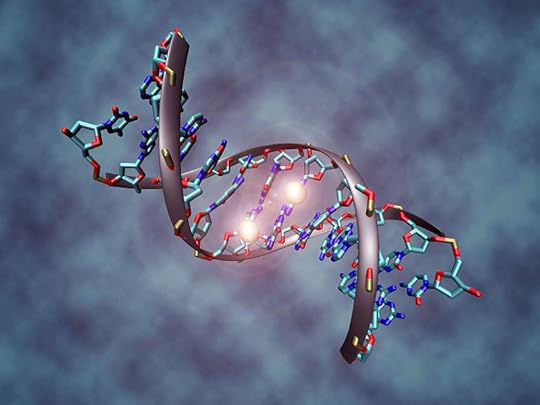
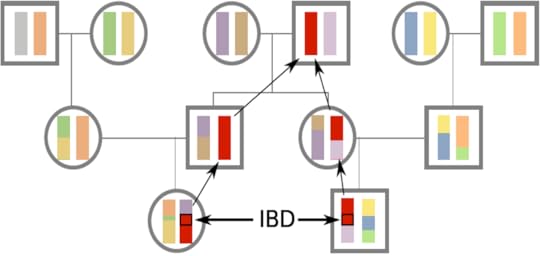
The book offers a well-presented incursion in such matters as the Human Genome Project and the world of Philosophy of Biology; such as in the concepts of "eugeny", "human improvement", the Nazi eugeneticists and the 1936 German "Society for Race Hygiene".
"Many of the early eugeneticists shared some highly heritable attributes: wealth, education and social position. Francis Galton gained his considerable affluence from his (rather unusual) family of Quaker gun-makers. Much of the agenda of their movement was the survival of the richest".
Bernard Shaw wrote "Men and women select their wives and husbands far less carefully than they select their cashiers and cooks".
The book in itself is a good basis for ethical discussion. Like this quote from the 1988 Chinese People's Daily: "Idiots give birth to idiots"; underlying a scheme to prevent marriage of those mentally handicapped...; unless sterilized.
Even America does not escape scrutiny. By 1926 there was a society called American Eugenics Society meeting for its "Sesquicentennial Exhibition", in Philadelphia.
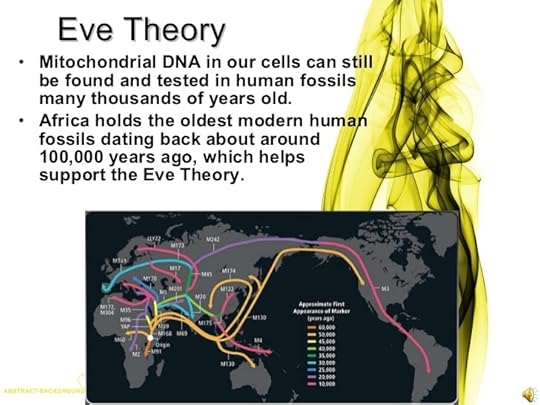
Some of the curious facts presented:
a/ "The famous lip* (of Hapsburg) can be seen in the HOLY EMPEROR of 1450 and was still prominent in the Spanish royal family a century ago"
b/ "In Siberia, so many mammoths were killed that the hunters made houses from their bones".
c/ "The Pennsylvania Amish, stars of the film Witness, have a unique inheritance. Nearly a hundred babies have been born with 6 fingers and restricted growth, a condition almost unknown elsewhere. Every one of the affected children descends from Samuel king, a founder of the community".
d/ The Huntington** disease is relatively common among Afrikaners; most of the cases descend from a Dutch man or his wife who immigrated in the 1650's.
e/ "In South Africa there is a people, the Lemba, who have black skin but look different from their neighbours....they long thought themselves as one of the tribes of Israel. Their genes do show more similarities to Modern Easterners than do those other native peoples of South Africa".
f/ "Finland has a legacy of 19 different genetic disorders each common in a particular community...a history of marriage within the family; so show the records of the Lutheran Church, to which 98% of every hundred Finns once belonged".
[...]
The book allows also for terrific insights on language itself, when its evolution is paired up with genes'. "Language, archeology and genes all bear witness to an invasion of Europe from the East".
"There are some 5,000 different languages in the world and many more-like Etruscan-which are extinct. Like genes, languages evolve because they accumulate MUTATIONS".
July 12th, 2013.
*caused by a gene for a "protruding lower jaw"
**leads to degeneration of nervous system and death in early middle age".
UPDATE, August 3rd 2013
***Back in December 24th of 2005, the British magazine The Economist published an issue containing a survey on Human Evolution, by Geoffrey Carr. The "paper" was quite extensive, it approached "new theories and techniques" that "have revolutionised our understanding of humanity's past and present"...and referred the analysis of "matritrees" (via mitochondrial-DNA) and "patrilines" (via the Y-chromosome) and concluded: "...the common ancestor of the Y-chromosome is a lot more recent than its mitochondrial equivalent. African Adam was born 60,000-90,000 years ago, and so could not have met Africa Eve".
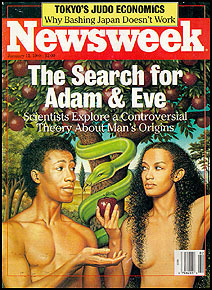
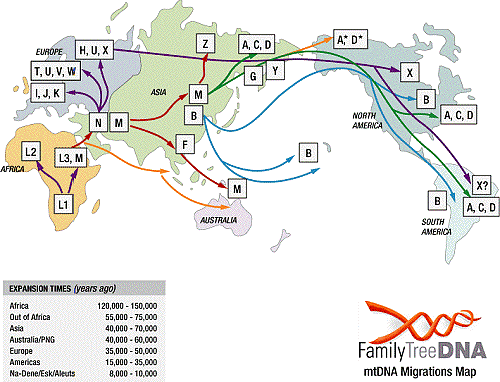
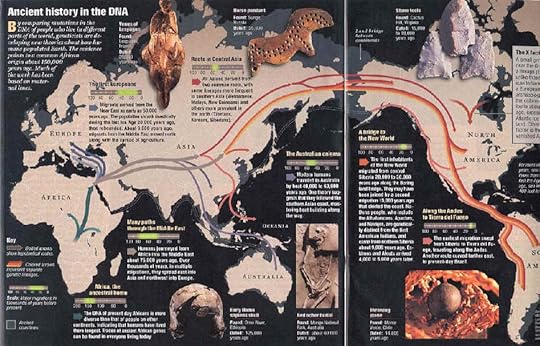
Well, today I've read this article entitled "Our genetic Adam and Eve may have lived more or less at the same time" by Ana Gerschenfeld [*]. The article is based on two studies published in the Science magazine. According to Carlos Bustamante, of Stanford University (USA), "the Y-chromosome Adam may have lived 120,000 to 156,000 years ago and the mitochondrial Eve 99,000-148,000 years ago"-periods of time that overlap. Bustamante et al perfected the calculus of the age of Adam, by using the Y chromosomes of 69 men from 9 distinct geographical regions, including Namibia, Democratic Republic of Congo,Gabon, Algeria, Pakistan, Cambodia, Siberia and Mexico.
[*]http://www.publico.pt/ciencias/jornal...
I got used watching Steve on TV: his circumspect look, his travels the world around; his revolutionary questions and ideas, namely: females as superior to males,...genetically speaking (see his book Y: The Descent of Men).
Well, ...back to the Language ...of genes. It's a book full of facts: historical, linguistic, biological ones; ...and from there some speculation, new ideas.
The names from the chapters are just tantalizing; take a look at some.
1-A message from our Ancestors
2-The Rules of the game
3-Herodotus Revised
...
8-The Economics of Eden
9-The Kingdoms of Cain
...
14-Evolution Engineered
15-Fear of Frankenstein
16-The Evolution of Utopia
At the introduction Steve writes: "Genetics is itself a language, a set of inherited instructions passed from generation to generation".
He recalls the work of F. Galton who "introduced the idea that human attributes are coded into the unique inheritance which everyone receives from their ancestors". Then Darwin describing "evolution, the appearance of new forms of life by the ALTERATION of those already present, as 'descent with modification' ".
Next: the DNA: the inherited simple "vocabulary"... "its message very long", though.
The book offers a well-presented incursion in such matters as the Human Genome Project and the world of Philosophy of Biology; such as in the concepts of "eugeny", "human improvement", the Nazi eugeneticists and the 1936 German "Society for Race Hygiene".
"Many of the early eugeneticists shared some highly heritable attributes: wealth, education and social position. Francis Galton gained his considerable affluence from his (rather unusual) family of Quaker gun-makers. Much of the agenda of their movement was the survival of the richest".
Bernard Shaw wrote "Men and women select their wives and husbands far less carefully than they select their cashiers and cooks".
The book in itself is a good basis for ethical discussion. Like this quote from the 1988 Chinese People's Daily: "Idiots give birth to idiots"; underlying a scheme to prevent marriage of those mentally handicapped...; unless sterilized.
Even America does not escape scrutiny. By 1926 there was a society called American Eugenics Society meeting for its "Sesquicentennial Exhibition", in Philadelphia.
Some of the curious facts presented:
a/ "The famous lip* (of Hapsburg) can be seen in the HOLY EMPEROR of 1450 and was still prominent in the Spanish royal family a century ago"
b/ "In Siberia, so many mammoths were killed that the hunters made houses from their bones".
c/ "The Pennsylvania Amish, stars of the film Witness, have a unique inheritance. Nearly a hundred babies have been born with 6 fingers and restricted growth, a condition almost unknown elsewhere. Every one of the affected children descends from Samuel king, a founder of the community".
d/ The Huntington** disease is relatively common among Afrikaners; most of the cases descend from a Dutch man or his wife who immigrated in the 1650's.
e/ "In South Africa there is a people, the Lemba, who have black skin but look different from their neighbours....they long thought themselves as one of the tribes of Israel. Their genes do show more similarities to Modern Easterners than do those other native peoples of South Africa".
f/ "Finland has a legacy of 19 different genetic disorders each common in a particular community...a history of marriage within the family; so show the records of the Lutheran Church, to which 98% of every hundred Finns once belonged".
[...]
The book allows also for terrific insights on language itself, when its evolution is paired up with genes'. "Language, archeology and genes all bear witness to an invasion of Europe from the East".
"There are some 5,000 different languages in the world and many more-like Etruscan-which are extinct. Like genes, languages evolve because they accumulate MUTATIONS".
July 12th, 2013.
*caused by a gene for a "protruding lower jaw"
**leads to degeneration of nervous system and death in early middle age".
UPDATE, August 3rd 2013
***Back in December 24th of 2005, the British magazine The Economist published an issue containing a survey on Human Evolution, by Geoffrey Carr. The "paper" was quite extensive, it approached "new theories and techniques" that "have revolutionised our understanding of humanity's past and present"...and referred the analysis of "matritrees" (via mitochondrial-DNA) and "patrilines" (via the Y-chromosome) and concluded: "...the common ancestor of the Y-chromosome is a lot more recent than its mitochondrial equivalent. African Adam was born 60,000-90,000 years ago, and so could not have met Africa Eve".
Well, today I've read this article entitled "Our genetic Adam and Eve may have lived more or less at the same time" by Ana Gerschenfeld [*]. The article is based on two studies published in the Science magazine. According to Carlos Bustamante, of Stanford University (USA), "the Y-chromosome Adam may have lived 120,000 to 156,000 years ago and the mitochondrial Eve 99,000-148,000 years ago"-periods of time that overlap. Bustamante et al perfected the calculus of the age of Adam, by using the Y chromosomes of 69 men from 9 distinct geographical regions, including Namibia, Democratic Republic of Congo,Gabon, Algeria, Pakistan, Cambodia, Siberia and Mexico.
[*]http://www.publico.pt/ciencias/jornal...

November 18, 2021
أسس اللعبة الوراثية هو علم الحياة الجزيئي . يتألف الجزيء من شريطتين مجدولتين تتركب كل منهما من سلسلة من أسس كيميائية "أدينين و غوانين و سيتوسين وثيمين " واختصاراً T,C,G,A اضافة الى السكريات . وتقترن هذه الأسس بعضها مع بعض "الأدينين مع الثيمين ، والغوانين مع السيتوسين" وكل شريطة تكمل الاخرى ، وعندما تنفصلان تعمل كل منهما كمرصاف لتمون شريطة اقترانها . يحتوي ترتيب الأسس على امتداد ال DNA ، على المعلومات اللازمة لانتاج البروتينات. ويتكون كل بروتين من سلسلة من لبنات مختلفة ، أي احماض أمينية ، وترمز التعليمات لتركيب كل حمض أميني الى سلسلة مؤلفة من ثلاثة احرف من ابجدية ال DNA . تنتقل الرسالة الوراثية التي يتضمنها ال DNA الى هيولي الخلية حيث تصنع البروتينات عن طريق وسيط هو RNA الحمض النووي الريبي يأتي هذا الحمض من عدة أشكال مميزة كل منها معني بنقل معلومات وراثية من DNA الى البروتينات . اصبح تركيب ال DNA اليوم جزءاً من الإرث الثقافي وهو عامل تواصل بين الاجيال .
هناك ما بين ٥٠ الى ١٠٠ ألف من الجينات يحول أكثرها في معظم الخلايا ، أما في الدماغ فتعمل ٣٠ ألفاً منها في اي وقت . وهذا العدد اكبر منه في أي نسيج آخر وقد يساعد في تعليل ظاهرة ان اكثر من ربع الامراض الوراثية يؤدي الى مرض عقلي . وتأتي الخصيتان عند الرجال في الدرجة الثانية بعد الدماغ في نسبة الجينات النشيطة . فعندما تقوم الجينة بعمل ما ، فإنها تولد ال RNA المرسال ، جزيء متمم ينقل المعلومات الوراثية من DNA الى الجزء الرئيسي من الخلية . ومن هنا يعتبر استخلاص ال RNA المرسال طريقة ممتازة للتحري عن الجينات العاملة .
ظهرت الحياة الاولى والجينات الاولى قبل ثلاثة الاف مليون سنة . ان الجزيء الاصلي في اول طور للحياة ، أي الحساء البدائي ، تحدّر عبر ثلاثة الاف مليون سنة من الاسلاف قبل ان يصل إلينا او الى الشمبانزي ، ونشأت كل واحدة من الجينات المختلفة التي تُعد بالبلايين والتي ظهرت منذ ذلك الحين من خلال طفرة . يحمل كل شخص طبعة فريدة من كراس يختلف بملايين الطرق عن الطبعة التي يحملها الآخرين ويأتي هذا التنوع كله من تراكم الاخطاء في نسخ الرسالة الوراثية . بعض هذه الحوادث الموروثة مؤذية تماماً ولكن اكثرها لا يؤثر حتى ان قليلًا منها قد يكون مفيداً . يعزى الى الطفرة خمسة آلاف مرض خلقي مختلف يتظاهر بعضها فقط عندما يحدث تبدا في DNA . يحمل كل واحد نسخة واحدة من جينات متبدلة موروثة من أسلاف ماتوا منذ عهد طويل . وسوف يقتل هذا الشخص اذا اجتمعت عنده نسختان من نوع واحد . ما من أحد كامل وكل واحد تقريباً يحمل على الاقل هيكلًا واحداً في خزانته الوراثية .
افضل دليل على تطور بني الانسان ، أنهم أعضاء في العالم الحيواني ككل يأتي من المستحاثات . ودونها لا يمكن لصورة اسلافنا ان تكتمل ابداً .
تأتي أقدم الهياكل العظمية التي تبدو وكأنها تخص أسلافنا المباشرين اي النوع الانساني من كينيا ويعود تاريخها الى حوال مليونين ونصف مليون سنة وقد ظهرت أولى الادوات الحجرية في ذلك الوقت . تشير المستحاثات الى ام السلسلة التي تؤدي الى قردك البابون انشطرت قبل ٢٥-٣٠ مليون سنة ، والسلسلة المؤدية الى أورانج اوتان قبل ١٢-١٦ مليون سنة ، ولكنها لا تشير بشيء حول تاريخ الانقسام الذي حدث بين الانسان والشمبانزي والغوريلا ، توحى الساعة الجزيئية التي تقوم على اساس جينات اقربائنا من الرئيسيات الى ان هذا الانقسام حدث قبل ٦-٨ مليون سنة مع توقف سلسلة الغوريلات مباشرة قبل انشعاب السلاسل المؤدية الى قردة الشمبانزي والى الانسان . يعني هذا ان آخر سلف لقردة الشمبانزي والانسان عاش قبل ثلاثمائة وخمسين ألف جيل .
الخمج في كل مكان هو القاتل الاكبر الملاريا والجدري والتيفوئيد وفي كلا العالمين الجديد والقديم كانت البقيا افضل عمد أولئك الذي عاشوا مع المرض على مدى أجيال عديدة . اختلافات فطرية في المقاومة بين الشعوب من مختلف الأمكنة . يتعامل الاصطفاء عند مواجهة المرض مع عدو لا يكل ، ولكن الوباء كان اكبر قاتل وأكبر عامل للاصطفاء . يعني التبدل المتواصل في نموذج الخمج ان التطور لا يمكن ان يهدأ ، تواجهه دائماً ل مشكلات جديدة .
ان فكرة إمكانية تحسين صحة السكان على المدى الطويل عن طريق منع المصابين بمرض وراثي من الانجاب هي فكرة عقيمة وأهم من ذلك ان هذه الفكرة تظهر ان كل شخص تقريباً بحمل واحدة او اكثر من جينات مختلفة خاصة بمرض وراثي صاغر لكل منها . ان اي برنامج لتقصي الجماهير سوف يؤمن معلومات غير سارة وقد لا تكون ايضاً ذات فائدة كبيرة.
ان معظم التحولات الاجتماعية تتآمر على تعويق التطور الانساني وقد فقدت الطفرة والاصطفاء والتحول العشوائي خلال القرون القليلة الماضية بعضاً من فعاليتها . كل هذا يعني ان علم الحياة المستقبلي لن يختلف كثيراً عما كان عليه في الماضي ، حتى ان التقدم الاقتصادي والترقي الطبي قد يعنيان ان الانسان اصبح تقريباً في نهاية طريقه التطوري .
هناك ما بين ٥٠ الى ١٠٠ ألف من الجينات يحول أكثرها في معظم الخلايا ، أما في الدماغ فتعمل ٣٠ ألفاً منها في اي وقت . وهذا العدد اكبر منه في أي نسيج آخر وقد يساعد في تعليل ظاهرة ان اكثر من ربع الامراض الوراثية يؤدي الى مرض عقلي . وتأتي الخصيتان عند الرجال في الدرجة الثانية بعد الدماغ في نسبة الجينات النشيطة . فعندما تقوم الجينة بعمل ما ، فإنها تولد ال RNA المرسال ، جزيء متمم ينقل المعلومات الوراثية من DNA الى الجزء الرئيسي من الخلية . ومن هنا يعتبر استخلاص ال RNA المرسال طريقة ممتازة للتحري عن الجينات العاملة .
ظهرت الحياة الاولى والجينات الاولى قبل ثلاثة الاف مليون سنة . ان الجزيء الاصلي في اول طور للحياة ، أي الحساء البدائي ، تحدّر عبر ثلاثة الاف مليون سنة من الاسلاف قبل ان يصل إلينا او الى الشمبانزي ، ونشأت كل واحدة من الجينات المختلفة التي تُعد بالبلايين والتي ظهرت منذ ذلك الحين من خلال طفرة . يحمل كل شخص طبعة فريدة من كراس يختلف بملايين الطرق عن الطبعة التي يحملها الآخرين ويأتي هذا التنوع كله من تراكم الاخطاء في نسخ الرسالة الوراثية . بعض هذه الحوادث الموروثة مؤذية تماماً ولكن اكثرها لا يؤثر حتى ان قليلًا منها قد يكون مفيداً . يعزى الى الطفرة خمسة آلاف مرض خلقي مختلف يتظاهر بعضها فقط عندما يحدث تبدا في DNA . يحمل كل واحد نسخة واحدة من جينات متبدلة موروثة من أسلاف ماتوا منذ عهد طويل . وسوف يقتل هذا الشخص اذا اجتمعت عنده نسختان من نوع واحد . ما من أحد كامل وكل واحد تقريباً يحمل على الاقل هيكلًا واحداً في خزانته الوراثية .
افضل دليل على تطور بني الانسان ، أنهم أعضاء في العالم الحيواني ككل يأتي من المستحاثات . ودونها لا يمكن لصورة اسلافنا ان تكتمل ابداً .
تأتي أقدم الهياكل العظمية التي تبدو وكأنها تخص أسلافنا المباشرين اي النوع الانساني من كينيا ويعود تاريخها الى حوال مليونين ونصف مليون سنة وقد ظهرت أولى الادوات الحجرية في ذلك الوقت . تشير المستحاثات الى ام السلسلة التي تؤدي الى قردك البابون انشطرت قبل ٢٥-٣٠ مليون سنة ، والسلسلة المؤدية الى أورانج اوتان قبل ١٢-١٦ مليون سنة ، ولكنها لا تشير بشيء حول تاريخ الانقسام الذي حدث بين الانسان والشمبانزي والغوريلا ، توحى الساعة الجزيئية التي تقوم على اساس جينات اقربائنا من الرئيسيات الى ان هذا الانقسام حدث قبل ٦-٨ مليون سنة مع توقف سلسلة الغوريلات مباشرة قبل انشعاب السلاسل المؤدية الى قردة الشمبانزي والى الانسان . يعني هذا ان آخر سلف لقردة الشمبانزي والانسان عاش قبل ثلاثمائة وخمسين ألف جيل .
الخمج في كل مكان هو القاتل الاكبر الملاريا والجدري والتيفوئيد وفي كلا العالمين الجديد والقديم كانت البقيا افضل عمد أولئك الذي عاشوا مع المرض على مدى أجيال عديدة . اختلافات فطرية في المقاومة بين الشعوب من مختلف الأمكنة . يتعامل الاصطفاء عند مواجهة المرض مع عدو لا يكل ، ولكن الوباء كان اكبر قاتل وأكبر عامل للاصطفاء . يعني التبدل المتواصل في نموذج الخمج ان التطور لا يمكن ان يهدأ ، تواجهه دائماً ل مشكلات جديدة .
ان فكرة إمكانية تحسين صحة السكان على المدى الطويل عن طريق منع المصابين بمرض وراثي من الانجاب هي فكرة عقيمة وأهم من ذلك ان هذه الفكرة تظهر ان كل شخص تقريباً بحمل واحدة او اكثر من جينات مختلفة خاصة بمرض وراثي صاغر لكل منها . ان اي برنامج لتقصي الجماهير سوف يؤمن معلومات غير سارة وقد لا تكون ايضاً ذات فائدة كبيرة.
ان معظم التحولات الاجتماعية تتآمر على تعويق التطور الانساني وقد فقدت الطفرة والاصطفاء والتحول العشوائي خلال القرون القليلة الماضية بعضاً من فعاليتها . كل هذا يعني ان علم الحياة المستقبلي لن يختلف كثيراً عما كان عليه في الماضي ، حتى ان التقدم الاقتصادي والترقي الطبي قد يعنيان ان الانسان اصبح تقريباً في نهاية طريقه التطوري .

May 26, 2013
Biologist Doctor Steve Jones is slightly less famous than Richard Dawkins. I know this because he pointed that fact out at Uncaged Monkeys, the national tour of The Infinite Monkey Cage that he is “the biologist the media calls in when Dawkins is not available”. This event also featured Brian Cox and Ben Goldacre. Comparison’s with his more famous contemporary are always going to be on the cards, but Jones is an accomplished scientist in his own right.
Published in 1994, some of this book is now out of date. Some of the premises he presents have now been answered or over-turned. Nevertheless, the overwhelming majority of this book will teach you something new. In that, it’s inherent value is clear. If you want to read this, I recommend finding an updated version if such a copy is available.
Reading a book on something as deep as genetics can be daunting, especially when the book promises to tackle some tough subjects that we might otherwise feel uncomfortable reading about. Yet Jones handles them in the way that only a curious researcher and academic can. I am talking about questions like:
Isn’t it inefficient for a species to have males?
Is homosexuality genetic?
Are the risks of inbreeding over-stated?
Which are the most in-bred communities in the world?
Why do more black immigrants suffer from rickets than do whites?
Yet it is not just about these tough questions. It is, at its heart, an educational book about genetics – one of the most misunderstood sciences and one used to fuel (amusingly) an anti-science agenda in the anti GM crops movement. Jones handles these subjects with the impartiality and education that one would expect. He is a phenomenal writer. His style and tone is easy on the eye. His writing is passionate and engaging. This is perhaps one of the easiest science books I have ever read in terms of absorbing oneself into a science book. I can think of few that can compare with the exception of perhaps Dawkins’ The Greatest Show on Earth.
One of the most fascinating sections I found concerns the evolution of language. It seems the maps of language and genetic peoples overlap. Did you know that the people of Orkney have more genetically in common with Scandinavia than they do with the rest of Scotland? Do you know why Caucasians are larger and stockier (on average) than peoples from Central Africa? Why is diabetes more prevalent in the Pacific peoples than elsewhere?
Did you know that people from southern Italy are of a different genetic stock from northern Italy? In a single short chapter he effortlessly tears apart the very notion that any people can be genetically “pure”. This is something we have known for a long time, but it goes into detail much more than vague ideals of nationhood, skin colour and identity. When the people in the next village are of a different race, it throws away the very idea of a “British people” or a “black race” and so on. All of these questions and more and handled and the text flows seamlessly from issue to issue.
I cannot find flaw with this book. The only problem is that some of the issues are out of date, but with 20+ years of hindsight and research, that is not a problem with the book per se as it is a problem with my copy. Interested in learning about genetics but don’t know where to start? Go and read this book, you can do a lot worse. Next I want to read Y: The Descent of Men to hear more about his thoughts on why sexual reproduction began, and when.
Published in 1994, some of this book is now out of date. Some of the premises he presents have now been answered or over-turned. Nevertheless, the overwhelming majority of this book will teach you something new. In that, it’s inherent value is clear. If you want to read this, I recommend finding an updated version if such a copy is available.
Reading a book on something as deep as genetics can be daunting, especially when the book promises to tackle some tough subjects that we might otherwise feel uncomfortable reading about. Yet Jones handles them in the way that only a curious researcher and academic can. I am talking about questions like:
Isn’t it inefficient for a species to have males?
Is homosexuality genetic?
Are the risks of inbreeding over-stated?
Which are the most in-bred communities in the world?
Why do more black immigrants suffer from rickets than do whites?
Yet it is not just about these tough questions. It is, at its heart, an educational book about genetics – one of the most misunderstood sciences and one used to fuel (amusingly) an anti-science agenda in the anti GM crops movement. Jones handles these subjects with the impartiality and education that one would expect. He is a phenomenal writer. His style and tone is easy on the eye. His writing is passionate and engaging. This is perhaps one of the easiest science books I have ever read in terms of absorbing oneself into a science book. I can think of few that can compare with the exception of perhaps Dawkins’ The Greatest Show on Earth.
One of the most fascinating sections I found concerns the evolution of language. It seems the maps of language and genetic peoples overlap. Did you know that the people of Orkney have more genetically in common with Scandinavia than they do with the rest of Scotland? Do you know why Caucasians are larger and stockier (on average) than peoples from Central Africa? Why is diabetes more prevalent in the Pacific peoples than elsewhere?
Did you know that people from southern Italy are of a different genetic stock from northern Italy? In a single short chapter he effortlessly tears apart the very notion that any people can be genetically “pure”. This is something we have known for a long time, but it goes into detail much more than vague ideals of nationhood, skin colour and identity. When the people in the next village are of a different race, it throws away the very idea of a “British people” or a “black race” and so on. All of these questions and more and handled and the text flows seamlessly from issue to issue.
I cannot find flaw with this book. The only problem is that some of the issues are out of date, but with 20+ years of hindsight and research, that is not a problem with the book per se as it is a problem with my copy. Interested in learning about genetics but don’t know where to start? Go and read this book, you can do a lot worse. Next I want to read Y: The Descent of Men to hear more about his thoughts on why sexual reproduction began, and when.

January 3, 2020
من نكون ؟
وماذا كنّا ؟؟
وماذا يمكن ان نكون ؟؟؟
كيف لحاضرنا ان يفسر ماضينا و ان يقرأ مستقبلنا !!
#لغة_الجينات هو كتاب علمي شهير من تأليف #ستيف_جونز عن علم الوراثة والتطور.
يقدم جميع جوانب علم الوراثة والبيولوجيا الجزيئية المختلفة ، نُشرت الطبعة الأولى في عام 1993 وحصلت على جائزة رون بولينك (المعروفة الآن باسم جوائز الجمعية الملكية لكتب العلوم).
وتحتوي الإصدارات الجديدة على معلومات حول حدود هذا الحقل ، مثل مشروع الجينوم البشري.
صحيح ان قراءة كتاب علمي بصفة عامة و علم الوراثة بالأساس، قد تبدو شاقة، خاصة عندما يعد الكتاب بمعالجة بعض الموضوعات الصعبة التي قد نشعر بعدم الارتياح عند قراءتها. مثلا:
- هل الشذوذ الجنسي وراثي؟
- هل مخاطر زواج الأقارب مبالغ فيها؟
وغيرها....
الأمر طبعا لا يتعلق فقط بهذه الأسئلة . إنه في جوهره كتاب تثقيفي عن علم الوراثة - وهو أحد أكثر العلوم التي يساء فهمها ، وتستخدم لتغذية الأجندة المناهضة للعلوم .ومع ذلك ، استطاع جونز بطريقته ان يقدم تلك الحقائق العلمية بعيدا عن لغة أكاديمية جافة.
لغة الجينات :يعد اختيار العنوان موفقا نتيجة لاستخدام جونز لاستعارة النيوكليوتيدات بشكل منتظم كحروف وكودونات ككلمات وجينات كجمل ، ولكنه يعكس أيضًا شرح جونز القصير لدور اللغة في التطور البشري.
اذ كل واحد منا هو مكتبة حية من المعلومات التاريخية.نحملها في كل خلية من أجسامنا. نستخدمها للنمو والتطور وننقلها إلى أطفالنا. بفضل العلم ، يمكننا استخدامها لإلقاء بعض الضوء على من نحن ومن أين أتينا.
المعلومات هنا هي البيانات الوراثية المشفرة في تسلسل "الحروف" الكيميائية التي تشكل الحمض النووي لدينا ، والمخطط الكيميائي للحياة.
ان الكلمات لهو تشبيه مناسب بحق للجينات.
اذ مثل الكلمات ، كل جين له معنى محدد وقد يعاني أحيانًا من أخطاء - الأخطاء الإملائية - التي تحول الرسالة الجينية إلى طفرة. ومع ذلك ، فإن هذه التغييرات ليست دائما سيئة.
مثل الكلمات ، تتغير الجينات مع مرور الوقت وهذه الطفرة هي القوة الدافعة لتطور الحياة وكذلك اللغات. مثلما تتقاسم اللغات الهندية الأوروبية أسلافًا مشتركة لبعض الكلمات في الوقت الحاضر ، مثل تلك التي تعني الملوك (raj، res، ri، roi، rey) ، يتشارك البشر أسلافًا مشتركة للجينات التي يمتلكونها اليوم. في الواقع ، فإننا نشارك حوالي 98.5 في المائة من الحمض النووي الخاص بنا مع أقرب قريب لدينا ، الشمبانزي.
الجينات واللغات تحكي نفس القصة عن التاريخ.
إذا تحدث الناس بلغات مختلفة ، فمن غير المرجح أن تكون بشروط مختلفة ايضا ، ناهيك عن الزواج ومزج جيناتهم. "المسافات" الوراثية لأحفادهم هي التي ستحكي القصة. فليس من قبيل المصادفة أن الباسك ، الذين لغتهم ليست عضوًا في الأسرة الهندية الأوروبية ، لديهم تمييز جيني عن غيرهم من الأوروبيين الغربيين الذين يميزونهم كمجموعة معزولة من الناس.
المعلومات المخزنة في كل من مكتباتنا الوراثية فريدة من نوعها ، لكنها موحدة بشكل مثير للاهتمام. إن التباين الوراثي للأفارقة في الوقت الحاضر ضخم مقارنة بالغير الأفارقة ، مما يشير إلى أن الإنسان العاقل أمضى الكثير من تاريخه التطوري في القارة الأفريقية، تحكي جيناتنا تلك القصة القديمة للهجرة ، من حركة الكلت the Celts في أوروبا ، إلى هجرات البولينيزيين عبر المحيط الهادئ.
هكذا ومع مجموعة من الحكايات والأمثلة ، يوفر جونز جولة رائعة عبر عالم الجينات .
تجمع بين التاريخ العلمي من خلال اكتشافات داروين ومندل وحبات بازلاته التي شكلت الدعامة الاساسية لعلم الوراثة ، مرورًا بالبحوث المتطورة التي تهم الهندسة الوراثية ومشروع الجينوم البشري، مع طرح منظور غير معتاد حول القضايا الأخلاقية (كالعنصرية ، تحسين النسل ، والتطور البشري)، اذ يدعو الى تجنب الإجابات الأخلاقية البسيطة لصالح السماح بمناقشة مفتوحة وواقعية .
يعترف الكاتب بأنه لا يزال هناك الكثير غير معروف ، وأنه لا يمكننا التنبؤ بجميع العواقب المحتملة لكيفية عمل الجينات. كما أنه يذكرنا بمخاطر (وفوائد) الاختبار الجيني ، دون تعريض القارئ للغة تقنية أو الرياضيات المعقدة بشكل مفرط ،
ويلقي جونز ايضا نظرة واضحة على بعض الأسئلة التي تشغل العلماء الذين يدرسون علم الوراثة البشرية: سبب وراثة العيوب الوراثية في منطقة دون غيرها ، من فقر الدم المنجلي إلى مرض هنتنغتون ؛
والمؤلف لا ينسى ان يجعل رأيه في معاداة التطور واضحا بشكل واضح وصريح.
واحد من أكثر الأقسام التي وجدتها مختلفة ومميزة يتعلق بتطور اللغة.اذ يبدو كما اشرت سابقا أن خرائط اللغة والشعوب الجينية تتداخل. والفصل الاخر كان نفيا لفكرة أساسية.
فهل تعلم أن أهل أوركني لديهم قواسم وراثية مع الدول الاسكندنافية أكثر مما لديهم مع بقية اسكتلندا؟ لماذا مرض السكري أكثر انتشارا في شعوب المحيط الهادئ من أي مكان آخر؟
و هل تعلم أن الأشخاص من جنوب إيطاليا لديهم مخزون وراثي مختلف عن شمال إيطاليا؟
في فصل قصير واحد ، يمزق جهد فكرة أن أي شخص يمكن أن يكون "نقياً" وراثياً. هذا شيء عرفناه منذ وقت طويل ، لكنه يتعمق في تفاصيل أكثر من مجرد أمثلة غامضة للأمة ولون البشرة وهويتها. انه يزيل فكرة "الشعب البريطاني" أو "العرق الأسود" وما إلى ذلك، من خلال تدفق الافكار بسلاسة وجاذبية علمية من قضية إلى أخرى!
ومع ذلك ، فبغض النظر عن تاريخنا القديم - آلاف أو مئات الآلاف من السنين - لا يزال التاريخ البشري مجرد وميض في مقارنة بمليارات السنين التي تطور فيها الحمض النووي على الأرض.
ربما يكون هذا أحد أسهل كتب العلوم التي قرأتها من حيث الاستيعاب .
أنت مهتم بمعرفة علم الوراثة ولكن لا تعرف من أين تبدأ؟
ربما الان صرت تعرف !
حكايتنا ، من نكون ومن كنا وماذا يمكن ان نكون، القصة تكمن في #الحمض_النووي

June 8, 2025
Science book of the year 1994. Raises the social issues raised by genetics, as well as exploring human history, through the lens of genetics. So although the science of genetics has moved on, a lot, since this was written, humans have not. A good read, and makes me want to read something much more current.

November 11, 2019
There's a tendency among science writers to put together a bunch of trivia and soundbites and call it a book. It's a shame. Instead of giving you a comprehensive explanation of a subject from first principles, they just give you a bunch of loosely connected factoids.
This book is a mess of history of evolution/genetics, the ethics of it, and in between sprinkled with some superficial scientific statements. The author asserts a fact and you have to believe it. He doesn't explain how we came by those facts and doesn't argue for them. The only interesting part of the book is the chapter on human population dispersion, but even that is outdated.
This book is a mess of history of evolution/genetics, the ethics of it, and in between sprinkled with some superficial scientific statements. The author asserts a fact and you have to believe it. He doesn't explain how we came by those facts and doesn't argue for them. The only interesting part of the book is the chapter on human population dispersion, but even that is outdated.

May 29, 2022
قرأت تقريبا اربعة فصول وتركته لأن الترجمة بائسة جدا ترجمة نبيل اصف انتظر قراءة بترجمة اخرى

August 9, 2021
I really like the way he presented this complex subject. I expected to read about DNA, chromosomes; what I did not expect was how he took us through the movement of the human species. How he took us from hunter gathers to farmers, and to the economy. I have a better understanding of the expansion of humankind. 8/21

March 21, 2009
The Language of Genes by Dr. Steve Jones is not a textbook in genetics, but rather an expose on how the study of genetics began and why (to prove bloodlines in royalty). He is thorough in covering the field of genetics, beginning his tour with Mendel's peas and taking us to the Human Genome Project (which was only in the inital stages at the writing of this book). Dr. Jones is a professor of genetics at University College in London and the editor of the Cambridge Encyclopedia of Human Evolution. Most of his scientifc career has been the study of snails. He refers to Darwinian theory throughout the book, but admits that in "The Origin of the Species", Darwin had "an enormous gap in his evidence". Putting those difficult questions behind, Jones provides vast information in the genetics of human beings and heredity, the most fascinating for me being the difference between the female (XX) and male (XY), and why females are superior! (we have more genetic information than males). He expounds on the origins of illness including cancer and AIDS and ends his tour with the "Evolution with Utopia". This book left me wishing I had taken notes throughout its reading.

March 10, 2014
Sometimes, historical science is fascinating. Though much of this still applies, much is now outdated, and his open skepticism about the human genome project fascinating, as is his claim that it cost $150 to sequence the cystic fibrosis gene and that he knew someone who said automation might increase speed 100 fold and reduce cost a hundred fold. Even if sequencing cost 1/100th of that, it would still be $1.5 for a single gene, compared to the actual cost of $5-10000 for an entire cell
Also, he was talking about junk DNA, did not use the term and cautioned that just because we don't know the function, doesn't mean it doesn't have one. In much the same way all real scientists have done, despite the claims of lying Creationists
Also, he was talking about junk DNA, did not use the term and cautioned that just because we don't know the function, doesn't mean it doesn't have one. In much the same way all real scientists have done, despite the claims of lying Creationists

June 30, 2009
This is half a generation old now, and there are some incorrect statements as a result. The world of genetics, PARTICULARLY human genetics, has certainly changed a lot in 15 years! However it is a wonderful read, and has endless fascinating bits of trivia that inspire me to go research something further every time I reread it.
Also I love the author's voice, and thoroughly appreciate the rarity of pop science written by a talented writer. I love to read about science but I am very picky about reading quality. There is a quality of British humor here that Anglophile Americans such as myself can never get enough of.
Also I love the author's voice, and thoroughly appreciate the rarity of pop science written by a talented writer. I love to read about science but I am very picky about reading quality. There is a quality of British humor here that Anglophile Americans such as myself can never get enough of.

December 10, 2010
Very, very readable science; really, really interesting. Must read more of Jones's books.

January 29, 2017
Wonderful. Winner of the rhone-poulenc science book prize.
October 27, 2020
An oldie revisited; and like former lovers, and good friends, timeless.

December 10, 2024
هو كتاب جميل ممتع يخرج الانسان من حالة الجمود والرتابة التي يعيشها الى غد قد يأتي بحياة جديدة أو انسان جديد قادرعلى ان يستمتع بالحياة اكثر من انسان هذا العصر ، فعنوان " لغة الجينات " الذي اختاره المؤلف عنوان لكتابه اختاره أيضا مدير مشروع الجينوم البشري " فرنسيس كولينز " عنوان لكتابه باسم " لغة الإله " ... " The language of God " وكلاهما يعني اللغة التي أخبرنا بها الله كيف خلق الانسان وكل الكائنات الحية بداية من الفيروسات حتى الديناصورات ، حسنا حتى هنا والأمر يبدو ممتعا من الناحة العلمية ان تكون مكوناتنا متشابهة الى حد كبير مع الحيوانات والنباتات والطيور وسائر المخلوقات ربما يفرح الصوفية أكثر من غيرهم بهذا الكشف فهو يؤكد ويقوي الى حد ما رؤيتهم عن " وحدة الوجود " وان الانسان ينتمي الى الطبيعة أكثر مما ينتمي الى والده ووالدته لذا فهو يشعر بالسعادة والراحة بين الحقول والنباتات والغابات وعلى شواطئ البحار والانهار والمحيطات ، وقد استبشر العالم والعلماء خيرا باكتشاف هذا العلم ووجدوا فيه علاجا لكثير من الامراض الوراثية ، لكن التقدم المطرد في علم الهندسة الوراثية ومن بعده البيوتوكنولوجي وعملية الاحلال التي يقوم بها العلماء في هذا الاتجاه بوضع جين مكان جين ونقل جين من كائن الى كائن نبات أو حيوان للتحكم في الحجم او اللون أو الطعم والرائحة هو أمر يجب عنده التوقف قليلا ولا يمكن المرور عليه مرور الكرام مع ما نسمعه عن ظهور امراض غريبة لم تكن موجودة من قبل مثل فقدان المناعة وكثرة حالات التحول الجنسي وغيرها من الامراض والعاهات التي تنزل مع الطفل عند ولادته وليس لها وجود عند والديه ، وعندما نعلم بانخفاض معدل الخصوبة عند الاناث في العالم من 4.84 في عام 1950 إلى 2.23 في عام 2021 وتوافق هذا مع نداءات عالمية قدمة وحديثة بوجوب تحديد النسل بعد ان ضاقت الكرة الارضية بسكانها كما يقول البعض مما ارهق ميزانية الدول الكبرى قبل الصغرى ، فضلا عن من يطالب بتحسين النسل وانتاج سلالات من البشر أكثر قوة وليافة ومطابقة للمواصفات القياسية للانسان ، هذا أمر مثير للقلق على الاجيال القادمة خاصة مع اتساع الفجوة بين الشرق والغرب وبين الفقراء والأغنياء ، الذين سيرغبون بطبيعة الحال، أن يتأكدوا من الحالة الجينية لنسلهم ، وربما طلبوا من المعالجين بالجينات تصحيح أي مشكلات قد تنشأ بسبب وجود جينات معيبة ، فيطلب الآباء من أولئك المعالجين رفع معدلات ذكاء أطفالهم ، أو إضافة بضع بوصات إلى أطوالهم ، أو منحهم قدرات رياضية متفوّقة ، أو شعر مجعد ، وعيون زرقاء ، وبشرة متوافقة مع أحدث صيحة .... ، ولم يتوقف الامر عند هذا الحد فقد دفع التطور المتجدد في هذا العلم كل يوم احدى السيدات أن تسأل أحد العاملين في هذا المجال عقب لقاء تليفزيوني هل وجدتم علاجا " للبخل "!

May 14, 2024
I liked this book more than A Brief History of Everyone by Rutherford which I read for my Science book call. This is the book that author said he was extending in homage to his (late?) Professor and this book's author, Steve Jones. IMO, Adam Rutherford copied his professor book, which he said he purchased for less than a buck. Adan did add his own whimsy to the book even wandering into the unexplained about genetics and ear wax which this author doesn't explain well either. perhaps if Adam had asked about the ear wax in class we'd have had a better story in the 2nd book.
IMO you don't have to read either book unless you're obsessed with the concept of genetics and want to read Everything... because IMO there are better books. Usually they take on the niche topic (e.g. mtDNA and the Seven Daughter of Eve). But there are books on Neanderthal Man etc. that were good. I forget the title but the lab isolation to keep the scientists DNA from polluting the samples under test were very good. I'm also going to read Matt Ridley's book, Genome... 23 RSN.
IMO you don't have to read either book unless you're obsessed with the concept of genetics and want to read Everything... because IMO there are better books. Usually they take on the niche topic (e.g. mtDNA and the Seven Daughter of Eve). But there are books on Neanderthal Man etc. that were good. I forget the title but the lab isolation to keep the scientists DNA from polluting the samples under test were very good. I'm also going to read Matt Ridley's book, Genome... 23 RSN.
August 21, 2021
بداية...نسختي العربية كانت بتجرمة سيئة حرمت علي استيعاب افكار الكاتب..هذا غير التازمه الحنبلي باستخدام كلمات معربة لمصطلحات بايولوجية بحتة
..اما الكتاب نفسه..اعتقد ان القاريء المجرد من خلفية معرفية بايولوجية سيعاني من هضم كل ما في الكتاب
..تفاوتت فصوله الاكثر من ١٥ ..بين الرتيب و بين الشيق، اثار فيها الكاتب اسئلة و خيالات و مراجعات تاريخية كلها متعلقة بعلم الجينات
...جوهرة الكتاب (التي يمكن لم يتعمدها الكاتب ان تكون جوهرته) هي تمايز الانسان عم باقي المخلوقات...الانسان الذي (يفسر الماضي و يخطط للمستقبل)...ذكرتني بتفسير كاميرون سمث في كتابه (حقيقة التطور) لسبب تمايز الانسان..هي ان الانسان يخترع و يبتكر الالات...و كلهت التفسيران هكا حاشيتان يجب اضافهتهما لنظرية التطور العظيمة لتفسير سر تفوقنا على الارض
..اما الكتاب نفسه..اعتقد ان القاريء المجرد من خلفية معرفية بايولوجية سيعاني من هضم كل ما في الكتاب
..تفاوتت فصوله الاكثر من ١٥ ..بين الرتيب و بين الشيق، اثار فيها الكاتب اسئلة و خيالات و مراجعات تاريخية كلها متعلقة بعلم الجينات
...جوهرة الكتاب (التي يمكن لم يتعمدها الكاتب ان تكون جوهرته) هي تمايز الانسان عم باقي المخلوقات...الانسان الذي (يفسر الماضي و يخطط للمستقبل)...ذكرتني بتفسير كاميرون سمث في كتابه (حقيقة التطور) لسبب تمايز الانسان..هي ان الانسان يخترع و يبتكر الالات...و كلهت التفسيران هكا حاشيتان يجب اضافهتهما لنظرية التطور العظيمة لتفسير سر تفوقنا على الارض
This entire review has been hidden because of spoilers.
March 23, 2025
This book reviews how evolution works. One of the most important points made is that environment and lifestyle can trigger gene expression.
What I found the most interesting were specific details such as South Wales being one of the least genetically diverse places, identical twins being twice more at risk of getting coronary heart disease and five times more at risk of diabetes, "New World Syndrome" which described how diabetes or other illnesses can occur when an immigrant moves to America and takes up the American way of life.
This is a book that should be read cautiously because some statements could be based on speculation rather than fact. For instance, I'm not sure if it's true that the Japanese are the heaviest alcohol drinkers.
What I found the most interesting were specific details such as South Wales being one of the least genetically diverse places, identical twins being twice more at risk of getting coronary heart disease and five times more at risk of diabetes, "New World Syndrome" which described how diabetes or other illnesses can occur when an immigrant moves to America and takes up the American way of life.
This is a book that should be read cautiously because some statements could be based on speculation rather than fact. For instance, I'm not sure if it's true that the Japanese are the heaviest alcohol drinkers.
This entire review has been hidden because of spoilers.
June 6, 2024
Steve Jones is a good writer and is able to get over complex ideas in an accessible manner. The trouble was, as with one of his other works about the Y chromosome, I just got a bit worn down by the procession of interesting facts that the book presented me with. Yes, there were a lot of interesting parts but they didn't quite seem to add up to a cogent whole.
May 13, 2017
Made some very good points, but genetics is changing so fast that the edition I read (2000) occasionally felt quite dated.
March 27, 2021
Interesting & peculiar!
September 17, 2022
I read this book about 20 years ago when I was in college, lived it and just bought myself another copy. It's entertaining and informative, not an easy combination I imagine.

September 28, 2022
Steve writes so well, so personally, so amusingly, you are captured from the 'get go'. What could be a dry, sciency subject is brought alive with anecdote and history. Really enjoying this, but largely through his writing style. I have heard the Professor on many podcasts and documentaries, and his tongue in cheek delivery seems so familiar in his writing style, I can almost hear his voice. He seems a modest man, and yet the depth of his learning and study is vivid and earnest and passionate. Really enjoying this deep dive into the world of genes. Much has been achieved since he write this book, particularly in the use of technology to delve deeper, quicker and with less expense than he was exeriencing at the time of writing.
Yes, excellent book - I could even hear Steve's voice in the writing. What could have been a dry science book was made readable by his use of history and anecdote and imaginative examples that peppered the text. Fascinating book despite being well out of date now.
Yes, excellent book - I could even hear Steve's voice in the writing. What could have been a dry science book was made readable by his use of history and anecdote and imaginative examples that peppered the text. Fascinating book despite being well out of date now.

February 16, 2016
It should be stated that this is more of a 3.5 stars.
This book was recommended to me by my Biology teacher as some extra reading to accompany my Biology A-Level course. Therefore this review is directed towards those who already have some prior knowledge of genetics. However I do know this book has been suggested for people who don't have at least this basic knowledge but I do feel like I would have found it confusing.
One of things I loved most about this was the dry humour that Steve Jones used to accompany the information he was presenting. This really improved my experience with the book as I think often text explaining science can be considered boring and too serious, however this injected some lightheartedness into the text.
The science itself was well explained and I appreciated how different chapters focused on different aspects. The use of metaphors was plentiful but not overdone (and in some cases especially useful). I also loved how Steve Jones focused not just on the science but all the impacts it will have on society and the ethics surrounding genetic advances. I found the history provided especially interesting, showing how society's behaviour can impact how genetics is received and how it is used.
Overall an interesting read although I needed to be focused to ensure I understood everything. I would recommend this to those interested in genetics although perhaps not to those being introduced to genetics for the first time.
"The more we learn about inheritance, the more it seems there is to know."
This book was recommended to me by my Biology teacher as some extra reading to accompany my Biology A-Level course. Therefore this review is directed towards those who already have some prior knowledge of genetics. However I do know this book has been suggested for people who don't have at least this basic knowledge but I do feel like I would have found it confusing.
One of things I loved most about this was the dry humour that Steve Jones used to accompany the information he was presenting. This really improved my experience with the book as I think often text explaining science can be considered boring and too serious, however this injected some lightheartedness into the text.
The science itself was well explained and I appreciated how different chapters focused on different aspects. The use of metaphors was plentiful but not overdone (and in some cases especially useful). I also loved how Steve Jones focused not just on the science but all the impacts it will have on society and the ethics surrounding genetic advances. I found the history provided especially interesting, showing how society's behaviour can impact how genetics is received and how it is used.
Overall an interesting read although I needed to be focused to ensure I understood everything. I would recommend this to those interested in genetics although perhaps not to those being introduced to genetics for the first time.

May 8, 2016
Having been taught by the man himself, probably the most popular lecturer in the department, I can say Prof. Jones' reputation in science communication is well deserved. He excels at relating science to real life, and deftly provide insights into society and human nature while doing so. His books are easy, yet worthwhile reads but for that reason his books are not among my favourites.
People seem to have the idea that outdated books (which this is one of) are not worth reading, and I whole-heartedly disagree, especially for authors like Jones. The actual science in his books are rather simple, but the scope of discussion goes far beyond that. Highly recommended for a broad-based introduction to genetics (which, contrary to popular belief, isn't all about molecular biology).
People seem to have the idea that outdated books (which this is one of) are not worth reading, and I whole-heartedly disagree, especially for authors like Jones. The actual science in his books are rather simple, but the scope of discussion goes far beyond that. Highly recommended for a broad-based introduction to genetics (which, contrary to popular belief, isn't all about molecular biology).

January 13, 2016
Initially slightly dry (despite my interest in the subject) so that I read half of it, put it down for several months and subsequently re-started it. On the second attempt, it was a more interesting and more easy read - to some extent I felt that my prior knowledge of some of the quirkier facts (having studied human genetics before I read this book) lessened the impact, but there was some really curious stuff in there, and it was well-written for the curious non-expert.

April 25, 2024
This was good for a textbook, clear, concise and easy to read and understand. It tells the story of man and even life itself as dictated by our genes. Where we come rom, where we are, and where we are possibly going to. Anyone wanting an introduction to understanding how life itself works should try to read this book.
May 10, 2010
an excellent view of how genes work and what can be attributed to genes - 15 yrs old but still valid and easy informative reading

January 19, 2015
Good essay, very varied topics, but ugly and dry writing style.
May 4, 2015
Steve Jones is brilliant whatever he writes about
Displaying 1 - 30 of 34 reviews