Nova edição revista e ampliada de um clássico dos estudos de gênero no Brasil. Um livro provocativo, em que Trevisan propõe a superação dos estereótipos impostos pela “masculinidade ideal”, uma quimera cuja principal vítima é, em última análise, o próprio homem.
A crise da masculinidade é moderna, mas não é nova. Sua configuração, ao longo de séculos, transformou-se em um nó cego, reforçado por sérias contradições. A constante defesa do projeto do “homem ideal” explica os episódios de abuso de poder, feminicídio, homofobia e intolerância majoritariamente cometidos por elites masculinas hegemônicas, que resistem a um ordenamento social mais diverso e igualitário. Esta nova edição de Seis balas num buraco só, que foi lançado originalmente em 1998, traz capítulos inéditos e atualizações importantes, incluindo a ascensão política das religiões cristãs e os governos de Donald Trump e Jair Bolsonaro, ancorados no negacionismo típico da masculinidade tóxica. Propondo uma reflexão profunda e provocativa sobre o machismo, a misoginia e a homofobia, Trevisan revela, também, como estão vivas e atuantes as resistências dos setores progressistas e mais vulneráveis da sociedade ― exemplificados nas novas correntes feministas, nos movimentos LGBTQ+ e na luta antirracista. Uma leitura urgente para quem busca compreender melhor o seu tempo e cumprir seu papel histórico.
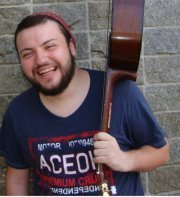
João Silvério Trevisan (born June 23, 1944 in Ribeirão Bonito, São Paulo) is Brazilian author, playwright, journalist, screenwriter and film director. In his much-diversified oeuvres, he has published eleven books, among them great works of fiction, essays, short stories, and screenplays. Trevisan has been influential as a literary and cultural critic, particularly on gay and lesbian issues and his works have been translated into English, Spanish, and German.
Early in his career in 1970, Trevisan wrote and directed a feature film, Orgia ou o Homem que Deu Cria, which was censured by the Brazilian military regime for almost ten years. In 1976, however, Trevisan wrote his first book, Testamento de Jônatas Deixado a Davi, and in 1983, Em Nome do Desejo. He subsequently emerged as one of Brazil's more important literary figures due to the enormous quantity and quality of work produced over the course of his career on a variety of topics. In 2010, one of his many short stories, The Secret Friend, was adapted to a short film directed by Flavio Alves. The film was shot in Brooklyn, and entered more than 80 film festivals and won 21 awards all over the world, including Best of the Fest at Palm Springs International Film Festival, the Storyteller Award at Savannah Film Fetival, and the Van Gogh Award at the Amsterdam Film Festival, among others.
Trevisan's best-known literary work, Two Bodies in Vertigoo is part of the anthology The 100 Best Brazilian Story Tales of the Twentieth Century. He has been honored three times with Premix Jabuti, which is the most prestigious Brazilian literary award and three times with the Association of Art Critics of São Paulo (APCA) Award, as well as several other honors. Yet, despite the numerous awards and distinctions, his work has been ignored by the Brazilian mainstream media.
Between 1973 to 1976, Trevisan lived in Mexico and in the United States, where he had direct contact with the gay rights movement. Not surprisingly, in 1978, he founded, SOMOS, the first gay rights organization in Brazil and, in the same year, the first gay news publication, O Lampião da Esquina. In 1982, he started research for his book, Devassos no Paraiso (Perverts in Paradise), which became at the time the most comprehensive study of the history of homosexuality in Brazil.
José Silveiro Trevisan expõe com maestria e conhecimento de causa as mazelas que a cultura patriarcal falocentrista tem contaminado a sociedade como um todo. Referencia trabalhos de viés acadêmico e cultural contemporâneos, sem esquecer dos estudos de outras temáticas que também estão inseridas nos estudos de gênero através da contemplação de autores(a) latinoamericanos. É uma obra importante e que nos faz refletir sobre o modelo de masculinidade e de comportamento oriundo deste que tem sido reproduzido há gerações. Um dos melhores livros que já li até então.