

What do you think?

El árbol desnudo
Basado en una historia real, este libro es la adaptación de una obra de culto de la literatura coreana, la célebre novela de Park Wan-seo, que describe con delicadeza los trastornos profundos y, a veces, invisibles engendrados por la guerra. En 1950, cuando estalla la guerra de Corea, Kyung tiene veinte años. Vive en Seúl con su madre. Un día, conoce a Ok Heedo, un pintor y se enamora de inmediato de este hombre tan talentoso. Pero Ok está casado. Muchos años más tarde, visita una exposición póstuma dedicada a este pintor y renace el pasado que ella pensó que estaba dormido.El título, ’El árbol desnudo’ está tomado de una famosa pintura del artista coreano Park Soo-geun. (1914-1965), que inspiró al personaje de Ok Heedo. A pesar de su apariencia, el árbol desnudo no está muerto, perdió sus hojas, pero sus raíces se nutren del suelo que le permitirán volver a la vida cuando regrese la primavera. El libro contiene imágenes de los cuadros de Park Soo-geun a color y diferentes textos extras.
325 pages, Paperback
First published May 9, 2020
About the author
Keum Suk Gendry-Kim
39 books526 followersKeum Suk Gendry-Kim was born in the town of Goheung in Jeolla Province, a town famous for its beautiful mountains and sea. Her graphic novels include The Song of My Father, Jiseul, and Kogaeyi, which have been translated and published in France. She also wrote and illustrated The Baby Hanyeo Okrang Goes to Dokdo, A Day with My Grandpa, and My Mother Kang Geumsun. She received the Best Creative Manhwa Award for her short manhwa “Sister Mija,” about a comfort woman. She has had exhibitions of her works in Korea and Europe since 2012, and her graphic novels and manhwa deal mostly with people who are outcasts or marginalized.
Ratings & Reviews
Friends & Following
Create a free account to discover what your friends think of this book!
Community Reviews
Displaying 1 - 30 of 133 reviews
![Profile Image for s.penkevich [hiatus-will return-miss you all].](https://i.gr-assets.com/images/S/compressed.photo.goodreads.com/users/1735525095i/6431467._UX200_CR0,11,200,200_.jpg)
Currently Reading
November 24, 2023Super excited for this because
1. I’ve loved all of Keum Suk Gendry-Kim’s graphic novels and learn a lot from them.
2. Dave Schaafsma 5 starred it in his review and he is the gold standard of graphic novel recs.
3. My band in college was named The Naked Trees after something I said while stoned so I’m sure I’m bound by library ethics laws to read it. Flashback to then:
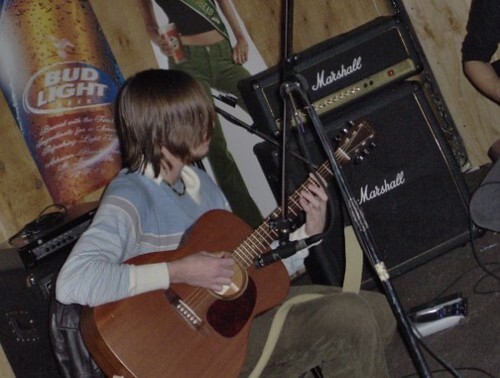
1. I’ve loved all of Keum Suk Gendry-Kim’s graphic novels and learn a lot from them.
2. Dave Schaafsma 5 starred it in his review and he is the gold standard of graphic novel recs.
3. My band in college was named The Naked Trees after something I said while stoned so I’m sure I’m bound by library ethics laws to read it. Flashback to then:

November 19, 2023
Keum Suk Gendry-Kim adapts a 1970 novel by Park Wan-suh, The Naked Tree, into a graphic novel, injecting elements of the author's real life into an original framing sequence to emphasize the roman à clef nature of the work.
In the midst of the Korean War, a Korean woman in her early twenties works in a safe zone of Seoul at a booth at an American PX shilling souvenir portraits on scarves painted by some artisans who work on-site from snapshots provided by the clientele. She quickly develops a crush on one of the painters – who is a tortured soul destined to become become an acclaimed artist, not just a piecework craftsman – and pins on him all her dreams of escaping the dreary life of grief she shares with her widowed mother and compares to the lives of the other women around her.
It's a mild but engaging bit of coming-of-age drama playing out with some inevitable predictability but offering a rare and precious perspective of one America's several forgotten wars.
(Best Graphic Novels of 2023 Project: I'm trying to read all the books on the Washington Post 10 Best Graphic Novels of 2023 list. Four down, six to go! How many have you read?)
FOR REFERENCE:
Contents:
• The Naked Tree Lives Again / Ho Won-sook [daughter of Park Wan-suh]
• Prologue
• 1951
• Ok Huido
• Demands
• Chimpanzee
• Family
• Crossed Paths
• Women You Can Buy and Women You Can't Buy
• Crimson Gingko Leaves
• The Naked Tree
• Epilogue
• Artists I Have Loved / Keum Suk Gendry-Kim
In the midst of the Korean War, a Korean woman in her early twenties works in a safe zone of Seoul at a booth at an American PX shilling souvenir portraits on scarves painted by some artisans who work on-site from snapshots provided by the clientele. She quickly develops a crush on one of the painters – who is a tortured soul destined to become become an acclaimed artist, not just a piecework craftsman – and pins on him all her dreams of escaping the dreary life of grief she shares with her widowed mother and compares to the lives of the other women around her.
It's a mild but engaging bit of coming-of-age drama playing out with some inevitable predictability but offering a rare and precious perspective of one America's several forgotten wars.
(Best Graphic Novels of 2023 Project: I'm trying to read all the books on the Washington Post 10 Best Graphic Novels of 2023 list. Four down, six to go! How many have you read?)
FOR REFERENCE:
Contents:
• The Naked Tree Lives Again / Ho Won-sook [daughter of Park Wan-suh]
• Prologue
• 1951
• Ok Huido
• Demands
• Chimpanzee
• Family
• Crossed Paths
• Women You Can Buy and Women You Can't Buy
• Crimson Gingko Leaves
• The Naked Tree
• Epilogue
• Artists I Have Loved / Keum Suk Gendry-Kim

December 4, 2021
Una novela gráfica basada en un clásico de la literatura surcoreana. Una historia basada en hechos reales vividos por la escritora.
En cualquier idioma y en cualquier país las guerras no son buenas para nadie, todo el mundo sufre. En este caso, aparte de transcurrir la historia durante la guerra civil de Corea, la autora nos cuenta muchas más cosas: la culpa, el miedo, la pena, el hambre, la desidia, el amor.
Una novela con pocos personajes pero muy bien definidos. Aunque es una novela gráfica y, como la misma ilustradora indica, refleja las partes que más le gustaron de la novela, se define claramente todo lo que la novelista quería reflejar.
Me ha gustado mucho la historia y me ha dado ganas de leer la novela para conocer más en profundidad la vida de la autora y datos sobre la guerra civil de Corea que, aunque sólo duro treinta y seis meses en los años cincuenta, ha mantenido la separación para siempre de las dos Coreas. Un acontecimiento que ha sido olvidado y eclipsado por otros acontecimientos históricos.
En cualquier idioma y en cualquier país las guerras no son buenas para nadie, todo el mundo sufre. En este caso, aparte de transcurrir la historia durante la guerra civil de Corea, la autora nos cuenta muchas más cosas: la culpa, el miedo, la pena, el hambre, la desidia, el amor.
Una novela con pocos personajes pero muy bien definidos. Aunque es una novela gráfica y, como la misma ilustradora indica, refleja las partes que más le gustaron de la novela, se define claramente todo lo que la novelista quería reflejar.
Me ha gustado mucho la historia y me ha dado ganas de leer la novela para conocer más en profundidad la vida de la autora y datos sobre la guerra civil de Corea que, aunque sólo duro treinta y seis meses en los años cincuenta, ha mantenido la separación para siempre de las dos Coreas. Un acontecimiento que ha sido olvidado y eclipsado por otros acontecimientos históricos.

September 11, 2024
Keum Suk Gendry-Kim adapts the novel by by Park Wan-Suh originally printed in 1970. It's a coming-of-age story in war time Korea - a slightly fictional account of her time as a street vendor selling custom portraits to American GIs. She starts to have feelings for one of the painters Ok who would rather spend his time creating original pieces of art not using his talents to make a buck.
Although I haven't read the original, Gendry-Kim's adaptation was incredible. She bookmarks the original tale with the character's real-life counterparts opening with when the author Park Wan-Suh is inspired to write the novel and ending with her and her partner attending (the real life counterpart of Ok) funeral. Gendry-Kim blends in some of the real painting into the story (I could have used more because they looked really interesting). The essay material really helped appreciate the story as well.
The story sketches a moving depiction of Korea in the 50s, Lee Kyung's relationship with GIs, her aging mother still reeling from the death of her two sons, and trying to find her own identity.
This is the third graphic novel by Gendry-Kim that I've really enjoyed.
Although I haven't read the original, Gendry-Kim's adaptation was incredible. She bookmarks the original tale with the character's real-life counterparts opening with when the author Park Wan-Suh is inspired to write the novel and ending with her and her partner attending (the real life counterpart of Ok) funeral. Gendry-Kim blends in some of the real painting into the story (I could have used more because they looked really interesting). The essay material really helped appreciate the story as well.
The story sketches a moving depiction of Korea in the 50s, Lee Kyung's relationship with GIs, her aging mother still reeling from the death of her two sons, and trying to find her own identity.
This is the third graphic novel by Gendry-Kim that I've really enjoyed.

March 21, 2024
obrigada, obrigada, obrigada por trazerem os livros da keum suk gendry-kim para cá. eu cá aguento-me bem a lê-la em espanhol (as edições são lindíssimas), mas todes merecemos ler esta autora coreana 🖤
mais uma história baseada em factos verídicos. keum suk gendry-kim é mesmo a melhor a fazer uso da informação que encontra, retratando, assim, o contexto histórico da coreia como ninguém, revelando-nos a realidade das mulheres coreanas. mas, para além disso, é ótima a desnudar-nos personagens que, reais ou não – pouco importa –, são genuínas.
nas suas histórias sinto-me a aprender em cada detalhe. a aprender e a deslumbrar-me com a magnificência da sua arte. vemos as imagens movimentarem-se como se estivéssemos a ver um filme: é mágico. o movimento das suas ilustrações é mágico, belíssimo e traz uma vida que nem sempre encontro nas bandas desenhadas que leio.
situado em 1950, quando começa a guerra da coreia, este livro – adaptação do romance coreano homónimo de park wan-suh – conta-nos a história de kyung, uma jovem de vinte anos que trabalha como vendedora numa loja do exército americano. aqui conhece ok heedo, um pintor refugiado do norte. no meio do despertar desta paixão são-nos revelados os traumas da nossa protagonista e o impacto da guerra na sua vida e na das pessoas ao seu redor.
“a árvore despida” é uma história de autodescoberta que explora a complexidade das relações familiares, a solidão e a busca pela conexão humana, o luto, a importância da memória e como esta influencia o presente, a arte.
presenteia-nos com a dualidade desespero-esperança, feio-belo, que tão bem é representada pelas ilustrações de keum suk, carregadas de negro, refletindo o peso emocional e a melancolia da narrativa, e expandidas por imagens da natureza, preenchidas com luz, criando um contraste visual incrível e tão característico das suas obras.
mais uma BD que posso recomendar. eu adoro-a! está claro, não está?
—
leitura extra #koreanmarch para a minha iniciativa #perpetuandoaasia 🫰🏼
mais uma história baseada em factos verídicos. keum suk gendry-kim é mesmo a melhor a fazer uso da informação que encontra, retratando, assim, o contexto histórico da coreia como ninguém, revelando-nos a realidade das mulheres coreanas. mas, para além disso, é ótima a desnudar-nos personagens que, reais ou não – pouco importa –, são genuínas.
nas suas histórias sinto-me a aprender em cada detalhe. a aprender e a deslumbrar-me com a magnificência da sua arte. vemos as imagens movimentarem-se como se estivéssemos a ver um filme: é mágico. o movimento das suas ilustrações é mágico, belíssimo e traz uma vida que nem sempre encontro nas bandas desenhadas que leio.
situado em 1950, quando começa a guerra da coreia, este livro – adaptação do romance coreano homónimo de park wan-suh – conta-nos a história de kyung, uma jovem de vinte anos que trabalha como vendedora numa loja do exército americano. aqui conhece ok heedo, um pintor refugiado do norte. no meio do despertar desta paixão são-nos revelados os traumas da nossa protagonista e o impacto da guerra na sua vida e na das pessoas ao seu redor.
“a árvore despida” é uma história de autodescoberta que explora a complexidade das relações familiares, a solidão e a busca pela conexão humana, o luto, a importância da memória e como esta influencia o presente, a arte.
presenteia-nos com a dualidade desespero-esperança, feio-belo, que tão bem é representada pelas ilustrações de keum suk, carregadas de negro, refletindo o peso emocional e a melancolia da narrativa, e expandidas por imagens da natureza, preenchidas com luz, criando um contraste visual incrível e tão característico das suas obras.
mais uma BD que posso recomendar. eu adoro-a! está claro, não está?
—
leitura extra #koreanmarch para a minha iniciativa #perpetuandoaasia 🫰🏼
February 12, 2024
A vigorous and evocative adaptation of a novel I haven't read, set amid the Korean War, in which so much is lost by so many. The narrator is a resourceful young woman who oversees a couple of "signies," artists whom American GIs pay to paint (usually on scarves) portraits of their sweethearts back home. My one complaint is the framing device, which makes Park (the original novelist) a character—it's needlessly fussy, and adds a layer of confusion (on the naming level). Sharp and memorable, it's of a piece with Gendry-Kim's two other books published here, GRASS and THE WAITING—together they form a sort of extended threnody on Korea's painful 20th century history.
September 6, 2023
This is a touching graphic novel about the ugly toll war takes on the everyday people caught up in its machinations, as well as the struggle to maintain some sort of a semblance of a normal life when things are falling apart around you.
I wasn't a huge fan of the illustration style; some of the side characters resembled Saturday morning cartoon villains and did not seem to fit in with the universe of this novel.
I wasn't a huge fan of the illustration style; some of the side characters resembled Saturday morning cartoon villains and did not seem to fit in with the universe of this novel.
January 19, 2026
Es una adaptación de una novela y creo que te da menos hostia emocional (muy a mi pesar) que Hierba, La espera y Mañana será otro día (que los disfruté muchísimo). Valoro lo que cuenta y el símbolo del árbol pero yo no he llegado a conectar del todo. 🤷🏽♀️

June 21, 2023
Retomo, a una de mis autores favoritas de novela gráfica Coreana, en esta nueva historia, la autora sigue con una trama de denuncia social, y más aún que puede darle diferentes lecturas.
En si "El árbol desnudo" es una reinterpretación de la obra original coreana de Park Wan Seo, que nos relata su vivencia más íntima al estar enamorada de un pintor norcoreano llamado Park Soo Geun, el cual es autor de el " Árbol Desnudo" una obra que retrata el amor de este hombre por dos mujeres (según la interpretación que es la autora) y también el como se conocieron en un contexto histórico, dónde La Guerra de Corea sigue latente en la memoria de el pueblo asiático.
Esta reinterpretación tiene varias lecturas magníficas, que la misma autora Keum Suk Gendry Kim va desglosando a lo largo de los majestuosos nueve capítulos, y dónde conocemos a cada uno de estos personajes, sobretodo en sus momentos más oscuros, en dónde Park Soo sufrirá por ese enfrentamiento con su madre , la muerte sus hermanos y el enamorarse de ese pintor, harán algo tan profunda está Historia.
El contexto histórico es un punto clave en dónde podemos ver qué la sociedad coreana está sumida en la pobreza y dónde , buscan sobrevivir, y tratan de sobrevivir con las pequeñas aportaciones que hace el ejército Norteamericano. Aunque quisiera comentar más y dar spoilers, está obra es un homenaje previo a lo que es "La Espera" y dónde Keum Suk Gendry-Kim , nos deja un mensaje claro de que " La Guerra de Corea " no ha terminado.
En si "El árbol desnudo" es una reinterpretación de la obra original coreana de Park Wan Seo, que nos relata su vivencia más íntima al estar enamorada de un pintor norcoreano llamado Park Soo Geun, el cual es autor de el " Árbol Desnudo" una obra que retrata el amor de este hombre por dos mujeres (según la interpretación que es la autora) y también el como se conocieron en un contexto histórico, dónde La Guerra de Corea sigue latente en la memoria de el pueblo asiático.
Esta reinterpretación tiene varias lecturas magníficas, que la misma autora Keum Suk Gendry Kim va desglosando a lo largo de los majestuosos nueve capítulos, y dónde conocemos a cada uno de estos personajes, sobretodo en sus momentos más oscuros, en dónde Park Soo sufrirá por ese enfrentamiento con su madre , la muerte sus hermanos y el enamorarse de ese pintor, harán algo tan profunda está Historia.
El contexto histórico es un punto clave en dónde podemos ver qué la sociedad coreana está sumida en la pobreza y dónde , buscan sobrevivir, y tratan de sobrevivir con las pequeñas aportaciones que hace el ejército Norteamericano. Aunque quisiera comentar más y dar spoilers, está obra es un homenaje previo a lo que es "La Espera" y dónde Keum Suk Gendry-Kim , nos deja un mensaje claro de que " La Guerra de Corea " no ha terminado.
February 28, 2024
picked this one off the new book shelf at the library, if i had known it was a graphic novel retelling of a korean classic, i probably wouldn't have done so? which would have been a shame, bc this one is quite good! i tend to avoid graphic novel retellings - i always get it in my head i'm going to read the original at some point. this is a really good graphic novel though, and while it doesn't make me want to explore the original, it definitely paints a very painful, aching, story of war-torn korea. the illustrations and the emotions they evoke really amplifies the story. it's uncomfortable and unsettling and melancholy, but it holds beautiful seeds of humanity in fragile hand and i was really impressed.

July 7, 2024
Nesta adaptação gráfica de um conhecido romance da autoria de uma escritora coreana, conseguimos entender toda a vivência de um juventude "inquieta" no pós-Segunda Guerra Mundial ou, para ser ainda mais preciso, no pós-Guerra da Coreia (1950-1951), a qual deu origem àquilo que durante décadas ficou conhecida como Guerra Fria.
Acompanhamos a vida de uma jovem de 20 anos que se apaixona por um pintor mais velho casado e com filhos. Um amor quena sua origem não parece estar destinado a vingar...
O tom da história é melancólico e nostálgico, o que não deixa de ser adequado para aquilo que se está a contar. Esse tom triste acaba por dar um certo "realismo" aos desenhos de Keum Suk Gendry-Kim (que são tendencialmente abstractos).
Acompanhamos a vida de uma jovem de 20 anos que se apaixona por um pintor mais velho casado e com filhos. Um amor quena sua origem não parece estar destinado a vingar...
O tom da história é melancólico e nostálgico, o que não deixa de ser adequado para aquilo que se está a contar. Esse tom triste acaba por dar um certo "realismo" aos desenhos de Keum Suk Gendry-Kim (que são tendencialmente abstractos).
March 21, 2023
Encara que l'estil naïf em provocava reticència, m'he deixat seduir per la senzillesa del blanc i negre, les ombres i la representació pausada, fins i tot quan els esdeveniments o els sentiments es precipiten. La història, ambientada en la guerra de Corea, és molt previsible, però al darrere hi ha motius universals. M'ha captivat la manera de dibuixar la natura, tan sensible i delicada. Com pot ser que unes fulles de ginkgo o la silueta d'un arbre nu puguen transmetre tant de dolor i tanta humanitat?
«Les draps trempés de sang rouge, presque noir. Des tâches de sang rouge sur le sol et le mur. Des morceaux de chair éparpillés ici et là qui semblaient s'agiter comme s'ils s'accrochaient encore à la vie.»
«Les draps trempés de sang rouge, presque noir. Des tâches de sang rouge sur le sol et le mur. Des morceaux de chair éparpillés ici et là qui semblaient s'agiter comme s'ils s'accrochaient encore à la vie.»

August 13, 2023
(I received this book from the editor and NetGalley in exchange for an honest review)
The naked tree by Keum Suk Gendry-Kim is a very sensitive and profoundly intimate coming-of-age story surrounded by an adjacent war and the turmoil of a broken family.
When protagonist Lee Kyung was twenty years old, she sold hand-painted portraits to American soldiers while trying to find a way to bee free in a saddened and shadowy household where no man was still lived. A dull, repetitive life until northerner Ok Huido came looking for a job and the initial indifference turned into friendship and then into the first strokes of desire for a girl lost in the day-to-day routine.
They way in which author Keum Suk Gendry-Kim both describes and draws realism is just mesmerizing. The reader gets to get very intimate with the characters, their emotions and their fears. With the slow movement of each panel, the reader gets to appreciate every little detail, every wrinkle in Lee Kyung’s mother’s mouth, every gesture. Even the cold seems to go beyond the page. Thus, the story never feels stagnant and each chapter is just a new opportunity to walk those streets or watch the little monkey dance.
I would also like to mention the translation by Janet Hong. It feels very agile and true. The decision of leaving some of the words in Korean and the translation in a footnote makes some of the conversations feel more genuine, somehow. I do not know if the little footnotes explaining some of the cultural facts are a decision by the translator or if they were already present in the original, but are a huge help.
Keum Suk Gendry-Kim has been critically acclaimed for her other works, and I think The Naked Tree consolidates her as one of the best story-tellers in recent years.
The naked tree by Keum Suk Gendry-Kim is a very sensitive and profoundly intimate coming-of-age story surrounded by an adjacent war and the turmoil of a broken family.
When protagonist Lee Kyung was twenty years old, she sold hand-painted portraits to American soldiers while trying to find a way to bee free in a saddened and shadowy household where no man was still lived. A dull, repetitive life until northerner Ok Huido came looking for a job and the initial indifference turned into friendship and then into the first strokes of desire for a girl lost in the day-to-day routine.
They way in which author Keum Suk Gendry-Kim both describes and draws realism is just mesmerizing. The reader gets to get very intimate with the characters, their emotions and their fears. With the slow movement of each panel, the reader gets to appreciate every little detail, every wrinkle in Lee Kyung’s mother’s mouth, every gesture. Even the cold seems to go beyond the page. Thus, the story never feels stagnant and each chapter is just a new opportunity to walk those streets or watch the little monkey dance.
I would also like to mention the translation by Janet Hong. It feels very agile and true. The decision of leaving some of the words in Korean and the translation in a footnote makes some of the conversations feel more genuine, somehow. I do not know if the little footnotes explaining some of the cultural facts are a decision by the translator or if they were already present in the original, but are a huge help.
Keum Suk Gendry-Kim has been critically acclaimed for her other works, and I think The Naked Tree consolidates her as one of the best story-tellers in recent years.

March 6, 2025
Adaptação para Novela Gráfica da obra coreana com o mesmo nome, de Park Wan-Seo, de 1970 (não existe edição em português).
É um relato autobiográfico do quotidiano da autora e das suas relações (familiares, profissionais e outras) em Seul, em 1950/52, durante a terrível guerra civil da Coreia. O início não é muito apelativo mas rapidamente se desenvolve e ganha autenticidade com uma mistura muito bem conseguida de emoção, melancolia, desespero e esperança.
A arte gráfica está ao nível habitual de Keum Suk Gendry-Kim, num preto e branco forte e marcante, que talvez não seja consensual, mas que eu aprecio.
A edição cartonada da Levoir é de qualidade e inclui alguma documentação sobre a obra, a autora e a guerra da Coreia que é bastante interessante. Infelizmente existem demasiados erros de ortografia, alguns tão gritantes e significativos que indiciam que a obra não teve qualquer revisão, o que é inaceitável.
Classificação: 8 / 10
É um relato autobiográfico do quotidiano da autora e das suas relações (familiares, profissionais e outras) em Seul, em 1950/52, durante a terrível guerra civil da Coreia. O início não é muito apelativo mas rapidamente se desenvolve e ganha autenticidade com uma mistura muito bem conseguida de emoção, melancolia, desespero e esperança.
A arte gráfica está ao nível habitual de Keum Suk Gendry-Kim, num preto e branco forte e marcante, que talvez não seja consensual, mas que eu aprecio.
A edição cartonada da Levoir é de qualidade e inclui alguma documentação sobre a obra, a autora e a guerra da Coreia que é bastante interessante. Infelizmente existem demasiados erros de ortografia, alguns tão gritantes e significativos que indiciam que a obra não teve qualquer revisão, o que é inaceitável.
Classificação: 8 / 10

December 14, 2023
Obviously a passionately crafted adaptation of an esteemed 1970 novel/memoir of a family dealing with devastation during the Korean War. The author/artist does a very commendable job capturing a young woman in the throes of her first crushes and pained longing for independence in the shadow of war. To be honest, I found the ending a bit confusing, probably due to the sketchy nature of the characterizations.

January 2, 2024
Vuosi 2024 käyntiin korealaisella sarjakuvalla. Keum Suk Gendry-Kimin "The Naked Tree" pohjautuu Park Wan-suhin vuonna 1970 julkaistuun samannimiseen romaaniin. Sota vie nuorelta Kyeongalta niin opiskelupaikan kuin veljen. Äiti on surun murtama ja Kyeongan tehtäväksi jää kaksihenkisen perheen elättäminen. Ihastuminen ja sen tuoma pako arjesta vievät Kyeongaa kuitenkin elämässä eteenpäin, vaikka trauma piilottelee taustalla.Teos on niin tarinallisesti kuin kuvallisestikin hieno kokonaisuus aikuiseksi kasvamisesta vaikeana aikana. Täytynee etsiä myös alkuperäinen romaani luettavaksi :)
July 9, 2024
More a 3.5 or 3.25. Had some really strong characters and chapters, but the ending felt dissatisfying.
Edit: I’ll add that the book also sparked in me a desire to search out more historical fiction as it conveyed really well the lived space of this time.
Edit: I’ll add that the book also sparked in me a desire to search out more historical fiction as it conveyed really well the lived space of this time.


January 8, 2024
Another set of eyes on the forgotten war.

March 26, 2024
4.5 stars
January 14, 2025
My favorite part was the few photographs at the end with the actual people.

November 30, 2024
I haven't read a graphic novel in a while (or ever?) but this quick read was a perfect and semi-incidental book to read following The Living Reed. I thought I was likely going to be traveling to Korea in 2025 so I added these books to my list. I won't be traveling there now but I enjoyed learning a little more about the history of the country. The Living Reed ends with the end of WWII, and this starts in 1951, in the midst of the Korean War. This is adapted from a full novel, and I really appreciated the somber story, reading about the emotions of a young woman frustrated and heartbroken by her circumstances, and especially learning that the original story was inspired by real life people.
Read
December 18, 2025Keum Suk Gendry-Kim nunca falla. Siempre excepcional a la hora de expresar los traumas de la guerra a través del dibujo, ya sea trabajo original o una adaptación de otra obra como es este caso.

April 12, 2026
Muito bonito este livro ! Tem uma história triste, mas bela 💙 Vale a pena ler, ver e aprender um bocadinho mais sobre a Guerra da Coreia (4,4*)

September 24, 2024
I love the creativity of graphic novels. Not much to say about this one. It was an enjoyable story. But that’s all I have to say about it. My socks were not knocked off. 3 stars (maybe 3.5)

September 4, 2024
I keep reading Keum Suk Gendry-Kim's works because they're acclaimed, but they're so, so dull. Maybe something is getting lost in translation for me. In the case of The Naked Tree, there are two levels of translation as Gendry-Kim is translating a classic Korean novel into the graphic format for English readers.
The story presents an interesting glimpse of life in Seoul in the midst of the Korean war. So, the history elements are solid. But the fictional narrative elements are extremely bland. A young woman struggles with her feelings for an older artistic stranger as she also struggles with family trauma from the war. The family trauma is bottled up, unrevealed until the very end. Every character is a cipher. The simplistic art doesn't engage. Not for me.
The story presents an interesting glimpse of life in Seoul in the midst of the Korean war. So, the history elements are solid. But the fictional narrative elements are extremely bland. A young woman struggles with her feelings for an older artistic stranger as she also struggles with family trauma from the war. The family trauma is bottled up, unrevealed until the very end. Every character is a cipher. The simplistic art doesn't engage. Not for me.

October 5, 2025
Nesta novela gráfica que é uma adaptação da obra literária de Park Wan-Seo conta-nos a história de Kyung que é vendedora numa loja do exército americano.
A ação passa-se durante a Guerra da Coreia onde se vivia miseravelmente para sobreviver.
Kyung vive só com a sua mãe e a relação entre ambas não é a melhor.
Senti muita tristeza ao longo da história, sobretudo por ver o quão solitária era a vida de Kyung.
No dia em que conhece o sr Ok parece que as coisas vão tomar um novo rumo e surge a esperança num final feliz para aquela rapariga de 20 anos.
Gostei muito da história e dos desenhos pois transparecem muito bem os sentimentos das personagens.
Encontrei vários erros e isso tornou a leitura menos agradável.
A ação passa-se durante a Guerra da Coreia onde se vivia miseravelmente para sobreviver.
Kyung vive só com a sua mãe e a relação entre ambas não é a melhor.
Senti muita tristeza ao longo da história, sobretudo por ver o quão solitária era a vida de Kyung.
No dia em que conhece o sr Ok parece que as coisas vão tomar um novo rumo e surge a esperança num final feliz para aquela rapariga de 20 anos.
Gostei muito da história e dos desenhos pois transparecem muito bem os sentimentos das personagens.
Encontrei vários erros e isso tornou a leitura menos agradável.
February 20, 2025
I had never heard of the novel which was the base for this graphic novel. So the introduction by the original author's daughter was useful in providing some context for the story - and so was the afterword by the author of this book. Not that the story does not work on its own - but adding the details allow some cultural and historical details to be fleshed out.
The graphic novel starts with the death of a painter and ends with a posthumous exhibit of the painter's works. The only color in the graphic novel is in that final exhibit - showing the actual art of Park Su-geun. In between the two events, a woman tells a story of the war-time Korea - when she fell in love with the painter. The original novel was that middle part only - the fictionalized story which Pak Wan-So published in 1970 - the framing story belongs only to this adaptation. And it helps frame the otherwise bleak story.
There may be a love story somewhere in there but the whole of it is not really a love story. Instead it is a story of the horror of the Korean war - using both the story of the young girl who falls for the older painter and the different characters' memories. It is as bleak of a story as possible - with deaths not always ending up the biggest tragedy. It paints a world that does not exist anymore - where the traditions and the norms are changing while people still try to hold onto what they know. And somewhere in the North, the war keeps raging.
Korean graphic novels have a very specific style which rarely works for me. It works here to a point but I almost wish it was drawn in a more realistic style (mind you, it is realistic enough in places). But the story itself and the grimness of their circumstances (even when they find a reason to laugh) carries the book.
I am still debating if I want to read the original novel which this one adapted. On one hand, now I know the story but I am also curious to see just how different they may be and how some of the imagery was shown through words.
If you are interested in different cultures and you do not mind the graphic novel format, you may want to give this one a chance. But do not expect happy endings or a lot of hope.
The graphic novel starts with the death of a painter and ends with a posthumous exhibit of the painter's works. The only color in the graphic novel is in that final exhibit - showing the actual art of Park Su-geun. In between the two events, a woman tells a story of the war-time Korea - when she fell in love with the painter. The original novel was that middle part only - the fictionalized story which Pak Wan-So published in 1970 - the framing story belongs only to this adaptation. And it helps frame the otherwise bleak story.
There may be a love story somewhere in there but the whole of it is not really a love story. Instead it is a story of the horror of the Korean war - using both the story of the young girl who falls for the older painter and the different characters' memories. It is as bleak of a story as possible - with deaths not always ending up the biggest tragedy. It paints a world that does not exist anymore - where the traditions and the norms are changing while people still try to hold onto what they know. And somewhere in the North, the war keeps raging.
Korean graphic novels have a very specific style which rarely works for me. It works here to a point but I almost wish it was drawn in a more realistic style (mind you, it is realistic enough in places). But the story itself and the grimness of their circumstances (even when they find a reason to laugh) carries the book.
I am still debating if I want to read the original novel which this one adapted. On one hand, now I know the story but I am also curious to see just how different they may be and how some of the imagery was shown through words.
If you are interested in different cultures and you do not mind the graphic novel format, you may want to give this one a chance. But do not expect happy endings or a lot of hope.
Displaying 1 - 30 of 133 reviews