

What do you think?

Martian Time-Slip
Martian Time-Slip is a novel about a colony on Mars. It also includes themes of mental illness, temporal physics & the dangers of centralized authority. It expands the novella All We Marsmen, published in the August, October & December '63 issues of Worlds of Tomorrow. Manfred Steiner is like Tim in the '54 story A World of Talent published in Galaxy Science Fiction.
Events occur several years after colonies are established. Many colonies identify with states--the USA & Israel's are largest--but are under ultimate UN control. The UN seeks to establish self-sufficiency because of fears of nuclear war.
Rare, water is tightly controlled. Most homes are built near canals. Arnie Kott, Water Worker’s Union head, is perhaps the most politically powerful individual. Mars’ native population is a dark humanoid called Bleekmen. They live as simple hunters & gatherers maintaining ancient religious beliefs. Colonists see them as primitive.
The characters are often connected unawares, a Dick trademark. Jack Bohlen's neighbors are the Steiners. Norbert Steiner is a dealer in local craft goods & Earth foods, smuggled because the UN forbids food imports to force self-sufficiency. Manfred, his autistic son, resides at the anomalous children's home, Camp Ben-Gurion, soon to be closed. Another resident is the son of Anne Esterhazy & her ex-husband, union boss Kott. They've a cordial businesslike relationship, Anne dealing with the day to day issues of the children at Camp B-G while Kott sees its existence as discouraging new colonists, impeding his vision of a new Mars. Otto Zitte is Norbert Steiner's mechanic who attempts to take over the business after Steiner's suicide. Zitte, acting as his own traveling salesman, seduces Sylvia Bohlen, Jack's wife, while Jack is having an affair with Doreen Anderton, Kott's mistress. Isolated from humans, Manfred connects with the Bleekmen, especially Heliogabalus, Kott's cook. He achieves his salvation thru the Bleekmen, with Jack's unwitting help.
Cover Illustration: Ralph Brillhart
Events occur several years after colonies are established. Many colonies identify with states--the USA & Israel's are largest--but are under ultimate UN control. The UN seeks to establish self-sufficiency because of fears of nuclear war.
Rare, water is tightly controlled. Most homes are built near canals. Arnie Kott, Water Worker’s Union head, is perhaps the most politically powerful individual. Mars’ native population is a dark humanoid called Bleekmen. They live as simple hunters & gatherers maintaining ancient religious beliefs. Colonists see them as primitive.
The characters are often connected unawares, a Dick trademark. Jack Bohlen's neighbors are the Steiners. Norbert Steiner is a dealer in local craft goods & Earth foods, smuggled because the UN forbids food imports to force self-sufficiency. Manfred, his autistic son, resides at the anomalous children's home, Camp Ben-Gurion, soon to be closed. Another resident is the son of Anne Esterhazy & her ex-husband, union boss Kott. They've a cordial businesslike relationship, Anne dealing with the day to day issues of the children at Camp B-G while Kott sees its existence as discouraging new colonists, impeding his vision of a new Mars. Otto Zitte is Norbert Steiner's mechanic who attempts to take over the business after Steiner's suicide. Zitte, acting as his own traveling salesman, seduces Sylvia Bohlen, Jack's wife, while Jack is having an affair with Doreen Anderton, Kott's mistress. Isolated from humans, Manfred connects with the Bleekmen, especially Heliogabalus, Kott's cook. He achieves his salvation thru the Bleekmen, with Jack's unwitting help.
Cover Illustration: Ralph Brillhart
220 pages, Mass Market Paperback
First published April 1, 1964
About the author
Philip K. Dick
1,947 books23.3k followersPhilip Kindred Dick was a prolific American science fiction author whose work has had a lasting impact on literature, cinema, and popular culture. Known for his imaginative narratives and profound philosophical themes, Dick explored the nature of reality, the boundaries of human identity, and the impact of technology and authoritarianism on society. His stories often blurred the line between the real and the artificial, challenging readers to question their perceptions and beliefs.
Raised in California, Dick began writing professionally in the early 1950s, publishing short stories in various science fiction magazines. He quickly developed a distinctive voice within the genre, marked by a fusion of science fiction concepts with deep existential and psychological inquiry. Over his career, he authored 44 novels and more than 100 short stories, many of which have become classics in the field.
Recurring themes in Dick's work include alternate realities, simulations, corporate and government control, mental illness, and the nature of consciousness. His protagonists are frequently everyday individuals—often paranoid, uncertain, or troubled—caught in surreal and often dangerous circumstances that force them to question their environment and themselves. Works such as Ubik, The Three Stigmata of Palmer Eldritch, and A Scanner Darkly reflect his fascination with perception and altered states of consciousness, often drawing from his own experiences with mental health struggles and drug use.
One of Dick's most influential novels is Do Androids Dream of Electric Sheep?, which served as the basis for Ridley Scott's iconic film Blade Runner. The novel deals with the distinction between humans and artificial beings and asks profound questions about empathy, identity, and what it means to be alive. Other adaptations of his work include Total Recall, Minority Report, A Scanner Darkly, and The Man in the High Castle, each reflecting key elements of his storytelling—uncertain realities, oppressive systems, and the search for truth. These adaptations have introduced his complex ideas to audiences well beyond the traditional readership of science fiction.
In the 1970s, Dick underwent a series of visionary and mystical experiences that had a significant influence on his later writings. He described receiving profound knowledge from an external, possibly divine, source and documented these events extensively in what became known as The Exegesis, a massive and often fragmented journal. These experiences inspired his later novels, most notably the VALIS trilogy, which mixes autobiography, theology, and metaphysics in a narrative that defies conventional structure and genre boundaries.
Throughout his life, Dick faced financial instability, health issues, and periods of personal turmoil, yet he remained a dedicated and relentless writer. Despite limited commercial success during his lifetime, his reputation grew steadily, and he came to be regarded as one of the most original voices in speculative fiction. His work has been celebrated for its ability to fuse philosophical depth with gripping storytelling and has influenced not only science fiction writers but also philosophers, filmmakers, and futurists.
Dick's legacy continues to thrive in both literary and cinematic spheres. The themes he explored remain urgently relevant in the modern world, particularly as technology increasingly intersects with human identity and governance. The Philip K. Dick Award, named in his honor, is presented annually to distinguished works of science fiction published in paperback original form in the United States. His writings have also inspired television series, academic studies, and countless homages across media.
Through his vivid imagination and unflinching inquiry into the nature of existence, Philip K. Dick redefined what science fiction could achieve. His wor
Raised in California, Dick began writing professionally in the early 1950s, publishing short stories in various science fiction magazines. He quickly developed a distinctive voice within the genre, marked by a fusion of science fiction concepts with deep existential and psychological inquiry. Over his career, he authored 44 novels and more than 100 short stories, many of which have become classics in the field.
Recurring themes in Dick's work include alternate realities, simulations, corporate and government control, mental illness, and the nature of consciousness. His protagonists are frequently everyday individuals—often paranoid, uncertain, or troubled—caught in surreal and often dangerous circumstances that force them to question their environment and themselves. Works such as Ubik, The Three Stigmata of Palmer Eldritch, and A Scanner Darkly reflect his fascination with perception and altered states of consciousness, often drawing from his own experiences with mental health struggles and drug use.
One of Dick's most influential novels is Do Androids Dream of Electric Sheep?, which served as the basis for Ridley Scott's iconic film Blade Runner. The novel deals with the distinction between humans and artificial beings and asks profound questions about empathy, identity, and what it means to be alive. Other adaptations of his work include Total Recall, Minority Report, A Scanner Darkly, and The Man in the High Castle, each reflecting key elements of his storytelling—uncertain realities, oppressive systems, and the search for truth. These adaptations have introduced his complex ideas to audiences well beyond the traditional readership of science fiction.
In the 1970s, Dick underwent a series of visionary and mystical experiences that had a significant influence on his later writings. He described receiving profound knowledge from an external, possibly divine, source and documented these events extensively in what became known as The Exegesis, a massive and often fragmented journal. These experiences inspired his later novels, most notably the VALIS trilogy, which mixes autobiography, theology, and metaphysics in a narrative that defies conventional structure and genre boundaries.
Throughout his life, Dick faced financial instability, health issues, and periods of personal turmoil, yet he remained a dedicated and relentless writer. Despite limited commercial success during his lifetime, his reputation grew steadily, and he came to be regarded as one of the most original voices in speculative fiction. His work has been celebrated for its ability to fuse philosophical depth with gripping storytelling and has influenced not only science fiction writers but also philosophers, filmmakers, and futurists.
Dick's legacy continues to thrive in both literary and cinematic spheres. The themes he explored remain urgently relevant in the modern world, particularly as technology increasingly intersects with human identity and governance. The Philip K. Dick Award, named in his honor, is presented annually to distinguished works of science fiction published in paperback original form in the United States. His writings have also inspired television series, academic studies, and countless homages across media.
Through his vivid imagination and unflinching inquiry into the nature of existence, Philip K. Dick redefined what science fiction could achieve. His wor
Ratings & Reviews
Friends & Following
Create a free account to discover what your friends think of this book!
Community Reviews
Displaying 1 - 30 of 971 reviews

December 16, 2012
Martian Time Slip by Philip K. Dick, published in 1964, is one of PKDs better books.
Set on Mars, this is largely about Terran colonists taking care of business. Dick provides a snapshot of social, political and economic life on Mars. “Bleekmen” are the long suffering indigenous extra-terrestrial native Martians, cast aside like Native Americans and called the N word by a fat cat union boss.
Carrying on the tradition set by Robert A. Heinlein in Red Planet and Ray Bradbury’s The Martian Chronicles, PKD’s Mars is the remnant of an ancient, long lost civilization, and the present day Bleekmen are a shadowy vestige of a once proud race. But more than just a science fiction narrative about a colonist life on Mars, PKD provides close glimpses into the lives of the colonists and describes how human nature does not change. The Martian colonists continue to struggle with the same issues of jealousy, guilt, greed, and self-serving rationalization as people on earth do in the 60s when this was written and now, 50 years later – still relevant today.
This is good PKD, and a fan will notice many ubiquitous PKD elements such as schizophrenia and suicidal tendencies and yet another character as an appliance repairman. Like other great PKD books, I am left amazed that he was not more popular in his own lifetime. This is a vibrant, well-written narrative full of erudite observations and keen characterization. He was truly a great science fiction writer, one of the greatest, but also transcended the genre as a good writer in any venue.
*** 2023 reread -
PKD rarely disappoints and he most certainly does not in this 1964 publication.
I wrote the above review a few years ago and since then I have come to appreciate his writing even more.
First off, this made me consider that he wrote this as a response to Ray Bradbury’s Mars. To Bradbury, Mars was not so much the fourth planet, but the “other”. It was a setting for fantasy writing, which in Ray’s able hands meant that it was a vehicle for allegory and metaphor, not to be taken as a straight SF story. Ray could write, “and they got into the rocket and went to Mars” and it was not sloppy, fanciful SF but a fantastic way to view our world in the periphery, to glimpse our world from the shadows and penumbra of expressionist art.
So Phil crafted his Mars like Ray had, not as a distant and cold, uninhabitable place but sort of like an Iowa farm. Colonists from Earth can breathe and walk around unaided and Phil, like Ray had a few years before, used this easily disproven science fiction setting as a theatrical allegory to discuss subjects like colonization, immigration, racism, capitalism and social mores. And it is PKD after all so we also have schizophrenia, drug use, questioned reality and androids.
The Bleekmen.
Bradbury and Heinlein, and probably many other writers wrote about the Martian canals and described the lingering Martian race as the dying remnants of a once proud empire. Dick’s Martians, the Bleekmen, are portrayed as a poverty stricken indigenous people who are living out their existence trampled under the feet of the invading Earth colonists. But like the Fremen from Frank Herbert’s great writing, there is a lot more to the desert dwellers than meets the eye.
Herbert? Dune, you say? But Phil first published this in 1964 and Dune first came out in 1965. Are you actually suggesting that Frank Herbert was influenced by Philip K. Dick.
No, I’m not. But what I am suggesting is a literary gestalt, a synchronicity of psychological thought that had divergent origins but nonetheless creates a pattern that can be seen and identified. Consider that Lawrence of Arabia came out in 1962 and that the world witnessed, in the early sixties, a renaissance of thought revolving around Middle Eastern experience and how this culture was contrasted and compared to Western civilization.
Phil’s Bleekmen also reminded me of the Australian indigenous folks with their dream time and walk about sensibilities.
Finally, the character of Manfred Steiner as a schizophrenic, time traveling prophet joins other PKD players like Hoppy Harrington, Pris Stratton, and Barney Mayerson as deeply damaged but potent agents of change.
A MUST read for PKD fans and this would actually not be a bad introduction to new readers.

Set on Mars, this is largely about Terran colonists taking care of business. Dick provides a snapshot of social, political and economic life on Mars. “Bleekmen” are the long suffering indigenous extra-terrestrial native Martians, cast aside like Native Americans and called the N word by a fat cat union boss.
Carrying on the tradition set by Robert A. Heinlein in Red Planet and Ray Bradbury’s The Martian Chronicles, PKD’s Mars is the remnant of an ancient, long lost civilization, and the present day Bleekmen are a shadowy vestige of a once proud race. But more than just a science fiction narrative about a colonist life on Mars, PKD provides close glimpses into the lives of the colonists and describes how human nature does not change. The Martian colonists continue to struggle with the same issues of jealousy, guilt, greed, and self-serving rationalization as people on earth do in the 60s when this was written and now, 50 years later – still relevant today.
This is good PKD, and a fan will notice many ubiquitous PKD elements such as schizophrenia and suicidal tendencies and yet another character as an appliance repairman. Like other great PKD books, I am left amazed that he was not more popular in his own lifetime. This is a vibrant, well-written narrative full of erudite observations and keen characterization. He was truly a great science fiction writer, one of the greatest, but also transcended the genre as a good writer in any venue.
*** 2023 reread -
PKD rarely disappoints and he most certainly does not in this 1964 publication.
I wrote the above review a few years ago and since then I have come to appreciate his writing even more.
First off, this made me consider that he wrote this as a response to Ray Bradbury’s Mars. To Bradbury, Mars was not so much the fourth planet, but the “other”. It was a setting for fantasy writing, which in Ray’s able hands meant that it was a vehicle for allegory and metaphor, not to be taken as a straight SF story. Ray could write, “and they got into the rocket and went to Mars” and it was not sloppy, fanciful SF but a fantastic way to view our world in the periphery, to glimpse our world from the shadows and penumbra of expressionist art.
So Phil crafted his Mars like Ray had, not as a distant and cold, uninhabitable place but sort of like an Iowa farm. Colonists from Earth can breathe and walk around unaided and Phil, like Ray had a few years before, used this easily disproven science fiction setting as a theatrical allegory to discuss subjects like colonization, immigration, racism, capitalism and social mores. And it is PKD after all so we also have schizophrenia, drug use, questioned reality and androids.
The Bleekmen.
Bradbury and Heinlein, and probably many other writers wrote about the Martian canals and described the lingering Martian race as the dying remnants of a once proud empire. Dick’s Martians, the Bleekmen, are portrayed as a poverty stricken indigenous people who are living out their existence trampled under the feet of the invading Earth colonists. But like the Fremen from Frank Herbert’s great writing, there is a lot more to the desert dwellers than meets the eye.
Herbert? Dune, you say? But Phil first published this in 1964 and Dune first came out in 1965. Are you actually suggesting that Frank Herbert was influenced by Philip K. Dick.
No, I’m not. But what I am suggesting is a literary gestalt, a synchronicity of psychological thought that had divergent origins but nonetheless creates a pattern that can be seen and identified. Consider that Lawrence of Arabia came out in 1962 and that the world witnessed, in the early sixties, a renaissance of thought revolving around Middle Eastern experience and how this culture was contrasted and compared to Western civilization.
Phil’s Bleekmen also reminded me of the Australian indigenous folks with their dream time and walk about sensibilities.
Finally, the character of Manfred Steiner as a schizophrenic, time traveling prophet joins other PKD players like Hoppy Harrington, Pris Stratton, and Barney Mayerson as deeply damaged but potent agents of change.
A MUST read for PKD fans and this would actually not be a bad introduction to new readers.

August 18, 2017

"Death upsets everyone, makes them do peculiar things; it sets a radiating process of action and emotion going that works its way out, farther and farther, to embrace more people and things."
- Philip K. Dick, Martian Time-Slip
Dickheads of the world unite! You have nothing to lose but your minds! Go ahead, read Martian Time-Slip and push yourself to the limit - you are on Mars in the near future among colonies under the umbrella of the United Nations, colonies formed by citizens from such countries as Russia, Israel and the United States.
This framework is all the author needs to explore an entire range of very human topics, from the impact of technology on education to the consequences of limited water supply. Since the story is too vintage PKD over-the-top crazy and convoluted for any simple overview or synopsis, allow me instead to highlight a number of the many colorful characters and themes:
Jack Bohlen – An electronics machine repairman living with his wife and son out in the Martian desert, living very much like thousands of middle class suburban families back on earth. All the way to Mars for this? But the real action for Jack is on the inside – he has to deal with his past schizophrenia. While on a job at his son’s public school he has a flashback of a hallucination when he was in an interview with a personnel manager in California: he could see through the man’s skin to his skeleton where the bones were all connected by copper wire and all his internal organs were plastic and stainless steel. And this only for starters. Jack’s visions and hallucinations become more disturbing - his schizophrenia resurfaces and threatens to destroy his Martian life.

Arnie Kott –Blustering, self-absorbed business leader; it's as if PKD had a flash of insight into the future and anticipated a well known current-day president with the initials DT from the constant gush of harsh words issuing from his big mouth down to his fat white toes. Dickheads and Dickhead wannabes should most definitely put Martian Time-Slip at the top of their list for this reason alone. As anybody with a shred of aesthetic sense will undoubtedly realize, having someone like Arnie on Mars quickly turns the red planet into a red hell realm. And what ultimately happens to Arnie? PKD couldn’t hold back.
Doreen Anderton – Girlfriend of Arnie who comes to love Jack, a stunningly beautiful redhead who also is the novel’s most intelligent, perceptive, sensitive earthling on Mars. Doreen is particularly attuned to the dynamics of schizophrenia since she had a brother back on earth who suffered from the disorder and subsequently committed suicide. At one point, Doreen draws on her past observations of her schizophrenic brother to warn Jack of his possible psychic collapse unless he takes the necessary steps to stop work on his current project. A lovely young lady with wisdom and compassion - a fabulous combination. Thanks, Phil.
Bleakmen – The tribespeople living as hunter-gatherers on Mars for thousands of years prior to the arrival of anyone from earth. Their lands are stolen, their mystic beliefs ridiculed and their dignity denied. Some are taken on as slavelike cheap labor in homes, others to work deep underground in mines. Enough to send a few shivers up an anthropologist’s spine. However, the more we read, the more we come to appreciate the power and special insights of these Bleakmen.
Manfred Steiner - A ten-year-old autistic boy living at Camp Ben-Gurion along with other "anomalous children." Manfred neither speaks nor interacts with others; rather, he lives in his own world of highly accelerated time which enables him to see the future, an ability that makes him a valuable commodity for an enterprising land speculator like Arnie Kott. But how to communicate with Manfred? The more central Manfred becomes to the story, the more the plot warps in dark, eerie and even sinister ways.

Teaching Machines – Kids are taught at public school not by real teachers but teaching machines, lifelike copies, mental capacity included, of the likes of Aristotle, Lincoln, Edison and Twain. There’s even one of “Kindly Dad.” Jack resents these machines forcing sheeplike conformity on the children and tells “Kindly Dad” as much. One of the more hilarious sections; I reread several times.
Camp Ben-Gurion - A special school for "anomalous children," that is, children judged to have physical or mental or antisocial defects. All these defectives on Mars are a major drawback to marketing efforts to get more people to move to the red planet. One of the proposed solutions – kill off the defectives. Remind you of Nazi Germany? It should.
Time Chamber – A psychotherapist at Camp B-G by the name of Dr. Glaub explains a new Swiss theory about autistic children like Manfred, how such children experience time speeded up and how a chamber is being constructed to slow sights and sounds down for them. Remember this is science fiction and PKD squeezes the possibility of such a chamber for all its worth.
More Schizophrenic Visions – Distortions twist space and time, occasionally replaying time, and we glimpse schizophrenia from the inside with terrifying images of things like huge meat-eating birds in a decaying, rotting, death-filled world. Curiously, such apparitions and phantasms touch on the mystic rituals of the Bleakmen.
Highly recommended. After all, you have nothing to lose but your mind.

“I'm not much but I'm all I have.”
― Philip K. Dick, Martian Time-Slip

January 19, 2017
“Everything wears out eventually; nothing is permanent. Change is the one constant of life.”
― Philip K. Dick, Martian Time-Slip

Martian Time-Slip may not be one of Dick's BEST novels, but it is almost my favorite. There is a huge energy and vitality in it. Dick is painting with his usual themes (loneliness, madness, drugs, pre-cognition, time, artificial intelligence, the other, corporatism, love, etc), but there is nothing usual about what he extracts. The only thing missing from this book is GOD, but Dick will delve into that later in his career. He is starting to flirt with the surface with the mystical practices of the Bleekmen (Martians).
I was especially taken with the time he spent on autism and schizophrenia. This book was written in the 60s just as Autism was starting to be distinguished and separated from schizophrenia, (due to some poor phrasing in the 40s). Dick who suffered from his own mental health issues was probably VERY aware of autism since he was deeply curious about mental health. Anyway, he says it best:
“Purpose of life is unknown, and hence way to be is hidden from the eyes of living critters. Who can say if perhaps the schizophrenics are not correct? Mister, they take a brave journey. They turn away from mere things, which one may handle and turn to practical use; they turn inward to meaning. There, the black-night-without-bottom lies, the pit. Who can say if they will return? And if so, what will they be like, having glimpsed meaning? I admire them.”
― Philip K. Dick, Martian Time-Slip
Martian Time-Slip may not be one of Dick's BEST novels, but it is almost my favorite. There is a huge energy and vitality in it. Dick is painting with his usual themes (loneliness, madness, drugs, pre-cognition, time, artificial intelligence, the other, corporatism, love, etc), but there is nothing usual about what he extracts. The only thing missing from this book is GOD, but Dick will delve into that later in his career. He is starting to flirt with the surface with the mystical practices of the Bleekmen (Martians).
I was especially taken with the time he spent on autism and schizophrenia. This book was written in the 60s just as Autism was starting to be distinguished and separated from schizophrenia, (due to some poor phrasing in the 40s). Dick who suffered from his own mental health issues was probably VERY aware of autism since he was deeply curious about mental health. Anyway, he says it best:
“Purpose of life is unknown, and hence way to be is hidden from the eyes of living critters. Who can say if perhaps the schizophrenics are not correct? Mister, they take a brave journey. They turn away from mere things, which one may handle and turn to practical use; they turn inward to meaning. There, the black-night-without-bottom lies, the pit. Who can say if they will return? And if so, what will they be like, having glimpsed meaning? I admire them.”

October 17, 2018
It is characteristic of Philip K Dick's rather peculiar approach to narrative incident that he chooses to focus his story of Martian time-travel on the man in charge of the local Water Workers Union. You can be sure that if he'd ever written a book about the fateful Terra Nova Expedition to the South Pole, it would have concentrated on the travel agent that had arranged Scott's boat out of Southampton.
This one begins, then, a little slowly, and also has a few awkward traces of outdated sexual and racial attitudes that made me wonder if the whole thing would be a dud. But the weirdness that gradually intrudes on the plot makes it well worth a little patience – it's one of the clearest expressions of Dick's fixation on disturbed mental states that I've yet read.
The novel's most essential and enigmatic character is a small boy who is described as being ‘autistic’ or ‘schizophrenic’; we never really understand him, or hear his voice directly in any but the most confusing circumstances. It's not clear whether his diagnosis corresponds with how modern clinicians would use these medical terms, or whether it's some futuristic, sci-fi equivalent – but what is clear is that for Dick, these conditions are useful mainly as a shorthand for talking about alternative interpretations of reality.
In this case, the boy's untethering from time begins to affect those around him, with frightening results. The ‘time-slip’ of the title is well described – no controlled, organised time-travel here, but something much more chaotic and pathological. In one memorable scene, a woman who has so far been not much more than a sexy office bombshell type is suddenly seen to be a slab of inert meat, already dead, already infested:
Dick's rather flat, humourless style (four ‘eye’s in one sentence there!) works well for him in these passages, coming across as a kind of sickly, morbid repetition, a sense of picking at the same few concepts over and over again until they bleed. Behind all these visions and nightmares is a frank horror at the idea of entropic decay – encapsulated in this novel by the concept of ‘gubbish’, a sort of metaphysical grime that represents the end point of all matter, after time has done its long work.
It has strange similarities with The Crying of Lot 49 and other of Pynchon's early novels – with nothing like the same hallucinatory prose style, but capturing, perhaps with even more emotional immediacy, a similar terror about the inevitability of universal decomposition.
You can feel that there's still some trial and error going on here in terms of how he fits his plots together, but the concepts he's playing with in this one are riveting – and, you can't help sensing, of the deepest importance to the author. The Red Planet has rarely been such an eerie, unstable place, even for union reps.
This one begins, then, a little slowly, and also has a few awkward traces of outdated sexual and racial attitudes that made me wonder if the whole thing would be a dud. But the weirdness that gradually intrudes on the plot makes it well worth a little patience – it's one of the clearest expressions of Dick's fixation on disturbed mental states that I've yet read.
The novel's most essential and enigmatic character is a small boy who is described as being ‘autistic’ or ‘schizophrenic’; we never really understand him, or hear his voice directly in any but the most confusing circumstances. It's not clear whether his diagnosis corresponds with how modern clinicians would use these medical terms, or whether it's some futuristic, sci-fi equivalent – but what is clear is that for Dick, these conditions are useful mainly as a shorthand for talking about alternative interpretations of reality.
Instead of a psychosis, he had thought again and again, it was more on the order of a vision, a glimpse of absolute reality, with the façade stripped away.
In this case, the boy's untethering from time begins to affect those around him, with frightening results. The ‘time-slip’ of the title is well described – no controlled, organised time-travel here, but something much more chaotic and pathological. In one memorable scene, a woman who has so far been not much more than a sexy office bombshell type is suddenly seen to be a slab of inert meat, already dead, already infested:
Her eyes fused over, opaque, and from behind one eye the lashes became the furry, probing feet of a thick-haired insect stuck back there wanting to get out. Its tiny pin-head red eye peeped past the loose rim of her unseeing eye, and then withdrew; after that the insect squirmed, making the dead eye of the woman bulge, and then, for an instant, the insect peered through the lens of her eye…
Dick's rather flat, humourless style (four ‘eye’s in one sentence there!) works well for him in these passages, coming across as a kind of sickly, morbid repetition, a sense of picking at the same few concepts over and over again until they bleed. Behind all these visions and nightmares is a frank horror at the idea of entropic decay – encapsulated in this novel by the concept of ‘gubbish’, a sort of metaphysical grime that represents the end point of all matter, after time has done its long work.
Gubble, gubble gubble, the room said. The Gubbler is here to gubble gubble you and make you into gubbish.
It has strange similarities with The Crying of Lot 49 and other of Pynchon's early novels – with nothing like the same hallucinatory prose style, but capturing, perhaps with even more emotional immediacy, a similar terror about the inevitability of universal decomposition.
You can feel that there's still some trial and error going on here in terms of how he fits his plots together, but the concepts he's playing with in this one are riveting – and, you can't help sensing, of the deepest importance to the author. The Red Planet has rarely been such an eerie, unstable place, even for union reps.

February 11, 2016
“Gubble me more, she said. Gubble gubble me, put your gubbish into me, into my gubbish, you Gubbler. Gubble gubble, I like gubble! Don't stop. Gubble, gubble gubble gubble, gubble!”
That there is some beautiful dialogue from PKD’s wacky 1964 novel Martian Time-Slip. I remember reading this in the 80s but I have practically no memory of the plot. However, I do remember all this “Gubble gubble” business very vividly. There is a surreal hallucinatory feeling to it that I will never forget.
The title Martian Time-Slip is almost misleading. Yes, there are Martians in this book and there is an element of time travelling in the story but essentially the book is more concerned with psychoses, particularly autism and schizophrenia. The sci-fi shenanigan of the story takes a backseat to the focus on various characters’ mental and emotional issues. I know very little about schizophrenia, but this is the interoperation of the condition by the novel’s protagonist Jack Bohlen:
“True autism, Jack had decided, was in the last analysis an apathy toward public endeavor; it was a private existence carried on as if the individual person were the creator of all value, rather than merely the repository of inherited values.”
Whether this is medically accurate or not, it fits in with our poor hero’s sense of isolation after suffering a schizophrenic episode while living on Earth. There is another interpretation by another character in the book, a Dr. Glaub, who theorises that a fundamental disturbance in time-sense is the basis of schizophrenia. This means that— according to this theory—schizophrenic perceives time at a different rate from the rest of us. Manfred, an autistic/schizophrenic boy in the book, perceives most people as moving in high-speed blurs, practically teleporting from one location to another, and talking high-speed gibberish; hence his sense of isolation from the rest of humanity.
The story set in a colonized Mars, but not a realistic Mars as depicted by books like Red Mars and The Martian. Mars in this book is habitable, the atmosphere is breathable, there is a severe water shortage but water is available in the legendary Martian canals . Dick was not interested in the terraforming process of Mars to make it livable for humans, he is more interested in Mars as a setting for the characters with mental issues.
After listening to Dr. Glaub’s theory, ruthless businessman Arnie Kotts has the notion that a schizophrenic should be able to access information about the future as their distorted perception of time should logically give them precognition ability. Later on, he further extends this notion to cover an ability to alter the past. From these strange notions, Kott put into action to acquire Manfred, the autistic schizophrenic boy and to hire Jack Bohlen to build an environment that will slow down sound and vision input sufficiently to enable communication with Manfred. Things, of course, do not go according to plan.
Martian Time-Slip is quintessential 60s PKD, short, strange and surreal; this is how I like my PKD, with reality warping and bending into weird shapes. Dick was no stranger to mental illness and hallucinations, his characters with mental issues tend to be portrayed sympathetically. The book is not in the same league as Dick’s Do Androids Dream of Electric Sheep or Ubik but it is an excellent read and I heartily recommend it.
___________________
Note
The Martians in this book are not little green men, they look more like wizened dark-skinned humans.
“I'll be darned.” Leo laughed. “So those are Martians…they look more like aboriginal Negroes, like the African Bushmen.”
That there is some beautiful dialogue from PKD’s wacky 1964 novel Martian Time-Slip. I remember reading this in the 80s but I have practically no memory of the plot. However, I do remember all this “Gubble gubble” business very vividly. There is a surreal hallucinatory feeling to it that I will never forget.
The title Martian Time-Slip is almost misleading. Yes, there are Martians in this book and there is an element of time travelling in the story but essentially the book is more concerned with psychoses, particularly autism and schizophrenia. The sci-fi shenanigan of the story takes a backseat to the focus on various characters’ mental and emotional issues. I know very little about schizophrenia, but this is the interoperation of the condition by the novel’s protagonist Jack Bohlen:
“True autism, Jack had decided, was in the last analysis an apathy toward public endeavor; it was a private existence carried on as if the individual person were the creator of all value, rather than merely the repository of inherited values.”
Whether this is medically accurate or not, it fits in with our poor hero’s sense of isolation after suffering a schizophrenic episode while living on Earth. There is another interpretation by another character in the book, a Dr. Glaub, who theorises that a fundamental disturbance in time-sense is the basis of schizophrenia. This means that— according to this theory—schizophrenic perceives time at a different rate from the rest of us. Manfred, an autistic/schizophrenic boy in the book, perceives most people as moving in high-speed blurs, practically teleporting from one location to another, and talking high-speed gibberish; hence his sense of isolation from the rest of humanity.
The story set in a colonized Mars, but not a realistic Mars as depicted by books like Red Mars and The Martian. Mars in this book is habitable, the atmosphere is breathable, there is a severe water shortage but water is available in the legendary Martian canals . Dick was not interested in the terraforming process of Mars to make it livable for humans, he is more interested in Mars as a setting for the characters with mental issues.
After listening to Dr. Glaub’s theory, ruthless businessman Arnie Kotts has the notion that a schizophrenic should be able to access information about the future as their distorted perception of time should logically give them precognition ability. Later on, he further extends this notion to cover an ability to alter the past. From these strange notions, Kott put into action to acquire Manfred, the autistic schizophrenic boy and to hire Jack Bohlen to build an environment that will slow down sound and vision input sufficiently to enable communication with Manfred. Things, of course, do not go according to plan.
Martian Time-Slip is quintessential 60s PKD, short, strange and surreal; this is how I like my PKD, with reality warping and bending into weird shapes. Dick was no stranger to mental illness and hallucinations, his characters with mental issues tend to be portrayed sympathetically. The book is not in the same league as Dick’s Do Androids Dream of Electric Sheep or Ubik but it is an excellent read and I heartily recommend it.
___________________
Note
The Martians in this book are not little green men, they look more like wizened dark-skinned humans.
“I'll be darned.” Leo laughed. “So those are Martians…they look more like aboriginal Negroes, like the African Bushmen.”

April 8, 2019
A difficult exploration of the human condition
While dealing with the common, indeed one might even say overworked and mundane, concept of a human colony on Mars, MARTIAN TIME-SLIP also delves into the realm of mental illness, including schizophrenia and autism. Philip K Dick raises the interesting speculation that mental illness may arise because those afflicted somehow interact (or, in the case of autism, are unable to interact) with the world through an entirely altered perception of the flow of time.
Many sci-fi readers (and this comment probably includes myself) are used to a somewhat more action-oriented story. From this rather limited perspective, one can say that MARTIAN TIME-SLIP is built around an exceptionally imaginative and rather exciting plot idea.
Arnie Kott, one of the upper crust of the fairly recently established Martian colony, has heard a rumour that the United Nations is planning to build an enormous apartment complex in the hitherto worthless Franklin D Roosevelt mountain range on Mars. Part of the rumour is Kott's understanding that Leo Bohlen, a wealthy entrepreneur from earth, has already arrived on Mars and is well on his way to establishing a claim to the land in the mountain range that will supercede all others.
Other events in the story lead Kott to the belief that Manfred Steiner, a severely autistic child, suffers from this debilitating mental illness as a result of an altered perception of the flow of time. When he also learns that the Bleekmen, the local aboriginal population, believe that "Dirty Knobby", one of their holy places, may be a portal into time that is accessible to the likes of Manfred Steiner, Kott seeks to use Steiner to go back in time to ensure he places a claim on the contested land in the FDR Range before Bohlen arrives.
However, instead of focusing on this tremendously innovative plot-line as a story, Dick has used the plot merely as a background against which he has chosen to explore the themes of mental illness, loneliness, greed, isolation, lust, racism, hopelessness and prejudice. The same events are repeated in the story on several occasions but are shown as they might be observed through the perceptions of different participants in the story. I'm more than willing to admit that this may be my own shortcoming as a reader but, frankly, I found the multiple points of view exceedingly difficult to follow to the point where I was unable to determine exactly what was happening. Was I reading about events moving forward or was this a recapitulation of something that had already taken place but looked at through somebody else's eyes?
I was also dismayed by the fact that the science involved with life in a Martian colony seemed virtually non-existent. With very little alteration, Dick's story could have taken place in an arbitrary 1950's earth location that involved previously undeveloped land and a local aboriginal population. Mars, in effect, became entirely irrelevant!
Many readers might suggest that it is Dick's rather novel exploration of the human condition that makes MARTIAN TIME-SLIP a revered classic of the genre. For my money, I just found it tedious and a difficult novel to finish. Not recommended.
Paul Weiss
While dealing with the common, indeed one might even say overworked and mundane, concept of a human colony on Mars, MARTIAN TIME-SLIP also delves into the realm of mental illness, including schizophrenia and autism. Philip K Dick raises the interesting speculation that mental illness may arise because those afflicted somehow interact (or, in the case of autism, are unable to interact) with the world through an entirely altered perception of the flow of time.
Many sci-fi readers (and this comment probably includes myself) are used to a somewhat more action-oriented story. From this rather limited perspective, one can say that MARTIAN TIME-SLIP is built around an exceptionally imaginative and rather exciting plot idea.
Arnie Kott, one of the upper crust of the fairly recently established Martian colony, has heard a rumour that the United Nations is planning to build an enormous apartment complex in the hitherto worthless Franklin D Roosevelt mountain range on Mars. Part of the rumour is Kott's understanding that Leo Bohlen, a wealthy entrepreneur from earth, has already arrived on Mars and is well on his way to establishing a claim to the land in the mountain range that will supercede all others.
Other events in the story lead Kott to the belief that Manfred Steiner, a severely autistic child, suffers from this debilitating mental illness as a result of an altered perception of the flow of time. When he also learns that the Bleekmen, the local aboriginal population, believe that "Dirty Knobby", one of their holy places, may be a portal into time that is accessible to the likes of Manfred Steiner, Kott seeks to use Steiner to go back in time to ensure he places a claim on the contested land in the FDR Range before Bohlen arrives.
However, instead of focusing on this tremendously innovative plot-line as a story, Dick has used the plot merely as a background against which he has chosen to explore the themes of mental illness, loneliness, greed, isolation, lust, racism, hopelessness and prejudice. The same events are repeated in the story on several occasions but are shown as they might be observed through the perceptions of different participants in the story. I'm more than willing to admit that this may be my own shortcoming as a reader but, frankly, I found the multiple points of view exceedingly difficult to follow to the point where I was unable to determine exactly what was happening. Was I reading about events moving forward or was this a recapitulation of something that had already taken place but looked at through somebody else's eyes?
I was also dismayed by the fact that the science involved with life in a Martian colony seemed virtually non-existent. With very little alteration, Dick's story could have taken place in an arbitrary 1950's earth location that involved previously undeveloped land and a local aboriginal population. Mars, in effect, became entirely irrelevant!
Many readers might suggest that it is Dick's rather novel exploration of the human condition that makes MARTIAN TIME-SLIP a revered classic of the genre. For my money, I just found it tedious and a difficult novel to finish. Not recommended.
Paul Weiss

February 16, 2020
I usually like, no, love PKD stories, but this one made me shake my head so many times. I admit to being pretty disappointed. I have loved nearly everything I’ve read by PKD, but not this one. I find it unbelievably dated. Especially when it concerned mental health or what we now call neurodiversity and even racism and cultural bias. And why didn’t any SF writers from the 50s and 60s anticipate digital?!? I don’t normally fault authors for that, because it’s so widespread.
I didn’t hate it, mind you. There’s other stuff to appreciate that almost redeem the novel. how Jack and Sylvia find their way back to one another and the Bleekmen’s role.
Edit - after thinking about it and discussing it with my Buddy Readers on the SpecFic Buddy Reads group I've decided to raise my rating to 3.5 stars rounded up. PKD is a brilliant writer and I think I was too struck by the racism, sexism and general nastiness of one character and rather than take it as a criticism by the author, I took it as perhaps the author's view, which I'm pretty sure is incorrect.
I didn’t hate it, mind you. There’s other stuff to appreciate that almost redeem the novel. how Jack and Sylvia find their way back to one another and the Bleekmen’s role.
Edit - after thinking about it and discussing it with my Buddy Readers on the SpecFic Buddy Reads group I've decided to raise my rating to 3.5 stars rounded up. PKD is a brilliant writer and I think I was too struck by the racism, sexism and general nastiness of one character and rather than take it as a criticism by the author, I took it as perhaps the author's view, which I'm pretty sure is incorrect.

April 6, 2013
Paranoia, schizophrenia, greed, exploitation, suburban ennui, adultery, real estate scams, small-time businessmen, robot educators, colonization of Mars, distortions of time and reality, gubble, gubble, gubble...
Yep, this is another of PKD's brilliant explorations of the minds of his characters, themselves extensions of his own explorations of paranoia and reality. And this one takes it careful time establishing the inner lives of its fairly large caste of troubled characters. It doesn't kick into vintage PDK mind-bending territory until fairly late in the story, and then it plunges off the deep end, culminating in a bizarre pilgrimage to the Martian version of the aborigines' Ayers Rock.
A good argument could be made that this book is not really SF at all, but instead an examination of modern man's internal struggles amid the prosaic struggle to get through our daily lives. The everyday life of frontier housewives on the Martian frontier doesn't seem very far from the bored suburban lives of 1950's America.
It's a telling detail that there are native Martians in this world, but they occupy a marginalized role as primitive aboriginals living on the outskirts of the human colonies, hardly worthy of attention. And yet the only character in the story who can communicate with autistic boy Manfred Steiner, whose powers of seeing the future and affecting reality are central to the story, is a highly-educated but bitter Bleekman (aboriginal) named Heliogabalus (apparently a reference to Syro-Roman sun god Elagabalus). Some of his comments are deliciously erudite and droll, and come in stark contrast to the crude, pompous, and utterly self-absorbed union head Arnie Kott.
PKD returns again and again to his recurring images of death, entropy, madness and despair, known variously as kipple (Do Androids Dream of Electric Sheep), the Tomb World (UBIK), and now the only worlds uttered by Manfred Steiner, "gubble, gubble". He is a master at pulling the rug out from under his characters' realities, and the readers' as well, and plunging us into his own introspective, humorous, ironic, and paranoid vision of the worlds we all inhabit.
Yep, this is another of PKD's brilliant explorations of the minds of his characters, themselves extensions of his own explorations of paranoia and reality. And this one takes it careful time establishing the inner lives of its fairly large caste of troubled characters. It doesn't kick into vintage PDK mind-bending territory until fairly late in the story, and then it plunges off the deep end, culminating in a bizarre pilgrimage to the Martian version of the aborigines' Ayers Rock.
A good argument could be made that this book is not really SF at all, but instead an examination of modern man's internal struggles amid the prosaic struggle to get through our daily lives. The everyday life of frontier housewives on the Martian frontier doesn't seem very far from the bored suburban lives of 1950's America.
It's a telling detail that there are native Martians in this world, but they occupy a marginalized role as primitive aboriginals living on the outskirts of the human colonies, hardly worthy of attention. And yet the only character in the story who can communicate with autistic boy Manfred Steiner, whose powers of seeing the future and affecting reality are central to the story, is a highly-educated but bitter Bleekman (aboriginal) named Heliogabalus (apparently a reference to Syro-Roman sun god Elagabalus). Some of his comments are deliciously erudite and droll, and come in stark contrast to the crude, pompous, and utterly self-absorbed union head Arnie Kott.
PKD returns again and again to his recurring images of death, entropy, madness and despair, known variously as kipple (Do Androids Dream of Electric Sheep), the Tomb World (UBIK), and now the only worlds uttered by Manfred Steiner, "gubble, gubble". He is a master at pulling the rug out from under his characters' realities, and the readers' as well, and plunging us into his own introspective, humorous, ironic, and paranoid vision of the worlds we all inhabit.

April 7, 2021
CRITIQUE:
Capitalism and Schizophrenia*
The novel's protagonist, Jack Bohlen, is described as "young, dark-haired, slender, glasses, and with a nervous manner. Our finest repairman." He's married to Silvia and has a young son, David. It's arguable that he bears some resemblance to Dick himself, apart from the fact that he lives on the red planet.
In the 1970's, human beings started to colonise Mars. The original motive was to escape the pollution and smog that was poisoning civilisation on Earth. However, the emigrants (inadvertently) took with them two of the afflictions that had haunted them on Earth: capitalism and schizophrenia.
The Political Economy of Mars
The Martian economy is fundamentally corrupt. Food that isn't grown or made on Mars must be imported from Earth. Arnie Kott, a trade union official, takes over [from his supplier, Norbert Steiner, who has committed suicide] a black market operation that can charge what it likes for delicatessen and luxury foodstuffs. It has no competition. If the Martians can't afford his prices, then they must go without:
Mars is still being settled. Some of the Martians learn that the United Nations is planning to acquire major tracts of land for re-development in the Franklin D. Roosevelt Mountains. "[The UN] has excited wonder and speculation, for [it] appears to be a portent." Arnie calls his information an "inside scoop". They decide to acquire the land before the UN can purchase it. They are basically speculators who plan to on-sell it to the UN at a profit. They don't manufacture anything of value in its own right. They are simply dishonest insider traders who want to make a mark-up from buying low and selling high. Arnie Kott even expects to use union funds to purchase the land in his own name and trade on his own account.
Kott believes that intelligence is pragmatic and commercial, a servant of entrepreneurialism:
It's little wonder that Philip K Dick used the location of Mars to explore his interest in both duplicitous behaviour and schizophrenia.

Source: The Rajasthan School / Sanjay Puri Architects [Photo (c) Dinesh Mehta]
The Perpetuation of an Inherited Culture
Schizophrenic children are described as "anomalous children" and sent to Camp Ben-Gurion in New Israel for treatment.
The goal of a normal Public School was "not to inform or educate, but to mold, and along severely limited lines. It was the link to their inherited culture, and it peddled that culture, in its entirety to the young. It bent its pupils to it; perpetuation of the culture was the goal, and any special quirks in the children which might lead them in another direction had to be ironed out."
"The Savage Within the Man"
Kott has an indigenous Bleekman servant called Helioglabus, who says -
The Collapse of Perceptions of Time and Space
Arnie Kott engages a psychiatrist, Dr Milton Glaub, to treat schizophrenics on Mars, one of whom is Arnie's son (Sam), and another the son of Norbert Steiner (Manfred):
The Stopping of Time
From this theory grows the suspicion/awareness that schizophrenics can foresee the future:
The Total Absence of Communication
When Jack (himself a recovering schizophrenic) confronts another schizophrenic:
Dr Glaub links schizophrenia back to capitalism. He says to Arnie, the black marketeer:
Out of Sequence
Just as some of the characters are fragmented by schizophrenia, so too is the plot:
Jack and Doreen, Arnie's employee and mistress, are attracted to each other, and they have a brief affair:
Arnie buys Jack's work contract from his current employer, the Yee Company, which gives Arnie the power to control Jack, and alienate him from the results of his labour.
From Tomb Life to Womb Life
Dick uses the schizophrenic boy, Manfred, to manipulate time and the plot:
Arnie speculates, "This kid fooled around with time last night. I know it. He saw it in advance and he tried to tamper with it. Was he trying to make it not happen? He was trying to halt time...That's quite a talent. Maybe he could go back into the past, like he wants to, and maybe alter the present. You keep working with him, keep after this."
Speculative Time Travel
Arnie sees time travel as the vehicle with which to achieve his speculative investment goals:
Only, Arnie fails to appreciate how interfering with the past can affect both the future and the present. You mess with time at your own peril.
Jack finally comes to appreciate the difference between the real and the fantasy worlds:
Bridging the Gap
In 1974, Dick said of "The Man in the High Castle" and "Martian Time-Slip" that -
This achievement places at least 'Martian Time-Slip', if not both novels, in the realm of Postmodernism to the extent that, in the words of Fredric Jameson, it explores the "cultural logic of late capitalism", even if it does so in the context of the colonisation of Mars.
FOOTNOTES:
* Dick's novel was published eight years before Anti‐Oedipus (Capitalism and Schizophrenia) by the French philosopher, Gilles Deleuze, and the French psychoanalyst and political activist, Felix Guattari.
MARTIAN VERSE:
[In the Words of
Philip K Dick]
Rainbow Bridge
Presently, they stood
On the rainbow bridge,
Over the water,
In which fish slid about,
Luminous and vague,
Half real beings,
As rare on Mars
As any form
Of matter conceivable.
Insect Lashes
Her eyes fused
Over, opaque,
And from one eye
The lashes became
The furry, probing feet
Of a thick-haired insect
Stuck back there,
Wanting to
Get out.

SOUNDTRACK:
Capitalism and Schizophrenia*
The novel's protagonist, Jack Bohlen, is described as "young, dark-haired, slender, glasses, and with a nervous manner. Our finest repairman." He's married to Silvia and has a young son, David. It's arguable that he bears some resemblance to Dick himself, apart from the fact that he lives on the red planet.
In the 1970's, human beings started to colonise Mars. The original motive was to escape the pollution and smog that was poisoning civilisation on Earth. However, the emigrants (inadvertently) took with them two of the afflictions that had haunted them on Earth: capitalism and schizophrenia.
The Political Economy of Mars
The Martian economy is fundamentally corrupt. Food that isn't grown or made on Mars must be imported from Earth. Arnie Kott, a trade union official, takes over [from his supplier, Norbert Steiner, who has committed suicide] a black market operation that can charge what it likes for delicatessen and luxury foodstuffs. It has no competition. If the Martians can't afford his prices, then they must go without:
"[Steiner] hated the big racketeers, too, same as he hated the big unions. He hated bigness per se; bigness had destroyed the American system of free enterprise, the small businessman had been ruined - in fact, he himself had been perhaps the last authentic small businessman in the solar system. That was his real crime: he had tried to live the American way of life, instead of just talking about it."
Mars is still being settled. Some of the Martians learn that the United Nations is planning to acquire major tracts of land for re-development in the Franklin D. Roosevelt Mountains. "[The UN] has excited wonder and speculation, for [it] appears to be a portent." Arnie calls his information an "inside scoop". They decide to acquire the land before the UN can purchase it. They are basically speculators who plan to on-sell it to the UN at a profit. They don't manufacture anything of value in its own right. They are simply dishonest insider traders who want to make a mark-up from buying low and selling high. Arnie Kott even expects to use union funds to purchase the land in his own name and trade on his own account.
Kott believes that intelligence is pragmatic and commercial, a servant of entrepreneurialism:
"True smartness...isn’t having read a lot of books, knowing long words…it's being able to spot what’s to our advantage. It’s got to be useful to be real smartness."
It's little wonder that Philip K Dick used the location of Mars to explore his interest in both duplicitous behaviour and schizophrenia.
Source: The Rajasthan School / Sanjay Puri Architects [Photo (c) Dinesh Mehta]
The Perpetuation of an Inherited Culture
Schizophrenic children are described as "anomalous children" and sent to Camp Ben-Gurion in New Israel for treatment.
The goal of a normal Public School was "not to inform or educate, but to mold, and along severely limited lines. It was the link to their inherited culture, and it peddled that culture, in its entirety to the young. It bent its pupils to it; perpetuation of the culture was the goal, and any special quirks in the children which might lead them in another direction had to be ironed out."
"It was a battle...between the composite psyche of the school and the individual psyches of the children, and the former had all the key cards. A child who did not properly respond was assumed to be autistic - that is, oriented according to a subjective factor that took precedence over his sense of objective reality...
"He could not be taught; he could only be dealt with as ill..."
"Schizophrenia was a major illness which touched sooner or later almost every family. It meant, simply, a person who could not live out the drives implanted in him by his society. The reality which the schizophrenic fell away from - or never incorporated in the first place - was the reality of interpersonal living, of life in a given culture with given values: it was not biological life, or any form of inherited life, but life which was learned. It had to be picked up bit by bit from those around one, parents and teachers, authority figures in general...from everyone a person came in contact with during his formative years."
"The Savage Within the Man"
Kott has an indigenous Bleekman servant called Helioglabus, who says -
"I know schizophrenia; it is the savage within the man...
"Purpose of life is unknown, and hence way to be is hidden from the eyes of living critters. Who can say if perhaps the schizophrenics are not correct? Mister, they take a brave journey. They turn away from mere things, which one may handle and turn to practical use; they turn inward to meaning. There, the black-night-without-bottom lies, the pit. Who can say if they will return? And if so, what will they be like, having glimpsed meaning? I admire them."
The Collapse of Perceptions of Time and Space
Arnie Kott engages a psychiatrist, Dr Milton Glaub, to treat schizophrenics on Mars, one of whom is Arnie's son (Sam), and another the son of Norbert Steiner (Manfred):
"You've got a theory about the schizophrenic being out of phase in time?"
"Yes, it's a derangement in the interior time-sense...A fundamental disturbance in time-sense...Perhaps, [schizophrenics see] other people in disfigured time."
"[They experience] the collapse of their reality around them...the collapse of their perceptions of time and space, cause and effect..."
"[They see] the Tomb World...the world after death..."
The Stopping of Time
From this theory grows the suspicion/awareness that schizophrenics can foresee the future:
"[They] must learn to distinguish reality from the projections of [their] own unconscious."
"Now I can see what psychosis is: the utter alienation of perception from the objects of the outside world, especially the objects which matter: the warmhearted people there. And what takes their place? A dreadful preoccupation with - the endless ebb and flow of one's own self. The changes emanating from within which affect only the inside world. It is a splitting apart of the two worlds, inner and outer, so that neither registers on the other. Both still exist, but each goes its own way...It is the stopping of time. The end of experience, of anything new. Once the person becomes psychotic, nothing ever happens to him again."
"Now I know what it would be like to be cut off from the world, isolated."
The Total Absence of Communication
When Jack (himself a recovering schizophrenic) confronts another schizophrenic:
"No way existed for the creature before him to express itself. There was only silence, the total absence of communication between the two of them, the emptiness that could not be filled."
Dr Glaub links schizophrenia back to capitalism. He says to Arnie, the black marketeer:
"It's people like you with your harsh driving demands that create schizophrenics."
Out of Sequence
Just as some of the characters are fragmented by schizophrenia, so too is the plot:
"The fundamental disturbance in time-sense...was now harassing him [Jack]...That evening at Arnie's had taken place, and had existed for him...but out of sequence.
"In any case, there was no way that it could be restored. For it now lay in the past. And a disturbance of the sense of past time was not symptomatic of schizophrenia but of compulsive-obsessive neurosis. His problem - as a schizophrenic - lay entirely with the future...And his future, as he now saw it, consisted mostly of Arnie Kott and Arnie's instinctive drive for revenge."
Jack and Doreen, Arnie's employee and mistress, are attracted to each other, and they have a brief affair:
"If we could go back and relive last night -"
"I wouldn't change it," she said. "I don't regret anything. And you shouldn't either."
Arnie buys Jack's work contract from his current employer, the Yee Company, which gives Arnie the power to control Jack, and alienate him from the results of his labour.
From Tomb Life to Womb Life
Dick uses the schizophrenic boy, Manfred, to manipulate time and the plot:
"To escape from his dread vision [his dread of death], he [Manfred] retreats back to happier days, days inside his mother's body where there is no one else, no change, no time, no suffering. The womb life. He directs himself there, to the only happiness he has ever known. Mister, he refuses to leave that dear spot...
"His suffering is like our own, like all other persons. But in him it is worse, for he has his preknowledge, which we lack. It is a terrible knowledge to have. No wonder he has become -dark within."
Arnie speculates, "This kid fooled around with time last night. I know it. He saw it in advance and he tried to tamper with it. Was he trying to make it not happen? He was trying to halt time...That's quite a talent. Maybe he could go back into the past, like he wants to, and maybe alter the present. You keep working with him, keep after this."
Speculative Time Travel
Arnie sees time travel as the vehicle with which to achieve his speculative investment goals:
"Time! Hell, that's the whole problem. Send him back into the past, say two years ago, and have him buy [the land in the FDR Mountains] in my name - can you do that?"
Only, Arnie fails to appreciate how interfering with the past can affect both the future and the present. You mess with time at your own peril.
Jack finally comes to appreciate the difference between the real and the fantasy worlds:
"Arnie said he wasn't in a real world; he was in the fanstasy of a schizophrenic...It never occurred to me before how much our world is like Manfred's - I thought they were absolutely distinct. Now I see that it's more a question of degree."
Bridging the Gap
In 1974, Dick said of "The Man in the High Castle" and "Martian Time-Slip" that -
"I thought I had bridged the gap between the experimental mainstream novel and science fiction. Suddenly I'd found a way to do everything I wanted to do as a writer."
This achievement places at least 'Martian Time-Slip', if not both novels, in the realm of Postmodernism to the extent that, in the words of Fredric Jameson, it explores the "cultural logic of late capitalism", even if it does so in the context of the colonisation of Mars.
FOOTNOTES:
* Dick's novel was published eight years before Anti‐Oedipus (Capitalism and Schizophrenia) by the French philosopher, Gilles Deleuze, and the French psychoanalyst and political activist, Felix Guattari.
MARTIAN VERSE:
[In the Words of
Philip K Dick]
Rainbow Bridge
Presently, they stood
On the rainbow bridge,
Over the water,
In which fish slid about,
Luminous and vague,
Half real beings,
As rare on Mars
As any form
Of matter conceivable.
Insect Lashes
Her eyes fused
Over, opaque,
And from one eye
The lashes became
The furry, probing feet
Of a thick-haired insect
Stuck back there,
Wanting to
Get out.
SOUNDTRACK:

March 1, 2026
Martian Time-Slip is one of four novels by Dick that appeared in 1964. It had first been serialized with the title All We Marsmen in three installments in Worlds of Tomorrow magazine, a now almost-forgotten companion to the Galaxy and If digests edited by Frederik Pohl, from August through December in 1963. Ballantine published it in paperback in 1964. It's one of his most-overlooked novels, I think, a much more straight-forward narrative than his wilder reality-questioning work. It's set on Mars and involves time travel, but the real focus is on mental abnormalities of schizophrenia and autism. It's been wondered if he didn't intend it as a contemporary mainstream tragedy story and then added the science fiction trappings in order to sell it to a publisher. It's much less humorous than most of his work from that time, and he handles the topics of mental aberration deftly with concern and sympathy. It's one of the first times those topics had been addressed within the genre. The science was pretty shaky, even at the time, but the characters are sympathetic and interesting. The second Ballantine printing from 1976 has a lovely Darrell Sweet cover.

January 2, 2020
The action opens on mars, but the circumstances are purely prosaic: colonization has been mostly successful, but on the arid martian surface humanity is eking out an existence with rationed water, failing equipment with replacements from Earth costly to ship out, bills to pay, power to hunger after, petty business conflict, domestic boredom, etc. As the main plotline emerges from the stories of a handful of initially disparate characters, it resolves into one of real estate speculation. Circumstances change, humanity doesn't. In the meantime, there's colonialism, eugenics, racism, appropriation of indigenous lands. So classic new wave sf concerns, and classic Dick in that this is more ambitiously psychotropic than its initial terms but also rather messy about getting there. Particularly around the most ambitious, most hallucinatory aspects, which deal with the altered time sense of schizophrenics. This was probably based on some kind of an actual theory of the 60s, but neuroscience has come a long way since then (and was Austism actually ever classed as a type of schizophrenia?!) so this comes across as a total muddle now, and even somewhat fetishizing of mental health issues. As plotting and formal devices these elements elevate the novel into stranger and less predictable territory, but they really show the novel's age. On the other hand many of the social concerns remain sadly evergreen.

September 16, 2020
Se me ha hecho eterno, no he entendido casi nada, no se qué quería contarnos el autor, los personajes no me han gustado...
Es un libro que además te deja una sensación de oscuridad y tristeza. Si era eso lo que quería el autor, -por el tema de las enfermedades mentales, sobre como se siente una persona con una-, lo ha conseguido. Si no era eso lo que quería hacernos sentir el autor... No se qué se tomo ese día, pero seguro que algo muy malo.
Es un libro que además te deja una sensación de oscuridad y tristeza. Si era eso lo que quería el autor, -por el tema de las enfermedades mentales, sobre como se siente una persona con una-, lo ha conseguido. Si no era eso lo que quería hacernos sentir el autor... No se qué se tomo ese día, pero seguro que algo muy malo.

September 6, 2011
Working my way back into reading all Dick's novels again. Here is some classic Dick (ew!): the clunky exposition, the complexity of reality. This one begins and ends by concerning itself with a bevy of topics and characters: unions, autism, the education system, family life, marital infidelity, gentrification, small-time businessmen, racism, aborigines, mental illness in children, and etcetera. Martian Time-Slip begins and ends as a story about modern suburban life, and the fact that it takes place on Mars hardly matters.
Of course, this being a Philip K Dick novel, things eventually take a sharp turn for the bizarre. While Dick's explanation of autism and schizophrenia might be dubious, within the context of the novel they seem most chillingly real, and the distortion and disorientating effects of time and space in one particular section are without question haunting. Our relationship between time and space, our very perception of reality, is at stake here. The struggle between conforming to society's idea of reality or falling forever inward into a vacuous psychotic black hole:
"Now I can see what psychosis is: the utter alienation of perception from the objects of the outside world, especially the objects which matter: the warmhearted people there. And what takes their place? A dreadful preoccupation with- the endless ebb and flow of one's own self. The changes emanating from within which affect only the inside world. It is a splitting apart of the two worlds, the inner and outer, so that neither registers on the other. Both still exist, but each goes its own way. It is the stopping of time. The end of experience, of anything new. Once the person becomes psychotic, nothing ever happens to him again." (170)
It is a frightening struggle, but one that all but disappears as the book reaches its sort-of disappointing conclusion. Or I should say the struggle is transformed, hidden but still frightening, subtle and at last confronted. Maybe I'm being too vague, but I don't want to give anything away. Suffice it to say all the weirdness falls back and at last the book offers the redemptive powers of returning to the fold, a reward that does not entirely seem genuine.
There's nothing quite like a Philip K Dick character. Alienating and unlikable, they are more than mere cardboard characters but rather seem to be extensions of Dick's own mind, pros and cons of various inner arguments. That is why, perhaps, his female characters always seem a little too feminine, a little too superficially presented. One can almost imagine Dick in drag, a la Being John Malckovitch, acting out the part of a tired housewife. The proletariats and small-minded American cons go about their business as a never-objective but still distant narrator discerns their fate, and guides them to some inner revelation they always feared and never wanted to face, while all the while we are trapped with them in their minds, experiencing all their anxiety, paranoia, fears, claustrophobia.
As far as Dick novels go (and keeping in mind I am reading them in order of publication) this one is remarkably stylized, with some great phrases (the sinister nonsense of gubble gubble, the "hypochondria of the machine," and it wouldn't be a Philip Dick novel if simulacra didn't get a mention) and that terrific Sound-And-Fury moment late in the novel in which one event is told multiple times from various distorted perspectives. Dick's unintentional (?) goofiness and sometimes over-the-top surrealism is probably off-putting and confusing to the uninitiated, but once you start reading more of him you come to appreciate what an amazing mind and imagination he had, even if it is perhaps a very bleak, depressing mind, and one too sure of itself and all too willing to believe its own paranoid "madness." But then again, that's part of his charm.
Of course, this being a Philip K Dick novel, things eventually take a sharp turn for the bizarre. While Dick's explanation of autism and schizophrenia might be dubious, within the context of the novel they seem most chillingly real, and the distortion and disorientating effects of time and space in one particular section are without question haunting. Our relationship between time and space, our very perception of reality, is at stake here. The struggle between conforming to society's idea of reality or falling forever inward into a vacuous psychotic black hole:
"Now I can see what psychosis is: the utter alienation of perception from the objects of the outside world, especially the objects which matter: the warmhearted people there. And what takes their place? A dreadful preoccupation with- the endless ebb and flow of one's own self. The changes emanating from within which affect only the inside world. It is a splitting apart of the two worlds, the inner and outer, so that neither registers on the other. Both still exist, but each goes its own way. It is the stopping of time. The end of experience, of anything new. Once the person becomes psychotic, nothing ever happens to him again." (170)
It is a frightening struggle, but one that all but disappears as the book reaches its sort-of disappointing conclusion. Or I should say the struggle is transformed, hidden but still frightening, subtle and at last confronted. Maybe I'm being too vague, but I don't want to give anything away. Suffice it to say all the weirdness falls back and at last the book offers the redemptive powers of returning to the fold, a reward that does not entirely seem genuine.
There's nothing quite like a Philip K Dick character. Alienating and unlikable, they are more than mere cardboard characters but rather seem to be extensions of Dick's own mind, pros and cons of various inner arguments. That is why, perhaps, his female characters always seem a little too feminine, a little too superficially presented. One can almost imagine Dick in drag, a la Being John Malckovitch, acting out the part of a tired housewife. The proletariats and small-minded American cons go about their business as a never-objective but still distant narrator discerns their fate, and guides them to some inner revelation they always feared and never wanted to face, while all the while we are trapped with them in their minds, experiencing all their anxiety, paranoia, fears, claustrophobia.
As far as Dick novels go (and keeping in mind I am reading them in order of publication) this one is remarkably stylized, with some great phrases (the sinister nonsense of gubble gubble, the "hypochondria of the machine," and it wouldn't be a Philip Dick novel if simulacra didn't get a mention) and that terrific Sound-And-Fury moment late in the novel in which one event is told multiple times from various distorted perspectives. Dick's unintentional (?) goofiness and sometimes over-the-top surrealism is probably off-putting and confusing to the uninitiated, but once you start reading more of him you come to appreciate what an amazing mind and imagination he had, even if it is perhaps a very bleak, depressing mind, and one too sure of itself and all too willing to believe its own paranoid "madness." But then again, that's part of his charm.

April 28, 2020
SF Masterworks #13: A fractured tale of a far future dystopia; it is set on a sparsely populated Mars, with serious water shortages and a dying native aboriginal race of near-humanoid Martians. Mars has been divided into zones ruled by the Unions and some nation states such as Israel and Italy. The most dominant statutory body is the Water Workers Union run by the despotic and forever wheeling and dealing Artie Kotts whose aim is for global Martian dominance, which he attempts to gain by investigating the alleged seer powers of an autistic 10 year old! 5 out of 12.


February 8, 2019
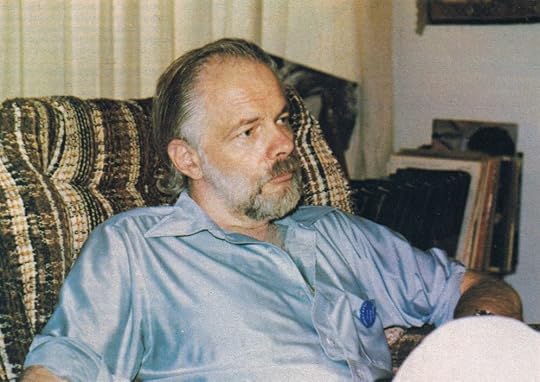
Smrt, sama, ima taj autoritet. To je jedan preobražaj, jednako zadivljujući kao život, ali nama teži za shvatanje.
Dok sam čitao Marsovsko vremensko iskliznuće imao sam neku vrstu osjećanja koju često imam dok čitam Ničea. Radi se o tome da je bilo nemoguće ostati ravnodušan i trom tokom čitanja. Jednim svojim dijelom osjećao sam se inferiorno pred naletom snage misli kakvu ispoljava Filip K. Dik. S druge strane, mogu da promatram, bilježim i analiziram. Tako da ta druga strana ublaži jad prve. Intezitet i senzibilitet samog pisanja je briljantan. Paragrafi su sažeti i promišljeno uklopljeni, nema praznog prostora među njima, nema digresija koje odvlače pažnju s prvobitnog. Sama priča odjekuje idejama vječne sadašnjosti.
Zapravo ovdje se radi o jednom porodičnom romanu. Radi sve manje resursa i mogućnosti rada na zemlji porodica Bolen je prinuđena da naseli Mars. Na marsu je iskorišteno tek 1/5 resursa i potrebno je obezbjediti nove kanale za dovod vode ne bi li se mogao održati život na njemu. Kao i svugdje, pa i na marsu sa obiljem resursa postoji rizik od eksploatacije, sve većeg rasta kolonizatora, preuzimanja važnih područja pa sve do prevara i zloupotreba. Sve bi ovo bilo jednostavno da FKD nema jednu filozofsku distancu, da ne pruža određene teorije u pogledu parapsiholoških vidova mentalnih oboljenja i drugo.
Tokom romana pisac se najviše bavi autizmom. On autizmu ne pristupa kao stigmi. Ne pokušava da ga prikaže kao neku bolest koja osobu spriječava u nečemu u odnosu na druge, ili kao manjak potentnih sredstava za funkcionisanje. FKD autizam tretira kao vremenski skok unaprijed pri tome smatrajući da su autistična dijeca možda sačinjena od neke druge vrste atoma. To je odbacivanje nasleđenog, javnog. Autistično dijete je po njemu stvaralac svih vrijednosti, a ne puki primalac nasleđenih. Govoreći o dijetetu koje ima autizam FKD piše: “Mi smo tako tromi i banalni u odnosu na njega. Od olova smo. Vučemo se kao puževi, dok on pleše i skače, kao da gravitacija na njega ne dijeluje jednako kao na nas. Jedna od teorija definisanja autizma koju FKD izlaže: “Teorija o autizmu polazi od pretpostavke da kod autistične jedinke nastupa poremećaj u osjećanju vremena. Okolina je njemu toliko ubrzana da se on s njom ne može uhvatiti u koštac, on štaviše nije sposoban ni da je valjano opaža, kao što mi ne bismo pratili TV program kad bi nam ga puštali ubrzano da predmeti samo proljeću toliko brzo da postaju nevidljivi.“ Po toj teoriji potrebno je da se autistično dijete stavi u komoru gdje bi mu se puštale filmske sekvence ali usporeno - gdje bi zvuk i slika bila usporena da obični ljudi čak ne bi primjetili da se uopšte nešto mijenja niti zvuk shvaititi kao ljudski govor.“ Često se vidi da razne institucije, pojedini ljudi zapravo guše autistično dijete, prisiljavajući ga da se ukalupi.
Kada je u pitanju škola i njeno pružanje obrazovanja, da se primjetiti vrsta animoziteta kakvu FKD ima prema njoj. Upravo na primjeru autističnog dijeteta koje ima apatiju prema javnom poduhvatu, i gdje se radi o nekoj vrsti privatnog življenja, FKD piše o školi kao prostoru koje ukalupljuje, i gdje individua koja krene nekim drugim putevima jednostavno biva ispeglana. Malo sam osjetio i vrstu sarkazma. Kao da je gledao grozomorne buldožere i kranove kako drobe tu građevinsku strukturu, a kamioni odnose olupine na kojima su utkani očaji generacija. Tako je Dik u svom promišljanju stvorio nastavnu mašinu. Ona iskazuje i daje mogućnost drugima da se iskažu. Nastavna mašina je tu kad god je jedinki potrebna. Takva mašina stvarnost sagledava objektivno, za raziliku od škole koja na nju gleda subjektivno. Njen princip rada je po otvorenom sistemu sa mogućnošću modifikacija zavisno od jedinke koja stoji pred njom ili zahtijeva publike. Ona poredi iznjete misli dijece, pronađe najpribližnije, klasifikuje ih pa potom reaguje i daje odgovore. Kod mašine nema umora. Njoj se ne mora platiti bolovanje i jedinki je pristupna uvijek. FKD na takvu mašinu nije gledao kao na artefakt, već je prozirao njenu dubinu i osjećaj pripadnosti.

May 3, 2007
I thought I was finished with Philip K Dick, but it was either this or Maze of Death at the used bookstore and I had some store credit to abuse. Good thing, too. You read the wrong PKD novel, you feel as if they're all the same and you've got it covered. Martian Time-Slip taught me that its still worth it to find all the gems among such a massive output. Most of his novels do an incredible job of replicating the feeling of an acid or mushroom trip. This one applies those techinques towards anxiety, something that Philip K Dick was afflicted with (I should say, in his case, extreme paranoia and likely symptoms of OCD). So I'd say more people can relate to this one, or at least bypass the denotations of a psychodelic sci-fi novel. Martian Time-Slip crept up on me and slapped me in the face like the best of them (Dr. Bloodmoney, Flow My Tears the Policeman Said, etc).

January 18, 2011
I'm writing this review to say that this rating is given in the strictest sense of the Goodreads "it was OK" and should not be taken to mean that I think this book is in any way "fair" or "poor." Because it's not. In fact, if Goodreads had the half star, the "almost liked it!" this one would definitely get it. It would get the three-quarters star even. This review is one of the few that I'm approaching in an entirely opinionated way, because as far as books go, the part of me that is not biased towards my own feelings recognizes that it is pretty good for what it is. It would certainly satisfy someone looking to fill a Philip K. Dick craving, which is what I was having when I picked it up.
Martian Time-Slip is the depressing story of an autistic child on Mars with abnormal perception of time being exploited as a future seer by wealthy Union leader Arnie Kott, who's looking to claim land on a mountain range that's going to increase in value when the UN builds apartments on it. The land is still the home of its original inhabitants, the Bleekmen, which adds in another level of exploitation. Also, everyone appears to be schizophrenic.
Dick does well what Dick does well, which is render hallucinations and abnormal time/space perceptions with disturbing vivacity. He's also good at building righteous anger towards those being used and exploited without being preachy or making a Point of it, because his Manifred and his Heliogabalus (Kott's Bleekman servant) are compassionately drawn in their outsiderdom. Heliogabalus reads and offers rational suggestions that Kott refuses to hear. Manifred can't communicate with humans, but draws pictures that show his fear of an isolated future because of his condition.
But look, the book took me nearly two weeks to read, and the week and a half mark is like the death knell for me on shorter books. I can't sustain interest past that point, unless I'm holding off on finishing a book because I don't want it to end.
My big problem -- and this, as I said, is entirely personal -- is that I find greed to be such a boring motivator. I've seen and read the Arnie Kott character so many times and he never gets any more complex. He wants money. He wants the preservation of his ego (so the man sleeping with his woman and taking his land is his enemy, of course). Even written by Philip K. Dick, even set on Mars, he doesn't get any more interesting. So much of the book is spent on Arnie and his motivations and his disrespect, but I know him already and I was ready to move on from the start.
Martian Time-Slip is the depressing story of an autistic child on Mars with abnormal perception of time being exploited as a future seer by wealthy Union leader Arnie Kott, who's looking to claim land on a mountain range that's going to increase in value when the UN builds apartments on it. The land is still the home of its original inhabitants, the Bleekmen, which adds in another level of exploitation. Also, everyone appears to be schizophrenic.
Dick does well what Dick does well, which is render hallucinations and abnormal time/space perceptions with disturbing vivacity. He's also good at building righteous anger towards those being used and exploited without being preachy or making a Point of it, because his Manifred and his Heliogabalus (Kott's Bleekman servant) are compassionately drawn in their outsiderdom. Heliogabalus reads and offers rational suggestions that Kott refuses to hear. Manifred can't communicate with humans, but draws pictures that show his fear of an isolated future because of his condition.
But look, the book took me nearly two weeks to read, and the week and a half mark is like the death knell for me on shorter books. I can't sustain interest past that point, unless I'm holding off on finishing a book because I don't want it to end.
My big problem -- and this, as I said, is entirely personal -- is that I find greed to be such a boring motivator. I've seen and read the Arnie Kott character so many times and he never gets any more complex. He wants money. He wants the preservation of his ego (so the man sleeping with his woman and taking his land is his enemy, of course). Even written by Philip K. Dick, even set on Mars, he doesn't get any more interesting. So much of the book is spent on Arnie and his motivations and his disrespect, but I know him already and I was ready to move on from the start.

April 17, 2018
Mister, they take a brave journey. They turn away from mere things, which one may handle and turn to practical use; they turn inward to meaning. There, the black-night-without-bottom lies, the pit. Who can say if they will return? And if so, what will they be like, having glimpsed meaning? I admire them.
I truly hated the first 70-80 pages, it read like too much of the other Dick I've encountered: paranoia, despair, the disabled. Martian Time-Slip then took a few flips and I admit I was dazzled. The premise is simple an overcrowded Earth leaves many to emigrate to Mars. Colonies of Nation-States and Unions savvy about for leverage on a bleak planet, lacking water where the weather breaks down all machines---essentially, Australia or Nevada. People with autism are kept in a facility where the avarice of the elect leads them to exploit the segregated savants for purposes of time-travel. The novel is eventually better than it sounds. It is almost quaint imagining organized labor having political sway in the future .
I truly hated the first 70-80 pages, it read like too much of the other Dick I've encountered: paranoia, despair, the disabled. Martian Time-Slip then took a few flips and I admit I was dazzled. The premise is simple an overcrowded Earth leaves many to emigrate to Mars. Colonies of Nation-States and Unions savvy about for leverage on a bleak planet, lacking water where the weather breaks down all machines---essentially, Australia or Nevada. People with autism are kept in a facility where the avarice of the elect leads them to exploit the segregated savants for purposes of time-travel. The novel is eventually better than it sounds. It is almost quaint imagining organized labor having political sway in the future .

February 9, 2022
Arnie Kott era il solo a possedere un clavicembalo su Marte, ma lo strumento non era accordato, e lui non riusciva a trovare nessuno che glielo sistemasse. Mettila come vuoi, non c'erano accordatori di clavicembali su Marte.
"Marte esprime la condizione estrema di una colonia sfruttata cinicamente dalla Terra, da cui provengono - a prezzi spaventosi - tutti i prodotti di consumo, e da cui, sotto l'egida delle Nazioni Unite, giungono le direttive economiche e politiche atte a tenere tutti i coloni in uno stato di subalternità opprimente. Non vi è da sorprendersi se i coloni, ignari del loro destino di cavie, usano a loro volta gli aborigeni marziani come bassa manovalanza e servitù domestica. Ma non è forse uno spaccato del Sogno americano trasformato in un incubo metastorico?" (dall'introduzione di Carlo Pagetti)
Noi stiamo meglio perché non siamo capaci di leggere nel futuro, si disse. Grazie a Dio, non possiamo vedere.
"Marte esprime la condizione estrema di una colonia sfruttata cinicamente dalla Terra, da cui provengono - a prezzi spaventosi - tutti i prodotti di consumo, e da cui, sotto l'egida delle Nazioni Unite, giungono le direttive economiche e politiche atte a tenere tutti i coloni in uno stato di subalternità opprimente. Non vi è da sorprendersi se i coloni, ignari del loro destino di cavie, usano a loro volta gli aborigeni marziani come bassa manovalanza e servitù domestica. Ma non è forse uno spaccato del Sogno americano trasformato in un incubo metastorico?" (dall'introduzione di Carlo Pagetti)
Noi stiamo meglio perché non siamo capaci di leggere nel futuro, si disse. Grazie a Dio, non possiamo vedere.

May 26, 2015
A great read and, so far, one of the most accessible PKD novels I've read. It only gets weird and tripy late in the story, but when it happens you'd better buckle your seatbelt because it is WEIRD.

April 5, 2018
2,5
Este es probablemente el libro más flojo que he leído de K. Dick hasta la fecha, con este autor suele pasarme que todos los conceptos que explora y sus paranoias me flipan, pero lo que es el desarrollo de la historia y la descripción de los personajes me dejan un poco a medias, y en este además opino que hay demasiada paja para ser un libro tan corto. Le doy 3 estrellas y no 2 porque el final me ha gustado mucho.
Este es probablemente el libro más flojo que he leído de K. Dick hasta la fecha, con este autor suele pasarme que todos los conceptos que explora y sus paranoias me flipan, pero lo que es el desarrollo de la historia y la descripción de los personajes me dejan un poco a medias, y en este además opino que hay demasiada paja para ser un libro tan corto. Le doy 3 estrellas y no 2 porque el final me ha gustado mucho.

August 21, 2011
The gubbish ran down the walls as I sat,
as I sat the gubble gubble.
I looked down at the gubbish where my fingers used to be,
as I sat finger bones shiny with gubbish click clacked on a rusty metal framework,
coloured wires slithering in and out of it like lustful worms.
As I sat down to write my gubbish review
I gubbled, I saw the wet bones click clacking on dirty metal.
We're all gubbish in the end...
-
One of the more surreal books I've read by PKD - Awesome :)
as I sat the gubble gubble.
I looked down at the gubbish where my fingers used to be,
as I sat finger bones shiny with gubbish click clacked on a rusty metal framework,
coloured wires slithering in and out of it like lustful worms.
As I sat down to write my gubbish review
I gubbled, I saw the wet bones click clacking on dirty metal.
We're all gubbish in the end...
-
One of the more surreal books I've read by PKD - Awesome :)

September 8, 2020
Como siempre un viaje al mundo de las drogas, a la crítica social, a la visión de las relaciones humanas con el entorno y las ansias de poder.
Una visión horrible, unos personajes malvados, racistas, manipuladores, unas joyas, vaya, frente a la bondad, la aceptación, la ayuda desinteresada.
Curiosa, como todas sus historias.
Una visión horrible, unos personajes malvados, racistas, manipuladores, unas joyas, vaya, frente a la bondad, la aceptación, la ayuda desinteresada.
Curiosa, como todas sus historias.

September 7, 2020
Pues... no es lo más raro de este señor. Al principio tiene sus cosillas, pero es a medida que vas leyendo y adentrándote en la historia cuando aparecen sus "rarezas" tan características.
Normalmente cuando leo a este autor no entiendo nada, y pues... con está lectura entendí bastante, no quedé hecha un lío al final XD
**Alerta Spoiler!!
1.-La historia. En marte, los destinos de un niño autista y un hombre esquizofrénico se entrelazan en medio de un puñado de personajes, todos ellos con más cosas malas que buenas.
Hay un momento en que se habla de que toda persona tiene algo bueno, pero a medida que vas leyendo, te da la sensación como de que no, de que es todo lo contrario. Al menos, esa es la sensación que me dio a mí.
2.-Los personajes. Creo que no voy ha hablar mucho de ellos... la mayoría son malos, egoístas, envidiosos, infantiles, con o sin carácter...
Destaco a Arnnie que representa lo peor de lo peor de las personas y a los oscuros que a su manera, son los más nobles.
3.-La pluma, la trama y demás. Está bien escrito y aunque los capítulos no son cortos, no se hacen demasiado pesados. Dentro de estos mismos conforme se avanza en la trama, se empiezan a mezclar los puntos de vista de los diferentes personajes y eso puede llegar a ser un poco confuso.
La historia no es vertiginosa, pero tiene su punto, ese punto que te anima a querer seguir leyendo para saber que narices va a pasar al final.
Pese a todo, me parece de los más malos del autor, deja bastantes mensajes, pero es bastante flojo.
4.-El final. Puede que sea lo mejor del libro, lo más raro y sorprendente (aunque no demasiado). Solo diré. Grub, Grub, Grub.
En fin, 2 estrellas sobre 5, porque me dejó bastante indiferente y me pareció muy meh.
Normalmente cuando leo a este autor no entiendo nada, y pues... con está lectura entendí bastante, no quedé hecha un lío al final XD
**Alerta Spoiler!!
1.-La historia. En marte, los destinos de un niño autista y un hombre esquizofrénico se entrelazan en medio de un puñado de personajes, todos ellos con más cosas malas que buenas.
Hay un momento en que se habla de que toda persona tiene algo bueno, pero a medida que vas leyendo, te da la sensación como de que no, de que es todo lo contrario. Al menos, esa es la sensación que me dio a mí.
2.-Los personajes. Creo que no voy ha hablar mucho de ellos... la mayoría son malos, egoístas, envidiosos, infantiles, con o sin carácter...
Destaco a Arnnie que representa lo peor de lo peor de las personas y a los oscuros que a su manera, son los más nobles.
3.-La pluma, la trama y demás. Está bien escrito y aunque los capítulos no son cortos, no se hacen demasiado pesados. Dentro de estos mismos conforme se avanza en la trama, se empiezan a mezclar los puntos de vista de los diferentes personajes y eso puede llegar a ser un poco confuso.
La historia no es vertiginosa, pero tiene su punto, ese punto que te anima a querer seguir leyendo para saber que narices va a pasar al final.
Pese a todo, me parece de los más malos del autor, deja bastantes mensajes, pero es bastante flojo.
4.-El final. Puede que sea lo mejor del libro, lo más raro y sorprendente (aunque no demasiado). Solo diré. Grub, Grub, Grub.
En fin, 2 estrellas sobre 5, porque me dejó bastante indiferente y me pareció muy meh.

June 3, 2016
Dick's prose and character development is as poor as ever here, but the metaphysical ideas and social commentary as well as the storyline itself are so genius that I simply don't care. I first read this when I was in my twenties and devouring all the Dick I could find. I enjoyed it even more this time around. Short, strange and surreal and pretty perfect for what it is: Classic American Science Speculative Fiction.

March 1, 2020
So at this point I need to admit that this is the first of this author's books that I've been able to make my way through. I've attempted a few others, but have always DNFed because of a writing style that I really haven't enjoyed. This one I did with a buddy read group who had interesting comments which spurred me on to finish it.
This is a conception of Mars from 1964, with a breathable atmosphere, local aliens, canals and human colonists. We follow many interesting characters, including appliance repairman and mostly-recovered schizophrenic Jack Bohlen and his family, Goodmember Arnie Kott, rich and corrupt boss of a local plumber's union, and Manfred Steiner, an autistic boy with the power to see through time. The cast is much larger than that, and all have a lot of stuff to do through the complex tapestry of a plot.
This is smart, but the science is dumb, even for the time it was written. The half-a-century gap between its writing and this reading now has not been kind either. Picture a man from the 1960s, whose got his own set of racist and sexist attitudes writing one of his characters as deliberately evil, and coding them that way by using sexism and racism. What you get is some pretty foul stuff in the form of Arnie Kott's behavior, particularly regarding the native Bleekmen whom he refers to by the n-word. (The supposedly sympathetic character of Jack Bohlen would qualify as coded evil by being racist and sexist in a book written today; you can imagine how much worse Arnie is).
The commentary around autism and schizophrenia is interesting, but horribly outdated as well. The perception of reality by the autistic boy Manfred is a horrifying one, coining terms like "gubbish" and "gubble" for the process of meaningless consumption of time, which the whole book centers around.
This is a conception of Mars from 1964, with a breathable atmosphere, local aliens, canals and human colonists. We follow many interesting characters, including appliance repairman and mostly-recovered schizophrenic Jack Bohlen and his family, Goodmember Arnie Kott, rich and corrupt boss of a local plumber's union, and Manfred Steiner, an autistic boy with the power to see through time. The cast is much larger than that, and all have a lot of stuff to do through the complex tapestry of a plot.
This is smart, but the science is dumb, even for the time it was written. The half-a-century gap between its writing and this reading now has not been kind either. Picture a man from the 1960s, whose got his own set of racist and sexist attitudes writing one of his characters as deliberately evil, and coding them that way by using sexism and racism. What you get is some pretty foul stuff in the form of Arnie Kott's behavior, particularly regarding the native Bleekmen whom he refers to by the n-word. (The supposedly sympathetic character of Jack Bohlen would qualify as coded evil by being racist and sexist in a book written today; you can imagine how much worse Arnie is).
The commentary around autism and schizophrenia is interesting, but horribly outdated as well. The perception of reality by the autistic boy Manfred is a horrifying one, coining terms like "gubbish" and "gubble" for the process of meaningless consumption of time, which the whole book centers around.

March 30, 2024
This is yet another PKD mind-stretching book this time about time slippage on Mars. It has a bit of a dystopian feel to it and the cynisicm that fans of this author find in each of his other works. It is not on the same level as Minority Report or UBIK, but nonetheless a great story that could only have been written by PKD.

February 25, 2018
I rank it as one of the most far-fetched books from the writer, and a fine one at that!
You can't help feeling immersed in the odd visions of worldwide decay and get involved with these tripping psychedelic tribes!
Matching Soundtrack :
Risingson - Massive Attack
You can't help feeling immersed in the odd visions of worldwide decay and get involved with these tripping psychedelic tribes!
Matching Soundtrack :
Risingson - Massive Attack

September 14, 2016
Read for the SF Masterworks Reading Challenge and the Science Fiction Masterworks Reading Club.
A lot of people are big fans of PKD. A lot of people give him a great deal of respect as a literary science fiction writer. Academia permits you to like science fiction if you like Philip K. Dick. It’s not like the rest of that science fiction stuff, which as you know, is all about aliens and spaceships and the like (at least, if you believe Margaret Atwood).
My partner, on the other hand, really does not like PKD. He thinks he’s a hack who is overrated as a writer. He thinks he’s dull to read and certainly does not deserve the accolades he receives. He thinks that people give PKD the respect that they do because they don’t understand him and therefore think his themes must be really deep.
It’s become something of a tribalistic division, so to challenge either is to risk being sneered at. However, I pride myself on rating a book honestly and without allowing the biases of others to determine my opinions. Therefore, I would have to say that I thought that Martian Time Slip was good, but not great.
Writers tend to rate books in two ways, especially in science fiction. For some, it’s about the ideas. Vast philosophical themes that make you question your version of reality, or technological marvels and their implications – these are what this group reads science fiction for. If you’re in this camp, I can certainly see how this could be considered a masterpiece of science fiction.
Another is looking for a good story that also makes you think. This group really wants a human story of human people reacting to strange situations, or a myth in a modern setting. This person is much more concerned about the characters and the plot than they are about the worldbuilding. And if you’re in this camp, this book is raw garbage.
Me? I can appreciate both, but as a result I also expect delivery on both, and so therefore, while overall I have to say that yes, I liked Martian Time Slip quite a bit, I would also have to say that it has deep flaws which hurt it badly in the overall presentation.
The book takes place on a colony on Mars in the not-so-distant future. I suspect this is the Mars colony that they keep urging people to immigrate to in Do Androids Dream of Electric Sheep? And therefore, it takes place in the same universe. It takes us a while to figure out who the protagonist is, because Dick jumps around between seven or eight different characters and their viewpoints. He does have his reasons for doing this that are integral to the overall plot, and eventually you do see it, but it makes the book difficult, initially, to get into. I would say, stick with it though. The plot centers around an autistic boy who might be able to manipulate time, an unscrupulous narcissist (very well written, this character) and his schemes to make use of this ability, and the people caught in the crossfire, including the protagonist, Jack, who is a repairman who has had a psychotic episode at one point in his life, and therefore, is called upon to try to communicate with the boy, because he has partial understanding of how the boy thinks.
Therein lies the first major flaw of the book, though perhaps it’s not something that anyone else would notice, since schizophrenia (which is the word that was used for Jack’s condition) and autism still mystify most people. But I have had a partner who is schizophrenic and another who is autistic, and thus I probably have a greater-than-normal understanding of both. And PKD conflates them, when they are totally different. Indeed, his entire understanding of psychology is bogus, including a gender-essentialist view of men and women that I find especially frustrating because otherwise, his people seem quite modern.
Now, I do have to cut him some slack on this one – after all, he wrote it in 1964, and our understanding of psychology has changed considerably since then. But it completely spoiled my suspension of disbelief, to have autism and schizophrenia linked in this way. I was finally able to muddle through by using it as a code; I accepted that the boy was severely autistic, because his behaviour was consistent with that of a severely autistic child. As for Jack, I decided that he’d had a major psychotic break as a result of a great deal of stress in his life (people do that all the time and they don’t call it schizophrenia now; it’s only if it’s consistent or recurring, and the symptoms are different) and that he probably had a touch of autistic spectrum himself but had managed to cope, until he became deeply involved with this autistic child. And I therefore accepted that in this alternate universe (which it has to be, because it’s the 90s and we have a working colony on Mars, with aboriginal Martians,) autism is actually a disorder of time perception.
The second major flaw of this book is the stock characterization. Jack and Rick Deckard from Androids might as well be the same person, suffering from all the same flaws and leading almost parallel lives, including a suspicion that they themselves might be going crazy and might not be who they think they are, emotional distance leading to a poor relationship with their pill-popping, emotionally distant wives, whom they both end up cheating on with the secretary (who is delighted, for no reason at all that I can figure out, to go to bed with them,) of the major villain, who is some big, powerful person in charge of a lot of people who takes a disliking to the protagonists for some reason before they start having sex with the secretary (who are also having sex with the secretary). It made me wonder about his mental health enough to look up his biography in the process of writing this review. And yes, PKD struggled with issues of mental health and drug use; and with five marriages, I imagine that this really was his experience of women.
There is a certain school of thought that if a character is innately flawed and if the characters around him are brutally selfish, that this is an edgy (and therefore, clever) novel. But I personally don’t believe that everyone in the world is an a**hole, and so I don’t see that as being any more “realistic” than having a cast full of Polyanna hope and Santa Claus goodness, and jerks are a lot more tiresome to read about because you just can’t care what happens to them as much. Jack is a good man who struggles with his mental health, so I was actually invested in his well being, and the autistic boy (whose name was Manfred) was a pitiful figure who aroused all my maternal instincts, whom PKD contrasted with Jack’s perfectly normal son, but aside from those three people, I did not give a damn what happened to the rest of the characters.
According to his biography, Dick’s struggle with mental health and his experiences as a meth addict made him question the validity of reality, something that definitely seems to be a theme in his writing and certainly was in this case. He also believed that a more “flexible” reality could lead to psychic experiences, and that was part of the theme of this book as well. People marvel at the surreal, hallucinogenic quality of the realities that he creates in his writing. And they’re right, it’s amazing. But I find myself wondering if he was just writing parts of his life story over and over again.
Strangely, while Dick was suspected of being a communist by the FBI for his leftist views in the 50s and 60s, this novel labours under what I would characterize as a lot of right wing propaganda, and a thorough paranoia of large socialized institutions. The UN, who runs Mars like a government, is portrayed as an utterly uncaring monolithic bureaucracy so devoid of compassion that they make everyone suffer horribly who doesn’t have the money to fight them; and the only one who seems to is a “Big Union” boss named Arnie Kott. The only saving grace in all of this is that a certain character, Jack’s father, who is a capitalist land speculator, is portrayed as being so personally selfish that it borders on true evil.
So what did I like about the book? For one thing, that unique, surreal quality that everyone else who liked the book raves about was really amazing. It was very difficult in places to tell what was reality, what was psychotic hallucination and paranoia, and what was a possible reality that wasn’t actually reality. That’s good stuff, and is certainly a novel approach to time travel that I’ve only ever encountered in select fantasy books before, or in really “artsy” science fiction. I guess he must have been one of the first to approach it in this way, and you can certainly see Martian Time Slip’s influence in modern science fiction, including such critically-acclaimed films as The Matrix and Inception.
So, yes. The ideas are amazing. The worldbuilding is great. The characterization is horrid. Was it worth reading? Oh yes, most certainly! Would I recommend it? Depends on what’s important to you in a story.
A lot of people are big fans of PKD. A lot of people give him a great deal of respect as a literary science fiction writer. Academia permits you to like science fiction if you like Philip K. Dick. It’s not like the rest of that science fiction stuff, which as you know, is all about aliens and spaceships and the like (at least, if you believe Margaret Atwood).
My partner, on the other hand, really does not like PKD. He thinks he’s a hack who is overrated as a writer. He thinks he’s dull to read and certainly does not deserve the accolades he receives. He thinks that people give PKD the respect that they do because they don’t understand him and therefore think his themes must be really deep.
It’s become something of a tribalistic division, so to challenge either is to risk being sneered at. However, I pride myself on rating a book honestly and without allowing the biases of others to determine my opinions. Therefore, I would have to say that I thought that Martian Time Slip was good, but not great.
Writers tend to rate books in two ways, especially in science fiction. For some, it’s about the ideas. Vast philosophical themes that make you question your version of reality, or technological marvels and their implications – these are what this group reads science fiction for. If you’re in this camp, I can certainly see how this could be considered a masterpiece of science fiction.
Another is looking for a good story that also makes you think. This group really wants a human story of human people reacting to strange situations, or a myth in a modern setting. This person is much more concerned about the characters and the plot than they are about the worldbuilding. And if you’re in this camp, this book is raw garbage.
Me? I can appreciate both, but as a result I also expect delivery on both, and so therefore, while overall I have to say that yes, I liked Martian Time Slip quite a bit, I would also have to say that it has deep flaws which hurt it badly in the overall presentation.
The book takes place on a colony on Mars in the not-so-distant future. I suspect this is the Mars colony that they keep urging people to immigrate to in Do Androids Dream of Electric Sheep? And therefore, it takes place in the same universe. It takes us a while to figure out who the protagonist is, because Dick jumps around between seven or eight different characters and their viewpoints. He does have his reasons for doing this that are integral to the overall plot, and eventually you do see it, but it makes the book difficult, initially, to get into. I would say, stick with it though. The plot centers around an autistic boy who might be able to manipulate time, an unscrupulous narcissist (very well written, this character) and his schemes to make use of this ability, and the people caught in the crossfire, including the protagonist, Jack, who is a repairman who has had a psychotic episode at one point in his life, and therefore, is called upon to try to communicate with the boy, because he has partial understanding of how the boy thinks.
Therein lies the first major flaw of the book, though perhaps it’s not something that anyone else would notice, since schizophrenia (which is the word that was used for Jack’s condition) and autism still mystify most people. But I have had a partner who is schizophrenic and another who is autistic, and thus I probably have a greater-than-normal understanding of both. And PKD conflates them, when they are totally different. Indeed, his entire understanding of psychology is bogus, including a gender-essentialist view of men and women that I find especially frustrating because otherwise, his people seem quite modern.
Now, I do have to cut him some slack on this one – after all, he wrote it in 1964, and our understanding of psychology has changed considerably since then. But it completely spoiled my suspension of disbelief, to have autism and schizophrenia linked in this way. I was finally able to muddle through by using it as a code; I accepted that the boy was severely autistic, because his behaviour was consistent with that of a severely autistic child. As for Jack, I decided that he’d had a major psychotic break as a result of a great deal of stress in his life (people do that all the time and they don’t call it schizophrenia now; it’s only if it’s consistent or recurring, and the symptoms are different) and that he probably had a touch of autistic spectrum himself but had managed to cope, until he became deeply involved with this autistic child. And I therefore accepted that in this alternate universe (which it has to be, because it’s the 90s and we have a working colony on Mars, with aboriginal Martians,) autism is actually a disorder of time perception.
The second major flaw of this book is the stock characterization. Jack and Rick Deckard from Androids might as well be the same person, suffering from all the same flaws and leading almost parallel lives, including a suspicion that they themselves might be going crazy and might not be who they think they are, emotional distance leading to a poor relationship with their pill-popping, emotionally distant wives, whom they both end up cheating on with the secretary (who is delighted, for no reason at all that I can figure out, to go to bed with them,) of the major villain, who is some big, powerful person in charge of a lot of people who takes a disliking to the protagonists for some reason before they start having sex with the secretary (who are also having sex with the secretary). It made me wonder about his mental health enough to look up his biography in the process of writing this review. And yes, PKD struggled with issues of mental health and drug use; and with five marriages, I imagine that this really was his experience of women.
There is a certain school of thought that if a character is innately flawed and if the characters around him are brutally selfish, that this is an edgy (and therefore, clever) novel. But I personally don’t believe that everyone in the world is an a**hole, and so I don’t see that as being any more “realistic” than having a cast full of Polyanna hope and Santa Claus goodness, and jerks are a lot more tiresome to read about because you just can’t care what happens to them as much. Jack is a good man who struggles with his mental health, so I was actually invested in his well being, and the autistic boy (whose name was Manfred) was a pitiful figure who aroused all my maternal instincts, whom PKD contrasted with Jack’s perfectly normal son, but aside from those three people, I did not give a damn what happened to the rest of the characters.
According to his biography, Dick’s struggle with mental health and his experiences as a meth addict made him question the validity of reality, something that definitely seems to be a theme in his writing and certainly was in this case. He also believed that a more “flexible” reality could lead to psychic experiences, and that was part of the theme of this book as well. People marvel at the surreal, hallucinogenic quality of the realities that he creates in his writing. And they’re right, it’s amazing. But I find myself wondering if he was just writing parts of his life story over and over again.
Strangely, while Dick was suspected of being a communist by the FBI for his leftist views in the 50s and 60s, this novel labours under what I would characterize as a lot of right wing propaganda, and a thorough paranoia of large socialized institutions. The UN, who runs Mars like a government, is portrayed as an utterly uncaring monolithic bureaucracy so devoid of compassion that they make everyone suffer horribly who doesn’t have the money to fight them; and the only one who seems to is a “Big Union” boss named Arnie Kott. The only saving grace in all of this is that a certain character, Jack’s father, who is a capitalist land speculator, is portrayed as being so personally selfish that it borders on true evil.
So what did I like about the book? For one thing, that unique, surreal quality that everyone else who liked the book raves about was really amazing. It was very difficult in places to tell what was reality, what was psychotic hallucination and paranoia, and what was a possible reality that wasn’t actually reality. That’s good stuff, and is certainly a novel approach to time travel that I’ve only ever encountered in select fantasy books before, or in really “artsy” science fiction. I guess he must have been one of the first to approach it in this way, and you can certainly see Martian Time Slip’s influence in modern science fiction, including such critically-acclaimed films as The Matrix and Inception.
So, yes. The ideas are amazing. The worldbuilding is great. The characterization is horrid. Was it worth reading? Oh yes, most certainly! Would I recommend it? Depends on what’s important to you in a story.

July 6, 2013
One of the many, many things I love about Philip K. Dick is how he can make fantastic science fictional scenarios into studies of utter human banality (and yes, despair) but still make me want to live in them. Martian Time-Slip, for instance, also feels like it could, and likely would, be marketed nowadays under a title like Real Housewives of Mars. Except they're mid 20th century type housewives, so they actually, you know, fix lunch for their children and whatnot.* So maybe it's really more like Mad Men on Mars.
At any rate, these housewives and their husbands live in United Nations-controlled human colonies clustered around the canal systems of a Mars that is not too terraformed (I'm still not sure if an atmosphere has been induced, or if neighborhoods are domed or what, but they're not walking around in pressure suits anyway), but is habitable enough to where everybody has a vegetable garden and even attempts a flower bed here and there, with varying success. No lawns, though. That would be a suicidal waste of water, a lawn would. Just like it is somewhere else, although so far our climate has been forgiving enough to tolerate a certain amount of waste. Sort of. For now.
But water isn't really the issue in Martian Time-Slip. It's preciousness is perhaps a symptom of the larger issue, namely that it's really, really tough to live on Mars -- especially if you insist on trying to replicate the suburban California lifestyle of the mid-twentieth century. It allows certain types of people to seize and wield an almost despotic power, and that type of person is the repairman. Hence all-powerful on this world is the Water Workers' Union and its leader, one Arnie Kott, who lives like the ruler of an ancient Wittfogelian hydraulic empire, or at least like the Dean of the Air Conditioner Repair School on Community. When life utterly depends on gadgets, you utterly depend on the guy who can keep the gadgets working. Or the water flowing. Kott is, kind of, both.
But this is not enough. When is it ever? For Kott's path has crossed with Jack Bohlen's, and Jack is the nexus of a whole lot of intrigue, for all that he's kind of a nebbish himself. Jack's father, see, is at the spearhead of the next big wave of land speculation on Mars, and stands to make a killing if his inside information is correct. And Jack himself is a talented repairman and also, importantly, a recovering schizophrenic, and Kott has become convinced that exploiting certain fanciful traits of schizophrenics is the key to his next move: outmaneuvering speculators like Jack's father.
But it's not Jack himself with the talent required; Jack is just to be the builder of the machine that can connect an autistic child, Manfred Steiner, with Kott, and let Kott see what he believes Manfred sees. For in this novel, everyone is pretty sure that the autistic are the way they are because they experience time profoundly differently from the rest of us. To the autistic, in this novel, the rest of us are sped up like a life-long time-lapse film. And, as we learn from Manfred's point of view interludes, to him the rest of us are sped up towards decrepitude, decay, gubbish, like in all of those little films Oliver and Oswald are making in Peter Greenaway's A Zed and Two Noughts/
Thus Manfred sees into the Tomb World familiar from Do Androids Dream of Electric Sheep and other Phildickiana, which, interestingly, one of the minor characters immediately recognizes. We're all living in it; we've just deluded ourselves that we look and feel alive and whole and undecayed. But deep inside us are the bacteria that will rot us from the inside out once our bodies can no longer fight off that action.
I really, really hope that this is not the world that actual autistic spectrum sufferers experience, because it sounds like a never-ending horror. As explained by one of the Bleekmen, an aboriginal Martian race so closely related to humans it's been decided that the two races come from the same colonizing stock from millions of years ago:
"This boy experiences his own old age... decades from now in an old persons' home which is yet to be built...a place of decay which he loathes beyond expression. In this future place he passes empty, weary years, bedridden -- an object, not a person, kept alive through stupid legalities."
That's pretty much everyone's nightmare, isn't it? And Manfred lives it all day long, if the Bleekmen are to be believed.
How all of this comes together to blow up in the lives of Arnie Kott and Jack Bohlen is ponderous and depressing and terrifying and awe-inspiring and, as is usually the case with PKD, a complete joy to read. Martian Time-Slip as a novel title seems toward the beginning to refer to a account of man-hours worked on Mars, a slip of paper on which an employee records his time, which is pretty nifty for a little science fiction story right there, but then the other meaning of slip, as one does on a banana peel, comes into play and what SJ refers to as the "Dick Click" happens and it all turns into a marvel.
I spent a little chunk of time just now trying to imagine how someone might go about presenting this story on film, and all I could think of was we'd need Richard Linklater and his roto-scoping again, because we would need a visual ghost of Manfred's awful reality sort of steroscopically overlapping the rest of the visual and auditory presentation. And now, even though it would be ugly and frightening and soul-destroying and brain-punishing, I want to see that film very badly indeed. Although I just did, in my head while I read the book. So why do I feel this way?
Ah, PKD.
*Note, I have never actually watched an episode of any of those shows, so I'm just guessing that their stars don't really do any traditionally "housewifey" things based on the promos I occasionally see for them. If I'm wrong, well, mea culpa. I guess. I'm a misanthropic hater of the glass teat and I don't really care.
At any rate, these housewives and their husbands live in United Nations-controlled human colonies clustered around the canal systems of a Mars that is not too terraformed (I'm still not sure if an atmosphere has been induced, or if neighborhoods are domed or what, but they're not walking around in pressure suits anyway), but is habitable enough to where everybody has a vegetable garden and even attempts a flower bed here and there, with varying success. No lawns, though. That would be a suicidal waste of water, a lawn would. Just like it is somewhere else, although so far our climate has been forgiving enough to tolerate a certain amount of waste. Sort of. For now.
But water isn't really the issue in Martian Time-Slip. It's preciousness is perhaps a symptom of the larger issue, namely that it's really, really tough to live on Mars -- especially if you insist on trying to replicate the suburban California lifestyle of the mid-twentieth century. It allows certain types of people to seize and wield an almost despotic power, and that type of person is the repairman. Hence all-powerful on this world is the Water Workers' Union and its leader, one Arnie Kott, who lives like the ruler of an ancient Wittfogelian hydraulic empire, or at least like the Dean of the Air Conditioner Repair School on Community. When life utterly depends on gadgets, you utterly depend on the guy who can keep the gadgets working. Or the water flowing. Kott is, kind of, both.
But this is not enough. When is it ever? For Kott's path has crossed with Jack Bohlen's, and Jack is the nexus of a whole lot of intrigue, for all that he's kind of a nebbish himself. Jack's father, see, is at the spearhead of the next big wave of land speculation on Mars, and stands to make a killing if his inside information is correct. And Jack himself is a talented repairman and also, importantly, a recovering schizophrenic, and Kott has become convinced that exploiting certain fanciful traits of schizophrenics is the key to his next move: outmaneuvering speculators like Jack's father.
But it's not Jack himself with the talent required; Jack is just to be the builder of the machine that can connect an autistic child, Manfred Steiner, with Kott, and let Kott see what he believes Manfred sees. For in this novel, everyone is pretty sure that the autistic are the way they are because they experience time profoundly differently from the rest of us. To the autistic, in this novel, the rest of us are sped up like a life-long time-lapse film. And, as we learn from Manfred's point of view interludes, to him the rest of us are sped up towards decrepitude, decay, gubbish, like in all of those little films Oliver and Oswald are making in Peter Greenaway's A Zed and Two Noughts/
Thus Manfred sees into the Tomb World familiar from Do Androids Dream of Electric Sheep and other Phildickiana, which, interestingly, one of the minor characters immediately recognizes. We're all living in it; we've just deluded ourselves that we look and feel alive and whole and undecayed. But deep inside us are the bacteria that will rot us from the inside out once our bodies can no longer fight off that action.
I really, really hope that this is not the world that actual autistic spectrum sufferers experience, because it sounds like a never-ending horror. As explained by one of the Bleekmen, an aboriginal Martian race so closely related to humans it's been decided that the two races come from the same colonizing stock from millions of years ago:
"This boy experiences his own old age... decades from now in an old persons' home which is yet to be built...a place of decay which he loathes beyond expression. In this future place he passes empty, weary years, bedridden -- an object, not a person, kept alive through stupid legalities."
That's pretty much everyone's nightmare, isn't it? And Manfred lives it all day long, if the Bleekmen are to be believed.
How all of this comes together to blow up in the lives of Arnie Kott and Jack Bohlen is ponderous and depressing and terrifying and awe-inspiring and, as is usually the case with PKD, a complete joy to read. Martian Time-Slip as a novel title seems toward the beginning to refer to a account of man-hours worked on Mars, a slip of paper on which an employee records his time, which is pretty nifty for a little science fiction story right there, but then the other meaning of slip, as one does on a banana peel, comes into play and what SJ refers to as the "Dick Click" happens and it all turns into a marvel.
I spent a little chunk of time just now trying to imagine how someone might go about presenting this story on film, and all I could think of was we'd need Richard Linklater and his roto-scoping again, because we would need a visual ghost of Manfred's awful reality sort of steroscopically overlapping the rest of the visual and auditory presentation. And now, even though it would be ugly and frightening and soul-destroying and brain-punishing, I want to see that film very badly indeed. Although I just did, in my head while I read the book. So why do I feel this way?
Ah, PKD.
*Note, I have never actually watched an episode of any of those shows, so I'm just guessing that their stars don't really do any traditionally "housewifey" things based on the promos I occasionally see for them. If I'm wrong, well, mea culpa. I guess. I'm a misanthropic hater of the glass teat and I don't really care.
Displaying 1 - 30 of 971 reviews