Take a walk in the forest with this immersive guide to our life-giving discover which wood to use for fire, or make tools, which trees point the way, provide food, medicine and shelter, and learn how they protect our world. Nobody sees and understands woodland better than Ray Mears. With deep natural history knowledge and practical woodcraft skills, gained over a lifetime of travels to remote regions learning skills from the word's last remaining indigenous peoples, Ray Mears offers a different way to experience and value our wooded landscapes. Ray challenges the old concepts. Woodland doesn't need to be fenced off. He looks to our ancestors, and shows how man's hand in shaping woodland is critical to what it is. We are not separate from nature. We just need to be sure that our interactions have a positive impact. So, with the emphasis on interaction, the book is structured by uses. For example, we learn in Fire that sycamore and clematis are among the best for burning, pine and oak help us navigate, hawthorn and beach have Edible Leaves, while we should look for blackthorn to pick Edible Flowers. Make Rope from willow, Utensils and Tools from hazel and discover how our ancestors made Weapons from yew and wych elm. With Ray as our guide, encouraging this aboriginal sense of connection to individual trees, our appreciation of these landscapes will change. We'll learn how to live inclusively in nature, for our own wellbeing and enjoyment, and for the future of our planet.
Not a bad book necessarily but not for me. Ecology sections of book are quite dated and could have done with a proof from an actual ecologist. Not really about woodlands, more about the 'uses' of trees. Too much focus on 'boy' and 'scout' stuff - section on weapons bored me to tears. If this is your first foray into trees then maybe a good book (sections on individual trees could be handy), but otherwise I'd say overrated.
Great book about the history of British trees and how they have been historically used. It does my favourite thing when describing historical events, that is, turning the events into a story, and a good one at that. Mear's descriptions of the past really humanise the people who lived amongst the ancient woodland of the UK, showing that despite the ages between us, we really aren't that different from them.
Only a couple of things kept it from being 5 stars for me. First is that I wish more space had been given to the actual history aspect of this book. Mears gives a lot of detail on the current uses modern humans have for these trees in an outdoors/survival situation, but thats something that his other books already feature. I think this book could have been a great opportunity to maybe step away from that a bit, the most interesting parts of the book to me where the detailed looks into the archeological record, and I wish we got more of that, not a several page instruction on how to make a hand drill (something he has already written about in detail in his survival handbooks.)
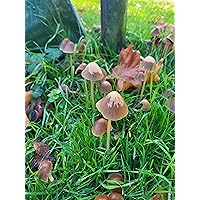
The second is the identification help given for each tree. I found the leaf/flower descriptions difficult to follow and the accompanying trace drawings of leaves inadequate, I feel like close up photographs of the leaves would have been more helpful, much like the mushroom photographs. And there we no pictures, photographic or otherwise, of the flowers of each tree.
But those are both passing complaints, all in all a thoroughly enjoyable book easily accessible to those with little knowledge about trees who want to improve on that.
Outstanding book, great lay out as well with chapters dedicated to different aspects of history, and different uses of trees and wood. You can use this book to revisit different trees as you learn about them. Ray Mears is as always, a captivating guide
It's an interesting read, but I wish it could be a more specific book. It's full of stories, information, descriptions, and anecdotes, but in my opinion it doesn't concentrate on anything enough. Again, it's a good read but lacking a little from what I'd expect from an expert like Ray
Admittedly, I skipped over large chunks of this book because I was looking for specific information, but what I did read was incredibly thorough and detailed and descriptive. Exactly what I was looking for.
Mears takes us through the development of British woodland after the retreat of the glaciers, when the first pioneering birch trees began to become established, right through to the modern day and the challenges of climate crisis and loss of woodland habitat. Interspersed with this account are short portraits of each tree that occurs in Britain, including those introduced more recently like the Horse Chestnut and the Sitka Spruce. These portraits are on grey paper and have a sketch of a leaf to aid identification. After the first two sections on the establishment of woodland, Mears shows how humans interacted with woodland, firstly in order to survive - way-finding (how not to get lost in a forest...), fire, food and shelter. He then moves on to more sophisticated use of woodland and trees with sections on fibre, metal on wood, and weapons. The fibre section I found particularly interesting as I hadn’t considered in detail how trees could be used in rope making, although I had heard of fabric made from nettle fibre. ‘Metal on wood’ documents the way tree felling and construction of dwellings and transport speeded up once the Iron Age began, and forests were cleared for agriculture. ‘Weapons’ is particularly concerned with archery. Mears is a very experienced woodsman and has lived with indigenous peoples around the world; his survivalist skills are well documented in his TV programmes. A handy volume if you need to make fire without matches, identify the best wood for various needs, or build a shelter....we may all need these skills again.
I listened to this on Audible (sadly not an edition option on Goodreads). It was a very interesting book, but if given the choice, opt for a written over an audio edition. I suspect images of the various detailed descriptions he gives would be incredibly useful, and make the information easier to retain!