

What do you think?
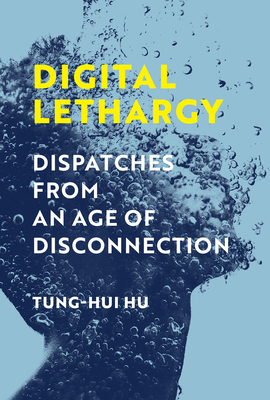
Digital Lethargy: Dispatches from an Age of Disconnection
The exhaustion, disappointment, and listlessness experienced under digital capitalism, explored through works by contemporary artists, writers, and performers.
Sometimes, interacting with digital platforms, we want to be passive—in those moments of dissociation when we scroll mindlessly rather than connecting with anyone, for example, or when our only response is a shrugging “lol.” Despite encouragement by these platforms to “be yourself,” we want to be anyone but ourselves. Tung-Hui Hu calls this state of exhaustion, disappointment, and listlessness digital lethargy . This condition permeates our lives under digital capitalism, whether we are “users,” who are what they click, or racialized workers in Asia and the Global South. Far from being a state of apathy, however, lethargy may hold the potential for social change.
Hu explores digital lethargy through a series of works by contemporary artists, writers, and performers. These dispatches from the bleeding edge of digital culture include a fictional dystopia where low-wage Mexican workers laugh and emote for white audiences; a group that invites lazy viewers to strap their Fitbits to a swinging metronome, faking fitness and earning a discount on their health insurance premiums; and a memoir of burnout in an Amazon warehouse. These works dwell within the ordinariness and even banality of digital life, redirecting our attention toward moments of thwarted agency, waiting and passing time. Lethargy, writes Hu, is a it weighs down our ability to rush to solutions, and forces us to talk about the unresolved present.
Sometimes, interacting with digital platforms, we want to be passive—in those moments of dissociation when we scroll mindlessly rather than connecting with anyone, for example, or when our only response is a shrugging “lol.” Despite encouragement by these platforms to “be yourself,” we want to be anyone but ourselves. Tung-Hui Hu calls this state of exhaustion, disappointment, and listlessness digital lethargy . This condition permeates our lives under digital capitalism, whether we are “users,” who are what they click, or racialized workers in Asia and the Global South. Far from being a state of apathy, however, lethargy may hold the potential for social change.
Hu explores digital lethargy through a series of works by contemporary artists, writers, and performers. These dispatches from the bleeding edge of digital culture include a fictional dystopia where low-wage Mexican workers laugh and emote for white audiences; a group that invites lazy viewers to strap their Fitbits to a swinging metronome, faking fitness and earning a discount on their health insurance premiums; and a memoir of burnout in an Amazon warehouse. These works dwell within the ordinariness and even banality of digital life, redirecting our attention toward moments of thwarted agency, waiting and passing time. Lethargy, writes Hu, is a it weighs down our ability to rush to solutions, and forces us to talk about the unresolved present.
288 pages, Hardcover
Published October 4, 2022
About the author
Tung-Hui Hu
9 books26 followersTung-Hui Hu is a poet and a media scholar. A former network engineer, Hu is interested in understanding the hidden mechanisms within digital culture, and imagining alternatives for its future. He is an associate professor of English at the University of Michigan, and his research has been featured on BBC Radio 4, CBS News, Boston Globe, and many other venues.
His new book is Digital Lethargy: Dispatches from an Age of Disconnection, an exploration of burnout, isolation, and disempowerment in the digital underclass. Hu currently lives in Rome, where he is a 2022-23 Rome Prize Fellow in Literature at the American Academy in Rome.
His new book is Digital Lethargy: Dispatches from an Age of Disconnection, an exploration of burnout, isolation, and disempowerment in the digital underclass. Hu currently lives in Rome, where he is a 2022-23 Rome Prize Fellow in Literature at the American Academy in Rome.
Ratings & Reviews
Friends & Following
Create a free account to discover what your friends think of this book!
Community Reviews
Displaying 1 - 8 of 8 reviews

January 23, 2025
Pretty boring ngl. Interesting ideas but the book left much to be desired in terms of execution.

July 6, 2026
gemini arranged
這本書《Digital Lethargy: Dispatches from an Age of Disconnection》(數位隨性/數位惰性:來自斷聯時代的派遣)由詩人兼媒體學者胡東輝(Tung-Hui Hu)所著。書中深入探討了我們在數位資本主義下所感受到的疲憊、失望和無精打采(即「數位隨性」)。
以下為您整理本書的精華重點與佳句舉例:
### ## 精華重點
* **定義「數位隨性」(Digital Lethargy):**
這不是單純的冷漠(apathy),而是一種在數位平台強迫我們「做自己」、「保持連結」的壓力下,我們反而產生的**集體疲憊、主動抽離與麻木狀態**。例如:漫無目的地刷手機、面對任何事都只想回一句「lol」或聳聳肩。
* **數位資本主義下的「被動性」:**
數位平台將用戶的每一次點擊、每一次互動都轉化為價值。在這種系統中,**「保持被動」或「不作為」有時成為一種隱形的反抗**。當系統逼你不斷產出與反應時,你的「無動力」反而讓系統無法輕易收割你。
* **數位底層階級的隱形勞動:**
書中特別關注全球化下的邊緣勞工(如亞洲與全球南方的數據標註員、亞馬遜倉庫員工)。這些人的勞動往往被包裝成「演算法」或「AI」,但實際上他們承受著極大的數位剝削與情緒勞動(例如被迫為西方觀眾展現笑容或情感)。
* **重新思考「代理權」(Agency):**
我們常以為只有主動的抗爭才算改變,但胡東輝指出,「等待」、「消磨時間」(timepass)和「停頓」這些看起來毫無生產力的狀態,反而能逼迫我們停下腳步,去直面無法立刻被解決的當下。
---
### ## 佳句與核心觀點舉例
> **「有時候,在與數位平台互動時,我們只想保持被動——在那些靈魂出竅、漫無目的地滑動螢幕,而不是與任何人產生連結的時刻;或者,當我們唯一的反應只是一個聳肩的 'lol' 時。儘管平台不斷鼓勵我們『做自己』,我們卻只想成為自己以外的任何人。」**
* **啟示:** 數位世界承諾給我們自由與連結,卻帶來了更深的集體孤立與自我抽離。
> **「隨性(Lethargy)沉重地壓制了我們急於尋找解決方案的能力,並強迫我們去談論那些尚未被解決的當下。」**
* **啟示:** 隨性與疲憊不是一種需要立刻被「治癒」或「解決」的病症,它是一個警訊,逼我們正視現有體制的荒謬。
> **「當今的 AI(人工智慧),很大程度上其實是『人工的人工智慧』(artificial artificial intelligence)。」**
* **啟示:** 指出科技巨頭宣稱的自動化背後,其實隱藏著無數低薪、隱形的有色人種勞工在進行重複性的數位苦力。
---
這本書非常適合對於**數位焦慮、科技批判、現代人集體厭世感**感興趣的讀者,它不提供勵志的「數位排毒」指南,而是帶你沉浸在這種「數位隨性」中,尋找另一種生存與反抗的可能。
這本書《Digital Lethargy: Dispatches from an Age of Disconnection》(數位隨性/數位惰性:來自斷聯時代的派遣)由詩人兼媒體學者胡東輝(Tung-Hui Hu)所著。書中深入探討了我們在數位資本主義下所感受到的疲憊、失望和無精打采(即「數位隨性」)。
以下為您整理本書的精華重點與佳句舉例:
### ## 精華重點
* **定義「數位隨性」(Digital Lethargy):**
這不是單純的冷漠(apathy),而是一種在數位平台強迫我們「做自己」、「保持連結」的壓力下,我們反而產生的**集體疲憊、主動抽離與麻木狀態**。例如:漫無目的地刷手機、面對任何事都只想回一句「lol」或聳聳肩。
* **數位資本主義下的「被動性」:**
數位平台將用戶的每一次點擊、每一次互動都轉化為價值。在這種系統中,**「保持被動」或「不作為」有時成為一種隱形的反抗**。當系統逼你不斷產出與反應時,你的「無動力」反而讓系統無法輕易收割你。
* **數位底層階級的隱形勞動:**
書中特別關注全球化下的邊緣勞工(如亞洲與全球南方的數據標註員、亞馬遜倉庫員工)。這些人的勞動往往被包裝成「演算法」或「AI」,但實際上他們承受著極大的數位剝削與情緒勞動(例如被迫為西方觀眾展現笑容或情感)。
* **重新思考「代理權」(Agency):**
我們常以為只有主動的抗爭才算改變,但胡東輝指出,「等待」、「消磨時間」(timepass)和「停頓」這些看起來毫無生產力的狀態,反而能逼迫我們停下腳步,去直面無法立刻被解決的當下。
---
### ## 佳句與核心觀點舉例
> **「有時候,在與數位平台互動時,我們只想保持被動——在那些靈魂出竅、漫無目的地滑動螢幕,而不是與任何人產生連結的時刻;或者,當我們唯一的反應只是一個聳肩的 'lol' 時。儘管平台不斷鼓勵我們『做自己』,我們卻只想成為自己以外的任何人。」**
* **啟示:** 數位世界承諾給我們自由與連結,卻帶來了更深的集體孤立與自我抽離。
> **「隨性(Lethargy)沉重地壓制了我們急於尋找解決方案的能力,並強迫我們去談論那些尚未被解決的當下。」**
* **啟示:** 隨性與疲憊不是一種需要立刻被「治癒」或「解決」的病症,它是一個警訊,逼我們正視現有體制的荒謬。
> **「當今的 AI(人工智慧),很大程度上其實是『人工的人工智慧』(artificial artificial intelligence)。」**
* **啟示:** 指出科技巨頭宣稱的自動化背後,其實隱藏著無數低薪、隱形的有色人種勞工在進行重複性的數位苦力。
---
這本書非常適合對於**數位焦慮、科技批判、現代人集體厭世感**感興趣的讀者,它不提供勵志的「數位排毒」指南,而是帶你沉浸在這種「數位隨性」中,尋找另一種生存與反抗的可能。

October 25, 2022
The concept of this book is really interesting, and certainly one that will spark conversation. Its execution, though, left a bit to be desired for me: it's too technical for my taste and brain at this point, heh; ergo a DNF.
I do think a discussion on the digital world we live in is necessary, along with the rise of misinformation and other things we did not see coming with the advancement of technology. All tech inventions address a need of some kind--but it's impossible to know down-the-line ramifications up front. (Much like the pandemic; we had no idea how it would play out psychologically or on our mental health, let alone physical.)
I just personally need a Cliff's Notes version of this one. :)
I received an eARC of the book from the publisher via NetGalley. All opinions are my own.
I do think a discussion on the digital world we live in is necessary, along with the rise of misinformation and other things we did not see coming with the advancement of technology. All tech inventions address a need of some kind--but it's impossible to know down-the-line ramifications up front. (Much like the pandemic; we had no idea how it would play out psychologically or on our mental health, let alone physical.)
I just personally need a Cliff's Notes version of this one. :)
I received an eARC of the book from the publisher via NetGalley. All opinions are my own.

June 5, 2022
Reading this book, it was hard for me to imagine that I could have been born anywhere other than MIT. That is a huge compliment from me.
This is an analysis, with great content of educated criticism, of the role of new technologies and connectivity in our society, psychology, economy, and the role it has in inequality. It forces us to put our ideas about it in perspective, not with the desire to attack progress, but to call us, from multiple literary fragments, to pause and question digital capitalism.
This is an analysis, with great content of educated criticism, of the role of new technologies and connectivity in our society, psychology, economy, and the role it has in inequality. It forces us to put our ideas about it in perspective, not with the desire to attack progress, but to call us, from multiple literary fragments, to pause and question digital capitalism.

October 6, 2022
https://shonareads.wordpress.com/2022...
Thank you to NetGalley and to MIT Press for this ARC.
Once in a while I like to read something challenging, something with concepts that may go over my head. Sometimes this happens accidentally, like with this book, which I requested for the description, rather than because I knew much about it before going in. The book feels like it is directed towards a certain subsection of academia, possibly those working in areas of technology, human interaction, and maybe futurity. Having said all of that, I really enjoyed having my poor little brain challenged, and my thoughts stretched; which is to say, this is not a light read.
I carefully followed where the author led, and took many, many notes. I thought lots (more) about personhood, and robots in service—human, and otherwise. I thought about “Third World” labour, and how today’s AI is really that (or, “artificial artificial intelligence“). I thought about neoliberalism, and how it sells false hope (this, in relation to Afro-pessimism). I learnt about timepass, which is a really wonderful concept. I thought a lot about the digital supply chain, and (all of) our place in it; and about “race neutrality” in technology. I also have new ideas about the widespread use of Black people in memes.
So, if any of these things interest you, this book will interest you. However, be warned: it is challenging for the average reader (or, me). The author makes a good, if complex case for lethargy (defined in the book) as a form of agency, arguing that technocapitalism wants us to always be doing something, or waiting to do something.
My rating: 8/10, mainly for introducing me to new ideas, and for making me work.
Thank you to NetGalley and to MIT Press for this ARC.
Once in a while I like to read something challenging, something with concepts that may go over my head. Sometimes this happens accidentally, like with this book, which I requested for the description, rather than because I knew much about it before going in. The book feels like it is directed towards a certain subsection of academia, possibly those working in areas of technology, human interaction, and maybe futurity. Having said all of that, I really enjoyed having my poor little brain challenged, and my thoughts stretched; which is to say, this is not a light read.
I carefully followed where the author led, and took many, many notes. I thought lots (more) about personhood, and robots in service—human, and otherwise. I thought about “Third World” labour, and how today’s AI is really that (or, “artificial artificial intelligence“). I thought about neoliberalism, and how it sells false hope (this, in relation to Afro-pessimism). I learnt about timepass, which is a really wonderful concept. I thought a lot about the digital supply chain, and (all of) our place in it; and about “race neutrality” in technology. I also have new ideas about the widespread use of Black people in memes.
So, if any of these things interest you, this book will interest you. However, be warned: it is challenging for the average reader (or, me). The author makes a good, if complex case for lethargy (defined in the book) as a form of agency, arguing that technocapitalism wants us to always be doing something, or waiting to do something.
My rating: 8/10, mainly for introducing me to new ideas, and for making me work.
January 19, 2023
Wonderful book but too dense and technical for me

January 2, 2026
This just couldn't hold my attention.

January 19, 2026
Just awful. When it's not completely undecipherable (85% of the time) it's just plain poor analysis. This is the sort of thing I imagine people make fun of academics about.
Displaying 1 - 8 of 8 reviews