

What do you think?

The Fifth Act: America's End in Afghanistan
A powerful and revelatory eyewitness account of the American collapse in Afghanistan, its desperate endgame, and the war's echoing legacy
Elliot Ackerman left the American military ten years ago, but his time in Afghanistan and Iraq with the Marines and, later, as a CIA paramilitary officer marked him indelibly. When the Taliban began to close in on Kabul in August of 2021 and the Afghan regime began its death spiral, he found himself pulled back into the conflict. Afghan nationals who had, for years, worked closely with the American military and intelligence communities now faced brutal reprisal and sought frantically to flee the country with their families. The official US government evacuation process was a bureaucratic failure that led to a humanitarian catastrophe. With his former colleagues, and friends, protecting the airport in Kabul, Ackerman was drawn into an impromptu effort alongside a group of journalists, and other veterans, to arrange flights and negotiate with both Taliban and American forces to secure the safe evacuation of hundreds. These were desperate measures taken during a desperate end to America's longest war, but the success they achieved afforded a degree of redemption. And, for Ackerman, a chance to reconcile his past with his present.
The Fifth Act is an astonishing human document that brings the weight of twenty years of war to bear on a single week at its bitter end. Using the dramatic rescue efforts in Kabul as his lattice, Ackerman weaves in a personal history of the war's long progress, beginning with the initial invasion in the months after 9/11. It is a play in five acts, the fifth act being the story's tragic denouement, a prelude to Afghanistan's dark future. Any reader who wants to understand what went wrong with the war's trajectory will find a trenchant accounting here. And yet The Fifth Act is not an exercise in finger-pointing: it brings readers into close contact with a remarkable group of characters, American and Afghan, who fought the war with courage and dedication, in good faith and at great personal cost. Understanding combatants' experiences and sacrifices while reckoning with the complex bottom line of the post-9/11 wars is not an easy balance; it demands reservoirs of wisdom and the gifts of an extraordinary storyteller. It asks for an author willing to grapple with certain hard-earned truths. In Elliot Ackerman, this story has found that author. The Fifth Act is a first draft of history that feels like a timeless classic.
Elliot Ackerman left the American military ten years ago, but his time in Afghanistan and Iraq with the Marines and, later, as a CIA paramilitary officer marked him indelibly. When the Taliban began to close in on Kabul in August of 2021 and the Afghan regime began its death spiral, he found himself pulled back into the conflict. Afghan nationals who had, for years, worked closely with the American military and intelligence communities now faced brutal reprisal and sought frantically to flee the country with their families. The official US government evacuation process was a bureaucratic failure that led to a humanitarian catastrophe. With his former colleagues, and friends, protecting the airport in Kabul, Ackerman was drawn into an impromptu effort alongside a group of journalists, and other veterans, to arrange flights and negotiate with both Taliban and American forces to secure the safe evacuation of hundreds. These were desperate measures taken during a desperate end to America's longest war, but the success they achieved afforded a degree of redemption. And, for Ackerman, a chance to reconcile his past with his present.
The Fifth Act is an astonishing human document that brings the weight of twenty years of war to bear on a single week at its bitter end. Using the dramatic rescue efforts in Kabul as his lattice, Ackerman weaves in a personal history of the war's long progress, beginning with the initial invasion in the months after 9/11. It is a play in five acts, the fifth act being the story's tragic denouement, a prelude to Afghanistan's dark future. Any reader who wants to understand what went wrong with the war's trajectory will find a trenchant accounting here. And yet The Fifth Act is not an exercise in finger-pointing: it brings readers into close contact with a remarkable group of characters, American and Afghan, who fought the war with courage and dedication, in good faith and at great personal cost. Understanding combatants' experiences and sacrifices while reckoning with the complex bottom line of the post-9/11 wars is not an easy balance; it demands reservoirs of wisdom and the gifts of an extraordinary storyteller. It asks for an author willing to grapple with certain hard-earned truths. In Elliot Ackerman, this story has found that author. The Fifth Act is a first draft of history that feels like a timeless classic.
288 pages, Hardcover
First published August 9, 2022
About the author
Elliot Ackerman
18 books790 followersELLIOT ACKERMAN is the New York Times bestselling author of the novels Halcyon, 2034, Red Dress In Black and White, Waiting for Eden, Dark at the Crossing, and Green on Blue, as well as the memoir The Fifth Act: America’s End in Afghanistan, and Places and Names: On War, Revolution and Returning. His books have been nominated for the National Book Award, the Andrew Carnegie Medal in both fiction and nonfiction, and the Dayton Literary Peace Prize among others. He is a contributing writer at The Atlantic and Marine veteran who served five tours of duty in Iraq and Afghanistan, where he received the Silver Star, the Bronze Star for Valor, and the Purple Heart. He divides his time between New York City and Washington, D.C.
Ratings & Reviews
Friends & Following
Create a free account to discover what your friends think of this book!
Community Reviews
Displaying 1 - 30 of 132 reviews

September 15, 2022
In The Fifth Act: America's End in Afghanistan, Elliot Ackerman ruminates on the modern wars in general and the war on terror in Afghanistan in particular.
From the reviews and the blurb, I expected the book to be an analysis of America's withdrawal from Afghanistan - and in some chapters, it was. While the author left the military before the drastic events of August 2021, he still supervised the extraction of Afghan allies from Kabul. Drivers, translators, embassy workers, and their families faced execution from the advancing Taliban. To highlight the contrast between Kabul and the outside world, the author juxtaposes minute-by-minute dramas at Kabul's airport gates with his family trip to Italy, two realities so apart that putting them together seems otherworldly. In the same manner - through snippets of his experience, first in the Marines, then in the CIA - the author narrates 20 years of the war on terror, proclaimed by George W. Bush after 09/11.
While listening to an audiobook, creating a structured timeline of the author's life is hard. One moment we are in Kabul, then during his training in Virginia, then in 2008 in Afghanistan. However, what makes the book stand out from other memoirs is the author's reflections on the modern type of war that can't be won by one decisive battle. (We've seen it many times: Vietnam, Iraq, Afghanistan, Syria, and now Ukraine.) Did we win the war on terror, the author asks. Sponsored through deficit funds (in America), the fighting vanished from the field of public interest, becoming the military's prerogative. (How many books about Trump's presidency do mention Afghanistan? And what will happen to the allied countries or NATO when America stops using deficit funds?) Financial problems America faces today are silently delegated to future generations.
I strongly recommend the book's essay-style part. The private chapters can be a starting point for reading more about America's debacle in Afghanistan. (Was it an officially declared war? Did America win or lose? I can't stop comparing Vietnam and Afghanistan with Russia's current de-Nazification campaign in Ukraine that can last for many years to come.)
(I listened to an audiobook.)
From the reviews and the blurb, I expected the book to be an analysis of America's withdrawal from Afghanistan - and in some chapters, it was. While the author left the military before the drastic events of August 2021, he still supervised the extraction of Afghan allies from Kabul. Drivers, translators, embassy workers, and their families faced execution from the advancing Taliban. To highlight the contrast between Kabul and the outside world, the author juxtaposes minute-by-minute dramas at Kabul's airport gates with his family trip to Italy, two realities so apart that putting them together seems otherworldly. In the same manner - through snippets of his experience, first in the Marines, then in the CIA - the author narrates 20 years of the war on terror, proclaimed by George W. Bush after 09/11.
While listening to an audiobook, creating a structured timeline of the author's life is hard. One moment we are in Kabul, then during his training in Virginia, then in 2008 in Afghanistan. However, what makes the book stand out from other memoirs is the author's reflections on the modern type of war that can't be won by one decisive battle. (We've seen it many times: Vietnam, Iraq, Afghanistan, Syria, and now Ukraine.) Did we win the war on terror, the author asks. Sponsored through deficit funds (in America), the fighting vanished from the field of public interest, becoming the military's prerogative. (How many books about Trump's presidency do mention Afghanistan? And what will happen to the allied countries or NATO when America stops using deficit funds?) Financial problems America faces today are silently delegated to future generations.
I strongly recommend the book's essay-style part. The private chapters can be a starting point for reading more about America's debacle in Afghanistan. (Was it an officially declared war? Did America win or lose? I can't stop comparing Vietnam and Afghanistan with Russia's current de-Nazification campaign in Ukraine that can last for many years to come.)
(I listened to an audiobook.)

February 21, 2024
This hit really hard. What a book.
It’s definitely NOT what I expected it to be. I expected a journalistic play-by-play account of the political and military decisions that led up to the withdrawal from Afghanistan, and this is absolutely not that.
It’s part memoir of the author’s time in the military, and part meditation on what twenty years of war have meant to the US, the military, civilians. It asks a lot of painful questions and is incredibly powerfully written throughout - the prose, the stories, the quotes, the historical comparisons and analogies all come together for a really gripping read.
One passage that really stuck with me: “In our country’s history, we’ve only fought two wars predicated on an attack against our homeland. The first was the Second World War, a conflict that ended with the unconditional surrender of our enemy. The second was the war in Afghanistan, a conflict that is ending with OUR unconditional surrender.”
If you liked Dexter Filkins’s “The Forever War” or Phil Klay’s “Redeployment”, you’ll soak this up.
It’s definitely NOT what I expected it to be. I expected a journalistic play-by-play account of the political and military decisions that led up to the withdrawal from Afghanistan, and this is absolutely not that.
It’s part memoir of the author’s time in the military, and part meditation on what twenty years of war have meant to the US, the military, civilians. It asks a lot of painful questions and is incredibly powerfully written throughout - the prose, the stories, the quotes, the historical comparisons and analogies all come together for a really gripping read.
One passage that really stuck with me: “In our country’s history, we’ve only fought two wars predicated on an attack against our homeland. The first was the Second World War, a conflict that ended with the unconditional surrender of our enemy. The second was the war in Afghanistan, a conflict that is ending with OUR unconditional surrender.”
If you liked Dexter Filkins’s “The Forever War” or Phil Klay’s “Redeployment”, you’ll soak this up.

August 11, 2024
Engaging and insightful. This book uses the authors personal experience and extrapolates observations on the GWOT era, its aftermath, and the political industrial complex that fuels our current polarization.
April 10, 2026
My favorite niche genre of narrative nonfiction about Iraq and Afghanistan delivers again!

August 14, 2022
Excellent. Ackerman skillfully interweaves his historic experience in Afghanistan with the contemporary withdrawal of U.S. forces and Afghan civilians in early 2022. The chapter on how the U.S. persecutes wars (towards the end of the book) is unmissable.
Recommended by @Mike.
Recommended by @Mike.

December 4, 2024
Oh wow, this was a pleasant surprise. Picked up from Foyles‘ expansive military and intelligence shelf in London this new reckoning with the end of the Afghan War in 2021 proved an excellent read. Ackerman, a former Marine officer and CIA agent, sprinkles in his own photos of his time in Afghanistan and of the later days before the Fall of Kabul, when he was remotely and frantically trying to get former translators and their families out of the country. His narrative meanders between those scenes and his contemplations of America‘s engagement with the post 9/11-world and the atrocity of the Capitol riots.
Who wants to be at the end of a thing - particularly something that‘s gone as poorly as a lost war? No, we prefer beginnings.
Who wants to be at the end of a thing - particularly something that‘s gone as poorly as a lost war? No, we prefer beginnings.

February 7, 2024
A reasonable read
October 13, 2023
An excellent deep dive into the calamitous withdrawal from Afghanistan. I particularly like how it examines how this war was forgotten and distant from most Americans, funded by deficit spending (as opposed to a war tax), and fought by a select group of volunteers (as opposed to conscription)

August 31, 2022
A great mixture of recent history, current events, military history and current politics. It reads more like a lengthy article. I completely agree with this assessments. One of his more coherent ideas: the political industrial complex creating false controversies to stay in power as well as contesting elections to stay in power. It's a duopoly and both parties don't want to solve problems but create problems to collect votes. Eventually, when the election protests get out of hand, the military will be invited to step in. It's a crisis for a our democracy. My personal view is these are ripples from decades of "deconstruction" - everyone wanting to destroy our system, but no one wanting to build it. The way the exit from Afghanistan was handled was a travesty. The US Military is a parallel society, but I am on the sidelines admiring their commitment, professionalism and dedication.

September 24, 2022
In the year leading up to the collapse of Kabul in summer 2021 to the Taliban, I read a handful of books on Afghan and related histories. A couple were about the first Anglo-Afghan war, a couple about the American invasion, and one was a history of ISIS. Like most people, I was unaware of the pending American surrender to the Taliban. In fact I was under the assumption that both Iraq and Afghanistan were relatively stable and, although not perfect, generally headed in the right direction.
Obviously that assumption was wrong and the swiftness of the Taliban takeover coupled with my added emotional attachment from all the recent reading I had done on Afghanistan made the situation incredibly depressing. For most of the last year, I have mostly avoided reading about Afghanistan. The Fifth Act by Elliot Ackerman is my first extensive reading on Afghanistan in a year and it was pretty much exactly what I needed. Ackerman’s nonpartisan, sober assessment was therapeutic for me.
For me the US defeat in Afghanistan was depressing for many reasons. For one, it was a humiliating defeat, militarily speaking. The US has no reason to lose a war to the Taliban. The fact that it happened to coincide with the 20th anniversary of 9/11 made it even worse. There’s the human rights crisis that occured in the wake of our surrender along with the fact that we betrayed allies, some of whom we’ve been working with since the Soviet invasion of Afghanistan in the 1980s. But maybe just as significantly I really viewed it as the end of an era. There was a time where Americans would unironically brag about being the greatest country in the history of the world, and could more or less back that up. That time is now over.
What I liked about The Fifth Act was that the author more or less addressed all these issues in a way that was realistic, yet gave me reason to hope for the future. There were many identifiable mistakes that the US made throughout the American war in Afghanistan. I generally view this as a positive. If you can identify what went wrong, you can fix it. Ackerman doesn’t say anything particularly unique on this issue in this book, which is reassuring. It tells me we’ve identified the mistakes that were made and there is a consensus about what happened. One of the big mistakes was invading Iraq shortly after invading Afghanistan which drained resources and troops from the Afghan War. The other most common mistake cited, which Ackerman also talks about extensively, is our lack of long-term commitment to the war. It seemed like we were always 1-2 years away from leaving Afghanistan. This didn’t just negatively impact our planning, but also that of our allies. Ackerman illustrated this by using the example of a particular American structure that was made out of plywood instead of cement, which was apparently pretty common. Sending the consistent message that we would leave soon made our allies in Afghanistan constantly hedge their bets by still cooperating with the Taliban.
Ackerman’s book does a good job at covering every aspect of the war. This is only possible because he spent significant time there as a soldier. On one hand, he can talk about Afghanistan in almost a spiritual sense. He spent so much time there and lost good men in battle. You can tell the outcome of the war really mattered to him. He can also talk about specific engagements he had with the enemy while there, which he uses throughout the book to illustrate various issues that existed in American strategy in Afghanistan. He talks about, as I already mentioned, the strategic mistakes by the decision makers like when Obama announced a troop surge and in the same speech, told everyone that all those troops would leave Afghanistan within eighteen months.
Finally, Ackerman also talks about the big picture issues of American foreign policy. Was a full-scale invasion of Afghanistan even necessary? Probably not. What is the nature of our lack of resolve? He cites a disconnect between the general public and war as well as a diminishing faith the American public has in its democratic institutions. Why support democracy abroad when it barely works at home?
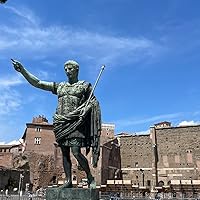
The most positive aspect of the book was probably also in some ways the most depressing. The fall of Kabul was just a complete disaster for which there really is no excuse. As far as I am concerned, a disaster that big should require dozens if not hundreds of people to lose their jobs. One of the more maddening aspects of the US surrender is that despite Ackerman being many years removed from the military in 2021 and being on vacation in Italy with his family, the responsibility to evacuate allies somehow fell on people like him. Ackerman was literally touring ancient Roman ruins with his wife and children while on his phone trying to organize the evactionation of various allies who helped him over the years. The fact that this responsibility fell to people who were no longer active duty and that the funding for these evacuations came, at least in part, from private donations, is absolutely absurd in my mind. But I also think it speaks to the character of our troops that they would do anything they could to get allies out of harm's way, even after our government turned their backs on them.
The American surrender to the Taliban hit me hard which made this the right book at the right time. Because of that, I am giving it four stars. Though, I am not sure if this book will be one people go back to in twenty years. It is not an exhaustive history and perhaps if it was a little more detailed it could have been an exceptional memoir. Regardless, it was still a great, therapeutic read and I would recommend it to anyone interested in Afghanistan.
Obviously that assumption was wrong and the swiftness of the Taliban takeover coupled with my added emotional attachment from all the recent reading I had done on Afghanistan made the situation incredibly depressing. For most of the last year, I have mostly avoided reading about Afghanistan. The Fifth Act by Elliot Ackerman is my first extensive reading on Afghanistan in a year and it was pretty much exactly what I needed. Ackerman’s nonpartisan, sober assessment was therapeutic for me.
For me the US defeat in Afghanistan was depressing for many reasons. For one, it was a humiliating defeat, militarily speaking. The US has no reason to lose a war to the Taliban. The fact that it happened to coincide with the 20th anniversary of 9/11 made it even worse. There’s the human rights crisis that occured in the wake of our surrender along with the fact that we betrayed allies, some of whom we’ve been working with since the Soviet invasion of Afghanistan in the 1980s. But maybe just as significantly I really viewed it as the end of an era. There was a time where Americans would unironically brag about being the greatest country in the history of the world, and could more or less back that up. That time is now over.
What I liked about The Fifth Act was that the author more or less addressed all these issues in a way that was realistic, yet gave me reason to hope for the future. There were many identifiable mistakes that the US made throughout the American war in Afghanistan. I generally view this as a positive. If you can identify what went wrong, you can fix it. Ackerman doesn’t say anything particularly unique on this issue in this book, which is reassuring. It tells me we’ve identified the mistakes that were made and there is a consensus about what happened. One of the big mistakes was invading Iraq shortly after invading Afghanistan which drained resources and troops from the Afghan War. The other most common mistake cited, which Ackerman also talks about extensively, is our lack of long-term commitment to the war. It seemed like we were always 1-2 years away from leaving Afghanistan. This didn’t just negatively impact our planning, but also that of our allies. Ackerman illustrated this by using the example of a particular American structure that was made out of plywood instead of cement, which was apparently pretty common. Sending the consistent message that we would leave soon made our allies in Afghanistan constantly hedge their bets by still cooperating with the Taliban.
Ackerman’s book does a good job at covering every aspect of the war. This is only possible because he spent significant time there as a soldier. On one hand, he can talk about Afghanistan in almost a spiritual sense. He spent so much time there and lost good men in battle. You can tell the outcome of the war really mattered to him. He can also talk about specific engagements he had with the enemy while there, which he uses throughout the book to illustrate various issues that existed in American strategy in Afghanistan. He talks about, as I already mentioned, the strategic mistakes by the decision makers like when Obama announced a troop surge and in the same speech, told everyone that all those troops would leave Afghanistan within eighteen months.
Finally, Ackerman also talks about the big picture issues of American foreign policy. Was a full-scale invasion of Afghanistan even necessary? Probably not. What is the nature of our lack of resolve? He cites a disconnect between the general public and war as well as a diminishing faith the American public has in its democratic institutions. Why support democracy abroad when it barely works at home?
The most positive aspect of the book was probably also in some ways the most depressing. The fall of Kabul was just a complete disaster for which there really is no excuse. As far as I am concerned, a disaster that big should require dozens if not hundreds of people to lose their jobs. One of the more maddening aspects of the US surrender is that despite Ackerman being many years removed from the military in 2021 and being on vacation in Italy with his family, the responsibility to evacuate allies somehow fell on people like him. Ackerman was literally touring ancient Roman ruins with his wife and children while on his phone trying to organize the evactionation of various allies who helped him over the years. The fact that this responsibility fell to people who were no longer active duty and that the funding for these evacuations came, at least in part, from private donations, is absolutely absurd in my mind. But I also think it speaks to the character of our troops that they would do anything they could to get allies out of harm's way, even after our government turned their backs on them.
The American surrender to the Taliban hit me hard which made this the right book at the right time. Because of that, I am giving it four stars. Though, I am not sure if this book will be one people go back to in twenty years. It is not an exhaustive history and perhaps if it was a little more detailed it could have been an exceptional memoir. Regardless, it was still a great, therapeutic read and I would recommend it to anyone interested in Afghanistan.
August 18, 2022
Well written firsthand account of the US war in Afghanistan, juxtaposed against present time as the author is on vacation with his family when Kabul fell to the Taliban. Learned a lot about US missteps and how the war was pretty much “unwinnable” from the start. Thoughtful commentary on US politics as they relate to the military too.
December 11, 2024
Ackerman’s account of both his time in Afghanistan and the fall of Kabul are woven together, with some interesting opinions and observations mixed it. It’s a sobering account of our betrayal of the Afghan people who allied themselves to us at great personal risk.
His story of attempting to coordinate the evacuation of former translators and allies from his cell phone is unfortunately not an isolated event. His friends were former CIA agent and Generals. I watched as Marine Lance Corporals and Army Sergeants attempted to use what little contacts and influence they had to try and get former terps out of the country. It was truly a disaster, as our government was completely unable to effectively handle it.
As Ackerman’s story highlights, the final betrayal of America’s service members who bled in Afghanistan was thrusting the responsibility of coordinating the evacuation of their former friends and allies onto them. Americans should read his account.
His story of attempting to coordinate the evacuation of former translators and allies from his cell phone is unfortunately not an isolated event. His friends were former CIA agent and Generals. I watched as Marine Lance Corporals and Army Sergeants attempted to use what little contacts and influence they had to try and get former terps out of the country. It was truly a disaster, as our government was completely unable to effectively handle it.
As Ackerman’s story highlights, the final betrayal of America’s service members who bled in Afghanistan was thrusting the responsibility of coordinating the evacuation of their former friends and allies onto them. Americans should read his account.

November 10, 2023
One of my favorite books read in 2023.
In this reflection on America's withdrawal from Afghanistan, Ackerman zeroes in on the complex emotions that many veterans felt watching the swift collapse of the country. He also uses the historic event to describe the context around modern military service today, warning against the increased politicization of the military (on both sides), the growing civil-military divide, and the disproportionate burden that America's military class has shouldered over the past 20+ years.
I really enjoyed this book and will definitely go through it again. I'd recommend it for anyone who thinks about our country and its relationship with the military.
In this reflection on America's withdrawal from Afghanistan, Ackerman zeroes in on the complex emotions that many veterans felt watching the swift collapse of the country. He also uses the historic event to describe the context around modern military service today, warning against the increased politicization of the military (on both sides), the growing civil-military divide, and the disproportionate burden that America's military class has shouldered over the past 20+ years.
I really enjoyed this book and will definitely go through it again. I'd recommend it for anyone who thinks about our country and its relationship with the military.

April 2, 2024
Every American should read this book. Of all the books on the Middle East, this is the most comprehensive from the American perspective and holds every president who held office during these 20 years responsible for the severe missteps that occurred in Afghanistan.
December 21, 2022
Book is excellent. Does (rarely) fall into that typical SOF writing style and (from time to time) hide some shallow/unsupported assertions among more thoughtful ones. Altogether strong bookcase addition.

March 8, 2023
Fantastic read

March 21, 2023
Complex, devastating. Review to be written.
January 21, 2024
Easy weekend read. Some wisdom, perspective, and closure to my time spent on the northern slopes of the Hindu Kush mountains.
A must-read for any OEF veteran.
A must-read for any OEF veteran.

August 14, 2022
Nearly a year has passed since the United States’ controversial withdrawal from Afghanistan, after two decades of war in that troubled land. There will be many in-depth analyses of that engagement and its precipitous conclusion, but few of them will possess the immediacy of Elliot Ackerman’s THE FIFTH ACT. It’s both an intensely personal memoir of Ackerman’s service there, and a dramatic account of his improvised efforts to extricate Afghans from the country amid the collapse of the government and the return to power of the Taliban.
When Ackerman (PLACES AND NAMES: On War, Revolution, and Returning) left with his wife and young children for an Italian vacation, he never imagined he’d spend many hours of what otherwise would have been family time on what seems at times like a ludicrously small effort when weighed against the magnitude of the crisis. And so, five days after the fall of Kabul, Ackerman finds himself in Rome, attempting to negotiate the safe passage of four minibuses bearing 109 Afghanis, including the family of his former translator now living in Texas, as they approach an airport entrance identified on a map only as “Unnamed Gate” and manned by Afghan paramilitaries.
In a flurry of phone, text and email conversations with an assortment of contacts from his military career (he served five combat tours in Iraq and Afghanistan before working for the CIA as a paramilitary case officer, planning actions like the one that recently killed al-Qaeda leader Ayman al-Zawahiri) and others previously unknown to him, Ackerman and his band of associates pull on every string available to chart a safe path for the fleeing Afghans out of the reach of the Taliban. In one of the most difficult, he’s required to seek a favor from Jack, a Marine comrade and friend of nearly 20 years. Ackerman shares the difficult story of their parting, when he finally made the decision to walk away from the war in 2011.
The book’s several other rescue stories are similarly fraught, and in telling them, Ackerman brings to bear his skills as a storyteller (he’s written or co-written five novels since 2015, and he has a sixth coming next year) to narrate a tale that’s as suspenseful as any thriller. He seamlessly blends these scenes with quotidian family moments --- a description of his nine-year-old son’s session at a Roman “gladiator school” and recollections of his own military service, among them his lingering regrets over a decision he made following the loss of one of his platoon members in 2008. “I wondered then --- and have wondered since --- who absolves us of such regrets.”
Without sacrificing the intimacy of these reflections, Ackerman is also intent on making some broader points. While he indicts the Biden administration for “an exceptional degree of incompetence” in connection with the evacuation, especially after the suicide bombing at Kabul International Airport that killed 13 American service members, he’s careful to share the blame for the “many fatal mistakes in our Afghan tragedy” --- the foundation of which was George Bush’s decision to begin the war in Iraq, and continuing through the Obama surge and drawdown to the flawed peace agreement negotiated by the Trump administration in 2020.
All of these errors, in different ways, were manifestations of the “social construct” that sustained what Ackerman calls a “new type of war, one that is ahistorical --- and seemingly without end.” In order to maintain that first-of-its-kind effort, America’s leaders chose to embark on this “protracted conflict with an all-volunteer military that was funded through deficit spending” and made possible by almost total disengagement of the American people, as we quickly returned to our daily pursuits after September 11, 2001.
Along with concerns about the politicization of the US military, and the growing divide between our “professional soldiering class” and the vast majority of civilians with no connection to it, Ackerman also has some harsh words for the polarized political culture in which these decisions are made: “Our passions are being inflamed and manipulated for profit by a political-industrial complex that feeds off our basest fears of one another.” Pointing to the furor over the 2020 presidential election, he’s ultimately concerned that “when bad behaviors become habits, the worst outcomes become inevitabilities.”
Over its 20-year span, the war in Afghanistan cost the lives of 2,461 American soldiers and added some $2 trillion to our national debt. THE FIFTH ACT presents only a small slice of this story, but it’s indispensable reading for anyone who wants to think seriously about these questions before our country makes the decision whether or not to go to war the inevitable next time.
Reviewed by Harvey Freedenberg
When Ackerman (PLACES AND NAMES: On War, Revolution, and Returning) left with his wife and young children for an Italian vacation, he never imagined he’d spend many hours of what otherwise would have been family time on what seems at times like a ludicrously small effort when weighed against the magnitude of the crisis. And so, five days after the fall of Kabul, Ackerman finds himself in Rome, attempting to negotiate the safe passage of four minibuses bearing 109 Afghanis, including the family of his former translator now living in Texas, as they approach an airport entrance identified on a map only as “Unnamed Gate” and manned by Afghan paramilitaries.
In a flurry of phone, text and email conversations with an assortment of contacts from his military career (he served five combat tours in Iraq and Afghanistan before working for the CIA as a paramilitary case officer, planning actions like the one that recently killed al-Qaeda leader Ayman al-Zawahiri) and others previously unknown to him, Ackerman and his band of associates pull on every string available to chart a safe path for the fleeing Afghans out of the reach of the Taliban. In one of the most difficult, he’s required to seek a favor from Jack, a Marine comrade and friend of nearly 20 years. Ackerman shares the difficult story of their parting, when he finally made the decision to walk away from the war in 2011.
The book’s several other rescue stories are similarly fraught, and in telling them, Ackerman brings to bear his skills as a storyteller (he’s written or co-written five novels since 2015, and he has a sixth coming next year) to narrate a tale that’s as suspenseful as any thriller. He seamlessly blends these scenes with quotidian family moments --- a description of his nine-year-old son’s session at a Roman “gladiator school” and recollections of his own military service, among them his lingering regrets over a decision he made following the loss of one of his platoon members in 2008. “I wondered then --- and have wondered since --- who absolves us of such regrets.”
Without sacrificing the intimacy of these reflections, Ackerman is also intent on making some broader points. While he indicts the Biden administration for “an exceptional degree of incompetence” in connection with the evacuation, especially after the suicide bombing at Kabul International Airport that killed 13 American service members, he’s careful to share the blame for the “many fatal mistakes in our Afghan tragedy” --- the foundation of which was George Bush’s decision to begin the war in Iraq, and continuing through the Obama surge and drawdown to the flawed peace agreement negotiated by the Trump administration in 2020.
All of these errors, in different ways, were manifestations of the “social construct” that sustained what Ackerman calls a “new type of war, one that is ahistorical --- and seemingly without end.” In order to maintain that first-of-its-kind effort, America’s leaders chose to embark on this “protracted conflict with an all-volunteer military that was funded through deficit spending” and made possible by almost total disengagement of the American people, as we quickly returned to our daily pursuits after September 11, 2001.
Along with concerns about the politicization of the US military, and the growing divide between our “professional soldiering class” and the vast majority of civilians with no connection to it, Ackerman also has some harsh words for the polarized political culture in which these decisions are made: “Our passions are being inflamed and manipulated for profit by a political-industrial complex that feeds off our basest fears of one another.” Pointing to the furor over the 2020 presidential election, he’s ultimately concerned that “when bad behaviors become habits, the worst outcomes become inevitabilities.”
Over its 20-year span, the war in Afghanistan cost the lives of 2,461 American soldiers and added some $2 trillion to our national debt. THE FIFTH ACT presents only a small slice of this story, but it’s indispensable reading for anyone who wants to think seriously about these questions before our country makes the decision whether or not to go to war the inevitable next time.
Reviewed by Harvey Freedenberg
September 18, 2023
A very well written account of the chaotic American withdrawal from Afghanistan. Interspersed with personal accounts this is a measured and very thoughtful explanation of what happened.

February 16, 2023
Of all the decisions made by President Biden during his first two years in office the most frequently criticized by both Democrats and Republicans was his decision to withdraw American troops from Afghanistan. Biden has wanted to end the American role in Afghanistan since his time as Vice-President thus the decision was not surprising. After two decades of war Biden had enough of the corruption, duplicity, and the lack of will to fight on the part of various Afghan governments to defeat the Taliban. It was not so much Biden’s decision to withdraw, but how it came about and how it was implemented resulting in negative repercussions for American foreign policy that has drawn so much criticism.
One of the first books to emerge since the end of American participation in Afghanistan is Elliot Ackerman’s THE FIFTH ACT: AMERICA’S END IN AFGHANISTAN. The book is broken down into five acts, the last resulting in the final escape of an Afghan family. Ackerman’s work is a combination of a meditation on war as a concept, a personal memoir, and his frustration with four presidential administrations. Ackerman has authored five novels following his career as a US Marine where he did tours of duty in Iraq and Afghanistan. After ending his time as a Marine officer, he joined the CIA and returned to Afghanistan as a paramilitary officer. His military career ended over a decade ago, but events in Kabul in August, 2021 as the Taliban closed in on the Afghan capital he found himself drawn back into what certainly was the end of an American quagmire.
Ackerman’s narrative begins on a family vacation in Italy at the same time that thousands of Afghans who worked with American troops during the war as interpreters, spotters, and other capacities are trying to flee the country knowing full well that if they were captured by the Taliban their lives and the lives of their families would be in great danger. Ackerman proceeds to structure the novel by alternating a description of his family vacation, returning to certain segments of his time in the war zone, trying to assist Afghanis trying to flee the Taliban by contacting numerous individuals he served with, and lastly, providing what appears to be his private meditation of Afghanistan and war in general.
The most interesting aspects of the book revolves around Ackerman’s thoughts concerning the definition of war, how one determines victory or defeat, the cost of recovering the bodies of American soldiers, the differences between targeted killing and assassination, and trying to determine if the American people and society should share a major part of the blame for how the war transpired and finally ended for the United States.
Ackerman’s willingness to assist in trying to save as many Afghans as possible is supported by his wife and he is able to compartmentalize his obligations to his family and what he believes is his obligation to save as many people as possible. As the narrative evolves Ackerman’s commentary is perceptive and accurate. His comparison of the negotiations that ended the war in Vietnam under President Nixon, and those by President Trump with the Taliban are dead on. The negotiations led by Henry Kissinger that resulted in the 1973 Paris Accords cut out the South Vietnamese government and the final terms were presented as a fait accompli to President Nguyen Van Thieu. Similarly, American negotiators treated Kabul in the same way. The Doha Agreement signed on February 29, 2020 with the Taliban fatally delegitimized Afghan President Ashraf Ghani and his central government.
The concept of a citizen army and that of a volunteer force is examined very carefully. Ackerman correctly concludes that the American people, other than those who fought in Iraq and Afghanistan had “little skin in the game.” Both wars were financed through deficit spending and sparked varying degrees of disinterest in the course of the wars. During Vietnam the draft and the increasing cost of the war greatly contributed to the anti-war movement. In the case of the last twenty years there was no “war tax” or draft to galvanize the American people resulting in “a lack of interest” on their part or what some have referred to as “war fatigue.”
Ackerman’s account contains a number of warnings for the American people. One of the most important is the role of the military in civil society. Ackerman writes that currently the military remains one of the most trusted institutions in the United States and one of the few that the public sees as having “no overt political bias.” However in the last few years that belief has been challenged by President Trump when he tried to use the military as a political vehicle to rally the support of what he perceived to be patriotic Americans. His photo op using soldiers at Lafayette Square on June 1, 2020 is a classic example. The George Floyd murder saw the use of National Guard troops to make a political point. Repeated calls by Trump to use what he termed “his military” for his own personal benefit was extremely dangerous. Up until now we have skirted this issue, but the increasing partisan nature of our domestic politics could some day result in a more dangerous version of January 6th. By the election of 2020 more and more retired military have become talking heads and it seems that the politicalization of the military is approaching. This is very dangerous especially when one party argues that an election was stolen and almost half the country believes that argument. What I fear is when this politicalization seeps down into the ranks and soldiers are called on to deal with election protests the possible result of such a scenario is something I do not want to envision.
As the narrative evolves the author’s empathy and guilt dealing with the end of the war and the fears of the Afghan people of the Taliban is totally evident. As he fielded phone calls, emails, and texts he is confounded as he tries to respond with strategies, employing his contacts, and doing whatever he can to help. This is juxtaposed throughout the book with his own combat experiences during his service in the Marines. The book is not a history of the final evacuation but it is more of a former soldier contemplating the meaning of the end for America’s fighting men and women. He focuses on the “should’ve and could’ve” aspects of war pertaining to himself, the men and women he fought with, and the decision makers in Washington. He concludes that we must question America’s judgement when it comes to Iraq and Afghanistan.
Overall, Ackerman’s work should provoke an extensive reevaluation of America’s approach to war – how we pay for it, what segment of society fights, and the impact of partisanship. The book is well written and provides a clear picture of two decades of war, how these wars ended, when the United States should resort to the use of force, and what our experiences in Iraq and Afghanistan mean for America’s future. I highly recommend it to all – there are many lessons to be learned.
One of the first books to emerge since the end of American participation in Afghanistan is Elliot Ackerman’s THE FIFTH ACT: AMERICA’S END IN AFGHANISTAN. The book is broken down into five acts, the last resulting in the final escape of an Afghan family. Ackerman’s work is a combination of a meditation on war as a concept, a personal memoir, and his frustration with four presidential administrations. Ackerman has authored five novels following his career as a US Marine where he did tours of duty in Iraq and Afghanistan. After ending his time as a Marine officer, he joined the CIA and returned to Afghanistan as a paramilitary officer. His military career ended over a decade ago, but events in Kabul in August, 2021 as the Taliban closed in on the Afghan capital he found himself drawn back into what certainly was the end of an American quagmire.
Ackerman’s narrative begins on a family vacation in Italy at the same time that thousands of Afghans who worked with American troops during the war as interpreters, spotters, and other capacities are trying to flee the country knowing full well that if they were captured by the Taliban their lives and the lives of their families would be in great danger. Ackerman proceeds to structure the novel by alternating a description of his family vacation, returning to certain segments of his time in the war zone, trying to assist Afghanis trying to flee the Taliban by contacting numerous individuals he served with, and lastly, providing what appears to be his private meditation of Afghanistan and war in general.
The most interesting aspects of the book revolves around Ackerman’s thoughts concerning the definition of war, how one determines victory or defeat, the cost of recovering the bodies of American soldiers, the differences between targeted killing and assassination, and trying to determine if the American people and society should share a major part of the blame for how the war transpired and finally ended for the United States.
Ackerman’s willingness to assist in trying to save as many Afghans as possible is supported by his wife and he is able to compartmentalize his obligations to his family and what he believes is his obligation to save as many people as possible. As the narrative evolves Ackerman’s commentary is perceptive and accurate. His comparison of the negotiations that ended the war in Vietnam under President Nixon, and those by President Trump with the Taliban are dead on. The negotiations led by Henry Kissinger that resulted in the 1973 Paris Accords cut out the South Vietnamese government and the final terms were presented as a fait accompli to President Nguyen Van Thieu. Similarly, American negotiators treated Kabul in the same way. The Doha Agreement signed on February 29, 2020 with the Taliban fatally delegitimized Afghan President Ashraf Ghani and his central government.
The concept of a citizen army and that of a volunteer force is examined very carefully. Ackerman correctly concludes that the American people, other than those who fought in Iraq and Afghanistan had “little skin in the game.” Both wars were financed through deficit spending and sparked varying degrees of disinterest in the course of the wars. During Vietnam the draft and the increasing cost of the war greatly contributed to the anti-war movement. In the case of the last twenty years there was no “war tax” or draft to galvanize the American people resulting in “a lack of interest” on their part or what some have referred to as “war fatigue.”
Ackerman’s account contains a number of warnings for the American people. One of the most important is the role of the military in civil society. Ackerman writes that currently the military remains one of the most trusted institutions in the United States and one of the few that the public sees as having “no overt political bias.” However in the last few years that belief has been challenged by President Trump when he tried to use the military as a political vehicle to rally the support of what he perceived to be patriotic Americans. His photo op using soldiers at Lafayette Square on June 1, 2020 is a classic example. The George Floyd murder saw the use of National Guard troops to make a political point. Repeated calls by Trump to use what he termed “his military” for his own personal benefit was extremely dangerous. Up until now we have skirted this issue, but the increasing partisan nature of our domestic politics could some day result in a more dangerous version of January 6th. By the election of 2020 more and more retired military have become talking heads and it seems that the politicalization of the military is approaching. This is very dangerous especially when one party argues that an election was stolen and almost half the country believes that argument. What I fear is when this politicalization seeps down into the ranks and soldiers are called on to deal with election protests the possible result of such a scenario is something I do not want to envision.
As the narrative evolves the author’s empathy and guilt dealing with the end of the war and the fears of the Afghan people of the Taliban is totally evident. As he fielded phone calls, emails, and texts he is confounded as he tries to respond with strategies, employing his contacts, and doing whatever he can to help. This is juxtaposed throughout the book with his own combat experiences during his service in the Marines. The book is not a history of the final evacuation but it is more of a former soldier contemplating the meaning of the end for America’s fighting men and women. He focuses on the “should’ve and could’ve” aspects of war pertaining to himself, the men and women he fought with, and the decision makers in Washington. He concludes that we must question America’s judgement when it comes to Iraq and Afghanistan.
Overall, Ackerman’s work should provoke an extensive reevaluation of America’s approach to war – how we pay for it, what segment of society fights, and the impact of partisanship. The book is well written and provides a clear picture of two decades of war, how these wars ended, when the United States should resort to the use of force, and what our experiences in Iraq and Afghanistan mean for America’s future. I highly recommend it to all – there are many lessons to be learned.

September 2, 2022
Perhaps one of the few honest reviews of just what the hell went on there, although his perspective is clearly not expansive. Coupled with other like stories we may someday know a bit more clearly the real story.

November 28, 2022
Phenomenal. A must read!

April 17, 2024
An excellent book and a great companion to read alongside Carter Malkasian's history of the Afghanistan conflict. This book is really 3 intertwined stories. First is the valiant attempt by EA and other active-duty and retired soldiers to get interpreters, activists, govt personnel, and other Afghans they worked with out of the country as the Taliban took over. This part of the book is surreal and moving. EA is touring Italy with his family while he works a groupchat updating him on the progress of his interpreter's family on the way toward HKIA. His sense of preoccupation with this task hangs over the trip even as his family tours the Coliseum and Venice. It brings home his sense of responsibility for the people who helped Americans, a feeling not shared throughout much of the US govt and public who either just wanted to be done with Afghanistan or who feared scary Muslims entering the country.
The second thread of the story is anecdotes from EA's time as a soldier in AF, including the loss of close friends and his path toward leaving the military. The final thread is his own reflections on the War on Terror and Afghanistan in particular. I particularly liked his point that the American way of war before Afghanistan tended to be short but overwhelming, even brutal campaigns waged by citizen-soldier armies who wanted to wrap wars up as quickly as possible. This does overlook America's more extended and murky frontier wars, which were fought by a mix of militia and military professionals, but overall I think he's on to something in this explanation of why the GWOT lasted so long and why Americans were fairly disengaged from it.
My last reflection on this book is that as I get more into teaching military professionals at the US Naval War College, I have come to greatly admire their code of honor and their tenacious loyalty to the Afghans and Iraqis who helped the US and fought for a better future for their countries. The US owes these people safety and support, and we failed many of them in our haphazard retreat from Afghanistan. Yet I've also seen in many veterans (EA a little bit) a sense that we should not have left Afghanistan and that the Doha Accords were a kind of treachery. Of course, when we signed Doha, the Taliban took heart that we were leaving while countless other Afghans hedged, concluding that staunch resistance to the Taliban might be a bad idea and that they should "get theirs" before things fell apart.
While the withdrawal was obviously poorly handled, I don't think there was a happy ending in Afghanistan other than keeping US troops on (and probably increasing them) in order to save the sclerotic, corrupt government from collapse. If that's what EA wanted the US to do, it would be better to just say this outright (he may have done so elsewhere, although I don't recall it in this book). Trump and Biden both recognized that Afghanistan was no longer a serious threat to US national security and that we were still spending blood and treasure there almost 2 decades after the war started. Ultimately I think they made the right call on a strategic level in excising the US from the war; there was always going to be blood after the cutting of this particular cord.
So my last point is that I guess I read this book in part through the lens of civ-mil relations. Military personnel highly value honor and loyalty and wanted to maintain the US commitment to AF on some level. But in my view, honor and loyalty are not the only guiding principles for foreign policy, and the continuing presence in AF simply was not serving US national interests or security to a degree that justified the continuing presence, particularly if the US would have to increase troops to make a difference as the govt collapsed. This is one reason why the civ-mil relationship is the way it is; civilian policy-makers are in charge, and they have to make cold-eyed assessments of the national interest. That's what 2 administrations did in regards to Afghanistan. WHere I think EA's book is so valuable, however, is that it's a rejoinder to people celebrating that we are out (particularly the "restrainers" and self-styled "anti-imperialists" in the foreign policy/academic worlds). Our departure, and our mistakes along the way, were key parts of the tragedy of Afghanistan after its brief democratic experiment, and they remain a blot on our record to be learned from and reflected upon.
The second thread of the story is anecdotes from EA's time as a soldier in AF, including the loss of close friends and his path toward leaving the military. The final thread is his own reflections on the War on Terror and Afghanistan in particular. I particularly liked his point that the American way of war before Afghanistan tended to be short but overwhelming, even brutal campaigns waged by citizen-soldier armies who wanted to wrap wars up as quickly as possible. This does overlook America's more extended and murky frontier wars, which were fought by a mix of militia and military professionals, but overall I think he's on to something in this explanation of why the GWOT lasted so long and why Americans were fairly disengaged from it.
My last reflection on this book is that as I get more into teaching military professionals at the US Naval War College, I have come to greatly admire their code of honor and their tenacious loyalty to the Afghans and Iraqis who helped the US and fought for a better future for their countries. The US owes these people safety and support, and we failed many of them in our haphazard retreat from Afghanistan. Yet I've also seen in many veterans (EA a little bit) a sense that we should not have left Afghanistan and that the Doha Accords were a kind of treachery. Of course, when we signed Doha, the Taliban took heart that we were leaving while countless other Afghans hedged, concluding that staunch resistance to the Taliban might be a bad idea and that they should "get theirs" before things fell apart.
While the withdrawal was obviously poorly handled, I don't think there was a happy ending in Afghanistan other than keeping US troops on (and probably increasing them) in order to save the sclerotic, corrupt government from collapse. If that's what EA wanted the US to do, it would be better to just say this outright (he may have done so elsewhere, although I don't recall it in this book). Trump and Biden both recognized that Afghanistan was no longer a serious threat to US national security and that we were still spending blood and treasure there almost 2 decades after the war started. Ultimately I think they made the right call on a strategic level in excising the US from the war; there was always going to be blood after the cutting of this particular cord.
So my last point is that I guess I read this book in part through the lens of civ-mil relations. Military personnel highly value honor and loyalty and wanted to maintain the US commitment to AF on some level. But in my view, honor and loyalty are not the only guiding principles for foreign policy, and the continuing presence in AF simply was not serving US national interests or security to a degree that justified the continuing presence, particularly if the US would have to increase troops to make a difference as the govt collapsed. This is one reason why the civ-mil relationship is the way it is; civilian policy-makers are in charge, and they have to make cold-eyed assessments of the national interest. That's what 2 administrations did in regards to Afghanistan. WHere I think EA's book is so valuable, however, is that it's a rejoinder to people celebrating that we are out (particularly the "restrainers" and self-styled "anti-imperialists" in the foreign policy/academic worlds). Our departure, and our mistakes along the way, were key parts of the tragedy of Afghanistan after its brief democratic experiment, and they remain a blot on our record to be learned from and reflected upon.

September 30, 2022
"It asks for an author willing to grapple with certain hard-earned truths...The Fifth Act is a first draft of history that feels like a timeless classic."
I'm not so sure. I loved Ackerman's Places and Names and Waiting for Eden, but The Fifth Act fell a bit flat for me. As always, his war diaries and descriptions of personal loss are arresting and gutting, and the dichotomy between his Italian vacation and the frenzied, disastrous tail end of the evacuation is an effective juxtaposition.
While the actions of those involved were heroic and honourable and I have the utmost respect for everything Ackerman did personally during the evacuation, I feel like this is also a story we heard more completely in plenty of longform reporting around the time of the evacuation, and it didn't feel especially novel or superior to me. Conversely, Ackerman's efforts in the final act of the book to expand outside the personal offer some very shaky conclusions. He trots out Eisenhower's "military-industrial complex" chestnut in a way that makes it seem like he sincerely believes Ike had no part in creating it, and he talks about it in almost a past tense way, wherein the political complex is the 'real' danger now. On politics, he is certainly more than within his rights to criticize the Biden administration's disastrous withdrawal plan, but he often falls prey to "good people on both sides" platitudes feel either ignorant or an attempt to placate readers on both sides of the aisle. For example, he draws a pattern of contested elections going back to Gore (never mind the Brooks Brothers riot or anything...), describing it as escalating over time, without really acknowledging that Russiagate had at least some kernels of merit, nor the abject insanity and brinksmanship of the modern GOP approach. He suggests 'both sides' will contest future elections as if, perhaps, it isn't worth questioning how valid elections are in an era of gerrymandering and disenfranchisement where one party is certainly the party less interested in voting rights. And as much of a blight as cable news is, there is a distinct difference between the shrill fixations of CNN/MSNBC and the way the right wing networks trade in race baiting and peddling conspiracies. But not to Ackerman. He also brings up Lieutenant Colonel Scheller's "act of self-immolation" as being similar to some arguably iconic martyrs despite the fact that Scheller may not exactly be a neutral figure. As reported by The Military Times , "The Sept. 25, 2021, post that attacked conservatives has since been deleted...A more recent post from Dec. 28, 2021, has Scheller apologizing to former President Donald Trump."
The book then ends with a nice personal capstone, but if we're going to dig into the political dimensions and who is really suffering from the way this war ended, are we just not going to talk about how the US didn't just leave many Afghans high and dry, but took all of their central bank's money, helping further a situation in which millions of them are starving? Isn't that a more pressing macro issue that these stories of individual loss?
I'm not so sure. I loved Ackerman's Places and Names and Waiting for Eden, but The Fifth Act fell a bit flat for me. As always, his war diaries and descriptions of personal loss are arresting and gutting, and the dichotomy between his Italian vacation and the frenzied, disastrous tail end of the evacuation is an effective juxtaposition.
While the actions of those involved were heroic and honourable and I have the utmost respect for everything Ackerman did personally during the evacuation, I feel like this is also a story we heard more completely in plenty of longform reporting around the time of the evacuation, and it didn't feel especially novel or superior to me. Conversely, Ackerman's efforts in the final act of the book to expand outside the personal offer some very shaky conclusions. He trots out Eisenhower's "military-industrial complex" chestnut in a way that makes it seem like he sincerely believes Ike had no part in creating it, and he talks about it in almost a past tense way, wherein the political complex is the 'real' danger now. On politics, he is certainly more than within his rights to criticize the Biden administration's disastrous withdrawal plan, but he often falls prey to "good people on both sides" platitudes feel either ignorant or an attempt to placate readers on both sides of the aisle. For example, he draws a pattern of contested elections going back to Gore (never mind the Brooks Brothers riot or anything...), describing it as escalating over time, without really acknowledging that Russiagate had at least some kernels of merit, nor the abject insanity and brinksmanship of the modern GOP approach. He suggests 'both sides' will contest future elections as if, perhaps, it isn't worth questioning how valid elections are in an era of gerrymandering and disenfranchisement where one party is certainly the party less interested in voting rights. And as much of a blight as cable news is, there is a distinct difference between the shrill fixations of CNN/MSNBC and the way the right wing networks trade in race baiting and peddling conspiracies. But not to Ackerman. He also brings up Lieutenant Colonel Scheller's "act of self-immolation" as being similar to some arguably iconic martyrs despite the fact that Scheller may not exactly be a neutral figure. As reported by The Military Times , "The Sept. 25, 2021, post that attacked conservatives has since been deleted...A more recent post from Dec. 28, 2021, has Scheller apologizing to former President Donald Trump."
The book then ends with a nice personal capstone, but if we're going to dig into the political dimensions and who is really suffering from the way this war ended, are we just not going to talk about how the US didn't just leave many Afghans high and dry, but took all of their central bank's money, helping further a situation in which millions of them are starving? Isn't that a more pressing macro issue that these stories of individual loss?
July 24, 2023
The author spends a significant portion of this book detailing a vacation spent on his phone instead of with his kids. His family is vacationing in Rome and Florence, and he’s self-pitying, once again.
More ink is spilled detailing his personal feelings and exhaustion than on the Afghan people that are the point of the entire Afghan rescue operation that he’s a part of. Not in person - the author is still very much on vacation - but via group chat.
As written, the Afghan people have close to zero agency - they are acted upon, and are saved or left to ruin at the whims of the American military apparatus. It is their country that was invaded, and their country that was abandoned, but the focus is elsewhere. How bad American soldiers feel about the war. How different generations of military veterans cannot relate to each other. The cost, in American dollars and lives. Stereotypical scenes: an Arlington funeral, the potency of the top brass, a loving wife repeating “are you okay” ad nauseam, insightful commentary by his precocious son - a true believer in America’s moral uprightness.
At one point the author scolds the American people for not caring sufficiently about the war, blaming them for their lack of attention and their tacit consent. Later, he complains about the Washington Post and the release of the Afghanistan papers. Chiefly, he complains that “anyone paying attention” would have known the war was going poorly - as a response to documents detailing how leadership falsely led Americans to believe that the war was winnable. The author flatly, completely, ignores two decades of decaying public opinion polls showing Americans souring on the war long before Biden pulled out. Later, the American public is again chided - this time for having too little stomach for armed conflict against other nations. China is raised as an inevitable future opponent. Preemptive justification is hoisted against China: treatment of the Uyghur people and crackdowns in Hong Kong. This, after spending two hundred pages not talking about Abu Ghraib, looting, human rights violations, and the tens of thousands of murdered civilians by U.S.-led forces in Iraq and Afghanistan. Instead of complaining about the military industrial complex, the author makes feckless noise about “politicalization” and pivots to the evils of the “political industrial complex” - as a point of evidence, he breathlessly explains that presidential campaigns are more expensive today than in the past.
There is, apparently, time to write about his children, playing gladiator on a Roman vacation. There is time to talk about his hawkish belief in the future battles he already envisions America waging against other sovereign nations. But there is never a reckoning with how 25x more Afghan people lost their lives compared to American soldiers. Or 100x more dead, if one were to include all Afghan lives labeled as enemy insurgents. This is not America's End in Afghanistan. It's Elliot Ackerman's End in Afghanistan.
It’s all so insular.
More ink is spilled detailing his personal feelings and exhaustion than on the Afghan people that are the point of the entire Afghan rescue operation that he’s a part of. Not in person - the author is still very much on vacation - but via group chat.
As written, the Afghan people have close to zero agency - they are acted upon, and are saved or left to ruin at the whims of the American military apparatus. It is their country that was invaded, and their country that was abandoned, but the focus is elsewhere. How bad American soldiers feel about the war. How different generations of military veterans cannot relate to each other. The cost, in American dollars and lives. Stereotypical scenes: an Arlington funeral, the potency of the top brass, a loving wife repeating “are you okay” ad nauseam, insightful commentary by his precocious son - a true believer in America’s moral uprightness.
At one point the author scolds the American people for not caring sufficiently about the war, blaming them for their lack of attention and their tacit consent. Later, he complains about the Washington Post and the release of the Afghanistan papers. Chiefly, he complains that “anyone paying attention” would have known the war was going poorly - as a response to documents detailing how leadership falsely led Americans to believe that the war was winnable. The author flatly, completely, ignores two decades of decaying public opinion polls showing Americans souring on the war long before Biden pulled out. Later, the American public is again chided - this time for having too little stomach for armed conflict against other nations. China is raised as an inevitable future opponent. Preemptive justification is hoisted against China: treatment of the Uyghur people and crackdowns in Hong Kong. This, after spending two hundred pages not talking about Abu Ghraib, looting, human rights violations, and the tens of thousands of murdered civilians by U.S.-led forces in Iraq and Afghanistan. Instead of complaining about the military industrial complex, the author makes feckless noise about “politicalization” and pivots to the evils of the “political industrial complex” - as a point of evidence, he breathlessly explains that presidential campaigns are more expensive today than in the past.
There is, apparently, time to write about his children, playing gladiator on a Roman vacation. There is time to talk about his hawkish belief in the future battles he already envisions America waging against other sovereign nations. But there is never a reckoning with how 25x more Afghan people lost their lives compared to American soldiers. Or 100x more dead, if one were to include all Afghan lives labeled as enemy insurgents. This is not America's End in Afghanistan. It's Elliot Ackerman's End in Afghanistan.
It’s all so insular.

May 18, 2024
I've sat on this book a short while after finishing it, and I've decided it was written because people the author knows heard him tell parts of its narrative during casual conversations, such as at a summer barbeque or evening dinner party, and those "listeners" said something like, "You already write fictional books. This stuff you're telling us is entertaining and it's real. You should write a book." It does read much like a novel, albeit one based on actual events. It does not read like a comprehensive summary of how the United States found itself in Afghanistan with no reasonable way of extracting itself from its military occupation without significant downsides. I was expecting -- maybe "hoping for" is the more accurate term -- for a seriously policy analysis backed up and given life by anecdotal stories of the author's own experiences and of those around him. Instead, we get what is mostly personal stories of (1) the author's life as a Marine in Afghanistan, with a few more about after his leaving the Marines, but still with the federal government in Afghanistan, and (2) the author's family vacation in Italy with two young children, while he helps get pro-American Afghans out of Kabul, while the United States does its best to show it has learned next to nothing about such situations since rushing Vietnamese off of building rooftops in Saigon decades earlier. These are engaging. They are not an in-depth comment on "America's End in Afghanistan." I will also give credit to the author for sprinkling a few "truths" throughout the book about American foreign policies, military use, and how political power struggles often wage the tail of those same policies and strategies. They are not the meat of the narrative. On the negative side, there is one chapter in which he adds such totally inconsequential detail that it is easily the worst example of narrative fluff I have ever read. It was not extra details to "set the mood" as a writer might employ. It was simply wasted space. My best guess is that the situation described in the chapter was a "significant emotional experience" for the author and that he could not relay the story without every little detail getting attached to how he tells others, even if those details have absolutely no bearing on what happened or how. If you are clueless about Afghanistan and want a starting point, okay, wet your whistle here. Do not read this if you are seeking to fully understand "America's end in Afghanistan."
February 27, 2025
This book is a confession, memoir, and mea culpa. It is the Functionalism school of thought in Psychology, and it is Psychoanalysis. The author recalls his history and personal involvement in Americas longest war. He also recalls his personal involvement with the chaotic evacuation of Kabul.
It's hard to put this book down and when you do it's impossible to not reminisce. As an Advisor and trainer, I was all over the map - Kandahar, Mymana, Khost, Ghazi, Bastion, Mazar-i-Sharif, Konduz, Badakhshan, and COP's that I don't remember the name anymore. It was the best of times; it was the worst of times.
I sympathize with the authors heartfelt confession; it was cathartic for me too, and yet ugly, and at times it was a bitter pill.
I did 5 consecutive tours in Afghanistan. I was an idealist at first and wanted to make my mark on history. I wanted to be part of American and Military history. In my 4th and 5th years I was reckless and self-immolated like Marine Corp LTC Stuart Scheller did when the Suicide bomber killed 11 Marines, a sailor and a soldier at Kabul Airport.
In 2010 I left Afghanistan for DLIFLC in Monterey California to write counterinsurgency lessons learned for OSD and Combatant Commands. I was tasked to write different lessons learned. I ignored the order because I felt that what we were doing was wrong - I had seen it firsthand as an Instructor Advisor for the ANA, at the COIN Academy at Camp Julian, Kabul, and as COIN advisor to US and Coalition Units in RC North and RC East. I saw the 1st Kandak, 209 Corp become the foundation for the Commando Unit that was stood up. The 1st Kandak, in comparison was an excellent unit. I witnessed it at Ft Irwin, the National Training Center, when units went thru COIN scenario training. I honestly have no idea why I was allowed to last at DLIFLC from 2010 to 2012 because I continued to write lesson learned about insurgency, counterinsurgency doctrine and training when I was told to do other things. I left DLIFLC in Sept/Oct of 2012.
This is a superbly crafted narrative that is very readable history that flows well and at a tempo of " i can't' put this book down" I highly recommend this book

July 29, 2023
This was a hard book that I'm very glad I read. The goal of this book isn't an attempt at summarizing the complexity and endless variables of America's twenty years in Afghanistan, but his retelling of his experiences at the end of the war (as a civilian reconnecting with old colleagues trying to get as many allies out of Afghanistan as he can), interspersed with memories of pivotal moments of his fight there, still provide a useful framework. It's mostly personal stories, but he provides some historical and political context along the way.
I had heard stories about "ordinary" soldiers and veterans working to get people out of Afghanistan in August 2021, but I didn't really understand how that even worked. This book gave a lot of specifics and a lot of faces to that reality.
One of the smaller themes in this book is how little the American people cared about this war, in spite of its large cost of life, money, and distraction from other rising conflicts. This gave me a lot to think about. I definitely care, but I can't pretend I didn't pay a lot less attention after my brother stopped deploying.
I highly recommend this book.
"There's a stigma around millennials, but people forget that millennials fought America's longest war as volunteers."
"That mobilization [like Vietnam]never comes for Afghanistan. This isn't because of a lack of "truth" or of "facts." It is because of a lack of interest. ....
The cost of foreign wars no longer lodge in the American consciousness as something we have to own...we pay no war tax and place those costs into our national deficit, having chosen to pass them along to future generations; also we unquestioningly outsource our national defense to a military caste, largely recruited from the same regions and increasingly from the same families, who bear the burden of these muddled conflicts." -Elliot Ackerman, The Fifth Act."
I had heard stories about "ordinary" soldiers and veterans working to get people out of Afghanistan in August 2021, but I didn't really understand how that even worked. This book gave a lot of specifics and a lot of faces to that reality.
One of the smaller themes in this book is how little the American people cared about this war, in spite of its large cost of life, money, and distraction from other rising conflicts. This gave me a lot to think about. I definitely care, but I can't pretend I didn't pay a lot less attention after my brother stopped deploying.
I highly recommend this book.
"There's a stigma around millennials, but people forget that millennials fought America's longest war as volunteers."
"That mobilization [like Vietnam]never comes for Afghanistan. This isn't because of a lack of "truth" or of "facts." It is because of a lack of interest. ....
The cost of foreign wars no longer lodge in the American consciousness as something we have to own...we pay no war tax and place those costs into our national deficit, having chosen to pass them along to future generations; also we unquestioningly outsource our national defense to a military caste, largely recruited from the same regions and increasingly from the same families, who bear the burden of these muddled conflicts." -Elliot Ackerman, The Fifth Act."

June 8, 2023
Marine. Operative. Wonk. I can understand how a man can be all these things. I can imagine him being good at these things, as well. What stuns me is Ackerman's ability to write about them. Not just write, either, but relate, too. Gracefully with clarity and so much character. He's given voice to other men possessed of no less character, courage, and commitment—I'm sure—but who hardly can be expected to leave their experiences in ink on a page. Wilfrid Owen long ago convinced me that warrior-poets exist, but really...how often do we encounter one? Especially one whose primary aim is not to enshrine himself in his stories?
I am no soldier. I know nothing of war. My scant understanding of its effects was to have endured as a child the brutality of my father when his own wartime traumas made him crazy. I've heard ragged rants about discipline and loyalty and courage and sacrifice, but I never heard about the tender loyalties, the shared reassurances, or the out and out love that warriors share with their brethren. I have, however, read about these things in The Fifth Act. This is a generous book; of that I can assure you. Generous in memory and in insight.
The story is told alternatively in two timelines separated by a decade or so. As one story unfolds, its echoes closely follow. Like most echoes, there is the occasional whiff of consequence. There is distortion and delay. And there are the occasional overlaps when the lines between the past and the present are indiscernable from one another. Violence has its own rhythms. So does love. So does mercy. These things are luminous in this book. It is moving. It is sad. And it is occasionally horrifying.
I can't recommend this book strongly enough. I've bought a couple of copies for my closest friends.
I am no soldier. I know nothing of war. My scant understanding of its effects was to have endured as a child the brutality of my father when his own wartime traumas made him crazy. I've heard ragged rants about discipline and loyalty and courage and sacrifice, but I never heard about the tender loyalties, the shared reassurances, or the out and out love that warriors share with their brethren. I have, however, read about these things in The Fifth Act. This is a generous book; of that I can assure you. Generous in memory and in insight.
The story is told alternatively in two timelines separated by a decade or so. As one story unfolds, its echoes closely follow. Like most echoes, there is the occasional whiff of consequence. There is distortion and delay. And there are the occasional overlaps when the lines between the past and the present are indiscernable from one another. Violence has its own rhythms. So does love. So does mercy. These things are luminous in this book. It is moving. It is sad. And it is occasionally horrifying.
I can't recommend this book strongly enough. I've bought a couple of copies for my closest friends.
Displaying 1 - 30 of 132 reviews