

What do you think?

راقصة البلاط
Based on a remarkable true story, the New York Times bestselling author of Please Look After Mom brilliantly images the life of Yi Jin, an orphan who would fall under the affections of the Empress and become a jewel in the late Joseon Court.
When a novice French diplomat arrives for an audience with the Emperor, he is enraptured by the Joseon Dynasty’s magnificent culture, then at its zenith. But all fades away when he sees Yi Jin perform the delicate traditional Dance of the Spring Oriole. Though well aware that women of the court belong to the palace, the young diplomat confesses his love to the Emperor, and gains permission for Yi Jin to accompany him back to France.
A world away in Belle Epoque Paris, Yi Jin lives a free, independent life, away from the gilded cage of the court, and begins translating and publishing Joseon literature into French with another Korean student. But even in this new world, great sorrow awaits her. Yi Jin’s grieving and suffering is only amplified by homesickness and a longing for her oldest friend. But her homecoming was not a happy one. Betrayal, jealousy, and intrigue abound, culminating with the tragic assassination of the last Joseon empress—and the poisoned pages of a book.
Rich with historic detail and filled with luminous characters, Korea’s most beloved novelist brings a lost era to life in a story that will resonate long after the final page.
When a novice French diplomat arrives for an audience with the Emperor, he is enraptured by the Joseon Dynasty’s magnificent culture, then at its zenith. But all fades away when he sees Yi Jin perform the delicate traditional Dance of the Spring Oriole. Though well aware that women of the court belong to the palace, the young diplomat confesses his love to the Emperor, and gains permission for Yi Jin to accompany him back to France.
A world away in Belle Epoque Paris, Yi Jin lives a free, independent life, away from the gilded cage of the court, and begins translating and publishing Joseon literature into French with another Korean student. But even in this new world, great sorrow awaits her. Yi Jin’s grieving and suffering is only amplified by homesickness and a longing for her oldest friend. But her homecoming was not a happy one. Betrayal, jealousy, and intrigue abound, culminating with the tragic assassination of the last Joseon empress—and the poisoned pages of a book.
Rich with historic detail and filled with luminous characters, Korea’s most beloved novelist brings a lost era to life in a story that will resonate long after the final page.
Paperback
First published May 30, 2007
About the author
Kyung-Sook Shin
30 books1,628 followersAssociated Names:
* Shin Kyung-sook
* 신경숙
* 申京淑
Kyung-Sook Shin is a South Korean writer. She is the first South Korean and first woman to win the Man Asian Literary Prize in 2012 for 'Please Look After Mom'.
* Shin Kyung-sook
* 신경숙
* 申京淑
Kyung-Sook Shin is a South Korean writer. She is the first South Korean and first woman to win the Man Asian Literary Prize in 2012 for 'Please Look After Mom'.
Ratings & Reviews
Friends & Following
Create a free account to discover what your friends think of this book!
Community Reviews
Displaying 1 - 30 of 451 reviews

October 1, 2018
Late Nineteenth Century conflict between China and Japan over domination of the Korean Peninsula wreaked havoc upon Korea's Joseon Dynasty. The turbulent period was denoted by a decrease in Chinese influence while Japanese power flourished. Korea's Queen Min faced many insurrections and threats on her life. Who could she trust? Yi Jin, A five year old orphan brought to court, became mesmerized by the beautiful green robes of the Queen. Queen Min lovingly spoon fed Jin the meat and juice of a pear. The Queen was lonely just like Jin. Every day Jin was delivered to the Embroidery Chambers at court returning to her home in Banchon each night.
Two years passed. Korea started to embrace trade with foreigners. One foreigner who arrived, black robe down to his knees, was Father Blanc with the goal of missionary work and starting an orphanage once a trade agreement with France was signed. Since Jin was a quick learner, Father Blanc decided to teach her French. Korea was changing and an understanding of French could be a useful tool.
Korea had petitioned France for a legation. Victor Collin de Plancy became the first French legate. An evening banquet to welcome the new legate featured Jin, the finest court dancer in Korea. Jin performed a solo dance, The Dance of the Spring Oriole, accompanied by orphan boy Kang Yeon who played the bamboo flute. Victor Collin de Plancy was smitten.
The women in the palace belonged to his Majesty The King. A fortune teller informed the Queen that Jin, the beautiful, intelligent court dancer, might steal the King's heart. "A woman of the palace may not have a life outside of court without the permission of the king". With permission granted, Jin traveled to France with her devoted, loving legate, Victor. They planned to marry in France. He tells her, "As beautiful as you are in Korea, once we cross the sea and you are in my country, you will have the beauty of freedom."
"The Court Dancer" by Kyung-Sook Shin is a tome about Jin's self identity and the identity of Korea. What is life like for Jin in Bohemian Paris? Is it fulfilling? Why has Jin written letters to the Queen that remain unsent? How is the Queen faring in the struggle between China and Japan during the last years of the Korean Empire? Our court dancer and Korea itself are caught between cultures in this bittersweet, poignant work of historical fiction. Kudos to Kyung-Sook Shin.
Thank you W.W. Norton & Company, Pegasus Books and Net Galley for the opportunity to read and review "The Court Dancer".
Two years passed. Korea started to embrace trade with foreigners. One foreigner who arrived, black robe down to his knees, was Father Blanc with the goal of missionary work and starting an orphanage once a trade agreement with France was signed. Since Jin was a quick learner, Father Blanc decided to teach her French. Korea was changing and an understanding of French could be a useful tool.
Korea had petitioned France for a legation. Victor Collin de Plancy became the first French legate. An evening banquet to welcome the new legate featured Jin, the finest court dancer in Korea. Jin performed a solo dance, The Dance of the Spring Oriole, accompanied by orphan boy Kang Yeon who played the bamboo flute. Victor Collin de Plancy was smitten.
The women in the palace belonged to his Majesty The King. A fortune teller informed the Queen that Jin, the beautiful, intelligent court dancer, might steal the King's heart. "A woman of the palace may not have a life outside of court without the permission of the king". With permission granted, Jin traveled to France with her devoted, loving legate, Victor. They planned to marry in France. He tells her, "As beautiful as you are in Korea, once we cross the sea and you are in my country, you will have the beauty of freedom."
"The Court Dancer" by Kyung-Sook Shin is a tome about Jin's self identity and the identity of Korea. What is life like for Jin in Bohemian Paris? Is it fulfilling? Why has Jin written letters to the Queen that remain unsent? How is the Queen faring in the struggle between China and Japan during the last years of the Korean Empire? Our court dancer and Korea itself are caught between cultures in this bittersweet, poignant work of historical fiction. Kudos to Kyung-Sook Shin.
Thank you W.W. Norton & Company, Pegasus Books and Net Galley for the opportunity to read and review "The Court Dancer".

March 29, 2021
“Did you not say the most highly regarded virtues of this republic were liberty and equality? How highly regarded can they be, when they discriminate and stare so at those who are different?”
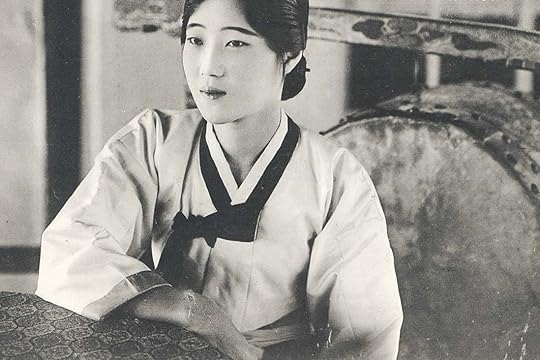
Shin Kyung-sook's The Court Dancer unfolds against the run up to Japan's 1910 annexation of Korea. I enjoyed reading about Korean imperial court life, but would have liked more about Jin's specific role as court dancer. The story revolves around Jin both as orphan negotiating her identity in court and as an exotic 'other' in Paris. I wasn't sure whether this was meant to be a romance as well. At many points in the narrative, Jin seems to have a complete lack of agency. Does she love the French diplomat, Victor, or is she just caught up in circumstances where decisions are made by others? This lack of agency or even opinion on certain matters makes the writing feel a bit uneven when Jin expresses her opinion on racist double standards she observes in France. Despite some flaws, though, I enjoyed. 3.75 stars
Shin Kyung-sook's The Court Dancer unfolds against the run up to Japan's 1910 annexation of Korea. I enjoyed reading about Korean imperial court life, but would have liked more about Jin's specific role as court dancer. The story revolves around Jin both as orphan negotiating her identity in court and as an exotic 'other' in Paris. I wasn't sure whether this was meant to be a romance as well. At many points in the narrative, Jin seems to have a complete lack of agency. Does she love the French diplomat, Victor, or is she just caught up in circumstances where decisions are made by others? This lack of agency or even opinion on certain matters makes the writing feel a bit uneven when Jin expresses her opinion on racist double standards she observes in France. Despite some flaws, though, I enjoyed. 3.75 stars

July 19, 2022
رواية قائمة على أحداث حقيقية ترسم صورة لكوريا في آخر القرن التاسع عشر
من خلال حكاية حب بين الفتاة الجميلة راقصة البلاط الملكي ودبلوماسي في المفوضية الفرنسية
أجادت الكاتبة في عرض ملامح الحياة الكورية اجتماعيا ودينيا وسياسيا
ونظرة القوى الكبرى في ذلك الوقت لمملكة كوريا المنعزلة والسعي للاستغلال وفرض السيطرة والتبعية
ويبدو التباين واضح بين الشرق والغرب في الثقافة والفكر, التقاليد والتعاملات
أسلوب لطيف وهادئ والترجمة جميلة عن الكورية للمترجم محمد نجيب
من خلال حكاية حب بين الفتاة الجميلة راقصة البلاط الملكي ودبلوماسي في المفوضية الفرنسية
أجادت الكاتبة في عرض ملامح الحياة الكورية اجتماعيا ودينيا وسياسيا
ونظرة القوى الكبرى في ذلك الوقت لمملكة كوريا المنعزلة والسعي للاستغلال وفرض السيطرة والتبعية
ويبدو التباين واضح بين الشرق والغرب في الثقافة والفكر, التقاليد والتعاملات
أسلوب لطيف وهادئ والترجمة جميلة عن الكورية للمترجم محمد نجيب

August 23, 2022
Negaliu įvertinti vienu sakiniu ar balu.Knygą lukštenau tarsi kokį svogūną, lapas po lapo ateidavo nauji atradimai arba nusivylimai..
Pradėsiu nuo to, kad manyje šiuo metu daug Korėjos, o tai ir tapo akstinu šią knygą įsigyti.Ilgai jaukinausi kol pradėjau, pradėjus buvau ir metusi ir valgiau pasigardžiuodama.. tokia ji ta knyga. Taigi apie tuos sluoksnius..
*Istoriniai aprašymai- kuo aš pernelyg nesižaviu, jie lengvai sutrumpintų knygą, visgi vertinant, kad autorė pradėjo nuo puslapio istorijos faktų, negali užmerkti akis į įdėtą darbą.
* Vertėjo darbas-didelėje dalyje knygos, man pasirodė labai nuviliantis. Istorija skambėjo sausai, atrodė faktai skamba netgi garsiau, naudojant tokią vertimo kalbą.Trūko tos apgaubiančios ir myluojančios literatūrinės kalbos, kuri nuneša kartu su istorija. Bet o tačiau, antra dalis knygos, bei intarpai pirmoje-išties labai nustebino, ir nudžiugino leisdami panirti giliau.
*Istorija-išties sujaudino. Pridėjus tai, kad kalbama apie mums nepažįstamą kultūrą ir tradicijas. Sutinku su anksčiau rašytu komentaru, kad norėjosi stipresnės analizės kas kodèl kaip, ar didesnio akcento į atoveiksmį po konkretaus veiksmo, bet istorija palietė širdį, pagavo net nuriedėjusią ašarą, įmetė į galvą kirminą, vis krebždenantį ir neleidžiantį pamiršti..
*Moteris- stipri? Silpna? Moteriška?Mylinti? Abejinga? Kamuojama nepritapimo jausmo, kur ji bebūtų? Pilna troškimų, kurių niekas taip ir nesužinos..mama-karalienė, meilė-pripratimas, meilė-atradimas, šokis-išsilaisvinimas? Niekur negaliu dėti taško, nes ji man iki šiol neperskaityta, neatrasta ir tooookia sava!
* Korėjai būdinga žodžio/sakinio stiprybė! Mintys, citatos, poetiški sakiniai-tai kiekvieno mūsų atrasti perliukai knygoje!
***********************************************
I can't rate it with one sentence or score. I peeled the book like an onion, new discoveries or disappointments came page after page.
I'll start with the fact that I have a lot of Korean in me at the moment, which became an incentive to buy this book. So about those layers...
*Historical descriptions - which I am not overly impressed by, they would easily shorten the book, however, considering that the author started with the historical facts of the page, you cannot close your eyes to the work put in.
* I found the translation in a big part of the book very disappointing. The story sounded dry. Words that could wrap you with literary language, which carries along with the story, I was overall missing. However, the second part of the book and the inserts in the first part, really surprised me and made me happy, allowing me to dive deeper.
*The story moved me. In addition to the fact that we are talking about a culture and traditions that are not familiar to us. I agree with the previously written comments that I wanted a stronger analysis of why and how, or a greater emphasis on the reaction after a specific action, but the story touched the heart, caught even a tear that had rolled down, put a worm in my head, which keeps gnawing and does not allow me to forget...
*Woman - strong? Weak? Feminine? Loving? indifferent? Suffering from a feeling of not fitting in, wherever she is? Full of desires that no one will ever know..mother-queen, love-habituation, love-discovery, dance-liberation? I can't put a point anywhere, because for me she still is undiscovered i and so unique!
* Korean word/sentence strength! Thoughts, quotes, poetic sentences - these are the gems we each discovered in the book!
Pradėsiu nuo to, kad manyje šiuo metu daug Korėjos, o tai ir tapo akstinu šią knygą įsigyti.Ilgai jaukinausi kol pradėjau, pradėjus buvau ir metusi ir valgiau pasigardžiuodama.. tokia ji ta knyga. Taigi apie tuos sluoksnius..
*Istoriniai aprašymai- kuo aš pernelyg nesižaviu, jie lengvai sutrumpintų knygą, visgi vertinant, kad autorė pradėjo nuo puslapio istorijos faktų, negali užmerkti akis į įdėtą darbą.
* Vertėjo darbas-didelėje dalyje knygos, man pasirodė labai nuviliantis. Istorija skambėjo sausai, atrodė faktai skamba netgi garsiau, naudojant tokią vertimo kalbą.Trūko tos apgaubiančios ir myluojančios literatūrinės kalbos, kuri nuneša kartu su istorija. Bet o tačiau, antra dalis knygos, bei intarpai pirmoje-išties labai nustebino, ir nudžiugino leisdami panirti giliau.
*Istorija-išties sujaudino. Pridėjus tai, kad kalbama apie mums nepažįstamą kultūrą ir tradicijas. Sutinku su anksčiau rašytu komentaru, kad norėjosi stipresnės analizės kas kodèl kaip, ar didesnio akcento į atoveiksmį po konkretaus veiksmo, bet istorija palietė širdį, pagavo net nuriedėjusią ašarą, įmetė į galvą kirminą, vis krebždenantį ir neleidžiantį pamiršti..
*Moteris- stipri? Silpna? Moteriška?Mylinti? Abejinga? Kamuojama nepritapimo jausmo, kur ji bebūtų? Pilna troškimų, kurių niekas taip ir nesužinos..mama-karalienė, meilė-pripratimas, meilė-atradimas, šokis-išsilaisvinimas? Niekur negaliu dėti taško, nes ji man iki šiol neperskaityta, neatrasta ir tooookia sava!
* Korėjai būdinga žodžio/sakinio stiprybė! Mintys, citatos, poetiški sakiniai-tai kiekvieno mūsų atrasti perliukai knygoje!
***********************************************
I can't rate it with one sentence or score. I peeled the book like an onion, new discoveries or disappointments came page after page.
I'll start with the fact that I have a lot of Korean in me at the moment, which became an incentive to buy this book. So about those layers...
*Historical descriptions - which I am not overly impressed by, they would easily shorten the book, however, considering that the author started with the historical facts of the page, you cannot close your eyes to the work put in.
* I found the translation in a big part of the book very disappointing. The story sounded dry. Words that could wrap you with literary language, which carries along with the story, I was overall missing. However, the second part of the book and the inserts in the first part, really surprised me and made me happy, allowing me to dive deeper.
*The story moved me. In addition to the fact that we are talking about a culture and traditions that are not familiar to us. I agree with the previously written comments that I wanted a stronger analysis of why and how, or a greater emphasis on the reaction after a specific action, but the story touched the heart, caught even a tear that had rolled down, put a worm in my head, which keeps gnawing and does not allow me to forget...
*Woman - strong? Weak? Feminine? Loving? indifferent? Suffering from a feeling of not fitting in, wherever she is? Full of desires that no one will ever know..mother-queen, love-habituation, love-discovery, dance-liberation? I can't put a point anywhere, because for me she still is undiscovered i and so unique!
* Korean word/sentence strength! Thoughts, quotes, poetic sentences - these are the gems we each discovered in the book!

August 8, 2018
Wow! Now this is a powerful historical fiction that takes readers back to 19th century Korea and Paris. Our story begins with a young Korean woman, Jin, a court dancer being taken to France by the French delegate, Victorthat quickly became enamored with her. Even going as far as begging the King and Queen for her hand. We are then given Jin's childhood years as a 5 year old orphan bewitching a Dowager Consort and meeting her mute friend Yeon, who will become a gifted musician. As Jin navigates the Western world and being a Korean woman in it, we see her long for her Korea caught up in a never ending tug of war between China and Japan.
This is an absolute gem of a novel that will take your breath a way and make you shed a tear. It sure had that effect on me!
Thanks to Netgalley for an e- Arc in exchange for an honest review.
This is an absolute gem of a novel that will take your breath a way and make you shed a tear. It sure had that effect on me!
Thanks to Netgalley for an e- Arc in exchange for an honest review.

August 28, 2022
The Court Dancer is Anton Hur's 2018 translation of the 2007 Korean original 이진 by 신경숙 (Shin Kyung-sook*)
The story begins in 1891. Yi Jin is 22, a former dancer in the Joseon court of the Korean King. close to the Queen, Queen Min. The King, who also bestowed on her a new name, taking his own family name, 이진 (Yi Jin) to indicate his enduring affection, has given permission for the French legate, Victor Collin du Plancy, to take her with him on his return to Paris as his lover and wife-to-be.
The novel is based on a historical story recorded in 1904 in a book En Corée, co-authored by the real-life Victor Émile Marie Joseph Collin de Plancy's successor as French Legate in Korea, Hippolyte Frandin (although a tale with little other corroborating evidence). The account in that work begins:
(see EKNews (Korean) and the Asian Review of Books for more details)
The opening of the novel dwells, in somewhat overwrought terms, on Yi Jin's beauty:
Her mystique wasn’t merely due to her exotic clothes. Nor was the reason she caught the eye, despite being among countless other women, because of the dazzling nape of her neck or the depth of her gaze. But her bared nape truly was pleasing when she lowered her head, resolute when she stood tall and centered, and magnetic when softly bending and twisting, drawing the touch of the hand.
And as Joseon Korea at that time had barely opened up to the world - William Elliot Griffis's 'Hermit Nation' epithet dated back to 1882 - she has little idea of what awaits her:
Where at the end of this ocean could this country be, a land with a president instead of a king? It could only be reached after a two-month ocean voyage. What sights were its streets, what mountains and rivers appeared in its scenery, what shoes did its people wear as they walked its land? Her pupils trembled with the unexpected onslaught of hopes and fears for the future.
Having set this scene in Part I, Part II fills us in on Jin's history and the beginning of her relationship with Victor. The story is also anchored in the historical background of Korea at the time, torn between the competing powers of Japan and China, each wishing to subjugate it, as well as the attempts by Russia, America, Britain and France to establish influence and also stop Korea falling into either Japan or China's control. Hence we learn, incidentally, of events such as the thwarted Gapsin Coup. Relative to the other colonial powers France has the least political interest in Korea, focused instead on Vietnam, and its main concern, and the focus of Victor's mission, is to end persecution of Catholics in the country. Victor's own impression of Korea are contained in letters to his superior, the Foreign Minister in France.
The third part of the book takes the reader with Victor and Jin to Paris. There she becomes involved in the literary scene, befriending Maupassant, as well as helping the only other Korean in Paris, the real-life Hong Jong-U in his attempts to translate classic Korean literature into French:
At first, she had taken on the work just to provide a few comments, but soon she became interested in the task of translation itself. Having intended to just skim over it, Jin had found herself reading each line, correcting the obvious mistakes and circling questionable choices, going through the language to make sure it flowed properly. Before she knew it, hours had gone by. Her attention was also arrested by how Hong's Story of Chunhyang was not the classic in its original form. The translation was replete not with Hong Jong-u's desire to tell a Korean story but to tell the story of Korea itself.
(The last sentence also true of the novel, which effectively blends an emotional story with a fascinating historical backdrop)
Initially happy in the country, Jin increasingly feels uneasy. Victor never quite meets his promise to formalise their relationship, Hong scorns her for forsaking her Korean ways and dress, and she realises how the Parisians regard Korean culture, three incidents in particular proving crucial:
- a visit to the Louvre when she questions why various of the exhibits aren't in their native country, and then finds that historic documents containing royal Korean court protocols have been taken as spoils by French troops after a military skirmish in retaliation for the persecution of French missionaries**,
- seeing the French Foreign Minister snubbing Hong Jong-U, and remarking on the inferiority of Korean, but making an exception for her as she had adopted French customs; and
- a visit to the Bois de Boulogne where she sees a 'human zoo' of African people.
The fourth part has Jin return to Korea, where her status is uncertain (without being formally married to Victor she is still technically part of the court and owned by the King), and where she is witness to what the reader has suspected all along will likely end the novel, the assassination of Queen Min by Japanese agents in October 1895.
Overall, historic fiction, particularly with a romantic spin, is not my usual genre, but this is very effectively done. 4 stars.
Notes:
* as an aside, an interfering person on Wikipedia took it upon himself to needlessly change all the Wikipedia entries for Korean authors to standard Korean government Romanization - so this author becomes Sin Gyeongsuk - taking zero regard of how the author is actually known on their translated works, or indeed wishes to be known.
** Interestingly these documents were returned to Korea in 2011, a few years after the novel was published
The story begins in 1891. Yi Jin is 22, a former dancer in the Joseon court of the Korean King. close to the Queen, Queen Min. The King, who also bestowed on her a new name, taking his own family name, 이진 (Yi Jin) to indicate his enduring affection, has given permission for the French legate, Victor Collin du Plancy, to take her with him on his return to Paris as his lover and wife-to-be.
The novel is based on a historical story recorded in 1904 in a book En Corée, co-authored by the real-life Victor Émile Marie Joseph Collin de Plancy's successor as French Legate in Korea, Hippolyte Frandin (although a tale with little other corroborating evidence). The account in that work begins:
Une danseuse attachée à la maison royale se distinguait de ses compagnes par son indiscutable beauté, telle même pour des yeux européens.
Un jeune chargé d’affaires (il vit encore et je ne puis divulguer son nom) fut particulièrement frappé par la grâce et le charme de cette jeune femme.
Il la demanda au roi Li-Hi, qui, très généreusement, lui en fît don.
La danseuse, étant essentiellement esclave, dut, sans protester, suivre son nouveau maître.
(see EKNews (Korean) and the Asian Review of Books for more details)
The opening of the novel dwells, in somewhat overwrought terms, on Yi Jin's beauty:
Her mystique wasn’t merely due to her exotic clothes. Nor was the reason she caught the eye, despite being among countless other women, because of the dazzling nape of her neck or the depth of her gaze. But her bared nape truly was pleasing when she lowered her head, resolute when she stood tall and centered, and magnetic when softly bending and twisting, drawing the touch of the hand.
And as Joseon Korea at that time had barely opened up to the world - William Elliot Griffis's 'Hermit Nation' epithet dated back to 1882 - she has little idea of what awaits her:
Where at the end of this ocean could this country be, a land with a president instead of a king? It could only be reached after a two-month ocean voyage. What sights were its streets, what mountains and rivers appeared in its scenery, what shoes did its people wear as they walked its land? Her pupils trembled with the unexpected onslaught of hopes and fears for the future.
Having set this scene in Part I, Part II fills us in on Jin's history and the beginning of her relationship with Victor. The story is also anchored in the historical background of Korea at the time, torn between the competing powers of Japan and China, each wishing to subjugate it, as well as the attempts by Russia, America, Britain and France to establish influence and also stop Korea falling into either Japan or China's control. Hence we learn, incidentally, of events such as the thwarted Gapsin Coup. Relative to the other colonial powers France has the least political interest in Korea, focused instead on Vietnam, and its main concern, and the focus of Victor's mission, is to end persecution of Catholics in the country. Victor's own impression of Korea are contained in letters to his superior, the Foreign Minister in France.
The third part of the book takes the reader with Victor and Jin to Paris. There she becomes involved in the literary scene, befriending Maupassant, as well as helping the only other Korean in Paris, the real-life Hong Jong-U in his attempts to translate classic Korean literature into French:
At first, she had taken on the work just to provide a few comments, but soon she became interested in the task of translation itself. Having intended to just skim over it, Jin had found herself reading each line, correcting the obvious mistakes and circling questionable choices, going through the language to make sure it flowed properly. Before she knew it, hours had gone by. Her attention was also arrested by how Hong's Story of Chunhyang was not the classic in its original form. The translation was replete not with Hong Jong-u's desire to tell a Korean story but to tell the story of Korea itself.
(The last sentence also true of the novel, which effectively blends an emotional story with a fascinating historical backdrop)
Initially happy in the country, Jin increasingly feels uneasy. Victor never quite meets his promise to formalise their relationship, Hong scorns her for forsaking her Korean ways and dress, and she realises how the Parisians regard Korean culture, three incidents in particular proving crucial:
- a visit to the Louvre when she questions why various of the exhibits aren't in their native country, and then finds that historic documents containing royal Korean court protocols have been taken as spoils by French troops after a military skirmish in retaliation for the persecution of French missionaries**,
- seeing the French Foreign Minister snubbing Hong Jong-U, and remarking on the inferiority of Korean, but making an exception for her as she had adopted French customs; and
- a visit to the Bois de Boulogne where she sees a 'human zoo' of African people.
The fourth part has Jin return to Korea, where her status is uncertain (without being formally married to Victor she is still technically part of the court and owned by the King), and where she is witness to what the reader has suspected all along will likely end the novel, the assassination of Queen Min by Japanese agents in October 1895.
Overall, historic fiction, particularly with a romantic spin, is not my usual genre, but this is very effectively done. 4 stars.
Notes:
* as an aside, an interfering person on Wikipedia took it upon himself to needlessly change all the Wikipedia entries for Korean authors to standard Korean government Romanization - so this author becomes Sin Gyeongsuk - taking zero regard of how the author is actually known on their translated works, or indeed wishes to be known.
** Interestingly these documents were returned to Korea in 2011, a few years after the novel was published

November 1, 2019
Shin Kyung - Sook mums jau pažįstama iš jautraus pasakojimo apie mamą knygoje “Prašau, pasirūpink mama”. Šįkart autorė neria į pačiai sau netikėtus vandenis ir rašo tikra istorine asmenybe paremtą kūrinį. O viskas prasidėjo nuo senų Čosono karalystės raštų, kuriuose rašytoja aptiko Ri Džinės pėdsakus ir tiesiog negalėjo šios moters paleisti. Duomenų apie šią rūmų šokėją nedaug, tad čia puikiai pasitarnavo autorės vaizduotė.
Knygos veiksmas rutuliojasi XIX a. pab Čosono karalystėje (dabartinė Korėja). Čia atvykęs prancūzų diplomatas Kolenas De Plansi įsimyli rūmams priklausančią šokėją Ri Džinę. Mergina, anksti tapusi našlaite ir ilgą laiką globota karalienės, gyvena už ją nuspręstą ir numatytą gyvenimą: ji niekada neištekės, nesusilauks vaikų ir neiškels kojos iš rūmų. Diplomatas taip pameta galvą dėl merginos, kad surizikuoja ir atskleidžia savo jausmus karaliui su prašymu ją vesti. Rizika pasiteisina - leidimas gautas. Po kiek laiko Ri Džinė ir Kolenas persikelia į Prancūziją.
Šioje vietoje reiktų paminėti, kad nors ir skaudaus likimo - anksti tapusi našlaite - bet Ri Džinė yra išskirtinė moteris. Tam tikrų aplinkybių dėka ji išmoksta puikiai prancūzų kalbą, yra išsilavinusi ir skvarbaus proto. Jos proto aštrumas nustelbia net ir daug mačiusį jos vyrą. Kritinis mąstymas taip pat ne paskutinėje vietoje.
Atvykus į Prancūziją mergina toliau lavina savo kalbą, šlifuoja akcento niuansus, mokosi istorijos, rengiasi kaip prancūzė, bet galiausiai suvokia, kad ji niekada nebus vietinė. Nors aplinka ją priima ir net žavisi, bet rasė jau savaime atkreipia dėmesį į jos kitomiškumą, o ką jau kalbėti apie atsirandantį ilgesį gimtinei bei savo karalienei. Paradoksas tame, kad turėdama visus šansus tapti realiai laisvu žmogumi, Ri Džinė ilgisi savo šalies nelaisvės ir nori grįžti atgal.
Kūrinyje aptinkame istorijos, žymių žmonių ir nemažai autentikos: pasakojama apie katalikybės įvedimą Rytuose, misionierių darbą, kas, manau, mums yra mažai žinoma. Taip pat nemažai rytietiškų detalių, simbolių tiek tautiniuose rūbuose, papuošaluose, valgiuose ir net žaidimuose. Įvedamas, mano galva, labai vykęs personažas- rašytojas Mopasanas, kuris atskleidžia dar daugiau Ri Džinės portreto spalvų.
Nemažai kontrastų - Rytų ir Vakarų pasauliai, vyras ir moteris, o taip pat individas ir asmuo kaip tautos dalis. Pastarasis atskleidžia esminę takoskyrą tarp vakarietiško mąstymo ir to, kaip gyvena rytiečiai. Mentalitetas skiriasi iš esmės ir ant šio momento pastatyta esminė kūrinio dalis.
Moterų klausimas kūrinyje taip pat keliamas. Aptariamų moterų padėtis tiek Rytuose tiek ir Vakaruose, Prancūzijoje. Be abejo vakarietės gyvena daug laisviau ir gali sau daugiau leisti, bet įdomu tai, kad nors Rytuose moterys teoriškai teisių turi labai mažai, bet pavyzdžiui karalienės bijomasi gerokai labiau nei karaliaus. Galime daryti išvadą, kad formali ir reali valdžia nebūtinai sutampa.
Turiu pastebėti, kad kūrinio kalba išskirtinai graži ir tobulai atspindi rytietišką mentalitetą. Ji rami, plaukianti, išlaikyta, santūri, elegantiška. Kalbos ritmas išlaikytas puikiai. Kalba ir pati Ri Džinė yra tarsi vienis. Tobulai papildo viena kitą.
Knyga tarsi puiki pasaka suaugusiems. Įstorija jautri ir įtraukianti. Net praėjus kelioms dienoms negaliu nustoti galvoti apie šį stiprų ir puikiai išpildytą personažą. Kviečiu ir jus pasinerti į rytietiška kultūra, o kartu ir prancūziška elegancija persmelktą pasakojimą apie neeilinę moterį ir jos gyvenimą. Gero skaitymo.
Knygos veiksmas rutuliojasi XIX a. pab Čosono karalystėje (dabartinė Korėja). Čia atvykęs prancūzų diplomatas Kolenas De Plansi įsimyli rūmams priklausančią šokėją Ri Džinę. Mergina, anksti tapusi našlaite ir ilgą laiką globota karalienės, gyvena už ją nuspręstą ir numatytą gyvenimą: ji niekada neištekės, nesusilauks vaikų ir neiškels kojos iš rūmų. Diplomatas taip pameta galvą dėl merginos, kad surizikuoja ir atskleidžia savo jausmus karaliui su prašymu ją vesti. Rizika pasiteisina - leidimas gautas. Po kiek laiko Ri Džinė ir Kolenas persikelia į Prancūziją.
Šioje vietoje reiktų paminėti, kad nors ir skaudaus likimo - anksti tapusi našlaite - bet Ri Džinė yra išskirtinė moteris. Tam tikrų aplinkybių dėka ji išmoksta puikiai prancūzų kalbą, yra išsilavinusi ir skvarbaus proto. Jos proto aštrumas nustelbia net ir daug mačiusį jos vyrą. Kritinis mąstymas taip pat ne paskutinėje vietoje.
Atvykus į Prancūziją mergina toliau lavina savo kalbą, šlifuoja akcento niuansus, mokosi istorijos, rengiasi kaip prancūzė, bet galiausiai suvokia, kad ji niekada nebus vietinė. Nors aplinka ją priima ir net žavisi, bet rasė jau savaime atkreipia dėmesį į jos kitomiškumą, o ką jau kalbėti apie atsirandantį ilgesį gimtinei bei savo karalienei. Paradoksas tame, kad turėdama visus šansus tapti realiai laisvu žmogumi, Ri Džinė ilgisi savo šalies nelaisvės ir nori grįžti atgal.
Kūrinyje aptinkame istorijos, žymių žmonių ir nemažai autentikos: pasakojama apie katalikybės įvedimą Rytuose, misionierių darbą, kas, manau, mums yra mažai žinoma. Taip pat nemažai rytietiškų detalių, simbolių tiek tautiniuose rūbuose, papuošaluose, valgiuose ir net žaidimuose. Įvedamas, mano galva, labai vykęs personažas- rašytojas Mopasanas, kuris atskleidžia dar daugiau Ri Džinės portreto spalvų.
Nemažai kontrastų - Rytų ir Vakarų pasauliai, vyras ir moteris, o taip pat individas ir asmuo kaip tautos dalis. Pastarasis atskleidžia esminę takoskyrą tarp vakarietiško mąstymo ir to, kaip gyvena rytiečiai. Mentalitetas skiriasi iš esmės ir ant šio momento pastatyta esminė kūrinio dalis.
Moterų klausimas kūrinyje taip pat keliamas. Aptariamų moterų padėtis tiek Rytuose tiek ir Vakaruose, Prancūzijoje. Be abejo vakarietės gyvena daug laisviau ir gali sau daugiau leisti, bet įdomu tai, kad nors Rytuose moterys teoriškai teisių turi labai mažai, bet pavyzdžiui karalienės bijomasi gerokai labiau nei karaliaus. Galime daryti išvadą, kad formali ir reali valdžia nebūtinai sutampa.
Turiu pastebėti, kad kūrinio kalba išskirtinai graži ir tobulai atspindi rytietišką mentalitetą. Ji rami, plaukianti, išlaikyta, santūri, elegantiška. Kalbos ritmas išlaikytas puikiai. Kalba ir pati Ri Džinė yra tarsi vienis. Tobulai papildo viena kitą.
Knyga tarsi puiki pasaka suaugusiems. Įstorija jautri ir įtraukianti. Net praėjus kelioms dienoms negaliu nustoti galvoti apie šį stiprų ir puikiai išpildytą personažą. Kviečiu ir jus pasinerti į rytietiška kultūra, o kartu ir prancūziška elegancija persmelktą pasakojimą apie neeilinę moterį ir jos gyvenimą. Gero skaitymo.

April 22, 2023
I was pretty engaged in the first half - but pretty disengaged in the second. I think that's because the characters were disengaged. Once it hit Paris/France, I had a harder time staying connected and so did the characters. They lost themselves. It all turns out rather sad. The writing is rather beautiful, but with these intrusive internal thoughts interspersed, which sometimes adds, sometimes distracts.
I just wanted to say something about the Power of Goodreads, particularly my main group. This one has been on my TBR for a while because a long time ago, we had a month where folks were reading books on Korea and it got some pretty rave reviews. It slowly rose up my list, and I finally got to get to it because of yet another year long challenge. I may not have loved the book, but I love that I am somehow getting to missed things I might not have. I actually feel great (such a book nerd) that I have a system that is both precise and spontaneous for getting to books, which makes me get to mostly a lot of things I love and a lot of four and five star reads. And crazily enough, that excites and thrills me.
I just wanted to say something about the Power of Goodreads, particularly my main group. This one has been on my TBR for a while because a long time ago, we had a month where folks were reading books on Korea and it got some pretty rave reviews. It slowly rose up my list, and I finally got to get to it because of yet another year long challenge. I may not have loved the book, but I love that I am somehow getting to missed things I might not have. I actually feel great (such a book nerd) that I have a system that is both precise and spontaneous for getting to books, which makes me get to mostly a lot of things I love and a lot of four and five star reads. And crazily enough, that excites and thrills me.

December 18, 2020
Opowieść o wielkiej historii, o wielkiej miłości i wielkiej tęsknocie.
Podobno historia tytułowej Dworskiej Tancerki oparta jest o prawdziwe wydarzenia. Autorka trafiła na krótką wzmiankę o Ri Jin, o jej uczuciu do francuskiego konsula i życiu jakie prowadziła w Europie. Ten fragment odmienił wszystko i zainspirował Shin Kyung-Sook, by zanurzyć się w ten niezwykły świat epoki, która powoli odchodziła w cień.
"Dworska tancerka" porusza serce opowieścią o obietnicy nowego życia, o porywach namiętności i o tęsknocie, które dręczy serce wyrwane z korzeniami. Ri Jin wyrwała się na wolność, odeszła z królewskiego dworu, spełniła wielkie marzenie, ale... Mimo wszystko czuje się jak ptak w złotej klatce. Osamotniona, pozostawiona samej sobie, egzotyczna ozdoba cudzego życia.
Poprzez jej historię Shin Kyung-Sook ukazuje skomplikowane dzieje samej Korei – zmiany, jakie zachodzą w postrzeganiu jej miejsca w nowym porządku, skomplikowaną politykę wewnętrzną i wreszcie pełen chaosu świat dyplomacji, który odmieni losy Korei na zawsze.
Od "Dworskiej tancerki" nie sposób się oderwać! Pochłania czytelnika na długie godziny, porywa w pełną wzruszeń, niedopowiedzeń i rozpaczy rzeczywistość młodej kobiety, która szukała czegoś więcej, czegoś bardziej, czegoś dalej... Jednak trochę jak Pocahontas przed laty – i jej marzenia obróciły się w pył. Razem z nią przyjdzie nam cierpieć, przyjdzie nam ronić łzy, przyjdzie też tęsknić za tym, co bezpowrotnie utracone. Dla spragnionych wyjątkowych opowieści z wielką historią w tle "Dworska Tancerka" będzie jak znalazł!
Podobno historia tytułowej Dworskiej Tancerki oparta jest o prawdziwe wydarzenia. Autorka trafiła na krótką wzmiankę o Ri Jin, o jej uczuciu do francuskiego konsula i życiu jakie prowadziła w Europie. Ten fragment odmienił wszystko i zainspirował Shin Kyung-Sook, by zanurzyć się w ten niezwykły świat epoki, która powoli odchodziła w cień.
"Dworska tancerka" porusza serce opowieścią o obietnicy nowego życia, o porywach namiętności i o tęsknocie, które dręczy serce wyrwane z korzeniami. Ri Jin wyrwała się na wolność, odeszła z królewskiego dworu, spełniła wielkie marzenie, ale... Mimo wszystko czuje się jak ptak w złotej klatce. Osamotniona, pozostawiona samej sobie, egzotyczna ozdoba cudzego życia.
Poprzez jej historię Shin Kyung-Sook ukazuje skomplikowane dzieje samej Korei – zmiany, jakie zachodzą w postrzeganiu jej miejsca w nowym porządku, skomplikowaną politykę wewnętrzną i wreszcie pełen chaosu świat dyplomacji, który odmieni losy Korei na zawsze.
Od "Dworskiej tancerki" nie sposób się oderwać! Pochłania czytelnika na długie godziny, porywa w pełną wzruszeń, niedopowiedzeń i rozpaczy rzeczywistość młodej kobiety, która szukała czegoś więcej, czegoś bardziej, czegoś dalej... Jednak trochę jak Pocahontas przed laty – i jej marzenia obróciły się w pył. Razem z nią przyjdzie nam cierpieć, przyjdzie nam ronić łzy, przyjdzie też tęsknić za tym, co bezpowrotnie utracone. Dla spragnionych wyjątkowych opowieści z wielką historią w tle "Dworska Tancerka" będzie jak znalazł!
June 30, 2024
Bardzo dobrze napisana książka. Ciekawie było zapoznać się z piórem autorki w innej niż współcześnie zaaranżowanej powieści.

August 31, 2020
O carte minunată! Mi-a plăcut atât de mult.

December 23, 2019
„Jis tiesiog visą gyvenimą norėjo nugyventi šalia šios moters.“
Lietuvoje knygos mylėtojai tikrai turėjo būti skaitę, ar bent pastebėję, kitą šios rašytojos knygą „Prašau, pasirūpink mama“. Prisipažinsiu, aš esu ta, kuri tik žino apie ją, bet neskaitė. Todėl nebuvau susipažinusi su autorės kūryba. Startavau nuo šios ir likau maloniai literatūriškai sukrėsta. Tačiau, kad sukrėtimas nebūtų jau toks stiprus, paminėsiu ir tai, kas man užkliuvo.
Knygos nugarėlėje rasite žodžius – „tikrais įvykiais paremtame pasakojime…“ Tolima Korėja, (XIX a. pabaigoje vadinama Čosono karalyste), didingi karaliaus rūmai ir juose šokanti vergė Ri Džinė. Tiesa, mergina vardo net neturi, ir šis jai buvo suteiktas tik išvykstant iš karalystės. Ir tas žodis „vergė“ skamba labai slegiančiai. Iš tiesų, tai Ri Džinė karališkoje prabangoje gyvenanti karalienės numylėtinė mergaitė, kuri turi dievišką talentą šokti. Vaikystėje ji augo šalia rūmų esančiame kaime. Po motinos mirties mergaitė liko viena, todėl jokio giminystės ryšio neturinti teta ją priglaudžia savo namuose ir myli kaip savą. Staiga jų kieme pasirodo prancūzų dvasininkas su nebyliu berniuku. Dvasininkas į Ri Džinės gyvenimą atneša prancūzų kalbą, o mažasis berniukas Kang Jonas draugystę, žodžiais neįvardinamą ryšį ir muziką.
Mergina užauga ir štai į jos gyvenimą pasibeldžia vyro meilė. Prancūzijos pasiuntinys Kolenas atvyksta į Čosono karalystę. Ketindamas užmegzti palankius ryšius su karaliumi, Kolenas net nesitiki, kad diplomatinė tarnyba jam atneš meilę rūmų šokėjai. Per daug neatvirausiu kas ir kaip, bet Kolenui pavyksta gauti karaliaus leidimą ir išsivežti Ri Džinę su savimi į bohemišką, atvirą ir laisvą Prancūziją.
Jau vien ta dalis, kad jie išvyksta į Prancūziją, man suteikė daug lūkesčių. Įsivaizdavau, kad skaitysiu apie bohemą, meną, spektaklius ir vakarėlius. Jau mačiau, kaip Ri Džinė iš tarnaitės virsta emancipuota paryžiete. O kur dar aistringa meilė prancūzui ir pan. Na, o tą tragišką jos likimą siejau su per didelėmis meilės aistromis, kai „aistrų laužas“ jau taip įsišėlsta, kad pradeda visus naikinti. Bet ne. Čia viskas pasisuka kiek kita linkme.
Ri Džinė išvyksta su Kolenu, bet ar tai meilė? Atvykusi į Prancūziją, ji visus žavi savo puikia prancūzų kalba ir apsiskaitymu, bet ar jaučiasi sava? Galiausiai jauna moteris patiria tokius gyvenimiškus smūgius, jog jos vienintelis noras grįžti namo. Tačiau kokia tikroji grįžimo priežastis? Tad šioje knygoje tai, kas iš pirmo žvilgsnio gali pasirodyti aišku ir paprasta, slepia kur kas sudėtingesnius dalykus.
„Žmogus toks jau yra: nuolat prieštarauja pats sau, reikalaudamas ko nors didelėmis pėdomis palikti mažus pėdsakus.“
Šioje istorijoje tikrų faktų yra tik tiek, kad tokia Ri Džinė iš tiesų egzistavo. Autorė informacijos ieškojo Prancūzijoje ir Korėjoje. Apie Koleną rado, o štai Ri Džinė tarsi išgaravo iš visų šaltinių ir žmonių atminties. Tačiau menkutis tikrų faktų būvimas visiškai nenuvylė. Autorė pripažino, kad davė laisvę savo vaizduotei ir Ri Džinei suteikė antrą gyvenimą. Įpinti tikri ir išgalvoti XIX a. žmonės, įvykiai, viskas sodriai perliejama jausmais bei emocijomis. Ir štai, istorija tampa jautriu, įtraukiančiu, bet, labai gaila, tragišku merginos gyvenimu.
Atrodo, kad galėčiau rašyti ir rašyti apie šią knygą. Gan daug ji savyje talpina. Bet šalia puikios istorijos pakalbėjime apie minusus. Taigi – vertimas. Prisipažinsiu, kad pirmąją knygos pusę skaičiau gal savaitę. Knygos tekstas man niekaip neleido įsivažiuoti. Mintyse norėjau kritikuoti vertimą, bet nesu filologė, tad pasistengiau viską nurašyti nuovargiui. Tad skaičiau skaičiau, kol pati istorija mane tiek įtraukė, kad net vaikui paleidau filmukus, kad galėčiau nieko nelaukusi baigti skaityti knygą. Bet po šios į rankas paėmiau knygą apie politiką. Ir aš sklandžiai nuplaukiau tekstu… Ir tada supratau, kad visgi vertimas, o ne nuovargis man trukdė skaityti. Tiesiog kartais tekstą reikia šlifuoti, šlifuoti ir šlifuoti tol, kol skaitytojas net nepajus, kad knyga yra verstinė. Bet suprantu, lengva man sakyti, kai korėjiečių kalbos nemoku (ir panašu, kad jau tikriausiai ir neišmoksiu 😀 )
Dar vienas dalykas – išnašos. Kadangi knygoje kalbama apie korėjiečių kultūrą, gan dažnai naudojami jų kultūrai būdingų drabužių, šokių, patiekalų ar pan. pavadinimai. Visų šių žodžių paaiškinimas pateikiamas puslapio apačioje. Ir taip, mane tai labai blaškė ir atitraukė nuo teksto. Paskui tiesiog yra žymiai sudėtingiau vėl susirasti pamestą sakinį ir skaityti toliau. Aš tiesiog nebeskaitydavau tų paaiškinimų, nes labai didelės meninės ar intelektinės vertės jie tekstui ir nesuteikė.
Todėl, jeigu po tokio ilgo mano teksto jums sunku suprasti – patiko man ar ne? – tai tiesiog apibendrinu ir pasakau – taip, man patiko. Dabar rašydama apžvalgą pagalvojau, kad buvo keletas vietų, kurios manęs neįtikino, veikėjai „neatvaidino“ iki galo, bet antra knygos pusė privertė sulaikyti kvapą, pravirkti ir dar kartą įsitikinti, kad tokios istorijos vertos laiko ir filmuko vaikui. Autorės vaizduotė stipri.
Gero skaitymo
Lietuvoje knygos mylėtojai tikrai turėjo būti skaitę, ar bent pastebėję, kitą šios rašytojos knygą „Prašau, pasirūpink mama“. Prisipažinsiu, aš esu ta, kuri tik žino apie ją, bet neskaitė. Todėl nebuvau susipažinusi su autorės kūryba. Startavau nuo šios ir likau maloniai literatūriškai sukrėsta. Tačiau, kad sukrėtimas nebūtų jau toks stiprus, paminėsiu ir tai, kas man užkliuvo.
Knygos nugarėlėje rasite žodžius – „tikrais įvykiais paremtame pasakojime…“ Tolima Korėja, (XIX a. pabaigoje vadinama Čosono karalyste), didingi karaliaus rūmai ir juose šokanti vergė Ri Džinė. Tiesa, mergina vardo net neturi, ir šis jai buvo suteiktas tik išvykstant iš karalystės. Ir tas žodis „vergė“ skamba labai slegiančiai. Iš tiesų, tai Ri Džinė karališkoje prabangoje gyvenanti karalienės numylėtinė mergaitė, kuri turi dievišką talentą šokti. Vaikystėje ji augo šalia rūmų esančiame kaime. Po motinos mirties mergaitė liko viena, todėl jokio giminystės ryšio neturinti teta ją priglaudžia savo namuose ir myli kaip savą. Staiga jų kieme pasirodo prancūzų dvasininkas su nebyliu berniuku. Dvasininkas į Ri Džinės gyvenimą atneša prancūzų kalbą, o mažasis berniukas Kang Jonas draugystę, žodžiais neįvardinamą ryšį ir muziką.
Mergina užauga ir štai į jos gyvenimą pasibeldžia vyro meilė. Prancūzijos pasiuntinys Kolenas atvyksta į Čosono karalystę. Ketindamas užmegzti palankius ryšius su karaliumi, Kolenas net nesitiki, kad diplomatinė tarnyba jam atneš meilę rūmų šokėjai. Per daug neatvirausiu kas ir kaip, bet Kolenui pavyksta gauti karaliaus leidimą ir išsivežti Ri Džinę su savimi į bohemišką, atvirą ir laisvą Prancūziją.
Jau vien ta dalis, kad jie išvyksta į Prancūziją, man suteikė daug lūkesčių. Įsivaizdavau, kad skaitysiu apie bohemą, meną, spektaklius ir vakarėlius. Jau mačiau, kaip Ri Džinė iš tarnaitės virsta emancipuota paryžiete. O kur dar aistringa meilė prancūzui ir pan. Na, o tą tragišką jos likimą siejau su per didelėmis meilės aistromis, kai „aistrų laužas“ jau taip įsišėlsta, kad pradeda visus naikinti. Bet ne. Čia viskas pasisuka kiek kita linkme.
Ri Džinė išvyksta su Kolenu, bet ar tai meilė? Atvykusi į Prancūziją, ji visus žavi savo puikia prancūzų kalba ir apsiskaitymu, bet ar jaučiasi sava? Galiausiai jauna moteris patiria tokius gyvenimiškus smūgius, jog jos vienintelis noras grįžti namo. Tačiau kokia tikroji grįžimo priežastis? Tad šioje knygoje tai, kas iš pirmo žvilgsnio gali pasirodyti aišku ir paprasta, slepia kur kas sudėtingesnius dalykus.
„Žmogus toks jau yra: nuolat prieštarauja pats sau, reikalaudamas ko nors didelėmis pėdomis palikti mažus pėdsakus.“
Šioje istorijoje tikrų faktų yra tik tiek, kad tokia Ri Džinė iš tiesų egzistavo. Autorė informacijos ieškojo Prancūzijoje ir Korėjoje. Apie Koleną rado, o štai Ri Džinė tarsi išgaravo iš visų šaltinių ir žmonių atminties. Tačiau menkutis tikrų faktų būvimas visiškai nenuvylė. Autorė pripažino, kad davė laisvę savo vaizduotei ir Ri Džinei suteikė antrą gyvenimą. Įpinti tikri ir išgalvoti XIX a. žmonės, įvykiai, viskas sodriai perliejama jausmais bei emocijomis. Ir štai, istorija tampa jautriu, įtraukiančiu, bet, labai gaila, tragišku merginos gyvenimu.
Atrodo, kad galėčiau rašyti ir rašyti apie šią knygą. Gan daug ji savyje talpina. Bet šalia puikios istorijos pakalbėjime apie minusus. Taigi – vertimas. Prisipažinsiu, kad pirmąją knygos pusę skaičiau gal savaitę. Knygos tekstas man niekaip neleido įsivažiuoti. Mintyse norėjau kritikuoti vertimą, bet nesu filologė, tad pasistengiau viską nurašyti nuovargiui. Tad skaičiau skaičiau, kol pati istorija mane tiek įtraukė, kad net vaikui paleidau filmukus, kad galėčiau nieko nelaukusi baigti skaityti knygą. Bet po šios į rankas paėmiau knygą apie politiką. Ir aš sklandžiai nuplaukiau tekstu… Ir tada supratau, kad visgi vertimas, o ne nuovargis man trukdė skaityti. Tiesiog kartais tekstą reikia šlifuoti, šlifuoti ir šlifuoti tol, kol skaitytojas net nepajus, kad knyga yra verstinė. Bet suprantu, lengva man sakyti, kai korėjiečių kalbos nemoku (ir panašu, kad jau tikriausiai ir neišmoksiu 😀 )
Dar vienas dalykas – išnašos. Kadangi knygoje kalbama apie korėjiečių kultūrą, gan dažnai naudojami jų kultūrai būdingų drabužių, šokių, patiekalų ar pan. pavadinimai. Visų šių žodžių paaiškinimas pateikiamas puslapio apačioje. Ir taip, mane tai labai blaškė ir atitraukė nuo teksto. Paskui tiesiog yra žymiai sudėtingiau vėl susirasti pamestą sakinį ir skaityti toliau. Aš tiesiog nebeskaitydavau tų paaiškinimų, nes labai didelės meninės ar intelektinės vertės jie tekstui ir nesuteikė.
Todėl, jeigu po tokio ilgo mano teksto jums sunku suprasti – patiko man ar ne? – tai tiesiog apibendrinu ir pasakau – taip, man patiko. Dabar rašydama apžvalgą pagalvojau, kad buvo keletas vietų, kurios manęs neįtikino, veikėjai „neatvaidino“ iki galo, bet antra knygos pusė privertė sulaikyti kvapą, pravirkti ir dar kartą įsitikinti, kad tokios istorijos vertos laiko ir filmuko vaikui. Autorės vaizduotė stipri.
Gero skaitymo

February 24, 2014
Another Home Run for Shin Kyung Sook!
Being French, I never thought I could find a real French atmosphere described by a non native person like that. Finds out she just pulled it off and beautifully that is! The Historical and cultural Korean backgrounds are fascinating! I loved this book so much I took me a month and a half to read it: I just couldn't finish it and be like "it's over". The author wrote this book as some kind of tribute to this little Korean dancer who was taken away from all she ever knew (The book was inspired by a real story). She wanted her memory to be passed on to the next generation and I don't think I'll ever forget about this book and Li Chin as long as I live. My favorite parts were definitely during Chin's childhood and when she met Maupassant in Paris: it was just epic! Heartbreaking but moving, delicate and incredibly brilliant.
Next goal in life: Get more books from Shin Kyung-Sook!
Being French, I never thought I could find a real French atmosphere described by a non native person like that. Finds out she just pulled it off and beautifully that is! The Historical and cultural Korean backgrounds are fascinating! I loved this book so much I took me a month and a half to read it: I just couldn't finish it and be like "it's over". The author wrote this book as some kind of tribute to this little Korean dancer who was taken away from all she ever knew (The book was inspired by a real story). She wanted her memory to be passed on to the next generation and I don't think I'll ever forget about this book and Li Chin as long as I live. My favorite parts were definitely during Chin's childhood and when she met Maupassant in Paris: it was just epic! Heartbreaking but moving, delicate and incredibly brilliant.
Next goal in life: Get more books from Shin Kyung-Sook!

August 18, 2023
A beautiful scene can invoke hidden thoughts
Writing characters that feel like real people is a difficult endeavor, but there is an added struggle when said characters are actually based on real life people, which is the case of this story written by Shin Kyung-sook and translated by Anton Hur. If, as some believe, photography stole the soul of the photographed, Shin and Hur returned it to them.
It is almost impossible to imagine that someone would be oblivious about what a cultural force Korea is right now, but more than a century ago, that was not the case. Korea stood defenseless in the background as Japan and China fought for power over them, while trying to find their own identity as a country.
In this political landscape stands a Court Dancer. An orphan since a young age, she was practically nameless until the king decided to name her Yi Jin. She was beautiful, well read, and loyal.
When French diplomat and avid "collector" meets the alluring dancer, he becomes spellbound by her splendor and her ability to speak French. He grows stubborn in her pursuit of Jin, whose position in the palace makes it impossible to reciprocate his intentions. After a series of events, he eventually gets what he wants and takes her to France with unfulfilled promises of wedlock.
Victor could not help thinking she was like an armful of flowers sparkling with droplets on a summer day after rain.
Jin tries to accommodate to life in France, she visits places and takes interest in philosophy, culture and art. It is in the Louvre, gazing at the artwork that a powerful exchange occurs between Jin and the French diplomat. She wonders why there are so many foreign pieces being displayed there, why France felt that they would preserve it better than the place of origin.
Why? Why do you think the Venus and the sphinx would’ve perished if not for France?
At Victor’s dismayed look, she comes to the realization that he will never understand. She remembers all the unwelcoming strange looks on the people that she meets, and questions whether she could be just another piece stolen from a foreign land. Jin never actually had a choice, she went from her mother figure’s hands to the palace to France, always conditioned, expecting to fit-in in the next place, with promise of freedom that never came. Describing water, the author says: Water can be carried or poured in any shape. It can fill up any contained space and flow in any direction. Its basic nature is immutable, which is what gives water its power. This can also be used to describe Jin, she is tossed around with little to no voice, but manages to adjust and accept it, and that also requires courage.
It seems that it is just as tragic to be born a woman there, over an ocean, as it is here.
The social commentary about the impact of colonization and the role of women in society is there, in a subtle, thought provoking way, without diverging from the point of the narration, which is to follow the story as it unfolds in that period of time, a sort of "make it what you will."
The scenery is beautiful, Shin has the ability to describe natural elements in an idyllic manner, and creates an atmosphere of serenity that contrasts the heavy weight of the characters inner turmoil. Soulful brush strokes on an empty canvas, that grow darker as the story progresses, soft pace with little detours to admire the view.
The early spring sunlight shone on the nape of her neck, and the torn pieces of paper scattered into the spring breeze, fluttering away.
They looked like golden butterflies, spreading their wings to the sun
Writing characters that feel like real people is a difficult endeavor, but there is an added struggle when said characters are actually based on real life people, which is the case of this story written by Shin Kyung-sook and translated by Anton Hur. If, as some believe, photography stole the soul of the photographed, Shin and Hur returned it to them.
It is almost impossible to imagine that someone would be oblivious about what a cultural force Korea is right now, but more than a century ago, that was not the case. Korea stood defenseless in the background as Japan and China fought for power over them, while trying to find their own identity as a country.
In this political landscape stands a Court Dancer. An orphan since a young age, she was practically nameless until the king decided to name her Yi Jin. She was beautiful, well read, and loyal.
When French diplomat and avid "collector" meets the alluring dancer, he becomes spellbound by her splendor and her ability to speak French. He grows stubborn in her pursuit of Jin, whose position in the palace makes it impossible to reciprocate his intentions. After a series of events, he eventually gets what he wants and takes her to France with unfulfilled promises of wedlock.
Victor could not help thinking she was like an armful of flowers sparkling with droplets on a summer day after rain.
Jin tries to accommodate to life in France, she visits places and takes interest in philosophy, culture and art. It is in the Louvre, gazing at the artwork that a powerful exchange occurs between Jin and the French diplomat. She wonders why there are so many foreign pieces being displayed there, why France felt that they would preserve it better than the place of origin.
Why? Why do you think the Venus and the sphinx would’ve perished if not for France?
At Victor’s dismayed look, she comes to the realization that he will never understand. She remembers all the unwelcoming strange looks on the people that she meets, and questions whether she could be just another piece stolen from a foreign land. Jin never actually had a choice, she went from her mother figure’s hands to the palace to France, always conditioned, expecting to fit-in in the next place, with promise of freedom that never came. Describing water, the author says: Water can be carried or poured in any shape. It can fill up any contained space and flow in any direction. Its basic nature is immutable, which is what gives water its power. This can also be used to describe Jin, she is tossed around with little to no voice, but manages to adjust and accept it, and that also requires courage.
It seems that it is just as tragic to be born a woman there, over an ocean, as it is here.
The social commentary about the impact of colonization and the role of women in society is there, in a subtle, thought provoking way, without diverging from the point of the narration, which is to follow the story as it unfolds in that period of time, a sort of "make it what you will."
The scenery is beautiful, Shin has the ability to describe natural elements in an idyllic manner, and creates an atmosphere of serenity that contrasts the heavy weight of the characters inner turmoil. Soulful brush strokes on an empty canvas, that grow darker as the story progresses, soft pace with little detours to admire the view.
The early spring sunlight shone on the nape of her neck, and the torn pieces of paper scattered into the spring breeze, fluttering away.
They looked like golden butterflies, spreading their wings to the sun
March 21, 2020
Cartea are o poveste fermecătoare prin contrastul dintre Europa și Asia, dar și datorită stilului în care este scrisă. Finalul este pur și simplu sfâșietor, lucru ce m-a făcut să îndrăgesc povestea mai mult decât mă așteptam să o fac.
Recenzia, aici.
Recenzia, aici.

April 18, 2021
O carte care m-a impresionat așa cum o fac de obicei cărțile din literatura coreeană, cu un final tulburător. Istoria Statutului Joseon(Coreea de astăzi) este una plina de evenimente tragice și seamănă cu cea a țării noastre pentru că multe state au avut interese. Cititi cu încredere aceasta carte.

April 29, 2022
Yu Jin and Victor Collin de Plancy . . . the supposed lovers petrified by the ubiquitous influence of power. It reminds me of Mohit's final words for his Indo-Chinese beloved, Jiang, in Divakaruni's One Amazing Thing, "Forgive me, he said. I love you, but I can’t fight a whole country".
The Court Dancer by Kyung-Sook Shin, translated into English by Anton Hur, is a saga of the late nineteenth century and early twentieth century Korean Peninsula, when China and Japan were in conflict for domination, and embassies of Russia, France and the United Kingdom were being established in Korea. When Victor, the French legate, first saw Yu Jin, the eponymous court dancer and a favourite of the last queen of Joseon Dynasty, he could not stop thinking about her and like the plunders of artefacts from the East, the West, with all his might, promised for a freedom which could be had, in France. A simple Bonjour set the heart on fire, and the graceful Dance of the Spring Oriole propelled it further. A French atmosphere of the likes of Nana and Madame Bovary clinged to the narration, and Jin, similar to the exhibition of African villagers in Bois du Boulogne, lived a life "for the amusement of the Parisians".
The tale of imperialist notions, of a love as impossible as the sun setting on the Western empire, of cultures as distinct as the personalities of peoples and yet formidable, in their own ways, The Court Dancer is an enigma worth devoting ones time to.
The Court Dancer by Kyung-Sook Shin, translated into English by Anton Hur, is a saga of the late nineteenth century and early twentieth century Korean Peninsula, when China and Japan were in conflict for domination, and embassies of Russia, France and the United Kingdom were being established in Korea. When Victor, the French legate, first saw Yu Jin, the eponymous court dancer and a favourite of the last queen of Joseon Dynasty, he could not stop thinking about her and like the plunders of artefacts from the East, the West, with all his might, promised for a freedom which could be had, in France. A simple Bonjour set the heart on fire, and the graceful Dance of the Spring Oriole propelled it further. A French atmosphere of the likes of Nana and Madame Bovary clinged to the narration, and Jin, similar to the exhibition of African villagers in Bois du Boulogne, lived a life "for the amusement of the Parisians".
The tale of imperialist notions, of a love as impossible as the sun setting on the Western empire, of cultures as distinct as the personalities of peoples and yet formidable, in their own ways, The Court Dancer is an enigma worth devoting ones time to.

October 12, 2018
Listen to my review on YouTube - https://www.youtube.com/watch?v=zKjuf...
Watch my review in Korean on YouTube - https://www.youtube.com/live/1wtN6R9M...
Watch my review in Korean on YouTube here - 조선에서 파리까지, 신경숙 「리진」이 그리는 사랑과 권력 - https://www.youtube.com/live/VsWzrVGJ...
Read my review on Substack here - https://open.substack.com/pub/barrywe...
Watch my review in Korean on YouTube - https://www.youtube.com/live/1wtN6R9M...
Watch my review in Korean on YouTube here - 조선에서 파리까지, 신경숙 「리진」이 그리는 사랑과 권력 - https://www.youtube.com/live/VsWzrVGJ...
Read my review on Substack here - https://open.substack.com/pub/barrywe...

Did Not Finish
December 2, 2018The historical story was moderately interesting, but the love story was pukeworthy, especially one god-awful sex scene early on, and the horrific paragraph ending with “Where she should have curves, she had curves.” Nopity-nope-nope. Bailed a few pages after that.

May 6, 2021
Didnt really enjoy the first half.
The second half was where it picked up and oh boy.
This got me interested a lot more about Korean history.
The second half was where it picked up and oh boy.
This got me interested a lot more about Korean history.

May 23, 2021
Un libro che parla di un personaggio realmente esistito, Yi Jin, una piccola orfana coreana che impara il francese da padre Blanc, che poi diventerà vescovo del vicariato apostolico in Corea. La sua storia è molto romanzata, perché l'autrice non è riuscita a trovare molti documenti storici che la riguradavano, se non una misera paginetta e mezza, che tuttavia l'ha molto incuriosita, perché si trattava della prima donna coreana a venire a contatto con la cultura occidentale, quella francese in particolare.
Yi Jin va a vivere a corte fin da piccola e diventa una delle dame più amate dalla regina, a cui legge numerosi romanzi francesi, traducendoli per lei. La bellissima giovane diventerà la più brava ballerina di corte e farà innamorare di lei Victor Collin de Plancy, il primo diplomatico francese in Corea, che chiederà il permesso di portarla a Parigi con sé, un permesso impossibile da ottenere, ma concesso eccezionalmente a Yi Jin.
La Corea in cui vive la danzatrice è quella dell'ultimo periodo della dinastia Joseon, uno stato feudale in cui le donne erano considerate alla stregua di schiave. Yi Jin non avrebbe potuto lasciare il palazzo reale a nessun costo, ma alcune circostanze favoriscono la sua partenza con Victor.
A Parigi, la donna entrerà in contatto con la cultura della Belle Epoque, in particolare conoscerà Guy de Maupassant, di cui già aveva letto e amato i libri quando si trovava in Corea.
Malgrado in Francia sia libera e sia innamorata di Victor, Yi Jin si sente come un oggetto in esposizione e prova una fortissima nostalgia per il proprio paese e in particolare per la regina, che l'ha allevata come una figlia, e per Yeon, un orfano cresciuto con lei come un fratello, che adesso fa il musicista di corte.
Ma purtroppo la Storia ha in serbo per la Corea un periodo molto triste, di dominazione e di morte.
La storia narrata è molto bella anche se molto triste; purtroppo non sempre riesco a entrare in sintonia con la sensibilità orientale, per cui ho l'impressione che i personaggi siano troppo distaccati, e non riesco a provare la giusta empatia nei loro confronti, probabilmente a causa dello stile.
Yi Jin va a vivere a corte fin da piccola e diventa una delle dame più amate dalla regina, a cui legge numerosi romanzi francesi, traducendoli per lei. La bellissima giovane diventerà la più brava ballerina di corte e farà innamorare di lei Victor Collin de Plancy, il primo diplomatico francese in Corea, che chiederà il permesso di portarla a Parigi con sé, un permesso impossibile da ottenere, ma concesso eccezionalmente a Yi Jin.
La Corea in cui vive la danzatrice è quella dell'ultimo periodo della dinastia Joseon, uno stato feudale in cui le donne erano considerate alla stregua di schiave. Yi Jin non avrebbe potuto lasciare il palazzo reale a nessun costo, ma alcune circostanze favoriscono la sua partenza con Victor.
A Parigi, la donna entrerà in contatto con la cultura della Belle Epoque, in particolare conoscerà Guy de Maupassant, di cui già aveva letto e amato i libri quando si trovava in Corea.
Malgrado in Francia sia libera e sia innamorata di Victor, Yi Jin si sente come un oggetto in esposizione e prova una fortissima nostalgia per il proprio paese e in particolare per la regina, che l'ha allevata come una figlia, e per Yeon, un orfano cresciuto con lei come un fratello, che adesso fa il musicista di corte.
Ma purtroppo la Storia ha in serbo per la Corea un periodo molto triste, di dominazione e di morte.
La storia narrata è molto bella anche se molto triste; purtroppo non sempre riesco a entrare in sintonia con la sensibilità orientale, per cui ho l'impressione che i personaggi siano troppo distaccati, e non riesco a provare la giusta empatia nei loro confronti, probabilmente a causa dello stile.

March 23, 2018
Absolutely beautiful, heartbreaking work ... set amid political turmoil and personal angst in 1880s Korea and Paris, a love affair leads to loneliness, resentment, political intrigue, and personal loyalty beyond the comprehension of most mortal souls. Our heroine is bright, open, and special. Her fate is understandable, yet devastating to read. I finished this book in tears and yet satisfied that it told me all it had to tell. Kyung-Sook Shin is a lovely, compassionate, strong writer, and obvious lover of her country's tumultuous history. I learned so much. But it was my heart that was most affected. Lives lost and wasted ... misunderstood, manipulated ... The true family love and loyalty beneath the main narrative is what's life affirming.

October 29, 2019
„Pati to nesuprasdavau, bet mano širdyje visuomet buvo gyva mintis, kad Jūs – Prancūzija, o aš – Čosono karalystė. Tačiau Jūs ir aš tebuvome vyras ir moteris.“
Pastaruosius kelis metus į rankas vis dažniau papuola rytų kultūrų literatūros gabalai. Dabar sėdžiu, galvoju, kad manoj galvoj rytų literatūra yra kaip visai atskiras žanras, nepalyginamas su jokia vakarietiška literatūra. Tarsi žinojai, pirkai ir ragavai sojos padažą savo šalies parduotuvėje, o atradus progą paragauti sojos padažo kilmės šalyje, supranti, kad iki šiolei nežinojai, kas yra sojos padažas iš tikrųjų.
„Jaunystėje visi jaučiasi laimingi vien todėl, kad turi ateitį.“
„Buvau laiminga, galėdama gyventi Jūsų šalyje ir save vadinti ne „nuolankia tarnaite“, o „aš“.“
Su KYUNG-SOOK SHIN kūryba susipažinau dar šiais metais, perskaitęs PRAŠAU, PASIRŪPINK MAMA. Jau turėjau progos ją apžvelgti, tad reziumuosiu-pasikartosiu, kad tai buvo manyje daugely dalykų pakeitųsi knyga. Kitoks „perception“, kitoks žvilgsnis, matymas. Tarsi žengi žingsnį atgal ir matai kiek platesnį vaizdą, daugiau veiksmo, užkulisius ir kitas svarbias detales. Iki šiolei savo mamą matau kitomis akimis. O jeigu dabar mėginčiau sklandžiai pereiti prie RI DŽINĖS, pradėčiau sakydamas, kad tai – visiškai kitoks kūrinys.
„Dalykus, kurių ilgiesi, gali pamatyti užmerkęs akis.“
Pradžiai, RI DŽINĖ yra istorinis kūrinys. Antra – pagrindinė veikėja autorei „gimė“ įdomiomis aplinkybėmis. Korėjos ir „tos vakarų šalies“ paralelė, sankirta, istorinis kontekstas, tai būtų trečia. Ir ketvirta – ne ką mažiau malonus pasakojimas, su polinkiu į preciziškumą, smulkias detales, vaizdingumą, šaltumą-ramumą-paklusnumą.
„Į bet kurios būtybės vidų iš pradžių pažvelgiame per jos vardą“.
„Žmonės sukuria miestus, o miestai keičia žmones.“
Jos, RI DŽINĖS, taip lengvai nepamirši. Dažnai pykstame arba džiaugiamės ant/su literatūriniais personažais. Šiuo atveju ji, „I DŽINĖ“, simbolizavo ramybė. Ramybė, ta tokia iš vidaus sklindanti, kurios išmokti negalima. Jai jos pavydėjau, netgi sunkiausiomis gyvenimo akimirkomis. Ji – tarsi trapus porcelianas, žiūrovė, leidžiasi būti mylima.
„Patys didžiausi vargšai tie, kurie nieko nemėgsta.“
„Nemigos kamuojamas žmogus jaučia tokį patį skausmą kaip tas, kuris laukia niekada neateisiančio žmogaus.“
Žinot, labai gerai prisimenu kūrinio vietą, kurioje Ri Džinė šoka laive. Diskutuokite su manimi kiek norite, tačiau būtent tuomet knyga pasiekė kulminaciją. Kulminacija, kurioje susijungė visos emocijos, praeitis, dabartis ir ateitis, viskas. Jos laisvame ir ramiame šokyje, gyvenimo „įšventinime“, suvokimas ir susitaikymas. Ir tie, kas iš jūsų skaitys, su manimi ginčysis, nes tolimesniuose puslapiuose yra daugybė kitų svarių epizodų, bet ... kiekvienam savaip, ir tai taip gražu.
„ – Purvą galima nuplauti. Tas, kas nupraustas, tampa švarus, nėra purvinas. Tiesiog kažkuo apsinešęs. Negražu galvoti, kad skarmalais apsirengęs žmogus purvinas. Tai – ne purvas, o skurdas. Skurdas nėra to žmogaus kaltė.“
Ir, dar. Be to, kad Ri Džinė yra visos istorijos pagrindinė ašis, buvo ir kitų dominusių niaunsų. Paralelė tarp Prancūzijos ir Korėjos, skirtumai ir panašumai, troškimai ir siekiai, šampanas, bučiniai į skruostus, fotografavimas ar vardo suteikimas. Keista, kad Senojoje Korėjoje moterys galių neturėjo, o bet tačiau karalienė buvo ta, kurios bijoti reikėjo labiausiai. Bei politika („politika – toks dalykas, kai viename judesyje slypi penki norai.“), kuri tokia pati „gyvatė“, kaip nūdienose.
„Kai myli, pradedi gaminti valgius, kuriuos valgysi kartu.“
Jis mėgino. Norėjo išsivežti ir nebepaleisti. Mylėti. Bet jis nesuprato, kad tai galėjo būti ne pats protingiausias sprendimas. Jis ją pamilo tokią, kokia ji buvo ten. Atsivežus – ji blėso. O ji, būdama naujame amplua, išdavė ir neteko savęs. Ir vieta apie ją, kaip eksponatą, šlykšti suvokus. Rodos, tai aktualu dar ir šių dienų kultūrose. Perskaityti jų istoriją verta, ji daug įdomesnė, nei kad būdas knygos istoriją užbaigti (nors ir ši buvo man dar neperskaityta, nauja, simboliška). Pasaulis pasauliui, bet namuose vis tik yra geriausiai, čia mes dažnu atveju jaučiamės savimi.
„Kartais šuo saugo ne namus, o žmogaus vienatvę.“
Ir karalienė. Čia mano varpai rėkė – motinos motyvas. Jų ryšys prieš ir po. Jų draugystė, patirtis, išgyvenimai, džiaugsmai ir malonumai. Viena kitą suprato akimis ir kūno kalba. Draugingos ir giminingos sielos, bet apibrėžtos laikmečio ir šalies „standartų“. Laiškai, kurie buvo neišsiųsti. Pokalbiai, kurie buvo tokie neužbaigti. Jas abi aš myliu, abi kartu.
„
– Kada Prancūzijoje jauteisi vienišiausia?
– Tada, kai norėdavau suprasti, kas esu.
– Tikrai? Ir kas gi esi?
– Nežinau. Lyg dulkės, lyg žolė, lyg debesis...
– Galų gale niekas.
„
Atkreipti dėmesį noriu į vertėją – Martyną Šiaučiūną-Kačinską. Dažnu atveju aš negaliu pakęsti knygose esančių išnašų, bet šioje knygoje tai buvo tai, kas istoriniam kontekstui suteikė absoliučiai nepanaikinamo svorio. Aš, kaip skaitytojas, turiu progos ne tik perskaityti kūrinį, bet ir pažindintis su to laikmečio Korėjos subtilybėmis, apranga, maistu, tradicijomis, visuomenei būdingomis manieromis. Nors akys dažnai nuklysdavo į paaiškinimus, bet tai nė kiek nesugadino skaitymo malonumo, ačiū. Ir sunku suvokti, kaip jam sekėsi versti kūrinį, originalios kalbos nemoku. Pasitaikydavo akimirkų, kai atkreipdavau dėmesį į lietuviškai akiai nebūdingą sakinį, bet, ar tai yra blogai? Čia kompetencijos neturiu, galiu tik remtis sava, kaip skaitytojo, patirtimi.
„Svajonę išpildžiusio žmogaus žingsniai nenutyla.“
Rekomenduoju. Ri Džinė mane vis dar traukia savo išgvildentu brandumu. Ir norėčiau, labai norėčiau pamatyti ją šokančią. O ir pats kūrinys RI DŽINĖ yra asmenybės, buvusios tam tikru metu, tam tikroje vietoje ir tam tikromis aplinkybėmis. Kiek kitokia kūryba bus tiems, kas pripratę prie labiau vakarietiškos literatūros. Bet ne ką menkesnės vertės, tikrai.
Pastaruosius kelis metus į rankas vis dažniau papuola rytų kultūrų literatūros gabalai. Dabar sėdžiu, galvoju, kad manoj galvoj rytų literatūra yra kaip visai atskiras žanras, nepalyginamas su jokia vakarietiška literatūra. Tarsi žinojai, pirkai ir ragavai sojos padažą savo šalies parduotuvėje, o atradus progą paragauti sojos padažo kilmės šalyje, supranti, kad iki šiolei nežinojai, kas yra sojos padažas iš tikrųjų.
„Jaunystėje visi jaučiasi laimingi vien todėl, kad turi ateitį.“
„Buvau laiminga, galėdama gyventi Jūsų šalyje ir save vadinti ne „nuolankia tarnaite“, o „aš“.“
Su KYUNG-SOOK SHIN kūryba susipažinau dar šiais metais, perskaitęs PRAŠAU, PASIRŪPINK MAMA. Jau turėjau progos ją apžvelgti, tad reziumuosiu-pasikartosiu, kad tai buvo manyje daugely dalykų pakeitųsi knyga. Kitoks „perception“, kitoks žvilgsnis, matymas. Tarsi žengi žingsnį atgal ir matai kiek platesnį vaizdą, daugiau veiksmo, užkulisius ir kitas svarbias detales. Iki šiolei savo mamą matau kitomis akimis. O jeigu dabar mėginčiau sklandžiai pereiti prie RI DŽINĖS, pradėčiau sakydamas, kad tai – visiškai kitoks kūrinys.
„Dalykus, kurių ilgiesi, gali pamatyti užmerkęs akis.“
Pradžiai, RI DŽINĖ yra istorinis kūrinys. Antra – pagrindinė veikėja autorei „gimė“ įdomiomis aplinkybėmis. Korėjos ir „tos vakarų šalies“ paralelė, sankirta, istorinis kontekstas, tai būtų trečia. Ir ketvirta – ne ką mažiau malonus pasakojimas, su polinkiu į preciziškumą, smulkias detales, vaizdingumą, šaltumą-ramumą-paklusnumą.
„Į bet kurios būtybės vidų iš pradžių pažvelgiame per jos vardą“.
„Žmonės sukuria miestus, o miestai keičia žmones.“
Jos, RI DŽINĖS, taip lengvai nepamirši. Dažnai pykstame arba džiaugiamės ant/su literatūriniais personažais. Šiuo atveju ji, „I DŽINĖ“, simbolizavo ramybė. Ramybė, ta tokia iš vidaus sklindanti, kurios išmokti negalima. Jai jos pavydėjau, netgi sunkiausiomis gyvenimo akimirkomis. Ji – tarsi trapus porcelianas, žiūrovė, leidžiasi būti mylima.
„Patys didžiausi vargšai tie, kurie nieko nemėgsta.“
„Nemigos kamuojamas žmogus jaučia tokį patį skausmą kaip tas, kuris laukia niekada neateisiančio žmogaus.“
Žinot, labai gerai prisimenu kūrinio vietą, kurioje Ri Džinė šoka laive. Diskutuokite su manimi kiek norite, tačiau būtent tuomet knyga pasiekė kulminaciją. Kulminacija, kurioje susijungė visos emocijos, praeitis, dabartis ir ateitis, viskas. Jos laisvame ir ramiame šokyje, gyvenimo „įšventinime“, suvokimas ir susitaikymas. Ir tie, kas iš jūsų skaitys, su manimi ginčysis, nes tolimesniuose puslapiuose yra daugybė kitų svarių epizodų, bet ... kiekvienam savaip, ir tai taip gražu.
„ – Purvą galima nuplauti. Tas, kas nupraustas, tampa švarus, nėra purvinas. Tiesiog kažkuo apsinešęs. Negražu galvoti, kad skarmalais apsirengęs žmogus purvinas. Tai – ne purvas, o skurdas. Skurdas nėra to žmogaus kaltė.“
Ir, dar. Be to, kad Ri Džinė yra visos istorijos pagrindinė ašis, buvo ir kitų dominusių niaunsų. Paralelė tarp Prancūzijos ir Korėjos, skirtumai ir panašumai, troškimai ir siekiai, šampanas, bučiniai į skruostus, fotografavimas ar vardo suteikimas. Keista, kad Senojoje Korėjoje moterys galių neturėjo, o bet tačiau karalienė buvo ta, kurios bijoti reikėjo labiausiai. Bei politika („politika – toks dalykas, kai viename judesyje slypi penki norai.“), kuri tokia pati „gyvatė“, kaip nūdienose.
„Kai myli, pradedi gaminti valgius, kuriuos valgysi kartu.“
Jis mėgino. Norėjo išsivežti ir nebepaleisti. Mylėti. Bet jis nesuprato, kad tai galėjo būti ne pats protingiausias sprendimas. Jis ją pamilo tokią, kokia ji buvo ten. Atsivežus – ji blėso. O ji, būdama naujame amplua, išdavė ir neteko savęs. Ir vieta apie ją, kaip eksponatą, šlykšti suvokus. Rodos, tai aktualu dar ir šių dienų kultūrose. Perskaityti jų istoriją verta, ji daug įdomesnė, nei kad būdas knygos istoriją užbaigti (nors ir ši buvo man dar neperskaityta, nauja, simboliška). Pasaulis pasauliui, bet namuose vis tik yra geriausiai, čia mes dažnu atveju jaučiamės savimi.
„Kartais šuo saugo ne namus, o žmogaus vienatvę.“
Ir karalienė. Čia mano varpai rėkė – motinos motyvas. Jų ryšys prieš ir po. Jų draugystė, patirtis, išgyvenimai, džiaugsmai ir malonumai. Viena kitą suprato akimis ir kūno kalba. Draugingos ir giminingos sielos, bet apibrėžtos laikmečio ir šalies „standartų“. Laiškai, kurie buvo neišsiųsti. Pokalbiai, kurie buvo tokie neužbaigti. Jas abi aš myliu, abi kartu.
„
– Kada Prancūzijoje jauteisi vienišiausia?
– Tada, kai norėdavau suprasti, kas esu.
– Tikrai? Ir kas gi esi?
– Nežinau. Lyg dulkės, lyg žolė, lyg debesis...
– Galų gale niekas.
„
Atkreipti dėmesį noriu į vertėją – Martyną Šiaučiūną-Kačinską. Dažnu atveju aš negaliu pakęsti knygose esančių išnašų, bet šioje knygoje tai buvo tai, kas istoriniam kontekstui suteikė absoliučiai nepanaikinamo svorio. Aš, kaip skaitytojas, turiu progos ne tik perskaityti kūrinį, bet ir pažindintis su to laikmečio Korėjos subtilybėmis, apranga, maistu, tradicijomis, visuomenei būdingomis manieromis. Nors akys dažnai nuklysdavo į paaiškinimus, bet tai nė kiek nesugadino skaitymo malonumo, ačiū. Ir sunku suvokti, kaip jam sekėsi versti kūrinį, originalios kalbos nemoku. Pasitaikydavo akimirkų, kai atkreipdavau dėmesį į lietuviškai akiai nebūdingą sakinį, bet, ar tai yra blogai? Čia kompetencijos neturiu, galiu tik remtis sava, kaip skaitytojo, patirtimi.
„Svajonę išpildžiusio žmogaus žingsniai nenutyla.“
Rekomenduoju. Ri Džinė mane vis dar traukia savo išgvildentu brandumu. Ir norėčiau, labai norėčiau pamatyti ją šokančią. O ir pats kūrinys RI DŽINĖ yra asmenybės, buvusios tam tikru metu, tam tikroje vietoje ir tam tikromis aplinkybėmis. Kiek kitokia kūryba bus tiems, kas pripratę prie labiau vakarietiškos literatūros. Bet ne ką menkesnės vertės, tikrai.


March 16, 2021
Review in English | Reseña en Español
Another story that goes into the “it was ok” category. To be fair, I cannot say there is something terrible in the book –the writing is ok, the setting is interesting, showing 19th century Korea. This is the story of Jin, a court dancer, an orphan who since a very young age has many advantages other women do not: she learns French and is chosen as one of the Queen’s maids. Years later, a French diplomat, Victor, will fall in love with her and take her to France, where she’ll spend some years translating Korean literature. Sounded amazing, right? The thing is… I felt really detached from everything, or to put it in another way, I felt the story lacked passion, feeling. This could have been an amazing love story, with even a believable love triangle, but there was none. But it was not only in the romance department where I felt something was missing; to be honest, I felt our main character Jin to be a bit bland –like accepting everything that happened to her and not caring, if that makes sense –except for the ending. I don’t know… maybe it was me, but I did not feel the story, nor the characters. It might be that I am finding it hard to engage with plots and stories lately but I also feel none of the recent reads have had strong, unforgettable characters who are passionate about life. And this novel was unfortunately also the case.
__
Otra historia que se queda en la categoría de “estuvo bien pero…”, y en verdad que ya no sé si soy yo o en verdad he seleccionado mal mis lecturas los últimos tres meses. Y para ser honesta, no hay algo malo en ese libro: la escritura está bien, el contexto es interesante y tiene una serie de personajes cuyas vidas son, de cierto modo, extraordinarias. La historia se desarrolla en la Corea del siglo XIX, en donde Jin, una bailarina real, es lo suficientemente afortunada para ver una serie de cambios políticos y sociales en su país. Siendo huérfana, desde muy pequeña aprende francés y es seleccionada para vivir en la Corte, con la reina. Años después, un diplomático francés se enamorará de ella y juntos partirán hacia Francia, en donde dedicará algunos años a traducir textos coreanos y franceses. Algo idílico, aunque lo cierto es que Jin dejó a muchas personas atrás y esa partida la llevará eventualmente a regresar a casa y enfrentar un país totalmente convulso. Así que la premisa pintaba increíble, ¿cierto? Pero… sucede que en todo momento me sentí desconectada de la historia y de los personajes. En pocas palabras, a esta trama la faltó pasión y sentimiento. No me refiero solo en cuanto a una historia de amor –que de hecho sí, siento que dejó mucho a desear y pudo haber sido mejor, o incluso pudo haber un triángulo amoroso bien construido- sino a otros aspectos: el contexto histórico, el idioma, los bailes en la corte. Siento que todo fue narrado de una manera muy seria, muy plana y la verdad es que tampoco simpatice para nada con Jin, la protagonista. Me dio la impresión que todo le daba igual y solo se dejaba llevar (salvo el final). Como mencioné, la verdad que ésta es únicamente mi punto de vista y que por alguna razón, la historia no me llegó. No sé si es mi estado de ánimo pero siento que mis últimas lecturas están plagadas de personajes a los que les falta más desarrollo, más ánimo de vivir, más coherencia. No lo sé. Amo la novela histórica pero este libro no me convenció.
Another story that goes into the “it was ok” category. To be fair, I cannot say there is something terrible in the book –the writing is ok, the setting is interesting, showing 19th century Korea. This is the story of Jin, a court dancer, an orphan who since a very young age has many advantages other women do not: she learns French and is chosen as one of the Queen’s maids. Years later, a French diplomat, Victor, will fall in love with her and take her to France, where she’ll spend some years translating Korean literature. Sounded amazing, right? The thing is… I felt really detached from everything, or to put it in another way, I felt the story lacked passion, feeling. This could have been an amazing love story, with even a believable love triangle, but there was none. But it was not only in the romance department where I felt something was missing; to be honest, I felt our main character Jin to be a bit bland –like accepting everything that happened to her and not caring, if that makes sense –except for the ending. I don’t know… maybe it was me, but I did not feel the story, nor the characters. It might be that I am finding it hard to engage with plots and stories lately but I also feel none of the recent reads have had strong, unforgettable characters who are passionate about life. And this novel was unfortunately also the case.
__
Otra historia que se queda en la categoría de “estuvo bien pero…”, y en verdad que ya no sé si soy yo o en verdad he seleccionado mal mis lecturas los últimos tres meses. Y para ser honesta, no hay algo malo en ese libro: la escritura está bien, el contexto es interesante y tiene una serie de personajes cuyas vidas son, de cierto modo, extraordinarias. La historia se desarrolla en la Corea del siglo XIX, en donde Jin, una bailarina real, es lo suficientemente afortunada para ver una serie de cambios políticos y sociales en su país. Siendo huérfana, desde muy pequeña aprende francés y es seleccionada para vivir en la Corte, con la reina. Años después, un diplomático francés se enamorará de ella y juntos partirán hacia Francia, en donde dedicará algunos años a traducir textos coreanos y franceses. Algo idílico, aunque lo cierto es que Jin dejó a muchas personas atrás y esa partida la llevará eventualmente a regresar a casa y enfrentar un país totalmente convulso. Así que la premisa pintaba increíble, ¿cierto? Pero… sucede que en todo momento me sentí desconectada de la historia y de los personajes. En pocas palabras, a esta trama la faltó pasión y sentimiento. No me refiero solo en cuanto a una historia de amor –que de hecho sí, siento que dejó mucho a desear y pudo haber sido mejor, o incluso pudo haber un triángulo amoroso bien construido- sino a otros aspectos: el contexto histórico, el idioma, los bailes en la corte. Siento que todo fue narrado de una manera muy seria, muy plana y la verdad es que tampoco simpatice para nada con Jin, la protagonista. Me dio la impresión que todo le daba igual y solo se dejaba llevar (salvo el final). Como mencioné, la verdad que ésta es únicamente mi punto de vista y que por alguna razón, la historia no me llegó. No sé si es mi estado de ánimo pero siento que mis últimas lecturas están plagadas de personajes a los que les falta más desarrollo, más ánimo de vivir, más coherencia. No lo sé. Amo la novela histórica pero este libro no me convenció.
February 19, 2018
I just finished reading this in my mother tongue (Romanian) and all I can say it was a beautiful book- it moved me to tears. The story of Li Chin (Yi Jin, depending on the language you're reading the book in) is a moving one- living all of her life as a court servant for the Queen, Yi Jin is an orphan who was taken in by a village woman named Soa and who was taken to the royal palace as a child. Being loved by the Queen as if she was her own child, Yi Jin grows up to become a court dancer, and one of the most beautiful women serving the Queen. Victor Collin de Plancy is the French consulate sent in Korea (actually the Joseon kingdom due to the period depicted in the book) to supervise and assure the communication between the two states. He falls in love with Yi Jin the moment he lays his eyes on her and asks the King to marry her and take her home with him, to France. Having learned French as a child from a christian priest, she is fascinated by the French culture and accepts Victor's request. But being separated from her country seems harder than she thought: even though she is fascinated by all of the new things she discovers in Europe, her heart lingers back home, in Joseon, and she can never quite take herself away from the Queen and all of the loved ones left back home. Her homesickness aggravates so much that she starts sleepwalking and Victor decides to take her back to Joseon in order to cure her disease, but there, she discovers that she never wants to leave again. A series of tragic events occur and Yi Jin loses everything. The end is for you to discover.
This book is a beautiful portrayal of the life away from home, of the love between two people of different cultures and of the loyalty towards someone you love as your own family. It is a tale of a girl who had nothing and lost everything, of love that doesn't always work out in the end, and of a life lesson that can only be learned once: as much as man loves to travel, his heart will always be home, but he should not forget to look beyond the differences that exist between people in order to integrate.
Kyung-Sook Shin has a beautiful way of writing, her descriptions flowing naturally, like butterflies in the spring breeze. This book is a delicate, yet heartbreaking one. I recommend it.
This book is a beautiful portrayal of the life away from home, of the love between two people of different cultures and of the loyalty towards someone you love as your own family. It is a tale of a girl who had nothing and lost everything, of love that doesn't always work out in the end, and of a life lesson that can only be learned once: as much as man loves to travel, his heart will always be home, but he should not forget to look beyond the differences that exist between people in order to integrate.
Kyung-Sook Shin has a beautiful way of writing, her descriptions flowing naturally, like butterflies in the spring breeze. This book is a delicate, yet heartbreaking one. I recommend it.

February 11, 2019
Personally, I enjoyed this book. I don't see too many novels out there about Korea, especially pre-war Korea. This was a simple story, yet elegantly told and beautifully translated. This was a recommendation featured on the Book Riot All The Books podcast (which I highly recommend for inclusive new release features!).
Read for the 2019 Read Harder Challenge: A translated book written by and/or translated by a woman
Read for the 2019 Read Harder Challenge: A translated book written by and/or translated by a woman

February 15, 2019
I have a sweet spot for tragedy and melancholic endings. You know the type, where everything that can go wrong, it will and everyone will suffer a fate worse than death. And you'll cry because it feels like real life and not just fantasy. Yeah, I like those situations.

To balance that, I also enjoy extreme hilarity in a story. What about average stories with neutral happy feelings? Meh. Of course, as you read from the blurb or synopsis, this is not a funny story, so why did I start my review in this weird way?
Well...
The last 50 pages of this novel are brilliant. Not just the tragedy but how everything makes sense. I give them 5 stars easily and I can recognize this rating in most of the reviews. When you finish reading a book, the last pages give you the last impression, right? On the other hand, the rest of the book is really slow.
It's one of those weird books that left me confused if I love it or hated it. Probably I feel like Yi Jin felt about the whole world. Even if it was not that entertaining for a long time, I still learned something from this book. My main reasons to start reading the novel in the first place had to do with Korean culture. And I was disappointed when I saw how much French culture is in it. Nothing wrong with French culture, but not what I expected from a Korean author.
I've also found the love story truly boring and a little disturbing. It just didn't feel like a love story. Yi Jin feels like an object for a large part of the story. She's doing what others want of her, she's saying yes when she's feeling no. Even though she starts a romance and the author tries to describe her love to Victor, I just felt the whole time she does not truly desire it. It felt wrong. Her passivity felt incredibly wrong.
And that was the point of the novel, I realized very late after Yi Jin herself confessed she couldn't see herself as a woman and Victor as a man, but as representatives of Korea and France and of course, the one with power will take from the one without.
It has some nice concepts of freedom, culture clashes, political interests that shape the life of the individuals, what is life, what is love, etc. In the end, it's hard to be sorry for any characters and yet they seem so human. Yi Jin is a victim of her own mentality. Victor is just weak, shallow, and selfish. The queen is the victim of her own fears. Gang Yeon is a victim of pure love (unfortunately, it borders on obsession). Father Blanc is one character that only appears for a couple of pages and yet has a strong impact on the story. He's also the only one who didn't have any secret agendas towards any country but that is because he was devoted to his faith. I just love how he was able to see human souls where the other people saw citizens of a certain country or race. One of the few good guys of Christianity.
I totally missed writing a short synopsis before I started, telling you who is Victor, who is Yi Jin, who are all the other characters I've mentioned. I'm sure you, the interested reader, will figure all these out.

To balance that, I also enjoy extreme hilarity in a story. What about average stories with neutral happy feelings? Meh. Of course, as you read from the blurb or synopsis, this is not a funny story, so why did I start my review in this weird way?
Well...
The last 50 pages of this novel are brilliant. Not just the tragedy but how everything makes sense. I give them 5 stars easily and I can recognize this rating in most of the reviews. When you finish reading a book, the last pages give you the last impression, right? On the other hand, the rest of the book is really slow.
It's one of those weird books that left me confused if I love it or hated it. Probably I feel like Yi Jin felt about the whole world. Even if it was not that entertaining for a long time, I still learned something from this book. My main reasons to start reading the novel in the first place had to do with Korean culture. And I was disappointed when I saw how much French culture is in it. Nothing wrong with French culture, but not what I expected from a Korean author.
I've also found the love story truly boring and a little disturbing. It just didn't feel like a love story. Yi Jin feels like an object for a large part of the story. She's doing what others want of her, she's saying yes when she's feeling no. Even though she starts a romance and the author tries to describe her love to Victor, I just felt the whole time she does not truly desire it. It felt wrong. Her passivity felt incredibly wrong.
And that was the point of the novel, I realized very late after Yi Jin herself confessed she couldn't see herself as a woman and Victor as a man, but as representatives of Korea and France and of course, the one with power will take from the one without.
It has some nice concepts of freedom, culture clashes, political interests that shape the life of the individuals, what is life, what is love, etc. In the end, it's hard to be sorry for any characters and yet they seem so human. Yi Jin is a victim of her own mentality. Victor is just weak, shallow, and selfish. The queen is the victim of her own fears. Gang Yeon is a victim of pure love (unfortunately, it borders on obsession). Father Blanc is one character that only appears for a couple of pages and yet has a strong impact on the story. He's also the only one who didn't have any secret agendas towards any country but that is because he was devoted to his faith. I just love how he was able to see human souls where the other people saw citizens of a certain country or race. One of the few good guys of Christianity.
I totally missed writing a short synopsis before I started, telling you who is Victor, who is Yi Jin, who are all the other characters I've mentioned. I'm sure you, the interested reader, will figure all these out.

October 26, 2021
Rating: 5/5 stars
Wow. What an extraordinary read. I cried many times. This book really broke my heart. I enjoyed the metaphors, the political aspect, the romance, the atmosphere, the writing, the plot - EVERYTHING.
I don't know what else to say except this book is just... PHENOMENAL. It's hauntingly beautiful. I cried buckets especially when Jin's close friend, Yeon, whom she grew up with wrote a letter to her:
"Your life, [Jin], has always been a mystery to me. It's full of things I can't begin to understand. I watched your ship leave Jaemulpo Harbor. I thought, I should've followed you onto that boat. I should've followed you, to keep that promise I made long ago. I would've followed you if I'd known I would never hear from you again. But what use are these leftover feelings?"
and also Victor (her French lover) on Jin,
"She hadn't left him without a word; he realised with anguish that she had left him with countless words, but all this time it was he who had failed to understand them."
I'M LEAVING!!!!!!!!!
Wow. What an extraordinary read. I cried many times. This book really broke my heart. I enjoyed the metaphors, the political aspect, the romance, the atmosphere, the writing, the plot - EVERYTHING.
I don't know what else to say except this book is just... PHENOMENAL. It's hauntingly beautiful. I cried buckets especially when Jin's close friend, Yeon, whom she grew up with wrote a letter to her:
"Your life, [Jin], has always been a mystery to me. It's full of things I can't begin to understand. I watched your ship leave Jaemulpo Harbor. I thought, I should've followed you onto that boat. I should've followed you, to keep that promise I made long ago. I would've followed you if I'd known I would never hear from you again. But what use are these leftover feelings?"
and also Victor (her French lover) on Jin,
"She hadn't left him without a word; he realised with anguish that she had left him with countless words, but all this time it was he who had failed to understand them."
I'M LEAVING!!!!!!!!!

March 23, 2020
Eteläkorealaisen Kyung-sook Shinin kirjat ovat ihastuttaneet minua, suorastaan rakastan niiden maailmaa. Hovitanssija suorastaan lumosi minut heti ensimmäiseltä sivulta lähtien. Uppouduin kirjailijan lumovoimaiseen tekstiin, sillä 1800-luvun loppupuolen tapahtumat Koreassa olivat todella mielenkiintoisia. Kirjan päähenkilö oli tarinan alussa nimetön hovitanssija kuninkaan hovista, johon ranskalainen lähettiläs ihastui heti ensimmäisestä katseesta.
Kirja on rakkaustarina, mutta se tarkastelee hyvin tiiviisti myös 1800-luvun loppupuolta, kun Kiina ja Japani taistelivat vaikutusvallasta Koreassa. Kuningas antoi nimettömälle hovitanssijalleen oman sukunimensä Yi ja etunimen Ji, kun hovitanssija oli lähdössä maasta pois. Tarinan taustalla on oikea henkilö. Kirjan jälkisanoissa Kyung-sook Shin kertoo kuuden sivun verran kirjan vaiheista. Yi Jin halusi elää modernia elämää, jota hän sai elää Pariisissa, mutta tekikö se hänet onnelliseksi?
Kirja on rakkaustarina, mutta se tarkastelee hyvin tiiviisti myös 1800-luvun loppupuolta, kun Kiina ja Japani taistelivat vaikutusvallasta Koreassa. Kuningas antoi nimettömälle hovitanssijalleen oman sukunimensä Yi ja etunimen Ji, kun hovitanssija oli lähdössä maasta pois. Tarinan taustalla on oikea henkilö. Kirjan jälkisanoissa Kyung-sook Shin kertoo kuuden sivun verran kirjan vaiheista. Yi Jin halusi elää modernia elämää, jota hän sai elää Pariisissa, mutta tekikö se hänet onnelliseksi?
Displaying 1 - 30 of 451 reviews