Jump to ratings and reviews
Rate this book

جريمة اللورد سافيل

Rate this book
هل تؤمِنُ بما يُسمَّى «عِلم قراءةِ الكَف»؟ إذا كنتَ تَفعل، فإلى أيِّ مدًى يُمكِنُكَ أن تُصدِّقَ كلَّ ما يتكهَّنُ به رجلٌ قصيرٌ بدينٌ أصلعُ مُنتفخُ الوجناتِ يُحملِقُ في كفِّكَ عبرَ نظَّارتِه الكبيرةِ الذهبيةِ الإطار؟ أمَّا اللورد «أرثر سافيل» فلَم يُساوِرْ إيمانَهُ أدنى شك، وقد صدَّقَ قارئَ كفِّه مُنتَهى التَّصديق. في هذه الروايةِ التي تحبسُ الأنفاس، نَرى كيفَ تَنقلِبُ حياةُ اللورد سافيل رأسًا على عَقِب، ويَسودُّ نهارُه، ويزداد ليلُه سوادًا، وتَتراءَى له يدُه البيضاءُ ملوَّثةً بالدِّماء. وعلى الرغمِ مِن شَغفِه بخطيبتِه الجميلة، يَظلُّ اللورد البائسُ — الذي آمَنَ بخطوطِ كَفِّه أكثرَ ممَّا يجب — يُؤجِّلُ زواجَه منها، فهو يَنتظِرُ حُصولَ الجَريمة.

هذه النسخة من الكتاب صادرة ومتاحة مجانًا من مؤسسة هنداوي بشكل قانوني؛ حيث إن نص الكتاب يقع في نطاق الملكية العامة تبعًا لقوانين الملكية الفكرية

Paperback

First published January 1, 1887

141 people are currently reading
4106 people want to read

About the author

Oscar Wilde

5,444 books38.7k followers
Oscar Fingal O'Fflahertie Wills Wilde was an Irish poet and playwright. After writing in different forms throughout the 1880s, he became one of the most popular playwrights in London in the early 1890s. He is best remembered for his epigrams and plays, his novel The Picture of Dorian Gray, and his criminal conviction for gross indecency for homosexual acts.
Wilde's parents were Anglo-Irish intellectuals in Dublin. In his youth, Wilde learned to speak fluent French and German. At university, he read Greats; he demonstrated himself to be an exceptional classicist, first at Trinity College Dublin, then at Magdalen College, Oxford. He became associated with the emerging philosophy of aestheticism, led by two of his tutors, Walter Pater and John Ruskin. After university, Wilde moved to London into fashionable cultural and social circles.
Wilde tried his hand at various literary activities: he wrote a play, published a book of poems, lectured in the United States and Canada on "The English Renaissance" in art and interior decoration, and then returned to London where he lectured on his American travels and wrote reviews for various periodicals. Known for his biting wit, flamboyant dress and glittering conversational skill, Wilde became one of the best-known personalities of his day. At the turn of the 1890s, he refined his ideas about the supremacy of art in a series of dialogues and essays, and incorporated themes of decadence, duplicity, and beauty into what would be his only novel, The Picture of Dorian Gray (1890). Wilde returned to drama, writing Salome (1891) in French while in Paris, but it was refused a licence for England due to an absolute prohibition on the portrayal of Biblical subjects on the English stage. Undiscouraged, Wilde produced four society comedies in the early 1890s, which made him one of the most successful playwrights of late-Victorian London.
At the height of his fame and success, while An Ideal Husband (1895) and The Importance of Being Earnest (1895) were still being performed in London, Wilde issued a civil writ against John Sholto Douglas, the 9th Marquess of Queensberry for criminal libel. The Marquess was the father of Wilde's lover, Lord Alfred Douglas. The libel hearings unearthed evidence that caused Wilde to drop his charges and led to his own arrest and criminal prosecution for gross indecency with other males. The jury was unable to reach a verdict and so a retrial was ordered. In the second trial Wilde was convicted and sentenced to two years' hard labour, the maximum penalty, and was jailed from 1895 to 1897. During his last year in prison he wrote De Profundis (published posthumously in abridged form in 1905), a long letter that discusses his spiritual journey through his trials and is a dark counterpoint to his earlier philosophy of pleasure. On the day of his release, he caught the overnight steamer to France, never to return to Britain or Ireland. In France and Italy, he wrote his last work, The Ballad of Reading Gaol (1898), a long poem commemorating the harsh rhythms of prison life.

Ratings & Reviews

What do you think?
Rate this book

Friends & Following

Create a free account to discover what your friends think of this book!

Community Reviews

5 stars
1,401 (19%)
4 stars
3,264 (44%)
3 stars
2,192 (30%)
2 stars
364 (5%)
1 star
49 (<1%)
Displaying 1 - 30 of 874 reviews
Profile Image for Sean Barrs .
1,121 reviews47.9k followers
March 20, 2016
I almost always hate parodies of the gothic genre. I love the gothic, so when someone slates it, I slate them. It’s just how these things work. But, this, this was good. Rather than completely pissing on the genre, Wilde pokes fun at it; he teases it and makes it humorous. He doesn’t make it seem absurd or ridiculous, but a little silly in places. And it’s all it good humour rather than a tasteless satire. This is a great piece of writing.

Moreover, the parody was also directed at London’s higher society perhaps even more so than the gothic suggestions. It’s all to do with self-fulfilling prophecy, and how easy the upper echelon could be lead. Fashion changes with the wind, as does opinion and personality. Well, at least if you exist under the scrutiny of your peers. The current phase is palm reading (cheiromantology) and Lord Arthur embraces it with an open bosom. When he hears his fortune, one which tells of evil deeds in the future, he simply accepts it. He shrugs his shoulders and gets on with the destiny he only just realised he had:

“Murder! That is what the cheiromantist had seen there. Murder! The very night seemed to know it, and the desolate wind to howl it in his ear. The dark corners of the streets were full of it. It grinned at him from the roofs of the house.”

description

This raises questions of Sir Arthur’s intellect, his sanity and his obedience, obedience to what he perceives as fate. He doesn’t ever question the situation; he takes it as an actuality: a simple task that he must perform. So he sets out to murder a few of his friends, then when that doesn’t work, he plans to take down a few of his relatives. But he isn’t a very lucky individual. All his plans don’t work, the situations become increasingly comic as the victims manage to escape. Sir Arthur becomes frustrated; the palm reader said to him that he couldn’t marry his fiancé until he’d committed the murder. So he gets desperate.

And the ending, the ending is hilarious. It’s so appropriate and so well-timed. The desperate outburst was just awesome. The story is so fun to read. Arthur’s choices make no sense for society doesn’t make sense either. He just does what he is told and doesn’t really think outside of the box. The wittiness delivered at the end really brought the nature of this story to my attention. It’s such a wonderful spuming of dark humour and perceptive wit. This is my favourite quote:

“Fortunately also, for him, he was no mere dreamer, or idle dilettante. Had he been so, he would have hesitated, like Hamlet, and let irresolution mar his purpose. Life to him meant action, rather than thought. He had the rarest of things, common sense.”

Yes. Oh so clearly, such perfect common sense. What a brilliant man you are Oscar Wilde. I’m going to be reading The Importance of Being Earnest very soon. I’m looking forward to that; it’s on my university module so there’s no escaping it either. Not that I need to escape it. And I think a re-read of The Picture of Dorian Gray is very much overdue.

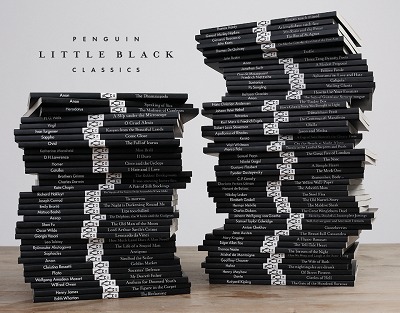
Penguin Little Black Classic- 59

description

The Little Black Classic Collection by penguin looks like it contains lots of hidden gems. I couldn’t help it; they looked so good that I went and bought them all. I shall post a short review after reading each one. No doubt it will take me several months to get through all of them! Hopefully I will find some classic authors, from across the ages, that I may not have come across had I not bought this collection.


Profile Image for Steven Medina.
290 reviews1,355 followers
October 21, 2020
¡Qué bien la he pasado!

Al elegir nuestras próximas lecturas muchas veces ignoramos los relatos o libros pequeños, y lo hacemos porque preferimos abordar esos mastodontes de papel con cientos y miles de páginas, en donde seguramente, encontraremos historias increíbles con un argumento excelente y con personajes tan bien desarrollados que parecerán reales y se convertirán en nuestros amigos. Pero, no hay que engañarnos: También lo hacemos por ese orgullo que sentimos al cumplir un objetivo que creíamos difícil o imposible. Y si bien, hay muchísimos libros extensos que son espectaculares, los relatos también cumplen roles muy importantes: Con los relatos podemos enamorarnos de la lectura; con los relatos podemos cambiar una tarde aburrida por una para recordar por siempre; con los relatos podemos compartir en familia e influenciar a los más pequeños a participar en esta preciosa actividad; con los relatos podemos conocer la prosa de un autor y decidir si leer sus obras más extensas: Precisamente esa es la razón por la que he leído este libro. Mi padre siempre ha insistido en que lea El retrato de Dorian Gray y aunque desde hace mucho lo tengo en mi estantería, hasta hoy ni una página había leído de Oscar Wilde. Pero como este relato me ha encantado seguiré la recomendación de mi padre más adelante.

Me ha encantado porque encontré una historia sencilla, con pocos personajes y descripciones, pero que he disfrutado muchísimo por la sátira inmersa en la narración. Fue muy gracioso ver la aventura de Lord Arthur Saville y ver sus intentos desesperados por cumplir con su “destino”, cuando realmente todo le salía al revés. Por esa particularidad de estar riéndome quedé atrapado hasta el final y conocer lo próximo que le ocurriría a Arthur fue mi ansiedad. Aunque tengo que reconocer que al inicio no fue así porque sentí pereza por las conversaciones tan educadas y sofisticadas que se muestran en esa parte, que me llevaron a pensar, que todo el libro sería así. Afortunadamente eso no sucedió.

Para mayor claridad, este es un pequeño fragmento que representa la sátira que fue usada por Wilde en esta historia, que por cierto, tiene cierta similitud con la de Mark Twain:

“Con todo, Lord Arthur no era feliz. Todos los días leía minuciosamente la lista de defunciones del Times, esperando la noticia del fallecimiento de Lady Clementina; y todos los días sufría la misma decepción.”


Si les gusta este tipo de humor y quieren leer algo corto y divertido, les recomiendo esta pequeña historia que seguramente les encantará. Pero no solo nos reiremos, sino también encontraremos una crítica muy interesante que nos hará pensar en las personas supersticiosas y sus falsas creencias: Bañarse con una planta para tener pareja, guardar una botella con hilos y sangre para evitar embrujos o que creen que el destino puede averiguarse por medio de las cartas o de la quiromancia. El único destino en el que tienen que creer es en el que construyen con sus propias acciones. Finalizo muy satisfecho.
Profile Image for Francesc.
475 reviews281 followers
July 26, 2023
Gran relato de Oscar Wilde.
Esta es la historia de un joven noble que, durante una fiesta, conoce a un quiromántico (una especie de futurólogo) que le lee la palma de la mano y se queda trastornado por lo que le transmiten.
A partir de aquí, en vez de intentar que su destino no se cumpla, hace todo lo contrario: buscar encarecidamente cumplir con su destino para así poder casarse cuanto antes.
El texto, que tiene tintes surrealistas, le sirve de excusa a Wilde para atacar a las clases pudientes y sus manías de ricachones.

-----------------------------

Great story by Oscar Wilde.
This is the story of a young nobleman who, during a party, meets a cheiromantist (a kind of futurologist) who reads the palm of his hand and is disturbed by what he is told.
From this point on, instead of trying to prevent his destiny from being fulfilled, he does the opposite: he earnestly seeks to fulfil his destiny so that he can get married as soon as possible.
The text, which has surrealist overtones, serves as an excuse for Wilde to attack the wealthy classes and their rich mania.
Profile Image for Violeta.
121 reviews157 followers
June 23, 2021
This is Oscar Wilde’s “Lord Arthur Savile’s Crime”.

The author’s razor-sharp language sparkles even in its Greek translation!
Wry humor, witty dialogues, fifty pages of pure reading pleasure. Lord Savile’s story delightfully attests to human capacity to occasionally adjust facts and principles in the way that best suits us.

Ethics sur mesure…
Profile Image for Tadiana ✩Night Owl☽.
1,880 reviews23.3k followers
May 18, 2017
3.5 stars for this satirical Victorian-era novella by Oscar Wilde. Young Lord Arthur, engaged to the lovely Sybil (interesting name choice, there!) goes to a posh party hosted by Lady Windermere, where one of the amusements is the eerily accurate fortune-telling by her pet palm reader, Mr. Podgers. Lord Arthur decides to take his turn:
Lord Arthur smiled, and shook his head. ‘I am not afraid,’ he answered. ‘Sybil knows me as well as I know her.’

‘Ah! I am a little sorry to hear you say that. The proper basis for marriage is a mutual misunderstanding. No, I am not at all cynical, I have merely got experience, which, however, is very much the same thing.'
Unfortunately, Podgers (on the hush) predicts an ominous future for Lord Arthur: he's going to murder a distant relative. Arthur decides to take fate by the hands and commit the murder sooner rather than later, so he can wash his hands of it and marry his sweet, beautiful fiancee without this burden on his soul. <--- This totally didn't make sense to me but you just have to roll with it.

But fate has its own plans for Lord Arthur.

I never was able to really buy into the nonsensical central premise, but I guess that's the beauty of this parody of the Gothic genre. Oscar Wilde's engaging wit and epigrams raise this story several notches, and the ending was a pleasant surprise.

Read online or download for free at Project Gutenberg.
Profile Image for Lotte.
630 reviews1,134 followers
November 5, 2015
I really, really enjoyed this one! This was an absolutely hilarious parody of the Gothic genre in true Oscar Wilde fashion. Highly recommend this for a short and funny introduction into Wilde's writing.
Profile Image for Darwin8u.
1,832 reviews9,037 followers
April 5, 2019
“Early in life she had discovered the important truth that nothing looks so like innocence as an indiscretion;”
― Oscar Wilde, Lord Arthur Savile's Crime

description
(D8U getting Wide)

Vol N° 59 of my Penguin Little Black Classics Box Set. This volume contains the title story, which first appeared in 1891.

I loved it. A dandy drawn by Oscar Wilde tries to keep fate from destroying his upcoming marriage. If there is a will, and a dandy, there is always a crime. The story was fun, clever, light, and makes me wonder why I do much in life beyond just reading Oscar Wilde. He thrills me.
Profile Image for Amaranta.
588 reviews260 followers
February 11, 2019
Una raccolta di racconti spumeggiante, che ha in sé tutto il grande Wilde.
Luci e ombre, piccoli gioielli nati dalla sua penna. Mi sono divertita con Lord Arthur e i suoi tentativi di uccidere qualcuno. Mi è calata la lacrima sul Gigante egoista, dolcezze quasi rare in Oscar, come nel caso dell’usignolo e la rosa, o del principe felice. Il fantasma di Canterville, con le sue catene oliate e le sue ciabatte fa sorridere, ma il racconto presto scivola su un altro piano. Mi stupisco sempre del genio di Wilde, eppure ormai per me, che ho un debole per lui, dovrebbe essere assodato. Invece ogni volta le sue righe sono una scoperta bellissima!
Profile Image for [ J o ].
1,966 reviews550 followers
October 11, 2018
Oscar Wilde is one of the few writers whose short stories I can tolerate. He had his obvious wit and his subtle humour to go along with characters that are both expressly Victorian and curiously of the new age. Intriguing tale of fortune telling that gives both pleasure and something indeed to think upon.


Blog | Instagram | Twitter | Pinterest | Shop | Etsy
Profile Image for Somormujo.
217 reviews172 followers
August 12, 2025
3/5
🗡🗡🗡
Leído en marzo de 2024.

Tras “El fantasma de Canterville”, este es el segundo cuento que leo en poco tiempo de Oscar Wilde. La motivación vino porque, decidido a leer por recomendación “El crimen del Conde Neville”, de Amélie Nothomb, leí que se había basado precisamente en este cuento, lo que me convenció de empezar por el origen.

Oscar Wilde (1854 – 1900) escribió este cuento en 1891, junto a otros cuentos que incluían “El fantasma de Canterville” y “El retrato de Mister W.H.”, entre otros. Ese momento histórico, a finales del siglo XIX y en los albores del XX, es importante para comprender la trama.

Lo asombraba el desacuerdo existente entre el optimismo superficial de aquella época y los verdaderos hechos de la existencia. Era aún muy joven

Lord Arthur Savile, un joven noble de la sociedad londinense, asiste a una de las fastuosas fiestas que organiza Lady Wintermere, en el transcurso de la cual un quiromántico de fama (Mr. Podgers) le predice que en el futuro inmediato va a cometer un asesinato.

No tardó en descubrir una gran verdad: nada se parece tanto a la inocencia como la indiscreción

A partir de ese momento, Oscar Wilde teje su implacable crítica a la nobleza inglesa de finales del siglo XIX, por cuanto lord Arthur Savile convierte en un asunto de honor el cumplimiento de la profecía, hasta el punto de postergar su matrimonio con otra joven noble, hasta tanto no se cumpla. El cuento transcurre siguiendo las peripecias de lord Arthur en relación con la profecía que condiciona todo su futuro.

… Por eso no vaciló en cumplir con su deber. Por suerte para él, no era un simple soñador ni un ocioso diletante. De haberlo sido, habría vacilado como Hamlet, y permitido que su indecisión echara a perder su propósito. Pero él era, ante todo, un hombre práctico. Para él, la vida tenía más de acción que de pensamiento. Tenía la más rara de todas las cosas: sentido común.

Nos encontramos ante una obra breve en la que el talento del autor destaca en todo momento, donde encontramos un buen número de frases irónicas que ponen en evidencia las costumbres de la sociedad londinense de finales del XIX y, en particular, de la nobleza. Ciertamente, no es de esperar una obra de gran desarrollo sino que resulta en esencia bastante sencilla y simple, aunque muy entretenida y que puede leerse en poco tiempo. De ahí, mi puntuación de 3 estrellas.

Él, puesto que no era un genio, no tenía enemigos

Por ello, os recomiendo este cuento, con el convencimiento de que pasaréis un buen rato y, muy en particular, a los amantes del ingenio del autor, aunque no estemos ante una de sus obras cumbre, en mi opinión.
Profile Image for Razvan Banciu.
1,880 reviews156 followers
April 13, 2024
Interesting. What is not said in this short novel seems to be important, as Mr. Wilde mocks Scotland Yard, Russian and German so-called revolutionaries and English nobility, all of those doing the wrong things well or the right things wrong.
Of course, he's too smart to call the real facts by name...
Profile Image for Tessa Nadir.
Author 3 books368 followers
January 5, 2023
Oscar Wilde prin aceasta opera decide sa satirizeze romanul politist inlocuindu-i aspectele dramatice si tragice caracteristice, cu un limbaj sarcastic, umor negru si exagerand intentionat unele trasaturi ale personajelor. Mi-a placut aceasta abordare, am gasit unele intamplari amuzante, am apreciat stilul elevat al personajelor si dorinta autorului de a moraliza si a lua in deradere unele situatii.
Cu toate acestea, imi vine foarte greu sa glumesc cu fapte atat de serioase cum ar fi crimele sau cautarea unui asasin. Mecanismul psihologic care conduce pe cineva spre a comite o crima este prea grav ca sa fie tratat comic.
Consider ca punctul forte al romanului sunt descrierile si portretele minunat zugravite cu migala si maiestrie cum ar fi cel al lui Lady Windermere: "... buclele grele, aurii [...] dadeau chipului ei ceva din aureola unei sfinte dar si putin din fascinatia unei pacatoase". De asemenea cartea abunda in aforisme:
"Daca o femeie nu poate sa dea farmec greselilor ei, nu e decat o femela."
"Baza potrivita pentru o casnicie este neintelegerea reciproca."
"Privind-o acum, lordul Arthur era napadit de teribila mila care se naste din dragoste."
Morala care se poate trage din intamplarea tragi-comica a lordului Arthur este ca daca ne-am cunoaste viitorul, cu ajutorul chiromantiei, am face tot posibilul sa-l implinim sau sa fugim de el dand peste cap tot ceea ce destinul ne-a rezervat noua si celor dragi. Fugind de o tragedie dai de o alta tragedie.
Ca un minus, as fi apreciat mai mult daca pe coperta a 4-a sau in interior, as fi gasit cateva cuvinte ale unui critic literar in ceea ce priveste operele autorului si mai putin in ceea ce priveste viata sa privata. Nu stiu daca este alegerea potrivita de a pune pe coperta citate anonime de pe internet pentru a evidentia munca unui clasic.
Profile Image for Luciana Gomez Mauro.
237 reviews119 followers
December 17, 2020
Amo la portada de este libro, el perfil de Wilde me encanta. Y la historia espectacular, tienen que leer algo de este autor.
Me encantaron las similitudes con el retrato de Dorian Gray, y amé el final.
Profile Image for leynes.
1,316 reviews3,682 followers
November 14, 2019
I loved this so so much! I feel like I'm connecting to Wilde on a personal level. His sense of humour is just like mine, I was chuckling throughout the whole story.
Profile Image for josie hoover.
37 reviews3 followers
November 22, 2025
“Actors are so fortunate. They can choose whether they will appear in tragedy or comedy, whether they will suffer or make merry, laugh or shed tears. But in real life it is different. Most men and women are forced to perform parts for which they have no qualifications. Our Guildensterns play Hamlet for us, and our Hamlets have to jest like Prince Hal.”

I like the reoccurring theme of like being a play or comedy, a comparison that the main character Lord Arthur Savile makes a few times.

“And yet it was not the mystery, but the comedy of suffering that struck him; its absolute uselessness, its grotesque want of meaning.”

I loved this, the writing was sooo beautiful (not that I expected anything different from Oscar Wilde) and I will definitely read it again!!!

5/5⭐️
Profile Image for George Ilsley.
Author 12 books314 followers
January 28, 2022
Is fate predetermined? Is destiny written in the stars, or displayed in the lines of your hand?

Playing on the Victorian fad for palm-reading, and drawing in elements of fate and destiny, "Lord Arthur Savile's Crime" is modestly funny and gently satirical. The crime in question is viewed as an unavoidable necessity, something to get out of the way so Lord Arthur can marry his betrothed in good conscience.

The character named Lady Windermere makes an appearance in this story; one cannot say if the same personage later reappears equipped with a fan in a play.
Profile Image for moony.
262 reviews67 followers
June 28, 2023
króciutkie, ale świetne. wilde prześmiewa trochę literaturę grozy i pokazuje jak obsesja na punkcie losu doprowadza do spełnienia go, raczej niż jego samoistne faktyczne działanie.
Profile Image for Albus Eugene Percival Wulfric Brian Dumbledore.
582 reviews96 followers
June 24, 2018
«Il mio chiromante, duchessa; in questo periodo, non posso vivere senza di lui.»
Il libro, graditissimo dono di una cara amica, fa parte della collana di letture fantastiche "La Biblioteca di Babele", curata nel 1981 da Jorge Luis Borges per l’editore Franco Maria Ricci.
Il libro contiene: Il delitto di Lord Arthur Savile; Il fantasma di Canterville; Il Principe Felice; L’usignolo e la rosa; Il Gigante Egoista.
Borges, nella sua introduzione, afferma: «A differenza di altri scrittori, che cercano di sembrare profondi, Wilde, come Heine, essenzialmente lo era, e cercava di sembrare frivolo. ». E così conclude: «Ottant’anni ci separano dalla morte di Wilde. La sua epoca, così lontana da noi, è già un pezzo da museo. Il grande irlandese dal triste destino e dall’animo avventuroso è nostro contemporaneo, e lo sarà di molte generazioni future. La sua intima, la sua invincibile felicità lo salva dal perdurare nella nostra memoria come un tragico dandy, alla maniera del principe di Danimarca.».
Frivolezza, dunque, quella di Oscar Fingal O’Flahertie Wills Wilde. Ma forse meglio “leggerezza”, di cui così bene ci racconterà Calvino quasi un secolo dopo.
Profile Image for Sara.
Author 1 book931 followers
December 6, 2017
I do truly love Oscar Wilde. This lovely little story, made me cringe and laugh, almost in the same moment. It has that Wilde wit scattered all through it, and the idea of self-fulling prophecy, which is probably the most common kind.

Were we no better than chessmen, moved by an unseen power, vessels the potter fashions at his fancy, for honour or for shame? His reason revolted against it, and yet he felt that some tragedy was hanging over him, and that he had been suddenly called upon to bear an intolerable burden. Actors are so fortunate. They can choose whether they will appear in tragedy or in comedy, whether they will suffer or make merry, laugh or shed tears. But in real life it is different. Most men and women are forced to perform parts for which they have no qualifications. Our Guildensterns play Hamlet for us, and our Hamlets have to jest like Prince Hal. The world is a stage, but the play is badly cast.

Ah, but so often in life it is we, ourselves, who cast us in the wrong part.
Profile Image for Dawnie.
1,437 reviews132 followers
October 1, 2020
this is such a great little story!
i loved how this was written, and the characters and even thought the topic of someone wanting to fulfill his murderous prophecy and literary runs around london trying to do exactly that.

it’s fast paced and funny (not laugh out loud funny but witty in the way that it’s almost humorously stupid how often something. doesn’t go as planned!)

i just enjoyed this short story a lot and highly recommend it!
Profile Image for Emre.
290 reviews41 followers
April 19, 2018
3.5

'Dünya bir sahnedir ama roller kötü dağıtılmıştır.' S:23
Profile Image for ultvl .
21 reviews8 followers
January 7, 2024
Another W for bestie wilde with the gothic satire!
Profile Image for Rygard Battlehammer.
187 reviews91 followers
November 11, 2023
Babil Kitaplığı’nın altıncı kitabında bizim bunak bu sefer turnayı yüzgecinden vuruyor(👀❌), Oscar Wilde‘ı çıkarıyor karşımıza. Ve bu çirkin, züppe, ukala herif, fena halde yetenekli ve komik.

Seçkiyi oluştururken, 1887-1888 arasında yazılmış beş hikayeyi dahil etmiş Borges kitaba. Çoğu da gayet eğlenceli, üslupları farklı ama insanı okuduğuna pişman etmeyecek cinsten. Kurgular girift değil, hikayelerin dilleri sade ama kurgular fazlalıklarından kurtulmuş ve incelikle, özenle şekillendirilmiş, kıskandırıcı bir akıcılıkla yazılmışlar.


Lord Arthur Savile’in Suçu (1887)

Kitaba ismini veren öykü, aynı zamanda en uzun olanı. Arthur adlı denyo aristokratımız, Bentinck Konağı’nda bir davete katılıyor. Gecenin ana eğlencesi ise, Leydi Windermere’in el uzmanı (chriromantist) Septimus R. Podgers. Tam bir şarlatan olan Mr. Podgers, gece boyunca cemiyet hayatının tanınmış karakterlerinin el falına bakıyor, ince ince işliyor hanımları beyleri. Eli okunduğunda duyduklarından tatmin olmamış Arthur ise gergin, Bay Podgers’ı bir köşeye çekmek, daha fazlasını öğrenmek için fırsat kolluyor. Ve gecenin sonundan, yüz sterlinlik yüklü de bir bahşişin de yardımıyla geleceğini öğreniyor genç Lord Arthur Savile; kaderinde katil olmak, bir cinayet işlemek var.

Aristokratların aptallıklarını, komik takıntılarını, ayarsız poz kesişlerini hicveden, kaşık kaşık ironi ile demlenmiş harika bir kara mizah öyküsü bu. İlk şoku üzerinden attıktan sonra, sevgilisi Sybil Menton’ı gözünün önüne getiren Arthur, bu masum kadının ileride cinayet işleyecek biriyle evlenmesinin doğru olmayacağını, zavallıyı böyle makus bir kadere atmaya hakkı olmadığını düşünüyor ve cinayetin, bir an önce işlenip aradan çıkarması gereken bir mecburiyet, zaruri bir görev olduğuna karar veriyor. Başlıyor öldürülmek için uygun birini aramaya.

Tam bir alık olan Arthur’un muazzam akıl yürütmelerini izlemek çok eğlenceli. Önce arkadaşlarının peşine düşüyor atanamamış katilimiz. Beceremeyince bu sefer akrabalarına sarıyor. Biraz şanssızlıktan, biraz korkudan bir türlü cinayet işlemeyi beceremedikçe Lordumuz, daha da komikleşiyor vaziyet. Cinayetini tamamlayamadıkça nişanlısıyla evlenemeyeceğinden iyice bunalıma giriyor. Bir noktada kurbanına, zehirli şekerlerin mide yanmasına karşı anti asit olduğunu söyleyen ve sonra kendi evine dönüp kadının midesinin yanmasını bekleyen Arthur karakteri insanın yanaklarını ağrıtıyor bir süre sonra. Arada öldürdüğünü sandığı kurbanının da aslında doğal sebeplerle öldüğünü anladığında iyice panik oluyor. Bombalı saat girişimi ve saatten bahsedilen mektup ise muazzam...

Hikayenin hem ritmi çok iyi tasarlanmış, hem de mizahı kullanım biçimi çok ustaca. Sonradan, öyküyü daha dikkatle tekrar okuduğumda ve yapısal olarak biraz kurcaladığımda, şakaların hazırlık aşamalarının ne kadar iyi gizlendiğini, ardından da ne kadar başarılı bir zamanlamayla sunulduklarını görmek ufuk açıcıydı. Gerçekten ayarsız öz güveninin arkasını doldurabilen, yetenekli bir piç kurusu Oscar Wilde. Hikaye, hafif tatlı bir yere bağlanarak bitiyor. İlk okuduğumda daha farklı, biraz daha sert bir son ummuştum ama bugün tekrar okuduğumda, bu halinin gayet uygun olduğunu düşündüm.


Canterville Hortlağı (1887)

İkinci hikaye Canterville Hortlağı ise kitabın açık ara en komik hikayesi. Son derece korkunç hortlağıyla ünlü Canterville Malikanesi Amerikalı bir aile tarafından satın alınıyor ve Otisler gelip eve yerleşiyor. Evin yeni sahibi Amerikan Orta Elçisi bay Otis de, hortlak konusunda yapılan tüm uyarılara, “Hortlak diye bir şey yoktur ve doğa yasalarının İngiliz Aristokrasisi için askıya alınacağını zannetmiyorum,” diye tavrını koyuyor.

1584’den beri hayaletlik kariyerini başarıyla sürdüren Canterville Hortalığı Sir simon de Canterville ise gururlu bir hayalet. Şu ana kadar evin tüm misafirlerine dünyayı cehennem etmiş, panik içinde evden kaçmayı başaranlar dört bir diyarda marifetlerini anlatmış, dehşetini anlatmak için hikayeler yazılmış bir hayalet ne de olsa. Otislerin gelişiyle birlikte de gösteriyor marifetlerini, başlıyor evin koridorlarında kol gezmeye. Ancak kısa süre içinde, işlerin hiç de beklediği gibi gelişmeyeceği anlaşılıyor.

İlk karşılaşmalarında, zincirlerini şakırdatarak evin gıcırdayan koridorlarında süzülüyor hayalet. Tüm azamet ve dehşetiyle boy gösteriyor, karanlığın içinden çürümüş pençelerle uzanıyor soluk alan ete doğru. Ama Bay Otis’in, bir iki saniyelik bakışmanın ardından, "Saygıdeğer beyefendi, şu paslı zincirlerinizi yağlamanızı rica edeceğim sizden,” demesine ve masanın üzerine bir şişe Tammany Rising Sun makine yağı(lubricator) bırakıp ve odasına dönüp yatmasına asla hazırlıklı değil...
Canterville Hortlağı bir an, kendini doğal olarak hakarete uğramış hissetti ve olduğu yerde kalakaldı; sonra şişeyi olanca şiddetiyle cilalı zemine fırlattı, boğuk iniltiler çıkararak ve iğrenç yeşil bir ışık saçarak koridorun aşağısına doğru kaçtı. Ne var ki, tam büyük, meşe merdiven sahanlığına vardığında, bir kapı ardına kadar açıldı, beyaz elbiseli iki küçük suret belirdi ve hortlağın başının yanından büyük bir yastık uçarak geçti!


Otis ailesi, yani Amerikan Elçisi Bay Hiram B. Otis, karısı Lucretia, büyük oğulları Washington, sevimli genç kızları Virgina ve biricik ikizleri Stars ile Stripes (hehe) yüzyılların korkunç hayaleti Sir Simon’ı canından (ölümden?) bezdiriyor. Sir Simon’ın her yeni korkutma taktiği, mutlak terör yerine tuhaf öksürüklerle bölünen sessilikler, ince alaylı tenkitler veya korkunç ikizlerin açık kıkırdamalarıyla karşılanıyor. O arada tatlı Victoria da hortlakla konuşup onu teselli etmeye çalışıyor, “neyin var kuzum?” diye soruyor boyuna hortlağa. Bayan Otis hortlağın yaşadığı tavan arasının dekorasyonunu değiştiriyor, bir noktada Bay Otis hortlağa silah çekiyor, bilmiyorum daha Amerikalı bir hareket yapılabilir mi. ikizler ise muhteşemler, dar ediyorlar evi zavallı Simon’a, hobi olarak hayalet bullyliyorlar. Tuzaklar kuruyor, her gördüklerinde üzerine sapanlarla saldırıyor, hayaleti en büyük eğlenceleri olarak benimsiyorlar. En gotik anda kafasında su balonu patlatmaları fena halde komik. Bir süre sonra Sir Simon, baya anksiyeteye sahip oluyor, evin içinde sırtını duvara vermiş, götüm götüm yürüyor ikizler bir an sonra nereden, nasıl saldıracak diye endişelenmekten.

Hikaye, tüm komikliğinin arkasında çok yönlü bir eleştiri. Aslında bir modernizm eleştirisi ama bir taraftan Oscar Wilde, kendi estetik anlayışını hafiften alaya alıyor. Üstüne özel olarak Amerikan hödüklüğü de eklenince harika bir öykü haline geliyor. Hortlağın Virginia ile konuşmaları üzerinden kurulan duygusal çatışma ise gayet şık. İlk öykü gibi burada da komedi unsurları çok iyi kullanılıyor. Komedinin en önemli unsuru olan zamanlama konusunda gerçekten çok başarılı Oscar Widle. Yine ilk hikaye gibi bu da sevimli, tatlı bir yere bağlanarak bitiyor. Sonu, hikayeyi sevmeme engel olacak seviyede uyumsuz değil ama bu öykü için daha zalim/komik bir kapanışı tercih ederdim doğrusu.


Geri kalan üç hikaye daha kısa.

Mutlu Prens (1888)

Mutlu Prens, baştan aşağı altın varaklarla kaplı gözleri iki parlak safirden, kılıcının kabzasında kırmızı yakutlar parlayan, bir sütunun tepesinde, şehrin üstüne yükselen bir heykel. Bulunduğu yerden de şehirde yaşanan tüm açlığa, yoksulluğa, acıya tanık oluyor. Çaresizce insanlar ve hayvanlar için endişeleniyor ama elinden bir şey gelmedikçe de göz yaşları döküyor heykel. Bu sırada kış için göç etmekte olan bir kırlangıç Mutlu Prens’in gözyaşlarından etkileniyor ve ona yardım etmek istiyor. Mutlu Prens mücevherlerini, altınlarını zor durumdaki insanlara dağıtmak, onların acılarına son vermek istiyor. Fedakarlık, özveri, insanlık gibi temaları yumuşakça işleyen, hafif de bir toplumsal eleştirisi soslu güzel bir çocuk hikayesi/masalı. Peki Küçük Prens denen arsız şerefsiz görse utanır mı? Sanmam...

Hikayenin interlüdünde, olay mahaline gelen Meclis Üyeleri ise yine harika. “Bu ne biçim heykel, hep yakutları dökülmüş, dilenci gibi bir şey olmuş, kaldırın bunu buradan! Zaten ne lan buralar böyle, hep kuş ölüsü kuş ölüsü!” diye ceset falan tekmelemeli aşırı yükselme kısmı gerçekten kahkaha attırdı bana. “Kırık kurşun kalp erimez bile, allah kahretsin böyle heykeli, atın bunu çöpe!” diyor dökümcü, abi sakin ya, haha!


Bülbül ve Gül (1888)
Bu sefer aşık olduğu kıza gül götürmek isteyen öğrenci, kırmızı gülü yok diye ağlıyor. Bunu duyan bir bülbül ise bundan etkilenerek çocuğa kırmızı gül bulmaya çalışıyor. Sonra en kırmızı güllerin ancak bülbülün kalbine batan bir dikenle oluşabileceği gibi manyakça bir bilgiyi ulaşarak devam ediyor hikaye. Ya pembe olsun, beyaz olsun, ne olacak da demiyor bülbül, takıntılı biraz kuş, koymuş kafaya bir kere. Bülbül kendini feda ederken ağacın dur yere aşırı gaza gelmesine, “eveeğğğth, daha çok bastığğr, eveğğet!” diye bağırmasına ise çok fazla güldüm. Ya, senin maksadın nedir S/M Ağaç? Ne yapmak, nereye varmak istemektesin? Pek duygulu bir hikaye, sonu, gülün akıbeti ise yine komik. Gerçekten bayılıyorum ben böyle şakalara.


Bencil Dev (1888)
Sonuncusu da hepi topu altı sayfalık, kitabın en kısa öyküsü. Komşularının bahçesinde ceset duyan manyak çocukların hikayesi bence. Sırf mahallenin piçleri bahçesinde oynasın istemeyen ve çok da haklı olarak “gidin evinizin önünde oynayın” diyen deve, sırf huzur istiyor diye bencil deniyor. Mevsimler falan küsüyor zavallı deve, yaz gelmiyor bahçesine. Pek de önemi olmayan bir hikaye, kitapta olmasa da olurmuş, yerine daha güzel bir hikaye seçilebilirmiş.


Sonuç itibariyle beğendiğim bir derlemeydi. Tüm hikayelerin üslupları birbirinden hafifçe farklı ve Oscar Wilde’ın geniş bir skalaya dağılan yeteneklerinin temsili açısından başarılıydı. Ama en sevdiğim yanı, Wilde’ın mizah anlayışı oldu kesinlikle. Benim kendime çok yakın bulduğum ve gerçekten eğlenmeme sebep olan bir komedi biçimi bu. Bir çoğumuz gibi ben de sadece Droian Gray’in Portresi ile tanıyordum Oscar Wilde’ı. Bu kitaptan sonra daha yakından tanımaya karar verdim.

Eh, Borges öyküleri seçme konusunda iyi iş çıkarmış diyebilirim yani. Önsözü ise pek sevmedim; suya sabuna dokunmayan, kısa, özelliksiz bir yazı. Yazmasa da olurmuş. Yine de baya memnunum son üründen. Babil Kitaplığı’nda okuduğum kitapları, bir sürü başka kitaba, öyküye, yazara ulaşmamı sağladıkları için seviyorum. Bu kitap da hem Babil’in hem de Borges Yazı kitaplarının arasında en sevdiklerimden biri oldu. Ben Babil’e aynen devam ediyorum buradan ama Oscar Wilde’ın bu minik seçkisini kesinlikle öneriyorum.


Diğer Babil Kitaplığı incelemeleri:
1. 25 Ağustos 1983 ve Diğer Öyküler - Jorge Luis Borges
2. Sevimsiz Öyküler - Léon Bloy
3. Sesler Adacığı - Robert Louis Stevenson
4. Aşık Şeytan - Jacques Cazotte
5. Ölümün Dostu - Pedro Antonio de Alarcón
6. Lord Arthur Savile'in Suçu - Oscar Wilde
7. Kaçan Ayna - Giovanni Papini
8. Kâtip Bartleby - Herman Melville
9. Dilek Evi - Rudyard Kipling
Profile Image for Jean Ra.
413 reviews1 follower
January 18, 2023
Un simpático y burbujeante relato en la que un noble con una cabeza no especialmente sólida queda perturbado después que un quiromante le lea las líneas en la mano y le haga una predicción funesta: se le dice que ha de cometer un crimen y que morirá un pariente, y desde ese punto, al unir esos dos puntos queda muy turbado, dedicando el resto del relato en cumplir esa predicción, lo que es una burla corrosiva contra la idea del destino y de las supersticiones en general.

No faltan los comentarios punzantes e irónicos de Wilde a la hora de retratar a sus personajes. Como la señora que se casa con un hombre muy rico que ha heredado once castillos pero ninguna casa dónde instalarse, así que manipula al marido para al cabo de un tiempo tener doce casas y ningún castillo porque "le gusta la comodidad y los adelantos modernos como el agua caliente en todas las habitaciones". Cambiar unos palacios por tener agua caliente, qué forma de dibujar la decadencia y la pérdida de pomposa.

También encontramos elementos tipicos de las novelas del siglo XIX, como ahora una fiesta de sociedad al inicio, revolucionarios expertos en poner bombas y viejas tías ricas. La verdad es que me recordó un poco a PG Woodhouse, supongo que porque es un epígono de Wilde.

Si alguien debe realizar un trayecto de una hora, sin duda es una opción más que aconsejable para pasar un rato entretenido.
Profile Image for JK.
908 reviews63 followers
April 15, 2018
This is a wonderful satiric gothic parody by Wilde, poking fun at the fashions and entertainment of the upper class, their inability to do anything other than what they’re told, and their complete lack of sense when faced with a predicament.

Lord Arthur has his palm read during a get-together at Lady Windemere’s. Having been told he will commit a murder, rather than passing this off as a load of hocus pocus, he instead goes off and plans the murder. He prefers this to happen as soon as possible as god forbid his wedding to Sybil Merton is affected by scandal. After all, the lines in his hand have predicted the crime - why not get it over with?

What follows is a hilarious trail of failures which contribute to Lord Arthur’s despondency and a number of postponements to the wedding. His murder attempts become more and more outlandish, and as each of them fail, the mental state of Lord Arthur is further exposed to us. His pure obedience to carry out his perceived destiny frustrates both himself, and the reader, yet the mishaps encountered make it all worthwhile, for us at least. Wilde’s finale is perfect in timing and delivery; both hilarious and bleak, it underlines the satiric commentary on high society fads.

Wilde shows us the nonsense in Lord Arthur accepting a fate foretold by a performer at a party. The pages are peppered with comical dialogue, dark humour, and Wildean wit. An absolute joy.
Profile Image for Doaa.
365 reviews65 followers
August 10, 2025
كانت ف قصة لطيفة بأسلوب لا يخلو من سخرية.

-تبدأ القصة في حفلة من حفلات الليدي ونردمير (ذات طابع ڤيكتوري) ، الليدي جاءت بأحد خبراء قراءة الكف ليُسري عنها وعن ضيوفها.. ويُظهر هذا الخبير براعة في معرفة أشياء عن أكثر من ضيف حتى يستبد الفضول باللورد " أرثر سافيل "..
اللورد سافيل واقع في الحب وعلى وشك أن يتزوج من حبيبته فقال لما لا يعرف إن كان هناك ثمة عوائق يمكن أن تكون عائق بينه وبين تحقيق السعادة مع حبيبته.. ويتنبأ له قاريء الكف بأنه سوف يرتكب جريمة! (قاله كدة و جري 😂)

-القصة اعتقد تناقش فكرة أوسكار وايلد ومحاولته معرفة هل يمكن تغيير القدر أم لا؟ .. وهل علم الشخص بما سوف يحدث يساعد في تغيير هذا القدر أم يؤكد حدوثه؟
سخريته من المجمتع الانجليزي واضحة جدا ومضحكة.. سخر من البيروقراطية والتناقض الواضح بين ما يدّعوه من سمو الخلق ورهافة الحس وبين مايفعلوه حقيقة.. وأيضا هوس الطبقة الارستقراطية في تلك الفترة بأشياء غريبة كقراءة الكف وأشياء من هذا القبيل!
شخصية اللورد كانت مستميتة في البحث عن ضحية يمكن قتلها بدون أي خسائر له أو فضائح، وفي ذات الوقت يظهر بمظهر الضحية المُجهدة التي تسعى لتحقيق مصير محتوم كنوع من أنواع التطهر أو إزالة كل العوائق بينه وبين سعادته! كان يتكلم من منطلق أنا المسكين المغلوب على أمره! 😃

-راجل كان أهبل 😂 بس القصة لذيذة وفاصل بين القراءات حلو.
Displaying 1 - 30 of 874 reviews

Can't find what you're looking for?

Get help and learn more about the design.