Аповесць Васіля Быкава "Знак бяды" – адзін з самых глыбокіх і праўдзівых твораў пра вайну і міжваенны перыяд на тэрыторыі Беларусі. Сімвалізм і псіхалагічная дакладнасць персанажаў, бескампрамісны погляд на трагічныя падзеі робяць твор актуальным і цікавым для самага шырокага кола чытачоў.
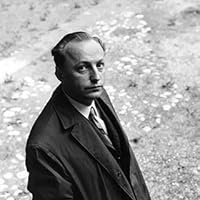
Vasil Bykau (Vasil Bykaŭ) was a Belarusian dissident and opposition politician, junior lieutenant, and author of novels and novellas about World War II. A significant figure in Soviet and Belarusian literature and civic thought, his work earned him endorsements for the Nobel Prize nomination from, among others, Nobel Prize laureates Joseph Brodsky and Czesław Miłosz.
Već neko vreme, kad pročitam neku knjigu, kažem sebi da bi bilo lepo da se ponovo vratim pisanju ovde. Nadam se da će ova knjiga biti kapisla za to.
Teških knjiga ima mnogo, teških po stilu i jeziku, teških po strukturi, gustini teksta. Ova je teška po radnji. Šta činiti kada zlo zakuca i na tvoja vrata? Kada se istorija ubrza i gazi sve pred sobom, ne pitajući malog čoveka ništa? Da li biti snishodljiv kao Petrok ili se pobuniti kao Stepanida, bračni par i vlasnici salaša pored nekog puta. Na taj salaš i njih dvoje se srušila revolucija, kolektivizacija i na kraju Hitlerova mašinerija potpomognuta lokalnim saradnicima. Ljudi koji su do juče bili komšije, sada pokazuju manje milosti nego i sami Nemci, koji traže i uzimaju sve kao da sutra ne postoji. Ima li uopšte smisla pružiti otpor ako je istorija već rešila šta će sa vama biti ili prosto pustiti nedostojne da se svete, čega je oduvek bilo i što je, u krajnjem slučaju, i danas kod nas aktuelno?
Для мяне гэта кніга яшчэ адзін прыклад ў Беларускай літаратуры калі кнігу варта дачытаць да канца. На працягу усяго апавядання адчуваецца небяспечнасць існавання чалавека і немагчымасць супрацьстаяць абставінам. Дзе знаходзіцца мяжа, пасля якой чалавек ужо перастае рабіць тое, што кажа яму страх?
I thoroughly enjoyed this book; the main characters, especially Stepanida - with her strong sense of justice and persistance; the description of their (hard) life, village, collectivisation in Soviet time.
Some parts were very difficult to read, because of the abuse by Nazis, and even more so - local polizei. These parts fill you with powerless rage, and are very realistic in showing the dynaimcs between occupators, those who feel entitled and locals left at their mercy. It is scary to imagine what people do to each other in position of power, and when there is no fear of retribution.
The main characters try to find a way to survive facing much more powerful enemy, they try by doing what they always had to do - endure, work hard, be resilient and patient. But they soon realise that there is no compliancy they can abide to and be safe, for there is no humanity and sense anymore around them.
Even though the situation is helpless, it still has satisfying end; Petrok and Stepanida end up staying true and not submitting to the bullies.
Кажуць, што беларусы ад расейцаў адрозніваюцца тым, што ў іх “можем повторить”, а ў нас - “ніколі зноў”. Дык чытаючы Быкава разумееш чаму так. Бо Быкаў - гэта пра працэс, а не пра канец. І калі канец хутчэй за ўсё шчаслівы, дык працэс заўсёды жудасны. І хаця Быкаў напэўна адзін з тых, чые творы вінаватыя ў тым, што беларускія школьнікі ў беларускай літаратуры бачаць толькі вёску і вайну, але Быкава трэба ўводзіць унутрывенна падлеткам, каб не было ніякіх “можем повторить”. Чытаць яго мне вельмі цяжка. І я раблю вялізныя перапынкі паміж яго творамі. І вось я вырашыў перачытаць Знак бяды. Ох. Цяжка. Усю кнігу абураешся і думаеш, калі ж адмоўныя героі зрэшты ў лыч атрымаюць. І яны не атрымаюць. Можа быць, менавіта гэта безнаказанасць на кароткім прамежку часу і робіць кнігі Быкава такімі балючымі. Але тое ж самае робіць іх жыццёвымі, сапраўднымі. Насамрэч, спадзяванні на лепшае аўтар дае, але недзе там, далёка ў будучыні, не цяпер. А цяпер чытай пра жорсткае жыццё. І мне здаецца, адчуванне болі без аніякай радасці ад помсты і выхоўвае ў чалавеку “ніколі зноў”. Яшчэ раз: усім трэба чытаць Быкава абавязкова. Што тычыцца непасрэдна гэтага твору, то было б вельмі цікава яго пачытаць, калі б ён быў напісана не пад цэнзурай. Спачатку было вельмі моцна апісана, чаму з’явіліся паліцаі, а вось скончылася гэта ўсё гарэлкай. Цікава, ці вымушаны быў так напісаць Быкаў альбо так было ў першапачатковай задуме. Вядома ж, чытаць Быкава варта не толькі за жорсткасць, але і за натуральнасць. Шмат разоў, прачытаўшы тую ці іншую сцэну, адзначаеш сабе, што менавіта так сябе людзі і паводзяць. Асабліва я расперажываўся за Петрака і ягоную скрыпку: як ён яе купіў на ўсе грошы, а жонка лаяла яго за гэта (ды заўсёды так бывае, ну), потым як ён цешыўся, што выратавыў скрыпку (і зноў жа Антаніна яго не разумела, тая ў першую чаргу думала пра парсючка), і як ён пайшоў мяняць тую скрыпку на змеявік (тут я ледь не заплакаў). Дый увогуле, вельмі смела было пісаць, што ўсе беды былі праз атрыманае чужога задарма. Простае асуджэнне калектывізацыі. Не зямлю яны атрымалі, а Галгофу.
Вельмі цяжкая для чытаньня кніга, хоць напісаная з павагай да чытача. Маралі, справядлівасьці ў ёй няма. Гэта хорар. Дабрадушныя маленькія людзі і абсалютна халодны, бязьлітасны сьвет вакол. Праедзе катком па іх - і не заўважыць. І не ўзгадае потым. Анатацыі лепей не чытаць, яны стандартныя і ці то пра ваенную тэму, ці то пра глыбіню характараў. Мне падаецца, вартасць аповесці - ня там. Класіка. Пачытайце, калі ласка.
Амаль мікрагісторыя - у разуменні Джавані Леві - якая паказвае больш шырокія гістарычныя тэндэнцыі на ўзроўні адной сям'і. Трохі сямейнага эпасу, трохі трылера, трохі пацыфісцкага трактата, шмат хорара.
Ці ёсць у маленькага чалавека выбар і куды ён яго зааядзе? Што застаецца ад прамоваў і пазоваў, калі каток новага жыцця празодзіць проста скрозь хутар? Спачатку рэвалюцыя, потым калектывізацыя, і нарэшче вайна.
І застаецца толькі адмовіцца цаной сваего жыцця, там што з чалавекам трэба па-людску.