Jump to ratings and reviews
Rate this book

Sillan synty

Rate this book
Kuvitteellisessa Cocan kaupungissa Kaliforniassa rakennetaan suurta siltaa. Työmaalla kuhisee monien maiden ja mantereiden kansalaisia, miehiä ja naisia: insinöörejä, suunnittelijoita, koneenkäyttäjiä, kaapeliasentajia. Työmaa on kuin massiivinen sulatusuuni, Amerikka pienoiskoossa.

Suuren mittakaavan romaani on kirjoitettu amerikkalaisten seikkailuelokuvien tyyliin. Se seuraa kymmeniä päähenkilöitään myyttisen Kalifornian kultamailla kesyttämässä luontoa, taivuttamassa sitä ihmisen tahtoon. Hankaluuksitta ei jättihanke etene. Sitä uhkaavat vuorollaan työläisten lakot, ympäristökiistat, onnettomuudet, sabotaasi, jopa rakkausjutut.

Sillan synty tekee vaikutuksen rikkaalla ja maalailevalla kielellään ja ylitsepursuavalla sanavarastollaan. Sillanrakennusinsinöörien
teräksestä ja lasista syntyy runoutta. De Kerangal liikkuu eri rekistereissä vaivatta, keksii omia sanoja, nopeuttaa ja hidastaa kerrontaa mielensä mukaan – luo maailmoja kielellä.

Suomennos: Ville Keynäs & Anu Partanen

287 pages, Hardcover

First published January 1, 2010

47 people are currently reading
890 people want to read

About the author

Maylis de Kerangal

45 books481 followers
Maylis de Kerangal est une femme de lettres française, née le 16 juin 1967 à Toulon. Elle passe son enfance au Havre, fille et petite-fille de capitaine au long cours. Elle étudie en classe préparatoire au lycée Jeanne-d'Arc de Rouen et ensuite à Paris de 1985 à 1990 l'histoire, la philosophie et l'ethnologie. Elle commence à travailler chez Gallimard jeunesse une première fois de 1991 à 1996, avant de faire deux séjours aux États-Unis, à Golden dans le Colorado en 1997. Elle reprend sa formation en passant une année à l'EHESS à Paris en 1998.

Carrière d'écrivain[modifier | modifier le code]
Elle publie son premier roman, Je marche sous un ciel de traîne, en 2000, suivis en 2003 par La Vie voyageuse, puis par Ni fleurs, ni couronnes en 2006, Dans les rapides en 2007 et par Corniche Kennedy en 2008. Ce dernier roman figure cette année-là dans la sélection de plusieurs prix littéraires comme le Médicis ou le Femina.

Elle crée en même temps les Éditions du Baron Perché spécialisées dans la jeunesse où elle travaille de 2004 à 2008, avant de se consacrer à l'écriture. Elle participe aussi à la revue Inculte3.

Son roman Naissance d'un pont est publié en 2010. Selon elle, « Il s’agit d’une sorte de western, autrement dit d’un roman de fondation, et la référence à ce genre cinématographique opère dans le texte, l’écriture travaille en plan large, brasse du ciel, des paysages, des matières, des hommes, et resserre sa focale sur les héros qui sont toujours pris dans l’action, dans la nécessité de répondre à une situation. ». Le 3 novembre 2010, l'ouvrage remporte à l'unanimité et au premier tour le prix Médicis. Le livre remporte aussi le Prix Franz Hessel et est, la même année, sélectionné pour les prix Femina, Goncourt, et Flore. Le Prix Franz Hessel permet à l'ouvrage de bénéficier d'une traduction en allemand, parue en 2012 chez Suhrkamp.

En 2011, elle est l'une des participantes du Salon du livre de Beyrouth au BIEL (Beirut International Exhibition & Leisure Center).

En 2012, elle remporte le prix Landerneau pour son roman Tangente vers l'est paru aux éditions Verticales.

En 2014, elle est la première lauréate du Roman des étudiants France Culture-Télérama (ancien Prix France Culture-Télérama), pour son roman Réparer les vivants14 qui a été aussi couronnée par le Grand prix RTL-Lire 2014. Dans celui-ci, elle suit pendant 24 heures le périple du coeur du jeune Simon, en mort cérébrale, jusqu'à la transplantation.

Ratings & Reviews

What do you think?
Rate this book

Friends & Following

Create a free account to discover what your friends think of this book!

Community Reviews

5 stars
117 (15%)
4 stars
253 (32%)
3 stars
265 (34%)
2 stars
105 (13%)
1 star
35 (4%)
Displaying 1 - 30 of 97 reviews
Profile Image for Orsodimondo.
2,457 reviews2,430 followers
August 5, 2024
DARE FORMA A GRANDEZZA NATURALE A MIGLIAIA DI ORE DI CALCOLI

description
La madre di tutti i ponti.

Titolo che più esplicito non si potrebbe: ‘Nascita di un ponte’ è proprio il racconto della costruzione di un ponte nei primi anni del terzo millennio, dalla fase di progettazione a quella di realizzazione e completamento.
Si ferma la sera prima dell’inaugurazione.
Il ponte viene edificato per congiungere due rive di un fiume in una città che si chiama Coca.
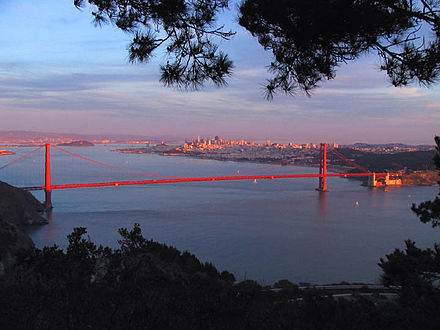
Siamo in California, siamo a San Francisco, il nuovo ponte deve prendere il posto di quello magnifico degli anni Trenta, il Golden Gate Bridge: anche quello nuovo sarà rosso, come il vecchio.

description
Il Ponte.

Ma Coca non è San Francisco, è più piccola, è diversa.
Coca è anche Doha, Coca alla fine è in culo al mondo, è un mix di più città: è semplicemente una città reinventata e plasmata dalla bella mente e dalla magnifica mano di Maylis de Kerangal, scrittrice ed ex editrice.

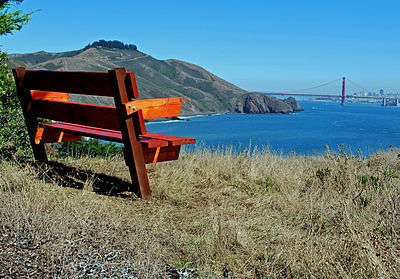
Così è pure inventato, plasmato ex novo e su suggestioni esistenti, il paesaggio: la baia di San Francisco qui diventa un fiume.
Al di là, sulla riva opposta una foresta sterminata, territorio dei nativi.
Sembra quasi che la de Kerangal si sia ispirata alla recente saga remake del Pianeta delle Scimmie: anche in quei film, al di là del Golden Gate Bridge si estende una foresta che sembra infinita e sembra primordiale, proprio come i primati che la popolano.

description
Il Golden Gate Bridge è opera dell’ingegnere di origine tedesca Joseph Baermann Strauss. I lavori di costruzione iniziarono nel 1933 e terminarono quattro anni dopo: alla sua inaugurazione era il ponte sospeso più lungo del mondo.

Il fiume è importante, non solo perché ha due rive, e da una che poggia sulla terra civilizzata si vuole raggiungere quella opposta, soglia della natura incontaminata, ma, soprattutto, perché la scrittura di MdK è fluviale: fresca, dirompente, però a tratti tranquilla, trascina il lettore dalla sorgente-inizio alla foce-fine.
Si percepisce che MdK deve aver letto il suo lavoro ad alta voce, a se stessa o forse anche a qualche orecchio amico, prima di considerarlo ultimato.
E si percepisce che prima di cominciare abbia disegnato una mappa della città e dei dintorni, abbia dato forma grafica alla geografia del suo romanzo.

description
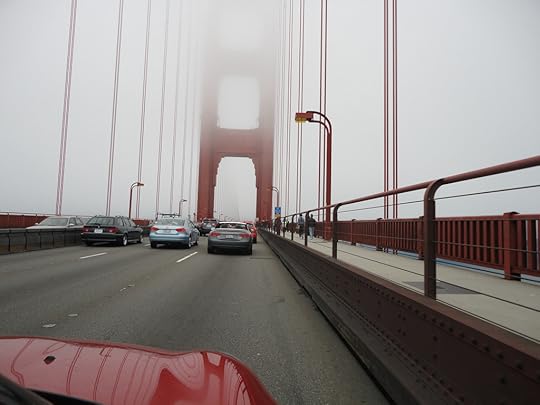
Controcampo con nebbia frequente.

MdK è per forza di cose costretta a un ampio uso di terminologia tecnica, che ha saputo così ben digerire da renderla piacevole e interessante, parte integrante del racconto, come i pilastri su cui poggerà il futuro ponte, come gli scavi nei quali inserire i pilastri su cui si reggerà il ponte (che rimane senza nome).

La natura si difende dal nuovo ponte: i lavori di costruzione dovranno essere sospesi per tre settimane, con grande spreco di denaro, per consentire agli uccelli migratori di nidificare.
Si difende perché neppure alla fine è chiaro se la costruzione del ponte è davvero una vittoria e non un mero gesto di vanità umana.

description
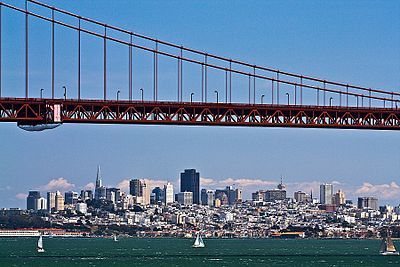
L’attraversamento è con pagamento di pedaggio ($6, mi pare), ed è consentito anche a ciclisti e pedoni. Il conto non ufficiale dei suicidi saltando dal ponte è di circa 1300. Solo una trentina di persone sono sopravvissute al salto, ma con lesioni interne e fratture. Il salto è di 67 metri, si percorre in 4 secondi, si impatta sull’acqua a una velocità di 120 Km/h.

Per costruire il ponte, in questo romanzo corale, senza protagonisti, tecnici dirigenti impiegati operai, semplici e specializzati, arrivano da tutte le parti della Terra, con tutti i mezzi, chi in aereo, chi in aereo cargo, in nave porta container, in treno merci, in autobus, in macchina in…, convergono su Coca come se fosse Ilio, la città da espugnare e conquistare.
E, MdK racconta tante storie, sul prima e durante, sui tanti attori, primari e comprimari, come se fosse un novello Omero. Ed è tanto più brava, in quanto riesce a contenere il tutto in solo duecentocinquanta pagine.
Quel ponte da costruire non è forse un nuovo cavallo di Troia, quello in legno, questo in acciaio e cemento?

PS
Un unico appunto per Mme de Kerangal: dovrebbe documentarsi di più sulla musica. A pagina 122 definisce ‘musica da discoteca’ il brano Somebody To Love dei Jefferson Airplane. Mai sentita bestemmia più blasfema.

description
Il colore del ponte è definito ’arancione internazionale’, è stato scelto per ragioni estetiche e di sicurezza (l’arancione è il colore che spicca di più nella fitta e frequente nebbia della zona). Il rivestimento è in acrilico.
Profile Image for SCARABOOKS.
292 reviews264 followers
March 7, 2025
Li ho letti di seguito i due libri della De Kerangal, invertendo l’ordine con cui li ha scritti: prima Nascita di un ponte e poi Riparare i viventi. E di tutti e due raccolgo qui le note e le impressioni che ho annotato leggendo.

Sono due romanzi molto diversi per soggetto e molto simili per struttura e stile. Uniti da un comun denominatore che poi mi pare essere anche la cifra letteraria che contraddistingue l’autrice. Una cosa che mi ha fatto pensare ad un vecchio saggio di Fredric Jameson sul post-modernismo in cui diceva che tutta la corrente culturale che domina il nostro tempo, il post-modernismo appunto, è nata e si è sviluppata a partire dall’architettura e dal rapporto con gli spazi. Da lì ha poi inglobato e prodotto correnti che si sono manifestate in letteratura, cinema, musica, fotografia e quant’altro. Ecco, collocazione letteraria a parte, al centro delle storie e della prosa di questa francese c’è esattamente questo: la percezione e la descrizione dello spazio. C’é il modo in cui il territorio è influenzato dalla presenza e dall’azione dell’uomo. E in c’è il modo in cui lo spazio, gli ambienti riflettono e insieme condizionano i sentimenti degli uomini.

Per capirci meglio, la delusione di una donna innamorata diventa una cosa così: “la disillusione le devasta i territori e il retroterra, oscura i volti, vizia i gesti, confonde le intenzioni, si gonfia, prolifera, inquina i fiumi e le foreste, contamina i deserti, infetta le falde freatiche, stacca i petali dei fiori e infanga la pelliccia degli animali, chiazza la banchisa oltre il circolo polare e insudicia l’alba greca, imbratta le poesie più belle di una triste iattura, distrugge il pianeta e tutto quel che lo popola dal Big Bang fino ai razzi del futuro, e rimescola il mondo intero, quel mondo che suona vuoto: quel mondo disincantato.”

Ed è molto brava la De Kerangal non solo a descriverli gli spazi e gli ambienti, ma anche a trasferire nelle parole la suggestione che veicolano, il senso esistenziale che assumono nella storia che sta raccontando. Anzi, nelle storie. Perché in tutti e due i libri si tratta di più storie intrecciate attorno ad un evento catalizzatore: la costruzione del ponte da una parte e il trapianto degli organi di un ragazzo morto in un incidente (roba emotivamente incandescente, avverto). Sono storie che hanno un taglio preciso, che sanno dove vogliono andare a parare. E siccome sono dominate dagli spazi e dalle architetture non a caso lei parla di traiettorie. Sono traiettorie di esistenza che hanno un punto di origine nel passato, si avvicinano, si incrociano, poi si allontanano lasciando una scia nel futuro e nella nostra immaginazione.

La cosa migliore dei due libri è la qualità della scrittura, con un periodare variato su registri diversi, con un gran senso del ritmo e della tensione narrativa. A volte periodi lunghissimi e tumultuosi che hanno però una loro controllata scorrevolezza, una loro armonia. A volte frasi secche, quasi apodittiche. E infine la lingua e in modo assolutamente speciale l’aggettivazione: audace, originale, che non rinuncia mai a suggerire suggestioni, ma sempre precisa, mai arbitraria. Si, decisamente due ottime letture.
Profile Image for Pilar.
177 reviews101 followers
February 20, 2025
Tiene el don, tiene el tema, tiene estilo, está muy bien documentada técnicamente, pero se extiende demasiado en multitud de detalles de los personajes, cuyas microhistorias personales consumen la mayor parte de la narración. Una se pierde entre tanto pequeño matiz de cada individuo: sabemos hasta la marca, modelo y número de cada pormenor del pasado del alcalde, del ingeniero jefe, del arquitecto, de la encargada del hormigón, de los distintos obreros, pero sin embargo parece que la obra en construcción no pasa por ellos, no evolucionan con ella. Aunque el puente que construyen sea la metáfora de la gestación de un compromiso colectivo, no se ve la unidad de conjunto. En algún momento se olvidó del puente y su simbología.
Profile Image for Marco Simeoni.
Author 3 books87 followers
October 12, 2022
Il cielo è solido, massiccio: terra edificabile

L'idea e la capacità di metterla in atto ✸✸✸✸ 1/2
Il barocco spinto dello stile ✸✸✸

Opera corale che trae in inganno per il suo incipit:

"In principio conobbe la Jacuzia del Nord e Mirny dove lavorò tre anni. Mirny, miniera di diamanti da aprire sotto la crosta glaciale, grigia, sporca, sconfortante tundra abbrutita da quel vecchio carbone malato e da campi di deportati [...]"

Si delinea il protagonista.
No.
Se dovessi scegliere come racchiudere e semplificare in un sotto testo di carne e ossa per una disamina ben più congeniale a un lettore tipo, dovrei parlare di un protagonista che innesca la storia e, visto il tipo di libro, il lavoro del protagonista andrebbe fatto coincidere con quello di un Giudice di partenza (Starter nello sport) che dà il via all'impresa. E il mio Starter è John Johnson, detto il Boa. Un sindaco esordiente e megalomane che appronta un disegno titanico di rivoluzione della sua città per lasciare un'orma nella storia. L'idea gli nasce in Dubai, prendendo spunto dagli sceicchi che hanno piegato il deserto sotto il peso dei grattacieli. Ma la sua città, Coca, è ben lungi dall'essere arida contornata com'è da un fiume e da una giungla che ha nelle sue radici il richiamo degli antenati. Coca è inventata, Coca è un cantiere

"un luogo così radicale che sembra uno scherzo"


Da un altro sito, a cuoi non riesco più a risalire, la Maylis racconta:

“un ponte e non una torre o un’altra costruzione perché la torre afferma la potenza mentre nel ponte c’è subito una tensione, una dinamica, ci sono due lati, c’è dialettica.”

Questa dialettica è principalmente una dialettica interiore, una costruzione di pensieri che segue, non linearmente, la costruzione del ponte. Il dragare è uno scavare nelle vicende dei vari personaggi, anche minori, anche appena accennati che riescono a ritagliarsi una cuspide in questo libro fitto di lettere.
Altri personaggi per fortuna, pena un completo spaesamento, spiccano di più. Su tutti il carismatico e concreto capo cantiere Georgers Diderot; Summer Diamantis la Dea del calcestruzzo; Alfonso Cameron, il minuto omino manovratore di gru colossali.

A fine libro sono rimasto anche stupito dello studio "ingegneristico" che la Maylis ha messo dietro quest'opera. I riferimenti tecnici, benché incastrati in un fluire narrativo, sono ostici in quanto specifici. A pensarci bene tutto il romanzo è ostico perchè nella coralità non c'è un dare precedenza, almeno non nello stile dell'autrice. Lo stordimento più grande però è dovuto a un senso profondo di incompletezza, proprio perché le vite non si arrestano né si fermano, anche quando il lavoro è concluso.

Sicuramente leggerò altro di questa autrice.
Profile Image for May Fly.
26 reviews9 followers
January 14, 2018
Blew me away. Had no idea a story could be told quite like this. An array of narrative threads bound together like a suspension cable, and at the core of it all, an account of the building of a bridge, which brings all of these disparate stories into connection with one another. Kerangal manages to make construction work compelling on a linguistic level (owing in English also to the translation efforts of Jessica Moore). Thematically, her characters all having a unique impetus that animates them, and rarely do any of them quite match our tired templates; instead each character seems to be asking us something about ourselves, not so much about how we perceive the world as how we fit ourselves into it, about being-in-the-world, and being thrown into it together.
Profile Image for Mikko Saari.
Author 6 books258 followers
March 8, 2022
Ranskalainen Maylis de Kerangal (s. 1967) on kotimaassaan menestynyt kirjailija, jonka teosten suomentaminen alkoi de Kerangalin varsinaisesta läpimurtoteoksesta, ranskaksi vuonna 2014 ilmestyneestä romaanista Haudataan kuolleet, paikkaillaan elävät vuonna 2016. Sitä seurasi de Kerangalin tuorein romaani, vuonna 2018 ilmestynyt Maailma käden ulottuvilla, joka ilmestyi suomeksi 2019.

Sen jälkeen de Kerangalilta on ilmestynyt vain novellikokoelma Canoës ja Kiirunaa käsittelevä reportaasikirja Kiruna. Niinpä suomennoskatseet on käännetty de Kerangalin aikaisempaan tuotantoon. Ilmeisin valinta oli tämä vuonna 2010 alunperin ilmestynyt Sillan synty, joka palkittiin Ranskassa Médici-palkinnolla ja josta parhaillaan ollaan tekemässä elokuvaa.

Sillan synty kertoo juurikin siitä: massiivisesta siltatyömaasta jossain päin Yhdysvaltoja sijaitsevassa Cocan kaupungissa. Cocaan rakennetaan iso silta, joka ylittää kaupungin jakavan joen. Riippusillasta tulee huikea nähtävyys ja keskeinen liikenneväylä. Projektin voittaa monikansallinen Pontoverde-ryhmittymä ja miljardiluokan työmaa kerää kaupungin täyteen siltatyöläisiä eri puolilta maailmaa.

De Kerangal tarkastelee siltaprojektia sen alusta loppuun useiden eri henkilöiden näkökulmasta. Muutama nousee muita keskeisimmiksi. Avainhahmoihin kuuluu ehdottomasti ensimmäisenä esiteltävä Georges Diderot, vuosikymmenet erilaisia isoja työmaita kiertänyt ranskalainen insinööri, joka johtaa sillan rakentamista paikan päällä. Vain metri kuusikymmentäkaksi senttiä pitkän Sanche Alphonse Cameronin seurassa pääsemme korkealle: hän on nosturikuski, joka tarkastelee työmaata yläilmoista. Summer Diamantis on pylonien betonin valmistuksen johtaja.

Aikaisemmissa De Kerangalin kirjoissa on päästy syvälle asioiden ytimeen. Haudataan kuolleet, paikkaillaan elävät oli yhdenpäivänromaani sydämensiirrosta, jossa kuvattiin vaativaa lääketieteellistä operaatiota hengästyttävällä tarkkuudella. Maailma käden ulottuvilla taas vei lukijan mukaan intensiiviselle koristemaalauskurssille harjoittelemaan erilaisten puu- ja marmoripintojen jäljentämistä maalaamalla. Nyt käsitellään rakentamista ja ison rakennusprojektin eri vaiheita hurmaavalla yksityiskohtaisuudella.

De Kerangalin aikaisemmatkin teokset suomentanut pariskunta Ville Keynäs ja Anu Partanen on tehnyt jälleen hyvää työtä käännöksen parissa. Kuvaavaa on, että suomentajat kiittelevät kirjan lopussa muun muassa YIT:n, Suomen betoniyhdistyksen ja Ramirentin edustajia. Apua rakennusalan erikoissanaston parissa on varmasti tarvittu.

Mikään historiallinen dokumentti Sillan synty ei ole, vaan kallistuu paikoin fantasian suuntaan. Cocan kaupunki sijaitsee ehkä Yhdysvalloissa, mutta sitä kuvattiin alkuun tavalla, joka sai minut pitkään ajattelemaan kaupungin sijaitsevan jossain päin Etelä-Amerikkaa. Kaliforniassa se taitaa kuitenkin olla – mutta näinköhän Kaliforniassa iso joki jäätyisi talvella? Yksityiskohtiin ei selvästikään kannata takertua, se ei ole de Kerangalille olennaista. Hän on halunnut kertoa tämän amerikkalaisen tarinan, näillä yksityiskohdilla ja vaikutuksilla, ja sillä hyvä.

Vaikuttava tarina tämä kyllä onkin, niinkuin silta, joka tarinassa kohoaa. Onko se todellinen amerikkalainen tarina? Ei, se on ranskalaisen kirjailijan kuvitelma siitä, millainen amerikkalainen tarina on. Etenkin rakennusprosessien kuvaus oli mielenkiintoista, rakentajien henkilökohtaiset elämät sitten vähemmän. Kokonaisuus on kuitenkin vetävä ja sujuva. Maylis de Kerangal on edelleen mitä kiinnostavin kirjailija.
Profile Image for Robert Wechsler.
Author 9 books146 followers
October 2, 2015
The first half of this novel is one of the most singular and spectacular works I’ve ever read. The concept is bold: the story of building a huge bridge over a river in a mythical California city; the creation of a world that is part-real, part-fantasy, without magical realism. There are chapters that focus on different individuals involved in the project. This is a novel without plot, without protagonist, without limits. It is a novel about an effort, not a person or series of events. And the endless sentences, the percussive prose, the joy taken in technical language are wonderful, and very well translated.

But this is hard to sustain. The second half of the novel is more conventional, humanizing the enterprise, adding love interests and plot elements that are less integral to the bridge project. The language is still there, but occasionally it seems inappropriate. It’s not that the second half is bad — in fact, many people may prefer it to the first half — but I did not find it nearly as exciting as the first half.
Profile Image for Roger Brunyate.
946 reviews740 followers
June 10, 2016
A Poet of Everything

I am just about to start reading Maylis de Kerangal's latest novel, The Heart, in the translation by Sam Taylor. After hearing about it from the review of a friend, I wanted to try her first in French, and this was what my university library had. It was not easy, and I certainly did not understand every glowing word. But at the same time, I was glad to experience the author's verbal prodigality in her native language. For Kerangal is a poet of everything. No matter what her subject, she wants to write about every part of it, everything and everybody that touches it, painting them with every epithet, every adjective she can find. Her words jostle each other on the page, chiming, clashing, sparkling with color and with light. It is dizzying, bewildering, but boy is it impressive!

[I want to quote, quote, quote—but in which language? From the original, of course, but I offer my own translations after each as a spoiler, lest my lame English degrade her lambent French.]

Kerangal's subject is the building of an enormous road bridge, one of the largest in the world. It is clear that she was inspired by the red towers of the Golden Gate Bridge in San Francisco, but her project takes place in a California that exists only in her mind. The city is Coca, situated on the banks of a large river and cut off from the sea. After visiting Dubai, her newly-elected mayor, known by his nickname The Boa, decides to commission a bridge that will put Coca on the map and give it a major port. The river is too long and the land too wild for this to be the real California; the presence of Indians in the forests of the surrounding hills even suggests South rather than North America. But the culture is clearly that of the United States: the words of English spicing the text like pepper, the pop songs, the clothes (le jean and les baskets), and the trip from the airport:
Puis elles ont pris une piaule dans un des motels qui abondent sur Colfax, leurs enseignes rivales déroulant dans la nuit d'epais rubans rose fluo ou jaune d'or entre les K-Mart, les Safeways, les Trader Joes, les Wallgreen, les parkings de voitures d'occase et tous les hangars de fringues démarquées de la planète, tous les outlets.

The project is annouced and sent out for bids. It is won by Ponteverde, a consortium of companies from France, America, and India. Immediately, people descend on Coca from all over the world, not only the engineers and skilled workers, but camp followers of all kinds. Kerangal's description is typical of her tumbling, helter-skelter style:
Une multitude s'avance donc vers Coca, tandis qu'une multitude l'escorte, flux sonore, épais où se mélangent rôtisseurs de poulets, dentistes, psychologues, coiffeurs, pizzaiolos, prêteurs sur gages, prostitués, plastifieurs de documents officiels, réparateurs de télévision de d'appareils multimédias, écrivains publics, vendeurs de tee-shirts au poids, fabricants d'onguent au laurier pour soigner les cors au pieds et de lotion pur détruire les poux, prêtres et agents d'opérateur en téléphonie mobile, tous s'infiltrent dans la place, drainés par le flot qu'engendre un tel chantier, pariant sur les retombées éeconomiques de l'ouvrage, et s'apprêtant à recueillir ces mannes collatérales comme la première pluie après la sécheresse, dans des casseroles en fer-blanc.

Kerangal describes every stage of the process, from the digging of the first hole to the cutting of the ceremonial ribbon. She also describes the setbacks: a three-week halt to allow birds to nest, the threat of a strike, sabotage, a personal attack. She describes the landscape, tells of the foundation of the city by black-coated priests with a Bible in one hand and a musket in the other, looks at the relations between Coca on one bank and Edgefront on the other. She flies over the city by night and goes into its bars and diners. And whatever she touches becomes a riot of words, fascinating, scintillating, and frankly a little exhausting.

Nobody could call this a character-driven novel, or even a plot-driven one. Yet Kerangal peoples it with characters large and small, who will interact with each other in friendship, rivalry, or love before the book is over. There is the boss, Georges Diderot, who has put in one-or-two-year stints in Casablanca, Chengdu, Baku, Mumbai, Beirut, Lagos, and Reykjavik, scarcely touching down in his native France. There is the intensely driven concrete manager, Summer Diamantis who rejected all the conventional expectations placed on a girl to train instead as a civil engineer. There is Sanche Alphonse Cameron, fleeing a difficult childhood, now secure in his own dominion in the cab of a crane hundreds of feet above ground. There is Katherine Thoreau, working to support her two children after her husband has been incapacitated in an accident. Soren Cry, fugitive from an encounter with a bear in Alaska. Mo Yun, a miner from China who keeps himself to himself. Shakira Ourga, a tall Amazon of a woman. The high wire men Duane Fisher and Buddy Loo. And too many more to mention.

I do have to say, though, that Kerangal's determination to include individuals from all levels of the operation makes some of their extracurricular connections seem rather random. Why should Diderot the boss fall for Kate Thoreau, a mere crewperson on Anchorage Three? Why should Sanche Cameron, surely only one of many crane operators, strike up such an intimately challenging friendship with the standoffish Summer Diamantis?

The first half of the novel is mainly about the project and its setting. But as the bridge rises, the construction details take second place to the development and interaction of the characters. The goal, however, is never forgotten; it is the envelope that holds this novel-of-everything together. So the foundations are laid, the giant towers go up, and finally the high-wire men Duane and Buddy ascend to string the cable. It is a marvelous section, as the two plunge and pendulum through the clear blue sky, but I can only quote the start of it:
La première fois qu'ils se retrouvèrent au sommet de la tour Coca, ils se firent surprendre par le gigantisme du ciel, se reçoivent une claque violente, l'air était irisé, rapide, des milliards de goutelettes microscopiques diffractaient le mouvement et la lumière, euphorisaient l'espace qui soudain se dilatait à toute vitesse, et ils rirent, saoulés.

Profile Image for Stephanie.
87 reviews1 follower
January 29, 2022
Maylis De Kerangal has such a unique style. She expresses the technical and operational aspects of bridge construction with poetry and a keen sense for the humanity of the characters. That this comes across in English is to the credit of Jessica Moore's artful translation. Where it falls down is that the vastness of the story mirrors the vastness of the construction project at the centre. It might have been intentional but it left me craving the depth and intimacy that the more constrained Mend the Living offered.
Profile Image for Marko Suomi.
808 reviews248 followers
October 23, 2022
Upea, tiivis ja runsas samaan aikaan. Ihmeellisiä lauseita.
Profile Image for Marika Oksa.
580 reviews17 followers
October 15, 2022
Ennakolta hieman tylsä aihe eli sillanrakennus muuntuu de Kerangalin kirjassa kiehtovaksi ajankuvaksi. Sopivan lyhyt kirja, kaunista kerrontaa. De Kerangal on yksi lempikirjailijoitani.
Profile Image for Mary Soderstrom.
Author 25 books79 followers
June 26, 2015
I read this in the French original shortly after reading Kerangal's excellent Réparer les vivants, to be published as The Heart next year. What a disappointment! She uses some of the same techniques, particularly that of telling the story from the points of view from several quite interesting characters. But whereas that book was full of credible, strongly -felt detail, this one is confused about where it wants to be a fantasy or a drama based in fact.

I suppose if the book clearly signaled at the beginning that it was about an imagine bridge built somewhere in a California where rivers running to the sea freeze over, I would be less annoyed with it. But you must read a long way before you say to yourself, wait a minute, this just simply can't be.
Profile Image for Romain.
933 reviews58 followers
October 28, 2025
De prime abord, on pourrait croire à un roman technique, dans la veine d’un Aurélien Bellanger, tant le sujet – la construction d’un gigantesque pont[1] – semble appeler la froideur documentaire. Mais Maylis de Kerangal choisit une tout autre voie. Si le chantier sert bien de décor, il devient surtout le théâtre d’une aventure humaine foisonnante, où une dizaine de personnages se rencontrent.

Le pont, bien sûr, est une métaphore. Il enjambe les obstacles, relie et rassemble – non seulement par sa fonction future, mais déjà dans le geste collectif de sa construction, qui exige la coopération de centaines d’ouvriers venus du monde entier.

Je ne connais rien au génie civil, mais l’autrice semble être très à l’aise sur le sujet, la partie technique apparaît donc parfaitement crédible au profane que je suis. L’autrice semble parfaitement à l’aise dans cet univers technique, ce réalisme-là, au service d’un projet littéraire ambitieux, impressionne.

Mais ce qui emporte surtout, c’est la voix. Le narrateur – ou la narratrice – a un ton bien à lui, un phrasé enlevé, parfois gouailleur, toujours musical. Loin d’un style neutre ou purement descriptif, de Kerangal fait entendre une langue ample et rythmée pleine d’énergie. On aime ou on n’aime pas, certains la trouveront peut-être trop démonstrative. Moi, j’ai été conquis, cette voix singulière est sans doute l’un des grands atouts du livre.
Sanche Alphonse Cameron — c’est là son nom entier car Sanche Cameron fleure le petit espagnol par trop suiveur et Sanche ne mesure qu’un mètre soixante-deux, alors Alphonse, dressé tout au milieu avec ce A en forme de montagne le grandit de quelques centimètres: Alphonse, c’est un prénom de grand d’Espagne, c’est sa talonnette symbolique.

Ma seule réserve porte sur les personnages eux-mêmes, dont les trajectoires sont parfois trop romanesques au détriment de la vraisemblance. Mais au final, un prix Médicis bien mérité, qui a fait de Maylis de Kerangal l’une des nouvelles voix de la littérature française contemporaine.

Également publié sur mon blog.

---

[1] Il s’agit du Napo River Bridge construit à partir de la ville de Coca en Équateur.
944 reviews10 followers
October 3, 2014
This is the diary of the birth of a megaproject that will transform the mythical city of Coca into an international port. The city is located somewhere between San Francisco Bay and Sacramento. It was one of the pueblos established along the coast of California, but remained a provincial town. Now the new Mayor wants to turn it into a thriving twenty-first century port. To do so he must build a bridge to the other side of the Coca River that the City is built on. The new port will also be on the ‘other’ side.

The story is a microcosm of how international consortiums go into an area and build something that will change the area forever. We have the story of the Mayor (John Johnson known as the Boa) fighting the PTB (powers that be) that have been in charge of Coca since its’ founding and don’t want to give up control to some upstart.

We see the actual building of the bridge through its’ management and workers who have to meet deadlines that they have no say in and work under conditions most of us would abhor. To save money, the Consortium backs the using of as many unskilled workers as they can, housing them in what can only be described as hovels. Since there isn’t a really large town, the workers are forced to choose between bars where the prices are jacked up and nothing. For those trying to make money to get ahead it could mean eighteen months of grueling work with no respite.

The Bridge itself is the most important character since everything that happens around and because of it has a major effect on everyone in Coca. Of course all of the participants in the construction are flawed in their own way, and we wonder if this will flaw the project. The project manager is Georges Diderot, a man described like an old fashion ‘mountain man’ in size and reputation. Diderot has the complex job of coordinating the job and dealing with the personalities of the workers.

Among the management are Summer Diamantis, aka “Miss Concrete,” who’s in charge of both content and construct. She’s used to being a pioneer in her field, and shaping concrete is a way of escaping her past. Sanche Alphonse Cameron, is the chief crane operator, whose job is to place each piece of prefabricated steel within half a foot of where it’s to be anchored.

Told on a sweeping scale that would please John Ford or Cecil B DeMille, de Kerangal (and her translator Jessica Moore) do a marvelous job of bringing the power of the bridge to the printed page.

Zeb Kantrowitz zworstblog.blogspot.com
Profile Image for La mia.
360 reviews33 followers
March 28, 2016
Mi aspettavo che il protagonista fosse il Ponte, o almeno che la costruzione del Ponte fosse l’elemento centrale intorno a cui ruotare le vicende delle persone. In realtà il ponte è solo un pretesto, attorno al quale ruotano vicende anonime, poco probabili e poco credibili. L’indubbia tecnica stilistica dell’autrice finisce per lasciare freddi e sterili i suoi personaggi, salvo qualche eccezione. Di quasi tutti non capiamo veramente cosa pensino, li vediamo agire ma non ne comprendiamo le azioni. E il quadro complessivo risulta confuso, incompleto, irrisolto. Il contesto ambientale è poco credibile, con una foresta stile amazzonia e laghi ghiacciati. Abbiamo dei cinici e spietati mafiosi che dopo aver fallito un attentato in modo dilettantesco puniscono inesorabilmente ed esemplarmente il responsabile del fallimento, ma rinunciano a perseguire i propri interessi. Abbiamo un sindaco la cui ambizioni sono legate al Ponte, di cui non sappiamo come finire la storia. Abbiamo personaggi poco credibili le cui sorti ci apparivano misteriose all’inizio del romanzo e ci appaiono ancora più misteriose al termine. Quindi, o io non ho capito nulla di questo romanzo, oppure questo romanzo è sbagliato nella sua progettazione. Parla di troppe cose, divaga troppo, come se avesse paura di non avere abbastanza da dire sulla costruzione del Ponte. Ed è un peccato, perché il coraggio di affrontare questa storia avrebbe meritato maggiore coerenza. Mi ricordo la Dismissione di Ermanno Rea, o American Ground di Langewiesche, e mi chiedo se per raccontare questa storia fosse così necessario inventare un luogo e una città inesistenti, o se al contrario una “gabbia” di maggiore realismo e verosimiglianza non avrebbe aiutato la de Kerangal a non perdersi in vicende inutili, tenendo l’occhio fermo sul tema principale.
Profile Image for Mandy.
3,621 reviews330 followers
July 25, 2015
It took me a while to get into this unusual and original novel from French writer Maylis de Kerangal. She makes no concessions to her readers, and writes in a sometimes confusing and opaque way, with long sentences, short vignettes rather than sustained narrative, and character sketches that only slowly build up into more rounded depictions. But once I got used to the style I sank into it and found myself almost mesmerised by it. What seemed at first to verge on the pretentious, a bit too intellectual, soon became a compelling and vivid way of writing that completely hooked me. The story is about the building of a massive bridge on America’s west coast. The mayor of Coca is ambitious for himself and his town. This bridge is the symbol of all he wants to achieve. Workers flock to the site from all over the US and indeed the world. It’s an American project but also an international one. Kerangal lists the other projects some of the key workers have been involved in. So although we’re in America we could be anywhere. Such feats of engineering happen all over the world. She focusses on a cross-section of those involved here, and we gradually get to know them – although it must be admitted that we never get to know them enough to feel much empathy. There are setbacks, inevitably – environmentalists, ornithologists, saboteurs even. But the building goes on and there’s a well-paced increase in tension as the project progresses. A slightly surreal feeling pervades the narrative, emphasised by the author’s playful naming of her characters, Diderot, Thoreau, Ralph Waldo. All in all an impressive work of great originality that I look forward to re-reading at some point – it’s a book that merits close attention.
Profile Image for Elalma.
898 reviews101 followers
September 5, 2015
Una bella sfida per l'autrice parlare della storia intorno alla nascita di un ponte, tra calcestruzzo, gare d'appalto, problemi ambientali e nello stesso raccontare la vita di uomini e donne che girano intorno ad esso. La sfida riesce grazie alla sua scrittura vivace e di grande impatto, ma l'argomento non è comunque riuscito a catturarmi del tutto. C'è poi da dire che nonostante l'abilità nel narrare eventi ti carattere scientifico (dimostrata anche nel libro "Riparare i viventi" che ha vinto il premio Merck per la narrativa scientifica) parlare di "effetto Joule" per i calori dei corpi che si scaldano in un amplesso non ha molto senso.
Profile Image for Dave Parry.
46 reviews
May 8, 2019
This is a book I bought from the ‘signed books table’ at the Hay Festival in 2018... translated from French by Jessica Moore, it looks in its unique way at the building of a bridge through the lives & history of the people in the city where it’s being built & those gathering to build it, with all the motivations, consequences, triumphs & resentments it trails in its wake. Its long-sentenced, many comma-ed style drew me in from the start as we’re taken on a whirlwind trip around the world & then back through the decades & centuries, meeting the different characters involved, learning about their backgrounds & reasons for being a part of it, & all the local people & vested interests; the ecologists, the boat business owners & operators, ornithologists & academics studying ancient local cultures.

The narrative is fast paced, continuous, detailed, breathless almost at times; the different characters’ stories are overlapping - we ‘travel’ up to a certain point with one person & only after a while of hearing about someone else find out where their paths cross; it’s an appealing way to write (& read). My interest would wane at times & then pick up when someone met another character we’ve not seen with them before, something unexpected happens or there’s a new development; & lots does actually happen; there’s illicit affairs, crazy stunts, sabotage attempts, industrial disputes, tragic accidents, sackings on the spot & weird, shocking events followed by delayed karma... & for a long time we wonder if the bridge will ever even get built!

We see how entrenched the city had become through its evolution over the years... how its character formed... is this about the clash between the old-new & the new-new? Just as the old-new settlers evicted the original inhabitants, who continue to uneasily co-habit with them in the resulting, volatile, city sprawl, the global new-new industrial capitalists are set on making a killing from them all. The bridge starts with the promise of bringing people together, the workers from across the world & the local inhabitants, but in the end it divides them; the birth of this bridge highlights the injustices & abuses of power in the world; some connections are made to leave us with a little bit of satisfaction but I’m not sure if these outweigh the message of separation & division.

If the book is about clashing cultures & jarring juxtapositions then this is mirrored in the language, which at times is so meandering & full of new clauses that I got lost in it & couldn’t really find my way even when I went back & started again! This slowed me down & was frustrating until the translator explained that this was all in the original, she had to find equivalent meanings in English for French phrases that were being used unconventionally & make sure she didn’t lose the jarring or the unusual from the original French text. I’m glad I read this & look forward to finding some more by this author & translator.
Profile Image for Liisa Hoffman.
165 reviews3 followers
June 28, 2022
Maylis de Kerangalin kirjoitustyyli on minun aivoilleni just oikeaa.
Olen onnellinen, että meillä on eteviä kääntäjiä, että tämäkin teos on saatu ulottuvilleni.

Olin aikonut kirjoittaa analyyttisemmin kirjasta, mutta jouduin palauttamaan kirjastosta lainaamani ja jonnekin sain hukattua muistiinpanoni, ties vaikka olisivat jääneet kirjan väliin, mikä kyllä ei olisi ollenkaan kivaa.

Yksi muistiin painunut hauska sitaatti: "avojalkaisia pentuja, jotka kasvoivat kuin rikkaruohot".

Kerangal on erittäin etevä kuvaamaan henkilönsä muutamilla tarkoilla havainnoilla.
Ja se samanaikaisen innostuksen ja kauhun kuvaaminen, se miten pelonsekainen innostus kourii vatsassa, myös se on minulle hyvin tuttua.

Lauseet ovat toisinaan pitkiä, parin sivun mittaisia, niin hyvin kirjoitettuja, että ne ovat luontevia, kuvaavat sitä miten ajatus etenee. Ja tarina, arkipäivää, tarkalla silmällä havainnoitua, itselle tuttua mutta kun joku tuo sen nähtäväksi, niin lukijana sen näkee omin silmin uudelleen. Ihanaa luettavaa.

Odotan seuraavaa kirjaa - innolla!
Profile Image for Charlotte.
563 reviews32 followers
July 16, 2025
Le style est du pur Maylis de Kérangal, et c'est un délice. Par contre la galerie de personnages est un peu floue, prometteuse dans la première moitié, et puis ça tombe à plat, aucun des personnages ne sera vraiment approfondi (par exemple, Summer joue son rôle de Schtroumpfette malgré une introduction en fanfare, quelle déception).
En somme c'est un livre intéressant, mais un peu laborieux par endroits.
Profile Image for Hannu Sinisalo.
376 reviews11 followers
May 1, 2022
Hieno romaani valtavalta siltatyömaalta. Maylis de Kerangalin kirjassa syrjäiseen kaupunkiin nousee vuoden aikana uusi suuri silta joen yli. Työmaan kaikkia puolia kuvaava yhteisöromaani tai kuvakudos on kiinnostavaa luettavaa alusta loppuun.
Profile Image for Heather.
100 reviews
April 19, 2023
I wouldn’t have read this without class so not sure about my four stars (like not even sure I’d recommend w o class) but THR book was so beautifully written. Sometimes got a little hard to read bc so many words in a sentence lol but loved overall
Profile Image for Sivananthi T.
390 reviews48 followers
September 19, 2018
Breathtakingly vast, yet encapsulating a variety of modern concerns
Profile Image for Heidi.
1,007 reviews44 followers
March 14, 2022
Sillan synty oli yksi eniten odottamiani kevään uutuuskirjoja. Kerangal kirjoittaa aina omaleimaista, uppoutuvaa ja moniulotteista tekstiä aiheista, joita kaunokirjallisuudessa ole juuri käsitelty. Edellisten kirjojen teemoja olivat elinluovutus ja sydänleikkaus sekä todellisuutta jäljentävä maalaustaide. Nyt lähdetään seuraamaan suurellisen sillan rakentumista yhdysvaltalaisessa Cocan pikkukaupungissa. Luonto ja historia saavat väistyä, kun uusi pormestari päättää Dubain matkansa innoittamana uudistaa nukkavierun kaupungin perinpohjin. Uusi kuusikaistainen silta on osa näitä suuria unelmia. Jo valtava työmaa laittaa uinuvan kaupungin sekaisin, kun ammattilaiset ja työläiset ympäri maailman kokoontuvat joen partaalle tekemään yhden miehen unelmista totta.

Sydänleikkaus-kirjassa näkökulmakertojat vaihtuivat prosessin etenemisen tahdissa. Maalaustaide-kirja taas kerrotaan kokonaan yhden taiteilijan näkökulmasta. Molemmista poiketen Sillan synty seuraa muutamien keskeisten henkilöiden työtä ja elämää koko projektin ajan. Näitä ovat mm. kiinalainen kaivosmies Mo, nostokurjen ohjaaja Sancho, työnmaan johtaja Diderot sekä betonityttö Summer. Kertoja pysähtyy toisinaan kuvailemaan maailman kauneutta ja hulluutta, vyöryttää tekstiä listanomaisesti, mutta pitää koko ajan kiinni rikkumattoman kauniista tyylistä. Jännitystä tarinaan tuovat juonittelevat lauttapohatat, lintubongarit, intiaanien oikeuksia puolustajat, lakkoilijat, temppuilijat ja työmaaromanssit. Kuinka pormestarin uuden sillan lopulta käykään?

Kerangal on taas kirjoittanut jäljittelemättömän omaperäisen kirjan. Hiukan tässä täytyi lukijankin keskittyä, ja olisin mielelläni lukenut enemmän sillan mahdollisista vaikutuksista ympäristöön ja intiaaniyhteisöihin. Kokonaisuus oli kuitenkin juuri niin onnistunut, kuin Kerangalilta odotinkin.
Profile Image for Janne Aukia.
112 reviews1 follower
June 8, 2022
Aiheena insinöörityö ja yhteiskunta on kiinnostava. Olisin kaivannut vielä enemmän analyysiä siitä miten yhteiskunta ja teknologia nivoutuvat yhteen, vaikkapa The Wire -sarjan systeemidraaman hengessä. Lopulta kirja aika kevyttä lukemista, varsinkin loppua kohden, ja sellaisena aivan hyvä. Hauskoja lauserakenteita, jotka ehkä johtuvat osin siitä että alkukieli on ranska.
Profile Image for Margaret.
904 reviews36 followers
April 12, 2018
Maylis de Karangal's extraordinary 'Mend the Living' may well have been my book-of-the-year of 2017. I was eager to read this too. Here is a book that shows the same virtuosic and original command of language, the same lack of dependence on what might traditionally be seen as a plot. It swept me away with its initial narrative , bringing together the visionaries, the professionals, the technicians, the foot soldiers, the hangers on, the chancers who see an opportunity in the development on a quite enormous suspension bridge in Coca, Southern California. Some feature often in the narrative. Others less so.

My initial enthusiasm slightly waned: maybe constructing suspension bridges isn't quite my thing. But as a tour de force, giving real insight into the workings of such a project (though that certainly isn't the point: this is no construction manual), as well as tantalising glimpses of often essentially nomadic lives, it's as wonderfully constructed as 'Mend the Living'. All the same, the dramatic interest to be had from the birth of the bridge, or the death of a young man can't quite be compared. 'Mend the Living' won by a country mile.
Profile Image for Manon Auger.
Author 3 books25 followers
July 2, 2022
Je sais que Maylis de Kerangal est beaucoup aimée du public et de la critique, mais ce livre, décidément, ne m'a pas expliqué pourquoi.
Certes, la romancière a du souffle (et c'est parfois même essoufflant), mais il n'y a pas d'histoire ou de propos, et ses personnages sont tous typés, plats et inconsistants - un personnage dépeint comme un rustre devient à la moitié du livre "beau comme un continent" (!). Bref, j'ai passé toute ma lecture à être déconcertée et à me demander où la romancière voulait en venir... pour découvrir qu'il n'y a finalement pas de direction, l'auteur se complaisant surtout à étaler son savoir technique et à nous expliquer comment l'Amérique c'est "crados". Bref, il faut aimer se faire raconter les États-Unis dans un argot français, avec un brin de condescendance (le mot "Indien" revient à peu près 500 fois). Tant qu'à faire, il vaut sans doute mieux aller à la source.
Profile Image for Marta Abbà.
59 reviews12 followers
December 7, 2013
l'idea è bella come la sensazione di sentirsi crescere una imponente opera tra le mani. La concretezza e la potenza delle sensazioni, però, si perdono nella esagerata minuzia con cui l'autrice si adopera nel tracciare le scene. scrive indubbiamente bene, forse troppo e ne è troppo consapevole, così da dimenticarsi del lettore.
Un libro di autocompiacimento che, come il ponte "esagerato" per le due terre che unisce, stona con la platea di lettori. Per lo meno con quelli come me che... da un libro si aspettano cita, emozioni, racconti, una storia.
Profile Image for Anne.
1,014 reviews9 followers
March 23, 2015
I enjoyed this book particularly for the unique use of vocabulary and syntax (as translated). It kept me going just to swim through the lovely sentences. The technicalities involved in bridge building were engaging, something I don't usually find to be true. As diverse and interesting as the characters are, I did not really bond with them but instead bonded with the bridge itself. I felt satisfaction when it was completed as if I had had a hand in its birth and delivery. This is a unique book that rather widens one's view.
Profile Image for Tessa.
296 reviews
January 20, 2016
Toujours le mythe de l'Amérique qui obnubile les Français! Mais cette fois-ci, le rève américain donne de bons résultats. L'écriture de Maylis de Kerangal est foisonnante et son sujet, la construction d'un pont gigantesque pour revitaliser une petite ville de la Californie, est prétexte à un discours mondialiste, écologique, ultra technique et j'en passe. Venus de tous les horizons, les travailleurs du pont débarquent avec leur vécu et y vivent des histoires incroyables de tout genre. Un beau plaisir de lecture.
Displaying 1 - 30 of 97 reviews

Can't find what you're looking for?

Get help and learn more about the design.