Una donna si confronta con la sua infanzia segnata da un problema alla nascita: un neo bianco sulla cornea che l’ha costretta a portare per anni un grosso cerotto sull’occhio sinistro. La bambina, immersa in un universo fatto di suoni nitidi e di immagini sbiadite, sviluppa fin da piccolissima un profondo senso di estraneità nei confronti del mondo che la circonda. Sullo sfondo, il Messico degli anni Settanta, la scuola Montessori, i figli degli esuli politici e i suoi genitori in una relazione aperta. Ma poi, con gli anni Ottanta, tutto viene spazzato via: la famiglia si disgrega, il padre sparisce e la madre vola in Francia per proseguire gli studi lasciando la giovane protagonista, e il fratello, a casa di una nonna un po’ bigotta.
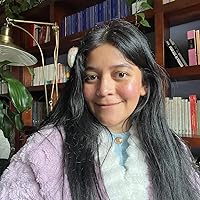
Guadalupe Nettel (born 1973) is a Mexican writer. She was born in Mexico City and obtained a PhD in linguistics from the École des Hautes Études en Sciences Sociales in Paris. She has published in several genres, both fiction and non-fiction.
Nettel is a prolific author and a regular contributor to both Spanish- and French-language magazines, including Letras Libres, Hoja por hoja, L'atelier du roman, and L'inconvénient. In 2006 she was voted one of thirty-nine most important Latin American writers under the age of thirty-nine at the Bogotá Hay Festival.
She has lived in Montreal and Paris, and is now based in Barcelona, where she works as a translator and holds writing seminars and a workshop on Potential Literature (based on the French Oulipo). She is the author of Juegos de artificio [False Games], Les jours fossiles [Fossil Days], Pétalos y otras historias incómodas [Petals and other Awkward Stories], and El huésped [The Host], and the recipient of the Premio Herralde, third place, for El huésped, and the 2008 Premio Antonin Artaud and the 2007 Gilbert Owen Short Story Prize in Mexico for Pétalos.
Guadalupe Nettel’s stories have been described as “marvellous” by the distinguished Colombian author Juan Gabriel Vázquez, and the critic Juan Ignacio Boido has praised Nettel’s creation of “a universe where Roberto Bolaño’s visceral poets rub shoulders with the fragile but unbreakable women of Haruki Murakami.”
The Body Where I Was Born delivers us a raw, introspective look at a girl’s unconventional upbringing in 1970s Mexico and even more countries, along with familiar disputes and very interesting relationships. The book is framed as a therapy session, but you honestly sometimes forget about that little detail. It traces her navigation through cultural clashes (this hit home. As a non-white Mexican, man could I relate), and the push-pull of parental expectations, all while grappling with a visible physical difference that shapes her worldview but yet remained not defining it.
The narrative captures the friction of liberal ideals colliding with very rigid traditions that go from Montessori education system experiments (I went to a Montessori too, so I was kinda like… having flashbacks) to exile-like moves abroad. The author’s prose and sharp humor highlight moments of alienation and resilience, turning her personal scars to lens on broader human tensions. And honestly? This is obviously not what everyone felt but I found it… relatable at some point. Kinda comforting in a way that, hey, at least I’m not alone in how I constantly feel.
I’d suggest this novel to any readers who value unflinching autofiction over melodrama, and that might be interested in hearing out a fresh voice on identity and belonging in Latin American literature :)
Leí la novela para un curso sobre autoficción que estoy tomando, aunque en realidad ya llevaba un rato en mi lista de libros por leer.
Me parece fascinante leer este tipo de novelas con inspiración autobiográfica. En esta en específico, la parte de un lunar blanco en el ojo para narrarnos su infancia y adolescencia, la Ciudad de México, la relación con la madre, el padre ausente, los viajes, la imagen que tiene de sí misma. Va para mis novelas favoritas del año.
Hace años leí "Petalos" un excelente libro de cuentos de Nettel. Este es un reencuentro con ella, y es más bien una novela autobiográfica sobre su infancia. Me gustó mucho, excepto por un detalle. Cada tanto mete un comentario hacia una tal "doctora Sazlavski" a quien menciona cada tanto, supongo que para sentir que es una novela?
Tengo la teoría de que los escritores mexicanos son geniales con las novelas autobiográficas (Educando a los topos de Fadanelli, o mi favorita Canción de tumba, de Herbert), y esta novela se suma a esa lista, aunque tampoco sé si será mi favorita de Nettel, quien me parece excelente, aunque si suma a seguir leyendo libros suyos.
As I read I felt I was listening to an extremely intelligent person tell her story, a person who has the perception, and the bravery, to remember her childhood as the chaotic and helpless time it was. Political upheaval in Mexico and throughout South America during Nettel's childhood comes slantingly through this autobiographical novel, told the way a child would perceive it. I feel made aware of events like the 1968 Tlatelolco massacre in a very different way from what I'd learn from reading non-fiction, or from reading fiction written from an adult point of view. There is a lot to experience in this slim book. I enjoyed the company of Guadalupe Nettel as I read it.
“Il corpo in cui sono nata” è un’autobiografia romanzata in cui la scrittrice messicana Guadalupe Nettel narra della propria infanzia e adolescenza in Messico (con una breve parentesi in Francia). Un mémoir scritto in prima persona e indirizzato ad una fantomatica dottoressa Sazlavski
Sono nata con un neo bianco, che altri chiamano voglia, sulla cornea dell’occhio destro.
Una piccola macchia bianca che rende lo sguardo strabico segna una diversità. Un sospetto che diventa la certezza di non essere come gli altri.
Siamo a Città del Messico, nei primi anni ’70 e la sua famiglia da un lato si occupa del suo corpo con l’intento di correggere gli sbagli della natura. Così oltre alla vista hanno l’ossessione della postura troppo curvata tanto che la madre la chiamerà Scarafaggio (!!!). D’altro canto, i genitori si fanno travolgere in pieno dall’onda libertaria per cui applicano una pedagogia schietta, fuori dagli schemi ma che risulta essere presto fuori controllo.
Al centro del racconto c’è Guadalupe bambina e poi adolescente, il cui corpo è, in un primo momento, strumento per esprimere tutta la sua rabbia verso le incomprensioni del mondo adulto; in seguito, è qualcosa da nascondere.
Un libro nasce dalla necessità personale...
” ...di capire alcuni fatti e alcune dinamiche che hanno dato forma al mosaico che mi costituisce, all’amalgama complesso di immagini, di ricordi e di emozioni che respira con me ricorda con me, interagisce con gli altri e si rifugia nella penna come qualcun altro si rifugia nell’alcol o nel gioco.”
Per il lettore il piacere di una lettura scritta finemente, un’immersione nel Messico degli anni ’70 dove la scrittura e la lettura sono necessità impellenti e soprattutto una riflessione sulla fatica di essere accettati ed accettarsi.
Crescere è anche quello: ritrovare il corpo in cui si è nati e ridargli dignità.
” Non è doloroso ricordare una situazione che per fortuna non è più tale, ma semplicemente riconoscere ciò che abbiamo provato in precedenza, ed è questa la cosa che niente, neppure un’amnesia o il migliore degli analgesici, può cambiare. Il dolore rimane nella nostra coscienza come una bolla d’aria intatta, in attesa di essere evocato o, nel migliore dei casi, tirato fuori.”
O silêncio, como o sal, é de uma leveza só aparente: na realidade, se deixarmos que o tempo o humedeça, começa a pesar como uma bigorna.
Para mim, esta frase resume a intenção da obra de Guadalupe Nettel, a de desabafar aquilo que está mal resolvido na infância e na adolescência da protagonista, a de expurgar os seus traumas, a de contar as suas pequenas revoltas e irreverências. A vida de Guadalupe é desde a nascença pautada pela diferença, primeiro física, porque tem uma pequena deformidade num olho.
Não havia outros meninos assim no meu colégio, mas tinha companheiros com outro tipo de anormalidades. Recordo uma menina muito doce que era paralítica, um anão, um aloira com lábio leporino (...). Todos nós partilhávamos a certeza de que não éramos iguais aos outros e de que conhecíamos melhor esta vida do que aquela horda de inocentes que, na sua curta existência, ainda não tinham enfrentado nenhuma desgraça.
Depois, pela família mais progressista que o habitual na Cidade do México dos anos 70, que acaba por se desintegrar, ficando a menina e o seu irmão mais novo temporariamente a cargo de uma avó conservadora. A mãe parte para França para continuar os seus estudos, o pai desaparece devido a actos duvidosos que mais tarde são explicados, mas curiosamente os juízos de valor da narradora centram-se quase exclusivamente na mãe que praticamente os criou sozinha. Mais tarde, essa sensação de alienação agudiza-se na pele de imigrante no bairro pouco recomendado numa cidade do sul de França. Assistimos, assim, ao crescimento da protagonista, que gosta de ler e de jogar futebol, que passa por tudo o que é habitual, mas que o conta como se fosse um exclusivo: paixonetas, inimizades, rejeição, rebeldia e rituais de iniciação em busca da sua tribo, aquela que ela define como a das trilobites.
Identificava-me por completo com o personagem de “A Metamorfose”, a quem aconteceu algo semelhante à minha história. Eu também me tinha levantado uma manhã com uma vida diferente, um corpo diferente e se saber muito bem em que é que me tinha convertido. (...) Durante as primeiras páginas, não conseguia saber se era uma desgraça ou uma bênção o que tinha sucedido ao personagem que, como se não bastasse, nunca manifestava nenhum entusiasmo, mas tão-pouco dramatismo.
A resistência de Guadalupe ao meio hostil e a superação dos defeitos físicos que lhe apontam é extraordinária, mas a obra não correspondeu às minhas expectativas. O que eu esperava era um final que revelasse alguma maturidade da adulta que conta a história, a capacidade de interpretação e de processamento dos acontecimentos que a distância e a idade geralmente nos dão. Vêm-me à memória duas autobiografias centradas na figura da mãe, “Carta para Minha Mãe” de Georges Simenon e “Uma Morte Suave” de Simone De Beauvoir, em que, talvez pela idade, talvez por entretanto também já serem pais, há já um certo apaziguamento que permite relevar parte das diferenças que fazem os pais parecer os nossos maiores inimigos a dada altura da vida. “O Corpo em que Nasci” é um bonito romance de formação que a autora não parece ainda totalmente formada para escrever.
NOTA: Por defeito profissional, custa-me ler más traduções do inglês, mas estranhamente incomoda-me mais a transposição do espanhol, ainda que não seja uma língua que domine nem para pedir um granizado de morango em Badajoz, porque é raro encontrar um livro traduzido dessa língua que não seja coladinho ao original. O que serão “segundas primas”? Quem fala assim em Portugal? Já para não falar do inúmeros “resulta que” simplesmente ridículos. Se qualquer um fala “portonhol”, logo qualquer um traduz do espanhol, parece ser a teoria das nossas editoras.
En realidad 2,5 porque lo cierto es que está bien escrita y refleja unas épocas que son interesantes. Lo mejor es el contraste entre la educación que de niña le daban sus padres setenteros un poco hippies, que contrasta con el tiempo en que la dejaron en manos de una abuela rígida y conservadora. A medida que crece se ve expuesta a situaciones muy diferentes, como una estancia en el sur de Francia en una escuela donde tiene contacto con muchos inmigrantes magrebíes. Tantos cambios hacen que vaya desarrollando una postura escéptica y distante.
Cosas que no me han gustado:
- El título es engañoso, ya que parece que se vaya a centrar en sus sentimientos por su defecto físico, pero sólo lo menciona al principio y al final, de manera que no tiene peso real en la historia.
- No conozco suficientemente a la autora como para interesarme por su vida, además creo que, en general, hay una saturación de literatura autobiográfica de autores relativamente jóvenes, que invariablemente cuentan su infancia y adolescencia. Al menos, yo me he tropezado últimamente con muchas obras de este tipo y me parece que son un recurso un poco perezoso de los creadores. Todas las infancias (y las familias) son raras así que es fácil sacarles partido.
- El tono de la narración me ha resultado frío y poco interesante, además el recurso de que está dirijido a la psiquiatra no se sostiene, ya que el tono no es conversacional, sino muy textual.
Leí hace tiempo El matrimonio de los peces rojos. Hasta ahí llegaba mi grata experiencia previa con Nettel. Por eso no es de extrañar que comenzara esta novela con entusiasmo, pero me desencanté pronto. Abundan últimamente las novelas autoficcionales, y ya no sé si es por sobreexposición, pero ese registro comienza a hartarme y a parecerme cada vez más una forma holgazana de la creación literaria. El valor del crudo confesionalismo pareciera suplir el cuidado en la construcción lingüística.
Le pongo 2.5 estrellas —que suben a 3— porque es un libro entretenido y rápido de leer, y porque asomarse al espacio inaccesible de la mente ajena, con sus intrincados mecanismos, es extrañamente llamativo y vinculatorio. Hay un valor en sentirse identificado en alguna línea inconfesable o encontrar un aleatorio punto de contacto biográfico. Sin embargo, me dio la impresión de que toda la atención de la escritura está puesta en el juego de exposición y ocultamiento, de decir y callar, de confesar y no confesar del todo y, bajo el recurso de monólogo de sesión psicoanalítica, dejar de lado la labor de orfebrería lingüística.
Mexican author Guadalupe Nettel is a new voice in Spanish literature. She's received some keen attention and won a few awards. This is the first novel to be translated into English; a slim fiction structured as a young woman's conversation with her therapist. The therapist has no part to play beyond providing an obstruction to rail against. What we're really looking at here is one hundred and seventy-five pages of monologue.
The woman speaks of being born with a visual defect that forced her into treatment regimens and unsightly dressings at a very early age. She talks of the adaptive responses this engendered, particularly the hunched posture she developed as a sort of physical cringe against the world and how, because of this, her mother began to refer to her as a cockroach. She grew to both fear and identify with insects, finding a certain degree of resonance in Kafka's tale of Gregor Samsa. She goes on to relay her experience of school, her social isolation, the hypocrisy of her parents, and the shell she constructed to survive.
This is a distant and indifferent piece of work that scuttles across the years - as alien and impenetrable as the bug it so frequently references. It's a rote retelling of a history so spiritless at its core that I imagined I must be missing something. And perhaps I was. While billed as a novel, the flyleaf insists this is "the portrait of the artist as a young girl." If so, then yes I might view it as a memoir the author wasn't prepared to write - largely because she took no risk.
The trauma memoir's primary aim is confrontation. It might be as small a thing as the scent of a father's kiss (The Coconut Latitudes), the promise extracted by a grieving mother (Half a Life), or the texture of the atmosphere at cocktail hour in Africa (Don't Let's Go to the Dogs Tonight). The most innocent exchange or sensation can have been packed by the mind with horrifying associations. This is the danger the author braves simply in telling the story. Nettel braved no danger here. No truth was faced that she hadn't faced a dozen times before and so, even as a memoir of trauma, it falls miles short.
The whole thing comes off as a lark. A dare she took, without the daring. And there could be excellent reasons for that. Unfortunately, I wasn't given enough insight to make such speculation worthwhile.
Es el segundo libro que leo de Guadalupe Nettel y con este confirmo que tiene una narrativa extraordinaria, que engancha, me ha gustado mucho la forma en que nos cuenta las memorias de su niñez y adolescencia, de una manera tan sincera, abierta y hasta simpática. He disfrutado bastante de esta lectura.
On the front cover of this book and repeated inside along with the title, is "a novel". I didn't notice that small subtitle and I read the book as if it were a memoir or autobiography; as if this was indeed Nettel's genuine story of her childhood and background. But, I'm aware of That Gap, and like Nettel, I believe we always have a subjective view of the world. She is correct to highlight that one person's version of a family's history is a very minimal or thin covering of what can only be multiple truths. Towards the end Nettel says; 'I don't know if this is the truth about myself, my parents and my brother and the people I encountered; no doubt they would write a different version' - and so she indicates the subjective nature of her material and honours this on the cover, of her novel.
Something else: I started this book, several months ago and it didn't "jell" with me. I had a general feeling of "Oh, let's analyse my youth and identify all the things that went wrong, blame the parents, moan generally about my disadvantages etc." The second time round, I quickly found myself laughing and smirking and enjoying her voice - immensely. How wrong I had been. In my second attempt I enjoyed her story from the beginning to the end, but I found the first half more unusual with perhaps more adroit observations and analyses. The second-half more or less covers "her" teenage years - and follows a fairly normal rebellion phase - for me, it was not quite so interesting.
It's possible I didn't get the tone first time round because of the translation - I think irony can be erased sometimes. Here's the bit where I really started to laugh and understand the full nuance of her voice:
It was the seventies, and my family had embraced some of the prevailing progressive ideas of the time. I went to one of the few Montessori schools in Mexico City (today there's one on every corner). . . . A few times a year there were parties for all the families, and then you could really measure the havoc the seventies had wreaked. Guests at these parties included kids whose parents lived in three-way partnerships or other polygamous situations, and instead of feeling ashamed, they flaunted it. The names of some of my classmates give another eloquent vestige of those years. Some of them reflected ideological leanings, like "Krouchevna," "Lenin," and even "Supreme Soviet" (we nicknamed him "the Viet"). Others spoke to religious beliefs, like "Uma" or "Lini," whose full name honored India's snake of cosmic energy. Others, still, spoke to more personal devotions like "Clitoris." That was the name of a lovely and innocent girl, the daughter of an infrarealist writer, who did not yet comprehend the wrong her parents had done her and who, to her misfortune, didn't have a nickname.
So there is a lot more of that - our six year old explains how her parents resolved on a policy of never telling lies and felt they must explain the details of reproduction, sexual intimacy, Santa Clause and various other non-truths, which she found exceedingly confusing; her three-year old brother was able to float above it all! I hope you saw the reference to "Kundalini..." above?
Anyway, a false start followed by pure pleasure. There's a part of the story where the mother moves the family to France; she is studying for a PhD, and they live in a suburb of Aix-en-Provence, in a notorious suburb called Les Hippocampes - it had a high immigrant population and a corresponding high crime rate. As soon as our author explains that herself and her brother inspite of their fair skins and complexions are also immigrants, from Mexico, the other children and adolescents of the suburb accept them on an equal basis.
Nettel, makes so many observations of the differences between her native Mexico and France, that I also recognised, the long pillow, "hot-dogs" in the hotel, where they stayed on the first night; the impossibility of finding simple lined notebooks. It's true, in France every notebook has a grid system - I have spent hours scanning supermarket shelves for a simple lined notebook. Here are Nettel's thoughts on the same subject:
In Mexico, notebooks are unequivocal: graph paper for math and lined paper for language arts and social sciences. The space between the lines in the latter measure exactly one centimeter and this cannot be changed on a whim. In French notebooks, every page has squares and the space between the lines comes in two different sizes, and for indecisive people like me, knowing where to write presents a dilemma.
She captures exactly that dissonance of feeling when the really basic stuff of your life changes. I've felt that on many occasions. What I liked is not just her fun jokey observations but that this careful observing eye applies her thoughts to everything - from the clothes her school-friends wear to the sub-groups they form, to observations of behaviour and social identities; and what I think I liked most was her continual and endless references to how people are always divided and categorized according to status - either the status of money, wealth and background or the colour of your skin and hair or whether you have an impediment or an unusual or just slightly different appearance from the "norm" whatever that is. Here again is Nettel with her marvellous attacks on how people always want to label:
The teacher decided to sit me next to a pretty girl with chestnut hair. Her name was Julie. Her father was Spanish and they imagined we would understand each other. A few minutes was enough to see that Julie knew perhaps ten words of her parental language - which wasn't Castilian but Catalan - and that we were not going to be close, which I attributed not to a difference of nationality, so much, as to one of self-perception: she was a fairytale princess, I was Gregor Samsa. By the way, Doctor, the other day I was walking by a school and saw a mother yelling at her son like a drill sergeant. The boy, around three years old seemed squashed by the shouts of that out-of-control woman. To defend himself he was sinking his head down and raising his shoulders like someone expecting the roof to fall. I felt a deep sorrow; he made me think of the body and behaviour of a cockroach.
In the above paragraph you can see the framing tool Nettel uses - that of a patient recounting her childhood experiences to a psychologist; and the reference to Kafka's Gregor Samsa, is a backward glance at the narrator's own experience of feeling like a cockroach, especially when her parents were hell-bent on trying to improve the quality of her right eye, which had a white cloud across the pupil.
Nettle ends the novel with a return to the opening chapter, how because of her imperfect eye she had to wear a patch on her good eye - the idea being that the non-working eye would be forced to work. And so the narrator spent most of her primary years perceiving the world through a fog. She had to develop and heighten other senses in order to navigate through her school. She ends by saying that the persistence of not being able to see clearly has stayed with her:
I don't know if I am fulfilling my goal of sticking to the facts but it doesn't matter any more. Interpretations are entirely inevitable and, to be honest, I refuse to give up the immense pleasure I get from making them. Perhaps, when I finally finish it, for my parents and brother this book will be nothing but a string of lies. I take comfort in thinking that objectivity is always subjectivity.
It's strange, but ever since I started with this, it feels like I am disappearing. Not only have I realised how intangible and volatile all these events are-most cannot be proven- but there is also something physical taking place. In certain absolute indispensable moments, my limbs give me a strangely disturbing sensation, as if they belong to a person I don't know.
Yazar kendi hayatından izler taşıyan bu kısa romanda terapistiyle konuşan bir kadınla tanıştırıyor bizi. 1970'lerde Meksika ve Fransa'da geçen çocukluğunu ve ergenliğini masaya döküyor baş karakter. Yazar epeyce travmatik olayla baş etmek zorunda kalmış ama umut ve mizah hep var. Kitap kısa olduğu için çok ayrıntı vermek istemiyorum.
Benzersiz Kızım kitabında eksikliğini duyduğum her şey burada tamamlanmıştı. Anlatılanların sosyal ve politik tarafı boş geçilmemişti. Diğer yazarlara, eserlere, sanatçılara yapılan göndermeleri çok sevdim. Anlatım dili mükemmeldi.
Tabii metnin en güzel tarafı yine farklı yerlerde ve koşullarda yaşamış olmamıza rağmen yazarla hissettiklerimizin ortak oluşuydu. Bazı yerlerde kendimi gördüm ve gözlerim doldu. Keşke daha uzun olsaydı kitap. Kadınlar daha çok yazmalı. Annie Ernaux'dan sonra otobiyografik kurmaca ile barışmamı sağlayan Guadalupe Nettel takip edeceğim yazarlardan olacak.
Yayına hazırlayan Banu Erol'un, yayın danışmanı Başak Güntekin'in, İspanyolcadan çeviren İdil Dündar'ın, kapak ve iç sayfa tasarımı yapan Dilek Şişli'nin emeklerine sağlık.
This autobiographical novel was so good, it was engaging, culturally fascinating as it moves between Mexico and France and traverses childhood and adolescence, and the relationships between a girl, her peers at different ages, her parents, her grandmother. I loved it all and was so surprised to find a large part of the latter chapters set in the town where I have lived for 20 years. That too made me think of so many unique experiences one has as an outsider, as an immigrant, and to what children are subjected to without consent when by necessity one must move country's. Highly Recommended.
Guadalupe Nettel è realmente molto brava: lo si vede soprattutto in questo memoir in cui parla del suo disturbo alla vista che la porteranno sin da piccolina a sottoporsi a dei correttivi, come bendare l’occhio sano per allenare quello malato o tenere la testa in una scatola buia per riposare la vista.
Il difetto visivo non è invalidante per la scrittrice, ma sarà l’occasione per la scrittrice per sviluppare una vista più acuta sul mondo che la circonda.
“Stando a ciò che ho potuto osservare, quando un evento ci ferisce, nell’affrontarlo seguiamo due tendenze generali: la prima consiste nel ripercorrerlo all’infinito, come un video proiettato a ripetizione sul nostro schermo mentale. La seconda consiste nel distruggere il nastro e dimenticare per sempre l’evento doloroso. Alcune persone, come me, sono solite impiegare entrambe le tecniche per rielaborare i propri ricordi.”
Quello che all’inizio sembra un deficit si rivelerà alla fine l’occasione per la scrittrice per avere un punto di vista altro, perché appartenente a chi vive ai margini della normalità, in quanto dotato di abilità diverse.
La scrittrice però dovrà fare i conti anche con la sua famiglia, divisa tra il Messico e la Francia. Spostandosi tra due continenti e varie case, Guadalupe Nettel racconta la propria storia personale, immergendola in una dimensione universale: non la storia dei corpi che abitiamo, ma anche la storia di come li abitiamo. Perché è proprio attraverso il nostro corpo che percepiamo il mondo ed è attraverso di esso che vi prendiamo parte.
“La memoria può giocare scherzi incredibili. Sono sicura, per esempio, di aver provato molta pena per mio padre vedendolo seduto a quel tavolo, con gli occhi pieni di lacrime per l’emozione di incontrarci, ma, nello stesso tempo, il ricordo vorrebbe farmi credere che quel luogo austero e pulito non fosse poi cosí male, e che non fosse insopportabile stare lí, come se truccando le immagini remote si potesse mitigare il dolore passato. Non è doloroso ricordare una situazione che per fortuna non è piú tale, ma semplicemente riconoscere ciò che abbiamo provato in precedenza, ed è questa la cosa che niente, neppure un’amnesia o il migliore degli analgesici, può cambiare. Il dolore rimane nella nostra coscienza come una bolla d’aria intatta, in attesa di essere evocato o, nel migliore dei casi, tirato fuori.”
El cuerpo en que nací parece una historia de iniciación, una autobiografía, una novela de una mujer y su psicoanalista. Por una parte, que Nettel haya decidido contra su vida en la infancia y adolescencia la hace un intento bien logrado de una coming on age cómica, sincera y extraña. Me gustó mucho eso, a veces estorbaba que le hablara a su psicoanalista pero supongo quería experimentar con este texto. Lo quitaría pero no quiero centrarme en eso, la novelaautobiografía es buena.
latin amerikalı yazarların bir tonu var. anlattıkları şey ne kadar travmatik de olsa mizahtan (ama amerikan tarzı bir mizahtan bahsetmiyorum) ödün vermeden, mırıl mırıl, kendilerini ya da karakterlerini tüm çıplaklıklarıyla gözümüzün önüne seriyorlar. guadalupe nettel de özyaşam öyküsünü sanki terapistine bir terapi seansında çocukluğundan başlayarak bugüne getirerek anlatıyormuş gibi roman biçiminde kurgulamış. ama ne yaşam öyküsü :) bir kere nettel gözbebeğinde kara bir lekeyle doğuyor ve yıllar boyu korsanlar gibi tek gözünü kapatmak zorunda kalıyor. sonrasında ise şaşı olarak kalıyor. tahmin edersiniz ki bu durum nerede olursa olsun çocuk zorbalığının yolunu açacaktır. nettel’in de okul anıları boyunca gördüğü çeşitli zorbalıklar ve hep olduğu gibi ezilenler, dışlananlar ya da engeli olanlarla kurduğu arkadaşlıklar onu bambaşka biri haline getiriyor. bu arkadaşlıkların dışında acayip uçuk bir ailesi var ki bu uçukluklara 70’li yıllarda moda olan çok eşlilik, açık evlilik filan da dahil oluyor. ve küçücük yaştaki nettel ve kardeşi tüm bunlara şahit oluyor. yani yapın ama çocuklara çaktırmayın bari di mi :) sonrasında boşanma, annenin geçirdiği ağır depresyon ve yine çocukların buna şahitliği, acayip komünlerde acayip deneyimler geliyor. ve anne pat diye fransa’ya okumaya gidip çocukları bir yüzyıl geride kalmış anneanneye bırakıyor. anneanneyle ilişki bence nettel’in başına gelen iyi şeylerden biri. bakmayın modern dünyaya, özgür yaşamlara, çocukların ana-babadan beklediği stabilite ve güven duygusu hiç değişmiyor. geleneksel pek çok şey daha doğru bence. nettel’in “modern” anne babayla yaşadıkları da buna örnek aslında. sonrası çocukların da fransa’ya aix en provence’e taşınıp bir varoş mahallesinde yine dışlanarak ama sarışın meksikalı oldukları için merak da edilerek geçiyor. fırtınalı ergenlik yılları anlatıcının o modern annesi tarafından tekrar anneanneye, meksika’ya geri gönderilmesiyle sonuçlanıyor. müthiş bir çocukluk ve büyüme hikayesini açıklıkla, bazen güldürerek, bazen hüzünlendirerek anlatıyor nettel. okul anılarını öyle detaylı anlatmış ki ben de kendimle ilgili neler neler hatırladım. çocukların ve gençlerin aslında ne kadar acımasız olabileceği, meksika’da yaşanan yolsuzluklar -ki baba uzun yıllar hapiste kalacak bu yüzden-, politik olaylar, şili’den, arjantin’den politik sebeplerle göçenler, ırkçılık, sınıfsal farklar… hepsi bu incecik kitapta ve hiçbiri gözümüze sokulmadan, arka planda akıp gidiyor. nebula yayımladığı kitaplarla hiç şaşırtmıyor :) idil dündar’ın başarılı çevirisini de es geçmeyelim.
Una novela autobiográfica sobre la infancia y adolescencia de la autora. Devoré en un par de días este texto que en uno de sus pasajes me hizo llorar. La dictadura chilena se entrecruza en varios momentos de la historia de Nettel y eso me sorprendió y conmovió bastante. ¡Qué lucidez para retratar una época tan difícil! Me encantó la forma de describir los recovecos que tuvo su infancia.
El final me pareció un tanto apresurado, pero no me importa porque hay más para seguir con la autora.
Me gusta Guadalupe Nettel porque siento una narración cálida, ágil, profunda y de alguien muy inteligente, crítica, sensible e interesante. Es tercer libro que leo de ella.
çocukluğa ve ergenliğe, belki bedenimizin en hızlı değiştiği fakat onun içinde olmaya dair duyumumuzun en zayıf olduğu dönemlere dair bir rüya kitabı. böyle diyorum çünkü nettel meksika ve fransa'da yaşadıklarını anlatırken gerçekle kurguyu, olmuş olanla olabilecek olanı aynı potada öyle eritiyor ki rüya mıydı gerçek miydi emin olamadığımız çocukluk hatıraları gibi bir tat bırakıyor kitap okurun damağında. potada erittiği diğer şeylerse mizah ve dram, hep el ele, birbirlerinin kıyısındalar. büyük beklentiler içinde olmayarak başladığım ve çok etkilenerek bitirdiğim bir roman oldu.
Un soliloquio honesto, un dulce sabor a venganza y final la destreza de quedarse con lo que mas quiso. Me pareció un “memoir” entrañable de su niñez y un despertar muy profundo a su adolescencia, Guadalupe tiene un don hipnotizador que te lleva por su narrativa como habitando un sueño. Su esencia es única, me ha gustado mucho.
4.5 ⭐️ “O corpo em que nascemos não é o mesmo que deixamos no mundo.”
Inspirado na infância da autora, este livro narra a história de uma menina onde um defeito de nascença num olho contou com um lugar marcante na sua memória e como, por conta própria, ela teve de aprender a relacionar-se com o mundo, muitas vezes hostil. Uma personagem singular que gostei muito de conhecer.
“(…) cuando un acontecimiento nos lastima hay dos tendencias generales para afrontarlo: la primera consiste en repasarlo una infinidad de veces, como un video que proyectáramos una y otra vez en nuestra pantalla mental. La segunda consiste en arruinar la cinta y olvidar para siempre ese hecho doloroso”.
Sin embargo, los problemas oculares de Guadalupe Nettel parecen llevarle por un tercer camino. Cuando el video no funciona bien del todo y unos defectos en la córnea y el estrabismo de nacimiento la obligan a usar un parche, ya desde muy niña se autoadscribe a la especie de los trilobites, los que no son como los demás, los que están al margen.
Este libro es el testimonio de esa infancia y adolescencia trilobite en el D. F. y en Aix, Francia. Una memoria que conforme se ejercita y da lugar a un resultado le produce la impresión de estar desapareciendo como persona: “No sólo me he dado cuenta de cuán incorpóreos y volátiles son todos estos sucesos cuya existencia, en la mayoría de los casos no puede probarse en forma alguna; se trata también de algo físico. En ciertos momentos del todo impredecibles, las partes de mi cuerpo me producen una sensación de inquietante extrañeza, como si pertenecieran a una persona que ni siquiera conozco”.
Nettel sueña con que va a ser operado por un oftalmólogo norteamericano judío que le extrae del ojo defectuoso una especie de semilla que se abre con una diminuta tapadera en forma de elefante. En el interior del recipiente hay un pergamino con unos caracteres hebraicos en el que Dios explica por qué había nacido con esos defectos en el ojo. En vez de leer el pergamino, el doctor lo suelta y dice: “-Nadie, excepto Dios, tiene derecho a conocer la verdad”.
“I comportamenti acquisiti durante l’infanzia ci accompagnano per sempre e, anche se a forza di volontà li teniamo a bada, acquattati in un luogo tenebroso della memoria, quando meno ce lo aspettiamo ci saltano in faccia come gatti inferociti.”
Nata con un neo bianco alla cornea, costretta a portare l’occhio bendato per tutta l’infanzia, la narratrice racconta come la diversità abbia indirizzato la sua vita verso l’intensità di un sentire che si è poi tradotto nell’arte della scrittura. Educata ai valori libertari (e libertini) degli anni Settanta, ma costretta a subire poi la stretta reazionaria della nonna materna in seguito al fallimento del matrimonio dei suoi genitori, la protagonista di questo racconto autobiografico guarda la realtà con apparente distacco e in ogni caso la interpreta secondo la sua visione e la sua maturazione. Nonostante i limiti oggettivi che infanzia e adolescenza costituiscono, un io caparbio e ben strutturato procede implacabile nella descrizione e ridefinizione della realtà, la propria, ma anche di tutto ciò che intorno vi si muove e velocemente si trasforma. Memoir e romanzo di formazione, ma anche racconto di una storia comune che spazia tra Messico e Europa e intercetta le contraddizioni di un’epoca con sguardo lucido e penna affilata.
Yazardan okuduğum ikinci kitap. İlki bir öykü derlemesiydi, bu ise roman. Roman diyorum ama aslında uzun bir otobiyografik anlatı da denebilir. Terapist koltuğuna oturan yazar, gözünde gelişen ve çocukluğunun bir döneminde siyah bir bant takmasını gerektiren doğum lekesi üzerinden anlatmaya başladığı hikayesinde, 1970’ler Meksika’sına, açık fikirli anne ve babasının dünyasında yeşeren çocukluğunun kah karanlık kah şaşırtıcı labirentlerine girerken; geleneksel bir figür olan anneannesini, Fransa’da yaşama deneyimini ve gittiği hemen her yerde “öteki” olmayı, siyaset, tarih, toplum süzgecinden geçerek anlatıyor. Toplumun yaşadığı her çalkantı (göçmenler, siyasi istikrarsızlık, yoksulluk vs.) öyle ya da böyle kitapta yer alıyor ama önde olan yazarın bizzat kendi hayatı. Üstelik ne kadar dramatik şeyler anlatırsa anlatsın bir şekilde ironiyi de ihmal etmiyor. Normalde bu kadar kişisel metinler her zaman bu tadı vermese de Nettel gerçekten iyi bir yazar ve yazdığını zevkle okutmayı başarıyor. Böylelikle ortaya kısa, yoğun ve güzel bir eser çıkıyor.
Debo decir que disfruté muchísimo el libro. Me encanta la forma en la que está narrado, el uso del lenguaje, la sinceridad, justo como si se lo estuviera contando a una amiga, en este caso a su doctora. Que gran libro, recomendado 100%.
Guadalupe Nettel la escritora mexicana realiza un ejercicio introspectivo hacia su niñez y adolescencia, revisando aquellos hechos que la formaron y la hicieron ser quien es.
Despojada del romanticismo y la fantasía de autoras como Isabel Allende o Ángeles Mastretta, y acercándose más a Delphine de Vigan, inicia con su nacimiento y un cuerpo donde su ojo derecho trae una especie de lunar en el iris que impide el paso de la luz, aunque se podrá corregir con el tiempo, de momento su niñez se ve empañada por un parche que tiene que usar todos los días en su ojo izquierdo para ayudar a corregir la anormalidad, que la deja viviendo en un mundo de manchas la mayor parte del día, volviéndose más sensible y apoyada en otros sentidos como el tacto.
Recorremos la vida de una familia de clase media alta mexicana, padres liberales, viviendo cómodamente con una casa de fin de semana, que en un momento de quiebre se divorcian y escinden la familia, dejando un mundo seguro y embarcándose a la deriva, la madre se va a Francia a estudiar dejando a Guadalupe y a su hermano con una abuela nada cariñosa y algo maniática, su padre desaparece del mapa, posteriormente la madre regresa por ellos y los lleva con ella a Francia, donde viven varios años, hasta la adolescencia de Guadalupe, en este periodo debido a su rebeldía, su madre la manda de vuelta a Cd de México con su abuela, en este devenir, descubre que su padre perdió su fortuna y está en la cárcel.
En medio de todos estos cambios, rupturas, desapegos, Guadalupe crece, odiando y amando su cuerpo por partes iguales, así como terminando de formar una personalidad un poco introvertida, al mismo tiempo rebelde, y sentando las bases de lo que será su bagaje, para la creación de sus obras literarias.
También habla un poco sobre la amistad, lo difícil de tener afinidad, hay un anécdota hermoso y triste, ella gustaba de ver por su ventanal hacia los departamentos del edifico de enfrente, ahí descubrió a una niña que parece la veía a ella también, a cierta hora, todos los días se ponía en la ventana y la niña estaba ahí, parecían compartir un momento especial, más allá de eso sus amistades terminaron mal o en el olvido.
Hay una especie de rebeldía latente en el relato, como un especié de reclamo que inicia exaltado hacías sus padres y abuela, principalmente su madre, pero que se va diluyendo no se si por pudor, o temor de lastimar o ser lastimada, lo que hace que se vaya perdiendo la intención hasta quedar como meros anécdotas de una escritora.
Hay momentos en que pierde fuerza, y las cosas que cuenta se vuelven generales, y pierden el atractivo que les da ese punto adicional que las vuelve únicas y personales.
También me perdí un poco en la cronología, pues es difícil saber las edades en que se van sucediendo los hechos, por más que existe una línea de tiempo bien definida, a veces no sabemos si pasaron días, semanas o años.
Siempre es bueno conocer los orígenes de los escritores, eso nos permite un punto de referencia para entender su obra, por ejemplo ahora entiendo porque Guadalupe suele hacer descripciones de ciudades de Francia de una manera tan descriptiva y nostálgica, el que haya vivido allá, hace que todo cobre sentido.
Aunque fue una lectura ágil si debo decir que mi interés fue disminuyendo conforme avanzaba, debido a esa pérdida de intensidad en el relato, de hecho no se tiene un final como tal, más bien parece como si la narración fuera cortada en un punto arbitrario.
Me quedo con la reflexión que hace sobre las cosas que no podemos controlar como el cuerpo que nos toca y como a partir de él debemos buscar nuestra identidad, que para bien o para mal estará influenciada por lo que aprendimos o lo que nos trasmitieron nuestros padres, religión, educación, manías, etc.
Autoficción en la que la autora rescata sus recuerdos, fragmentos de su vida marcados por el dolor físico, emocional y psicológico. Me gusta ese contraste de realidades. Nettel nos muestra su situación corporal en un proceso natural de vida. Ella cuenta su historia cuestionando el pasado y como con el trabajo narrativo aprende a habitar su cuerpo.
Mi psicoanalista me prestó este libro porque estábamos hablando de infancia y memoria. Creyó que me iba a gustar y que me podría servir en mis reflexiones. Claramente la tipa me conoce mucho. Es una autobiografía de la infancia y adolescencia de Nettel, lo cual me parece muy interesante. Cómo va recuperando sus memorias y entablando reflexiones desde ese pasado de ella como niña. Profundiza mucho en la sexualidad, el cuerpo, el desarraigo, las relaciones familiares, la amistad, el dolor, el desplazamiento. Es precioso y sencillo.
"El dolor permanece en nuestra conciencia como una burbuja de aire cuyo interior está intacto, esperando a que se le invoque o, en el mejor de los casos, se le permita salir"
The narrator of this novel is reflecting back on her unusual childhood from her psychoanalyst's couch. Born in Mexico City with a birth defect that her family is intent on fixing, the narrator uses her perceptive eye to share her painful memories of trying to grow up unscathed in a life full of tragedy. Nettel is a fiercely talented writer, and this is her first novel to appear in English. I'm sure we'll be hearing a lot more from her.
Do you get our New Books! newsletter, the once a week, to-your-inbox look at the new books hitting shelves? Sign up here: http://bookriot.com/2014/07/29/new-bo...