Jump to ratings and reviews
Rate this book

A Moth to a Flame

Rate this book
In 1940s Stockholm, a young man named Bengt falls into deep, private turmoil with the unexpected death of his mother. As he struggles to cope with her loss, his despair slowly transforms to rage when he discovers that his father had a mistress. Bengt swears revenge on behalf of his mother's memory, but he soon finds himself drawn into a fevered and forbidden affair with the very woman he set out to destroy . . .

Written in a taut, restrained style, A Moth to a Flame is an intense exploration of heartache and fury, desperation and illicit passion. Set against a backdrop of the moody streets of Stockholm and the Hitchcockian shadows in the woods and waters of Sweden's remote islands, this is a psychological masterpiece by one of Sweden's greatest writers.

ebook

First published January 1, 1948

141 people are currently reading
4562 people want to read

About the author

Stig Dagerman

82 books241 followers
Stig Dagerman was one of the most prominent Swedish authors during the 1940s. In the course of five years, 1945-49, he enjoyed phenomenal success with four novels, a collection of short stories, a book about postwar Germany, five plays, hundreds of poems and satirical verses, several essays of note and a large amount of journalism. Then, with apparent suddenness, he fell silent. In the fall of 1954, Sweden was stunned to learn that Stig Dagerman, the epitome of his generation of writers, had been found dead in his car: he had closed the doors of the garage and run the engine.

Dagerman's works deal with universal problems of morality and conscience, of sexuality and social philosophy, of love, compassion and justice. He plunges into the painful realities of human existence, dissecting feelings of fear, guilt and loneliness. Despite the somber content, he also displays a wry sense of humor that occasionally turns his writing into burlesque or satire.

Ratings & Reviews

What do you think?
Rate this book

Friends & Following

Create a free account to discover what your friends think of this book!

Community Reviews

5 stars
596 (22%)
4 stars
1,020 (38%)
3 stars
739 (28%)
2 stars
220 (8%)
1 star
55 (2%)
Displaying 1 - 30 of 318 reviews
Profile Image for Orsodimondo.
2,450 reviews2,423 followers
April 14, 2019
IL NOSTRO BISOGNO DI CONSOLAZIONE

description
François Truffaut, grande cantore dell’adolescenza, qui insieme al suo alter ego, Jean-Pierre Léaud/Antoine Doinel.

Stig Dagerman aveva venticinque anni quando questo romanzo, generalmente considerato il suo capolavoro, e spesso considerato un capolavoro tout court, fu pubblicato.

Ne aveva trentuno quando si tolse la vita in un garage, lasciandosi intossicare dallo scappamento dell’auto.

Esiste un suo appunto di tre anni prima della morte che rappresenta una traccia di futura lapide a se stesso:
QUI RIPOSA UNO SCRITTORE SVEDESE | CADUTO PER NIENTE | SUA COLPA FU L'INNOCENZA | DIMENTICATELO SPESSO.

description
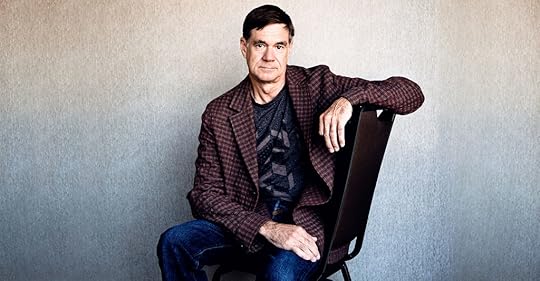
Gus Van Sant, un altro artista che all’adolescenza ha dedicato molta della sua opera, la parte migliore.

Bengt è il ventenne protagonista di Bambino bruciato e la sovrapposizione autore-personaggio si avverte consistente.
Questo è un romanzo intriso di adolescenza. Può essere apparentato a tutta quell’arte, narrativa e cinematografica, che ha trattato affrontato mostrato l’adolescenza.
Il dolore che per certi versi sostiene e protegge e giustifica, ma anche, il disagio come prigione - l’ingenuità, il bisogno di verità, la necessità di purezza - il tormento e la sofferenza e l’inadeguatezza - il rifiuto del compromesso e della mediocrità, l’impossibilità di accettare il mondo così com’è, l’inaccettabilità dei limiti della condizione umana - la sensazione di solitudine e diversità, la sensibilità esasperata…
Tutto contribuisce a fare dell’adolescenza un’età inadatta alla vita.


”Dreamers” di Bernardo Bertolucci, 2003, altro regista che ha dedicato grande attenzione all’adolescenza, secondo me con risultati altalenanti.

Le belle pagine di Fofi, che starebbero meglio collocate in coda, come postfazione piuttosto che prefazione, apparentano Dagerman e il suo giovane protagonista a una famiglia nobile e composita: Kafka, Camus, Strindberg, Rimbaud, Pasolini, il giovane Bergman (perché Dagerman s’intendeva di cinema, se ne occupò da giornalista, ma si capisce che lo conosceva e amava, sua moglie, Anita Björk, era una celebre attrice che lavorò più volte proprio con Bergman)…
E, sempre, se si parla di adolescenza, il mio pensiero corre a Truffaut. (Ma, lasciamo in pace Salinger, non disturbiamo il giovane Holden).

description
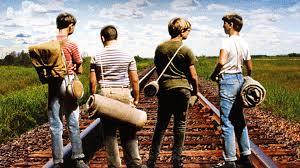
”Stand By Me-Ricordo di un’estate”, il film di Rob Reiner del 1986, tratto dal racconto “The Body-Il corpo” di Stephen King.

Dagerman scrive analizzando a fondo, spaccando il capello in quattro, come si usa dire: solo che invece dei capelli, scruta seziona ed esamina azioni, e reazioni, comportamenti, pensieri, sensazioni, gli effetti dei sentimenti, paesaggi, neve e pioggia, tasche, scarpe, mobili.
Scrive con meravigliosa oggettività, diceva Graham Greene (che s’invaghì della ex signora Dagerman), lontanissimo dalla retorica, senza sbavature, senza eccessi, né trucchi. Scrive come se fosse disarmato proprio come il suo personaggio principale, mettendosi a nudo con nuda scrittura.


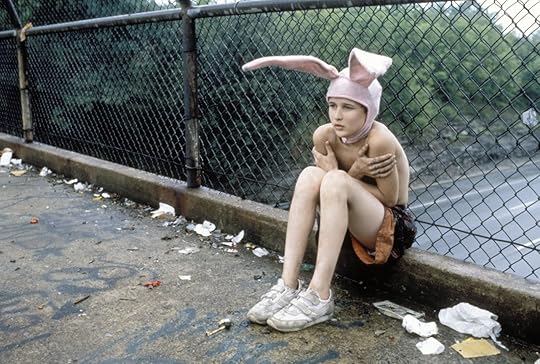
”Gummo” di Harmony Korine, 1997.

Un paio di riflessioni che mi hanno inizialmente rallentato nella lettura, finché non sono stato preso e portato via.
Mi sarei aspettato più sentore della guerra mondiale conclusa da poco.
La Svezia si dichiarò neutrale, fu risparmiata dal nazismo perché collaborò: finché le sorti della guerra pendevano a favore della Germania continuò tranquillamente a commerciare con i tedeschi, salvo poi scegliere altro atteggiamento a partire dal 1943.


”Mysterious Skin” di Gregg Araki, 2004.

Bengt, il protagonista, è deluso dall’internazionalismo socialista, ma Dagerman aveva frequentato anarchici e sindacalisti, e solo un anno prima aveva scritta pagine mirabili sulla ricostruzione tedesca, la fine della guerra, il nazismo.
In Bambino bruciato la guerra conclusa da poco, la sua ecatombe, sembra del tutto assente.
Un’esperienza che marchiò l’umanità che ne fu coinvolta. E spinge a ritenere che l’adolescenza fosse un periodo che si protraesse meno a lungo nell’arco di un’esistenza: Bengt adolescente a vent’anni nell’Europa del 1948 sembra un po’ in ritardo.


”The Perks of Being a Wallflower - Noi siamo infinito”, il film di Stephen Chbosky del 2012, autore anche del romanzo omonimo.

Non è vero che un bambino che si è bruciato sta lontano dal fuoco. E’ attirato dal fuoco come una falena dalla luce. Sa che se si avvicinerà si brucerà di nuovo. E ciononostante si avvicina.


Stig Dagerman
Profile Image for Luís.
2,362 reviews1,343 followers
July 22, 2025
Bengt, the narrator and main character, discusses his mother, who has just passed away, and about whom he knows very little. Father and son come face-to-face as rivals. At their side are the fiancée of the father, with whom Bengt maintains a love/hate relationship, and his fiancée. The mother takes up more space than she did during her lifetime and "invites herself" to all family gatherings. The father and the son experience the existence of the other as an intrusion in the face of their loneliness, anguish, despair, and reality, which they consider a failure. They are nevertheless obliged by their mutual presence to bring to the surface the least avowable feelings, the most profound secrets, to wonder about human nature in its darkest aspects.
Profile Image for Helga.
1,381 reviews459 followers
December 23, 2024
Haunting and poignant

Beyond the silence, the sea murmurs impatiently, like the audience at a theater. But it isn’t the noise that keeps him from sleeping – it’s the silence.

The day of his mother’s funeral, young Bengt learns that his father had been having an affair during the time his mother was suffering from a fatal illness.

They say “a burnt child is terrified of the fire”, but the burnt child in our story isn’t afraid at all. He needs to feel the fire like he needs air; he yearns to be burnt and burn in return.

Bengt needs to take revenge on his father and his mysterious mistress for hurting his mother; for being unfaithful; for enjoying life while his mother was dying. Maybe in this way he would be able to alleviate the feeling of guilt and the pain of losing the mother he never truly loved and appreciated.

Profile Image for Bruneholm.
6 reviews
December 22, 2010
My first real encounter with the icon and I must say I am satisfied. There were times, especially somewhere in the middle when I hesitated, but when I finished I was convinced. A burnt child is a masterpiece!

Dagerman's language is extremely pared down, sometimes bordering on naive and children's book-like. It is remarkable that all the short, simple sentences are chosen with exquisite sense of rhythm and precision. Psychology is multi-layered and razor-sharp caught, emotions overlap, but as a sounding board is constant anxiety. Dagerman unadorned language scales of the people, dissolve the constituents of existence and make the reader vulnerable.
In addition, the text is loaded with powerful and ambiguous symbols of hate, love, lust and deceit, dog, light, tiger and gasselen etc..

A captivating book about a lonely young man who seeks redress and purity. About lying and deceit. If not being able to trust anyone. And finally, the real anxiety.. Not being able to trust one self.
Profile Image for Nelson Zagalo.
Author 15 books465 followers
May 24, 2018
A escrita é simples, direta, sem floreados, limita-se a descrever o que acontece, sem perder tempo com explicações, interrogações ou deambulações. Se o que se descreve contém raiva latente, pronta a explodir no virar de cada página, o como se escreve parece emergir de uma amargura autoral não menos enraivecida, explicando porque se não "perde" tempo e se ataca sempre o contar e descrever de forma tão direta, com muita ânsia de dizer, de pôr cá fora os mundos e realidades experienciadas, prontamente re-imaginadas. Sobre o historial de Dagerman, nada direi uma vez que já disse tudo a propósito do seu "A Nossa Necessidade de Consolo é Insaciável" (1955).

Lendo sobre Stagerman são muitas as pontas que se tocam com aquilo que se vai descrevendo em "O Vestido Vermelho / Criança Queimada", desde logo se o protagonista tem cerca de 20 anos, o autor tinha na altura 24. E se impressionam imenso as competências literárias com esta idade, explicando o rótulo de génio que na altura lhe foi colado, não deixa de se sentir a imaturidade à flor do que se vai descrevendo, dos sentires ainda em modo eruptivo. Daí que o texto se sinta perturbador com a experimentação dos limiares da moral e do ser, algo a que também não é alheio a escrita escandinava, ou talvez melhor, do frio do Norte, já que por várias vezes Stagerman me recorda David Vann.

O livro, como dito acima, descreve continuamente ação, foca a nossa atenção no desfiar do enredo, e desse modo mantém-nos continuamente interessados e com desejo de regressar à leitura, desde a primeira à última página. Não que se chegue verdadeiramente a passar algo significativo, mas a tal raiva latente é suficiente para continuamente manter a expetativa acesa, e a necessidade de conhecer o que vai acontecer na página seguinte. Dagerman acaba assim trabalhando a sua narrativa num modelo mais cinematográfico, de dar a ver, investindo muito pouco na desconstrução do que se vê. Por outro lado, o facto de tudo se nos ser apresentado de forma lacónica de modo muito claro, mas sem espaços de reflexão, acaba por tornar aquela realidade tão objetiva em algo profundamente abstrato.

Fica-me a dúvida sobre a tradução que é dos anos 1950, e que além de apresentar algumas palavras mais estranhas, como as dezenas de menções a "bulha" de cada vez com significado distinto, me incomodou particularmente pela adulteração do título, algo que é defendido pela tradutora em prefácio, apesar de não apresentar qualquer argumento para o efeito. Não posso consentir que um tradutor se arvore em autor, que é aquilo que faz quando muda literalmente o título, contribuindo para a re-significação da obra. Em sueco o livro chama-se "Bränt Barn", o seja "Criança Queimada", um título muito mais duro que "Vestido Vermelho", mas também, por isso mesmo, muito mais consentâneo com a forma e ideias discutidas no livro. Por outro lado, o título é mais do que o seu sentido literal, já que ele configura em si mesmo uma metáfora, a "criança queimada" terá receio de se voltar a envolver em experiências próximas das anteriores em que se "queimou", já o vestido vermelho convoca todo um imaginário que só tangencialmente se aproxima do mundo de Dagerman, ainda que pelo meio da história um vestido vermelho surja.

Publicado no VI: https://virtual-illusion.blogspot.pt/...
Profile Image for Lucia Nieto Navarro.
1,373 reviews358 followers
November 3, 2021
Un libro que me ha dejado indiferente... la sinopsis y la trama pintan muy bien pero para mi gusto se va desinflando.

La historia comienza con la muerte de Alma, que es la madre de nuestro protagonista. Tras su muerte y en el mismo velatorio de la madre, nuestro protagonista se entera de que su padre la estaba engañando con otra mujer... asique decide vengarse de ella..

Lo bueno de la novela es que se le muy rapido, aunque lo capítulos son bastante largos y algunos son "cartas" del protagonista a el mismo...

La pluma del autor me ha parecido un poco rara. el libro esta escrito como si fueran todo frases y me costaba meterme en la historia, aunque he de decir que los personajes si que me han gustado, cada uno con su historia y la verdad que bien estructurados...
Profile Image for John Hatley.
1,383 reviews232 followers
April 22, 2025
A young man’s mother has died and within a year of her death, his father decides to remarry. He has to examine his relationship with his father, his own young fiancée, his stepmother and with himself.
Profile Image for Antonio Luis .
271 reviews86 followers
July 4, 2025
Estilo austero, carente de adornos y artificios, pero contundente, pudiera parecer una narración sencilla y directa, compuesta de frases cortas y fáciles, aunque en realidad una lectura atenta muestra gran cantidad de simbolismos para reflejar las relaciones personales y su influencia en las emociones humanas: odio, amor, justicia, desconfianza, engaño, lujuria, hastío…, a través de expresiones precisas y llenas de significado.

Mantiene un tono pesimista existencial en una trama oscura, diría incluso claustrofóbica, basada en la ansiedad y la frustración, protagonizada por el narrador, Bengt, muy afectado tras la muerte de su madre, y enfrentado a su padre, como rivales obligados a convivir, y con una peculiar relación amor-odio hacia la prometida de éste. A partir de esa desesperación del joven hacia esa presencia paterna constante, con un comportamiento cada vez más destructivo y violento, van saliendo a la superficie otros sentimientos humanos más profundos y desconcertantes, que dibujan magistralmente su mapa emocional al borde del colapso.

“Un niño quemado le teme al fuego”, pero desde luego el protagonista desea o necesita el fuego. Continuas alusiones al fuego como elemento simbólico de la trama, su uso me ha parecido muy significativo a modo de vínculo de pasado y presente, recuerdos de la madre y acciones del joven.

“Sólo nos sentimos perdidos cuando reconocemos que ya ni siquiera confiamos en nosotros mismos”

Personalmente me ha sobrecogido descubrir, una vez terminada la novela (que he leído del tirón sin ninguna referencia…), que el autor se quitó la vida con solo 31 años, por lo que parece que su propia angustia y pensamiento se vuelcan en el protagonista, y tal vez por su propia experiencia consigue ese retrato tan logrado de su desesperación existencial.
Profile Image for Karolina.
117 reviews113 followers
September 2, 2020
„Poparzone dziecko” jest jak tykająca bomba, nie wiadomo kiedy wybuchnie. Tę książkę można pokochać albo znienawidzić, napisana bardzo minimalistycznym językiem, zimna, z krótkimi zdaniami, do których ciężko mi było przywyknąć. Każda strona pełna sprzecznych emocji, relacje bohaterów uwierają, pełne są smutku i miłości przechodzącej w nienawiść. Historia jest absorbująca, czekałam na to co się wydarzy, czy ta bomba w końcu eksploduje. Eksplodowała. I tak jak na początku bardzo ciężko było przyzwyczaić mi się do stylu Dagermana (naprawdę dawno nie czytałam czegoś tak minimalistycznego językowo), tak jak już się oswoiłam, to naprawdę mi się podobało.
Profile Image for Alma.
749 reviews
December 13, 2020
"Não quero rebaixar o meu pai, mas tenho de te confessar que uma vida como a sua me daria a morte se tivesse de a viver. Que é que tu julgas que significa viver, para ele? Nada mais que levantar-se de manhã, ler o jornal, tomar uma chávena de café, ir para a oficina, consertar uma mesa, voltar para casa, jantar, dormitar, escutar a telefonia, ir ao w.c., contar uma história, das porcas de preferência, sair, ir ao cinema, ir para a cama ou para o café, ver um filme, despir uma mulher ou beber uma cerveja, voltar para casa, despir-se, ressonar, acordar, tomar uma chávena de café, ler o jornal e ir para o trabalho. O pior ainda não é ele supor que viver seja isto, o pior numa vida destas é ele sentir-se satisfeito."

"Os melhores dias são incontestavelmente os primeiros. Os dias que passaram juntos antes de se conhecerem. Quando se conhecem bem, tudo se torna difícil, visto ser difícil amar o que se conhece bem. Amar é ter curiosidade. Belo é só o que ainda nos não satisfez. Talvez que não seja belo senão o que é novo. Em todo o caso, só se pode amar o que traz em si novidade. Para se amar alguém que chegámos a conhecer bastante é preciso vir a esquecê-lo um pouco, não de todo, mas bastante."

"Quando alguém morre aquele que fica é que chora. Quando uma mulher morre é o viúvo que chora. Quando uma mãe morre é o filho que chora. Se não choram fazem como se chorassem. A isto se chamam as «conveniências». Guardar as conveniências, é deixar as pessoas sós. E fazer crer ao mundo que se trata de as satisfazer."

"Porém, os instantes de paz são breves. Todos os outros instantes são mais longos. E a nossa sabedoria está em reconhecê-lo."
Profile Image for Teresa.
1,492 reviews
April 23, 2017
"Amam-se aqueles que nos amam, ou então é-se estúpido."

Stig Dagerman nasceu na Suécia em 1923 e toda a sua vida é marcada pela fatalidade. Filho de mãe solteira é abandonado por esta e criado pelos avós. Aos dezasseis anos sofre um desgosto com o assassínio do avô e a morte da avó semanas depois. Casa e a sua precária situação económica não lhe permite estabilidade emocional para se dedicar à escrita. Inscreve-se para tirar um curso universitário mas, com o eclodir da Segunda Guerra Mundial, tem de abandonar os estudos quando é convocado para cumprir o serviço militar.
Foi anarquista, sindicalista e com um sentido de dádiva social como poucos.
"Sedento de apaziguamento, saciou-se com o suicídio, aos 31 anos de idade..."

O Vestido Vermelho é um doloroso texto sobre a morte, o luto, a solidão, a dificuldade de relacionamento entre pais e filhos e sobre o amor - que, mesmo quando proibido, é a única coisa com o poder de adoçar o amargor da vida.

"Não quero rebaixar o meu pai, mas tenho de te confessar que uma vida como a sua me daria a morte se tivesse de a viver. Que é que tu julgas que significa viver para ele? Nada mais que levantar-se de manhã, ler o jornal, tomar uma chávena de café, ir para a oficina, consertar uma mesa, voltar para casa, jantar, dormitar, escutar a telefonia, ir ao w.c., contar uma história, das porcas de preferência, sair, ir ao cinema, ir para a cama, ou para o café, ver um filme, despir uma mulher, ou beber uma cerveja, voltar para casa, despir-se, ressonar, acordar, tomar uma chávena de café, ler o jornal e ir para o trabalho. O pior ainda não é ele supor que viver seja isto, o pior numa vida destas é ele sentir-se satisfeito."

"Só nos sentimos perdidos quando reconhecemos que nem em nós próprios já temos confiança."
Profile Image for Kusaimamekirai.
714 reviews272 followers
May 8, 2021
Stieg Dagerman’s “A Moth to a Flame” (also known as “A Burnt Child”) is an incredibly draining book. Much like his other work, it is heavy on loss, troubled family dynamics, and characters unable to recover from emotional trauma.
From the beginning when young Bengt’s mother dies suddenly, his world collapses around him. He becomes withdrawn, distrustful of others, and angry. The people who would usually help anyone through such a dark period, such as a romantic partner or family members, are either emotionally absent or incapable of the task.
His father is a womanizer who brings the woman he was having an affair with out into the open soon after his wife’s death. Bengt’s girlfriend is emotionally fragile and seemingly unable to control her own fears and emotions, much less help someone else with theirs.
As a result, Bengt lashes out against them all, and himself, to various degrees and in increasingly destructive and violent behavior that culminates in what is an unsurprising, yet still disturbing finale.
As depressing and claustrophobic as this descent into one young man’s mind may be, it is masterfully written and filled with insights into the mind of someone truly teetering on the edge of a breakdown. In addition, Dagerman’s repeated allusions to fire, and its dual role as both a crucial link to Bengt’s memories of his mother and its capacity for destruction, is also brilliantly used throughout the story. Dagerman also uses clothing as a thread (literally) that links all the characters in life, death, and memory, that in the hands of a less skilled author may seem heavy handed, but in his hands is nothing short of brilliant.
Technically and emotionally, this is a masterpiece in so many respects that it is all the more poignant that Dagerman would take his own life at the age of 31, making Bengt’s ruminations on the cruelty and futility of life all too much like insight into the author’s own despair.
Profile Image for Sportyrod.
651 reviews75 followers
March 23, 2020
It often astounds me why authors with a good writing style ruin their own words by having a cast of such hateable characters. Even though the book is set in the 1940’s, the male characters are less moral than those of that era. A toxic father-son relationship battling over the grief of losing their wife/mother is just part of it.

The son gets completely unhinged and wants to harm his Dad’s secret lover. But in the process he is already hurting everyone around him, most of all his fiancé.

The mistress whilst not as bad is still an annoying character who lives a happy double life kidding herself that her unfaithful behaviour doesn’t hurt anyone if they don’t find out.

The ending was horrible. I am biased as I love animals but killing the mistresses dog because it was given to her by an ex-partner was too much. And all the beatings the poor thing copped.

This book made me feel angry. I think this author probably has lots of good books but this is definitely not one of them. I feel bad for saying so but that dog scene at the end has rattled me.
This entire review has been hidden because of spoilers.
Profile Image for Mark.
441 reviews98 followers
October 10, 2022
A wife is to be buried at two o’clock, and at eleven-thirty the husband is standing in the kitchen in front of the cracked mirror above the sink. P5

And so opens Stig Dagerman’s “A Moth to a Flame”. It’s immediately evident that Dagerman employs a narrative technique that evokes a feeling of remoteness. Referring to each of the characters by their role in relation to each other with minimal descriptors to differentiate aspects that he wants to accentuate. Characters are ‘the son’, ‘the father’, ‘the wife’, ‘the fiancée’, ‘the neighbour’, ‘the beautiful sister’, ‘the ugly sister’, and so on. Names are used on occasion and only in relation to what the characters might be saying to one another. This evokes a vast emptiness, an insurmountable distance, and a feeling of isolation. It’s deeply emotional and gives the sense of the reader being an audience, capturing the scene that the lens of the writer looks through.

As the novel progresses, the names of the characters more frequently replace their pronouns, however the use of pronouns to refer to the positional relationships between the characters continues to be employed in a way that retains distant and isolation.

Essentially the novel centres around Bengt, the son whose mother has passed away. His mother is the wife of the father of whom it is discovered has a lover. Along with the fiancée of the son, the story explores the complex relationships and emotions besetting a family in the context of grief and loss. Dagerman delves deeply into the human psyche as the characters navigate their individual and collective existential trajectories as they respond to the mother’s loss and to each other’s responses. If that sounds a bit complicated, in a sense it’s meant to. ‘A moth to a flame’ is a complicated and complex novel and grief is a complicated and complex emotion. I found the book deeply complex, evidenced by the depth of description (profound in their simplicity) of the layered emotions, thoughts and actions of each character.

Dagerman explores something of the dynamic between the father son relationship throughout the book, characterised by a real yearning on behalf of the son for something his father seems unable to offer. The fact that the father’s affair becomes evident so soon after the mother’s funeral is sufficient to set the son on a trajectory of hatred and revenge. Intriguingly, the son ultimately engages in an affair with his father’s mistress, taking on the attributes most detested and in doing so seeking solace in “the mother”.

I liked the way that the story chapters are interspersed with letters, primarily from Bengt to Bengt, which we learn early on is how his mother taught him to process his emotions. It’s a strategy I’m actually keen to explore for myself. Emotions are absolutely front and centre throughout the book. Told in the third person throughout, Bengt processes thoughts and emotions with great intensity.

...What are you looking at me for?! he wants to shout. But he only shouts with his eyes. It’s the only yell he can get out. Deep down inside him, the other cry, the real cry, is buried. It’s an egg buried underneath the baking sand, and it has to get much hotter before it will hatch. Then, once it has hatched,it will come out, but no one will know what it’s going to look like until the shell cracks. Not even he will know. p94.

I feel like the whole book is a psychoanalytical study that I need to reread and reread. I loved this book. Dagerman was an absolute literary master. I was surprised yet somehow not surprised to learn that he took his own life in 1954, at the age of 31. This book is a part of the legacy he has left that I am privileged enough to have encountered.
Profile Image for Gerhard.
352 reviews29 followers
April 30, 2025
Dieser großartige Roman ist für mich ein "Kammerspiel" (Theater) mit 4 Protagonisten, nämlich Vater und Sohn, sowie deren jeweilige Freundinnen. Der Sohn kann den Verlust der Mutter nicht verarbeiten und lebt fortan in Rache an seinem Vater, der bereits vor dem Tod seiner Frau eine Beziehung zu einer neuen Frau eingegangen war. Rache plant er vor allem an dieser neuen Lebensgefährtin. Die Folge ist jedoch, dass er sich in sie verliebt und beide gemeinsam eine Zeitlang eine intensive Affäre leben.
Profile Image for Maria Ferreira.
227 reviews49 followers
June 1, 2018
Com o Vestido vermelho terminei o meu périplo em torno da vida e obra de Stig Dagerman. Outono alemão (1946), jogos da noite (1947) e Vestido vermelho (1948).

Outono alemão foi sem dúvida o que mais gostei, por versar em torno das vidas e sentires de pessoas reais. Pessoas que aparentemente nada tinham a temer o após 2ª guerra mundial e ainda assim sofreram a barbárie, nas mãos dos ricos, que de forma alguma quiseram abrir mão dos seus bens financeiros e ainda tiveram a ousadia de sacrificar a população para salvar e perpetuar o nazismo. “A barbárie prossegue no espaço democrático”.

Jogos da noite, foi escrito um ano após o Outono alemão, neste livro Dagerman faz uma viagem no tempo e traz-nos as suas lembranças de uma infância infeliz. São 9 contos, uns baseados em factos reais, outros apenas ficção, inventados a partir de relatos ou retalhos de vidas com quem ele conviveu.

Em O vestido vermelho, apresenta-nos um homem na fase de amadurecimento, meio jovem, meio adulto, a procura de sentimentos arrebatadores que não encontra, à procura da razão para uma vida sem sentido, sente-se só, não sabe quem amar, não sabe amar, procura a atenção dos outros sem, contudo, entender-se a si próprio.

Não gosta do que vê à sua volta, tudo lhe parece feio, todos parecem ser maus. Nota-se na sua escrita um homem só e em sofrimento, por esse motivo sente desejo de infligir dor, nele e nos outros, como se os outros fossem os culpados pela sua infelicidade, ou porque ele nunca terá entendido o significado da palavra felicidade.
Após 3 tentativas conseguiu abandonar o mundo com apenas 31 anos de idade.
Profile Image for Karenina (Nina Ruthström).
1,779 reviews803 followers
September 16, 2019
Rekommenderar verkligen den här suggestiva romanen som liksom målar fram den psykiskt instabila Bengt. Fantastiska formuleringar om kärlek samsas med korthuggna beskrivningar av våld. Läsningen påverkade mig mycket starkt. Jag vill kalla den för en emotionsroman. Mycket mångbottnad och utrymme för tolkningar och diskussioner. En bok som en nog med fördel kan läsa om.
Profile Image for Hux.
389 reviews107 followers
July 22, 2025
This is one of those books that you can't objectively say is bad. And yet I really did hate every inch of it.

In fact, it's been a long time since I disliked something as much as this. The problem is entirely in the prose style. As far as the story is concerned, it covers exactly the kind of mundane, bleak, and day-to-day events of an ordinary life that usually appeal to me. In this instance, the death of a woman and how this affects the people around her, specifically her son. The book opens with the funeral and we discover that the woman who died (Alma) has a husband named Knut and a 20-year-old son named Bengt. As we go along, we also discover that Knut has a mistress called Gun who he later marries while Bengt has a girlfriend called Berit. The book explores the themes of guilt and the strained relationship between father and son and the arrival of the new woman in Bengt's life, a woman he quite understandably resents. 

All very banal and normal, the kind of thing I generally like. The problem, however, comes in the style of the piece. I struggle to remember a book that felt as remote as this one. Yes, this style is deliberate but so what... it's still awful to read. Dagerman uses very detached prose in an equally detached third person narrative ('The father walks into the kitchen. The son looks at him. The son's girlfriend smiles. The father picks up a spoon.' This kind of thing... all the way to the end). It's so unpleasantly distant and cold, so clinical and lifeless. I utterly hated it. Meanwhile, interspersed between these third person chapters we have letters written by Bengt to himself (initially but later to his girlfriend and father too) where, one would hope, the writing might become more personal and fluid. But no, it remains equally as remote. At first I thought this was some kind of Hemingway iceberg style of writing but it's worse than that, it purposely holds the reader back, at arm's length, until you feel like you'r reading the stolid mutterings of an autistic god who is perplexed by human emotion. I actually found it headache inducing. In the introduction to my copy, Siri Hustvedt acknowledges the style as being cinematic, claiming it is like a camera with the uncanny power to penetrate the character's thoughts. Very strong disagree here. For me, it was the total opposite of this, relentlessly keeping their true selves of the characters at bay, vague, obscure, as if quarantined in a separate location which the book could not access. Again, I hated this. 

I can't say the book is bad though. It is entirely a question of the narrative style. The bleak normalcy of their lives is intriguing and, under normal circumstances, would have been interesting. But here, it was bludgeoned by the prose. That being said, if you like this sort of thing then it might have something for you, you might even adore it. Again, I can't say that it's bad just that it wasn't for me. Books of this type tend to make me feel sincerely ill. It reminded me a little of the Evenings by Reve in the sense that I was overwhelmed by feelings that the style and substance were lost on me. But this book felt somehow even more deliberate. I really did not enjoy any of it.  
Profile Image for Jelte.
73 reviews32 followers
May 10, 2023
Wat een ongelofelijk boek. Een van de bijzonderste en meest intense romans die ik ooit las.

Dat je zo kunt schrijven, dat wist ik niet. Deze Stig Dagerman heeft een hele eigen taal gevonden, een taal waarvan ik eigenlijk verbaasd ben dat hij niet eerder of later of vaker gebezigd is in de literatuurgeschiedenis — of toch op zijn minst iets wat erop lijkt. In een poging om Dagermans schrijven te duiden, om er grip op te krijgen, kwam ik uit bij een term die we vooral kennen uit de schilderkunst: expressionisme. Bij mijn weten leidt dat begrip in de literatuurhistorie een marginaal bestaan, ik denk dat het expressionisme in de beeldende kunst parallel heeft gelopen met wat we in de literatuur modernisme noemen. Maar modernisme gaat gek genoeg vaak over fijnmazig psychologisch hyperrealisme, terwijl Dagerman juist hele grove penseelstreken gebruikt, om even bij de schildermetafoor te blijven. Deze auteur is een soort Van Gogh, hij weet met hele heldere, krachtige kleurvlakken een ongelofelijke intensiteit tot stand te brengen, maar ook een verbijsterend koud inzicht in de menselijke ziel, die eigenlijk voortdurend gevangen zit in een doolhof van gevoelens, gedachten en vooral: andere mensen. Veel van de kleurvlakken in dit boek zijn weliswaar helder maar ook aardedonker, en die combinatie van duisternis, kille afstandelijkheid, eenvoudige woorden en intensiteit maakt dat ik nog het meest aan Kafka moest denken. Misschien is dat illustratief voor het niveau dat ik deze schrijver toedicht.

Waarom dan toch geen 5 sterren? Ik weet niet: uiteindelijk weet de grofheid van Dagermans penseelstreken toch net niet in de kern van mijn ziel door te dringen, zoals Kafka dat op een of andere manier wel kan. Bovendien worden briljante, door een auctoriële verteller vertelde hoofdstukken afgewisseld met brieven die banaler aandoen, die dichter op de alledaagsheid zitten. Dat vond ik jammer, die brieven, daarmee ging de kans op perfectie verloren. Maar slechts ternauwernood.
207 reviews33 followers
January 16, 2020
For quite a many years now I've got a reading principle, in short: My life is too short. Longer version: My life is too short for bad books and books I do not like.
"A Moth to a Flame" I really did not like. I very strongly disliked the book while reading and I still do when thinking about it. I should not write this review. Let's say it's kind of a warning.
Stig Dagerman is a Swedish writer who wrote a number of books to a great critical acclaim after which he stopped writing and after not writing for five years killed himself. In 1954. A short life it was (b. 1923).
This novel here is a YA novel of 1948 and as such written much better than YA novels of 2018. It is the story of 4 people and a ghost. First of all, this is a story of Bengt, a university student who suddenly loses her mother who dies 3 o'clock at a butcher shop. Then there's his father Knut, Bengt's girlfriend Berit and his father's lover/new wife Gun. The story spans over one year during which Knut manages to make life unbearable for all of them, most of all for himself. He acts out as a true troubled teenager, he basically tortures his girlfriend who has symptoms of physical ill-being from constant bullying, stalks his father and makes prank calls to his girlfriend. In one instant he almost beats a dog to death. Violence is always present, both physical and mental. As he writes himself, about Berit: "... I don't feel the need to hurt her like I did before. This has been quite good to her, in fact. She doesn't constantly burst into tears, and she seldom has headaches." I know these were different times. Still, I cannot approve the amount of violence seeping through almost every sentence, act and thought of Bengt. This person needs therapy. Badly.
One might think it's a surprise that behind all this hate the young man suddenly has feelings for his father's girlfriend Gun. Their relationship becomes physical (and both the reader, Bengt himself and Gun get a little rest from anger and bullying). However, as he finds out some facts from her past - she is in her forties, after all, there had to be life before she met him - he starts with hate games again. Yes, reader, he does perform the teenagest act ever.
I just wish Bengt had had the therapy he needed and stopped hurting everyone around him.

My story in short:
I bought it because I really like the cover art and I had read Siri Hustvedt's introduction in a collection of her essays. I disliked it from the page 8, the further I read the worse it got. I finished reading it as a respect to the young author who was struggling to live with a depression and to the translator Benjamin Mier-Cruz.
Profile Image for Ubik 2.0.
1,071 reviews293 followers
October 17, 2022
Quattro personaggi e un funerale

Tutto comincia con la lunga cerimonia di un funerale, quello della madre, che condizionerà l’equilibrio emotivo e l’esistenza del giovane Bengt e che segna fin dalla prima riga il carattere di questo romanzo, duro e tormentato come il suo protagonista dominato dall’intransigenza e da un bisogno assoluto di purezza che non ammette indulgenze, salvo poi contraddirlo con la sua stessa condotta.

Lo stile del testo è molto particolare, sia nella struttura che alterna narrazioni in terza persona a capitoli molto più brevi, soliloqui in forma di lettere che Bengt scrive a sé stesso, sia nella sintassi del periodo e della punteggiatura, caratterizzata da frasi brevissime, quasi sempre prive di virgole, che sembrano uscire da una voce prosciugata, a tratti affannosa.

Il racconto ruota intorno all’evoluzione interiore della personalità di un giovane nella delicata transizione dall’adolescenza alla prima giovinezza, una sensibilità esasperata che avvicenda momenti di euforia e di passione a fasi di depressione che si manifestano in autocommiserazione o in scatti di violenza repressa con evidenti pulsioni autodistruttive, fino ad un tentativo di suicidio che non può che rimandare alla biografia dell’autore, di cui Bengt è un evidente alter ego.

Un’ulteriore elemento, anche in questo caso oscillante fra due estremi, è il contrasto fra l’incandescente fiamma interiore che brucia costantemente nell’anima e nel corpo del protagonista e l’atmosfera glaciale che domina l’ambiente circostante, che sia la natura dell’isola gelata a temperature di 20-30 gradi sottozero oppure il freddo vuoto dei rapporti percepiti da Bengt, dove il padre e la fidanzata appaiono come figure deboli e sbiadite e il quarto decisivo personaggio, Gun, l’amante e poi nuova sposa del padre, suscita passioni estreme, dall’odio iniziale alla travolgente sensualità che si insinua per esplodere all’improvviso.

Manca stranamente ogni accenno all’atmosfera postbellica che pure dovrebbe permeare il periodo in cui si svolge la vicenda; per metà del romanzo i personaggi sono confinati in un luogo fisicamente isolato dall’eco degli eventi del mondo, ma anche quando la scena si sposta nella città (che da alcuni riferimenti topografici credo trattarsi di Stoccolma) essi sembrano totalmente concentrati sul microcosmo della propria fragile esistenza, ignari o indifferenti, prigionieri del “grigiore diffuso dei cieli del nord”, come in un film del contemporaneo Bergman.
Profile Image for eliana 。⋆୨୧˚.
74 reviews327 followers
August 13, 2025
usually i like depressing books, but wow, this was a real misery ride. i’m not sure dagerman’s distant, experimental writing style is really for me — don’t get me wrong, there are some passages that are unbelievably beautiful, but a lot of it felt quite pretentious and convoluted, and as a result large chunks of the book went right over my head. the characters in this book are violent, nihilistic, contradictory people, and unfortunately that’s not really my thing, but i’d still say it was worth reading. every so often, dagerman astounds you with a spark of brilliance, and i grew invested in poor bengt’s ever-intensifying saga of torment, desire, and shame. the similarities between the protagonist, bengt, and dagerman’s life, are very apparent, and i was genuinely upset to learn that he took his own life at the age of 31. a genius gone far too soon.
Profile Image for Vanja B.
93 reviews
October 15, 2018
En jävel till bok. Egentligen var allt utom början och slutet skitjobbigt men det var väl det som var bra???
Profile Image for Edita.
1,579 reviews590 followers
June 7, 2017
Nothing is so beautiful as the first few minutes alone with someone who might love one and someone whom one might love. There is nothing so quiet as those minutes, nothing so saturated with sweet expectancy. It is for the sake of those few minutes that one loves, not the many that follow. Never again, they knew, would anything so beautiful happen to them. They would be more joyous perhaps; more ardent too, and immeasurably content with their own bodies, and each other’s. But never again would it be so beautiful.
*
Once they knew each other it was more difficult, because it is difficult to love those we know well. To be in love is to be curious. A thing is only beautiful if we do not have surfeit of it, perhaps only what is new is beautiful; in any case we can only love what is new. In order to love people we have got to know too well, we must first of all forget them, not altogether but very nearly. This they learnt during the fortnight. They didn’t tell each other that they had learnt it; they were careful, that is, untruthful. To be able to love someone a long time one must lie, quite often to oneself, but mostly to the person one loves.
*
After a volcano has erupted our landscape is filled with silence. A moment ago it was on fire, now the rapid ashes are warming our feet. a moment ago it was dazzlingly light, now it is blessed twilight, kind to our eyes. All is at rest. The volcano is asleep, even our poor nerves are asleep. We are not happy, but we have a momentary peace. A moment ago we have seen the desert of our life in all its appalling vastness, now we see that the desert is in flower. The oases are few are afar between, but they do exist; we know that the desert is vast, but we also know that in the biggest deserts are the most oases. To gain this knowledge we must pay dearly, and an eruption is the price; it is high; but there is no lower one. That is why we should bless the volcanoes, thank them because their glare is so strong and their first so hot. Thank them for having dazzled us, for only then do we acquired our full sight; thank them, too, for having burnt us, for only as burnt children can we warm each other.
But moments of peace are short. All other moments are much longer, and to know this is also wisdom. But because they are so short we must live in those moments as though it were only then we lived. They knew this too.
Profile Image for Sini.
597 reviews160 followers
January 3, 2015
De jong gestorven Zweedse schrijver Stig Dagerman (1923-1954) gold voor velen als een van de grootste Europese schrijvers van de vorige eeuw, en ook in Nederland is zijn werk door o.a. Bernlef zeer bejubeld. Toch kent bijna geen hond hem meer. Dat is behoorlijk jammer, vind ik. Maar in 2014 is hij weer voor even herontdekt, door de vertaling van zijn laatste roman "Bruiloftslied" en de jubelende kritieken in o.a. Vrij Nederland en De Volkskrant. Dat boek heb ik kort geleden ook gelezen, in combinatie met "Het verbrande kind" (volgens velen Dagermans meesterwerk) en de prachtige verhalenbundel "Natte sneeuw". En ik genoot. Wat een ge-wel-dig proza schreef die Dagerman. Zeer gekweld, zeer beklemmend, bijna hallucinatoir intens, en ongelofelijk krachtig. Proza vol pijnlijke pracht. Poetisch proza vol dreiging, levensangst, hallucinatoire angstdroom en verzengende wanhoop. Maar ook proza dat met even bewonderenswaardige als maniakale volharding blijft tasten naar een onbereikbare zuiverheid en naar glimpen van verlossing en vreugde. Voor Dagermans personages is het leven niets dan peilloze leegte, een eenzame woestijn vol verdorring: iets wat iedereen toedekt met zelfbedrog en voze hypocrisie. Maar toch blijven zij zoeken naar vormen van gevoelsintensiteit waarmee zij althans voor even dat hypocriete zelfbedrog kunnen doorbreken en die hen voor even verzoenen met de troosteloze leegte. Naar nieuwe, zeer voorlopige en nauwelijks verwoordbare vormen van geluk.

Dat alles schrijft Dagerman op werkelijk fabuleuze wijze uit, in een stijl die kraakhelder is en TOCH recht doet aan de redeloze angsten en verlangens van zijn personages. Een stijl die analytisch is EN droomachtig, een stijl vooral die recht doet aan het onblusbare verlangen naar zuiverheid van Dagemans personages omdat die stijl van hetzelfde verlangen naar zuiverheid doordesemd is. Die personages wijzen alle conventionele zingeving en troost af, omdat die onzuiver is en hypocriet en vol is van zelfbedrog: om dezelfde reden vermijdt ook Dagerman de conventies, en tast hij steeds naar iets onmogelijks voorbij de horizon. In "Bruiloftslied" schrijft Dagerman bijvoorbeeld: "Waar is de vriend die ik overal zoek? Vinden we hem misschien allemaal, zelf bloedend en kapotgeslagen, bloedend en kapotgeslagen op de bodem waar onze vertwijfeling ons heen liet vallen? [...] Het is niet omdat we ervan houden te vallen dat we vallen, het is niet omdat we ervan houden in het donker rond te kruipen [...]. Maar we denken dat we in het donker misschien een licht kunnen vinden dat het licht zelf ons ontzegt, we denken dat we in de eenzaamheid wellicht een vriend kunnen vinden die de gemeenschap ons ontzegt". Het gaat hier niet om een conventioneel en 'zonnig' soort vriendschap of geluk, want dat is volgens Dagermans personages alleen maar een miskenning van de leegte. Zij zoeken daarom een soort vriendschap of verlossing "waardoor we plotseling kunnen verdragen dat dit leven betekenisloos, leeg, kouden onverschillig, in zichzelf niets is". Zij zoeken dus een liefde, vriendschap of verlossing die deze leegte niet toedekt maar juist ten volle ERKENT, en die tegelijk TOCH helpt om die leegte voor even te verdragen. Dat is een heel tastende zoektocht: niet voor niets staat er in bovenstaand citaat 'misschien' en 'wellicht'. Het is immers een zoektocht waarin de personages wel heel radicaal buiten hun comfortzone en de conventies om moeten leren denken en voelen, een zoektocht dus in een gebied waarin alles radicaal onzeker is. Maar daar storen zij zich toch vol vuur in, ondanks alle pijn en angst en vertwijfelde onzekerheid. Ze KUNNEN en WILLEN ook niet anders: ze weten ook wel dat burgermannen rustiger en tevredener leven omdat die de wezenlijke leegte van het bestaan miskennen of niet radicaal durven te doordenken, maar dat soort 'onzuiverheid' wordt door Dagermans personages zwaar verfoeid.

Nou ben ik zelf een behoorlijk laffe burgerman, en ik ben ook niet van plan om dat binnenkort te veranderen, maar deze compromisloze zoektocht bewonder ik toch zeer. Je kunt de personages bewonderen om hun moed, en ook Dagerman zelf kun je bewonderen door de compromisloosheid van zijn stijl. Want in zijn zinnen kiest hij nooit voor de' gemakkelijke' oplossing, en in zijn verhaalopbouw ook niet. "Bruiloftslied" is bijvoorbeeld een behoorlijk gefragmenteerde roman, dat door zijn perspectiefwisselingen en de buitenissigheid van alle perspectieven elke pagina weer verrast. En het meesterlijke "Het verbrande kind" heeft een wel heel bizarre plot: een zoon worstelt met verdriet om zijn gestorven moeder, is vol woede over de hypocrisie van de 'conventionele rouw', bemerkt tot zijn schrik dat zij vader een maitresse had met wie hij de verhouding nu voortzet, bemerkt tot zijn nog grotere schrik dat er in zijn binnenste een enorme kluwen van haat en geilheid en afstoting en geidealiseerde aantrekking ontstaat voor deze maitresse, en beleeft met haar dan een onmogelijke en verboden liefde die juist door zijn onmogelijke en verboden karakter toch momenten van ongekend nieuw en buitenconventioneel geluk oplevert. De passages waarin de jongen het gevecht aangaat met gevoelens en gedachten die hij zelf niet begrijpt zijn fabuleus opgeschreven. Maar ook de momenten van geluk zijn werkelijk netvliesscheurend prachtig, juist ook door hun voorlopige, onzekere en zelfs pijnlijke karakter. "We zijn gelukkig maar hebben een voorlopige vrede bereikt. Zojuist hebben we de woetstijn van ons leven in heel haar vreesaanjagende uitgestrektheid gezien. Nu zien we dat de woestijn bloeit. Dicht opeen liggen de oases niet, maar ze zijn er. We weten dat de woestijn groot is, maar we weten ook dat in de grote woestijnen de meeste oases zijn. Voor die wetenschap moeten we veel betalen. Een vulkaanuitbarsting is de prijs. Dat is duur maar er bestaat geen lagere prijs. Daarom zullen we de vulkanen zegenen en hen danken omdat hun schijnsel zo sterk is en hun vuur zo heet. We zullen hen bedanken omdat zij ons verblind hebben want pas als wij verblind zijn krijgen we ons ware gezichtsvermogen. En we zullen hen ook bedanken dat we ons verbrand hebben want pas als verbrande kinderen kunnen we anderen verwarmen".

Zo intens zijn de gevoelens in het proza van Dagerman. En zo hoog is ook de inzet in met name zijn romans. Het lijkt wel alsof hij zijn lezers wil verblinden met de buitenissigheid van zijn plot en de buitensporigheid van zijn beelden en zijn stijl, om ons op nieuwe manieren te leren zien. Alsof hij ons met zijn proza pijn wil doen, opdat we met meer intensiteit en waarachtigheid leren te voelen. Alsof hij ons wil dwingen om het verlangen naar zuiverheid en buitenconventionele waarachtigheid van zijn personages mee te voelen, door de compromisloze vreemdheid en intensiteit van zijn stijl. Nogmaals: ik ben en blijf een laffe burgerman, en ik durf niet ten volle mee te gaan in deze zoektocht. Niettemin heb ik ademloos van deze zoektocht genoten, vooral op de vele momenten dat ik door de schroeiende intensiteit van het proza nauwelijks meer begreep wat ik las.
Profile Image for Lucas Sierra.
Author 3 books601 followers
October 28, 2022
Encender una vela (Comentario, 2022)

Hay una morbosidad en el duelo que nos redime de la responsabilidad frente a la vida. Sufrir permite hacer sufrir. Esa es una de las hipótesis que sostiene esta novela, esa es una de las vertientes que alimenta el fuego que late en su centro. La historia empieza sencilla: una madre muere, un hijo sufre. Su padre tiene una amante. El hijo se entera durante el entierro. De ahí en adelante Dagerman tensa con paciencia la cuerda. El hijo conoce a la amante. El hijo odia a la amante. El hijo ama a la amante de su padre. Y ella lo ama de vuelta. En el sentido erótico del amor. En el sentido absoluto del tabú y el deseo. Esa es la novela, en trazos torpes.

Pero los trazos de Dagerman no son torpes. Tiene luz en la línea. La estructura, que intercala episodios de la vida de los personajes con cartas escritas por el hijo, consigue refrescar el melodrama, y presenta, al mismo tiempo, una amplitud que de otro modo nos perderíamos. La versión perfectamente patética de lo que ocurre en el interior del hijo, de las fuerzas que lo arrastran, lo lastran y lo elevan. La hondura psicológica, que tan mal podría resultar, es en Dagerman sabiamente utilizada, y el color, ese elemento descriptivo en muchas obras, cobra aquí matiz impresionista.

Rojo, gris, negro, blanco y azul. Ahí está todo. Con esa paleta basta si la pincelada es buena. Lo es.
Profile Image for Heval.
36 reviews1 follower
March 19, 2023
Den är ju jättefin men den var lite utdragen. Boken i sig är jättebra och språket var underbart men den var som sagt lite för lång. Allt ledde dock upp till slutet som var så bra och de sista två kapitlen som var fantastiska. Får absolut kolla upp nån annan (lite kortare?) Stig Dagerman bok!

Kunde vart en femma, blev inte det.
Profile Image for Brian.
362 reviews69 followers
January 8, 2010
Stig Dagerman was a Swedish author. At the age of 31 he went into his garage and closed all of the doors and windows, started up his car, sat in the driver's seat, and died... before he did that, he was a damn good writer.

His most famous short story, To Kill a Child, can be found here.

In A Burnt Child a mother dies... a wife dies. The story revolves around four characters. The widower Knut. His son, Bengt. Gun, Knut's mistress. And, Berit, Bengt's timid and sickly girlfriend.

Bengt is the main character. Bengt has issues... mother issues. He is the burnt child. He hates and loves his father, the mistress, and his girlfriend. The saying that there is a fine line between love and hate is perfectly detailed in this story. In Bengt's life there are only extremes... extreme happiness, extreme sadness... living, dying... the beautiful, the ugly... it is a binary world Bengt finds himself in.

What Mum used to say to me when I was unhappy, when I was grown-up and unhappy. When I was little she used to kiss me to make me happy, but when I was grown-up and unhappy she used to say: Sit down at the table and write a letter to yourself. It's always worth while writing to yourself, but almost only to yourself. And when you have finished you aren't unhappy any more, but you have a long letter. A long, lovely letter.

Because Bengt is most times unhappy every other chapter is a letter from Bengt to Bengt. It is in these letters that his true character emerges and the confusions of his life are detailed.

The story begins with the mother's funeral and slowly builds in tension until we read his last letter. It's not a happy book. It's a lonely book. A cold Swedish winter book with long nights watching candles burn.

The grooves in sorrow's steps are deep and full of salt and sand.
Displaying 1 - 30 of 318 reviews

Can't find what you're looking for?

Get help and learn more about the design.