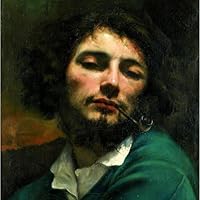
A master of poetry, drama, and the novel, German writer and scientist Johann Wolfgang von Goethe spent 50 years on his two-part dramatic poem Faust, published in 1808 and 1832, also conducted scientific research in various fields, notably botany, and held several governmental positions.
George Eliot called him "Germany's greatest man of letters... and the last true polymath to walk the earth." Works span the fields of literature, theology, and humanism. People laud this magnum opus as one of the peaks of world literature. Other well-known literary works include his numerous poems, the Bildungsroman Wilhelm Meister's Apprenticeship and the epistolary novel The Sorrows of Young Werther.
With this key figure of German literature, the movement of Weimar classicism in the late 18th and early 19th centuries coincided with Enlightenment, sentimentality (Empfindsamkeit), Sturm und Drang, and Romanticism. The author of the scientific text Theory of Colours, he influenced Darwin with his focus on plant morphology. He also long served as the privy councilor ("Geheimrat") of the duchy of Weimar.
Goethe took great interest in the literatures of England, France, Italy, classical Greece, Persia, and Arabia and originated the concept of Weltliteratur ("world literature"). Despite his major, virtually immeasurable influence on German philosophy especially on the generation of Georg Wilhelm Friedrich Hegel and Friedrich Wilhelm Joseph von Schelling, he expressly and decidedly refrained from practicing philosophy in the rarefied sense.
Influence spread across Europe, and for the next century, his works inspired much music, drama, poetry and philosophy. Many persons consider Goethe the most important writer in the German language and one of the most important thinkers in western culture as well. Early in his career, however, he wondered about painting, perhaps his true vocation; late in his life, he expressed the expectation that people ultimately would remember his work in optics.
Stilistisch hervorragend, nur wirkt es wie eine exemplarische Ausarbeitung einer analytischen Schablone und das macht Literatur statisch, uninteressant.
Wer hätte gedacht, dass ich nach der Schul- und Unizeit noch mal freiwillig zu einem Reclam-Heft greife? Tja, der Weimar-Urlaub macht's möglich! Goethes und Schillers Haus mit eigenen Augen zu sehen und mehr über ihr Leben und Werk zu lernen, hat mir Lust gemacht, mal wieder etwas von ihnen zu lesen. Diesmal ohne Zwang und nach eigener Auswahl. Hat mit Goethe schon mal ganz gut geklappt. Die Novelle ist zu ihrem Höhepunkt sogar richtig spannend, nur am Ende wird es extrem religiös und fromm. Das Märchen ist hingegen ulkig, beinahe absurd, und unterhaltsam. Super finde ich außerdem das Nachwort, das noch mal einiges an Kontext gibt und Interpretationsansätze anbietet.
Ich mag Goethe einfach. Viel passiert zwar (Jahrmarkt, Brand, ausbrechende Tiere), aber Goethe erzählt das so kontrolliert und knapp, dass es weniger „Thrill“ ist als ein bewusst gebautes Stück Prosa. Am stärksten hängen geblieben ist mir diese merkwürdig schöne Idee, dass sich Gewalt und Chaos nicht nur mit Gewalt lösen lassen – sondern dass etwas so Unscheinbares wie Musik, Ruhe und Haltung plötzlich mehr „Macht“ hat als jedes Spektakel. Wenn man sich darauf einlässt, ist das ein kleines, eigenartiges Märchen für Erwachsene.
I simply like Goethe. A lot does happen (a fairground, a fire, animals breaking loose), but he tells it so tightly and with such control that it feels less like “thrill” and more like a deliberately crafted piece of prose. What stayed with me most is this strangely beautiful idea that violence and chaos can’t be resolved by violence alone—that something as seemingly small as music, calm, and composure can suddenly have more “power” than any spectacle. If you let yourself sink into it, it’s a short, peculiar fairy tale for adults.
Zwei kürzere Stücke, die ungewöhnlicherweise nur mit ihren Gattungsbezeichnungen betitelt sind (wie daneben noch Ballade). Was das wohl bedeuten mag? Die *Novelle* gilt heute als kurze Prosaform. Zu Zeiten Goethes war die Bezeichnung aber noch nicht so gefestigt, enthielt sie immerhin dem Italienischen entnommen das Wort Neuigkeit. Auf Englisch und Spanisch bedeuteten novel und novela aber Roman.
Goethe definierte in einem Gespräch die Gattung als 'eine sich ereignete unerhörte Begebenheit', wobei das Wort unerhört heute eher empörend oder gewaltig bedeutet, Goethe aber noch nie dagewesen meinte. Neben der Kürze wird oft noch die lineare Erzählung hinzugefügt.
Die unerhörte Begebenheit (niedergeschrieben 1828) war in diesem Falle das Ausbrechen eines Tigers und eines Löwen aus einem Wanderzirkus in Folge eines Brandes auf dem Marktplatz einer kleinen Stadt. Selbst in heutigen abgebrühten Zeiten wäre das eine Nachricht wert, obwohl ein Tanzbär namens Putin noch größere Aufmerksamkeit bekäme. Auch ganz ohne Ausbruch.
Der Rest der Geschichte wäre auch schnell erzählt. Nur so viel: aus Löwen werden Lämmer. Ganz nett, kann man mal lesen. Geht schnell und tut gar nicht weh.
Das *Märchen* aus dem Jahre 1795, ein Kunstmärchen aus dem Novellenzyklus "Unterhaltungen deutscher Ausgewanderter", ist eine sehr magische Allegorie mit dem politischen Hintergrund der französischen Revolution, ein Umstand, den ich beim Lesen nie erraten hätte.
Es sagt etwas über die nervösen Zeiten aus, dass selbst der Dichterfürst nicht direkt das Wort ergreifen kann. Auswanderer aus Deutschland gibt es auch heute immer mehr, doch glücklicherweise kann man bei uns ja alles sagen und muss keine Konsequenzen befürchten.
Wie bei Goethe zu erwarten, bestechen beide Werke durch eine wunderbare, erhabene Sprache.
Ich würde meine kritische Meinung Goethes Arbeit gegenüber nach meinem Krach mit Faust gerne ändern können, da ich seine Gedichte sehr wohl genießen kann und ich glaube, dass die Novelle und Das Märchen mich beschwichtigen konnten.
Die Novelle ist eine putzige Erzählung mit angenehmer Länge. Das allgemeine Fazit: Gottes Schöpfung, egal ob Mensch oder Tier, verdient Ebenbürtigkeit, all dies umspielt von Goethes unstreitbaren Poetizität. Eine schöne Moral – etwas, das ich mir in Faust nur ansatzweise gewünscht hätte. Warum ich mich daran besonders erfreue, ist der Figur Honorio verschuldet, der als Repräsentant der ritterlichen Ideologie, geprägt von Gewaltbereitschaft und Fremdenhass, in seiner Annahme, der Tiger sei eine inhärente Gefahr, vom Gegenteil bewiesen wird. Fremdenhass ist nicht die Lösung. Angst verschleiert die Realität.
Das Märchen habe ich zugegebenermaßen eher auf die leichte Schulter genommen – ganz süß. Ghibli-Style. Was vielleicht ein verrückter Vergleich ist.
Novelle was short and adventurous. It was about fear (of unexpected fire, escaping animals, and humans with weapons) and love, music and mutual trust. The story had many twists in a short time and - in my view a very open ending. I wish the story was longer, because I enjoyed the themes and writing style (I read the translation in Dutch). The story left me a nice impression for several days. I'd give it 3,5 stars (at this moment).
As for the fairy tale, it was too chaotic for me, even thought I remember the writing style as simple and factual (I read a translation in English). Too much happened in a short time. The story seemed complex due to the amount of symbolism I could not grasp the importance of. I could appreciate the meaning of the fairy tale more after reading about its background and context (https://www.newview.org.uk/goethe.php). I'd give it 2 stars (at this moment).
Ein sprachlich simpler Einstieg. Nimmt man Faus Eins als Referenzwerk, dann wirken die beiden Erzählungen gar nicht wie Goethe. Eher wie eine Kleist-Geschichte oder eine obskure Gottfried Benn Phantasie, was das Märchen angeht. Inhaltlich kann und will ich gar nicht so viel dazu sagen. Es gibt anscheinend historische Vorbilder und unzählige Deutungen, zumindest für das Märchen. Ich, der dieses Buch als Wiedereinstieg in Goethe gelesen hat war immerhin nicht gelangweilt und von der Sprache und den darin gezeichneten Bildern häufig angetan. Eine Geschichte kann ja durchaus für sich stehen, ohne sie für den Autor bedeutungsschwanger aufzuladen.
Die beiden Erzählungen treiben ihre, hier sogar namensgebenden, Gattungen sehr interessant auf die Spitze.
„Novelle“ ist wirklich eine Novelle in Reinform. Eine wunderbar geschriebene, schöne, gradlinige Geschichte, die ihrem Namen alle Ehre macht. „Novelle“ zu lesen habe ich wirklich genossen.
„Das Märchen“ bietet ein weitaus anspruchsvolleres Leseerlebnis. Das Märchen ist gespickt von fantastischen Figuren und bietet mit der komplexen, aber wirklich märchenhaften Geschichte eine wunderbare Grundlage für die Fantasie des Lesers oder der Leserin.
I love the way Goethe sets us on the wrong track time after time in Novelle. In the beginning there is a preparation for a big hunting party headed by the Prince. But we, the readers, are left behind with the Princess and her small entourage who stay behind. The hunting party does not make a kill but the Princess's entourage does. After a long deliberation about how man controls nature in Germany, in with everything is peaceful and esthetic, there is suddenly a tiger. The story ends with an allegory of the biblical Daniel in the pit of lions. And you know nothing will ever be what is seems.
Die Novelle ist für mich wahrscheinlich das "langweiligste" Goethe Werk gewesen, dass ich gelesen habe... Das könnte allerdings auch an meinen hohen Erwartungen gelegen haben, die ich vor dem lesen des Buches hatte.
Beautiful style, technically masterly written parable about hard and soft power. Shifting from the realistic to the idealistic. But I don’t know if this little story stands the test of time. Seems somewhat outdated.
Beautiful language as one expects from Goethe - but it did not grab me. in some passages, it even annoyed me slightly as there is so much deference towards nobility.
sehr herzig, klassisch, löwe und tiger symbolisieren nicht nur ihr tiergestalt sondern auch stärke, unverlässlichkeit, etc etc etc wie im deutschunterricht
Ich möchte mir nicht anmaßen einen weltbekannten Dichter zu kritisieren. Aber meine Meinung kommt trotzdem.
Ich habe schon andere Bücher von Goethe gelesen und mit den meisten konnte ich mich nach einer Weile anfreunden. Aber das hier?
Das keines von Goethes Büchern eine leichte Lektüre ist, ist klar. Aber dieses hier war eine Qual, oft wusste ich seitenlang nicht ob gerade noch eine der Figuren spricht oder nicht.
Auch die Handlung war langweilig, 30 Seiten und ich habe über eine Stunde gebraucht.
Natürlich verfolgen viele dieser Klassiker eine Moral und möchten ihre Botschaft übermitteln nur hier. Da ich es für die Schule lesen musste (freiwillig hätte ich mir das auch wohl kaum angetan), habe ich mich auch nochmals genauer mit der Zeitepoche und der Aussage des Buches beschäftigt. Nur leider ist mir diese sehr komisch. Man könne Hindernisse oft durch Liebe und Friedvertigkeit überwinden und müsse nicht immer Gewalt anwenden. Gegen diese Botschaft habe ich nichts einzuwenden, nur die Umsetzung in diesem Buch war mir eher fragwürdig.
Auch die Figuren waren mir wenig interessant, natürlich ist das bei 30 Seiten wenig aber irgendwie kamen sie mir dennoch alle sehr lasch vor und waren so ein Mittel zum Zweck mehr gezwungen als wirkliche Persönlichkeit. Auch ließen sie sich nicht wirklich differenzieren, wenn nicht jeder anders angesprochen worden wäre. Hätte man meinen können die Figur redet mit sich selbst.
Alles in allem ist das Buch nicht wirklich empfehlenswert. Einige Bücher man gelesen weil sie eben zur Weltliteratur gehören aber das hier kann man weg lassen.
Die Sprache ist, wie bei Goethe zu erwarten, klassisch, schön und für den vorliegenden Stoff angebracht. Die Handlung ist schnell erzählt. Ein Löwe und ein Tiger entfliehen bei einem Brand und müssen eingefangen werden, wobei der Tiger erschossen und der Löwe von einem Jungen gezähmt wird. Grundsätzlich kann ich dieser Handlung und der zugrundeliegenden Bedeutung der Löwenzähmung durch den Menschen viel abgewinnen, jedoch ist es die Umsetzung und, für meinen Geschmack, zu magere Ausarbeitung jener letzten Passage, die mich unbefriedigt zurücklässt.
Für mich ist die Novelle, gerade wegen ihrer Länge, dennoch eine Leseempfehlung, auch wenn sie so viel mehr hätte sein können.
A reread, and I didn't read Das Maerchen, but Novelle is one of my favorite stories. Though I didn't do it this time I usually urge people to read it in tandem with Thomas Mann's "Disorder and Early Sorrow" as they bookend to visisons of the the world, one optimistic about the future, and another where past becomes the refuge of people who seek an orderly world.