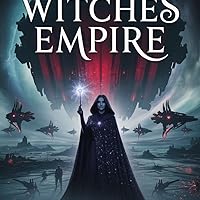
The book itself.
The Witcher Omnibus is a collection of comics based in the world of The Witcher, taking inspiration from the games and the books respectively. Each writer showed an influence from one or the other, resulting in an omnibus that collects many detatched issues. The art is also subject to this, in particular, with the last comics, which used direct copies of appearances and style from the games. The writing is mostly enjoyable, but each writer feels as thoug hthey want to do very similar stories, and thus characters and places from the books are left out (they all just want to write about Geralt more of less doing his own thing).
Intention.
The purpose of a story in the world of The Witcher is to show that not everything is as it seems, and that appearances can be decieving. Reguarly, Geralt will be sent on a mission to kill a beast or monster in order to save a village, but he later discovers the creature is just defending itself, and the people are aggravating it, or that they are the real monsters - as seen in the notion of 'Killing Monsters' - the comic and the idea that is present in all forms of the Witcher media.
As such, this is what a story involved with the Witcher should be about. Definitions of good and evil, and what is the right thing to do. Despite this, not every comic in this omnibus followed this recipe, and stepped out from the mould to do something completely different that the writer would have preferred. Sometimes this works, and others it doesn't, but it makes the omnibus feel slightly confused in it's message/ what it's intention is with it's stories. Perhaps if a longer run of Witcher comics was written by a single writer, this would have been more successful, rather than multiple differing opions on Geralt and what is means to be a Witcher.
Realism.
The Witcher is set in a world that is meant to refelect the harsh realities of medieval life. War, famine and deciet are key themes along side poverty, classism and racism. As the Witcher stands out from many other comics in this regard, it certianly has it's appeals for being more like a novel, however, the writers may have taken this too far in certain aspects.
For example, the final story 'Curse of Crows' has excessive nudity in it. As the Witcher is a mature story anyways, this would not normally be an issue, however reading it felt as though the writer jsut wanted an excuse to make all the characters as naked as possible. And by characters I mean the females. As a male reader, this always feels uncomfortable as it's clearly sexist, and reflects a perverted side of comics that will probably never go away. In addition to this, of the two males that were naked, they were each covered up where it mattered, and quickly got changed, where as the women were flaunted, and given entire boxes to themselves to to display their nudity for multiple panels. This was made even worse when Ciri was naked as she is considered a child throughout the books, and is rather young. When her character role is that of the child/ the prodigy who has been brought up through the books and game, it's not appealing to then see them sexualised.
Overall.
Overall the art work was good and clear, particularly in the 'House of Glass' and 'Fox Children' stories. The cover art by Mike Mignola is amazing as always, and makes me want an entire issue in his style. The writing is appealing, and easy to read, yet could have done with more identity in some cases. I have given this 4 stars which is a good/average score for me as I see 3 stars as more negative than anything.
Other than what I have mentioned here, there isn't much else to critique and i will probably read the omnibus again at some point, but will probably skip over a few of the stories.