

What do you think?

Little Women #1, part 2
Good Wives
Three years have passed since the events narrated in Little Women, and the four March sisters are approaching adulthood, with all its accompanying challenges and expectations. Meg is preparing for her wedding, Beth continues to struggle with her health, Jo is more than ever devoting herself to literature and Amy is about to go on a tour of Europe with her aunt. Their experiences, hopes and ambitions are set in counterpoint to each other, until the whole family is brought together by tragedy and misfortune.
Following on the immediate commercial success of Little Women, Good Wives completes the story of the March sisters and their friend Laurie, and is, together with its prequel, Louisa May Alcott's crowning achievement and one of the most popular young-adult tales ever written.
Following on the immediate commercial success of Little Women, Good Wives completes the story of the March sisters and their friend Laurie, and is, together with its prequel, Louisa May Alcott's crowning achievement and one of the most popular young-adult tales ever written.
376 pages, Paperback
First published January 1, 1869
About the author
Louisa May Alcott
4,348 books11.1k followersLouisa May Alcott was an American novelist, short story writer, and poet best known for writing the novel Little Women (1868) and its sequels Good Wives (1869), Little Men (1871) and Jo's Boys (1886). Raised in New England by her transcendentalist parents, Abigail May Alcott and Amos Bronson Alcott, she grew up among many well-known intellectuals of the day, including Margaret Fuller, Ralph Waldo Emerson, Nathaniel Hawthorne, Henry David Thoreau, and Henry Wadsworth Longfellow.
Alcott's family suffered from financial difficulties, and while she worked to help support the family from an early age, she also sought an outlet in writing. She began to receive critical success for her writing in the 1860s. Early in her career, she sometimes used pen names such as A.M. Barnard, under which she wrote lurid short stories and sensation novels for adults that focused on passion and revenge.
Published in 1868, Little Women is set in the Alcott family home, Orchard House, in Concord, Massachusetts, and is loosely based on Alcott's childhood experiences with her three sisters, Abigail May Alcott Nieriker, Elizabeth Sewall Alcott, and Anna Bronson Alcott Pratt. The novel was well-received at the time and is still popular today among both children and adults. It has been adapted for stage plays, films, and television many times.
Alcott was an abolitionist and a feminist and remained unmarried throughout her life. She also spent her life active in reform movements such as temperance and women's suffrage. She died from a stroke in Boston on March 6, 1888, just two days after her father's death.
Alcott's family suffered from financial difficulties, and while she worked to help support the family from an early age, she also sought an outlet in writing. She began to receive critical success for her writing in the 1860s. Early in her career, she sometimes used pen names such as A.M. Barnard, under which she wrote lurid short stories and sensation novels for adults that focused on passion and revenge.
Published in 1868, Little Women is set in the Alcott family home, Orchard House, in Concord, Massachusetts, and is loosely based on Alcott's childhood experiences with her three sisters, Abigail May Alcott Nieriker, Elizabeth Sewall Alcott, and Anna Bronson Alcott Pratt. The novel was well-received at the time and is still popular today among both children and adults. It has been adapted for stage plays, films, and television many times.
Alcott was an abolitionist and a feminist and remained unmarried throughout her life. She also spent her life active in reform movements such as temperance and women's suffrage. She died from a stroke in Boston on March 6, 1888, just two days after her father's death.
Ratings & Reviews
Friends & Following
Create a free account to discover what your friends think of this book!
Community Reviews
Displaying 1 - 30 of 3,865 reviews

September 19, 2013
[Spoilers up ahead! Though I advise you to read them so maybe they can convince you to never read good wives]
I'm so happy this book is over, because this little book gave me so much heartaches, headaches and agony I couldn't bear to read it more than a chapter at a time and it took ages to finish.
Though it wasn't my first time reading this book, It still struck me as much as the first time.
I remember when I was 11-12, I loved little women with all my heart -though not a favorite book- It still had a especial place in my bookcase.
I remember finishing it and dreaming of Joe's future as a successful writer and her happy home with Laurie, full of music and writing.
Then I read this book and well you can not begin to imagine how disappointed and depressed I was.
and now after about 4-5 years, I read it again -this time in English- and if not more, i'm still as disappointed as I was then.
My brain can understand that a lot of concepts in this book are related to the society of the time, but my heart certainly can't. It is truly hard to see sweet Meg and strong Jo give up their castles and dreams to go and be good little wives to poor , old men.
The entire talks about how women should apologize first in fights, take care of children and husband and never complain is just terrible and no matter how much you tell yourself - hello this book wasn't published yesterday!- you can't help but be angry and upset.
Then as childish as it seems - and probably is- Jo and Laurie not ending up together is like a big bucket of cold water dumped right on your head! Even worse, Laurie marrying Amy after Jo rejected him was so forced and terrible I wanted to smash my ipad!
These were actually Laurie's thoughts:
"If you can't have one sister you should get the other and live happily!"
"Amy ls like a part of Jo, She is the nearest thing i have to her"
"After Jo she is the only women who can make me happy"
Yeah, that's really romantic. Imagine this proposal
"Your sister rejected me but between all the other women in the word I chose you, because you remind me of her and I'm sure you can make me happy, just not as happy. so let's spend the rest of our lives together? "
WOW isn't that just dreamy?!
So I really really beg of you, If you loved little woman DO NOT read this because it will forever ruin the happy image of four strong sisters you probably have in mind. It will be one of those dreams gone with the wind.
I'm so happy this book is over, because this little book gave me so much heartaches, headaches and agony I couldn't bear to read it more than a chapter at a time and it took ages to finish.
Though it wasn't my first time reading this book, It still struck me as much as the first time.
I remember when I was 11-12, I loved little women with all my heart -though not a favorite book- It still had a especial place in my bookcase.
I remember finishing it and dreaming of Joe's future as a successful writer and her happy home with Laurie, full of music and writing.
Then I read this book and well you can not begin to imagine how disappointed and depressed I was.
and now after about 4-5 years, I read it again -this time in English- and if not more, i'm still as disappointed as I was then.
My brain can understand that a lot of concepts in this book are related to the society of the time, but my heart certainly can't. It is truly hard to see sweet Meg and strong Jo give up their castles and dreams to go and be good little wives to poor , old men.
The entire talks about how women should apologize first in fights, take care of children and husband and never complain is just terrible and no matter how much you tell yourself - hello this book wasn't published yesterday!- you can't help but be angry and upset.
Then as childish as it seems - and probably is- Jo and Laurie not ending up together is like a big bucket of cold water dumped right on your head! Even worse, Laurie marrying Amy after Jo rejected him was so forced and terrible I wanted to smash my ipad!
These were actually Laurie's thoughts:
"If you can't have one sister you should get the other and live happily!"
"Amy ls like a part of Jo, She is the nearest thing i have to her"
"After Jo she is the only women who can make me happy"
Yeah, that's really romantic. Imagine this proposal
"Your sister rejected me but between all the other women in the word I chose you, because you remind me of her and I'm sure you can make me happy, just not as happy. so let's spend the rest of our lives together? "
WOW isn't that just dreamy?!
So I really really beg of you, If you loved little woman DO NOT read this because it will forever ruin the happy image of four strong sisters you probably have in mind. It will be one of those dreams gone with the wind.

November 18, 2008
If Little Women created my heart, Good Wives tore it apart.
This book stole away a whole lot of the beautiful charm that Little Women had for me. I simply couldn't bear with Jo's refusal to marry Teddy, because that's what I expected from them and a part of what I adored them for. I've always believed that love is friendship, and I hoped their heart-warming story from when they were children would have the future of a beautiful love. I'd be happier if Teddy hadn't ever fallen in love with Jo, and if he hadn't married Amy. I never really liked Amy!!
I'm trying to be happy for Jo, but I never imagined she would marry an old guy, or give up her writing. I just can't forgive her, she broke my heart!
Little Women taught me that life is beautiful. Good Wives taught me that dreams don't come true. I don't care that the March sisters supposedly have a happy ending. They proved something I don't want to believe in - wonderful children became dull adults.
I wish I hadn't read it in the first place!
This book stole away a whole lot of the beautiful charm that Little Women had for me. I simply couldn't bear with Jo's refusal to marry Teddy, because that's what I expected from them and a part of what I adored them for. I've always believed that love is friendship, and I hoped their heart-warming story from when they were children would have the future of a beautiful love. I'd be happier if Teddy hadn't ever fallen in love with Jo, and if he hadn't married Amy. I never really liked Amy!!
I'm trying to be happy for Jo, but I never imagined she would marry an old guy, or give up her writing. I just can't forgive her, she broke my heart!
Little Women taught me that life is beautiful. Good Wives taught me that dreams don't come true. I don't care that the March sisters supposedly have a happy ending. They proved something I don't want to believe in - wonderful children became dull adults.
I wish I hadn't read it in the first place!
This entire review has been hidden because of spoilers.

July 9, 2018
The sweet, playful March sisters have grown up. Meg has married and is now a mother, Amy travels to Europe to refine her agreeable upbringing, Jo earns her living writing disposable best-sellers, even if the novel she had been working on is dismissed by the editors again and again. And Beth keeps struggling with her ill health.
There is not a single chapter where something of interest is brought to the reader’s attention, and as the novel progresses, the characters bloom into fragrant, colorful flowers, developing all their potential in the face of adversity: unrequited love, jealousy, irremediable loss or failed expectations.
Alcott’s prose can be as soothing as a lullaby or as scathing as a cautionary tale, and her greatest achievement is that the reader perceives it as both without a hint of conflicting style in the narrative. Action and characters go hand in hand, surfing the rough tides of life, allowing them space to adjust, fight or even surrender when it’s necessary to do so, portraying situations that invite the reader to reflection.
The kind of wisdom that Alcott displays in the follow-up novel to her famous “Little Women” is rare because of its graceful tone, but it shouldn’t be disregarded as outdated womanly insight, there is much to learn from the March sisters and much more from Alcott’s patient but relentless understanding of the human soul.
There is not a single chapter where something of interest is brought to the reader’s attention, and as the novel progresses, the characters bloom into fragrant, colorful flowers, developing all their potential in the face of adversity: unrequited love, jealousy, irremediable loss or failed expectations.
Alcott’s prose can be as soothing as a lullaby or as scathing as a cautionary tale, and her greatest achievement is that the reader perceives it as both without a hint of conflicting style in the narrative. Action and characters go hand in hand, surfing the rough tides of life, allowing them space to adjust, fight or even surrender when it’s necessary to do so, portraying situations that invite the reader to reflection.
The kind of wisdom that Alcott displays in the follow-up novel to her famous “Little Women” is rare because of its graceful tone, but it shouldn’t be disregarded as outdated womanly insight, there is much to learn from the March sisters and much more from Alcott’s patient but relentless understanding of the human soul.

April 29, 2020
《فى كل حياة ، لابد ان تسقط بعض الأمطار 》
لازلنا مع عائلة مارش و البنات الأربعة و ولورنس العجوز و لورى الحفيد ومستر بروك
لنكمل احداث حياتهم ونبدا بعد مرور ثلاث سنوات ولنرى هل اختلفت احلامهم وامنياتهم عن السابق ؟ وهل حققوا امنياتهم ام لا ؟ وهل هم سعداء ام قانطين ؟
رايي الشخصى عن الرواية
كان الجزء الاول طفولى عن الجزء الثانى ففى الجزء الثانى نتعرف على شخصياتهم وأفكارهم بعد النضج وخاصة اخر العنقود ايمى التى كانت مختلفة كثيرا عن الجزء الاول .
حتى مايقارب الثلث الأخير من الرواية كان تقييمى لها اربع نجوم لكن هناك اشياء فى الجزء الاخير وتغيير مواقف للشخصيات استفزنى وضايقنى فأنتقص النجمة الرابعة .
وفى النهاية الرواية خفيفة و لطيفة و بسيطة
٢٩ /٤ / ٢٠٢٠
: رفيو الجزء الأول
لازلنا مع عائلة مارش و البنات الأربعة و ولورنس العجوز و لورى الحفيد ومستر بروك
لنكمل احداث حياتهم ونبدا بعد مرور ثلاث سنوات ولنرى هل اختلفت احلامهم وامنياتهم عن السابق ؟ وهل حققوا امنياتهم ام لا ؟ وهل هم سعداء ام قانطين ؟
رايي الشخصى عن الرواية
كان الجزء الاول طفولى عن الجزء الثانى ففى الجزء الثانى نتعرف على شخصياتهم وأفكارهم بعد النضج وخاصة اخر العنقود ايمى التى كانت مختلفة كثيرا عن الجزء الاول .
حتى مايقارب الثلث الأخير من الرواية كان تقييمى لها اربع نجوم لكن هناك اشياء فى الجزء الاخير وتغيير مواقف للشخصيات استفزنى وضايقنى فأنتقص النجمة الرابعة .
وفى النهاية الرواية خفيفة و لطيفة و بسيطة
٢٩ /٤ / ٢٠٢٠
: رفيو الجزء الأول

December 20, 2019
4****
“I'm happy as I am, and love my liberty too well to be in a hurry to give it up for any mortal man.”
It was great to see how each March sister grew up, transformed and learned in their young adult/adult years. An important point of this novel was the economic situation for women and the time and how this was usually the basis for many decisions.
It might be controversial but I loved Amy in this one! She was the most pragmatic and logical- she understood that to look after her family she would need to marry someone rich. She is passionate for art and learning. She grows to learn not to just marry for money but that other factors are important. Meg is learning to be a mother and be with someone considered a poor man, despite her friends marrying rich and being able to afford more things, she must learn to be happy and content in the situation she is in. Jo is just as wild as in the first book, however, we are witness to see her solitude and loneliness creep into a depression, which then changes her overall wild character to someone more mature and more considerate of others.
Overall it was great to see how the March girls turned out. I am looking forward to watching the newest adaptation as it follows more what Louisa May Alcott would've wanted instead of what her publishers said she should write.
“I'm happy as I am, and love my liberty too well to be in a hurry to give it up for any mortal man.”
It was great to see how each March sister grew up, transformed and learned in their young adult/adult years. An important point of this novel was the economic situation for women and the time and how this was usually the basis for many decisions.
It might be controversial but I loved Amy in this one! She was the most pragmatic and logical- she understood that to look after her family she would need to marry someone rich. She is passionate for art and learning. She grows to learn not to just marry for money but that other factors are important. Meg is learning to be a mother and be with someone considered a poor man, despite her friends marrying rich and being able to afford more things, she must learn to be happy and content in the situation she is in. Jo is just as wild as in the first book, however, we are witness to see her solitude and loneliness creep into a depression, which then changes her overall wild character to someone more mature and more considerate of others.
Overall it was great to see how the March girls turned out. I am looking forward to watching the newest adaptation as it follows more what Louisa May Alcott would've wanted instead of what her publishers said she should write.

May 3, 2011
OMG! How could Louisa May Alcott do this? How could she ruin Jo like this?
Okay, so Good Wives is a lot like Little Women. We find out how the girls change as they grow up unfortunately the change is not for the best. Beth dies, Meg becomes a mom, Amy grows up to be the beloved of everyone and Jo, the wild, lively Jo is turned into a model of domestication and marries a freaking forty year old man!!!!This is unfair. Why did the author do this to Jo? I always thought Jo should marry Laurie and it would've all worked out if the selfish, stupid, annoying Amy hadn't gotten in the way. Honestly, Amy gets everthing. She grows up to be pretty, charmming, and graceful. She gets to go to Europe then marries- sorry steals Laurie and becomes rich as well. Okay so if Miss Alcott made Amy marry Laurie- Fine why couldn't she let Jo remain an independent woman? That would have worked pretty well
Okay, so Good Wives is a lot like Little Women. We find out how the girls change as they grow up unfortunately the change is not for the best. Beth dies, Meg becomes a mom, Amy grows up to be the beloved of everyone and Jo, the wild, lively Jo is turned into a model of domestication and marries a freaking forty year old man!!!!This is unfair. Why did the author do this to Jo? I always thought Jo should marry Laurie and it would've all worked out if the selfish, stupid, annoying Amy hadn't gotten in the way. Honestly, Amy gets everthing. She grows up to be pretty, charmming, and graceful. She gets to go to Europe then marries- sorry steals Laurie and becomes rich as well. Okay so if Miss Alcott made Amy marry Laurie- Fine why couldn't she let Jo remain an independent woman? That would have worked pretty well
This entire review has been hidden because of spoilers.

July 23, 2020
ينساب السرد بجمال ليحكي لنا بقية القصة
بعد زواج حسناء العائلة ميج.
ودخول لوري للجامعة .
في هذا الجزء سنرى تقلبات المشاعر في فترة المراهقة
والحيرة بين إعتراف بالحب أو كتمانه.
سنرى الغيرة والشجاعة والتضحية والخوف والموت .
ستتنضج كل فتاة بطريقتها وتتقلب بين أيام الصحو والمطر .
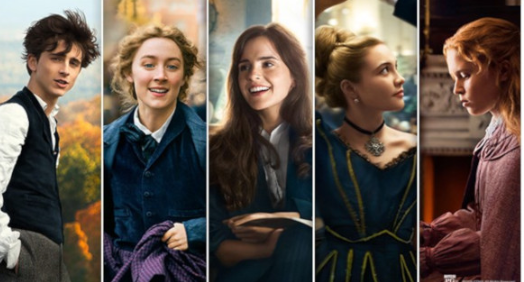
🔹️ ميج: مع تجربة الأمومة ومشكلة إهمالها لزوجها
و كيف تغلبت عليها بمساعدة نصائح أمها .
🔹️بيث : صبرها وإيمانها كانت مثال صدق الايمان
🔹️emma: أغضبتني في عدة مقاطع حين كانت ترى أنها يجب أن تتملق وتُجامل كي تكسب الود ثم الزوج لأنها ليست غنية وليست جميلة
وكنت أسعد بمعاكسات اختها "جو" لها عسى أن تفهم .
سنرى هل ستفهم أم ستصر على موقفها وتسعى للحصول على زوج ثري بكل السُبل. .
🔹️لوري: الفتى الذي كبر وأصبح أبًا
بما أن القصة ابطالها نساء لم ألاحظ دور كبير له .
و لأول مرة أسعد أن طلبه للزواج رُفض.
حزنت في الأول ثم فهمت أن ذلك أفضل
جميل أنه تغير وأصبح رجل ناضج مش فتى مدلل
لكن أن تناديه زوجته مولاي برشا هذه لم أقْبلها 😁
🔹️جو🌷 أحببت جدا تطورها وكانت نقطة جمال الرواية في نظري
.
في هذا الجزء تظهر شخصيات جديدة وأبرزها
الأستاذ الالماني "فردريك" هل يا ترى يخرج من الرواية كي ألتقي به🙈 .رائع فعلا 💓
وفصل المظلة من أجمل الفصول في الرواية.
من أحب الروايات إلى قلبي بما تحمله من دفء ونصائح لطيفة وحلوة ليس فيها سم كما قال فردريك .
أو ربما لانني وجدت ملامح من شخصيتي في إحدى
شخصيات و قالت لي أختي كلمات وجدت شبيه لها هنا
رغم كل قرائتي يبقى للادب الكلاسكي سحره ووقعه عندي ويمنحني نفحة من الأمل والجمال الراقي
رغم أنه يلصق بي صفة انني كلاسيكية برشا ...
🌸عيشك لويزا كانت روايتك خير رفيق لي وونس
في هذا المساء العصيب.
أرشحها أكيد وسأذهب لمشاهدة الفيلم غدا ان شاء الله.
تصبحون على خير.
24/juillet /20 💓🌸
بعد زواج حسناء العائلة ميج.
ودخول لوري للجامعة .
في هذا الجزء سنرى تقلبات المشاعر في فترة المراهقة
والحيرة بين إعتراف بالحب أو كتمانه.
سنرى الغيرة والشجاعة والتضحية والخوف والموت .
ستتنضج كل فتاة بطريقتها وتتقلب بين أيام الصحو والمطر .
🔹️ ميج: مع تجربة الأمومة ومشكلة إهمالها لزوجها
و كيف تغلبت عليها بمساعدة نصائح أمها .
🔹️بيث : صبرها وإيمانها كانت مثال صدق الايمان
🔹️emma: أغضبتني في عدة مقاطع حين كانت ترى أنها يجب أن تتملق وتُجامل كي تكسب الود ثم الزوج لأنها ليست غنية وليست جميلة
وكنت أسعد بمعاكسات اختها "جو" لها عسى أن تفهم .
سنرى هل ستفهم أم ستصر على موقفها وتسعى للحصول على زوج ثري بكل السُبل. .
🔹️لوري: الفتى الذي كبر وأصبح أبًا
بما أن القصة ابطالها نساء لم ألاحظ دور كبير له .
و لأول مرة أسعد أن طلبه للزواج رُفض.
حزنت في الأول ثم فهمت أن ذلك أفضل
جميل أنه تغير وأصبح رجل ناضج مش فتى مدلل
لكن أن تناديه زوجته مولاي برشا هذه لم أقْبلها 😁
🔹️جو🌷 أحببت جدا تطورها وكانت نقطة جمال الرواية في نظري
.
في هذا الجزء تظهر شخصيات جديدة وأبرزها
الأستاذ الالماني "فردريك" هل يا ترى يخرج من الرواية كي ألتقي به🙈 .رائع فعلا 💓
وفصل المظلة من أجمل الفصول في الرواية.
من أحب الروايات إلى قلبي بما تحمله من دفء ونصائح لطيفة وحلوة ليس فيها سم كما قال فردريك .
أو ربما لانني وجدت ملامح من شخصيتي في إحدى
شخصيات و قالت لي أختي كلمات وجدت شبيه لها هنا
رغم كل قرائتي يبقى للادب الكلاسكي سحره ووقعه عندي ويمنحني نفحة من الأمل والجمال الراقي
رغم أنه يلصق بي صفة انني كلاسيكية برشا ...
🌸عيشك لويزا كانت روايتك خير رفيق لي وونس
في هذا المساء العصيب.
أرشحها أكيد وسأذهب لمشاهدة الفيلم غدا ان شاء الله.
تصبحون على خير.
24/juillet /20 💓🌸

August 28, 2011
This book took all that was good about Little Women and crushed it, grinding the sharp pieces of my despair right in my face. It's so bad I can't pick up Little Women without remembering this book and knowing that everything I read is a filthy lie and that all happiness shall soon cease to exist.
I want to purge my memory of Good Wives, but I can't. I wish I'd never read it. If I had a time machine I'd go back in time and slap this book out of my own twelve year old hands. And once that was done I'd go even further back in time, just to be absolutely sure, and make sure Louisa May Alcott never even had the chance to write it in the first place.
I want to purge my memory of Good Wives, but I can't. I wish I'd never read it. If I had a time machine I'd go back in time and slap this book out of my own twelve year old hands. And once that was done I'd go even further back in time, just to be absolutely sure, and make sure Louisa May Alcott never even had the chance to write it in the first place.
September 16, 2024
رواية كلها هدوء وعبر وعبرات
مليئة بالمواعظ والدفء اللطيف
لم اتخيل اني سأحبها هكذا رغم ان الاحداث قليلة والكثير من التفاصيل واخذت ما يقرب شهر ونصف حتى انهيها كلها
لكن في النهاية سعادة القلب موجودة فيها وحزنه ايضا
بكيت وضحكت وحزنت وسعدت كثيرا
الكثير من المشاعر المتضاربة لم اجد مفر من الدخول فيها كلها دفعة واحدة
تجربة مميزة لم اندم على تأخيرها او حتى اخذها وقت طويل فقد شعرت بكل كلمة وهذا يكفي
الترجمة رائعة رائعة رائعة
شكرا اصدقاء القراءة على الصحبة الجميلة والتشجيع اللطيف ❤💐
مليئة بالمواعظ والدفء اللطيف
لم اتخيل اني سأحبها هكذا رغم ان الاحداث قليلة والكثير من التفاصيل واخذت ما يقرب شهر ونصف حتى انهيها كلها
لكن في النهاية سعادة القلب موجودة فيها وحزنه ايضا
بكيت وضحكت وحزنت وسعدت كثيرا
الكثير من المشاعر المتضاربة لم اجد مفر من الدخول فيها كلها دفعة واحدة
تجربة مميزة لم اندم على تأخيرها او حتى اخذها وقت طويل فقد شعرت بكل كلمة وهذا يكفي
الترجمة رائعة رائعة رائعة
شكرا اصدقاء القراءة على الصحبة الجميلة والتشجيع اللطيف ❤💐

January 28, 2018
Ho appena finito di leggere piccole donne crescono. Meraviglioso! A parte i due episodi di Meg moglie e mamma, che mi hanno fatto all’inizio storcere il naso, ma poi fortunatamente si sono ripresi, ho adorato questo libro. L’ho trovato meno moralista del precedente. Le sorelle che affrontano i primi tormenti amorosi e non, mi hanno tenuto incollata alle pagine. Ho pianto (davvero non me lo aspettavo) e ho riso di gusto e sopratutto il mio cuore si è riempito di amore. Bellissimo davvero. Alcune frasi e alcuni momenti sembravano scritti per me. Libro giusto al momento giusto. Rimarrà sempre nel mio cuore. Sono davvero contenta di averlo letto. Purtroppo l’ho preso dalla biblioteca. Credo proprio che lo comprerò, anche perché ho il primo e non posso non avere questo.
Mi sta vendendo anche una mezza idea di leggermi gli altri. Vedremo, adesso mi godo la gioia e l’amore che mi ha lasciato.
Chissà perché non l’ho mai letto. Forse dovevo solo aspettare il momento giusto. 😊
Mi sta vendendo anche una mezza idea di leggermi gli altri. Vedremo, adesso mi godo la gioia e l’amore che mi ha lasciato.
Chissà perché non l’ho mai letto. Forse dovevo solo aspettare il momento giusto. 😊
August 11, 2024
يعجز اللسان عن وصف جمالها🥹

April 4, 2021
I don't know why I hold the second part so close to my heart, but there's just something special about seeing the girls grow and fully become themselves!
February 25, 2017
The problem with any series is that once you’ve read the first book, the others can’t stand on their own – you’re always comparing them to the original one. In the PDF version I have, Good Wives is not a separate novel, as it was originally; it begins somewhere after page 400, right after the end of Little Women, without even a section break.
I think I’m disappointed, but I’m also not. I knew what was going to happen before it happened. I suppose that’s why people don’t like spoilers – what they ‘spoil’ is your raw reaction the story.
I looked up the sequel to Little Women to see what became of the characters. The sequel was listed as Little Men. Seeing Jo married and with boys taking the stage, I didn’t want to go there. When I found that the sequel was actually Good Wives (a daunting title on its own), the reviews on Goodreads were so harsh, so disappointed, that I decided I wanted to read the book for myself to see if such criticism was justified… if Jo really fell from her powerful place or just dashed our conception of her being a reigning feminist queen. I couldn’t see her as settling into being a ‘good wife’, because Alcott didn’t seem to take that road at all when defining her as a character. Contrary to some of the reviews given here, what happened was not a gross distortion. It was believable, and depressing for that purpose. It was understandable conformity. In a way, I appreciated it a little. It depicts a positive reality, but is soft around the edges. Meg’s honeymoon stage ends when she discovers that voluntarily sacrifice in order to seem like the ‘model wife’ is not helpful – that perhaps cooperation is better than servitude. Of course, her mother still warned her to apologize first ‘if both of you err’ (and that was a pre-reading ‘spoiler’ I found contained in someone else’s review). Jo gets a happy ending, but couldn’t be the rebel for too long without feeling the very real price of it.
Let’s give you a bit of backstory… I’m a girl in a culture where the only way you can satisfy your desire for love and/or lust is through arranged marriages. The other option is remaining single forever, or becoming a ‘whore’ and possibly risking your life in the process. For various reasons, I am and was always the girl who spat on marriage and on sexism. Jo was a symbol for me, a role model – I was so grateful for her existence as a strong female character born in an unexpected time period like the 1880s, from the mind of a female author, nonetheless. Her humanity in the first book was stunning, when paired with her rebelliousness… then her favorite sister died, the other two married, and she faded. She was in a vulnerable state where she was defeated and limited by her external world and herself.
“...something like despair came over her when she thought of spending all her life in that quiet house, devoted to humdrum cares, a few small pleasures, and the duty that never seemed to grow any easier. ‘I can’t do it. I wasn’t meant for a life like this, and I know I shall break away and do something desperate if somebody doesn’t come and help me,’ she said to herself, when her first efforts failed and she fell into the moody, miserable state of mind which often comes when strong wills have to yield to the inevitable.”
She grew lonely, listless. Her house was not bustling with life the way it was, her story-writing didn’t go as successfully as she wanted it to, she grew demotivated, and the steam she used to keep her turbines going was diminished. She fought a bit less, conformed a bit more… and married the first person who asked her in that state, and not out of love, though Alcott tries to trick you into thinking that, though previously Jo had explicitly stated:
"I am lonely, and perhaps if Teddy had tried again, I might have said ‘Yes’, not because I love him any more, but because I care more to be loved than when he went away."
You flick back to some earlier pages, and it just seems so much brighter and full of hope. She was sparking with life, and caught the eye of Laurie, who was as much of a firecracker as she was. Passion can be scary, we naturally fear the unknown, and for many strong girls in repressive times and cultures, it’s very difficult to admit to having any sort of romantic or sexual inclination at all, because it seems like a violation of feminism: ‘If I was a feminist, I wouldn’t want to give up my independence for some boy’. Again, she said as much in her own words:
“An old maid, that’s what I’m to be. A literary spinster, with a pen for a spouse, a family of stories for children, and twenty years hence a morsel of fame, perhaps, when, like poor Johnson, I’m old and can’t enjoy it, solitary, and can’t share it, independent, and don’t need it.”
“I’m not one of the agreeable sort. Nobody will want me, and it’s a mercy…”
That last phrase was shockingly vulnerable, and complex. From the beginning of the series, Jo was the nonconformist: she spurned social obligations, embraced her status as a tomboy, enjoyed her short hair in a time period where long hair was almost a requirement of beauty and femininity, and masculined her feminine name… but her words indicated that she wasn’t unaware of how repulsive this was to the rigid social world she was living in, she understood it and accepted it (“nobody will want me”) and then turned it into a point of pride in herself and her principles, rejecting the world she knew would reject her (“it’s a mercy”). Amy, who ended up marrying her admirer, was always very conformist and criticized Jo for her “romping”, even if it only consisted of playing a game of tag, as God forbid a woman run or play in public! Despite that, Jo’s parents always seemed relatively tolerant of her, but she clearly understood that a suitor, fiance, or husband would not be so tolerant, and neither would her parents if she married and ended up having children and ‘wifely’ responsibilities… but in Jo’s world, in that time, and even in some of the more liberal cultures until this day, any solitary woman is a ‘somber spinster’. Anyone is free to shun their culture and it’s very admirable if that act comes from a genuine belief in something different, like in greater equality or justice, but all societies have both formal and informal ways of punishing rebels… the informal punishment is mounting pressure, and the internally-felt loneliness that comes from being a social outcast. Also, Jo didn’t have many options – it is unlikely that in those times it was proper for a woman to live alone, and equally unlikely that she could find a secure way to support herself, so with her sisters married or dead and her parents aging, her future was up in the air.
Alcott lectures her audience for more than a page on being kind to spinsters, and to me, that’s a sign that this novel goes a little bit deeper than it appears to at the surface.
“Don’t laugh at the spinsters, dear girls, for often very tender, tragic romances are hidden away in the hearts that beat so quietly under the sober gowns, and many silent sacrifices of youth, health, ambition, love itself, make the faded faces beautiful in God’s sight.”
Before reading this sequel, I thought that Jo and Laurie’s continued platonic status was the result of a case where she genuinely didn’t harbor any romantic feelings towards Laurie – that he really was only a best friend. There are plenty of times in real life where you think people would go amazingly well together, and they choose someone else entirely for their own reasons (whether or not they’re aware of what those reasons are, let us add). Characters don’t always turn out the way you conceive them to be, in any setting. At worst, I thought she’d chosen Mr Bhaer because he was safe territory – a bland, sexless man with a paternal air. It so happens that my perception was true: in the book, he has zero passion and loves her with the neutral affection and condescending advice of a father. Whereas Laurie liked her for who she was, exactly how she was – they played, had discussions, argued and reconciled afterwards, all without asking the other to change too dramatically - the Professor’s few interactions with her involved making her stop writing sensational stories and going on about them as if they were erotica (“Yes, you are right to put it from you. I do not think that good young girls should see such things. They are made pleasant to some, but I would more rather give my boys gunpowder to play with than this bad trash.”) and the first ‘romantic’ moment consisted of him getting her to start using "thou" instead of "you" in the most cringeworthy passage of the entire book (and there were some other moments), because he liked it better. What I didn’t realize was that it had little to do with either man, as the first quote I mentioned proves ("I am lonely, and perhaps if Teddy had tried again, I might have said ‘Yes’, not because I love him any more…")
Jo got lonely. It’s wonderful to have somebody, even just a fictional character, fight for your cause… to watch them be a symbol of female strength in a world that doesn’t have nearly enough of them, made even more impressive due to its existence in 1880s New England (which seems to have granted women more freedoms than certain nations in the present which will go unnamed have). To have that make way for a lackluster defeat, to her saying things like “women’s special mission is supposed to be drying tears and bearing burdens”, and conforming to the narrator’s earlier propaganda about women having no greater happiness than what they can find in the home is upsetting, but it’s also realistic. I don’t think Alcott avoided the fairytale ending with Laurie that readers expected out of spite, which a reviewer here accused her of doing – it was to make a point about conformity and loneliness usually being much stronger forces than romance can ever be in determining relationships. At least, that’s what I make of it… keeping in mind that Alcott lived until 55 and did not marry once, perhaps following on the one remaining path that Jo could’ve taken.
I tried to see the book in its own light, without thinking of its predecessor or of my interpretations, but that was difficult. I guess there were cute moments and little insights, to a lesser extent. It wasn’t an outright boring read – I gladly kept going until the end. I suppose that says something… or maybe it says nothing at all. Perhaps I got used to the characters in the first book, and was happy to walk alongside them for a little while longer, even if their passage grew generic, less exciting, less funny, and more forgettable. Even Beth’s death was bland of any flavour or real sadness. Once you build up an obvious death from the first few pages of what – overall – would be an 800 page book, that’s bound to happen. Meg and Amy blur into each other and do nothing except marry (a little like Jane Austen, and less like Little Women). The life is mostly drained away.
“Teddy, we never can be boy and girl again. The happy old times can’t come back, and we mustn’t expect it. We are man and woman now, with sober work to do, for playtime is over, and we must give up frolicking. I’m sure you feel this. I see the change in you, and you’ll find it in me.”
How supposed propriety doth kill the soul.
It occurred to me that people romanticize childhood because they think it’s the only time they were allowed to taste the freedom of open-hearted enjoyment. They form prisons for themselves the very moment they begin to think and accept what may be a wider societal notion – that playing, that joking, that living in the moment as opposed to thinking about your image is something you are barred from doing. No, you aren’t. It takes bravery to put your image aside, when almost all of society is built on ‘appearing rather than being’, as Rousseau once said, but it can be done even in the 1800s, even for women… as Jo once proved to us. Maybe the ending was just a goodbye to childhood, and that’s why it’s so hard to like. The four girls grew into the surrounding cultural fabric, and more than that, they all parted ways. Even the maple-syrupy scene in the apple orchard that featured on the closing pages couldn’t hide that.
"I don’t like that sort of thing. I’m too busy to be worried with nonsense, and I think it’s dreadful to break up families so. Now don’t say any more about it. Meg’s wedding has turned all our heads, and we talk of nothing but lovers and such absurdities. I don’t wish to get cross, so let’s change the subject."
Indeed, let’s. Let’s change the subject.
____
P.S. This is a silly little comment, but I wasn't too pleased that Jo set up a school for little boys because she related to them… forgetting the fact that she was a little girl and perhaps her duty was to them first, since they didn’t have half the educational opportunties boys had overall and there were certainly very few places where little book-loving, tomboy Jo's could be themselves.
I think I’m disappointed, but I’m also not. I knew what was going to happen before it happened. I suppose that’s why people don’t like spoilers – what they ‘spoil’ is your raw reaction the story.
I looked up the sequel to Little Women to see what became of the characters. The sequel was listed as Little Men. Seeing Jo married and with boys taking the stage, I didn’t want to go there. When I found that the sequel was actually Good Wives (a daunting title on its own), the reviews on Goodreads were so harsh, so disappointed, that I decided I wanted to read the book for myself to see if such criticism was justified… if Jo really fell from her powerful place or just dashed our conception of her being a reigning feminist queen. I couldn’t see her as settling into being a ‘good wife’, because Alcott didn’t seem to take that road at all when defining her as a character. Contrary to some of the reviews given here, what happened was not a gross distortion. It was believable, and depressing for that purpose. It was understandable conformity. In a way, I appreciated it a little. It depicts a positive reality, but is soft around the edges. Meg’s honeymoon stage ends when she discovers that voluntarily sacrifice in order to seem like the ‘model wife’ is not helpful – that perhaps cooperation is better than servitude. Of course, her mother still warned her to apologize first ‘if both of you err’ (and that was a pre-reading ‘spoiler’ I found contained in someone else’s review). Jo gets a happy ending, but couldn’t be the rebel for too long without feeling the very real price of it.
Let’s give you a bit of backstory… I’m a girl in a culture where the only way you can satisfy your desire for love and/or lust is through arranged marriages. The other option is remaining single forever, or becoming a ‘whore’ and possibly risking your life in the process. For various reasons, I am and was always the girl who spat on marriage and on sexism. Jo was a symbol for me, a role model – I was so grateful for her existence as a strong female character born in an unexpected time period like the 1880s, from the mind of a female author, nonetheless. Her humanity in the first book was stunning, when paired with her rebelliousness… then her favorite sister died, the other two married, and she faded. She was in a vulnerable state where she was defeated and limited by her external world and herself.
“...something like despair came over her when she thought of spending all her life in that quiet house, devoted to humdrum cares, a few small pleasures, and the duty that never seemed to grow any easier. ‘I can’t do it. I wasn’t meant for a life like this, and I know I shall break away and do something desperate if somebody doesn’t come and help me,’ she said to herself, when her first efforts failed and she fell into the moody, miserable state of mind which often comes when strong wills have to yield to the inevitable.”
She grew lonely, listless. Her house was not bustling with life the way it was, her story-writing didn’t go as successfully as she wanted it to, she grew demotivated, and the steam she used to keep her turbines going was diminished. She fought a bit less, conformed a bit more… and married the first person who asked her in that state, and not out of love, though Alcott tries to trick you into thinking that, though previously Jo had explicitly stated:
"I am lonely, and perhaps if Teddy had tried again, I might have said ‘Yes’, not because I love him any more, but because I care more to be loved than when he went away."
You flick back to some earlier pages, and it just seems so much brighter and full of hope. She was sparking with life, and caught the eye of Laurie, who was as much of a firecracker as she was. Passion can be scary, we naturally fear the unknown, and for many strong girls in repressive times and cultures, it’s very difficult to admit to having any sort of romantic or sexual inclination at all, because it seems like a violation of feminism: ‘If I was a feminist, I wouldn’t want to give up my independence for some boy’. Again, she said as much in her own words:
“An old maid, that’s what I’m to be. A literary spinster, with a pen for a spouse, a family of stories for children, and twenty years hence a morsel of fame, perhaps, when, like poor Johnson, I’m old and can’t enjoy it, solitary, and can’t share it, independent, and don’t need it.”
“I’m not one of the agreeable sort. Nobody will want me, and it’s a mercy…”
That last phrase was shockingly vulnerable, and complex. From the beginning of the series, Jo was the nonconformist: she spurned social obligations, embraced her status as a tomboy, enjoyed her short hair in a time period where long hair was almost a requirement of beauty and femininity, and masculined her feminine name… but her words indicated that she wasn’t unaware of how repulsive this was to the rigid social world she was living in, she understood it and accepted it (“nobody will want me”) and then turned it into a point of pride in herself and her principles, rejecting the world she knew would reject her (“it’s a mercy”). Amy, who ended up marrying her admirer, was always very conformist and criticized Jo for her “romping”, even if it only consisted of playing a game of tag, as God forbid a woman run or play in public! Despite that, Jo’s parents always seemed relatively tolerant of her, but she clearly understood that a suitor, fiance, or husband would not be so tolerant, and neither would her parents if she married and ended up having children and ‘wifely’ responsibilities… but in Jo’s world, in that time, and even in some of the more liberal cultures until this day, any solitary woman is a ‘somber spinster’. Anyone is free to shun their culture and it’s very admirable if that act comes from a genuine belief in something different, like in greater equality or justice, but all societies have both formal and informal ways of punishing rebels… the informal punishment is mounting pressure, and the internally-felt loneliness that comes from being a social outcast. Also, Jo didn’t have many options – it is unlikely that in those times it was proper for a woman to live alone, and equally unlikely that she could find a secure way to support herself, so with her sisters married or dead and her parents aging, her future was up in the air.
Alcott lectures her audience for more than a page on being kind to spinsters, and to me, that’s a sign that this novel goes a little bit deeper than it appears to at the surface.
“Don’t laugh at the spinsters, dear girls, for often very tender, tragic romances are hidden away in the hearts that beat so quietly under the sober gowns, and many silent sacrifices of youth, health, ambition, love itself, make the faded faces beautiful in God’s sight.”
Before reading this sequel, I thought that Jo and Laurie’s continued platonic status was the result of a case where she genuinely didn’t harbor any romantic feelings towards Laurie – that he really was only a best friend. There are plenty of times in real life where you think people would go amazingly well together, and they choose someone else entirely for their own reasons (whether or not they’re aware of what those reasons are, let us add). Characters don’t always turn out the way you conceive them to be, in any setting. At worst, I thought she’d chosen Mr Bhaer because he was safe territory – a bland, sexless man with a paternal air. It so happens that my perception was true: in the book, he has zero passion and loves her with the neutral affection and condescending advice of a father. Whereas Laurie liked her for who she was, exactly how she was – they played, had discussions, argued and reconciled afterwards, all without asking the other to change too dramatically - the Professor’s few interactions with her involved making her stop writing sensational stories and going on about them as if they were erotica (“Yes, you are right to put it from you. I do not think that good young girls should see such things. They are made pleasant to some, but I would more rather give my boys gunpowder to play with than this bad trash.”) and the first ‘romantic’ moment consisted of him getting her to start using "thou" instead of "you" in the most cringeworthy passage of the entire book (and there were some other moments), because he liked it better. What I didn’t realize was that it had little to do with either man, as the first quote I mentioned proves ("I am lonely, and perhaps if Teddy had tried again, I might have said ‘Yes’, not because I love him any more…")
Jo got lonely. It’s wonderful to have somebody, even just a fictional character, fight for your cause… to watch them be a symbol of female strength in a world that doesn’t have nearly enough of them, made even more impressive due to its existence in 1880s New England (which seems to have granted women more freedoms than certain nations in the present which will go unnamed have). To have that make way for a lackluster defeat, to her saying things like “women’s special mission is supposed to be drying tears and bearing burdens”, and conforming to the narrator’s earlier propaganda about women having no greater happiness than what they can find in the home is upsetting, but it’s also realistic. I don’t think Alcott avoided the fairytale ending with Laurie that readers expected out of spite, which a reviewer here accused her of doing – it was to make a point about conformity and loneliness usually being much stronger forces than romance can ever be in determining relationships. At least, that’s what I make of it… keeping in mind that Alcott lived until 55 and did not marry once, perhaps following on the one remaining path that Jo could’ve taken.
I tried to see the book in its own light, without thinking of its predecessor or of my interpretations, but that was difficult. I guess there were cute moments and little insights, to a lesser extent. It wasn’t an outright boring read – I gladly kept going until the end. I suppose that says something… or maybe it says nothing at all. Perhaps I got used to the characters in the first book, and was happy to walk alongside them for a little while longer, even if their passage grew generic, less exciting, less funny, and more forgettable. Even Beth’s death was bland of any flavour or real sadness. Once you build up an obvious death from the first few pages of what – overall – would be an 800 page book, that’s bound to happen. Meg and Amy blur into each other and do nothing except marry (a little like Jane Austen, and less like Little Women). The life is mostly drained away.
“Teddy, we never can be boy and girl again. The happy old times can’t come back, and we mustn’t expect it. We are man and woman now, with sober work to do, for playtime is over, and we must give up frolicking. I’m sure you feel this. I see the change in you, and you’ll find it in me.”
How supposed propriety doth kill the soul.
It occurred to me that people romanticize childhood because they think it’s the only time they were allowed to taste the freedom of open-hearted enjoyment. They form prisons for themselves the very moment they begin to think and accept what may be a wider societal notion – that playing, that joking, that living in the moment as opposed to thinking about your image is something you are barred from doing. No, you aren’t. It takes bravery to put your image aside, when almost all of society is built on ‘appearing rather than being’, as Rousseau once said, but it can be done even in the 1800s, even for women… as Jo once proved to us. Maybe the ending was just a goodbye to childhood, and that’s why it’s so hard to like. The four girls grew into the surrounding cultural fabric, and more than that, they all parted ways. Even the maple-syrupy scene in the apple orchard that featured on the closing pages couldn’t hide that.
"I don’t like that sort of thing. I’m too busy to be worried with nonsense, and I think it’s dreadful to break up families so. Now don’t say any more about it. Meg’s wedding has turned all our heads, and we talk of nothing but lovers and such absurdities. I don’t wish to get cross, so let’s change the subject."
Indeed, let’s. Let’s change the subject.
____
P.S. This is a silly little comment, but I wasn't too pleased that Jo set up a school for little boys because she related to them… forgetting the fact that she was a little girl and perhaps her duty was to them first, since they didn’t have half the educational opportunties boys had overall and there were certainly very few places where little book-loving, tomboy Jo's could be themselves.
This entire review has been hidden because of spoilers.
January 31, 2023
My first and worst reading slump of five months is slowly coming to an end, alhamdulillah!
What can I say about this book that I haven’t already said in my review of Little Women? It is consuming such stories that remind me of why I read: to grow as a human. Fictional books these days don’t do that anymore; they don’t make you feel like a better person or make you want to improve and become one. They act as a means to escape reality, not a means to reflect.
There is so much to absorb and apply from the March sisters, all the trials and tribulations they underwent, their patience and gratitude, their love and duty to their parents—it all resonated so deeply within my heart. This isn’t just a book to pass time with. It is a series of lessons on life, grief, marriage, love, hidden within the messy, emotional and hilarious lives of Jo, Meg, Amy and Beth. I have so much to say, but I think I will just leave it to this: I truly love and admire every single character in this book. They’ve taught me a lot about life and opened my heart to be more contemplative of my actions, especially towards family. They grew and were unabashed of the trials of life and the evil that existed within themselves. They strove for goodness, always. What made this book settle comfortably within my heart even more is because of how Islamic the lessons and morals felt—Islam encourages the exact same values, it is just our modern society that has become so corrupt.
And on that note, I cannot wait to reread this.
What can I say about this book that I haven’t already said in my review of Little Women? It is consuming such stories that remind me of why I read: to grow as a human. Fictional books these days don’t do that anymore; they don’t make you feel like a better person or make you want to improve and become one. They act as a means to escape reality, not a means to reflect.
There is so much to absorb and apply from the March sisters, all the trials and tribulations they underwent, their patience and gratitude, their love and duty to their parents—it all resonated so deeply within my heart. This isn’t just a book to pass time with. It is a series of lessons on life, grief, marriage, love, hidden within the messy, emotional and hilarious lives of Jo, Meg, Amy and Beth. I have so much to say, but I think I will just leave it to this: I truly love and admire every single character in this book. They’ve taught me a lot about life and opened my heart to be more contemplative of my actions, especially towards family. They grew and were unabashed of the trials of life and the evil that existed within themselves. They strove for goodness, always. What made this book settle comfortably within my heart even more is because of how Islamic the lessons and morals felt—Islam encourages the exact same values, it is just our modern society that has become so corrupt.
And on that note, I cannot wait to reread this.

March 18, 2020
خیلی غر دارم دربارهش بزنم اما چون که بخشی از داستان رو اسپویل نکنم از خیرش میگذرم. اما من اون بچهگربههای بت رو میخوام چون بعد از چهار، پنج سال هنوز بچهگربه بودن و هیچوقت بزرگ نشدن :))))
April 1, 2023
i'll just pretend that this book does not exist

December 6, 2019
1.) Little Women ★★★★
2.) Good Wives ★★★★
-----------------------------------------------
so wholesome.
2.) Good Wives ★★★★
-----------------------------------------------
so wholesome.

November 15, 2020
4 Estrellitas, y sí, me ha gustado más que "Mujercitas", pero si no le doy las 5 Estrellas es porque ésta edición de RBA, pese a que es preciosa, tiene una carencia tremenda de la que no me di cuenta leyendo el primer volumen, y es que éstas ediciones fueron sacadas de una bastante antigua y no completa; puesto que hasta 2004 no se tradujeron los libros al completo y faltan capítulos, como si le hubiesen metido de un plumazo un tijeretazo a la obra. Hace al menos 15 años que leí estos libros y ahora me he dado cuenta de que fue la edición moderna, pues recordaba cosas que no han pasado en éste libro. Comparando una versión con otra, a ésta de "Aquellas mujercitas" le faltan 5 o 6 capítulos.
Puede parecer una tontería, pero a mí como lectora no me gusta. Sé que estos no han sido los únicos libros que han sufrido el tijeretazo o la censura de un editor porque no le gusta lo que cuenta o no lo ve necesario. Sé que a una edición nueva de RBA no puedo pedirle por el precio que ofrece que venda la edición moderna si le ha salido más barato comprar los derechos de una traducción hecha hace más de 60 años, pero aún así jode.
Pese a todo el libro me ha gustado. "Aquellas mujercitas" empieza unos años después que el primer libro y nos narra todo desde la boda de Meg. De nuevo veremos a las hermanas March creciendo y madurando hasta convertirse en mujeres y despertar a lo que realmente quieren de la vida. Meg resignándose a la vida de esposa y madre, si bien insatisfecha por no haber cazado un marido rico como deseaba, pero profundamente enamorada de su esposo. Jo con su independencia innata dispuesta a comerse el mundo por ser una escritora famosa y valorada. La dulce Beth, que mas que una niña buena es una santa, y de la cual no voy a hablar mucho porque todos sabemos como acaba. Pero de quien sí voy a hablar es de Amy y su tremendo cambio o más bien madurez de niña a mujer, pues si bien Amy en el primer volumen era una chiquilla egoísta y mimada, debo decir que en éste libro es la que más madura sin perder su esencia y casi llega a convertirse en la principal protagonista del libro.
Por otro lado quien no me ha convencido mucho es Laurie, pues como adolescente me gustó un montón, y como hombre lo he visto algo veleta o inmaduro. No puedo creerme mucho ése triángulo amoroso de sentimientos, pues por un lado lleva toda la vida enamorado de Jo y de repente la olvida porque quiere a Amy. Puede ser percepción mía, pero quizás esto se ha debido al tijeretazo editorial y eso no la hecho más inverosímil.
Si algo me ha gustado del libro es la aparición del profesor Bhaer, siento mucha debilidad por éste personaje, pues no es nada fácil enamorar a una mujer como Jo, resignada a quedarse como una solterona porque no concibe su vida como esposa. Pero me temo que debo criticar de nuevo el tijeretazo editorial, porque recuerdo de mi edición leída años atrás, bastantes más capítulos de la experiencia de Jo como institutriz en Nueva York, y ésta edición sólo ha mostrado un capítulo. Lo siento, pero muy mal.
Pese a todo, he disfrutado otra vez de leerlos y estoy segura de que volveré a hacerlo, pero la próxima vez procuraré leer la edición completa de hace pocos años para disfrutar en origen de ésta obra. Ahora mismo creo que me veré la versión cinematográfica del año pasado, pues me reservé de verla hasta que acabase de leer de nuevo los libros.
Puede parecer una tontería, pero a mí como lectora no me gusta. Sé que estos no han sido los únicos libros que han sufrido el tijeretazo o la censura de un editor porque no le gusta lo que cuenta o no lo ve necesario. Sé que a una edición nueva de RBA no puedo pedirle por el precio que ofrece que venda la edición moderna si le ha salido más barato comprar los derechos de una traducción hecha hace más de 60 años, pero aún así jode.
Pese a todo el libro me ha gustado. "Aquellas mujercitas" empieza unos años después que el primer libro y nos narra todo desde la boda de Meg. De nuevo veremos a las hermanas March creciendo y madurando hasta convertirse en mujeres y despertar a lo que realmente quieren de la vida. Meg resignándose a la vida de esposa y madre, si bien insatisfecha por no haber cazado un marido rico como deseaba, pero profundamente enamorada de su esposo. Jo con su independencia innata dispuesta a comerse el mundo por ser una escritora famosa y valorada. La dulce Beth, que mas que una niña buena es una santa, y de la cual no voy a hablar mucho porque todos sabemos como acaba. Pero de quien sí voy a hablar es de Amy y su tremendo cambio o más bien madurez de niña a mujer, pues si bien Amy en el primer volumen era una chiquilla egoísta y mimada, debo decir que en éste libro es la que más madura sin perder su esencia y casi llega a convertirse en la principal protagonista del libro.
Por otro lado quien no me ha convencido mucho es Laurie, pues como adolescente me gustó un montón, y como hombre lo he visto algo veleta o inmaduro. No puedo creerme mucho ése triángulo amoroso de sentimientos, pues por un lado lleva toda la vida enamorado de Jo y de repente la olvida porque quiere a Amy. Puede ser percepción mía, pero quizás esto se ha debido al tijeretazo editorial y eso no la hecho más inverosímil.
Si algo me ha gustado del libro es la aparición del profesor Bhaer, siento mucha debilidad por éste personaje, pues no es nada fácil enamorar a una mujer como Jo, resignada a quedarse como una solterona porque no concibe su vida como esposa. Pero me temo que debo criticar de nuevo el tijeretazo editorial, porque recuerdo de mi edición leída años atrás, bastantes más capítulos de la experiencia de Jo como institutriz en Nueva York, y ésta edición sólo ha mostrado un capítulo. Lo siento, pero muy mal.
Pese a todo, he disfrutado otra vez de leerlos y estoy segura de que volveré a hacerlo, pero la próxima vez procuraré leer la edición completa de hace pocos años para disfrutar en origen de ésta obra. Ahora mismo creo que me veré la versión cinematográfica del año pasado, pues me reservé de verla hasta que acabase de leer de nuevo los libros.

July 19, 2017
Se não estou em erro faz 5 ou 6 anos que li "Mulherzinhas". O li numa altura fundamental da minha vida, naquela fase que deixamos de ser meninas para nos tornarmos mulheres. Gostaria de naquela altura também ter lido este livro...
Adoro a família March. Mrs March é uma mulher encantadora que dá sempre bons conselhos as suas filhas. Beth, a mais novas das irmãs, é a mais adorável mas infelizmente não tem um final feliz... Jo é a mais inteligente e independente das quatro (e de todas a minha favorita). Amy é a mais certinha e a artista, tenho de admitir que ela me irritou no início (principalmente as suas cartas) só gostei mais dela quando se apaixona por Laurie. E Meg com o seu casamento adorável com John.
Não gostei do final de Jo. Acho que ela merecia casar-se com um jovem galante , e não com um professor de literatura frio. Sempre gostei das histórias e dos poemas de Jo, por isso fiquei um pouco desiludida por ela não ter ficado com um marido parecido com o Laurie.
Adoro a família March. Mrs March é uma mulher encantadora que dá sempre bons conselhos as suas filhas. Beth, a mais novas das irmãs, é a mais adorável mas infelizmente não tem um final feliz... Jo é a mais inteligente e independente das quatro (e de todas a minha favorita). Amy é a mais certinha e a artista, tenho de admitir que ela me irritou no início (principalmente as suas cartas) só gostei mais dela quando se apaixona por Laurie. E Meg com o seu casamento adorável com John.
Não gostei do final de Jo. Acho que ela merecia casar-se com um jovem galante , e não com um professor de literatura frio. Sempre gostei das histórias e dos poemas de Jo, por isso fiquei um pouco desiludida por ela não ter ficado com um marido parecido com o Laurie.

Did Not Finish
November 11, 2023DNF BECAUSE I ALREADY READ THIS - Nope, not me just now realizing the copy of Little Women I read last year included Good Wives (supposedly part 2 of Little Women - so confusing Goodreads!!) hahahaha face slap. Nope, I really didn't just get through a whole 50% before finally realizing I had already read this! I guess I've been sleep existing this last week! Correcting this now. The next in the series is actually Little Men for me! Well....at least I got a bit of a recap! 🥴🫣🤭

July 1, 2026
“Mulherzinhas” e “Boas Esposas” são livros perfeitos para quem procura uma leitura reconfortante. Confesso que li o primeiro há muitos anos, mas nunca me senti compelida a ler a sequela. Aparentemente, a autora escreveu o segundo livro em resposta à enorme procura dos leitores que queriam saber o que aconteceu com Meg, Jo, Beth e Amy March. Para mim, “Boas Esposas” foi uma leitura muito mais agradável do que o primeiro livro.
As encantadoras irmãs March cresceram. Meg encontrou a felicidade no casamento e na maternidade, enquanto Amy embarca numa viagem transformadora pela Europa para aprimorar a sua educação. Jo alcança sucesso profissional como autora de best-sellers, apesar das repetidas rejeições. Beth, por outro lado, continua a enfrentar corajosamente os desafios da sua saúde debilitada.
O enredo não é particularmente complexo; em vez disso, o livro apresenta-se como uma coletânea de contos, com cada capítulo a narrar um incidente distinto na vida destas mulheres. Cada parte desta obra está repleta de momentos de humor, tensão e muitas reflexões que nos convidam a questionar, e em alguns casos, até mesmo a desafiar as nossas próprias crenças.
A verdade é que podem surgir críticas no que diz respeito à visão e às expectativas impostas às mulheres, nomeadamente no que diz respeito ao seu papel e dever como esposa e mulher de casa e à ideia basilar de que o marido era o chefe da família. Ainda assim, estas irmãs conseguem ser incrivelmente modernas em vários momentos do livro, tanto no que diz respeito aos seus pensamentos e atitudes.
À medida que o romance avança, as personagens florescem, assim como os temas que o leitor encontrará: amor não correspondido, ciúme, perdas ou expectativas frustradas. Apesar de sim, eu pertencer à “team” Jo e Laurie, não fiquei desagradada com o final do livro.
A prosa de Alcott é leve, suave e elegante. Foi adorável ver cada uma destas irmãs a encontrar a felicidade à sua maneira. Em última análise, tanto "Mulherzinhas" como "Boas Esposas" contam uma história sobre família e amizade. São uma opção excelente para quem quer aventurar-se nos clássicos.
As encantadoras irmãs March cresceram. Meg encontrou a felicidade no casamento e na maternidade, enquanto Amy embarca numa viagem transformadora pela Europa para aprimorar a sua educação. Jo alcança sucesso profissional como autora de best-sellers, apesar das repetidas rejeições. Beth, por outro lado, continua a enfrentar corajosamente os desafios da sua saúde debilitada.
O enredo não é particularmente complexo; em vez disso, o livro apresenta-se como uma coletânea de contos, com cada capítulo a narrar um incidente distinto na vida destas mulheres. Cada parte desta obra está repleta de momentos de humor, tensão e muitas reflexões que nos convidam a questionar, e em alguns casos, até mesmo a desafiar as nossas próprias crenças.
A verdade é que podem surgir críticas no que diz respeito à visão e às expectativas impostas às mulheres, nomeadamente no que diz respeito ao seu papel e dever como esposa e mulher de casa e à ideia basilar de que o marido era o chefe da família. Ainda assim, estas irmãs conseguem ser incrivelmente modernas em vários momentos do livro, tanto no que diz respeito aos seus pensamentos e atitudes.
À medida que o romance avança, as personagens florescem, assim como os temas que o leitor encontrará: amor não correspondido, ciúme, perdas ou expectativas frustradas. Apesar de sim, eu pertencer à “team” Jo e Laurie, não fiquei desagradada com o final do livro.
A prosa de Alcott é leve, suave e elegante. Foi adorável ver cada uma destas irmãs a encontrar a felicidade à sua maneira. Em última análise, tanto "Mulherzinhas" como "Boas Esposas" contam uma história sobre família e amizade. São uma opção excelente para quem quer aventurar-se nos clássicos.

April 6, 2015
I love this book. I mean, the fact that I've read it five times now does say something about how I much I love it...

March 6, 2023
29th book of 2023.
2.5. A hard one to rate (being the same book as Little Women) because here in England they are published as two separate volumes, though that does make it is easier to critique them as individual beings. The March girls have grown up and the playfulness of the first book/first half has mostly waned. It took me a while to get involved in this one and I kept putting it down after only several pages. It's just less fun. There are some standout scenes, a poignant bit in both "Heartache" and "The Valley of the Shadow", some beautiful and surprising descriptions of nature in "Lazy Laurence", and so on, but generally the book plodded along. If you read the other reviews of this text, most people seem to hate it and claim the March sisters all turn out horribly, as do their marriages. Some of the sentiments are outdated, but I guess I just expected that from the book. I liked Laurie till the end, though Alcott doesn't give us the most satisfactory ending, considering. The only reason I read this is because without it, I'd essentially only read half of Little Women, and if I went to watch the film adaption (which I plan to do for once, hearing such good things), the second half of the movie would be a complete surprise to me. Though, of course, one of the main shockers of the book was ruined a long time ago, by Joey on Friends.
2.5. A hard one to rate (being the same book as Little Women) because here in England they are published as two separate volumes, though that does make it is easier to critique them as individual beings. The March girls have grown up and the playfulness of the first book/first half has mostly waned. It took me a while to get involved in this one and I kept putting it down after only several pages. It's just less fun. There are some standout scenes, a poignant bit in both "Heartache" and "The Valley of the Shadow", some beautiful and surprising descriptions of nature in "Lazy Laurence", and so on, but generally the book plodded along. If you read the other reviews of this text, most people seem to hate it and claim the March sisters all turn out horribly, as do their marriages. Some of the sentiments are outdated, but I guess I just expected that from the book. I liked Laurie till the end, though Alcott doesn't give us the most satisfactory ending, considering. The only reason I read this is because without it, I'd essentially only read half of Little Women, and if I went to watch the film adaption (which I plan to do for once, hearing such good things), the second half of the movie would be a complete surprise to me. Though, of course, one of the main shockers of the book was ruined a long time ago, by Joey on Friends.
October 30, 2014
Well, strictly speaking this book is part of Little Women, so I should not treat this as a different book.
What I would add to my review of Little Women is that as the girls are growing up, the horizon is broadening (or in some of their cases, shrinking) so we see more of the outside world and are offered a bigger chunk of society around them, if not by much. This and also the character development makes it more interesting and while still all-in-all didactic, it advocates valid, true values nevertheless that are relatable.
What I would add to my review of Little Women is that as the girls are growing up, the horizon is broadening (or in some of their cases, shrinking) so we see more of the outside world and are offered a bigger chunk of society around them, if not by much. This and also the character development makes it more interesting and while still all-in-all didactic, it advocates valid, true values nevertheless that are relatable.

October 6, 2021
The reviews of this book range from delight to disgust, most of them being at one extreme or the other. It seems to me that the book could give the reader a rest from today's world (and books which portray the (many) problems we have) but will make your hackles rise if you judge it by today's standards. I must say I enjoyed it but would not recommend it to those whose blood boiled while reading the 'little house on the prairie' series!
September 18, 2023
Aunque no quedaron las parejas que me gustaban, fui sumamente feliz leyendo este magnifico libro. Adoro a las Hermanas March y leerlas fue un alivio entre tanto estudio
December 22, 2018
(I Recommend this book which is the second part of little women for everyone and for my future children! Because this part of French edition is not available.
When i was a child I watched little women and in comparison to the animation , half the book appeared to be missing!
Good Wives takes off about three years after where Little Women left off. Each girl is struggling with her own problems.
The stories are all about girls being obedient, self governing, faithful to God and developing characters and hearts that reflect the great virtues of patience, love, and charity, so that they can be a blessing to all around them, and bring perpetual sunshine to their homes!!
I absolutely LOVED this BOOK and it gave me a lot to think about, as I dripped tears, laughed, and smileed. These tow books have both made me search my soul and promise myself I will be a better person. More patient, more kind, more compassionate, more considerate, more tactful, more loving .
It was like a little ray of light beaming into my soul, reminding me that it is the simple things in life, like family, and friends, and sunny days, and walking barefoot on grass, that are important, and not the rest of it that we stress ourselves out about on a daily basis.
Little Women and Good Wives will always be amongst my favourite books, because they are not concerned with being flashy or different or clever, but about inspiring and encouraging their readers to grow, and change, and love, and dream, and live, and to never give up, because no matter what, life is worth it. What could be better, and truer, than that!

July 21, 2014
I've no doubt that the unsatisfying ending is to blame for all the one- and two-star reviews this book is getting. I agree with those sentiments, but for a reason a little less shallow than just "omg Jo and Laurie should be together!" It's not that the romantic inside of me doesn't want that*, it's just that I don't think that that's the critique we should be indulging. Like, I /wanted/ Sirius Black to stay alive in Harry Potter - that doesn't mean he should've, or that the book was bad because he didn't.
It's not a matter of what I want as a reader, it's a matter of what makes sense for the characters. I truly believe that Laurie /should not/ have ended up with Amy, and Jo /should not/ have married the professor. I can forgive Jo rejecting Laurie and remaining husbandless, but for Laurie to "transfer his feelings" to the horrible Amy, and for Jo to reign in all that made her loveable for a life of wifery with a /much/ older man... I don't want to write an essay, so suffice it to say that it's lazy and rushed and it does not make sense.
I know that Alcott was taking the piss out of the Jo/Laurie shippers when she wrote this second volume, but the lengths she went to to do that actually made for a crappy conclusion.
If you stop reading after Jo rejects Laurie it makes for a much better book.
*The romantic in me literally cried tears of frustration when I realised that Alcott was actually making Amy/Laurie a thing, and that Jo/Laurie were gone forever. But that's not a critique, that's just me being a pathetic romcom-loving loser.
It's not a matter of what I want as a reader, it's a matter of what makes sense for the characters. I truly believe that Laurie /should not/ have ended up with Amy, and Jo /should not/ have married the professor. I can forgive Jo rejecting Laurie and remaining husbandless, but for Laurie to "transfer his feelings" to the horrible Amy, and for Jo to reign in all that made her loveable for a life of wifery with a /much/ older man... I don't want to write an essay, so suffice it to say that it's lazy and rushed and it does not make sense.
I know that Alcott was taking the piss out of the Jo/Laurie shippers when she wrote this second volume, but the lengths she went to to do that actually made for a crappy conclusion.
If you stop reading after Jo rejects Laurie it makes for a much better book.
*The romantic in me literally cried tears of frustration when I realised that Alcott was actually making Amy/Laurie a thing, and that Jo/Laurie were gone forever. But that's not a critique, that's just me being a pathetic romcom-loving loser.

February 4, 2020
“I'm not a show, and no one is coming to stare at me, to criticize my dress, or count the cost of my luncheon. I'm too happy to care what anyone says or thinks, and I'm going to have my little wedding just as I like it.”
- Margaret March (Meg)
* * *
“I may be mercenary, but I hate poverty, and don't mean to bear it a minute longer than I can help. One of us must marry well. Meg didn't, Jo won't, Beth can't yet, so I shall, and make everything okay all round.”
- Amy Curtis March
* * *
“Well, the winter's gone, and I've written no books, earned no fortune, but I've made a friend worth having and I'll try to keep him all my life.”
- Josephine March (Jo)
* * *
“Girls are so queer you never know what they mean. They say no when they mean yes, and drive a man out of his wits just for the fun of it.”
- Theodore Laurence (Laurie)
- Margaret March (Meg)
* * *
“I may be mercenary, but I hate poverty, and don't mean to bear it a minute longer than I can help. One of us must marry well. Meg didn't, Jo won't, Beth can't yet, so I shall, and make everything okay all round.”
- Amy Curtis March
* * *
“Well, the winter's gone, and I've written no books, earned no fortune, but I've made a friend worth having and I'll try to keep him all my life.”
- Josephine March (Jo)
* * *
“Girls are so queer you never know what they mean. They say no when they mean yes, and drive a man out of his wits just for the fun of it.”
- Theodore Laurence (Laurie)

June 24, 2013
Oh, the treasure trove of lessons there are to be gained by old books! It's been years since I last read either Little Women (or it's unknown-to-me-sequel), and I'm much ashamed for it. Oh what I have been missing all this time! But still, sometimes it's nicer to wait and discover so many more treasures for the waiting in the meantime.
Now that I'm all grown up – but as yet still unmarried – I enjoyed reading how the Little Women grew up and seeing Meg's daily struggles as a young wife and mother, Jo trying to fulfill and work on her big writing dreams, and Amy pursuing dreams, romance, and building of her character.
As an older girl I feared perhaps I'd outgrown the little women and this author too, but in this book I discovered old friends grown dearer for their absence and still a host of lessons I can take with me and put to good use in the future.
I have a feeling Good Wives will be pulled off the shelf and dusted off quite more frequently the older I get, and if I ever have the pleasure to court, marry, and have children someday, then the dear little women will be there to comfort, laugh and cry with, and teach all over again through every season of my own life. :)
I actually found I loved this sequel story all the more now in my older years, then I did when I was a young girl of 15 or so... and perhaps if you felt the same way in reading this book the first time as I did, then maybe you'd like to give it a second try now or when you are a bit older too! :)
Now that I'm all grown up – but as yet still unmarried – I enjoyed reading how the Little Women grew up and seeing Meg's daily struggles as a young wife and mother, Jo trying to fulfill and work on her big writing dreams, and Amy pursuing dreams, romance, and building of her character.
As an older girl I feared perhaps I'd outgrown the little women and this author too, but in this book I discovered old friends grown dearer for their absence and still a host of lessons I can take with me and put to good use in the future.
I have a feeling Good Wives will be pulled off the shelf and dusted off quite more frequently the older I get, and if I ever have the pleasure to court, marry, and have children someday, then the dear little women will be there to comfort, laugh and cry with, and teach all over again through every season of my own life. :)
I actually found I loved this sequel story all the more now in my older years, then I did when I was a young girl of 15 or so... and perhaps if you felt the same way in reading this book the first time as I did, then maybe you'd like to give it a second try now or when you are a bit older too! :)
Displaying 1 - 30 of 3,865 reviews