

What do you think?

I am Blue, in Pain, and Fragile
This heart-wrenching drama about two university students and their growing disillusionment--from Yoru Sumino, the author of I Want to Eat Your Pancreas and the Eisner-nominated I Had That Same Dream Again-- was adapted into a live-action film that's now on Netflix (Blue, Painful, Fragile ).
Two young people in their first year of university, drawn to each other’s passion, establish a secret society to pursue those ideals. But as time passes, the demands of a world that isn’t kind to dreamers threatens to force them apart, filling the space between them with shattered hopes and the fallout of lies. A tender, tragic tale about growing past pain and the cruelty of youth, by acclaimed author Yoru Sumino.
Two young people in their first year of university, drawn to each other’s passion, establish a secret society to pursue those ideals. But as time passes, the demands of a world that isn’t kind to dreamers threatens to force them apart, filling the space between them with shattered hopes and the fallout of lies. A tender, tragic tale about growing past pain and the cruelty of youth, by acclaimed author Yoru Sumino.
240 pages, Paperback
First published March 2, 2018
About the author
Yoru Sumino
32 books510 followersAssociated Names:
* Yoru Sumino
* 住野よる (Japanese Profile)
* โยรุ ซูมิโนะ (Thai Profile)
Yoru Sumino (住野よる) is a Japanese writer best known for I Want to Eat Your Pancreas, the novel that became a manga and two films.
* Yoru Sumino
* 住野よる (Japanese Profile)
* โยรุ ซูมิโนะ (Thai Profile)
Yoru Sumino (住野よる) is a Japanese writer best known for I Want to Eat Your Pancreas, the novel that became a manga and two films.
Ratings & Reviews
Friends & Following
Create a free account to discover what your friends think of this book!
Community Reviews
Displaying 1 - 30 of 107 reviews

April 14, 2023
Để đây và k ns j

July 4, 2023
2.5 stars
I can absolutely and unhesitatingly see poeple hating this book. To begin with, the plot of the book sounded like something and when I started reading, the story was something completely different. And in addition that story was not my jam and really bored me to death. What's more is that once I was done reading the book, I was so confused that I had to read the last couple of pages twice, still I could not fully grasp what actually happened. Frankly speaking I had pretty high expectations with this one because I gave her other book 5 stars.
I can absolutely and unhesitatingly see poeple hating this book. To begin with, the plot of the book sounded like something and when I started reading, the story was something completely different. And in addition that story was not my jam and really bored me to death. What's more is that once I was done reading the book, I was so confused that I had to read the last couple of pages twice, still I could not fully grasp what actually happened. Frankly speaking I had pretty high expectations with this one because I gave her other book 5 stars.

September 19, 2019
A story about annoying protagonist who thinks human is a programmed robot.

April 22, 2025
من میخوام کتابهای Yoru Sumino بخونم و این کتاب رو به عنوان اولی از بینشون انتخاب کردم.
کتاب سه تا فصل داره، هر فصل تقریبا با یه توییست به فصل بعدی میرسه و عمدهی کتاب فصل دومشه. خلاصهی کتاب بیشتر راجع به فصل اول کتابه و ادامهی داستان تقریبا میشه گفت متفاوته.
بهترین قسمت کتاب برای من فصل اولش بود و فصل دوم برای من خیلی خستهکننده شد. من دوست داشتم داستان کتاب شبیه خلاصه و فصل اول باشه که خب نبود...
نقطه مثبت کتاب رو در این میدونم که خوب توضیح داده که ما با بیان نکردن احساساتمون بیشتر هم به خودمون و هم به دیگران ضربه میزنیم تا با بیان کردن مخالفتهامون و گاهی ممکنه دیر بشه و نتونیم جبران کنیم.
در کل 2.5 از 5
کتاب سه تا فصل داره، هر فصل تقریبا با یه توییست به فصل بعدی میرسه و عمدهی کتاب فصل دومشه. خلاصهی کتاب بیشتر راجع به فصل اول کتابه و ادامهی داستان تقریبا میشه گفت متفاوته.
بهترین قسمت کتاب برای من فصل اولش بود و فصل دوم برای من خیلی خستهکننده شد. من دوست داشتم داستان کتاب شبیه خلاصه و فصل اول باشه که خب نبود...
نقطه مثبت کتاب رو در این میدونم که خوب توضیح داده که ما با بیان نکردن احساساتمون بیشتر هم به خودمون و هم به دیگران ضربه میزنیم تا با بیان کردن مخالفتهامون و گاهی ممکنه دیر بشه و نتونیم جبران کنیم.
در کل 2.5 از 5

May 8, 2022
DNF/5 Stars: ‘I am Blue, in Pain, and Fragile’ by Yoru Sumino.
→ Age Range: Adult.
→ Genre: Coming-Of-Age, Contemporary Fiction.
→ Book Type: Light Novel.
Favourite Quote: ‘Every action you take has the chance of making someone else unhappy.’
In-depth Rating:
→ Plot: ★
→ Character Development: ★
→ Setting: ★
→ Entertainment Level: ★
→ Writing: ★
General Comments: A tender, tragic tale about growing past pain and the cruelty of youth; the space between them with shattered hope and the fallout of lies. The main character is flawed, in his Impostor Syndrome and Cognitive Dissonance, which is a destructive threat. It adds a layer to human nature by showing how misplaced his vendetta is. However, the overall plot and secondary characters’ were dull, adding nothing of interest - it became infuriating and frustrating to read the sole opinion of one character. Certainly, one of the weaker novels by Yoru Sumino.
Time Read: Six Days.
→ Audiobook: No.
→ Audiobook Narrator: -
Re-Read: No.
→ -:
→ -:
Trigger Warnings: None.
→ -
→ -
→ -
→ Age Range: Adult.
→ Genre: Coming-Of-Age, Contemporary Fiction.
→ Book Type: Light Novel.
Favourite Quote: ‘Every action you take has the chance of making someone else unhappy.’
In-depth Rating:
→ Plot: ★
→ Character Development: ★
→ Setting: ★
→ Entertainment Level: ★
→ Writing: ★
General Comments: A tender, tragic tale about growing past pain and the cruelty of youth; the space between them with shattered hope and the fallout of lies. The main character is flawed, in his Impostor Syndrome and Cognitive Dissonance, which is a destructive threat. It adds a layer to human nature by showing how misplaced his vendetta is. However, the overall plot and secondary characters’ were dull, adding nothing of interest - it became infuriating and frustrating to read the sole opinion of one character. Certainly, one of the weaker novels by Yoru Sumino.
Time Read: Six Days.
→ Audiobook: No.
→ Audiobook Narrator: -
Re-Read: No.
→ -:
→ -:
Trigger Warnings: None.
→ -
→ -
→ -

June 13, 2022
Not my favorite by Sumino. Not even close.
The first 50 pages it seemed like it might be... but then came the slog. The next 100 pages too me over a week to get through. I could ALWAYS find something else to do. Even decided to read another light novel in the middle of it cause it was SO uninteresting.
The story at least picked up pace halfway through so the last 150 pages walked by rather than crawl. By the end I still did not empathize with anyone. I just didn't find anything I really liked about anyone. I was hoping that something would come of this or that only to have it shunted aside or worse.
It certainly is a novel of pain: Of causing pain, of being pained. And reading it, sadly was a pain.
If you're going to skip a Sumino novel, this is the one to skip.
The first 50 pages it seemed like it might be... but then came the slog. The next 100 pages too me over a week to get through. I could ALWAYS find something else to do. Even decided to read another light novel in the middle of it cause it was SO uninteresting.
The story at least picked up pace halfway through so the last 150 pages walked by rather than crawl. By the end I still did not empathize with anyone. I just didn't find anything I really liked about anyone. I was hoping that something would come of this or that only to have it shunted aside or worse.
It certainly is a novel of pain: Of causing pain, of being pained. And reading it, sadly was a pain.
If you're going to skip a Sumino novel, this is the one to skip.

October 3, 2020
Membosankan. :(
Cari tahu maupun misi kembaliin visi soal Moai-nya juga kayak... kenapa sih?
Kayaknya mau nonton filmnya aja. Mungkin I Want to Eat Your Pancreas kayak gini juga kali ya model nulisnya. (Aku cuma sempat nonton, nggak baca.)
Tapi... kover buku ini yang paling bagus di antara buku Yoru Sumino yang diterjemahin.
Kalo cerita, jauuuuuuh lebih suka I Saw the Same Dream Again.
Cari tahu maupun misi kembaliin visi soal Moai-nya juga kayak... kenapa sih?
Kayaknya mau nonton filmnya aja. Mungkin I Want to Eat Your Pancreas kayak gini juga kali ya model nulisnya. (Aku cuma sempat nonton, nggak baca.)
Tapi... kover buku ini yang paling bagus di antara buku Yoru Sumino yang diterjemahin.
Kalo cerita, jauuuuuuh lebih suka I Saw the Same Dream Again.

May 11, 2021
Actually this novel describes campus life very realistically well (the main conflict in this book is about idealism). However at the end it becomes another boring love story. I called it boring, because it's a love story without any stake. But yeah, if you want a light read for break from heavy novels, this book can be an option.
July 23, 2024
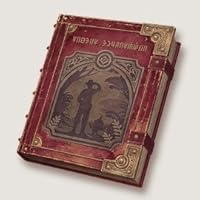
I am Blue, in Pain, and Fragile was supposed to be a heart-wrenching story of two young people navigating the world while holding onto their ideals, but a lot of the story is convoluted and annoying, and any meaning I could have gleaned from the philosophies present was quickly lost in the monotony of over-described domesticity. The main character is horribly irritating, and not in a fun way. He's pretentious and judgmental and not enjoyable to read, so it was difficult to care about him or his petty objectives. He constantly talks about his lackluster ideals and how important they are, but they're lame and inconsequential to the plot. The side characters aren't very developed, probably because the story is told through the lens of a character who doesn't see people as more than a collection of traits, so there wasn't anything to cheer for here. The whole novel feels surface level, and I'm left wondering what the point of it was. I can appreciate a novel with a bitter ending, but this one felt unearned. This book was unfortunately forgettable and boring for me, and I'm glad to be done with it.
April 11, 2021
Sebenarnya udah selesai beberapa hari yang lalu, tapi baru sekarang updatenya
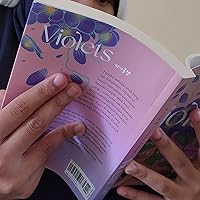
Banyak kritik yang harus ku ungkapkan tentang buku ini. Pertama, writing style di buku ini sangat berbeda dengan buku2 penulis sebelumnya, hanya ada 2 bab yg diberi judul dan dua lagi bagian yang dipisah tapi gak tau namanya :v ya pokoknya itu. Dan ini yang buat aku terkadang bingung kalo mau jeda baca harus tandain di mana.Typo sih ga ada, tapi ada beberapa kalimat yang katanya berganda jadi kurang nyaman bacanya :( alur ceritanya terkadang buat aku bingung kayak tiba2 ada di masa lalu dan tiba2 ada di masa sekarang.
Tapi yang aku suka dari buku ini adalah maknanya. Bukan sumino sensei kalo gak menyampaikan banyak hikmah di setiap bukunya. Aku bisa melihat betapa stresnya buku ini dan aku juga baru menyadari kenapa judul bukunya itu pada bagian akhir. Disini aku belajar, apa yang kita mulai pun akan kembali ke kita. Jadi berpikirlah ke depan sebelum mengambil sebuah tindakan.
3.8/5⭐
Banyak kritik yang harus ku ungkapkan tentang buku ini. Pertama, writing style di buku ini sangat berbeda dengan buku2 penulis sebelumnya, hanya ada 2 bab yg diberi judul dan dua lagi bagian yang dipisah tapi gak tau namanya :v ya pokoknya itu. Dan ini yang buat aku terkadang bingung kalo mau jeda baca harus tandain di mana.Typo sih ga ada, tapi ada beberapa kalimat yang katanya berganda jadi kurang nyaman bacanya :( alur ceritanya terkadang buat aku bingung kayak tiba2 ada di masa lalu dan tiba2 ada di masa sekarang.
Tapi yang aku suka dari buku ini adalah maknanya. Bukan sumino sensei kalo gak menyampaikan banyak hikmah di setiap bukunya. Aku bisa melihat betapa stresnya buku ini dan aku juga baru menyadari kenapa judul bukunya itu pada bagian akhir. Disini aku belajar, apa yang kita mulai pun akan kembali ke kita. Jadi berpikirlah ke depan sebelum mengambil sebuah tindakan.
3.8/5⭐

August 10, 2024
This one was 2 stars for a while but, the twist during the middle of the story was one I didn’t see coming. Unfortunately though, throughout my time reading it I was contemplating DNF’ing the whole time. I even had to stop this book, start a different one (finish it) and then continue with this one. The book could’ve been 100 pages shorter. And definitely should’ve had a more interesting plot. Instead it was just boring college drama 😢
Very unfortunate because I Want To Eat Your Pancreas is one of my favorite books.
Very unfortunate because I Want To Eat Your Pancreas is one of my favorite books.

October 31, 2020
Hmm...agak membosankan di beberapa bagian walaupun gaya penulisan Sumino sensei tetap menarik, ending cukup memuaskan (bagiku) plus covernya cantik sekaliiii 😍

September 27, 2024
3.5 stars. The movie was absolutely fantastic and it completely gutted me. I can't say enough good things about the movie! I'm not sure if it's because I read the book afterward, but it just didn't hold the same intense emotion for me. I still like and recommend it, but wait to read it until after you watch the movie and thank me later.

March 26, 2021
My review on podcast Spotify
Baca ini mood nya on off mulu. Kadang mood banget, kadang ilang. Keburu pengen nonton live action-nya, eh, setelah kelar, ternyata LA nya juga nontonnya on off juga wkwkwkwk...
Payah tenaannn
Baca ini mood nya on off mulu. Kadang mood banget, kadang ilang. Keburu pengen nonton live action-nya, eh, setelah kelar, ternyata LA nya juga nontonnya on off juga wkwkwkwk...
Payah tenaannn
December 15, 2024
i’m so sorry but Kaede was annoying and i was on the enemy’s team the whole time.
also WHYD IT HAVE TO END BEING A TYPICAL ROMANCE WHY COULDNT IT HAVE BEEN JUST FRIENDSHIP LIKE IT WAS PROPOSED THE WHOLE TIME
also it was just boring me to DEATH
2/5
also WHYD IT HAVE TO END BEING A TYPICAL ROMANCE WHY COULDNT IT HAVE BEEN JUST FRIENDSHIP LIKE IT WAS PROPOSED THE WHOLE TIME
also it was just boring me to DEATH
2/5
This entire review has been hidden because of spoilers.

May 7, 2022
I think that the best way to frame this is "deconstruction of a manic pixie dream girl," although that's not quite right.

April 1, 2023
well that was a rollercoaster

July 18, 2025
2.5? 3? stars?
first words out of my mouth when i finished this was “i don’t get it”
I like the way campus life is depicted, and i like beginning, but after the time skip i started getting bored. The main message was way too in your face, the main character was rlly annoying/kinda a jerk and takes SO LONG to figure out his emotions. idk if it messed it up cuz it’s a translated work, and things get lost in translation but i was kinda just progressively more bored and disconnected with this book as i read it, and the more the main character whined the worse he got. writing was fun at times tho. and the main plot twist did get me. i spent so long waiting for something interesting to happen, plot twist was intetesting, and then it went right back to nothing. also so many side characters just float into oblivion after the middle of the book? and they get barely any development? i livd the theme of how people change a lot while growing up and sometimes its hard to watch, its relatable, i think it would be better as a movie but idk.
update, has some SPOILERS for book!!!!!!i watched the movie, i thiiink i like it better, its nicer not being in the main guys head so much, like he still sucks but hes less annoying and repetitive. movie was simultaneously better and worse at same time tho idk? The plot twist had not much build up tho. Left out the whole tirning into boring working adults angle. Had some cool cinematography, actors matched characters pretty well, tho we bareeeely saw kawarah (srry idk spelling at all rn but the coworker girl) and i kinda liked her. i like Wakisaka, i like him in the book too tho somewhat. They made Moai and the main girl wayyy more like innocent tho? like she didnt change in the movie as much as in the book it was weird. and they added a whole subplot about one place they volunteered at which i did like. They made Tabata way more redeemable in the movie too, cuz you don’t see how much he uses people in the movie and they add this whole hes good with kids thing which is cute but in the book. so the ending he was supposed to be running after the main girl i guess? but he said in book he never talked to her again, plus the girl he chases at the end he said he only knew a few months?? so like he knew the main girl a few months before falling out and he’s not counting the after??? translation issue??? and it was faster as a movie but also still way too slow for my liking. wonder how it would do animated tho!
spoilers below:
bro what was UP which his whole “you pushed me out of the club” pity party??? HE LITERALLY QUIT CUZ HE DIDN’T KNOW HOW TO PEOPLE AND GAVE UP CUZ HE DIDN’T WANT TO SHARE HIS OPINIONS, like dude what. i. do. not. care. get over it. like why you feel SO bad about not being included that you just blame the one person who TRIED SO HARD to include you?? like sure he can have issues but i rlly don’t think it was done well. Also why did Touske and Pon just drop off the face of the planet after Touske said he wouldn’t help? And they kinda just ruined his character cuz he realized he was doing something bad…. while doing stuff with a girl with a bf and implied kinda taking advantage of her…. i know the point is people aren’t perfect but this is too much, not everybody has to be jerks. Kahwahara and Waisaka and sort of the main girl were the only okish characters, which says a lot cuz Wakisaka barely does anything lol.
first words out of my mouth when i finished this was “i don’t get it”
I like the way campus life is depicted, and i like beginning, but after the time skip i started getting bored. The main message was way too in your face, the main character was rlly annoying/kinda a jerk and takes SO LONG to figure out his emotions. idk if it messed it up cuz it’s a translated work, and things get lost in translation but i was kinda just progressively more bored and disconnected with this book as i read it, and the more the main character whined the worse he got. writing was fun at times tho. and the main plot twist did get me. i spent so long waiting for something interesting to happen, plot twist was intetesting, and then it went right back to nothing. also so many side characters just float into oblivion after the middle of the book? and they get barely any development? i livd the theme of how people change a lot while growing up and sometimes its hard to watch, its relatable, i think it would be better as a movie but idk.
update, has some SPOILERS for book!!!!!!i watched the movie, i thiiink i like it better, its nicer not being in the main guys head so much, like he still sucks but hes less annoying and repetitive. movie was simultaneously better and worse at same time tho idk? The plot twist had not much build up tho. Left out the whole tirning into boring working adults angle. Had some cool cinematography, actors matched characters pretty well, tho we bareeeely saw kawarah (srry idk spelling at all rn but the coworker girl) and i kinda liked her. i like Wakisaka, i like him in the book too tho somewhat. They made Moai and the main girl wayyy more like innocent tho? like she didnt change in the movie as much as in the book it was weird. and they added a whole subplot about one place they volunteered at which i did like. They made Tabata way more redeemable in the movie too, cuz you don’t see how much he uses people in the movie and they add this whole hes good with kids thing which is cute but in the book. so the ending he was supposed to be running after the main girl i guess? but he said in book he never talked to her again, plus the girl he chases at the end he said he only knew a few months?? so like he knew the main girl a few months before falling out and he’s not counting the after??? translation issue??? and it was faster as a movie but also still way too slow for my liking. wonder how it would do animated tho!
spoilers below:
bro what was UP which his whole “you pushed me out of the club” pity party??? HE LITERALLY QUIT CUZ HE DIDN’T KNOW HOW TO PEOPLE AND GAVE UP CUZ HE DIDN’T WANT TO SHARE HIS OPINIONS, like dude what. i. do. not. care. get over it. like why you feel SO bad about not being included that you just blame the one person who TRIED SO HARD to include you?? like sure he can have issues but i rlly don’t think it was done well. Also why did Touske and Pon just drop off the face of the planet after Touske said he wouldn’t help? And they kinda just ruined his character cuz he realized he was doing something bad…. while doing stuff with a girl with a bf and implied kinda taking advantage of her…. i know the point is people aren’t perfect but this is too much, not everybody has to be jerks. Kahwahara and Waisaka and sort of the main girl were the only okish characters, which says a lot cuz Wakisaka barely does anything lol.
March 15, 2025
Well good lord that was sure a rollercoaster. Every page after 230 hits like a fucking truck. The ending was rather dissatisfying and did not make much sense. I was confused about what was trying to be implied, it was definitely not clear. Overall, I think this is a good book. The writing is very thoughtful and I enjoy the way the author describes ideologies and psychical emotions. it really ponders ideas of what an ‘ideal’ is and shows the raw difficulties of maintaining relationships with people that have differing personal philosophies. I think it really illustrates the phase of ‘hurt people hurt people’. And I absolutely love the way the protagonists mental heath is depicted. Even if it may be a little bit over dramatic for the situation, it still feels so utterly realistic. Realistic as in I can understand what he’s going through, it feels like raw emotion. Besides the crappy ending, I’m glad I read this and it only makes me excited to read more of Sunminos’ work.

June 26, 2022
The seduction of self-affirmation is infinitely dangerous.
And the prickling unease that claws its way through the brokenhearted? One often mistakes it for a twinkling of presumption or insight. Such is the case for Tabata Kaede, closing out his final year of university studies by sprinting the final stretch of lazy afternoon classes, the blues of working part-time at a local drug store, and surviving the drudgery of job hunting. Such is the case for Tabata-san. Unless, of course, the man should parlay that twinkling of presumption into an earnest aggrievance; that is, revenge.
I AM BLUE, IN PAIN, AND FRAGILE is a slow-moving novel of middling intrigue until the climax. Sadly and truly, very little of substance occurs in the novel's first 225 pages. Tabata laments the loss of his best friend, a wily and hyper-social young woman he often describes as "vexing" because of her boundless optimism. Akiyoshi Hisano, his friend, delighted in asking awkward questions during lectures and professing world betterment to be the grandest of aspirations. Akiyoshi was, in a word, an idealist. So then, what changed?
Tabata and Akiyoshi only became friends through their mutual awkwardness. At some point in their freshman year, they founded a university club, Moai, to represent their embrace of the different, the unique, the cultural, and the idealistic. But disillusionment came fast for these two. The club grew, the pair drifted apart, and the personal philosophies to which both Tabata and Akiyoshi held at their cores forced the young adults to make several difficult decisions.
Regrettably, this novel is only passingly about the conflicts that arose as a result of those philosophical complications. A story about agency, about college students' difficult and urgent scuffling with the adult world's philosophies would, perhaps, make for a good read. I AM BLUE, IN PAIN, AND FRAGILE, in contrast, is about a lazy braggart who redefines his cowardice as a means of exhaling his emotional debts onto others. Does Tabata's sophistry catch up with him? Absolutely. That's probably the best part of the novel. But everything that happens before then? Readers will surely fall asleep.
The narrator, Tabata, schemes to sow chaos among the affairs of modern day Moai, a club no longer dedicated to culture and questions, but instead a club turned farm system for obsequious business-types. He feels bitter and betrayed by his cohorts. Nobody chases their dreams anymore. Nobody is eager to make a difference in the world. Students no longer visit museums and watch documentaries; they hold mock interview sessions and exchange business cards with dull-faced professionals.
The novel's solution to Tabata's feeling of betrayal is circuitous and uninteresting. How indeed does one disband a club one doesn't belong to, and with only a few months until graduation? And why go through the effort? Are Tabata's wounds really so deep and untreated? These practical storytelling questions never get in the way of this bland tale of pseudo-revenge. Tabata attempts a handful of awkward blackmail schemes, and he fails, rather oddly, to fully convince his few friends to join a cause for which even he has reservations. Again, I AM BLUE, IN PAIN, AND FRAGILE isn't a discussion of the moral peculiarities best suited to ignorant young adults breaking into the wider world; it's a novel about one man's petty need to validate his emotional listlessness, and in doing so, identifies and reifies the listlessness of others.
The narrator engages his best friend, Tousuke, whose charm masks an ardent ache for personal intimacy. The narrator engages his coworker, Kawahara, a casual kouhai of his, whose severe look belies an astonishingly casual, even childlike disposition. The overwhelming averageness of these and other characters frame Tabata as fool for believing his grievance is worth grieving, and an even bigger fool for attempting to pull others into the wake of his manufactured indignation.
For readers bored to tears in tracking the mumblings of a student whose loneliness seeps into everything, they'll be delighted to know the confrontation that comprises the novel's climax is exquisite. The novel's climax is a 21-page argument, and while the scene doesn't quite make up for the passive plotting of the prior 200 pages, it does serve as an excellent case example for other storytellers in how to pen a scene that demands attention and thus defines the book on the whole.
The argument scene itself possesses all of the highs, lows, gaffs, and screams native to exhaustive blow-up shouting matches. For all of the book's chronicling of average, human failings, the climax-argument is a fine literary example of what happens when these failings all come to a head.
Tabata articulates, with unexceptional believability, his personal tenet of non-interference, of being so hopelessly agreeable that conflict is the farthest thing from people's mind. Akiyoshi herself confides that pursuing one's goals, no matter how idealistic, should take precedent. But what neither of them realize until it's too late, is that being overly agreeable leaves little room for individuality and that being an optimist often leaves one under the boot of realism sooner rather than later. I AM BLUE, IN PAIN, AND FRAGILE exposes the consequences of unimpeded self-affirmation, either internally or externally, to be a grotesque and painful emptiness tended to by illusory necessities.
And the prickling unease that claws its way through the brokenhearted? One often mistakes it for a twinkling of presumption or insight. Such is the case for Tabata Kaede, closing out his final year of university studies by sprinting the final stretch of lazy afternoon classes, the blues of working part-time at a local drug store, and surviving the drudgery of job hunting. Such is the case for Tabata-san. Unless, of course, the man should parlay that twinkling of presumption into an earnest aggrievance; that is, revenge.
I AM BLUE, IN PAIN, AND FRAGILE is a slow-moving novel of middling intrigue until the climax. Sadly and truly, very little of substance occurs in the novel's first 225 pages. Tabata laments the loss of his best friend, a wily and hyper-social young woman he often describes as "vexing" because of her boundless optimism. Akiyoshi Hisano, his friend, delighted in asking awkward questions during lectures and professing world betterment to be the grandest of aspirations. Akiyoshi was, in a word, an idealist. So then, what changed?
Tabata and Akiyoshi only became friends through their mutual awkwardness. At some point in their freshman year, they founded a university club, Moai, to represent their embrace of the different, the unique, the cultural, and the idealistic. But disillusionment came fast for these two. The club grew, the pair drifted apart, and the personal philosophies to which both Tabata and Akiyoshi held at their cores forced the young adults to make several difficult decisions.
Regrettably, this novel is only passingly about the conflicts that arose as a result of those philosophical complications. A story about agency, about college students' difficult and urgent scuffling with the adult world's philosophies would, perhaps, make for a good read. I AM BLUE, IN PAIN, AND FRAGILE, in contrast, is about a lazy braggart who redefines his cowardice as a means of exhaling his emotional debts onto others. Does Tabata's sophistry catch up with him? Absolutely. That's probably the best part of the novel. But everything that happens before then? Readers will surely fall asleep.
The narrator, Tabata, schemes to sow chaos among the affairs of modern day Moai, a club no longer dedicated to culture and questions, but instead a club turned farm system for obsequious business-types. He feels bitter and betrayed by his cohorts. Nobody chases their dreams anymore. Nobody is eager to make a difference in the world. Students no longer visit museums and watch documentaries; they hold mock interview sessions and exchange business cards with dull-faced professionals.
The novel's solution to Tabata's feeling of betrayal is circuitous and uninteresting. How indeed does one disband a club one doesn't belong to, and with only a few months until graduation? And why go through the effort? Are Tabata's wounds really so deep and untreated? These practical storytelling questions never get in the way of this bland tale of pseudo-revenge. Tabata attempts a handful of awkward blackmail schemes, and he fails, rather oddly, to fully convince his few friends to join a cause for which even he has reservations. Again, I AM BLUE, IN PAIN, AND FRAGILE isn't a discussion of the moral peculiarities best suited to ignorant young adults breaking into the wider world; it's a novel about one man's petty need to validate his emotional listlessness, and in doing so, identifies and reifies the listlessness of others.
The narrator engages his best friend, Tousuke, whose charm masks an ardent ache for personal intimacy. The narrator engages his coworker, Kawahara, a casual kouhai of his, whose severe look belies an astonishingly casual, even childlike disposition. The overwhelming averageness of these and other characters frame Tabata as fool for believing his grievance is worth grieving, and an even bigger fool for attempting to pull others into the wake of his manufactured indignation.
For readers bored to tears in tracking the mumblings of a student whose loneliness seeps into everything, they'll be delighted to know the confrontation that comprises the novel's climax is exquisite. The novel's climax is a 21-page argument, and while the scene doesn't quite make up for the passive plotting of the prior 200 pages, it does serve as an excellent case example for other storytellers in how to pen a scene that demands attention and thus defines the book on the whole.
The argument scene itself possesses all of the highs, lows, gaffs, and screams native to exhaustive blow-up shouting matches. For all of the book's chronicling of average, human failings, the climax-argument is a fine literary example of what happens when these failings all come to a head.
Tabata articulates, with unexceptional believability, his personal tenet of non-interference, of being so hopelessly agreeable that conflict is the farthest thing from people's mind. Akiyoshi herself confides that pursuing one's goals, no matter how idealistic, should take precedent. But what neither of them realize until it's too late, is that being overly agreeable leaves little room for individuality and that being an optimist often leaves one under the boot of realism sooner rather than later. I AM BLUE, IN PAIN, AND FRAGILE exposes the consequences of unimpeded self-affirmation, either internally or externally, to be a grotesque and painful emptiness tended to by illusory necessities.

May 6, 2025
This story really highlights how often we hold ourselves back, and how much that can shape our lives without us even realizing it. It offers an honest, thoughtful look inside the main character’s mind, and I found myself connecting with their inner struggles. It also offers a really insightful glimpse into the mind of a Japanese college student, showing how much meaning and pressure can be packed into even the simplest conversations in a culture built on respect.
July 17, 2023
Dễ đọc, mình không ấn tượng lắm. Nói về khao khát muốn trở thành phiên bản hoàn hảo của bản thân, ummmm...dị đóa :)))

May 4, 2023
Kinda meh.

April 7, 2023
Cuốn sách này cùng tác giả với cuốn "Tớ muốn ăn tụy của cậu" phá đảo giới anime vào năm 2019. Ngay khi biết được thông tin này cộng hưởng cái tên cuốn sách "dại khờ,đau đớn,mong manh" (mình tra bằng tên tiếng việt thì không thấy ra nên phải save bằng tiếng anh, bạn nào biết cách đổi tên tiếng anh thành tiếng việt thì giúp mình với, để nếu ai đó tra tên cuốn sách này sẽ thấy những review bằng tiếng việt của mình luôn ấy) mình đã nghĩ cuốn sách có thể làm mình khóc, cốt truyện bad ending với việc hai nhân vật chính âm dương cách biệt và có lẽ không quá khác biệt với cuốn ăn tụy kia. NHƯNG KHÔNG PHẢI NHÉ !!!! Cuốn sách này đề cập đến một ý nghĩa khác và những tình tiết về các mối quan hệ cũng khác luôn. Nếu có điểm giống thì chỉ có hình tượng nam chính trầm tính, kiệm lời - nữ chính hoạt bát, tỏa sáng
Nam chính - Tabata Kaede là một người khép mình không có sở thích gì quá đặc biệt nhưng vô cùng lịch sự và không phản bác cũng như can thiệp sâu vào cuộc sống của ai bao giờ (đương nhiên có ngoại lệ!) và c nữ chính -Akiyoshi Hisano thì ngược lại. Hai người tựa hồ ở hai thái cực hoàn toàn trái ngược vậy cuối cùng lại thành bạn với nhau. Và lý tưởng cùng trái tim nhiệt huyết của cô đã cảm hóa cậu. Để rồi Tabata cùng Akiyoshi đã tạo ra Moai- một câu lạc bộ hướng tới lý tưởng (đây hoàn toàn là phần giới thiệu ở bìa sách nên k phải spoil nha)
Cuốn sách này được kể theo ngôi của Kaede, vậy nên cả tuyến truyện thể hiện rất nhiều về quan điểm sống và thái độ của anh về những khía cạnh của cuộc đời như: cuộc sống của người trưởng thành, mối quan hệ giữa người với người, lý tưởng,... Và điểm sáng nhất, đó chính là sự thay đổi trong cảm xúc, thái độ dẫn tới hành động của anh đối với người bạn Akiyoshi của mình cũng rất hợp lý. Cách tác giả miêu tả về tâm tưởng nhân vật hay và sinh động, đậm nét nên mình cảm thấy dễ đồng cảm với hình tượng này.
Cá nhân mình thấy, cuốn sách này không đưa chi tiết nào thừa vào cả, các nhân vật phụ được thêm vào cũng làm tròn nhiệm vụ của nó.Chi tiết cao trào để giải quyết mẫu thuẫn giữa Kaede và Akiyoshi nằm ở chính câu lạc bộ Moai của họ cũng rất đắt giá. Mình thấy đắt giá ở chỗ: Moai giống như đứa con tinh thần của hai người. Cách "bố" và "mẹ" của nó đối xử với đứa con tinh thần này có sự xung đột, tạo nên cái cớ để kéo hai người này quay lại với nhau, đối mặt và giải quyết mẫu thuẫn của họ.Cuốn sách có kết mở-chủ quan mình không vui vì điều này nhưng đối với thể loại này thì không BE là mừng lắm rồi (mình vẫn thích happy ending, hai anh chị tay trong tay với nhau cơ :"))))
Dưới đây là Trích đoạn hay
Tớ nghĩ trưởng thành không phải là lảng tránh những điểm yếu của mình.Ai cũng có những mặt yếu đuối nhưng con người đâu phải sinh vật dễ dàng thay đổi bản chất của mình.Khi người ta thừa nhận mặt yếu đuối của bản thân thì họ mới trưởng thành, sau khi thừa nhận nếu họ hài lòng với sự yếu đuối đó thì không sao.Nhưng tớ không như vậy, tớ vẫn sợ, song tớ không dừng lại ở nỗi sợ mà quyết định tiến từng chút một về phía trước."
Tôi nghĩ đời sinh viên của mình thật vô ích nhưng có đời sinh viên nào không vô ích đây. Trên đời có bao nhiêu người phạm tội nhờ những kiến thức học được trong trường đại học,những người vong mạng vì việc học hành ở đại học và những người đánh mất hào quang mà trước đó họ từng mang cũng ở trường đại học.So với trường hợp đó tôi vẫn chưa đến nỗi nào.
Tôi không nghĩ quãng thời gian của mình là vô ích,chí it thì thời đó hai chúng tôi đã muốn làm gì đấy,muốn trở thành một thứ gì đấy, muốn thay đổi tận gốc rễ những quan điểm nào đó.Dù chúng tôi luôn lấy mình làm trung tâm khi cân nhắc hướng đi, dù hướng đi đó không được người khác thấu hiểu, nó vẫn mang ánh sáng của riêng mình.
Lời xin lỗi nói ra tất thảy đều vì lợi ích của người nói.
Muốn được thứ lỗi,muốn người kia lại thân thiết với mình,muốn người kia không nghĩ xấu về mình
Người được xin lỗi chẳng được lợi lộc gì.
P/s: còn nhiều nữa nhưng mà chứa spoil nên thôi.
Mình cũng xin gửi lời khen cho chị Vương Hải Yến đã dịch cuốn sách.Trải nghiệm đọc sách tiếng Nhật của mình với cuốn này khá tốt, khác với những lần đọc trước của mình nên mình nghĩ đây cũng là một yếu tố to lớn góp vào việc mình thích cuốn sách này. Mong cho tất cả những người biên dịch có thể luôn chau chuốt cho tác phẩm của mình. Xin cảm ơn!
Nam chính - Tabata Kaede là một người khép mình không có sở thích gì quá đặc biệt nhưng vô cùng lịch sự và không phản bác cũng như can thiệp sâu vào cuộc sống của ai bao giờ (đương nhiên có ngoại lệ!) và c nữ chính -Akiyoshi Hisano thì ngược lại. Hai người tựa hồ ở hai thái cực hoàn toàn trái ngược vậy cuối cùng lại thành bạn với nhau. Và lý tưởng cùng trái tim nhiệt huyết của cô đã cảm hóa cậu. Để rồi Tabata cùng Akiyoshi đã tạo ra Moai- một câu lạc bộ hướng tới lý tưởng (đây hoàn toàn là phần giới thiệu ở bìa sách nên k phải spoil nha)
Cuốn sách này được kể theo ngôi của Kaede, vậy nên cả tuyến truyện thể hiện rất nhiều về quan điểm sống và thái độ của anh về những khía cạnh của cuộc đời như: cuộc sống của người trưởng thành, mối quan hệ giữa người với người, lý tưởng,... Và điểm sáng nhất, đó chính là sự thay đổi trong cảm xúc, thái độ dẫn tới hành động của anh đối với người bạn Akiyoshi của mình cũng rất hợp lý. Cách tác giả miêu tả về tâm tưởng nhân vật hay và sinh động, đậm nét nên mình cảm thấy dễ đồng cảm với hình tượng này.
Cá nhân mình thấy, cuốn sách này không đưa chi tiết nào thừa vào cả, các nhân vật phụ được thêm vào cũng làm tròn nhiệm vụ của nó.Chi tiết cao trào để giải quyết mẫu thuẫn giữa Kaede và Akiyoshi nằm ở chính câu lạc bộ Moai của họ cũng rất đắt giá. Mình thấy đắt giá ở chỗ: Moai giống như đứa con tinh thần của hai người. Cách "bố" và "mẹ" của nó đối xử với đứa con tinh thần này có sự xung đột, tạo nên cái cớ để kéo hai người này quay lại với nhau, đối mặt và giải quyết mẫu thuẫn của họ.Cuốn sách có kết mở-chủ quan mình không vui vì điều này nhưng đối với thể loại này thì không BE là mừng lắm rồi (mình vẫn thích happy ending, hai anh chị tay trong tay với nhau cơ :"))))
Dưới đây là Trích đoạn hay
Tớ nghĩ trưởng thành không phải là lảng tránh những điểm yếu của mình.Ai cũng có những mặt yếu đuối nhưng con người đâu phải sinh vật dễ dàng thay đổi bản chất của mình.Khi người ta thừa nhận mặt yếu đuối của bản thân thì họ mới trưởng thành, sau khi thừa nhận nếu họ hài lòng với sự yếu đuối đó thì không sao.Nhưng tớ không như vậy, tớ vẫn sợ, song tớ không dừng lại ở nỗi sợ mà quyết định tiến từng chút một về phía trước."
Tôi nghĩ đời sinh viên của mình thật vô ích nhưng có đời sinh viên nào không vô ích đây. Trên đời có bao nhiêu người phạm tội nhờ những kiến thức học được trong trường đại học,những người vong mạng vì việc học hành ở đại học và những người đánh mất hào quang mà trước đó họ từng mang cũng ở trường đại học.So với trường hợp đó tôi vẫn chưa đến nỗi nào.
Tôi không nghĩ quãng thời gian của mình là vô ích,chí it thì thời đó hai chúng tôi đã muốn làm gì đấy,muốn trở thành một thứ gì đấy, muốn thay đổi tận gốc rễ những quan điểm nào đó.Dù chúng tôi luôn lấy mình làm trung tâm khi cân nhắc hướng đi, dù hướng đi đó không được người khác thấu hiểu, nó vẫn mang ánh sáng của riêng mình.
Lời xin lỗi nói ra tất thảy đều vì lợi ích của người nói.
Muốn được thứ lỗi,muốn người kia lại thân thiết với mình,muốn người kia không nghĩ xấu về mình
Người được xin lỗi chẳng được lợi lộc gì.
P/s: còn nhiều nữa nhưng mà chứa spoil nên thôi.
Mình cũng xin gửi lời khen cho chị Vương Hải Yến đã dịch cuốn sách.Trải nghiệm đọc sách tiếng Nhật của mình với cuốn này khá tốt, khác với những lần đọc trước của mình nên mình nghĩ đây cũng là một yếu tố to lớn góp vào việc mình thích cuốn sách này. Mong cho tất cả những người biên dịch có thể luôn chau chuốt cho tác phẩm của mình. Xin cảm ơn!
March 7, 2021
This book asked me what is right and what is wrong. Kaede Tabata, who was a college student, met Hisano Akiyoshi. Kaede set a goal of his life, and it was "not taking contact with other people without any reason" and "not saying any idea that is oppose to other people". However, Hisano was opposite to Kaede except they both didn't had a club that they want to go. So, Hisano made a new club, Moai, and Kaede was half forced and became Moai's member. When Kaede was 4th grade in University, he barely took contact with Hisano, and he was not a member of Moai. When Hisano made Moai, that club was to help people and it was a club about believing their own beliefs. However, after 3 years from Moai was made, there wasn't an original Moai any more. Instead, Moai changed to a club that is for college student to want to find a place for work. Kaede was angry because the reason of why the Moai was made and a reason why Moai is important now was different. So, Kaede tries to break Moai. He asked his friend for help, and Moai had a scandal. Kaede find that and tell that in social media. Many media tells that and Moai was disillusioned. At that time, Kaede finds a new thing that he never thought. And that grew his character up.
This entire review has been hidden because of spoilers.
April 22, 2022
I really wanted to like this book but compared to other author's books, it left me unimpressed. The first two thirds of the book the story seemed flat, and after that it became chaotic and I'm not sure what the point is supposed to be. Also, unfortunately I believe translation didn't manage to convey the feelings from the original.
This entire review has been hidden because of spoilers.
November 21, 2019
ได้เจอกับเธอผู้สดใสเป็นประกาย คิดไปว่าอุดมการณ์ของเธอจะคงอยู่ไปตลอด
เลยหลอกตัวเองว่าทุกอย่างทำเพื่ออุดมการณ์ แต่จริงๆแล้วเพื่อตัวเอง
เมื่อความสัมพันธ์สิ้นสุดลง เพียงเพราะไม่คุยกัน
เป็นเพราะทั้งสองกำหนดระยะห่างที่ไกลออกไป
ปล่อยให้ตัวเองคิดว้าวุ่น จนเวลาผ่านไปเกิดเสียใจ
อยากทำบางอย่าง ที่จะไม่ต้องเสียใจ อยากเอาบางอย่างกลับมาใหม่
แม้จะต้องทำร้ายคนที่ตัวเองรัก แม้จะต้องหลอกใครก็ตาม
เมื่อกระทำสิ่งนั้นลงไป กลับเสียใจกว่าเดิม
กลับรู้ว่าอะไรที่พลาดไป อะไรคือสิ่งสำคัญจริงๆ
อยากเริ่มต้นใหม่ แต่ไม่มีที่แห่งนั้นอีกแล้ว แตกสลายไปหมด
อ้อนวอนขอ เพื่อหวังว่าจะมีใครสักคนมาช่วย
เมื่อเวลาผ่านไปทุกอย่างดีขึ้น มีสิ่งใหม่มาทดแทน
แต่หัวใจยังคงเป็นแผลสดไร้วันหาย ค่อยย้ำเตือนผู้คน
จนเจอเธออีกครั้ง และครั้งนี้จะไม่ปล่อยไป แม้เจ็บปวดก็จะอยู่กับเธอไม่ไปไหน
เลยหลอกตัวเองว่าทุกอย่างทำเพื่ออุดมการณ์ แต่จริงๆแล้วเพื่อตัวเอง
เมื่อความสัมพันธ์สิ้นสุดลง เพียงเพราะไม่คุยกัน
เป็นเพราะทั้งสองกำหนดระยะห่างที่ไกลออกไป
ปล่อยให้ตัวเองคิดว้าวุ่น จนเวลาผ่านไปเกิดเสียใจ
อยากทำบางอย่าง ที่จะไม่ต้องเสียใจ อยากเอาบางอย่างกลับมาใหม่
แม้จะต้องทำร้ายคนที่ตัวเองรัก แม้จะต้องหลอกใครก็ตาม
เมื่อกระทำสิ่งนั้นลงไป กลับเสียใจกว่าเดิม
กลับรู้ว่าอะไรที่พลาดไป อะไรคือสิ่งสำคัญจริงๆ
อยากเริ่มต้นใหม่ แต่ไม่มีที่แห่งนั้นอีกแล้ว แตกสลายไปหมด
อ้อนวอนขอ เพื่อหวังว่าจะมีใครสักคนมาช่วย
เมื่อเวลาผ่านไปทุกอย่างดีขึ้น มีสิ่งใหม่มาทดแทน
แต่หัวใจยังคงเป็นแผลสดไร้วันหาย ค่อยย้ำเตือนผู้คน
จนเจอเธออีกครั้ง และครั้งนี้จะไม่ปล่อยไป แม้เจ็บปวดก็จะอยู่กับเธอไม่ไปไหน

March 29, 2022
Wowie. It’s an interesting book. I should say I expected and saw most of what was coming a mile away. I’d also say the main breath of the story, part 2 I suppose, will be hit or miss for most as I suspect it’ll feel like a *trudge* especially if you simply predict how things will play out as well.
Nonetheless, nothing takes away from the lessons of the book. It was a splendid read and, like always with her works, will make you think about human psychology and the lives we lead.
This time, by my own thoughts, it was about growth. Labels we tack onto people before we even get to know anything about them. Idealism and passion versus realism and effort. Right versus wrong versus humanity. And, perhaps most importantly, the ability and willingness to hurt.
Nonetheless, nothing takes away from the lessons of the book. It was a splendid read and, like always with her works, will make you think about human psychology and the lives we lead.
This time, by my own thoughts, it was about growth. Labels we tack onto people before we even get to know anything about them. Idealism and passion versus realism and effort. Right versus wrong versus humanity. And, perhaps most importantly, the ability and willingness to hurt.
January 16, 2022
Although I read the original Japanese version and not this translated version, this is the only one I could find on GoodReads so I'm writing a review on this one. I usually tend to read books more in English so I found myself taking much longer to read this book than I imagined but it felt good when I finally finished it. I'm not exactly sure if I enjoyed the story that much but that could also be partly because of my Japanese skills. I found it very hard to grasp the main meaning of the story and couldn't exactly understand why so many of the characters had something against each other but I still enjoyed the strange story nonetheless.

September 4, 2022
I found this after i read “I want to eat your pancreas.” (My favorite book, also from this author) so I had high expectations for this book. I was decently let down by the lack of action in this. Its a very well written book though. Until about page 226 It was pretty dull. But from then on it was amazing and I didn’t put it down until it was finished. I love the way Kaede comes to realize he’s the bad guy.
Displaying 1 - 30 of 107 reviews