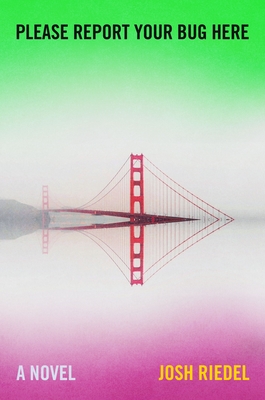
Techno-(pseudo)dystopian future blended with some sci-fi elements, this novel has some interesting ideas but leaves something to be desired. Starting with what I appreciated, I will say the overall story is interesting. I like how the sci-fi elements just kind of snuck in halfway through, unexpected, and weren’t really commented on as anything other than the logical extension of technology. I thought there was a good job of really depicting the loneliness, desperation, ego, and aspirations of the main character, the toxic stew that leads so many mediocre white men to stumble-fail their way upwards. The novel doesn’t offer a critique of this as heavily as it could, but as far as character development goes, I felt a reality contained in the protagonist. Lastly, there was an artistic choice to only identify some things by their generic labels (the Founder, the engineer, the Corporation) and yet to pair that with hyper-specificity regarding things like brands or coffee preparation techniques, all the entrapments of wealthy-hipsterism. A generous reading of this is that it presented the all-consuming face of our attention economy, there is no difference or need for proper names as we move from one technological autocracy/behemoth to another, they all consume us equally, and the culture and identity they create is one based on cultivating intense in-group ideologies nurtured and exacerbated by capitalism and specialized knowledge regarding cultural ephemera.
A less generous reading is that it just got tiresome. I think Chemex (a specific coffee preparation technique) is mentioned at least three different times that I can remember off the top of my head, and I would be willing to bet that’s an undercount. It was interesting at first, created a specificity of the tech/start-up scene in San Francisco, but it soon just felt like a crutch, a convenient trick to avoid developing an actual environment or setting beyond the costume it was wearing. Aside from the main character the supporting characters all felt rather two-dimensional, barely tweaked versions of stock characters. Maybe that’s a comment about the interchangeability of individuals who live in this world, but it just felt like a reliance on stereotypical tropes instead of developing personality. The plotting itself was strange, it just felt there was a lot of filler, going places and doing things just for the sake of going there and doing it, not because it mattered in any way. In many ways this felt like a really, really strong short story that turned into an interesting novella and eventually a confused, wandering novel. A lot of these things I can overlook if there is especially beautiful or talented writing, but that isn’t the case here. It isn’t bad, and a lot of the dialogue feels natural and not forced. But there is a utilitarian feel about the writing, a lot more telling than showing, and it doesn’t inspire me or make me want to keep reading it, or re-read it, in the way that good prose can do. Plus, the framing device is pretty much wasted. The novel is framed as if it were written by the main character, a whistle-blower/exposé story aimed directly at us, the audience… but aside from the very opening and the very ending, this form is never really played with. It is just a simple first-person narrative, as countless other novels are. This novel could have chosen to have the narrator address the audience directly before every chapter. Since the narrator is both a student of art history and also deeply entrenched in tech culture, I imagine every chapter, or at least the major sections, could have some sort of reflection somehow showing off these and other uncommon character traits. If the framing device is introduced it should be used both to make the story better and also to make the character more complex, but it just sits there, seemingly forgotten until the last chapter, which was wasted potential.
This novel isn’t bad. But it is somewhat obvious that the author has written a lot of short fiction, and this is his first novel. It has an interesting premise and a complex main character, and while meandering at times the overall pacing, the timing of reveals and developments, all feels pretty good. If tech-dystopia is your jam then there is a good amount of fun to be had here, it just wasn’t enough for me. However, there are enough interesting seeds planted here that I am interested in seeing what else he writes as he continues to develop his long-form story-telling craft.
I want to thank NetGalley and Henry Holt & Company, who provided a complimentary eARC in exchange for an honest review.