

What do you think?

バガボンド [Vagabond] #1
Vagabond, Buku 1
Indonesian Edition of:
Vagabond 1
(c) 1998-2005, Takehiko Inoue and I.T. Planning, Inc.
First published in Japan in 1998 by Kodansha, Tokyo.
Vagabond 1
(c) 1998-2005, Takehiko Inoue and I.T. Planning, Inc.
First published in Japan in 1998 by Kodansha, Tokyo.
246 pages, Paperback
First published March 22, 1999
About the author
Takehiko Inoue
334 books1,703 followersTakehiko Inoue (井上雄彦) is a Japanese manga artist, best known for Slam Dunk and Vagabond.
Ratings & Reviews
Friends & Following
Create a free account to discover what your friends think of this book!
Community Reviews
Displaying 1 - 30 of 1,217 reviews

February 22, 2019
WHAT A GEM.
This is a literal eye candy. The main protagonist is the most beautiful man in manga since Berserk’s Griffith (THEM EYEBROWS ON FLEEK BOY🔥) and the most brutal since Guts (him and Guts have a lot in common actually) Also I always wanted to read something involving samurais & based off the actual Japanese history. This is IT. WHERE HAS IT BEEN ALL MY LIFE?
This is a literal eye candy. The main protagonist is the most beautiful man in manga since Berserk’s Griffith (THEM EYEBROWS ON FLEEK BOY🔥) and the most brutal since Guts (him and Guts have a lot in common actually) Also I always wanted to read something involving samurais & based off the actual Japanese history. This is IT. WHERE HAS IT BEEN ALL MY LIFE?

January 14, 2013
“Vagabond” is Takehiko Inoue’s graphic novel adaptation of the 1930s historical novel “Musashi” by Eiji Yoshikawa, about a real life historical figure from 17th century Japan, Shinmen Takezo, who would go on to become the legendary sword saint Miyamoto Musashi. We meet Takezo awakening from unconsciousness after the Battle of Sekigahara, somehow still alive with his best friend Matahachi: they are both 17 years old. They set off on the path homewards but encounter enemy soldiers, scavengers and thieves and must fight to survive. But their destinies will change at a small house in the woods where 3 young women live with secrets - and danger is on its way!
First, second and third points to be made about this book is the art - WOW! There aren’t many colour pages in this, but the opening first page is in colour where we see the battlefield with the rain coming down - it’s so cinematic, but Inoue manages to draw rain so perfectly you can hear and smell it. It’s uncanny. His character’s are drawn perfectly, there isn’t a single panel in which I felt he’d cut a corner - visually this is definitely a Japanese comic but eschews that cartoony manga aesthetic, opting for straight up drama.
Imagine trying to draw concealed longing and frustration on a young girl’s face in a single panel - I’m looking at that page right now and Inoue nails it. That’s how subtle and crazy perfect the art is. But I loved how he draws the main character most of all. He draws Takezo as a kind of empty shell when he’s not fighting, walking with a glazed, far off look in his expression, but when he faces danger (and Inoue knows his audience and makes sure there are plenty of moments like this throughout), Takezo’s figure is charged as if someone flicked the “on” switch and his eyes light up, and the movement - Inoue draws movement, so, so well in this book, it’s like reading a movie! Takezo is depicted by turns demonically, as an inexperienced young man, desperate and lost, and breathlessly hungry for life - all of the characters are drawn amazingly but Takezo’s character by far is the most visually interesting.
The tone of the book is wonderful. You really get a feel for the rural setting and feel the coldness and isolation of the house in the woods or the village at the end. The mainly black and white pages help compliment this atmosphere so it feels dream-like and otherworldly. It’s like stepping into the past and it’s a remarkable achievement.
While this first book contains plenty of action, there isn’t a sense of a wider story here. It feels like the beginning of a character portrait rather than a serial - which interests me even more because there are so few of those kinds of comics series around.
The one thing that makes me hesitate is the commitment needed to embark on this series. Last I checked, Inoue had put out Volume 25 of “Vagabond” with no signs of slowing down - hey, 20 million+ Japanese readers can’t be wrong! - but it’s good to know if I’m in need of a good read that there’s this series to fall back on. I just don’t think I’ll be finishing it anytime soon!
From this one book alone, Takehiko Inoue immediately jumps into my top 10 favourite comic book artists, his talent and work is undeniable and breathtakingly impressive. The splash pages alone deserve framing. “Vagabond” is a fantastic historical story of a wonderfully romantic and complex individual set against the rich visuals of feudal Japan. From Book 1, the possibilities for this story seem endless and, in the hands of such a talent, truly epic. It’s definitely worth a look for any comics fan but especially for those who sword fights, Kurosawa’s “Seven Samurai”, and amazing art.
First, second and third points to be made about this book is the art - WOW! There aren’t many colour pages in this, but the opening first page is in colour where we see the battlefield with the rain coming down - it’s so cinematic, but Inoue manages to draw rain so perfectly you can hear and smell it. It’s uncanny. His character’s are drawn perfectly, there isn’t a single panel in which I felt he’d cut a corner - visually this is definitely a Japanese comic but eschews that cartoony manga aesthetic, opting for straight up drama.
Imagine trying to draw concealed longing and frustration on a young girl’s face in a single panel - I’m looking at that page right now and Inoue nails it. That’s how subtle and crazy perfect the art is. But I loved how he draws the main character most of all. He draws Takezo as a kind of empty shell when he’s not fighting, walking with a glazed, far off look in his expression, but when he faces danger (and Inoue knows his audience and makes sure there are plenty of moments like this throughout), Takezo’s figure is charged as if someone flicked the “on” switch and his eyes light up, and the movement - Inoue draws movement, so, so well in this book, it’s like reading a movie! Takezo is depicted by turns demonically, as an inexperienced young man, desperate and lost, and breathlessly hungry for life - all of the characters are drawn amazingly but Takezo’s character by far is the most visually interesting.
The tone of the book is wonderful. You really get a feel for the rural setting and feel the coldness and isolation of the house in the woods or the village at the end. The mainly black and white pages help compliment this atmosphere so it feels dream-like and otherworldly. It’s like stepping into the past and it’s a remarkable achievement.
While this first book contains plenty of action, there isn’t a sense of a wider story here. It feels like the beginning of a character portrait rather than a serial - which interests me even more because there are so few of those kinds of comics series around.
The one thing that makes me hesitate is the commitment needed to embark on this series. Last I checked, Inoue had put out Volume 25 of “Vagabond” with no signs of slowing down - hey, 20 million+ Japanese readers can’t be wrong! - but it’s good to know if I’m in need of a good read that there’s this series to fall back on. I just don’t think I’ll be finishing it anytime soon!
From this one book alone, Takehiko Inoue immediately jumps into my top 10 favourite comic book artists, his talent and work is undeniable and breathtakingly impressive. The splash pages alone deserve framing. “Vagabond” is a fantastic historical story of a wonderfully romantic and complex individual set against the rich visuals of feudal Japan. From Book 1, the possibilities for this story seem endless and, in the hands of such a talent, truly epic. It’s definitely worth a look for any comics fan but especially for those who sword fights, Kurosawa’s “Seven Samurai”, and amazing art.

July 25, 2023
granny really stabbed us in the back in this one

August 7, 2018
When I enjoyed the first chapter immensely, I knew this manga was something else. Rarely do I like a manga’s first chapter because it’s usually an introduction and not everything is clear. New characters, story, etc. However, Inoue delivered a gripping opening that will leave you wanting more.
I’m looking forward to continuing Vagabond because this is great stuff here. I can see (and yes, from the first volume only) why it’s popular and beloved among many.
And oh, Takezo is very hot (that’s definitely a plus).
I’m looking forward to continuing Vagabond because this is great stuff here. I can see (and yes, from the first volume only) why it’s popular and beloved among many.
April 14, 2023
This series tells the story of famed swordsman, Miyamoto Musashi. This first volume starts at the end of the Battle of Sekigahara. Takezo (he hasn't adopted the Musashi name yet) and his friend Matahachi find themselves on the losing side of the battle. They must flee because the other side is hunting down soldiers on the losing side. Thus begins their bloody and violent journey towards their hometown. The art is impressive and is drawn is a more realistic style than what is usually found in manga.
May 5, 2026
when bro trynna ragebait me but i’ve just finished vinland saga and read one volume of vagabond so i just kiss her forehead and tell her i've got no enemies

September 18, 2015
I still remember the stories of the last few months that eventually led me here to Takehiko Inoue's Vagabond. It all started with the graphic novel adaptation of Miyamoto Musashi's The Book of Five Rings which brought into my awareness, the sword saint. Then I read the first three volumes of Stan Sakai's Usagi Yojimbo, a long time favorite. Along the way, I had a late night viewing of Tom Cruises's The Last Samurai on HBO. Recently. I've embarked on a reread of the 31-volume Slam Dunk (another Inoue property) collected manga which was the final impetus for me to finally start on Vagabond.
Vagabond is light-years ahead of Slam Dunk in storytelling. Visually, it is Inoue's best work to date and he has taken to explore more mature themes than his perpetually funny basketball manga.
Really, this is great stuff. Though peppered with sex and a lot of violence, Inoue manages some some poignant or funny moments. This is the perfect manga to read along with Attack On TItan which can get heavy-handed with its political commentary.It's a mature book fit for someone who is ready to graduate from Naruto or Bleach.
Vagabond is light-years ahead of Slam Dunk in storytelling. Visually, it is Inoue's best work to date and he has taken to explore more mature themes than his perpetually funny basketball manga.
Really, this is great stuff. Though peppered with sex and a lot of violence, Inoue manages some some poignant or funny moments. This is the perfect manga to read along with Attack On TItan which can get heavy-handed with its political commentary.It's a mature book fit for someone who is ready to graduate from Naruto or Bleach.

October 4, 2017
Se não fossem as minhas miúdas, para quem comprei este livro, provavelmente nunca lhe teria pegado. Ao contrário delas, nunca gostei particularmente de manga. Mas como não tive tempo, na livraria, de ver o livro com atenção, acabei por o ler em modo-controlo-parental retardado, que isto com japoneses nunca se sabe... (antes deste, peguei num outro que tinha uns bonecos muito fofinhos na capa, mas quando o comecei a folhear, até fiquei verde...)
Depois de um período inicial a habituar-me a ler um livro de trás para a frente e da esquerda para a direita... acabei por gostar mais do que estava à espera.
A história baseia-se num clássico sobre a história do Japão, com guerras e samurais, daí uma certa violência, com muitas lutas e sabres a decepar algumas cabeças. Apesar de não ser um tipo de enredo que normalmente me agrada, gostei bastante da parte gráfica - que foi, aliás, a principal razão da escolha - os desenhos são bastante realistas, com grandes planos das caras e expressões muito bem conseguidas. Trata-se de uma história repartida em vários volumes, e este primeiro livro, qual telenovela brasileira, termina num impasse, que me deixou com vontade de saber como irá o herói sair da confusão em que está metido...
Depois de um período inicial a habituar-me a ler um livro de trás para a frente e da esquerda para a direita... acabei por gostar mais do que estava à espera.
A história baseia-se num clássico sobre a história do Japão, com guerras e samurais, daí uma certa violência, com muitas lutas e sabres a decepar algumas cabeças. Apesar de não ser um tipo de enredo que normalmente me agrada, gostei bastante da parte gráfica - que foi, aliás, a principal razão da escolha - os desenhos são bastante realistas, com grandes planos das caras e expressões muito bem conseguidas. Trata-se de uma história repartida em vários volumes, e este primeiro livro, qual telenovela brasileira, termina num impasse, que me deixou com vontade de saber como irá o herói sair da confusão em que está metido...

September 7, 2023
یکی از شخصیترین داستانهایی که توی مدیوم مانگا بهشون برخورد کردم، تا به اینجا که نواخته، طراحیها و دیالوگها باکیفیت و جذاب بودن، فقط ولیوم اول نسخه رنگی پیدا کردم که تجربه عالیای بود.

January 12, 2022
7/10 stars
It's a tough one to judge and I reserve the right to change my opinion in next volumes ;). The art is 5 stars, easily - it's great, brutal and soulful in turns, realistic and highly aesthetic at the same time.
The main character, Takezō Shinmen, is, at least for now, somewhat of a wild card, or maybe a blank slate - a 17-year-old without moral scruples, focused almost exclusively on himself and his wants and dreams. He's still better than his best friend Matahachi Hon'iden, but that's not saying much since his best friend just abandoned his fiancée and familial obligations to hook up with a female battlefield robber whom he met in the woods.
But the story runs slowly, much more so than the pace I'm used to by now in shonen. It's only mildly interesting, the poor rural Japan filled with prematurely wrinkled, ugly faces standing in stark contrast with Takezō's unusually lovingly drawn character. The typical feelings of alienation, mistrust and difference between the protagonist and his community are emphasized here by the differences in both physical and behavioural depiction of the various characters.
I'll definitely read the next volume or two. For me, first volumes of any manga are usually not mind-blowing, this comes only later with the emotional investment ;)
It's a tough one to judge and I reserve the right to change my opinion in next volumes ;). The art is 5 stars, easily - it's great, brutal and soulful in turns, realistic and highly aesthetic at the same time.
The main character, Takezō Shinmen, is, at least for now, somewhat of a wild card, or maybe a blank slate - a 17-year-old without moral scruples, focused almost exclusively on himself and his wants and dreams. He's still better than his best friend Matahachi Hon'iden, but that's not saying much since his best friend just abandoned his fiancée and familial obligations to hook up with a female battlefield robber whom he met in the woods.
But the story runs slowly, much more so than the pace I'm used to by now in shonen. It's only mildly interesting, the poor rural Japan filled with prematurely wrinkled, ugly faces standing in stark contrast with Takezō's unusually lovingly drawn character. The typical feelings of alienation, mistrust and difference between the protagonist and his community are emphasized here by the differences in both physical and behavioural depiction of the various characters.
I'll definitely read the next volume or two. For me, first volumes of any manga are usually not mind-blowing, this comes only later with the emotional investment ;)

August 2, 2026
شروعش بهتر از چیزی بود که انتظار داشتم

November 5, 2024
به نظر از برزرک جالب تر میاد. داستانش هم پایه تاریخی داره.

March 4, 2024
شروع خفنی نداشت ولی نوید داستان جالبی رو میده
March 11, 2022
I was scammed. I thought Takezo and Matahachi are going to be an inseparable and dynamic duo. Nah. It's free to laugh, anyway. Augh. I hate Matahachi, and I want to see Otsu more. I hope she stays and becomes a regular character—by Takezo's side or I don't know. I just really like her character. She reminds me of Kaoru, without the Kamiya Kasshin Ryu, of course. Maybe it's just the setting. Poor Otsu though was cheated on by her fiancé. But what happened to Akemi? Did Matahachi and Oko pick her up when they left?

January 28, 2023
شروع جذابی بود.
کشش عالی داره و گذر زمان رو اصلا حس نکردم.
آرت داستان واقعا خوبه.
راجع داستان چیز خاصی نمیشه گفت. هنوز اوایل کاره ولی بهطور کلی ولیوم اول رو دوست داشتم.
بخونیم ببینیم در آینده چه رخ خواهد داد...
کشش عالی داره و گذر زمان رو اصلا حس نکردم.
آرت داستان واقعا خوبه.
راجع داستان چیز خاصی نمیشه گفت. هنوز اوایل کاره ولی بهطور کلی ولیوم اول رو دوست داشتم.
بخونیم ببینیم در آینده چه رخ خواهد داد...
September 22, 2021
بجا اینکه موساشی رو بخونم، گفتم یکم زیبایی نقاشی هم همراهش ببینم.

July 19, 2022
یه شروع فوقالعاده.
December 30, 2024
Sublime el dibujo y la introducción. Como todo manga por tomo se me hace cortísimo. Muchas ganas de seguir con el segundo.

March 15, 2025
Already captures the spirit of the book so well.

April 28, 2013
**EDIT: Read volume 2 before you decided whether or not this series is worth your time. Major changes occur and I believe you'll read further if, like me, you weren't really impressed with this volume.**
2.5 (Somewhere between being meh about it and liking it.)
Perhaps it's because I went in with high expectations, but...
I expected more.
As of this volume, the art is really nice. Detailed and fully flushed-out. That's more than I can say about many manga. However.... I generally want either the characters or the story to be engaging as well. (All three is a real find). But so far, these characters are kind of lifeless. I suppose the grandmother-oh I'm sorry- mother of teenaged what's-his-face is animated enough (in that generic, villainous sort of way). Unfortunately, the main character has less personality than Flat Stanley. His friend has personality, but it's just a stock one, so far. (Pathetic, envious BFF of one destined for greatness. Seen it. Wanted my money back.)
I'll read a couple more volumes because my best friend is requesting it and because people make a big deal about this series, but... well, we'll see. I'm not one to be impressed with fancy slasher violence, historical or otherwise.
2.5 (Somewhere between being meh about it and liking it.)
Perhaps it's because I went in with high expectations, but...
I expected more.
As of this volume, the art is really nice. Detailed and fully flushed-out. That's more than I can say about many manga. However.... I generally want either the characters or the story to be engaging as well. (All three is a real find). But so far, these characters are kind of lifeless. I suppose the grandmother-oh I'm sorry- mother of teenaged what's-his-face is animated enough (in that generic, villainous sort of way). Unfortunately, the main character has less personality than Flat Stanley. His friend has personality, but it's just a stock one, so far. (Pathetic, envious BFF of one destined for greatness. Seen it. Wanted my money back.)
I'll read a couple more volumes because my best friend is requesting it and because people make a big deal about this series, but... well, we'll see. I'm not one to be impressed with fancy slasher violence, historical or otherwise.
July 15, 2021
Honestly lads, this manga definitely has incredible artwork especially with the author capturing such emotional duel battles throughout our main protagonist Takezo (later known as Miyamoto Musashi to clear his name that he killed tons of people during his youth). Although I have to admit the manga did drag out a bit for me since this is a 327 chapter read and there were so many easily forgettable characters are suddenly appearing to fight Takezo. However I wouldn’t diss it because this was still a decent read and you just get lost in just good artwork by Inoue-San.
I wouldn’t be surprised if this was turned into an anime in the future like it definitely is worth the binge read. I highly advise this manga to people who love historical settings as well as sword fighting, a badass protagonist and artwork for the third time. It’s 100% worth the binge if you have nothing to do!
I wouldn’t be surprised if this was turned into an anime in the future like it definitely is worth the binge read. I highly advise this manga to people who love historical settings as well as sword fighting, a badass protagonist and artwork for the third time. It’s 100% worth the binge if you have nothing to do!

February 27, 2026
I guess I’m just one of the people who don’t get the hype on this. I started reading Tokyo Ghoul towards the end of Vagabond and I love TG so much more.

October 19, 2014
Holy hell that was just gruesome...

Surprising in fact, I just wasn't expecting this level of violence when I read.

Surprising in fact, I just wasn't expecting this level of violence when I read.

July 3, 2023
Fantastic detail in the art, brutal, great action, straight forward plot, terrible dialogue. It was alright but I don’t feel compelled to read the next volume. The characters weren’t interesting and there’s some weird choices for a couple of them, which felt like the author just really wanted some tension between a few, and some sex to be happening at the same time as a fight. Didn’t make much sense, but it’s a power fantasy I can see people being into in the format.
August 10, 2020
Starts a bit slow, but doesn't take long to evolve into a hilariously entertaining bloody mess. The plot and the characters as of now leave me a bit cold and the artwork doesn't quite hit its mark either (it's technically superb but there's a weird stylish dissonance), but there's a lot of promise for good things in the future and I'm going to see about it myself.
July 9, 2024
عجب آرت خفنی داره. داستان هم جالب بنظر می رسه.

April 10, 2016
Vagabond
كنت أتجول قبل أيام قليلة في كنكونيا دبي، مثقل بالكتب التي أنتقيها بشغف، قبل أن أعيد بعضها للرفوف وأنا أتخيل كيف ستجعل كل تلك العناوين المثيرة محفظتي فارغة وحقيبتي ثقيلة، ثلاثة أيام متوالية أزور فيها المكتبة متوحداً، أقضي ساعات لا أشعر بمرورها، غارقاً وسط خيارات كثيرة وقرارات مرعبة.
في اليوم الثالث مررت وسط عالم الكوميكس والمانجا في كنكونيا، معارفي في هذا الشأن ضحلة، صحيح أني قرأت كتاب الأستاذ طارق الخواجي قبل سنوات حول المانجا والانمي كمقدمة جيدة، كما شاهدت بعض أشهر أفلام الانمي، ولكن لا تسألني وراء ذلك فأنا لم أجرب الغرق في سلسلة مانجا طويلة كما يفعل الكثيرون، وكنت أعلل ذلك دائماً بكثرة الكتب وتعدد الاهتمامات، فلذا لا أريد فتح بوابة عملاقة ستتدفق من ورائها سلاسل مانجا لا تنتهي، تتمدد إلى عشرات وربما مئات الأعداد.
مع هذا كنت ولازلت أرى المانجا عالم مثير، فن مزج الرسوم بالكلمات، القص بهذه الطريقة التي تفتح الخيال أو تنعشه، لهذا قمت بجولة قصيرة، طبعاً كانت كل المجلدات مقفلة ولا يحق لك تصفحها وهو أمر مفهوم بما أنها رسومية ويمكن قراءة عدد منها وقوفاً، كنت ابحث عن عدد وحيد، شيء للتجربة والذكرى، مانجا رعب ربما؟!! أوه.. يمكنني تخيل تلك الخطوط الدقيقة وهي تعود لي من طفولتي لتصنع مشاهد لا تزول، ولكن المانجا ليست للأطفال – قسم منها كذلك -، أما البقية فللكبار، بل بعضها لا يناسب الكبار حتى، وجدت أمامي بعد تيه مجلداً كبيراً لـ (Metal Gear Solid)، جذبني الوعد المبذول على غلافه الخلفي، بأن هذا المجلد يضم كل الأعداد الـ 24 التي صدرت من هذه السلسلة، 24 عدد فقط!! يا سلام!! هذا شيء يمكنني تحمله وقراءته.
بعد أسبوع عندما عدت للديار وقررت خوض التجربة لم تعجبني الرسوم الضبابية للسلسلة، كنت أريد شيئاً زاهياً، رسوماً فاتنة تبرر انغماسي في السلسلة، بدت لي رسوم ميتال جير سوليد كأنما رسمت بملل، هكذا تركت المجلد الموعود جانباً، وبحثت – كما كان يجب أن أفعل من البداية – عن المانجا، أفضل سلاسلها وكيف تبدو رسوم كل سلسلة؟ كانت هناك أسماء كثيرة، الكل يقترح عناوين من هنا وهناك، اكتشفت بعد ذلك أن الكثير من السلاسل متوفرة في مواقع مجانية، هكذا قررت اختيار عشرة عناوين، عشرة تكفي للإطلال على هذا العالم دون الإطالة فيه.
تجربتي الآن لم تتجاوز - بعيداً عن الميتال جير سوليد الذي لم يعجبني – (فاجابوند) والذي أعجبتني رسومه جداً، فن حقيقي والقصة لا بأس بها حتى الآن، لدرجة أنني كنت أريد وبشدة خنق الجدة في الجزء الأول، بدأت كذلك (فل ميتال ألكميست) والذي لا بأس برسومه ولكن القصة لم تعجبني، كذلك (مونستر) لازلت في بداياته ولكن يبدو مشجعاً العيب فقط في أن جودة الرسوم المرفوعة على المواقع ليست عالية، من السلاسل المرشحة كذلك للقراءة:
- Vinland Saga
- Berserk
- Death Note (شاهدت الانمي)
- Attack on Titan (شاهدت الانمي)
- Neon Genesis Evangelion
- Akira
وأرحب بأي اقتراحات من الأصدقاء المهتمين بالمانجا.
كنت أتجول قبل أيام قليلة في كنكونيا دبي، مثقل بالكتب التي أنتقيها بشغف، قبل أن أعيد بعضها للرفوف وأنا أتخيل كيف ستجعل كل تلك العناوين المثيرة محفظتي فارغة وحقيبتي ثقيلة، ثلاثة أيام متوالية أزور فيها المكتبة متوحداً، أقضي ساعات لا أشعر بمرورها، غارقاً وسط خيارات كثيرة وقرارات مرعبة.
في اليوم الثالث مررت وسط عالم الكوميكس والمانجا في كنكونيا، معارفي في هذا الشأن ضحلة، صحيح أني قرأت كتاب الأستاذ طارق الخواجي قبل سنوات حول المانجا والانمي كمقدمة جيدة، كما شاهدت بعض أشهر أفلام الانمي، ولكن لا تسألني وراء ذلك فأنا لم أجرب الغرق في سلسلة مانجا طويلة كما يفعل الكثيرون، وكنت أعلل ذلك دائماً بكثرة الكتب وتعدد الاهتمامات، فلذا لا أريد فتح بوابة عملاقة ستتدفق من ورائها سلاسل مانجا لا تنتهي، تتمدد إلى عشرات وربما مئات الأعداد.
مع هذا كنت ولازلت أرى المانجا عالم مثير، فن مزج الرسوم بالكلمات، القص بهذه الطريقة التي تفتح الخيال أو تنعشه، لهذا قمت بجولة قصيرة، طبعاً كانت كل المجلدات مقفلة ولا يحق لك تصفحها وهو أمر مفهوم بما أنها رسومية ويمكن قراءة عدد منها وقوفاً، كنت ابحث عن عدد وحيد، شيء للتجربة والذكرى، مانجا رعب ربما؟!! أوه.. يمكنني تخيل تلك الخطوط الدقيقة وهي تعود لي من طفولتي لتصنع مشاهد لا تزول، ولكن المانجا ليست للأطفال – قسم منها كذلك -، أما البقية فللكبار، بل بعضها لا يناسب الكبار حتى، وجدت أمامي بعد تيه مجلداً كبيراً لـ (Metal Gear Solid)، جذبني الوعد المبذول على غلافه الخلفي، بأن هذا المجلد يضم كل الأعداد الـ 24 التي صدرت من هذه السلسلة، 24 عدد فقط!! يا سلام!! هذا شيء يمكنني تحمله وقراءته.
بعد أسبوع عندما عدت للديار وقررت خوض التجربة لم تعجبني الرسوم الضبابية للسلسلة، كنت أريد شيئاً زاهياً، رسوماً فاتنة تبرر انغماسي في السلسلة، بدت لي رسوم ميتال جير سوليد كأنما رسمت بملل، هكذا تركت المجلد الموعود جانباً، وبحثت – كما كان يجب أن أفعل من البداية – عن المانجا، أفضل سلاسلها وكيف تبدو رسوم كل سلسلة؟ كانت هناك أسماء كثيرة، الكل يقترح عناوين من هنا وهناك، اكتشفت بعد ذلك أن الكثير من السلاسل متوفرة في مواقع مجانية، هكذا قررت اختيار عشرة عناوين، عشرة تكفي للإطلال على هذا العالم دون الإطالة فيه.
تجربتي الآن لم تتجاوز - بعيداً عن الميتال جير سوليد الذي لم يعجبني – (فاجابوند) والذي أعجبتني رسومه جداً، فن حقيقي والقصة لا بأس بها حتى الآن، لدرجة أنني كنت أريد وبشدة خنق الجدة في الجزء الأول، بدأت كذلك (فل ميتال ألكميست) والذي لا بأس برسومه ولكن القصة لم تعجبني، كذلك (مونستر) لازلت في بداياته ولكن يبدو مشجعاً العيب فقط في أن جودة الرسوم المرفوعة على المواقع ليست عالية، من السلاسل المرشحة كذلك للقراءة:
- Vinland Saga
- Berserk
- Death Note (شاهدت الانمي)
- Attack on Titan (شاهدت الانمي)
- Neon Genesis Evangelion
- Akira
وأرحب بأي اقتراحات من الأصدقاء المهتمين بالمانجا.
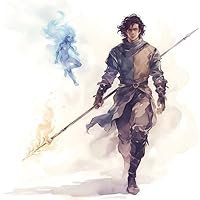
January 2, 2024
Vagabond Volume 1
Começando esse mangá aqui muitos dizem que é uma obra prima junto com Berserk e também é considerado uma dos melhores mangás de todos os tempos, Vagabond chegue a história de Takezo que busca se tornar um grande espadachim e também uma curiosidade é que esse mangá é baseado em um livro que foi escrito com base em um samurai que existiu de verdade então aqui acompanhamos uma figura histórica e depois que eu terminar os volumes com certeza vou ler esse livro enfim esse primeiro volume é muito bom com uma arte belíssima e uma introdução de mundo e personagens satisfatória.
Começando esse mangá aqui muitos dizem que é uma obra prima junto com Berserk e também é considerado uma dos melhores mangás de todos os tempos, Vagabond chegue a história de Takezo que busca se tornar um grande espadachim e também uma curiosidade é que esse mangá é baseado em um livro que foi escrito com base em um samurai que existiu de verdade então aqui acompanhamos uma figura histórica e depois que eu terminar os volumes com certeza vou ler esse livro enfim esse primeiro volume é muito bom com uma arte belíssima e uma introdução de mundo e personagens satisfatória.

July 27, 2020
My latest manga venture has turned out well so far ;)
Read
March 29, 2023One of the best first volumes of a manga I’ve read. Beautiful art work, engaging plot and a MC who I’m sold on for the journey ahead.
Displaying 1 - 30 of 1,217 reviews