

What do you think?

Purple America
Having fled his less than perfect home life years ago, Hal Raitcliffe returns to help his ailing mother after his stepfather walks out on her, but over the course of one weekend, Hal's good intentions wear thin as the family airs its grievances. 50,000 first printing. Tour.
298 pages, Hardcover
First published April 1, 1997
About the author
Rick Moody
172 books353 followersHiram Frederick Moody III is an American novelist and short story writer best known for the 1994 novel The Ice Storm, a chronicle of the dissolution of two suburban Connecticut families over Thanksgiving weekend in 1973, which brought him widespread acclaim, became a bestseller, and was made into the film The Ice Storm. Many of his works have been praised by fellow writers and critics alike.
Ratings & Reviews
Friends & Following
Create a free account to discover what your friends think of this book!
Community Reviews
Displaying 1 - 30 of 93 reviews

March 9, 2013
DEEP PURPLE
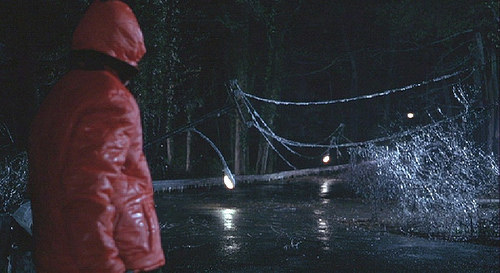
Immagini tratte dal film ‘The Ice Storm’ di Ang Lee, adattamento dell’omonimo romanzo di Rick Moody (1997). Peccato Ang Lee sciupi il suo bel talento visivo con frequenti eccessivi rigurgiti moralisti.
Le prime quattro pagine di questo libro, che in originale non è rosso ma è “Purple America”, e io leggendolo immagino un porpora più tendente al viola che al rosso, costituiscono un magnifico incipit, così bello che ho avuto voglia di leggerlo due volte di seguito, e raccontano in un’unica bellissima frase ossessiva, in un unico piano-sequenza, il lavaggio dolorosamente meticoloso di una vecchia tetraplegica da parte di suo figlio.
Cominciano così le trentasei ore più intense nella vita di Hex-Dexter, alcolizzato balbuziente e in odore d’impotenza, la cui prima parola di bambino paffuto e apprensivo, prima di mamma, prima di papà, perfino prima del nome della tata, era stata: “scusa” .
L’estensione temporale della narrazione è un weekend, tanto compatto e trascinante da sembrare una manciata di ore, una notte al massimo, non più.
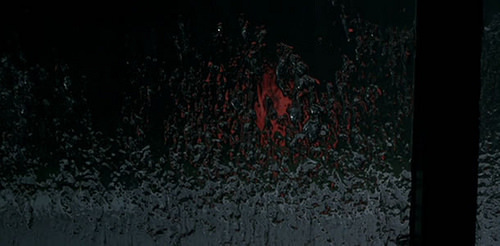
Siamo sulla costa del Connecticut, che non è il Maine, ma se anche qui organizzassero fiere dell’aragosta sullo stile di quella leggendaria che ha fornito il titolo a quel magnifico libro di DFW non mi stupirei affatto, anzi.

Cast notevole. Qui gli uomini: Kevin Kline, Tobey Maguire, Elijah Wood, Jamey Sheridan, Henry Czerny, John Benjamin Hickey, Byron Jennings
Rick Moody ha una passione intensa, un’attrazione irresistibile per il lato marginale della vita e della società: un amore particolare per le pecorelle smarrite direbbe lui stesso - per chi cammina on the wild side, per i malati i fragili i deboli i diversi, per le paranoie e le compulsioni che dovrebbero permettere di definire il concetto di normalità, che però nella sua umanità e nel suo universo non esiste.
Si avvicina a questi angeli caduti con un’empatia e una pietas più unica che rara: sembra indulgere, intingere la penna nel morboso, ma in realtà compartecipa e condivide – e mi porta con sé in fondo, sotto, dietro, nel nero, e dopo anche in cielo, vicino alla luce.
Mentre il figlio cerca di occuparsi della madre che è troppo malata per voler continuare a farlo, scoppia un incidente nucleare nella vicina centrale atomica: e il nucleare, la centrale, i sottomarini, attraversano l’intera storia qui raccontata, come se difendessero il benessere materiale, il confort della popolazione americana (i sottomarini nucleari continuano a salvaguardare il nostro inalienabile diritto alle sit-com sentimentali, scrive Moody).
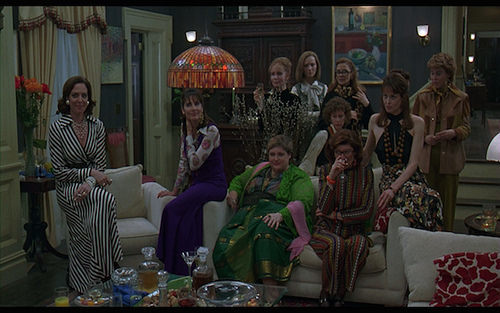
E qui il cast femminile. Sigourney Weaver, Joan Allen, Katie Holmes, Christina Ricci, Allison Janney, Kate Burton. Eccellente ricostruzione d’epoca, costumi, ambienti, pettinature, arredamento perfetti.
Mentre il figlio si prodiga intorno alla madre che è un corpo morto, e lui è maldestro, farfugliante, in perenne stato di nebbia etilica, la tentazione di considerarlo un figliol prodigo e come se ne vorrebbero viene sconfitta subito da Moody proprio alla fine dell’incipit: e se costui è un eroe, allora gli eroi sono a bizzeffe, e il mondo ne è pieno, come lo è di cani randagi, gomme lisce e chiavi smarrite.
Tutto questo alternando linguaggi come se fossero tessere dello stesso mosaico, come cambiando l’immagine di un caleidoscopio con un semplice mezzo giro, a costruire e ispessire la densità: si passa da quello di narratore, terzo e occhio super partes (in realtà totalmente inter partes), a quello scientifico a quello legale a quello cronachistico al dialogo al corsivo al… al Bello.
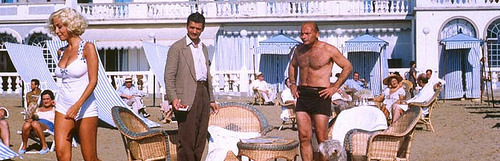
”Americano rosso” [1991] il primo film diretto da Alessandro D’Alatri, forse il suo migliore, che con il romanzo di Moody non ha nulla a che fare.
Immagini tratte dal film ‘The Ice Storm’ di Ang Lee, adattamento dell’omonimo romanzo di Rick Moody (1997). Peccato Ang Lee sciupi il suo bel talento visivo con frequenti eccessivi rigurgiti moralisti.
Le prime quattro pagine di questo libro, che in originale non è rosso ma è “Purple America”, e io leggendolo immagino un porpora più tendente al viola che al rosso, costituiscono un magnifico incipit, così bello che ho avuto voglia di leggerlo due volte di seguito, e raccontano in un’unica bellissima frase ossessiva, in un unico piano-sequenza, il lavaggio dolorosamente meticoloso di una vecchia tetraplegica da parte di suo figlio.
Cominciano così le trentasei ore più intense nella vita di Hex-Dexter, alcolizzato balbuziente e in odore d’impotenza, la cui prima parola di bambino paffuto e apprensivo, prima di mamma, prima di papà, perfino prima del nome della tata, era stata: “scusa” .
L’estensione temporale della narrazione è un weekend, tanto compatto e trascinante da sembrare una manciata di ore, una notte al massimo, non più.
Siamo sulla costa del Connecticut, che non è il Maine, ma se anche qui organizzassero fiere dell’aragosta sullo stile di quella leggendaria che ha fornito il titolo a quel magnifico libro di DFW non mi stupirei affatto, anzi.
Cast notevole. Qui gli uomini: Kevin Kline, Tobey Maguire, Elijah Wood, Jamey Sheridan, Henry Czerny, John Benjamin Hickey, Byron Jennings
Rick Moody ha una passione intensa, un’attrazione irresistibile per il lato marginale della vita e della società: un amore particolare per le pecorelle smarrite direbbe lui stesso - per chi cammina on the wild side, per i malati i fragili i deboli i diversi, per le paranoie e le compulsioni che dovrebbero permettere di definire il concetto di normalità, che però nella sua umanità e nel suo universo non esiste.
Si avvicina a questi angeli caduti con un’empatia e una pietas più unica che rara: sembra indulgere, intingere la penna nel morboso, ma in realtà compartecipa e condivide – e mi porta con sé in fondo, sotto, dietro, nel nero, e dopo anche in cielo, vicino alla luce.
Mentre il figlio cerca di occuparsi della madre che è troppo malata per voler continuare a farlo, scoppia un incidente nucleare nella vicina centrale atomica: e il nucleare, la centrale, i sottomarini, attraversano l’intera storia qui raccontata, come se difendessero il benessere materiale, il confort della popolazione americana (i sottomarini nucleari continuano a salvaguardare il nostro inalienabile diritto alle sit-com sentimentali, scrive Moody).
E qui il cast femminile. Sigourney Weaver, Joan Allen, Katie Holmes, Christina Ricci, Allison Janney, Kate Burton. Eccellente ricostruzione d’epoca, costumi, ambienti, pettinature, arredamento perfetti.
Mentre il figlio si prodiga intorno alla madre che è un corpo morto, e lui è maldestro, farfugliante, in perenne stato di nebbia etilica, la tentazione di considerarlo un figliol prodigo e come se ne vorrebbero viene sconfitta subito da Moody proprio alla fine dell’incipit: e se costui è un eroe, allora gli eroi sono a bizzeffe, e il mondo ne è pieno, come lo è di cani randagi, gomme lisce e chiavi smarrite.
Tutto questo alternando linguaggi come se fossero tessere dello stesso mosaico, come cambiando l’immagine di un caleidoscopio con un semplice mezzo giro, a costruire e ispessire la densità: si passa da quello di narratore, terzo e occhio super partes (in realtà totalmente inter partes), a quello scientifico a quello legale a quello cronachistico al dialogo al corsivo al… al Bello.
”Americano rosso” [1991] il primo film diretto da Alessandro D’Alatri, forse il suo migliore, che con il romanzo di Moody non ha nulla a che fare.

August 7, 2013
Il titolo originale è Purple American. Nonostante sia stato usurpato dal rosso, nell'edizione italiana quel porpora, quel viola, quel rosso malaticcio, vittoriano, così carico, ha modo di scaturire a più riprese e di inondare lo sguardo del lettore. Il titolo contiene già in sé tutte le perfezioni del romanzo. Un "purple" che già al suono sembra suggerire la malattia, la morte, il degrado. Perché il viola è quasi un rosso deformato. Ti ipnotizza e dentro c'è tutto. Eros e thanatos. Queste due pulsioni ancestrali che lottano in un orizzonte di desolazione postindustriale.
Rosso Americano è un racconto condensato di 48 ore della vita di Dexter Raitliffe, uomo di mezza età, costretto a ritornare nella cittadina in cui è cresciuto per prendersi cura della madre, Billie, rimasta sola. "Ma' Raitliffe"è malata. Costretta in un letto, paralizzata, ha bisogno di costanti cure e attenzioni. Mentre Dexter deve fare i conti con il precipitare della malattia materna, scoppia un incidente in una centrale nucleare. In che modo la fuga radioattiva è intrecciata alle vicende della famiglia Raitliffe?
La geometria del romanzo è disegnata su un triangolo: malattia-nuclearizzazione-senso di colpa. Due filoni narrativi: quello della malata degente, Billie, accudita dal figliol prodigo, Hex, e quella di Lou, marito e patrigno in fuga, coinvolto in un incidente nucleare. La narrazione binaria è unificata dal senso di colpa, sentimento che pervade ogni sillaba di questo tortuoso romanzo.
Come delle schegge impazzite continuiamo a rimbalzare in questo tossico perimetro chiuso, da un angolo all'altro del triangolo: l'ambiente contaminato dalle radiazioni che genera la malattia che genera il senso di colpa.
La scrittura di Moody è caleidoscopica. Adotta un realismo acido, corrosivo che, naturalmente finisce per mescolare dettagli grotteschi e parossistici ad elementi classici simbolici (ritorna continuamente l'immagine del bagno, simbolo di purezza ma anche di morte). L'uso della lingua è magnifico, pieno di sfumature. Ogni situazione è descritta attraverso una prospettiva inedita che mira a negare ogni descrizione fedele alla consuetudine, bandita la normalità. Mi ha ricordato molto Palahniuk. Solo che Moody è migliore. Migliore perché ha un respiro più ampio, meno frammentato, meno scandalistico. Più labirintico. Più vicino ai personaggi. Ecco, sì, i personaggi.
Hex e Billie. Il figlio e la Madre. Questa è la storia più antica del mondo. Di come gli esseri umani siano lontani anni luce, di come la più semplice delle comunicazioni risulta impossibile. Moody estrinseca il tema attraverso mortificanti processi fisici: da un lato la madre, a causa della sua malattia, sta perdendo la voce, unico baluardo di civiltà, di resistenza contro la passività che si sta impadronendo di lei. Si rifiuta di farsi aiutare dalla voce artificiale e preimpostata di un computer. Non vuole rassegnarsi al processo umiliante di reificazione a cui va inevitabilmente incontro. "Il mio corpo, il mio povero corpo" diventa una nenia ossessiva, un sottotitolo a tutte le sue non-azioni. Dall'altro lato, anche il figlio è condannato all'incomunicabilità, vittima di una più "normale" balbuzie. Queste due isole, queste due solitudini sono il cuore del romanzo. La madre che chiede un gesto di pietà, con tutti gli sforzi che le costa articolare una semplice richiesta. Si affaccia così il fantasma dell'eutanasia. Hex non comprende, non accoglie, non accetta.
Come potrebbe? Ingombrato da un complesso edipico enorme, alcolizzato e incapace di instaurare rapporti umani solidi.
"Come fa la gente ad invecchiare? A mettere la testa a posto?".
"Le uniche parole che vengono facili da dire ad Hex Raitcliffe sono, in sostanza, parole di scusa".
Moody sembra scegliere per il suo romanzo delle situazioni limite, delle esistenze estreme, ai margini. La verità però è ribaltata. In realtà, tutti siamo malati. Hex e Billie sono soltanto due esempi. La malattia ci circonda perché viviamo in un ambiente contaminato. Ecco che l'apparente narrazione secondaria (quella della fuga radioattiva) trova la sua perfetta collocazione, il suo esatto significato. L'America è sciupata, consumata. Una critica caustica all'indifferenza, ai paradisi artificiali di cui noi Occidentali siamo i più famelici divoratori. Moody con il suo sarcasmo impietoso ci elenca, come un dottore ghignante, i sintomi della nostra malattia. "Il nostro diritto inalienabile alle sit-com", i cibi di plastica, lo stordimento quotidiano legalizzato di alcool e barbiturici, il nostro dimenticare continuo e incessante.
Incredibile come da un romanzo così chimico, così artificiale scaturisca così potente la compassione, la partecipazione al dolore, la comprensione totale della sofferenza. Tutti abbiamo il nostro Inferno. E Moody ce lo mostra. Un formidabile fuoriclasse, di razza bastarda che ci fa commuovere e incazzare. Uno degli scrittori della vita.
Se potessi scegliere un'immagine da allegare al post, metterei una scena del romanzo. Difficile da commentare. Un penoso bacio su un molo che si affaccia su un cantiere dove costruiscono sottomarini militari. "Un'avventura sentimentale contemporanea, monumento a tutto ciò che c'è di grande tra gli americani, l'Electric Boat, divisione della General Dynamics Corporation (...) dove i residui lavoratori timbrano il cartellino per edificare armi di distruzione". Uno sfondo post-industriale degradato su cui questi due manichini cercano un appiglio in un mare di impotenza.
P.S. Le prime due pagine del romanzo sono una poesia. Un lunghissimo periodo in cui c'è davvero tutto.

February 11, 2008
Rick Moody, Purple America (Back Bay Books, 1997)
When Rick Moody released The Ice Storm a few years back, he was heralded as the next big thing in the publishing business. Then Ang Lee got ahold of it and made it into a box-office flop that garnered critical acclaim from here to tomorrow, and is widely considered one of the finest films of the nineties that no one actually saw.
Moody's followup is Purple America, and it's horrible. Unreadably thick prose with no letup. Where most trade paperbacks clock in at a minute and a half or so per page for me, I was spending ten to twenty minutes a page on this, and that's without the patented Julia Kristeva "dictionary by the side to look up every third word" necessity. It's just plain hard to read. And it shouldn't be-- it's a pretty simple story about a guy called home to care for his ailing mother. It's not necessarily bogged down by philosophy, or by reflection, or any of the things that make bogging down worthwhile; it's just hard to read. There's no real reason for it I can put my finger on. I even gave it a second (and a third and a fourth) chance thanks to a raging endorsement from Barry Hannah, one of the handful of authors who's actually written a truly perfect novel (The Tennis Handsome), but I finally ended up throwing it onto the fire to combat the high cost of heating the apartment with gas. (zero)
When Rick Moody released The Ice Storm a few years back, he was heralded as the next big thing in the publishing business. Then Ang Lee got ahold of it and made it into a box-office flop that garnered critical acclaim from here to tomorrow, and is widely considered one of the finest films of the nineties that no one actually saw.
Moody's followup is Purple America, and it's horrible. Unreadably thick prose with no letup. Where most trade paperbacks clock in at a minute and a half or so per page for me, I was spending ten to twenty minutes a page on this, and that's without the patented Julia Kristeva "dictionary by the side to look up every third word" necessity. It's just plain hard to read. And it shouldn't be-- it's a pretty simple story about a guy called home to care for his ailing mother. It's not necessarily bogged down by philosophy, or by reflection, or any of the things that make bogging down worthwhile; it's just hard to read. There's no real reason for it I can put my finger on. I even gave it a second (and a third and a fourth) chance thanks to a raging endorsement from Barry Hannah, one of the handful of authors who's actually written a truly perfect novel (The Tennis Handsome), but I finally ended up throwing it onto the fire to combat the high cost of heating the apartment with gas. (zero)

September 1, 2008
One of my favorite opening chapters of a novel.

Did Not Finish
September 18, 2025I sadly couldn’t finish this book. I was really excited because to look at a perspective of assisted suicide and the internal struggle with it. But the book moves so slow, I was falling asleep every four pages. The language used felt like the author was trying so hard to make it interesting he used as many big words as possible and it just droned on.
March 4, 2011
Clearly, Rick Moody is a talented writer. At times he shows tremendous insight, and expands writing techniques to illuminate the mood of his novels. He has a unique point of view, loves language has and definately has earned a place in the list of significant authors of his time. That is why i was left frustrated after completeing Purple America.
From the beginning of Purple America you see parallels and common themes from his other work "Garden State" Too similar at points. Some characters seem to be cut from the same cloth: A son coming home to a home he doesn't know anymore, to deal with a crippled mother (garden state she had just died), finds a connection to his high school days, has father issues. Unlike Garden State however, there is no redemtion here.
And unfortunately i found little redemtion in this novel. The writing is there, the story is there, but it seems that this was printed from the manuscript unedited. The writing style changes often and without warning or cause, there are character inconsistencies throughout and besides the few main characters, little or no motivation for the actions or unsolicited thoughts from some of the players. I particularly point out the policeman in the final scene that throws out a few judgmental thoughts that don't add to his character or move the pot along.
The final letter from his real father is another example. The book ends with this letter as if we've been hearing from him the entire time. Its in fact only the second letter from him in the story. It didn't tie up any loose ends or complete any thematic string that i saw.
Either the author and the editor didn't see eye to eye or one of them fell asleep at the switch. There was a great manuscript to work with here, it was just not developed.
From the beginning of Purple America you see parallels and common themes from his other work "Garden State" Too similar at points. Some characters seem to be cut from the same cloth: A son coming home to a home he doesn't know anymore, to deal with a crippled mother (garden state she had just died), finds a connection to his high school days, has father issues. Unlike Garden State however, there is no redemtion here.
And unfortunately i found little redemtion in this novel. The writing is there, the story is there, but it seems that this was printed from the manuscript unedited. The writing style changes often and without warning or cause, there are character inconsistencies throughout and besides the few main characters, little or no motivation for the actions or unsolicited thoughts from some of the players. I particularly point out the policeman in the final scene that throws out a few judgmental thoughts that don't add to his character or move the pot along.
The final letter from his real father is another example. The book ends with this letter as if we've been hearing from him the entire time. Its in fact only the second letter from him in the story. It didn't tie up any loose ends or complete any thematic string that i saw.
Either the author and the editor didn't see eye to eye or one of them fell asleep at the switch. There was a great manuscript to work with here, it was just not developed.

August 23, 2007
When Rick Moody is good, I don't grudge him that. Unfortunately, in this book, he is not good. At all. His usual forte is writing unsympathetic characters in a manner that holds a reader's interest despite themselves, but he doesn't pull it off here. Instead it's just creepy, and not in a can't look away from the car accident awesome way like Ice Storm... just kinda sad and gross in a way that makes you feel as bad for the person who wrote the book as the incredibly unsympathetic characters.

June 11, 2007
I must be a total loser but when I read this about eight years ago I really loved the opening bit with the whosoever washes their ill mother in the bathtub stuff and thereafter was into it. I don't hate Moody as much as the rest of the world, maybe . . .
January 4, 2008
One of the books that I read in high school that made me want to become a writer.

August 13, 2013
(4.2/5.0) Rick Moody invented 90's hyper realism. Give the man some credit. The detail here, the precision of observation and the generosity of description are just incredible. Slog through the first few chapters (If thee...blah, blah, prize pandering bullshit, blah), and then you'll discover his strongest prose.

September 21, 2009
One of the best written books I've ever read. Not easy to read due to vocabulary and the most interesting way of phrasing that author uses. This book is for those who like to think while they read.
-Joe-
-Joe-

October 15, 2024
I wanted to like this book. We studied the first miraculous chapter in my masters and I found it extraordinary in its portentous King James Bible cadences. Sadly the book fell off a cliff after this.
Pages and pages of unending paragraphs, gruelling details of the functionality of nuclear power plants, the main character repulsive in his stuttering alcoholism. In fact, not a likeable character to be seen.
I'm sure there must be some deep symbolic truths in this novel somewhere and the author has a snide cleverness that has to be admired on occasion, but the telling is so dense and self indulgent as to be almost impenetrable. It was suggested to me that the profusion of purple in the story might be some comment on swinging politically...I can't say I care if it is. One of those books the literati rave about like some abstruse piece of modern art. Well they can have it.
Horrendous. I'm glad it's over!
(And why this review is auto-labelled a spoiler alert I do not know. Is it a spoiler to tell you it's bad???)
Pages and pages of unending paragraphs, gruelling details of the functionality of nuclear power plants, the main character repulsive in his stuttering alcoholism. In fact, not a likeable character to be seen.
I'm sure there must be some deep symbolic truths in this novel somewhere and the author has a snide cleverness that has to be admired on occasion, but the telling is so dense and self indulgent as to be almost impenetrable. It was suggested to me that the profusion of purple in the story might be some comment on swinging politically...I can't say I care if it is. One of those books the literati rave about like some abstruse piece of modern art. Well they can have it.
Horrendous. I'm glad it's over!
(And why this review is auto-labelled a spoiler alert I do not know. Is it a spoiler to tell you it's bad???)
This entire review has been hidden because of spoilers.

Read
November 10, 2008Moody also wrote The Ice storm. Like The Ice Storm- Purple America takes place in Southern CT along the shore- in the Old Saybrook- Madison- Niantic- sort of area. Every time I'm driving the Merritt Parkway around the Norwalk area- I think of The Ice Storm (I've only seen the movie). I didn't completely get Purple America. The writing was intelligent and fluid. It moved me right along. The characters are nicely developed (for me- anyway). But they're dark- flawed. Uncomfortably flawed. The story is about a 37ish year old alcoholic whose father died of a massive hemorrhage (in a church basement) when he was like 7 or something. The mother continues living in the big stone house they bought-marries again- and develops a neurologically degenerative disease. Her body is shot. The 2nd husband works at the local nuclear power plant- is asked to take the fall for some problem- resigns- and attempts to run away- leaving his wife. The son shows up for the weekend (the story takes place over a weekend) and all kinds of stuff happens- including him getting together with the girl he lusted after in 9th grade- his mother being taken to the hospital by EMTs- and him drinking more alcohol than seems humanly possible. Nuclear energy is a major theme throughout. The original father worked on atomic weapons in the 40s and the new father was a supervisor at one of CTs nuclear power plants (which has a minor accident during the story). I'm not sure what the point of the nuclear energy stuff is- except that maybe it's responsible for some genetic defects in the son (Dexter- or Hex as he's known) that's causes him to drink too much and stutter relentlessly. Stylistically-Moody does some interesting things. Occasionally he'll write paragraphs that run a couple of pages. But they move. They sweep you right along- like paddling a canoe down-stream. The stuttering got a little annoying at times p p p p lease d d d don't you know m m m m y- that sort of thing. I also like the way he works back story in throughout the book at strategic locations. His timing is perfect and the bit and pieces he releases help fill out the story nicely. My biggest complaint is I didn't get the whole point. I understand about the drama of the human condition- but the rest of it- the nuclear part- I didn't get.

February 27, 2011
I have read a lot of mixed reviews on this book, but I must say that for the most part I loved it. It was the first book by Moody I have ever read, and I was stunned and enchanted by his consistent use of original descriptives and emotional tension.
As someone who has recently dealt with a huge loss in my life I related somewhat to the protagonist, Hex, a man in his late thirties who hasn't done much with his life and is called home to care for his very sick mother. Moody captures the mood (no pun intended) here perfectly. Throughout the book, all of the characters go through several changes of heart...big, huge whiplashes in decision making, and Moody pulls the reader into their dilemmas, which is something that is so difficult to do as a writer. I felt empathy for all of the characters in this book.
I will say that the second to last chapter could have been the last, although I see what Moody was trying to do. Also, the use of italics was, well, a little bit excessive. But those are both small things compared to the weight of the words, emotions, and happenings contained in this book. If you aren't willing to read about regular people who have been crushed by life dealing with difficult things, then don't read the book, but to me it highlighted the humanness of all of us, the way human regret, make rash decisions, and are all just looking for love. I loved this book.
As someone who has recently dealt with a huge loss in my life I related somewhat to the protagonist, Hex, a man in his late thirties who hasn't done much with his life and is called home to care for his very sick mother. Moody captures the mood (no pun intended) here perfectly. Throughout the book, all of the characters go through several changes of heart...big, huge whiplashes in decision making, and Moody pulls the reader into their dilemmas, which is something that is so difficult to do as a writer. I felt empathy for all of the characters in this book.
I will say that the second to last chapter could have been the last, although I see what Moody was trying to do. Also, the use of italics was, well, a little bit excessive. But those are both small things compared to the weight of the words, emotions, and happenings contained in this book. If you aren't willing to read about regular people who have been crushed by life dealing with difficult things, then don't read the book, but to me it highlighted the humanness of all of us, the way human regret, make rash decisions, and are all just looking for love. I loved this book.

April 16, 2010
Purple America by Rick Moody was a novel that enraged me. He's been compared to one of my favorites, John Cheever, by many well-meaning critics, but rather than a young writer taking some cues from Cheever's careful and lightly applied poetry and sentiment as regards infidelity, alcoholism, insanity and lurking bi-sexuality, Moody is as effusive as busted water main.
All of the previously described elements are there, but without Cheever's wit, irony or craft. None of his grace, either. Moody is one of these young novelists who are in a hurry to cram the world into each paragraph, with the goal being not to persuade the reader to go along with a story but rather to make the telling as intense as possible.
This is the kind of ham handed narrative style that is a prose equivalent of an Oliver Stone movie, the uneasy work of an artist obsessed with keeping their "edge". Moody may have kept his edge, suggested by the jittery run-on disasters this rag of a novel lays out, but it's nothing worth sitting down for. The novel , though, is worth throwing away.
All of the previously described elements are there, but without Cheever's wit, irony or craft. None of his grace, either. Moody is one of these young novelists who are in a hurry to cram the world into each paragraph, with the goal being not to persuade the reader to go along with a story but rather to make the telling as intense as possible.
This is the kind of ham handed narrative style that is a prose equivalent of an Oliver Stone movie, the uneasy work of an artist obsessed with keeping their "edge". Moody may have kept his edge, suggested by the jittery run-on disasters this rag of a novel lays out, but it's nothing worth sitting down for. The novel , though, is worth throwing away.

February 6, 2018
Purple America is a dense treatise on wasted potential and dysfunctional relationships. Tragic at times, but punctuated with darkly comedic moments, fans of the films of Darren Aronofsky or the Coen brothers could find much to appreciate.
There's a profound absurdity to the life of Dexter "Hex" Raitliffe. The curse of his mother's projections has dominated his life since the death of his father, Allen, so many years ago. That curse has weighed upon him for three decades - he is an ineffective publicist, son, and lover. He's also a stammering alcoholic.
Barbara "Billie" Raitliffe, Hex's mother, has only catalyzed the social paralysis of her son by shepherding him through a privileged life - speaking with his teachers, coaches, etc. in order to not upset him and push him too far away. Although a pale comparison to the giant, sinewed masculine figure of his father, Hex is all that Billie has left of her ex-husband.
The irony is thick, and something that many parents and children can relate to, as her attempts at keeping him happy in life only succeed in pushing him to peaks of irrelevance and alcoholism. Now, ravaged by a neurodegenerative condition, she defaults to what should be key in the toolbox of every mother and father - pushing her child to do better.
Billie has entered the end stages of her disease and wants to reclaim some control and dignity. She wants to go out on her own terms, and needs her son to assist her. Lou Sloane, Billie's current husband, has been worn down by her attitudes and her condition, and had abandoned her.
If it seems absurd, well - that's because it is. From the bruise-colored interior of the house on Flagler Drive, to Lou's "Dear Jane" letter, a harbor tainted with radioactive waste, to Hex's attempts at satisfying his mother's wish, Purple America is at its best when it dives into the everyday absurd.
The Purple America that he writes about is less a statement on political discourse, as it might be framed 20 years after the novel was published, and lends itself to the illogical intimacies that sometimes rule family interactions and how they impact people on a day-to-day basis.
Moody's experimental prose isn't as effective as, say, Faulkner or McCarthy but when he backs away he paints a vivid picture of the behind-the-scenes forces that compel people to struggle or thrive. Much like his previous works, Moody tears away the contrivances of familial relationships and presents the reader with intensely flawed characters that, in all regards, probably hit closer to home than any of us are willing to admit.
There's a profound absurdity to the life of Dexter "Hex" Raitliffe. The curse of his mother's projections has dominated his life since the death of his father, Allen, so many years ago. That curse has weighed upon him for three decades - he is an ineffective publicist, son, and lover. He's also a stammering alcoholic.
Barbara "Billie" Raitliffe, Hex's mother, has only catalyzed the social paralysis of her son by shepherding him through a privileged life - speaking with his teachers, coaches, etc. in order to not upset him and push him too far away. Although a pale comparison to the giant, sinewed masculine figure of his father, Hex is all that Billie has left of her ex-husband.
The irony is thick, and something that many parents and children can relate to, as her attempts at keeping him happy in life only succeed in pushing him to peaks of irrelevance and alcoholism. Now, ravaged by a neurodegenerative condition, she defaults to what should be key in the toolbox of every mother and father - pushing her child to do better.
Billie has entered the end stages of her disease and wants to reclaim some control and dignity. She wants to go out on her own terms, and needs her son to assist her. Lou Sloane, Billie's current husband, has been worn down by her attitudes and her condition, and had abandoned her.
If it seems absurd, well - that's because it is. From the bruise-colored interior of the house on Flagler Drive, to Lou's "Dear Jane" letter, a harbor tainted with radioactive waste, to Hex's attempts at satisfying his mother's wish, Purple America is at its best when it dives into the everyday absurd.
The Purple America that he writes about is less a statement on political discourse, as it might be framed 20 years after the novel was published, and lends itself to the illogical intimacies that sometimes rule family interactions and how they impact people on a day-to-day basis.
Moody's experimental prose isn't as effective as, say, Faulkner or McCarthy but when he backs away he paints a vivid picture of the behind-the-scenes forces that compel people to struggle or thrive. Much like his previous works, Moody tears away the contrivances of familial relationships and presents the reader with intensely flawed characters that, in all regards, probably hit closer to home than any of us are willing to admit.

July 15, 2020
Gosh this book was beautiful. If you want a book to inspire you to be a writer, read this one.
It starts with an homage to language. The son, Hex, helps his sick mother from the bath and the writer, the genius Rick Moody, shows us this struggle by repeating a carefully constructed syntax.
The book is sophisticated, weaving narrations of an exploding power plant with the explosions of a sick mother yearning to die, in some sense both the mother and the power plant are needing to drift out to sea.
Moody is able to swiftly dart us back and forth between the present day: Hex's stumbling drunk relationship with his high school crush, Jane, a woman who is accidentally meets in a dive bar (while his mother's body leaks urine in the restaurant's booth) and the past: an upperclass WASP life of New England White entitlement (Moody could do better with race in this book. The White characters are written without racial signifiers while the Black characters always are signified).
Jane appears as an angelic, sympathetic "good daughter," the kind that mothers of sons sometimes long for. Only she doesn't help Billie, the mother, but rather hurt her, accidentally, putting her in the hospital, the last place she wants to go.
I won't explain the rest but the plot adds to the beauty of the book. The plot becoming a device to get the reader to see a kind of "memento mori," remember you will die. And to get us to see that we are all a series of imperfect systems. The body, like the power plant, is not able to be perfectly controlled. Parts break. Lines leak. We age and rust and cause burdens to the people around us.
However, this is a story of hope, in some strange way. The hope of freedom for Dexter. The hope that he will, in the end, swim to some kind of freedom, even if that freedom is in a prison. He will be free from the confines of childhood, of a never relenting speech impediment, of alcoholism. For this is the story of Dexter, a character who will be saved in the end, free from the shell his mother has made for him, free to, like the radical ions that his father made, to combust beautifully.
It starts with an homage to language. The son, Hex, helps his sick mother from the bath and the writer, the genius Rick Moody, shows us this struggle by repeating a carefully constructed syntax.
The book is sophisticated, weaving narrations of an exploding power plant with the explosions of a sick mother yearning to die, in some sense both the mother and the power plant are needing to drift out to sea.
Moody is able to swiftly dart us back and forth between the present day: Hex's stumbling drunk relationship with his high school crush, Jane, a woman who is accidentally meets in a dive bar (while his mother's body leaks urine in the restaurant's booth) and the past: an upperclass WASP life of New England White entitlement (Moody could do better with race in this book. The White characters are written without racial signifiers while the Black characters always are signified).
Jane appears as an angelic, sympathetic "good daughter," the kind that mothers of sons sometimes long for. Only she doesn't help Billie, the mother, but rather hurt her, accidentally, putting her in the hospital, the last place she wants to go.
I won't explain the rest but the plot adds to the beauty of the book. The plot becoming a device to get the reader to see a kind of "memento mori," remember you will die. And to get us to see that we are all a series of imperfect systems. The body, like the power plant, is not able to be perfectly controlled. Parts break. Lines leak. We age and rust and cause burdens to the people around us.
However, this is a story of hope, in some strange way. The hope of freedom for Dexter. The hope that he will, in the end, swim to some kind of freedom, even if that freedom is in a prison. He will be free from the confines of childhood, of a never relenting speech impediment, of alcoholism. For this is the story of Dexter, a character who will be saved in the end, free from the shell his mother has made for him, free to, like the radical ions that his father made, to combust beautifully.
December 30, 2020
never read a book so keen on dramatic scenes, what's more describing these scenes from usually more than one perspective while keeping a fantastically detailed third person going that fills in gaps, excellent if occasionally over the top, too detailed in places on mundane not all too pertinent things, find myself getting more and more ornery about narratives trying to concern me with the travails of the well-to-do, i mean i know they can suffer too but mostly i just thought ol hex or dex (never explained the name) was pretty damn pathetic, ailing ma raitliffe i could sympathize with only in contrast with her son really otherwise she's pretty sucked up into her own troubles selfishly oblivious at times but also humorously rascally, lou sloane i found the most pathos in though a lot of that gets squandered by moody bogging down his sections with arcane info on the spill and radiation and whatnot. ice storm more compact i would say but still i'd rate this as a step up in terms of scale but also technical grace and the language is a joy to behold throughout, really verbose yet everything hits at illustrating the drama. this one begs to be a movie but i'm certainly not gonna seriously suggest anyone do moody like that after the ice storm adaptation. can't really say what the caveat is with adapting but i will say i want to get down to the bottom of it before going near doing it myself.
January 20, 2023
You ever think you're pretty talented at something, and then someone comes along and just blows you the fuck out of the water in every category? That's how I feel about Rick Moody. I read Garden State in High School and it set me on the path to hyper-realism I try to encapsulate in my own writing. Now reading Purple America (with The Ice Storm about halfway through) I realize just how fucked I am. The man cannot miss. HIs character studies are perfected to the atom. His dialogue has a lyrical quality of a church hymn while being the most simplistic and mundane conversations. His prose is biblical, his imagery grotesque and picturesque sometimes in the same sentence. Despite this flowing, twisting, turning and spiraling narrative he maintains a watertight efficiency where nothing is wasted. I'm in genuine awe at the opening chapter, a beautiful and somber portrayal of love for one's mother. This is not even getting into the themes. Of death and decay and love and sacrifice and fear and doubt and intimacy and the sense of being trapped. Trapped by duty and vice and circumstance. Forget all the self help books (save for maybe John Gardner) on writing, this is the kind of book you read to become a writer worth your weight in gold.

May 22, 2024
In execution the story is pretty much perfect. Yeah a few scenes oustay their welcome slightly but everything is very tightly woven. Then there’s the prose.
I have such as complicated relationship with it. In one way given the mundanity of the plot I could see why Moody wanted to use the prose style used, somewhat reminiscent of gothic novels but applied to the American suburbs alongside a lake of verbosity. It gives the story its own unique flavour as well as drawing out as much material possible. However this leaves the characters somewhat at a distance which makes this novel almost perform a 180 and the book, especially the prose starts to feel aggravating at times due to the somewhat disconnect I had with the characters which feels at odds with the subject matter of this book
I have such as complicated relationship with it. In one way given the mundanity of the plot I could see why Moody wanted to use the prose style used, somewhat reminiscent of gothic novels but applied to the American suburbs alongside a lake of verbosity. It gives the story its own unique flavour as well as drawing out as much material possible. However this leaves the characters somewhat at a distance which makes this novel almost perform a 180 and the book, especially the prose starts to feel aggravating at times due to the somewhat disconnect I had with the characters which feels at odds with the subject matter of this book

July 26, 2023
What an exceptional novel this is. What I admire so much about it is the intense level of detail Moody brings to the setting and his characters’ flaws and neuroses. He renders intense sensations of loss, guilt, shame, and despair to an almost unbearable degree. Hex’s many shortcomings and betrayals of those he professes to love are the main examples of how deep the novel goes, and as a depiction of failed manhood and misused privilege “Purple America” holds its own against the likes of Roth, Cheever, and Updike. There is leakage of various kinds throughout it, and I struggled to figure out what those leakages amounted to thematically.
July 8, 2019
It's July so I am starting on my "book sale" books, which are always an interesting mix. The summer book sales are full classics as well as the bestsellers and critics picks from approx 10-20 years ago. Many don't age well; some are surprisingly on point to the current state of the world: Purple America is a bit of both. Two stars because I can't really recommend, but not a total loss. The book has many narrators and sometimes it comes together, but mostly not. Nuclear power is bad and families hurt each other.

August 11, 2017
il libro in se non è male, anzi è difficile non affezionarsi ad una buona parte dei personaggi, ma stenta a decollare e nonostante un inizio epocale (la definizione di eroe è totalmente condivisibile, senza se e senza ma), poi ho trovato difficoltà ad andare avanti...ma dalla metà in poi (specie dal capitolo scritto come se fosse un referto medico) diventa più scorrevole e interessante.
in ogni modo da far leggere al prossimo che viene a parlare di ritorno al nucleare...
in ogni modo da far leggere al prossimo che viene a parlare di ritorno al nucleare...

June 14, 2018
If Truman Capote and Denis Johnson had come together to write a novel, and a well-meaning but artless editor had come through to attempt to mesh their styles in a way that dulled down both and elevated the characters nobody could particularly like... this might be the result.
It's well-written and carefully put together, but I can't actually say that I enjoyed it. So, no, I wouldn't recommend it.
It's well-written and carefully put together, but I can't actually say that I enjoyed it. So, no, I wouldn't recommend it.

February 5, 2021
When the nuclear family goes nuclear. Very different from Moody’s earlier publications, though containing a similar proportion of humour to grimness. Ulysseslike in the stylistic shifts of his characters’ internal monologues and their peregrinations through and around East Lyme, Connecticut.
November 4, 2025
Incipit bellissimo . il ritmo parte lento ma gradualmente ingrana fino ad arrivare al culmine per poi finire un po scialbo.un continuo sali scendi insomma.
i personaggi, Hex su tutti, sono ben delineati tali da provare empatia.Nella scrittura tanta carnalità
i personaggi, Hex su tutti, sono ben delineati tali da provare empatia.Nella scrittura tanta carnalità
June 20, 2018
very interseting book, although faded at the end. Very pretty but sometimes overwhelming writing, and a great character study.

April 24, 2021
Difficult to get into, but well worth continuing with this heartfelt mother and son who are at the end of their tether. Brilliant!

February 24, 2024
I was mildly interested through most of the book, but I truly couldn't see how it could possibly end the way it did. Oh, well.

March 6, 2024
Uno degli incipit più belli che abbia mai letto.
Displaying 1 - 30 of 93 reviews