What do you think?
Rate this book


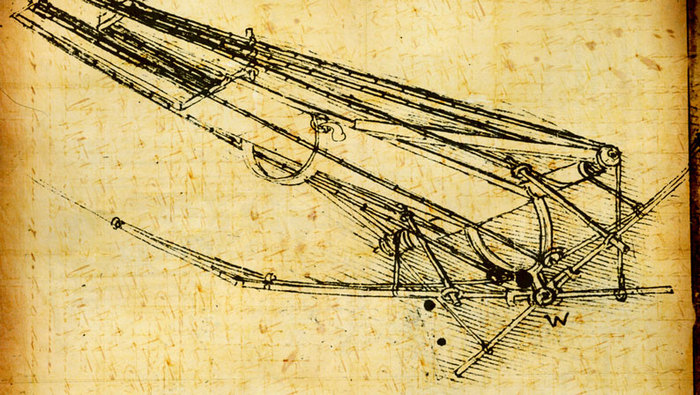
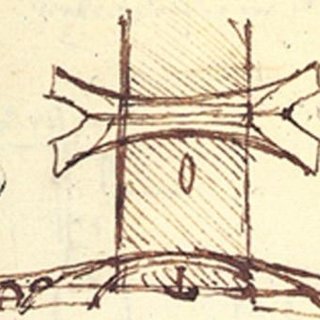
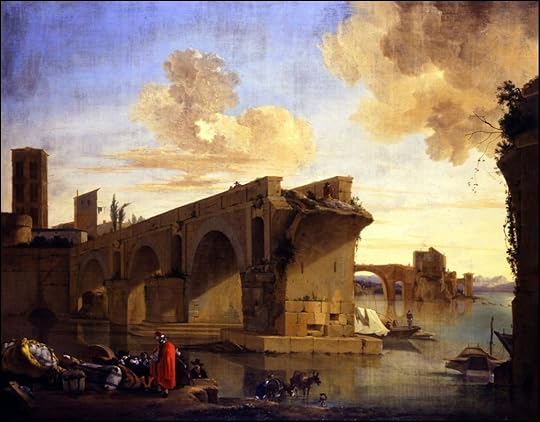
In 1506, Michelangelo – a young but already renowned sculptor – is invited by the sultan of Constantinople to design a bridge over the Golden Horn. The sultan has offered, alongside an enormous payment, the promise of immortality, since Leonardo da Vinci’s design was rejected: ‘You will surpass him in glory if you accept, for you will succeed where he has failed, and you will give the world a monument without equal.’ Michelangelo, after some hesitation, flees Rome and an irritated Pope Julius II – whose commission he leaves unfinished – and arrives in Constantinople for this truly epic project. Once there, he explores the beauty and wonder of the Ottoman Empire, sketching and describing his impressions along the way, and becomes immersed in cloak-and-dagger palace intrigues as he struggles to create what could be his greatest architectural master-work. Constructed from real historical fragments, Tell Them of Battles, Kings, and Elephants is a thrilling novella about why stories are told, why bridges are built, and how seemingly unmatched pieces, seen from the opposite sides of civilization, can mirror one another.
208 pages, Paperback
First published August 15, 2010


Night does not communicate with the day, it burns up in it. Night is carried to the stake at dawn. And its people along with it – the drinkers, the poets, the lovers. We are a people of the banished, of the condemned.
We can imagine the artist’s surprise, his little eyes opening wide. The Sultan of Constantinople. The Great Turk. He turns the letter over in his hands. Vellum is one of the softest materials there is.
Manuel deciphers the barbaric writing for the artist: There is no god but God, Mohammed is the prophet of God.
“Here, Mohammed is the one you call Maometto, Maestro.”
The one Dante sends to the fifth circle of Hell, thinks Michelangelo, before resuming his contemplation of the building.
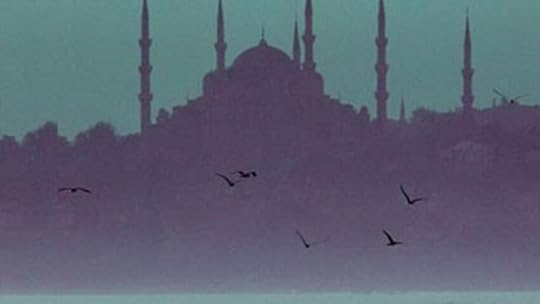

“Night does not communicate with the day. It burns up in it. Night is carried to the stake at dawn. And its people along with it—the drinkers, the poets, the lovers. We are a people of the banished, of the condemned. I do not know you. I know your Turkish friend; he is one of ours. Little by little he is vanishing from the world, swallowed up by the shadows and their mirages; we are brothers. I don't know what pain or what pleasure propelled him to us, to stardust, maybe opium, maybe wine, maybe love; maybe some obscure wound of the soul deep-hidden in the folds of memory.”
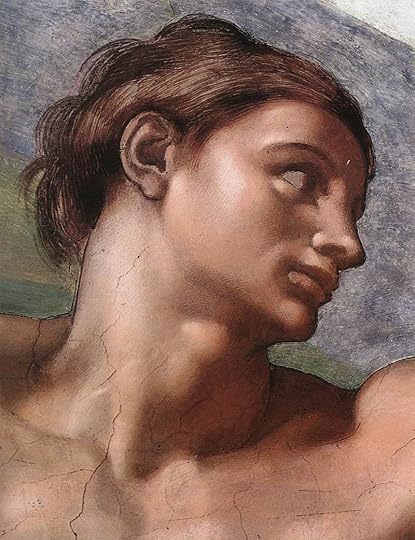
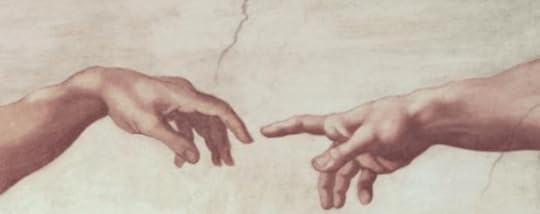
The five silver anklets around the slim leg, the dress with its orangery tint, the golden shoulder and the beauty spot and the base of the neck will show up in a corner of the Sistine chapel a few years later. In painting as in architecture, the work of Michelangelo Buonarroti will own much to Istanbul. His gaze is transformed by the city and otherness: scenes, colours, forms will permeate his work for the rest of his life. The cupola of St Peter is inspired by Santa Sophia and Bayezid’s mosque: the library of the Medicis is inspired by the Sultan’s which he visits with Manuel: the statues in the chapel of the Medicis and even the Moises for Julius II bear the imprint of attitudes and characters he met her, in Constantinople.
Constantinople is a very sweet prison. The city is balanced between east and west as he himself is between Bayezid and the Pope, between Mesihi's tenderness and the burning memory of a dazzling singer.