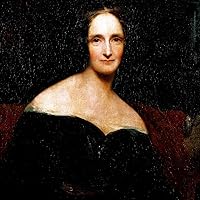
, From the ancient barbarians responsible for the fall of Rome, to the black-lipped teenager updating their Instagram from a graveyard, Goths have been with us for a long time. Ideas about what is Gothic have changed and mutated, but a fascination with the dark and dramatic has remained a constant. The History of Gothic Fashion charts Gothic dress from its ancient and medieval origins to its various revivals and romanticised rebirths, examining its cultural inspirations including folk lore, 19th-century novels, the silver screen and rock music.
For a subculture associated with literature and historical fashion, there are surprisingly few books that focus solely on Gothic fashion. The History of Gothic Fashion provides an in-depth overview of the evolution of the darker side of style.,
Katie Godman works in museum management and has previously been a costume librarian. She has an MA in Fashion History and a BA in Creative Writing. She writes nonfiction, historical fiction and fantasy. Her books Gothic Fashion: The History, Fortune and The World's War are out now.
Historically inaccurate. It’s not goth, it’s the style at the time and has developed into goth due to pop culture and the like. An extra star for the photographs.
A fun idea rather poorly executed. The best parts were about Regency and Victorian fashion, it really kind of seemed like that was the author’s area of expertise and everything else was not well researched. Could have used more pictures tbh.
3 stars for historical inaccuracies, among them claiming that industrial and emo are "eras" or "styles" of goth rather than music-based subcultures in their own right. While all 3 subcultures share some common ground in terms of style, it is the music that distinguishes them from each other.
Definitely pop history rather than academic history. There are a couple of pages of bibliography at the back - books, a TV series, podcasts, museums, and cemeteries (first time I've seen cemeteries in a bibliography) but there are no citations, so no specific backing for any claims in the book, which makes it hard to tell how accurate they are.
There are definite errors, however. For example, jade is mentioned where the context suggests jet was intended, "memento moris" [sic] is not Latin for "you will die" (actual translation of memento mori: "remember death"), and this sentence just doesn't make sense: "Environmental issues, shocks to the system caused by the 2008 financial crisis, wars, Covid and general lack of confidence in government has [all these things] have led many people to look for answers elsewhere, including witchcraft." (Pages 76, 77, and 171, respectively.)
Also, the commemoration of the dead at the beginning of November is not the result of Spanish conquistadors giving an Aztec festival a Christian meaning, as claimed (p.149) - the history of All Saint's Day (aka All Hallow's Day, 1st November) goes back to the ninth century AD in Europe, and the history of All Souls' Day (2nd November) is only a couple of centuries younger - both long before the Spanish invasion of the Americas.