Görünen o ki, bu düşünce ve duygu karmaşası, savaşmak için okyanusu aşıp buraya getirildiğim halde savaşmaya hiç niyetim olmadığı için bilincimle dış dünya arasındaki dengenin bozulmasının bir sonucuydu. Çünkü piyadeler doğaya sadece ihtiyaçları açısından bakmalıdır. Arazideki küçücük bir tümsek bile bir piyade için kendisini kurşunlardan koruyabileceği bir sığınağı ifade eder; güzel ve yeşil bir alan ise bir piyadenin gözüne sadece hızlıca geçmek zorunda olduğu, tehlikeli bir mesafe olarak görünür. Yapılan bir operasyonun ihtiyaçları doğrultusunda, oradan oraya sürüklenen bir piyadenin bakış açısından, doğanın çeşitli yönleri özünde anlamsızdır. Ve bu anlamsızlık, piyadenin varlığının dayanağı ve cesaretinin kaynağıdır.
Eğer korkaklık veya içe bakış yüzünden bu anlamsızlığın bütünlüğü parçalanırsa, o çatlaktan ortaya çıkan şey, yaşayan insanlar için daha da anlamsız bir şeydir; ölümün önsezisidir.
Er Tamura, 2. Dünya Savaşı'nda Filipinler'e bağlı Leyte Adası'nda Japon ordusu adına savaşan bir askerdir. Hastalığı sebebiyle kendi bölüğünden sahra hastanesine gönderilir fakat yanında erzakı olmadığı için hastaneden kovulur. Diğer bölükler tarafından da kabul edilmeyen Tamura, adanın labirentvari ormanlarında amaçsızca dolanmaya ve günden güne akıl sağlığını kaybetmeye başlar. Kendi geçmişinin ve belleğinin dehlizlerine doğru bir yolculuğa çıkan kahramanımız aynı zamanda doğaya, savaşın yıkıcılığına ve açlığa karşı amansız bir varoluş mücadelesine girişir.
Sadece Japon edebiyatının değil savaş edebiyatının da klasiklerinden biri olan Şohei Ooka'nın başyapıtı Anız Ateşleri'ni Nilay Çalşimşek Japonca aslından çevirdi.
Shōhei Ōoka (Ōoka Shōhei / 大岡 昇平) was a Japanese novelist, literary critic, and translator of French literature active in Shōwa period Japan. He graduated from Kyoto University in 1932 and majored in French literature, publishing a series of essays on Stendhal and translating some of the French writer's novels. Called to arms in 1944 he was sent to the Philippines where he was taken prisoner by the Americans. During that time he set out to write a series of fiction and nonfiction works focusing on the condition of captivity. Indeed, Ōoka belongs to the group of postwar writers whose World War II experiences at home and abroad figure prominently in their works. Over his lifetime, he contributed short stories and critical essays to almost every literary magazine in Japan. His most important texts are: Ikite Iru Horyo ("Prisoners Alive"), 1949, Tsuma ("Wife"), 1950, Nobi ("Soldier Tamura's War"), 1950. The latter was awarded the Yokomitsu Prize, Japan's most important literary attestation, and the Yomiuri Prize. He resided extensively in Europe and the United States and taught at Japan's Meiji University.
This book illustrates a point that every combat veteran knows: war can kill your soul but leave your body alive. One of the best books on war I have ever read. Should be required reading for staff officers and politicians - and it should be read before we send young men and woman into the jaws of the next war.
Why don't presidents fight the war? Why do they always send the poor? -B.Y.O.B, System of A Down
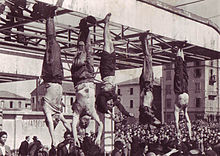
ইতিহাস লেখা হয় বিজয়ীর কলমে। বিজিত সে ইতিহাসে নেহাৎ-ই অচ্ছুৎ। মানবসভ্যতার ইতিহাসে ঘটে যাওয়া সব যুদ্ধের যত বিবরণী আমরা পড়ি, তার বেশীরভাগটা ভীষণ একপেশেই বটে। আমরা ইতিহাসে পাই বিজয়ীর বীরত্বগাঁথা আর ত্যাগের গল্প; পাই তার কষ্টের বিবরণী। নিউটনের তৃতীয় সূত্র মানলে বিজয়ী যতটা মার দেন, বিজিতকে তো সেই পরিমাণ মারই খেতে হয়। তবুও আমরা পরাজিতদের গল্প শুনতে চাইনা বেশী একটা। হারু পার্টির প্রতি আমাদের অত সহানুভূতি নেই, বিশেষত সে পার্টিটি যদি হয় আধুনিক পৃথিবীর ঘৃণ্যতম মানুষদের সমন্বয়ে গঠিত দ্বিতীয় বিশ্বযুদ্ধের অক্ষ শক্তি। জার্মানীর হিটলার, ইতালীর কুখ্যাত ফ্যাসিস্ট নেতা মুসৌলিনি আর জাপানের সাম্রাজ্যবাদী সম্রাট হিরোহিতো ছিলেন এই অক্ষশক্তির প্রধান তিন কাপ্তান। এঁদের যাঁর যাঁর কুৎসিত জীবনদর্শন চরিতার্থ করতেই ভূগোলকের স্থানভেদে গড়ে উঠেছিলো জার্মান নাৎজি বাহিনী, ইতালীয় ফ্যাসিস্ট বাহিনী, জাপানী রাজকীয় সামরিক বাহিনী, ক্রোয়েশিয়ান উস্তাশি...ইত্যাদি। নাৎজিদের অত্যাচারের কাহিনী আজ সর্বজনবিদিত। মুসৌলিনির ফ্যাসিস্ট বাহিনীর কথাও খুব অজানা নয়। মুসৌলিনির প্রতি সাধারণ জনগনের ঘৃণা এমন পর্যায়ে পৌঁছেছিলো যে মুসৌলিনিকে হত্যার পর তার মৃতদেহটাকে ফ্যাসিস্ট কায়দাতেই উল্টো করে ঝুলিয়ে রাখা হয়েছিলো যাতে দর্শনার্থীরা এসে এসে পাথর নিক্ষেপ করে কিংবা থুথু ছিটিয়ে তাঁদের বহু বছরের ঘৃণার ভারটুকু সামান্য লাঘব করতে পারেন; আধুনিক বিশ্বের দ্বিতীয় কোন রাষ্ট্রনায়কের কপালে সম্ভবত এমন ‘শেষকৃত্য’ জোটেনি।
ছবিঃ সাঙ্গপাঙ্গ সহ 'ফাঁসিকাষ্ঠে' মুসৌলিনি (বাঁ থেকে দ্বিতীয়)
দ্বিতীয় বিশ্বযুদ্ধ পূর্ববর্তী আগ্রাসী জাপানও নাৎজি কি ফ্যাসিস্ট কোনোটির চেয়েই কম কিছু ছিলোনা। শুধুমাত্র চীনের নানকিংয়েই জাপানী বাহিনী ১৯৩৭ এর ১৩ ডিসেম্বর থেকে ’৩৮ এর জানুয়ারী পর্যন্ত ছ’সপ্তাহে গণহত্যা আর গণধর্ষণের যে নমুনা দেখিয়েছে তার তুলনা বোধহয় শুধু এক তারা নিজেরাই হতে পারে। এ ছ’সপ্তাহে তিন লাখ মানুষ প্রাণ হারিয়েছে, শিশু-যুবতী-বৃদ্ধাভেদে ধর্ষিত হয়েছে কুড়ি হাজার নারী, যাদের বড় অংশই ভয়ঙ্কর বিকৃত যৌনতার শিকার। বহু ঐতিহাসিক নথিতেই এসেছে ধর্ষণের শিকার সেসব লাশের বর্ণনা, যাদের যৌনাঙ্গে তখনও আটকে ছিল জাপানী সৈনিকদের বেয়োনেট, চাকু, বাঁশের কঞ্চি...পুরুষাঙ্গের বিকল্প ইত্যাদি সব বস্তু; রাসায়নিক কাঠামোতে ধাতব বেয়োনেট কিংবা বাঁশের কঞ্চি রক্ত মাংসের শিশ্নের চেয়ে ঢের শক্ত হওয়াতেই বোধকরি এদের আশ্রয়ে নপুংসক জাপানী বাহিনী ঢাকতে চেয়েছে তাদের অক্ষমতা। তাইওয়ানিজ বংশদ্ভুত গবেষক আইরিস চ্যাং তাঁর বিখ্যাত বই ‘দ্যা রেইপ অফ নানকিং’-এ ধরে রেখেছেন ইতিহাসের কালো সে অধ্যায়। জীবনভর চীনেদের ওপর জাপানীদের অত্যাচারের খোঁজ করতে গিয়ে চ্যাং ভুগেছেন প্রবল বিষণ্ণতায়, যা থেকে তাঁর কখনো আর মুক্তি মেলেনি। ২০০৪ সালে মাত্র ছত্রিশ বছর বয়েসে মুখে গুলি চালিয়ে চ্যাং আত্নহত্যা করেন। বিষণ্ণতাকে নিজে গুডবাই জানান বটে, চাপিয়ে দিয়ে যান আমাদের সবার ওপরে।
‘ফায়ারস অন দ্যা প্লেইন’ জাপানী লেখক শোহেই ওকা’র ম্যাগনাম ওপাস বলে স্বীকৃত। উপন্যাসটির প্রেক্ষাপট দ্বিতীয় বিশ্বযুদ্ধের সময়কার দখলকৃত ফিলিপাইন। সম্রাট হিরোহিতোর নেতৃত্বে সাম্রাজ্যবাদী জাপান ১৯৪২ থেকে ১৯৪৫ সাল পর্যন্ত দখল করে রাখে ফিলিপাইন। তবে ফিলিপাইন দখলের কথা কিংবা ফিলিপাইনের জনগণের দুঃখগাঁথা এ উপন্যাসে আসেনি। মিত্রবাহিনী, বিশেষত, আমিরকার প্রবল আক্রমণের মুখে হারের দ্বারপ্রান্তে দাঁড়ানো খাদ্য-রসদহীন জাপানী বাহিনীর এক সৈনিকের নিজেকে টিকিয়ে রাখার সংগ্রামের গল্প এ উপন্যাসের মূল উপজীব্য। দ্বিতীয় বিশ্বযুদ্ব সংক্রান্ত বেশীরভাগ গল্প-উপন্যাস কিংবা ঐতিহাসিক দলিল যেখানে অনেকটাই ইওরোপ কিংবা রাশিয়া কেন্দ্রিক, জাপানী এই উপন্যাস বিশ্বযুদ্ধটির ব্যাপারে উৎসুক পাঠক-গবেষকদের জন্য নতুন একটি দরজা স্বরূপ। যুদ্ধের গল্প পড়াটা আসলে কখনোই খুব সুখকর কিছু নয়, এই বইটি তো নয়ই। তবে আমরা মানুষেরা ঠেকে শিখি। নীতিকথার গল্প কিংবা ধর্মের বুলির তত্ত্ব দিয়ে যুদ্ধ বিগ্রহ থেকে আমাদের আটকে রাখা যায়না। প্রচুর রক্তপাত ঘটিয়ে তবেই ‘যুদ্ধ ভালো নয়’ এই জ্ঞানটি কিনতে হয় আমাদের। বিষাদগ্রস্ত ভীষণ morbid এক স্বরে বলে যাওয়া ওকা'র যুদ্ধবিরোধী ছোট্ট এ গল্প মনুষ্যত্বের গণ্ডদেশে একটি চড় বিশেষ। চীন-ফিলিপাইনে চালানো কুকীর্তি গুলোর ফিরিস্তি জানলে যে জাপানী বাহিনীর প্রতি ঘৃণায় মন কুঁকড়ে আসে, এই উপন্যাস সেই ঘৃণাবোধের কিছুটা হয়তো ফিরিয়েও নেয়। এক জীবনে অত ঘৃণা পুষে রাখা যায়না বলে প্রকৃতিই হয়তো সাম্যাবস্থা বজায় রাখবার একটা পন্থা বার করে নেয়।
'ফায়ারস অন দ্যা প্লেইন' উপন্যাসের প্রথম দৃশ্যটিই মর্মান্তিক, অকুস্থল ফিলিপাইনের লিয়েত দ্বীপ (Leyte)। সৈনিক প্রাইভেট তামুরা’র বয়ানে বর্ণিত এ উপন্যাস শুরু হয় তার গ্রুপ কমান্ডারের কাছে চড় খাবার মধ্য দিয়ে। কমান্ডারের রাগের কারণ তামুরা হাসপাতাল থেকে রণক্ষেত্রে চলে এসেছে তার কোম্পানীর কাছে (যদিও ক্ষয়ে ক্ষয়ে কোম্পানী এখন প্লাটুনে এসে দাঁড়িয়েছে। একটি কোম্পানী গঠিত হয় একশ থেকে দুইশ সৈনিক নিয়ে, প্লাটুনের সৈনিক সংখ্যা ওঠানামা করে ষোল থেকে পঞ্চাশের মাঝে)। যক্ষ্মায় আক্রান্ত তামুরা তার দলের কাছে এখন বোঝা বিশেষ, শুধু শুধু তাকে বসিয়ে খাইয়ে কমান্ডার তাঁর নিজের ভাঁড়ার খালি করতে চাননা, ওদিকে হাসপাতালও তামুরাকে রাখতে চায়না; কারণটা সেই একই, পেট! হাসপাতালের ভাঁড়ারও শূন্য, নিজের খাবার ব্যবস্থা করতে না পারলে কোন রোগীর দিকেই তাকাবারও অবসর নেই ডাক্তারদের, হাসপাতালে ভর্তি করা তো নেহাৎ দিবাস্বপ্ন। কমান্ডার তামুরাকে তাঁর কোম্পানী থেকে বেরিয়ে গিয়ে নিজের ব্যবস্থা করে নিতে আদেশ করেন; যদি একান্তই খাদ্য-আশ্রয় এসবের কিছুই কপালে না জোটে, কোমরে গোঁজা গ্রেনেডটা ফাটিয়ে তামুরা যেন নিজের মুক্তির পথ বেছে নেয় সেই উপদেশও দিয়ে দেন। সহযোদ্ধারা তামুরার ভাগ্যে ঈর্ষান্বিত, কোম্পানীতে থাকলে হয় না খেয়ে নয় প্রতিপক্ষের বোমায় মরতে হবে। তামুরা ঈর্ষান্বিত সহযোদ্ধাদের ভাগ্যে, কোম্পানীতে থাকতে পেলে র্যাশনের একটা করে আলু তো পাওয়া যেতো অন্তত!
হাসপাতালের বাইরে সৈনিকেরা ডজনে ডজনে শুয়ে আছে, এদের সবাই ই ডায়রিয়া নয় ম্যালেরিয়া নয় যক্ষ্মায় ভুগছে, সবাই আশা করে আছে ডাক্তার অনুগ্রহ করে ডেকে নেবে একসময়, চিকিৎসা দেবে, দেবে একটু খেতেও! তামুরা জানে, যুদ্ধের এ ডামাডোলে কেউ কাউকে দেখবার নেই, নিজেকে বাঁচাবার আরেক যুদ্ধে সবাই ব্যস্ত। হাসপাতালে ফিরে যাবার অর্থ সামনের ময়দানে ঘাসের ওপর মুখ থুবড়ে মরে পড়ে থাকা। তবু তামুরা যায়, তবে ডাক্তার রায় দেন তামুরা সম্পূর্ণ নীরোগ। নিরুপায় দূর্বল তামুরা বসে পড়ে হাসপাতালের সামনে কাতারে কাতারে শুয়ে থাকা মৃতপ্রায় সৈনিকদের মাঝে। মাঝরাতে মিত্র বাহিনীর ���েল বর্ষণে ঘুম ভেঙ্গে গেলে কোনমতে নিরাপদ আশ্রয়ে সরে গিয়ে তামুরা দেখে হাসপাতাল দাউ দাউ করে জ্বলছে, জ্বলছে মৃত, অর্ধমৃত, জীবন্মৃত কংকালসার সহযোদ্ধাদের দেহগুলোও। এরই মাঝে কেউ জ্বলন্ত হাসপাতাল ভবনে ঢুকে চুরি করে আনার চেষ্টা করছে র্যাশনের আলুগুলো। তামুরা যখন দূর থেকে তার সহযোদ্ধাদের পুড়ে যেতে দেখে, ওর আর তাদের উদ্ধার করতে রুচি হয়না, বরং বিকট শব্দে হাহা করে হেসে ওঠার প্রবল এক ইচ্ছেয় ওকে পেয়ে বসে।
শুরু হয় তামুরার ‘নিজের ব্যবস্থা নিজে করে নেয়ার’ সংগ্রাম। ছিন্ন ভিন্ন পোশাকে ক্ষুৎপিপাসায় কাতর তামুরা লিয়েতের জনমানবহীন গ্রামে ঘুরে বেড়ায় ভূতের মতো, আর একটু একটু করে হারাতে শুরু করে তার মানসিক সুস্থতা। পদে পদে নানারকম হোঁচট খেতে খেতে তামুরা শেষ পর্যন্ত দেখা পায় তার দুই কমরেডের, নাগামাৎসু আর ইয়াসুদা। আধপাগল তামুরার পরিচর্যা করে নাগামাৎসু, চাঙ্গা করে তোলে তাকে রীতিমত পুড়িয়ে রোস্ট করা বাঁদরের মাংস খাইয়ে। তবে সুখ বেশীদিন সয়না, বাঁদরের মাংস শেষ হয়ে আসছে, শিকারে বেরোতে হবে আবার। এরই মাঝে একদিন প্রাণপণ দৌড়ে পলায়নপর অর্ধনগ্ন এক জাপানী সৈনিকের দিকে নাগামাৎসুকে বন্দুক তাক করে গুলি ছুঁড়তে দেখে বাঁদরহীন লিয়েত দ্বীপে বাঁদরের মাংসের উৎসের রহস্যটি তামুরা অবশেষে ভেদ করতে পারে। ক্ষুধায়, ক্লান্তিতে, টিকে থাকার সংগ্রামের হতাশায় নাগামাৎসুদের ন্যায়-অন্যায় বিচার করবার মানসিকতা আর নেই, লোপ পেয়েছে মানবিক অনুভূতিগুলোও। নিছক গল্প বানাবার জন্যই শোহেই ওকা এমন ঘোরালো প্লট ফাঁদেননি; উপন্যাসটির ইংরেজী অনুবাদক ইভান মরিস তাঁর ভূমিকাতে দাবী করেছেন ফিলিপাইনে জাপানী সৈনিকদের নরখাদক বনে যাবার ব্যাপারটি সত্যি, এর ঐতিহাসিক প্রমাণ রয়েছে। বস্তুত দ্বিতীয় বিশ্বযুদ্ধের সময় জাপানী বাহিনীর নরখাদকতার কথা এসেছে আরো বহু বিবৃতিতে। টাইমস অফ ইন্ডিয়ার এই প্রতিবেদনে এসেছে জাপানী বাহিনীর যুদ্ধবন্দী ভারতীয় সৈনিকদের দিয়ে পেটপূজা করবার কথা, এসেছে দি ইন্ডিপেন্ডেন্ট এর ২৫ বছর আগের এই প্রতিবেদনেও। যুদ্ধবাজ নেতারা যখন নিজ নিজ দেশের জনগণকে দেশপ্রেম আর জাতীয়তাবাদের গরম গরম কথায় উত্তেজিত করেন, মনুষ্যত্ব তখন যুদ্ধক্ষেত্রে বিষ্ঠা, রক্ত আর কাদায় মাখামাখি হয়ে গুমরে কাঁদে। মানবতা ব্যাপারটি হয়ে যায় স্রেফ অভিধানে পাওয়া বাগাড়ম্বর বিশেষ।
বিশ্বসাহিত্যের অন্য মহান সব নিদর্শনের কাতারে ‘ফায়ারস অন দ্যা প্লেইন’-এর ঠাঁই কোথায় হবে সেটি তর্কের বিষয় হতে পারে, বিশেষত এর ইংরেজীতে অনুদিত সংস্করণটির জন্য। উইকিপিডিয়ার তথ্য মতে অনুবাদক ইভান মরিস মূল উপন্যাসের বেশ কিছু অংশ এড়িয়ে গেছেন। এছাড়াও ছোট খাট কিছু খুঁত তেমন করে দেখলে চোখে খানিকটা পড়ে বটে। ওকা নিজে ফরাসী সাহিত্যের অনুরাগী ছিলেন, ফরাসী বেশ কিছু সাহিত্যকর্ম জাপানী ভাষায় অনুবাদ করেছেন। এ উপন্যাসের নায়ক তামুরা’র মাঝে ওকা’র কিছুটা ছাপ রয়েছে, বিশেষত তামুরা’র ফরাসী সাহিত্যের ব্যাপারে জানাশোনার দিক দিয়ে; জীবন সংগ্রামে রত তামুরা অনেকটা স্বগতোক্তির মতই নিজেকে বারবার স্টেন্ডহালের কথা স্মরণ করিয়ে দেয়। এ অংশগুলো পাঠকের মনে প্রশ্ন জাগালে অবাক হবার কিছু থাকবেনা। সেনাবাহিনীর সর্বনিম্ন পদমর্যাদার সৈনিক ‘প্রাইভেট’ তামুরার সাথে ফরাসী সাহিত্যে অনুরাগী তামুরার একটা দূরত্ব থেকেই যায়; তামুরার চরিত্রটি হয়তো আরেকটু গভীরতার দাবী রাখে।
ফিলিপাইনের এই মিশনে চোখের সামনে মানবজীবনের মূল্য শূণ্যের কোঠায় নেমে যেতে দেখে ধর্মহীন শিক্ষাব্যবস্থায় বড় হওয়া তামুরার মনের ঈশ্বরচিন্তার উদ্রেক ঘটে; তামুরার ঈশ্বরভাবনার এই monologue গুলো উপন্যাসটিকে একটি ভিন্ন মাত্রা দেয়, ফিলিপাইনের গির্জায়, বনে বাদাড়ে তামুরা খুঁজে ফেরে ঈশ্বরকে। এসব বাদে উপন্যাসটির শেষ তিনটি অধ্যায় এটির জন্য একধরণের বোঝা, এই অধ্যায়গুলো উপন্যাসের শিল্প-মান বাড়াতে কোন ভূমিকাতো রাখেইনি, বরং এদের উপস্থিতি পাঠককে হয়তো কিছুটা দ্বিধান্বিত করবে, একই আশঙ্কা ইভান মরিসও ব্যক্ত করেছেন তাঁর ভূমিকাতে। তবে তাই বলে উপন্যাসটির অবদান মোটেই কম নয়। সাহিত্য আমার কাছে এক ধরনের উন্নত মানের সাংবাদিকতা; মানব মনের জটিল খবরগুলো সাহিত্যিক অনায়াসে এনে দেবেন পাঠকের কাছে, আঁকবেন সমাজের ছবিটা, বায়োলজী খাতার মতো করে ছবির পাশে দাগ কেটে কেটে লেবেলিং করে দেখিয়ে দেবেন সমাজটা কেমন, কোথায় এর অসুখ...একজন সাহিত্যিকের কাছে এইই তো চাওয়া! কাফকা, কামু, মোঁপাসা, তলস্তয়, তারাশংকর, রবি ঠাকুরদের কাজগুলো পড়ে পড়ে মনে এক অন্ধ বিশ্বাস জন্মে গেছে, প্রচণ্ড সংবেদনশীল শ্রেষ্ঠতম মানুষটি না হলে সাহিত্যিক হওয়া চলেনা, কোনরকম শিল্পীই আসলে হওয়া চলেনা। পেটের ক্ষুধা স্বত্বেও সাহিত্যপ্রেমী তামুরার নরখাদক হতে না চাইবার জন্য নিজের সাথে যে যুদ্ধ, তার জন্ম তো ঐ সংবেদনশীলতা থেকেই, যা সাহিত্য আমাদের শেখায়। গ্রেনেডের স্প্লিন্টার নিজের পিঠের এক টুকরো মাংস খুবলে নিলে তামুরা তা-ই তড়িঘড়ি করে মুখে পুরে নিয়ে স্বান্তনা খোঁজে, নিজের মাংস খেলে তো আর নরখাদক হবার পাপে পাপী হতে হয়না! 'ফায়ারস অন দ্যা প্লেইনে'র পাতায় পাতায় লুকিয়ে আছে মানুষের পশুবৃত্তির কাছে মানবিকতার পরাজয়ে লজ্জিত এক সাহিত্যিকের গ্লানি, কান পাতলে শোনা যায় শোহেই ওকা’র ব্যাথাতুর কণ্ঠ।
নাৎজি কি হানাদার পাকিস্তানী বাহিনী কি জাপানী রাজকীয় বাহিনী, কুখ্যাত এইসব দলগুলো যে মানুষেরই তৈরী, এর সদস্যরা যে আদপেই মানুষ তা বোধহয় এক এরা ফাঁদে আটকা পড়লেই মনে পড়ে। 'ফায়ারস অন দ্যা প্লেইন' উপন্যাসটি অবলম্বনে ১৯৫৯ সালে জাপানে একই নামের চলচ্চিত্র হয়েছিলো যা যুদ্ধবিরোধী অন্যতম শ্রেষ্ঠ কিছু চলচ্চিত্রের মাঝে আজো স্মরণীয়। এরপর ১৯৮১ সালে জার্মান চিত্রপরিচালক উলফগ্যাং পিটারসেন সমুদ্রের গভীরে সাবমেরিনে আটকে পড়া এক নাৎজি দলের সত্য কাহিনী অবলম্বনে ‘ডাস বুট’ (Das Boot) চলচ্চিত্রটি নির্মাণ করেন। বাংলা সাহিত্যেও হুমায়ূন আহমেদের গল্পে ('পাপ') এসেছে বাংলাদেশের গ্রামে আটকে পড়া পাকিস্তানী এক সৈনিকের কথা। এঁদেরও বহু আগে এরিখ মারিয়া রেমার্ক লিখে গেছেন পায়ে পা লাগিয়ে ফালতু ফালতু প্রথম বিশ্বযুদ্ধ ঘটিয়ে দেয়া জার্মান বাহিনীর দুর্ভাগা সৈনিক পল বমারের গল্প ‘অল কোয়ায়েট অন দ্যা ওয়েস্টার্ন ফ্রন্ট’। এই গল্পগুলোতে উঠে আসা প্রত্যেকটি সামরিক বাহিনীই অগণিত মানুষের জন্য দুর্ভোগ বয়ে নিয়ে এসেছে, মেতেছে যথেচ্ছ খুন-ধর্ষণ-লুটপাটে। তবুও কেন বমার, তামুরাদের জন্য আমাদের মন কাঁদে? স্তালিনগ্রাদের যুদ্ধে আটকে পড়া মাইনাস ৩০ ডিগ্রী সেলসিয়াস তাপমাত্রায় জুতোবিহীন তরুণ নাৎজি সৈনিকটির কথা ভেবে কেন দুঃখবোধ হয়?
'ডাস বুট' দেখতে গিয়ে কি স্তালিনগ্রাদের যুদ্ধের বিবরণী পড়তে গিয়ে অনেকবার নাৎজিদের কষ্টে খুশী হয়ে উঠতে গিয়েছি, পরক্ষণেই মনে পড়ে গেছে রেমার্কের কথা। এদের দুঃখে এত খুশী হলে রেমার্কের বইয়ে অত কষ্ট পাই কেন এই প্রশ্নে জর্জরিত হয়েছে মন। এ কি শুধুই রেমার্কের জাদুকরী লেখনীর জন্য? মানি, রেমার্কের প্রথম বিশ্বযুদ্ধের পল বমাররা ছাড়াও দ্বিতীয় বিশ্বযুদ্ধের বহু নাৎজি সৈনিককেই ইচ্ছের বিরুদ্ধে যুদ্ধক্ষেত্রে যেতে হয়েছে ওপর মহলের নির্দেশে, হয়তো বয়েস তাদের অনেকেরই তখনও আঠেরো পুরোপুরি ছোঁয়নি, কিন্তু দলবদ্ধ মানুষের রুপ যে ভিন্ন! নিজের দিকে যখন হাওয়া বইছি���ো তখন তো এরা কাউকে ছেড়ে কথা কয়নি, সে বেলা? এসব নিয়ে যত ভাবি, মাথাটা তত বিগড়ে যায়, মানবজীবনটা বড্ড ফালতু, অর্থহীন আর হাস্যকর ঠেকে; ঠিক-বেঠিক আর বুঝে উঠতে পারিনা। তবে তামুরা কেন তার সহযোদ্ধাদের জ্যান্ত পুড়ে মরা থেকে বাঁচাতে না গিয়ে হাহা করে হেসে উঠতে চেয়েছিলো সেটা আমি ঠিকই বুঝে নিতে পারি।
Şohei Ooka’dan muhteşem bir roman. “Anız Ateşleri” bir savaş edebiyatı romanından çok daha fazlası. Tarih 2. Dünya Savaşı sonu, yer Pasifik Okyanusu cephesi, Filipinler’de Leyte Adası. Hikayenin kahramanı yedek asker olarak orduya katılan entellektüel bir insan olan Japon er Tamura. Yani bu roman aynı zamanda Japon Edebiyatının bir örneği.
Ooka’nın anlatım dili çok etkileyici, kitap yavaş başlıyor ve gittikçe ritm kazanarak finalde doruğa ulaşıyor. Savaşın doğu cephesine ait romanlar nedense az sayıdadır, bu nedenle Japon Edebiyatı içinde kıyaslama şansım yok ama genel olarak savaş edebiyatının en başarılı yapıtlarından biri olduğunu söyleyebilirim. Tanrıya inanmasa da onunla devamlı sorun yaşayan Tamura’nın romandaki psikolojik tahlilleri de inanılmaz güzellikte. Yaşam ile ölümün birbirine bu kadar yakın olduğunu bilmek tedirgin ediyor insanı.
Bu kitabı yayınlayan Jaguar Kitap’a ve kılçıksız çevirisiyle kitabı keyifle okutan Nilay Çalşimşek’e teşekkürler. Keşke yazarın diğer kitapları da Türkçe’ye kazandırılsalar. Kesinlikle öneririm.
I'm nervous about writing a review about Fires on the Plain. There's a good chance I'm going to feel stupid and guilty about this after the fact (stopping in my tracks to feel hazy hot stupidity on my face. "I'm an idiot! And what does it all MEAN?!"). Why can't I be a useful reviewer, at least once? So this book is amazing. It deserves serious thought. I'm a hard thinker (it's not that), it's just that I'm a deeply confused individual, as I said. So Fires on the Plain is about the infrastructure wars (I definitely don't understand politics) going down in the Phillipines during world war II (Japanese occupation, losing the war, the coming of Americans, facts blah blah. People died and went through THIS shit and more). How much it fucking sucks to be a soldier (and more!). Death. Loneliness. The meaning of those words like the REAL meaning of the words, like how pain is only remembered truly while you are feeling pain. When it happens again?" I remember this. This is pain." No fucking shit. How could you forget? The account of the so-called insane Private Tamura is amputated pain insanity.
My mom was always fond of saying, "Life is tough all over." Or some "Shit out of luck" cliches. Um, this stuff? Not all that inevitable. It didn't HAVE to happen. This mental, health, social, godlike survival... Okay. Shit happens in life. Being a soldier? It's not a "Goes with the territory" book. Right fucking on. That's really important information about a book about war, in my opinion. What the hell are boundary lines? Country lines? (Lines get erased.) (Excuse me now if I color outside the lines.)
I want to share what is not about "war". Loneliness and insanity. The parts that resonated with me like those back and forth loops of songs that mean a whole fucking lot without changing a damned thing. I'm all about emotional "reality", y'see. I've got this half assed way of describing my hazy at best grasp of spirituality and religion: my Star Wars Buddhism. Yes. I'm an idiot (read my ramblings at your own peril). But what about meeeeee? I lost my way (so long ago I can't even remember) when I was not a pure Jedi. Confusion again. Emotional "reality". Fires on the Plain is, for me, one of those rare moments when it gets to be more than that. The way in the mirage horizons? Through the trees? The babbling brooks? Listen...
Throughout this "review" I will post of some of (I have loads more marked off) my favorite passages for my own memory's sake, hopefully backing up my confused ramblings. I still try to protect my future mental trains by trying to keep hold of what I barely can chase after now. I pretty much consider a favorite any book that makes me feel like I might get that goosebumpy mental trains feeling in the future. (Perfect for lying alone in the dark at night and trying to feel some kind of meaning about anything....) Before I lose it forever and it becomes lost to my galaxy far, far away...
D'oh! Private Tamura is a soldier. He's forced to go back and forth between his camp and the hospital. Neither will take him. Basically he's either to kill himself or... well, he's to kill himself. No one will really come out and say it. Who can afford humanity anymore?
"Again was it not this same presentiment of death that made it seem so strange to me now that I should never again walk along this path in the Philippine forest? In our own country, even in the most distant or inacessible part, this feeling of strangeness never comes to us, because subconciously we know that there is always a possibility of our returning there in the future. Does not our entire life-feeling depend upon this inherent assumption that we can repeat indefinitely what we are doing at the moment?" This right here. I knew this book was going to be special to me. I'm always trying to hold onto my moments in time, like a freeze frame of my connectedness to what the hell is around me. Or if something good happens. I'll think, "This moment right here: I'm going to wish it was this moment and I could live it all over again." I"ll get caught up trying to memorize stuff for future pinings for what I'm currently living (I'm nuts, probably). Hell yes, I get this strangeness. I'm afraid of what will not be repeated to. Mortality... Trying to make some kind of a "This is important" land mark in memory of anything that happens? Your own history stuff.
"Now if, as a result of cowardice or of introspection, this solid carapace of meaninglessness should crack, what is revealed beneath is something even more meaningingless for living men: it is, in fine, a presentiment of death."
I do have this kinda bizarre envy of Judaism that I don't really understand (not being especially enlightened). Half fear 'cause of owing people who came before anything. I'm so jealous of the connected part. If there was a way to feel like you belong without the responsibility! Fires on the Plain echoes this feeling. Holy cow. I wasn't expecting that. This is a religious book for the lonely without a sure God...
"I wanted to say that I had come, not to be admitted to the hospital, but simply in the hope of joining the squatters. The words stuck in my throat as I realized what had originally been an interest had, during my solitary walk through the forests and plains, become a necessity. I could not tell him how desperate I was to belong once more to a group of living people." Dead man walking...
"Now that I was one of them, however, I found to my surprise that there was a certain self-contained calm about these men. It was clear from their expressions that each was guarding his own private personality, that each had his individual needs and moreover a spirit which still strove to tackle these needs. Even their movements, which from the ward had seemed so pointless, now began to acquire a meaning." I know I've said that this book is about a whole lot of everything: personal hells. I don't know if this is really a survival story more than a... life until death? You can't survive forever. Take your definitions of all the possible hells and REMEMBER that echo of pain. The fear of it happening again is another layer of hell.
"And now I perceived that it was just because the sky was likewise unattainable that I so yearned for it. It was not because I was still alive that I clung to the notion of life, but because I was already dead."
"Everyone in the world, my past self included, lived under a constant illusion of repetition. Only I, as I headed toward death, no longer believed that I would repeat the present. This conviction lent me a new sense of daring."
"Just as repetition was inherent in nature, so, I now realized, should it exist in human life. My life in the mountains had fitted into a regular cycle, but when I had come down to the village I had broken that cycle. As a result, I had killed an innocent Filipino woman. To be sure, it had been an accident; yet if the accident had arisen from my breaking a cycle, then I could hardly disclaim responsibility." The murder of the Filipino woman was an accident as much as it could be an accident to travel to another country and aim weapons at other people. Tamura felt no will to cross that ocean and kill anybody. Yet he felt no will to not kill anyone. The right hand versus left hand sides of brain versus pendulum of mental hells swinging was fascinating. I've never been in that situation. I couldn't help but stare off into space and wonder what I would have done if I had been him. (I live in a time and country where females are not required to fight in war. If for no other reason I was always sooo glad to be born a female. Still, in my unstoppable mental trains of "What ifs?" I can't answer the question to myself what I'd really do, if I were him. What if you can't answer the questions of what you DID do?)
"I was lonely. I was terrifyingly lonely. Why did I have to return to the mountains harboring this loneliness? This was the path I had thought last night I would never pass again. That I should be walking along it now in the opposite direction seemed even stranger than had the idea of not seeing it again." I'm fixated a bit on this fate feeling that Fires on the Plain had because of his walks in the forest and mountains. Doomed to repeat? Walk the same steps?
"Then in the distance across the dark fields I saw a flame. With the rainy season, the fireflies had long since disappeared. What then could this be? The flame flickered, now brightly, now dimly, and sometimes it glowed like a halo, as if it had sunk deep into water. I was frightened by this flame. for in my heart I, too, carried a flame." If my brain weren't a miserable haze of stupidity I constantly fight through to figure shit out... I guess I'd call passion and strong feelings the flame in the heart. This is why I'm retarded enough to have my Star Wars buddhism. Nature and the feeling of hot and cold are reminders of life and history outside (duh it is outside! Dumb, Mariel). Horizons become actual horizons to something. I hope I don't sound totally fruit cakey.
"Then a strange thing took place: I found that my left hand was firmly grasping the wrist of my right hand, the wrist that held my bayonet. This odd movement of my left hand was to become an ingrained habit: whenever I was about to eat something that I should not eat, my left hand would spring forward of its own accord; it would seize the wrist of the hand holding the fork and clasp it firmly until my errant appetite hand vanished. I became so used to this habit that it seemed quite normal. At the time I felt that this living left hand of mine actually belonged to someone else." Yes! I can't get enough of physical abstractions of mental shit. This is my kind of shit. His new universe is still not an all new universe. Eating the flesh of dead people? Sure, do what you gotta do. When in the jungle, do as Sher Kahn would do. Buuuut.... You're still you. Snakes go through a bit more to shed those skins.
"Everything was looking at me. The hill at the end of the plain gazed at me, revealing only that part of its body which lay above its breast. The trees vied with each other in coquetry to capture my attention. Even the blades of grass, decked with raindrops, raised their heads in greeting, or again, drooping their slender bodies, turned their faces in my direction."
"My left side understood: it understood that though I had until now not hesitated to eat plants and bark and roots and leaves, it was in fact more wrong to eat these than dead people. For these were living things."
"The voice rose, opening up like a funnel above the flowers; it seemed to come from the flower-filled space above me. So this was God!"
"Part of my body- the left-hand part- soared into the sky with the heron. I felt that my soul had left me and that I could no longer pray; now my right side was free to act as it wished." I just liked all of those (pretty much for the same reasons I tried to say already).
"No one in the future can make me do what is hateful to me...." If only...
"But if I am an angel of God, why am I so grieved? Why is this heart of mine, which should now be free of all earthly attachments, so full of uneasiness and fear? I must make no mistake...."
Fires on the Plain is one of those relationship feelings like you try to convince yourself you are over someone and you aren't. Sometimes it feels possible that there's new life out of destruction. It's really kinda convincing yourself it doesn't hurt. Bite down hard! This relationship is with humanity. The break fucking hurts. I'm fascinated with the inner humanity, the society kind of humanity, what one can live with themselves and what one can't. It's not all war. I really wish I could have articulated better what all of that is in THIS book but I'm one of those half convincers types myself. There are more productive members of the goodreads society, never fear. Carry the flame!
I wish I belonged to a group of people. At least I've got goosebumps over walking those life steps. (Told you I was retarded.)
P.s. I have the dvd of the film and I'm going to watch it soon. (May 2012 edit: I never watched it. I lied last year. I didn't mean to!)
"Fakat insanlar tesadüfleri kabul edemiyorlar sanki. Ruhlarımız tesadüfler dizisine, yani sonsuzluk fikrine dayanacak kadar güçlü değildir. Doğum tesadüfü ile ölüm tesadüfü arasına sıkışıp kalmış hayatlarımız boyunca, irade diye adlandırdığımız şeyin aracılığıyla meydana gelen birkaç olayı sayarak, bunların sonucunda içimizde ortaya çıkan tutarlı şeyi 'karakter' ya da 'hayat' diye adlandırarak kendimizi avuturuz. Çünkü başka türlüsünü düşünemeyiz."
Japon yazar Şohei Ooka'nın meşhur kitabı "Anız Ateşleri" etkileyici bir savaş anlatısı. II. Dünya Savaşı sırasında Filipinler'de bir adaya başarısız bir çıkartma yapan Japon ordusundan sağ kalmayı başaran az sayıdaki askerden biri olan anlatıcımız Er Tamura, savaşın insanı nasıl paramparça ettiğini yalın, derinlikli ve elbette epey acıklı biçimde aktarıyor okura.
Veremli olduğu için bölüğünden atılan ama yeterince hasta olmadığı ve yanında erzak bulunmadığı için de hastaneye kabul edilmeyen ve dağlarda kendi başına hayatta kalmaya çalışan Tamura'nın öyküsü, zaten başlı başına savaşın korkunç acımasızlığını ortaya koymak için yeterli. Ancak Tamura, sadece savaşın öldürdüğü, yaraladığı, yıktığı bedenlere değil, zihinlere dair de konuşuyor. Yapmak zorunda kaldığı şeylerin ruhuna ve aklına neler yaptığını da anlatıyor; yeryüzünde bulunmasının amacını, Tanrı'yı, inanma ihtiyacımızı, insan olmanın, aşkın, arzunun doğasını, çaresizliği, ölüm / öldürme fikirleriyle ilişkimizi, korkunun dinamiklerini sorguluyor.
Bir savaş kitabı olduğu kadar "anlam"a dair de bir kitap bu dolayısıyla. Savaş gibi tüm anlamları yıkıp geçen bir şeyle yüzleşen birinin kendi öz benliğinin bile anlamını yitirmesinin öyküsü. (Dediği gibi: "Savaşı bilmeyen insanlar yarı yarıya çocuktur.”)
Bana biraz Curzio Malaparte'nin Kaputt'unu anımsattı. Kaputt kadar etkileyici bulmadığımı söylemem lazım, o kitabın dehşetini ve kuvvetini hayatım boyunca unutamayacağım. Ama Anız Ateşleri de etkileyici, kuvvetli, iz bırakan bir metin. Okuyup sevdiyseniz Kaputt'a da muhakkak bakınız diyerek bitireyim.
Japon yazar Şhohei Ooka'nın (1909-1988) yaşadığı yıllardan da anlaşılacağı gibi hayatını etkileyen bir savaş dönemi söz konusu... 1944'te Japon İmparatorluk Ordusu'na alınmış ve Filipinler cephesine yollanmış, Leyte Adası'nda Amerikalılar tarafından esir alınmış. Yaşadıklarını bir başka kitabında yurduna döndükten sonra anlatmış ama bu kitabı da doğrudan Leyte Adası, Filipinler, Japon askerler, askeri hastaneler, yerliler, dağlarda gerillalar, "maymunlar", açlık, hayatta kalma dürtüsüyle vahşileşen insan, tanrı kavramı... üzerine.
Asker Tamura'nın yaşadıklarını, hatırladıklarını yazması üzerine olan biteni okuyabiliyoruz kitabın kurgusuna göre ve yazarın bizzat geçirdiği Leyte Adası günleri olduğuna göre, kendi tanıklıklarından etkilenen bir hikaye yarattığı gibi yaşamış olduklarını da okuyoruz belki... Epey vahşi bir hayatı son derece gerçekçi bir üslupla anlatıyor kitabında.
Kitap, temel olarak ölüm ve yaşam arasındaki gerilimden besleniyor ve bu iki yönlü çekiştirilme gittikçe güçleniyor. Öyle ki Asker Tamura "ikiye bölünüyor" bedeninde de hissettiği, ruhsal olarak da yaşadığı bu ikilik, deliliğe kadar götürüyor onu ve varış noktası bir akıl hastanesi oluyor. Yazarın adım adım geçtiği yolları duyurarak anlattığı zaman akışı, tasvirleri, kimi zaman başınızı çevirip bakmak istemeyeceğiniz manzaralara, cesetlere, kana, pisliğe dönüşebiliyor; gerçekçilik yönünden epey başarılı.
"Ruhlarımız tesadüfler dizisine, yani sonsuzluk fikrine dayanacak kadar güçlü değildir. Doğum tesadüfü ile ölüm tesadüfü arasına sıkışıp kalmış hayatlarımız boyunca, irade diye adlandırdığımız şeyin aracılığıyla meydana gelen birkaç olayı sayarak, bunların sonucunda içimizde ortaya çıkan tutarlı şeyi 'karakter' ya da 'hayat' diye adlandırarak kendimizi avuturuz. Çünkü başka türlüsünü düşünemeyiz."
Bu kadar kara bir hikayeyi, böylesi bir anlatıya dönüştürmek inanılmaz.
Başlangıçta, ilk sayfalarda hikayenin gelişiminden çok umutlu değildim ama ilerledikçe elimden bırakamadım. Savaşın kara yüzü ve tanrı ile hesaplaşma ancak bu kadar güzel anlatılabilirdi.
Çevirinin hakkını da vermek gerek. Tebrik ederim.
Çok beğendim.
“… Evrensel sevginin sembolü olan haç bile, düşmana ait olduğu sürece, bir tehlike sembolü olmaktan öteye geçemez. …”, sf; 63.
“… Bunun sonucunda ulaştığım şey, toplum için akılcılık ve benlik için haz ilkesiydi.…“, sf; 63,
“…Savaşı bilmeyen insanlar yarı yarıya çocuktur. …”, sf; 176,
“… Ruhlarımız tesadüfler dizisine, yani sonsuzluk fikrine dayanacak kadar güçlü değildir. Doğum tesadüfü ile ölüm tesadüfü arasına sıkışıp kalmış hayatlarımız boyunca, irade diye adlandırdığımız şeyin aracılığıyla meydana gelen birkaç olayı sayarak, bunların sonucunda içimizde ortaya çıkan tutarlı şeyi “karakter“ ya da “hayat“ diye adlandırarak kendimizi avuturuz. Çünkü başka türlüsünü düşünemeyiz.…“, sf; 177.
‘‘Fakat insanlar tesadüfleri kabul edemiyorlar sanki. Ruhlarımız tesadüfler dizisine, yani sonsuzluk fikrine dayanacak kadar güçlü değildir. Doğum tesadüfü ile ölüm tesadüfü arasına sıkışıp kalmış hayatlarımız boyunca, irade diye adlandırdığımız şeyin aracılığıyla meydana gelen birkaç olayı sayarak, bunların sonucunda içimizde ortaya çıkan tutarlı şeyi ‘karakter’ ya da ‘hayat’ diye adlandırarak kendimizi avuturuz. Çünkü başka türlüsünü düşünemeyiz.’’ . Er Tamura savaşın ortasında, Filipinler’in bilmediği yerlerinde. Her bölükte erzak sıkıntısı var, hasta erlere bakmak ise bir yük olarak görülüyor. Hastanede tedavi edilemeyen erler sadece oturarak ölümü bekliyor. Tamura’ya da oturması söyleniyor. Ama onun yolu başka. O, gözünün önünden bir türlü gitmeyen anız ateşlerini takip edercesine yürüyor. . Yazar Şohei Ooka da Leyte Adası’nda cepheye gönderilen askerlerden biriydi. Orada Amerikan kuvvetleri tarafından esir alındı ve ülkesine dönebildiğinde anılarını kaleme aldı. Anız Ateşleri, Filipinler’de gördüklerinin ne kadarını içeriyor tam anlamıyla bilmek mümkün değil ancak kitaptaki her cümlenin fazla gerçek olduğunu anlayabiliyoruz. Çaresiz, aç, yalnız kalan bir insanın neler yapabileceğini göstermekle birlikte o insanın ‘ne kadar insan kalabileceğini’ de sorgulatıyor Anız Ateşleri. Bazı kısımlarda bir okur değil de Tamura’nın duyduğu seslerden oluveriyoruz sanki. Bataklığa saplanan ya da son kurşununu saklamaya çalışan bir er gibi de.. . Nilay Çalşimşek çevirisi, David Drummond kapak tasarımıyla bu eseri çok, çok sevdim~
İkinci paylaşım savaşının Asya penceresinin Avrupa cepheleri kadar dikkat çekici olmadığını fark etmişsinizdir. Coğrafi uzaklık kadar popüler kültürün göz ardı etmesi ile çarpışmaların karadan çok deniz ve hava güçleri arasında gerçekleşmesinin de bunda payı bulunduğunu düşünüyorum. Aslında kıtada çatışmalar Eylül 1939’dan çok daha önce başlamış; sahnenin kapanışı da yine burada olmuştur. Bu nedenle karasal alanlardaki kısıtlı muharebelerden birini merkeze alan kitap, kısa bir süre önce okuduğum “Nagasaki’nin Çanları” adlı eserin yaklaşık 1,5 sene öncesini sıradan Japon askerlerinin gözünden anlatmasıyla da ilgimi çekmişti.
Pasifist bir Japon gencinin 2.Dünya Savaşı’nın sonlarına doğru yedeklerden oluşan bir grupla birlikte işgal altındaki Filipinler’e Amerikalılarla savaşmak üzere gönderilmesi üzerine yazarın benzer deneyimleri kapsamında kurguladığı anti militarist bir roman. Pasifikte Japon ilerleyişinin bitişine, mağlubiyet ihtimalinin kesinleşmeye başladığı günlerde geçen hikaye, savaşın ilk dönemlerindeki moral ve reel üstünlüklerinin kaybedilmesi ile ast rütbelerdeki askerlerin çaresiz bekleyişlerini ve ölüme uzanan yolu ne kadar uzatabilecekleri üzerine düşüncelerini ele alıyor. Bunu da bir şekilde gözden düşen piyadelerin perspektifinden anlatmayı tercih ediyor.
Düzenli birliklerin dağılması, hasta ve yaralıların ortada bırakılması, herkesin can derdine kapılması sonucu er Tamura kendisini ormanın derinliklerine doğru bir yolculuğun yalnız kahramanı olarak bulur. Açlık, esaret, eziyet, ölüm gibi korkuların kol gezdiği bu zorlu sürgününde akıl sağlığını ve fizik gücünü yitirmeden bir çıkış yolu arar durur.
Tamura; bir yandan anız ateşlerine, gürül gürül akan şelalelere, ıssız ormanlara, yıldızlı gecelere diğer yandan talan edilmiş bahçelere, terk edilmiş köylere, ağır deformasyona uğramış yaralı bedenlere, vücut bütünlüğü bozulmuş cesetlere, yağmalanmış hanelere rastlar. Bitmek bilmeyen bu yürüyüş onu her yönden tüketen, gerisinde unutamayacağı hadiseler bırakan, insanlıktan çıkaran bir kabusa sürükler.
Romanda kişisel açıdan en çok etkilendiğim tarafın doğanın eşsiz güzellikleriyle donattığı bu tropikal adanın savaşın ağır tahribatıyla uğradığı kontrast olduğunu söyleyebilirim. Issız topraklarda tek başına kalan insan hikayelerinin de hakkıyla anlatıldığını ekleyebilirim.
What I found most interesting in the book is the portrayal of the social degradation the protagonist goes through due to the circumstances of the war. Tamura is not someone that is particularly memorable or who has worth noting qualities. He is just one more soldier in the army who is being rejected everywhere he goes and whose actions are condemnable in the eyes of his superiors which is why he is dismissed from the unit. As the book goes on Tamura shows that he is stronger that I would’ve thought, still showing that he lacks initiative and is somewhat naïve. Tamura meets other three soldiers and he is formal and submissive even after its obvious that the war effort was a failure and he was dismissed from his unit and abandoned—it surprises me that he has even a bit a respect left for a high ranking member of the army after everything that he had to endure because of the army. It could indicate that after being by himself for so long he simply needed to follow protocol for his sanity’s sake and to hold on to a sense of belonging and being that were being lost. After this encounter his social degradation becomes more obvious because he begins to lose his sense of self which is greatly determined by his social position. In the absence of others there is no social position or map that he can rely on to hold on to thus losing his identity. Once he loses all of the identities and roles that used to determine who he was like being Japanese and a soldier we see him lose all sense of social conduct. I think that it is wrong to say that Tamura was faced with ethical/moral issues because we can’t hold him on to the same standards we would’ve at the beginning of the book. Tamura ceased to be a person we could relate to in a social sense. When it came down to cannibalism Tamura had already lost of sense of his social self and was concerned only with surviving. Once he lost sense of his social self he no longer followed social rules or understand social context which enabled him to eat others because for him there was no the sanctity of the body—which is socially constructed. Clearly, the process Tamura went through was slow but he gradually lost that which makes us human. This degradation can be better appreciated in the book because we get a better sense of exactly how lonely and desperate he was. However, both the book and movie capture how hard it was for Tamura to survive and how he ultimately lost himself.
This was one of the first Japanese novels to make a splash in the West, hot on the heels of the mass portrayal of the Japanese Army as a gang of bloodthirsty, merciless Orientals. But instead, we have the story of an individual soldier who, isolated as the war winds down, and as the Japanese retreat across the Philippines, he is left alone on the island of Leyte. It's both violent and dreamlike, a difficult and rare combination, and it gets deep under your skin. If you need an antidote to any of the usual war novels, this is the one.
Shohei Ooka’s “Fires on the Plain” is the story of madness. The madness of war where all is clearly lost, all the rules that govern an army have broken down, and soldiers become armies of one who aspire to nothing more than day to day survival at any cost. More importantly, it is the story of the madness of that individual soldier. When these rules break down, what happens to the mind of these men? We find Ooka’s protagonist, Tamura, at the outset of the novel with his unit in the Philippines at the tail end of the war. He is clearly ill and his unit with barely enough food to survive see him as a drag on their resources. He is told to go to the nearest hospital. A hospital that with equally meager resources wants nothing to do with the wounded unless they have some food to contribute. The absurdity of this Kafka esque scenario continues to spiral out of control as Tamura in effect becomes a lone wolf, foraging, looting, and doing whatever is necessary for his own survival and nothing more. He ceases to fear death in that he knows what he will do here is by no measure living in any sense of the word. He exists, but he does not live. Ooka does a masterful job depicting the physical and emotional breakdown of a soldier loosed from his moorings and reduced to the shell of of a man barely clinging to his humanity. Here are the horrors of war laid bare and their psychic toll on its soldiers. Ooka reminds us that in war death occurs not only on the battlefields but in the souls of the men who kill.
A very interesting book - some passage of deep beauty, others of some obscurity. It is hard to tell what the book would be like in Japanese. I have a deep mistrust of reading anything in translation (though I am reading a great deal of translation at this point in my life).
Fakat insanlar tesadüfleri kabul edemiyorlar sanki. Ruhlarımız tesadüfler dizisine, yani sonsuzluk fikrine dayanacak kadar güçlü değildir. Doğum tesadüfü ile ölüm tesadüfü arasına sıkışıp kalmış hayatlarımız boyunca, irade diye adlandırdığımız şeyin aracılığıyla meydana gelen birkaç olayı sayarak, bunların sonucunda içimizde ortaya çıkan tutarlı şeyi " karakter" ya da "hayat "diye adlandırarak kendimizi avuturuz. Çünkü başka türlüsünü düşünemeyiz. Anız Ateşleri Sohei Ooka Gidisat kötü dünya nasil kurtulacak diye Ingmar Bergman'a sorarlar . Bergman , utanç der ve ekler; dünyayı ancak utanç kurtabilir. Bu cümleyi ne zaman okusam, aklıma insanoğlunun en büyük utancı savaş gelir. Anız Ateşleri iste bu utancı bize en iyi anlatan savaş karşıtı metinlerden biri . Japon askeri Er Tamura 2. Dünyası Savaşı'nda Filipinler'e bağlı bir adada bu utancın bir parçası olur. Savaş esnasında hastalanan Er Tamura, erzak yetersizliğinden ve zorlu şartlar yüzünden yattığı hastanede daha fazla kalamaz. Birliğine dönmek ister ama şartlar buna izin vermez. Iste bu noktada Er Tamura savaşın o çirkin yüzüyle beraber hayal ve gerçeğin birbirine karıştığı noktada oradan oraya sürüklenir. Cesetler, açlık, sefalet ile başbaşa kalan yalnız bir insandır Tamura. Özellikle yazarın yemek ve savaş ilişkini anlattığı kısım beni derinden etkiledi. Her onune gelen yemekte o zamanları hatırlaması cok muhteşem anlatılmıştı. Vahşet yemek ilişkisi ve deliliğin zirvesinde gezinen Tamura savaşın en büyük ınsanlik utanci olduğunu okuyucuya oyle guzel yansıtıyor ki her cümleyi okuduğunuzda durup düşünme ihtiyacı hissediyorsunuz. Dilini ,anlatımını cok sevdiğim kitabi okuyunuz efendim Keyifli okumalar.
A desperate Japanese army on a small Island in the Philippines, resorts to abandoning members of their own in a last-ditch effort to strengthen their ranks before the inevitable invasion. Private Tamura is one of these soldiers left to fend for himself, unable to return to his unit and unable to “pay” for treatment at the army hospital. Private Tamura is left to wander Leyte Island with neither a reason to live nor a reason to die. The instinct to survive is a powerful pull that lead Tamura to commit a cardinal sin against humanity.
Ooka's account of a starving Japanese soldiers' attempt to rationalize and come to terms with the horrors of war that are all around him is both powerful and poetic. In utter isolation Ooka takes Tamura to the edge insanity, allowing him explore the depths of despair and the simple joys of nature in a dtetached calm reasoning, giving Tamura's insights both beauty and terror. Even in his struggles to discern the differences between God and himself, Tamura is never too far from the logic and reasoning that forces him to survive his decent into hell.
Her şeyin Tanrı’ya yönelerek dikey sıralandığı yerkürenin üzerinde, yana doğru sürünen ve Tanrı’ya acı veren o insanları cezalandırmaya gidiyorum. ..Bir tepeden anız ateşleri yükseliyordu. Deniz yosunları gibi sallanarak yükseklere, yükseklere, sınırsızca yükseklere uzanıyordu. Güneş nerede? Tanrı gibi o da göğün üzerinde, boşluğu dolduran suyun üzerinde olmalı.
“Elbette ki geçmişe dair herşeyi hatırlayamayız. Alışkanlıklardaki boşlukları bir yana bırakırsak, örtüşen deneyimler benzer olduğu için, sonraki deneyimler öncekilerin üzerini örterek tuhaf benzerlikler yaratır. Bu tür bir birikim benliğin *hatırlanabilir kısmıdır.”
Türkçesi Ovadaki Ateşler ama maalesef goodreadse girilmemiş.savaş hakkında okuduğum en etkileyici kitaptı.savaşın o kadar acıklı o kadar hayvani bir yanını anlatmıştı ki düşündükçe korkmamak, titrememek elde değil.
"İşe yaramayan askerleri besleyecek halimiz yok. Hastaneye dön! Eğer kabul etmezlerse, kaç gün sürerse sürsün kapıda otur bekle! Seni orada öylece bırakacak halleri yok ya. Yine de içeri almazlarsa, o zaman tek çare ölmek. O el bombaları size boş yere verilmiyor. Bu artık senin ülkene karşı tek vazifen!" Komutanın konuştukça ıslanan dudaklarına bakmaya devam ediyordum. Ölümcül cezayı alan kişi ben olduğum halde, onun neden bu kadar öfkelendiğini anlayamıyordum. Sanırım bu, askerlerin sesini yükseltirken duygularını da yükseltme alışkanlığından kaynaklanıyordu. Sf:7
Gidecek bir yerimin olmayışı geçici bir özgürlüktü. Sf:14
Filipinler'deki bu orman yolundan bir daha geçemeyecek oluşumu garip hissettiren de, muhtemelen o andaki ölüm önsezisiydi. Oysa Japonya'da uzak veya ulaşılması zor bir bölgeye gittiğimizde, kesinlikle böyle bir hisse kapılmayız. Acaba bu, canımız istediğinde tekrar oraya gitme olasılığının var olduğunu içten içe bildiğimiz için midir? O halde yaşam hissi dediğimiz şey, şu anda yaptığımız şeyi sonsuza dek tekrar edebileceğimiz önsezisine bağlı değil midir? Sf:17-18
Sadece hasat sonrası yakılan bir anız ateşi olsa bile, yakılan şeylerle birlikte orada bir Filipinli olduğu ortadaydı. Ve aslında bizler için Filipinlilerin hepsi düşmandı. Sf:20
"Teşekkürler. Bu iyiliğini hayatım boyunca unutmayacağım." "Muhtemelen uzun bir hayat olmayacak." Sf: 35
Bu durumda, şu anda gökyüzünü arzuluyor olmam, ona ulaşamayacağımı bilmemden kaynaklanıyor olmalıydı. Şu anda "yaşıyor" olduğum için hayata bağlı olduğumu düşünüyordum, ama sanırım, aslında çoktan "ölü" olduğum için ona özlem duyuyordum. Sf:52
Artık çoktan insan formunu kaybetmiş silah arkadaşlarımın cesetlerine baktığımda kalbimi en çok sızlatan şey, bükülmüş bacakların ve ileri doğru uzanmış ellerin gösterdiği o son insani arzuydu. Sf:84
"Ne, sen hala burada mısın? Yazık sana. Öldüğümde burayı yiyebilirsin." Bir deri, bir kemik kalmış sol elini ağır ağır kaldırdı ve sağ eliyle sol dirseğinin üst kısmına vurdu. Sf:140
Eğer açlık yüzünden insanların birbirlerini yemesi kaçınılmazsa, bu dünya Tanrı'nın gazabının sonucundan başka bir şey değil demektir. Sf:171
This is a small book that is hard to read. The writer's voice is uncomplicated... the horror of war is brought out in an overpowering way. Like The Sorrow Of War: A Novel of North Vietnam, and unlike the "great Hollywood war movies", this is a work that could only have been written with someone who went through the horror and did not want to plant warlike fantasies in others' minds.
One of the most important anti-war novels ever written.
Winner of the prestigious Yomiuri Prize, Fires on the Plain details the experience of a Japanese soldier in the Philippines during the last months of the World War II (the Leyte island landing). This sometimes gruesome and traumatic, but vividly introspective and unputdowanable novel full of conviction is filled with psychological and philosophical insights. Drawing from his own experience of the WWII, Shōhei Ōoka wrote about the degradation, futility and meaninglessness of war through the experience of one injured and stranded soldier who gets suspended between complete despair, increasing apathy and little choice, but to commit war crimes, on the one hand, and glimpses of hope and religious visions, on the other. Plagued by contradictions and irrational thoughts, Private Tamura finds himself psychologically distancing from war horrors around him, as Ōoka makes a powerful statement on one situation where such concepts as morality or rationality no longer seem to have any meaning.
Translated from the Japanese by Ivan Morris, the novel is a first-hand account of injured Private Tamura of the Japanese Imperial Army fighting in the Philippines. As a result of Tamura’s injury he is sent to a local army hospital, but he soon finds out that the hospital cannot accommodate him because he does not have sufficient food. In fact, this is a “hospital”“where the only concern of the doctors was how to get rid of their patients and save food” [Ōoka, 1951: 31]. A number of soldiers find themselves in a similar situation to Tamura through their injury and are caught in a seemingly absurd situation: they are no longer useful to the army, but they are not yet dead either. They are left to survive on their own, and their horrific injuries and the lack of food both presuppose they they will not be alive much longer. The whole regiment of Tamura is also pitiful: “our company had in fact become no more than a broken group of stragglers skulking in a small mountain village; for some time the Americans had no longer even bothered to bomb us” [Ōoka, 1951: 8], tells Tamura. When he joins a group of “rejects, the debris of a defeated army”, those that at “this stage of the campaign…could be of no possible military use” [1951: 34], he finds his hopelessness increases.
At no point Shōhei Ōoka tries to actively elicit our sympathy for the narrator, who, in fact, remains an ordinary, “brutish” soldier and, essentially, a killer. The account is merely factual and soon becomes rather eye-opening in terms of dissecting the psychology of a soldier on the battlefield. Private Tamura, equipped with despair, growing apathy and nonsensical orders from the commanders to (maybe) “kill himself”, finds himself isolated, aimlessly drifting around the island. In fact, he grows more and more distant from his role on the battlefield, and, like so many soldiers before him, starts to put a psychological distance (barrier) between his intrinsic inner self and what he sees around him (his representation of himself and his actions) to protect his psyche. Thus, later in the novel, he seems to act as an automaton or as “an actor on stage”, dis-identifying himself from his actions and the trauma which surrounds him.
Taken by all the natural beauty around him, facing his own imminent death, and torn between fears about food shortage and “it’s only the end of the world” apathy, Private Tamura starts to philosophise: “does not our entire life-feeling depend upon this inherent assumption that we can “repeat indefinitely” what we are doing at the moment?” [Ōoka, 1951: 18], asks Tamura, and “it was not because I was still alive that I clung to the notion of life, but because I was already dead” [1951: 67], he states. He starts to see symbols everywhere, and, burdened with his “Raskolnikov-type” guilt, his journey through Philippine forests sometimes takes a hallucinatory, metaphoric shape.
In Fires on the Plain, Shōhei Ōoka tried to demonstrate the absurdities of war, and what it may feel like to start seeking meaning in a completely meaningless and illogical set of situations. In the narrative of Tamura, self-interest is pitted against patriotism, especially that kind of patriotism that finds itself on another man’s territory and not the one that defends its own motherland: “It was my country that had forced this lethal weapon on me, and until recently my usefulness to my country had been in exact proportion to the amount of damage I could inflict with it on the enemy” [Ōoka, 1951: 119], says Tamura, and continues :“I felt not the slightest hatred for them (people of the Philippines); yet I knew only too well that since the country to which I belonged happened to be fighting the country to which they belonged, there could never be any human relationship between us” [1951: 79]. The final part of the book or the Epilogue is all about coming to terms with the horrors of the war, and is a bit over-explained and even needless, detracting from the insights already given in the novel.
🕊️ This book about a “solitary alien in enemy land” [Ōoka, 1951: 104] showcases convincingly the devastating impact of war on human psychology and physiology, and, in a way, the novel paved the way for such authors as Nobel Laureate Kenzaburo Oe (The Silent Cry [1967], Nip the Buds, Shoot the Kids [1958]) and Akira Yoshimura (Typhoon of Steel [1967], Shipwrecks [1982]). The portrayal of the sheer demoralisation, dehumanisation and purposelessness of war, where individual needs and instincts of self-preservation collide brutally with collective action and vague war aims, is coming from the author who undoubtedly experienced it all first hand.
It is a marvel how our intuition leads us to engage in the process of transmuting our own internal strife through experiencing similar circumstances in our external world. I have now just read two books in succession dealing with starvation and the tenuous hold on reality the mind goes through when the body is deprived. "Hunger" by Knut Hamsun and this book, "Fires on the Plain" by Shohei Ooka. So what, as a conscious person would ask, is in my own life "starving"?
Ooka's book is a terrible descent into hell, but lucid for the most part so as to not spare us its horror. In fact, isn't it the horror of Tamura's war experience that dislodges his hibernating thirst for spiritual accompaniment? The deserted church, site of a massacre, is this not a central metaphor for the entire book? Man, blind with anger and fear, butchers his fellow man but has not amputated his own connection with the eternal, and so is wracked with guilt and flees from the sight and light of God. But who can flee from themselves? Only the insane.
Tamura kills next to that same church, and he too runs away. As his crimes continue to multiply in number, they grow in their grotesqueness as well. Yet, all the while, he is just trying to survive. He is doing nothing more than you or I might have done in the exact same circumstances. And although his physical body is going through the motions, his consciousness is still actively trying to stop his moribund vessel from it hateful acts (the separation of his left and right sides). He is not to blame for the circumstances his finds himself in, but his is responsible for how he decides to go about living in them. Sometimes survival has a price that is too much to bear.
To me the book is saying that in absence of God, man will do the most monstrous and deplorable acts against his fellow man and himself. It says this quite effectively. It says this quite well.
Recently, I've decided to read less historical books on war and more literature books, specially non-western ones in other to attain a greater scope of the general feeling of life within the front, implying that every soldier suffers while experiencing it. Although being written by a Japanese French scholar, with lots of Western and Christian knowledge, this Japanese book has definitely startled me. The story is quite simple being basically the comings and goings of a Japanese serviceman, Tamura, in the Philippines during a Japanese occupation of Leyte Island, who, hectic, is struggling to survive an American offensive after being dismissed by his regiment. Tamura trudges in between hills and valleys, marshes and thickets, crossing them amid the rainy season and the scorching sun, seeing all his fellow comrades perish while trying to escape back to Japan in an unsuccessful withdraw operation, while little by little losing his sanity. But for me the book biggest critique is not just the irrationality of war itself, but how certain extreme situations might affect us and disfigure all our "learnt" human behave - or not, depending on our inner strength. In the book's case, this condition is severe starvation. Tamura enters in an internal battle between his body's natural instinct to survive by responding to hunger necessity, represented by his right hand, and his strong self-consciousness acquired moral reason, represented by this left hand. He concludes that if cannibalism is his last resource to survive, then life on Earth must have been erected in God's wrath (so there must be a God?). Very philosophical and religious, it is indeed a very interesting (and fast) read.
Shōhei Ōoka’s Fires on the Plain (野火 Nobi , 1951) centres on the consumptive Private Tamura’s survival on Leyte Island during the last stages of the Pacific War after he is ousted both from the hospital and his army unit under the excuse of food shortage, and his subsequent struggle to adjust himself to the civil life in post-war Japan.
Excerpt from: Devrim Çetin Güven (2020) Foucauldian “Medical Gaze” as an Ideological Apparatus of Modern Power Structures in the Works of Rıfat Ilgaz, Ōoka Shōhei, Jean-Paul Sartre and Joseph Conrad ("Folklor/Edebiyat" ) https://www.researchgate.net/publicat...