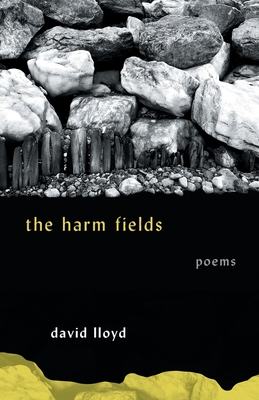
David Lloyd’s poetry abides in a lineage of poetic modernism, often in dialogue with poets like César Vallejo, Paul Celan, and Mahmoud Darwish. The poems in The Harm Fields are rich in imagery, their language a fluent mix of registers, from colloquial idioms to technical language and literary citation, and replete with multilingual puns and portmanteaux. These poems carry forward the musical values and the questioning project of the modernist lyric, but their concerns are contemporary, haunted by the ongoing brutality of the times, from Ireland to Palestine, and reaching for a language adequate to mourning, persistence, and utopian possibility.
The Harm Fields: Poems is an intellectually fierce and deeply resonant collection that positions itself squarely within the rigorous lineage of radical poetic modernism. Engaging in a profound, ghostly dialogue with masters like César Vallejo, Paul Celan, and Mahmoud Darwish, David Lloyd constructs a linguistic landscape that is both technically brilliant and emotionally devastating, seeking a language adequate to the tasks of mourning and persistence.
Lloyd’s formal mastery is on full display throughout the text. The poems are rich in dense, striking imagery, utilizing a fluent and unpredictable mix of linguistic registers moving effortlessly from colloquial idioms and technical, bureaucratic jargon to deep literary citations, multilingual puns, and inventive portmanteaux. Yet, this formal experimentation is never a mere academic exercise. The collection is hauntingly grounded in the contemporary moment, deeply marked by the ongoing systemic brutality of global conflicts stretching from Ireland to Palestine.
What makes The Harm Fields so remarkable is its balance; while it refuses to look away from the horrors of state violence and historical trauma, it simultaneously reaches toward spaces of utopian possibility. It is an essential, challenging read for anyone invested in the modernist lyric's capacity to confront contemporary political realities.