

What do you think?

Το κολάρο
Μια φορά κι έναν καιρό ήταν ένας κομψός ιππότης που όλα του τα υπάρχοντα ήταν ένας υποδηματοσύρτης και μια χτένα, αλλά είχε το πιο όμορφο κολάρο του κόσμου και γι’ αυτό ακριβώς το κολάρο πρόκειται να ακούσουμε μια ιστορία. . . Ήταν αρκετά γέρικο για να σκέφτεται το γάμο και τώρα το έχουν βάλει για πλύσιμο μαζί με μια καλτσοδέτα. [...]
«Έχω πολλά βάρη στη συνείδησή μου, μου χρειάζεται να μεταμορφωθώ σε λευκό χαρτί !»
Κι αυτό ακριβώς συνέβη : Όλα τα κουρέλια έγιναν λευκό χαρτί, αλλά το κολάρο έγινε αυτό ακριβώς το φύλλο χαρτί που βλέπουμε εδώ, πάνω στο οποίο έχει τυπωθεί αυτή η ιστορία, και ο λόγος ήταν που καυχιόταν φριχτά, κατόπιν εορτής, για πράγματα που δεν συνέβησαν ποτέ. Και καλό είναι να το σκεφτούμε, να μη φερόμαστε με τέτοιο τρόπο, γιατί, μα την πίστη μου, ποτέ δεν μπορούμε να ξέρουμε αν κι εμείς θα βρεθούμε μια μέρα στο κιβώτιο με τα κουρέλια, για να μεταμορφωθούμε σε λευκό χαρτί και να έχουμε όλη την ιστορία μας τυπωμένη πάνω μας, μαζί με ό,τι πιο κρυφό περιέχει, και να πρέπει κατόπιν να τρέχουμε παντού για να τη διηγούμαστε, όπως το κολάρο. —
Η έκδοση του παρόντος διηγήματος ας θεωρηθεί ως μια ελεγειακή αναφορά στη μεγάλη τέχνη κατασκευής του χαρτιού, από την Ευρώπη έως την Ιαπωνία, όταν το χαρτί περιείχε στον πολτό του κομμάτια ύφασμα.
«Έχω πολλά βάρη στη συνείδησή μου, μου χρειάζεται να μεταμορφωθώ σε λευκό χαρτί !»
Κι αυτό ακριβώς συνέβη : Όλα τα κουρέλια έγιναν λευκό χαρτί, αλλά το κολάρο έγινε αυτό ακριβώς το φύλλο χαρτί που βλέπουμε εδώ, πάνω στο οποίο έχει τυπωθεί αυτή η ιστορία, και ο λόγος ήταν που καυχιόταν φριχτά, κατόπιν εορτής, για πράγματα που δεν συνέβησαν ποτέ. Και καλό είναι να το σκεφτούμε, να μη φερόμαστε με τέτοιο τρόπο, γιατί, μα την πίστη μου, ποτέ δεν μπορούμε να ξέρουμε αν κι εμείς θα βρεθούμε μια μέρα στο κιβώτιο με τα κουρέλια, για να μεταμορφωθούμε σε λευκό χαρτί και να έχουμε όλη την ιστορία μας τυπωμένη πάνω μας, μαζί με ό,τι πιο κρυφό περιέχει, και να πρέπει κατόπιν να τρέχουμε παντού για να τη διηγούμαστε, όπως το κολάρο. —
Η έκδοση του παρόντος διηγήματος ας θεωρηθεί ως μια ελεγειακή αναφορά στη μεγάλη τέχνη κατασκευής του χαρτιού, από την Ευρώπη έως την Ιαπωνία, όταν το χαρτί περιείχε στον πολτό του κομμάτια ύφασμα.
24 pages, Paperback
First published January 1, 1848
About the author
Hans Christian Andersen
7,779 books3,603 followersHans Christian Andersen (often referred to in Scandinavia as H.C. Andersen) was a Danish author and poet. Although a prolific writer of plays, travelogues, novels, and poems, Andersen is best remembered for his fairy tales. Andersen's popularity is not limited to children; his stories — called eventyr, or "fairy-tales" — express themes that transcend age and nationality.
Andersen's fairy tales, which have been translated into more than 125 languages, have become culturally embedded in the West's collective consciousness, readily accessible to children, but presenting lessons of virtue and resilience in the face of adversity for mature readers as well. Some of his most famous fairy tales include "The Little Mermaid", "The Ugly Duckling", "The Nightingale", "The Emperor's New Clothes" and many more. His stories have inspired plays, ballets, and both live-action and animated films.
Andersen's fairy tales, which have been translated into more than 125 languages, have become culturally embedded in the West's collective consciousness, readily accessible to children, but presenting lessons of virtue and resilience in the face of adversity for mature readers as well. Some of his most famous fairy tales include "The Little Mermaid", "The Ugly Duckling", "The Nightingale", "The Emperor's New Clothes" and many more. His stories have inspired plays, ballets, and both live-action and animated films.
Ratings & Reviews
Friends & Following
Create a free account to discover what your friends think of this book!
Community Reviews
Displaying 1 - 13 of 13 reviews

May 19, 2016
"There was once a man-about-town whose only belongings were a bootjack and a comb. But he had the smartest shirt collar you ever saw, and it is the collar that this is about."
The Shirt Collar or simply "The Collar" is a story by the Danish writer Hans Christian Andersen, and uses one of his favourite devices, the personification of household objects to show some moral truth. In this case it is a cautionary tale about the sin of pride.
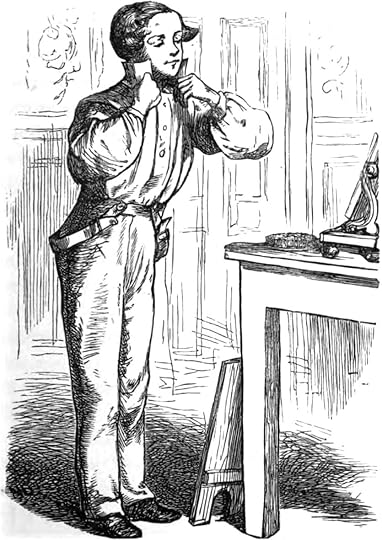
A gentleman's collar is very boastful, and takes on the attributes of his owner. He is so sure that he is a wonderful catch, that he proposes to all the female objects he meets, in turn.
"You're the sweetest thing I've ever seen - so slim, so delicate, so pretty," he says to the garter.
"You're getting me all hot. You're making a new man of me. You're smoothing our all my kinks. I feel I'm on fire. Oh! Be my wife!" he says to the iron.
"You deserve to be a countess!" he says to the scissors,
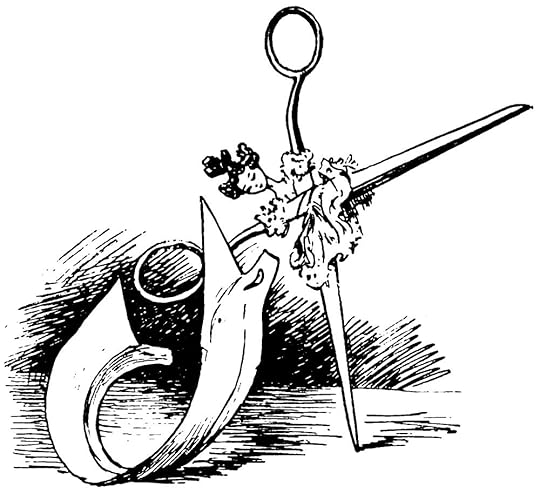
"All that I possess consists of a genteel cavalier, a boot jack, and a comb. If I had only an estate!"
However, all the females turn him down scornfully, and the pair of scissors is so irked by his attentions that she gives him a nasty cut, and he has to be thrown away.
"'There's nothing for it, I shall have to propose to the comb,' thought the collar. 'It's extraordinary my dear,' he said, 'how you still have your own teeth. Have you ever thought of being married?'"
This is one of the author's more successful short stories on this theme. It is very clever, droll and lively.
The Shirt Collar or simply "The Collar" is a story by the Danish writer Hans Christian Andersen, and uses one of his favourite devices, the personification of household objects to show some moral truth. In this case it is a cautionary tale about the sin of pride.
A gentleman's collar is very boastful, and takes on the attributes of his owner. He is so sure that he is a wonderful catch, that he proposes to all the female objects he meets, in turn.
"You're the sweetest thing I've ever seen - so slim, so delicate, so pretty," he says to the garter.
"You're getting me all hot. You're making a new man of me. You're smoothing our all my kinks. I feel I'm on fire. Oh! Be my wife!" he says to the iron.
"You deserve to be a countess!" he says to the scissors,
"All that I possess consists of a genteel cavalier, a boot jack, and a comb. If I had only an estate!"
However, all the females turn him down scornfully, and the pair of scissors is so irked by his attentions that she gives him a nasty cut, and he has to be thrown away.
"'There's nothing for it, I shall have to propose to the comb,' thought the collar. 'It's extraordinary my dear,' he said, 'how you still have your own teeth. Have you ever thought of being married?'"
This is one of the author's more successful short stories on this theme. It is very clever, droll and lively.

April 15, 2015
I've arranged my thoughts into a haiku:
"Always easier
Modifying rejection,
Than hearing a no."
"Always easier
Modifying rejection,
Than hearing a no."

Read
August 19, 2021One of Andersen's many stories criticizing pride and vanity, whimsically following a boastful shirt collar. We've all known people like him!

May 13, 2017
"... And the shirt collar came to this at last. All the rags were made into white paper, and the shirt collar became the very identical piece of paper which we now see, and on which this story is printed. It happened as a punishment to him, for having boasted so shockingly of things which were not true. And this is a warning to us, to be careful how we act, for we may some day find ourselves in the rag-bag, to be turned into white paper, on which our whole history may be written, even its most secret actions. And it would not be pleasant to have to run about the world in the form of a piece of paper, telling everything we have done, like the boasting shirt collar.

July 2, 2022
(Review in English below)
Ένα μικρό διαμάντι από τον Andersen, μια σατιρική ιστορία για την περηφάνια και την πτώση.
Έξτρα πόντους για τις Εκδόσεις Άγρα που στη συγκεκριμένη έκδοση χρησιμοποίησαν τον τύπο χαρτιού που αναφέρεται στην ιστορία.
~~~~~~
A tiny diamond by Andersen, a satirical story on pride and fall.
An extra point to Agra Publications for using the type of paper described in the story in this edition.
Ένα μικρό διαμάντι από τον Andersen, μια σατιρική ιστορία για την περηφάνια και την πτώση.
Έξτρα πόντους για τις Εκδόσεις Άγρα που στη συγκεκριμένη έκδοση χρησιμοποίησαν τον τύπο χαρτιού που αναφέρεται στην ιστορία.
~~~~~~
A tiny diamond by Andersen, a satirical story on pride and fall.
An extra point to Agra Publications for using the type of paper described in the story in this edition.

March 14, 2024
FULL REVIEW ON MY WEBSITE
https://thebookcornerchronicles.com/2...
This one was really not for me. Maybe reading children stories as an adult isn’t the best thing to do for some people.
I personally found this story to be very boring and uninteresting. I really had hard time reading it because I just couldn’t get into the story.
The story is pretty quick read, but that’s the only good thing about this story for me personally.
The writing style in this one was very generic which every fairytale has.
https://thebookcornerchronicles.com/2...
This one was really not for me. Maybe reading children stories as an adult isn’t the best thing to do for some people.
I personally found this story to be very boring and uninteresting. I really had hard time reading it because I just couldn’t get into the story.
The story is pretty quick read, but that’s the only good thing about this story for me personally.
The writing style in this one was very generic which every fairytale has.

August 14, 2021
A master of satire…he knew the human psyche well! This story had me laughing out loud, especially at the end. If you’re looking for a short humorous story, you found it.
January 11, 2023
Thought is was a rapey shirt collar, but turns out, it was the shirt collar being railed this whole time.

October 20, 2023
moral of the story is don’t fib and boost about things that didn’t happen for karma is real
February 6, 2025
Satirical and humorous story about ego. Short read

August 1, 2025
Τραγούδι που ταιριάζει απόλυτα στο κείμενο
https://youtu.be/pU2ukeS2JTE?si=UJFTe...
Ένα μικρό διαμάντι του Άντερσεν. 🔝 εγγύηση οι εκδόσεις Άγρα.
https://youtu.be/pU2ukeS2JTE?si=UJFTe...
Ένα μικρό διαμάντι του Άντερσεν. 🔝 εγγύηση οι εκδόσεις Άγρα.

June 28, 2016
Hmmm... much to think about with this one :
"... This is a warning to us, to be careful how we act, for we may some day find ourselves in the ragbag, to be turned into white paper, on which our whole history may be written, even its most secret actions. And it would not be pleasant to have to run about the world in the form of a piece of paper, telling everything we have done, like the boasting shirt collar."
Wow.
"... This is a warning to us, to be careful how we act, for we may some day find ourselves in the ragbag, to be turned into white paper, on which our whole history may be written, even its most secret actions. And it would not be pleasant to have to run about the world in the form of a piece of paper, telling everything we have done, like the boasting shirt collar."
Wow.

January 3, 2025
Συμπαθητικό. 2,5*
δευτερη ανάγνωση σε ενα χρονο και μου φανηκε πολύ πολύ μαγικότερο
δευτερη ανάγνωση σε ενα χρονο και μου φανηκε πολύ πολύ μαγικότερο
Displaying 1 - 13 of 13 reviews