

What do you think?

Mrs Van Gogh
She’s been painted out of history…until now
Who tells her story?
In 1890, Vincent Van Gogh dies penniless, unknown, a man tortured by his own mind.
Eleven years later his work is exhibited in Paris and his unparalleled talent finally recognised. The tireless efforts of one woman gave the world one of its greatest creative minds.
But twenty-eight year old Johanna Van Gogh-Bonger, Vincent’s sister-in-law and the keeper of his immense collection of paintings, sketches and letters, has, until now, been written out of history. This beautiful, moving novel finally gives this extraordinary woman a voice…
Who tells her story?
In 1890, Vincent Van Gogh dies penniless, unknown, a man tortured by his own mind.
Eleven years later his work is exhibited in Paris and his unparalleled talent finally recognised. The tireless efforts of one woman gave the world one of its greatest creative minds.
But twenty-eight year old Johanna Van Gogh-Bonger, Vincent’s sister-in-law and the keeper of his immense collection of paintings, sketches and letters, has, until now, been written out of history. This beautiful, moving novel finally gives this extraordinary woman a voice…
481 pages, ebook
First published January 30, 2023
Ratings & Reviews
Friends & Following
Create a free account to discover what your friends think of this book!
Community Reviews
Displaying 1 - 30 of 547 reviews

December 19, 2022
Mrs. Van Gogh reimagines the life of Johanna Gezina Bonger, a woman, who cared about Vincent van Gogh’s talent and did everything possible that his work wouldn’t be forgotten.
1888. When Jo, as she is known, visits her brother in Paris for the summer, she experiences something new. Her brother is part of the Parisian artistic circle, and introduces Jo to Van Gogh brothers. Theo is a successful art dealer, where on the other hand, Vincent is a penniless artist.
When, she herself, tries her artistic abilities, she starts discovering about herself. Who she is and who she could possibly become. Only to find out that she is being pushed into marriage by her mother. She likes the idea of what Montmartre artistic area offers – to be bohemian and flamboyant, without any rush to marry. Jo doesn’t want an ordinary life, but she is not in a position to make a choice. She needs to make the most of what life offers her.
Later, she inherits all of Vincent’s paintings and letters. As a lover of art, she gets the drive to bring Vincent’s art to the world. And for the world to understand him better through his paintings – his hard work and his sorrows, not his madness.
The story is written thoughtfully. We get to know Jo well through her aspirations, thoughts, and feelings. She is a caring and likeable person. Her story begins with her ambitions, which quickly are put aside, then the story progresses with her marriage and friendship with Vincent. At the end, she emerges as a strong woman with her own voice, who leads the way with her ambitious project. It is a story of a remarkable woman, who, for most part, was unknown to the world until now.
Source: ARC was provided by the publisher via NetGalley in exchange for an honest review.
1888. When Jo, as she is known, visits her brother in Paris for the summer, she experiences something new. Her brother is part of the Parisian artistic circle, and introduces Jo to Van Gogh brothers. Theo is a successful art dealer, where on the other hand, Vincent is a penniless artist.
When, she herself, tries her artistic abilities, she starts discovering about herself. Who she is and who she could possibly become. Only to find out that she is being pushed into marriage by her mother. She likes the idea of what Montmartre artistic area offers – to be bohemian and flamboyant, without any rush to marry. Jo doesn’t want an ordinary life, but she is not in a position to make a choice. She needs to make the most of what life offers her.
Later, she inherits all of Vincent’s paintings and letters. As a lover of art, she gets the drive to bring Vincent’s art to the world. And for the world to understand him better through his paintings – his hard work and his sorrows, not his madness.
The story is written thoughtfully. We get to know Jo well through her aspirations, thoughts, and feelings. She is a caring and likeable person. Her story begins with her ambitions, which quickly are put aside, then the story progresses with her marriage and friendship with Vincent. At the end, she emerges as a strong woman with her own voice, who leads the way with her ambitious project. It is a story of a remarkable woman, who, for most part, was unknown to the world until now.
Source: ARC was provided by the publisher via NetGalley in exchange for an honest review.

September 30, 2023
DISCLAIMER: I am not an art historian, I am a lover of art and have read biographies of artists of interest to me. I happen to be a lover of Vincent Van Gogh's work and have read enough to know something of his sister-in-law Johanna and how she was instrumental in bringing Vincent’s work to the public.
Even historical fiction necessitates some semblance of truth behind the story. I seriously question the author’s motives in writing this book. Other than trading on the name of a long dead famous artist this book has no merit.
First off – the book is written in the present tense and first person which allows the author to put thoughts and words into the mouth of people dead and gone. The entire first Chapter is 100% fiction. It starts out with Johanna, supposedly an aspiring artist, arriving in Paris to live with her brother. NEVER happened it is a figment of the author’s imagination. After that I saw no reason to read any more.
This book is 400+ pages and the only real thing in the book is the name in the title. The author has let her imagination run wild to fill the 400+ pages. The author has had the grace to say in her Author’s Notes “I’m neither a historian nor a biographer.” Well, no kidding!
This book is an insult to Vincent Van Gogh, Theo Van Gogh and most of all Johanna van Gogh-Bonger.
I refused to insult the Van Gogh family by reading this book to the end.
Even historical fiction necessitates some semblance of truth behind the story. I seriously question the author’s motives in writing this book. Other than trading on the name of a long dead famous artist this book has no merit.
First off – the book is written in the present tense and first person which allows the author to put thoughts and words into the mouth of people dead and gone. The entire first Chapter is 100% fiction. It starts out with Johanna, supposedly an aspiring artist, arriving in Paris to live with her brother. NEVER happened it is a figment of the author’s imagination. After that I saw no reason to read any more.
This book is 400+ pages and the only real thing in the book is the name in the title. The author has let her imagination run wild to fill the 400+ pages. The author has had the grace to say in her Author’s Notes “I’m neither a historian nor a biographer.” Well, no kidding!
This book is an insult to Vincent Van Gogh, Theo Van Gogh and most of all Johanna van Gogh-Bonger.
I refused to insult the Van Gogh family by reading this book to the end.

December 9, 2022
This was an amazing book! To give you some insight into where my opinion comes from, you need to know that I’m a Van Gogh fan, I'm not an artist. I’ve read countless historical fiction novels about him, been to the Hermitage to see his paintings, to Arles to have coffee in Cafe Van Gogh, see more paintings and visit the hospital he was taken to after he cut off a piece of his ear, to Montmartre to see where he and his brother, Theo, lived and been twice to view a 'Dutch masters' visiting collection in Vancouver, all in an effort to appreciate his art. It always amazes me that such brilliance and talent were only discovered after his death.
When Vincent Van Gogh died in 1890, he was almost penniless and had only sold one painting.
So, why then is he now among the most famous and influential figures in the history of Western art?
It’s all to do with a woman and a dream.
Johanna, Vincent Van Gogh’s sister-in-law, wrote in her sketchbook just days after arriving in Paris, that she’d “hate to reach the end of her life and to never have achieved something that was great or even remarkable!” After reading this book, I think you’ll agree with me: she became one of the greatest art dealers to have lived. She single-handedly sold 195 of his paintings and 55 drawings, including his Sunflowers, to London’s National Gallery in 1924. Eleven years later, his work was being exhibited around the world and his reputation as a great artist was established.
This book is a creative account of the remarkable woman who became the guardian of Vincent’s legacy.
Art aficionados, you need this book that highlights the woman who saved Van Gogh from obscurity.
I was generously gifted this copy by Harper Collins UK, One More Chapter and NetGalley and was under no obligation to provide a review.
When Vincent Van Gogh died in 1890, he was almost penniless and had only sold one painting.
So, why then is he now among the most famous and influential figures in the history of Western art?
It’s all to do with a woman and a dream.
Johanna, Vincent Van Gogh’s sister-in-law, wrote in her sketchbook just days after arriving in Paris, that she’d “hate to reach the end of her life and to never have achieved something that was great or even remarkable!” After reading this book, I think you’ll agree with me: she became one of the greatest art dealers to have lived. She single-handedly sold 195 of his paintings and 55 drawings, including his Sunflowers, to London’s National Gallery in 1924. Eleven years later, his work was being exhibited around the world and his reputation as a great artist was established.
This book is a creative account of the remarkable woman who became the guardian of Vincent’s legacy.
Art aficionados, you need this book that highlights the woman who saved Van Gogh from obscurity.
I was generously gifted this copy by Harper Collins UK, One More Chapter and NetGalley and was under no obligation to provide a review.

January 15, 2023
Johanna van Gogh-Bonger, or Jo, was born in an era when women had few rights or means by which to earn a living. Men, the powerbrokers and gatekeepers, scoffed at the idea that a woman could be a professional of any kind. Yet, when Jo was widowed in 1891 with a small child to raise, she defied Victorian norms and became a promotional phenom. Through determination and perseverance, she pushed her brother-in-law’s name and art into the public eye. In November 2022, Vincent van Gogh’s 1888 painting Orchard with Cypresses sold for $117 million. This is what Jo’s claim to fame should be—her extraordinary contribution to art history. She is the reason millions can enjoy his art by visiting museums worldwide. But only the last ten percent of the book covers this period of her life, and then in digest form.
Until Jo and Theo marry at sixty percent of the way into the book, the story is fictionalized and unfolds as a historical romance starting with Jo arriving in Paris under a cloud of shame, hoping to be an artist. This drives the plot as she meets various artists, most of whom have famous names with imagined personalities. Jo is subject to various lewd advances and trickery by Vincent, which she makes worse by acting stupid. This, and a jealous woman’s gossip keeps her brother busy protecting the family reputation and calming down Theo. After that, Vincent will move to Arles, and the story unfolds with some inspiration from correspondence between the Bongers and Van Goghs.
Why allot such a small amount of real estate in a 400 page book to the goal of “painting” Jo’s name back into history for her extraordinary contribution to art? The author says, “There is, of course, considerably more that I could have written about Johanna’s life after Theo’s death.” But she didn’t because, she says, “I’m neither a historian nor a biographer.”
I am disappointed because I had relied on the book’s marketing. Johanna elbowed her way into a man’s world to secure her spot among a handful of female art dealers of her time and left Vincent van Gogh’s art legacy to the world. She deserved more than this.
Until Jo and Theo marry at sixty percent of the way into the book, the story is fictionalized and unfolds as a historical romance starting with Jo arriving in Paris under a cloud of shame, hoping to be an artist. This drives the plot as she meets various artists, most of whom have famous names with imagined personalities. Jo is subject to various lewd advances and trickery by Vincent, which she makes worse by acting stupid. This, and a jealous woman’s gossip keeps her brother busy protecting the family reputation and calming down Theo. After that, Vincent will move to Arles, and the story unfolds with some inspiration from correspondence between the Bongers and Van Goghs.
Why allot such a small amount of real estate in a 400 page book to the goal of “painting” Jo’s name back into history for her extraordinary contribution to art? The author says, “There is, of course, considerably more that I could have written about Johanna’s life after Theo’s death.” But she didn’t because, she says, “I’m neither a historian nor a biographer.”
I am disappointed because I had relied on the book’s marketing. Johanna elbowed her way into a man’s world to secure her spot among a handful of female art dealers of her time and left Vincent van Gogh’s art legacy to the world. She deserved more than this.

February 12, 2023
Mrs Van Gogh is the story of Johanna Bonger who married Theo Van Gogh, Vincent’s brother. After Vincent’s death and then Theo’s six months later she became the owner of most of Vincent’s artwork including paintings, sketches and his letters. It is through her efforts that Vincent Van Gogh is so well known. The second half of this book is wonderful, powerful and emotional, basically from her marriage to Theo, the birth of her son, Vincent’s deterioration and death, but it is all in a rush compared to the first half of the book (which as the author admits in her afterward is almost completely fictional) which tells of Johanna’s arrival in Paris and courtship with Theo. It just drags, but I kept reading knowing it had to get interesting at some stage. There are some better moments including around Camille Claudel and Rodin, the building of the Eiffel Tower and life in Paris. The author seems to be making statements about the treatment of women artists and women’s lives in general but for me it wasn’t new and it could’ve been dealt with in a quicker way. No doubt Jo was an unconventional and strong woman, I don’t think the Jo in the first half of the book makes much sense. So in the end I’d have to say I was disappointed in this read.

January 30, 2023
‘I’m going to bring Vincent van Gogh’s art to the world. I’ll let others see his genius.’
Most of us know, of course, of Vincent Van Gogh. Many of us know that his work did not become famous until after his death. Then why - I ask myself - have I never asked the question: who was responsible for presenting his art to the world? This book answers all that and more in such a way that will stay with me … probably for my lifetime.
‘If it takes until my very last breath, one day, every single artist, art lover and art critic in the world will know the name Vincent van Gogh.’ He laughs. ‘You’re as mad as the earless painter.’
I cannot recommend this book highly enough to anyone who is even slightly intrigued by a fictional narrative on this topic. In the words of the author herself: “.. shocked and bewildered that despite her key role in the growth of Vincent’s posthumous fame, Johanna’s story had been all but ignored … I’m neither a historian nor a biographer, I had little choice - and much pleasure - in writing an imaginative reconstruction of a brief marriage and the story of how a young widow changed art history … this novel offers a creative account of the remarkable woman who became “the guardian of Vincent van Gogh’s legacy.”
‘He’s one of the most progressive painters alive. He has to keep painting,’ he says. ‘He forces us to surrender conventional ideas when viewing his art. But Jo … Can I hope that one day he’ll be understood?’
Johanna was only married to Theo for a short two and a half years - mind blowing in the big scheme of things. To consider that in such a short time she met and became engaged to Theo, witnessed Vincent’s mental collapse, married, had a child, witnessed Vincent’s death then, sadly, Theo’s mental collapse and death. ‘A former schoolteacher who stepped into two and a half years of madness, love and grief. After that, aged only twenty-eight, some might have turned their back on the Van Gogh name. But nevertheless, Mrs Van Gogh-Bonger persisted. She spread him over the world, selling at least 195 paintings and 55 drawings by Van Gogh, including Sunflowers to London’s National Gallery of British Art in 1924, the year before she died.”
‘I’m at a loss for words. I’ve stepped into a world where madness and art seem to hold hands to dance. I’m not sure I know how to exist here.’
In light of this, Caroline has penned such an incredible story. It’s raw, it’s heartbreaking but it’s filled with resilience and fortitude that moved me beyond measure. It’s a massive undertaking and Caroline does it with such poise and panache that it truly is one of the most remarkable fictional narratives I have read. I don’t even have the space to go into the ease of her writing, the depth of her research and portrayal of artists of the era or the days in Paris (love the weekly Eiffel Tower photo) and especially, the nod to the role of women in the era. Just do yourself a favour and go read this book! You won’t be disappointed - the tale of such a remarkable woman who became the caretaker of the Van Gogh legacy.
‘For in the routine of daily life there is so little time to reflect, and sometimes days go by when I don’t actually live, but let life happen to me, and that’s terrible. I would think it dreadful to have to say at the end of my life: “I’ve actually lived for nothing, I have achieved nothing great or noble”…’ Johanna Bonger, aged seventeen (March 26, 1880)’
This review is based on a complimentary copy from the publisher in exchange for an honest review. Opinions expressed in this review are completely my own. The quoted material may have changed in the final release.
Most of us know, of course, of Vincent Van Gogh. Many of us know that his work did not become famous until after his death. Then why - I ask myself - have I never asked the question: who was responsible for presenting his art to the world? This book answers all that and more in such a way that will stay with me … probably for my lifetime.
‘If it takes until my very last breath, one day, every single artist, art lover and art critic in the world will know the name Vincent van Gogh.’ He laughs. ‘You’re as mad as the earless painter.’
I cannot recommend this book highly enough to anyone who is even slightly intrigued by a fictional narrative on this topic. In the words of the author herself: “.. shocked and bewildered that despite her key role in the growth of Vincent’s posthumous fame, Johanna’s story had been all but ignored … I’m neither a historian nor a biographer, I had little choice - and much pleasure - in writing an imaginative reconstruction of a brief marriage and the story of how a young widow changed art history … this novel offers a creative account of the remarkable woman who became “the guardian of Vincent van Gogh’s legacy.”
‘He’s one of the most progressive painters alive. He has to keep painting,’ he says. ‘He forces us to surrender conventional ideas when viewing his art. But Jo … Can I hope that one day he’ll be understood?’
Johanna was only married to Theo for a short two and a half years - mind blowing in the big scheme of things. To consider that in such a short time she met and became engaged to Theo, witnessed Vincent’s mental collapse, married, had a child, witnessed Vincent’s death then, sadly, Theo’s mental collapse and death. ‘A former schoolteacher who stepped into two and a half years of madness, love and grief. After that, aged only twenty-eight, some might have turned their back on the Van Gogh name. But nevertheless, Mrs Van Gogh-Bonger persisted. She spread him over the world, selling at least 195 paintings and 55 drawings by Van Gogh, including Sunflowers to London’s National Gallery of British Art in 1924, the year before she died.”
‘I’m at a loss for words. I’ve stepped into a world where madness and art seem to hold hands to dance. I’m not sure I know how to exist here.’
In light of this, Caroline has penned such an incredible story. It’s raw, it’s heartbreaking but it’s filled with resilience and fortitude that moved me beyond measure. It’s a massive undertaking and Caroline does it with such poise and panache that it truly is one of the most remarkable fictional narratives I have read. I don’t even have the space to go into the ease of her writing, the depth of her research and portrayal of artists of the era or the days in Paris (love the weekly Eiffel Tower photo) and especially, the nod to the role of women in the era. Just do yourself a favour and go read this book! You won’t be disappointed - the tale of such a remarkable woman who became the caretaker of the Van Gogh legacy.
‘For in the routine of daily life there is so little time to reflect, and sometimes days go by when I don’t actually live, but let life happen to me, and that’s terrible. I would think it dreadful to have to say at the end of my life: “I’ve actually lived for nothing, I have achieved nothing great or noble”…’ Johanna Bonger, aged seventeen (March 26, 1880)’
This review is based on a complimentary copy from the publisher in exchange for an honest review. Opinions expressed in this review are completely my own. The quoted material may have changed in the final release.

January 14, 2023
3.5 stars rounded up
In 1890, Vincent Van Gogh dies penniless, unknown, a man tortured by his own mind. Eleven years later his work is exhibited in Paris and his unparalleled talent finally recognised. The tireless efforts of one woman gave the world one of its greatest creative minds. But twenty-eight-year-old Joanna Van Gogh-Binger, Vincent's sister-in-law and keeper of his immense collection of paintings, sketches and letters, has, until now, been written out of history. This beautiful, moving novel finally gives this extraordinary woman a voice.
The pace is slow throughout this interesting read. The story is based on some true facts and events. This is a traumatic account of the lives of Vincent and his brother Theo Van Gogh. the story can be quite depressing at times. It was a little repetitive in the first half of the book. The book could easily have been a bit shorter. It covers mental health, physical illness, love and loss. It has also been descriptively written. Joanna Van Gogh was a remarkable woman.
I would like to thank #NetGalley #HarperCollinsUK #OneMoreChapter and the author #CarolineCauchi for my ARC of #MrsVanGogh in exchange for an honest review.
In 1890, Vincent Van Gogh dies penniless, unknown, a man tortured by his own mind. Eleven years later his work is exhibited in Paris and his unparalleled talent finally recognised. The tireless efforts of one woman gave the world one of its greatest creative minds. But twenty-eight-year-old Joanna Van Gogh-Binger, Vincent's sister-in-law and keeper of his immense collection of paintings, sketches and letters, has, until now, been written out of history. This beautiful, moving novel finally gives this extraordinary woman a voice.
The pace is slow throughout this interesting read. The story is based on some true facts and events. This is a traumatic account of the lives of Vincent and his brother Theo Van Gogh. the story can be quite depressing at times. It was a little repetitive in the first half of the book. The book could easily have been a bit shorter. It covers mental health, physical illness, love and loss. It has also been descriptively written. Joanna Van Gogh was a remarkable woman.
I would like to thank #NetGalley #HarperCollinsUK #OneMoreChapter and the author #CarolineCauchi for my ARC of #MrsVanGogh in exchange for an honest review.

January 1, 2026
When Vincent van Gogh died, he was not the celebrated genius that he is today. Instead much of his current fame is the result of his sister-in-law's determination that his art would live on and be recognized. "Mrs Van Gogh" tells the fictionalized story of Johanna Bonger, who married Vincent's beloved brother Theo. Set primarily in 1880s Paris, the novel develops the story of Theo and Johanna's courtship as well as their short-lived marriage (both brothers died within a few months of each other, only two years after Theo and Jo were married). The most impactful part for me was how the author compassionately brought to light the challenges and emotional pain of having Vincent as a brother and brother-in-law and watching his mental decline despite the attempts made to help.
My only complaint with this book is that, based on the title being "Mrs Van Gogh" and from the description of the blurb, I thought the majority of the book would be about her time as Theo's wife and then how, after Vincent and Theo's death, she continued to work to ensure Vincent's work lived on. Instead, her and Theo are not married until 60% of the way through! And the part of her life that is most intriguing to me, how she was able to build Van Gogh's legacy as a young widow and inexperienced art dealer, only accounts for the last 10% and feels so rushed through compared to the leisurely pace with which we explored her courtship/romance with Theo! I was left at the end of the book feeling like there was so much of her story untold.
Despite this, I still found "Mrs Van Gogh" to be a very strong historical fiction novel, particularly for a debut author. As a lover of art history and a big Van Gogh fan (I have many fond memories associated with his various paintings from different gallery visits and time spent in Paris and Amsterdam), this was a thoroughly enjoyable read.
*DISCLAIMER: I received an eARC of this book from HarperCollins Canada | One More Chapter through NetGalley for the purposes of providing an unbiased review.*
My only complaint with this book is that, based on the title being "Mrs Van Gogh" and from the description of the blurb, I thought the majority of the book would be about her time as Theo's wife and then how, after Vincent and Theo's death, she continued to work to ensure Vincent's work lived on. Instead, her and Theo are not married until 60% of the way through! And the part of her life that is most intriguing to me, how she was able to build Van Gogh's legacy as a young widow and inexperienced art dealer, only accounts for the last 10% and feels so rushed through compared to the leisurely pace with which we explored her courtship/romance with Theo! I was left at the end of the book feeling like there was so much of her story untold.
Despite this, I still found "Mrs Van Gogh" to be a very strong historical fiction novel, particularly for a debut author. As a lover of art history and a big Van Gogh fan (I have many fond memories associated with his various paintings from different gallery visits and time spent in Paris and Amsterdam), this was a thoroughly enjoyable read.
*DISCLAIMER: I received an eARC of this book from HarperCollins Canada | One More Chapter through NetGalley for the purposes of providing an unbiased review.*

March 7, 2024
“Starry starry night. Paint your palette in blue and grey….” D. McLean
I enjoy art and learning about the history behind the artist. This was a fictional account (although some of the details are true), of Vincent and his brother, Theo Van Gogh. Ultimately, the unsung hero of the artwork was Theo’s widowed wife, Johanna Van Gogh, who sold the artwork throughout her life. This was unheard of for a woman to take on this type of project in the late 1800’s.
I have another book, The Secret Life of Sunflowers, which I will eventually read based on the same Van Gogh story.
Recommend if you are an art lover and enjoy historical fiction. 4 stars ⭐️
I enjoy art and learning about the history behind the artist. This was a fictional account (although some of the details are true), of Vincent and his brother, Theo Van Gogh. Ultimately, the unsung hero of the artwork was Theo’s widowed wife, Johanna Van Gogh, who sold the artwork throughout her life. This was unheard of for a woman to take on this type of project in the late 1800’s.
I have another book, The Secret Life of Sunflowers, which I will eventually read based on the same Van Gogh story.
Recommend if you are an art lover and enjoy historical fiction. 4 stars ⭐️
June 20, 2023
3.5⭐️

December 22, 2022
Caroline Cauchi is also known as Caroline Smailes, and Caroline Wallace. I have been reading and loving her books for many years now. She writes in such an eclectic style, contemporary fiction, experimental fiction, and now, with Mrs Van Gogh, she's penned a wonderful, vibrant and utterly engrossing novel of historical fiction.
I'm a sucker for historical fiction that is based upon real life people and Johanna Van Gogh-Bonger was certainly a woman who acted, spoke and behaved well before her time. The wife of Vincent Van Gogh's older brother Theo, it is Johanna who ensured that Vincent's works of art were brought to the public's attention, after he died. Whilst Van Gogh is now probably one of the best known of the Dutch masters, during his lifetime he lived in poverty. Depending on art-dealer Theo to fund his art, suffering from a severe mental illness, and finally dying so young by suicide.
Cauchi has done such a large amount of research into Johanna and the brothers, and her author's note explains that whilst many of the events detailed are the truth, there is a lot of information missing, and so, she's created a fictional account of how she sees Johanna, and her impact on the brother's lives.
Johanna was sent to Paris to stay with her older brother after being dismissed from her teaching post. The only thing that she had done wrong was to fall in love with a wholly unsuitable man. This was the 1880s and whilst men could and did get away with most things, a woman's name could be blackened by such behaviour.
For Johanna, the chance to spend time in Paris, amongst the up and coming artists, and especially the female artists was a wonderful opportunity that she grasped with both hands. Outspoken and not afraid to say and do exactly what she thought, she soon became part of the Paris scene. Visiting clubs and bars where she saw sights that she couldn't have imagined and met people who inspired and excited her.
It was the Van Gogh brothers who really changed her life. Theo proposed to her after one meeting, but it was Vincent who intrigued her the most. This rude, obnoxious man who treated her with disdain and said thing to her that were unimaginable, theirs was a love-hate relationship, right up until the end.
As Vincent descended into his madness and spent time in an asylum, Johanna and Theo married and started a family, yet Vincent was always there, demanding their time and their money. Theo was determined that Vincent's art would be exhibited, and that he would become famous, but events overtook the couple and Theo was never to see this happen.
However, young Johanna, with a determination of steel ensured that eventually, everyone in the world would appreciate Vincent''s talent.
This is an extraordinary novel, one that engrossed and fascinated me so much. The writing is so beautifully constructed, the detail is exquisite, and the characters almost jump from the pages. It's a story that will ensure that readers go straight to Google, to find out more about the Van Gogh family.
The historical elements, including the construction of the now world-famous Eiffel Tower, the inclusion of artists who, during the story are unknown, but now, centuries later are revered and admired world wide adds so much depth and pleasure to this story.
The novel itself is truly a work of art. It's rich and vivid, the streets of Paris and the inhabitants are skilfully and beautifully drawn. A must-read novel, detailing the incredible life of a strong and determined woman.
I'm a sucker for historical fiction that is based upon real life people and Johanna Van Gogh-Bonger was certainly a woman who acted, spoke and behaved well before her time. The wife of Vincent Van Gogh's older brother Theo, it is Johanna who ensured that Vincent's works of art were brought to the public's attention, after he died. Whilst Van Gogh is now probably one of the best known of the Dutch masters, during his lifetime he lived in poverty. Depending on art-dealer Theo to fund his art, suffering from a severe mental illness, and finally dying so young by suicide.
Cauchi has done such a large amount of research into Johanna and the brothers, and her author's note explains that whilst many of the events detailed are the truth, there is a lot of information missing, and so, she's created a fictional account of how she sees Johanna, and her impact on the brother's lives.
Johanna was sent to Paris to stay with her older brother after being dismissed from her teaching post. The only thing that she had done wrong was to fall in love with a wholly unsuitable man. This was the 1880s and whilst men could and did get away with most things, a woman's name could be blackened by such behaviour.
For Johanna, the chance to spend time in Paris, amongst the up and coming artists, and especially the female artists was a wonderful opportunity that she grasped with both hands. Outspoken and not afraid to say and do exactly what she thought, she soon became part of the Paris scene. Visiting clubs and bars where she saw sights that she couldn't have imagined and met people who inspired and excited her.
It was the Van Gogh brothers who really changed her life. Theo proposed to her after one meeting, but it was Vincent who intrigued her the most. This rude, obnoxious man who treated her with disdain and said thing to her that were unimaginable, theirs was a love-hate relationship, right up until the end.
As Vincent descended into his madness and spent time in an asylum, Johanna and Theo married and started a family, yet Vincent was always there, demanding their time and their money. Theo was determined that Vincent's art would be exhibited, and that he would become famous, but events overtook the couple and Theo was never to see this happen.
However, young Johanna, with a determination of steel ensured that eventually, everyone in the world would appreciate Vincent''s talent.
This is an extraordinary novel, one that engrossed and fascinated me so much. The writing is so beautifully constructed, the detail is exquisite, and the characters almost jump from the pages. It's a story that will ensure that readers go straight to Google, to find out more about the Van Gogh family.
The historical elements, including the construction of the now world-famous Eiffel Tower, the inclusion of artists who, during the story are unknown, but now, centuries later are revered and admired world wide adds so much depth and pleasure to this story.
The novel itself is truly a work of art. It's rich and vivid, the streets of Paris and the inhabitants are skilfully and beautifully drawn. A must-read novel, detailing the incredible life of a strong and determined woman.

January 25, 2023
A fictional story based on fact this was a fascinating read. The addendum at the end of the book explains how much was based on fact and what was poetic licence, and there was a lot of the latter. Well written and I found it a wonderfully insightful story about a woman ahead of her time in many ways. Mrs Van Gogh nee Johanna Bonger married Theo Van Gogh, Vincent’s older brother and, despite Vincent’s at the time despicable behaviour towards her, treated him as her brother.
Briefly, after Vincent was ‘exiled’ to Arles, after exhibiting unacceptable behaviour in Paris, he started painting brighter works of nature but his psychotic episodes grew worse and after a disagreement with his friend Gauguin cut off part of his own ear. Meanwhile Johanna and his younger brother Theo had married and had a son, a fact that may have contributed to Vincent’s heavy drinking and subsequent periods in psychiatric hospitals.
Johanna was an amazing woman who after the deaths of both Vincent and Theo in their 30’s determined that her husband’s life dreams to see Vincent’s work recognised would happen; it took many years but she never gave up, and the rest as they say is history. I love all the historical details, the building of the Eiffel Tower, the nightlife at Le Moulin de la Gallette and Le Chat Noir and the lives of other renowned artists such as Auguste Rodin. I’m a big fan of Impressionism and post Impressionism and Van Gogh’s works are some of my favourites. I ended up reading this in a day as I was so engaged with the excellent and exciting story. A great read.
Briefly, after Vincent was ‘exiled’ to Arles, after exhibiting unacceptable behaviour in Paris, he started painting brighter works of nature but his psychotic episodes grew worse and after a disagreement with his friend Gauguin cut off part of his own ear. Meanwhile Johanna and his younger brother Theo had married and had a son, a fact that may have contributed to Vincent’s heavy drinking and subsequent periods in psychiatric hospitals.
Johanna was an amazing woman who after the deaths of both Vincent and Theo in their 30’s determined that her husband’s life dreams to see Vincent’s work recognised would happen; it took many years but she never gave up, and the rest as they say is history. I love all the historical details, the building of the Eiffel Tower, the nightlife at Le Moulin de la Gallette and Le Chat Noir and the lives of other renowned artists such as Auguste Rodin. I’m a big fan of Impressionism and post Impressionism and Van Gogh’s works are some of my favourites. I ended up reading this in a day as I was so engaged with the excellent and exciting story. A great read.
March 19, 2023
Gave up on this early into the story. It didn't ring true to me, so I looked at other sources and found the author has changed many details about Johanna's and Theo's courtship and Johanna's contacts with Vincent. This is fiction, of course, but it strayed too far from Johanna's story to make me question whether the rest of the novel would similarly be a problem.

December 7, 2022
I am a fan of historical fiction and thought from the description of this book it may be something I’d enjoy, although it’s fair to say I don’t really know much about Vincent Van Gogh or his brother Theo.
I thoroughly enjoyed this gem of a read, and was captivated by the story the author told. I think she introduced the characters and set the scenes really well, and certainly grabbed my interest and attention right from the start. I felt her characters were portrayed so well they became so vividly alive and literally jumped out of the pages and I could imagine them in my mind when reading. The authors writing style was excellent, the story easy to follow and I thought the book flowed seamlessly. I loved the atmosphere the author created in the story and her descriptions of the Paris streets made me feel like I was right there following the characters around. Overall, this book was a pleasure to read and it really hit the mark for me. If you enjoy historical fiction, try this I don’t think you’ll be disappointed.
4 stars ⭐️ ⭐️⭐️⭐️
I thoroughly enjoyed this gem of a read, and was captivated by the story the author told. I think she introduced the characters and set the scenes really well, and certainly grabbed my interest and attention right from the start. I felt her characters were portrayed so well they became so vividly alive and literally jumped out of the pages and I could imagine them in my mind when reading. The authors writing style was excellent, the story easy to follow and I thought the book flowed seamlessly. I loved the atmosphere the author created in the story and her descriptions of the Paris streets made me feel like I was right there following the characters around. Overall, this book was a pleasure to read and it really hit the mark for me. If you enjoy historical fiction, try this I don’t think you’ll be disappointed.
4 stars ⭐️ ⭐️⭐️⭐️

December 3, 2023
It had themes I can get behind (feminism, mental health) but the main character was too unlikeable a character for me to be able to enjoy the book.

January 19, 2023
This is a stunning and incredibly colourful portrayal of the Van Gogh brothers and the woman Johanna Bonger who tried to keep it all together in this mad and mesmerising world of artists and dealers. The language is exquisite, the descriptions breathtaking and the comparisons riveting. Caroline Cauchi knows how to capture the reader’s attention with her vivid and original imaginings of what might have happened during the years when Johanna was a part of their lives.
When Johanna’s brother Andries introduces her to the Van Gogh brothers, she is thrust into a bizarre world. Jo originally wants to be an artist but does not have the confidence in her abilities. Her brother tries to help by making connections for her to meet and learn from other artists. He wants her to achieve her dreams but their parents are keen to marry Jo off to an old man of their choosing. This sets Jo on a runaway path to avoid the inevitable. Theo Van Gogh, though, has his eye on Johanna and though she is slow to respond, due to a previous heartbreak, she eventually falls deeply for this brother of Vincent’s. (In some ways, Theo becomes her rescuer in a society that sees women as needing a husband. He just wants her to be herself. ) But becoming involved with one Van Gogh, means being part of the other brother’s life, too. And that presents some heavy challenges and later unexpected surprises.
We are all aware that during Vincent’s lifetime, his art did not draw much attention yet upon his death, things began to take off. Many do not know that it was due to the efforts of Johanna. After Theo’s death, she tried to carry on her husband’s mission: to make Vincent’s art known and appreciated for its striking personal style.
Ms Cauchi delves into the mind of Vincent, his battle with depression, his fierce connection to his brother, but also his love of nature (obvious in his paintings). Vincent felt akin to the raw wild splendour of the natural world. It is where he ‘captured the play of light and shadow on foliage.’ In the personal arena, he certainly is seen as having non-traditional relationships and sometimes humour was his safeguard. This made me think about the fine line between comedy and tragedy. and those with a tragic perspective often use comic relief like an antidote to numb their pain. Some of the saddest people in the world of art and entertainment have been the most successful in the area of comedy. Possibly because it helps them cope with society. The question about Vincent’s life is whether in his last battle he tried to end it or whether he was injured in an accident? There has been much speculation, even that he was protecting someone, possibly a child who may have accidentally shot him. It is hard to say and only Vincent knows.
But this story is more about Johanna and how the view towards independent women in the late 1800s was severe. The torment she endured, the ridicule by jealous onlookers, the struggles she had being caught between the love of two brothers. The portrayal here is that she was a strong woman who carried some heavy burdens, regrets and grief from her loss. Her marriage to Theo was sadly too short but her fierce protection of the child born of their love is triumphantly displayed in this novel. I was so glad Ms Cauchi included the later aspects of her life and that of her son’s.
This is a novel that made my heart ache. I could feel anguish oozing from its pages. My emotions were all over the place. There were moments in the story when I truly did not like Vincent: especially with some of the comments he made in his dialogue. But then his letters provided another side of him. And by the end of the story, I felt as Johanna did. Sad for not understanding his loneliness. Which took me back to my thoughts of him before. I had always felt he had been misunderstood. And his own personal demons took him down strange and turbulent roads. Regardless of his issues, he was a talent that the world would not realise until he was gone. Thanks to Johanna, his artwork became a fascination for art lovers and his work even converted those who may not have been enthusiasts. We see samples of his art now everywhere and it is easily recognisable. Images of his Starry Night and Sunflowers and other scenes and faces are spread on everything from iPad covers to clothing.
I want to say while reading this novel, I truly felt the agony and ecstasy of Mrs Van Gogh and Vincent’s profound struggles. As Aristotle once said: ‘there is no great genius without a touch of madness’. True, it seems, in this artist’s case. But knowing or not knowing the person he might have been, does not keep me from appreciating his amazing artwork. The triumph is in the fact that his glorious paintings and drawings are still available for the world to see, thanks in part to this woman’s efforts. Johanna preserved them and persisted to expose these priceless treasures to the world and, as a result, generations have been touched by Vincent Van Gogh’s creative wonder.
I highly recommend this novel to everyone who loves historical fiction with heart, depth and imagination. It is quite life-changing reading this book. Your perception may be altered. At least, you won’t be able to think of Vincent Van Gogh and his work again without remembering now the woman who helped make this genius artist known.
5 Stars ⭐️⭐️⭐️⭐️⭐️
Many thanks to HarperCollins UK (One More Chapter) and Netgalley for my review copy.
When Johanna’s brother Andries introduces her to the Van Gogh brothers, she is thrust into a bizarre world. Jo originally wants to be an artist but does not have the confidence in her abilities. Her brother tries to help by making connections for her to meet and learn from other artists. He wants her to achieve her dreams but their parents are keen to marry Jo off to an old man of their choosing. This sets Jo on a runaway path to avoid the inevitable. Theo Van Gogh, though, has his eye on Johanna and though she is slow to respond, due to a previous heartbreak, she eventually falls deeply for this brother of Vincent’s. (In some ways, Theo becomes her rescuer in a society that sees women as needing a husband. He just wants her to be herself. ) But becoming involved with one Van Gogh, means being part of the other brother’s life, too. And that presents some heavy challenges and later unexpected surprises.
We are all aware that during Vincent’s lifetime, his art did not draw much attention yet upon his death, things began to take off. Many do not know that it was due to the efforts of Johanna. After Theo’s death, she tried to carry on her husband’s mission: to make Vincent’s art known and appreciated for its striking personal style.
Ms Cauchi delves into the mind of Vincent, his battle with depression, his fierce connection to his brother, but also his love of nature (obvious in his paintings). Vincent felt akin to the raw wild splendour of the natural world. It is where he ‘captured the play of light and shadow on foliage.’ In the personal arena, he certainly is seen as having non-traditional relationships and sometimes humour was his safeguard. This made me think about the fine line between comedy and tragedy. and those with a tragic perspective often use comic relief like an antidote to numb their pain. Some of the saddest people in the world of art and entertainment have been the most successful in the area of comedy. Possibly because it helps them cope with society. The question about Vincent’s life is whether in his last battle he tried to end it or whether he was injured in an accident? There has been much speculation, even that he was protecting someone, possibly a child who may have accidentally shot him. It is hard to say and only Vincent knows.
But this story is more about Johanna and how the view towards independent women in the late 1800s was severe. The torment she endured, the ridicule by jealous onlookers, the struggles she had being caught between the love of two brothers. The portrayal here is that she was a strong woman who carried some heavy burdens, regrets and grief from her loss. Her marriage to Theo was sadly too short but her fierce protection of the child born of their love is triumphantly displayed in this novel. I was so glad Ms Cauchi included the later aspects of her life and that of her son’s.
This is a novel that made my heart ache. I could feel anguish oozing from its pages. My emotions were all over the place. There were moments in the story when I truly did not like Vincent: especially with some of the comments he made in his dialogue. But then his letters provided another side of him. And by the end of the story, I felt as Johanna did. Sad for not understanding his loneliness. Which took me back to my thoughts of him before. I had always felt he had been misunderstood. And his own personal demons took him down strange and turbulent roads. Regardless of his issues, he was a talent that the world would not realise until he was gone. Thanks to Johanna, his artwork became a fascination for art lovers and his work even converted those who may not have been enthusiasts. We see samples of his art now everywhere and it is easily recognisable. Images of his Starry Night and Sunflowers and other scenes and faces are spread on everything from iPad covers to clothing.
I want to say while reading this novel, I truly felt the agony and ecstasy of Mrs Van Gogh and Vincent’s profound struggles. As Aristotle once said: ‘there is no great genius without a touch of madness’. True, it seems, in this artist’s case. But knowing or not knowing the person he might have been, does not keep me from appreciating his amazing artwork. The triumph is in the fact that his glorious paintings and drawings are still available for the world to see, thanks in part to this woman’s efforts. Johanna preserved them and persisted to expose these priceless treasures to the world and, as a result, generations have been touched by Vincent Van Gogh’s creative wonder.
I highly recommend this novel to everyone who loves historical fiction with heart, depth and imagination. It is quite life-changing reading this book. Your perception may be altered. At least, you won’t be able to think of Vincent Van Gogh and his work again without remembering now the woman who helped make this genius artist known.
5 Stars ⭐️⭐️⭐️⭐️⭐️
Many thanks to HarperCollins UK (One More Chapter) and Netgalley for my review copy.

August 29, 2023
3.5 stars. An interesting novel about Theo Van Gogh’s wife and her experiences with Vincent Van Gogh and Theo. The majority of the novel is about Mrs. Van Gogh’s life in the months prior to marrying Theo, her pregnancy, the death of Vincent, then the death of Theo.
The author then writes briefly about what happened after the death of Theo and how important Mrs. Van Gogh was in working to have Vincent’s diaries published and his paintings exhibited. Her success in having Vincent become a recognized artist in his own right took many years.
This book was first published in 2023.
The author then writes briefly about what happened after the death of Theo and how important Mrs. Van Gogh was in working to have Vincent’s diaries published and his paintings exhibited. Her success in having Vincent become a recognized artist in his own right took many years.
This book was first published in 2023.

January 26, 2025
This was a fascinating audiobook telling the mostly unknown story of Theo Van Gogh's wife. She is almost single-handedly responsible for making her brother-in-law, Vincent, a famous painter. Although well-known personally during his life, his art was not respected & he sold very few paintings. After the brothers' deaths, Johanna took on the task of getting his work out to the world. Most of the novel takes place before this occurs, as it really tells of the difficult relationships the three of them endured as Vincent's & then Theo's mental illness got worse. It's a wrenching tale at times, but ultimately shows how a woman can escape society's strictures & be brave.

March 9, 2024
This book is HORRIBLE. It takes a special kind of person to write historical fiction - a person who can step back and tell a story that is aligned with historical fact- one in which their imagination, ideas, and perspective aren’t the precedent. This is not the case for this book.
It’s not okay to take grave poetic license with a person’s life story- and it simply isn’t right to play with the life of any human being as a puppet. This book is an insult - the facts aren’t correct and because it is written in the first person it’s as if the author is shoving her own words and motives into the story, perhaps even for shock value.
It feels as though the author is simply riding on the coattails of the Van Gogh family. I have read over 1,000 books in my lifetime and only once or twice have I felt that a book has merited a bad review. This is one of them.
I felt it was important to contribute an alternative perspective since at the time of writing, there was only one other 1-star review on Goodreads for this book. That’s what reading is about, right? If you want my opinion, question what you read. Ask if there is truth in it? Does it matter to you how a story is told? And who it is told by? Do your research. Be well-informed for yourself and for others.
In the other 1-star review that I read the author refused to finish the book in honor of Johanna and the Van Gogh family. So do I. I’d rather not read something that pretends to be something it isn’t.
It’s not okay to take grave poetic license with a person’s life story- and it simply isn’t right to play with the life of any human being as a puppet. This book is an insult - the facts aren’t correct and because it is written in the first person it’s as if the author is shoving her own words and motives into the story, perhaps even for shock value.
It feels as though the author is simply riding on the coattails of the Van Gogh family. I have read over 1,000 books in my lifetime and only once or twice have I felt that a book has merited a bad review. This is one of them.
I felt it was important to contribute an alternative perspective since at the time of writing, there was only one other 1-star review on Goodreads for this book. That’s what reading is about, right? If you want my opinion, question what you read. Ask if there is truth in it? Does it matter to you how a story is told? And who it is told by? Do your research. Be well-informed for yourself and for others.
In the other 1-star review that I read the author refused to finish the book in honor of Johanna and the Van Gogh family. So do I. I’d rather not read something that pretends to be something it isn’t.

November 30, 2023
Abandoned this one at 15%, a first for me!
This was obviously made with love, but I’m allergic to it. This kind of melodramatic historical fanfiction that needlessly wishy-washies the day-to-day with saccharine fluff while ALSO taking itself so seriously that it doesn’t allow for any ACTUAL FUN is my kryptonite. 100 pages in and I don’t think there was a single joke in here. No mention of IRL Bonger’s spunky personality, no acknowledgement of the objectively funny circumstances, only descriptions of Dresses and Boy Troubles and the occasional “Oh Yeah Fuck Bonger-Van Gogh was a feminist wasn’t she I should talk about women for a second shouldnt I.” Also I dont know if my translation was just particularly bad but this prose is awful. Who the hell allowed “I stick my hand over to his side and took that of my brother in mine”, you can just say “I took his hand”, honestly you can.
With how many wonderful books I’ve been dying to read currently stacked around my room I don’t see the point in trying to force myself to finish this when all it’s given me so far is a reading slump and a headache. Sorry Caroline.
This was obviously made with love, but I’m allergic to it. This kind of melodramatic historical fanfiction that needlessly wishy-washies the day-to-day with saccharine fluff while ALSO taking itself so seriously that it doesn’t allow for any ACTUAL FUN is my kryptonite. 100 pages in and I don’t think there was a single joke in here. No mention of IRL Bonger’s spunky personality, no acknowledgement of the objectively funny circumstances, only descriptions of Dresses and Boy Troubles and the occasional “Oh Yeah Fuck Bonger-Van Gogh was a feminist wasn’t she I should talk about women for a second shouldnt I.” Also I dont know if my translation was just particularly bad but this prose is awful. Who the hell allowed “I stick my hand over to his side and took that of my brother in mine”, you can just say “I took his hand”, honestly you can.
With how many wonderful books I’ve been dying to read currently stacked around my room I don’t see the point in trying to force myself to finish this when all it’s given me so far is a reading slump and a headache. Sorry Caroline.
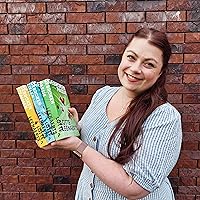
January 19, 2024
Cauchi schetst een heerlijk portret (haha, get it?) van een vrouw die in de marge geduwd wordt van een man die zij zelf groot maakt.
Is dit boek iets voor jou?
JA, als je houdt van sterke vrouwelijke personages in een historische setting en verhalen die gebaseerd zijn op waargebeurde feiten.
NEE, als je je laat leiden door de achterflap en denkt dat je een boek gaat lezen dat zich voornamelijk afspeelt na de dood van Vincent Van Gogh. Het stuk waarnaar de korte inhoud lijkt te hinten, speelt zich voornamelijk af in de laatste 10 procent van het boek.
Is dit boek iets voor jou?
JA, als je houdt van sterke vrouwelijke personages in een historische setting en verhalen die gebaseerd zijn op waargebeurde feiten.
NEE, als je je laat leiden door de achterflap en denkt dat je een boek gaat lezen dat zich voornamelijk afspeelt na de dood van Vincent Van Gogh. Het stuk waarnaar de korte inhoud lijkt te hinten, speelt zich voornamelijk af in de laatste 10 procent van het boek.

March 19, 2026
An impressive life of a impressive woman
When I saw a book with Mrs. Van Gogh on the cover, I knew immediately, that this is going to be an interesting read.
It was a decade or almost a decade ago when I was a last time to a Van Gogh museum in Amsterdam. and it was a never when I have read anything about the life and the times of Vincent van Gogh.
Yes I was aware that he was a great artist, great Visionary of on the one hand and a very un successful and troubled soul on the other.
A person who was living on the edge. pennyless, trouble maker, drunkard and least but not last an guy who was fighting losing battle with his own sanity.
Depending for a rest of his short life on financial support of his much successful brother Theo.
But who was Mrs van Gogh ?
Where did she come from and how did she succeed to become such a hidden force behind the Van Gogh foundation?
That whole story intrigued me greatly.
and Indeed Mrs Van Gogh was a great story that to me resembles very much Woody Allen's movie Midnight in Paris.
The only reason why I decided not. to give a full five stars has been several chapters that are at least to me kind of " too maternal and should been skipped from a book " but that is just a small blemish on a great book about great and very brave woman who happened to come to the Paris af the brink of a century at the just right time to salvage and save for all the future generations one of our biggest cultural treasures of a whole time.
The Van Gogh collection
When I saw a book with Mrs. Van Gogh on the cover, I knew immediately, that this is going to be an interesting read.
It was a decade or almost a decade ago when I was a last time to a Van Gogh museum in Amsterdam. and it was a never when I have read anything about the life and the times of Vincent van Gogh.
Yes I was aware that he was a great artist, great Visionary of on the one hand and a very un successful and troubled soul on the other.
A person who was living on the edge. pennyless, trouble maker, drunkard and least but not last an guy who was fighting losing battle with his own sanity.
Depending for a rest of his short life on financial support of his much successful brother Theo.
But who was Mrs van Gogh ?
Where did she come from and how did she succeed to become such a hidden force behind the Van Gogh foundation?
That whole story intrigued me greatly.
and Indeed Mrs Van Gogh was a great story that to me resembles very much Woody Allen's movie Midnight in Paris.
The only reason why I decided not. to give a full five stars has been several chapters that are at least to me kind of " too maternal and should been skipped from a book " but that is just a small blemish on a great book about great and very brave woman who happened to come to the Paris af the brink of a century at the just right time to salvage and save for all the future generations one of our biggest cultural treasures of a whole time.
The Van Gogh collection
July 21, 2024
Wat te vinden van dit boek? Het heeft plussen en minnen. Plus: ik heb het in korte tijd uitgelezen, min: dat komt deels doordat het soms leest als wel erg makkelijke roman. Plus: ze zorgt dat je kennis maakt met schildertechnieken en schilders uit die tijd, met name belangrijke vrouwelijke schilders. Min: vrouwen worden allemaal overdreven hysterisch neergezet en ze geeft zelf toe dat ze nogal wat creatieve vrijheid genomen heeft en veel van het verhaal verzonnen heeft. Toch 4 sterren, omdat ze het wel mooi voor elkaar krijgt om mensen te laten lezen over het verhaal van een vrouw die onvoldoende erkent is in de geschiedenis.

March 3, 2024
Incredible novel about an incredible strong woman in history, glad she is finally getting the recognition she deserves

January 14, 2023
3.5 rounded up
Pub day: 1-30-2023
I loved how this started and the important light shined upon the female artists in Paris in the late 1800s. I’d heard about women like Camille Claudel and Berthe Morisot, but I really didn’t know much about them. This book takes a deeper look at the women who were overlooked in those very patriarchal times. And that of course led me down rabbit holes of research that was so enlightening! I’ll share some of what the book references in my stories.
I knew almost nothing about Van Gogh as a person before reading this. This book follows Johanna Bonger after she moves to Paris and meets the Van Gogh brothers. The story continues to follow her after the Van Gogh brothers’ deaths and describes her efforts to promote their art. It was an interesting read that could have benefited from 50-100 pages of editing down.
Thank you One More Chapter & Netgalley for the arc in exchange for an honest review.
Pub day: 1-30-2023
I loved how this started and the important light shined upon the female artists in Paris in the late 1800s. I’d heard about women like Camille Claudel and Berthe Morisot, but I really didn’t know much about them. This book takes a deeper look at the women who were overlooked in those very patriarchal times. And that of course led me down rabbit holes of research that was so enlightening! I’ll share some of what the book references in my stories.
I knew almost nothing about Van Gogh as a person before reading this. This book follows Johanna Bonger after she moves to Paris and meets the Van Gogh brothers. The story continues to follow her after the Van Gogh brothers’ deaths and describes her efforts to promote their art. It was an interesting read that could have benefited from 50-100 pages of editing down.
Thank you One More Chapter & Netgalley for the arc in exchange for an honest review.

June 16, 2024
"What happened to Vincent's art after his death? Who took it upon themselves to introduce Van Gogh's paintings to the world? A Mrs Van Gogh happened. And aside from Vincent's artistic talent, she is entirely accountable for making Van Gogh a name that everyone recognises. Yet what do we actually know about this Mrs Van Gogh?"
3,5/5!
Mrs Van Gogh is a novel about Johanna, who is sent to live with her brother in Paris as punishment for her reckless actions that have shamed her and her family name. There, she meets the handsome Theo Van Gogh who quickly becomes smitten with her as well as his volatile artist brother, Vincent. The novel details her short time with the Van Gogh brothers and how she dedicated her life to making sure the legacy of both her husband and his brother survives.
Mrs Van Gogh is a historical fiction novel and, as such, not meant to be taken as 100% accurate. Novelists always take liberties when writing about historical figures and events because their job is to create the best story possible and sometimes to accomplish that, some things need to be changed. But in this novel, there were changes made that I didn’t really see the point of. The meeting of Theo and Johanna is really different than what it actually was, even if certain things remain the same (such as Theo proposing to her after after just a few meetings). I don’t mind changes if they serve a purpose, but I didn’t quite see the purpose here. I think the real events would’ve been just as interesting. The change to make Johanna not just a supporter of the arts to someone who loves creating herself makes more sense, as this allows the author to explore technique, life of an artist, the role of female artists and so on in the novel in more detail.
Some of these kinds of changes annoyed me, but I was able to push past it. I am reviewing this book as a novel, not as a nonfiction book, and the fact is that with all its inaccuracies, I enjoyed it. The writing was wonderful, I liked the mix of journal entries, letters and prose, and I connected with the characters. I liked Johanna as a lead: she is a flawed woman who tries her hardest, doesn't always know what the right thing is, is ambitious but has to deal with being mediocre and grows up to become a woman on a mission who does not let anyone stop her from achieving her dreams. The Van Gogh brothers were both interesting – Theo was nice and sweet, but I liked him definitely the most in tandem with Vincent. On his own he was not that interesting a character. Vincent was intriguing, cause he is difficult, frustrating and cruse but also loving, lonely, desperate and full of immense sorrow and anguish. Other than these main three characters, no character floored me in any particular way. Sure, I liked Clara, the devoted servant and friend to Johanna, and Andries, Johanna's excitable big brother who introduces her to the art world of Paris, was cute, but they weren't anything special.
When the book begins, Johanna is enamored with the bohemian side of Paris her brother introduces her to. It’s all passion, creativity, art, drink and freedom, and it intoxicates her. She wants to belong to that world, to be an artist herself. I found it very interesting to follow the development of Johanna’s ambitions as she begins to see the truth of that world and the people who inhabit it. She stops wishing for life of Camille Claudel when she realises what her relationship with Rodin is like and how she is never taken seriously as an artist, only seen as Rodin’s whore or muse, and in getting to know the turbulent Vincent, she realizes the profound loneliness and brokenness of so many artists she admires. It is so common for people to still romanticize the bohemian artist life and hold the idea of the tormented writer/painter in their heads as the ideal artist, and I find that quite iffy. I like how this book tackled that trope and commented on it. Misery should not be a requirement, nor is it worth it to live in constant turmoil only to create beautiful art. I also liked that Johanna’s decision to not go after the life of an artist and the changing of her desires and ambitions is not framed as this huge defeat. She accepts the mediocrity of her talents and finds a new passion – art dealership and an academic understanding of art rather than practical – and that is okay. People change and sometimes we have to give up on a dream and while it may be sad, we can find new dreams. And it’s not like she gives up on art completely, she just begins to approach it from a new angle. Seeing her celebrated as an art dealer was nice.
As one can expect from a novel that is all about a woman who lives in the art world, this novel focuses a lot on the role and treatment of female artists in the late 19th century even in the “heart” of the art world, Paris. Johanna is shocked to realize the full truth of the unfair double standards female artists face and the more she learns about how women are denied opportunities, education, recognition and even have their ideas stolen by the men in their lives, the more realistic her worldview becomes. The art world might be more liberal than general society, but it echoes the same unfair expectations and roles. Johanna’s search for freedom and a meaningful life is a constant clash against the notions of “proper womanhood”. What I liked a lot about this plotline is that Johanna does not at any point disparage other women for choosing more traditional lives, nor does she reject her own femininity to appear strong. She places the blame for the mistreatment of women on society and men, not on women not trying hard enough or being silly. She also questions whenever women are described as “hysterical” or “crazy”, wondering whether that is true or just how men see a woman asserting herself and perhaps being a bit difficult. She does not like every woman she meets and she is not above pettiness and meanness, but there is no stupid, unnecessary, unwarranted girl-hate going on, nor are traditionally feminine things shown to be bad or somehow things that diminish a woman’s strength. Johanna can be ambitious, liberal and all that cool stuff and also enjoy being a wife and making a home. I loved this quote from her: “How am I only now realising that women are controlled by a fear of being branded with either of these words? To be marked ‘ugly’ or ‘difficult’ brings judgement, discomfit, rejection too, and so what do we do? We women step in accordance with male expectations and demands. These words forever whispered: a threat, to shoot fear into our actions and decisions.”
I really liked how this novel focused balanced time between the central relationships. It’s not just Theo and Johanna’s love story, nor is it just about Johanna and Vincent, the man whose legacy she will help save, with Theo as just a sidenote. But nor is it just about Johanna and the Van Goghs. We spend a lot of time with Johanna and her favorite brother, Andries, and obviously the fiercely loyal yet complex relationship between Theo and Vincent is also central. I like a good sibling story, and so I enjoyed both siblings pairs immensely, especially that of Theo and Vincent: there’s something intriguing about how close they are despite all their major differences and endearing about how, even when caring for him is exhausting, Theo never gives up on his brother. The baby sister in me really vibed with this side of Theo. This got me: “For I’m hit with the realisation that my brother is much a part of me. If he were no longer in my life, there would be an emptiness that no other could fill. I mean that not as an insult to you, my dearest Johanna, but just as I’m certain you cannot contemplate a life without Andries, when I consider my future I see my brother by my side.” I like that the book does not pretend that taking care of Vincent is easy for Theo, that it is a job he does without qualms: it is exhausting, frightening and tough, taking care of Vincent, and it is brutal to watch as someone you love struggles so much and feels such an intense mental pain. I think the author captured the helplessness and pain that Theo feels, and the guilt over Vincent’s actions and feelings (even though he is not to blame for his brother’s decisions) very acutely. The way Johanna's turbulent relationship Vincent was also interesting to follow: it went from this antagonistic, reluctant bond to genuine care, and obviously Johanna becomes, later in her life, the keeper of Vincent's art and legacy. I find the idea of someone dedicating their life to someone else's memory so completely and working her ass off to make sure that the genius of this man she knew for around two years won't be forgotten very admirable and selfless.
Alongside some of the historical inaccuracies that I couldn't understand the purpose of, my main gripe is with the last 50 or so pages. I would've loved to see a bit more of Johanna's work to get Vincent's art out there. As it is now, it felt like we speed ran through that section of this story even though the whole point of this book is to celebrate this woman without whom Vincent Van Gogh would've faded into obscurity. I would've loved to see more of her relationship with her son as well.
But all in all, I had a good time with this novel. I would recommend it to anyone interested in historical fiction that focuses on this time period in Paris (the descriptions of Paris life are wonderful), the art world and who want to read about strong women of the past.
3,5/5!
Mrs Van Gogh is a novel about Johanna, who is sent to live with her brother in Paris as punishment for her reckless actions that have shamed her and her family name. There, she meets the handsome Theo Van Gogh who quickly becomes smitten with her as well as his volatile artist brother, Vincent. The novel details her short time with the Van Gogh brothers and how she dedicated her life to making sure the legacy of both her husband and his brother survives.
Mrs Van Gogh is a historical fiction novel and, as such, not meant to be taken as 100% accurate. Novelists always take liberties when writing about historical figures and events because their job is to create the best story possible and sometimes to accomplish that, some things need to be changed. But in this novel, there were changes made that I didn’t really see the point of. The meeting of Theo and Johanna is really different than what it actually was, even if certain things remain the same (such as Theo proposing to her after after just a few meetings). I don’t mind changes if they serve a purpose, but I didn’t quite see the purpose here. I think the real events would’ve been just as interesting. The change to make Johanna not just a supporter of the arts to someone who loves creating herself makes more sense, as this allows the author to explore technique, life of an artist, the role of female artists and so on in the novel in more detail.
Some of these kinds of changes annoyed me, but I was able to push past it. I am reviewing this book as a novel, not as a nonfiction book, and the fact is that with all its inaccuracies, I enjoyed it. The writing was wonderful, I liked the mix of journal entries, letters and prose, and I connected with the characters. I liked Johanna as a lead: she is a flawed woman who tries her hardest, doesn't always know what the right thing is, is ambitious but has to deal with being mediocre and grows up to become a woman on a mission who does not let anyone stop her from achieving her dreams. The Van Gogh brothers were both interesting – Theo was nice and sweet, but I liked him definitely the most in tandem with Vincent. On his own he was not that interesting a character. Vincent was intriguing, cause he is difficult, frustrating and cruse but also loving, lonely, desperate and full of immense sorrow and anguish. Other than these main three characters, no character floored me in any particular way. Sure, I liked Clara, the devoted servant and friend to Johanna, and Andries, Johanna's excitable big brother who introduces her to the art world of Paris, was cute, but they weren't anything special.
When the book begins, Johanna is enamored with the bohemian side of Paris her brother introduces her to. It’s all passion, creativity, art, drink and freedom, and it intoxicates her. She wants to belong to that world, to be an artist herself. I found it very interesting to follow the development of Johanna’s ambitions as she begins to see the truth of that world and the people who inhabit it. She stops wishing for life of Camille Claudel when she realises what her relationship with Rodin is like and how she is never taken seriously as an artist, only seen as Rodin’s whore or muse, and in getting to know the turbulent Vincent, she realizes the profound loneliness and brokenness of so many artists she admires. It is so common for people to still romanticize the bohemian artist life and hold the idea of the tormented writer/painter in their heads as the ideal artist, and I find that quite iffy. I like how this book tackled that trope and commented on it. Misery should not be a requirement, nor is it worth it to live in constant turmoil only to create beautiful art. I also liked that Johanna’s decision to not go after the life of an artist and the changing of her desires and ambitions is not framed as this huge defeat. She accepts the mediocrity of her talents and finds a new passion – art dealership and an academic understanding of art rather than practical – and that is okay. People change and sometimes we have to give up on a dream and while it may be sad, we can find new dreams. And it’s not like she gives up on art completely, she just begins to approach it from a new angle. Seeing her celebrated as an art dealer was nice.
As one can expect from a novel that is all about a woman who lives in the art world, this novel focuses a lot on the role and treatment of female artists in the late 19th century even in the “heart” of the art world, Paris. Johanna is shocked to realize the full truth of the unfair double standards female artists face and the more she learns about how women are denied opportunities, education, recognition and even have their ideas stolen by the men in their lives, the more realistic her worldview becomes. The art world might be more liberal than general society, but it echoes the same unfair expectations and roles. Johanna’s search for freedom and a meaningful life is a constant clash against the notions of “proper womanhood”. What I liked a lot about this plotline is that Johanna does not at any point disparage other women for choosing more traditional lives, nor does she reject her own femininity to appear strong. She places the blame for the mistreatment of women on society and men, not on women not trying hard enough or being silly. She also questions whenever women are described as “hysterical” or “crazy”, wondering whether that is true or just how men see a woman asserting herself and perhaps being a bit difficult. She does not like every woman she meets and she is not above pettiness and meanness, but there is no stupid, unnecessary, unwarranted girl-hate going on, nor are traditionally feminine things shown to be bad or somehow things that diminish a woman’s strength. Johanna can be ambitious, liberal and all that cool stuff and also enjoy being a wife and making a home. I loved this quote from her: “How am I only now realising that women are controlled by a fear of being branded with either of these words? To be marked ‘ugly’ or ‘difficult’ brings judgement, discomfit, rejection too, and so what do we do? We women step in accordance with male expectations and demands. These words forever whispered: a threat, to shoot fear into our actions and decisions.”
I really liked how this novel focused balanced time between the central relationships. It’s not just Theo and Johanna’s love story, nor is it just about Johanna and Vincent, the man whose legacy she will help save, with Theo as just a sidenote. But nor is it just about Johanna and the Van Goghs. We spend a lot of time with Johanna and her favorite brother, Andries, and obviously the fiercely loyal yet complex relationship between Theo and Vincent is also central. I like a good sibling story, and so I enjoyed both siblings pairs immensely, especially that of Theo and Vincent: there’s something intriguing about how close they are despite all their major differences and endearing about how, even when caring for him is exhausting, Theo never gives up on his brother. The baby sister in me really vibed with this side of Theo. This got me: “For I’m hit with the realisation that my brother is much a part of me. If he were no longer in my life, there would be an emptiness that no other could fill. I mean that not as an insult to you, my dearest Johanna, but just as I’m certain you cannot contemplate a life without Andries, when I consider my future I see my brother by my side.” I like that the book does not pretend that taking care of Vincent is easy for Theo, that it is a job he does without qualms: it is exhausting, frightening and tough, taking care of Vincent, and it is brutal to watch as someone you love struggles so much and feels such an intense mental pain. I think the author captured the helplessness and pain that Theo feels, and the guilt over Vincent’s actions and feelings (even though he is not to blame for his brother’s decisions) very acutely. The way Johanna's turbulent relationship Vincent was also interesting to follow: it went from this antagonistic, reluctant bond to genuine care, and obviously Johanna becomes, later in her life, the keeper of Vincent's art and legacy. I find the idea of someone dedicating their life to someone else's memory so completely and working her ass off to make sure that the genius of this man she knew for around two years won't be forgotten very admirable and selfless.
Alongside some of the historical inaccuracies that I couldn't understand the purpose of, my main gripe is with the last 50 or so pages. I would've loved to see a bit more of Johanna's work to get Vincent's art out there. As it is now, it felt like we speed ran through that section of this story even though the whole point of this book is to celebrate this woman without whom Vincent Van Gogh would've faded into obscurity. I would've loved to see more of her relationship with her son as well.
But all in all, I had a good time with this novel. I would recommend it to anyone interested in historical fiction that focuses on this time period in Paris (the descriptions of Paris life are wonderful), the art world and who want to read about strong women of the past.

February 21, 2026
I wanted to read this for selfish and romantic reasons- I am a huge fan and lover of Vincent Van Gogh’s art and his story has always interested me. I figured a book about Van Gogh? A no brainer, must read!
I did do some digging while reading to try to decipher what was real and what wasn’t. The author fills in the gaps based on the letters and correspondence between all the characters that are available today, and honestly I am just disappointed.
The main character is portrayed in a way that seems extreme and unrealistic for the times. I understand that well behaved women seldom make history but this was something else. Most of the novel she stomps her feet and is childlike in behaviour. She questions the treatment of women and acts like they should and must be treated as equals. While I agree, the time certainly wasn’t about that. The realities of a male dominated world and what it took to survive as a woman seem well defined. I’m sure there were outliers (or we never would have gotten to where we are today) but I highly doubt it was this woman who did it all. She spent the beginning of the novel talking back and down to men, being outright rude and I’m shocked her husband adored her despite this.
I know that makes it seem like I’m anti feminist- but the way it’s written out just seems unbelievable. To speak out as much as she did and not suffer any consequences in a time that was a man’s world! Any ways, I’m all about female empowerment but the way the author portrait the character was annoying at the very least. I rolled my eyes many times.
All in all I read it to get it over with. I would not read again nor recommend. I think someone who likes typical books on the popular shelf who have weak stories & are a light read may enjoy this but I don’t know it will be many (if anyone’s) favourite novel.
I also found the authors describing capabilities very irritating. She overly details and in the strangest of ways. “The taste of his sour mouth was like heaven to me”. Excuse me what? Bro didn’t brush his teeth and you were horny for that?
There’s lots more. It wasn’t for me. And I am disappointed.
I did do some digging while reading to try to decipher what was real and what wasn’t. The author fills in the gaps based on the letters and correspondence between all the characters that are available today, and honestly I am just disappointed.
The main character is portrayed in a way that seems extreme and unrealistic for the times. I understand that well behaved women seldom make history but this was something else. Most of the novel she stomps her feet and is childlike in behaviour. She questions the treatment of women and acts like they should and must be treated as equals. While I agree, the time certainly wasn’t about that. The realities of a male dominated world and what it took to survive as a woman seem well defined. I’m sure there were outliers (or we never would have gotten to where we are today) but I highly doubt it was this woman who did it all. She spent the beginning of the novel talking back and down to men, being outright rude and I’m shocked her husband adored her despite this.
I know that makes it seem like I’m anti feminist- but the way it’s written out just seems unbelievable. To speak out as much as she did and not suffer any consequences in a time that was a man’s world! Any ways, I’m all about female empowerment but the way the author portrait the character was annoying at the very least. I rolled my eyes many times.
All in all I read it to get it over with. I would not read again nor recommend. I think someone who likes typical books on the popular shelf who have weak stories & are a light read may enjoy this but I don’t know it will be many (if anyone’s) favourite novel.
I also found the authors describing capabilities very irritating. She overly details and in the strangest of ways. “The taste of his sour mouth was like heaven to me”. Excuse me what? Bro didn’t brush his teeth and you were horny for that?
There’s lots more. It wasn’t for me. And I am disappointed.

November 28, 2022
*Thanks to netgalley and the publisher for providing an advanced copy in exchange for an honest review*
I was excited to get this book, Jo Bonger is such a fascinating person, and I was looking forward to how her story would be told. However, there was a lot in this story that gave me pause, and this feeling of confusion and unease was not made any better after reading the author's note. This book follows Jo's life, starting with her trip to Paris where she first meets Theo and Vincent, through to the end of her life. The majority of the book is about this first 2 or 3 years of her knowing the Van Gogh brothers, which makes for a pretty slow story, until about halfway through when the author begins speed running through, what I would argue, is some of the most fascinating parts of Bonger's life. There's a lot of focus on the will they won't they between Jo and Theo, as well as relationship struggles with Vincent, much of which i'm not entirely sure are accurate and I felt the focus on it was too strong when there was plenty of other material (the author admits that some of these years were not well documented) that could've been used instead. I did not come away from this book with a good feeling, or like I learned something, instead I felt like this book was more fiction than fact, and while I understand that historical fiction is not 100% fact, there should be a basis on the truth that I felt was missing here at times.
I was excited to get this book, Jo Bonger is such a fascinating person, and I was looking forward to how her story would be told. However, there was a lot in this story that gave me pause, and this feeling of confusion and unease was not made any better after reading the author's note. This book follows Jo's life, starting with her trip to Paris where she first meets Theo and Vincent, through to the end of her life. The majority of the book is about this first 2 or 3 years of her knowing the Van Gogh brothers, which makes for a pretty slow story, until about halfway through when the author begins speed running through, what I would argue, is some of the most fascinating parts of Bonger's life. There's a lot of focus on the will they won't they between Jo and Theo, as well as relationship struggles with Vincent, much of which i'm not entirely sure are accurate and I felt the focus on it was too strong when there was plenty of other material (the author admits that some of these years were not well documented) that could've been used instead. I did not come away from this book with a good feeling, or like I learned something, instead I felt like this book was more fiction than fact, and while I understand that historical fiction is not 100% fact, there should be a basis on the truth that I felt was missing here at times.

May 18, 2024
Historical fiction is my favourite genre, it weaves stories with history engaging curiosity, wonder and reflection. Mrs. Van Gogh had me researching paintings, reading about the Van Goh brothers and really is a remarkable tale of a strong woman who's tenacity (in a time where women were certainly not respected) made sure that the world learned about the talent of Vincent Van Goh and of the strength of his relationship with his brother, Theo.
I really enjoyed this book and the history that has come alive through fiction!
I really enjoyed this book and the history that has come alive through fiction!

Did Not Finish
November 9, 2023I just couldn't get myself to like this book, and I was so excited about it. I wish my cover looked like the one on Goodreads at least it would make for a beautiful coffee table book. Maybe I'll pick it up sometime in the future but as for not it's a DNF.
Displaying 1 - 30 of 547 reviews