

What do you think?

On a Woman's Madness
A classic of queer literature that’s as electrifying today as it was when it originally appeared in 1982, On a Woman’s Madness tells the story of Noenka, a courageous Black woman trying to live a life of her choosing. When her abusive husband of just nine days refuses her request for divorce, Noenka flees her hometown in Suriname, on South America's tropical northeastern coast, for the capital city of Paramaribo. Unsettled and unsupported, her life in this new place is illuminated by the passionate romances of the present but haunted by society’s expectations and her ancestral past.
Translated into sensuous English for the first time by Lucy Scott, Astrid Roemer’s intimate novel—with its tales of plantation-dwelling snakes, rare orchids, and star-crossed lovers—is a blistering meditation on the cruelties we inflict on those who disobey. Roemer, the first Surinamese winner of the prestigious Dutch Literature Prize, carves out postcolonial Suriname in barbed, resonant fragments. Who is Noenka? Roemer asks us. “I’m Noenka,” she responds resolutely, “which means Never Again.”
Translated into sensuous English for the first time by Lucy Scott, Astrid Roemer’s intimate novel—with its tales of plantation-dwelling snakes, rare orchids, and star-crossed lovers—is a blistering meditation on the cruelties we inflict on those who disobey. Roemer, the first Surinamese winner of the prestigious Dutch Literature Prize, carves out postcolonial Suriname in barbed, resonant fragments. Who is Noenka? Roemer asks us. “I’m Noenka,” she responds resolutely, “which means Never Again.”
265 pages, Hardcover
First published January 1, 1982
About the author
Astrid H. Roemer
38 books63 followersAstrid Heligonda Roemer (Paramaribo, 27 april 1947) was een Surinaams schrijfster, die in 1966 naar Nederland vertrok, maar terugkeerde naar haar geboorteland om daar te werken als onderwijzeres. In 1975 vestigde zij zich opnieuw in Nederland. Van 2006 tot 2009 woonde zij opnieuw in haar geboorteland.
Zij debuteerde in 1970 onder het pseudoniem Zamani met de poëziebundel Sasa Mijn actuele zijn. De in 1974 verschenen roman Neem mij terug Suriname werd in Suriname uitermate populair. Hij geeft een klassieke emigrantenthematiek: de ontheemding van een Surinamer in Nederland en zijn terugverlangen. Artistiek is het boek niet geslaagd, reden waarom Roemer het herschreef tot Nergens ergens (1983). De novelle Waarom zou je huilen, mijn lieve, lieve... (1976) geeft een sfeervolle schets van een arme man die zich verheugt over zijn winst in de lotto tot hij ontdekt dat de ratten zijn lot hebben opgeknaagd. Met de novelle De wereld heeft gezicht verloren (1975) hield Roemer zich voor het eerst bezig met wat later haar hoofdproblematiek zou worden: het mysterie van het vrouw-zijn. De thematiek van de neger-identiteit zou naar de achtergrond schuiven. Vooral de 'fragmentarische biografie' Over de gekte van een vrouw (1982) werd een succes. De roman Levenslang gedicht (1987) tracht de kringloop van het leven uit te drukken in zijn structuur en zijn metaforische taal. Artistiek heeft hij grotere pretenties dan het eerdere werk en vraagt ook om secure lezing. Een deel van de critici werd er door op het verkeerde been gezet.
Ook de toneelstukken De buiksluiter (1981), Paramaribo! Paramaribo! (1983) en Een Vrouw Van Een Man (1985), de dichtbundel En Wat Dan Nog!? (1985) en het kleine prozadrieluik De achtentwintigste dag (1988) benaderen vanuit allerlei invalshoeken het fenomeen van de vrouw als individu en als relationeel wezen. De genoemde dlchtbundel gaf aanleiding tot onverkwikkelijke speculaties over Roemers seksuele geaardheid. ln de novelle De orde van de dag (1988) draait het verhaal om het thema 'dictatorschap'. Haar rijpste poëzie verscheen in de bundel NoordzeeBlues (1985) die enkele schitterende gedichten bevat. ln 1989 verscheen het prozadrieluik Het spoor van de jakhals waarin zij de sterke onderlinge afhankelijkheid der beide sexen benadrukt. Radiocolumns bundelde zij in Oost West Holland Best (1989). Een driehoeksverhouding beschrijft zij in de novelle Alles wat gelukkig maakt (1989).
Haar verhalen verschenen in verschillende Engelstalige bloemlezingen, onder meer in Diversity is power (2007).
Het artistiek meest ambitieuze schrijfproject van Roemer is de romantrilogie Gewaagd leven (1996), Lijken op Liefde (1997) en Was Getekend (1999), die in 2001 in één band verscheen als Roemers drieling. In deze grote en uiterst complexe trilogie geeft Roemer verbeelding aan de werkelijkheid en de dromen van de Surinamers in de laatste drie decennia van de 20e eeuw, en in het bijzonder aan wat de militaire dictatuur van het régime-Bouterse van na 1980 voor het land Suriname en de mensen heeft betekend.
Voor de Duitse vertaling van Lijken op Liefde ontving Roemer in 1999 de LiBeraturpreis, die het oecumenisch centrum Christuskirche in Frankfurt toekent om literatuur uit andere culturen in de schijnwerpers te zetten.
Bij de verkiezingen van 1989 was zij samen met Rudi van Dantzig lijstduwer voor het net opgerichte GroenLinks. In 1990 kreeg Astrid Roemer een zetel voor GroenLinks in de Haagse gemeenteraad, maar ze kwam al spoedig in conflict met haar fractie en woonde de vergaderingen niet meer bij.
Zij debuteerde in 1970 onder het pseudoniem Zamani met de poëziebundel Sasa Mijn actuele zijn. De in 1974 verschenen roman Neem mij terug Suriname werd in Suriname uitermate populair. Hij geeft een klassieke emigrantenthematiek: de ontheemding van een Surinamer in Nederland en zijn terugverlangen. Artistiek is het boek niet geslaagd, reden waarom Roemer het herschreef tot Nergens ergens (1983). De novelle Waarom zou je huilen, mijn lieve, lieve... (1976) geeft een sfeervolle schets van een arme man die zich verheugt over zijn winst in de lotto tot hij ontdekt dat de ratten zijn lot hebben opgeknaagd. Met de novelle De wereld heeft gezicht verloren (1975) hield Roemer zich voor het eerst bezig met wat later haar hoofdproblematiek zou worden: het mysterie van het vrouw-zijn. De thematiek van de neger-identiteit zou naar de achtergrond schuiven. Vooral de 'fragmentarische biografie' Over de gekte van een vrouw (1982) werd een succes. De roman Levenslang gedicht (1987) tracht de kringloop van het leven uit te drukken in zijn structuur en zijn metaforische taal. Artistiek heeft hij grotere pretenties dan het eerdere werk en vraagt ook om secure lezing. Een deel van de critici werd er door op het verkeerde been gezet.
Ook de toneelstukken De buiksluiter (1981), Paramaribo! Paramaribo! (1983) en Een Vrouw Van Een Man (1985), de dichtbundel En Wat Dan Nog!? (1985) en het kleine prozadrieluik De achtentwintigste dag (1988) benaderen vanuit allerlei invalshoeken het fenomeen van de vrouw als individu en als relationeel wezen. De genoemde dlchtbundel gaf aanleiding tot onverkwikkelijke speculaties over Roemers seksuele geaardheid. ln de novelle De orde van de dag (1988) draait het verhaal om het thema 'dictatorschap'. Haar rijpste poëzie verscheen in de bundel NoordzeeBlues (1985) die enkele schitterende gedichten bevat. ln 1989 verscheen het prozadrieluik Het spoor van de jakhals waarin zij de sterke onderlinge afhankelijkheid der beide sexen benadrukt. Radiocolumns bundelde zij in Oost West Holland Best (1989). Een driehoeksverhouding beschrijft zij in de novelle Alles wat gelukkig maakt (1989).
Haar verhalen verschenen in verschillende Engelstalige bloemlezingen, onder meer in Diversity is power (2007).
Het artistiek meest ambitieuze schrijfproject van Roemer is de romantrilogie Gewaagd leven (1996), Lijken op Liefde (1997) en Was Getekend (1999), die in 2001 in één band verscheen als Roemers drieling. In deze grote en uiterst complexe trilogie geeft Roemer verbeelding aan de werkelijkheid en de dromen van de Surinamers in de laatste drie decennia van de 20e eeuw, en in het bijzonder aan wat de militaire dictatuur van het régime-Bouterse van na 1980 voor het land Suriname en de mensen heeft betekend.
Voor de Duitse vertaling van Lijken op Liefde ontving Roemer in 1999 de LiBeraturpreis, die het oecumenisch centrum Christuskirche in Frankfurt toekent om literatuur uit andere culturen in de schijnwerpers te zetten.
Bij de verkiezingen van 1989 was zij samen met Rudi van Dantzig lijstduwer voor het net opgerichte GroenLinks. In 1990 kreeg Astrid Roemer een zetel voor GroenLinks in de Haagse gemeenteraad, maar ze kwam al spoedig in conflict met haar fractie en woonde de vergaderingen niet meer bij.
Ratings & Reviews
Friends & Following
Create a free account to discover what your friends think of this book!
Community Reviews
Displaying 1 - 30 of 228 reviews

Did Not Finish
May 15, 2025Book 10/13
Longlisted for the International Booker Prize 2025
Translated in English by Lucy Scott
I could not read more then 10 pages from this novel. It is too dense and puzzling. Shortly, I realised I do not want to make the effort. I am really do not like the books that are trying too hard to be confusing.
Longlisted for the International Booker Prize 2025
Translated in English by Lucy Scott
I could not read more then 10 pages from this novel. It is too dense and puzzling. Shortly, I realised I do not want to make the effort. I am really do not like the books that are trying too hard to be confusing.

November 23, 2022
A dense and challenging exploration of patriarchy, colonialism and the legacy of slavery played out through the experiences of Noenka (never again) a woman from a small town in the former Dutch colony of Suriname, her father one of Suriname’s many inhabitants descended from slaves who laboured on Dutch sugar plantations. The most commercially successful work of acclaimed, controversial, Surinamese-Dutch poet and author Astrid Roemer, it’s a piece she’s described as “fragmentary autobiography” but it doesn’t draw directly from her past, although aspects of Noenka’s life resemble Roemer’s, instead it’s intended to convey the sense of an “emotional process” represented through complex imagery and metaphor. First published in 1982 it’s also considered a classic of queer breakthrough literature.
Noenka’s born into conflict, torn between her mother who embraces “white” religion and its values and her father who takes refuge in the beliefs of his ancestors. She’s also a Black woman in a former colonial society still dominated by the values and institutions of white men. Noenka’s disastrous marriage to Louis exposes the literal and symbolic violence that threatened women in Suriname’s slowly decolonising society, where white doctors place the blame for Noenka’s refusal to stay with her abusive husband on her inability to be the right kind of woman. Noenka’s struggles to escape her oppressive marriage and forge her own path are entangled with broader questions around race, identity, colonialism, and the very nature of freedom. Roemer rejects linear structures and conventional realism, mixing lyrical prose with feverish streams of consciousness that move backwards and forwards in time, demanding her readers’ complete attention. It’s an accomplished, intense, powerful piece of writing, the style reminded me strongly of authors like Gayl Jones. The narrative is wrenching and vivid, visceral and sensual, although I sometimes found it a little overblown and slightly suffocating. However, it also bears uncomfortable traces of the time when it was written particularly in the depiction of Noenka’s ill-fated relationship with Gabrielle. Roemer’s portrayal of Noenka and Gabrielle is intimately drawn, sometimes tender but there’s an unfortunate tendency to lapse into prevailing notions of the doomed lesbian. Translated by Lucy Scott, this edition also includes a useful background interview with the author.
Thanks to Edelweiss and publisher Two Lines Press for an ARC
Rating: 3/3.5
Noenka’s born into conflict, torn between her mother who embraces “white” religion and its values and her father who takes refuge in the beliefs of his ancestors. She’s also a Black woman in a former colonial society still dominated by the values and institutions of white men. Noenka’s disastrous marriage to Louis exposes the literal and symbolic violence that threatened women in Suriname’s slowly decolonising society, where white doctors place the blame for Noenka’s refusal to stay with her abusive husband on her inability to be the right kind of woman. Noenka’s struggles to escape her oppressive marriage and forge her own path are entangled with broader questions around race, identity, colonialism, and the very nature of freedom. Roemer rejects linear structures and conventional realism, mixing lyrical prose with feverish streams of consciousness that move backwards and forwards in time, demanding her readers’ complete attention. It’s an accomplished, intense, powerful piece of writing, the style reminded me strongly of authors like Gayl Jones. The narrative is wrenching and vivid, visceral and sensual, although I sometimes found it a little overblown and slightly suffocating. However, it also bears uncomfortable traces of the time when it was written particularly in the depiction of Noenka’s ill-fated relationship with Gabrielle. Roemer’s portrayal of Noenka and Gabrielle is intimately drawn, sometimes tender but there’s an unfortunate tendency to lapse into prevailing notions of the doomed lesbian. Translated by Lucy Scott, this edition also includes a useful background interview with the author.
Thanks to Edelweiss and publisher Two Lines Press for an ARC
Rating: 3/3.5

March 10, 2025
Not an easy read, requires a lot of attention from the reader. Offering a heady cocktail of magical thinking, ancesteral rites, abortion, suicide, handicapped children and universally unhappy marriages coupled with fluidity in sexuality.
“I’m Noenka, which means Never Again. Born of two polar opposites, a woman and a man who pull even my dreams apart. I’m a woman, even though I don’t know where being female begins and where it ends, and in the eyes of everyone else, I’m black, and I’m still waiting to discover what that means.”
I am ashamed to say as a Dutch person I never read anything from Astrid H. Roemer before, let alone this queer, black classic. In Dutch the subtitle of this work is a fragmentary biography, and On a Woman's Madness definitely offers a reading experience that is lush and bewildering at times. The book reminds me of The Bell Jar by Sylvia Plath in how women end up coerced into mental hospitals and medicated to ensure pliant behaviour to men.
We follow Noenka Novar, in an epistolary format initially. There are section interspersed with history of Surinam that made me think of We Slaves of Suriname by Anton de Kom.
Chapter I
Divided in 4 chapters, we start of Chapter I with Noenka in an unhappy abusive marriage. There are lush nature description and stories of family friends like Peetje and Emely, in the circle of the affluent family Noenka seems to be part of.
A lot of things are uncertain in this section, there is a flashback to Noenka being 6 and seemingly seeing a miscarriage, but of whom and why it is referenced I am quite unsure of.
There is marital rape of her mother and slurs by this same mother versus darker coloured parts of her family. And we have boa constrictors as pets.
The influence of the church is strong, with a divorce leading to dismissal from social circles, abusive priests and social control in the form of permanent gossip.
Chapter II
He has no heart. Just a soul.
We meet Ramses, growing orchids and a representation of the multi ethnic nature of the colony.
Interesting relationships between Noenka, Ramses, Alek (tennis instructor) and Gabrielle develop, that almost feels like Conversations with Friends by Sally Rooney like in how everyone seems to be able to end up with anyone.
Abortion and suicide, numbing pain by alcohol and sleeping pills and doctors and forced recovery feature prominently, but much is also left unsaid and undefined, including sexuality.
Chapter III
My body has become a swamp into which I’m sinking.
Here we start of with anal sex with one’s basically ex-husband, and a sick and dying mother Beatrix who will cause a mental breakdown of Noenka.
This chapter is almost feverish in a way. This section feels like Sylvia Plath how women end up coerced into mental hospitals and pills to ensure pliant behaviour to men.
Chapter IV
We’re all hurt, and everything we do is to avoid being hurt again
Gabrielle being white and much older was news to me, with the realisation they will never get to Paris together being a very emotional touching part of the novel.
Well a lot of people die as this tale of obsessions and oppression by society leads to radical acts.
Magical thinking and Dionysian rites, abortion, suicide and handicapped children and unhappy marriages come to a head.
This is an interesting work from 1982 and great to see international recognition for this author, even though at times it is quite a hermetic read.
Quotes:
The days distressed me like unwanted guests. Everything was an imposition.
... because living is impractical without enough money. I discovered this while sitting under the barstool, gazing up at my father nourishing himself with food bought on credit, laughing at my sisters who could hardly walk in the slutty heels and narrow shoes that my mother bought at Leeuw-Pleeuw for next to nothing. I’d get married and elevate myself above the quotidian with a black knight from a blue island in a Hollywood get-up with a camera and dollar bills.
“Who would marry a woman who shuns housework, who’d never toil like a slave, who even needs someone to look after her, who loves children but doesn’t want any of her own, who is afraid of nakedness and the dark,” I’d rattled off like a prayer when Louis remained as doggedly insistent as ever.
“Me if the woman is you,” he said firmly.
Noenka, be thankful that you can love someone with your body. Happy and grateful. Never scared or sad.
The children sounded rehearsed, apparently tainted by heartless gossip. I bought them off with cookies and a personal story. The simplified truth. When they got older, it would make more sense to them: a woman must sometimes leave the man she’s married to. Must. Must. If she stays, she’ll commit a bigger sin. They’d nodded wisely.
“Do you believe in God, Noenka?”
“On occasion.”
“Do you know why He envelops himself in mystery before us?”
“Because he doesn’t trust us?”
He nodded, opening the door to let me out.
Before going to sleep, I tried to explain my distress to God. Not to God the Father, God the Son, or God the Holy Ghost. What are you looking for, my mother asked, seeing me thumbing through all the books. I didn’t answer. I would not pray again until I found God the Mother.
I stood up. “The city is a big penis that wants to screw no one but me, coldly, until I drop dead. It expects me to just lie still, expose my breasts, spread my legs, and get fucked to the beat of its lust. I’m not even allowed to moan or get up to wipe myself off. And if I run away…”
We play the I Ching game: detecting keywords and discovering true meanings. We are at it for hours. I discover the language of symbols: the gods’ language.
But I had feelings of guilt. Was I only using other people as fertilizer for my growing individuality?
“Nonsense,” I protested aloud, thinking to myself that it’s true that humans most strongly defend what they’re least sure of.
I promised again, even though I was convinced that suffering grows larger when you share it and happiness smaller.
“So what’s next?” I whimpered.
“That’s something we’ll figure out together, you and I, we’ll determine our own path. My parents had a proverb hanging above their bed: Those who cannot build castles in the air are not entitled to happiness. And they were the happiest couple I know!” she reassured me.
“I’m Noenka, which means Never Again. Born of two polar opposites, a woman and a man who pull even my dreams apart. I’m a woman, even though I don’t know where being female begins and where it ends, and in the eyes of everyone else, I’m black, and I’m still waiting to discover what that means.”
I am ashamed to say as a Dutch person I never read anything from Astrid H. Roemer before, let alone this queer, black classic. In Dutch the subtitle of this work is a fragmentary biography, and On a Woman's Madness definitely offers a reading experience that is lush and bewildering at times. The book reminds me of The Bell Jar by Sylvia Plath in how women end up coerced into mental hospitals and medicated to ensure pliant behaviour to men.
We follow Noenka Novar, in an epistolary format initially. There are section interspersed with history of Surinam that made me think of We Slaves of Suriname by Anton de Kom.
Chapter I
Divided in 4 chapters, we start of Chapter I with Noenka in an unhappy abusive marriage. There are lush nature description and stories of family friends like Peetje and Emely, in the circle of the affluent family Noenka seems to be part of.
A lot of things are uncertain in this section, there is a flashback to Noenka being 6 and seemingly seeing a miscarriage, but of whom and why it is referenced I am quite unsure of.
There is marital rape of her mother and slurs by this same mother versus darker coloured parts of her family. And we have boa constrictors as pets.
The influence of the church is strong, with a divorce leading to dismissal from social circles, abusive priests and social control in the form of permanent gossip.
Chapter II
He has no heart. Just a soul.
We meet Ramses, growing orchids and a representation of the multi ethnic nature of the colony.
Interesting relationships between Noenka, Ramses, Alek (tennis instructor) and Gabrielle develop, that almost feels like Conversations with Friends by Sally Rooney like in how everyone seems to be able to end up with anyone.
Abortion and suicide, numbing pain by alcohol and sleeping pills and doctors and forced recovery feature prominently, but much is also left unsaid and undefined, including sexuality.
Chapter III
My body has become a swamp into which I’m sinking.
Here we start of with anal sex with one’s basically ex-husband, and a sick and dying mother Beatrix who will cause a mental breakdown of Noenka.
This chapter is almost feverish in a way. This section feels like Sylvia Plath how women end up coerced into mental hospitals and pills to ensure pliant behaviour to men.
Chapter IV
We’re all hurt, and everything we do is to avoid being hurt again
Gabrielle being white and much older was news to me, with the realisation they will never get to Paris together being a very emotional touching part of the novel.
Well a lot of people die as this tale of obsessions and oppression by society leads to radical acts.
Magical thinking and Dionysian rites, abortion, suicide and handicapped children and unhappy marriages come to a head.
This is an interesting work from 1982 and great to see international recognition for this author, even though at times it is quite a hermetic read.
Quotes:
The days distressed me like unwanted guests. Everything was an imposition.
... because living is impractical without enough money. I discovered this while sitting under the barstool, gazing up at my father nourishing himself with food bought on credit, laughing at my sisters who could hardly walk in the slutty heels and narrow shoes that my mother bought at Leeuw-Pleeuw for next to nothing. I’d get married and elevate myself above the quotidian with a black knight from a blue island in a Hollywood get-up with a camera and dollar bills.
“Who would marry a woman who shuns housework, who’d never toil like a slave, who even needs someone to look after her, who loves children but doesn’t want any of her own, who is afraid of nakedness and the dark,” I’d rattled off like a prayer when Louis remained as doggedly insistent as ever.
“Me if the woman is you,” he said firmly.
Noenka, be thankful that you can love someone with your body. Happy and grateful. Never scared or sad.
The children sounded rehearsed, apparently tainted by heartless gossip. I bought them off with cookies and a personal story. The simplified truth. When they got older, it would make more sense to them: a woman must sometimes leave the man she’s married to. Must. Must. If she stays, she’ll commit a bigger sin. They’d nodded wisely.
“Do you believe in God, Noenka?”
“On occasion.”
“Do you know why He envelops himself in mystery before us?”
“Because he doesn’t trust us?”
He nodded, opening the door to let me out.
Before going to sleep, I tried to explain my distress to God. Not to God the Father, God the Son, or God the Holy Ghost. What are you looking for, my mother asked, seeing me thumbing through all the books. I didn’t answer. I would not pray again until I found God the Mother.
I stood up. “The city is a big penis that wants to screw no one but me, coldly, until I drop dead. It expects me to just lie still, expose my breasts, spread my legs, and get fucked to the beat of its lust. I’m not even allowed to moan or get up to wipe myself off. And if I run away…”
We play the I Ching game: detecting keywords and discovering true meanings. We are at it for hours. I discover the language of symbols: the gods’ language.
But I had feelings of guilt. Was I only using other people as fertilizer for my growing individuality?
“Nonsense,” I protested aloud, thinking to myself that it’s true that humans most strongly defend what they’re least sure of.
I promised again, even though I was convinced that suffering grows larger when you share it and happiness smaller.
“So what’s next?” I whimpered.
“That’s something we’ll figure out together, you and I, we’ll determine our own path. My parents had a proverb hanging above their bed: Those who cannot build castles in the air are not entitled to happiness. And they were the happiest couple I know!” she reassured me.



March 1, 2025
Longlisted for the 2025 International Booker Prize
We bury our dead within ourselves. We can also keep them alive. Everything that holds a place in our feelings stays alive. Everything we think of comes to life.
On A Woman's Madness is Lucy Scott's translation of Astrid Roemer's novel 1982 Over de gekte van een vrouw.
The original has the subtitle 'Een fragmentarische biografie' and our first person narrator Noenka, a mid-20s black woman from post-colonial Suriname, does indeed tell her story in shattered fragments, which flit back and forth in time, shards of a broken mirror representing her troubled life and the intersectional barriers she faces.
It makes for a poetic, but somewhat frustrating read, with plot strands not so much unravelled as lost in her tangled story, which also then detracts from the important themes the novel covers.
The 42 year gap between first publication and appearance in the UK in translation is a record for an International Booker longlisted work (bear in mind the author has to be living) and there are aspects of the novel that probably read better in 1982 than they do now.
The previous 'record holder' was A Cup of Rage, which is, I think, also the shortest book to be longlisted at 45 pages, and, at five times the length (236 pages) this would I think (like, to be fair, most books) have benefitted from being shorter, not least as I suspect it would benefit from being read twice (certainly I'd recommend re-reading the letter which opens the novel but is actually more of a postscript).
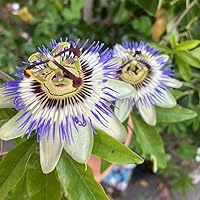
I miss you, Gabrielle. My love for you manifests itself in flowers. Amid the wild vegetation, your seeds give rise to enduring blooms, for in a garden of shade trees and swamp gas, I attend to the hermaphrodites, exuberant and devout, indescribably delicate and sensual. In clusters, panicles, and spikes, the orchids bloom with bizarre lips that try to kiss our earth.
“Hole in the phallic sheath” is the name for the white one with pink lips. She smells like mountains and frost. She’s sourced from the Rocky Mountains. Her petals are folded like hands in prayer. I have a blue one with a red lip. Three petals and three sepals, deep blue, with a wayward offshoot. Seven in all. She shines like a star in this nebulous vale. I call her Ursa Major.
2.5 stars rounded to a reluctant 2, as Tilted Axis / Two Lines / Lucy Scott have done important work in bringing this classic novel into English, and Tilted Axis are bringing her 2019 work Gebroken wit, as Off White, out later in 2025.
Tilted Axis founded by translator Deborah Smith, who won the first International Booker
Tilted Axis Press publishes six to nine books a year. We focus on contemporary translated fiction and also publish poetry and non-fiction.
Tilted Axis Press is an independent publisher of contemporary literature by the Global Majority, translated into or written in a variety of Englishes.
Founded in 2015, our practice is an ongoing exploration into alternatives - to the hierarchisation of certain languages and forms of translation, and the monoculture of globalisation.
Tilted Axis Press publishes six to nine books a year. We focus on contemporary translated fiction and also publish poetry and non-fiction.
Translating Waters is an editorial vision shaped by the migration of people, language, and ideas. From 2024, conceptual and literal bodies of water will be the framework of our titles. Beginning with the Pacific Seas, our list also covers the Indian Ocean as well as the Black Atlantic and the Black Pacific.
Our publishing practice foregrounds the complex movement of language, stories, and imaginations. Often fugitive and always trailblazing, our authors and translators challenge how we read, what we think, and how we view the world.
The judges's take
A modern classic set in Suriname and lyrically rendered into English for the first time, On a Woman’s Madness is a testament to both the resilience of queer lives that exist everywhere and everytime and the alchemy of literary translation where a perfect book meets its perfect translator. Through its heightened understanding of character and history filtered through a lush and enriched language, Astrid Roemer draws from suffering, heat, and imprisonment to create a story of love, survival, and freedom that translator Lucy Scott expertly reweaves into English with an empathetic, artistically accomplished touch.
We bury our dead within ourselves. We can also keep them alive. Everything that holds a place in our feelings stays alive. Everything we think of comes to life.
On A Woman's Madness is Lucy Scott's translation of Astrid Roemer's novel 1982 Over de gekte van een vrouw.
The original has the subtitle 'Een fragmentarische biografie' and our first person narrator Noenka, a mid-20s black woman from post-colonial Suriname, does indeed tell her story in shattered fragments, which flit back and forth in time, shards of a broken mirror representing her troubled life and the intersectional barriers she faces.
It makes for a poetic, but somewhat frustrating read, with plot strands not so much unravelled as lost in her tangled story, which also then detracts from the important themes the novel covers.
The 42 year gap between first publication and appearance in the UK in translation is a record for an International Booker longlisted work (bear in mind the author has to be living) and there are aspects of the novel that probably read better in 1982 than they do now.
The previous 'record holder' was A Cup of Rage, which is, I think, also the shortest book to be longlisted at 45 pages, and, at five times the length (236 pages) this would I think (like, to be fair, most books) have benefitted from being shorter, not least as I suspect it would benefit from being read twice (certainly I'd recommend re-reading the letter which opens the novel but is actually more of a postscript).
I miss you, Gabrielle. My love for you manifests itself in flowers. Amid the wild vegetation, your seeds give rise to enduring blooms, for in a garden of shade trees and swamp gas, I attend to the hermaphrodites, exuberant and devout, indescribably delicate and sensual. In clusters, panicles, and spikes, the orchids bloom with bizarre lips that try to kiss our earth.
“Hole in the phallic sheath” is the name for the white one with pink lips. She smells like mountains and frost. She’s sourced from the Rocky Mountains. Her petals are folded like hands in prayer. I have a blue one with a red lip. Three petals and three sepals, deep blue, with a wayward offshoot. Seven in all. She shines like a star in this nebulous vale. I call her Ursa Major.
2.5 stars rounded to a reluctant 2, as Tilted Axis / Two Lines / Lucy Scott have done important work in bringing this classic novel into English, and Tilted Axis are bringing her 2019 work Gebroken wit, as Off White, out later in 2025.
Tilted Axis founded by translator Deborah Smith, who won the first International Booker
Tilted Axis Press publishes six to nine books a year. We focus on contemporary translated fiction and also publish poetry and non-fiction.
Tilted Axis Press is an independent publisher of contemporary literature by the Global Majority, translated into or written in a variety of Englishes.
Founded in 2015, our practice is an ongoing exploration into alternatives - to the hierarchisation of certain languages and forms of translation, and the monoculture of globalisation.
Tilted Axis Press publishes six to nine books a year. We focus on contemporary translated fiction and also publish poetry and non-fiction.
Translating Waters is an editorial vision shaped by the migration of people, language, and ideas. From 2024, conceptual and literal bodies of water will be the framework of our titles. Beginning with the Pacific Seas, our list also covers the Indian Ocean as well as the Black Atlantic and the Black Pacific.
Our publishing practice foregrounds the complex movement of language, stories, and imaginations. Often fugitive and always trailblazing, our authors and translators challenge how we read, what we think, and how we view the world.
The judges's take
A modern classic set in Suriname and lyrically rendered into English for the first time, On a Woman’s Madness is a testament to both the resilience of queer lives that exist everywhere and everytime and the alchemy of literary translation where a perfect book meets its perfect translator. Through its heightened understanding of character and history filtered through a lush and enriched language, Astrid Roemer draws from suffering, heat, and imprisonment to create a story of love, survival, and freedom that translator Lucy Scott expertly reweaves into English with an empathetic, artistically accomplished touch.

March 1, 2025
A really interesting and complex story, however I felt as though the writing and structure was a little muddled. I found it hard to make sense of the timeline and how the characters related to Noenka. I thought Noenka as a character was great and I loved the sections which looked at her and Ramses. But I found myself getting confused too often to really enjoy it and I think this was down to how the book was constructed.

June 23, 2023
Thankfully, the Dutch texts out of Suriname are being translated into English.
On a Woman's Madness by Astrid Roemer is such an amazing, seminal work that I regret not being able to speak Dutch so that I could have read this book much earlier in my life, and because I would be able to read the original, untranslated poetic mastery and craft of Roemer.
The novel is nonlinear, as it takes the reader on a journey through the troubled life of Noenka, who faces tremendous adversity from her family, her community, and to a great extent, country. She is forced to deal with a problematic and unhealthy marriage to an abusive womaniser, while she traverses Suriname in search of true love. In this quest, she discovers the multicultural society that is Suriname and the tensions, suspicions and battles that go on among them as a result of being pitted against each other by the colonisers of Suriname. Noenka deals with having her heart in many places and with several individuals, as she is shattered by the death of one of her lovers. Roemer then takes the reader on a journey into the taboo (at least for the time this novel was written), as we discover that Noenka was bisexual and fell in love with Gabrielle who, in essence, helps her along the roads of mental illness, family drama, marital abuse, lust, and loss that she has to travel, as a woman who is seen as 'mad' by society. Gabrielle is not without her troubles, and Roemer does a beautiful job of ending the novel by creating doubt in the reader's (at least for me) mind of whose madness she referred to in the title of the novel.
I absolutely loved this novel. It is traumatic, but necessary. It is graphic, but absolutely believable. It is historical, but contemporary. Roemer shattered many ceilings and bars when she wrote this novel in 1982. It was bold to publish a novel on abortion. It was bold to publish a novel on queer women. It was bold to challenge society's perception of mental illness. It was bold to challenge misogyny. It was bold to challenge authority.
On a Woman's Madness by Astrid Roemer is such an amazing, seminal work that I regret not being able to speak Dutch so that I could have read this book much earlier in my life, and because I would be able to read the original, untranslated poetic mastery and craft of Roemer.
The novel is nonlinear, as it takes the reader on a journey through the troubled life of Noenka, who faces tremendous adversity from her family, her community, and to a great extent, country. She is forced to deal with a problematic and unhealthy marriage to an abusive womaniser, while she traverses Suriname in search of true love. In this quest, she discovers the multicultural society that is Suriname and the tensions, suspicions and battles that go on among them as a result of being pitted against each other by the colonisers of Suriname. Noenka deals with having her heart in many places and with several individuals, as she is shattered by the death of one of her lovers. Roemer then takes the reader on a journey into the taboo (at least for the time this novel was written), as we discover that Noenka was bisexual and fell in love with Gabrielle who, in essence, helps her along the roads of mental illness, family drama, marital abuse, lust, and loss that she has to travel, as a woman who is seen as 'mad' by society. Gabrielle is not without her troubles, and Roemer does a beautiful job of ending the novel by creating doubt in the reader's (at least for me) mind of whose madness she referred to in the title of the novel.
I absolutely loved this novel. It is traumatic, but necessary. It is graphic, but absolutely believable. It is historical, but contemporary. Roemer shattered many ceilings and bars when she wrote this novel in 1982. It was bold to publish a novel on abortion. It was bold to publish a novel on queer women. It was bold to challenge society's perception of mental illness. It was bold to challenge misogyny. It was bold to challenge authority.

Read
March 6, 2025Frustratingly brilliant. The novel may seem deliberately obscure, even obscurantist, but only on the surface. A closer look at the structure, or rather destructuring (or even distructuring) poses the question - can the subaltern speak? (to quote the title of Gayatri Chakravorty Spivak's famous essay). For the subaltern to speak, and here the subaltern is embodied at the intersection of gender, sexuality, and race, means to find a new way of speaking that eschews wholeness, linearity, causality. In other words, the violence of colonialism, racism, misogyny, sexism, and queerphobia is felt in the multiplicity of vectors that do not necessarily relate in a straightforward way. The novel is precisely an attempt to find a way out of "straightness" and "forwardness". A lot to think about.

September 19, 2023
A unique book. A woman’s book. A book from the point of view of a woman of color. It’s not madness, it appears like madness in the heteronormative world we live in, the world of the nuclear family, of colonialism and under the strict Christian laws of capitalism. Noenka rebels against this world like many before her. Noenka is finding her way in life, first through her mother and father, then through a black husband, then through a lover who dies and finally in Gabrielle. But they get caught in the system. They want each other. They want to live. But the world does not want them.
The story is told poetically and non- linearly. It is well done. I learned about Suriname and the Native cultures of South America, of the terrible history, of how some survived. There is so much to learn about the world and women. And it is so complex.
First published in 1982, Astrid Roemer wrote it in Dutch. It was translated into English by Lucy Scott. I wonder if it will ever be published in Sranan Tongo.
The story is told poetically and non- linearly. It is well done. I learned about Suriname and the Native cultures of South America, of the terrible history, of how some survived. There is so much to learn about the world and women. And it is so complex.
First published in 1982, Astrid Roemer wrote it in Dutch. It was translated into English by Lucy Scott. I wonder if it will ever be published in Sranan Tongo.

June 28, 2023
Around the World Reading Challenge: SURINAME
===
I was super excited to come across this book for Suriname, as it's got queer themes and was written by a Black woman, but it didn't totally land for me. I think the title probably should have clued me into the book's style, which is very surreal and confusing. The story is essentially entirely told in very short scenes/vignettes that are not at all linear, and with language that often alludes to things, rather than states them outright. It is the kind of book you have to really be paying deep attention to, and even then, I felt lost a good amount of time, and I'm sure there were things intended that I just did not pick up on. I didn't particularly like any of the characters, and for me, I think the style detracted from my ability to enjoy the story.
As for the queer themes... this was written 40 years ago, and it shows.
===
I was super excited to come across this book for Suriname, as it's got queer themes and was written by a Black woman, but it didn't totally land for me. I think the title probably should have clued me into the book's style, which is very surreal and confusing. The story is essentially entirely told in very short scenes/vignettes that are not at all linear, and with language that often alludes to things, rather than states them outright. It is the kind of book you have to really be paying deep attention to, and even then, I felt lost a good amount of time, and I'm sure there were things intended that I just did not pick up on. I didn't particularly like any of the characters, and for me, I think the style detracted from my ability to enjoy the story.
As for the queer themes... this was written 40 years ago, and it shows.

Did Not Finish
March 10, 2025DNF @ 20%
I wanted to give this a fair shot so I read the first ~60 pages or so and can tell it’s just not for me. The writing style and structure were way too chaotic, I just had no idea what was happening. It did make me do a Google deep dive on Suriname though which I didn’t know much about before this book, so that was interesting.
I wanted to give this a fair shot so I read the first ~60 pages or so and can tell it’s just not for me. The writing style and structure were way too chaotic, I just had no idea what was happening. It did make me do a Google deep dive on Suriname though which I didn’t know much about before this book, so that was interesting.

July 17, 2025
belíssimo! Fazia muito tempo que não lia um livro que consegue se agarrar tão bem na poeticidade. Ainda o faz articulando corpos racializados e colonizados, inclusive oferecendo a colonialidade da língua e das relações corpo e geografia. Nunca tinha lido nada do Suriname e fiquei com essa umidade tropical escorrendo pelo corpo. Excelente tradução da Mariângela.

November 6, 2023
Now on The International Booker Prize 2025 Longlist.
Well... I had high hopes but didn't like it as much as I hoped.
Most of the book is boring, has no strong structure, and is very chaotic. I had moments when I couldn't understand what was happening.
Well... I had high hopes but didn't like it as much as I hoped.
Most of the book is boring, has no strong structure, and is very chaotic. I had moments when I couldn't understand what was happening.

March 10, 2025
Recently, I felt that reading reviews ahead of reading UNDER THE EYES OF THE BIG BIRD led to increased expectations going in and then an eventual letdown by the unexciting revelatory chapters, whereas the opposite happened here. Reading reviews and others' thoughts on ON A WOMAN'S MADNESS before reading led me to have the lowest of low expectations. I expected an incoherent, opaque jumble of random mishmashed vignettes that would leave me feeling continually confused on the timeline and who was speaking. In a way, I'm glad I went in with these expectations because it made me enjoy the book all that much more when I realized this wasn't the case. I won't go so far as to say that it’s a totally undemanding read, but I never found it to be any more taxing than the many other literary novels that drop in nonlinear flashbacks here and there.
What it is, though, is spectacular. I was surprised to be sucked in from page one. What we have here is a Creole Surinamese woman who refuses to be pinned down, to be trapped in the boxes that the norms of her time force on her. Her madness is no real madness at all, but instead an affliction caused by a mad society. Though considered a pariah by the other townspeople, her husband, siblings, her employers, doctors, etc., she constantly seeks liberation and fulfillment by any means possible.
Time is spent with each of the three loves of Noenka’s life: her mother, her childhood beau turned lover, and her true love, Gabrielle. In the background, but really in the foreground, is the colonial and enslavement history of Suriname and its lasting effects, especially as seen in the divide between Noenka's parents, her mother adopting the colonists' religion and beliefs while her father descends from a family with Indigenous religious beliefs.
Roemer’s writing is captivating, bringing to life the tropical setting with its lush greenery and violent wildlife; orchids and snakes are used as symbols throughout. The dialogue felt at some points a product of its time and at others astoundingly modern.
It's a book filled with love, longing, and the desire to live a life of one's own. I'm so glad the International Booker got me to pick this one up!
What it is, though, is spectacular. I was surprised to be sucked in from page one. What we have here is a Creole Surinamese woman who refuses to be pinned down, to be trapped in the boxes that the norms of her time force on her. Her madness is no real madness at all, but instead an affliction caused by a mad society. Though considered a pariah by the other townspeople, her husband, siblings, her employers, doctors, etc., she constantly seeks liberation and fulfillment by any means possible.
Time is spent with each of the three loves of Noenka’s life: her mother, her childhood beau turned lover, and her true love, Gabrielle. In the background, but really in the foreground, is the colonial and enslavement history of Suriname and its lasting effects, especially as seen in the divide between Noenka's parents, her mother adopting the colonists' religion and beliefs while her father descends from a family with Indigenous religious beliefs.
Roemer’s writing is captivating, bringing to life the tropical setting with its lush greenery and violent wildlife; orchids and snakes are used as symbols throughout. The dialogue felt at some points a product of its time and at others astoundingly modern.
It's a book filled with love, longing, and the desire to live a life of one's own. I'm so glad the International Booker got me to pick this one up!
February 28, 2023
NL: Roemers schrijven is zeer intrigerend, en vergt volle concentratie en aandacht. De taferelen worden krachtig omschreven door een articulatie die ik niet eerder zo heb gelezen.. Non-linear, maar uiterst accuraat.. zoals alle herinneringen en gevoelens vloeien en ons vleselijk maakt. Haar gebruik van taal is magisch! - Niet eerder las ik een boek in het Nederlands wat mijn eigen identiteit zowel blootlegt als doet wankelen! Het is bitterzoet.. vol liefde en alles wat daarbij komt kijken. Eeeeeeeeerg meeslepend. Een boek dat ik zeker opnieuw wil lezen.
———
ENG: Roemer's writing is very intriguing, and requires full concentration and attention. The scenes are powerfully described by an articulation I've never read like this before.. Non-linear, but extremely accurate.. as all memories and feelings flow and make us carnal. Her use of language is magical! - Never before have I read a book in Dutch that both exposes and shakes the very mysteries of own identity! It’s a bittersweet read.. full of love and all that comes with it. Very very very compelling. A book that I definitely want to read again.
———
ENG: Roemer's writing is very intriguing, and requires full concentration and attention. The scenes are powerfully described by an articulation I've never read like this before.. Non-linear, but extremely accurate.. as all memories and feelings flow and make us carnal. Her use of language is magical! - Never before have I read a book in Dutch that both exposes and shakes the very mysteries of own identity! It’s a bittersweet read.. full of love and all that comes with it. Very very very compelling. A book that I definitely want to read again.

July 31, 2023
Honestly, I have no idea what just happened. But it left me with a lot to think about, so.

March 19, 2025
On a Woman’s Madness tells the story of Noenka, a Black woman in Suriname, as she flees an oppressive marriage in search of autonomy in a society that offers her very little. In its opening pages, the novel promises a layered exploration of postcolonial Suriname, gendered violence, and the intersection of race and class. However, as it progresses, its fragmented structure and baffling stylistic choices dilute its emotional impact, resulting in a disjointed and unnecessarily opaque reading experience.
To its credit, the novel conjures a strong sense of place, drawing on Suriname’s colonial history and religious syncretism to underscore Noenka’s alienation. She exists in a society shaped by generational trauma, where men, battered by historical and systemic violence, transfer their suffering onto women, and where women, caught in the inertia of patriarchal norms, fail to protect their daughters.
Though the novel gestures toward the complexities of racial and gendered oppression, these ideas remain frustratingly underdeveloped, articulated in broad strokes rather than through the intricacies of lived experience.
Roemer employs stream-of-consciousness in moments of heightened emotion, italicizes dreams for emphasis, and crafts stilted and unconvincing dialogue. These techniques are not inherently flawed, but here they feel perfunctory, failing to achieve the psychological depth or stylistic innovation they seem to strive for.
While tackling issues as harrowing as domestic violence, sexual assault, abortion, and suicide, the novel approaches them with a curious detachment, neither allowing me to sit with their weight nor contextualizing them in a way that deepens my understanding of Noenka’s psyche.
Roemer’s story has clear merit, but the novel as a whole is incoherent. Its ideas are compelling in theory, but its fragmented narrative, uneven execution, and lack of emotional weight made for a frustrating read.
To its credit, the novel conjures a strong sense of place, drawing on Suriname’s colonial history and religious syncretism to underscore Noenka’s alienation. She exists in a society shaped by generational trauma, where men, battered by historical and systemic violence, transfer their suffering onto women, and where women, caught in the inertia of patriarchal norms, fail to protect their daughters.
Though the novel gestures toward the complexities of racial and gendered oppression, these ideas remain frustratingly underdeveloped, articulated in broad strokes rather than through the intricacies of lived experience.
Roemer employs stream-of-consciousness in moments of heightened emotion, italicizes dreams for emphasis, and crafts stilted and unconvincing dialogue. These techniques are not inherently flawed, but here they feel perfunctory, failing to achieve the psychological depth or stylistic innovation they seem to strive for.
While tackling issues as harrowing as domestic violence, sexual assault, abortion, and suicide, the novel approaches them with a curious detachment, neither allowing me to sit with their weight nor contextualizing them in a way that deepens my understanding of Noenka’s psyche.
Roemer’s story has clear merit, but the novel as a whole is incoherent. Its ideas are compelling in theory, but its fragmented narrative, uneven execution, and lack of emotional weight made for a frustrating read.

May 10, 2025
4 sterren voor de literaire waarde, want jémig wat goed geschreven. 3 sterren voor de leeservaring want bij vlagen fantastisch, maar de moeite die Roemer van de lezer vraagt is groot. Ik voelde me soms een beetje verdwaald.

May 16, 2025
De helft van de tijd had ik geen idee wat er aan de hand was of wat ik nou precies aan het lezen was. De vraag is of het aan mij lag of aan het boek, maar ik denk het laatste 🫠
⭐️⭐️
⭐️⭐️

October 9, 2023
This book is shortlisted for the 2023 National Book Award for Translated Literature--but it was written/published in Dutch c1982. This is relevant to both the view of a lesbian relationship as viewed by characters in this story (though of course any individual might still hold those views, despite the illegality of lgbt descrimination (since 2015 per equaldex.com). Obviously there are no cell phones and really no technology as we commonly think of it either (cell phones, computers, etc).
I found this book fascinating if also confusing--it looks at feminism, misogyny, patriarchy, family, relationships of many kinds, love, talent, expectations, race, religion, orchids, and more, in Suriname. It jumps around in time--narrator Noenka remembers back to her childhood, or to stories her mother told about her marriage.
After just 9 days of marriage, Noenka wants a divorce from Louis. He refuses. So Noenka tries to forge her own path, disrupting family expectations but staying true to herself. She moves, she lives with relatives, with men, she rents a room in a rooming house, then in Gabrielle's house.
As the story moves forward it also looks backward--and this is where I got confused. We meet Ramses in the present, and then Ramses the baby. We learn about Noenka's mother's marriage. We learn about Gabrielle and Evert's two children. Much of the novel, though, is told using pronouns. The chapters are long, and though there are breaks, I was often unclear about who the pronouns were referring to--who is he, and she? "I" the narrator is Noenka, but the I speaking in quotation marks can be anyone.
The book felt like a fever dream to me, sometimes clear and sometimes confusing. It moves from hot and sensual to illness, blindness, death. Forward and back in time. Flooding, a lush greenhouse, an institution.
When I finished, I went back and re-read the beginning. The postscript is at the front of the book, and made more sense. I think reading this twice might be needed to get the full meaning. But I enjoyed the tropical climate, the fever dream feeling of the whole book.
Also, I wondered if the yellow room, the yellow dress, was a reference to Charlotte Perkins Gilman. The "madness" is just as contrived, if I understand these stories.
I found this book fascinating if also confusing--it looks at feminism, misogyny, patriarchy, family, relationships of many kinds, love, talent, expectations, race, religion, orchids, and more, in Suriname. It jumps around in time--narrator Noenka remembers back to her childhood, or to stories her mother told about her marriage.
After just 9 days of marriage, Noenka wants a divorce from Louis. He refuses. So Noenka tries to forge her own path, disrupting family expectations but staying true to herself. She moves, she lives with relatives, with men, she rents a room in a rooming house, then in Gabrielle's house.
As the story moves forward it also looks backward--and this is where I got confused. We meet Ramses in the present, and then Ramses the baby. We learn about Noenka's mother's marriage. We learn about Gabrielle and Evert's two children. Much of the novel, though, is told using pronouns. The chapters are long, and though there are breaks, I was often unclear about who the pronouns were referring to--who is he, and she? "I" the narrator is Noenka, but the I speaking in quotation marks can be anyone.
The book felt like a fever dream to me, sometimes clear and sometimes confusing. It moves from hot and sensual to illness, blindness, death. Forward and back in time. Flooding, a lush greenhouse, an institution.
When I finished, I went back and re-read the beginning. The postscript is at the front of the book, and made more sense. I think reading this twice might be needed to get the full meaning. But I enjoyed the tropical climate, the fever dream feeling of the whole book.
Also, I wondered if the yellow room, the yellow dress, was a reference to Charlotte Perkins Gilman. The "madness" is just as contrived, if I understand these stories.

June 20, 2025
Dense and intense, On a Woman's Madness is a novella that demands much of its readers. I struggled initially, but persevered by immersing myself into the beauty of the language passage by passage. The climax is sheer perfection, finally tying all that preceded it together.

March 7, 2023
Honestly don’t know what I just read, but I know it’s changed me. Somehow. Wow.

April 23, 2025
Wow. This story was dense but deeply moving. It’s a challenging read because the chronology is a little loose—time periods aren’t stated at the outset of a flashback, an important character is interacted with but not introduced, etc. A whole scene will unfold and its significance/what even happened is explained pages later. Still, i really enjoyed this novel’s exploration of 1980s Surinamese history, culture, and social dynamics and the use of poem/lyric/metaphor to build on the story.
“I’m Noenka, which means Never Again. Born of two polar opposites, a woman and a man who pull even my dreams apart. I’m a woman, even though I don’t know where being female begins and where it ends, and in the eyes of everyone else, I’m black, and I’m still waiting to discover what that means.”
“I’m Noenka, which means Never Again. Born of two polar opposites, a woman and a man who pull even my dreams apart. I’m a woman, even though I don’t know where being female begins and where it ends, and in the eyes of everyone else, I’m black, and I’m still waiting to discover what that means.”
April 29, 2024
Mooi en bijzonder, wel even wennen in het begin en het vereist concentratie (of ben ik zo’n luie lezer geworden?) maar dan: wauw! Een soort spinnenweb van prachtige volle vlezige associaties en momenten

June 10, 2025
Esta es una novela breve pero intensa, escrita con la fuerza de quien ha vivido a contracorriente y no teme incomodar. Publicada originalmente en 1982 y traducida al inglés por primera vez en 2023, esta obra que se ha convertido en un clásico de la literatura queer caribeña, nos entrega una historia que es tanto una búsqueda de identidad como un grito desesperado de libertad. Su protagonista, Noenka, es una mujer negra que, tras apenas nueve días de matrimonio marcados por el abuso, decide romper con todo: con su esposo, con su familia, con su ciudad natal y con las normas impuestas por una sociedad que espera sumisión, silencio y conformidad.
Noenka es, en esencia, una figura que encarna el rechazo radical a la opresión. Su decisión de huir no es simplemente un cambio de escenario, sino un acto de desobediencia profunda. A lo largo del relato, Roemer va desnudando las contradicciones de su protagonista, su fragilidad emocional, su fuerza casi terrosa, su deseo de amar y ser amada, pero sobre todo su voluntad de no doblegarse. Noenka no se presenta como heroína ejemplar: es contradictoria, impulsiva, a veces cruel, pero en eso mismo radica su autenticidad. Lo que impulsa su desarrollo es su negativa a ser definida por los otros: por su esposo, por su madre, por las voces coloniales que todavía resuenan en Surinam, incluso después de la independencia.
Los personajes secundarios orbitan en torno a Noenka como sombras o ecos de lo que ella rechaza y a veces también de lo que desea. Su madre, por ejemplo, representa esa línea dura del deber femenino, de la obediencia, del peso de la herencia colonial católica y patriarcal. Los amantes que Noenka encuentra en su camino no son salvadores, ni enemigos, sino vínculos efímeros que reflejan tanto su hambre de afecto como su imposibilidad de permanecer. Hay también una presencia constante del pasado: figuras familiares, rumores, ancestros, espíritus de la tierra, serpientes de plantación. Esos símbolos llenan la novela de una intensidad casi onírica, en la que lo concreto y lo simbólico se entrelazan con naturalidad.
Los temas que atraviesan esta obra son poderosos: la libertad femenina, la violencia patriarcal, la sexualidad queer en un contexto postcolonial, la salud mental, la herencia racial, el exilio interior. Todo ello está tratado desde una perspectiva profundamente íntima y política a la vez. La locura, sugerida desde el título mismo, no es tanto una enfermedad como una estrategia: una forma de desobediencia, de supervivencia, de ruptura con lo que no se puede sostener. Noenka se vuelve “loca” para escapar de lo insoportable. Y en esa locura, que a veces se siente como lucidez extrema, la novela encuentra su mayor potencia.
Roemer escribe en fragmentos, con una prosa afilada y poética que se desliza entre la sensualidad, la rabia, el delirio y la ternura. El tono es íntimo, confesional por momentos, pero también profundamente literario. La novela no sigue una estructura lineal ni fácil: salta en el tiempo, cambia de tono, mezcla registros. Pero esa misma inestabilidad formal es parte de lo que la hace tan fascinante. Es un libro que exige atención, pero que recompensa con pasajes de belleza fulminante y con reflexiones que resuenan mucho después de haberlo terminado.
Entre lo más logrado está precisamente esa voz narrativa que no busca agradar ni explicar. Roemer nos obliga a aceptar a Noenka tal como es, con sus contradicciones y su furia. La atmósfera tropical, casi febril, en la que transcurre la novela, está muy bien construida: hay una sensación constante de humedad, de selva, de cuerpos que arden y de espíritus que no se apagan. Quizás lo que más puede costar a algunos lectores es esa estructura fragmentada y la falta de una trama convencional, pero es precisamente en esa ruptura donde la novela encuentra su sentido más radical.
Noenka es, en esencia, una figura que encarna el rechazo radical a la opresión. Su decisión de huir no es simplemente un cambio de escenario, sino un acto de desobediencia profunda. A lo largo del relato, Roemer va desnudando las contradicciones de su protagonista, su fragilidad emocional, su fuerza casi terrosa, su deseo de amar y ser amada, pero sobre todo su voluntad de no doblegarse. Noenka no se presenta como heroína ejemplar: es contradictoria, impulsiva, a veces cruel, pero en eso mismo radica su autenticidad. Lo que impulsa su desarrollo es su negativa a ser definida por los otros: por su esposo, por su madre, por las voces coloniales que todavía resuenan en Surinam, incluso después de la independencia.
Los personajes secundarios orbitan en torno a Noenka como sombras o ecos de lo que ella rechaza y a veces también de lo que desea. Su madre, por ejemplo, representa esa línea dura del deber femenino, de la obediencia, del peso de la herencia colonial católica y patriarcal. Los amantes que Noenka encuentra en su camino no son salvadores, ni enemigos, sino vínculos efímeros que reflejan tanto su hambre de afecto como su imposibilidad de permanecer. Hay también una presencia constante del pasado: figuras familiares, rumores, ancestros, espíritus de la tierra, serpientes de plantación. Esos símbolos llenan la novela de una intensidad casi onírica, en la que lo concreto y lo simbólico se entrelazan con naturalidad.
Los temas que atraviesan esta obra son poderosos: la libertad femenina, la violencia patriarcal, la sexualidad queer en un contexto postcolonial, la salud mental, la herencia racial, el exilio interior. Todo ello está tratado desde una perspectiva profundamente íntima y política a la vez. La locura, sugerida desde el título mismo, no es tanto una enfermedad como una estrategia: una forma de desobediencia, de supervivencia, de ruptura con lo que no se puede sostener. Noenka se vuelve “loca” para escapar de lo insoportable. Y en esa locura, que a veces se siente como lucidez extrema, la novela encuentra su mayor potencia.
Roemer escribe en fragmentos, con una prosa afilada y poética que se desliza entre la sensualidad, la rabia, el delirio y la ternura. El tono es íntimo, confesional por momentos, pero también profundamente literario. La novela no sigue una estructura lineal ni fácil: salta en el tiempo, cambia de tono, mezcla registros. Pero esa misma inestabilidad formal es parte de lo que la hace tan fascinante. Es un libro que exige atención, pero que recompensa con pasajes de belleza fulminante y con reflexiones que resuenan mucho después de haberlo terminado.
Entre lo más logrado está precisamente esa voz narrativa que no busca agradar ni explicar. Roemer nos obliga a aceptar a Noenka tal como es, con sus contradicciones y su furia. La atmósfera tropical, casi febril, en la que transcurre la novela, está muy bien construida: hay una sensación constante de humedad, de selva, de cuerpos que arden y de espíritus que no se apagan. Quizás lo que más puede costar a algunos lectores es esa estructura fragmentada y la falta de una trama convencional, pero es precisamente en esa ruptura donde la novela encuentra su sentido más radical.
April 18, 2025
This is a very dense book that’s often hard to follow, but once you let go of the expectation of understanding every detail and just go with the flow, its rhythm sucks you in. It kept my attention all throughout, which is surprising for a book of that nature, as I usually get tired of being lost.
It was a heavy read, not only in form but also in content. I loved following Noenka, a complex character who puts into sharp relief our unconditional need for love, freedom and belonging. A queer classic, its depiction of queerness was definitely rooted in the time and place it was set and written in, conditioned by religion, patriarchy and colonialism, but ultimately offered the sapphic yearning I was hoping for.
The imagery was beautiful and I would love to reread this book to analyze it more, now that I understand where the story is going! Definitely a worthy pick for the International Booker Prize longlist.
🩷🐍🥀
"I loved him the way a sister loves a brother. Full of reservations and fear of him pulling me down into something that I was trying with all my might to rise above, the limitedness of my womanhood, of my blackness, and of my material powerlessness."
"Was I only using other people as fertilizer for my growing individuality? Would I take the trouble to love these other people?"
"Ever since you gave me life, you’ve been bleeding inside me, Mama."
"I recognized you from the mosaic of my yearning."
It was a heavy read, not only in form but also in content. I loved following Noenka, a complex character who puts into sharp relief our unconditional need for love, freedom and belonging. A queer classic, its depiction of queerness was definitely rooted in the time and place it was set and written in, conditioned by religion, patriarchy and colonialism, but ultimately offered the sapphic yearning I was hoping for.
The imagery was beautiful and I would love to reread this book to analyze it more, now that I understand where the story is going! Definitely a worthy pick for the International Booker Prize longlist.
🩷🐍🥀
"I loved him the way a sister loves a brother. Full of reservations and fear of him pulling me down into something that I was trying with all my might to rise above, the limitedness of my womanhood, of my blackness, and of my material powerlessness."
"Was I only using other people as fertilizer for my growing individuality? Would I take the trouble to love these other people?"
"Ever since you gave me life, you’ve been bleeding inside me, Mama."
"I recognized you from the mosaic of my yearning."

April 10, 2025
On a Woman's Madness, is a poetic literary novel set in Suriname. We follow Noenka as she leaves her (awful) husband and tries to make her own way in life.
Within these pages, we have some truly gorgeous writing. Sensual, philosophical prose that burrowed its way into my feels.
Despite the delicious prose, the actual storytelling was all over the place! Disjointed narrative stops and starts, speeds up and slows down, jumps backwards and forwards in time.
This book was difficult to follow and this took some of the sting out of its tail.
Often, I was deeply moved, but a lot of the time I was simply confused. Every time I reached a pinnacle of frustration and bafflement, Roemer would hit me with a section of writing so powerful and beautiful that it would take my breath away.
The ending, in particular, was annoyingly rushed.
This book could either have worked better being drawn out into a family saga with more overarching clarity or been decluttered into a sparser work condensed into poetic chunks.
Regardless, some stunning writing.
Within these pages, we have some truly gorgeous writing. Sensual, philosophical prose that burrowed its way into my feels.
Despite the delicious prose, the actual storytelling was all over the place! Disjointed narrative stops and starts, speeds up and slows down, jumps backwards and forwards in time.
This book was difficult to follow and this took some of the sting out of its tail.
Often, I was deeply moved, but a lot of the time I was simply confused. Every time I reached a pinnacle of frustration and bafflement, Roemer would hit me with a section of writing so powerful and beautiful that it would take my breath away.
The ending, in particular, was annoyingly rushed.
This book could either have worked better being drawn out into a family saga with more overarching clarity or been decluttered into a sparser work condensed into poetic chunks.
Regardless, some stunning writing.

April 2, 2025
I enjoyed the story and characters but found the way this was written to be quite inaccessible? it jumped around a lot, which usually I’m fine with, but I just felt that this didn’t work very well.

April 2, 2025
3.5 ⭐️
Knjiga surinamske pisateljice in pesnice Astrid Roemer je bila prevedena iz nizozemščine v angleščino šele 42 let po njenem izidu, v originalu ima tudi podnaslov, avtobiografija v fragmentih. Tako nekako se tudi bere, ni linearne zgodbe, skoki nazaj in naprej v času, včasih na hitro, včasih malo dlje.
Glavna junakinja Noenka (njeno ime pomeni nikoli več), je 23 letna potomka sužnjev, pravi, da je črna, a da še ni ugotovila, kaj ro pomeni. Zgodba se začne, ko Noenka pobegne od nasilnega moža po 9 dneh zakona. Kako se nadaljuje in kaj povejo skoki v času zaradi kvarnikov ne bom razkrila, tematike v knjigi pa so nasilje nad ženskami, postkolonijalni čas, tradicije različnih kultur v Surinamu (tu mislim na avtohtone prebivalce in potomce sužnjev, ne na kolonizatorje), ljubezen in queerness.
Ocena ni višja, ker je včasih bilo težko slediti preskokom v pripovedovanju.
Knjiga surinamske pisateljice in pesnice Astrid Roemer je bila prevedena iz nizozemščine v angleščino šele 42 let po njenem izidu, v originalu ima tudi podnaslov, avtobiografija v fragmentih. Tako nekako se tudi bere, ni linearne zgodbe, skoki nazaj in naprej v času, včasih na hitro, včasih malo dlje.
Glavna junakinja Noenka (njeno ime pomeni nikoli več), je 23 letna potomka sužnjev, pravi, da je črna, a da še ni ugotovila, kaj ro pomeni. Zgodba se začne, ko Noenka pobegne od nasilnega moža po 9 dneh zakona. Kako se nadaljuje in kaj povejo skoki v času zaradi kvarnikov ne bom razkrila, tematike v knjigi pa so nasilje nad ženskami, postkolonijalni čas, tradicije različnih kultur v Surinamu (tu mislim na avtohtone prebivalce in potomce sužnjev, ne na kolonizatorje), ljubezen in queerness.
Ocena ni višja, ker je včasih bilo težko slediti preskokom v pripovedovanju.

September 3, 2026
Suriname is not a country one would think to read from on a normal day, but I promise you, Astrid H. Roemer deserves more attention, especially since this novel was longlisted for the International Booker Prize. "On a Woman's Madness" is one of those rare novels that feels like wandering through someone's dreams and wounds. It confused me a lot of the time because of its nonlinear narrative, but in the end, it rewarded me with extraordinary emotional depth.
The story is that of Noenka, a Surinamese teacher whose marriage ends very soon after the wedding, leaving her socially ostracized. She struggles to reclaim her independence, and her story is one of searching for a place where she can exist outside the expectations imposed by her family and by society. The plot doesn't evolve in a straightforward manner. It is constantly interrupted by memories and revelations that sometimes seem randomly placed, but in the end they all tie together into a larger emotional journey that spans generations. It's like a puzzle that invites the reader to assemble the emotional truth of Noenka's life.
It's a complex story about female autonomy - who has the right to control a woman's body, her sexuality, her future? Roemer talks about marital rape, domestic violence, reproductive rights, mental illness, motherhood, colonialism, racism, generational trauma, religion, sexuality... A whole array of themes. But the good thing is that it never feels like a political manifesto, even when she points out how institutions fail women. It just focuses on this one woman who is shaped by her Black heritage, Jewish ancestry, Dutch colonial influence, Christianity and Surinamese culture.
It took me the entire novel to understand Noenka, and even now, I'm not sure I've unpacked all her layers. I loved her courage in this patriarchal, very religious world. Roemer depicts a particular historical and social environment, and the novel amplifies the ways in which institutions police Noenka's behaviour. Beyond her courage, she's also a contradictory character. On the one hand, Noenka is intelligent and compassionate, on the other, she's often self-destructive and frustrating. She repeatedly sabotages her own happiness, hurts people who genuinely love her and struggles to understand what she actually wants from life. It's the kind of non-heroic protagonist that usually attracts me in books. Noenka's relationship with Gabrielle, who becomes the center around which Noenka gravitates, is so beautifully constructed! And with remarkable subtlety, there's nothing too overt or kitsch or graphic here, something I really appreciated. Some of the novel's most beautiful passages come out of their connection.
The other characters form a very diverse constellation. Ramses is the novel's most heartbreaking figure, and I felt so, so sorry for him, for his devotion to Noenka constantly bumping into her inability to accept unconditional love. Louis, meanwhile, is one of the most disturbing characters I've encountered in recent fiction. I couldn't even see him as a villain - although he is, to some extent -, because Roemer makes him into a symbol of the systemic violence enabled by patriarchy. The story of Noenka's parents is also fascinating. Their marriage shows us how trauma echoes across generations. At the same time, they form a microcosm that reflects the larger Surinamese society, one where different belief systems exist simultaneously.
I liked the way Roemer painted Suriname, this multicultural world where Creole, Hindustani, Javanese, Dutch and English influences coexist. The book is filled with colours and smells, especially those of food and nature. But only a tourist may call it a paradise. Beneath this beauty lies constant tension. Beneath the closed doors, there's oppression. Beneath the appearance of multiculturality and acceptance, there's religious bigotry. This diversity comes from the country's colonial history. And what's even more interesting (and somewhat disturbing) is that colonial ideas about race, class, education and civilization are being reproduced inside Black Surinamese families.
Astrid Roemer's prose is magnificent. There are sentences I wanted to read aloud simply because they are so musical. It's all very visual and sometimes hypnotic. And this feeling of being hypnotized is enhanced by the constant shifts in chronology and fragmented memories. Sometimes, though, these shifts and missing transitions made the novel confusing, and I had to take notes to keep track of everything, especially since major events sometimes happen off-page or are mentioned only in passing before we move to something else. Normally, this degree of fragmentation would frustrate me much more, but here it feels intentional, because the structure mirrors the way trauma works, with memories that surface unpredictably and emotional truths being more important than facts. Even so, this is not an easy novel and requires constant focus to keep track of everything.
This was one of the most emotionally exhausting books I've read. I was frequently confused because of the fragmented narrative. But Roemer just sucked me in and refused to let me go. What stayed with me most was the novel's quiet rage. Watching Noenka navigate this world where society keeps telling women to endure violence and doubt their own reality was devastating.
The story is that of Noenka, a Surinamese teacher whose marriage ends very soon after the wedding, leaving her socially ostracized. She struggles to reclaim her independence, and her story is one of searching for a place where she can exist outside the expectations imposed by her family and by society. The plot doesn't evolve in a straightforward manner. It is constantly interrupted by memories and revelations that sometimes seem randomly placed, but in the end they all tie together into a larger emotional journey that spans generations. It's like a puzzle that invites the reader to assemble the emotional truth of Noenka's life.
It's a complex story about female autonomy - who has the right to control a woman's body, her sexuality, her future? Roemer talks about marital rape, domestic violence, reproductive rights, mental illness, motherhood, colonialism, racism, generational trauma, religion, sexuality... A whole array of themes. But the good thing is that it never feels like a political manifesto, even when she points out how institutions fail women. It just focuses on this one woman who is shaped by her Black heritage, Jewish ancestry, Dutch colonial influence, Christianity and Surinamese culture.
It took me the entire novel to understand Noenka, and even now, I'm not sure I've unpacked all her layers. I loved her courage in this patriarchal, very religious world. Roemer depicts a particular historical and social environment, and the novel amplifies the ways in which institutions police Noenka's behaviour. Beyond her courage, she's also a contradictory character. On the one hand, Noenka is intelligent and compassionate, on the other, she's often self-destructive and frustrating. She repeatedly sabotages her own happiness, hurts people who genuinely love her and struggles to understand what she actually wants from life. It's the kind of non-heroic protagonist that usually attracts me in books. Noenka's relationship with Gabrielle, who becomes the center around which Noenka gravitates, is so beautifully constructed! And with remarkable subtlety, there's nothing too overt or kitsch or graphic here, something I really appreciated. Some of the novel's most beautiful passages come out of their connection.
The other characters form a very diverse constellation. Ramses is the novel's most heartbreaking figure, and I felt so, so sorry for him, for his devotion to Noenka constantly bumping into her inability to accept unconditional love. Louis, meanwhile, is one of the most disturbing characters I've encountered in recent fiction. I couldn't even see him as a villain - although he is, to some extent -, because Roemer makes him into a symbol of the systemic violence enabled by patriarchy. The story of Noenka's parents is also fascinating. Their marriage shows us how trauma echoes across generations. At the same time, they form a microcosm that reflects the larger Surinamese society, one where different belief systems exist simultaneously.
I liked the way Roemer painted Suriname, this multicultural world where Creole, Hindustani, Javanese, Dutch and English influences coexist. The book is filled with colours and smells, especially those of food and nature. But only a tourist may call it a paradise. Beneath this beauty lies constant tension. Beneath the closed doors, there's oppression. Beneath the appearance of multiculturality and acceptance, there's religious bigotry. This diversity comes from the country's colonial history. And what's even more interesting (and somewhat disturbing) is that colonial ideas about race, class, education and civilization are being reproduced inside Black Surinamese families.
Astrid Roemer's prose is magnificent. There are sentences I wanted to read aloud simply because they are so musical. It's all very visual and sometimes hypnotic. And this feeling of being hypnotized is enhanced by the constant shifts in chronology and fragmented memories. Sometimes, though, these shifts and missing transitions made the novel confusing, and I had to take notes to keep track of everything, especially since major events sometimes happen off-page or are mentioned only in passing before we move to something else. Normally, this degree of fragmentation would frustrate me much more, but here it feels intentional, because the structure mirrors the way trauma works, with memories that surface unpredictably and emotional truths being more important than facts. Even so, this is not an easy novel and requires constant focus to keep track of everything.
This was one of the most emotionally exhausting books I've read. I was frequently confused because of the fragmented narrative. But Roemer just sucked me in and refused to let me go. What stayed with me most was the novel's quiet rage. Watching Noenka navigate this world where society keeps telling women to endure violence and doubt their own reality was devastating.
Displaying 1 - 30 of 228 reviews