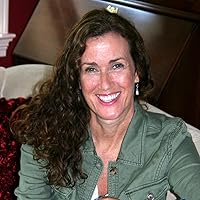
Salem witchcraft will always have a magnetic pull on the American psyche. During the 1692 witch trials, more than 150 people were arrested. An estimated 25 million Americans-including author Diane Foulds-are descended from the twenty individuals executed. What happened to our ancestors? Death in Salem is the first book to take a clear-eyed look at this complex time, by examining the lives of the witch trial participants from a personal perspective. Massachusetts settlers led difficult lives; every player in the Salem drama endured hardships barely imaginable today. Mercy Short, one of the "bewitched" girls, watched as Indians butchered her parents; Puritan minister Cotton Mather outlived all but three of his fifteen children. Such tragedies shaped behavior and, as Foulds argues, ultimately played a part in the witch hunt's outcome. A compelling "who's who" to Salem witchcraft, Death in Salem profiles each of these historical personalities as it Why was this person targeted?
This book is a great informational book about the many people who played part in the Salem Trials. We even get to hear the lives of people from various places instead of just those in Salem. This is a great beginner's book to get if you want to learn the basics of the Salem Witch Trials in a well-crafted book.
Visiting Salem has been a childhood dream of mine so finally getting to do it decades later was a lovely cross off on my Bucket List. I purchased this book because it literally takes each individual and tells of their life. The book is divided into The Accusers, The Victims, The Judges, The Elite. The author is a descendant of one of the accused and executed. All told, 19 people were hung (no burning), and one victim was pressed to death slowly over time.
While I was satisfied about learning all,this information it was so hard to keep everyone straight. So many Mary’s, Elizabeths, Sarah’s, etc. And all the marriages! Someone is marrying someone else’s widowed wife or husband, mither, father, sister, brother, son, daughter, etc. If you put this as a family tree there would be so much crossover it would look like a jigsaw puzzle. Very confusing.
This was a well written and interesting book about the 1692 witch hunt. The book is divided into five chapters: the accusers, the victims, the clergy, the judges, and the elite. The chapters are then further divided with each person getting his or her own story told. It is written in a way that lets you consider the many reasons why some of the people made the choices they did. The conclusion at the end is open-ended posing questions for you - the reader- to think about. I highly recommend this book if this is a period of history you are interested in studying.
I was interested at first in all the individual briefs on each character’s life story, but thought that eventually I would get more of a story. I got a bit bored about halfway through.