

What do you think?

The Darkness Manifesto: On Light Pollution, Night Ecology, and the Ancient Rhythms that Sustain Life
In the bestselling tradition of Why We Sleep and The Sixth Extinction, an urgent and insightful look at the hidden impact of light pollution, and a passionate appeal to cherish natural darkness for the sake of the environment, our own wellbeing, and all life on earth.
How much light is too much light? Satellite pictures show our planet as a brightly glowing orb, and in our era of constant illumination, light pollution has become a major issue. The world’s flora and fauna have evolved to operate in the natural cycle of day and night. But in the last 150 years, we have extended our day—and in doing so have forced out the inhabitants of the night and disrupted the circadian rhythms necessary to sustain all living things, including ourselves.
In this persuasive, well-researched book, Swedish conservationist Johan Eklöf urges us to appreciate natural darkness, its creatures, and its unique benefits. Eklöf ponders the beauties of the night sky, traces the errant paths of light-drunk moths and the swift dives of keen-eyed owls, and shows us the bioluminescent creatures of the deepest oceans. As a devoted friend of the night, he writes passionately about the startling damage we inflict on ourselves and our fellow creatures simply by keeping the lights on.
The Darkness Manifesto depicts the domino effect of diminishing darkness: insects, dumbfounded by streetlamps, failing to reproduce; birds blinded and bewildered by artificial lights; and bats starving as they wait in vain for food insects that only come out in the dark of night. For humans, light-induced sleep disturbances impact our hormones and weight, and can contribute to mental health problems like chronic stress and depression. The streetlamps, floodlights, and neon signs of cities are altering entire ecosystems, and scientists are only just beginning to understand the long-term effects. The light bulb—long the symbol of progress and development—needs to be turned off.
Educational, eye-opening, and ultimately encouraging, The Darkness Manifesto outlines simple steps that we can take to benefit ourselves and the planet. In order to ensure a bright future, we must embrace the darkness.
How much light is too much light? Satellite pictures show our planet as a brightly glowing orb, and in our era of constant illumination, light pollution has become a major issue. The world’s flora and fauna have evolved to operate in the natural cycle of day and night. But in the last 150 years, we have extended our day—and in doing so have forced out the inhabitants of the night and disrupted the circadian rhythms necessary to sustain all living things, including ourselves.
In this persuasive, well-researched book, Swedish conservationist Johan Eklöf urges us to appreciate natural darkness, its creatures, and its unique benefits. Eklöf ponders the beauties of the night sky, traces the errant paths of light-drunk moths and the swift dives of keen-eyed owls, and shows us the bioluminescent creatures of the deepest oceans. As a devoted friend of the night, he writes passionately about the startling damage we inflict on ourselves and our fellow creatures simply by keeping the lights on.
The Darkness Manifesto depicts the domino effect of diminishing darkness: insects, dumbfounded by streetlamps, failing to reproduce; birds blinded and bewildered by artificial lights; and bats starving as they wait in vain for food insects that only come out in the dark of night. For humans, light-induced sleep disturbances impact our hormones and weight, and can contribute to mental health problems like chronic stress and depression. The streetlamps, floodlights, and neon signs of cities are altering entire ecosystems, and scientists are only just beginning to understand the long-term effects. The light bulb—long the symbol of progress and development—needs to be turned off.
Educational, eye-opening, and ultimately encouraging, The Darkness Manifesto outlines simple steps that we can take to benefit ourselves and the planet. In order to ensure a bright future, we must embrace the darkness.
272 pages, Hardcover
First published October 16, 2020
Ratings & Reviews
Friends & Following
Create a free account to discover what your friends think of this book!
Community Reviews
Displaying 1 - 30 of 275 reviews

October 30, 2022
Do you ever wonder why Van Gogh's Starry Night arrests our generation so? It is a beautiful painting, of course, but it also seems to speak to something deeper within us. Reading Johan Eklöf's book, I was struck by an epiphany: Starry Night is one of our few remaining windows into the night sky as it appeared for centuries before we overwhelmed its serene glow with our city lights.
A lot has been said of light pollution and how it has stolen the delight of seeing the stars from us. In The Darkness Manifesto, Eklöf brings to attention its more sinister implications towards our world. Speaking from expertise as a bat scientist, he addressed how the dying darkness affects life on earth by disrupting our circadian rhythm—be it bats, moths, and other insects and pollinators, birds, turtles, tigers, whales, or human beings, we are all significantly, worryingly endangered by the postmodern era's burst of artificial illumination. Having explored the reason for pushing the darkness, he advocates for dwelling in a balance with the light, and leads readers towards considering a future where we embrace the night and its gift of shadows.
Though well-intentioned and informative, I found the book somewhat lacking in terms of narrative. The research, albeit deserving of attention, is often presented in a disjointed, jerky fashion that does not suit the purpose of the volume; the impact of light pollution being left to float on the page rather than being driven home does not flatter the nature of this book as a manifesto. Still, Eklöf here manages to make a significant amount of scientific study fairly accessible, and successfully invites the reader to contend with our relationship with sight, with light, and with the night. With the right editor and a different narrative approach, this could be a 5 star read.
For now: 2.5 stars.
Many thanks to Penguin Random House for providing me with an ARC via NetGalley.
A lot has been said of light pollution and how it has stolen the delight of seeing the stars from us. In The Darkness Manifesto, Eklöf brings to attention its more sinister implications towards our world. Speaking from expertise as a bat scientist, he addressed how the dying darkness affects life on earth by disrupting our circadian rhythm—be it bats, moths, and other insects and pollinators, birds, turtles, tigers, whales, or human beings, we are all significantly, worryingly endangered by the postmodern era's burst of artificial illumination. Having explored the reason for pushing the darkness, he advocates for dwelling in a balance with the light, and leads readers towards considering a future where we embrace the night and its gift of shadows.
Though well-intentioned and informative, I found the book somewhat lacking in terms of narrative. The research, albeit deserving of attention, is often presented in a disjointed, jerky fashion that does not suit the purpose of the volume; the impact of light pollution being left to float on the page rather than being driven home does not flatter the nature of this book as a manifesto. Still, Eklöf here manages to make a significant amount of scientific study fairly accessible, and successfully invites the reader to contend with our relationship with sight, with light, and with the night. With the right editor and a different narrative approach, this could be a 5 star read.
For now: 2.5 stars.
Many thanks to Penguin Random House for providing me with an ARC via NetGalley.

May 17, 2024
The Darkness Manifesto: On Light Pollution, Night Ecology, and the Ancient Rhythms that Sustain Life - Johan Eklöf
يتحدث الكتاب باستفاضة عن التلوث الضوئي وانحسار الظلام عن عالمنا وما يعنيه هذا لكل المخلوقات خاصة تلك التي لا تعيش إلا في الظلام الحالك.
الإنسان لا يشعر بالأمان إلا في الضوء خاصة ليلًا، لكن لهذا تداعيات خطيرة على مخلوقات ليلية كثيرة وهي الآن على وشك الانقراض بسبب التلوث الضوئي وحتى أضواء المدن البعيدة وضوء السيارات ..إلخ، كل هذه الإضاءة الاصطناعية لا تؤثر فقط على الخفافيش والعث والطيور والحيتان ولكن على البشر أيضًا، فكل هذا الضوء الساطع والدائم يغير الساعة البيولوجية لكل المخلوقات.
الكتاب جيد ويدعو للتوازن بين الضوء والظلام والمحاولة الجادة للسماح بالظلام للتمدد لمنح الفرصة للمخلوقات المهددة بالانقراض وغيره من الأخطار، وهو مادة بحثية غنية وخاصة أن الكاتب يستخدم خبرته كعالم وباحث متخصص في دراسة الخفافيش لتقديم مادة كتابه ولكنه كان مفككًا قليلًا وفوضويا وأظنه احتاج لبعض التحرير .
~
صباح يوم الجمعة، التاسع من ذي القعدة - 1445 هـ.
يتحدث الكتاب باستفاضة عن التلوث الضوئي وانحسار الظلام عن عالمنا وما يعنيه هذا لكل المخلوقات خاصة تلك التي لا تعيش إلا في الظلام الحالك.
الإنسان لا يشعر بالأمان إلا في الضوء خاصة ليلًا، لكن لهذا تداعيات خطيرة على مخلوقات ليلية كثيرة وهي الآن على وشك الانقراض بسبب التلوث الضوئي وحتى أضواء المدن البعيدة وضوء السيارات ..إلخ، كل هذه الإضاءة الاصطناعية لا تؤثر فقط على الخفافيش والعث والطيور والحيتان ولكن على البشر أيضًا، فكل هذا الضوء الساطع والدائم يغير الساعة البيولوجية لكل المخلوقات.
الكتاب جيد ويدعو للتوازن بين الضوء والظلام والمحاولة الجادة للسماح بالظلام للتمدد لمنح الفرصة للمخلوقات المهددة بالانقراض وغيره من الأخطار، وهو مادة بحثية غنية وخاصة أن الكاتب يستخدم خبرته كعالم وباحث متخصص في دراسة الخفافيش لتقديم مادة كتابه ولكنه كان مفككًا قليلًا وفوضويا وأظنه احتاج لبعض التحرير .
~
صباح يوم الجمعة، التاسع من ذي القعدة - 1445 هـ.

June 7, 2023
Uznávaný odborník na netopiere nenapísal ani tak popularizačnú faktografickú knihu, ako skôr presne to, ako ju nazval: manifest. Manifest za zachovávanie tmy, proti nadbytočnému umelému osvetleniu a svetelnému znečisteniu, manifest, ktorým by nám chcel pripomenúť, koľko toho tma a noc pre život (nielen netopierov) znamenajú. V krátkych kapitolách zhŕňa svoje zážitky a úvahy, v ktorých sa venuje migrujúcim vtákom, cirkevným stavbám, parkom tmavej oblohy, bioluminiscencii, biologickým hodinám, terapii tmou, vplyve umelého svetla na ekosystémy (a samozrejme aj netopierom). Je tu mnoho zaujímavého (a veľa netopierov) – aj krásneho, ako posedenie v krajine za súmraku.

August 15, 2023
"One of the reasons for our eagerness to illuminate our planet so persistently is without a doubt our nyctophobia, fear of the dark. To be afraid of the dark lies in our genetic, as well as our cultural, heritage..."
The Darkness Manifesto was an interesting look into the topic. The importance of darkness for all living creatures is something that not many of us think about. However, all life has an inborn circadian rhythm that plays an incredibly important role in our biological processes. For the first time in history, the industrial revolution has allowed man to keep his urban centers lit 24 hours a day. Unfortunately, this ubiquitous light is wreaking havoc with many creatures; from beetles, to bats, to sea turtles, and many more...
Author Johan Eklöf, PhD, is a Swedish bat scientist and writer, most known for his work on microbat vision and more recently, light pollution. He lives in the west of Sweden, where he works as a conservationist and copywriter. Eklöf has studied bats for almost twenty years and now has his own consultancy company, hired by authorities, wind companies, municipalities, city planners, and environmental organizations as an expert on bats, night ecology, and nature friendly lighting
Johan Eklöf: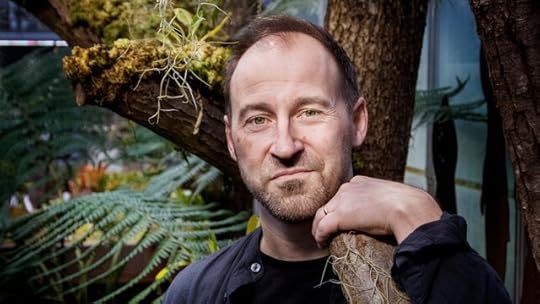
I was looking for something a little more light-going than some of the books I typically read, and this one fit the bill nicely. Eklöf writes with a decent style here, and the book is full of interesting anecdotes. Did you know that the clicking emitted by a sperm whale can reach 230 decibels? It is loud enough to crack a human's ribcage and kill them. (Thanks, as if I needed another thing to be afraid of in the Ocean)
The quote from the start of this review continues:
Eklöf introduces the term "light pollution" early on here, noting that it was only used by astronomers until just recently:
In this bit of writing, he lays out the aim of the book:
As touched on briefly at the start of this review, we all have circadian rhythms. Eklöf writes this about them:
I also really appreciated that the author approached this topic in a rational, nuanced, and balanced matter here. When I first checked the book out, I was a bit apprehensive, TBH. I was worried that it might start getting (as many of these books do) really preachy and sanctimonious, and start shitting on civilization in general. I have read many books where the authors go right off the rails, and get downright screechy. Kudos to this author, for presenting this material in a balanced, matter-of-fact manner. This kind of thing is sadly becoming more rare these days...
********************
I enjoyed The Darkness Manifesto. I would recommend it to anyone interested.
3.5 stars.
The Darkness Manifesto was an interesting look into the topic. The importance of darkness for all living creatures is something that not many of us think about. However, all life has an inborn circadian rhythm that plays an incredibly important role in our biological processes. For the first time in history, the industrial revolution has allowed man to keep his urban centers lit 24 hours a day. Unfortunately, this ubiquitous light is wreaking havoc with many creatures; from beetles, to bats, to sea turtles, and many more...
Author Johan Eklöf, PhD, is a Swedish bat scientist and writer, most known for his work on microbat vision and more recently, light pollution. He lives in the west of Sweden, where he works as a conservationist and copywriter. Eklöf has studied bats for almost twenty years and now has his own consultancy company, hired by authorities, wind companies, municipalities, city planners, and environmental organizations as an expert on bats, night ecology, and nature friendly lighting
Johan Eklöf:
I was looking for something a little more light-going than some of the books I typically read, and this one fit the bill nicely. Eklöf writes with a decent style here, and the book is full of interesting anecdotes. Did you know that the clicking emitted by a sperm whale can reach 230 decibels? It is loud enough to crack a human's ribcage and kill them. (Thanks, as if I needed another thing to be afraid of in the Ocean)
The quote from the start of this review continues:
"...It is altogether natural, and exactly like many other fears and reactions, it has a survival value. Our sense of sight adapts so that we see decently in the dark, but slowly. It takes at least half an hour for the right pigment to build up in our eyes when the daylight’s bombardment of photons has begun to decrease, and a little while more before we reach our maximum light sensitivity, before we can orient ourselves in the dark. And the heightened sensitivity to darkness can be undone in an instant.
One look at a streetlight, a cell phone powering on, or a passing car with headlights breaks down the rhodopsin—our light-sensitive visual pigment— which falls down like a house of cards, and the eye is forced to begin again."
Eklöf introduces the term "light pollution" early on here, noting that it was only used by astronomers until just recently:
"Light pollution is still a term unknown to many, but it’s an exploding field of research, and light will probably soon be as strictly regulated as noise. The LED light, the modern diode, which has enabled the explosion of lighting in private gardens and industrial parking lots, could also be a solution to the problem.
Light and darkness are not a matter of black or white. We can program and dim the artificial light and adapt it to more natural conditions. If we want to."
In this bit of writing, he lays out the aim of the book:
"With this book, I examine the impact that darkness and the night have on all living creatures. In a number of concise chapters, I’ll share my experiences and thoughts stemming from my twenty years in the service of the night, as a bat researcher, traveler, and friend of the darkness. I hope that this book will inspire others, function as a reminder of the importance of letting the night be a part of our lives, and give insight into how much damage artificial light can do—be a challenge and a manifesto for the natural darkness."
As touched on briefly at the start of this review, we all have circadian rhythms. Eklöf writes this about them:
"The biological clock, our circadian rhythm, is ancient, shared, and completely fundamental. Everything living today has developed in a world where the conditions are changed over the day and over the year. Our bodies simply expect light and dark in recurrent cycles of longer or shorter nights. Every organism makes use of the preprogrammed clock in different ways, as when the mimosa plant collapses its leaves at night, the butterfly orchid wakes up to life instead and boosts its scent to attract moths. The bee and other daytime insects end their shift, and the night pollinators begin. All employ the same foundational mechanism, regardless of species, habitat, or life cycle, from the 2.5-billion-yearold cyanobacteria to bats to humans.
It’s light and darkness that calibrate the biological clock. Without information about changes in the surroundings, the inner mechanism continues to pulse in regular rhythm for about a day. The morning light signals that the cycle must begin again from zero, that a new day has just begun. The clock continues over the day, through dusk toward night, the whole time with input
from the sun’s varying light. The artificial light from lamps, headlights, and floodlights is not in this equation and risks, to put it mildly, creating disorder in the system."
I also really appreciated that the author approached this topic in a rational, nuanced, and balanced matter here. When I first checked the book out, I was a bit apprehensive, TBH. I was worried that it might start getting (as many of these books do) really preachy and sanctimonious, and start shitting on civilization in general. I have read many books where the authors go right off the rails, and get downright screechy. Kudos to this author, for presenting this material in a balanced, matter-of-fact manner. This kind of thing is sadly becoming more rare these days...
********************
I enjoyed The Darkness Manifesto. I would recommend it to anyone interested.
3.5 stars.
March 17, 2021
Den här boken skulle alla politiker, stadsplanerare, och de som planerar våra offentliga rum behöva läsa!
En intressant bok om hur viktigt det är med både ljus och mörker. Hur vi genom evolutionen behöver växlingen mellan dag och natt, och hur vårt artificiella ljus påverkar både växter och djur. Och även människan!
Förändringar i det naturliga ljus-mörker påverkar hela ekosystemet. Jagande av föda, fortplantning, förflyttningar mellan olika områden i naturen m m.
Även människa påverkas. Beror vår stress på att vi utsätts för dagsljus ända till vi lägger oss?
Johan Ekelöf ger även mycket fakta om vår stjärnhimmel, som vi inte ser ovanför städerna, om universum och hur vårt hormonsystem styrs av ljusets olika våglängder.
Hur ljuset kom till användning i industrin berättar han genom sin farfars far som jobbade på inom ylleindustrin.
En intressant och viktig bok! Hur vi alla kan göra skillnad genom att tänka på hur vi använder belysning omkring oss. Och att vi inte ska vara rädda för mörkret utan ta det till och stressa ner.
Boken slutar med tio goda råd, mörkermanifestet.
Sista rådet: fånga mörkret – Carpe Noctem!
En intressant bok om hur viktigt det är med både ljus och mörker. Hur vi genom evolutionen behöver växlingen mellan dag och natt, och hur vårt artificiella ljus påverkar både växter och djur. Och även människan!
Förändringar i det naturliga ljus-mörker påverkar hela ekosystemet. Jagande av föda, fortplantning, förflyttningar mellan olika områden i naturen m m.
Även människa påverkas. Beror vår stress på att vi utsätts för dagsljus ända till vi lägger oss?
Johan Ekelöf ger även mycket fakta om vår stjärnhimmel, som vi inte ser ovanför städerna, om universum och hur vårt hormonsystem styrs av ljusets olika våglängder.
Hur ljuset kom till användning i industrin berättar han genom sin farfars far som jobbade på inom ylleindustrin.
En intressant och viktig bok! Hur vi alla kan göra skillnad genom att tänka på hur vi använder belysning omkring oss. Och att vi inte ska vara rädda för mörkret utan ta det till och stressa ner.
Boken slutar med tio goda råd, mörkermanifestet.
Sista rådet: fånga mörkret – Carpe Noctem!

May 25, 2023
This was a beautifully written book - a lot more scientific than I anticipated as I had assumed it would also cover a history of darkness, from Prehistoric people living in caves illuminated by fire, to the Victorians and the candles being expensive and rationed... It doesn't, despite Johan Eklöf writing a lot about the discovery of electricity and the way it revolutionized a way of living that had not changed in centuries. For the most part, the book deals with nature and the animals who thrive in darkness - Johan Eklöf is by trade a bat expert, and these chapters were really interesting and well-researched, covering bats but also glowworms, moths, corals, clown fish... It does get slightly repetitive at times, as many of these animals share the same habitats and the same threats. The second part of the book focuses on the human experience of looking at the sky, and how fewer and fewer people have access to a sky dark enough to observe very much - Johan Eklöf's chapters on scientists who protect the darkness and the communities that limit artificial light are really strong. I never knew there was a measurement for it (the Bortle scale) and I found it fascinating.

September 20, 2022
Tässä kirjassa oli todella mielenkiintoinen aihe, nimittäin se, kuinka ihminen kaikessa puuhakkuudessaan (ajatus lainattu Tiina Raevaaran kolumnista) on tullut valaisseeksi koko planeettamme sillä tavalla, että siitä on haittaa ihan kaikille lajeille, ihminen itse mukaan lukien.
Valo sekoittaa hyönteisten saalistuksen, sammakoiden lisääntymisen ja ihmisen unirytmin. Lisäksi kun valoa on liikaa me ihmiset menetämme pimeyden lumon, tähtitaivaan ja monta muuta kokemusta, jotka vain pimeydessä voi havaita. Sen asemesta syydämme turhaan energia taivaalle.
Eklöfin yksittäiset luvut ovat hyvin mielenkiintoisia, mutta kokonaisuus jää hahmottumatta, sillä tarinat pomppivat ihmisnäkökulmasta eläin- tai kasvisnäkökulmaan. Se tulee kuitenkin selväksi, että ihmisen tuottama keinovalo - valosaaste - vaikuttaa monin erin tavoin.
Valo sekoittaa hyönteisten saalistuksen, sammakoiden lisääntymisen ja ihmisen unirytmin. Lisäksi kun valoa on liikaa me ihmiset menetämme pimeyden lumon, tähtitaivaan ja monta muuta kokemusta, jotka vain pimeydessä voi havaita. Sen asemesta syydämme turhaan energia taivaalle.
Eklöfin yksittäiset luvut ovat hyvin mielenkiintoisia, mutta kokonaisuus jää hahmottumatta, sillä tarinat pomppivat ihmisnäkökulmasta eläin- tai kasvisnäkökulmaan. Se tulee kuitenkin selväksi, että ihmisen tuottama keinovalo - valosaaste - vaikuttaa monin erin tavoin.

June 11, 2024
3.5*
Knyga apie šviesą - naturalią ir dirbtinę, apie šviesos taršą, apie tos taršos katastrofišką poveikį tiek vandenų, tiek sausumos gyviams.
Man gal buvo per daug naktinio dangaus lyrikos, norėjosi stipresnio smūgio į paširdžius ;) Kaip ten bebūtų, vertas dėmesio skaitinys.
Knyga apie šviesą - naturalią ir dirbtinę, apie šviesos taršą, apie tos taršos katastrofišką poveikį tiek vandenų, tiek sausumos gyviams.
Man gal buvo per daug naktinio dangaus lyrikos, norėjosi stipresnio smūgio į paširdžius ;) Kaip ten bebūtų, vertas dėmesio skaitinys.

September 11, 2024
Autor zachęca do polubienia ciemności ,do tego żeby dostrzec jej zalety i zagrożenia wynikające z tego, że coraz mniej jej mamy naokoło siebie.
Nazwałabym te książkę esejem na temat ciemności. Jest tu sporo faktów i naukowych informacji (szczególnie kiedy autor pisze o swojej dziedzinie - zwierzętach nocy) ale podanych w kąskach łatwych do połknięcia rozdziałów.
Były i takie rozdziały, które wybijały mnie z rytmu, bardziej filozoficzne, wolne rozważania na temat ewolucji człowieka i roli ciemności w tym procesie; na temat natchnienia, jakie stanowi ciemność dla artystów; o ciemnej materii w kosmosie ale i o wielu innych tematach.
Jest też dużo bardziej konkretnych rozdziałów o budowie naszego oka, kiedy w ogóle powstały pierwsze ewolucyjnie oczy, czy człowiek może widzieć w ciemności, jakie zwierzęta działają w nocy, ile jest zmierzchów i całe mnóstwo innych ciekawostek.
Super ciekawa, ale jednocześnie każdy temat jest potraktowany bardzo krótko (bo cała książka ma ledwo ponad 200 stron), więc nie spodziewajcie się pogłębionej wiedzy. Ale jako zaczątek do dalszych poszukiwań i lektur - polecam.
Na końcu autor radzi jak zapobiegać zanieczyszczeniu światłem, żebyśmy zarówno my czuli, jak i zwierzęta nocne czuli się bezpiecznie a nocne niebo było lepiej widoczne.
Nazwałabym te książkę esejem na temat ciemności. Jest tu sporo faktów i naukowych informacji (szczególnie kiedy autor pisze o swojej dziedzinie - zwierzętach nocy) ale podanych w kąskach łatwych do połknięcia rozdziałów.
Były i takie rozdziały, które wybijały mnie z rytmu, bardziej filozoficzne, wolne rozważania na temat ewolucji człowieka i roli ciemności w tym procesie; na temat natchnienia, jakie stanowi ciemność dla artystów; o ciemnej materii w kosmosie ale i o wielu innych tematach.
Jest też dużo bardziej konkretnych rozdziałów o budowie naszego oka, kiedy w ogóle powstały pierwsze ewolucyjnie oczy, czy człowiek może widzieć w ciemności, jakie zwierzęta działają w nocy, ile jest zmierzchów i całe mnóstwo innych ciekawostek.
Super ciekawa, ale jednocześnie każdy temat jest potraktowany bardzo krótko (bo cała książka ma ledwo ponad 200 stron), więc nie spodziewajcie się pogłębionej wiedzy. Ale jako zaczątek do dalszych poszukiwań i lektur - polecam.
Na końcu autor radzi jak zapobiegać zanieczyszczeniu światłem, żebyśmy zarówno my czuli, jak i zwierzęta nocne czuli się bezpiecznie a nocne niebo było lepiej widoczne.

March 7, 2024
This was a very interesting book, the gentle balance between ecological information and anecdotal/philosophical/cultural speculation was well-struck. Loved the discussion on bats and moths. My favorite part was the discussion on sea creatures, very evocative. I will be using this as an excuse to keep all lights off always (which is my life goal).

July 28, 2023
Henceforth if you want me after sunset you will only find me by candlelight.

October 13, 2023
The book talks about artificial light pollution created by humans during the night time. A mere existence show of humans drastically impacting the life cycle of creatures on land and sea. The book is packed with unprecedented scientific findings and experience all together.
One of those reads that enlightens you whilst making you feel subhuman to the coexisting life around.
Highly recommended.
One of those reads that enlightens you whilst making you feel subhuman to the coexisting life around.
Highly recommended.

June 30, 2024
Leider eine Enttäuschung
Dieses Buch liest sich wie eine wahl- und strukturlose Aneinanderreihung von Anekdoten. Zwar vermittelt der Autor effektiv, dass künstliches Licht bzw. Lichtverschmutzung ein Problem für viele Tiere (und auch Menschen) ist, er schwafelt dabei aber so viel herum, dass mir das Buch dreimal so lang vorkam.
Dieses Buch liest sich wie eine wahl- und strukturlose Aneinanderreihung von Anekdoten. Zwar vermittelt der Autor effektiv, dass künstliches Licht bzw. Lichtverschmutzung ein Problem für viele Tiere (und auch Menschen) ist, er schwafelt dabei aber so viel herum, dass mir das Buch dreimal so lang vorkam.

October 24, 2022
Nee, dit is geen reactie op het vorige door mij besproken boek, wel stom toeval. Dit gaat over de nadelige gevolgen van lichtvervuiling. De steeds maar toenemende hoeveelheid kunstlicht verstoort het levensritme van vrijwel alle plant- en diersoorten en dat vormt dan weer, naast alle andere, een extra bedreiging voor de fragiele ecosystemen. Toegankeljke tekst, je hoeft geen wetenschapper te zijn om zijn betoog te kunnen volgen, zonder dat het afbreuk doet aan de helaas onheilspellende boodschap. Hopelijk een aanzet tot meer bewustwording.
Lees meer: bit.ly/3h3zAyI
Lees meer: bit.ly/3h3zAyI
June 24, 2026
Moc mi nesedlo provedení kapitol – krátké a přehledové k různorodým tématům ohledně světelného znečištění (kapitola 2-4 strany max). Na druhou stranu by tím nemělo trpět hodnocení knihy, jelikož byla jinak skvělá, dobře napsaná a nabitá informacemi. Je to spíše taková forma blogových zápisků, než vyloženě manifest, nebo vědecká studie věnující se pár tématům do hloubky.
Světelné znečištění je zlo, ale ještě větší zlo je bílé jasné světlo nasvětlující všechno možné, třeba historické budovy a nikdy nezhasínající – od soumraku do úsvitu svítí a je hrobem pro noční hmyz a rychlé stárnutí stromů. Pokud vám svítí v noci do pokoje, narušuje spánkový rytmus a stejně tak narušuje biologické cykly všemu okolo. Proč se už netopýři nenacházejí v kostelech a jiných budovách a proč je vlastně dost nutně potřebujeme – mimo jiné vám požerou megavelkou skupinu komárů za minutu. Blednutí korálů, umírání hmyzu vyčerpáním, rapidní snižování počtu ptáků a čím dál rychlejší snižování biodiverzity a tak dále. Je až překvapivé zjištění, na co všechno má umělé osvětlení po soumraku vliv a čemu všemu škodí. A nakonec předpokládám, že to určitě není všechno negativní, o čem zatím víme.
Chválím velkou početnost ozdrojované literatury, z níž Eklöf čerpal.
Světelné znečištění je zlo, ale ještě větší zlo je bílé jasné světlo nasvětlující všechno možné, třeba historické budovy a nikdy nezhasínající – od soumraku do úsvitu svítí a je hrobem pro noční hmyz a rychlé stárnutí stromů. Pokud vám svítí v noci do pokoje, narušuje spánkový rytmus a stejně tak narušuje biologické cykly všemu okolo. Proč se už netopýři nenacházejí v kostelech a jiných budovách a proč je vlastně dost nutně potřebujeme – mimo jiné vám požerou megavelkou skupinu komárů za minutu. Blednutí korálů, umírání hmyzu vyčerpáním, rapidní snižování počtu ptáků a čím dál rychlejší snižování biodiverzity a tak dále. Je až překvapivé zjištění, na co všechno má umělé osvětlení po soumraku vliv a čemu všemu škodí. A nakonec předpokládám, že to určitě není všechno negativní, o čem zatím víme.
Chválím velkou početnost ozdrojované literatury, z níž Eklöf čerpal.

December 6, 2020
Läs- och tänkvärt försvar för mörkret, något som är speciellt aktuellt så här mitt i midvinterlånghöstsdunklet. En bok som får en att bli sugen på att flytta ut på landet och bygga sig ett litet observatorium under natthimlen.
Samtidigt är Eklöf kiropterolog framför något annat, och det framgår väldigt mycket; boken blir en enda lång anklagelseakt mot allt det artificiella ljuset gör mot djur- och växtliv i allmänhet och fladdermöss i synnerhet. Någon Ålevangeliet, som förlaget gissningsis hoppats på, blir detta aldrig - han omnämner lite pliktskyldigt att människan alltid inspirerats av mörkret men ger inga exempel, nämner att smarta LED-ljus kan lösa problem utan att gå in på detaljer runt de experiment som gjorts, nämner i en mening tryggheten i välupplysta gator och släpper det sedan... lite mer historik, lite mer idéhistoria, lite mer konsekvenser bortom hungriga fladdermöss hade gjort boken betydligt bättre.
Samtidigt är Eklöf kiropterolog framför något annat, och det framgår väldigt mycket; boken blir en enda lång anklagelseakt mot allt det artificiella ljuset gör mot djur- och växtliv i allmänhet och fladdermöss i synnerhet. Någon Ålevangeliet, som förlaget gissningsis hoppats på, blir detta aldrig - han omnämner lite pliktskyldigt att människan alltid inspirerats av mörkret men ger inga exempel, nämner att smarta LED-ljus kan lösa problem utan att gå in på detaljer runt de experiment som gjorts, nämner i en mening tryggheten i välupplysta gator och släpper det sedan... lite mer historik, lite mer idéhistoria, lite mer konsekvenser bortom hungriga fladdermöss hade gjort boken betydligt bättre.

December 17, 2022
Really inspiring and fascinating book and I am truly motivated to make a change in my night time light habits. With that said I had some issues with the cohesion and repetition in the middle section; often felt like I was just getting packed with facts. The writing was good enough that the over packing of facts wasn’t needed. I’ll say again though that it did it’s job and I’m gonna go turn off some lights and let the shadows rule.
July 27, 2024
One of the most important books I’ve read. This is a story of 100% human-made imbalance that everyone should read.
Why is darkness important? What happens to species that live at night and therefore to the world around us?
Now, more than ever, I want to go around my village at night and steal all the sunpowered night lights. Especially where people only come 4 times a summer & the lights are on every night.
Every darkness matters!!!
Why is darkness important? What happens to species that live at night and therefore to the world around us?
Now, more than ever, I want to go around my village at night and steal all the sunpowered night lights. Especially where people only come 4 times a summer & the lights are on every night.
Every darkness matters!!!

August 31, 2025
Turn out the lights.
June 29, 2026
This is a fascinating look at the issue of light pollution. As it turns out, there can be such a thing as too much light, and this has powerful consequences for the human health and the environment.

September 13, 2026
The Bulgarian review is first, the English translation follows it below
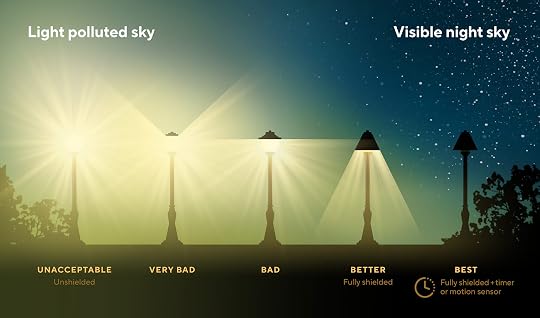
Терминът “светлинно замърсяване” не ми беше известен преди тази книга. Но че звездите отдавна не се виждат в града е стар факт, към който градските жители така са привикнали, че вече не знаят и не се интересуват каква феерия може да е небосводът. Светът на мрака крие много съкровища.
Това, над което не се бях замисляла, а в книжката е обяснено простичко, е колко много всъщност хора и всякакви други твари се нуждаят от истински, качествен, непронизван от всевъзможно осветление мрак. За сън. За лов. За чифтосване.
Губейки мрака за сметка на електрическата светлина губим себе си, губим част от сетивата си, губим покоя си, а природата обеднява с много видове насекоми, птици и куп други живинки, чиито биоритми зависят от смяната на деня с истинска нощ.
Авторът с много обич разказва за тези невъзвратими вече загуби.

Терминът “светлинно замърсяване” не ми беше известен преди тази книга. Но че звездите отдавна не се виждат в града е стар факт, към който градските жители така са привикнали, че вече не знаят и не се интересуват каква феерия може да е небосводът. Светът на мрака крие много съкровища.
Това, над което не се бях замисляла, а в книжката е обяснено простичко, е колко много всъщност хора и всякакви други твари се нуждаят от истински, качествен, непронизван от всевъзможно осветление мрак. За сън. За лов. За чифтосване.
Губейки мрака за сметка на електрическата светлина губим себе си, губим част от сетивата си, губим покоя си, а природата обеднява с много видове насекоми, птици и куп други живинки, чиито биоритми зависят от смяната на деня с истинска нощ.
Авторът с много обич разказва за тези невъзвратими вече загуби.
The term “light pollution” was unknown to me before this book. However, the fact that stars have long been invisible in the city is an old truth—one that city dwellers have grown so accustomed to that they no longer know or care about what an enchanting spectacle the night sky can be. The world of darkness hides many treasures.
What I had never thought about, and which is explained so simply in this little book, is how much humans and all kinds of other living creatures actually need true, quality darkness—unbroken by all sorts of artificial lighting. For sleep. For hunting. For mating.
By losing the darkness to electric light, we lose ourselves, we lose a part of our senses, we lose our peace, while nature grows poorer with the decline of many species of insects, birds, and countless other creatures whose biorhythms depend on the transition from day to true night.
With great affection, the author tells the story of these losses that have, sadly, already become irreversible.
July 12, 2023
Light confuses/disturbs insect predation, species reproduction/migration and human sleep plus many more fun things. I like how he adds his own experiences/feelings on how humans aren’t able to experience the magic of darkness. This is a cool read that makes you want to know more about certain species. I’m glad he talked about luciferin doesn’t get much appreciated. The night really is dark and full of terrors (to an extent) but do turn off unnecessary annoying lights since it helps the creatures also scares the children win win. I love bats.
“the period we're living in is just a parenthesis in the eternal life of the universe”
“the period we're living in is just a parenthesis in the eternal life of the universe”
December 30, 2025
Πολύ ενδιαφέρον κείμενο για τη σημασία της νύχτας και του σκοταδιού στη ζωή ανθρώπων, ζώων και φυτών. Ειδικά τώρα την περίοδο των Χριστουγέννων που η φωτορύπανση χτυπαει κόκκινο. Η μετάφραση στα ελληνικά ένας μικρός άθλος εμ όλες αυτές τις ιδιαίτερες ο ομαδικές ειδών
January 10, 2026
why do we need so much light?
we dont.
we dont.

October 31, 2022
I have lived in London all of my life, and if you ask me what colour the night sky is, I would say dirty brown. The sodium orange glow of London streetlights (which have slowly changed in my lifetime) shines just under one million lights in the sky. It's a wonder it gets dark at all. The countryside on the other hand is weird. It has a dark sky. Then loads and loads of these little twinkly things come out - just as your eyes get used to the dark. It is frankly a little disconcerting. So I came into The Darkness Manifesto, a campaign against light pollution, with plenty of views on the subject. All of which are neatly summarised in the first chapter. Ourselves, and the natural world, are biologically cued to light and darkness, and constant light shining everywhere is knocking us out of kilter. And then chapter two gave a few more examples. And chapter three. And...
The Darkness Manifesto is not really a manifesto. It is far too reasonable a book to use to take to the streets. Eklöf studies bats so he's well aware that his love of darkness might be a peculiar quirk of his own. I think he doesn't need to argue too much, certainly not at the expense of perhaps coming up with a plan. There is a point when I shouted alright already at the book when he was telling me about certain moths which were not sexually active, they were one of hundreds of case studies he eludes to, alongside the effect on humans. And yet when he gets near the end he equivocates - he knows the streetlights are good for safety,,,
The Darkness Manifesto is a good summary of the effects of artificial light in our world. But as he gets to the end he starts to consider the midground of ultra-cheap, low power, directional, electromagnetic spectrum-limited LED's and any suggestion that he will be gluing his face to a Van Gogh to get lightbulbs turned off dissipates. He's far too reasonable to be a rabble-rouser, and whilst this is interesting as a collection of scientific tidbits, he ends up coming up with a wishy-washy set of ideas, and compromises which aren't really given enough space to feel fully formed.
The Darkness Manifesto is not really a manifesto. It is far too reasonable a book to use to take to the streets. Eklöf studies bats so he's well aware that his love of darkness might be a peculiar quirk of his own. I think he doesn't need to argue too much, certainly not at the expense of perhaps coming up with a plan. There is a point when I shouted alright already at the book when he was telling me about certain moths which were not sexually active, they were one of hundreds of case studies he eludes to, alongside the effect on humans. And yet when he gets near the end he equivocates - he knows the streetlights are good for safety,,,
The Darkness Manifesto is a good summary of the effects of artificial light in our world. But as he gets to the end he starts to consider the midground of ultra-cheap, low power, directional, electromagnetic spectrum-limited LED's and any suggestion that he will be gluing his face to a Van Gogh to get lightbulbs turned off dissipates. He's far too reasonable to be a rabble-rouser, and whilst this is interesting as a collection of scientific tidbits, he ends up coming up with a wishy-washy set of ideas, and compromises which aren't really given enough space to feel fully formed.

October 2, 2025
Dużo o zwierzętach i biologii, które korzystają na ciemności a wkraczające sztuczne światło ingeruje w ich przyzwyczajenia.
„Ci, którzy jak ja mieli okazję prowadzić samochód jeszcze w poprzednim stuleciu, znają widok mnóstwa martwych owadów na przedniej szybie i reflektorach. Według szacunków z tamtego okresu przez błyskające lampami, rozpędzone w ciemności auta każdego roku ginęły ich nawet setki miliardów. Ci, którzy mają porównanie z ostatnimi latami, mogą jednak zauważyć, że problem zmalał - liczba owadów na masce nie jest tak duża jak dawniej. Mowa tu o zjawisku przedniej szyby, namacalnej, choć i anegdotycznej obserwacji spadku liczby insektów w pobliżu naszych dróg. Zauważamy to w Szwecji. w Anglii, w reszcie Europy, w Ameryce i w tropikach. Zwykle tego typu danych dostarczają amatorzy entomologii, zbieracze motyli i biolodzy podczas prac w terenie i nie mamy jeszcze wystarczająco dużo długookresowych badań na ten temat. Ale duń-ski naukowiec Anders Pape Møller użył właśnie przedniej szyby samochodu do pomiaru zmian ilościowych w populacji owadów. Przez dwadzieścia lat pokonywał ten sam odcinek i odnotował istotne jej zmniejszenie, które udało się powiązać z równoczesnym spadkiem liczby owadożernych ptaków.”
„Dobrym przykładem są tu pająki, które często wykazują aktywność wieczorem i w nocy. Manipulując światłem, można je z łatwością wybudzić lub wprowadzić w stan bezczynności. Pająki nie znają jet lagu ani senności, działają zero-jedynkowo: śpią lub działają. Tym samym stanowią idealną grupę badawczą w kontekście zanieczyszczeń świetlnych, a także trafiają do ścisłej czołówki zwierząt, które chciałaby przebadać stosunkowo niewielka grupa biologów zajmujących się rytmem dobowym.”
„Przykładem są nart-niki, długonogie owady sunące po powierzchni wody. Każdego wieczoru, gdy poziom światła przekroczy punkt krytyczny, jak na umówiony znak wszystkie osobniki umykają w stronę brzegu i chowają się w zaroślach. W ten sposób chronią się przed zdolnym łowcą, jakim jest nocek rudy.”
„Zamiłowanie do dziennej aktywności to wspólna cecha człowieka i większości małp, ale poza tym wyróżniamy nieco na tle innych zwierząt. Gros spośród niemal sześciu tysięcy gatunków ssaków żyjących na Ziemi preferuje godziny świtu, zmierzch lub porę nocną i nie zmieniło się to od czasu gdy wszystkie kontynenty tworzyły jedną wielką masę lądu a Europę pokrywał las tropikalny. Jeszcze za życia dinozaurów pierwsze ssaki poruszały się pod osłoną ciemności dzięki do brze wykształconemu widzeniu nocnemu, wibrysom, uszom wrażliwym na najmniejszy szmer i zmysłowi węchu wyczulonemu na zapachy roztaczane po zmierzchu. Zwierzęta aktywne po zmroku unikały spotkań z drapieżnikami i mogły wybierać pokarm spośród całego grona nocnych owadów.”
„Mimo to nasze psy w dalszym ciągu najlepiej tropią w kroplach wieczornej rosy, a błysk oczu kuny na skraju lasu, przechodzące przez drogę łosie czy lisy polujące na polu to widoki, na które natkniemy się po zmroku.”
„W Instytucie Oceanograficznym Scrippsów w San Diego, gdzie kalifornijskie słońce ukazuje swoje najgorętsze oblicze wewnętrzne laboratoria pogrążone są w mroku. Jedynie słabe. czerwone lampy wskazują drogę do stołów laboratoryjnych, na których bruzdnice skrzą się jak zimne ognie w rozmaitych szkla nych naczyniach, słojach i kolbach stożkowych. Tu żyją pełnią życia w bezpiecznych objęciach mroku, a pracownicy badają zmiany zachodzące na poziomie chemicznym, gdy bruzdnice zapalają wbudowane latarki. Robią to po części z czystej ciekawości, która napędza naszą chęć zrozumienia istoty natury, a po części dlatego, że amerykańska marynarka wojenna chętnie po-ma sposoby wykorzystywania naturalnej bioluminescencji do tropienia nieznanych statków. Za pomocą sztucznych satelitów można mianowicie wypatrzyć nie tylko zwykłe okręty, lecz także, dzięki błyskom mikroskopijnych form życia, łodzie podwodne. Nocą ich obecność zdradzają ciągnące się kilometrami ślady świetlne, które są niczym linie kreślone kredą w ciemnej głębi.”
„Dolina Śmierci nie jest jedynie najcieplejszym, najsuchszym i co za tym idzie, najrzadziej zaludnionym, lecz także najniżej położonym regionem Stanów Zjednoczonych. Liczne depresje, które wchodzą w jej skład, są z każdej strony otoczone przez góry o wysokości nawet do trzech tysięcy metrów nad poziomem morza. To dlatego, mimo bliskości Las Vegas i innych kalifornijskich metropolii, światło natrafia na przeszkody i nie mąci mroku pustynnych nocy. Jak pisze Bogard, blask Drogi Mlecznej jest tu tak intensywny, że przedmioty rzucają cienie, a odległe światło Jowisza wystarczająco jasne, by zaburzyć widzenie nocne. A zatem z dala od cywilizacji najciemniejsze noce zapewniają nam oślepiającą grę światła zodiakalnego i gwiezdnych fajerwerków, a równocześ nie pod najjaśniejszym, miejskim niebem kontrolę w zaułkach i małych uliczkach przejmuje cień świadczy to o potrzebie przedefiniowania określeń „jasność" i ciemność". Nasze wy-obrażenie o tym, co właściwie oznaczają, czasem po prostu nie współgra z rzeczywistością.”
„Ostro krytykował w nim wszystkich, którzy wierzyli w to, że nowoczesne wynalazki i usprawnienia służą komuś innemu niż tylko elitom społecznym. Strindberg uważał, że światło elektryczne jest kolejną metodą wymuszenia na zwykłym robotniku, by pracował jeszcze więcej. Ponadto nie mogło być korzystne dla jego oczu. „Mówią o telefonach, stowarzyszeniach konsumenckich, wysokich wynagrodzeniach, obrazach olejnych i sprawniejszej komunikacji, wskazują na banki (które nie upadły), organizacje dobroczynne (z pietyzmem i uniżeniem), światło elektryczne (które psuje oczy i wydłuża czas pracy - robotnika), jak gdyby wszystko to nie było zwykłym wyrazem gorączkowej pogoni za lepszym" - pisał.”
“Dzięki wykorzystaniu zróżnicowanego światła o niskiej intensywności w Roppongi Hills dołożono wszelkich starań, by ochronić ciemność w tak dużym stopniu, jak to możliwe, uwidocznić ją, a jednocześnie utrzymać bezpieczeństwo. Po-zbawiona oślepiających lamp dzielnica sprawia całkowicie inne wrażenie. Zamiast zacierać się w żółtej mgle, jej kontury wyostrzyły się na tle nieba. Światło się sączy, odbija i rozmywa. Cienie żyją i dają przytulny, zapraszający mrok, który nabiera kształtów w całej swojej przytłumionej gamie barw.”
„Ci, którzy jak ja mieli okazję prowadzić samochód jeszcze w poprzednim stuleciu, znają widok mnóstwa martwych owadów na przedniej szybie i reflektorach. Według szacunków z tamtego okresu przez błyskające lampami, rozpędzone w ciemności auta każdego roku ginęły ich nawet setki miliardów. Ci, którzy mają porównanie z ostatnimi latami, mogą jednak zauważyć, że problem zmalał - liczba owadów na masce nie jest tak duża jak dawniej. Mowa tu o zjawisku przedniej szyby, namacalnej, choć i anegdotycznej obserwacji spadku liczby insektów w pobliżu naszych dróg. Zauważamy to w Szwecji. w Anglii, w reszcie Europy, w Ameryce i w tropikach. Zwykle tego typu danych dostarczają amatorzy entomologii, zbieracze motyli i biolodzy podczas prac w terenie i nie mamy jeszcze wystarczająco dużo długookresowych badań na ten temat. Ale duń-ski naukowiec Anders Pape Møller użył właśnie przedniej szyby samochodu do pomiaru zmian ilościowych w populacji owadów. Przez dwadzieścia lat pokonywał ten sam odcinek i odnotował istotne jej zmniejszenie, które udało się powiązać z równoczesnym spadkiem liczby owadożernych ptaków.”
„Dobrym przykładem są tu pająki, które często wykazują aktywność wieczorem i w nocy. Manipulując światłem, można je z łatwością wybudzić lub wprowadzić w stan bezczynności. Pająki nie znają jet lagu ani senności, działają zero-jedynkowo: śpią lub działają. Tym samym stanowią idealną grupę badawczą w kontekście zanieczyszczeń świetlnych, a także trafiają do ścisłej czołówki zwierząt, które chciałaby przebadać stosunkowo niewielka grupa biologów zajmujących się rytmem dobowym.”
„Przykładem są nart-niki, długonogie owady sunące po powierzchni wody. Każdego wieczoru, gdy poziom światła przekroczy punkt krytyczny, jak na umówiony znak wszystkie osobniki umykają w stronę brzegu i chowają się w zaroślach. W ten sposób chronią się przed zdolnym łowcą, jakim jest nocek rudy.”
„Zamiłowanie do dziennej aktywności to wspólna cecha człowieka i większości małp, ale poza tym wyróżniamy nieco na tle innych zwierząt. Gros spośród niemal sześciu tysięcy gatunków ssaków żyjących na Ziemi preferuje godziny świtu, zmierzch lub porę nocną i nie zmieniło się to od czasu gdy wszystkie kontynenty tworzyły jedną wielką masę lądu a Europę pokrywał las tropikalny. Jeszcze za życia dinozaurów pierwsze ssaki poruszały się pod osłoną ciemności dzięki do brze wykształconemu widzeniu nocnemu, wibrysom, uszom wrażliwym na najmniejszy szmer i zmysłowi węchu wyczulonemu na zapachy roztaczane po zmierzchu. Zwierzęta aktywne po zmroku unikały spotkań z drapieżnikami i mogły wybierać pokarm spośród całego grona nocnych owadów.”
„Mimo to nasze psy w dalszym ciągu najlepiej tropią w kroplach wieczornej rosy, a błysk oczu kuny na skraju lasu, przechodzące przez drogę łosie czy lisy polujące na polu to widoki, na które natkniemy się po zmroku.”
„W Instytucie Oceanograficznym Scrippsów w San Diego, gdzie kalifornijskie słońce ukazuje swoje najgorętsze oblicze wewnętrzne laboratoria pogrążone są w mroku. Jedynie słabe. czerwone lampy wskazują drogę do stołów laboratoryjnych, na których bruzdnice skrzą się jak zimne ognie w rozmaitych szkla nych naczyniach, słojach i kolbach stożkowych. Tu żyją pełnią życia w bezpiecznych objęciach mroku, a pracownicy badają zmiany zachodzące na poziomie chemicznym, gdy bruzdnice zapalają wbudowane latarki. Robią to po części z czystej ciekawości, która napędza naszą chęć zrozumienia istoty natury, a po części dlatego, że amerykańska marynarka wojenna chętnie po-ma sposoby wykorzystywania naturalnej bioluminescencji do tropienia nieznanych statków. Za pomocą sztucznych satelitów można mianowicie wypatrzyć nie tylko zwykłe okręty, lecz także, dzięki błyskom mikroskopijnych form życia, łodzie podwodne. Nocą ich obecność zdradzają ciągnące się kilometrami ślady świetlne, które są niczym linie kreślone kredą w ciemnej głębi.”
„Dolina Śmierci nie jest jedynie najcieplejszym, najsuchszym i co za tym idzie, najrzadziej zaludnionym, lecz także najniżej położonym regionem Stanów Zjednoczonych. Liczne depresje, które wchodzą w jej skład, są z każdej strony otoczone przez góry o wysokości nawet do trzech tysięcy metrów nad poziomem morza. To dlatego, mimo bliskości Las Vegas i innych kalifornijskich metropolii, światło natrafia na przeszkody i nie mąci mroku pustynnych nocy. Jak pisze Bogard, blask Drogi Mlecznej jest tu tak intensywny, że przedmioty rzucają cienie, a odległe światło Jowisza wystarczająco jasne, by zaburzyć widzenie nocne. A zatem z dala od cywilizacji najciemniejsze noce zapewniają nam oślepiającą grę światła zodiakalnego i gwiezdnych fajerwerków, a równocześ nie pod najjaśniejszym, miejskim niebem kontrolę w zaułkach i małych uliczkach przejmuje cień świadczy to o potrzebie przedefiniowania określeń „jasność" i ciemność". Nasze wy-obrażenie o tym, co właściwie oznaczają, czasem po prostu nie współgra z rzeczywistością.”
„Ostro krytykował w nim wszystkich, którzy wierzyli w to, że nowoczesne wynalazki i usprawnienia służą komuś innemu niż tylko elitom społecznym. Strindberg uważał, że światło elektryczne jest kolejną metodą wymuszenia na zwykłym robotniku, by pracował jeszcze więcej. Ponadto nie mogło być korzystne dla jego oczu. „Mówią o telefonach, stowarzyszeniach konsumenckich, wysokich wynagrodzeniach, obrazach olejnych i sprawniejszej komunikacji, wskazują na banki (które nie upadły), organizacje dobroczynne (z pietyzmem i uniżeniem), światło elektryczne (które psuje oczy i wydłuża czas pracy - robotnika), jak gdyby wszystko to nie było zwykłym wyrazem gorączkowej pogoni za lepszym" - pisał.”
“Dzięki wykorzystaniu zróżnicowanego światła o niskiej intensywności w Roppongi Hills dołożono wszelkich starań, by ochronić ciemność w tak dużym stopniu, jak to możliwe, uwidocznić ją, a jednocześnie utrzymać bezpieczeństwo. Po-zbawiona oślepiających lamp dzielnica sprawia całkowicie inne wrażenie. Zamiast zacierać się w żółtej mgle, jej kontury wyostrzyły się na tle nieba. Światło się sączy, odbija i rozmywa. Cienie żyją i dają przytulny, zapraszający mrok, który nabiera kształtów w całej swojej przytłumionej gamie barw.”
February 5, 2023
Definitely one I'll go back to, there's so much in here to contemplate, I'm still taking it all in. As a photographer I'm always seeking out light, and at night I'm usually complaining when there isn't enough, this book's got me to rethink all that.

July 27, 2023
Zitat :Licht ist verdünnte Finsternis
Und wie so oft, wenn ein Mittel verdünnt wird, verliert es seine Wirkung. Für uns bedeutet das Verdünnen der Finsternis, dass wir das Erlebnis Nacht verlieren. Die Grenzen der Zeitfenster verschwinden, wenn der Nacht auf plötzlich die tiefe Dunkelheit fehlt.
Für die Menschen mag das nur unangenehm oder in manchen Fällen ungesund sein, für Tiere und Pflanzen ist es aber gefährlich. Viele Säugetiere kommen erst im Frühling zur Welt, wenn es warm genug sein wird, dass die Jungen überleben. Durch künstliches Licht verkürzte Nächte gaukeln den Tieren vor, dass der Frühling nah ist. Ein tödlicher Irrtum. Die Auswirkungen der zu kurzen und zu hellen Nächte sind bis in den Ozean zu spüren. Deshalb hat das Verschwinden der Dunkelheit nicht nur auf nachtaktive Tiere und Pflanzen dramatische Auswirkungen, sondern auf das gesamte Ökosystem.
Ansätze, das zu verändern gibt es genug. Nicht alle sind erfolgreich, aber viele sind es. Am meisten hat mich beeindruckt, wie Salt Lake City sich wieder verdunkelt hat, um die Zugvögel, die von den Lichtern der Stadt vom Weg abgelenkt wurden, wieder auf den richtigen Weg zu bringen. Dafür musste nicht viel mehr getan werden, als auf unnötiges Licht zu verzichten. Das ist sicherlich schwerer, als es beim Lesen klingt. Aber es ist eine Veränderung, die eine direkte Wirkung zeigt.
Johan Eklöf hat sein Buch ohne Schuldzuweisungen geschrieben. Er zeigt Wege auf, wie wir etwas verändern können. Aber trotzdem sagt er auch deutlich, was passieren wird, wenn wir nichts verändern.
Und wie so oft, wenn ein Mittel verdünnt wird, verliert es seine Wirkung. Für uns bedeutet das Verdünnen der Finsternis, dass wir das Erlebnis Nacht verlieren. Die Grenzen der Zeitfenster verschwinden, wenn der Nacht auf plötzlich die tiefe Dunkelheit fehlt.
Für die Menschen mag das nur unangenehm oder in manchen Fällen ungesund sein, für Tiere und Pflanzen ist es aber gefährlich. Viele Säugetiere kommen erst im Frühling zur Welt, wenn es warm genug sein wird, dass die Jungen überleben. Durch künstliches Licht verkürzte Nächte gaukeln den Tieren vor, dass der Frühling nah ist. Ein tödlicher Irrtum. Die Auswirkungen der zu kurzen und zu hellen Nächte sind bis in den Ozean zu spüren. Deshalb hat das Verschwinden der Dunkelheit nicht nur auf nachtaktive Tiere und Pflanzen dramatische Auswirkungen, sondern auf das gesamte Ökosystem.
Ansätze, das zu verändern gibt es genug. Nicht alle sind erfolgreich, aber viele sind es. Am meisten hat mich beeindruckt, wie Salt Lake City sich wieder verdunkelt hat, um die Zugvögel, die von den Lichtern der Stadt vom Weg abgelenkt wurden, wieder auf den richtigen Weg zu bringen. Dafür musste nicht viel mehr getan werden, als auf unnötiges Licht zu verzichten. Das ist sicherlich schwerer, als es beim Lesen klingt. Aber es ist eine Veränderung, die eine direkte Wirkung zeigt.
Johan Eklöf hat sein Buch ohne Schuldzuweisungen geschrieben. Er zeigt Wege auf, wie wir etwas verändern können. Aber trotzdem sagt er auch deutlich, was passieren wird, wenn wir nichts verändern.
Displaying 1 - 30 of 275 reviews