

What do you think?

Landkaart van ons verbluffende lijf
Wanneer Lia hoort dat de kanker is teruggekeerd, is ze vastbesloten haar leven in haar laatste maanden niet te laten overwoekeren door de staat van haar lichaam. Maar een lichaam is poreus en onvoorspelbaar.
Lia’s verhaal wordt deels verteld door het kwaadaardige ding dat haar aan het doodmaken is en dat van binnenuit haar leven in kaart brengt: de ingewikkelde verhouding met haar liefdeloze moeder, de liefde voor haar dochter Iris die zich een weg door haar schooljaren baant, haar zachte echtgenoot, en haar getroebleerde voormalige geliefde. Ieder van hen duikt op in de verwoede strijd die Lia aan het voeren is – een dans met de dood, geleid door een moordzuchtige verteller en door een personage bijgenaamd ‘Red’, de chemo die Lia’s laatste hoop is.
Lia’s verhaal wordt deels verteld door het kwaadaardige ding dat haar aan het doodmaken is en dat van binnenuit haar leven in kaart brengt: de ingewikkelde verhouding met haar liefdeloze moeder, de liefde voor haar dochter Iris die zich een weg door haar schooljaren baant, haar zachte echtgenoot, en haar getroebleerde voormalige geliefde. Ieder van hen duikt op in de verwoede strijd die Lia aan het voeren is – een dans met de dood, geleid door een moordzuchtige verteller en door een personage bijgenaamd ‘Red’, de chemo die Lia’s laatste hoop is.
480 pages, Paperback
First published March 31, 2022
Ratings & Reviews
Friends & Following
Create a free account to discover what your friends think of this book!
Community Reviews
Displaying 1 - 30 of 1,411 reviews

July 1, 2022
Beautifully Imperfect
Maddie Mortimer’s Maps of Our Spectacular Bodies is a gripping novel about Lia, a mother battling a devastating illness. The book has flashes between Lia’s present life with her fabulous husband Harry and wonderful daughter Iris, Lia’s past life, and the voice of her illness.
Maps of Our Spectacular Bodies was one of my most anticipated reads for June, and it didn’t disappoint. It is incredibly moving. It combined traditional prose with verse, and it really captured my attention.
This book felt so authentic, because when I was dying back in 2021 before my first heart surgery, you do reflect back on your life. What moments did you waste? Where did you go wrong? Are you prepared to exit the world? Am I in good shape to meet my Maker? And you also wonder: when did this all begin? How long have I been living with this disease? Was it there all along? What would my life be like without this horrible thing?
Mortimer perfectly developed her characters. None of them are saints, and she didn’t lean on cliches to carry Maps of Our Spectacular Bodies.
As far as the ending, it is deeply moving, well done and memorable.
This book is definitely sad so if you like sad stories, you might want to give this a go. Also, this book really reminded me of The Book Thief which has the narrator as the voice of death. So if you enjoyed the style of The Book Thief, you might want to try Maps of Our Spectacular Bodies.
Maps of Our Spectacular Bodies is around 433 pages (at least according to this version of the Advanced Reader Copy), and I think it is a touch too long.
Overall, Maps of Our Spectacular Bodies is a deeply moving novel with unexpected twists, written in a style that I haven’t seen before, a treasure, haunting, lingering.
*Thanks, Scriber, for a copy of this book in exchange for my fair and honest opinion.
2024 Reading Schedule
Jan Middlemarch
Feb The Grapes of Wrath
Mar Oliver Twist
Apr Madame Bovary
May A Clockwork Orange
Jun Possession
Jul The Folk of the Faraway Tree Collection
Aug Crime and Punishment
Sep Heart of Darkness
Oct Moby-Dick
Nov Far From the Madding Crowd
Dec A Tale of Two Cities
Connect With Me!
Blog Twitter BookTube Facebook Insta
Maddie Mortimer’s Maps of Our Spectacular Bodies is a gripping novel about Lia, a mother battling a devastating illness. The book has flashes between Lia’s present life with her fabulous husband Harry and wonderful daughter Iris, Lia’s past life, and the voice of her illness.
Maps of Our Spectacular Bodies was one of my most anticipated reads for June, and it didn’t disappoint. It is incredibly moving. It combined traditional prose with verse, and it really captured my attention.
This book felt so authentic, because when I was dying back in 2021 before my first heart surgery, you do reflect back on your life. What moments did you waste? Where did you go wrong? Are you prepared to exit the world? Am I in good shape to meet my Maker? And you also wonder: when did this all begin? How long have I been living with this disease? Was it there all along? What would my life be like without this horrible thing?
Mortimer perfectly developed her characters. None of them are saints, and she didn’t lean on cliches to carry Maps of Our Spectacular Bodies.
As far as the ending, it is deeply moving, well done and memorable.
This book is definitely sad so if you like sad stories, you might want to give this a go. Also, this book really reminded me of The Book Thief which has the narrator as the voice of death. So if you enjoyed the style of The Book Thief, you might want to try Maps of Our Spectacular Bodies.
Maps of Our Spectacular Bodies is around 433 pages (at least according to this version of the Advanced Reader Copy), and I think it is a touch too long.
Overall, Maps of Our Spectacular Bodies is a deeply moving novel with unexpected twists, written in a style that I haven’t seen before, a treasure, haunting, lingering.
*Thanks, Scriber, for a copy of this book in exchange for my fair and honest opinion.
2024 Reading Schedule
Jan Middlemarch
Feb The Grapes of Wrath
Mar Oliver Twist
Apr Madame Bovary
May A Clockwork Orange
Jun Possession
Jul The Folk of the Faraway Tree Collection
Aug Crime and Punishment
Sep Heart of Darkness
Oct Moby-Dick
Nov Far From the Madding Crowd
Dec A Tale of Two Cities
Connect With Me!
Blog Twitter BookTube Facebook Insta

May 1, 2022
Winner of the 2022 Golden Reviewer Book of The Year .
Winner of the 2022 Desmond Elliott Prize for debut novel and shortlisted for the Goldsmiths Prize.
1st in my 2022 Booker Prize longlist rankings - my Bookstagram rating, ranking, summary review and Book themed Golden Retriever photo is here: https://www.instagram.com/p/ChF0QOxsV...
I read this book due to its longlisting for the 2022 Desmond Elliott Prize and I have to say up front that a debut novelist, and in particular one in her mid-20s, simply has no right to write a book this good.
Because this is a remarkable book which combines a fresh voice and literary (as well as typographical) experimentation with a central idea which is universal (but I think seldom covered in fiction), resonant themes, and with a deep maturity in its empathetic understanding of people’s bodies and mind.
Introducing a reading of the book (on Damian Barr’s Literary Salon) the author explained how growing up with a mother with breast cancer for almost her whole childhood, that the cancer never, even from a young age, struck her as something that her family were battling, but something they were living beside every day a kind of abstract, shape-shifting idea that came and went, something they had to understand as if befriending it might tame it. Her mother died of the cancer when she was 14 and it was not something she had ever intended to write about, but the intense last six months of her mum’s life kept returning to her as she began to write.
She also explained that she had been experimenting with prose poetry, based around the interior landscape of a woman’s body, thinking about the idea of how our bodies harbour the events and people that have shaped us, and how she could capture that on a page.
And it is from these two, rather experimental, narrative threads that the book was initially woven.
In a publisher interview (where she also sets out the contemporary novels that have inspired her book (The White Book, Checkout 19, Autobiography of Red, Lincoln in the Bardo, Multiple Choice, The Familiar, Grief is a Thing With Feathers – note the second book on the extremely impressive Desmond Elliott longlist to show Max Porter’s direct influence) Maddie Mortimer describes the book brilliantly by saying
Because the basic plot of the novel, is about a woman and children’s book writer-illustrator Lia who has had a return (and spreading) of the breast cancer which first arose shortly after the birth of her Yellow-loving child Iris (now highly perceptive and recently started at secondary school).
The other key human characters are: Lia’s husband Harry (a University lecturer with a hobby as a Gardener); her mother Anne, now widowed after the death of her high-Anglican and deeply faithful Parish-Priest husband Peter and whose relationship with the rebellious Amelia has always been marked by mutual judgement and suspicion and who now elderly (and scrawny pigeon or generously Dove-like in appearance) struggles with how to deal with, as well as make theological sense of, her daughter’s illness; Matthew – how came to the Vicarage as a waif and stray when he was 15 and Lia 11, and who was effectively adopted as something of a (to Lia) preferred prodigal by Anne and Peter, before becoming an on-off lover of Lia for many years (starting when she was just 15) but who now is something of a Fossil-ised memory for her.
But the most distinctive character is a first-person voice, which (at least at first) I interpreted as Lia’s long-dormant, now reappearing cancer and one which sets out to explore the interior contours, pathways, vessels and organs of her body. There the voice encounters the aggressive Red chemotherapy treatment sent to destroy the cancer and the group of those who are part of Lia’s past and present (who he sees as Yellow, The Gardener, The Dove, The Fossil and so on) which in turn leads to his exploration bringing long dormant memories to life.
All of this captured not just through an often poetic prose shot through with cultural reference, and with an active exploration of words and meaning, but in a fluid and varying typography – starting with the use of bold and italics as signifiers of voice, but incorporating varying font sizes and then even non standard text orientation.
And increasingly the various already porous barriers in the book: the past and the present; the exterior and the interior; Lia’s body and thoughts and the almost constant presence in them of the cancer – largely disappear. So that for example the voice increasingly becomes part of Lia. And there is a remarkable scene with Lia and family attending a dance performance where the voice choreographs the set of internal characters (Yellow etc) on the exterior stage.
Really this description only touches the surface of a novel which is all about what goes on underneath that surface (both literally and figuratively – although the very distinction between literal and figurative, physical and mental, experience and memory is one the book implicitly rejects).
What I think is most impressive about the book is that put all the experimentation to one side and this would still be a deeply thoughtful book about the human condition with a complex and involving plot and a series of fully realised characters.
Be it: the mother/daughter relationship (as experienced from both sides and across multiple generations); Fatherhood and being the partner of a cancer sufferer (there is a brilliant aside when Harry picks up Lia from a hospital appointment wearing the expression he has on Iris’s first day at a new school); the very complex and nuanced exploration of faith/loss of faith (with Anne/Peter/Matthew and Lia all on their own non-linear journeys); school playground politics and dynamics; long term on-off relationships or terminal illness – the book has nuance and depth.
The author herself spoke about how this developed over the course of the book:
A comment which I think shows the maturity lacking from many other “literary” or “experimental” books (many of which either are content just to play with form, or which are largely didactic) but which is present in abundance in this really excellent book – one which (returning to the opening quote – taken from the book) has learnt the need for story and human example.
Hugely recommended.
Winner of the 2022 Desmond Elliott Prize for debut novel and shortlisted for the Goldsmiths Prize.
1st in my 2022 Booker Prize longlist rankings - my Bookstagram rating, ranking, summary review and Book themed Golden Retriever photo is here: https://www.instagram.com/p/ChF0QOxsV...
It was a stupid idea. The book was too advanced for her; too advanced, she was sure, for a student of science. But she was trying, at least trying, to understand what was happening to her daughter's body.
Anthracycline, antibiotics.
The problem with it was the lack of story. Narrative. When asked for his definition of Neighbour, Jesus did not turn to his glossary. He had a parable and a Samaritan up his sleeve. Human example is everything, thought Anne, as her hands shaped and carved and built and bent through pathology and insulin and enzyme activity and junctions and ecosystems.
I read this book due to its longlisting for the 2022 Desmond Elliott Prize and I have to say up front that a debut novelist, and in particular one in her mid-20s, simply has no right to write a book this good.
Because this is a remarkable book which combines a fresh voice and literary (as well as typographical) experimentation with a central idea which is universal (but I think seldom covered in fiction), resonant themes, and with a deep maturity in its empathetic understanding of people’s bodies and mind.
Introducing a reading of the book (on Damian Barr’s Literary Salon) the author explained how growing up with a mother with breast cancer for almost her whole childhood, that the cancer never, even from a young age, struck her as something that her family were battling, but something they were living beside every day a kind of abstract, shape-shifting idea that came and went, something they had to understand as if befriending it might tame it. Her mother died of the cancer when she was 14 and it was not something she had ever intended to write about, but the intense last six months of her mum’s life kept returning to her as she began to write.
She also explained that she had been experimenting with prose poetry, based around the interior landscape of a woman’s body, thinking about the idea of how our bodies harbour the events and people that have shaped us, and how she could capture that on a page.
And it is from these two, rather experimental, narrative threads that the book was initially woven.
In a publisher interview (where she also sets out the contemporary novels that have inspired her book (The White Book, Checkout 19, Autobiography of Red, Lincoln in the Bardo, Multiple Choice, The Familiar, Grief is a Thing With Feathers – note the second book on the extremely impressive Desmond Elliott longlist to show Max Porter’s direct influence) Maddie Mortimer describes the book brilliantly by saying
“There are three narrative threads in the book that are not only in constant communication, but are actively competing against one another to ‘tell’ the story. The events happening in Lia’s past and present are mapped onto the landscape of her body, the first person eats away at the third, there are fragments of anatomical science and religious philosophy, of poetry, painting and dance and typographic moments where words drip, or swell, as if magnified — they mirror and bend. By experimenting with form like this, by shifting between styles and building up patterns to pick at and unravel I found that the novel had become about the very act of storytelling; about the way we choose to frame our lives, and which version of ourselves we let take the lead. As Lia (an illustrator with a vast imagination) nears death, she is attempting to make sense of her choices, her illness. The piecing together of self is her final creative act.”
Because the basic plot of the novel, is about a woman and children’s book writer-illustrator Lia who has had a return (and spreading) of the breast cancer which first arose shortly after the birth of her Yellow-loving child Iris (now highly perceptive and recently started at secondary school).
The other key human characters are: Lia’s husband Harry (a University lecturer with a hobby as a Gardener); her mother Anne, now widowed after the death of her high-Anglican and deeply faithful Parish-Priest husband Peter and whose relationship with the rebellious Amelia has always been marked by mutual judgement and suspicion and who now elderly (and scrawny pigeon or generously Dove-like in appearance) struggles with how to deal with, as well as make theological sense of, her daughter’s illness; Matthew – how came to the Vicarage as a waif and stray when he was 15 and Lia 11, and who was effectively adopted as something of a (to Lia) preferred prodigal by Anne and Peter, before becoming an on-off lover of Lia for many years (starting when she was just 15) but who now is something of a Fossil-ised memory for her.
But the most distinctive character is a first-person voice, which (at least at first) I interpreted as Lia’s long-dormant, now reappearing cancer and one which sets out to explore the interior contours, pathways, vessels and organs of her body. There the voice encounters the aggressive Red chemotherapy treatment sent to destroy the cancer and the group of those who are part of Lia’s past and present (who he sees as Yellow, The Gardener, The Dove, The Fossil and so on) which in turn leads to his exploration bringing long dormant memories to life.
All of this captured not just through an often poetic prose shot through with cultural reference, and with an active exploration of words and meaning, but in a fluid and varying typography – starting with the use of bold and italics as signifiers of voice, but incorporating varying font sizes and then even non standard text orientation.
And increasingly the various already porous barriers in the book: the past and the present; the exterior and the interior; Lia’s body and thoughts and the almost constant presence in them of the cancer – largely disappear. So that for example the voice increasingly becomes part of Lia. And there is a remarkable scene with Lia and family attending a dance performance where the voice choreographs the set of internal characters (Yellow etc) on the exterior stage.
Really this description only touches the surface of a novel which is all about what goes on underneath that surface (both literally and figuratively – although the very distinction between literal and figurative, physical and mental, experience and memory is one the book implicitly rejects).
What I think is most impressive about the book is that put all the experimentation to one side and this would still be a deeply thoughtful book about the human condition with a complex and involving plot and a series of fully realised characters.
Be it: the mother/daughter relationship (as experienced from both sides and across multiple generations); Fatherhood and being the partner of a cancer sufferer (there is a brilliant aside when Harry picks up Lia from a hospital appointment wearing the expression he has on Iris’s first day at a new school); the very complex and nuanced exploration of faith/loss of faith (with Anne/Peter/Matthew and Lia all on their own non-linear journeys); school playground politics and dynamics; long term on-off relationships or terminal illness – the book has nuance and depth.
The author herself spoke about how this developed over the course of the book:
for all the play and ‘fizz’ there were also simple delights that emerged unexpectedly along the way. I learnt that a fully realised character or frank, honest dialogue can be just as poetic as a perfectly constructed metaphor, or a bit of clever word play. This, I think, is growing up. It’s realising that you have nothing to prove. It’s leaving your coat and scarf and pretension in the hall, taking the hands of your characters, and letting them lead you through the house.
A comment which I think shows the maturity lacking from many other “literary” or “experimental” books (many of which either are content just to play with form, or which are largely didactic) but which is present in abundance in this really excellent book – one which (returning to the opening quote – taken from the book) has learnt the need for story and human example.
Hugely recommended.

July 28, 2022
Maps is a barn burner of a debut by the talented Maddie Mortimer. On one level, it is about a family coming to terms with a cancer diagnosis, but it’s also an exploration of language and narrative and the use of new forms to tell a story. Most notable is Mortimer’s innovative use of performative typography. The words dance and weave, sometimes in shapes and other times with no apparent direction at all. For me, this was very effective and helped propel me through the more touchy feely parts of the story. Overall a very impressive debut.

May 14, 2025
TIRARE FUORI L’ANIMA DALLE DITA CON LE LABBRA

Maddie Mortimer esordisce giocando con le parole, con il loro significato, e il loro suono, ma anche con la loro forma e disposizione: font diversi di dimensioni differenti, parole a formare linee curve come serpenti o cerchi, disegni, riquadri, grassetto, accapo improvvisi, corsivi, spaziature… E d’altronde, Lia sta scrivendo e disegnando un libro che illustra le parole e i loro vari significati; e con la figlia fa un gioco che parte dal suono di alcune parole inventate
Racconta una storia di malattia – un tumore che parte dal seno – e lo fa senza pietismo, senza sentimentalismo, con ironia, con poesia, dando vita e voce allo stesso cancro.
E come il tumore divora cellule e crea disordine, Maddie Mortimer sparge sulle sue pagine frammenti di frasi, brandelli di pensieri, a riprodurre quella confusione, letale nel corpo, vitale sulla pagina.
È la storia di Lia, che scrive e illustra libri per bambini, sposata con Harry, che insegna, madre di Iris, coprotagonista del libro, la storia dei genitori di Lia, Anne e Peter, pastore anglicano, e di Lia che cresce e s’innamora di Matthew, un po’ più grande di lei, accolto in casa e ospitato e nutrito per anni, finché diventa il primo grande lungo importante determinante amore di Lia, incluso un lungo soggiorno in una fattoria da qualche parte in Italia.
Ed è la storia, e i pensieri, le riflessioni, i pensieri, del cancro che le si sviluppa dentro, cresce, da piccolo e all’apparenza banale, diventa diffuso e letale.
Il cancro parla in grassetto, ma non tutto il grassetto è la sua voce. Una voce che aumenta e occupa sempre più spazio, man mano che il libro procede e la malattia si aggrava.
Mortimer trascina il lettore nel corpo di Lia, nel suo sentire e pulsare e vivere, nei cunicoli e nelle fibre, spesso coinvolgendo chi le è intorno; poi cambia obiettivo e si sposta verso un fluire di pensieri e sensazioni, associazioni d’idee, immagini, scarti temporali improvvisi, che appaiono caotici, errando tra dentro e fuori, viscere e luce.
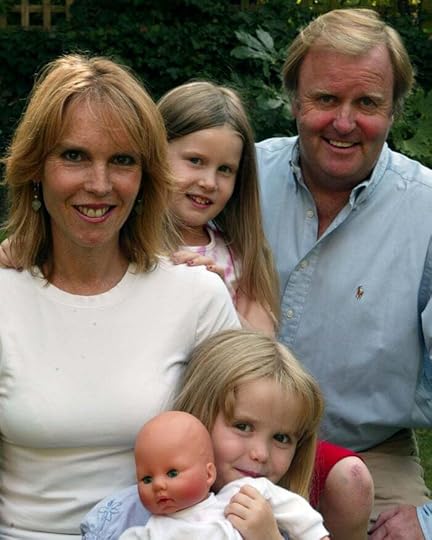
Foto di famiglia: Maddy ha sette anni ed è quella al centro alle spalle della sorella minore.
Da un’intervista sul Guardian ho appreso che lo spunto, l’origine e buona parte di quanto raccontato sono autobiografici: anche Maddy Mortimer ha perso la mamma per un tumore quando era ancora piccola. È finita col crescere con suo padre e sua sorella, mentre qui Iris è figlia unica, non ha l’appoggio di un fratello. Rimane il padre, intorno a cui Mortimer intesse un racconto che preferisco non anticipare.
E dai ringraziamenti finali ho appreso che queste quattrocentocinquanta pagine sono quanto resta dopo la cura dimagrante-editoriale delle mille e oltre di partenza. (Ma che la sintesi, l’asciuttezza, la brevità siano pregi ne vogliamo parlare oppure continuiamo a sorbirci tomi di millanta pagine e film di tre ore?)
Maddie Mortimer esordisce giocando con le parole, con il loro significato, e il loro suono, ma anche con la loro forma e disposizione: font diversi di dimensioni differenti, parole a formare linee curve come serpenti o cerchi, disegni, riquadri, grassetto, accapo improvvisi, corsivi, spaziature… E d’altronde, Lia sta scrivendo e disegnando un libro che illustra le parole e i loro vari significati; e con la figlia fa un gioco che parte dal suono di alcune parole inventate
Racconta una storia di malattia – un tumore che parte dal seno – e lo fa senza pietismo, senza sentimentalismo, con ironia, con poesia, dando vita e voce allo stesso cancro.
E come il tumore divora cellule e crea disordine, Maddie Mortimer sparge sulle sue pagine frammenti di frasi, brandelli di pensieri, a riprodurre quella confusione, letale nel corpo, vitale sulla pagina.
È la storia di Lia, che scrive e illustra libri per bambini, sposata con Harry, che insegna, madre di Iris, coprotagonista del libro, la storia dei genitori di Lia, Anne e Peter, pastore anglicano, e di Lia che cresce e s’innamora di Matthew, un po’ più grande di lei, accolto in casa e ospitato e nutrito per anni, finché diventa il primo grande lungo importante determinante amore di Lia, incluso un lungo soggiorno in una fattoria da qualche parte in Italia.
Ed è la storia, e i pensieri, le riflessioni, i pensieri, del cancro che le si sviluppa dentro, cresce, da piccolo e all’apparenza banale, diventa diffuso e letale.
Il cancro parla in grassetto, ma non tutto il grassetto è la sua voce. Una voce che aumenta e occupa sempre più spazio, man mano che il libro procede e la malattia si aggrava.
Mortimer trascina il lettore nel corpo di Lia, nel suo sentire e pulsare e vivere, nei cunicoli e nelle fibre, spesso coinvolgendo chi le è intorno; poi cambia obiettivo e si sposta verso un fluire di pensieri e sensazioni, associazioni d’idee, immagini, scarti temporali improvvisi, che appaiono caotici, errando tra dentro e fuori, viscere e luce.
Foto di famiglia: Maddy ha sette anni ed è quella al centro alle spalle della sorella minore.
Da un’intervista sul Guardian ho appreso che lo spunto, l’origine e buona parte di quanto raccontato sono autobiografici: anche Maddy Mortimer ha perso la mamma per un tumore quando era ancora piccola. È finita col crescere con suo padre e sua sorella, mentre qui Iris è figlia unica, non ha l’appoggio di un fratello. Rimane il padre, intorno a cui Mortimer intesse un racconto che preferisco non anticipare.
E dai ringraziamenti finali ho appreso che queste quattrocentocinquanta pagine sono quanto resta dopo la cura dimagrante-editoriale delle mille e oltre di partenza. (Ma che la sintesi, l’asciuttezza, la brevità siano pregi ne vogliamo parlare oppure continuiamo a sorbirci tomi di millanta pagine e film di tre ore?)

July 2, 2022
Winner of the Desmond Elliott Prize 2022, longlisted for the Booker Prize and shortlisted for the Goldsmiths Prize
German: Atlas unserer spektakulären Körper
Maddie Mortimer's ambitious debut novel tells the story of Lia, who is diagnosed with cancer for a second time - this time she is going to die, leaving behind her husband and young daughter. The author, whose own mother died of breast cancer when she was 14, sensitively shows how family members experience the road to death - but what renders the text so striking is that the aesthetic implementation is particularly innovative. Mortimer experiments with questions of body perception and how they can be translated into literature. While the family story is told in the third person, a first-person voice guides the reader through the inside of Lia's body.
Regarding this flee-floating "I", Mortimer explained to me: "I’ve never named it as the cancer. It’s this kind of a destructive core that moves through Lias body. It shapeshifts, and it plays multiple tricks on the reader. It started off as a kind of guide through the body, as this kind of the worst of Lia, that slowly consumes the text. And it suddenly became obvious that the book was one about perspective, the way that the first and the third person are in communication throughout."
The two narrative threads are fighting each other, they represent the body and mind of the patient, explains Mortimer. The voice from inside the body is often reminiscent of horror films in which an alien force takes over the human body from the inside - in the book, the voice becomes more and more dominant until Lia is no more. The struggle for narrative sovereignty and the extreme emotional experiences are also reflected in experimental typography on the book pages - Lia works as an illustrator. And there is a third strand of the story: In flashbacks, we learn that since childhood, Lia, the daughter of a pastor, has been plagued by the feeling that God is absent.
Mortimer: "I was kind of fascinated with this idea of this like young girl waiting around for God. This idea that God to her is defined by His absence, the same way that Matthew, the boy who arrives at this vicarage and ends up becoming the great love of her life, he throughout her life is more absent than present. And so her relationship with God an her relationship with Matthew are kind of intrinsic, I see him as God anthropomorphized almost."
As Lia faces death, she is heavy with regret and guilt, and she also thinks of Matthew, the man she did not marry. Nevertheless, she finds solace in her loving relationship with her daughter. For Mortimer, her debut novel is also an elegy for her dead mother, to whom she was very close. As a writer, she had processed her cancer in columns. And she left the family diaries, the contents of which led Mortimer to the central theme of her novel:
"This idea that she brought the cancer on herself, that there was some kind of autonomy that she had. That struck me as really sad, that these are the things that are going through your mind as your near death, that you could have done more, and that is kind of the central journey for Lia. She is finding some way to forgiving the mistakes that she made, and the fact that she is leaving her daughter behind, and the fact that she is dying. And the overarching message of the book is forgiveness."
Mortimer refuses to be classified in a specific genre, she changes tonality and register, jumps between references from pop and high culture. The text is as eclectic as the characters it draws. Even if the sometimes meandering book demands a lot from its readers, one can only congratulate Mortimer on her courage and determination: Here is a young, ambitious writer who dares to experiment, and whose joy in unconventional, challenging narration is noticeable on every page.
You can listen to my interview with Maddie (in English), my radio piece (in German) here, and the podcast discussion (also in German) here.
German: Atlas unserer spektakulären Körper
Maddie Mortimer's ambitious debut novel tells the story of Lia, who is diagnosed with cancer for a second time - this time she is going to die, leaving behind her husband and young daughter. The author, whose own mother died of breast cancer when she was 14, sensitively shows how family members experience the road to death - but what renders the text so striking is that the aesthetic implementation is particularly innovative. Mortimer experiments with questions of body perception and how they can be translated into literature. While the family story is told in the third person, a first-person voice guides the reader through the inside of Lia's body.
Regarding this flee-floating "I", Mortimer explained to me: "I’ve never named it as the cancer. It’s this kind of a destructive core that moves through Lias body. It shapeshifts, and it plays multiple tricks on the reader. It started off as a kind of guide through the body, as this kind of the worst of Lia, that slowly consumes the text. And it suddenly became obvious that the book was one about perspective, the way that the first and the third person are in communication throughout."
The two narrative threads are fighting each other, they represent the body and mind of the patient, explains Mortimer. The voice from inside the body is often reminiscent of horror films in which an alien force takes over the human body from the inside - in the book, the voice becomes more and more dominant until Lia is no more. The struggle for narrative sovereignty and the extreme emotional experiences are also reflected in experimental typography on the book pages - Lia works as an illustrator. And there is a third strand of the story: In flashbacks, we learn that since childhood, Lia, the daughter of a pastor, has been plagued by the feeling that God is absent.
Mortimer: "I was kind of fascinated with this idea of this like young girl waiting around for God. This idea that God to her is defined by His absence, the same way that Matthew, the boy who arrives at this vicarage and ends up becoming the great love of her life, he throughout her life is more absent than present. And so her relationship with God an her relationship with Matthew are kind of intrinsic, I see him as God anthropomorphized almost."
As Lia faces death, she is heavy with regret and guilt, and she also thinks of Matthew, the man she did not marry. Nevertheless, she finds solace in her loving relationship with her daughter. For Mortimer, her debut novel is also an elegy for her dead mother, to whom she was very close. As a writer, she had processed her cancer in columns. And she left the family diaries, the contents of which led Mortimer to the central theme of her novel:
"This idea that she brought the cancer on herself, that there was some kind of autonomy that she had. That struck me as really sad, that these are the things that are going through your mind as your near death, that you could have done more, and that is kind of the central journey for Lia. She is finding some way to forgiving the mistakes that she made, and the fact that she is leaving her daughter behind, and the fact that she is dying. And the overarching message of the book is forgiveness."
Mortimer refuses to be classified in a specific genre, she changes tonality and register, jumps between references from pop and high culture. The text is as eclectic as the characters it draws. Even if the sometimes meandering book demands a lot from its readers, one can only congratulate Mortimer on her courage and determination: Here is a young, ambitious writer who dares to experiment, and whose joy in unconventional, challenging narration is noticeable on every page.
You can listen to my interview with Maddie (in English), my radio piece (in German) here, and the podcast discussion (also in German) here.

April 17, 2022
I'm just... speechless. And crying.

August 26, 2022
Just give her the Booker prize already!
How is it possible that this is a debut novel from an author who's not even thirty? When, where and how does one so young master the English language and the art of writing to such a high level?
I'm glad I listened to the audiobook because it was superbly narrated by Tamsin Greig and Lydia Wilson who were phenomenal. Their reading emphasized the text's musicality and playfulness. Apparently, this is also one of those novels that play with typography, paragraphs and images. I'm a fan.
For instance, one of the main characters of this novel is cancer who interjects now and then and whose voice is in a bold typeset. (I need to get me a copy, besides, it's got such a beautiful cover and the title is superb.)
The cancer is taking over Lia's body. She's had it before, but now it's returned and it's terminal. Her beloved husband, Harry, is destroyed and so is their twelve-year-old daughter, Iris. They have their distinct ways of dealing with their pain. When one is dying, one looks back. We get to travel back in time to Lia's teen years and younger years.
Painful memories, cold parents, bad relationships, sickness, loss, parenting, and a mother's love for her daughter - are themes that are familiar to all of us. Mortimer excels in the way she goes about telling those familiar stories, she uses incredibly lyrical, unrelentingly beautiful language (this is a novel to savour). The structure was brilliant, it never felt gimmicky.
I'm blown away!
Again, just give her the Booker already!
How is it possible that this is a debut novel from an author who's not even thirty? When, where and how does one so young master the English language and the art of writing to such a high level?
I'm glad I listened to the audiobook because it was superbly narrated by Tamsin Greig and Lydia Wilson who were phenomenal. Their reading emphasized the text's musicality and playfulness. Apparently, this is also one of those novels that play with typography, paragraphs and images. I'm a fan.
For instance, one of the main characters of this novel is cancer who interjects now and then and whose voice is in a bold typeset. (I need to get me a copy, besides, it's got such a beautiful cover and the title is superb.)
The cancer is taking over Lia's body. She's had it before, but now it's returned and it's terminal. Her beloved husband, Harry, is destroyed and so is their twelve-year-old daughter, Iris. They have their distinct ways of dealing with their pain. When one is dying, one looks back. We get to travel back in time to Lia's teen years and younger years.
Painful memories, cold parents, bad relationships, sickness, loss, parenting, and a mother's love for her daughter - are themes that are familiar to all of us. Mortimer excels in the way she goes about telling those familiar stories, she uses incredibly lyrical, unrelentingly beautiful language (this is a novel to savour). The structure was brilliant, it never felt gimmicky.
I'm blown away!
Again, just give her the Booker already!

December 14, 2022
DNF.
Not for me. I thought the cover is beautiful but didn't expect the story and the writing to be so hard to get in.
Not for me. I thought the cover is beautiful but didn't expect the story and the writing to be so hard to get in.

August 28, 2024
The plot overview of this novel is simple. A woman in her early 40's has had a recurrence of breast cancer which metastasized throughout her body. She has a 12 year-old daughter, a husband, a best friend, and an estranged mother who play significant roles in the story. We also get pieces of Lia's history, especially of her entwinement with her first love and their long-term relationship.
The novel, however, is anything but simple; it is layered and complex. Mortimer marries art, creativity, cerebral thought and intimate relationships; the execution is wondrous to behold.
Mortimer's prose is wide in range and includes poetic stanzas, crisp metaphors, and intriguing descriptions. Her writing is visceral; I feel it in my body as I read. She superbly captures her characters, letting me learn about them through their actions and interactions. I appreciate how multi-dimensionally various types of relationships are portrayed. Mortimer is an astute observer and is incredibly in tune with people, especially for such a young woman.
One metaphor that particularly resonates with me:
"there are large areas in the life of a parent and a child that will never quite touch. Overlap. You know. A partner, however. That's your person. That's every day, every inch. the whole Venn diagram.
Well, Harry said, finding his voice, if you're lucky.
And are you?
Surprise bounced like light of a mirror between them.
Yes."
As the novel progresses Mortimer appears to be bleeding together the interior (including the landscape of the body, Lia's anatomy) and the exterior as well as the past and the present. I appreciate how skillfully she accomplishes this feat.
I also appreciate the playfulness of the different shapes in the layout. They complement the text and give the heaviness of the story a lift. Her use of the map of the body is an effective frame for the story. I enjoy trying to figure out why Mortimer chooses certain quotes and artists and how they add to her narrative.
Maps of Our Spectacular Bodies is a work that demands to be read slowly. First of all to savor the words. In addition, I required many pauses to consider Mortimer's points.
I think Mortimer achieves a brilliant balance of the cerebral, the artistic, and the intimate/emotional with this work. I am in awe, and find it hard to believe that it is a debut. I hope Maddie Mortimer has much more of this gift to share with me (and you) in the future!
Buddy Read with Jenn.
Publication 2022
The novel, however, is anything but simple; it is layered and complex. Mortimer marries art, creativity, cerebral thought and intimate relationships; the execution is wondrous to behold.
Mortimer's prose is wide in range and includes poetic stanzas, crisp metaphors, and intriguing descriptions. Her writing is visceral; I feel it in my body as I read. She superbly captures her characters, letting me learn about them through their actions and interactions. I appreciate how multi-dimensionally various types of relationships are portrayed. Mortimer is an astute observer and is incredibly in tune with people, especially for such a young woman.
One metaphor that particularly resonates with me:
"there are large areas in the life of a parent and a child that will never quite touch. Overlap. You know. A partner, however. That's your person. That's every day, every inch. the whole Venn diagram.
Well, Harry said, finding his voice, if you're lucky.
And are you?
Surprise bounced like light of a mirror between them.
Yes."
As the novel progresses Mortimer appears to be bleeding together the interior (including the landscape of the body, Lia's anatomy) and the exterior as well as the past and the present. I appreciate how skillfully she accomplishes this feat.
I also appreciate the playfulness of the different shapes in the layout. They complement the text and give the heaviness of the story a lift. Her use of the map of the body is an effective frame for the story. I enjoy trying to figure out why Mortimer chooses certain quotes and artists and how they add to her narrative.
Maps of Our Spectacular Bodies is a work that demands to be read slowly. First of all to savor the words. In addition, I required many pauses to consider Mortimer's points.
I think Mortimer achieves a brilliant balance of the cerebral, the artistic, and the intimate/emotional with this work. I am in awe, and find it hard to believe that it is a debut. I hope Maddie Mortimer has much more of this gift to share with me (and you) in the future!
Buddy Read with Jenn.
Publication 2022

November 18, 2022
⭐️⭐️⭐️⭐️⭐️ for spectacular writing
⭐️⭐️⭐️⭐️⭐️ for breathtaking creativity
⭐️⭐️⭐️⭐️⭐️ for emotional resonance
⭐️⭐️ for reading enjoyment
_______________________
17/4 = 4.25
⭐️⭐️⭐️⭐️⭐️ for breathtaking creativity
⭐️⭐️⭐️⭐️⭐️ for emotional resonance
⭐️⭐️ for reading enjoyment
_______________________
17/4 = 4.25

June 22, 2022
Update - Deserved winner of the Desmond Elliott Prize 2022
Longlisted for the 2022 Booker Prize
Another book from the impressive Desmond Elliott prize shortlist, which I left until last because it has attracted so many positive reviews from my friends in the Mookse group, which meant my expectations were very high. Fortunately these were largely met - this is a very impressive debut, and must be the favourite for the prize now that Assembly is out of contention.
The central character Lia is largely inspired by Mortimer's mother, who died young after a long struggle with breast cancer, and cancer is obviously a dominant theme of the book. Despite this, Mortimer succeeds in making the book fresh, enjoyable to read and life affirming, and the language and style are extraordinary and innovative.
There are two main strands of the story - a fairly straight omniscient third person narration of the family story, and more poetic and mysterious bold text in which a voice is given to the cancer cells as they explore Lia's body and her thoughts.
Although Lia is the dominant character, her mother Anna and daughter Iris play significant roles. Both Lia and Iris are only children, but Lia's vicarage adolescence was dominated by her relationship with the orphaned Matthew, who was taken in by her father as a protege, and eventually starts a sexual relationship with Lia.
A book that deserves a wider readership, and one which I hope to see on the Booker longlist next month.
Longlisted for the 2022 Booker Prize
Another book from the impressive Desmond Elliott prize shortlist, which I left until last because it has attracted so many positive reviews from my friends in the Mookse group, which meant my expectations were very high. Fortunately these were largely met - this is a very impressive debut, and must be the favourite for the prize now that Assembly is out of contention.
The central character Lia is largely inspired by Mortimer's mother, who died young after a long struggle with breast cancer, and cancer is obviously a dominant theme of the book. Despite this, Mortimer succeeds in making the book fresh, enjoyable to read and life affirming, and the language and style are extraordinary and innovative.
There are two main strands of the story - a fairly straight omniscient third person narration of the family story, and more poetic and mysterious bold text in which a voice is given to the cancer cells as they explore Lia's body and her thoughts.
Although Lia is the dominant character, her mother Anna and daughter Iris play significant roles. Both Lia and Iris are only children, but Lia's vicarage adolescence was dominated by her relationship with the orphaned Matthew, who was taken in by her father as a protege, and eventually starts a sexual relationship with Lia.
A book that deserves a wider readership, and one which I hope to see on the Booker longlist next month.

October 3, 2022
Audiobook…read by Tamsin Grieg, and Lydia Wilson
….12 hours and 20 minutes
Sometimes it’s all about the writing.
The sentences are scrumptious… intelligent and unique.
Some parts have an extraordinary ‘sing-a-song’ type rhythm >
unbelievably inventive —
It’s exciting to listen to language being read so uniquely different….
That said …..
sometimes the prose was more fascinating and interesting - lyrical - and intellectually stimulating than experientially emotional.
But I didn’t mind.
Which surprised me!!
I tend to gravitate closer with books where I feel a
strong emotional component.
But once in a while there is nothing better than connecting deeply with intellectual-one-of-a- kind intrigue.
— I know other readers said that they were crying because the content (dying of cancer) was so sad but I didn’t cry once.
There are already wonderful varied reviews of this book on Goodreads. I was impressed by all of them.
So….
Perhaps because I already knew about the unique character- voice: Cancer — and a mother dying — entangled with mother/daughter issues - before I started listening I was able to keep some distance from the gut- wrenching sadness.
I was noticing something happening within myself….. sincerely appreciating the cleverness.
Usually I don’t even understand things that are ‘too’ clever.
ONLY ….
….once in a blue moon is it a ‘turn-on’ for me to gravitate ‘more’ toward the lyrical, poetic, and the cerebral THAN my need for a specific type of emotional connection.
This was one of those times.
I was falling in love with the creative cerebral crafting.
My soul got stretched- nourished, and (this isn’t meant to sound morbid) but I even feel a little more prepared for my own death —
— [may death not come to soon, though, thank you]
—
I found this novel to actually be a type of mesmerizing ‘life&death’ teaching manual
through the bodies we live in.
Very thought provoking—
I agree — there’s some real brilliance going on in this novel.
I enjoy the audiobook but I also desire to see the physical book. (a mile walk to our local indie bookstore)
For fun….
let me TRY to offer up a glimpse experience: (take what you get from it)
“I split myself into a fish with long slim legs….”…….
…A husband’s hope….
…A vicar for a father….
…Twelve year old Iris….
…I was hungry and he gave me food….
…I was thirsty and he gave me drink….
…I was a stranger and he gave me welcome….
… he moves quietly into my lungs….
… she inhales about thirteen pints of air a day and billions and billions of molecules and oxygen….
… in commodious ….. most unexpected ….. he sees me ….
And I think, “shit”.
… all the children are lost in my woods ….
…ice cream? okay ….
… she’s like a beautiful boxed water fish and she has it in for me ….
… pinecone, pineapple, pinnacle, pink ….. there was a knock on the front door….
… The feet are incredible things…. each ligament is connected to a very specific part of your body ….
…beauty …. purpose in rhythm….
… everything was to
savior ….
…village politics ….
… you can’t be spreading rumors about Father Peter ….
… recovery … today I am quite undone ….
… invasions ….
…I’ve been eating these oats for weeks …. (yuck - it was filled with maggots)
… ha ha ha we got inside you, we got inside you — and we’ll eat your stomach - eat you out from the inside out ….
… maggots: strange, whimsical ….
… In God - distance is not measured in miles ….
…was the world getting weirder, or was it getting clearer? ….
… how was school? Leah was trying to find something to say to her daughter ….
… what does the word —— ? sound like? ….
…verbing from nouns….
…cancer: a word talk ….
… blood cells that look like gigantic beasts ….
…white Christmas….
… washing, folding sheets, peeling potatoes, feeding the cows and the chickens….
… the best kind of work is when your entire body feels like an instrument ….
… it’s him … he was always coming for you ….
… it’s much easier to miss someone, than to love them….
If not confused yet …. here are a couple of
TEASERS:
… any last dying wife wishes?
… yes, there is one thing ….
? ? ? ? ? ?
———————————————
Dear God… I know we have not always seen eye to eye, but I didn’t come this far to ….
? ? ? ? ? ?
———————————————
‘nough said! I recommend the experience— but do not expect it to have a normal storytelling flavor.
Like a chemist, Maddie Mortimer invented her own flavors.
….12 hours and 20 minutes
Sometimes it’s all about the writing.
The sentences are scrumptious… intelligent and unique.
Some parts have an extraordinary ‘sing-a-song’ type rhythm >
unbelievably inventive —
It’s exciting to listen to language being read so uniquely different….
That said …..
sometimes the prose was more fascinating and interesting - lyrical - and intellectually stimulating than experientially emotional.
But I didn’t mind.
Which surprised me!!
I tend to gravitate closer with books where I feel a
strong emotional component.
But once in a while there is nothing better than connecting deeply with intellectual-one-of-a- kind intrigue.
— I know other readers said that they were crying because the content (dying of cancer) was so sad but I didn’t cry once.
There are already wonderful varied reviews of this book on Goodreads. I was impressed by all of them.
So….
Perhaps because I already knew about the unique character- voice: Cancer — and a mother dying — entangled with mother/daughter issues - before I started listening I was able to keep some distance from the gut- wrenching sadness.
I was noticing something happening within myself….. sincerely appreciating the cleverness.
Usually I don’t even understand things that are ‘too’ clever.
ONLY ….
….once in a blue moon is it a ‘turn-on’ for me to gravitate ‘more’ toward the lyrical, poetic, and the cerebral THAN my need for a specific type of emotional connection.
This was one of those times.
I was falling in love with the creative cerebral crafting.
My soul got stretched- nourished, and (this isn’t meant to sound morbid) but I even feel a little more prepared for my own death —
— [may death not come to soon, though, thank you]
—
I found this novel to actually be a type of mesmerizing ‘life&death’ teaching manual
through the bodies we live in.
Very thought provoking—
I agree — there’s some real brilliance going on in this novel.
I enjoy the audiobook but I also desire to see the physical book. (a mile walk to our local indie bookstore)
For fun….
let me TRY to offer up a glimpse experience: (take what you get from it)
“I split myself into a fish with long slim legs….”…….
…A husband’s hope….
…A vicar for a father….
…Twelve year old Iris….
…I was hungry and he gave me food….
…I was thirsty and he gave me drink….
…I was a stranger and he gave me welcome….
… he moves quietly into my lungs….
… she inhales about thirteen pints of air a day and billions and billions of molecules and oxygen….
… in commodious ….. most unexpected ….. he sees me ….
And I think, “shit”.
… all the children are lost in my woods ….
…ice cream? okay ….
… she’s like a beautiful boxed water fish and she has it in for me ….
… pinecone, pineapple, pinnacle, pink ….. there was a knock on the front door….
… The feet are incredible things…. each ligament is connected to a very specific part of your body ….
…beauty …. purpose in rhythm….
… everything was to
savior ….
…village politics ….
… you can’t be spreading rumors about Father Peter ….
… recovery … today I am quite undone ….
… invasions ….
…I’ve been eating these oats for weeks …. (yuck - it was filled with maggots)
… ha ha ha we got inside you, we got inside you — and we’ll eat your stomach - eat you out from the inside out ….
… maggots: strange, whimsical ….
… In God - distance is not measured in miles ….
…was the world getting weirder, or was it getting clearer? ….
… how was school? Leah was trying to find something to say to her daughter ….
… what does the word —— ? sound like? ….
…verbing from nouns….
…cancer: a word talk ….
… blood cells that look like gigantic beasts ….
…white Christmas….
… washing, folding sheets, peeling potatoes, feeding the cows and the chickens….
… the best kind of work is when your entire body feels like an instrument ….
… it’s him … he was always coming for you ….
… it’s much easier to miss someone, than to love them….
If not confused yet …. here are a couple of
TEASERS:
… any last dying wife wishes?
… yes, there is one thing ….
? ? ? ? ? ?
———————————————
Dear God… I know we have not always seen eye to eye, but I didn’t come this far to ….
? ? ? ? ? ?
———————————————
‘nough said! I recommend the experience— but do not expect it to have a normal storytelling flavor.
Like a chemist, Maddie Mortimer invented her own flavors.

April 14, 2022
5/5 stars
“Thyme is to chili, parsley, basil, as time is to cancer, cancer, cancer.”
Every so often I come across a book that I fall deeply in love with, but know for a fact that I won’t be able to express or share that love with many others. Because my love and connection to it is as much tied to me and my personal story, as it is to the story contained in these pages.
Maps of Our Spectacular Bodies is the lyrical tale of a woman, her body and the illness that coinhabits it. Told from the perspectives of Lia herself, her daughter Iris and the (callous? Cynical? Caring…?) voice of the disease itself, we follow her life after a diagnosis of terminal cancer. A coming of age story, at the end of a life. Despite the fact that my head is still too full with it to write a proper-form review, here are three things you need to know:
1. The prose is exquisite. It’s somewhere in that shadowland of not being quite prose, but not quite poetry either, yet every word is purposeful and in its right place. The closest thing I can compare it to would be Salena Godden's Mrs Death Misses Death, although I personally loved this book even more.
2. I can’t quite remember the last time I physically cried over a book. This one broke my tear-free streak though. With its unflinching and raw honesty, its deeply relatable characters and striking delivery, it hit a nerve I didn’t know was still so raw within me.
3. This is the best book about cancer I’ve read in a long time. That’s mainly because it’s not just a book about cancer. Unlike many others within the genre, Mortimer doesn’t portray a battle-narrative. There is no hero’s journey of a strong-willed protagonist against a body in revolt, or a personified evil to be vanquished. Instead it’s the story of Lia as a whole, and everything her body holds: memories, heartbreak, love, regrets, experiences; cancer being but one of them. Yes, it’s the story of a body’s annihilation, but only secondary to being about the life it has lived.
As a cancer-survivor, and now MD in Oncology myself, that neutrality and perhaps even “compassion” was what resonated with me and my journey so strongly. The journey of seeing cancer, not as an all-powerful malevolent force, but more neutral "passenger" or co-inhabitor of a body and a life. It's what I strive for in my own life and that of my patients: for their illness not to be all-consuming, but a part of life and a body that they can look at without fear, and with acceptance and a bit of compassion. I've never read a novel that captured a similar feeling so strongly.
I want to recommend this book to everyone. I also know that very few people are going to share the deeply personal connection and experience I had with it. I can see this being a marmite-book: great to some, off-putting to others. The only way to know is to experience it for yourself. Sometimes the best experiences are the ones we share with only a few.
Readalikes: Mrs Death Misses Death, Grief is the Thing with Feathers
“Thyme is to chili, parsley, basil, as time is to cancer, cancer, cancer.”
Every so often I come across a book that I fall deeply in love with, but know for a fact that I won’t be able to express or share that love with many others. Because my love and connection to it is as much tied to me and my personal story, as it is to the story contained in these pages.
Maps of Our Spectacular Bodies is the lyrical tale of a woman, her body and the illness that coinhabits it. Told from the perspectives of Lia herself, her daughter Iris and the (callous? Cynical? Caring…?) voice of the disease itself, we follow her life after a diagnosis of terminal cancer. A coming of age story, at the end of a life. Despite the fact that my head is still too full with it to write a proper-form review, here are three things you need to know:
1. The prose is exquisite. It’s somewhere in that shadowland of not being quite prose, but not quite poetry either, yet every word is purposeful and in its right place. The closest thing I can compare it to would be Salena Godden's Mrs Death Misses Death, although I personally loved this book even more.
2. I can’t quite remember the last time I physically cried over a book. This one broke my tear-free streak though. With its unflinching and raw honesty, its deeply relatable characters and striking delivery, it hit a nerve I didn’t know was still so raw within me.
3. This is the best book about cancer I’ve read in a long time. That’s mainly because it’s not just a book about cancer. Unlike many others within the genre, Mortimer doesn’t portray a battle-narrative. There is no hero’s journey of a strong-willed protagonist against a body in revolt, or a personified evil to be vanquished. Instead it’s the story of Lia as a whole, and everything her body holds: memories, heartbreak, love, regrets, experiences; cancer being but one of them. Yes, it’s the story of a body’s annihilation, but only secondary to being about the life it has lived.
As a cancer-survivor, and now MD in Oncology myself, that neutrality and perhaps even “compassion” was what resonated with me and my journey so strongly. The journey of seeing cancer, not as an all-powerful malevolent force, but more neutral "passenger" or co-inhabitor of a body and a life. It's what I strive for in my own life and that of my patients: for their illness not to be all-consuming, but a part of life and a body that they can look at without fear, and with acceptance and a bit of compassion. I've never read a novel that captured a similar feeling so strongly.
I want to recommend this book to everyone. I also know that very few people are going to share the deeply personal connection and experience I had with it. I can see this being a marmite-book: great to some, off-putting to others. The only way to know is to experience it for yourself. Sometimes the best experiences are the ones we share with only a few.
Readalikes: Mrs Death Misses Death, Grief is the Thing with Feathers

August 5, 2022
This proved to be uncomfortably fervid and too effusive for my tastes. Poetic utterances that I believe were intended to be dramatic and/or lyrical often struck me as awkward and theatrical, leaving me at arms-length emotionally. And I struggled to find a character I could really root for. Given that this novel is largely about the progression of metastatic breast cancer, these various disappointments were a real problem for me.
And about that disease: Mortimer invests it with the most annoying of voices and, by design, allows it to gradually cannibalize the narrative. Lia's death came as a relief for us both.
2.5 stars
And about that disease: Mortimer invests it with the most annoying of voices and, by design, allows it to gradually cannibalize the narrative. Lia's death came as a relief for us both.
2.5 stars
This entire review has been hidden because of spoilers.

August 10, 2022
In Acknowledgements section of Maps of Our Spectacular Bodies Maddie Mortimer thanks her editors for never saying 'no, we cannot turn that phrase into a firework'. I wish they did sometimes for her prose is so intense that I found it suffocating at times. To my mind, the author was more concentrated on her impulse to impress readers than on her need to express feelings and thoughts. It was my main problem with this book. For me, there was something wrong with the balance of proportions.
I am in total awe of the inventiveness of Mortimer's novel, especially on the linguistic level — it almost felt as if she had created a new language to talk about cancer and dying. Unfortunately, the unconstrained beauty of her writing style sacrifices the rest. I did not like the way Wuthering Heights reference was played out — I found it too obtrusive, too obvious. At first, I enjoyed different points of view in the narration of Maps of Our Spectacular Bodies but then constant shifting, the time and place changes made me dizzy. They were too quick for my liking — you need a bit of time to make yourself at home in somebody's head.
There was another cost of giving too much attention to the form: the characters and the fact that I was not very invested in them. I wish their portrayals were more subtle, more multifaceted, more nuanced. I felt deeply, desperately sorry for Lia but, to be honest, I did not like her very much. Paradoxically, I think it helped me to survive through this book without being completely devastated. The subplots connected with Anne, Matthew, Harry and Iris felt slightly superficial. I had the impression all these ideas have been already executed in literature. More deftly, to be honest.
There is a personal aspect I found very moving. While reading the detailed and realistic descriptions of medical procedures and how they made Lia feel I suspected it must be something the author herself or someone she was very close to had experienced. Then I found out that Maddie Mortimer's mum died of cancer which explained a lot. The book is dedicated to her.
I hope this review is not glaring evidence of my insensitivity. Maybe books about cancer deserve preferential treatment. I do not think it would be fair though, especially given the fact how frequently the trope of terminal illness appears in literature and films nowadays which means the bar should be set pretty high.
I had mixed feelings before I started this novel: on the one hand, the topic sounded utterly heart-breaking and depressing, on the other hand, I heard so many enthusiastic opinions on the artistic values of Mortimer's prose. I am glad I plucked my courage but truth be told, I doubt if it was a reading experience I would like to repeat. There is no denying that the emotional punch this novel gives is almost physical.
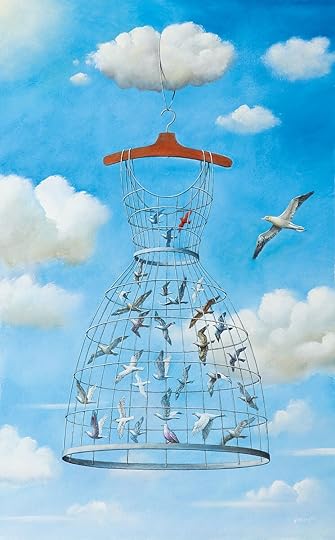
A Promise of Adventure. Painting by Rafał Olbiński.
I am in total awe of the inventiveness of Mortimer's novel, especially on the linguistic level — it almost felt as if she had created a new language to talk about cancer and dying. Unfortunately, the unconstrained beauty of her writing style sacrifices the rest. I did not like the way Wuthering Heights reference was played out — I found it too obtrusive, too obvious. At first, I enjoyed different points of view in the narration of Maps of Our Spectacular Bodies but then constant shifting, the time and place changes made me dizzy. They were too quick for my liking — you need a bit of time to make yourself at home in somebody's head.
There was another cost of giving too much attention to the form: the characters and the fact that I was not very invested in them. I wish their portrayals were more subtle, more multifaceted, more nuanced. I felt deeply, desperately sorry for Lia but, to be honest, I did not like her very much. Paradoxically, I think it helped me to survive through this book without being completely devastated. The subplots connected with Anne, Matthew, Harry and Iris felt slightly superficial. I had the impression all these ideas have been already executed in literature. More deftly, to be honest.
There is a personal aspect I found very moving. While reading the detailed and realistic descriptions of medical procedures and how they made Lia feel I suspected it must be something the author herself or someone she was very close to had experienced. Then I found out that Maddie Mortimer's mum died of cancer which explained a lot. The book is dedicated to her.
I hope this review is not glaring evidence of my insensitivity. Maybe books about cancer deserve preferential treatment. I do not think it would be fair though, especially given the fact how frequently the trope of terminal illness appears in literature and films nowadays which means the bar should be set pretty high.
I had mixed feelings before I started this novel: on the one hand, the topic sounded utterly heart-breaking and depressing, on the other hand, I heard so many enthusiastic opinions on the artistic values of Mortimer's prose. I am glad I plucked my courage but truth be told, I doubt if it was a reading experience I would like to repeat. There is no denying that the emotional punch this novel gives is almost physical.
A Promise of Adventure. Painting by Rafał Olbiński.

May 29, 2022
Winner of the Desmond Elliott Prize for Debut Novels
Shortlisted for the 2022 Goldsmiths Prize
Longlisted for the 2022 Booker Prize
Maps of Our Spectacular Bodies is, one hopes, destined to be one of 2022's most talked about novels - one filled with such wisdom, as well as drawing-on and then developing so many literary inspirations, that it is hard to believe this is a debut novel by an author in her mid-20s. Already featured on the Desmond Elliott Prize for Debut Novels, one suspects Goldsmiths, Booker, Costa and Women's Prize recognition is to come.
That said, from a personal perspective it was much too long for my 'ideally less than 100 pages please' taste, and required an investment of both time but also emotional engagement that I as a reader failed to bring to it. Hence the rating.
It reminded me as I was reading of a mashup of Max Porter's Lanny and Grief is the Things with Feathers (Mortimer has described the second of these as "the spark that lit the fire" for her book, though for the first she took typographical inspiration from House of Leaves), with a theological dose of grace stirred in from Gilead (another inspiration the author has acknowledged), and with characters straight from Ali Smith central casting. The latter I haven't seen the author reference, as I suspect her inspiration for the precocious word-playing mother and daughter was herself.
In is interesting in the interview linked above to see Mortimer comment on how her "formally ambitious" novel also developed characterisation and heart: "I started writing the book when I was 23, and for all the play and ‘fizz’ there were also simple delights that emerged unexpectedly along the way. I learnt that a fully realised character or frank, honest dialogue can be just as poetic as a perfectly constructed metaphor, or a bit of clever word play."
Again I suspect this may speak to my slight lack of love for the book as I definitely prefer the metaphor/wordplay to character-development in my reading. Indeed this is the second novel on a row where the author has moved in a direction less to my taste - see my review of Adam Scovell's Nettles
Overall 3.5 stars.
Shortlisted for the 2022 Goldsmiths Prize
Longlisted for the 2022 Booker Prize
Maps of Our Spectacular Bodies is, one hopes, destined to be one of 2022's most talked about novels - one filled with such wisdom, as well as drawing-on and then developing so many literary inspirations, that it is hard to believe this is a debut novel by an author in her mid-20s. Already featured on the Desmond Elliott Prize for Debut Novels, one suspects Goldsmiths, Booker, Costa and Women's Prize recognition is to come.
That said, from a personal perspective it was much too long for my 'ideally less than 100 pages please' taste, and required an investment of both time but also emotional engagement that I as a reader failed to bring to it. Hence the rating.
It reminded me as I was reading of a mashup of Max Porter's Lanny and Grief is the Things with Feathers (Mortimer has described the second of these as "the spark that lit the fire" for her book, though for the first she took typographical inspiration from House of Leaves), with a theological dose of grace stirred in from Gilead (another inspiration the author has acknowledged), and with characters straight from Ali Smith central casting. The latter I haven't seen the author reference, as I suspect her inspiration for the precocious word-playing mother and daughter was herself.
In is interesting in the interview linked above to see Mortimer comment on how her "formally ambitious" novel also developed characterisation and heart: "I started writing the book when I was 23, and for all the play and ‘fizz’ there were also simple delights that emerged unexpectedly along the way. I learnt that a fully realised character or frank, honest dialogue can be just as poetic as a perfectly constructed metaphor, or a bit of clever word play."
Again I suspect this may speak to my slight lack of love for the book as I definitely prefer the metaphor/wordplay to character-development in my reading. Indeed this is the second novel on a row where the author has moved in a direction less to my taste - see my review of Adam Scovell's Nettles
Overall 3.5 stars.

October 10, 2022
Spoilers ahead!
Maps of Our Spectacular Bodies is one of those books that comes around every now and then with an unconventional antagonist. It won the 2022 Desmond Elliot Prize for debut novels and was longlisted for the Booker Prize.
I can see why! It was a unique and compelling literary journey for me.
This story centers around protagonist Lia, her husband Harry, and their daughter, Iris. Lia is a breast cancer survivor who finds that her cancer has returned, spreading to other areas like her brain.
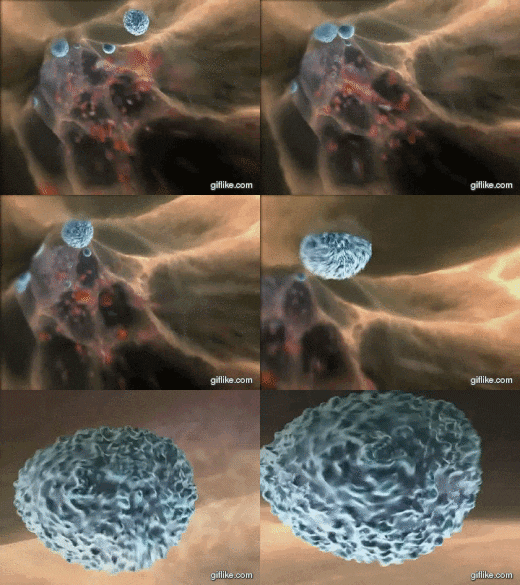
Author Maddie Mortimer explores the emotional and mental experiences of a woman who feels that her life will be coming to an end sooner rather than later, through the perspective of the cancer growing inside her. (Part of my brain was framing this as a darker version of a mix between Osmosis Jones and Pixar's Inside Out.)
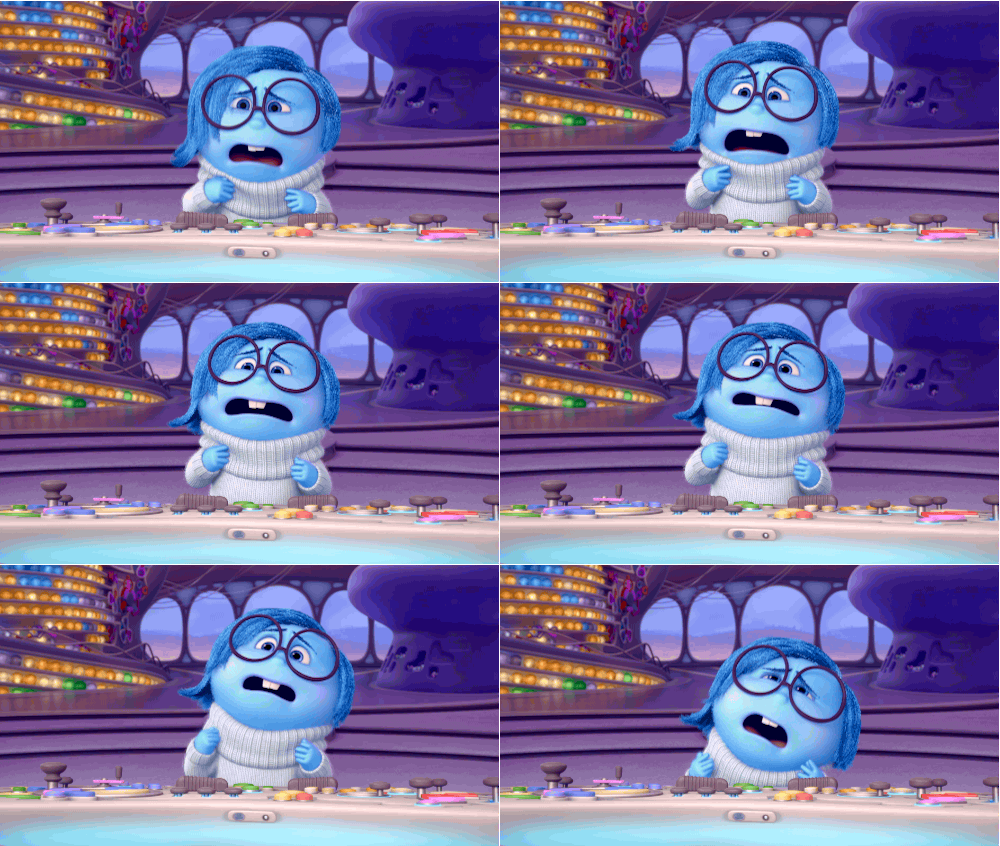
The cancer is our antagonist, but also a sort of guide through Lia’s life, as she’s reflecting on key moments from the past. I think the cancer’s perspective was very well-written, coming off sympathetic one moment to sinister in another. (The cancer points out that it is a part of Lia, having grown from her own cells.)
Or is it that the sinister nature of this antagonist is that the reader finds themselves almost pitying it? I haven’t figured it out for myself, even after much reflection on the book afterwards. Either way, the cancer becomes a haunting narrator.
It is no surprise then that as Lia’s condition progressively worsens, that memories she’s kept locked away come forward.
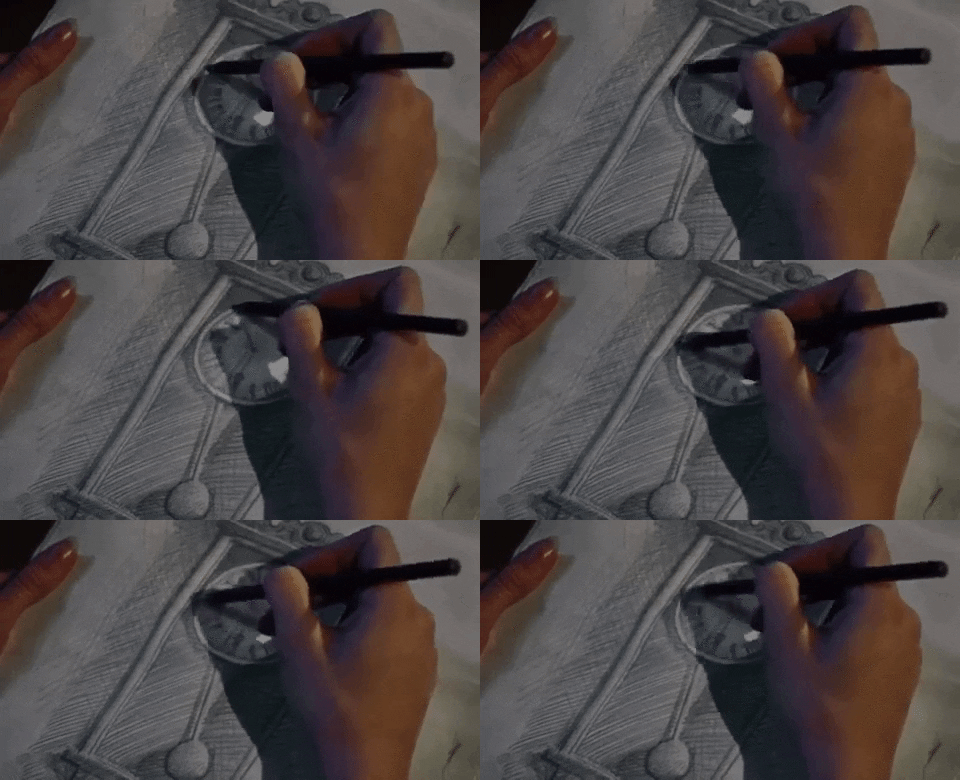
The cancer uncovers Lia’s tumultuous and troubled first love, Matthew, and her troubled relationship with her religious mother, Anne. At the same time, it becomes imperative to Lia, a creative children’s book illustrator, to finish her latest project before it's too late.
I have to say that I know nobody is perfect; they have good and bad aspects that comingle and complicate the ways we see and interact with each other. However, I just could not get over my dislike of Matthew, even though I understand his own troubled backstory as influencing how he moves in the world.
I understood, but I did not forgive.
I also understand why Matthew plays such a big part of the story, as Lia reminisces about what has been, and Harry finds himself confronting his own insecurities around Lia and her past love, wondering if he’s ever been enough for her. Of course, he’s also tackling the intense role of being a cancer patient’s caregiver, which on its own would be too much for one person to handle.
It would be neglectful of me to omit the part Iris plays in this. As one life is coming to an end, another is just finding her way in the world.
So, while Maps of Our Spectacular Bodies is a novel about death, it is also about life and coming-of-age in a cruel, yet wonderful world.

I am going to admit that I found myself constantly in tears throughout the whole book as I experienced with Lia and her family their emotional journey as Lia inexorably deteriorates. The contrast between Anne and Lia and Lia and Iris and their differing bonds; that really got me too.
Lia struggled to connect with her mother, but Iris and Lia have such a lovely, poignantly close bond that is tested throughout the book (but does not break), as Iris comes-of-age amid the complicated world of school politics and interpersonal relationships, all while Lia is dying.
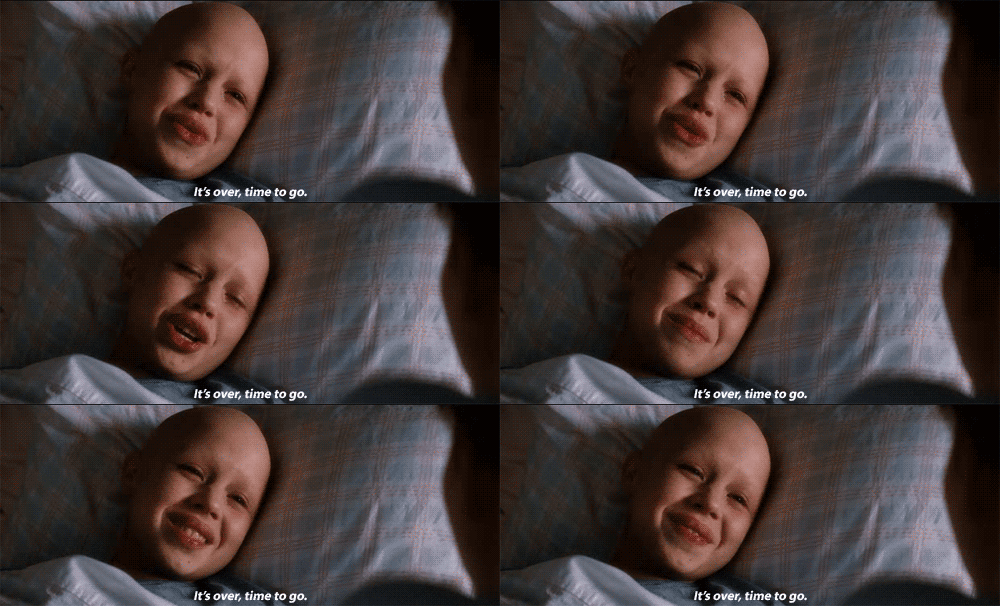
Despite these obstacles, Iris I think comes out to be the strongest of all the characters in this book.
While the ending wrapped up things well, I would not be opposed to some sort of sequel that explores Iris making her way in the world after her mother’s death.
Overall, Maps of Our Spectacular Bodies is a solid, breathtaking debut novel that tackles big themes through the exploration of small things—small as merely a piece of a much larger big picture, such as the inner lives of a cancer patient and her family.
Happy reading! (Make sure to have a box of tissues before you start reading.)
-Cora
Find this book and other titles within our catalog.
Maps of Our Spectacular Bodies is one of those books that comes around every now and then with an unconventional antagonist. It won the 2022 Desmond Elliot Prize for debut novels and was longlisted for the Booker Prize.
I can see why! It was a unique and compelling literary journey for me.
This story centers around protagonist Lia, her husband Harry, and their daughter, Iris. Lia is a breast cancer survivor who finds that her cancer has returned, spreading to other areas like her brain.
Author Maddie Mortimer explores the emotional and mental experiences of a woman who feels that her life will be coming to an end sooner rather than later, through the perspective of the cancer growing inside her. (Part of my brain was framing this as a darker version of a mix between Osmosis Jones and Pixar's Inside Out.)
The cancer is our antagonist, but also a sort of guide through Lia’s life, as she’s reflecting on key moments from the past. I think the cancer’s perspective was very well-written, coming off sympathetic one moment to sinister in another. (The cancer points out that it is a part of Lia, having grown from her own cells.)
Or is it that the sinister nature of this antagonist is that the reader finds themselves almost pitying it? I haven’t figured it out for myself, even after much reflection on the book afterwards. Either way, the cancer becomes a haunting narrator.
“It is a shame, such a shame, Harry thought, that to be a human is to be one thing, to be
contained, to have these walls of skin and a singular sense of self that sloshes and slaps around inside of us like water on the inside of a well.”
It is no surprise then that as Lia’s condition progressively worsens, that memories she’s kept locked away come forward.
The cancer uncovers Lia’s tumultuous and troubled first love, Matthew, and her troubled relationship with her religious mother, Anne. At the same time, it becomes imperative to Lia, a creative children’s book illustrator, to finish her latest project before it's too late.
I have to say that I know nobody is perfect; they have good and bad aspects that comingle and complicate the ways we see and interact with each other. However, I just could not get over my dislike of Matthew, even though I understand his own troubled backstory as influencing how he moves in the world.
I understood, but I did not forgive.
I also understand why Matthew plays such a big part of the story, as Lia reminisces about what has been, and Harry finds himself confronting his own insecurities around Lia and her past love, wondering if he’s ever been enough for her. Of course, he’s also tackling the intense role of being a cancer patient’s caregiver, which on its own would be too much for one person to handle.
It would be neglectful of me to omit the part Iris plays in this. As one life is coming to an end, another is just finding her way in the world.
So, while Maps of Our Spectacular Bodies is a novel about death, it is also about life and coming-of-age in a cruel, yet wonderful world.
I am going to admit that I found myself constantly in tears throughout the whole book as I experienced with Lia and her family their emotional journey as Lia inexorably deteriorates. The contrast between Anne and Lia and Lia and Iris and their differing bonds; that really got me too.
Lia struggled to connect with her mother, but Iris and Lia have such a lovely, poignantly close bond that is tested throughout the book (but does not break), as Iris comes-of-age amid the complicated world of school politics and interpersonal relationships, all while Lia is dying.
Despite these obstacles, Iris I think comes out to be the strongest of all the characters in this book.
While the ending wrapped up things well, I would not be opposed to some sort of sequel that explores Iris making her way in the world after her mother’s death.
Overall, Maps of Our Spectacular Bodies is a solid, breathtaking debut novel that tackles big themes through the exploration of small things—small as merely a piece of a much larger big picture, such as the inner lives of a cancer patient and her family.
Happy reading! (Make sure to have a box of tissues before you start reading.)
-Cora
Find this book and other titles within our catalog.

May 1, 2022
This, for me, was book 9 out of 10 from the 2022 Desmond Elliott long list (one of the best long lists I have read for quite some time).
There’s an article by Maddie Mortimer at panmacmillan.com (https://www.panmacmillan.com/blogs/li...) in which she talks about her book. At the end of that article, she lists seven books that “have made a book like Maps of Our Spectacular Bodies possible”. I’ve read five of those she lists and the influence of each is clear, although Mortimer has moulded something different from them all. For the record, and to give you a flavour, the ones I have read are “Lincoln in the Bardo”, “The Familiar”, “Grief is the Thing with Feathers”, “The White Book” and “Checkout 19”. That’s a powerful pedigree!
As a word of warning, I would say don’t buy the Kindle version of this book. One of the books Mortimer lists is Danielewski’s “The Familiar” and anyone who has read Danielewski will know that he is known for his experimental, even artistic, typesetting. And Mortimer makes sensitive use of this idea here which means that the Kindle version doesn’t arrive as an ebook but as something that displays a page at a time in very, very small print with no sensible options to increase the font size or to highlight passages etc.. I had to put the Kindle down and read the book on my iPad where the larger screen meant my eyes could cope.
We read Lia’s story as she tries to come to terms with a terminal cancer diagnosis. I imagine this was a difficult book for Mortimer to write because it is based on the death of her own mother in 2010. I know that, for me, it was at times a difficult book to read because I lost my sister to cancer 5 years ago and you never really get over losing someone like that. Maybe writing this book was a kind of catharsis for Mortimer.
I think Mortimer’s own description of her book (from the article I mentioned) is probably the best way to see what it is about:
And I don’t really think I should add any more to that. You should read it for yourself to see these three narrative threads at play with each other, to see the creative typesetting, to see the storytelling emerging.
Despite struggling at times when the book took me back to my sister’s battle with the disease, I thought this was a beautiful book to read. Unusually for me, I even liked the non-human narrator - one of the narrative threads is the disease in Lia’s body and you might expect my reaction to be similar to my reaction to the tree in Shafak’s “The Island of Missing Trees” because this narrator is also filled with human knowledge and tells us a story where all the main players from Lia’s past are mapped into her body. By rights, given my reading past, I should have reacted against this so I guess it’s a testament to something Mortimer has done (I’m not sure what) that means I have instead been pulled into the book.
When Richard Powers wrote “The Overstory”, one of his characters said:
"The best arguments in the world won’t change a person’s mind. The only thing that can do that is a good story.”
Here, in “Maps of Our Spectacular Bodies”, Lia’s mother is trying to understand her daughter’s disease and its impact on her body by reading a text book. And we read:
”The problem with it was the lack of story. Narrative. When asked for his definition of Neighbour, Jesus did not turn to his glossary. He had a parable and a Samaritan up his sleeve. Human example is everything, thought Anne, as her hands shaped and carved and built and bent through pathology and insulin and enzyme activity and junctions and ecosystems.”
So, well done Maddie Mortimer!
There’s an article by Maddie Mortimer at panmacmillan.com (https://www.panmacmillan.com/blogs/li...) in which she talks about her book. At the end of that article, she lists seven books that “have made a book like Maps of Our Spectacular Bodies possible”. I’ve read five of those she lists and the influence of each is clear, although Mortimer has moulded something different from them all. For the record, and to give you a flavour, the ones I have read are “Lincoln in the Bardo”, “The Familiar”, “Grief is the Thing with Feathers”, “The White Book” and “Checkout 19”. That’s a powerful pedigree!
As a word of warning, I would say don’t buy the Kindle version of this book. One of the books Mortimer lists is Danielewski’s “The Familiar” and anyone who has read Danielewski will know that he is known for his experimental, even artistic, typesetting. And Mortimer makes sensitive use of this idea here which means that the Kindle version doesn’t arrive as an ebook but as something that displays a page at a time in very, very small print with no sensible options to increase the font size or to highlight passages etc.. I had to put the Kindle down and read the book on my iPad where the larger screen meant my eyes could cope.
We read Lia’s story as she tries to come to terms with a terminal cancer diagnosis. I imagine this was a difficult book for Mortimer to write because it is based on the death of her own mother in 2010. I know that, for me, it was at times a difficult book to read because I lost my sister to cancer 5 years ago and you never really get over losing someone like that. Maybe writing this book was a kind of catharsis for Mortimer.
I think Mortimer’s own description of her book (from the article I mentioned) is probably the best way to see what it is about:
Whilst Maps of Our Spectacular Bodies is, at its heart, a family drama — it is also a formally ambitious novel. There are three narrative threads in the book that are not only in constant communication, but are actively competing against one another to ‘tell’ the story. The events happening in Lia’s past and present are mapped onto the landscape of her body, the first person eats away at the third, there are fragments of anatomical science and religious philosophy, of poetry, painting and dance and typographic moments where words drip, or swell, as if magnified — they mirror and bend. By experimenting with form like this, by shifting between styles and building up patterns to pick at and unravel I found that the novel had become about the very act of storytelling; about the way we choose to frame our lives, and which version of ourselves we let take the lead. As Lia (an illustrator with a vast imagination) nears death, she is attempting to make sense of her choices, her illness. The piecing together of self is her final creative act.
And I don’t really think I should add any more to that. You should read it for yourself to see these three narrative threads at play with each other, to see the creative typesetting, to see the storytelling emerging.
Despite struggling at times when the book took me back to my sister’s battle with the disease, I thought this was a beautiful book to read. Unusually for me, I even liked the non-human narrator - one of the narrative threads is the disease in Lia’s body and you might expect my reaction to be similar to my reaction to the tree in Shafak’s “The Island of Missing Trees” because this narrator is also filled with human knowledge and tells us a story where all the main players from Lia’s past are mapped into her body. By rights, given my reading past, I should have reacted against this so I guess it’s a testament to something Mortimer has done (I’m not sure what) that means I have instead been pulled into the book.
When Richard Powers wrote “The Overstory”, one of his characters said:
"The best arguments in the world won’t change a person’s mind. The only thing that can do that is a good story.”
Here, in “Maps of Our Spectacular Bodies”, Lia’s mother is trying to understand her daughter’s disease and its impact on her body by reading a text book. And we read:
”The problem with it was the lack of story. Narrative. When asked for his definition of Neighbour, Jesus did not turn to his glossary. He had a parable and a Samaritan up his sleeve. Human example is everything, thought Anne, as her hands shaped and carved and built and bent through pathology and insulin and enzyme activity and junctions and ecosystems.”
So, well done Maddie Mortimer!

August 30, 2022
4.5, rounded down to 4.
From its description and what I'd read about the book in other reviews, I thought this would probably wind up near the bottom of my Booker longlist rankings - so color me surprised! I DID have some initial trouble with the overly poetic phrasings, and the anthropomorphized cancer narrator - but these both diminished the further I got into the book - and the strength of the characters and 'plot' carried me through the more difficult and/or languid passages. Also, having lost my own mother less than 9 months ago, I felt this MIGHT be a bit raw for me to read - and some passages, especially towards the end, did hit hard.
I read it on Kindle, which apparently is NOT the way to go, since the topographical experimentation is rendered in such a miniscule font (which cannot be enlarged), such that I had to stop and squint every time it appeared. I also had the unfortunate habit of seeing the different aspects that cancer assigns to Lia's family (Yellow, Fossil, the Gardener, etc.) as similar to the cartoonish emotions rendered in the Pixar film 'Inside Out' - and once that thought took hold, I found it hard to dislodge - some inappropriate giggles thus ensued!
Despite this, I was astonished at how mature and insightful such a young author could be, so this is going near the top of my Booker list, and I would be astonished if it didn't make the shortlist - nor not at all surprised should it perhaps even win.
From its description and what I'd read about the book in other reviews, I thought this would probably wind up near the bottom of my Booker longlist rankings - so color me surprised! I DID have some initial trouble with the overly poetic phrasings, and the anthropomorphized cancer narrator - but these both diminished the further I got into the book - and the strength of the characters and 'plot' carried me through the more difficult and/or languid passages. Also, having lost my own mother less than 9 months ago, I felt this MIGHT be a bit raw for me to read - and some passages, especially towards the end, did hit hard.
I read it on Kindle, which apparently is NOT the way to go, since the topographical experimentation is rendered in such a miniscule font (which cannot be enlarged), such that I had to stop and squint every time it appeared. I also had the unfortunate habit of seeing the different aspects that cancer assigns to Lia's family (Yellow, Fossil, the Gardener, etc.) as similar to the cartoonish emotions rendered in the Pixar film 'Inside Out' - and once that thought took hold, I found it hard to dislodge - some inappropriate giggles thus ensued!
Despite this, I was astonished at how mature and insightful such a young author could be, so this is going near the top of my Booker list, and I would be astonished if it didn't make the shortlist - nor not at all surprised should it perhaps even win.

August 18, 2022
My thanks to the author, Maddie Mortimer, and to the publisher, Scribner, for a copy if this book. The subject of this book is the big C, the never ending, ever present, cancer and its battle for the life of Lia. What effects are wrought in her family because of this are as much of the story as the disease. The language can be intimidating and verbose while at the same time cutting very close to the bone. For those facing similar situations this could be a difficult read.

November 1, 2022
Olağanüstü, olağanüstü, olağanüstü bir kitap okudum. 1996 doğumlu Maddie Mortimer'ın, bu sene Booker Ödülü'ne aday gösterilen ilk romanı "Muhteşem Bedenlerimizin Coğrafyası" çok ama çok acayip bir şeydi. "Bu kadar genç bir yazarın eseri nasıl Booker adayı olabilir ya" diye düşünüyordum; okuyunca anladım. Olabilirmiş, olmalıymış.
Mortimer, 14 yaşındayken annesini kanserden ötürü kaybetme deneyiminden yola çıkarak bir hikaye anlatıyor: Kanser tüm vücuduna yayılmış olan genç anne Lia'nın öyküsü bu; ölümün bir gerçeklik olarak belirmesi ve her şeyi şekillendirmeye başlamasıyla beraber kızı, kocası, eski sevgilisi ve annesiyle ilişkisinin dönüşmesine dair bir öykü. Yakın zamanda bir hastalık ve kayıp süreci yaşadıysanız kitabın çok tetikleyici olabileceğini belirtmek isterim. Nitekim ben bazı bölümlerde nefessiz kalıyor gibi hissedip durma ihtiyacı duydum. ("Ölümden daha kötü bir şey varsa, o da ölümün yaklaştığını bilmektir" - ah bu cümleyi hiç anlayamasaydım keşke.)
Anlattığı hikaye bir yana, yazım tekniği itibariyle oldukça yenilikçi hatta deneysel bir biçimde yazılmış bir eser bu. Bir tarafta zamanda ileri-geri giderek de olsa daha konvansiyonel diyebileceğimiz bir şekilde hikayeyi anlatan bir dış ses var, bir de aralarda girip konuşan bir başka ses. Bu sesi ilk başta kanserin, hastalığın sesi olarak okuyorsunuz ancak metin ilerledikçe kanser hastası olan Lia ile birleşip sanki bir tür Tanrı-anlatıcıya hatta Tanrı’nın bizzat kendisine dönüşüyor.
Büyüyen ve küçülen puntolar, bir sarmal şeklinde yazılmış kelimelerle beraber bazı sayfaları adeta tipografik sanat eserlerine benzeyen bu acayip kitap; yaşama, ölüme, yasa, sevmenin biçimlerine, aşka, anneliğe dair 25 yaşında bir yazardan beklenmeyecek derinlikte içgörüler sunuyor.
Bir de tabii dili... Kelimelerle nazikçe dans edişi, oynayışı, o sakin, şiirli anlatımı. Çok ama çok sevdim.
İnsan bazen nasıl seveceğini bilemez. İnsan bazen neye öfkeleneceğini bilemez. İnsan bazen bir büyük yıkıntının altında kaldığını hisseder. Bazı insanlar da işte bir büyük cesaretle soyunup bunları yazar, ortaya böyle kitaplar çıkar. Sevgili Maddie Mortimer, iyi ki yazmışsın ve seninle iyi ki tanıştık.
Mortimer, 14 yaşındayken annesini kanserden ötürü kaybetme deneyiminden yola çıkarak bir hikaye anlatıyor: Kanser tüm vücuduna yayılmış olan genç anne Lia'nın öyküsü bu; ölümün bir gerçeklik olarak belirmesi ve her şeyi şekillendirmeye başlamasıyla beraber kızı, kocası, eski sevgilisi ve annesiyle ilişkisinin dönüşmesine dair bir öykü. Yakın zamanda bir hastalık ve kayıp süreci yaşadıysanız kitabın çok tetikleyici olabileceğini belirtmek isterim. Nitekim ben bazı bölümlerde nefessiz kalıyor gibi hissedip durma ihtiyacı duydum. ("Ölümden daha kötü bir şey varsa, o da ölümün yaklaştığını bilmektir" - ah bu cümleyi hiç anlayamasaydım keşke.)
Anlattığı hikaye bir yana, yazım tekniği itibariyle oldukça yenilikçi hatta deneysel bir biçimde yazılmış bir eser bu. Bir tarafta zamanda ileri-geri giderek de olsa daha konvansiyonel diyebileceğimiz bir şekilde hikayeyi anlatan bir dış ses var, bir de aralarda girip konuşan bir başka ses. Bu sesi ilk başta kanserin, hastalığın sesi olarak okuyorsunuz ancak metin ilerledikçe kanser hastası olan Lia ile birleşip sanki bir tür Tanrı-anlatıcıya hatta Tanrı’nın bizzat kendisine dönüşüyor.
Büyüyen ve küçülen puntolar, bir sarmal şeklinde yazılmış kelimelerle beraber bazı sayfaları adeta tipografik sanat eserlerine benzeyen bu acayip kitap; yaşama, ölüme, yasa, sevmenin biçimlerine, aşka, anneliğe dair 25 yaşında bir yazardan beklenmeyecek derinlikte içgörüler sunuyor.
Bir de tabii dili... Kelimelerle nazikçe dans edişi, oynayışı, o sakin, şiirli anlatımı. Çok ama çok sevdim.
İnsan bazen nasıl seveceğini bilemez. İnsan bazen neye öfkeleneceğini bilemez. İnsan bazen bir büyük yıkıntının altında kaldığını hisseder. Bazı insanlar da işte bir büyük cesaretle soyunup bunları yazar, ortaya böyle kitaplar çıkar. Sevgili Maddie Mortimer, iyi ki yazmışsın ve seninle iyi ki tanıştık.

August 15, 2022
I had a gut feel (ha!) that this would not be for me, and yes, I really disliked the try-hard writing on a sentence by sentence level: throwing up 'chunks fizzing in phlegm' - fizzing?, or someone rubbing the 'sponge of his eyeballs' - since when are eyeballs spongy? Or this: 'Lia's mother's faith had a life of its own. It was huge, inscrutable. It entered rooms before she did, often announcing her arrival, and then obstructing everyone from moving about' - I'm assuming that this is figuring religious faith as a sort of bodyguard but honestly, the self-conscious pretentiousness of it all just makes me shudder.
This is getting lots of love in the Booker run-up but it's not working for me.
This is getting lots of love in the Booker run-up but it's not working for me.

August 25, 2022
Rating: ⭐⭐⭐⭐ ½
Genre: Literary Fiction
In Maps of Our Spectacular Bodies by Maddie Mortimer, a mother named Lia is fighting a life-threatening disease. The narrative alternates between flashbacks of Lia's past and her present. Then there is the voice of her terminal condition (cancer)! This kind of narration, which I had never come across before, made it a fresh experience for me. Through the main character’s narration, the reader will know the kind of relationship she has with her husband and daughter.
During Lia’s cancer progress, we get to know about her past relationships, whether it is her relationship with her parents or her first love. The fascinating thing here is that we don’t get all that from Lia herself, but from the voice of her cancer! This was truly fascinating and terrifying at the same time. The illness’ narration gives lots of details of the destruction it causes inside Lia’s body.
The writing in this book is breathtaking. The prose is superb, with a very authentic narration. This book is lyrical from start to finish. Keep in mind that all this is wrapping up a serious, unfortunate subject, something that might be a trigger warning for many. This makes it not an easy subject to read and not tolerable for everybody. If you can handle it, I cannot recommend it enough.
Genre: Literary Fiction
In Maps of Our Spectacular Bodies by Maddie Mortimer, a mother named Lia is fighting a life-threatening disease. The narrative alternates between flashbacks of Lia's past and her present. Then there is the voice of her terminal condition (cancer)! This kind of narration, which I had never come across before, made it a fresh experience for me. Through the main character’s narration, the reader will know the kind of relationship she has with her husband and daughter.
During Lia’s cancer progress, we get to know about her past relationships, whether it is her relationship with her parents or her first love. The fascinating thing here is that we don’t get all that from Lia herself, but from the voice of her cancer! This was truly fascinating and terrifying at the same time. The illness’ narration gives lots of details of the destruction it causes inside Lia’s body.
The writing in this book is breathtaking. The prose is superb, with a very authentic narration. This book is lyrical from start to finish. Keep in mind that all this is wrapping up a serious, unfortunate subject, something that might be a trigger warning for many. This makes it not an easy subject to read and not tolerable for everybody. If you can handle it, I cannot recommend it enough.

August 30, 2022
Longlisted for the 2022 Booker Prize
A stunning, haunting debut about a woman reckoning with her life, her choices, and her guilt, all while battling the cancer inside of her.
The cancer has its own voice, narrating portions of the novel in poetic language that personifies different aspects of Lia, the narrator, and her history. It's jarring, confounding, beautiful and tragic—much like life.
I can't say I immediately fell in love with this novel. It's one that picks up steam as it goes along. I was befuddled for the first 150 pages or so. I didn't understand what exactly I was reading at times, and I also had it on ebook versus physical format which I think may have been more of a sensory and impactful experience for this because so much of the writing plays with form and design on the page. It's something you can rush through because some pages have very few words on them, but then the language is so deep and meaningful, you really need to sit with it and absorb everything she is doing and saying. I think on a re-read I may have an even greater love and appreciation for this book, and I'd love to return to it one day in physical form.
I don't know who the ideal audience for a book like this one is, but if you enjoy innovative, modern literature that makes you ponder life's meaning, our existence and how our actions reverberate into the people around us, you'll at least appreciate, if not love, this one.
A stunning, haunting debut about a woman reckoning with her life, her choices, and her guilt, all while battling the cancer inside of her.
The cancer has its own voice, narrating portions of the novel in poetic language that personifies different aspects of Lia, the narrator, and her history. It's jarring, confounding, beautiful and tragic—much like life.
I can't say I immediately fell in love with this novel. It's one that picks up steam as it goes along. I was befuddled for the first 150 pages or so. I didn't understand what exactly I was reading at times, and I also had it on ebook versus physical format which I think may have been more of a sensory and impactful experience for this because so much of the writing plays with form and design on the page. It's something you can rush through because some pages have very few words on them, but then the language is so deep and meaningful, you really need to sit with it and absorb everything she is doing and saying. I think on a re-read I may have an even greater love and appreciation for this book, and I'd love to return to it one day in physical form.
I don't know who the ideal audience for a book like this one is, but if you enjoy innovative, modern literature that makes you ponder life's meaning, our existence and how our actions reverberate into the people around us, you'll at least appreciate, if not love, this one.

January 16, 2023
4.5. Undeniably masterful but the cancer narrator kept pulling me out of the story. I found the device disruptive, which maybe it is supposed to be - cancer is nothing if not disruptive. Regardless, very impressive and a worthy Booker longlist nominee.

May 19, 2022
This is so beautiful and sad, and at the same time down to earth, brave and almost harsh. Plus very interesting structure as well. Highly recommended!

February 5, 2024
https://www.instagram.com/p/C4VoPwOL8...
A devastating exploration of illness and the meaning of life. Told from the perspective of both a terminal illness and the woman it overtakes, Maps of Our Spectacular Bodies is a supremely unique and hard hitting journey through years of love, loss, and reconciling with one’s own mortality. Stylistically diverse and packed with both sorrow and joy, this novel is an essential read for anyone who has been touched by the effects of terminal and chronic illness, those who have watched loved ones fight indescribable battles, and those who themselves must navigate an identity that is not defined by illness, but is influenced by it. Honest, lyrical, and with the gentle knowing that pierces the heart, this is an unforgettable read of honoring creative legacies cut short, but never defeated.
A devastating exploration of illness and the meaning of life. Told from the perspective of both a terminal illness and the woman it overtakes, Maps of Our Spectacular Bodies is a supremely unique and hard hitting journey through years of love, loss, and reconciling with one’s own mortality. Stylistically diverse and packed with both sorrow and joy, this novel is an essential read for anyone who has been touched by the effects of terminal and chronic illness, those who have watched loved ones fight indescribable battles, and those who themselves must navigate an identity that is not defined by illness, but is influenced by it. Honest, lyrical, and with the gentle knowing that pierces the heart, this is an unforgettable read of honoring creative legacies cut short, but never defeated.
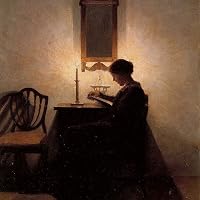
July 11, 2025
iki kere denememe rağmen sevemedim, sevemedim, sevemedim..
beni en çok zorlayan şey anlatımın dağınıklığıydı. evet, mortimer farklı bir şeyler denemiş ancak bu benim için yorucuydu. bir noktadan sonra hikâyeye gerçekten dahil olamıyormuşum gibi hissettim. bir de karakterleri sevemedim. böyle yoğun bir hikâyede, hele de hastalık gibi güçlü bir tema işleniyorsa karakterlerin duygularına gerçekten dokunmayı isterdim.
yarım bıraktım açıkçası, bana göre değildi.
beni en çok zorlayan şey anlatımın dağınıklığıydı. evet, mortimer farklı bir şeyler denemiş ancak bu benim için yorucuydu. bir noktadan sonra hikâyeye gerçekten dahil olamıyormuşum gibi hissettim. bir de karakterleri sevemedim. böyle yoğun bir hikâyede, hele de hastalık gibi güçlü bir tema işleniyorsa karakterlerin duygularına gerçekten dokunmayı isterdim.
yarım bıraktım açıkçası, bana göre değildi.

Did Not Finish
August 14, 2022DNF at page 50. The cancer voice is simply unbearable, and this is just not the right book for me right now...

September 15, 2022
This one really touched a nerve. An astute, commanding narrative.
Displaying 1 - 30 of 1,411 reviews