Sobre todo en sus primeros años, Franz Kafka dibujó intensamente y con ambiciones artísticas. A su muerte, sin embargo, no solo quiso destruir su legado literario, sino también todos sus dibujos. Después de que su amigo Max Brod lograra salvar muchos, la mayor parte de ellos se mantuvo oculta durante décadas. Aquí se publican por primera vez completos, y hacen visible a un segundo Kafka más allá de su faceta de gran escritor.
Franz Kafka was a German-speaking writer from Prague whose work became one of the foundations of modern literature, even though he published only a small part of his writing during his lifetime. Born into a middle-class Jewish family in Prague, then part of the Austro-Hungarian Empire, Kafka grew up amid German, Czech, and Jewish cultural influences that shaped his sense of displacement and linguistic precision. His difficult relationship with his authoritarian father left a lasting mark, fostering feelings of guilt, anxiety, and inadequacy that became central themes in his fiction and personal writings. Kafka studied law at the German University in Prague, earning a doctorate in 1906. He chose law for practical reasons rather than personal inclination, a compromise that troubled him throughout his life. After university, he worked for several insurance institutions, most notably the Workers Accident Insurance Institute for the Kingdom of Bohemia. His duties included assessing industrial accidents and drafting legal reports, work he carried out competently and responsibly. Nevertheless, Kafka regarded his professional life as an obstacle to his true vocation, and most of his writing was done at night or during periods of illness and leave. Kafka began publishing short prose pieces in his early adulthood, later collected in volumes such as Contemplation and A Country Doctor. These works attracted little attention at the time but already displayed the hallmarks of his mature style, including precise language, emotional restraint, and the application of calm logic to deeply unsettling situations. His major novels The Trial, The Castle, and Amerika were left unfinished and unpublished during his lifetime. They depict protagonists trapped within opaque systems of authority, facing accusations, rules, or hierarchies that remain unexplained and unreachable. Themes of alienation, guilt, bureaucracy, law, and punishment run throughout Kafka’s work. His characters often respond to absurd or terrifying circumstances with obedience or resignation, reflecting his own conflicted relationship with authority and obligation. Kafka’s prose avoids overt symbolism, yet his narratives function as powerful metaphors through structure, repetition, and tone. Ordinary environments gradually become nightmarish without losing their internal coherence. Kafka’s personal life was marked by emotional conflict, chronic self-doubt, and recurring illness. He formed intense but troubled romantic relationships, including engagements that he repeatedly broke off, fearing that marriage would interfere with his writing. His extensive correspondence and diaries reveal a relentless self-critic, deeply concerned with morality, spirituality, and the demands of artistic integrity. In his later years, Kafka’s health deteriorated due to tuberculosis, forcing him to withdraw from work and spend long periods in sanatoriums. Despite his illness, he continued writing when possible. He died young, leaving behind a large body of unpublished manuscripts. Before his death, he instructed his close friend Max Brod to destroy all of his remaining work. Brod ignored this request and instead edited and published Kafka’s novels, stories, and diaries, ensuring his posthumous reputation. The publication of Kafka’s work after his death established him as one of the most influential writers of the twentieth century. The term Kafkaesque entered common usage to describe situations marked by oppressive bureaucracy, absurd logic, and existential anxiety. His writing has been interpreted through existential, religious, psychological, and political perspectives, though Kafka himself resisted definitive meanings. His enduring power lies in his ability to articulate modern anxiety with clarity and restraint.
طراحیهای کافکا ناشناختهترین بخش کارنامهی اوست. فقط مکس براد، رفیق گرمابه و گلستان و زندگینامهنویس کافکا، چندتایی از آنها را در زندگینامهاش چاپ کرده بود. دلیلش بیش از همه این است که کافکا تقریبا همهی طراحیهایش را نابود کرد. فقط معدودی در خلال نامهها به جا ماند و اوراقی که براد از زمان دانشجوییشان نگه داشته بود. براد از آغاز طرفدار پرشور طراحیهای دوستش بود و میکوشید ناشران را متقاعد کند تا کافکا را به عنوان تصویرساز استخدام کنند. بعد از مرگ کافکا، براد چندتایی از طراحیها را منتشر کرد، اما وقتی پیشنهاد برپایی نمایشگاهی به او داده شد، چندان علاقهای نشان نداد. با مرگ براد، دستنوشتهها و طراحیهای کافکا در اختیار استر هاف، منشی و دوستدختر براد، قرار گرفت. او آنها را از گاوصندوق بانکی در سوییس، جایی که نگهداری میشدند، بیرون آورد و به آپارتمانش در تلآویو برد. هاف تمایلی به انتشار این مجموعه نشان نمیداد و دل ناشران و محققان را خون کرده بود. یک بار از ناشری مبلغی گزاف طلبیده بود تا صرفا اجازهی تماشای طراحیها را به آنها بدهد. پیداست که ناشر زیر بار نرفت. پس از مرگ هاف، دخترانش رَویهی مادر را در پیش گرفتند. اینجا بود که دولت اسراییل وارد عمل شد و شکایتی حقوقی تنظیم کرد تا میراث کافکا را مطالبه کند. استدلال دولت این بود که اوراق کافکا در شرایطی نامناسب نگهداری میشوند و با خطر آسیبدیدن مواجهند. بهعلاوه، بیم آن میرفت که به دست مجموعهداران خصوصی بیفتند و پراکنده شوند. سرانجام در سال 2019 دولت اسراییل در دادگاه برنده شد. مالکیت اوراق کافکا از خواهران هاف سلب شد و آثار این غول ادبی یهودیتبار در کتابخانهی ملی اسراییل جا خوش کرد. شرح مفصل این ماجرا در کتابی هم چاپ شده
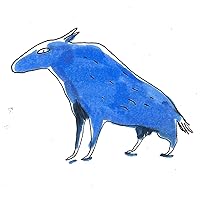
این کتاب جدید همهی طراحیهای مجموعهی براد را، بهاضافهی اندک طرحهای دیگری که در سایر مجموعهها پیدا شده، گرد آورده و لذا شامل تمامی طراحیهای بهجامانده از کافکاست. کافکا در دانشگاه کلاسهایی دربارهی هنر و تاریخ هنر گذرانده بود. با تعدادی از هنرمندان هم مراوده داشت. با این حال، مدعی بود آموختههای هنریاش به توانایی او در امر طراحی لطمه زده. عمدهی طراحیهای کافکا کاریکاتور و فیگورهای کارتونمانند هستند. بعضی از آنها ضعیف و ناتمامند، ولی بهترینهایشان نیرو و طراوتی جانانه دارند. بهویژه پرترههایی که کافکا از خودش کشیده گیرایی حیرتانگیزی دارند
"El arte es un estar deslumbrado por la verdad: lo único verdadero es la luz en el rostro monstruoso que retrocede."
Franz Kafka también dibujaba y sus dibujos adquieren la misma forma fantástica, onírica y alucinante acorde a su obra. Max Brod afirmaba que "su pensamiento se construía de imágenes". Finalmente, todos los dibujos de Kafka (163 en total) han sido publicados en un solo libro de forma magistral por Editorial Galaxia Gutenberg. La edición, encuadernación y presentación del libro es impecable. Desde las famosas marionetas que han sido utilizadas para las tapas de sus libros a partir de la década del '50 hasta bocetos, autorretratos e ilustraciones de edificios, postales y cartas. Un libro tal vez para los lectores demasiado fanáticos de Kafka como yo, pero también para aquellos que saben de arte.
"El arte es un estar deslumbrado por la verdad: lo único verdadero es la luz en el rostro monstruoso que retrocede."
Sí, queridos lectores: Franz Kafka también dibujaba y sus dibujos adquieren la misma forma fantástica, onírica y alucinante acorde a su obra. Max Brod afirmaba que "Su pensamiento se construía de imágenes". Este libro contiene las 41 ilustraciones realizadas por Kafka, desde las famosas marionetas utilizadas en las tapas de sus libros hasta bocetos, autorretratos e ilustraciones de edificios acompañadas de extractos de sus relatos, novelas, cartas y diarios. La edición de la editorial Sexto Piso es verdaderamente soberbia. Un libro, tal vez para los lectores demasiado fanáticos de Kafka como yo, pero también para aquellos que saben de arte.
Un libro imprescindible para todos aquellos que como yo les fascinan Kafka. Es muy interesante descubrir que antes de escritor, Kafka era conocido en los círculos artísticos de la época por su faceta como dibujante.
«Como en su literatura, Kafka es también en los dibujos tanto un realista concienzudo, al mismo tiempo, creador de un mundo de fantasía». Según Brod, en Kafka el mundo exterior y el interior mantienen una «relación», aunque «contradictoria», tanto en el dibujo como en la escritura.
Resaltar la maravillosa edición que ofrece Galaxia Gutenberg dónde todo está cuidado hasta el mínimo detalle. Una edición de lujo que pasado un tiempo volveré a leer y a disfrutar.
I have mixed feelings about this book, which is wonderfully complete and of great printing quality.
It all comes down to this: Kafka's drawings aren't all that. Someone just has to say it, okay? Yes, they are artistic expressions, but they were pretty hamfisted ones. And sure, there are one or two interesting ones. But that isn't enough to carry a 368-page heavyweight book.
What I did find interesting were some of the essays here. Having read most (all?) of Kafka's work, I never read a biography on him and I knew very little about his life. But then I guess I'd be better off reading a real biography than trying to piece all this together from information in various essays. Still, I was very interested to read in what kind of art circles he moved as a student, and what kind of art were of his fancy, possibly influencing his work. Even with some examples of the artworks that adorned his surroundings printed here in this book.
But then there were also the essays approaching his work in an almost incomprehensible (this can possibly be partly attributed to the Dutch translation) art/literature philosophy that seemed to me to have little to do with Kafka's drawings. I kept saying to myself: "Look, what's your point?"
If this book did one thing, it's me wanting to draw some pictures right now.
Andreas Kilcher und Pavel Schmidt erfassen mit dieser ersten Ausgabe sämtlicher Zeichnungen Kafkas überhaupt unerschlossenen Grund. Der von Ilse Ester Hoffes Erben unter Verschluss gehaltene Nachlass Franz Kafkas beinhaltet u.a. über 100 graphische Werke des Schriftstellers, welche umfangreich kommentiert, kontextualisiert und katalogisiert werden. Viele dieser Zeichnungen wirken, zugegebenermaßen, skizzenhaft. Jedoch würde ein werkimmanentes Urteil den Stellenwert dieser Arbeiten im Denken des jungen Kafkas und sein Interesse an bildenden Künsten ignorieren.
Es difícil de explicar; es una experiencia. Bellísimo trabajo. Toda la investigación de Andreas Kilcher es impecable; desde un trabajo genético sobre cada pieza, una historiografía personal de cada dibujo y sus movimientos desde la concepción kafkiana hasta los últimos días de Max Brod, pasando por la huida en tren de los nazis, con cuanta vaina hizo su mejor amigo escondido en una maleta. Es conmovedor saber todo lo que vivieron los dibujos y lo mucho que fueron protegidos. También el trabajo ensayístico al respecto de Kafka y el arte, entrevistas, fragmentos. Una maravilla.
Como alguien que tiene tatuado un dibujo de Kafka, recibir este libraco fue una de las alegrías mas genuinas y medio infantiles que he tenido en mucho tiempo. Franz siempre estuvo un paso más adelante. Franz siempre estará un paso más adelante.
Este libro me encantó, tenía muchas ganas de tenerlo y por fin hoy pude comprarlo, verlo y leerlo. Lo que más me gustó es que no es una vaga recopilación de los dibujos sino que hay una relación directa con partes de diferentes obras o cartas de Kafka. Ver estos dibujos es también entender sus letras. Esta edición de sextopiso es muy muy hermosa y la recomiendo totalmente.
Es fascinante conocer más a Kafka. Nuevamente, no me defraudó y con este libro se evidencia la calidad de artista que era Kafka, ya no solo en literatura sino también en el dibujo.
Un trabajo interesante, el de conjuntar la muy interesante obra gráfica de Kafka con fragmentos, ya sea que él haya elegido para acompañar la viñeta, o que los editores hayan seleccionado de su obra.
Vereint, was ich an Illustrationswissenschaft (verstanden als die Wissenschaft kontextbezogener Bilderstellung) und der Kafkaforschung liebe: Umfangreiche, todernste kunstwissenschaftliche Analysen noch der flüchtigsten und schnellsten Zeichnungen und Textfragmente; seitenweises Sinnieren über die „Bildlichkeit der Texte“ und die „Unbildlichkeit der Bilder“, die Grenzen der Parabolik und (vor allem in Judith Butlers Beitrag besprochene) Fragen der Körperlichkeit und Selbstauflösung, die sich entlang von "Linie" und "Fläche" stellen. (Die Vorstellung, jemand könnte zu jedem meiner Skizzenblätter eine penible, mindestens halbseitige Beschreibung verfassen, ist berauschend. Die strikte Vermeidung jüngeren Illu-Jargons wie „Doodlen“ macht es nur noch besser. Bestätigt mich in meiner (und Coldmirrors) Überzeugung, dass nichts so sehr ein close reading/close looking wert ist wie eine Fünfsekundenskizze am Schulheftrand.)
A book for all those who want to understand the genius behind Kafka's thinking a little more.
For me, everything began with Kafka. Years ago, I was fascinated not only by the written arts, but always by the iconic figurines that have graced his covers ever since. These simple little figures have always had a deeper meaning for me and, inevitably, they must have had that for Kafka too. I have always wondered what he must have been thinking when he put these little bodies on paper. Now, this book does not provide a clear answer to that question, and that expectation would, I think, be a little presumptuous. Nevertheless, it provides us with another support to look at least a little closer into Kafka's life and thus also into his head.
I had incredible fun reading and examining the drawings. A large part of the book's magic is that it contains an incredible number of new drawings. If you are interested in following in Kafka's footsteps, this book is definitely for you.
Recopilación de las reproducciones de la totalidad de los dibujos de Kafka conocidos. A cada dibujo, sacado del contexto del texto, habitualmente de diarios o cartas, del que se suele extraer, se le acompaña su título original, o el título dado por el editor en caso de que no lo tenga, y textos, a veces aquél en que se incluye el dibujo originalmente, y otras de textos que aluden o ilustran acerca de la temática del dibujo. No deja de ser una edición muy caprichosa, pero sin duda interesante, ya que cubre completamente esta faceta de Kafka, quizá muy magnificada dada su importancia literaria.
Este libro reúne todos los dibujos de Franz Kafka porque, también, dibujaba. Algunos ya lo vimos siendo protagonistas en portadas de sus propios libros, otros autoretratos o retratos de su madre o de Max Brod , entre otros. La otra parte se dedica un poco a profundizar entre el arte general y darle un significado con el mismo. Cuya parte me pareció un poco más lenta y no encontré mucha esencia del autor en si.
Kafka trae a la superficie el alma. Eso es lo que se refleja, si no en todos los dibujos, sí en su estilo, en la forma de asimilar el contexto (que esta edición amablemente nos acerca) y de darle forma.
Nunca he leído ninguna biografía suya, y este libro podría contar como tal. La parte de letra es increíblemente densa….tiene muchos nombres de gente que no se sabe quién es, fechas, sitios… (tiene partes interesantes, como el quién se quedó con los dibujos y cartas y dónde están ahora)
3.5 ⭐️ Sin interesante los datos sobre el amor al arte de kafka, sin embargo creo que pudieron poner mejores frases para acompañar los dibujos. Dentro de sus cartas a Felipe y Milena hay frases llenas de ternura de soledad y de tristeza… con mayor peso que estas frases del libro.
Definitivamente, buena lectura para conocer más de Kafka; sus dibujos, sus interpretaciones, sus dedicatorias, su autocrítica muestran al multiartista tratando de expresar no solo con palabras, sino con todo tipo de líneas, su perspectiva del mundo y la luz distribuida en su espacio. Me encantó su gusto por la pintura de Vincent Van Gogh!! Sería perfecto si mostrarán más de las reproducciones originales de Kafka!! . :)