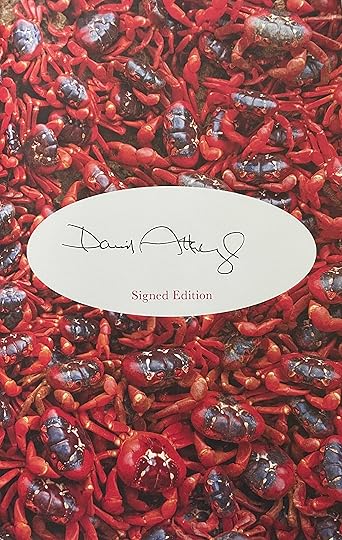
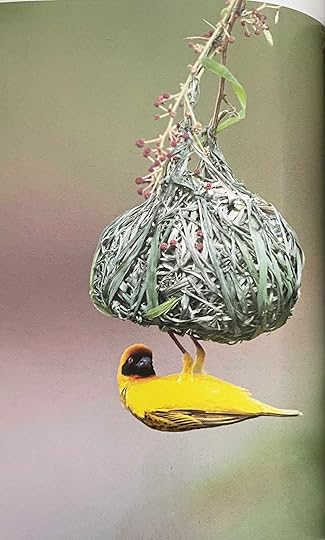
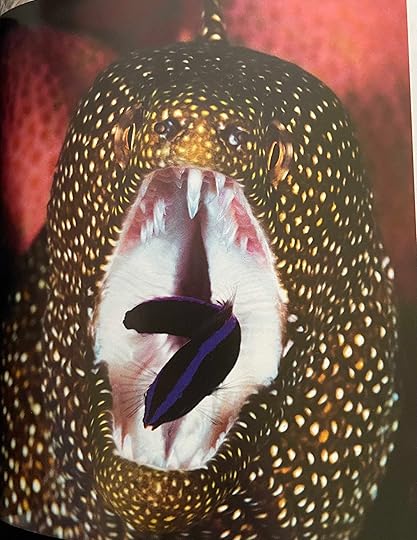
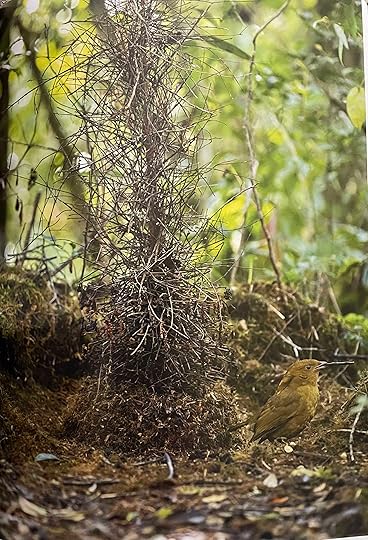
ENGLISH: Complementing one of the television series about the lives of animals that made David Attemborough famous, this book can be read separately from the series and is very interesting, with 12 chapters (one for each episode of the series) that deal with issues vital to many animals: finding food, escaping predators, building houses, living together, fighting, communicating, finding a mate and reproducing.
In the last chapter I caught a major mistake. It says this: Many small animals (aphids and mites, wasps and termites) are able to dispense with the problem of having to copulate for many generations. They can produce eggs that develop without any contact with sperm. The offspring produced are clones, individuals genetically identical to their single parent. An ability like this is of particular interest when an animal needs to generate a large force of workers to take quick advantage of a fleeting opportunity. Thus... queens of termites and bees surround themselves with whole armies of workers.
This is not correct. Worker bees and termites are not clones of the queen, since they are born from fertilized eggs. Among hymenoptera, males are haploid, but they are not clones of the queen, who is diploid. Furthermore, when a queen wants to quickly fill the hive, anthill or wasp nest with workers, she does not produce males, but females. Aphids do produce clones of themselves, and what this chapter says about them is correct. In short, here Attemborough has really screwed up.
ESPAÑOL: Complementario con una de las series de televisión sobre la vida de los animales que hizo famoso a David Attemborough, este libro puede leerse separado de la serie y resulta muy interesante, con 12 capítulos (uno por entrega de la serie) que hablan de cuestiones vitales para muchos animales: encontrar comida, escapar de los predadores, construir casas, vivir juntos, luchar, comunicarse, encontrar pareja y reproducirse.
En el último capítulo le he pillado un fallo importante. Dice esto: Muchos animales pequeños (áfidos y ácaros, avispas y termitas) son capaces de prescindir durante muchas generaciones del problema de tener que copular. Pueden producir huevos que se desarrollan sin ningún contacto con el esperma. Las crías producidas son clones, individuos genéticamente idénticos a su único progenitor. Una habilidad como ésta es de particular interés cuando un animal necesita generar una gran fuerza de trabajadores para aprovechar la rápida ventaja de una oportunidad efímera. Así... las reinas de las termitas y abejas se rodean a sí mismas con ejércitos enteros de trabajadores.
Esto no es correcto. Las abejas y termitas obreras no son clones de la reina, pues nacen de huevos fecundados. Entre los himenópteros, los machos son haploides, pero tampoco son clones de la reina, que es diploide. Además, cuando una reina quiere llenar rápidamente de obreras la colmena, hormiguero o avispero, no genera machos, sino hembras. Los áfidos sí producen clones de sí mismos, y lo que dice de ellos este capítulo es correcto. En fin, que en este punto Attemborough ha metido la pata hasta el fondo.