James Rachels, the distinguished American moral philosopher, was born in Columbus, Georgia, and graduated from nearby Mercer University in 1962. He received his Ph.D. in 1967 from the University of North Carolina, Chapel Hill, studying under Professors W. D. Falk and E. M. Adams. He taught at the University of Richmond, New York University, the University of Miami, Duke University, and the University of Alabama at Birmingham, where he spent the last twenty-six years of his career. 1971 saw the publication of his groundbreaking anthology Moral Problems, which helped ignite the movement from teaching metaethics in American colleges to teaching concrete practical issues. Moral Problems sold 100,000 copies over three editions. In 1975, Rachels wrote "Active and Passive Euthanasia," arguing that the distinction so important in the law between killing and letting die has no rational basis. Originally appearing in the New England Journal of Medicine, this essay has been reprinted 300 times and is a staple of undergraduate education. The End of Life (1986) broadened and deepened these ideas. Created from Animals (1990) argued that a Darwinian world-view has widespread philosophical implications, including drastic implications for our treatment of nonhuman animals. Can Ethics Provide Answers? (1997) was Rachels' first collection of papers; The Legacy of Socrates (2007) was his second. Rachels' textbook, The Elements of Moral Philosophy, is currently the best-selling book in philosophy. Shortly before being diagnosed with cancer, Rachels finished Problems from Philosophy, an introduction to his subject, published posthumously.
Over his career, Rachels wrote 6 books and 86 essays, edited 7 books and gave about 275 professional lectures. His work has been translated into Dutch, Korean, Norwegian, Italian, Japanese, Indonesian, Spanish, Portuguese, Chinese, and Serbo-Croatian. He is widely admired as a stylist; his essays and books are remarkably free of jargon and clutter. A major theme in his work is that reason can resolve difficult moral issues. He has argued for moral vegetarianism and animal rights, for affirmative action (including quotas), for the humanitarian use of euthanasia, and for the idea that parents owe as much moral consideration to other people's children as to their own.
شاید کمتر کتابی رو اینقدر آگاهانه و از روی نیاز برای خوندن انتخاب کرده باشم. جایی که هر لحظه با مسائل مشکل اخلاقی روبرو میشیم و پیدا کردن جوابهای قانعکنندهی روح و روان سختتر و سختتر میشه، به نظرم لازمه که بدونیم پیشینیان و به طور کلی دیگران در برخورد با این مسائل به کجا رسیدهن. البته از ابتدا خیلی اطمینان نداشتم که این کتاب چقدر میتونه فضای ذهنم رو روشنتر کنه. ولی به هر ترتیب نتیجه مفید از کار دراومد.
چیزی که بهدست آوردم این نیست که بتونم الزاماً بهترین تصمیم رو در شرایط سخت اخلاقی بگیرم ولی بهم کمک کرد که بدونم در کجای دایرهی اخلاق ایستادهام یا نشستهام. و صد البته که اگه درون کسی نیروی تمایل به راستی و درستی حتی اگه بهصورت شکستهبسته شکل گرفته باشه، با دانش بیشتر نسبت به ذات و نتایج احتمالی اعمالش، شانس بیشتری برای گرفتن تصمیمات بهتر داره.
کتاب چندین نظریهی مهم و بنیادی اخلاقی رو بهصورت مختصر و با ارائهی چند برهان موافق و مخالف بههمراه نظر خود نویسنده ارائه میکنه. مثالهای واضح و روشنگری هم برای فهم کاربرد یا عدم کاربرد هر نظریه مورد بحث قرار گرفته. این نظریهها شامل ذهنیگرایی اخلاقی، خودگرایی روانشناختی و اخلاقی، فایدهگرایی، اخلاق کانتی، قرارداد اجتماعی و اخلاق فضیلتمحور میشن. در کنار اون نسبیگرایی فرهنگی و رابطهی اخلاق و دین بررسی شده و در نهایت نویسنده سعی کرده با تلفیق این ایدهها نظریهی اخلاقی رضایتبخش و نه الزاماً بینقصی رو ارائه بده.
ترجمهی کتاب هم خوبه و اگه از اشتباهات گاهگاهی ویراستاری بگذریم تجربهی خوانش روان و کمچالشی بود. در نهایت اگر مثل من دوست داشته باشید ذهن اخلاقی خودتون رو کمی نظم ببخشید این کتاب رو پیشنهاد میکنم.
"... هنگامی که ما احساسات شدیدی دربارهی مسألهای داریم، وسوسه میشویم چنین فرض کنیم که ما میدانیم حقیقت چیست، بدون آنکه حتی مجبور باشیم استدلالهای طرف دیگر را مورد بررسی قرار دهیم..." "... اخلاق، در حداقل معنا، عبارت است از تلاش برای قرار دادنِ رفتار خود تحت هدایت دلیل (یعنی کاری را انجام دهیم که بهترین دلایل برای انجام آن وجود دارد) و در عین حال قائل شدن ارزشِ یکسان برای منافع کلیهی افرادی که متأثر از رفتار ما خواهند بود."
"... نسبیگرایی فرهنگی نظریهای جذاب است چون که مبتنی بر بینشی صادقانه است: اینکه بسیاری از سنتها و نگرشهایی که برای ما کاملاً طبیعی به نظر میرسند در واقع فقط محصول فرهنگند. مضاف بر این، برای اجتناب از نخوت و برخورداری از ذهنی باز، مهم است که این بینش را جدا در نظر نگاه داریم. اینها نکات مهمی هستند که نباید با بیاعتنایی از کنارشان گذشت، اما میتوانیم این نکات را قبول کنیم، بدون آنکه کل نظریه را بپذیریم."
"...برتراند راسل به سال ۱۹۰۲، در مقالهای با نام "نیایشِ یک انسانِ آزاده" آنچه را که وی چشماندازِ "علمیِ" جهان مینامد چنین توصیف میکند:
انسان محصول عللی است که هیچ علمی بر خاتمهی کار خود نداشتهاند؛ خاستگاهش، رشدش، بیمها و امیدهایش، عشقها و باورهایش، چیزی جز پیآمدِ آرایشِ تصادفیِ اتمها نیستند؛ هیچ شور و اشتیاقی، هیچ دلاوریای، هیچ عمقی از اندیشه و احساس، نمیتواند زندگیِ پس از مرگی برای او فراهم سازد؛ تمام زحماتِ انسان در طی قرون و اعصار، همهی زُهد و ایمان بشریت، همهی الهامها و افکارِ بکر، تمام درخششِ عظیم نبوغ بشری، محکوم به فنا در گسترهی مرگِ منظومهیِ شمس هستند، و کل بنایِ رفیعِ دستاوردهای بشری بهنحو گریزناپذیری زیرِ آوارِ کیهانی ویران شده مدفون خواهد شد. اینها همه — اگر نگوییم کاملاً مسلم – از چنان درجهای از قطعیت برخوردارند که هیچ فلسفهای بدونِ پذیرش آنها امیدِ دوام نخواهد داشت. از حالا به بعد، تنها در درونِ این داربست از حقایق، تنها بر روی پیِ محکمِ ناامیدیِ محض است که میتوان مأوایی اَمن برای روحِ بشر بنا کرد."
"...In his essay "A Free Man's Worship," written in 1902, Bertrand Russell expressed what he called the "scientific" view of the world:
That Man is the product of causes which had no prevision of the end they were achieving; that his origin, his growth, his hopes and fears, his loves and his beliefs, are but the outcome of accidental collocations of atoms; that no fire, no heroism, no intensity of thought and feeling, can pre-serve an individual life beyond the grave; that all the labours of the ages, all the devotion, all the inspiration, all the noonday brightness of human genius, are destined to extinction in the vast death of the solar system, and that the whole temple of Man's achievement must inevitably be buried beneath the debris of a universe in ruins-all these things, if not quite beyond dispute, are yet so nearly certain, that no philosophy which rejects them can hope to stand. Only within the scaffolding of these truths, only on the firm foundation of unyielding despair, can the soul's habitation henceforth be safely built."
"... دانش نوین جهان را به صورت قلمروی از امور واقعی ترسیم میکند که در آن، تنها "قوانین طبیعی" همانا قوانینِ فیزیک، شیمی، و زیستشناسی هستند که کورکورانه و بدون هدف عمل میکنند. ارزشها – هرچه میخواهند باشند – جزئی از نظام طبیعت نیستند. در این صورت، تا جایی که دیدگاهِ دانشِ نوین را از جهان بپذیریم، نسبت به نظریهی قانون طبیعی شکاک خواهیم بود. بیخود نیست که این نظریه، نه محصولِ تفکر نوین، بلکه محصولِ قرون وسطی است."
"اخلاق و روانشناسی ملازم یکدیگرند. اخلاق به ما میگوید چه کاری را باید انجام دهیم؛ اما اگر ما قادر به انجام آنچه باید انجام دهیم نباشیم، این سخن معنای چندانی نخواهد داشت. ممکن است گفته شود ما باید دشمنانِ خود را دوست داشته باشیم؛ اما اگر قادر به دوست داشتن آنها نباشیم، این حرف بیمحتوا است. یک نظام اخلاقیِ معقول باید مبتنی بر بینشی واقعبینانه دربارهی آنچه برای آدمیان امکانپذیر است باشد."
"...زندگی آسودهی ما فاصلهی امن و مؤثری با مسألهی گرسنگان دارد. مرگِ گرسنگان در فاصلهی نسبتاً دوری از ما رخ میدهد؛ ما ایشان را نمیبینیم و میتوانیم حتی از فکر کردن به آنها اجتناب کنیم. وقتی هم که واقعاً به آنها فکر میکنیم، این فکر کردن صرفاً انتزاعی و به صورت آمارهای عاری از احساس است. از بختِ بدِ گرسنگان، آمارها قدرت چندانی در برانگیختنِ عمل ندارند."
"... ما میتوانیم از حیوانات به هر طریقی که دوست داریم استفاده کنیم. ما حتی "وظیفهی مستقیمی" برای خودداری از شکنجه کردن حیوانات نداریم. کانت اذعان میکند که شکنجه کردن آنها احتمالاً عملی نادرست است، اما نه به این دلیل که آنها آزار خواهند دید، بلکه فقط به این دلیل که ما ممکن است به طور غیرمستقیم در نتیجهی این عمل لطمه ببینیم، زیرا《آن کس که با حیوانات بیرحمی میکند در روابطش با انسانها نیز دچار قساوت میشود》. بدینترتیب، از دیدگاه کانت حیوانات به خودیِ خود هیچگونه اهمیت اخلاقی ندارند. با وجود این، انسانها حکایتی کاملاً متفاوتند. به نظر کانت، هرگز نمیتوان انسانها را بهعنوان وسیلهای برای رسیدن به یک هدف "مورد استفاده" قرار داد. وی حتی تا آنجا پیش رفت که ادعا کرد این قانون نهایی اخلاق است."
"ایدهی قرارداد اجتماعی (هابز و روسو)
... ما همگی به چیزهای اساسی یکسانی احتیاج داریم، و آن چیزها به مقدار کافی وجود ندارند. بنابراین، ما به نوعی وارد رقابت بر سر آنها میشویم. اما هیچکس آن قدر قوی نیست که در این رقابت پیروز شود و هیچکس – یا تقریباً هیچکس – مایل نخواهد بود که از ارضاء نیازهای خودش به نفع دیگران صرفنظر کند. نتیجه، آنگونه که هابز بیان میکند، عبارت است از "یک وضع دائمی جنگ، جنگِ همه علیه همه"؛ و این جنگی است که هیچکس نمیتواند امید به پیروز شدن در آن داشته باشد. هر شخص معقولی که میخواهد زنده بماند سعی خواهد کرد آنچه را لازم است به دست آورد و آمادهی دفاع از آن در مقابل حملهی دیگران شود. اما دیگران هم همین کار را خواهند کرد. به همین دلیل است که زندگی در وضع طبیعی غیرقابل تحمل خواهد بود."
"... We all need the same basic things, and there aren't enough of them to go around. Therefore, we will be in a kind of competition for them. But no one has what it takes to prevail in this competition, and no one-or almost no one-will be willing to forgo the sat-isfaction of his or her needs in favor of others. The result, as Hobbes puts it, is a "constant state of war, of one with all." And it is a war no one can hope to win. The reasonable person who wants to survive will try to seize what he needs and prepare to defend it from attack. But others will be doing the same thing. This is why life in the state of nature would be intolerable."
"هر شخص باید هر آن کاری را که به بهترین وجه منافع او را تأمین میکند انجام دهد. (خودگرایی اخلاقی) ما باید هر آنچه را که بيشترين خشنودی را برای حداکثر تعداد افراد تأمین میکند انجام دهیم. (فایدهگرایی) وظیفهی ما پیروی از قواعدی است که بتوانیم به نحوی سازگار اراده کنیم که قوانینی جهانشمول شوند – یعنی قواعدی که مایل خواهیم بود همه کس در هر زمان و هر شرایطی از آنها پیروی کنند. (نظریهی کانت) کاری که انجام دادنش درست است آن است که از قواعدی پیروی کنیم که افراد متعقّل علاقهمند به منافع خود بتوانند جهتِ تأمین منافع متقابل بر سر وضع آنها توافق کنند. (نظریهی قرارداد اجتماعی) و اینها همان نظریههای آشنایی هستند که از قرن هفدهم به بعد فلسفهی مدرنِ اخلاق را تحتالشعاع خود قرار دادهاند."
"... عمر کائنات تقریباً ۱۶ میلیارد سال است. این مدت زمانی است که از "انفجار بزرگ" میگذرد. و خود زمین حدوداً ۴.۶ میلیارد سال قبل شکل گرفته است. تکامل حیات بر روی این سیاره فرآیند کندی بوده است، و هدایت آن نه از روی طرح و برنامه، بلکه (تا حد زیادی) از روی جهشهای ژنی تصادفی و انتخاب طبیعی بوده است. از ظهور نخستین آدمیان مدت چندانی نمیگذرد. انقراض دایناسورهای عظیمالجثه در ۶۵ میلیون سال قبل (که احتمالاً نتیجهی یک تصادم فاجعهبار بین زمین و یک سیارک بوده است) فضای اکولوژیک لازم را برای تکاملِ تعداد کمِ پستانداران کوچک جثه که در آن موقع وجود داشتند فراهم کرد، و پس از ۶۳ یا ۶۴ میلیون سال دیگر، یک مسیر از تکامل سرانجام ما را ایجاد کرد. از نظر زمان زمینشناختی، ما همین دیروز از راه رسیدهایم."
After looking over some of the reviews here on goodreads about this book, I had to admit I found them somewhat amusing. After doing some research on the people who rated this book poorly, it would seem that they just don't comprehend the usefulness of this book. I used this book as a companion piece for reading classical, modern, and contemporary essays by "the greats" in moral philosophy. Perhaps, the best way to use this book, and one I would strongly recommend for those who didn't get it, is for that purpose. As an example, and I use this example, because I think this is the source of much of the poor ratings, I read St. Augustine's essay's Of the Morals of the Catholic Church and The Enchiridion . Then I read St. Aquinas' essay's Summa Contra Gentiles and Summa Theologica . I followed these two classics with a modern reading of Soren Kirkegaard's The Journals, Either/Or , and Fear and Trembling . I concluded with a contemporary reading of Philip L. Quinn's God and Morality . At the conclusion of these readings I then read chapter four of this book, Does Morality Depend on Religion . It is only within the understanding of these writings, and then reading the chapter in this book, that the usefulness of the information becomes clear. This book summarizes the complete doctrines of, for example, Divine Command Theory, Natural Law, and the overall presumed connection between morality and religion. Along with this, it shows the problems associated with these systems of morality/ethics. All of the moral/ethical systems presented by this book are also exposed to criticism. For some of the ethical systems, the criticism becomes either to hard to overcome, or needs further clarification to be a workable system. Keeping in line with the examples of Chapter four, a serious defect and insurmountable objection comes to Divine Command Theory and Natural Law. It is this inability of these ethical systems to overcome the objection that I think exposes the true reason for the bad review of this book. Overall, I have nothing but praise for the book, and I think it is important to also take note in the fact that the book does not make claim to which ethical/moral system is correct. It only shows the various systems and elements of them (hence the word "element" in the title). Will this book tell you what is wrong or right? No. Can this book be used to highlight and critique elements of ethical systems? Yes. Perhaps, if you have an interest in moral philosophy, and really want to understand it, then this book is for you. Enjoy the journey.
This book is full of logical fallacies and unwarranted assumptions. However, these assumptions are part of the warp and woof of the modern American worldview, so they are almost invisible to the unwary reader. How surprising that an academic text on ethics would determine that religion and morality are unrelated, that human reason is the gateway and determiner of morality, and that absolute morals do not exist!! Any observer of our culture would know that this is the kind of morality that we would produce. So Dr. Rachels finds himself a victim of his own worldview, yet strangely confident in all his assertions.
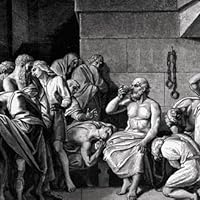
Socrates: We are discussing no small matter, but how we ought to live.
This review is mostly for who is new to the world of Ethics-by-the-book, as I am. Therefore, if you want to expand your knowledge and ethical reasoning beyond the golden rule, this book might be the best start. It is very up-to-date, very structured, not boring at all: it tries to explain philosophically the answers to many questions we have asked ourselves:
• [How] should we judge cultures that have different moral codes?
• Does morality depend on religion? What is their true relationship, anyway?
• How can you objectively define what is right and what is wrong?
• Are women different than men or not? Should we treat men and women differently?
• etc.
After starting with very interesting and modern examples to illustrate the questions above, the author goes on to analyse the proposals of the great philosophers to explain Ethics as a solution for humanity (and not only) so that the happiness of the individual is also optimised. Thus, it goes to the description, pro's and con's of:
• Ethical Egoism - do whatever is in your best interest
• Utilitarianism - do whatever promotes the best ratio of happiness over unhappiness in the world
• Kant's idea that we should find moral rules that can be followed by everybody no matter the circumstances. (E.g.: you shouldn't lie, no matter what.)
• Social Contract - do whatever is of mutual benefit to you and the society you live in as a self-interested, rational individual
All of them seem attractive at first sight, but no, none is perfect :) Actually, that is what disappoints me regarding this book - that there is no clear solution to "how we ought to live" and the moral problems described in the first chapters seem to remain unsolved, because the author tries to be politically correct. Nevertheless, the ideas of Ethics of Care (feminism) and Ethics of Virtue proposed are almost convincing.
To put it differently,the fact that the book is more a textbook than a philosophical thesis meant to convince, is the reason why I liked much, much more the first Ethics book I've read -- Ética para Amador, by Fernando Savater; this one went straight to my heart, even though it is simpler (it is a book for teenagers.) So I will promote it to 4 or 5 starts.
I thought it was alright, I liked the examples he used, I think they made it easier to contrast the theories with one another, however I could barely tolerate the bias throughout the thing. Even when I agreed with the ideas Rachels was saying I found myself put off, just because of the obvious side he would take with each theory, brushing off any counter arguments that could exist.
Also the conclusions seemed hasty to me, and they would make leaps from the premises to his point, for example: 'The argument may be summarized like this: When one person says "X is morally acceptable," and someone else says "X is morally unacceptable," they are disagreeing. However, if Simple Subjectivism were correct, there would be no disagreement between them. Therefore Simple Subjectivism cannot be correct.' (P35, Int Ed.)
I'm probably missing something, but isn't the point of that whole chapter revolving around the theory that those quotes are personal, and separate from right and wrong, based on feeling? How does he suddenly decide that they are wrong? Why is there a disagreement? Surely you can't discount a theory just because it clashes with another theory?
This book is great! It has helped me understand and recognize the way people argue when having discussions.
It is a good book to start reading if you are new to and interested in moral and ethical philosophy
I am vegan and therefore I naturally end up in discussions with people about wether or not it’s immoral to eat and use non-human animals, and this book has really helped me recognize people’s reasonings for sticking to their selfish habits, which is of great help, because I now know the counter arguments of moral philosophies when in debates.
He also explains almost everything in a way that almost everyone should be able to understand. This meant that I didn’t have to look up words or terms etc. as much as I feared I'd have to.
نحوه پرداخت به موضوعات مطرح در فلسفه ی اخلاق (در این کتاب) و صورت بندی ادعاها و استدلالات مربوطه بسیار خوب است. کتاب ترجمه بسیار خوب و روانی دارد . خوبی این کتاب برای من این بود که بسیاری از مسائلی که همیشه به صورتی آشفته و با صورت بندی ای ناواضح در پس زمینه ی ذهن م وجود داشت و گاه احساس می کردم هیچ تعریف روشن و استدلال متقنی برایش وجود ندارد رو به زیباترین شکل بیان و بررسی می کرد. در این بین فصل رابطه ی دین و اخلاق یکی از شاخص ترین ها بود. به طور کلی دید کلی مفید و خوبی در مورد فلسفه ی اخلاق و مکتب های شاخص آن ارائه می دهد.
I read this when I had a quite deep interest in philosophy and ethics - why should I or shouldn't I think or act this or that way. I hungered for some months for a book that would get me thinking correctly and logically about these kinds of issues, so I asked my philosophy teacher if he could help me find one. He immediatly recommended The Elements of Moral Philosophy, legitimating his choice by saying it's a great start-off book for those who want to think more about such important problems and make the world a better place by changing it. I was quite young (still am, but not as naive) so I got pretty excited when he told me these things. So I went out to buy the book, read it in a couple weeks, presented it to my class making them believe what I had come to believe: that I had suddenly become a more ponderate, intelligent and wise person. Although, as weeks turned to months and months turned to years, I came to realize I wasn't. Only after a long time had I come to realize that the book had barely teached me anything - of what I wanted to learn. Sure, it was a good read. And I did learn something. I learned how religion is pretty much ridiculously stupid on - at least - what comes to homossexuality: it's very easy to refute a religious argument against homossexuality. Having a special problem with religion, I did focous on refuting some of its positions, so I also learned effectively that morality should not and must not have anything to do with religion and vice-versa and am very glad I did.
There was one particular chapter of the book I didn't like: the one about subjectivism. James Rachels supports the idea that altruism is indeed possible - that people that like to do good things do not do it to feel good. This is something I can't accept. I am not a right-wing guy nor do I think people are bad and never mean good to other people (am I repeating myself?), but for me it's not conceivable that my mother stayed at home instead of working and chase her wildest dreams to take care of her kids just because she wants them to have a great and not-hard life. She also did it because she feels good about it. And that's why she keeps doing it - for her own personal pleasure. If she didn't like what she did, she wouldn't be doing it.
James Rachels did a great job introducing me to morality and to philosophical thinking - but it did not add much to what I had already learned just by going to school, and I don't think he wrote this book just thinking about people who can't go to school... Anyhow, even if not as much as I'd like to, the book presents you some interesting ideas and stimulates - again, even if not as much as I'd like to - your thinking to become more logically wise.
Excelente introducción a la filosofía moral. La crítica que hace el relativismo cultural es magistral, todos los que dicen que 'la moral es relativa' deberían leer ese capítulo. Da una muy buena introducción a los distintos sistemas éticos, con sus pros, contras e implicaciones aplicados. El único 'pero' que encuentro con este libro es que no toma la mejor versión de algunas teorías morales y refuta aquellas versiones débiles como si se redujera a esta tal modelo ético, e.g. ley natural.
such an accessible introduction to moral philosophy! could have benefitted from a bit more objectivity at times, but since the author always made sure to clearly signal when he was talking about his own opinion i won't deduct any stars for it. had an existential crisis while reading this, but then again, are you really doing philosophy if you don't have an existential crisis over it once in a while?
کتاب خیلی جذابی بود چون مفاهیم سخت فلسفی رو با مثال و نثر سادهش، واسه درک راحت میکرد، ترجمه کتاب هم خیلی شیوا و روون بود، البته بعضی قسمتای کتاب سانسور شده بود که قابل انتظاره و لطمه ای به کلیت محتوا نمیزد، نکته قابل توجه دیگه سیر روایی کتاب بودکه از مفاهیم پایه شروع میکرد و نویسنده تمام باورهای خواننده رو به چالش میکشید و نوع نگاه تازه ای رو نشون میداد و خوشبختانه پادرهوا رها نمیکرد و آخرش بحث رو میبست، باتوجه به پیچیدگیهای اخلاقی دنیای مدرن، به هر انسانی توصیه میکنم برای جلوگیری از سردرگمی تو مواجهه با مسائل دنیا، این کتابو بخونه.
Moral philosophy is something I've long been interested in despite having no formal familiarity with it. I think about the concepts and reason behind values and ethics and moral behavior often, but without any grounding in the work of the field. This seemed like a swell book to introduce me to effective and reasonable ways of thinking about the subject. I was wrong. It's not merely swell, it's outstanding.
Rachels presents the main areas of moral philosophy to have developed over time, and succinctly but informatively discusses their strengths and weaknesses. I was pleased to see how strongly moral philosophy is tied to reason and logical, critical thinking, as that's how I imagined such a subject should be approached, but wasn't sure if it was.
Each chapter is a different essay expounding on a particular issue, idea, or theory of moral philosophy, and Rachels lays everything out so coherently, with no wasted space, no needless jargon or verbiage, eloquently giving each topic the case it deserves, and (at least for me) giving awfully convincing arguments as to why, despite some theories' massive strengths, they fall short in some way. He doesn't miss a beat, and seems to give equal consideration to 'competing' ideas, how they complement one another, how they differ, where some are better than others, and how their elements can be thought about in the context of our world and cultures.
Human and animal welfare are considered. The downfalls of cultural relativity are clearly presented, along with things we can learn from an ultimately flawed but not useless framework. Subjectivism in ethics is dissected. Religion's authority (or lack thereof) on morality is established. I was surprised to be able to anticipate the reasons for some of the conclusions about each of these issues, and pleased that nothing seemed unreasonable or beyond the scope of rationality.
And then the four leading theories of moral philosophy were presented, all attractive in their own ways, and some initially appearing to me to be rather sufficient. To be clear, the reason they are or were leading (or at least taken very seriously) is because to some degree they *are* sufficient, but not in all areas, and they are not universal or complete. Rachels presents sound reasoning in laying out the weaknesses of each, some of which I'd anticipated, others which were eye opening and enlightening, giving a glimpse of the kind of critical thinking necessary in this field. It was absolutely invigorating to read, to reflect on, to spend time pondering over and over, and engaging with. The social contract, for example, provides the most flawless justification for civil disobedience that may exist, and other theories provide similarly powerful forms of analysis of other issues. I was surprised at how weak Kant's theory on morality was, despite it having some obvious good points.
What strikes me as most odd is that philosophy seems to reject theories if they are even partially wrong, instead of keeping the parts that are right and combining them with parts of other theories that are right. It's as though a grand unifying theory of moral philosophy is being sought, and anything less than perfect is rejected. Each of the theories detailed here have strong points that I think are valuable to anyone, despite their disagreeable qualities that do clearly need to be modified or ignored.
Toward the end, as he lays out a concept of how we could achieve a satisfactory moral theory, Rachels presents a highly reasoned argument for treating people as they deserve, based on merit and deserts, which seems to fit perfectly into multiple theories and brings about more desirable conditions for society. He has no audacity to assume he will be able to formalize a perfect moral theory, but he has given an invaluable overview of the topic, and more importantly, shows one how to think about it. If you're looking to philosophy to get your proverbial fish, don't waste your time. This book, like good philosophy, is your proverbial fishing lesson.
This is amazing. This eyeopening masterpiece really gets me question about so many things in life, value, beliefs, and social structure. Very powerful indeed.
One of the most memorable quotes is from the Theory of Natural Law. "If God forbids certain behaviors, is it because S/he knows what is right or is it because S/he is God"? And "it is irrational to think that your culture is the best because all cultures are true-at least within their own society".
More quotes and life lessons. I do not read much non-fiction. But this book is so worth it!!!
"And in ethics we should often expect people not to listen to reason: After all, ethics often requires us to do things we don't want to do, so it is only to be expected that sometimes we try to avoid hearing its demands."
This work serves as a good starting point to dive into the vast realms of moral philosophy. I believe the well structured approach and the simply put formulations of the popular moral theories do provide solid ground to build upon. It claims to be introductory and that is exactly what it is.
I won't say that Rachels was entirely unbiased throughout though. I felt like some of the theories (like The Divine Command) were not given their proper due and some theories on the other hand were spared from a formidable criticism.
INSUFFERABLY neoliberal and American. Bill Gates and other billionaires' charity as an example of altruism, Tiananmen square as the ultimate example of state oppression, Soviet union as the evil force that murdered Wallenberg, USA as rather justified in using an atomic bomb, and of course it's always about if we should feed the hungry children in Africa -never about the cause they are starving in the first place ;)
اخلاق در معنایی حداقلی عبارت است از تلاش برای قراردادن رفتار خود تحت هدایت عقل یعنی کاری را انجام دهیم که مناسب ترین دلایل برای آن وجود داد..... این کتاب با مبنا قرار دادن این تعریف از اخلاق می کوشد ما را به درکی نظام مند از ماهیت اخلاق و آنچه اخلاق از ما می طلبد برساند ------------------------- دو واحد اخلاق اسلامی در ترم تابستانی داشتم خوشبختانه استاد جوان و خوش ذوقی داشتیم و به من این فرستاد را داد که در کلاس با معرفی کتاب ها و تئوری های علم و فلسفه اخلاق و اخلاق مدرن را معرفی کنم و عملا کتاب معرفی شده به عنوان اخلاق اسلامی را به چالش بکشم و تجربه خوبی به ویژه با دانشجویان کلاس داشتم به تدریج کتاب هائی را برای این کار خواندم یا ورق زدم و باعث شد که کتابخانه ام چند کتاب اخلاق هم داشته باشد معرفی می کنم
Brilliant, clear, concise- a very well-reasoned, immersive explanation and guide for morality that covers the basic history of ethics, the roots of morality, the varying schools of thought, religion and its impact, and analyzes everything in a remarkably limpid manner.
This is a clear, logical, no-nonsense overview of the main ethical frameworks philosophers have been able to come up with. If the way one speaks tells us something about the content of what they are saying, you should already be able to guess Rachels’s own philosophical background. Is it comprehensive? Well, it depends. Rachels doesn’t give us a history of ethics, or an introduction to the philosophers who have developed such theories. Rather, what he does is to boil down every theoretical system to its rawest, most logical form and see whether it works or not. Is it biased? I’m sure many think it is, but even they would admit that Rachels gives the reader plenty of opportunities to disagree with him and judge the theories for themselves. Overall, I think this can be a valuable book for students and lay people alike. But, be warned. It’s not your typical textbook. There are neither diagrams, nor pictures in it, and Rachels’s colloquial tone may not be what you are looking for.
What you get:
- what is morality? - The challenge of cultural relativism - subjectivism in ethics - Does morality depend on religion? - psychological egoism - ethical egoism - The utilitarian approach - The debate over utilitarianism - Are there absolute moral rules? - Kant and respect for persons - The idea of social contract - Feminism and the ethics of care - The ethics of virtue - what would a satisfactory moral theory be like?
##I'm only about half-way through the book and have not finished it. Therefore my review will be incomplete but I will update the review as I go on##
TLDR: Since this book is called The "Elements" of Moral Philosophy, thus emphasizing the foundation, my review must acknowledge that it will not be too in-depth. As a survey I give it 4 stars. However if you already know the general moral philosophical theories, this would not be a great book for you.
This book is a good book to use as an introduction into moral philosophy as it is supplemented with entertaining real life problems and is fairly simple. Also the sections are self-contained and can be viewed independent of whether you have read the previous parts. That is especially helpful for a beginner who is lacking in a specific aspect of moral philosophy.
I found the section on Psychological Egoism to be severely lacking. This is especially unfortunate for me as some one who is inclined to believe it but who realizes that it would make the goal of studying morality moot. In specific, James states that he understands that the psychological egoist will say the goal of altruism is an illusion to some ulterior motive, but in order to oppose this James gives superficial accounts of why the reasons aren't for some ulterior self-interested motive.
Secondly, in the section on Classical Utilitarianism he states that Utilitarian's don't base their theory on Hedonism because we value things other than pleasure. However I do not believe he adequately shows that we value things like friendship for themselves and not for the pleasure it brings.
In sum, James Rachels does a good job at stating some main concepts in moral philosophy but doesn't always do justice to the theories and their opposing arguments when he states oppositions without properly elaborating. This review may sound unfairly negative of James, however I'm really not that disappointed in the book. Even though he doesn't always do the best job in describing opposing points, he still does a decent job. For the length of the book, you can't expect much more...
As a side note, James annoyingly contradicts himself when he places too much emphasis on whether or not a theory fits the common-sense conception of morality or if it is practices widely today. This is contradicting because he states early in the book that just because someone has a belief doesn't make it true (clearly). For example, during his discussion of Utilitarianism he states that it places unrealistic expectations because one normally isn't required to be so benevolent to give away everything. However this has no relation to whether or not the theory is correct. He does mention this criticism as a possible response to the objections in that case, but the fact that he "plays the part" in the rest of the text without clarification is still annoying.
A precise and well-written introductory text for those who want to start exploring moral philosophy. Major ethical approaches like Egoism, Utilitarianism, Virtue Ethics, Social Contract and Kantian ethics were clearly explained with arguments both in favor and against these approaches.
Nonetheless, just like with every introductory book, it tempts you to start drawing conclusions. Don't fall for it. This is meant to be only the starting point without much profundity. Read this book and then move on to more in-depth specialized texts on Ethics and Moral Philosophy.
این کتاب چندین ادیشن داره. نویسنده هر چند وقت یکبار آپدیتش میکنه. ترجمهای که ازش وجود داره مال ادیشن سال ۱۹۹۸ـه. من قسمتهایی رو زبان اصلی خوندم از ادیشن ۲۰۲۰ که بهمراتب تکمیلتر بود. مباحث مطرحشده در کتاب بهترتیب: تعریف اخلاق، نسبیگرایی فرهنگی، ذهنیگرایی اخلاقی، اخلاق و دین، خودگرایی روانشناختی، خودگرایی اخلاقی، عاطفهگرایی، فایدهگرایی، وظیفهگرایی، قراداد اجتماعی، اخلاق فضیلتمحور و در نهایت ایدۀ خودش از یک نظریۀ اخلاقی رضایتبخش. سه زیاده البته. جدیداً دستم به زیاد میره. =))