What do you think?
Rate this book


307 pages, Paperback
First published August 2, 2022
Johnny and his exploits were completely unknown to me — and also to everyone to whom I subsequently mentioned him. I was riveted by the sepia print of a confident little Australian kid wearing a winner's sash and red athletic shorts and leaning nonchalantly on a milestone on a winding dirt road in the English countryside. (p.302)
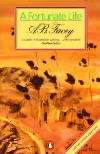 The first part of the novel brings Johnny's childhood to life, and while this is a book intended to entertain, there are aspects of this childhood that will give a reader pause. We have, sadly, been made only too well aware of historical institutional abuse and exploitation of indigenous and parentless children; and while A.B. Facey's autobiography
A Fortunate Life,
by A.B. Facey (1894-1982) covers a period some decades later than Drewe's novel, it gives a vivid picture of a childhood of neglect and exploitation that was commonplace for children of the working class. Drewe's novel, while not labouring the point, also illuminates the pitilessness of 19th century life for the children of feckless parents.