

What do you think?

Peter Pan #1-2
Peter Pan & Peter Pan in Kensington Gardens
Peter Pan & Peter Pan in Kensington Gardens (Paper Mill Press Classics)
269 pages, Leather Bound
First published December 1, 2005
About the author
J.M. Barrie
2,395 books2,257 followersJames Matthew Barrie was a Scottish novelist and playwright, best remembered as the creator of Peter Pan. He was born and educated in Scotland and then moved to London, where he wrote several successful novels and plays.
The son of a weaver, Barrie studied at the University of Edinburgh. He took up journalism for a newspaper in Nottingham and contributed to various London journals before moving there in 1885. His early Auld Licht Idylls (1889) and A Window in Thrums (1889) contain fictional sketches of Scottish life representative of the Kailyard school. The publication of The Little Minister (1891) established his reputation as a novelist. During the next decade, Barrie continued to write novels, but gradually, his interest turned towards the theatre.
In London, he met Llewelyn Davies, who inspired him about magical adventures of a baby boy in gardens of Kensington, included in The Little White Bird, then to a "fairy play" about this ageless adventures of an ordinary girl, named Wendy, in the setting of Neverland. People credited this best-known play with popularizing Wendy, the previously very unpopular name, and quickly overshadowed his previous, and he continued successfully.
Following the deaths of their parents, Barrie unofficially adopted the boys. He gave the rights to great Ormond street hospital, which continues to benefit.
The son of a weaver, Barrie studied at the University of Edinburgh. He took up journalism for a newspaper in Nottingham and contributed to various London journals before moving there in 1885. His early Auld Licht Idylls (1889) and A Window in Thrums (1889) contain fictional sketches of Scottish life representative of the Kailyard school. The publication of The Little Minister (1891) established his reputation as a novelist. During the next decade, Barrie continued to write novels, but gradually, his interest turned towards the theatre.
In London, he met Llewelyn Davies, who inspired him about magical adventures of a baby boy in gardens of Kensington, included in The Little White Bird, then to a "fairy play" about this ageless adventures of an ordinary girl, named Wendy, in the setting of Neverland. People credited this best-known play with popularizing Wendy, the previously very unpopular name, and quickly overshadowed his previous, and he continued successfully.
Following the deaths of their parents, Barrie unofficially adopted the boys. He gave the rights to great Ormond street hospital, which continues to benefit.
Ratings & Reviews
Friends & Following
Create a free account to discover what your friends think of this book!
Community Reviews
Displaying 1 - 30 of 307 reviews

July 23, 2017
3.5 stars!
My copy is split into the two stories, Peter Pan in Kensington Gardens and Peter and Wendy, and they are so different!
Peter Pan in Kensington Gardens.
"The moment you doubt whether you can fly, you cease forever to be able to do it. The reason birds can fly and we can't is simply that they have perfect faith, for to have faith is to have wings."
This story focuses on the origin of Peter Pan. A young child of only 7 days falls out of his pram and lives with the birds and the fairies in Kensington Gardens. This is a sweet story of how he grows accustomed to life in the gardens and as he takes on the task of burying young children who also fall out of their prams and fail to survive the night. Certainly a slightly darker tale than I expected.
Peter and Wendy
"Keep back, lady, no one is going to catch me and make me a man."
Peter and Wendy is more the story we are all accustomed to with all the recognisable characters including Captain Hook, Tinkerbell and the Lost Boys.
The Peter Pan from this story is quite a jump from the Peter in Kensington Gardens. He is older, and has relocated to the Neverlands
The characters aren't as nice and squeaky clean as Disney leads us to believe. They are harsh and real, which makes them sometimes difficult to like.
I enjoyed these two stories, I love to experience the books where classic characters originate and to see how they have been adapted and grown in different interpretations as time as passed.
Peter Pan is an iconic character, the boy who never grew up will live on in all childhoods, it's a privilege to have experienced J M Barrie's world as he originally created it.
"To die would be an awfully big adventure."
My copy is split into the two stories, Peter Pan in Kensington Gardens and Peter and Wendy, and they are so different!
Peter Pan in Kensington Gardens.
"The moment you doubt whether you can fly, you cease forever to be able to do it. The reason birds can fly and we can't is simply that they have perfect faith, for to have faith is to have wings."
This story focuses on the origin of Peter Pan. A young child of only 7 days falls out of his pram and lives with the birds and the fairies in Kensington Gardens. This is a sweet story of how he grows accustomed to life in the gardens and as he takes on the task of burying young children who also fall out of their prams and fail to survive the night. Certainly a slightly darker tale than I expected.
Peter and Wendy
"Keep back, lady, no one is going to catch me and make me a man."
Peter and Wendy is more the story we are all accustomed to with all the recognisable characters including Captain Hook, Tinkerbell and the Lost Boys.
The Peter Pan from this story is quite a jump from the Peter in Kensington Gardens. He is older, and has relocated to the Neverlands
The characters aren't as nice and squeaky clean as Disney leads us to believe. They are harsh and real, which makes them sometimes difficult to like.
I enjoyed these two stories, I love to experience the books where classic characters originate and to see how they have been adapted and grown in different interpretations as time as passed.
Peter Pan is an iconic character, the boy who never grew up will live on in all childhoods, it's a privilege to have experienced J M Barrie's world as he originally created it.
"To die would be an awfully big adventure."

July 25, 2021
Me ha gustado bastante más Peter and Wendy que Peter en Pan en Kensington Gardens.
Me ha parecido mágico, pero a la vez bastante humano.
Se parece mucho a las películas, pero a la vez estás no captan la personalidad y la esencia de estos libros.
Lo que más me ga gustado es ese mundo de las hadas, que me han transportado a Escocia.
Sin duda, lo volveré a leer en el futuro.
Me ha parecido mágico, pero a la vez bastante humano.
Se parece mucho a las películas, pero a la vez estás no captan la personalidad y la esencia de estos libros.
Lo que más me ga gustado es ese mundo de las hadas, que me han transportado a Escocia.
Sin duda, lo volveré a leer en el futuro.

April 1, 2023
5* for Peter Pan and 3.5* for Peter Pan in Kensington Gardens.
This is a review for Peter Pan in Kensington Gardens.
I read Peter Pan last December and loved it so much that when I found a copy in a secondhand store I grabbed it. I hadn’t realized when I had bought my copy that there was a second book included in the bind up so after such a positive experience with Peter Pan I was interested to see how I’d get along with the next book. Initially I was not engaged and was finding it rather dull but it did pick up towards the last chapters when Peter befriends Maimie. Gives an interesting backstory to Peter and certainly gives him more compassion and less ruthlessness. He seems more of a lost little boy rather than the selfish little savage he becomes in Peter Pan. Interesting perspective of Victorian England’s social and moral povs. Loved the art.
This is a review for Peter Pan in Kensington Gardens.
I read Peter Pan last December and loved it so much that when I found a copy in a secondhand store I grabbed it. I hadn’t realized when I had bought my copy that there was a second book included in the bind up so after such a positive experience with Peter Pan I was interested to see how I’d get along with the next book. Initially I was not engaged and was finding it rather dull but it did pick up towards the last chapters when Peter befriends Maimie. Gives an interesting backstory to Peter and certainly gives him more compassion and less ruthlessness. He seems more of a lost little boy rather than the selfish little savage he becomes in Peter Pan. Interesting perspective of Victorian England’s social and moral povs. Loved the art.

September 8, 2014
"To die would be an awfully big adventure."
Peter Pan is one of these stories that means a lot to me, meant a lot to me and always will mean a lot to me. It's the story my dad read to me about a billion times for a bedtime story, the sequel of the Disney movie was my first ever movie I saw in a cinema.
And my dad always says that it was so important to him because it's a story for children and their parents, with so many layers. And now I'm 16 and a little closer to 'adulthood' than I was than when he read the story to me, I guess I see what he means.
It's a story about children, reveling in life and going on adventures. There is no bigger adventure than life: it's our adventure, we should go out and live it.
It's a story about a boy who is young and proud of it, but secretly longs for someone to take of him. It's a story of a man who is so afraid of death: ever since it took his hand, he hears it coming with every step he takes.
It's a story about mermaids, pirates, indians and fairies (I do believe in them and so should you!).
And it reminds me of joy and being happy; of living life to the full; of doing weird things that make you smile. Because people don't care, you can only make them smile.
This story is also my personal reminder that I should remain joyful and imaginative my whole life, never to lose that, something that's quite important to me as an aspiring writer.
I am beyond glad I read the original story as it was written down by J.M. Barrie himself, including the story Peter Pan in Kensington Gardens, which I also thoroughly enjoyed. I really want to visit it now.
"To live would be an awfully big adventure."
All the stars
Peter Pan is one of these stories that means a lot to me, meant a lot to me and always will mean a lot to me. It's the story my dad read to me about a billion times for a bedtime story, the sequel of the Disney movie was my first ever movie I saw in a cinema.
And my dad always says that it was so important to him because it's a story for children and their parents, with so many layers. And now I'm 16 and a little closer to 'adulthood' than I was than when he read the story to me, I guess I see what he means.
It's a story about children, reveling in life and going on adventures. There is no bigger adventure than life: it's our adventure, we should go out and live it.
It's a story about a boy who is young and proud of it, but secretly longs for someone to take of him. It's a story of a man who is so afraid of death: ever since it took his hand, he hears it coming with every step he takes.
It's a story about mermaids, pirates, indians and fairies (I do believe in them and so should you!).
And it reminds me of joy and being happy; of living life to the full; of doing weird things that make you smile. Because people don't care, you can only make them smile.
This story is also my personal reminder that I should remain joyful and imaginative my whole life, never to lose that, something that's quite important to me as an aspiring writer.
I am beyond glad I read the original story as it was written down by J.M. Barrie himself, including the story Peter Pan in Kensington Gardens, which I also thoroughly enjoyed. I really want to visit it now.
"To live would be an awfully big adventure."
All the stars

August 18, 2017
Peter Pan was AWFUL. Gave it 1⭐ But I rather enjoyed Peter Pan In Kensington Gardens (3⭐). So, overall 2⭐

May 12, 2012
Oh that was marvelous. Where to start? I've been familiar with the story of Peter Pan for most of my life. As so many of you, I grew up with the Disney film. I must admit that it wasn't one of my favourites, but I remember the mermaid-scene vividly. The film and novel aren't that different from one another plot-wise( as far as I remember. Cut me some slack on this one, it's been at least 10 years since I've last seen Peter Pan ), but what struck me most about the novel is how vastly different the mood of the original novel is in comparison to the film. The film always struck me as whimsical, while the entire feel of the novel is a lot darker.
Perhaps darker isn't the right word, I've heard the term 'bittersweet' to describe Peter Pan, and I suppose that comes closest to it. Neverland is a very dark place, it is a place of dreams, where everything is possible. And I suppose, much like our dreams, not everything is fun and games. Neverland and its inhabitants are much the same. The adventures Peter and the Lost Boys have are rousing, but the pirates, redskins and Lost boys will all kill each other without batting an eyelid. Peter Pan, besides being an amazing child, is also selfish and cocky, perhaps even a bit tyrannical. But he's also sweet and will do the right thing in the end.
I'm amazed at the emotional depth of the novel. I've never felt so sorry for every character in a novel in my life, and this is supposed to be written for children. The last chapter especially is beautiful. My heart cries for Peter and Wendy. Peter Pan is true to life in teaching us that we can never have everything our heart desires. Peter can never have a mother, but the children who decided to grow up can never have his carefree life. Gosh, I'm speechless, this was just gorgeous. The language is beautiful, the characters are beautiful and the story is beautiful.
I would recommend this to everyone. If I ever have children ( that's a very big 'if', by the way ), I will be reading this to them, just like 'the Hobbit'.
Perhaps darker isn't the right word, I've heard the term 'bittersweet' to describe Peter Pan, and I suppose that comes closest to it. Neverland is a very dark place, it is a place of dreams, where everything is possible. And I suppose, much like our dreams, not everything is fun and games. Neverland and its inhabitants are much the same. The adventures Peter and the Lost Boys have are rousing, but the pirates, redskins and Lost boys will all kill each other without batting an eyelid. Peter Pan, besides being an amazing child, is also selfish and cocky, perhaps even a bit tyrannical. But he's also sweet and will do the right thing in the end.
I'm amazed at the emotional depth of the novel. I've never felt so sorry for every character in a novel in my life, and this is supposed to be written for children. The last chapter especially is beautiful. My heart cries for Peter and Wendy. Peter Pan is true to life in teaching us that we can never have everything our heart desires. Peter can never have a mother, but the children who decided to grow up can never have his carefree life. Gosh, I'm speechless, this was just gorgeous. The language is beautiful, the characters are beautiful and the story is beautiful.
I would recommend this to everyone. If I ever have children ( that's a very big 'if', by the way ), I will be reading this to them, just like 'the Hobbit'.

October 26, 2012
2 stars for the last 1/3 of the book, no stars for the first 2/3.
I think I would have liked this book more if I had skipped the introduction. I may have ended up seeing things that weren't really there. After reading the intro, I saw this book as nothing more then Barrie writing this story to get over mommy issues.
I honestly found nothing likeable about Peter. He was a sadistic bully who found joy in murdering anyone he felt like. We're told while Peter is away, Neverland is a happy place. Everyone keeps to their selves and there is no fighting.
In his absrnce things are usually quiet on the island. The fairies take an hour longer in the morning, the beast attend their young, the redskins feed heavily for six days and nights, and when the pirates and lost boys meet they merely bite their thumbs at each other
As soon as he gets close to Neverland, all hell breaks lose.
But with the coming of Peter, who hates lethargy, they are all underway again
I just don't understand why all the inhabitants worship him.
Wendy was too perfect to be believable. If she had had even one or two small flaws, I think I would have liked her more. The Darling boys didn't really add anything to the story or make much of an impression. They only thing that stands out was a scene with Michael towards the end.
"Let me see father." Michael begged eagerly, and he took a good look. "He is not so big as the pirate I killed" he said with such frank disappointment that I am glad Mr. Darling was asleep
This really took me by surprise. I know they did crazy things in Neverland, but assumed it was something in the water that made everyone believe these horrible acts were ok. But for this kind of thinking to be in the real world shocked me.
I hated the narrator. I believe a narrator should pop in here and there as needed. They should play the role of a minor character at best. I'm pretty sure this narrator probably had more page time then Peter. I found him over opinionated and condescending.
Surprisingly, Hook was the only character I really liked. He was the only one who was flawed enough to come off as somewhat believable. He was the only one in all of Neverland that actually had something to be upset about.
I have loved every movie and stage show version I've ever seen of Peter Pan. I was expecting the fun little care free boy I see in those. I'm hoping this book hasn't ruined future movie versions for me
I think I would have liked this book more if I had skipped the introduction. I may have ended up seeing things that weren't really there. After reading the intro, I saw this book as nothing more then Barrie writing this story to get over mommy issues.
I honestly found nothing likeable about Peter. He was a sadistic bully who found joy in murdering anyone he felt like. We're told while Peter is away, Neverland is a happy place. Everyone keeps to their selves and there is no fighting.
In his absrnce things are usually quiet on the island. The fairies take an hour longer in the morning, the beast attend their young, the redskins feed heavily for six days and nights, and when the pirates and lost boys meet they merely bite their thumbs at each other
As soon as he gets close to Neverland, all hell breaks lose.
But with the coming of Peter, who hates lethargy, they are all underway again
I just don't understand why all the inhabitants worship him.
Wendy was too perfect to be believable. If she had had even one or two small flaws, I think I would have liked her more. The Darling boys didn't really add anything to the story or make much of an impression. They only thing that stands out was a scene with Michael towards the end.
"Let me see father." Michael begged eagerly, and he took a good look. "He is not so big as the pirate I killed" he said with such frank disappointment that I am glad Mr. Darling was asleep
This really took me by surprise. I know they did crazy things in Neverland, but assumed it was something in the water that made everyone believe these horrible acts were ok. But for this kind of thinking to be in the real world shocked me.
I hated the narrator. I believe a narrator should pop in here and there as needed. They should play the role of a minor character at best. I'm pretty sure this narrator probably had more page time then Peter. I found him over opinionated and condescending.
Surprisingly, Hook was the only character I really liked. He was the only one who was flawed enough to come off as somewhat believable. He was the only one in all of Neverland that actually had something to be upset about.
I have loved every movie and stage show version I've ever seen of Peter Pan. I was expecting the fun little care free boy I see in those. I'm hoping this book hasn't ruined future movie versions for me
July 16, 2007
Like the best children's books, especially children's fantasies (meant in its most expansive definition), much darker and thornier than the versions everyone remembers. The novel is even a couple steps darker and more poignant than the play, with a would-be murderous Tinker Bell (two words, okay?!), Wendy getting seriously confused over whether she's a child or adult, the constant description of youth as "gay, innocent and heartless", the mass death of most of the Indians, and the incredible callousness of Peter as time starts to pass. Barrie knew that the passage into adulthood was necessarily tragic -- but not doing so would be heartbreaking in its own right -- and he didn't downplay that for one second.
Not to say this is unremittingly dark; it's constantly witty and the narrator is friendly, sometimes the consequences you expect are hilariously smaller and more like pretend-play than you might have been waiting for, and there's some great parody of other "Boys' Books" material in there.
If anything, though, it's an amazing companion to The Neverending Story: a really cool look at the way imagination works on the mechanical level, and why we should bother, and what about it we should keep an eye on. And in the meantime giving us characters we can hope and fear and cry for.
Not to say this is unremittingly dark; it's constantly witty and the narrator is friendly, sometimes the consequences you expect are hilariously smaller and more like pretend-play than you might have been waiting for, and there's some great parody of other "Boys' Books" material in there.
If anything, though, it's an amazing companion to The Neverending Story: a really cool look at the way imagination works on the mechanical level, and why we should bother, and what about it we should keep an eye on. And in the meantime giving us characters we can hope and fear and cry for.
March 24, 2023
the lack of captain hook content felt personal

August 29, 2015
Reading this, you can easily tell it is meant to be read aloud. The flow of the words, the pacing, and even the narrator's little asides all lend themselves beautifully to being read aloud. And J. M. Barrie's tale of a timeless boy is a timeless tale for all to read and enjoy.
Like many, I was first familiar with Peter Pan through the Disney adaptation. While good in its own right, the book has so much more depth and so many more layers to Peter Pan and the Neverland than Disney was able to touch on. Despite the whimsicality of Peter and his adventures, there are some dark undercurrents too, like references to the thinning out of the Lost Boys. It is innocence and gaiety wrapped up prettily with a bow which shimmers at one angle and absorbs light in another angle.
This was the first time I had read Peter Pan in Kensington Gardens, and I thoroughly enjoyed learning about Peter's origins and how he came to be the boy we know from Peter Pan and Wendy's story. We had inklings of what happened from their story, but there is really so much more to Peter than just he flew away from home for so long that when he finally went back his mother had another child and the window was barred instead of open.
Between both stories, the narrator occasionally makes a moral remark regarding the behavior of children or of mothers, or others. But then he would also say such things as, "There is almost nothing that has such a keen sense of fun as a fallen leaf." (page 187)
"Every living thing was shunning him. Poor little Peter Pan! he sat down and cried, and even then he did not know that, for a bird, he was sitting on his wrong part. It is a blessing that he did not know, for otherwise he would have lost faith in his power to fly, and the moment you doubt whether you can fly, you cease for ever to be able to do it. The reason birds can fly and we can't is simply that they have perfect faith, for to have faith is to have wings." (page 203)
Unless, of course, you have faith, trust, and pixie dust - and as long as children are gay and innocent and heartless.
Like many, I was first familiar with Peter Pan through the Disney adaptation. While good in its own right, the book has so much more depth and so many more layers to Peter Pan and the Neverland than Disney was able to touch on. Despite the whimsicality of Peter and his adventures, there are some dark undercurrents too, like references to the thinning out of the Lost Boys. It is innocence and gaiety wrapped up prettily with a bow which shimmers at one angle and absorbs light in another angle.
This was the first time I had read Peter Pan in Kensington Gardens, and I thoroughly enjoyed learning about Peter's origins and how he came to be the boy we know from Peter Pan and Wendy's story. We had inklings of what happened from their story, but there is really so much more to Peter than just he flew away from home for so long that when he finally went back his mother had another child and the window was barred instead of open.
Between both stories, the narrator occasionally makes a moral remark regarding the behavior of children or of mothers, or others. But then he would also say such things as, "There is almost nothing that has such a keen sense of fun as a fallen leaf." (page 187)
"Every living thing was shunning him. Poor little Peter Pan! he sat down and cried, and even then he did not know that, for a bird, he was sitting on his wrong part. It is a blessing that he did not know, for otherwise he would have lost faith in his power to fly, and the moment you doubt whether you can fly, you cease for ever to be able to do it. The reason birds can fly and we can't is simply that they have perfect faith, for to have faith is to have wings." (page 203)
Unless, of course, you have faith, trust, and pixie dust - and as long as children are gay and innocent and heartless.

August 31, 2023
If I could give my second read-through, in the spirit of the whimsy of the book, EVEN MORE FIVE STARS, I would. This book is psychologically astute for adults and delightful for kids. Everyone from my nine-year-old to my six-year-old to me LOVED it. We giggled throughout its pages at its antics, and several catchphrases, especially "I complain of _____!" have become household sayings. It's spawned many good discussions about what kids are good at, what grown-ups are good at, why kids don't want to grow up, why they like to PRETEND to do grown-up things even though they don't want to GROW up, and (in a discussion soon to come) is it a bigger tragedy to grow up and lose all your fun kid ways, or never to grow up at all? Discussions like these give me serious chills. The fact that this book has captured their imaginations enough to want to have these discussions gives me serious THRILLS. And with some Jacques Lacan in the back of my mind, the novel rises from thought-provoking to quite profound.
This is the book that has opened my kids' eyes to the fact that books can be about them even while not being about them. After we were done, my nine-year-old soberly said, "I think one of the themes of this book is that children need mothers." It's also been a great book for ME, giving me helpful verbiage to interpret my kids for myself and to themselves. I think about Barrie's opposition of levity vs. gravity, "heartless" vs. thoughtful, quite a lot every day. In the end, Peter Pan gives me more sympathy and understanding that my kids are kids, and growing up is kind of scary, and I want to be a careful mother (kids need mothers!) to help them enjoy being kids but grow up with hope and strength.
This is the book that has opened my kids' eyes to the fact that books can be about them even while not being about them. After we were done, my nine-year-old soberly said, "I think one of the themes of this book is that children need mothers." It's also been a great book for ME, giving me helpful verbiage to interpret my kids for myself and to themselves. I think about Barrie's opposition of levity vs. gravity, "heartless" vs. thoughtful, quite a lot every day. In the end, Peter Pan gives me more sympathy and understanding that my kids are kids, and growing up is kind of scary, and I want to be a careful mother (kids need mothers!) to help them enjoy being kids but grow up with hope and strength.

September 16, 2011
1906 - 1911 -
I read this a while back and somehow forgot to write anything whatever about it, or mark it as read, or anything. I remember liking it; it was fairly dark, moved fast. Can't remember if I thought there were weird sexual undertones or was surprised to find there weren't.
Humph. I hate when I don't document properly.
I read this a while back and somehow forgot to write anything whatever about it, or mark it as read, or anything. I remember liking it; it was fairly dark, moved fast. Can't remember if I thought there were weird sexual undertones or was surprised to find there weren't.
Humph. I hate when I don't document properly.

August 16, 2026
I went into Peter Pan expecting something much closer to the Disney adaptation, so I was pretty surprised by how different the original story, and especially Peter himself, turned out to be.
Disney's Peter aways felt carefree, mischievous, and fun to me, but Barrie's Peter is much more selfish, careless, and even cruel at times. I kept wondering why he was the leader of the Lost Boys when he seemed to cause so many of their problems. Neverland sometimes seemed better while he was away.
That said, there were still some genuinely fun moments, and I appreciated the themes about growing up, imagination, and the bittersweet emotions of leaving childhood behind. I just found myself struggling to connect with the story because I didn't particularly like its main character.
Overall, this was an okay read for me. I'm glad I finally read the original, especially because Peter Pan is such an iconic character and story, but I was definitely surprised by how dark and strange it could be at times for a children's story.
Disney's Peter aways felt carefree, mischievous, and fun to me, but Barrie's Peter is much more selfish, careless, and even cruel at times. I kept wondering why he was the leader of the Lost Boys when he seemed to cause so many of their problems. Neverland sometimes seemed better while he was away.
That said, there were still some genuinely fun moments, and I appreciated the themes about growing up, imagination, and the bittersweet emotions of leaving childhood behind. I just found myself struggling to connect with the story because I didn't particularly like its main character.
Overall, this was an okay read for me. I'm glad I finally read the original, especially because Peter Pan is such an iconic character and story, but I was definitely surprised by how dark and strange it could be at times for a children's story.
July 14, 2026
Wendy’s a joanah and I’m glad the narrator agrees the kids need a good hiding. Could’ve done without knowing about the fairy orgies however

March 19, 2016
Peter Pan is a figure I think we all remember thanks to the Disney movies about him. Most of us will also know that it is based on a book by J.M. Barrie. Based but certainly not the same. While the main idea is the same, Peter Pan and the others are a bit different.
While Peter Pan and the other story in the book I read, Peter Pan in Kensington Gardens, were quite short, it did not feel like it at all. In fact especially the starts of both stories felt incredibly drawn out by longwinded descriptions of for instance of Kensington Gardens or of the children’s parents.
From there on the writing style continued to be dry. There was nothing really vibrant about the text. Some of the ideas also pushed it a little. I remember Nanna the dog from the movie. I didn’t realize that this nanny dog would be spoken to as if she was a human though. It was a bit ridiculous. I can appreciate the creativity though that went into Neverland. And while that was certainly the most exciting part, the characters fell flat on me. They were all stereotypical and I kind of missed the deepening of their characters with the exception of Peter himself. But he was not all that likeable.
All in all I am still glad I read it. Knowing the original source from a story we all know well is important I feel.
While Peter Pan and the other story in the book I read, Peter Pan in Kensington Gardens, were quite short, it did not feel like it at all. In fact especially the starts of both stories felt incredibly drawn out by longwinded descriptions of for instance of Kensington Gardens or of the children’s parents.
From there on the writing style continued to be dry. There was nothing really vibrant about the text. Some of the ideas also pushed it a little. I remember Nanna the dog from the movie. I didn’t realize that this nanny dog would be spoken to as if she was a human though. It was a bit ridiculous. I can appreciate the creativity though that went into Neverland. And while that was certainly the most exciting part, the characters fell flat on me. They were all stereotypical and I kind of missed the deepening of their characters with the exception of Peter himself. But he was not all that likeable.
All in all I am still glad I read it. Knowing the original source from a story we all know well is important I feel.
June 3, 2024
I have read only Peter Pan. Peter Pan in Kensington Gardens read too childish to transcend the boundaries of age groups. So I eschewed reading it any further: I have some more delightful as well as significant reading materials left untouched.
Peter Pan, on the contrary, can be regarded as a juvenile novel. The cover page doesn't fully reflect the rather mature content inside, neither the illustrations inside. The scene I liked most is the one where Tink burst out into weeping when she sees Wendy alive after a failed conspiracy. How sweet it sounded!
There are lines that I loved as 'She looked out, and the night was peppered with stars.' 'Stars are beautiful, but they may not take an active part in anything, they must just look on for ever.'
Or while Nana stopped barking, '[I]t was her silence they had heard.' Or when Peter went out in quest for Hook, '[H]e was frightfully happy.'
Hook is pretty much a nonlinear character. In the delicate minds of his young readers, Barrie could probably well inculcate the coexistence of black, white and grey in a personality.
It was rewarding to read the original and unabridged Peter Pan in stead of watching or reading its any form of adaptation. Filmmakers or comic artists shouldn't venture into any adaptation unless they are cocksure of retaining equal ambience and quality.
Peter Pan, on the contrary, can be regarded as a juvenile novel. The cover page doesn't fully reflect the rather mature content inside, neither the illustrations inside. The scene I liked most is the one where Tink burst out into weeping when she sees Wendy alive after a failed conspiracy. How sweet it sounded!
There are lines that I loved as 'She looked out, and the night was peppered with stars.' 'Stars are beautiful, but they may not take an active part in anything, they must just look on for ever.'
Or while Nana stopped barking, '[I]t was her silence they had heard.' Or when Peter went out in quest for Hook, '[H]e was frightfully happy.'
Hook is pretty much a nonlinear character. In the delicate minds of his young readers, Barrie could probably well inculcate the coexistence of black, white and grey in a personality.
It was rewarding to read the original and unabridged Peter Pan in stead of watching or reading its any form of adaptation. Filmmakers or comic artists shouldn't venture into any adaptation unless they are cocksure of retaining equal ambience and quality.

March 28, 2016
The Disney film was a hallmark of my childhood so I was excited to read the book. Although it wasn't what I expected, the snippets of charm and humour certainly served to delight me. I was particularly fond of Mr. Darling and his sensible silliness.
However there were also unexpected snippets of darkness. Although the killing didn't bother me, what did bother me was the cruelty sometimes evident in the narrator. I particularly wasn't fond of the line about Mrs. Darling being dead and forgotten, and that the narrator despised her. It's actually interesting since both Peter and the narrator shared this innocent cruelty, and many critics wrote how Barrie's personality was very evident in Peter.
It's also surprisingly melancholy, and I was personally moved to tears by the scene where Peter found Wendy grown up.
Overall I adore the idea of the story, and admire the exploration of childhood and growing up the story entertains. For me, I believe that it really is a book that teaches us to cherish our childhood's, to hold on to our imagination, and to look for the extraordinary in the ordinary.
Also, I do believe in fairies. *claps*
However there were also unexpected snippets of darkness. Although the killing didn't bother me, what did bother me was the cruelty sometimes evident in the narrator. I particularly wasn't fond of the line about Mrs. Darling being dead and forgotten, and that the narrator despised her. It's actually interesting since both Peter and the narrator shared this innocent cruelty, and many critics wrote how Barrie's personality was very evident in Peter.
It's also surprisingly melancholy, and I was personally moved to tears by the scene where Peter found Wendy grown up.
Overall I adore the idea of the story, and admire the exploration of childhood and growing up the story entertains. For me, I believe that it really is a book that teaches us to cherish our childhood's, to hold on to our imagination, and to look for the extraordinary in the ordinary.
Also, I do believe in fairies. *claps*

October 5, 2017
I read Peter and Wendy just a few months ago and it became my favorite classic and today it's one of my favorite books, so I bought this edition. But I'm not rereading the story now, but reading Peter Pan in Kensington Gardens and the play "The Boy who would never grow up" which I found online in Gutenberg Australia
Starting with the play, the dedication was so beautiful and then again the stage directions were so well done and hilarious how things were put. The story was very much the same as the novel, so not really something new, but it's still so much fun and such a good story, and the stage directions do make a difference
Then moving to Peter Pan in Kensington Gardens, it's a very interesting introduction to Peter Pan, who in here is very different from the image we get from the novel, but it still has those very funny lines - the voice of the narrator is excellent, so quick, smart and funny!! It just explains things so well, day-to-day things are explained
Really the only way to conclude this is to tell you to go read it!!! READ IT NOW!!! It's free, it's so funny (probably some of the funniest books I've read), just go read Peter Pan!!!
Starting with the play, the dedication was so beautiful and then again the stage directions were so well done and hilarious how things were put. The story was very much the same as the novel, so not really something new, but it's still so much fun and such a good story, and the stage directions do make a difference
Then moving to Peter Pan in Kensington Gardens, it's a very interesting introduction to Peter Pan, who in here is very different from the image we get from the novel, but it still has those very funny lines - the voice of the narrator is excellent, so quick, smart and funny!! It just explains things so well, day-to-day things are explained
Really the only way to conclude this is to tell you to go read it!!! READ IT NOW!!! It's free, it's so funny (probably some of the funniest books I've read), just go read Peter Pan!!!

April 29, 2020
"Dreams do come true, if only we wish hard enough. You can have anything in life if you will sacrifice everything else for it."
I'm sure I read Peter Pan back in my small child years but I don't know if I read Peter Pan and Kensington Gardens. I've had so much enjoyment going back and reading these classic children's stories. Peter Pan tells the story of Wendy, John and Micheal who go off on the adventure of a lifetime when the go with Pan off to Never- Never- Land.
“The moment you doubt whether you can fly, you cease for ever to be able to do it.”
On my reading of Peter Pan I came to discover it's chalked full of inspiring quotes and forever relatable in the theme of not wanting to grow up!
"To die will be an awfully big adventure"
Ugh, my heart wrenched at this line and one small tear rolled down my cheek.
Peter Pan in Kensington Gardens tells the story of Peter as a wee baby and his adventures in the beautiful Kensington Gardens of London. The story itself was nothing special, or anything remarkable but does add a little bit more backstory into the character of Peter Pan
I'm sure I read Peter Pan back in my small child years but I don't know if I read Peter Pan and Kensington Gardens. I've had so much enjoyment going back and reading these classic children's stories. Peter Pan tells the story of Wendy, John and Micheal who go off on the adventure of a lifetime when the go with Pan off to Never- Never- Land.
“The moment you doubt whether you can fly, you cease for ever to be able to do it.”
On my reading of Peter Pan I came to discover it's chalked full of inspiring quotes and forever relatable in the theme of not wanting to grow up!
"To die will be an awfully big adventure"
Ugh, my heart wrenched at this line and one small tear rolled down my cheek.
Peter Pan in Kensington Gardens tells the story of Peter as a wee baby and his adventures in the beautiful Kensington Gardens of London. The story itself was nothing special, or anything remarkable but does add a little bit more backstory into the character of Peter Pan
January 3, 2021
Peter Pan in whatever format will always hold a special place in my heart.
Barrie's characters are unforgettable, with Peter especially being one of the most complex children's characters I have ever read.
That being said it is obvious when reading his novelization that this story is one that is meant to be performed rather than read, making certain moments where Peter or the narrator speak directly to the reader rather jarring compared to the rest of the narrative.
In addition to this I am so pleased that over time Wendy has developed from being a good little housewife figure into being an adventurous badass in her own right. One of the things that grated me most while reading was how much she embraced her role as 'Mother' and did not involve herself in the adventures despite the Neverland being formed partly from her imagination as well as the boys. However, I understand that this story was formed during the Edwardian period, therefore Barrie's use of standard gender roles may be forgiven.
3.5/4 stars
(Please note this is a review for 'Peter and Wendy' I am still processing my thoughts on 'Peter Pan in Kensington Gardens')
Barrie's characters are unforgettable, with Peter especially being one of the most complex children's characters I have ever read.
That being said it is obvious when reading his novelization that this story is one that is meant to be performed rather than read, making certain moments where Peter or the narrator speak directly to the reader rather jarring compared to the rest of the narrative.
In addition to this I am so pleased that over time Wendy has developed from being a good little housewife figure into being an adventurous badass in her own right. One of the things that grated me most while reading was how much she embraced her role as 'Mother' and did not involve herself in the adventures despite the Neverland being formed partly from her imagination as well as the boys. However, I understand that this story was formed during the Edwardian period, therefore Barrie's use of standard gender roles may be forgiven.
3.5/4 stars
(Please note this is a review for 'Peter and Wendy' I am still processing my thoughts on 'Peter Pan in Kensington Gardens')

February 7, 2016
So many mixed feelings. I really do love Peter Pan, the archetype, the kind of never-growing-up character, because I strongly identify with it... But I never would have guessed how cruel and strange the actual Barrie character is!
I'm sure there is plenty to analyse in this novel (Peter Pan and Wendy) but right now, my feelings are unsettled. Peter is cruel, selfish and ignorant. Is it a way to teach readers that growing up is actually best? That children are selfish little pricks?
Peter forgets about everything and everyone, and in the end, even Tinkerbell (a murderous mean little fairy) is forgotten.
In the end, I think I had more affection for Hook than anyone else...
As for Peter Pan in Kensington Gardens, yet another strange story, where magic and cruelty both come to play a role. (And the beginning is rather boring in my opinion...)
All in all, I still have to think about it, process the whole story, but I must admit I was shocked at some issues, disappointed at others but also appreciated some of it. Truly mixed feelings!
I'm sure there is plenty to analyse in this novel (Peter Pan and Wendy) but right now, my feelings are unsettled. Peter is cruel, selfish and ignorant. Is it a way to teach readers that growing up is actually best? That children are selfish little pricks?
Peter forgets about everything and everyone, and in the end, even Tinkerbell (a murderous mean little fairy) is forgotten.
In the end, I think I had more affection for Hook than anyone else...
As for Peter Pan in Kensington Gardens, yet another strange story, where magic and cruelty both come to play a role. (And the beginning is rather boring in my opinion...)
All in all, I still have to think about it, process the whole story, but I must admit I was shocked at some issues, disappointed at others but also appreciated some of it. Truly mixed feelings!

January 19, 2022
First, don’t read Peter Pan in Kensington Garden. That part was way too weird. A naked baby trying to woo a toddler and getting kissy and married in a few hours in a garden full of snow? Was just not what I wanted to read.
Peter Pan’s story itself… I get that people read a deeper layer or just childish fantasy in this story. But I think that or I’m to old for this or this story is too old for me. The things that threw me off were the gender dynamics from the 1900’s. I just… I couldn’t look through them.
Also, I liked Hook for some reason and hated Peter.
There were times in the story I just didn’t understand what Barrie tried to say or explain. We were here and then there, but how did we get from a to b? Only Barrie will know.
I… I just. I want to understand why this is some people’s favorite book. But sadly I just can’t come up with anything atm.
Peter Pan’s story itself… I get that people read a deeper layer or just childish fantasy in this story. But I think that or I’m to old for this or this story is too old for me. The things that threw me off were the gender dynamics from the 1900’s. I just… I couldn’t look through them.
Also, I liked Hook for some reason and hated Peter.
There were times in the story I just didn’t understand what Barrie tried to say or explain. We were here and then there, but how did we get from a to b? Only Barrie will know.
I… I just. I want to understand why this is some people’s favorite book. But sadly I just can’t come up with anything atm.

March 31, 2018
We had to read this for Children's Literature and I enjoyed it quite thoroughly. Obviously, this is about Peter Pan, and it has so many themes and symbols that are quite intriguing. I really liked Peter Pan and although he acted completely his age, he was a fascinating character. Peter and Wendy is very similar to the Disney movie and I found that to be incredibly intriguing. Peter Pan in Kensington Gardens we did not have to read for class, but I read anyways out of curiosity and found it to be entertaining because it's basically Peter's origin story. I really like that Maime is a foreshadowing of Wendy and other children to come after Wendy. I would recommend this book also because of the illustrations.

October 4, 2019
This book really confused me. I dont understand how its a kids books. Peter was quite maniacal. There were multiple murders in this book, and he was incredibly selfish and treated others badly. It also felt quite complex, like there were layers that I wasnt understanding. I felt like there was so much more to Peter and Hook's motives, but I dont know what they were.
I recently read Peter Darling and I enjoyed imagining that this was a true prequel to that story. The two Peters aligned quite well, and would explain a lot of the tension.
The story was ok, but I really feel more confused than anything.
I recently read Peter Darling and I enjoyed imagining that this was a true prequel to that story. The two Peters aligned quite well, and would explain a lot of the tension.
The story was ok, but I really feel more confused than anything.

April 5, 2009
I first knew Peter Pan from that Disney’s film, and after knowing the boy for many many years, I finally got into the original text written by J. M. Barrie. I am really impressed since I never thought that the story is much complicated and philosophical. That made me wonder whether Barrie wrote this book for kids or not (from Finding Neverland, he wrote it for kids). I also found this heartbreaking tone in Peter Pan, especially the scene when Peter finally finds that Wendy has grown up. Is it a feel-good novel? I don’t really think so. It’s a touching story about the pain of growing up in the way. Suitable for kids and adults at the same time.
Five stars, no doubt.
Five stars, no doubt.
September 28, 2014
'All children grow up; except one' - a classic which never gets old

March 2, 2016
I did not care much for Peter Pan but Peter Pan in Kensington Gardens made up for it a bit. I tried to go into it without thinks of the Disney version but it was difficult.
September 17, 2019
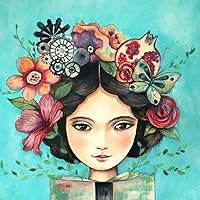
Book quote:
1-there ought to be one fairy for every boy and girl.
2-all the world is made of faith and trust and pixie dust.
3-dreams do come true, if only we wish hard enough.
1-there ought to be one fairy for every boy and girl.
2-all the world is made of faith and trust and pixie dust.
3-dreams do come true, if only we wish hard enough.
April 15, 2020
Peter and Wendy: 3 stars. This story had some enjoyable parts, but it was extremely problematic.
Peter Pan in Kensington Gardens: 1 star. This story was really boring and confusing.
Peter Pan in Kensington Gardens: 1 star. This story was really boring and confusing.
July 15, 2026
“…and so it will go on, so long as children are gay and innocent and heartless.”
I fight with all of Peter Pan & JM Barrie’s shortcomings; in its vile misrepresentation of indigenous peoples and its outdated gender politics, and I do so because there is so much else to mine from this story.
The tale of ‘Peter and Wendy’ is one of my earliest, and still surviving obsessions. Both as a piece of literature and as a work from a troubled and questionable man. Everyone knows the story; or at least the beats, thanks to the ever popular Disney animated film or the endless adulterated versions of the tale but it’s Barrie’s original work that is forever the most interesting.
It is as a work that is more for adults than children, though ironic given it’s children who find it the easiest to understand Peter’s magic. That is, it’s just magic. The narrator (and Barrie) explicate Peter and Neverland in endless detail to the reader, however, as to doctor them in remembering the importance of imagination and play.
It is a tale that, despite the allure of its premise; a boy who never grows up, is more about the necessity of growing older. After all, all children, except one, grow up. It’s the devilish Peter who is destined to be stuck in his ways of play and forgetfulness, always in glee, as he escaped the system that failed him, but not for want of being a part of it.
Peter wants a mother, but he doesn’t want to grow up because that would be to lose the innocence that attracts mothers to him. And it’s the adults who have grown up who want to return to the Neverland for the adventures that Peter has.
In that sense, it’s really a story of a boy with Oedipus complex who is unable to understand or process his or anyone else’s feelings; and in that sense, Barrie’s read on the psychology of children growing into adolescence (and really into adulthood as well) was ahead of its time & is as fascinating to unpack as ever.
Barrie essentially wrote Peter for those who do grow up. As a reminder that even as they grow older through the world as they see it, Peter will always be there waiting for them, when they need *him* to remind them how to use their imagination & find the Neverland again.
But as always, they will have to return & Peter will remain, with all his little teeth. And so it will go on…
I fight with all of Peter Pan & JM Barrie’s shortcomings; in its vile misrepresentation of indigenous peoples and its outdated gender politics, and I do so because there is so much else to mine from this story.
The tale of ‘Peter and Wendy’ is one of my earliest, and still surviving obsessions. Both as a piece of literature and as a work from a troubled and questionable man. Everyone knows the story; or at least the beats, thanks to the ever popular Disney animated film or the endless adulterated versions of the tale but it’s Barrie’s original work that is forever the most interesting.
It is as a work that is more for adults than children, though ironic given it’s children who find it the easiest to understand Peter’s magic. That is, it’s just magic. The narrator (and Barrie) explicate Peter and Neverland in endless detail to the reader, however, as to doctor them in remembering the importance of imagination and play.
It is a tale that, despite the allure of its premise; a boy who never grows up, is more about the necessity of growing older. After all, all children, except one, grow up. It’s the devilish Peter who is destined to be stuck in his ways of play and forgetfulness, always in glee, as he escaped the system that failed him, but not for want of being a part of it.
Peter wants a mother, but he doesn’t want to grow up because that would be to lose the innocence that attracts mothers to him. And it’s the adults who have grown up who want to return to the Neverland for the adventures that Peter has.
In that sense, it’s really a story of a boy with Oedipus complex who is unable to understand or process his or anyone else’s feelings; and in that sense, Barrie’s read on the psychology of children growing into adolescence (and really into adulthood as well) was ahead of its time & is as fascinating to unpack as ever.
Barrie essentially wrote Peter for those who do grow up. As a reminder that even as they grow older through the world as they see it, Peter will always be there waiting for them, when they need *him* to remind them how to use their imagination & find the Neverland again.
But as always, they will have to return & Peter will remain, with all his little teeth. And so it will go on…
Displaying 1 - 30 of 307 reviews