An unapologetic guide to the first year of motherhood, Enough About the Baby is a newborn book for women who recognize the necessity of self-care—even if sometimes the rest of the world does not.
Superheroes don’t have babies; real and imperfect non-superhumans do. When we come to terms with this, the result is a happier and less traumatizing start to motherhood. Becky Vieira, the mom behind the popular Instagram account @wittyotter, provides actionable advice for new parents on what to expect after pregnancy and how to successfully navigate the frustrations and challenges that come with having a baby. Vieira draws on her own experiences and interviews with moms and experts to get to the bottom of the toughest and most taboo topics—from managing nosey in-laws and an anxious partner to surviving the first postpartum poop and when to seek out treatment for postpartum depression. This book is filled with hacks, tips, and tricks that only the most seasoned—and enlightened—mom knows. (Ever hear of a condsicle, an ergonomic ice pack for a battered nether region?) Vieira reminds readers that motherhood shouldn’t be martyrdom, and a new mom who puts her needs first often isn’t selfish at all.
With its combination of practical advice and the signature humor that made Vieira a hit on Instagram, Enough About the Baby makes a perfect baby shower gift for first time moms.
Honestly, I had to stop reading this book by chapter 11. While it is informative and genuine, I found it to be overly negative. Yes the author and reviews cite that it doesn't give a "butterflies and rainbows" view of motherhood, because it feels more "doom and gloom" from how painful birth and breastfeeding will be, how relationships with your partner and friends will implode or end, and how your mental health is going to suffer. When I started reading this book, I had what I thought was a healthy level of confidence about my ability to be a mom and the inevitable changes that are going to occur. But over the past few days of reading, my confidence has waned and I'm feeling more fearful and worried than ever that my experience is going to be as awful as the author's and other moms who shared their stories in this book. I appreciate their honesty and vulnerability, and am saddened that they had such negative experiences. However, I would prefer to read a more balanced view of transition into motherhood right now.
Since babies can’t even read, I always appreciate maternity/parenting books that are of the opinion that, as the mother, we ARE the main character… at least in our own lives.
Seriously tho, I don’t know why society wants us to feel a sense of shame for embracing the simple fact that becoming a mother does not negate your existence as a woman.
Becoming a mother is a beautiful, bad-ass and undeniable part of your identity. That doesn’t mean it needs to be your entire identity. I said what I said.
SO… as far as baby/what-to-expect books go, I really appreciated this one. I appreciated the no-nonsense approach and practical tips and forewarnings. This book will make sure that you know that there is absolutely nothing wrong with you for feeling the way you feel even if no one talks about it.
I know the cover gives off the vibe that this book is for self-aggrandizing baddie moms who think children are just something to be tolerated… but tbh I actually expected *more* brutal honesty.
It certainly embraces the sentiment that motherhood and womanhood can coexist… but perhaps I just expected the prose to lean into that a *bit* more as opposed to taking on a “What-to-Expect” guide-like composition.
Nevertheless, I found much of this guide to be extremely beneficial to hear. Especially the beginning tips on what the actual birthing experience will be like and the bits on PPD/PPA. As with all of these types of books, not every page will pertain to you, but being armed with information never hurts.
If you are pregnant or thinking of trying to create a crotch-goblin of your very own, I highly recommend this one and There’s No Manual by Beth Newell and Jackie Ann Ruiz. Four Stars ⭐️⭐️⭐️⭐️ from me.
This is a hard one to rate. I found this book pretty validating and a good sanity check, however the author's experience was a lot different than mine. I feel like I moved through it slowly this year just bc it was kind of hard to read through things that you’re actively experiencing. Some things written about I find to be more daunting than what I experienced so that's kind of a disclaimer I’d give to new moms picking this up but a lot is on par. Overall it is a good read! It says it's a guide to survivng the first year, but I'd say it's more of a guide from survining the 3rd and 4th trimester. This was gifted to me by Mariah Cooke & I'm looking forward to passing this on to another new mom.
4.5. I knocked half a point because this book is basically useless to me as a mom of only 7 months, so the title is not accurate at all. I would say a better subtitle would've been: A Brutally Honest Guide to Surviving the First Three Months of Motherhood.
That being said- I wish I had been able to read this before I gave birth (stupid Hoopla never having it available when I wanted it). It's BRUTAL and it would've set me up to have an easier time for myself.
You know the Farmers commercial that goes "We know a thing or two, because we've seen a thing or two" that is this author when it comes to trauma around her postpartum experience. She alone is allowed to talk about brutally honest experiences because she actually experienced them. Also- do you need a hug??? I would need a hug dude.
*Not pregnant, not trying* - just actually trying to be informed so that when we do have kids, we don’t make it our entire personality LMAOOOOO. Book was informative and helpful!
I wish I would have read this before I had my baby! This book is very honest, straight forward, & doesn’t sugar coat motherhood. Having a baby is HARD & no one really prepared me for it before having her!
This book covers important topics such as PPD & PPA, how to ask for help, things to discuss with your partner, & the reality of having your body completely change after pushing a literal human out your vagina. Even after having a baby, it was nice to read this - it made me feel less alone in the postpartum madness I experienced. I recommend to anyone who plans on having children.
Hard book to rate as I think every persons journey to motherhood and post partum is different but I really appreciate her honest experience and wisdom. My favorite were the questions to consider to discuss with your partner during pregnancy to help the post partum experience.
Maybe it's because I've made it through the first year of motherhood, but this was not a book I would have wanted to listen to right after having my first or during my pregnancy. The author harps on the fact that so many people talk about having a "unicorn baby" and seems to just go the polar opposite regarding newborns. I think there was a better way to mention their experience with that of the unsolicited advice often received. This was in fact brutal, but I also feel for the author. I hope writing this was cathartic for them, however I would not recommend this book to mom's that are struggling through the first year. Maybe listen if you've had multiple children and you're not in the trenches. I would not say this book discussed surviving, but more so getting through by the skin of your teeth, which is not very encouraging during those sometimes rough newborn stages and first moments of bonding with your little one. I'm sorry if you read this and hurt from it. My heart very much goes out to the author.
This is a book I have thought about almost daily since I finished it. I wish I could thank the author because this book gave me peace of mind that I did the right thing reaching out to my doctor and getting on a medicine to help me through postpartum. Sometimes, for whatever reason, we need someone that's not a doctor or a close friend or family member to give us that piece of advice that opens our eyes or gives us reassurance and that is what this book did for me.
The author's goal with this book is to bring more awareness to postpartum depression and postpartum anxiety. She acknowledges that we are all "aware" of postpartum depression, but no one truly understands what it is unless they go through it, and even then, sometimes women don't realize they are going through it until it's almost too late (which was her scenario). She provides statistics and other information about postpartum depression that still isn't talked about among women and doctors. She shares her story from birth to after she finally got help. I am thankful to her for being so open and honest about her story because I experienced a lot of the same thoughts and feelings she had and that is what gave me the reassurance that I had gone through postpartum whether I realized it at the time or not and was wise for reaching out to my doctor early on.
I think every woman should read this book, pregnant or not, postpartum or not, has children or not. However, if I had read this book while I was pregnant I think it would have scared me instead of helped me. I think I read this book at the time I needed it. What's funny is, this book just randomly appeared to me on one of the many bookish email subscriptions I have sent to my inbox. I was 3 months postpartum and had been taking medication for about a month when I started this book. I think already being on track towards a clearer mind helped me be more receptive and reflect while reading.
I read this book from May-September. It took me so long to write a review because I really wanted to do the book and the author justice. I don't know if I did, but I hope this review and book will help the next woman that truly needs it. ❤️
Läksin Esimene aasta emana raamatut lugema ilma väga kindlate ootusteta. Beebiraamatuid on väga palju ja tihti kipuvad need olema kas väga tehnilised või natuke liiga õpetavad. Kuna olen hetkel rase, aga see ei ole mu esimene laps, sain seda raamatut hinnata ka oma varasema kogemuse põhjal. Ja ausalt öeldes nautisin selle lugemist väga.
Mulle meeldis, et raamat ei proovi esimest aastat beebiga kujutada ainult roosa uduna, aga samas ei muuda seda ka täielikuks õuduslooks (enamuselt). Pigem on see tasakaalus – räägitakse nii väsimusest, segadusest ja muredest kui ka nendest väikestest hetkedest, mis kogu kogemuse lõpuks väga eriliseks teevad (või mis ei tundu hetkel olulised, aga tagantjärele jäid kipitama).
Küll jah, mõned kogemuslood ja näited tundusid kohati üsna ekstreemsed (mis on samas arusaadav – just sellised lood jäävad meelde ja aitavad teemasid paremini avada). Samas käsitles raamat mitmeid olulisi teemasid, mida ma teistes sarnastes raamatutes väga kohanud ei ole.
Eriti väärtuslik oli minu jaoks see, kui palju räägiti ema enda eest hoolitsemisest ning vaimsest tervisest. Depressiooni ja emotsionaalse heaolu teemat käsitleti ausalt ja ilma liigse ilustamiseta, mis on minu arvates väga oluline, eriti esimesel aastal, kui kõik on uus ja intensiivne.
Kokkuvõttes oli see väga mõnus ja mõtlemapanev lugemine. Informatiivne, aus ja samas toetav. Selline raamat, mida soovitaksin nii esimest last ootavatele kui ka neile, kellel on juba varasem kogemus olemas.
I had to get this book from the actual library as it was unavailable on Libby and I didn’t get to read it during my pregnancy but boy I wish I did.
Becky is so honest and raw on the struggles of postpartum, which I find sooo many mothers do not talk about. In many other countries postpartum care is given right away to the mother & is just as important as the birth of the child. Moms are given much more help early on but in America that extra care is truly lacking. In my opinion postpartum is more difficult than pregnancy & childbirth, so why is it not spoken about as much?
The fact women’s postpartum health is not talked about more/we are not prepared is part of a very flawed women’s health care system. (The flaws were brought to my attention during pregnancy).
I was warned by a couple friends on some things that could occur; night sweats, hair loss, lots of bleeding & only one was very upfront early on but not until I was in postpartum did they all share the real deeper struggles that occurred with them, and that’s not even with any medical issues.
A light should be shone more on what really occurs in postpartum, not to scare us mothers but to better prepare us with tools to help guide us through. I’m so grateful for the new generation of mothers like Becky who are sharing their stories!!! Enough About The Baby is a must read for all moms to be.
This book felt like talking to the “just wait” women who have nothing uplifting to say for 300+ pages. I sincerely hope my experience isn’t this terrible and I hope my mind set is much more positive.
Also, most of the “useful” information and tips in her are pretty much common knowledge if you’ve ever talked to even 1 mother about her experience.
Obviously everyone’s experience is different, so I’m not criticizing her for sharing her story truthfully. Just a very hard read for someone who is very grateful to be experiencing pregnancy and looking forward to motherhood after a loss.
This book had some really good suggestions and thoughts about what motherhood. I enjoyed that she inserted real people stories, it was nice to get another insight. It’s hard to read these books because it’s only really projected as her experience. She did a pretty good job of sharing other experiences, but at times it did feel like the book just kind of dragged on. I know that there’s a lot of information that comes to motherhood, but she does say in the book that there is not one size that fits all. Overall, it was okay; especially someone who hasn’t given birth or have children, I did find it insightful, but I wouldn’t read it again.
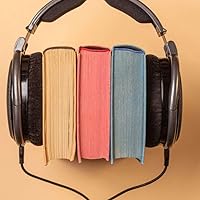
I would recommend this book as an audiobook, just for a casual listen that felt like talking to another new mom friend. I appreciated her authenticity.
She referenced that many don’t have a tribe or lots of people will abandon them when they become a mom, so it made me extra thankful for my wonderful tribe and support system. I’ve got the real deal.
This book does give the information that many don’t talk about. And although this is not my first pregnancy it was good to read it and realize how many mistakes I made my first post pregnancy mostly not giving myself enough grace. I would recommend to all moms who are pregnant!
Had high hopes for this but it was just alright. There were a few good gems here and there. I was hoping for a deeper dive into chapters 8, 9, and 10 but it was pretty surface level to me - the whole book was honestly.
I’m so glad I had a chance to read this before my twin girls are born this fall. I love Becky’s vulnerability and honesty throughout the book. This is a must read for all first time Moms! 😊
Real, raw, and needed information for new moms. It was a lot to process, knowing I was about to enter the hard newborn/postpartum phase, but I felt it was great preparation!!
You’ll notice mothers are often called superheroes, as if we’re a wonder to behold (we are). I actually believe society started calling us that because it was easier for everyone around us to sit back and let us carry the load while making it seem like they’re complimenting us—rather than actually stepping up to help us and taking anything off our plates.
Birth trauma is real and comes in many forms. You do experience some loss of control over your body during childbirth, and having knowledge of what is going on will help you to feel more comfortable.
Looking back now, it’s clear that a lot of my disappointment and sadness was likely due to hormones. Everything seemed to be a bigger challenge than it normally would have, my tears came quickly, and I wasn’t as open to reason or logic as I’d been a week before. Those hormone changes hit me, and they hit hard. Every woman is different, but for those who feel seemingly uncontrollable feelings, as I did, go easy on yourself. You’re not being dramatic or overreacting. Given everything your body and brain are going through, it’s no wonder a balloon could make you cry.
One thing that really took me by surprise was how much time would be spent breastfeeding. Not only the act itself, but also getting myself set up and situated, sometimes dreading and often crying over it.
It’s like learning how to swim by reading books and attending lectures, then practicing in your living room. You can’t lie on the floor, kick your legs, and stroke your arms, and suddenly declare that you now know how to swim. It doesn’t work like that. You need to actually immerse yourself in a body of water. You can prep all you want and call yourself a swimmer, but the bottom line is you’re not—until you jump into that water. The same goes for breastfeeding.
A newborn will grow into a baby who can be put on a schedule. Your battered body will heal. The awkwardness of holding or feeding your child will soon become second nature, and you’ll actually be able to sit down and enjoy an entire meal or binge-watch your favorite show. But now is not that time. Enjoy the parts you can, cry when you need to, and remind yourself that you just have to get through those early days. I promise you, what is waiting on the other side is so much better.
Yes, breastfeeding is great. And we need to tout the benefits and give women as much education as they need. But we also need to reinforce the idea that a baby needs a happy mom more than they need the benefits of breast milk. And that sometimes our mental health isn’t compatible with breastfeeding.
Eventually, your baby will start to sleep and adapt to a schedule, and you’ll carve out your new normal. But in those hard moments when that feels like an impossibility, just chant your new mantra: This is for now; this isn’t forever.
You will likely be wholly focused on your baby, which is completely natural. But you still have to prioritize yourself, at least somewhat. Go to a store alone, have your hair cut and styled, or even take one hour away from your baby to be by yourself and stare at the ceiling. Whatever feels like a break or refreshes you, big or small. It’s far too easy for moms to put themselves and their needs last, which isn’t healthy.
One approach that more and more moms have been sharing with me lately is women who work just to pay for childcare. What they earn is about equal to what they pay, but they want to work. They enjoy it, are passionate about their careers, and find themselves happier and more fulfilled—and therefore, in their case, a better parent—when they work.
Yes, the first year is harder than you could imagine and the lows are pretty far down there. But the highs are like nothing you can imagine.
Becoming a mom has been the best thing I’ve ever done. That’s not to say that it’s easy, though. Parenting is like an endless game of whack-a-mole: You knock down one especially challenging phase and three more pop up. The game never ends. You can’t play the game if you’re running on empty. You’ll have nothing to give anyone, including your child. And, trust me, your baby will need a lot. But guess what? So do you!
What I liked : the checklists and questionnaires to prepare for becoming a parent
What I didn't like : the constant negative tone when telling self reported experiences. Not all pregnancies and births are terrible. Most of the book terrified me unnecessarily. I didn't read the whole book for this reason. I tried to skim and find the actionable info
I’m not sure I have words for how much I loved and appreciated this book. There are so many books about there about parenting, getting through pregnancy, taking care of newborns, etc. Trust me, as a reader I’ve read a lot of them. But, what about mom? What about our recovery and transition to becoming moms? Sure you’ll find a chapter or two in some of these other books about postpartum recovery, but a whole book? I hadn’t found that yet, until this. Enough About the Baby was raw, real and an honest account of everything you probably didn’t think of about your recovery as a new mom. It’s a survival guide of sorts and so much of what I read resonated with me, from the physical recovery, mental well-being, adjusting with your partner, everything. I really wish I read this book while I was pregnant. There are lists at the back from real people that are useful for hospital packing, things to discuss with your partner before baby comes, resources on PPAD, and more. The true stories from other readers and the honesty from the author was genuine and extremely relatable.
At almost five months postpartum I found this book to be extremely enlightening and helpful. It also validated some of the decisions I made as a new mom, like choosing to formula feed, in order to protect my mental health and lessen the amount of anxiety I already suffer from. Yes, it’s hard to take care of our new baby, and our life revolves around our new little guy or gal, but we are important too. We can’t be a good mother unless we take care of ourselves and our wellbeing. Happy mom = happy baby.
If you’re pregnant or a new mom, treat yourself and buy this book. Then, have someone watch your little one while you get a pedicure and read it slowly so you can savor each and every word. If you know someone who is pregnant, I HIGHLY recommend getting them a copy of this book.