

What do you think?

Ким ми є? Національні спільноти та корінні народи України
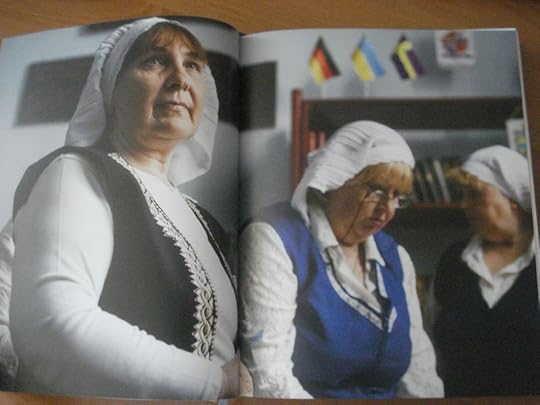
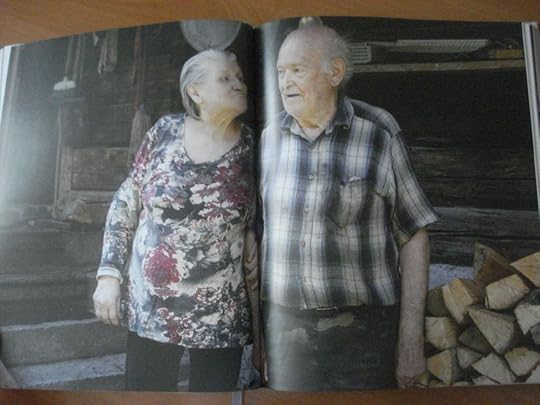
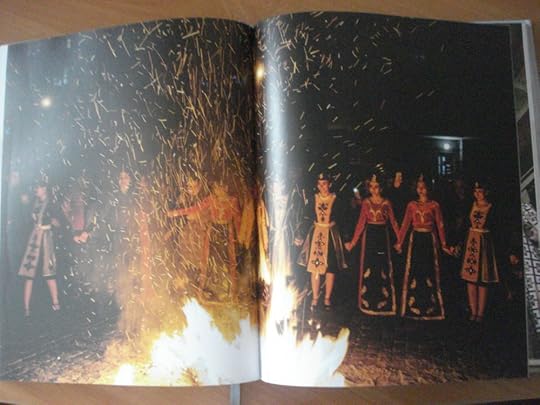
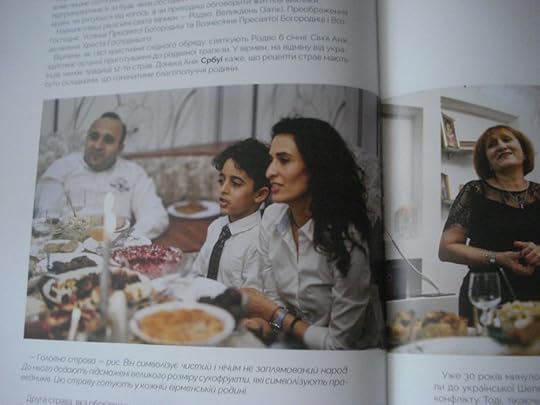
Книга «Ким ми є? Національні спільноти та корінні народи України» розповідає читачам пізнавальні історії про життя, часом трагічні причини міграцій, побут та культуру, ремесла та мистецтво, цікаві ініціативи представників різних національних спільнот та корінних народів України. Матеріал для видання команда Ukraїner збирала протягом кількох останніх років, дослідивши понад 30 національних спільнот, що мешкають на території України. Серед них: гагаузи, приазовські греки, австрійці, роми, євреї, чехи, кубинці, нігерійці та інші, а також корінні народи України: українці, кримські татари, кримчаки та караїми. Книга матиме назву «Ким ми є?» і саме на це запитання Ukrainer спробує пошукати відповіді на її сторінках.
- GenresNonfictionUkraine
672 pages, Hardcover
Published January 1, 2022
About the author
Богдан Логвиненко
17 books93 followersAuthor also writes under Bogdan Logvynenko
Український журналіст, телеведучий, редактор, громадський діяч.
2005-2010 – засновник медіа про культуру "Сумно?", менеджер гурту "Мертвий Півень", журналіст у таких медіа: "Газета по-українськи", "1+1", "XXL", "Книжковий клуб", "Телекритика", "Кореспондент", "Новинар", ведучий "Першого національного".
У 2009 організовував фестиваль "Антонич-фест" на честь українського поета Богдана-Ігоря Антонича. Того ж року вийшла книга казок з довгою назвою “Богдан Логвиненко про Нестора Махна, Шарля де Ґолля, Олеся Бердника, Джохара Дудаєва, Романа Шухевича” у видавництві “Грані-Т”.
З 2010 до 2015 – організатор концертів та засновник агенції NaturalEast, що займалась експортом української музики до країн ЄС та турами експериментальних виконавців з країн ЄС в Україні.
В цей час Богдан здійснює декілька великих подорожей автостопом і стає відомим як тревел-блогер. Одна з подорожей – довкола Чорного моря, інша – довкола Балтійського. З 2010 року починає жити у Польщі, а з 2013 – у Південно-Східній Азії, повертається до України у 2015-му.
Станом на грудень 2015 року перебуває в Україні, робить виступи про сучасну журналістику і досвіди подорожей, готує до друку книгу історій з мандрів, веде проект «Перехожі з Богданом Логвиненком» на сайті «Українська Правда: Життя», пише для The Insider та інших видань, планує туристичні маршрути.
Квітень 2016 — початок презентації книги «Saint Porno», що видав Книжковий клуб «Клуб сімейного дозвілля» до шостого Книжкового арсеналу та тур містами України та Європи.
Починаючи з липня 2016 Богдан організовує команду для роботи над спільнотою Ukraїner, що згодом стає видавцем та починає видавати краєзнавчі, історичні та пізнавальні книжки про Україну.
Український журналіст, телеведучий, редактор, громадський діяч.
2005-2010 – засновник медіа про культуру "Сумно?", менеджер гурту "Мертвий Півень", журналіст у таких медіа: "Газета по-українськи", "1+1", "XXL", "Книжковий клуб", "Телекритика", "Кореспондент", "Новинар", ведучий "Першого національного".
У 2009 організовував фестиваль "Антонич-фест" на честь українського поета Богдана-Ігоря Антонича. Того ж року вийшла книга казок з довгою назвою “Богдан Логвиненко про Нестора Махна, Шарля де Ґолля, Олеся Бердника, Джохара Дудаєва, Романа Шухевича” у видавництві “Грані-Т”.
З 2010 до 2015 – організатор концертів та засновник агенції NaturalEast, що займалась експортом української музики до країн ЄС та турами експериментальних виконавців з країн ЄС в Україні.
В цей час Богдан здійснює декілька великих подорожей автостопом і стає відомим як тревел-блогер. Одна з подорожей – довкола Чорного моря, інша – довкола Балтійського. З 2010 року починає жити у Польщі, а з 2013 – у Південно-Східній Азії, повертається до України у 2015-му.
Станом на грудень 2015 року перебуває в Україні, робить виступи про сучасну журналістику і досвіди подорожей, готує до друку книгу історій з мандрів, веде проект «Перехожі з Богданом Логвиненком» на сайті «Українська Правда: Життя», пише для The Insider та інших видань, планує туристичні маршрути.
Квітень 2016 — початок презентації книги «Saint Porno», що видав Книжковий клуб «Клуб сімейного дозвілля» до шостого Книжкового арсеналу та тур містами України та Європи.
Починаючи з липня 2016 Богдан організовує команду для роботи над спільнотою Ukraїner, що згодом стає видавцем та починає видавати краєзнавчі, історичні та пізнавальні книжки про Україну.
Ratings & Reviews
Friends & Following
Create a free account to discover what your friends think of this book!
Community Reviews
Displaying 1 - 3 of 3 reviews

June 9, 2023
Beautiful and very important book. I am very happy that I have it on my bookshelves! (I actually believe that EVERY Ukrainian family should have it at home, but well, the price…) It can also make AN AWESOME bookish/patriotic gift.
I have some regrets/remarks about the design, but they are relatively minor in comparison to everything else, and I am now a fan of “Ukraїner” and thinking about buying other books of theirs (but well, the price again…).
It’s a short (yeah, really short, despite its huge size and volume) overview of the key ethnic groups living in Ukraine. Reading about them was simultaneously a great introduction to the lives of other nationalities and (re)discovering true (diverse and incredibly interesting) Ukraine for ourselves.
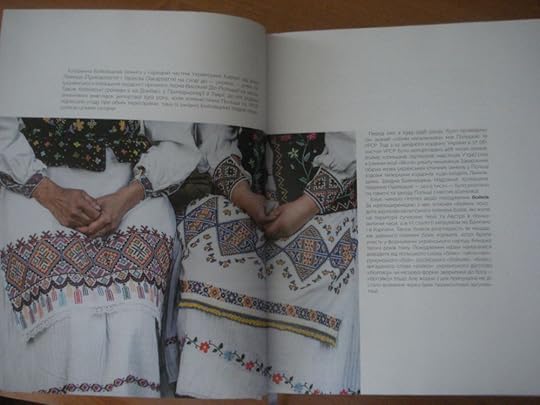
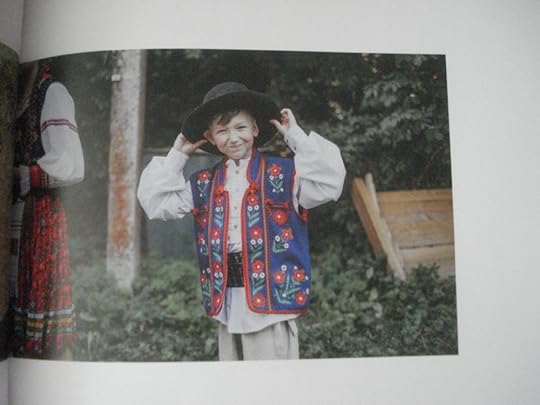
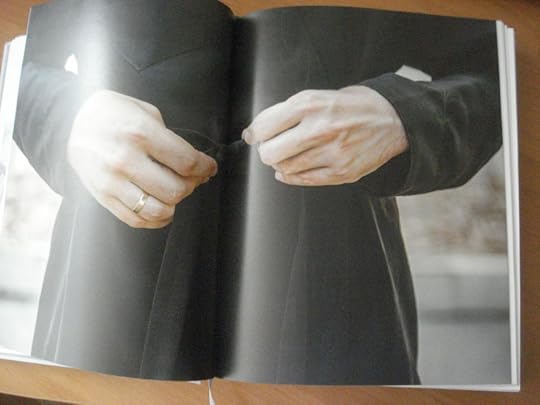
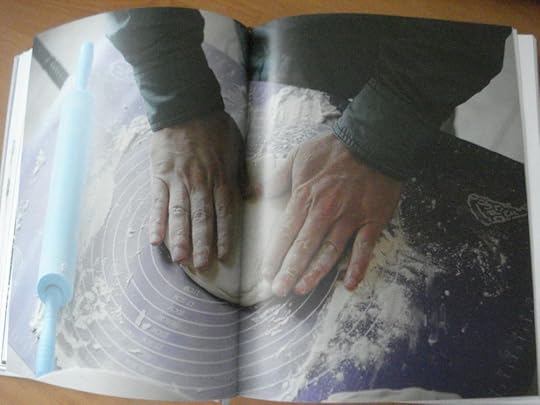
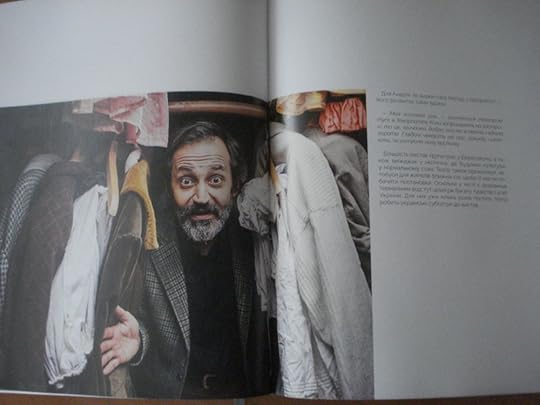
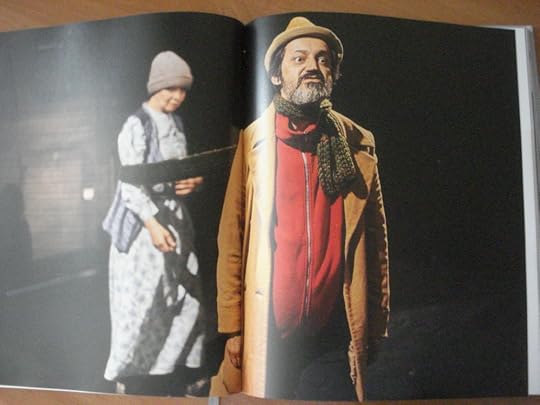
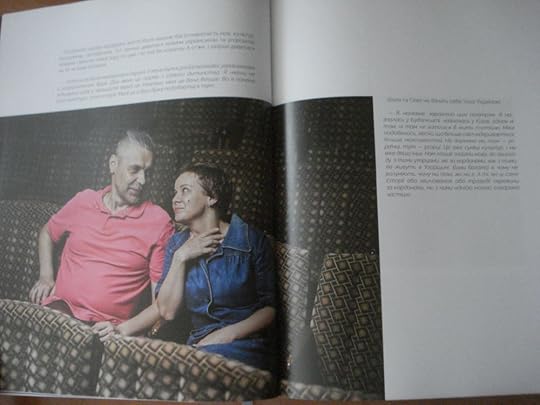
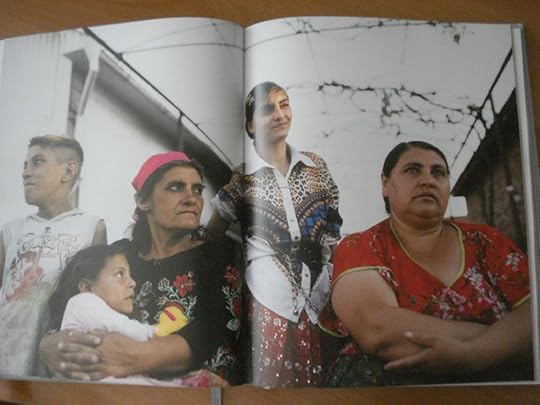
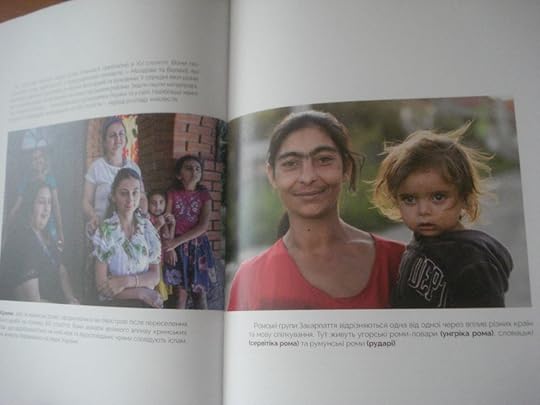
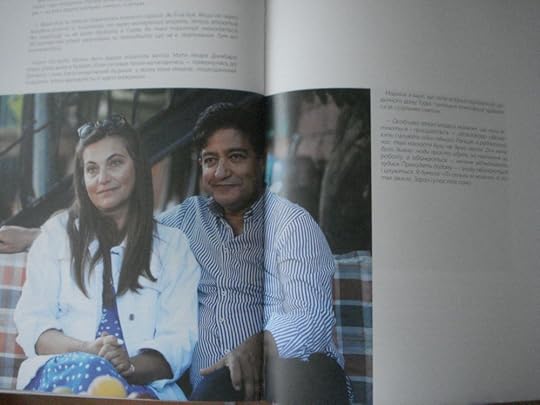
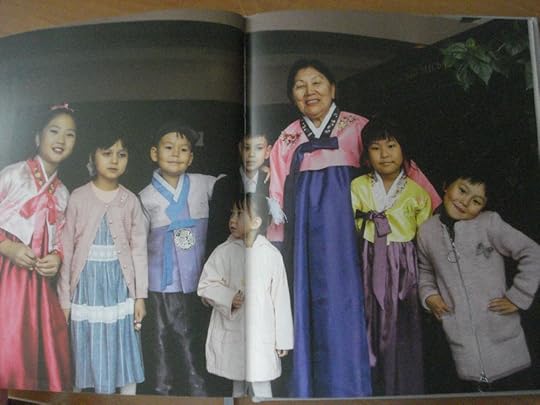
The book is half-photo album and half-reportage. Every page contains large photographs, and sometimes no or very little text. Some photographs are pure art, and some are a more or less sincere representation of the everyday life and current condition of the respective communities. The text is also a mixture of everything: some history, some personal stories, some ethnography, some educational material, some painful problems and concerns. It’s not much (as I said, it’s a short overview, containing the most basic information about many ethnic communities), and it often feels superficial, especially when you already know quite a lot about some nation and their “problems and concerns” (like Jews, for example); on the other hand, you are constantly in awe about all the non-Ukrainian people you meet here, because you honestly never even heard about many of them.
Yeah, “surprising” is the most accurate characteristic of this book for me. I never knew that there are so many other nations living in Ukraine. Well, I assumed that, naturally, there should be many people of non-Ukrainian origin in our country but I never suspected that there are so many of them living together, in compact national communities (whole villages and territorial areas!), with their own cultures and very different historical roots. Albanians, Bulgarians, Austrians, Swedes, Greeks, and so on. I have never heard even the names of some of the ethnicities described in the book, and I definitely had no idea how most of all these non-Ukrainians live in their communities. Some of them are really small (hundreds or thousands of people) but some are huge (did you know that there are about 200,000 Bulgarians living in Ukraine? it’s crazy! it’s like a small country inside our country, and we generally have no idea what these people are).
The book is also thought-provoking in the sense that it is obvious that all these people are living in Ukraine voluntarily and call it their home because they really feel so, even if most of them are not native peoples of this land and actually have their own countries where they probably could live more prosperously and comfortably (like Bulgaria, Hungary, etc.). I tried to imagine such a book in Russia, and it is clear to me that most of the “ethnic groups” described there would be the native people of their land which was occupied by Russia, called “Russian,” and exploited by Russians. In Russia, all these native people do not feel “at home” now and cannot even sustain/develop their own cultures and languages. And they have nowhere to go, because there is no other country for them. This is their only land where they have lived since ancient times, and it was stolen from them by Russians. In Ukraine, everything is totally different! Most of non-Ukraninan ethnic communities were formed due to some historical calamities or natural movements of people between lands (you would be amazed by how many of them were deported by Russians/Soviets or moved to Ukraine fleeing some persecution by Russians/Soviets), but even if some of them lived here from ancient times, they are still not “native” here in most cases. So they live here with respect to Ukrainians and with gratitude to their Ukrainian home, trying to do their best both in preserving their own cultures and being good Ukrainian citizens. It’s never a case of “colonization” or something like this.
By the way, when I saw “Russians” in the list, I was intrigued: how this book will show the Russian “national community”? Well, they used the most improbable approach, taking a small and, I would say, pretty “marginal” community of “Old Believers” (“староверы”) who left Russia even before the 1917 revolution fleeing persecution and somehow managed to preserve some remnants of their authentic culture to these days. Yeah, not very representative of the “Russian community in Ukraine” (we all imagine something very different hearing these words, right?) although still pretty interesting. Anyway, I think that this “inadequacy” was deliberately chosen for Russians only and never applied to other national communities, which should be much more representative of their nationalities.
I felt that I needed much more information about some of them, especially the most “problematic” ones (for example, about Ukrainian Hungarians), but this book is just a short and friendly introduction rather than a deep immersion into other peoples’ cultures and problems. It’s very delicate and concentrates on positive things, especially how these people maintain their own cultures and simultaneously love and appreciate Ukraine as their home. So, despite the superficiality of such an approach, we all need this positive attitude today, and the book leaves only good impressions. Still, it’s pretty serious sometimes, and talks about quite sad and grave matters regarding the history or today’s concerns of these nations (especially Crimean Tatars, Belorussians, etc.). I liked that there are many individual people represented on the pages of the book, with their names, faces, and personal stories, so you can see how the history of their nation is reflected in the life of a particular person or family.
When you read or look at the pictures slowly, one by one, you always feel some “deficiency”: you want to know more about these people and you expected probably more striking/entertaining photographs. However, gradually, page after page, the book fills you with beauty and calm dignity. I liked looking at the faces of all these people and listening to their quiet stories.
I have some regrets/remarks about the design, but they are relatively minor in comparison to everything else, and I am now a fan of “Ukraїner” and thinking about buying other books of theirs (but well, the price again…).
It’s a short (yeah, really short, despite its huge size and volume) overview of the key ethnic groups living in Ukraine. Reading about them was simultaneously a great introduction to the lives of other nationalities and (re)discovering true (diverse and incredibly interesting) Ukraine for ourselves.
The book is half-photo album and half-reportage. Every page contains large photographs, and sometimes no or very little text. Some photographs are pure art, and some are a more or less sincere representation of the everyday life and current condition of the respective communities. The text is also a mixture of everything: some history, some personal stories, some ethnography, some educational material, some painful problems and concerns. It’s not much (as I said, it’s a short overview, containing the most basic information about many ethnic communities), and it often feels superficial, especially when you already know quite a lot about some nation and their “problems and concerns” (like Jews, for example); on the other hand, you are constantly in awe about all the non-Ukrainian people you meet here, because you honestly never even heard about many of them.
Yeah, “surprising” is the most accurate characteristic of this book for me. I never knew that there are so many other nations living in Ukraine. Well, I assumed that, naturally, there should be many people of non-Ukrainian origin in our country but I never suspected that there are so many of them living together, in compact national communities (whole villages and territorial areas!), with their own cultures and very different historical roots. Albanians, Bulgarians, Austrians, Swedes, Greeks, and so on. I have never heard even the names of some of the ethnicities described in the book, and I definitely had no idea how most of all these non-Ukrainians live in their communities. Some of them are really small (hundreds or thousands of people) but some are huge (did you know that there are about 200,000 Bulgarians living in Ukraine? it’s crazy! it’s like a small country inside our country, and we generally have no idea what these people are).
The book is also thought-provoking in the sense that it is obvious that all these people are living in Ukraine voluntarily and call it their home because they really feel so, even if most of them are not native peoples of this land and actually have their own countries where they probably could live more prosperously and comfortably (like Bulgaria, Hungary, etc.). I tried to imagine such a book in Russia, and it is clear to me that most of the “ethnic groups” described there would be the native people of their land which was occupied by Russia, called “Russian,” and exploited by Russians. In Russia, all these native people do not feel “at home” now and cannot even sustain/develop their own cultures and languages. And they have nowhere to go, because there is no other country for them. This is their only land where they have lived since ancient times, and it was stolen from them by Russians. In Ukraine, everything is totally different! Most of non-Ukraninan ethnic communities were formed due to some historical calamities or natural movements of people between lands (you would be amazed by how many of them were deported by Russians/Soviets or moved to Ukraine fleeing some persecution by Russians/Soviets), but even if some of them lived here from ancient times, they are still not “native” here in most cases. So they live here with respect to Ukrainians and with gratitude to their Ukrainian home, trying to do their best both in preserving their own cultures and being good Ukrainian citizens. It’s never a case of “colonization” or something like this.
By the way, when I saw “Russians” in the list, I was intrigued: how this book will show the Russian “national community”? Well, they used the most improbable approach, taking a small and, I would say, pretty “marginal” community of “Old Believers” (“староверы”) who left Russia even before the 1917 revolution fleeing persecution and somehow managed to preserve some remnants of their authentic culture to these days. Yeah, not very representative of the “Russian community in Ukraine” (we all imagine something very different hearing these words, right?) although still pretty interesting. Anyway, I think that this “inadequacy” was deliberately chosen for Russians only and never applied to other national communities, which should be much more representative of their nationalities.
I felt that I needed much more information about some of them, especially the most “problematic” ones (for example, about Ukrainian Hungarians), but this book is just a short and friendly introduction rather than a deep immersion into other peoples’ cultures and problems. It’s very delicate and concentrates on positive things, especially how these people maintain their own cultures and simultaneously love and appreciate Ukraine as their home. So, despite the superficiality of such an approach, we all need this positive attitude today, and the book leaves only good impressions. Still, it’s pretty serious sometimes, and talks about quite sad and grave matters regarding the history or today’s concerns of these nations (especially Crimean Tatars, Belorussians, etc.). I liked that there are many individual people represented on the pages of the book, with their names, faces, and personal stories, so you can see how the history of their nation is reflected in the life of a particular person or family.
When you read or look at the pictures slowly, one by one, you always feel some “deficiency”: you want to know more about these people and you expected probably more striking/entertaining photographs. However, gradually, page after page, the book fills you with beauty and calm dignity. I liked looking at the faces of all these people and listening to their quiet stories.

September 2, 2022
Обрані фрагменти буття спільнот
Особисті історії вплетені в контекст
Насолода багатоманіттям культурних взаємодій
Бажання спробувати, відвідати, поспілкуватися
Шрами від росіян
Особисті історії вплетені в контекст
Насолода багатоманіттям культурних взаємодій
Бажання спробувати, відвідати, поспілкуватися
Шрами від росіян
December 7, 2023
Об'ємна та важлива праця, яка допоможе зрозуміти, хто ми є, себто — хто живе в Україні, які народи знайшли прихистку в нашій країні, хто живе тут давно, від діда-прадіда, а хто лишень нещодавно обрав Україну, як свою домівку.
Зокрема тут ви дізнаєтеся про: українців (гуцули, лемки, бойки), кримських татар, караїмів, кримчаків, греків Приазов'я, шведів, литовців, білорусів, росіян, поляків, чехів, румунів, словаків, австрійців, німців, волохів, вірменів, угорців, євреїв, албанців, болгарів, ромів, гагаузів, турків-месхетинців, грузинів, в'єтнамців, сирійців, кубинців, азербайджанців, корейців, нігерійців та індійців.
Якщо деякі спільноти та народи були для мене звичними, про які я знала, то ось, наприклад, караїми, волохи, албанці, кубинці та корейці — для мене були відкриттям!
Подекуди було важко й боляче читати, бо книжка складається із матеріалів, які збирали до повномасштабного вторгнення, мені було важко уявити, точніше, я навіть не хотіла це уявляти, як тим людям було в Харкові, Києві, Маріуполя 💔, чи в інших містах, де були і де є бойові дії та численні обстріли, окупація, особливо тим, хто втікав уже від війни в своїй рідній країні, зокрема — сирійці та грузини.
Вважаю, що цю книжку потрібно мати в кожному домі, щоб знати — так, ми буваємо дуже різними, але ми живемо на одній землі, в Україні, і ми маємо поважати її закони, ми маємо їх дотримуватися, а також — поважати кожну людину, яка тут живе, не залежно від кольору шкіри чи віросповідання.
P.S. подекуди я була шокована, але здебільшого мене не шокувало те, що більшість народів, які проживають в Україні, потерпали від тих самих злочинів, що й українці — страти, депортація, переселення, арешти… Здебільшого ці злочини були від срср і московської влади.
Зокрема тут ви дізнаєтеся про: українців (гуцули, лемки, бойки), кримських татар, караїмів, кримчаків, греків Приазов'я, шведів, литовців, білорусів, росіян, поляків, чехів, румунів, словаків, австрійців, німців, волохів, вірменів, угорців, євреїв, албанців, болгарів, ромів, гагаузів, турків-месхетинців, грузинів, в'єтнамців, сирійців, кубинців, азербайджанців, корейців, нігерійців та індійців.
Якщо деякі спільноти та народи були для мене звичними, про які я знала, то ось, наприклад, караїми, волохи, албанці, кубинці та корейці — для мене були відкриттям!
Подекуди було важко й боляче читати, бо книжка складається із матеріалів, які збирали до повномасштабного вторгнення, мені було важко уявити, точніше, я навіть не хотіла це уявляти, як тим людям було в Харкові, Києві, Маріуполя 💔, чи в інших містах, де були і де є бойові дії та численні обстріли, окупація, особливо тим, хто втікав уже від війни в своїй рідній країні, зокрема — сирійці та грузини.
Вважаю, що цю книжку потрібно мати в кожному домі, щоб знати — так, ми буваємо дуже різними, але ми живемо на одній землі, в Україні, і ми маємо поважати її закони, ми маємо їх дотримуватися, а також — поважати кожну людину, яка тут живе, не залежно від кольору шкіри чи віросповідання.
P.S. подекуди я була шокована, але здебільшого мене не шокувало те, що більшість народів, які проживають в Україні, потерпали від тих самих злочинів, що й українці — страти, депортація, переселення, арешти… Здебільшого ці злочини були від срср і московської влади.
Displaying 1 - 3 of 3 reviews