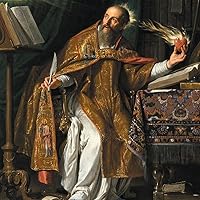
In this centuries old biblical text, Solomon tells of his search for wisdom. He addresses the rulers of the earth, urging them to love righteousness and seek wisdom. In it he explains that the wicked people believe that all is mere chance and that they should enjoy each day unconcerned, but they are deluded.
Die Weisheit Salomos: Was, wenn heilige Schrift unbequem wird? Die protestantischen Apokryphen, Teil 2 von 11.
Inhalt: Das Buch der Weisheit ist eine Mahnpredigt an die Juden, dass sie Weisheit erlangen sollen, um am Tage des Herrn (Apokalypse) ewiges Leben zu erhalten. Grob lässt sich der Text aufteilen in folgendes Schema: - apokalyptische Rede an die Juden - der Gott Israels als Herr der Geschichte - Loblied Salomos - Götzenpolemik - der Gott Israels als Herr der Geschichte (Teil 2) Diese Textabschnitte sind, abgesehen vom Salomo-Einwurf, nicht so klar voneinander zu unterscheiden wie es sich liest. Passagen wiederholen sich und es werden konstant Rückbezüge zu vorherigen Aussagen getroffen.
Zum Buch und dessen Entstehung: Dies Buch hat mit größter Sicherheit nicht König Salomo geschrieben. In diesem Falle wäre es nämlich um etwa 1000 v. Chr. verfasst, also zu einer Zeit, in der es noch nicht mal die Vorstellung vom Reich der Toten gab, das hier aber von entscheidender Bedeutung ist. Stattdessen finden wir in diesem Text hellenistische Ideen, genauer gesagt die platonische Vorstellung der Unsterblichkeit der Seele, vor, was den Text auf mindestens 300 v.Chr. datiert. Des Weiteren finden sich Ideen, die erst kurz vor der Zeitenwende theologischen Gebrauch gefunden haben: - die nahe Endzeiterwartung - die Vorstellung Gottes in drei unterschiedlichen Erscheinungsformen (hier Übrigens als Schöpfer, als Geist Gottes und die Weisheit) - Auferstehung der Toten - doppelter Ausgang nach dem Tod: Strafe für die Ungerechten, Paradies für Gerechte - Sonderstellung von sogenannten "Verschnittenen" in den Augen Gottes Gerade der letzte Punkt ist hoch spannend, weil auch Jesus die Verschnittenen in seiner Verkündigung auf ähnliche Weise aufgriff. Es ist für mich nicht nachvollziehbar, ob die Weisheit Salomos vor oder nach der Zeitenwende verfasst wurde. Klar ist nur, dass sie vor den Paulus-Briefen (etwa 50 n. Chr.) verfasst wurden, da Paulus auf die Weisheit Salomos Bezug nimmt.
Stellung im Kanon: Das Buch der Weisheit ist zwar eine jüdische Schrift, sie findet aber im rabbinischen Judentum keine Rezeption. In der römisch-katholischen sowie der griechisch-orthodoxen Kirche ist das Buch Teil des biblischen Kanons. Und hier tut sich die Frage auf: Warum hat Luther dieses Buch gestrichen? Die Antwort dürfte mehr enthalten als Luther's Verweis auf die masoretische Tradition, denn dieses Buch steht im krassen Widerspruch zu Luther's Heilsverständnis. Luther war davon überzeugt, dass der Glaube alleine den Menschen vor Gott rechtfertigt. Deshalb war er auch dem Jakobusbrief im Neuen Testament abgeneigt, da dieser aussagt: Ein Glaube ohne Werke ist tot. Wozu Luther nicht imstande war, ist Errettung und Gerechtigkeit dialektisch aufzufassen; die beiden hebeln sich aus und erhalten einander. Mit diesem Kontext wirft das Buch der Weisheit eine wichtige Frage auf: Was, wenn mir heilige Schrift nicht zusagt? Ich war einmal in einer Bibelstunde und da wurde ein Gleichnis Jesu besprochen und ich habe ehrlich gesagt "Jesus klingt hier wirklich asozial", worauf eine eifrigere Gesprächspartnerin meinte "aber es steht in der Bibel, es muss dir ja nicht gefallen was Gott sagt". Ich antwortete darauf mit "ich muss es auch nicht glauben". Ich will darauf hinaus, dass ich Luther durchaus nachvollziehen kann, ich würde eher ungerne heutigen Christo-Nationalismus in meiner Bibel vorfinden. Gleichzeitig geht es nicht um ein Wunschkonzert, das Heilige ist gerade dadurch heilig, dass es sich mir entzieht. Das ist eine Spannung, die nicht auf einfache Art gelöst werden kann und die ich mir an dieser Stelle nicht anmaße.
Sitz im Leben: Der Text spricht die jüdische Hoffnung an, dass der Tag Gottes kommen wird und die ungerechten Herrscher dieser Welt bestraft werden. Das ergibt Sinn, war das Gebiet Israels zu diesem Zeitpunkt gut 500 Jahre in Fremdherrschaft und die Juden waren über die Welt verstreut. Was die Lektüre besonders macht, ist, dass die Hoffnung nicht auf einen Messias gesetzt wird, sondern auf Gott und den Geist der Weisheit. Es liest sich wie die Apokalypse des Johannes, aber ohne Jesus; oder sagen wir, es schließt an die Tradition des Buches Joel an und erzeugt eine Brücke zwischen alttestamentlicher und neutestamentlicher Theologie, die gerade in dieser Spannung eine empfehlenswerte Lektüre darstellt.
Zur Fassung: Ich habe die 2017er Luther Übersetzung der deutschen Bibelgesellschaft verwendet. In Kapitel 12,11 habe ich einen Übersetzungsfehler ausfindig machen können, trotz meiner miserablen alt-griechisch Kenntnisse. Nur so als nette Erinnerung, dass Übersetzungen zwangsweise fehlerhaft sind und jede Interpretation derer mit Vorsicht zu genießen sind.
Wisdom 1-5 deals with the gift of immortality—a major breakthrough in Jewish thought.
…the righteous live for ever, And in the Lord is their reward, And the care for them with the Most High. Wisdom 5:15
…crooked thoughts separate from God… wisdom will not enter into a soul that deviseth evil, Nor dwell in a body that is held in pledge by sin. Wisdom 1:3-4
But with her there came to me all good things together, And in her hands innumerable riches: And I rejoiced over them all because wisdom leadeth them; Though I knew not that she was the mother of them. Wisdom 7:11-12
Her I loved and sought out from my youth, And I sought to take her for my bride, And I became enamoured of her beauty. Wisdom 8:2
And if a man loveth righteousness, The fruits of wisdom's labour are virtues, For she teacheth soberness and understanding, righteousness and courage; And there is nothing in life for men more profitable than these. Wisdom 8:7
…by what things a man sinneth, by these he is punished. Wisdom 11:16
While not actually written by King Solomon, but by a Greek Jewish author from around 50 BC, this book of wisdom personifies divine perfection of knowledge through the Spirit of God (which I understand is the Holy Spirit).
I was pretty surprised about how much I appreciated this deutero-cannonical text. Wisdom here relates very much to how to maintain righteousness as a leader (and how true authority comes from God).
I liked quite a few verses: "No secret word is without result, and a lying mouth destroys the soul (Exhortstion to Uprightness)", "understanding is gray hair for anyone, and a blameless life is ripe of age (On Childlessness)" .
I also note that Wisdom is characterised in a feminine manner, and by traits of discernment and guidance: "Send her forth from the holy heavens, and from the throne of your glory send her (Prayer for Wisdom)", and "Wisdom protected the first-formed father of the world, when he alone had veen created; she delivered him from his transgression and gave him strength to rule all things (The Work of Wisdom)".
The Wisdom of Solomon certainly stands out as one of The Apocrypha’s shining stars. The Wisdom of Solomon was hotly debated by the ancient church fathers on whether or not it should be included in the Sacred Cannon. It obviously didn’t make the cut since it is considered Pseudepigrapha (a false work claiming to be penned by a famous historical figure). Scholars like to attribute this work to Philo, a Hellenistic-Alexandrian Jew of great notoriety. He has written many books and was considered one of the wisest and learned Jewish scholars since the prophets.
I really enjoyed the first 10 chapters of this short book and I can see myself revisiting it as it does contain sound teaching. However, it does not hold a candle to The Bible’s Proverbs (actually penned by Solomon). I can see why it was a topic of debate on whether or not to include it in Scripture. Definitely worth the read if you are a Bible geek, otherwise stick with Proverbs for knowledge and understanding.
“The fear of the Lord is the beginning of knowledge, but fools despise wisdom and instruction.” Proverbs 1:7 NIV
Similar to the book of Proverbs in the canonical Bible.
There is interesting links and references to previous biblical stories such as Cain, Noah, Moses - and the in depth analysis of the significance of each stage of the Israelites journey from Egypt to the promised land and the significance of Mana and quail really gets you thinking.
Again, emphasises, right so, the importance of wisdom. Her beauty and value.
Just the authorship being doubtful as the writer indirectly claims to be King Solomon whereas it is said that this book is written less than a hundred years before Christ coming to earth.
Felt like great advice from a good friend, If you’re looking for a book dwelling on the beauty and utility of wisdom this would be a great book to read. The end quote is beautiful: “For in all things, O Lord, thou didst magnify thy people, and glorify them, neither didst thou lightly regard them: but didst assist them in every time and place." (19:22)
Im fascinated by this book, there’s a preface that says it was written by an anonymous Jewish author originally in Greek, but claims to be the wisdom of Solomon, but also says it draws from Jewish wisdom and Greek philosophy
Pues no conocía nada de este libro más del nombre y grata sorpresa, tiene buena teología dentro y da mucha luz a típicos problemas. La parte de critica de la idolatría algo más aburrida.